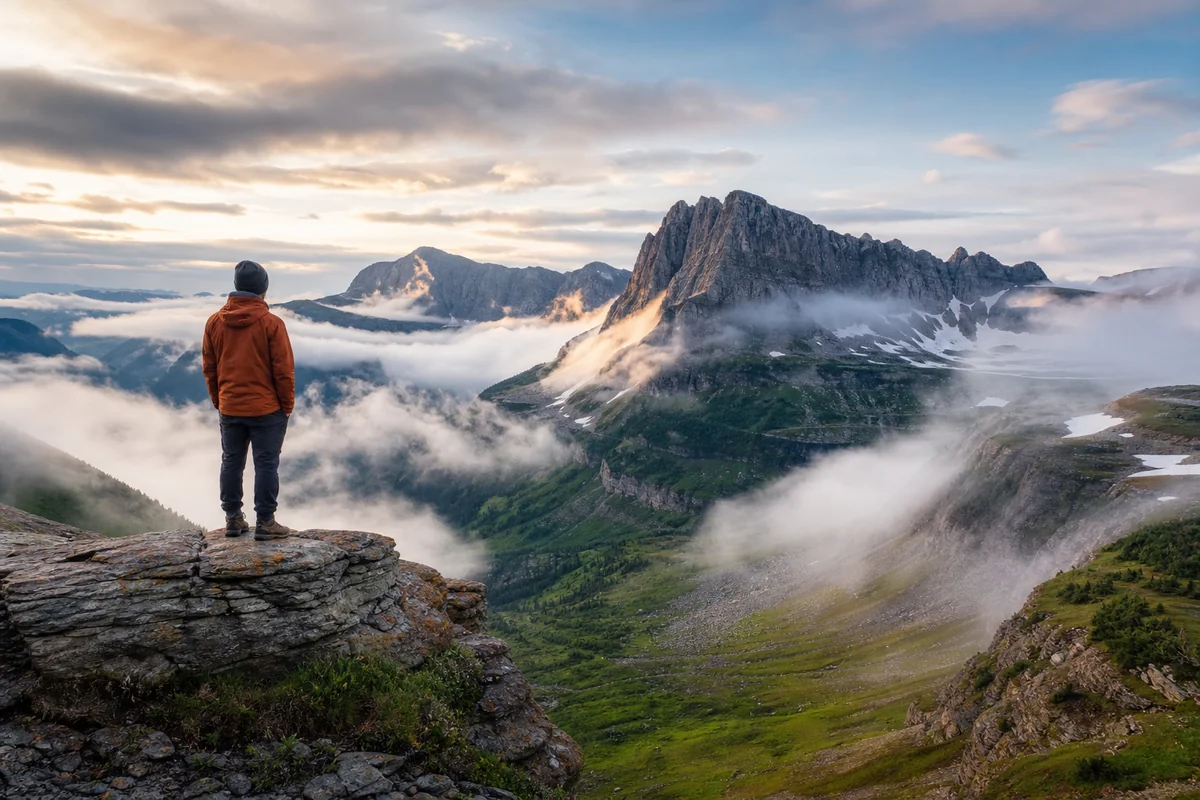
Standing at the edge of Logan Pass on a foggy July morning, I watched the clouds part like a theater curtain to reveal the Garden Wall—and I forgot to breathe.
That single moment, after driving six hours from Bozeman in the dark, reminded me why I’ve spent the past eight years chasing Montana’s most spectacular viewpoints.
The Big Sky State doesn’t just offer pretty scenery; it delivers the kind of views that fundamentally change how you see the world.
- 15 tested viewpoints across Montana, from iconic spots to hidden gems locals guard jealously
- Best viewing times, parking realities, and crowd-avoidance strategies for each location
- Mix of easy roadside pullouts and moderate hikes for all fitness levels
- Seasonal recommendations—some views are only accessible 3-4 months per year
- Specific GPS coordinates and practical tips you won’t find in generic guides
Liked this article?
Add Roaming Montana as a preferred source so you see more of our articles and guides on Google.
What Makes Montana Views Different
I’ve photographed landscapes across 38 states, and Montana consistently delivers something the others can’t replicate: scale without obstruction.
There are no billboards cluttering the sightlines, minimal light pollution corrupting the night sky, and vast stretches where the only evidence of humanity is the road beneath your tires.
The state spans dramatically different ecosystems—from the jagged peaks of the Northern Rockies to the rolling golden prairie of the eastern plains. This means you can experience alpine glacial lakes in the morning and endless grassland horizons by afternoon.
During my most recent summer trip, I covered 1,847 miles specifically seeking out viewpoints, and I’m sharing the 15 that genuinely stopped me in my tracks. These aren’t just “pretty spots”—they’re the views that made me pull over, get out of the car, and stand there in silence.
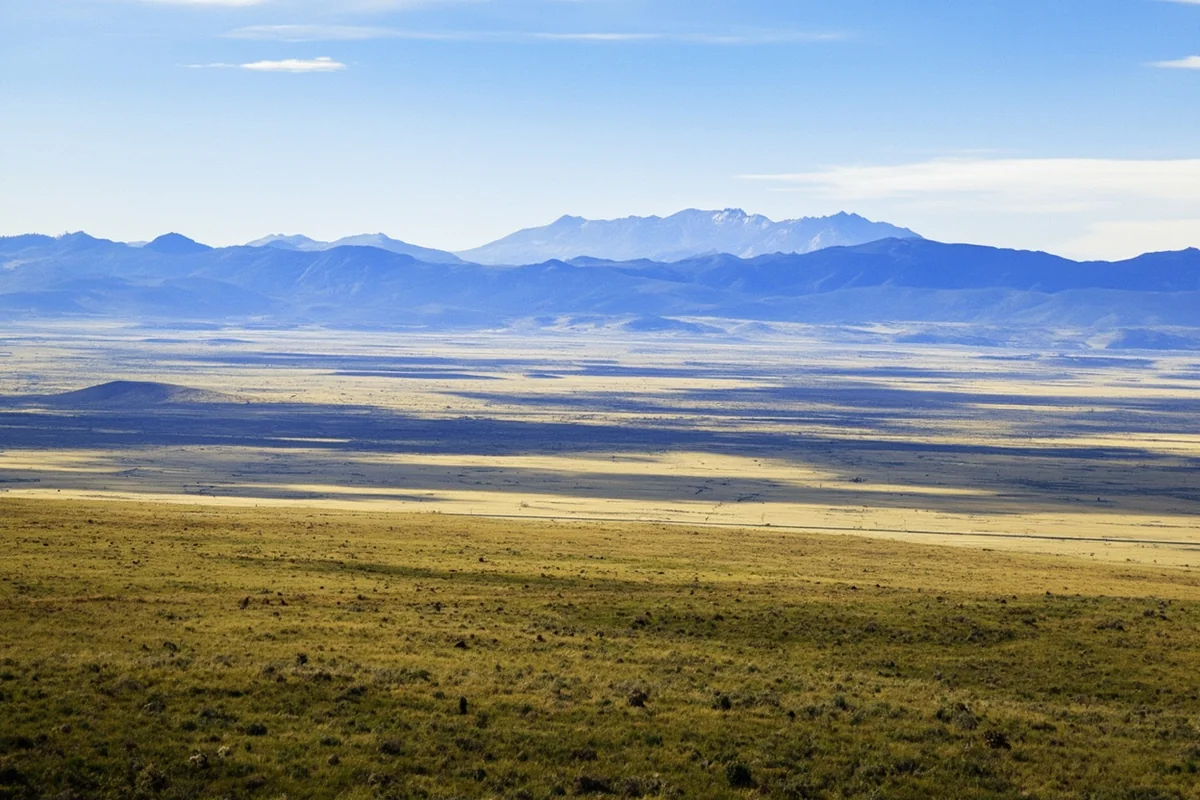
1. Going-to-the-Sun Road at Logan Pass
Let me be direct: this is the single most spectacular road in America, and Logan Pass at its summit offers the view that justifies every white-knuckled mile getting there.
When I was there last August, I arrived at 5:45 AM to beat the crowds—and found the parking lot already half full. The early risers know something: watching dawn light paint the peaks pink while mountain goats casually graze 20 feet away is worth setting that painful alarm.
The view from the visitor center parking area is stunning, but walk the Hidden Lake Overlook trail for 1.5 miles and the perspective opens up dramatically. You’ll see Clements Mountain, Reynolds Mountain, and on clear days, the glacial cirques that carved this landscape over millennia.
Practical tips: The road typically opens mid-June to mid-October, weather permitting. The park service posts daily opening updates. Budget 3+ hours just for the drive if you’re stopping at pullouts (and you absolutely should). Vehicle reservations are required from late May through September.
Best Time for Photography
I’ve shot Logan Pass at various times and sunrise wins hands down. The afternoon light creates harsh shadows, and by 10 AM in summer, tour buses arrive en masse. For those chasing Montana’s best sunrise and sunset spots, Logan Pass at dawn belongs at the top of your list.
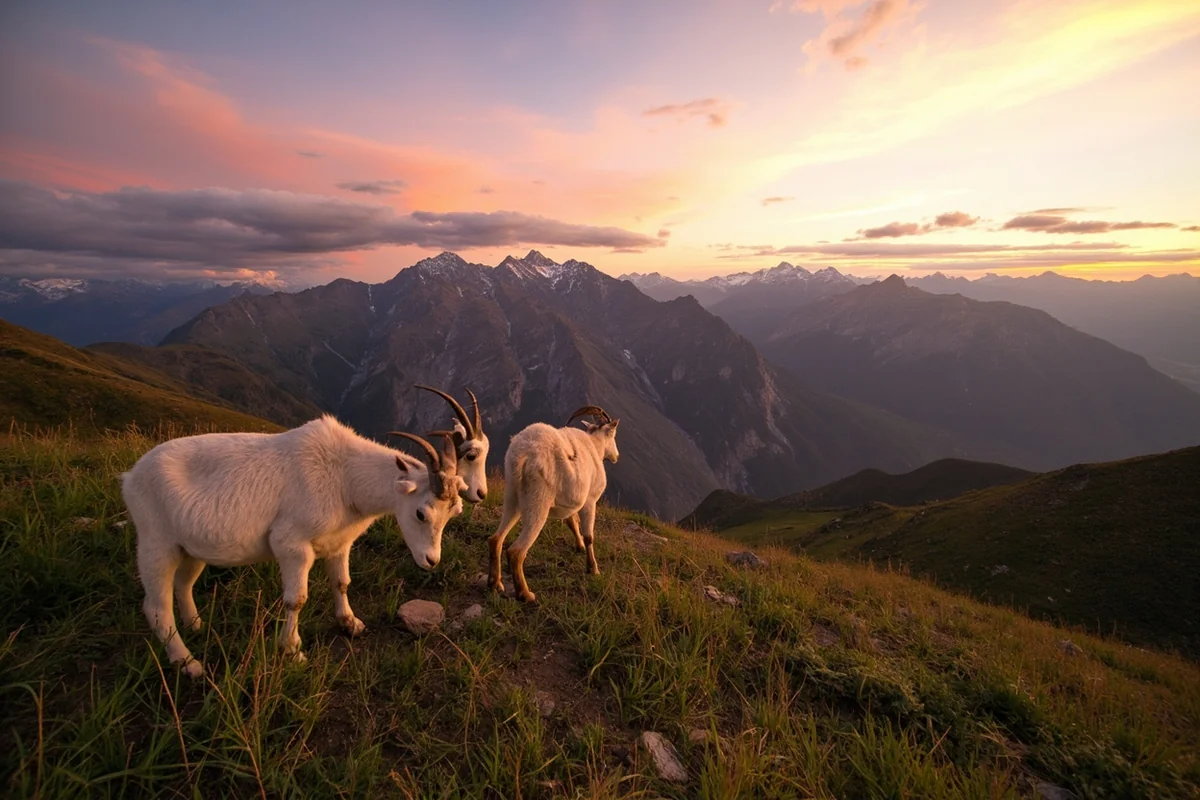
2. Wild Goose Island Overlook, Saint Mary Lake
This tiny island has appeared in countless Montana tourism campaigns, and seeing it in person, I understand why. The composition is almost impossibly perfect—a small pine-covered island sits in crystalline turquoise water, framed by dramatic peaks on all sides.
On my most recent visit, I spent 45 minutes at this pullout, watching the light shift across the scene. The view changes dramatically depending on conditions: morning offers mirror-like reflections, while afternoon winds create dynamic wave patterns.
Here’s what most guides won’t tell you: the “best” viewpoint is actually 100 yards south of the main pullout. Walk along the road edge (carefully—traffic moves fast) and you’ll find a less crowded angle that eliminates the guardrail from your photos.
Insider tip: Wildfire smoke season (typically August) can actually enhance this view, creating moody, layered atmospheres. Some of my favorite shots came from “bad air” days when most tourists stayed indoors.
3. Two Medicine Lake
While crowds flock to Glacier’s west side, Two Medicine remains relatively peaceful—even in peak summer. Last July, I hiked the shoreline trail at 7 AM and encountered exactly three other people over two hours.
The view from the boat dock toward Rising Wolf Mountain is the postcard shot, but I prefer the perspective from the far shore near Pray Lake. From there, Sinopah Mountain creates a perfect pyramid reflection that photographers travel across continents to capture.
This area holds deep significance to the Blackfeet Nation, and understanding that cultural context enriched my experience. The mountains here aren’t just scenery—they’re sacred geography that has shaped indigenous life for thousands of years.
Getting There
Two Medicine sits 12 miles off Highway 49 on a paved but narrow road. The drive itself offers several excellent viewpoints. I recommend combining this with a stop at Running Eagle Falls, a unique waterfall that appears to flow from the cliff face.
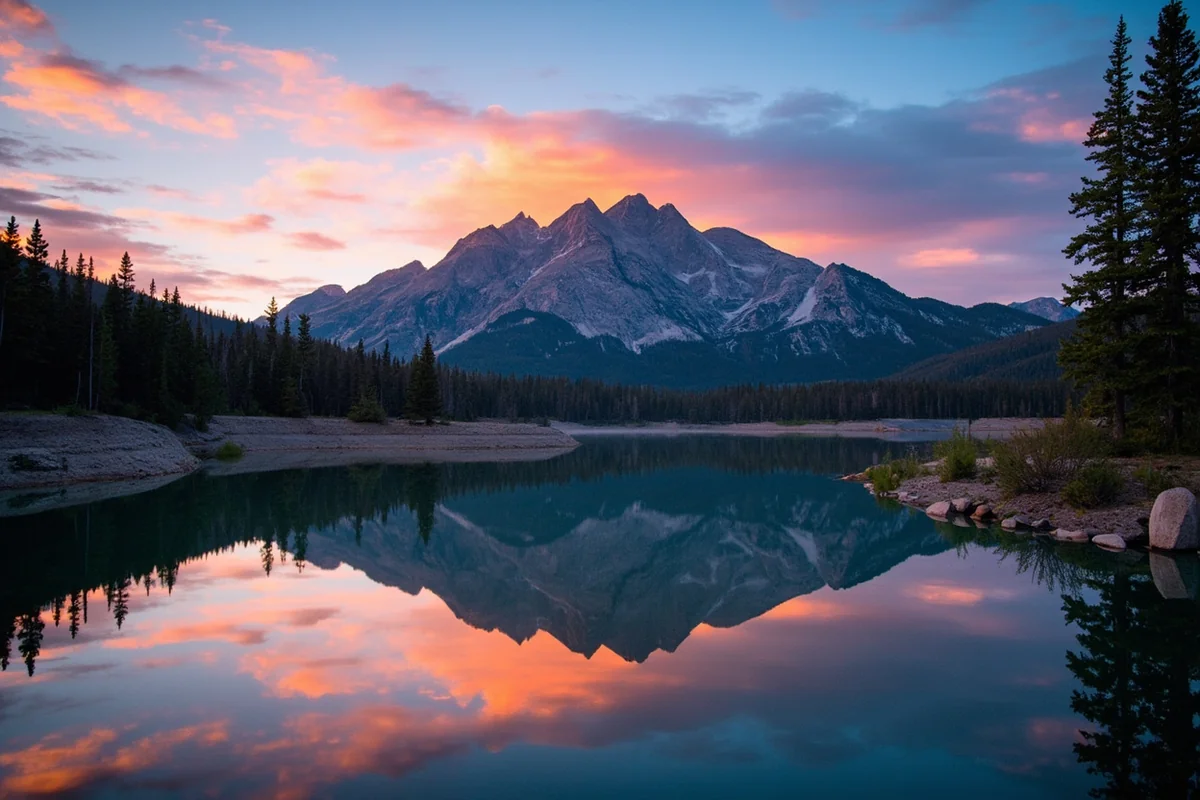
4. Flathead Lake from the Mission Mountains
Flathead Lake is the largest natural freshwater lake west of the Mississippi, and viewing it from above—rather than from its shores—reveals its true enormity.
During a fall trip last October, I drove up the Cold Creek Road past Rollins to a viewpoint that’s not marked on any tourist map. From 2,000 feet above the lake, the water shifted from deep blue to turquoise to silver as clouds moved overhead. I could see Wild Horse Island, the cherry orchards of the eastern shore, and on that exceptionally clear day, the Cabinet Mountains 60 miles north.
The Mission Mountain Wilderness rises dramatically from the lake’s eastern edge, creating some of Montana’s most dramatic mountain scenery. These peaks are technically part of the Flathead Indian Reservation, and the contrast between jagged summits and calm water creates unforgettable compositions.
Seasonal note: Fall brings lower water levels but spectacular larch tree color on surrounding slopes. Late September through mid-October is prime.
5. Beartooth Highway Overlook
Charles Kuralt called this “the most beautiful drive in America,” and standing at the Rock Creek Vista Point near the summit, I completely agree.
The Beartooth Highway climbs to nearly 11,000 feet, and the view from the highest overlooks encompasses three states and dozens of snow-capped peaks. During my June visit, the road had only been open for two weeks, and snowbanks still lined both sides despite brilliant sunshine.
What struck me most wasn’t the distant mountain panorama—it was looking down into glacial cirques that dropped thousands of feet just beyond the guardrail. The scale is disorienting. Your brain struggles to process distances because there are no familiar reference points.
Planning Your Visit
| Factor | Details |
|---|---|
| Open Season | Late May to mid-October (varies yearly by snowfall) |
| Best Time of Day | Morning for photography; afternoon brings thunderstorms |
| Drive Time | 3 hours from Billings to the summit, with stops |
| Fuel | Fill up in Red Lodge—no gas for 68 miles |
| Altitude | 10,947 feet at summit; some visitors experience altitude effects |
This spot absolutely belongs among the most Instagrammable places in Montana, though photos rarely capture the thin air and profound silence of the experience.
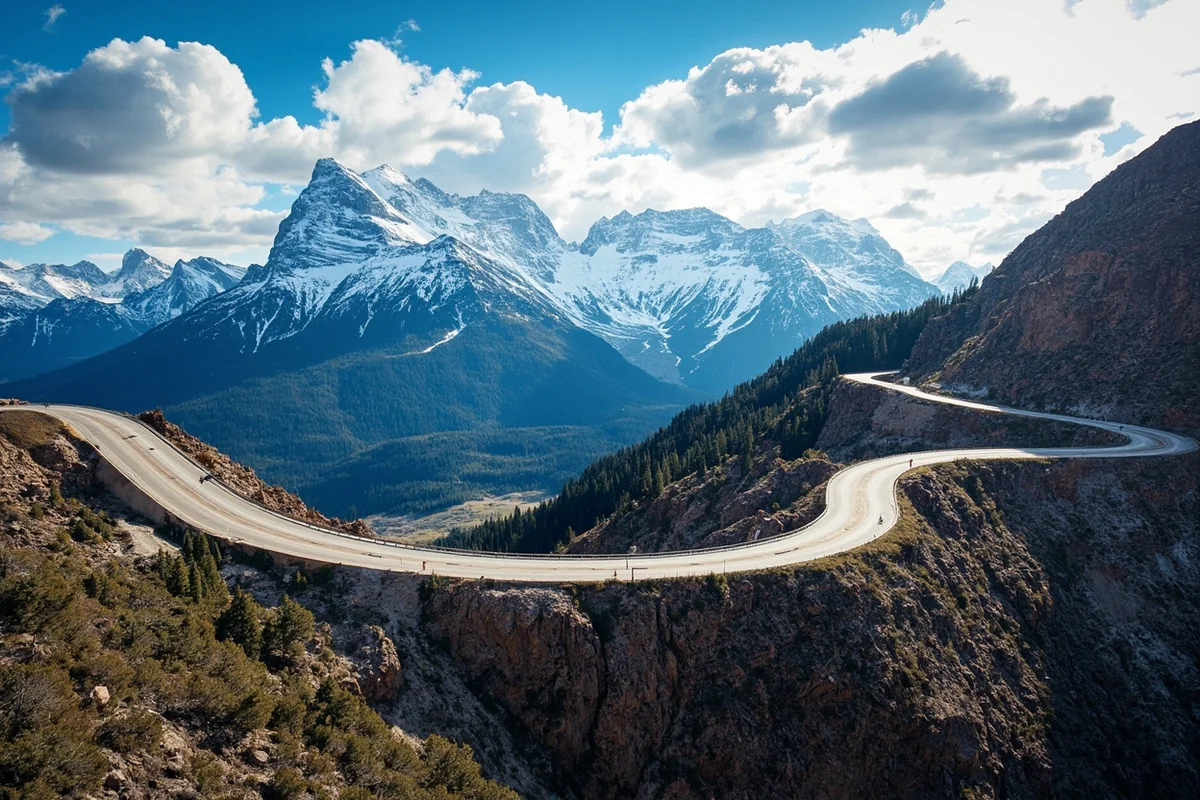
6. Highline Trail, Glacier National Park
If you can only do one hike in Montana, make it this one. The Highline Trail follows the Continental Divide from Logan Pass, offering 11.8 miles of the most jaw-dropping alpine scenery I’ve encountered anywhere.
I hiked this trail during a September visit when the summer crowds had thinned. For seven straight miles, I walked along a ledge carved into the Garden Wall, with 1,000-foot drops on one side and towering cliffs on the other. The views are not occasional rewards—they’re constant, overwhelming, and exhausting in the best possible way.
Honest assessment: The first quarter-mile includes narrow sections with steep exposure. If you have significant fear of heights, this will be challenging. I watched several hikers turn back at the first exposed stretch.
The payoff comes at Grinnell Glacier Overlook, where you can peer down at one of the park’s remaining glaciers. Scientists estimate these glaciers will vanish by 2030, making this view increasingly precious.
7. Hyalite Canyon near Bozeman
Not every stunning view requires a national park entrance fee. Hyalite Canyon, just 30 minutes south of Bozeman, delivers world-class scenery that locals have enjoyed for generations.
The reservoir itself provides beautiful reflections of Hyalite Peak, but the real magic happens on the trails beyond. On a recent winter visit, I snowshoed to Grotto Falls and found ice formations that looked like frozen blue glass cascading down a 40-foot cliff.
What I love about Hyalite is its accessibility. When Glacier is crowded beyond enjoyment, Hyalite offers solitude and scenery in equal measure. I’ve encountered more moose here than humans on several occasions.
Seasonal Variations
Summer brings wildflowers and waterfall hikes. Fall transforms the canyon into a golden corridor of changing aspens. Winter offers ice climbing, snowshoeing, and frozen waterfall photography. Spring—well, spring is mud season, so plan accordingly.
8. Big Sky’s Lone Peak Summit
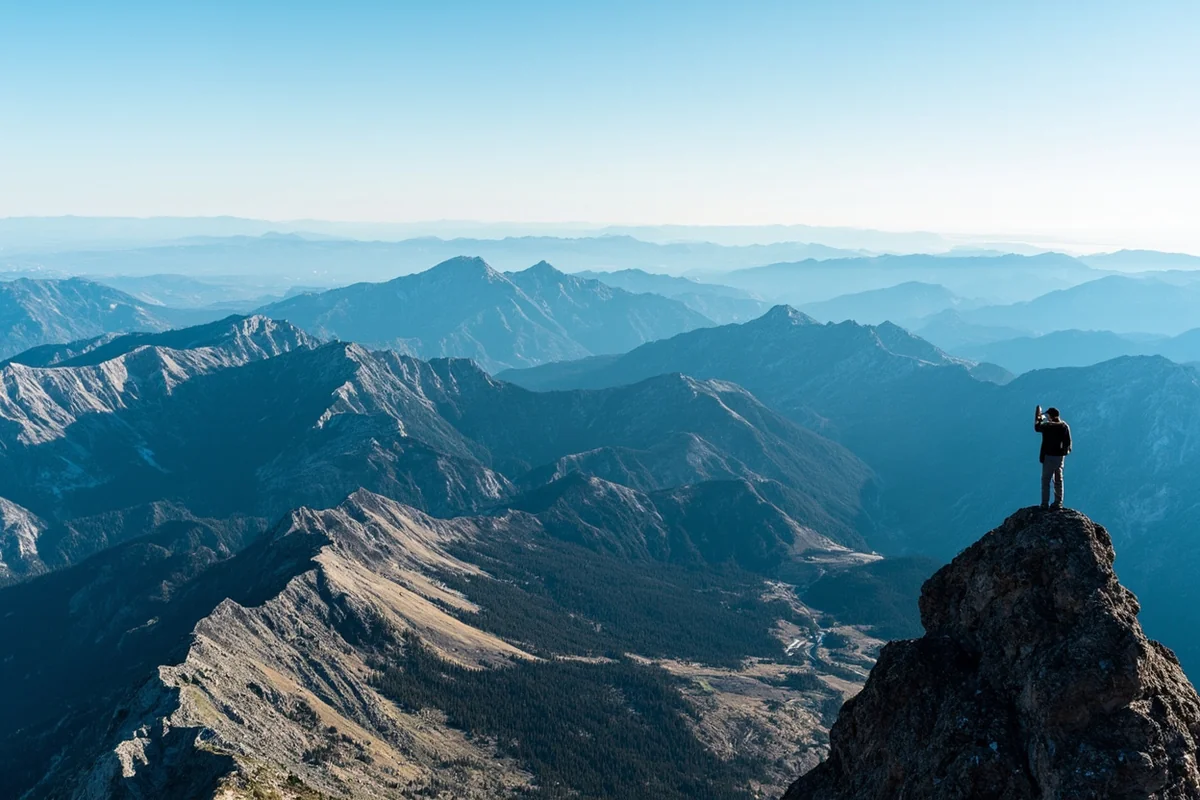
Standing atop Lone Peak at 11,166 feet, I could see Yellowstone National Park, the Tobacco Root Mountains, the Spanish Peaks, and the distant Absaroka Range—all in a single glance.
Big Sky Resort operates a tram to the summit during summer months, making this extreme alpine viewpoint accessible to non-climbers. The 15-minute ride covers vertical terrain that would take hours to hike.
When I was there last July, the summit temperature was 47°F while Bozeman sweltered at 93°F. Bring layers regardless of valley conditions. The wind at the top can be ferocious.
Cost reality: Summer tram tickets run around $50, which feels steep until you’re standing on that summit watching weather systems move across hundreds of miles of wilderness. Then it feels like a bargain.
9. Kootenai Falls
Northwestern Montana doesn’t get the attention it deserves. Kootenai Falls, near Libby, showcases the raw power of Montana’s landscape in a way that mountain panoramas can’t match.
The falls aren’t the tallest—dropping about 90 feet across several tiers—but the sheer volume of water thundering through the canyon is visceral. During my spring visit, snowmelt had swelled the river, and the spray reached the viewing platforms 200 feet away.
A swinging bridge downstream provides vertigo-inducing views of the churning rapids below. This bridge appeared in the film “The Revenant,” and walking across it while the canyon roars beneath your feet is an experience I won’t forget.
Access note: This is tribal land, and the Kootenai people have protected this sacred site for generations. Respect posted signs and stay on designated trails.
10. Medicine Rocks State Park
Switching entirely from mountains to prairie, Medicine Rocks in eastern Montana offers scenery that looks transplanted from another planet. These sandstone formations rise from the grasslands like ancient castles, eroded into holes, arches, and impossible shapes over millions of years.
On my October trip, I arrived at sunset and watched the rocks glow orange, then red, then deep purple as the light faded. I was the only visitor for three hours. The silence wasn’t just an absence of noise—it was a presence, something physical and ancient.
This landscape held profound spiritual significance for Plains tribes, who left petroglyphs that remain visible today. Theodore Roosevelt visited in 1886 and carved his name into the rock (something obviously illegal now and rightfully so).
Making the Journey
Medicine Rocks sits two hours from anywhere, which is precisely why it remains uncrowded. Combine it with a visit to Makoshika State Park near Glendive for a full eastern Montana experience. Bring all supplies—the nearest services are 25 miles away in Ekalaka.
11. Glacier National Park’s Many Glacier Valley
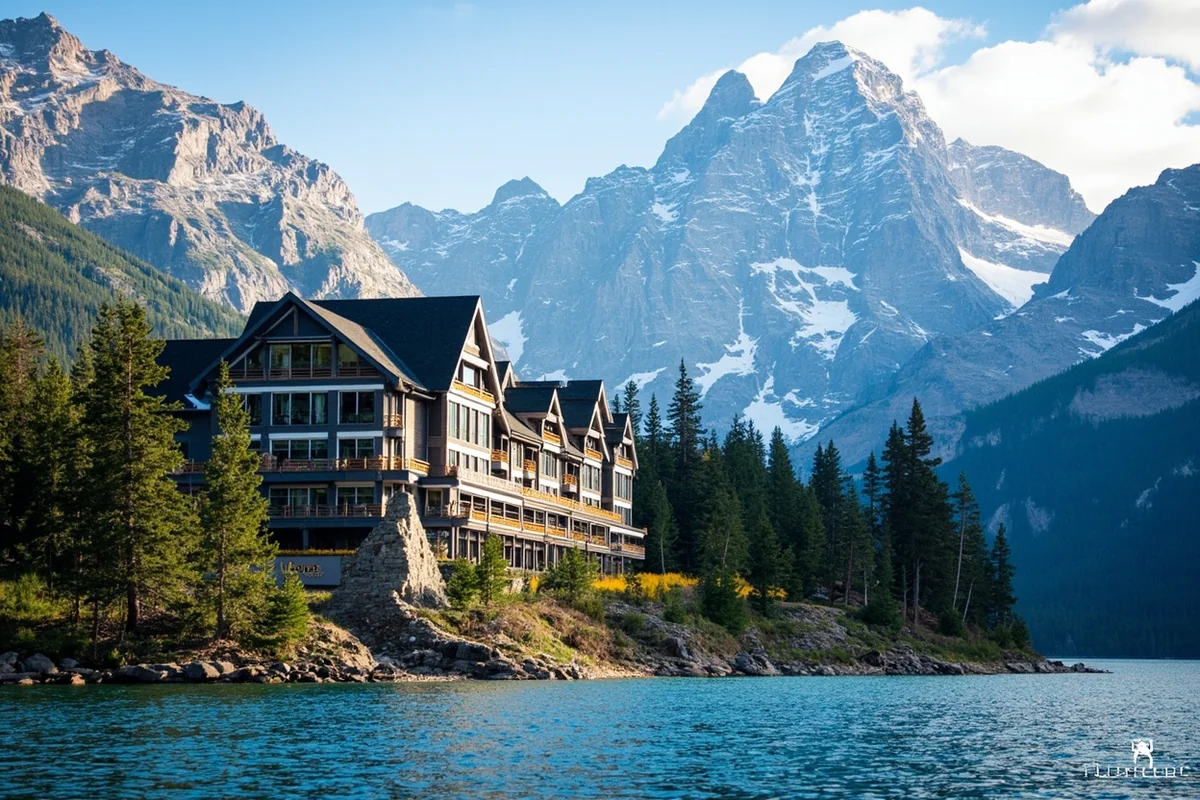
Many Glacier represents Glacier National Park at its most dramatic. The valley is essentially a giant amphitheater surrounded by knife-edge peaks, waterfalls, and glacial lakes that shift color throughout the day.
The view from the Many Glacier Hotel veranda rivals anything in the Swiss Alps. I spent an entire afternoon there during a rainy August day, watching storm clouds wrap around Grinnell Point while sipping coffee in a leather chair. Sometimes the best viewpoints come with furniture.
For more active exploration, the Iceberg Lake trail delivers a five-mile hike to an otherworldly lake where icebergs float even in July. The turquoise water temperature hovers around 35°F—I waded in to my ankles and immediately retreated.
12. Paradise Valley and the Absaroka Range
The drive south from Livingston through Paradise Valley doesn’t offer a single viewpoint—it offers 30 continuous miles of them. The Yellowstone River winds through the valley floor while the Absaroka Range towers to the east, creating a pastoral scene that has attracted artists, writers, and dreamers for generations.
I recommend stopping at the Dailey Lake area for unobstructed views of the Absarokas. Last autumn, I watched a golden eagle hunting above the river while the mountains held fresh September snow. The experience captured everything I love about Montana in a single moment.
Timing tip: Late afternoon light turns the Absarokas golden, making sunset drives particularly rewarding. Consider these Montana sunset spots for planning your timing.
13. Seeley-Swan Valley
Running between two wilderness areas—the Mission Mountains and the Bob Marshall—Seeley-Swan Valley offers continuous mountain views without the national park complications.
Highway 83 traces a chain of lakes through this forested corridor, with viewpoints at Salmon Lake, Seeley Lake, and Lake Inez. On a summer road trip last year, I pulled over eleven times in 50 miles because the combinations of water, forest, and mountain kept shifting into new configurations.
The Bob Marshall Wilderness—”the Bob” to locals—is visible from several overlooks. At 1.5 million acres, it’s one of the most complete wild ecosystems in the lower 48, and knowing that grizzlies and wolves roam those peaks adds gravitas to the view.
14. Painted Hills near Grassrange
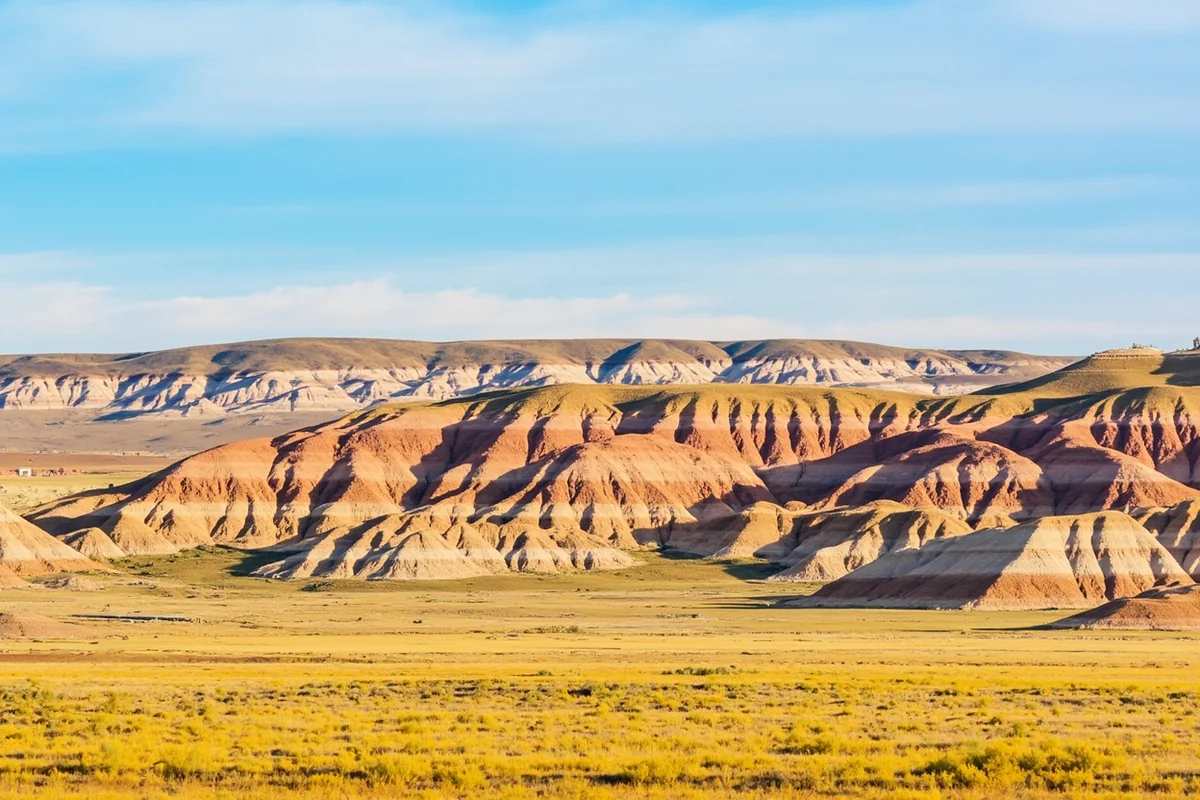
Central Montana holds surprises that most guidebooks ignore. The Judith Basin area between Lewistown and Grassrange contains badlands formations that display layers of colored sediment—reds, whites, grays, and ochres—that rival anything in the better-known Southwest.
I stumbled onto these hills by accident during a wrong turn, which is often how the best Montana discoveries happen. The formations aren’t large—maybe 200 feet tall—but against the surrounding agricultural landscape, they appear almost surreal.
Access note: Much of this land is private, so stick to county road views or ask permission if you want closer access. Montana ranchers are generally friendly but appreciate the courtesy.
15. McDonald Creek at Sunset
Ending with a personal favorite, McDonald Creek near Apgar in Glacier National Park offers sunset views that have brought me to tears on multiple occasions.
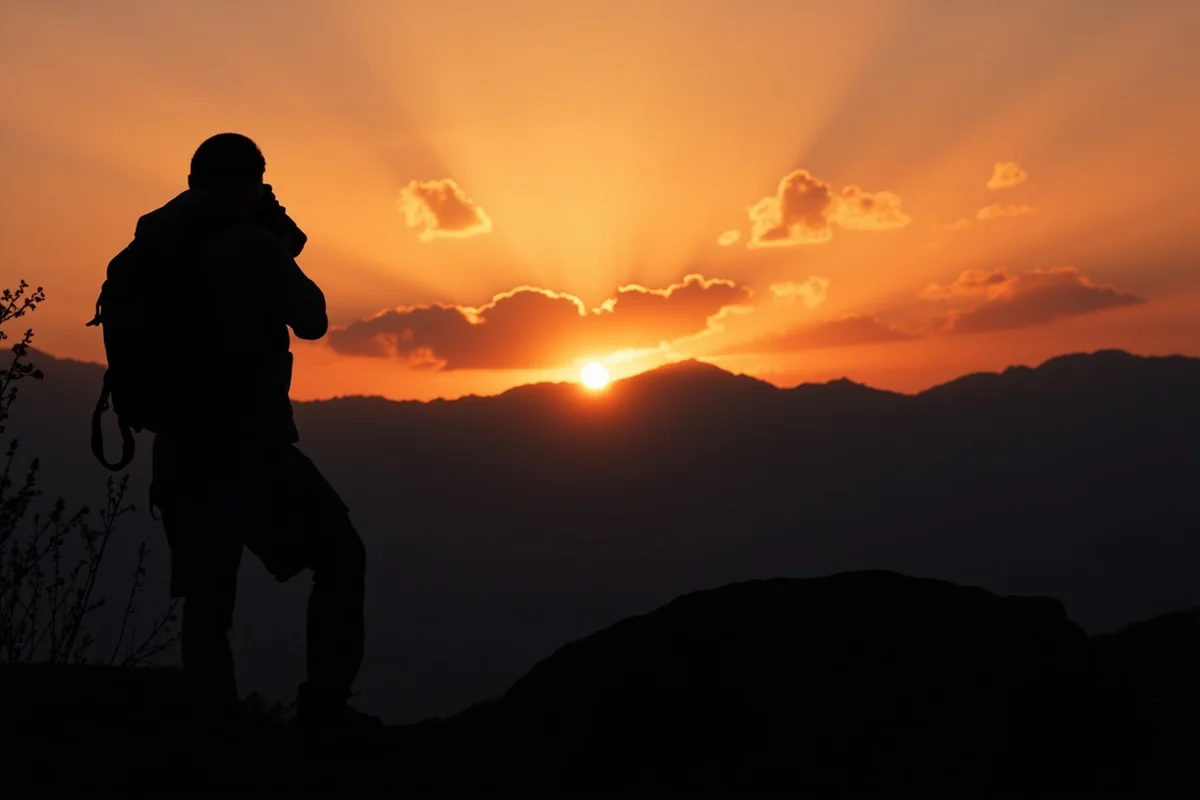
The creek flows over red argillite bedrock, creating an otherworldly red and turquoise color combination unlike anything else in the park. During my last visit, I sat on the rocks at sunset and watched the water shift from blue to gold to orange as the sun descended behind the peaks.
This is one of the most photographed locations in Montana, and rightfully so. For those building a photography itinerary, this view absolutely belongs among the most Instagrammable Montana locations.
Planning Your Montana Viewpoint Trip
Seasonal Considerations
Montana’s viewpoints are highly seasonal. Here’s the honest breakdown:
Summer (June-August): Everything is accessible, but crowds at popular spots can be intense. I’ve waited 45 minutes for parking at Wild Goose Island during peak season.
Fall (September-October): My favorite time. Crowds thin dramatically, fall colors emerge, and wildlife becomes more visible. Many facilities begin closing after Labor Day.
Winter (November-March): Mountain views often improve with snow, but accessibility becomes challenging. Lower elevation viewpoints like Flathead Lake and Paradise Valley remain reachable.
Spring (April-May): Unpredictable weather, mud everywhere, but waterfalls peak and wildlife emerges. High elevation roads remain closed.
What to Bring
My essential viewpoint kit includes: binoculars (essential for distant detail), a polarizing filter for photography, layers regardless of forecast, an offline map downloaded to my phone, and realistic patience. Montana rewards those who wait for conditions to shift.
Timing Your Visits
For mountain scenery photography, early morning and late evening light transforms good views into extraordinary ones. Midday rarely flatters mountain landscapes.
That said, some views work better at unconventional times. Storm light can add drama that blue-sky days lack. Don’t abandon a viewpoint just because clouds roll in—stick around and watch what happens.
Final Thoughts on Montana’s Views
Eight years of exploring Montana has taught me that the state’s most breathtaking views share a common quality: they make you feel appropriately small. Standing before these landscapes, the petty concerns of daily life fall away, replaced by something approaching reverence.
The fifteen viewpoints I’ve shared here represent a starting point, not a complete list. Montana contains thousands of unnamed pullouts, obscure trails, and accidental discoveries that deliver equal impact. The state rewards curiosity and punishes impatience.
My advice? Pick three or four from this list, give yourself more time than seems necessary, and remain open to the views that find you instead of the ones you seek.
Some of my most powerful Montana memories came from pulling over at unmarked curves, hiking an extra half-mile, or simply staying until the light changed.
The views will be waiting. They’ve been here for millennia, and they’re not going anywhere. But the glaciers are receding, the climate is shifting, and some of what I’ve witnessed may not exist for future generations. See Montana now—not someday, but now.
Frequently Asked Questions
What is the best time of year to see Montana’s most scenic views?
I’ve found that late June through mid-September offers the best conditions for experiencing Montana’s breathtaking views, with clear skies and accessible mountain roads. However, if you’re hoping to capture fall colors at places like Glacier National Park or the Beartooth Highway, aim for late September when the larches turn golden.
How much does it cost to visit Montana’s most popular scenic viewpoints?
Most of Montana’s stunning viewpoints are free to access, though Glacier National Park charges $35 per vehicle for a 7-day pass. State parks like Wild Horse Island typically cost $6-8 per vehicle, and I recommend budgeting around $50-100 daily for gas since many scenic drives cover 100+ miles through remote areas.
What should I pack for a Montana scenic viewpoint road trip?
Always bring layers even in summer since mountain viewpoints like Logan Pass can drop 20-30 degrees compared to valley floors. I never hit Montana’s backcountry without bear spray ($40-50), sturdy hiking boots, a full tank of gas, and plenty of water since cell service is spotty at most remote overlooks.
Can you see Montana’s best views without hiking long distances?
Absolutely—many of Montana’s most photographed views are accessible right from your car or within a quarter-mile walk. Going-to-the-Sun Road in Glacier offers pull-offs with jaw-dropping vistas, and viewpoints along the Beartooth Highway sit right at the parking areas at nearly 11,000 feet elevation.
How far apart are Montana’s major scenic viewpoints from each other?
Montana is massive, so expect significant driving distances between iconic views. Glacier National Park to Yellowstone’s northern entrance is about 340 miles (6 hours), while Flathead Lake to the Beartooth Highway takes roughly 5 hours. I recommend focusing on one region per trip rather than trying to see everything.
Do I need a reservation to visit Montana’s best scenic overlooks?
Glacier National Park requires vehicle reservations ($2) to enter Going-to-the-Sun Road corridor from late May through early September during peak hours. Other Montana viewpoints including state parks, national forest overlooks, and scenic byways don’t require reservations, though I suggest arriving before 9 AM at popular spots to secure parking.
Which Montana viewpoints are best for sunrise and sunset photography?
Wild Goose Island Overlook in Glacier is legendary for sunrise shots, while I’ve captured incredible sunsets at Medicine Lake in the Big Belt Mountains and along the Rocky Mountain Front near Choteau. For golden hour photography, Two Medicine Lake and Holland Falls offer stunning reflections with minimal crowds compared to more famous locations.
Sources