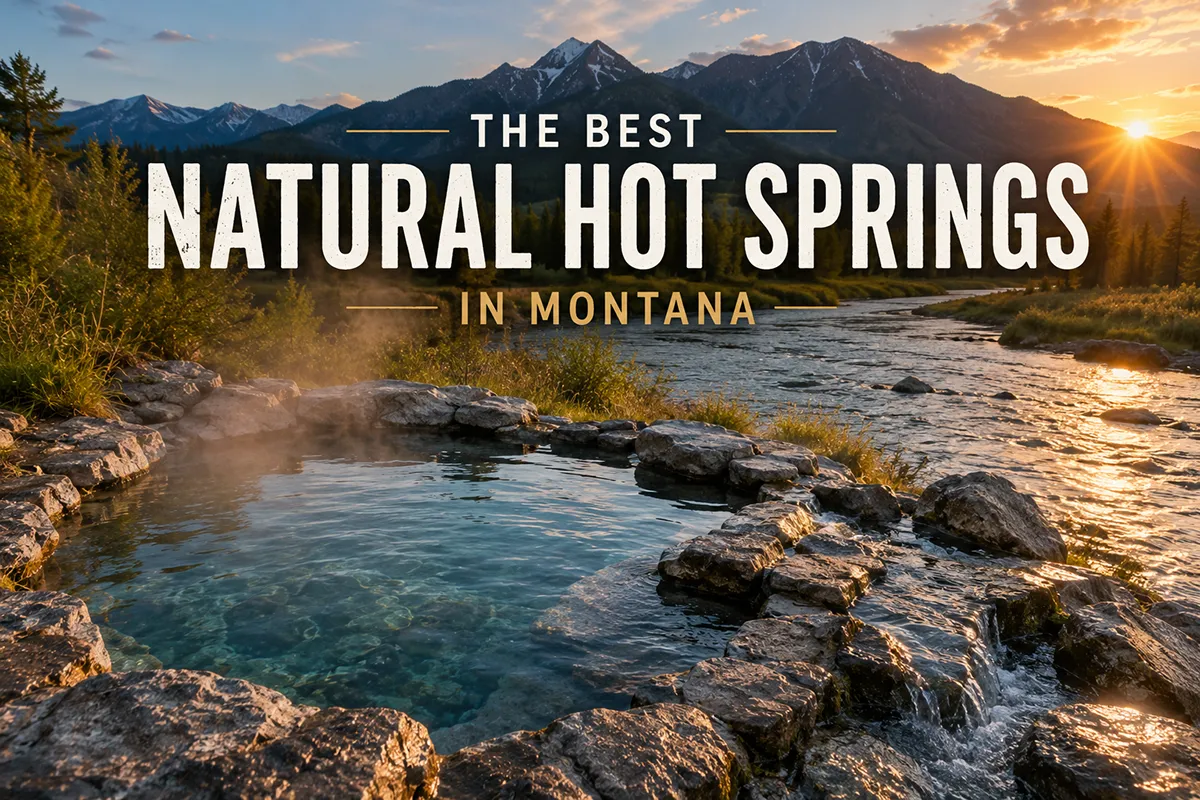
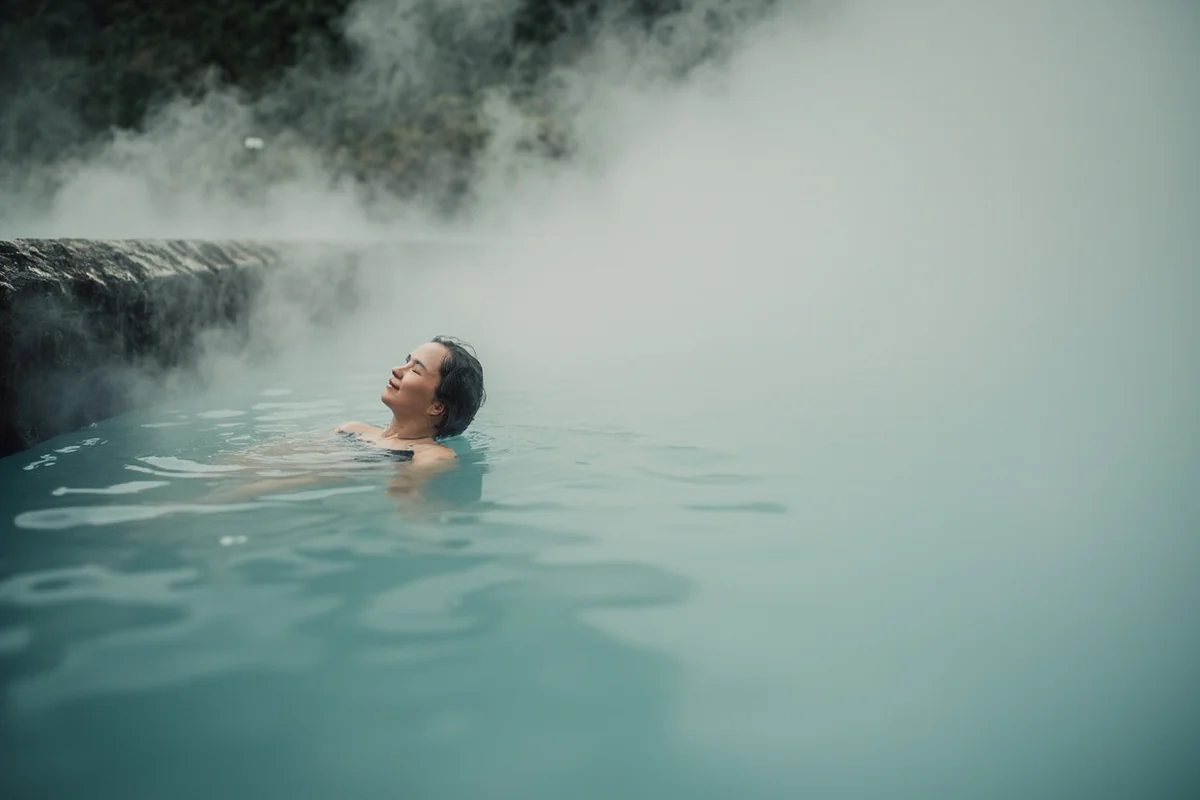
The steam rose from the pool in thick clouds against the January sky, and I could barely feel my face as I lowered myself into 104-degree water at a primitive hot spring deep in the Montana wilderness.
That moment—surrounded by snow-covered pines, elk tracks fresh in the powder, and not another soul for miles—perfectly captures why Montana hot springs have become an obsession of mine over the past eight years of exploring this state.
- Montana has over 60 known natural hot springs, ranging from developed resorts to primitive backcountry soaks
- Best primitive/natural experiences: Potosi, Renova, and Jerry Johnson (just over the Idaho border)
- Best developed options: Quinn’s Hot Springs Resort, Norris Hot Springs, and Bozeman Hot Springs
- Winter visits offer the most magical experiences but require careful planning
- Always check current access conditions—many primitive springs require hiking or 4WD access
- Bring water shoes, a headlamp, and pack out all trash from undeveloped springs
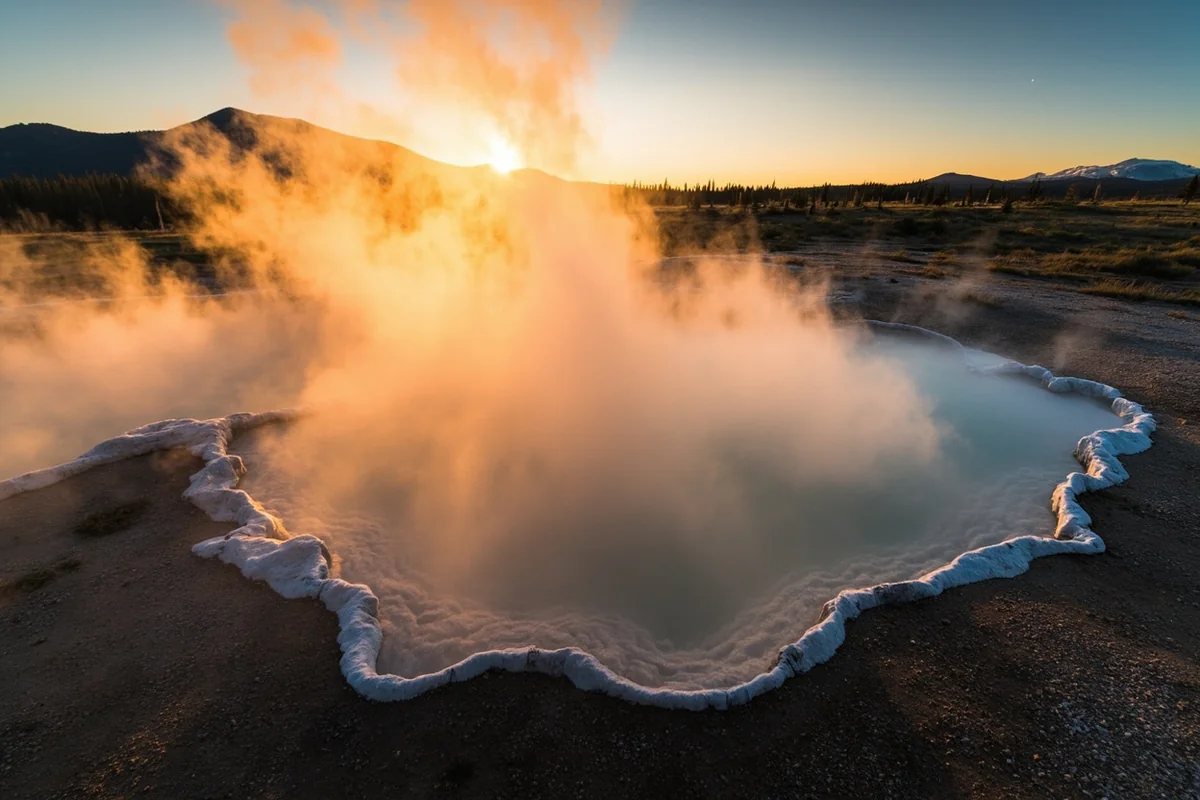
Montana’s geothermal features don’t get the attention that Yellowstone’s do, but that’s actually a blessing. The state sits atop the same volcanic activity that feeds the world’s most famous geysers, yet many of its hot springs remain uncrowded, accessible, and authentically wild.
I’ve spent countless weekends tracking down both famous and obscure hot springs across Big Sky Country. Some disappointed me. Others became annual pilgrimage sites. What follows is everything I’ve learned about finding, accessing, and enjoying the best natural hot springs Montana has to offer.
Liked this article?
Add Roaming Montana as a preferred source so you see more of our articles and guides on Google.
Understanding Montana’s Hot Springs Geography
Before diving into specific locations, it helps to understand why Montana has such incredible geothermal diversity. The state’s hot springs cluster along fault lines and areas of volcanic activity, primarily in the western third of Montana.
The most concentrated areas include the Paradise Valley south of Livingston, the Bitterroot Range along the Idaho border, and the Clark Fork River corridor. I’ve noticed that water temperatures vary wildly—from barely warm seeps to dangerously hot thermal features that can cause severe burns.
What I love about Montana’s hot springs is their variety. You’ll find everything from primitive rock pools that haven’t changed in centuries to beautifully developed resorts with full amenities. Neither approach is “better”—they simply offer different experiences depending on what you’re seeking.
Best Primitive & Undeveloped Hot Springs
These are the springs that require some effort to reach but reward you with authentic wilderness soaking experiences. They’re my personal favorites, though they demand respect and preparation.
Potosi Hot Springs
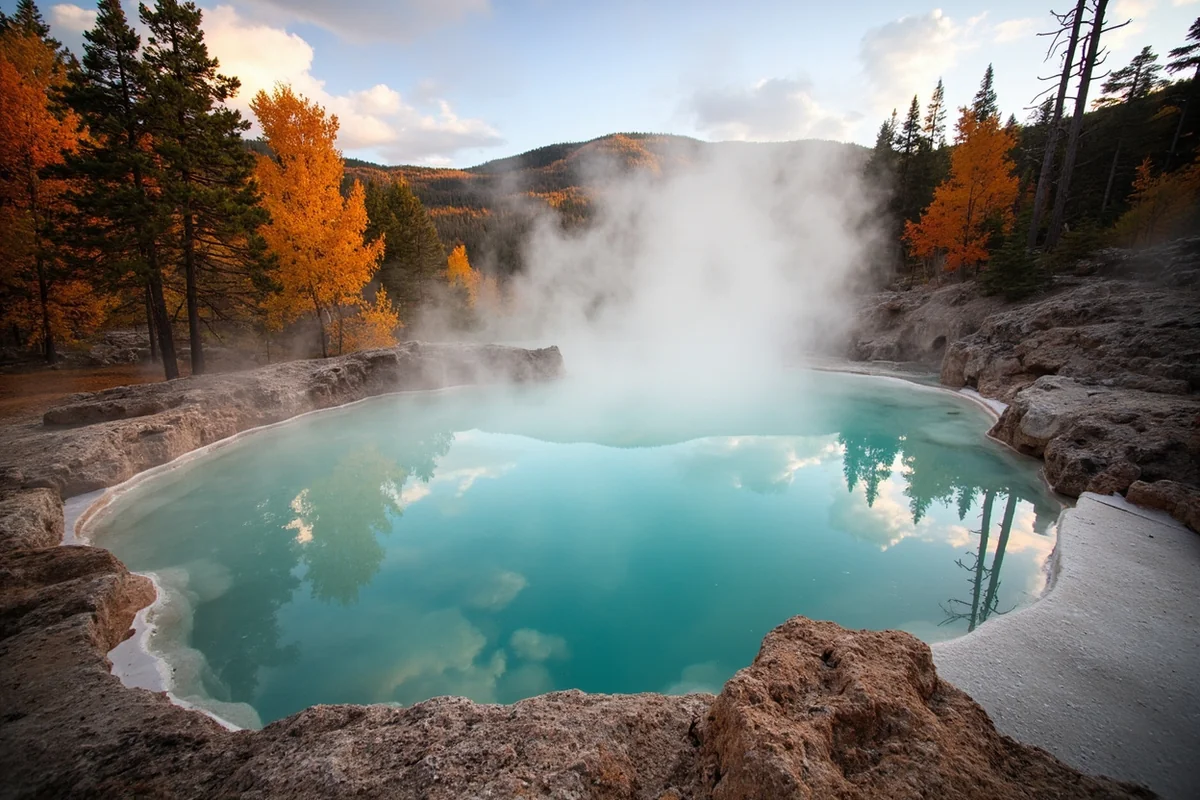
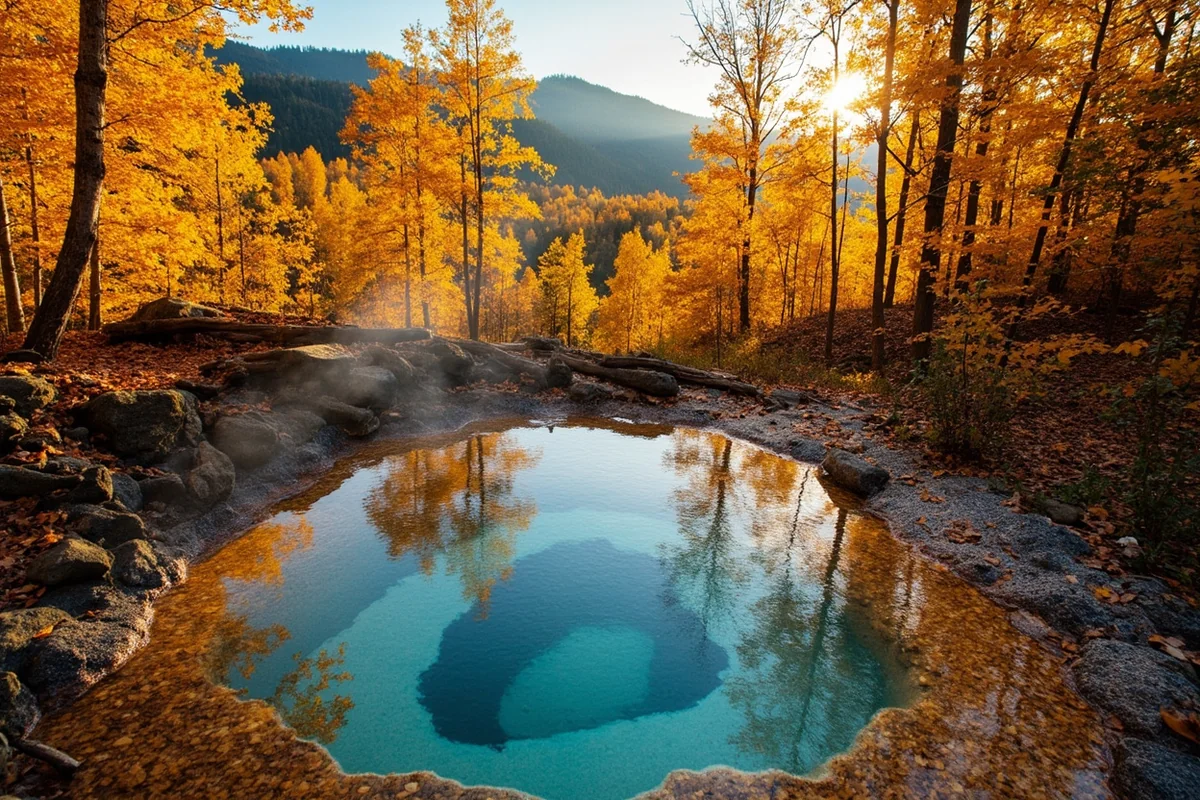
Potosi Hot Springs sits in the Beaverhead-Deerlodge National Forest, and it’s become one of my most-recommended primitive soaks in the state. The spring feeds into a hand-built rock pool beside a small creek, creating that perfect hot-cold contrast I crave during winter visits.
When I visited last October, the morning mist hung over the surrounding aspens while golden leaves drifted into the warm water. The pool itself maintains temperatures around 100-104°F, though this varies seasonally based on creek levels and snowmelt mixing.
Getting there requires a short but sometimes challenging drive on a forest service road. During my spring visit two years ago, I needed my truck’s 4WD capability due to remaining snowpack. Summer and early fall offer the easiest access.
The pool accommodates maybe six people comfortably, so arrive early or on weekdays to avoid crowds. I’ve had the place entirely to myself on Tuesday mornings multiple times.
Renova Hot Springs
Renova Hot Springs near Avon has a complicated history that visitors need to understand. The springs themselves are genuinely natural and feed multiple pools along the warm creek, but access issues have created problems over the years.
During my visits, I’ve found the main pools to be wonderfully warm—around 98°F in the lower pools and slightly warmer higher up. The setting along Warm Springs Creek feels secluded despite being relatively close to Interstate 90.
What makes Renova unique is its creek-side configuration. You can literally adjust your temperature by scooting toward or away from the warm spring inputs. I spent an entire afternoon there last summer, moving between pools as my body temperature fluctuated.
Be aware that the area sometimes attracts crowds, especially on summer weekends. I’ve also seen occasional trash left behind, which genuinely upsets me. If you visit, please pack out everything you bring in—and consider grabbing any litter you find.
Gigantic Warm Spring
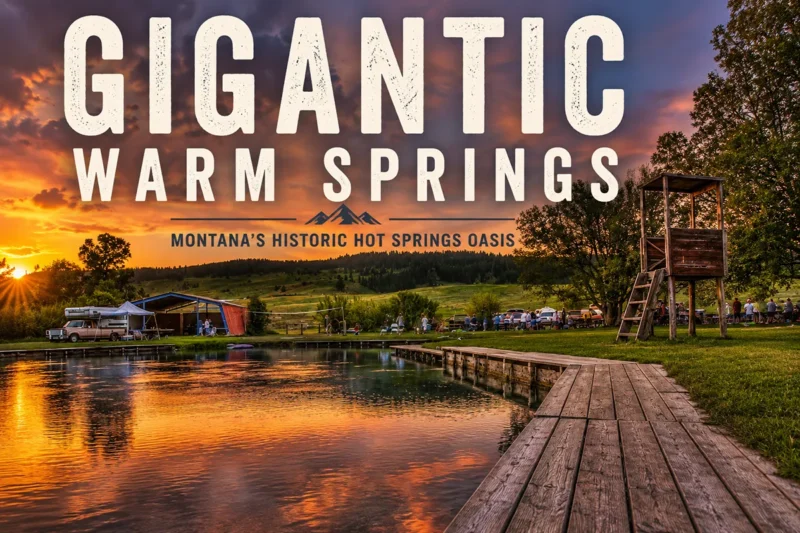
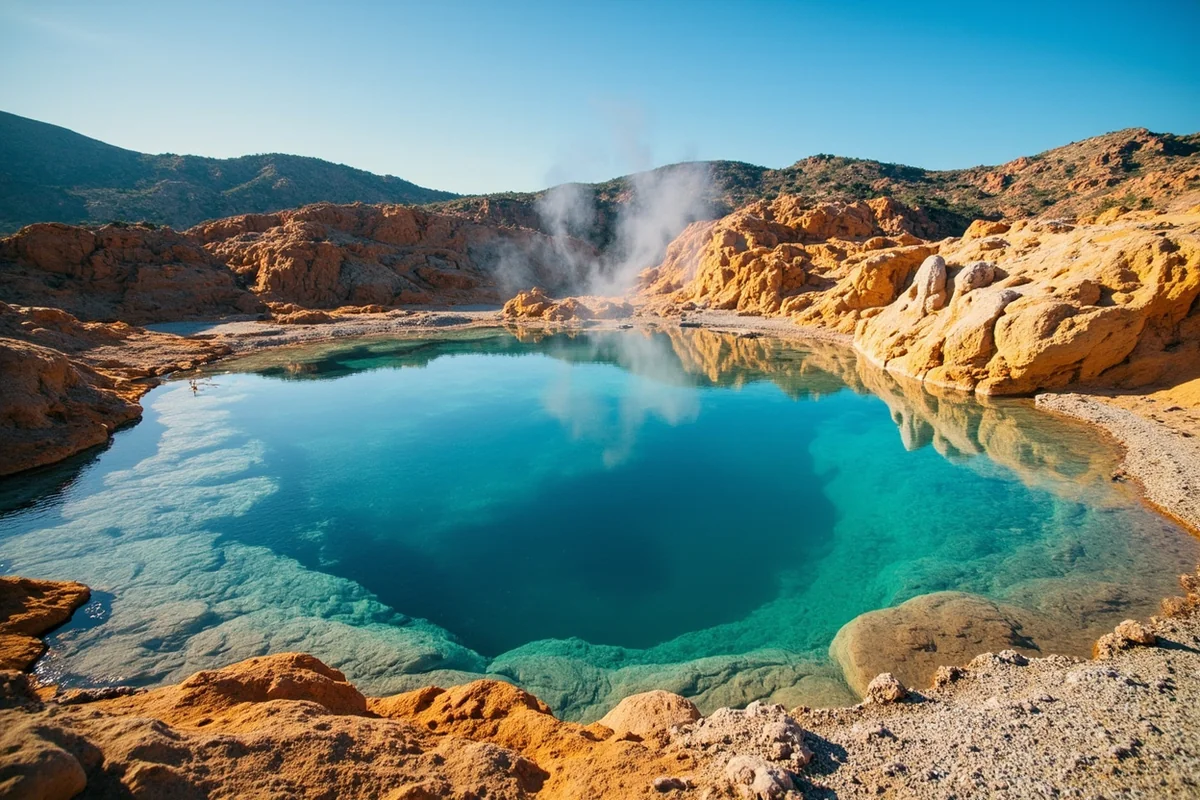
Don’t let the somewhat modest name fool you—Gigantic Warm Spring near Big Timber is genuinely enormous. The main pool stretches larger than many swimming pools, fed by a natural spring that keeps the water around 85-90°F year-round.
I’ll be honest: this one is more “warm” than “hot.” On summer days, it feels refreshingly cool compared to the air temperature. During winter, the temperature contrast isn’t dramatic enough for that classic hot spring experience I love.
That said, I keep returning because of the unique atmosphere. The spring sits in open grassland with big Montana sky in every direction. During my last visit, I watched a storm roll in from the Crazy Mountains while floating in the warm water—one of those perfectly Montana moments.
Access can be tricky, and the area has experienced periodic closures. Always check current conditions before making the drive.
Best Developed Hot Springs Resorts
Sometimes you want amenities, reliable facilities, and the assurance that the water quality is tested and maintained. Montana’s developed hot springs deliver all of this while preserving the essential magic of soaking in naturally heated mineral water.
Quinn’s Hot Springs Resort
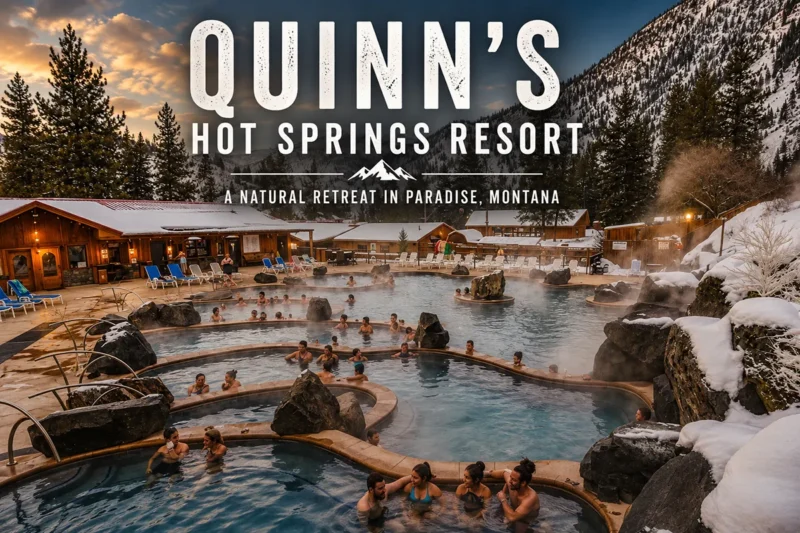
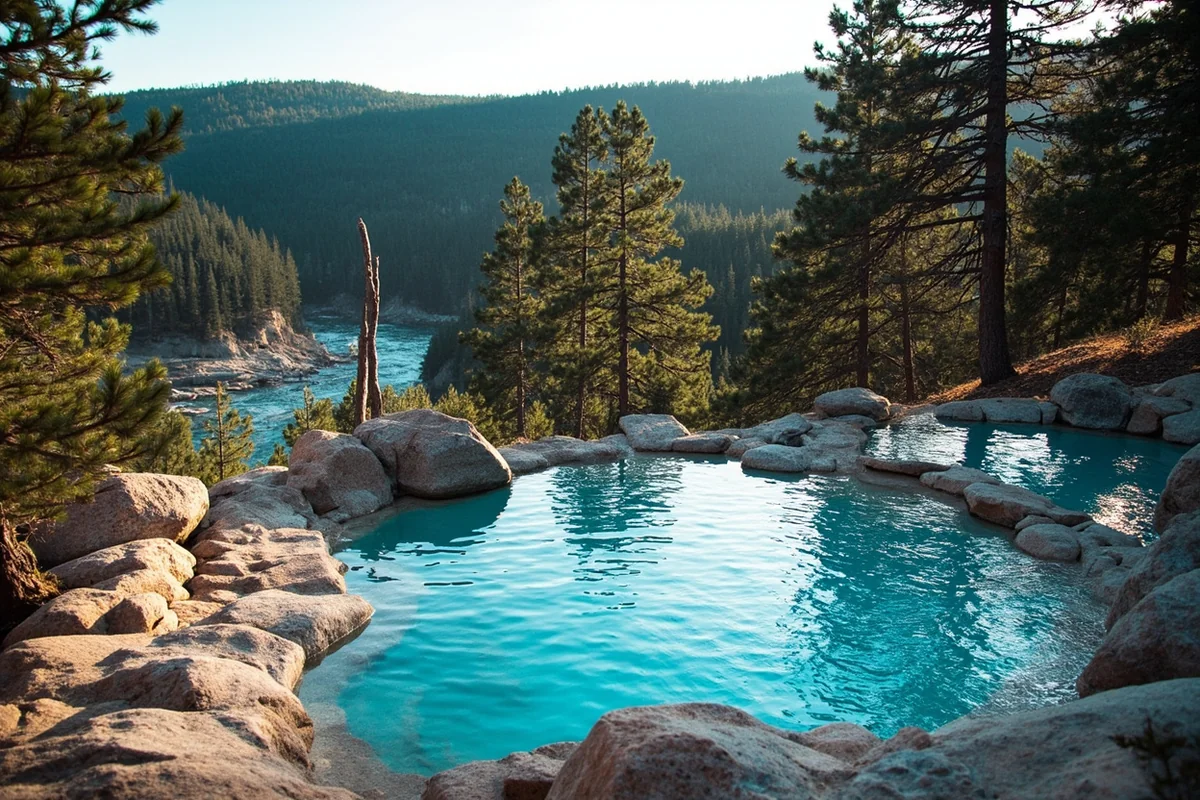
Quinn’s Hot Springs Resort in Paradise has earned its reputation as one of Montana’s premier hot springs destinations. Located along the Clark Fork River in the Lolo National Forest, Quinn’s offers multiple pools at varying temperatures, comfortable lodging, and a fantastic restaurant.
What struck me during my stays at Quinn’s is how they’ve balanced development with natural atmosphere. The pools use natural geothermal water without excessive chlorination, and the riverside setting feels genuinely wild despite the resort amenities.
The hottest pool reaches about 106°F—almost too hot for extended soaking. I prefer the mid-temperature pools around 102°F, which allow for longer, more relaxed sessions. During my winter visit, I alternated between the hot pools and the cool plunge pool until my skin tingled and my mind went completely quiet.
Quinn’s gets busy, especially on weekends and holidays. I’ve found that staying overnight gives you access to the pools during quieter morning and evening hours. The overnight rate includes pool access, making it reasonable value for the experience.
Norris Hot Springs
Norris Hot Springs might be my favorite developed spring in Montana, and it’s not because of the water—though that’s excellent too. What sets Norris apart is the Friday, Saturday, and Sunday live music program that’s been running for years.
Picture this: you’re soaking in naturally heated mineral water under Montana’s star-filled sky while a local acoustic artist plays from the poolside stage. Add in the organic snack bar, cold beer service, and impossibly friendly staff, and you understand why Norris has developed a devoted following.
The pool itself maintains around 102°F, fed by a natural spring that’s been flowing for millennia. The water has a slight mineral smell—nothing unpleasant, just that classic hot spring character that tells you this is the real thing.
I’ve visited Norris probably fifteen times over the years, and I’ve never had a bad experience. The only challenge is timing your visit for music nights, which fill up quickly during summer. Call ahead or arrive early to guarantee entry.
Bozeman Hot Springs
Bozeman Hot Springs wins the convenience award for anyone basing their Montana trip in the Bozeman area. Located just minutes from downtown, it offers a surprisingly natural experience despite its proximity to the city.
The facility features multiple indoor and outdoor pools at different temperatures, including a cold plunge that I’ve forced myself to use despite hating every second of it. (The health benefits are real, even if the experience is brutal.)
What I appreciate about Bozeman Hot Springs is its accessibility. Unlike primitive springs that require planning and effort, you can decide at 3 PM that you want a soak and be in the water by 3:30. For travelers with limited time, this matters.
During my last visit in early spring, I spent the afternoon floating in the outdoor hot pool while snow fell gently around me. It’s not wilderness solitude, but it’s still magic.
Symes Hot Springs Hotel
Symes Hot Springs Hotel in Hot Springs, Montana, offers something different: a historic hotel experience combined with natural mineral pools. The building dates to 1928 and retains much of its original character.
The outdoor pool uses natural geothermal water and offers views of the surrounding mountains. Inside, the hotel provides that slightly faded historic charm I find irresistible—not luxury, but authentic character you can’t manufacture.
I stayed at Symes during a solo road trip through western Montana, and the experience felt like stepping back in time. The town of Hot Springs itself is tiny and quiet, which adds to the atmosphere.
Broadwater Hot Springs
Broadwater Hot Springs in Helena represents the modern end of developed Montana hot springs. The facility offers clean, well-maintained pools, convenient access from the state capital, and a family-friendly atmosphere.
I’ve used Broadwater as a recovery spot after hiking in the Helena area multiple times. After a long day on the trail, slipping into one of their hot pools feels like medicine for sore muscles. The facility isn’t fancy, but it’s reliable and affordable.
Hidden Gems Worth the Extra Effort
Beyond the well-known springs, Montana hides some genuinely special spots that reward adventurous visitors. These require more planning but offer experiences you’ll remember.
Wild Horse Hot Springs
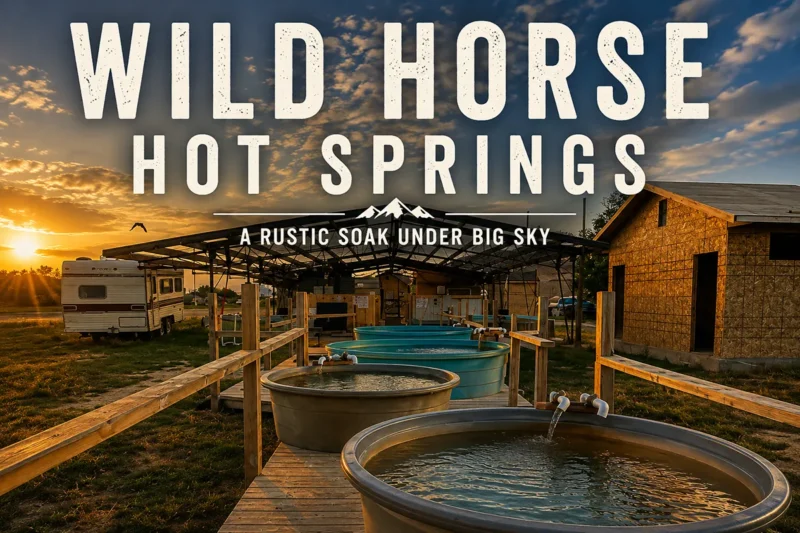
Wild Horse Hot Springs near Hot Springs, Montana, operates differently than most springs on this list. You rent private outdoor tubs fed by natural hot spring water—no chlorine, no crowds, just you and the minerals.
When I booked Wild Horse for an anniversary trip, I wasn’t sure what to expect. The experience exceeded my hopes. Our private tub overlooked rolling hills, and we soaked under the stars without another person in sight. The 100% natural, unchlorinated water felt silkier than any chlorinated pool I’ve used.
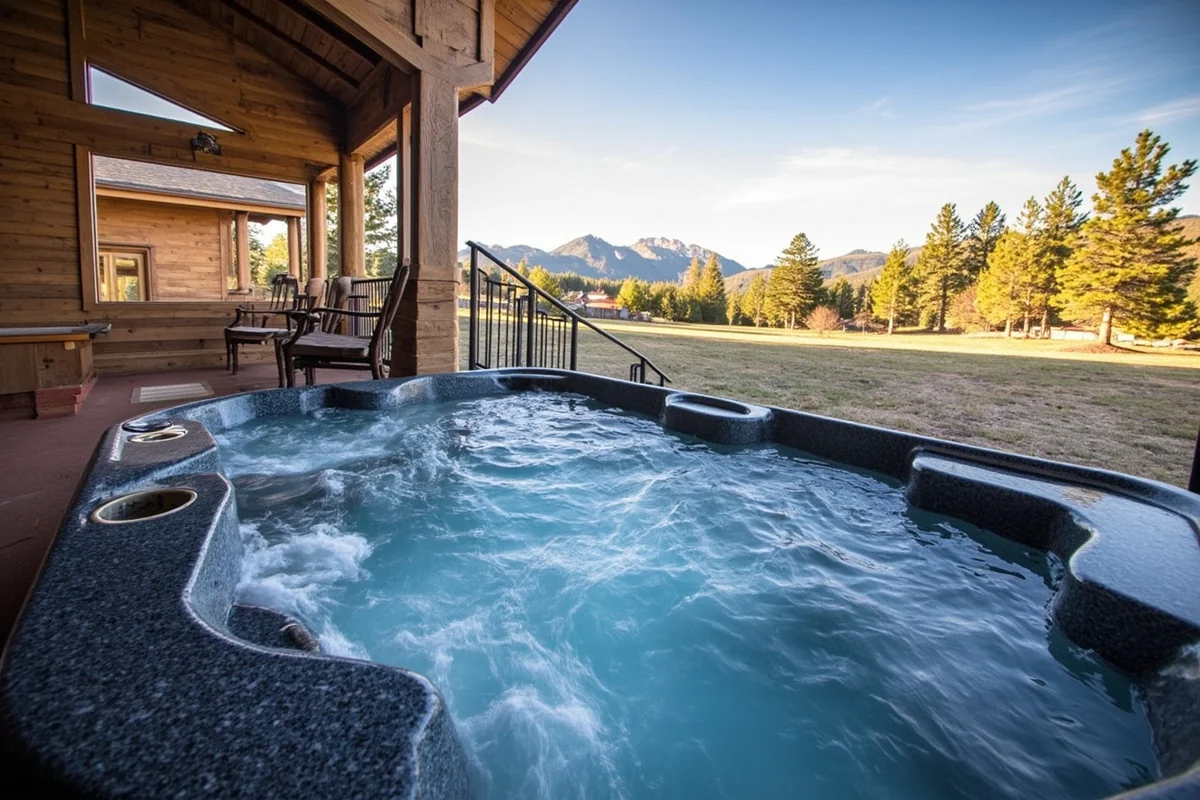
Reservations are essential at Wild Horse. You’re essentially renting the pool for a specific time block, which guarantees privacy but requires advance planning. For couples or small groups seeking intimacy and authenticity, it’s absolutely worth the extra effort.
Nimrod Hot Springs
Nimrod Hot Springs remains one of the lesser-visited developed springs in Montana, which works in its favor. Located near the town of Nimrod (yes, real place), the springs offer a rustic, low-key experience that feels more authentic than larger commercial operations.
I discovered Nimrod during a fly-fishing trip to the Blackfoot River. After a long day of casting, the hot mineral water worked wonders on my tired shoulders. The facility is simple but clean, and the crowds were nonexistent on that midweek evening.
Big Medicine Hot Springs
Big Medicine Hot Springs near Philipsburg offers a unique combination: geothermal pools plus a working cattle ranch atmosphere. The setting feels distinctly Montana in a way that larger resorts sometimes lose.
During my visit, I appreciated the straightforward, no-frills approach. You’re there for the water and the views, not the amenities. The pools maintain comfortable temperatures, and the mountain backdrop reminds you why you came to Montana in the first place.
Practical Information for Planning Your Visit
Understanding the logistics helps you maximize your hot springs experience. Here’s what I’ve learned through trial and error over dozens of visits.
Essential Packing List
- Water shoes: Primitive springs often have rocky bottoms that hurt bare feet. I learned this the hard way at Renova.
- Headlamp: For early morning or evening visits to undeveloped springs. Essential for safety.
- Towels and extra layers: You’ll cool down quickly after exiting hot water, especially in winter.
- Water bottle: Hot soaking is dehydrating. Drink more than you think you need.
- Trash bags: Pack out everything from primitive locations. Leave nothing behind.
- Snacks: Developed springs often have food service, but primitive locations require planning.
Best Times to Visit
| Season | Pros | Cons | Crowd Level |
|---|---|---|---|
| Winter (Dec-Feb) | Most dramatic experience; snow contrast; quieter | Road access can be challenging; shorter days | Low-Medium |
| Spring (Mar-May) | Warming weather; waterfalls flowing; fewer tourists | Muddy roads; variable weather; some springs closed for maintenance | Medium |
| Summer (Jun-Aug) | Easiest access; longest days; all springs operational | Highest crowds; less temperature contrast; hot springs feel less magical when air is warm | High |
| Fall (Sep-Nov) | Beautiful foliage; cooling temps enhance experience; crowds diminishing | Weather increasingly unpredictable; some primitive springs become inaccessible late season | Medium-Low |
My personal favorite time is late fall—October specifically. The crowds have thinned, the aspen have turned gold, and the air temperature makes hot water feel genuinely therapeutic rather than merely pleasant.
Safety Considerations
Hot springs demand respect. Natural geothermal features can cause severe burns if you’re not careful. I always follow these rules:
Test water temperature before entering. Use your hand, not your foot. Some springs can exceed 140°F at certain points—far too hot for human contact.
Avoid hot springs when you’re alone in remote locations. The relaxing heat can mask symptoms of overheating or other distress. Having a companion provides essential safety.
Stay hydrated. I bring at least one liter of water per hour of planned soaking time. The combination of heat and often high altitude dehydrates you faster than you’d expect.
Respect posted signs and warnings. If an area is closed or marked as dangerous, believe it. Geothermal areas change, and yesterday’s safe soak might be today’s burn hazard.
Hot Springs Etiquette
Montana’s hot springs culture has developed its own unwritten rules. Following them makes the experience better for everyone.
Keep your voice down. Most people visit hot springs for relaxation and contemplation. Loud conversations, especially at primitive springs, disrupt the atmosphere that draws us all there.
No glass containers. This is increasingly an official rule, but even where it isn’t posted, bring cans or plastic. Broken glass in a hot spring pool creates hazards for years.
Clothing optional means optional. At springs where clothing optional is the norm, don’t stare or make others uncomfortable. It’s not about nudity—it’s about respecting everyone’s right to relax without judgment.
Pack out everything. This cannot be overstated. Primitive hot springs survive because visitors treat them with care. If you pack something in, pack it out. If you see trash left by others, consider taking that too.
Shower before entering developed pools. This isn’t just courtesy—it helps maintain water quality for everyone.
Planning Your Hot Springs Road Trip
Montana’s best hot springs are scattered across the western part of the state, making a road trip the ideal way to experience multiple locations. Here’s how I’d structure a week-long itinerary:
Days 1-2: Bozeman Area
Fly into Bozeman and spend your first day recovering from travel at Bozeman Hot Springs. On day two, drive south to explore the Paradise Valley, stopping at Chico Hot Springs (another worthy destination I haven’t covered in detail here).
Days 3-4: Southwest Montana
Drive west to the Anaconda-Deer Lodge area. Hit Potosi Hot Springs for a primitive experience, then recover at a developed facility in the evening. Philipsburg makes an excellent overnight base, and you can visit Big Medicine Hot Springs while in the area.
Days 5-6: Northwest Montana
Continue north to the Clark Fork River corridor. Spend at least one night at Quinn’s Hot Springs Resort. If time permits, explore Nimrod Hot Springs and the Hot Springs area, including Symes Hotel and Wild Horse.
Day 7: Return
Drive back toward Bozeman or Missoula for your departure flight, stopping at Norris Hot Springs for one final soak if timing works with their hours.
This itinerary covers approximately 600 miles of driving but keeps daily distances manageable while hitting the state’s best hot springs diversity.
What About Yellowstone’s Hot Springs?
While technically separate from Montana (the park spans Montana, Wyoming, and Idaho), Yellowstone National Park’s geothermal features deserve mention. However, soaking in Yellowstone’s thermal features is illegal and dangerous—the park strictly prohibits it.
Instead, Yellowstone offers observation of spectacular geysers, hot springs, and mudpots. If your Montana trip includes Yellowstone, appreciate these features visually while saving your soaking for the destinations I’ve outlined above.
The one exception: Boiling River, located at the Montana-Wyoming border within the park, allows soaking where hot spring water mixes with the Gardner River. It’s worth visiting but has been closed periodically due to high water levels and pandemic restrictions. Check current status before planning around it.
Hot Springs and Your Health
I’m not a doctor, and I won’t make medical claims. However, I can share my personal experience: regular hot springs visits have become essential to my physical and mental wellbeing.
After long hikes, the mineral water seems to accelerate my muscle recovery. During stressful periods, an evening soak calms my nervous system in ways that other relaxation techniques don’t match. The minerals themselves—varying by spring but often including calcium, magnesium, and sulfur—leave my skin feeling remarkably soft.
Whether these benefits are physiological or psychological matters less to me than the fact that they’re real. Hot springs have become my preferred recovery tool after physical activity and my go-to stress relief when life gets overwhelming.
Supporting Montana’s Hot Springs Future
Many of Montana’s primitive hot springs exist in a gray area of land ownership and access rights. Supporting developed operations helps ensure the hot springs tradition survives, while respecting primitive locations helps keep them accessible.
When visiting developed springs, pay posted fees cheerfully. These businesses maintain water quality, provide facilities, and create local jobs. Your entry fee supports all of that.
When visiting primitive springs, leave no trace and educate others about proper etiquette. The more people treat these places with respect, the more likely they’ll remain accessible.
Consider joining organizations that advocate for public lands access. Much of what makes Montana special—including many hot springs—depends on continued public access to federal and state lands.
Final Thoughts
After eight years and dozens of hot springs visits across Montana, I remain genuinely excited every time I slip into naturally heated mineral water. That first moment—when the heat envelops you and your muscles begin to release—never gets old.
Montana’s hot springs represent something increasingly rare: natural experiences that connect us to the earth’s power while demanding almost nothing beyond showing up and being present. In a world of constant digital stimulation and manufactured experiences, sitting in a pool of water heated by volcanic forces feels almost radical.
Whether you choose a developed resort with full amenities or a primitive wilderness soak, Montana’s hot springs will reward your visit. Start with one location, and I suspect you’ll find yourself planning the next trip before you’ve even dried off from the first.
The water is waiting. The mountains are watching. And somewhere in Montana, steam is rising from pools that have been warming human bodies for thousands of years. Add yourself to that ancient tradition, and you’ll understand why so many of us keep coming back.
Frequently Asked Questions
What are the best natural hot springs in Montana to visit?
The top natural hot springs in Montana include Chico Hot Springs near Yellowstone, Norris Hot Springs with its live music and organic garden, and the wild Boiling River where hot springs meet the Gardner River. For a more rugged experience, I highly recommend Jerry Johnson Hot Springs near the Idaho border or the primitive Potosi Hot Springs in the Beaverhead-Deerlodge National Forest.
Are there free hot springs in Montana open to the public?
Yes, Montana has several free natural hot springs you can soak in without paying admission. The Boiling River in Yellowstone National Park is free with park entry, while truly free options include Potosi Hot Springs and the remote Nimrod Hot Springs. These primitive soaks require hiking and have no facilities, so pack out all trash and arrive early on weekends.
What is the best time of year to visit Montana hot springs?
I find winter and early spring (November through April) to be the most magical time to visit Montana hot springs, as soaking in steaming water surrounded by snow is an unforgettable experience. Fall offers fewer crowds and stunning foliage, while summer provides easier access to backcountry springs. Avoid holiday weekends if you prefer a quieter soak.
What should I bring to a natural hot spring in Montana?
Pack a swimsuit, quick-dry towel, water shoes for rocky bottoms, and a dry bag to protect your belongings. For primitive hot springs, bring plenty of drinking water, sunscreen, and a trash bag to pack out everything you bring in. In winter, I always recommend bringing a warm robe or changing poncho since temperatures can drop below freezing.
How much does it cost to visit Montana hot springs resorts?
Montana hot springs resorts typically charge between $8-$15 for adult day passes, with places like Chico Hot Springs at $10 and Norris Hot Springs around $10-$12. Overnight packages including hot spring access range from $100-$300 per night depending on accommodations. Many resorts offer discounts for Montana residents and children under 12.
Are Montana hot springs safe for children and families?
Most developed Montana hot springs resorts like Fairmont Hot Springs and Chico Hot Springs are family-friendly with temperature-controlled pools and lifeguards on duty. However, primitive natural hot springs can have unpredictable temperatures exceeding 110°F and slippery rocks, making them less suitable for young children. I always recommend testing water temperature before entering and keeping kids in the cooler edges of natural pools.
How far are Montana’s best hot springs from Yellowstone National Park?
Several excellent hot springs are within easy driving distance of Yellowstone’s north entrance in Gardiner. Chico Hot Springs is just 30 miles north (about 45 minutes), while the Boiling River is actually inside the park, only 2 miles south of Gardiner. Bozeman Hot Springs is roughly 90 miles from Yellowstone, making it a perfect stop on your way to or from the park.