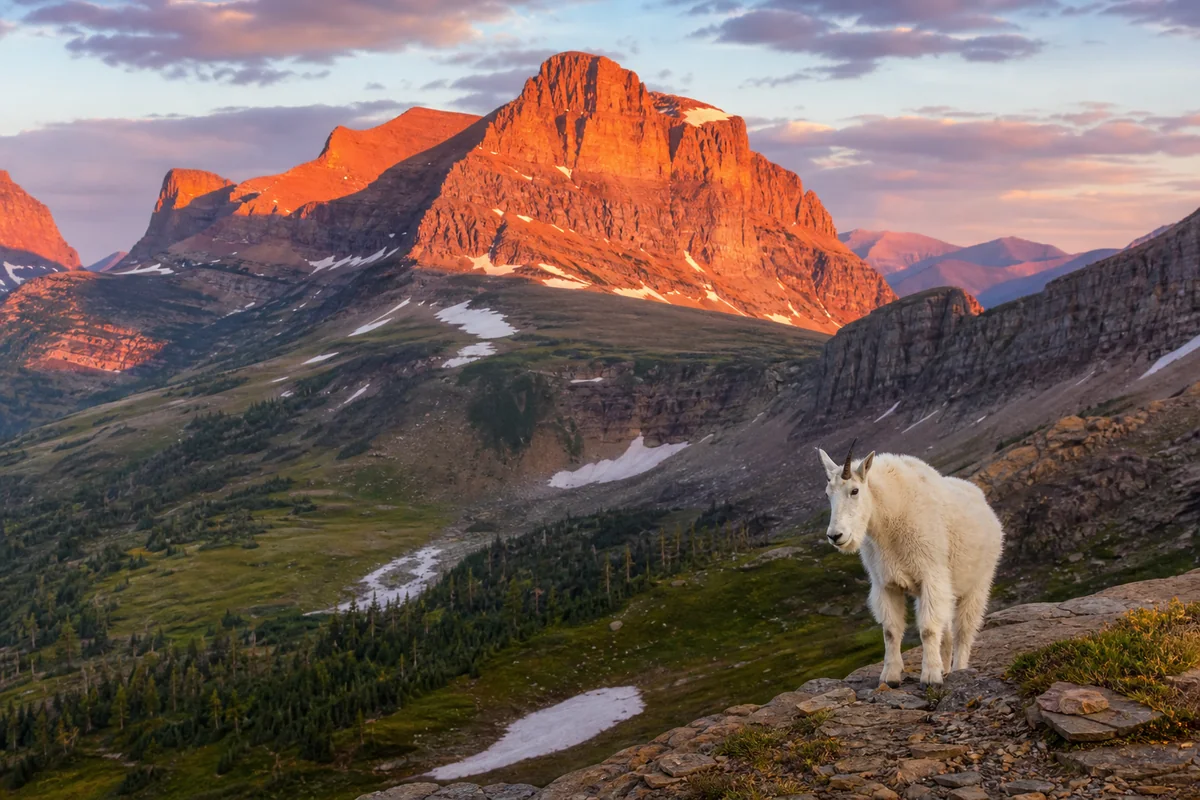
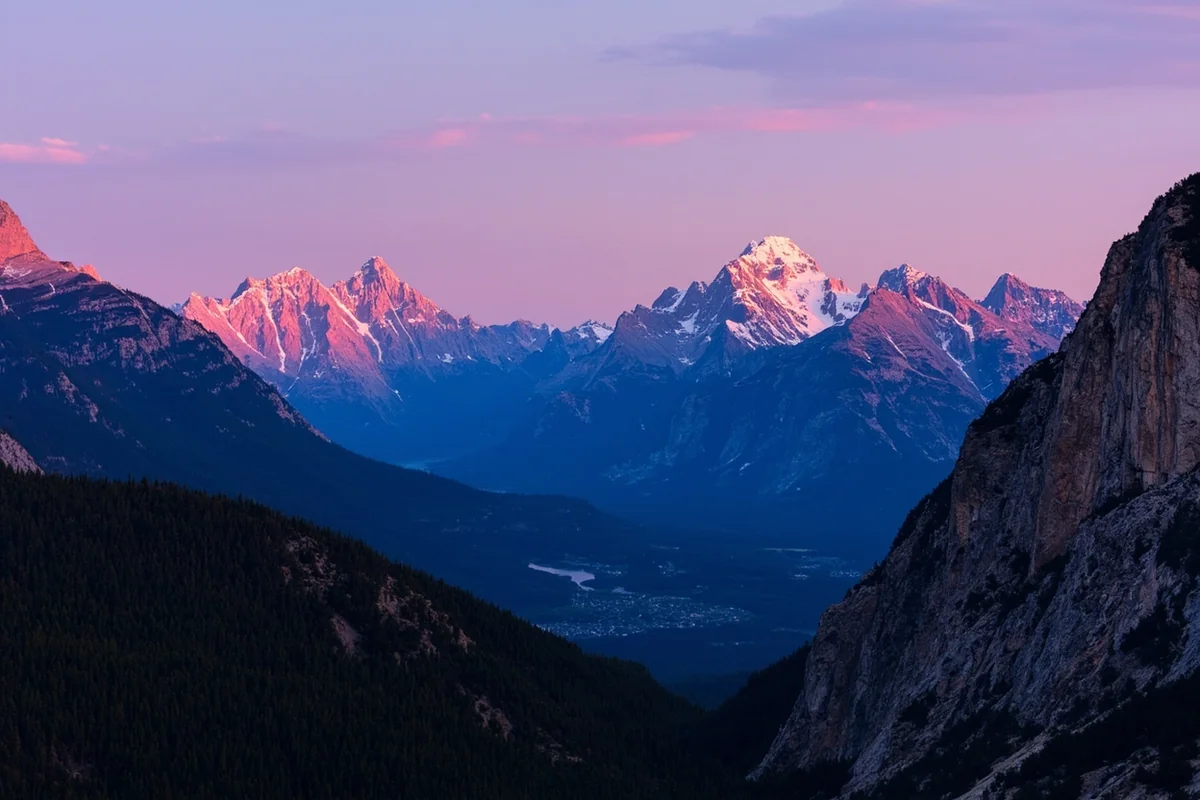
I’ll never forget standing at Logan Pass last September, watching the morning light paint the Garden Wall a deep crimson while most visitors were still eating breakfast at their hotels.
That moment—alone except for a curious mountain goat—reminded me why I’ve spent the past eight years exploring every corner of Montana’s mountain country.
If you’re searching for breathtaking Montana views, you’ve come to the right place, because these eleven mountain scenes have genuinely changed how I see the American West.
- Logan Pass and Hidden Lake Overlook offer Glacier’s most accessible alpine scenery
- Hyalite Canyon near Bozeman delivers stunning peaks without national park crowds
- The Beartooth Highway provides the highest-elevation driving experience in Montana
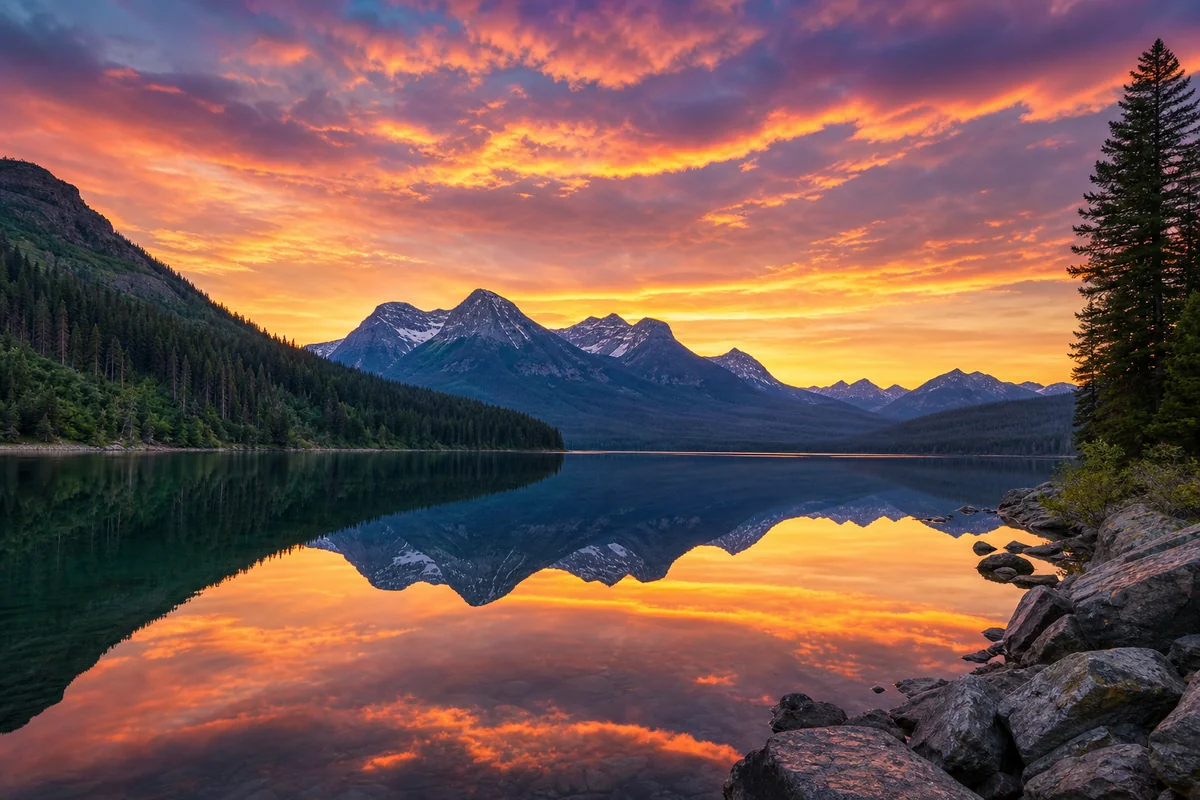
- Many-Glacier’s Swiftcurrent Lake creates perfect mountain reflections at dawn
- Best photo times: 30 minutes before sunrise and the “golden hour” before sunset
- Fall (late September) brings golden larches against snow-capped peaks
- Several world-class viewpoints require no hiking at all
Montana earned its “Big Sky Country” nickname for good reason, but I’d argue the mountains deserve equal billing. From the jagged peaks of Glacier National Park to the remote wilderness of the Absaroka-Beartooth, these landscapes offer something you won’t find anywhere else in the Lower 48.
Whether you’re chasing Instagrammable places in Montana or simply want to experience genuine wilderness, these eleven mountain scenes deliver the real deal.
Liked this article?
Add Roaming Montana as a preferred source so you see more of our articles and guides on Google.
Understanding Montana’s Mountain Geography
Before I dive into specific locations, let me share something that took me years to fully appreciate. Montana contains parts of three major mountain systems: the Northern Rockies, the Middle Rockies, and isolated ranges that geologists still debate about.
This matters for your trip planning because each region offers distinctly different scenery. The Northern Rockies around Glacier feature dramatic glacially-carved cirques and horn peaks. The ranges near Yellowstone showcase volcanic influences and vast high plateaus.
I’ve met countless visitors who assumed all Montana mountains look the same. Trust me—the limestone spires near Great Falls feel completely different from the granite giants around Bozeman.
1. Logan Pass and the Garden Wall
During my most recent visit last August, I arrived at Logan Pass at 5:30 AM to beat the crowds. By 6:15, I had the Continental Divide Trail practically to myself, watching the Garden Wall emerge from darkness.
Logan Pass sits at 6,646 feet along the Going-to-the-Sun Road, making it the highest point accessible by car in Glacier National Park. The views here stretch endlessly—jagged peaks in every direction, hanging valleys carved by ancient glaciers, and if you’re lucky, mountain goats wandering within feet of the visitor center.
What makes this spot special isn’t just the scenery. It’s the accessibility. You can experience world-class alpine vistas without hiking a single step, though I strongly recommend the 1.5-mile walk to Hidden Lake Overlook.
Practical Tips for Logan Pass
The parking lot fills by 8 AM during peak summer months. I always recommend arriving before sunrise or after 4 PM. Since 2021, vehicle reservations have been required during peak hours (6 AM to 4 PM), so plan ahead through Recreation.gov.
Bring layers regardless of the season. I’ve experienced all four seasons in a single July afternoon here—sunshine, rain, sleet, and back to sunshine within two hours.
2. Many Glacier Valley and Swiftcurrent Lake
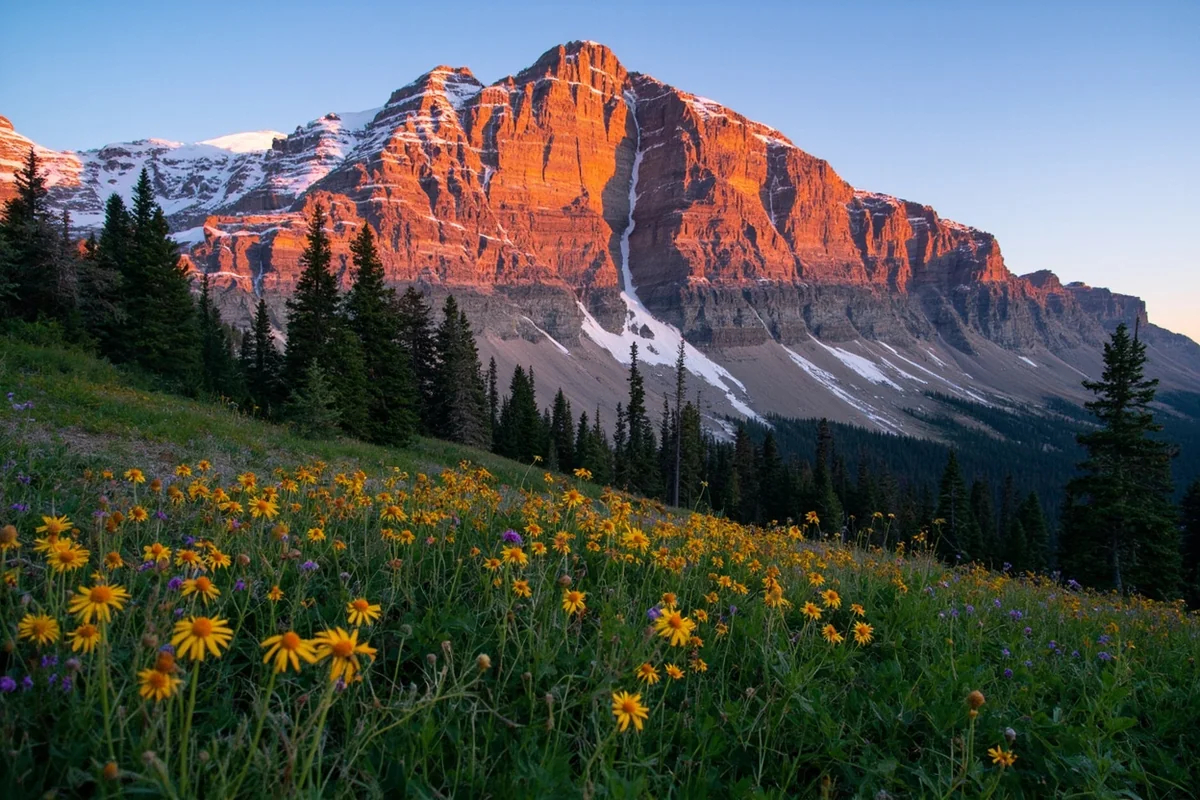
If Logan Pass represents Glacier’s accessible grandeur, Many Glacier delivers its most dramatic mountain scenery. When I first drove into this valley five years ago, I literally pulled over and sat in stunned silence for ten minutes.
Swiftcurrent Lake creates perfect mirror reflections of Mount Grinnell, Mount Wilbur, and the surrounding peaks. The scene is so perfectly composed it almost looks artificial—but I promise it’s devastatingly real.
This area sits on the park’s east side, about an hour’s drive from St. Mary. The Many Glacier Hotel, built in 1915, adds a historic element that enhances the entire experience.
Best Times and Conditions
For mirror-still reflections, arrive at Swiftcurrent Lake before 8 AM. Wind typically picks up by mid-morning and ruins the reflection effect.
I visited during late September last year and caught the peak of larch season. Those golden needles against the dark evergreens and snow-dusted peaks created some of the most memorable scenery I’ve witnessed anywhere.
The trailhead for Grinnell Glacier starts here, offering a challenging but incredibly rewarding hike that showcases the valley from multiple angles.
3. Beartooth Highway Summit Views
Charles Kuralt called it “the most beautiful drive in America,” and after driving the Beartooth Highway seven times over the years, I still agree with him completely.
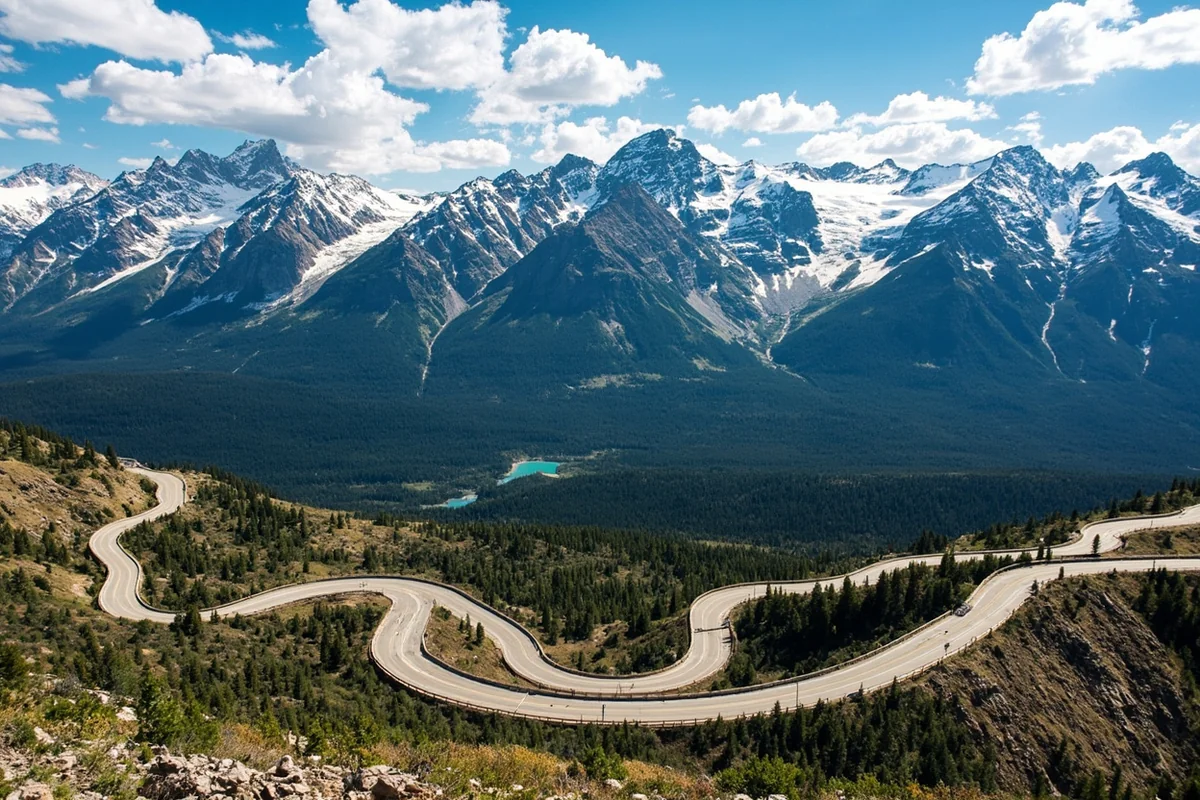
This 68-mile stretch of US Highway 212 climbs to 10,947 feet—the highest elevation road in Montana and one of the highest in the entire country. The views from the summit area aren’t just beautiful; they’re otherworldly.
During my drive last June, snow still lined the road at the top while wildflowers bloomed in the valleys below. The contrast was extraordinary, and I spent nearly three hours at the summit pullouts, unable to stop photographing.
Driving Considerations
The highway typically opens late May and closes in mid-October, though exact dates vary wildly based on snowfall. I’ve seen it open as late as June 15 during heavy snow years.
The switchbacks intimidate some drivers, but the road is well-maintained with guardrails at the most exposed sections. Take your time, use pullouts frequently, and don’t try to rush the experience.
Stock up on gas in Red Lodge (Montana side) or Cooke City (near Yellowstone) before attempting the drive. There are no services along the highway itself.
4. Hyalite Canyon and Hyalite Peak
When I need a mountain fix without driving to Glacier or Yellowstone, Hyalite Canyon is my go-to destination. Located just 20 minutes south of Bozeman, this area delivers alpine scenery that rivals anywhere in the state.
Hyalite Reservoir sits at the base, surrounded by dramatic peaks that catch the morning light beautifully. The canyon road continues past the reservoir, accessing multiple trailheads and stunning viewpoints.
I’ve watched Montana sunrises and sunsets here dozens of times, and the show never disappoints. The peaks catch alpenglow while the valley below remains in shadow—creating layered, dimensional scenes that photographs rarely capture adequately.
Trail Recommendations
For the best mountain views with moderate effort, I recommend the Hyalite Peak trail. It’s a 10-mile round trip with 3,300 feet of elevation gain, but the summit panorama includes the entire Gallatin Range and beyond.
If you prefer easier access, simply drive to the end of the Hyalite Canyon Road and enjoy the views from multiple pullouts. The Palisade Falls trail offers a quick, easy option with stunning canyon walls visible throughout.
5. Glacier’s Wild Goose Island Viewpoint
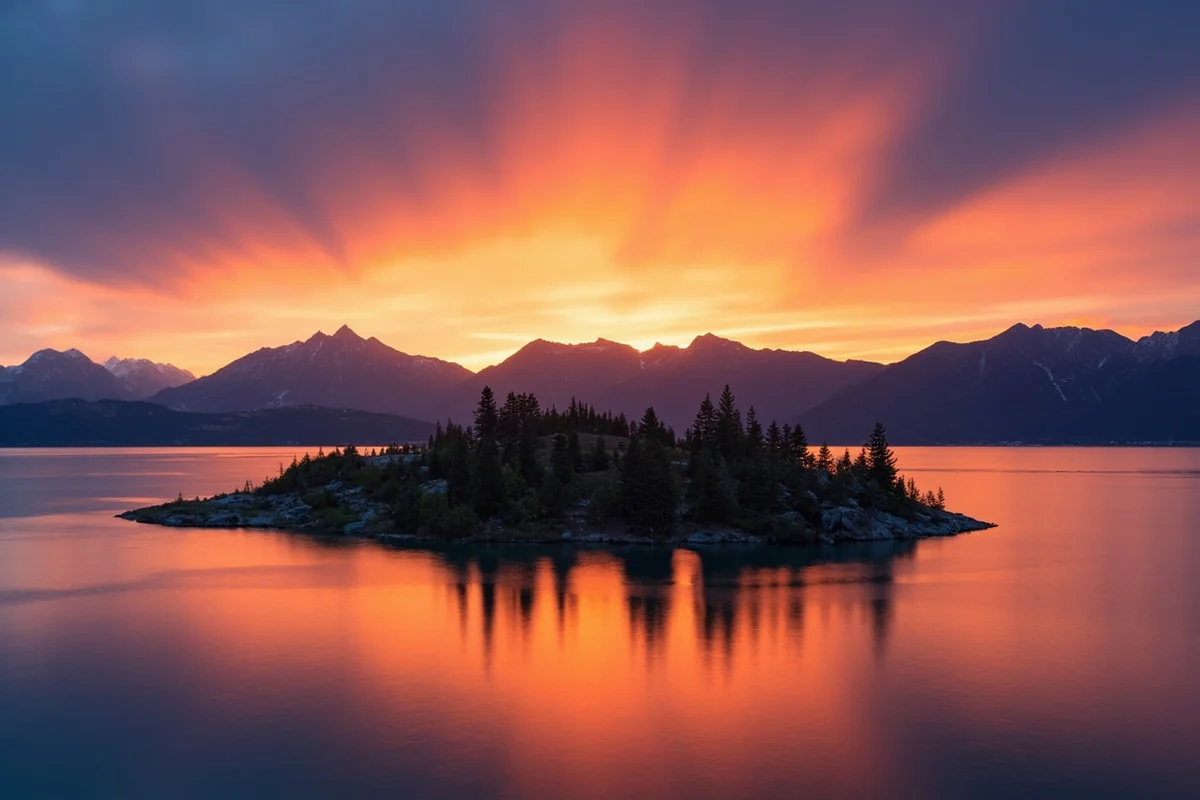
You’ve probably seen this image even if you don’t recognize the name. Wild Goose Island sits in St. Mary Lake, a tiny tree-topped island that perfectly frames the mountains rising behind it.
The official viewpoint is a small pullout along the Going-to-the-Sun Road, and it gets absolutely mobbed during peak hours. When I last visited in early October, I had the entire pullout to myself at 7 AM.
This scene represents Montana mountain scenery at its most iconic. The scale is humbling—that tiny island, dwarfed by peaks that rise over 6,000 feet above the lake surface.
Photography Notes
The classic shot works best in early morning or late evening when the light hits the mountains directly. Midday sun creates harsh shadows and flat lighting that diminishes the scene’s drama.
I’ve found that telephoto lenses (200mm or longer) create the most compelling compositions by compressing the island against the mountains. Wide-angle shots are pretty, but they lose the dramatic scale.
6. The Chinese Wall in the Bob Marshall Wilderness
This one requires commitment. The Chinese Wall isn’t accessible by car—you’ll need to hike at least 15 miles to see it. But I’m including it because it represents Montana mountain scenery in its purest, most untouched form.
I backpacked to the Chinese Wall three summers ago, and the experience fundamentally changed my understanding of wilderness. This 1,000-foot limestone escarpment stretches for 12 miles along the Continental Divide, completely unmarked by roads or development.
Standing beneath it, I felt genuinely small in a way that’s increasingly rare in our connected, accessible world.
Planning Your Trip
Most visitors access the Chinese Wall via the North Fork of the Sun River trail, starting from the Benchmark trailhead west of Augusta. Plan for at least three days minimum, though a week allows for proper exploration.
Grizzly bear activity is common here—this is their territory, not ours. I saw five grizzlies during my week in the Bob, including a sow with cubs that required me to alter my planned route.
Permits aren’t required for overnight camping, but let someone know your itinerary. Cell service is nonexistent.
7. Glacier’s Highline Trail Panoramas
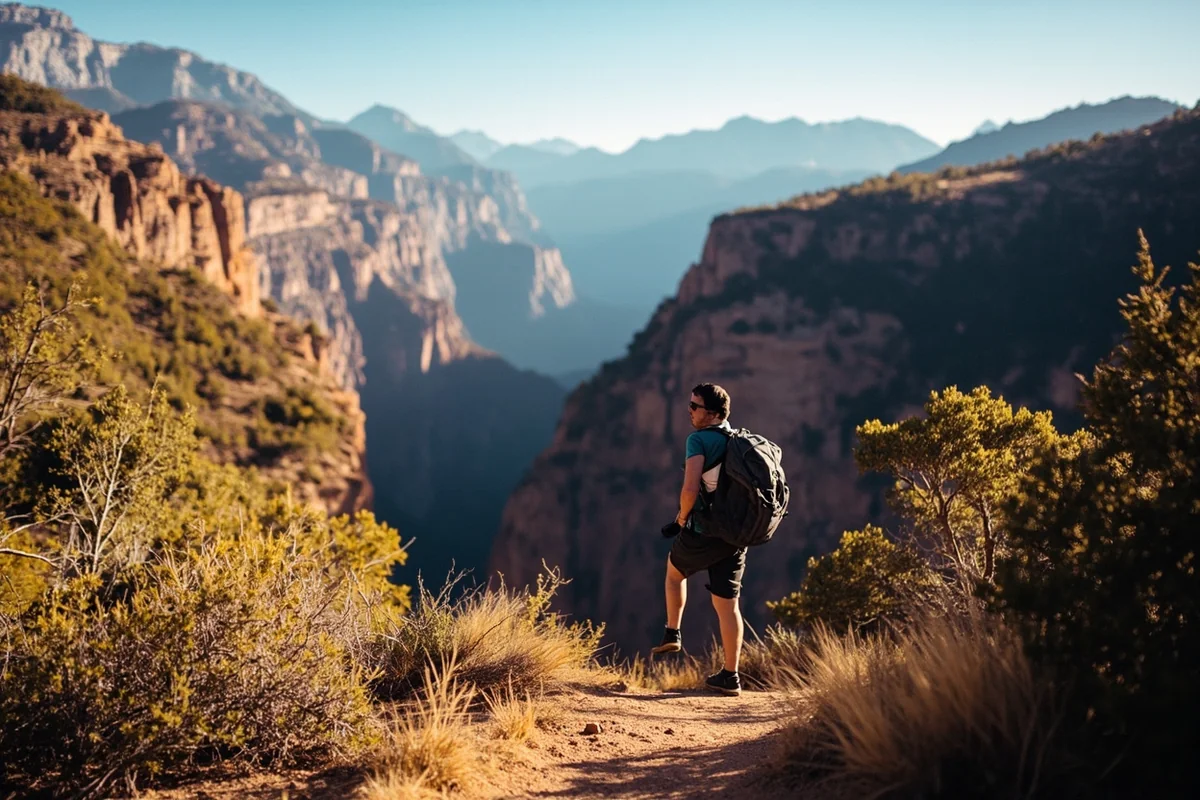
When experienced Montana hikers discuss their favorite mountain views, the Highline Trail comes up repeatedly. This 11.8-mile point-to-point trail traverses the Garden Wall, offering nearly continuous mountain panoramas.
I hiked the complete trail last July, starting at Logan Pass and ending at the Loop parking area. The exposure intimidates some people—certain sections feature sheer drops with only a cable handhold—but the rewards are extraordinary.
Looking down into the valley at Haystack Butte, with Heaven’s Peak rising across the void, I understood why so many consider this America’s most scenic trail.
Trail Details
| Aspect | Details |
|---|---|
| Distance | 11.8 miles point-to-point |
| Elevation Gain | 830 feet (mostly level with some descent) |
| Difficulty | Moderate (with exposure) |
| Best Time | Mid-July through September |
| Transportation | Free shuttle connects trailheads |
Snow can linger on exposed sections into late July. Check trail conditions with the Logan Pass visitor center before attempting this hike.
8. Flathead Lake with Mission Mountains
Not all Montana mountain scenery requires driving deep into national parks. Flathead Lake, the largest natural freshwater lake west of the Mississippi, offers spectacular Mission Mountain views from multiple accessible locations.
I spent a weekend at Wayfarers State Park last summer, watching the sun set behind the Missions while my feet dangled in the lake. That combination—water, forest, and dramatic peaks—creates something uniquely Montana.
The Mission Mountains rise abruptly from the valley floor, creating a wall of rock and snow that dominates the eastern horizon. From the west shore of Flathead Lake, these peaks frame every sunset.
Best Viewing Spots
Wayfarers State Park near Bigfork offers excellent camping and consistent views. Wild Horse Island State Park, accessible only by boat, provides more solitude and equally stunning mountain backdrops.
For the most dramatic perspective, drive Highway 35 along the east shore during morning hours. The light hits the Missions directly, creating warm tones that photograph beautifully.
9. The Absaroka Range from Paradise Valley
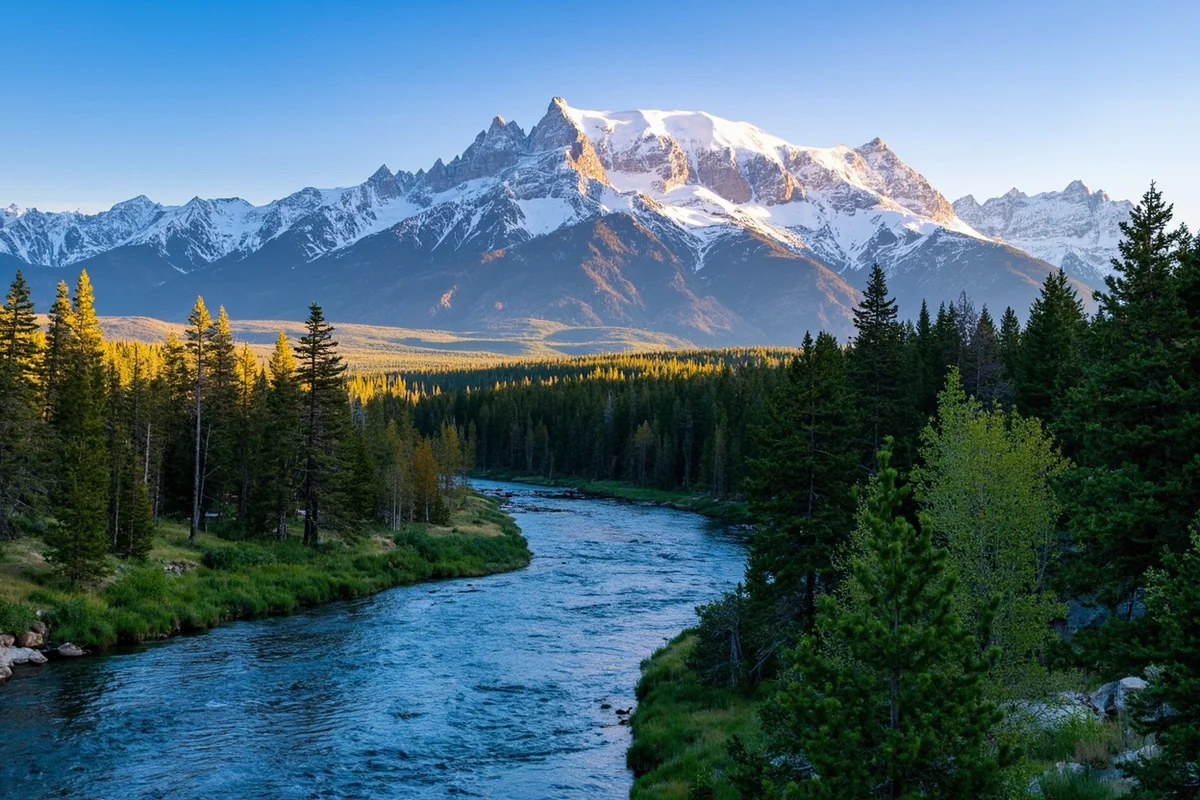
Paradise Valley lives up to its name. This broad valley stretches between Livingston and Gardiner, with the Absaroka Range rising along its eastern edge and the Gallatin Range to the west.
Driving Highway 89 through Paradise Valley last fall, I pulled over repeatedly to photograph the Absarokas. Fresh snow dusted the peaks while golden cottonwoods lined the Yellowstone River below—layers of color that seemed almost impossibly vivid.
This area offers mountain scenery without the crowds of Glacier or Yellowstone. I’ve encountered empty pullouts here during peak tourist season.
Local Recommendations
The small town of Emigrant offers several restaurants and lodging options. I always stop at the Emigrant General Store for sandwiches and genuine local conversation.
For the best mountain views, continue past Emigrant to the Pine Creek area. The trailhead for Pine Creek Lake provides stunning Absaroka scenery even if you only hike the first mile.
10. Triple Divide Peak Area
Here’s a geographic oddity that most visitors never consider: Triple Divide Peak in Glacier National Park is the only place in North America where water flows to three different oceans. Rain falling on this summit eventually reaches the Pacific, Atlantic, and Arctic oceans.
I hiked to the base of Triple Divide Peak two summers ago, and the scenery reflected this unique geography. Three distinct valleys radiate outward, each carved by water heading toward different seas.
The mountain itself isn’t Montana’s most dramatic, but understanding its significance adds a layer of meaning to the scenery that I found surprisingly moving.
Getting There
The trail starts at Cut Bank trailhead on Glacier’s east side, an area that sees far fewer visitors than other park sections. The hike to Triple Divide Pass covers about 12 miles round trip with moderate elevation gain.
I recommend camping at Triple Divide backcountry campground to experience sunrise here. Watching light spread across three ocean drainages felt genuinely profound.
11. The Spanish Peaks Near Big Sky
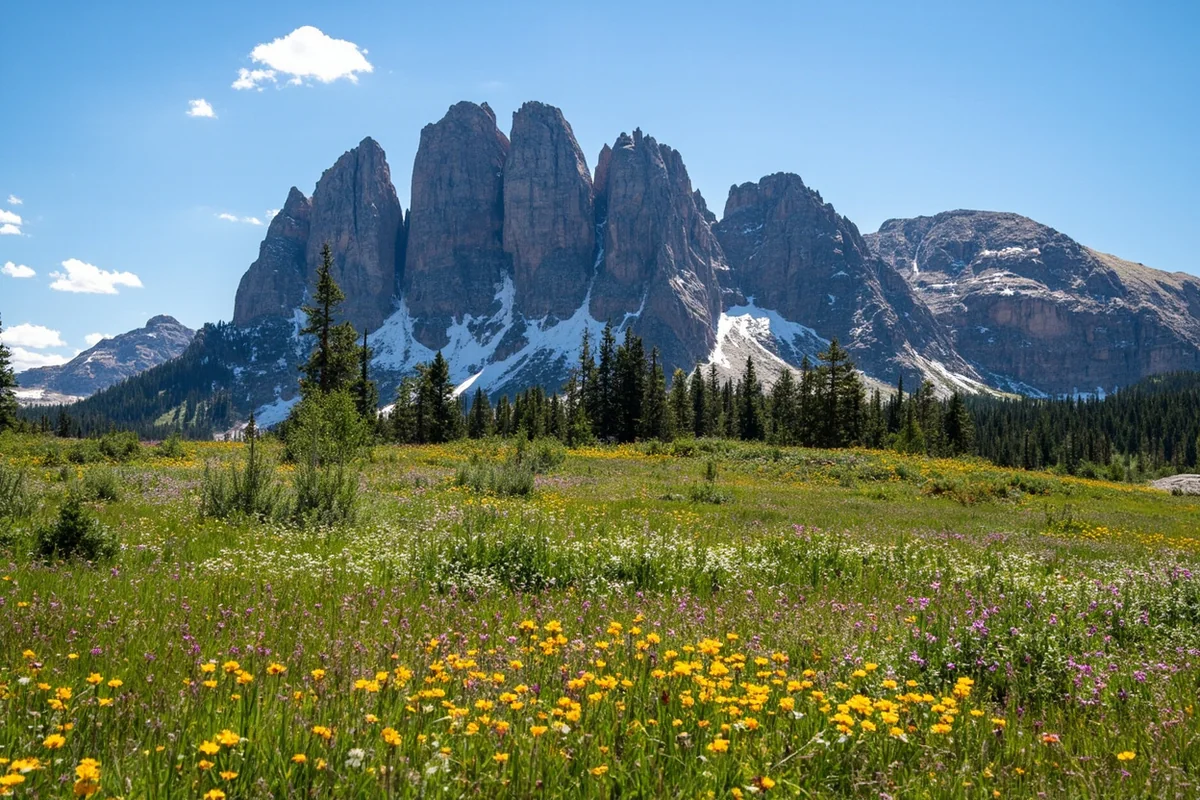
The Spanish Peaks Wilderness contains some of the most dramatic mountain scenery in southwestern Montana. These granite towers rise sharply, their jagged profiles visible from highways throughout the region.
I’ve explored this area extensively over the years, and it consistently surprises me. The peaks are steeper and more rugged than they appear from the highway, with technical climbing routes that attract serious mountaineers.
For non-climbers, the views from surrounding trails are spectacular. The contrast between dark granite peaks and the green valleys below creates classic Montana mountain scenery.
Access Points
The Spanish Creek trailhead, accessed via Highway 191 south of Big Sky, provides the most direct entry. The Mirror Lake trail offers stunning Spanish Peaks views without extreme mileage.
Big Sky Resort operates summer lifts that provide elevated perspectives of these peaks. I’ve used the lifts for photography access, though hiking offers more intimate encounters with the landscape.
Seasonal Considerations for Montana Mountain Scenery
Montana’s mountains change dramatically with the seasons, and timing your visit correctly can mean the difference between spectacular scenery and disappointment.
Summer (June-August)
High country access opens in late June through early July, depending on snowpack. This is prime season for most mountain viewpoints, though crowds peak in late July and early August.
I prefer early June when the landscape still holds spring snow and wildflowers are emerging. Late August brings thinner crowds but browning vegetation in lower elevations.
Fall (September-October)
My favorite season for Montana mountain photography. Golden aspens and larches create stunning color contrast against snow-dusted peaks. Many visitor services close by mid-October, so plan accordingly.
The Going-to-the-Sun Road typically closes to vehicles in mid-October, though exact dates vary annually.
Winter (November-March)
Most mountain viewpoints become inaccessible, but Flathead Lake and Paradise Valley offer year-round access. Snow-covered peaks against blue skies create minimalist scenes that I find deeply satisfying.
Cross-country skiing provides winter access to some areas, though avalanche danger requires serious respect.
Spring (April-May)
Transitional conditions make this the most challenging season for mountain scenery. Melting snow creates muddy trails and limited access. However, fewer visitors mean more solitude if you can handle the conditions.
Practical Information for Visiting Montana’s Mountains
Best Base Towns
- Kalispell/Whitefish: Gateway to Glacier’s west side with full services
- Bozeman: Access to Hyalite, Paradise Valley, and Spanish Peaks
- Red Lodge: Base for Beartooth Highway exploration
- St. Mary: Gateway to Glacier’s east side and Many Glacier
- Bigfork: Flathead Lake views with charming small-town feel
Weather Preparation
Mountain weather changes rapidly and dramatically. I always carry rain gear, extra layers, and sun protection regardless of forecast. Last summer, I experienced a 40-degree temperature drop in three hours at Logan Pass.
Lightning is a serious concern in exposed alpine areas. If storms threaten, descend immediately. Several people die from lightning strikes in Montana mountains each decade.
Wildlife Safety
Grizzly bears inhabit virtually all Montana mountain areas. Carry bear spray, know how to use it, and make noise while hiking. I’ve encountered grizzlies on five different occasions in Montana mountains—every encounter ended safely because I followed proper protocols.
Mountain lions and black bears also roam these areas. Travel in groups when possible and never approach any wildlife.
Final Thoughts on Montana Mountain Scenery
After eight years of exploring Montana’s mountain country, I still discover new viewpoints that stop me in my tracks. The scale of these landscapes defies adequate description—you simply have to experience them yourself.
These eleven locations represent my personal favorites, but Montana contains countless other mountain scenes worth seeking. The state’s public lands provide access to wilderness experiences that are increasingly rare in our crowded world.
When you visit, take your time. The most memorable mountain moments I’ve experienced came when I stopped rushing, found a quiet spot away from other visitors, and simply let the scenery wash over me.
Montana’s mountains aren’t going anywhere. But the glaciers are retreating, and some viewpoints will change within our lifetimes. If you’ve been dreaming about these landscapes, now is the time to see them.
I’ll be back at Logan Pass next September, watching the alpenglow paint the Garden Wall. Maybe I’ll see you there.
Frequently Asked Questions
What is the best time of year to see Montana mountain scenery?
I recommend visiting Montana between late June and mid-September for the clearest mountain views and accessible trails. July and August offer the most reliable weather, though September brings stunning fall colors and fewer crowds. Keep in mind that some high-elevation viewpoints remain snow-covered until early July.
Where can I find the most breathtaking mountain views in Montana?
Glacier National Park’s Going-to-the-Sun Road offers some of the most dramatic mountain scenery in the entire country, with viewpoints like Logan Pass at 6,646 feet. I also highly recommend the Beartooth Highway near Red Lodge and the Mission Mountains near Flathead Lake for equally stunning but less crowded panoramas.
How much does it cost to visit Montana’s mountain viewpoints?
Glacier National Park charges $35 per vehicle for a 7-day pass, while most scenic highways and pullouts are completely free to access. Budget around $150-250 per night for lodging near popular mountain areas during peak season, though camping runs $20-35 per night if you book early.
Do I need a reservation to drive Going-to-the-Sun Road in Glacier National Park?
Yes, from late May through mid-September you’ll need a vehicle reservation to enter Glacier National Park between 6 AM and 3 PM. I recommend booking your $2 timed-entry permit at Recreation.gov as soon as reservations open in spring, as they sell out within hours for peak summer dates.
What should I pack for viewing Montana mountain scenery?
Bring layers regardless of season since mountain temperatures can drop 20-30 degrees from base to summit, even in summer. I always pack a quality camera with a polarizing filter, binoculars for wildlife spotting, sunscreen, and sturdy shoes since many viewpoints require short hikes. Don’t forget bear spray if you’re venturing onto trails.
How far apart are Montana’s best mountain viewpoints from each other?
Montana is massive, so plan accordingly—it’s roughly 340 miles and 5.5 hours from Glacier National Park to the Beartooth Highway near Yellowstone. Most scenic viewpoints within Glacier are 15-45 minutes apart along Going-to-the-Sun Road, making it possible to hit multiple spots in one day.
Can I see Montana mountain scenery without hiking?
Absolutely—many of Montana’s most spectacular mountain views are accessible directly from your car or short walks under 100 yards from parking areas. Going-to-the-Sun Road, Beartooth Highway, and Highway 89 through the Rocky Mountain Front all offer stunning roadside pullouts perfect for photographers and travelers with mobility concerns.
Sources