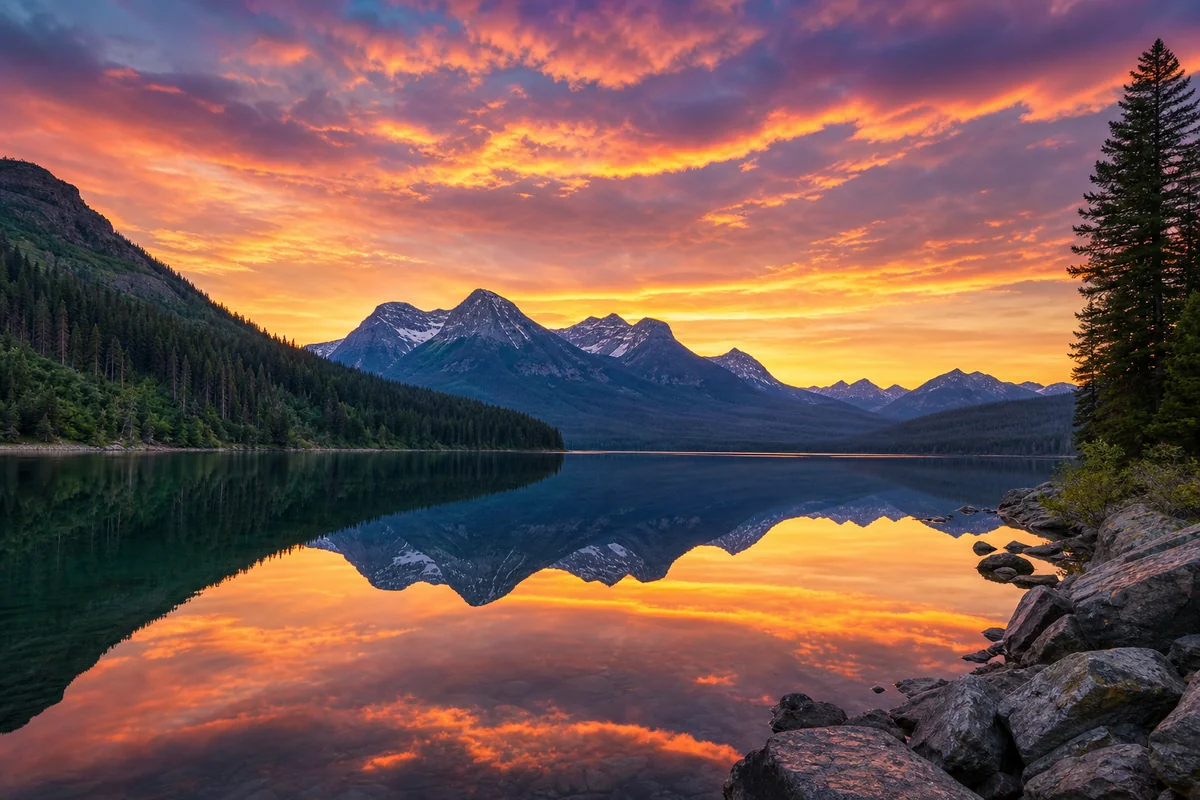
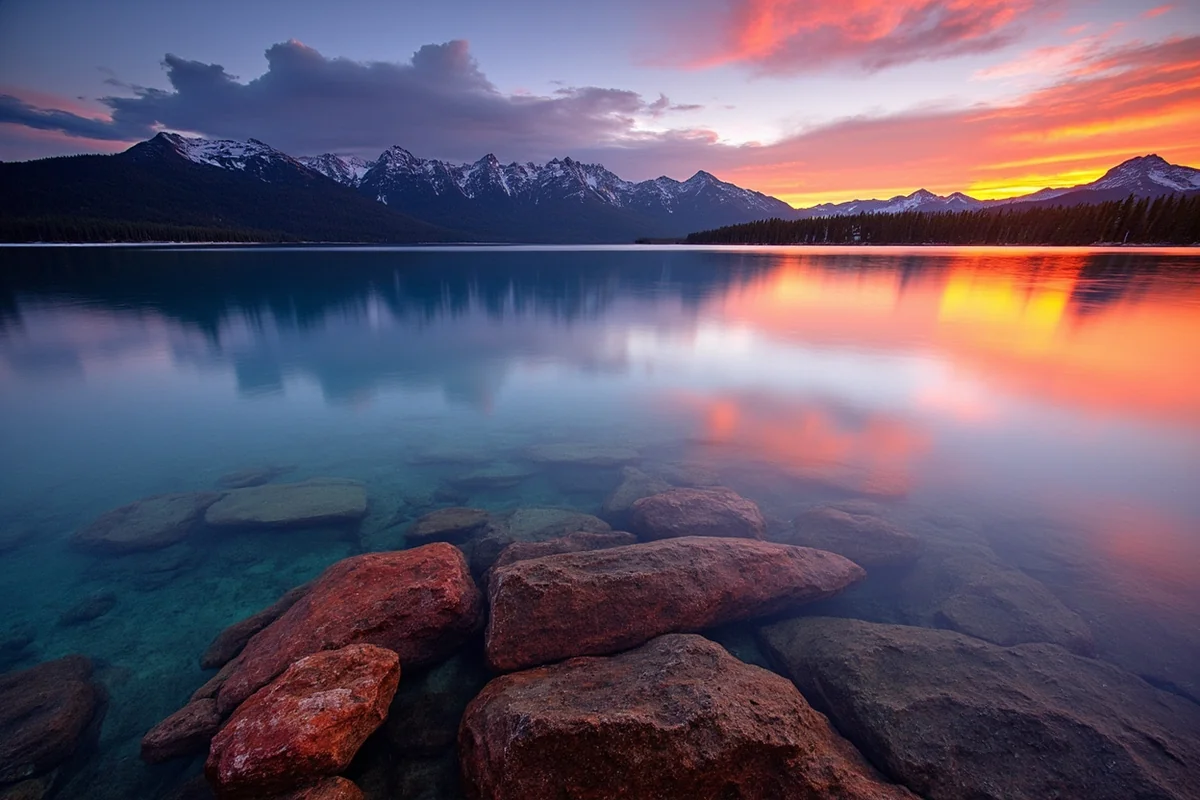
I’ll never forget standing on the shore of Lake McDonald at 5:47 AM last August, watching the sky transform from deep purple to blazing orange while the lake became a perfect mirror reflecting Glacier National Park’s peaks.
That single moment—coffee in hand, not another soul in sight—reminded me why Montana earned its nickname as Big Sky Country.
When you’re chasing 15 breathtaking Montana views, timing your visit around golden hour elevates an impressive landscape into something truly transcendent.
- Best sunrise spots: Lake McDonald, Wild Goose Island, and the prairies near Malta offer mirror-still reflections and unobstructed horizons
- Best sunset locations: Flathead Lake, Big Arm State Park, and the Beartooth Highway deliver dramatic alpenglow on mountain peaks
- Peak seasons: Late June through early September for longest golden hours; winter offers pink snow and shorter crowds
- Arrive 45-60 minutes before sunrise/after sunset for full color progression and the magical blue hour
- Lesser-known gems like Freezeout Lake and the Madison Valley rival famous spots without the crowds
Liked this article?
Add Roaming Montana as a preferred source so you see more of our articles and guides on Google.
Why Montana’s Sunrises and Sunsets Hit Different
There’s actual science behind why Montana skies put on such a show. The state’s high elevation—averaging 3,400 feet—means less atmospheric interference between you and the sun’s rays, creating more vivid colors.
Combine that with remarkably low humidity across most of the state, and you get conditions that photographers dream about. The clean mountain air scatters light in ways that produce everything from soft pastels to screaming reds and oranges.
During my years photographing across the American West, I’ve noticed Montana consistently delivers more color variation than neighboring states. The combination of dramatic topography—from jagged peaks to endless prairie—creates silhouettes and backdrops that amplify whatever nature serves up that evening.
The 13 Best Sunrise and Sunset Spots in Montana
I’ve organized these locations by region, starting in the iconic northwest and working across the state. Each spot offers something unique, whether you’re a serious photographer or simply someone who appreciates starting or ending the day with beauty.
These locations also rank among the 33 best Instagrammable places in Montana for good reason.
1. Lake McDonald, Glacier National Park
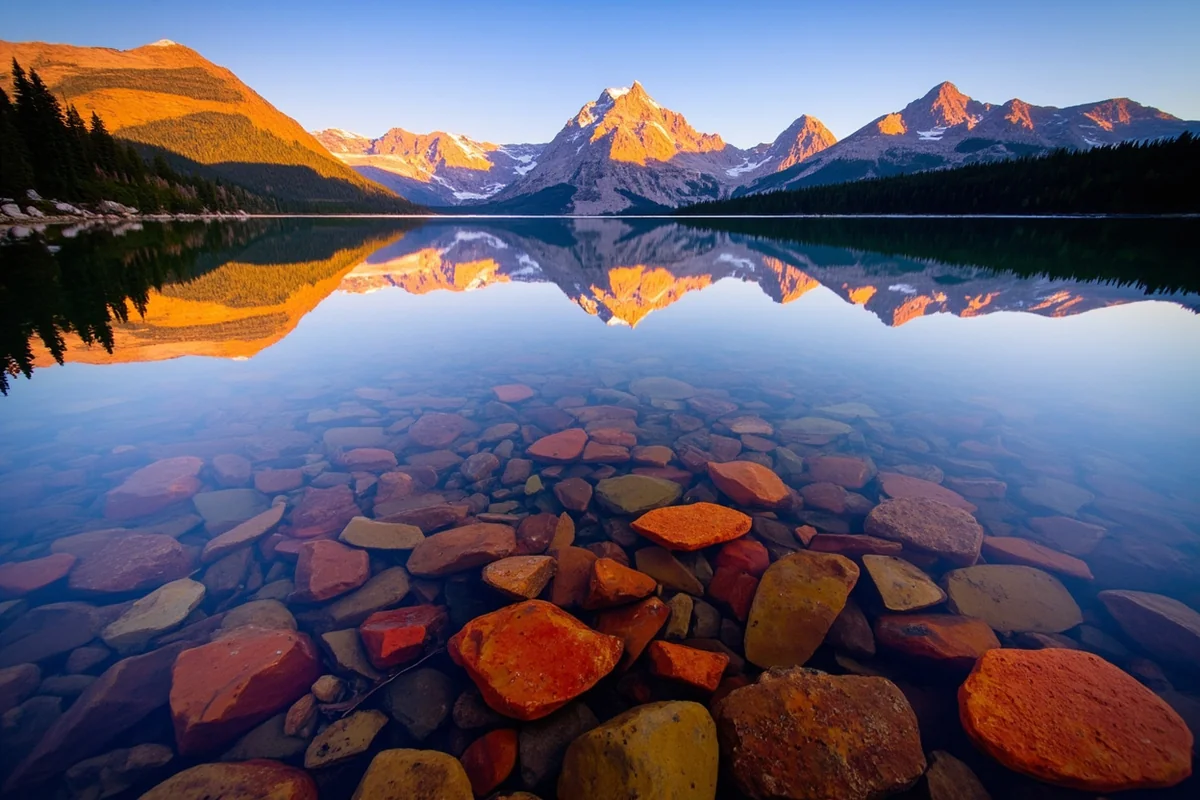
Lake McDonald remains my personal favorite sunrise location in the entire state. The famous rainbow rocks that line the shoreline catch the first light beautifully, while the lake’s glassy morning surface creates perfect reflections of the surrounding peaks.
I recommend parking at Apgar Village the night before if you’re camping, or arriving by 5:00 AM during peak summer. The 10-mile-long lake offers multiple vantage points, but I prefer the south shore near the Lake McDonald Lodge for the best mountain backdrop.
One practical tip: mosquitoes are brutal at dawn from late June through mid-July. Bring bug spray and long sleeves, or you’ll be too distracted swatting to enjoy the show.
2. Wild Goose Island Overlook, Glacier National Park
This tiny island in Saint Mary Lake has graced more Montana postcards than perhaps any other single image. The pullout along Going-to-the-Sun Road offers elevated views of the island with dramatic peaks behind it.
Sunrise here is magical, but I actually prefer sunset when the west-facing mountains catch alpenglow. During my September visit, the entire scene turned pink and gold for about 12 minutes—long enough to capture it, brief enough to feel precious.
Fair warning: this pullout fills up fast. During peak season, arrive at least an hour before sunset to claim a spot. I’ve seen photographers set up tripods three hours early on summer weekends.
3. Bowman Lake, Glacier National Park
If Wild Goose Island feels too crowded, Bowman Lake offers similar mirror reflections with a fraction of the visitors. The trade-off is access—the 6-mile gravel road into the lake is rough and slow.
I drove in last July for a sunrise session and had the entire lakeshore to myself until 7:30 AM. The surrounding peaks of the Livingston Range glow orange at dawn, and the lake’s smaller size means wind disturbance is less likely to ruin reflections.
This spot rewards patience and planning. The road closes to vehicles during winter and early spring, so check conditions before attempting the drive.
4. Flathead Lake, Near Polson and Big Arm
Flathead Lake is the largest natural freshwater lake west of the Mississippi, and those 185 square miles of water create stunning sunset conditions. I’ve watched the sun drop behind the Mission Mountains from Big Arm State Park multiple times, and the show never disappoints.
The western shore between Big Arm and Elmo offers the most dramatic sunset views. Cherry orchards line portions of the shoreline, adding foreground interest that photographers love.
During my last visit in late August, I discovered an unmarked pullout about 3 miles north of Big Arm that provided an elevated perspective over the water. Sometimes the best spots require a little exploration.
5. Beartooth Highway Summit
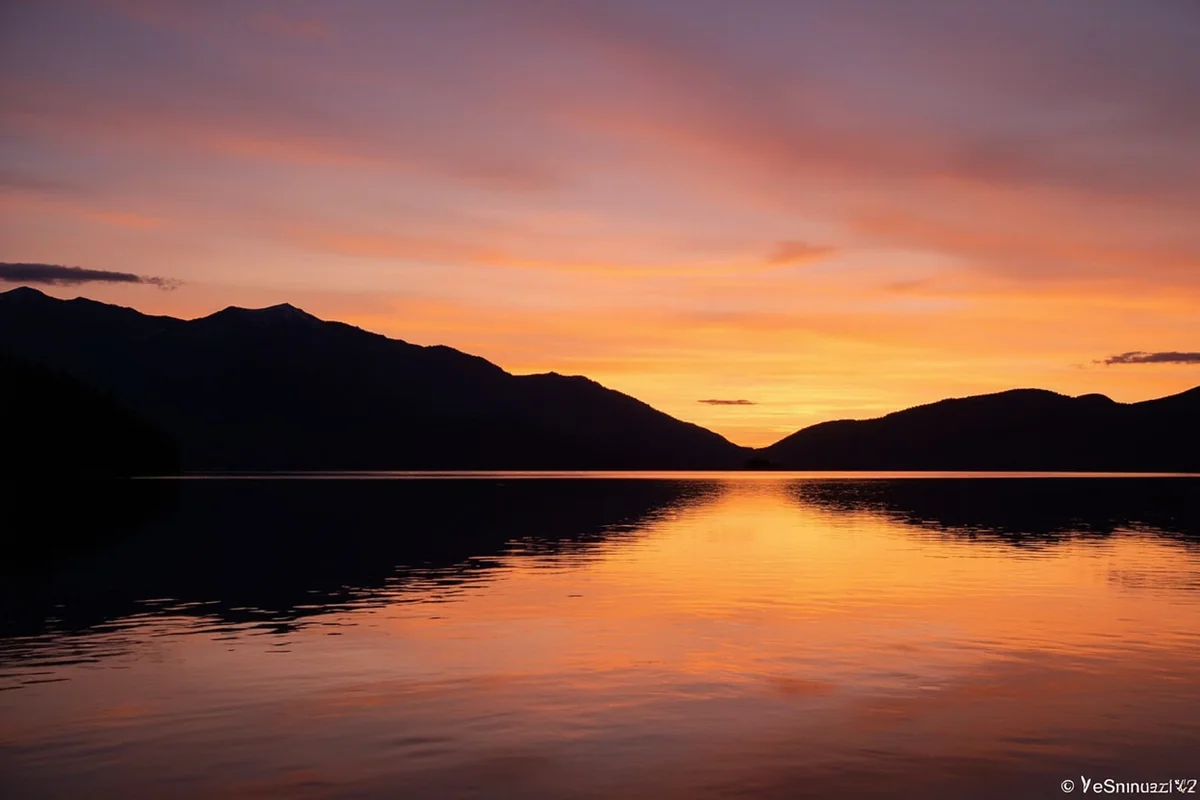
At 10,947 feet, the Beartooth Highway’s summit puts you above the treeline in a world of alpine meadows and snow patches. Sunset here during late summer is unlike anywhere else in Montana.
The high elevation means you’re watching the sun set through a different atmosphere than at lower locations. Colors tend to be more intense but also more fleeting. I’ve experienced sunsets that progressed from golden to red to purple in under 15 minutes.
Accessibility is the challenge. The highway typically opens in late May and closes by mid-October. Even in summer, temperatures at the summit can drop to freezing at night, so pack warm layers.
6. Hyalite Reservoir, Near Bozeman
For Bozeman residents and visitors, Hyalite Reservoir offers accessible mountain scenery just 30 minutes from town. The reservoir sits at the base of Hyalite Peak, and sunrise turns the surrounding cliffs pink and orange.
I’ve hiked the Palisade Falls trail at dawn specifically to catch the light on the 80-foot waterfall. The combination of falling water and golden hour creates ethereal images and memories.
This spot works well for families since the drive is paved and facilities are available. It’s also one of the few sunrise locations where you can enjoy the view and still make a breakfast meeting back in town.
7. Madison Valley, Between West Yellowstone and Ennis
The Madison River corridor offers wide-open valley views with the Madison Range as a backdrop. This is quintessential Montana ranching country, complete with split-rail fences and grazing horses that photograph beautifully at golden hour.
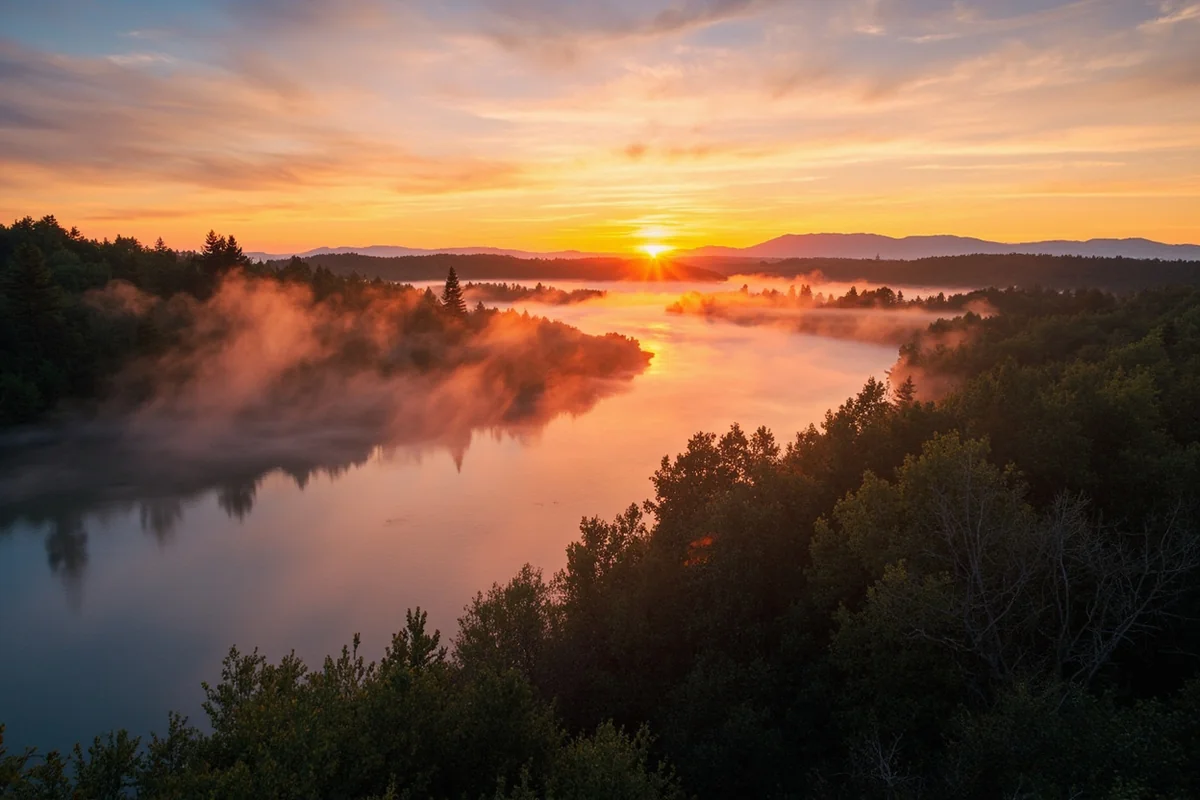
I spent a week in Ennis two summers ago and quickly learned why local photographers treasure this valley. The combination of river mist at sunrise, snow-capped peaks, and pastoral foregrounds creates layered compositions.
Highway 287 runs the length of the valley, so you can pull over almost anywhere. My favorite section is between Cameron and Ennis, where the valley opens wide and the mountains seem to frame the sky.
8. Freezeout Lake, Near Choteau
This spot earns a place on my list for a specific reason: during spring and fall migration, hundreds of thousands of snow geese and tundra swans use Freezeout Lake as a staging area. Watching thousands of birds lift off against a sunrise sky is one of Montana’s most spectacular wildlife experiences.
Even outside migration season, the prairie lake offers unobstructed horizons that sunrise enthusiasts appreciate. The Rocky Mountain Front rises dramatically to the west, catching morning light in spectacular fashion.
Peak migration typically occurs from mid-March through mid-April. I visited during the second week of April and estimated at least 100,000 birds on the water. The cacophony of calls at sunrise was overwhelming in the best way.
9. Chief Mountain Overlook, Glacier National Park
Chief Mountain is sacred to the Blackfeet Nation and visually striking to anyone who sees it. This isolated peak rises dramatically from the prairie, and watching sunrise illuminate its distinctive shape is moving.
The Chief Mountain Highway pullout on Highway 17 provides clear views. I prefer sunrise here because the mountain catches the first light while the surrounding prairie remains in shadow, creating dramatic contrast.
Cultural note: please approach this location with respect. Chief Mountain has deep spiritual significance to Indigenous peoples. Photography is welcome, but remember you’re witnessing a sacred landmark.
10. Makoshika State Park, Near Glendive
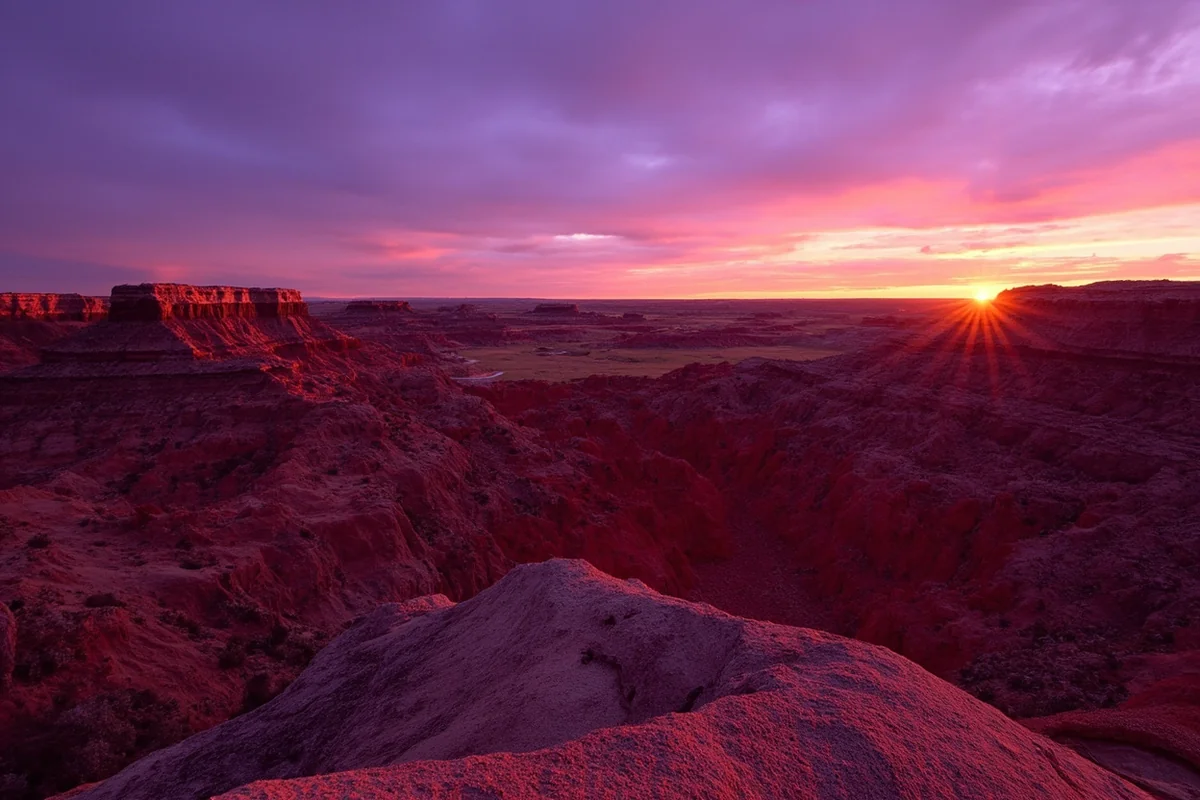
Eastern Montana doesn’t get nearly enough attention from sunset hunters, but Makoshika State Park changed my perspective entirely. These badlands formations glow red and orange at sunset in ways that rival Arizona’s painted deserts.
During my October visit, the park was nearly empty despite spectacular conditions. The eroded sandstone towers—called hoodoos—create other-worldly silhouettes against the evening sky.
The park road winds to several overlooks, but the Kinney Coulee Trail provides the most dramatic sunset views. Plan for a 1.5-mile round trip hike, and bring a flashlight for the walk back in darkness.
The Montana mountain scenery in the western part of the state gets most of the attention, but these badlands offer something completely different and equally stunning.
11. Holland Lake, Swan Valley
Holland Lake sits at the base of the Swan Range in a glacially-carved valley that feels like a secret. The historic Holland Lake Lodge provides accommodation right on the water, perfect for rolling out of bed to catch sunrise.
I paddled a canoe onto the lake at 5:30 AM during my stay and found myself completely alone in 360 degrees of mountain beauty. The Holland Falls trailhead is nearby if you want to combine golden hour with a short hike.
The Swan Valley in general deserves more attention from visitors. Highway 83 connects several beautiful lakes, and the entire corridor offers mountain views with minimal traffic compared to Glacier or Yellowstone approaches.
12. Fort Peck Lake, Northeast Montana
Fort Peck Lake covers 245,000 surface acres across the Missouri Breaks, creating a landscape unlike anywhere else in Montana. The combination of expansive water and surrounding prairie ridges produces dramatic sunrise and sunset conditions.
I spent a weekend at Hell Creek State Park specifically to photograph sunset over the lake. The lack of light pollution makes this area exceptional for catching the last colors of dusk transitioning into starlight.
Fair warning: northeastern Montana is remote. The nearest significant town is Glasgow, about 45 miles from most lake access points. Plan accordingly and fill your gas tank.
13. Paradise Valley, North of Yellowstone
The Yellowstone River runs through Paradise Valley between Livingston and Gardiner, offering mountain-framed sunsets that justify the valley’s name. The Absaroka Range to the east catches evening light spectacularly.
Point of Rocks fishing access provides my favorite sunset viewpoint along the river. The combination of river, cottonwoods, and mountains creates classic Montana imagery.
This location works particularly well for visitors entering or leaving Yellowstone through the north entrance. Time your departure to catch sunset in the valley—it beats sitting in park traffic anyway.
Practical Planning: Timing, Gear, and Tips
Best Seasons for Roaming Montanalden Hour
| Season | Conditions | Best For |
|---|---|---|
| Late June – August | Longest days, most access, wildflowers | High alpine locations, Glacier NP |
| September – October | Fall colors, clearer air, fewer crowds | Valleys, lakes, wildlife migration |
| November – February | Pink snow, dramatic storms, low tourism | Lower elevation locations, prairies |
| March – May | Bird migration, unpredictable weather | Freezeout Lake, prairie locations |
What to Bring
Montana’s mountain weather changes rapidly, and golden hour often means cold temperatures regardless of the season. Based on countless early mornings and late evenings across the state, here’s what I never leave behind:
- Layers: Even July mornings at elevation can dip into the 40s. A packable down jacket lives in my car year-round.
- Headlamp or flashlight: If you’re watching sunset from a hiking destination, you’ll need light for the return trip.
- Hot beverage in an insulated container: Nothing enhances a Montana sunrise like coffee or tea with warm hands.
- Bear spray: Required for any back country destinations in grizzly habitat. Don’t skip this.
- Tripod: Even smartphone photographers benefit from stability during low-light golden hour.
- Patience: The best colors often appear 15-20 minutes after sunrise or before sunset. Stay put.
Understanding Montana’s Golden Hour Timeline
Montana spans significant latitude from the southern Yellowstone region to the Canadian border. This creates meaningful differences in sunrise and sunset times across the state.
In Glacier National Park during summer solstice, sunrise occurs around 5:15 AM and sunset doesn’t finish until after 9:45 PM. That’s nearly 17 hours of daylight, but it also means 3:00 AM wake-ups for committed sunrise photographers.
Winter flips the equation dramatically. December sunrises happen around 8:00 AM and sunsets arrive by 4:30 PM. The compressed timeline makes winter golden hour more accessible for non-early-risers.
I recommend checking sunset and sunrise times for your specific dates and locations. Apps like PhotoPills help photographers plan precise timing and sun angles.
Dealing with Weather and Clouds
Clear skies don’t always produce the best sunrises and sunsets. Some cloud cover actually enhances colors by giving light something to reflect off of. The sweet spot is about 30-50% cloud coverage at varying altitudes.
Montana’s afternoon thunderstorms during summer often create ideal sunset conditions. Storm clouds breaking apart to the west while the sun drops create dramatic light rays and intense colors.
However, completely overcast skies typically produce flat, gray results. Check weather forecasts and consider flexibility in your plans. I’ve driven an hour in different directions to find breaks in cloud cover.
Safety Considerations
Chasing golden hour often means being in remote locations during low-light conditions. Keep these safety factors in mind:
Wildlife is more active at dawn and dusk. I’ve encountered bears, moose, and mountain lions during golden hour outings. Make noise on trails and carry bear spray in appropriate habitat.
Roads in Glacier National Park and other mountain areas can be hazardous in early morning when surfaces may be icy or foggy. Give yourself extra travel time and drive cautiously.
Cell service is unreliable across much of Montana. Let someone know your plans if you’re heading to remote locations alone.
Planning Your Roaming Montanalden Hour Adventure
Multi-Day Itinerary Suggestions
For visitors specifically interested in sunrise and sunset photography, I recommend building itineraries that allow staying near prime locations overnight. Here are my suggested approaches:
Glacier National Park Focus (4-5 days): Base yourself in Apgar or West Glacier for Lake McDonald sunrise access. Spend afternoons driving Going-to-the-Sun Road for Wild Goose Island sunset. Consider one night at Many Glacier Lodge for eastern park perspectives.
Southern Montana Circuit (3-4 days): Start in Bozeman near Hyalite Reservoir. Drive the Beartooth Highway (allow full day), then descend into Paradise Valley for sunset. Continue to Yellowstone or loop back through Madison Valley.
Prairie and Badlands Adventure (2-3 days): This underrated route works well in spring or fall. Visit Freezeout Lake at sunrise, then drive east toward Fort Peck and Makoshika. You’ll have these locations nearly to yourself.
Accommodation Tips for Golden Hour Seekers
Lodging location matters enormously when sunrise or sunset is your priority. Some strategic choices that have worked well for me:
Lake McDonald Lodge places you steps from the water for pre-dawn shoots. Rooms book up months in advance, so plan accordingly.
Many vacation rentals around Flathead Lake offer private shoreline access. I’ve found VRBO options in Bigfork and Polson that eliminate driving time entirely.
Camping provides ultimate flexibility. Wake up, walk outside, and you’re already there. Apgar Campground, Bowman Lake, and state park campgrounds near prime locations offer affordable options.
Combining Golden Hour with Other Activities
Montana’s summer days are long enough to chase both sunrise and sunset while still fitting in other adventures. My typical summer day during photography trips follows this pattern:
Wake at 4:30 AM, photograph sunrise until 7:30 AM, return to lodging for breakfast and rest. Spend midday (harsh light anyway) hiking, fishing, or exploring towns. Head back out by 6:00 PM for sunset, return around 10:00 PM.
This schedule is demanding but maximizes opportunities. For a more sustainable approach, alternate between sunrise and sunset days rather than attempting both daily.
Final Thoughts on Montana’s Golden Hours
After years of exploring Montana’s landscapes during those magical edge-of-day moments, I’m convinced that timing matters as much as location. The same viewpoint that feels ordinary at noon becomes transcendent when painted in sunrise gold or sunset pink.
My advice to first-time visitors: pick two or three locations from this list rather than trying to see everything. Rushing between spots means missing the unhurried contemplation that makes golden hour special.
The memories that stay with me aren’t really about the photographs, though I treasure those. It’s the feeling of standing alone at Lake McDonald while the world slowly illuminates, or watching snow geese lift off against an orange sky at Freezeout Lake.
Montana’s big sky earns its reputation every single day, twice a day. You just have to show up at the right time to see it.
Frequently Asked Questions
What is the best time of year to photograph sunrises and sunsets in Montana?
I’ve found that late summer through early fall (August-October) offers the most dramatic Montana sunsets, with wildfire smoke occasionally adding incredible orange and pink hues to the sky. Winter provides the earliest sunsets and latest sunrises, giving you more flexibility without 4 AM wake-up calls, while summer solstice means sunset doesn’t happen until nearly 10 PM.
Where can I see the most colorful sunsets in Montana?
Glacier National Park’s Logan Pass and Lake McDonald consistently deliver the most vibrant sunset colors in Montana, with the mountains creating stunning silhouettes against the sky. Flathead Lake, being the largest natural freshwater lake west of the Mississippi, also produces incredible reflections that double the color show. I recommend arriving at least 45 minutes before sunset to secure a good spot during peak season.
Do I need to pay entrance fees to access Montana’s best sunrise and sunset viewpoints?
Glacier National Park requires a $35 vehicle pass (valid for 7 days), while most other scenic viewpoints like Wild Horse Island State Park cost around $6-8 per vehicle. Many stunning spots like the Missouri River breaks and rural highway pullouts are completely free to access. If you’re planning multiple visits, the $80 America the Beautiful annual pass covers all national park fees.
What photography gear should I bring for Montana sunrise and sunset shots?
Pack a sturdy tripod for low-light conditions, a wide-angle lens to capture Montana’s expansive Big Sky scenery, and graduated ND filters to balance bright skies with darker landscapes. I always bring extra batteries since cold Montana mornings drain them quickly, plus a headlamp for hiking back in the dark. Don’t forget bear spray if you’re venturing into Glacier or wilderness areas during dawn or dusk when wildlife is most active.
How far are Montana’s top sunset spots from major airports?
Glacier National Park’s famous viewpoints are about 30 miles from Glacier Park International Airport in Kalispell, making it convenient for fly-in visitors. Yellowstone’s Montana entrances sit roughly 90 miles from Bozeman Yellowstone International Airport, while eastern Montana’s badlands sunsets require a 3-4 hour drive from Billings. I recommend renting a car since public transportation to these remote scenic areas is essentially nonexistent.
Is it safe to watch sunrise and sunset in Montana’s wilderness areas?
Montana’s backcountry is grizzly and black bear territory, so always carry bear spray and make noise when hiking to viewpoints during dawn and dusk—their most active feeding times. Cell service is unreliable or nonexistent at most remote locations, so download offline maps and tell someone your plans. I never hike alone to sunrise spots and always carry a flashlight for the return trip in darkness.
What are the best roadside pullouts for Montana sunsets without hiking?
Highway 89 along the Rocky Mountain Front offers dozens of pullouts with unobstructed western views perfect for sunset without leaving your vehicle. Going-to-the-Sun Road in Glacier has several paved overlooks, though parking fills up fast in summer—arrive by 6 PM. The Beartooth Highway near Red Lodge sits at nearly 11,000 feet elevation with easy-access viewpoints, but it’s only open late May through mid-October depending on snowfall.
Sources