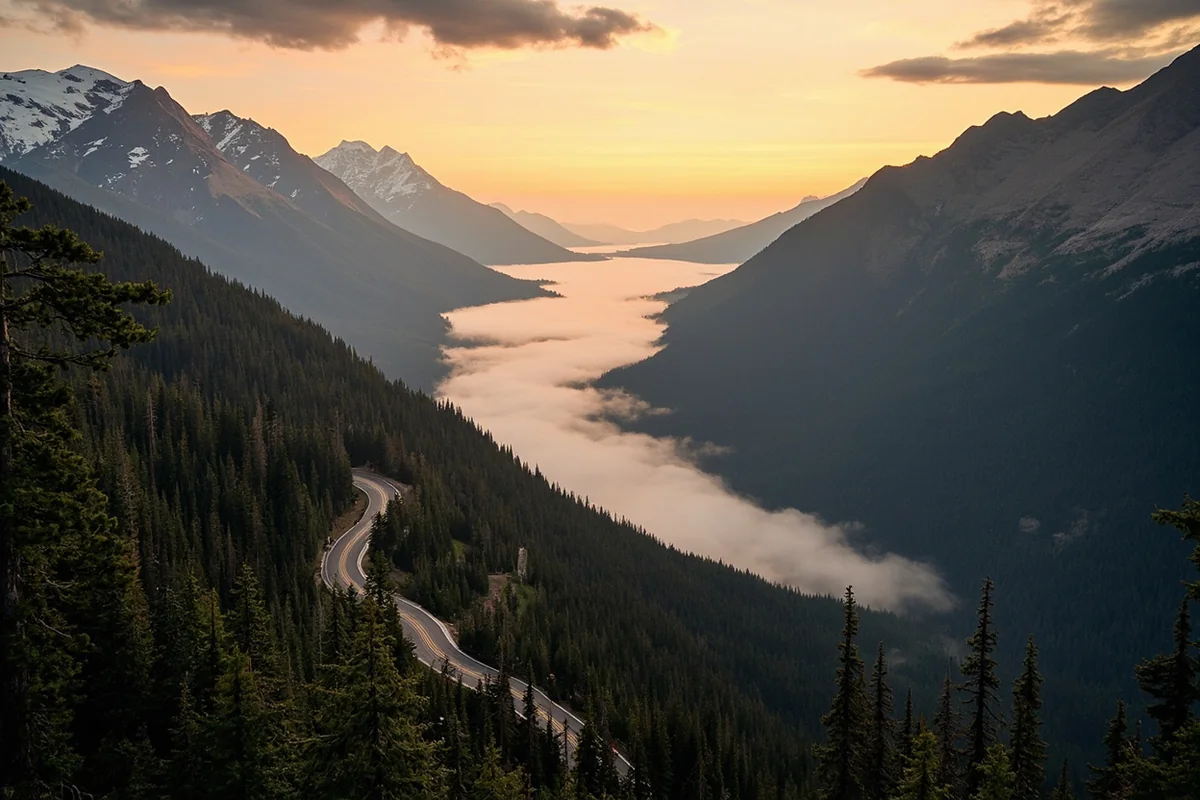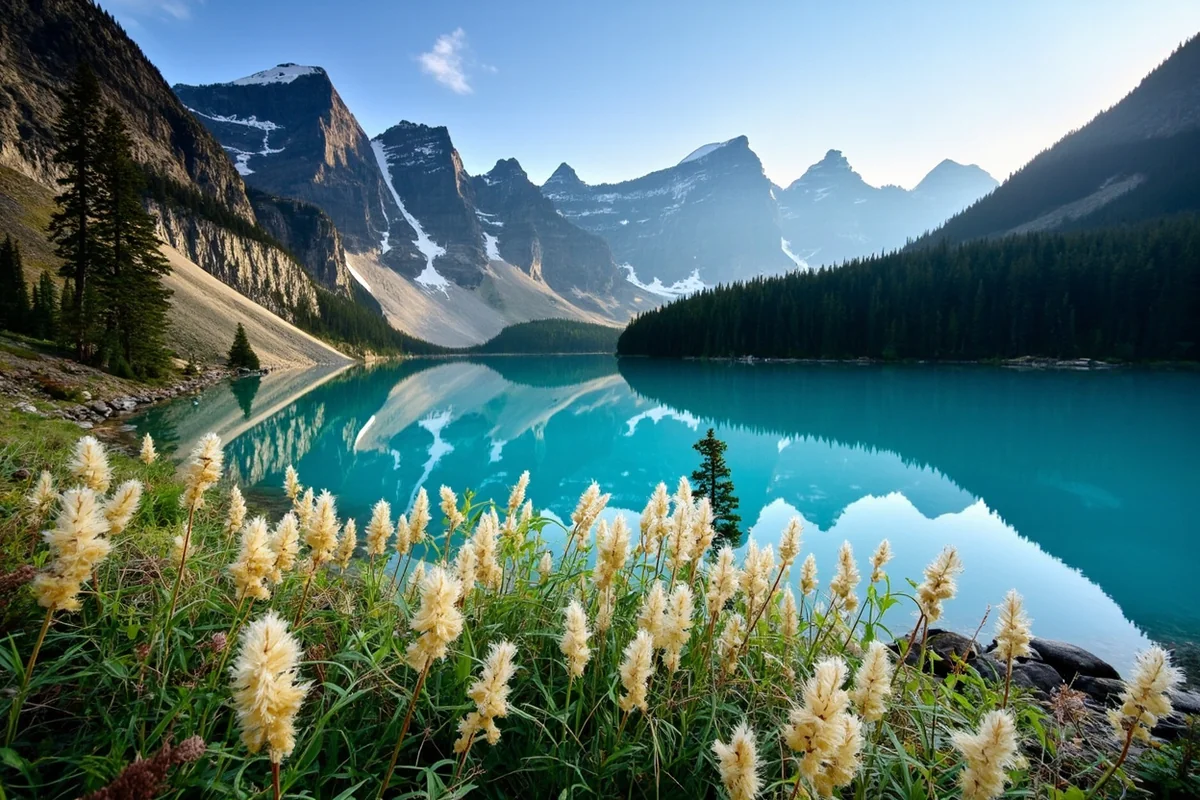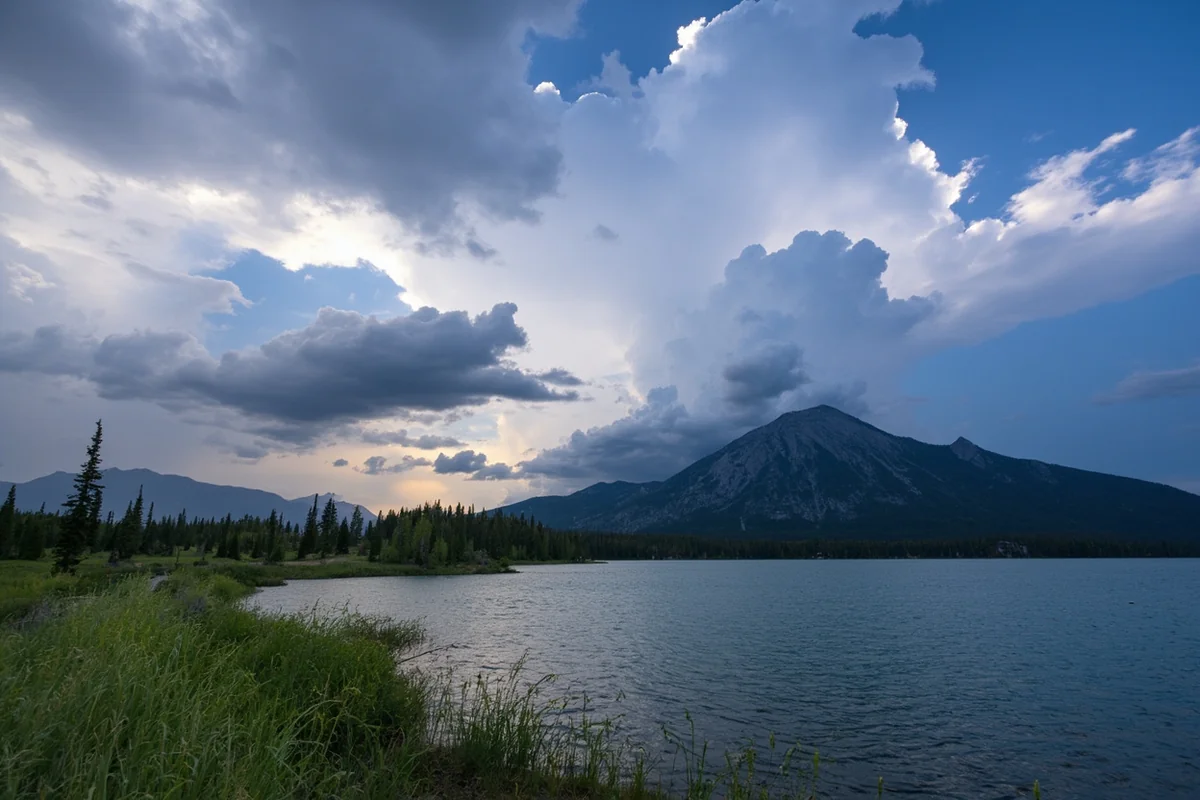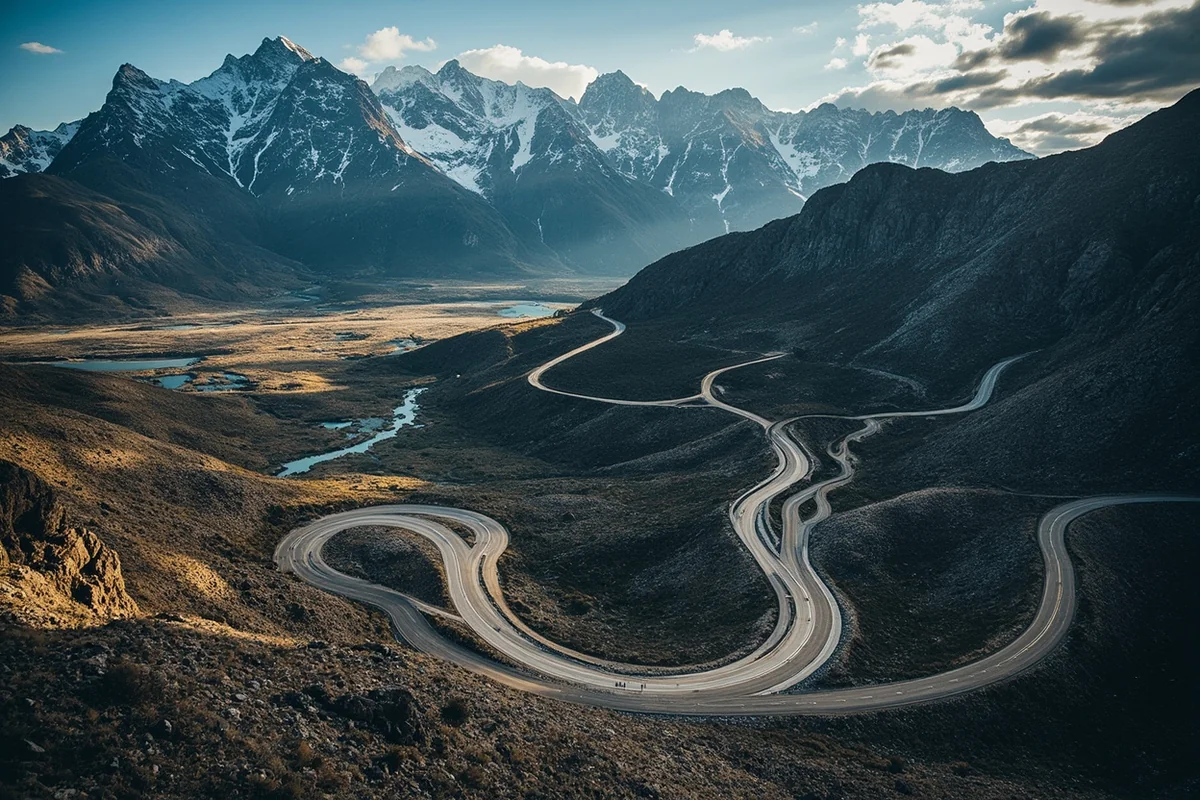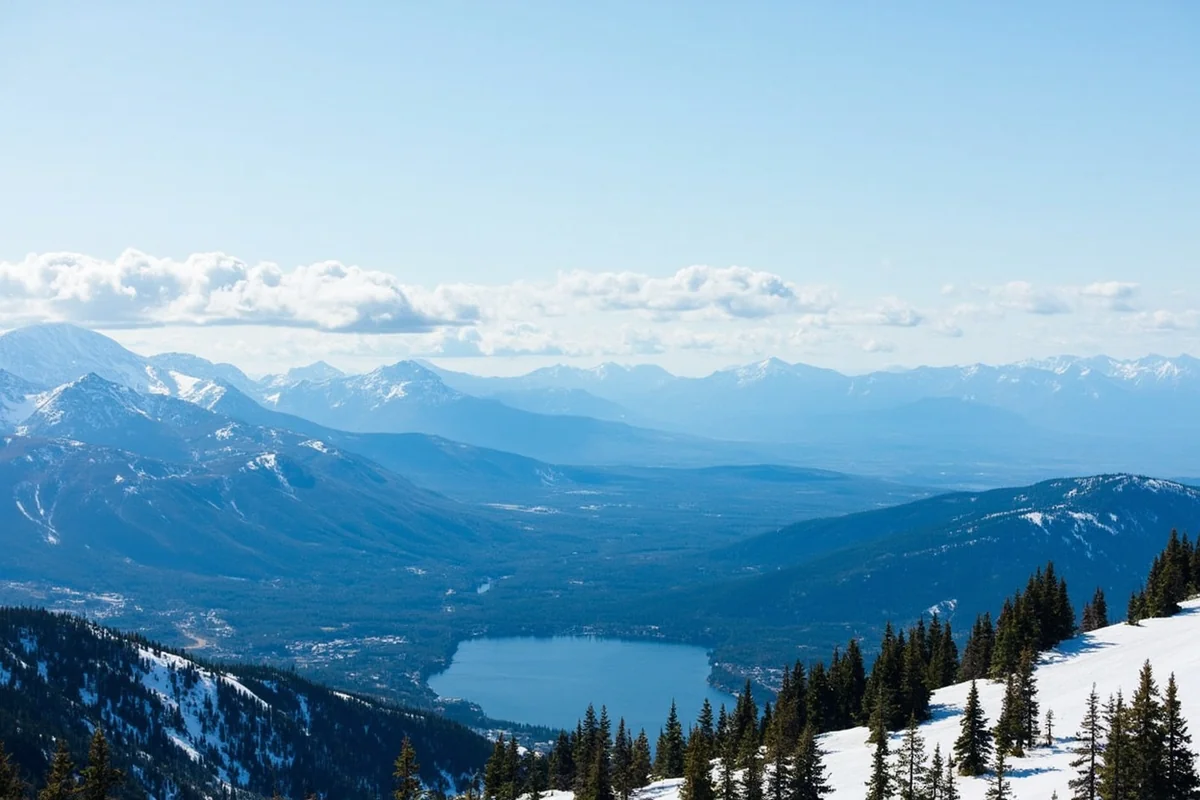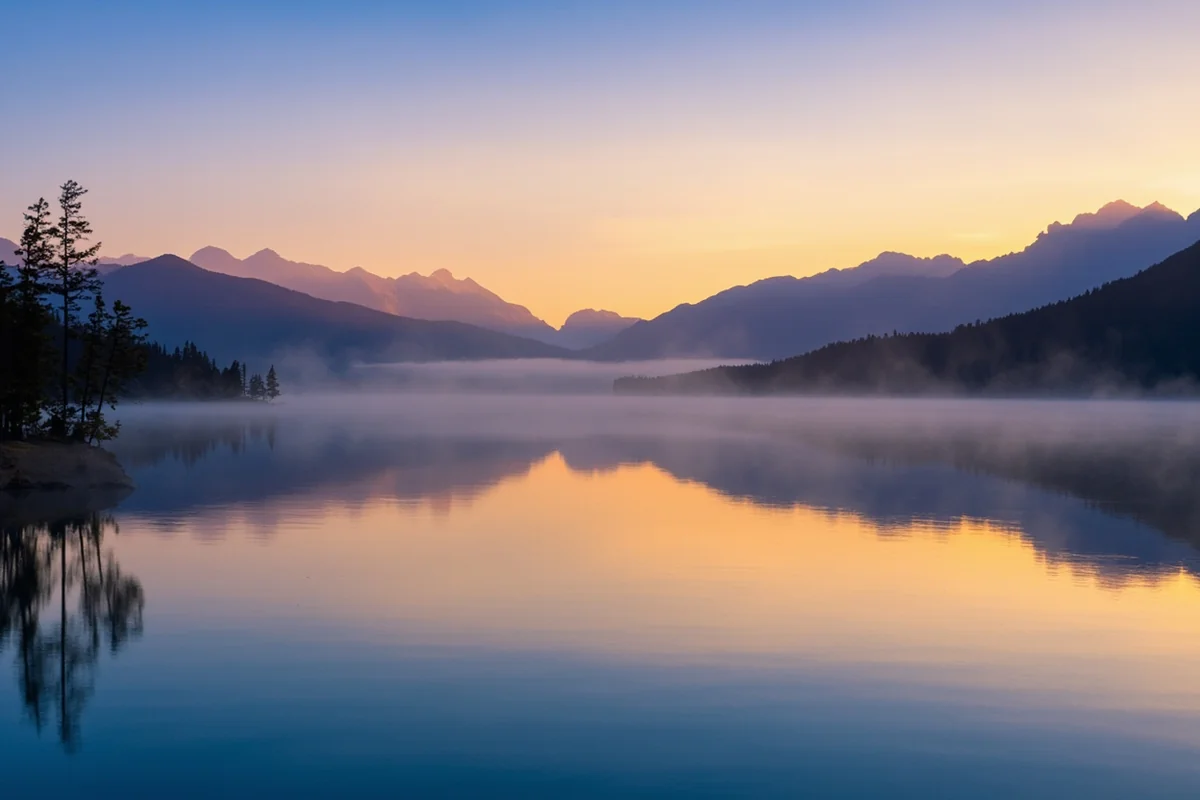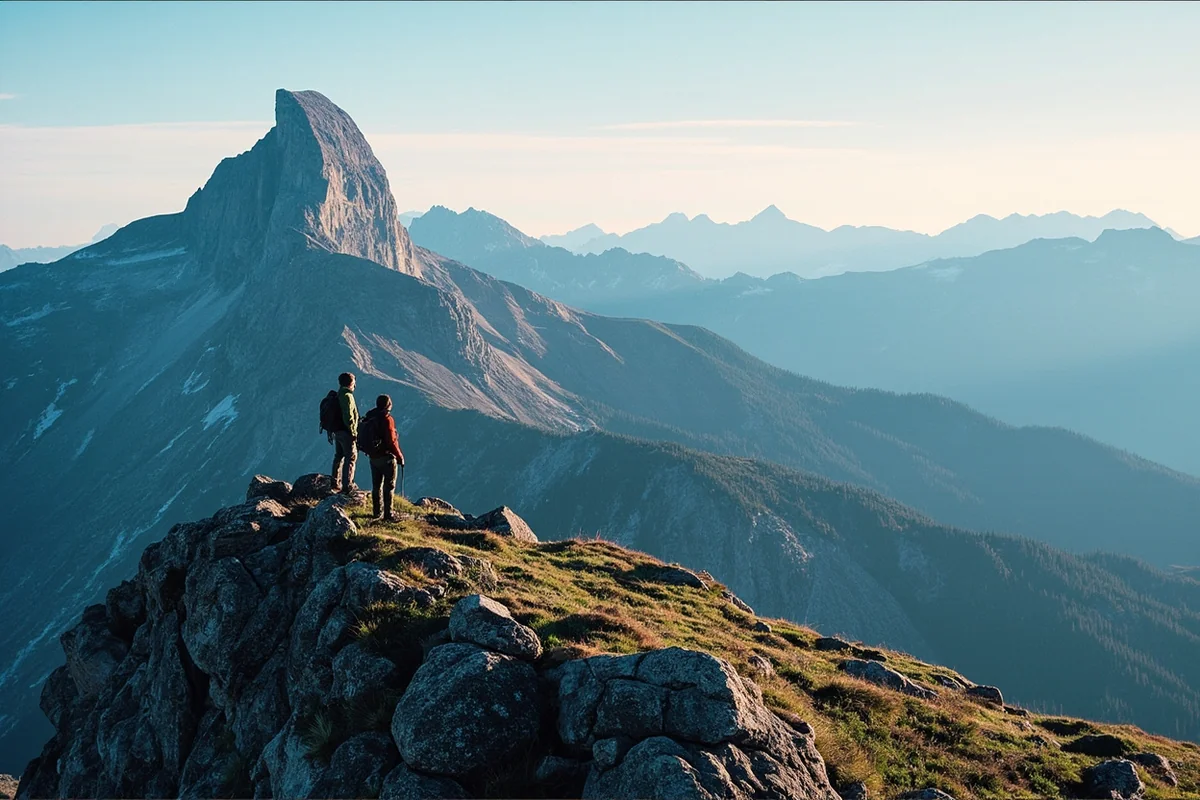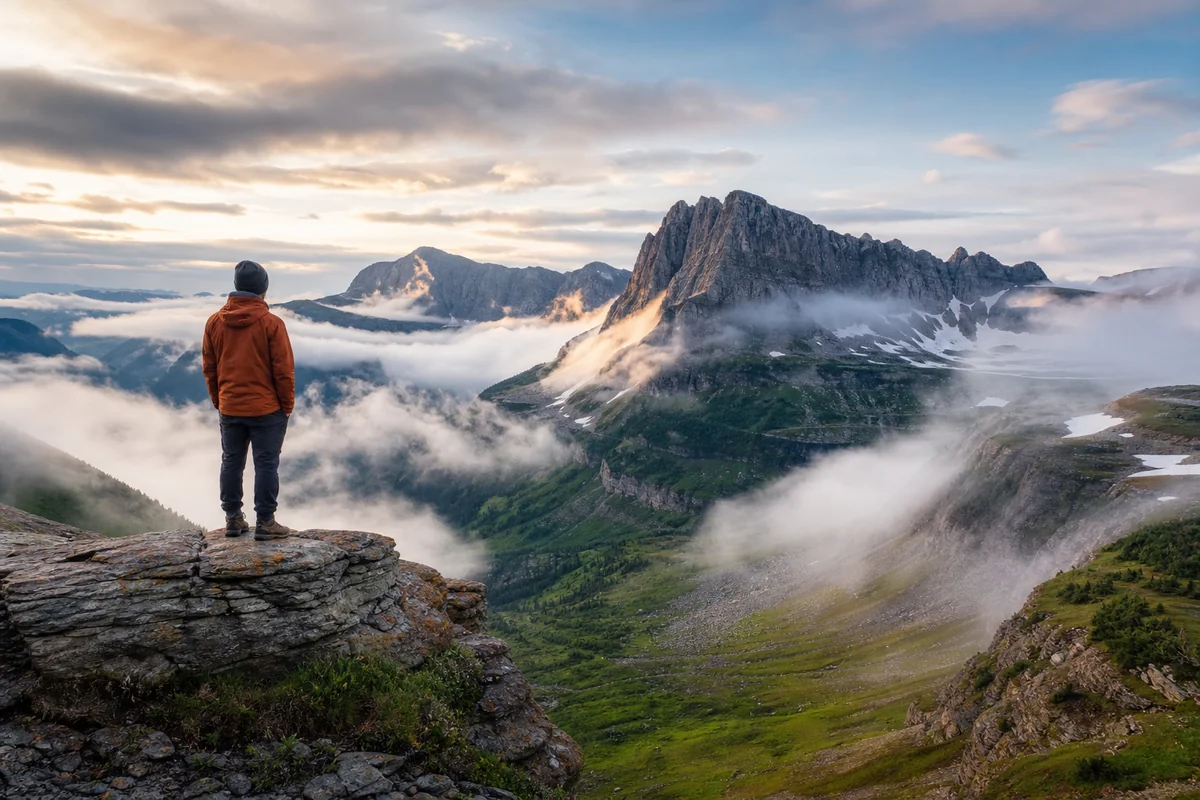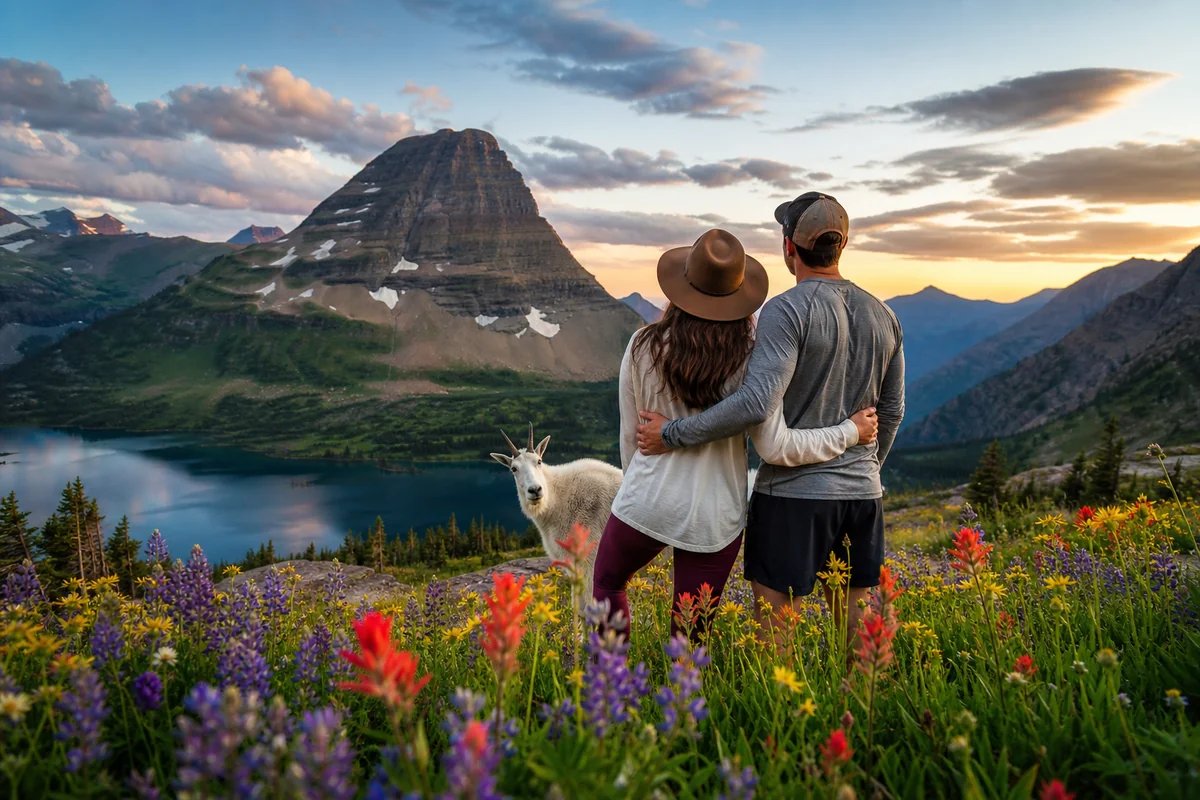
Are you ready to embark on an Instagram adventure through the breathtaking landscapes of Montana? From towering mountain peaks and pristine alpine lakes to charming small towns frozen in time, the Treasure State offers a visual feast that will transform your social media feed. But with so many stunning locations to choose from, where do you begin?
Get ready to discover 33 of Montana’s most photogenic spots that will have your followers double-tapping with envy. We’ll take you on a journey from the iconic vistas of Glacier National Park to hidden gems like the Garden of One Thousand Buddhas. You’ll learn insider tips for capturing the perfect shot at each location, whether you’re chasing the golden light on Wild Horse Island or stargazing under Montana’s legendary dark skies.
- Related article: Views in Montana
Plus, we’ll share essential advice on photography ethics, gear recommendations, and planning the ultimate Montana road trip to make your Instagram dreams a reality. Whether you’re a seasoned photographer or a casual smartphone snapper, this guide will help you capture the essence of Big Sky Country in ways that will leave a lasting impression on your audience. So grab your camera and let’s explore the most Instagrammable places Montana has to offer!
Table of Contents
33 Stunning Locations in Montana for Instagram
Montana isn’t called “Big Sky Country” without reason. This northwestern treasure offers some of the most breathtaking landscapes in America, creating a photographer’s paradise that seems designed specifically for Instagram’s visual storytelling platform. From the jagged peaks of Glacier National Park to the sprawling golden prairies of the eastern plains, Montana delivers a visual feast that changes dramatically with each season.
What makes Montana truly special for photography is its remarkable diversity packed into one state. Within a single day’s drive, you can capture the turquoise alpine lakes nestled between snow-capped mountains, vast wildflower meadows stretching to the horizon, historic ghost towns frozen in time, and wildlife roaming freely across pristine wilderness. This incredible range of subjects means your Instagram feed will never grow stale with Montana as your backdrop.
The changing seasons transform Montana’s landscape in ways that continuously refresh your photography opportunities. Spring brings vibrant wildflowers and rushing waterfalls fed by melting snow. Summer offers long golden hours of perfect lighting that stretch until nearly 10 PM, giving photographers extended shooting time. Fall paints the mountains and valleys with brilliant yellows and oranges as aspens and cottonwoods change color. Winter blankets the landscape in pristine snow, creating minimalist scenes of breathtaking beauty.
Montana’s photogenic quality comes from its remarkable preservation of natural landscapes. With the lowest population density of any state in the continental U.S., Montana offers vast stretches of unspoiled wilderness where human interference is minimal. This means cleaner air for sharper photos, darker skies for spectacular star photography, and landscapes that appear much as they did centuries ago.
Whether you’re seeking dramatic mountain vistas, serene lakeside reflections, charming small towns, or wildlife encounters, Montana offers endless Instagram-worthy moments. The following 33 locations represent the most stunning and unique photo opportunities across the Treasure State, guaranteed to elevate your social media presence and create memories that last far beyond your latest post.
Natural Wonders of Montana’s Lakes and Mountains
Montana’s landscape is defined by its majestic mountains and pristine lakes, creating a photographer’s paradise that will fill your Instagram feed with breathtaking natural beauty. From hidden islands to cherry blossom-lined shores, these locations offer some of the most stunning backdrops in the American West.
1. Wild Horse Island State Park
Nestled in the crystal-clear waters of Flathead Lake, Wild Horse Island State Park is a 2,160-acre gem accessible only by boat. The island earned its name from the small herd of wild horses that still roam its grassy hillsides, providing rare photo opportunities that combine wildlife with sweeping lake views.
For the perfect Instagram shot, hike to the island’s highest point during golden hour. The panoramic views capture the vastness of Flathead Lake with the Mission Mountains rising dramatically in the background. The island is also home to bighorn sheep, mule deer, and bald eagles, offering wildlife photography opportunities around every corner.
Best time to visit: Late June through September when the weather is warm and boat services are readily available.
Photography tip: Bring a telephoto lens to capture the wild horses without disturbing them, and a wide-angle lens for the expansive landscape shots.
2. Cherry Blossoms at Flathead Lake
Each spring, the eastern shore of Flathead Lake transforms into a photographer’s dream when the cherry orchards burst into bloom. The contrast between the delicate pink and white blossoms against the deep blue waters of Flathead Lake creates a scene worthy of any Instagram feed.
The orchards around Polson and Bigfork offer the most accessible viewing points. For a truly magical shot, position yourself where the blossoms frame the lake and distant mountains. The soft morning light brings out the pastel colors of the blossoms, while sunset casts a warm glow that makes the entire scene appear otherworldly.
Best time to visit: Mid to late April for blossoms, late July for cherry harvest photos.
Photography tip: Use a shallow depth of field to focus on blossom details with the lake blurred in the background for a dreamy effect.
3. Lake McDonald in Glacier National Park
Lake McDonald, the largest lake in Glacier National Park, is famous for its crystal-clear waters and colorful stones that line its shores. The lake stretches 10 miles long and offers some of Montana’s most iconic photo opportunities.
The western shore near Lake McDonald Lodge provides classic views of the lake with mountain reflections that seem to mirror another world beneath the surface. For a unique perspective, capture the famous colored pebbles underwater using a polarizing filter to cut through the glare. At sunrise and sunset, the mountains are painted in alpenglow, creating a pink and purple backdrop that makes your photos appear almost surreal.
Best time to visit: July through September for clear skies and vibrant colors.
Photography tip: Visit early morning for still waters that perfectly reflect the surrounding mountains.
4. Wild Goose Island in Glacier National Park
This tiny island in the middle of Saint Mary Lake has become one of Montana’s most photographed locations. The small patch of land with its few trees standing defiantly against the massive mountain backdrop creates a powerful composition of scale and isolation.
The classic shot is taken from the Wild Goose Island Overlook along Going-to-the-Sun Road. For a unique perspective, hike down closer to the shoreline or capture the island at different times of day as changing light transforms the scene. The island is particularly striking at sunrise when the first light hits the mountain peaks behind it.
Best time to visit: July through early September when Going-to-the-Sun Road is fully open.
Photography tip: Use a neutral density filter to smooth the water around the island during longer exposures, creating a misty, ethereal effect.
5. Mission Mountains
The Mission Mountains rise dramatically from the valley floor, creating a jagged wall of peaks that dominate the eastern skyline of the Flathead Valley. Their sheer faces and snow-capped summits provide a dramatic backdrop for landscape photography.
For the most impressive views, head to the National Bison Range or the backroads around St. Ignatius where the mountains appear to erupt from the flat valley floor. The reflection of the mountains in the waters of Mission Reservoir or Ninepipe Reservoir doubles their impact in photographs.
Best time to visit: Year-round, though winter offers dramatic snow-covered peaks and summer brings wildflower-filled foregrounds.
Photography tip: Include agricultural elements like hay bales or farm buildings in the foreground to create depth and context against the towering mountain backdrop.
Montana’s lakes and mountains offer endless opportunities for Instagram-worthy photographs throughout the year. Each season transforms these landscapes, from spring’s cherry blossoms to winter’s snow-draped peaks, ensuring your feed stays fresh with the changing beauty of Big Sky Country.
Iconic Glacier National Park Photo Opportunities
Glacier National Park stands as Montana’s crown jewel for photographers and Instagram enthusiasts alike. This million-acre wilderness playground offers some of the most dramatic mountain scenery in North America, with each location seemingly designed for the perfect social media post.
6. Lake McDonald in Glacier National Park
The park’s largest lake stretches 10 miles long and offers perhaps the most iconic Glacier National Park image: colorful rocks beneath crystal-clear waters with mountain reflections. For the quintessential Instagram shot, visit the beach near Apgar Village at sunrise or sunset when the water is calmest. The famous “colored pebbles” photograph works best in morning light when the sun illuminates the shallow water. During summer evenings, capture kayakers gliding across the golden-hour reflections for added visual interest.
7. Going-to-the-Sun Road
This engineering marvel cuts dramatically across the park’s alpine terrain, offering non-stop Instagram opportunities along its 50-mile stretch. The Weeping Wall, where seasonal waterfalls cascade directly onto the roadway, creates a drive-through water feature perfect for quick video clips. For the classic “road winding through mountains” shot, head to the Oberlin Bend overlook where you can capture the highway’s serpentine path against the backdrop of jagged peaks. Visit in July when wildflowers dot the roadside meadows, adding vibrant foreground elements to your mountain vista shots.
8. Wild Goose Island in Glacier National Park
This tiny island in the middle of Saint Mary Lake creates a perfect focal point against the surrounding mountains. The official Wild Goose Island Overlook provides the classic composition, but try visiting at different times of day for varied lighting conditions. Dawn brings soft pink alpenglow to the surrounding peaks, while sunset can transform the lake into a mirror of gold and crimson. For a unique perspective, hike down closer to the shoreline and use a telephoto lens to compress the scene, making the island appear larger against the mountain backdrop.
9. Avalanche Lake
This alpine lake rewards hikers with turquoise waters surrounded by steep mountain walls where multiple waterfalls cascade down from hidden glaciers above. The 2-mile trail to reach it provides its own Instagram moments, particularly at Avalanche Gorge where rushing waters have carved smooth, swirling channels through red rock. At the lake itself, walk to the far end for the best vantage point capturing all the waterfalls in one frame. Early morning visits offer the best chance for mirror-like reflections before day hikers arrive.
10. Best Viewpoints
Beyond these highlights, don’t miss Logan Pass—the highest point accessible by car—where the Hidden Lake Overlook Trail delivers sweeping alpine vistas just a half-mile from the parking area. For wildlife enthusiasts, Many Glacier offers consistent opportunities to photograph mountain goats, bighorn sheep, and occasionally bears against dramatic backdrops. The Highline Trail provides edge-of-the-world perspectives as it traverses the Garden Wall, with the iconic Glacier chalet visible from various points along the route.
11. Seasonal Photography Considerations
Glacier’s photography changes dramatically with the seasons. Summer brings vibrant wildflower meadows but also crowds; visit before 8am or after 6pm for the best light and fewer people. Fall transforms the valleys with golden aspen and larch trees, particularly spectacular along the eastern side of the park. Winter transforms familiar scenes into minimalist wonderlands of white, though access becomes limited to the western portions near Lake McDonald. Spring brings rushing waterfalls as snow melts, with Triple Falls on the North Shore of St. Mary Lake particularly photogenic during this period.
Remember that Glacier’s high-elevation roads typically open fully only from mid-June through mid-October, with Going-to-the-Sun Road’s complete route sometimes available for an even shorter window depending on snowfall. Plan accordingly to capture your dream Montana Instagram shots in this spectacular national park.
Hidden Gems and Unique Cultural Sites
Montana’s landscape hides numerous cultural treasures and unexpected attractions that make for extraordinary Instagram posts. These lesser-known spots offer unique photographic perspectives that will set your feed apart from typical tourist shots.
12. Garden of One Thousand Buddhas
Nestled in the Jocko Valley near Arlee, the Garden of One Thousand Buddhas presents a striking spiritual oasis against Montana’s mountainous backdrop. This Buddhist sacred garden, arranged in the shape of an eight-spoked dharma wheel, features 1,000 hand-cast Buddha statues surrounding a 24-foot central figure of Yum Chenmo.
For the best photos, visit during golden hour when the white statues glow warmly against the blue Montana sky. Capture the perfect symmetry of the garden’s layout from elevated positions, or focus on intimate details of individual statues with the mountains framing the background.
13. Garnet Ghost Town
Step back in time at Garnet Ghost Town, Montana’s best-preserved ghost town located east of Missoula. Once a bustling gold mining community in the 1890s, today it offers hauntingly beautiful photo opportunities with its weathered wooden structures and abandoned artifacts.
The Kelly Saloon, Dahl Cabin, and J.K. Wells Hotel make particularly photogenic subjects, especially in early morning light when mist often settles between buildings. Winter visits offer dramatic snow-covered scenes, though access requires snowmobiling or cross-country skiing.
14. Blackfeet Nation Warrior Sculptures
Along Highway 89 near Browning stand the powerful Blackfeet Nation Warrior Sculptures. These striking metal silhouettes of Native American warriors on horseback create dramatic silhouettes against Montana’s big sky.
Position yourself to capture these sculptures with sunrise or sunset behind them for a dramatic silhouette effect. The contrast between the detailed metalwork and the vast landscape tells a powerful visual story about Montana’s indigenous heritage.
15. Conrad Mansion
The historic Conrad Mansion in Kalispell offers architectural elegance rarely seen in Montana. This meticulously preserved Victorian home, built in 1895, features stunning woodwork, original furnishings, and beautiful gardens.
For Instagram-worthy shots, capture the mansion’s distinctive turret against a blue sky, or frame the building through the property’s mature trees. During Christmas, the mansion’s holiday decorations provide festive photo opportunities with period-appropriate Victorian Christmas themes.
16. Purple Mountain Lavender
The rolling fields of Purple Mountain Lavender in Lakeside offer a sensory and visual delight unexpected in Montana. When in bloom (typically June through early August), the vibrant purple rows create stunning patterns against the green landscape.
For maximum impact, photograph the lavender fields with Flathead Lake in the background, or get low to the ground for close-up shots with bees and butterflies among the blooms. The farm’s rustic outbuildings and lavender products also make charming photo subjects that capture Montana’s agricultural character with a unique twist.
These hidden gems showcase Montana’s cultural diversity and unexpected attractions. While they may not appear on typical tourist itineraries, they offer some of the most distinctive and memorable Instagram opportunities in the state, allowing you to capture Montana’s lesser-known but equally beautiful facets.
Breathtaking Waterfall and River Scenes
Montana’s rushing waters create some of the most mesmerizing Instagram opportunities in the state. From thundering waterfalls to serene river scenes, these locations offer the perfect blend of power and tranquility for your feed.
17. Kootenai Falls and Kootenai Falls Swinging Bridge
Kootenai Falls stands as one of Montana’s largest free-flowing waterfalls, creating a spectacular display as the Kootenai River forces its way through a narrow canyon. Located between Libby and Troy in the northwest corner of Montana, this natural wonder offers multiple vantage points for stunning photographs.
For the most dramatic shots, position yourself on the observation platform where you can capture the full breadth of the falls. Early morning visits provide soft light that highlights the mist rising from the churning waters. During spring runoff, the falls reach peak intensity, though they remain impressive year-round.
The swinging bridge nearby offers another incredible perspective, suspended 100 feet above the river. For a truly unique Instagram shot, stand in the middle of the bridge and capture the falls in the distance with the suspension cables framing your composition. The gentle sway of the bridge adds an element of adventure to your photography experience.
Pro tip: Use a slightly slower shutter speed (1/15 to 1/30) to capture the silky motion of the water while keeping the surrounding landscape sharp.
18. Seli’š Ksanka Qlispe’ Dam (Formerly Kerr Dam)
The Seli’š Ksanka Qlispe’ Dam, located on the Flathead River near Polson, offers a fascinating blend of natural beauty and human engineering. Recently renamed to honor the Confederated Salish and Kootenai Tribes who now own and operate it, this 204-foot concrete arch creates a dramatic backdrop against Montana’s sky.
For the most impressive shots, visit the observation platform where you can frame both the massive dam structure and the powerful water flow below. The contrast between the rigid concrete and the dynamic water creates visual tension perfect for Instagram. Visit during golden hour when the setting sun bathes the entire scene in warm light, creating dramatic shadows across the dam face.
Best angle: Position yourself slightly downstream for a composition that shows both the height of the dam and the churning whitewater below.
19. Holland Falls National Recreation Trail
A moderate 1.6-mile hike leads to one of Montana’s most picturesque waterfalls. Holland Falls cascades approximately 50 feet, creating a vertical ribbon of white against moss-covered rock. Located near Condon in the Swan Valley, this location rewards photographers with intimate waterfall shots framed by lush forest.
The trail itself offers multiple photo opportunities, with Holland Lake views along the way. Once at the falls, experiment with compositions that include the entire waterfall or focus on interesting sections where the water creates patterns against the rock face.
Seasonal tip: Visit in late spring when snowmelt increases the water volume and surrounding vegetation shows vibrant green growth.
20. Blackfoot River
Made famous in Norman Maclean’s “A River Runs Through It,” the Blackfoot River offers some of Montana’s most serene and picturesque river scenes. The clear turquoise waters contrasted against dark river rocks create a natural color palette that performs beautifully on Instagram.
For the best photographs, explore the river corridor between Clearwater Junction and Bonner. The stretch near Roundup FAS (Fishing Access Site) offers particularly photogenic bends in the river with mountain backdrops.
Photography tip: Use a polarizing filter to cut glare on the water surface, revealing the colorful river rocks beneath while enhancing the blue-green hues of the water. Early morning and late afternoon provide the most flattering light, with fewer harsh shadows and richer colors.
When photographing Montana’s waters, patience is key. Spend time observing how light plays on the water’s surface and how the current creates patterns. Sometimes the most compelling Instagram shots come from focusing on details—a single splash, light filtering through mist, or the perfect reflection on a calm pool—rather than trying to capture the entire scene.
Montana’s Charming Small Towns and Villages
Montana’s small towns offer a perfect blend of rustic charm, historical significance, and picturesque settings that make them incredibly Instagram-worthy. These hidden gems provide a glimpse into authentic Montana life beyond the more famous natural attractions.
21. Polebridge: A Step Back in Time
Tucked away near the northwestern entrance to Glacier National Park, Polebridge is a remote outpost that seems frozen in time. The iconic red Polebridge Mercantile, built in 1914, stands as the centerpiece of this tiny community and makes for a quintessential Montana photo. The rustic wooden structure with its vibrant color pops beautifully against the mountain backdrop, especially during golden hour. Don’t miss their famous huckleberry bear claws – they’re not only delicious but also make for a mouthwatering food shot with the historic mercantile in the background.
22. Darby: Western Heritage in the Bitterroot Valley
Nestled in the scenic Bitterroot Valley, Darby offers that classic western town aesthetic photographers dream about. Main Street features well-preserved historic buildings, western storefronts, and mountain views in nearly every direction. For the best shots, visit during early morning when the light bathes the historic downtown in a golden glow. The town’s authentic western character shines through in details like hitching posts, wooden sidewalks, and local businesses with vintage signage – all perfect for creating a nostalgic Instagram aesthetic.
23. Bigfork Christmas Village: Seasonal Magic
While beautiful year-round, Bigfork transforms into a magical winter wonderland during the holiday season. The Christmas Village celebration turns this charming town on Flathead Lake into a festive photography paradise. Thousands of twinkling lights reflect off the snow, creating a dreamy bokeh effect in evening photos. Capture the decorated storefronts, the illuminated trees along Electric Avenue, and the festive activities that bring this small village to life. For the most enchanting shots, visit after dusk when the lights create a magical glow against the dark Montana sky.
24. Cut Bank: Quirky Roadside Attractions
Cut Bank might be small, but it’s home to one of Montana’s most photographable roadside attractions – the 27-foot-tall penguin statue claiming Cut Bank as the “Coldest Spot in the Nation.” This quirky landmark makes for a playful Instagram post, especially when you play with perspective to make it appear even larger. While in the area, don’t miss capturing the “Clearwater Cow” – another beloved roadside photo opportunity that showcases Montana’s agricultural heritage with a touch of whimsy.
25. Photography Tips for Small Town Montana
When photographing Montana’s charming small towns, consider these techniques to elevate your Instagram feed:
- Focus on architectural details: Capture weathered wood, vintage signs, and unique building features that tell the story of the town’s history.
- Include locals: With permission, photographing local characters adds authenticity to your small-town Montana narrative.
- Early morning or golden hour: The soft light during these times enhances the warm, rustic tones of wooden buildings and brings out the texture of historic structures.
- Seasonal elements: Incorporate seasonal touches like fall foliage, summer flowers, or winter snow to add context and color to your small town images.
- Wide-angle to context shots: Start with wider shots that establish the town’s setting within Montana’s landscape, then move to detail shots that highlight the unique character of each place.
These small towns may not have the grandeur of Montana’s national parks, but they offer an authentic glimpse into the state’s cultural heritage that will add depth and variety to your Instagram travel collection.
Forest and Wilderness Photography Spots
Montana’s forests offer some of the most enchanting photography opportunities in the American West. The state’s wilderness areas create perfect backdrops for Instagram posts that capture both grand landscapes and intimate natural details.
26. Ross Creek Cedars Scenic Area
Hidden in the northwestern corner of Montana, Ross Creek Cedars Scenic Area feels like stepping into a fairy tale. Ancient western red cedars, some over 500 years old and 12 feet in diameter, create a cathedral-like atmosphere with dappled light filtering through the dense canopy. The 0.9-mile interpretive trail loops through this magical grove, offering countless photo opportunities. For the best shots:
- Visit in early morning when fog often clings to the forest floor, creating ethereal scenes
- Use a wide-angle lens to capture the immense scale of these giants
- Look for compositions that include the small creek running through the grove for added dimension
- Position your camera low to the ground looking upward for dramatic perspectives
27. Bitterroot National Forest
Stretching along Montana’s western edge, Bitterroot National Forest offers over 1.6 million acres of photogenic wilderness. The contrast between rugged mountain peaks and lush forest valleys creates dramatic compositions year-round. Blodgett Canyon, often called “Montana’s Little Yosemite,” features towering granite walls that catch golden light at sunrise and sunset. During wildflower season (typically June-July), the forest meadows explode with color, creating perfect foreground elements for landscape shots.
28. Chinese Wall Trail
For adventurous photographers willing to make the trek, the Chinese Wall in the Bob Marshall Wilderness offers one of Montana’s most spectacular photo opportunities. This limestone cliff formation extends for over 22 miles and rises 1,000 feet above the surrounding landscape. The sheer scale and dramatic light on the wall make for epic Instagram content. Plan a multi-day backpacking trip, as this remote location requires significant hiking to reach. The effort pays off with photographs few others will capture.
29. Clearwater Canoe Trail
For a unique perspective of Montana’s forests, the Clearwater Canoe Trail offers water-level views through pristine wilderness. This 3.5-mile water trail winds through the Seeley-Swan Valley, where crystal-clear waters perfectly reflect the surrounding pines and distant mountains. Bring a waterproof camera case and consider:
- Shooting split-level shots that capture both above and below the water surface
- Photographing at dawn when the water is typically calmest for perfect reflections
- Including your canoe or kayak in shots for scale and storytelling
- Looking for wildlife like otters, eagles, and waterfowl to add interest
30. Gates of the Mountains
Named by Meriwether Lewis during the Corps of Discovery expedition, the Gates of the Mountains showcases dramatic limestone cliffs rising from the Missouri River. The boat tour through this canyon provides unique perspectives of forest-topped cliffs that seemingly open and close as you navigate through. For photographers, the interplay of light on the canyon walls creates constantly changing scenes. The late afternoon golden hour brings out the texture in the rock faces while illuminating the ponderosa pines clinging to the precipices.
31. Forest Photography Techniques for Montana
When capturing Montana’s forests for Instagram:
- Work with filtered light – The dappled sunlight through forest canopies creates challenging lighting conditions. Visit during golden hour or on slightly overcast days for more even illumination.
- Find focal points – Use distinctive trees, forest openings, or hiking paths to create depth and draw viewers into your images.
- Embrace seasonal changes – Montana’s forests transform dramatically through the seasons. Capture spring’s fresh green growth, summer’s lush fullness, fall’s spectacular color changes, and winter’s snow-draped branches.
- Incorporate scale – Montana’s forests often feature massive trees and vast landscapes. Include human subjects or recognizable objects to convey the impressive size.
- Look for details – While grand landscapes are impressive, don’t overlook intimate forest details: patterns in bark, delicate wildflowers, mushrooms after rainfall, or frost formations in winter.
Montana’s forests offer endless Instagram possibilities, from majestic ancient cedars to dramatic limestone canyons. Each location has its own unique character, providing fresh content for your feed throughout the year.
Montana’s Spectacular Mountain Views
Montana’s nickname “Big Sky Country” perfectly captures the state’s breathtaking mountain landscapes that seem to stretch endlessly into azure skies. These majestic peaks provide some of the most Instagram-worthy backdrops you’ll find anywhere in North America.
32. Whitefish Mountain Resort
Perched above the charming town of Whitefish, this premier mountain resort offers spectacular panoramic views in every season. During winter, capture the snow-covered peaks and powdery slopes that attract skiers from around the world. For a truly magical shot, head to the Summit House at sunset when alpenglow paints the surrounding mountains in warm golden and pink hues.
In summer, the resort transforms into a verdant playground with wildflower-dotted slopes. Take the scenic chairlift to the summit for 360-degree views of Glacier National Park, Whitefish Lake, and the Flathead Valley. The “Walk in the Treetops” elevated boardwalk provides unique perspectives for your Instagram feed, allowing you to capture Montana’s beauty from within the forest canopy.
33. Mission Mountains
The jagged Mission Mountain Range rises dramatically from the valley floor, creating one of Montana’s most photogenic mountain profiles. The contrast between the flat valley and the sudden vertical thrust of these peaks makes for striking compositions, especially when reflected in the waters of Mission Lake or Flathead Lake.
For the best shots, head to the Mission Falls area at sunrise when the first light hits the eastern face of the mountains. The Tribal Wilderness area within the range offers pristine alpine lakes and meadows that few photographers ever capture, making your Instagram posts truly unique.
34. Mount Sentinel in Missoula
The iconic “M” trail on Mount Sentinel provides the perfect vantage point for capturing the city of Missoula nestled in its mountain valley. The relatively short but steep hike rewards photographers with sweeping views of the city, the winding Clark Fork River, and the surrounding mountain ranges.
For the most dramatic lighting, climb in the late afternoon when the sun casts long shadows across the valley. Continue past the “M” to the summit for even more expansive views that showcase Montana’s remarkable topography. During spring, wildflowers dot the hillside, adding vibrant foreground interest to your wide-angle shots.
35. Aerial Photography Opportunities
Montana’s mountains take on an entirely new dimension when viewed from above. Scenic helicopter tours operating from Kalispell and Missoula offer photography flights that can position you perfectly for capturing the dramatic ridgelines, hidden alpine lakes, and vast wilderness areas inaccessible by foot.
For those seeking more affordable aerial options, consider the chairlifts at Montana’s ski resorts during summer operations or hike to elevated viewpoints like Ch-paa-qn Peak near Missoula or Lone Mountain in Big Sky. These vantage points allow you to create layered compositions showing multiple mountain ranges receding into the distance—perfect for conveying Montana’s immense scale on Instagram.
36. Best Times of Day for Mountain Photography
Montana’s mountains reveal different personalities throughout the day. Early morning offers the clearest air and most vibrant colors, with alpenglow painting the peaks pink and orange before sunrise. Mid-morning to early afternoon provides the brightest illumination of mountain features, though harsh shadows can be challenging.
The “golden hour” before sunset bathes Montana’s mountains in warm light that emphasizes texture and form. For truly spectacular imagery, position yourself to capture the mountains during dramatic weather transitions—when storm clouds break to reveal sunlit peaks or when fresh snow dusts the higher elevations in early fall.
Winter months offer the most dramatic mountain scenery, with snow-covered peaks standing in stark contrast to blue skies. However, summer provides easier access to higher elevations and alpine meadows filled with colorful wildflowers that can transform your mountain photographs into truly memorable Instagram posts.
Seasonal Montana Photo Opportunities
Montana transforms dramatically with each passing season, offering photographers a constantly changing canvas of natural beauty. Each season brings its own Instagram-worthy moments that showcase the state’s diverse landscapes in entirely new ways.
Spring Cherry Blossoms at Flathead Lake
When spring arrives in Montana, the cherry orchards around Flathead Lake burst into delicate pink and white blooms. The contrast between the pastel blossoms and the deep blue waters of Flathead Lake creates a dreamy backdrop that’s perfect for your Instagram feed. The best viewing time typically falls in late April to early May, depending on the year’s weather patterns. For the most spectacular photos, visit the east shore of the lake near the communities of Bigfork and Polson during golden hour when the soft light illuminates the blossoms.
Summer Wildflower Explosions
Summer transforms Montana’s meadows and mountainsides into vibrant carpets of wildflowers. The alpine meadows of Glacier National Park, particularly along the Hidden Lake Trail and Highline Trail, offer spectacular displays of beargrass, Indian paintbrush, and alpine forget-me-nots against mountain backdrops. For a less crowded experience, the Beartooth Highway meadows and the mountain ranges surrounding Bozeman also feature stunning wildflower displays from late June through August. Capture these colorful scenes with a wide-angle lens to showcase the expansive fields of flowers stretching toward Montana’s big sky.
Fall Color Spectacles
When autumn arrives, Montana’s forests transform into a photographer’s paradise of gold, orange, and crimson. The cottonwood corridors along rivers like the Yellowstone and Missouri create stunning golden tunnels, while the aspen groves in the western mountains offer brilliant yellow displays. For the most dramatic fall photos, visit Hyalite Canyon near Bozeman, the Seeley-Swan Valley, or Glacier National Park’s Lake McDonald area in late September through mid-October. Capture reflections of colorful trees in Montana’s still lakes for double the visual impact in your Instagram posts.
Bigfork Christmas Village Winter Wonderland
Winter transforms the charming town of Bigfork into a magical Christmas village that looks straight out of a holiday movie. The entire downtown area glows with thousands of twinkling lights, while storefronts feature elaborate holiday displays. Snow-covered mountains provide the perfect backdrop for this winter wonderland. Visit in December to capture the full effect, especially at dusk when the lights first come on but there’s still enough natural light to balance your exposure. The annual Bigfork Christmas Village celebration includes parades and special events that offer additional photo opportunities to fill your Instagram with holiday cheer.
Photographer’s Tip: Montana’s Seasonal Lighting
Montana’s light changes dramatically with the seasons. Summer brings long days with golden hour light lasting well into the evening—perfect for extended photo sessions. Fall offers a softer, more golden quality to daylight hours. Winter provides the unique combination of snow reflection and low-angle sunlight that creates a distinctive glow across landscapes. Spring delivers dramatic weather transitions that can result in rainbow opportunities and dramatic cloud formations. Always check sunrise and sunset times before planning your seasonal photo expeditions, as they vary significantly throughout the year in Montana’s northern latitude.
Wildlife and Nature Photography Hotspots
Montana offers wildlife photographers an incredible array of subjects, from majestic bison to wild horses roaming freely across stunning landscapes. These natural settings provide the perfect backdrop for capturing memorable images that will stand out on your Instagram feed.
Bison Range
The Bison Range (formerly the National Bison Range) in Moiese presents one of Montana’s most iconic wildlife photography opportunities. This 18,500-acre refuge is home to approximately 350-500 American bison, allowing visitors to capture these magnificent creatures against the backdrop of the Mission Mountains. The Red Sleep Mountain Drive offers numerous pullouts where you can safely photograph bison, elk, pronghorn antelope, bighorn sheep, and black bears. For the best lighting conditions, visit during golden hour when the sun casts a warm glow across the rolling prairie landscape. The Range is particularly photogenic in spring when calves appear and in fall when the rutting season brings dramatic interactions between bulls.
Wild Horse Island State Park
Located in the crystal-clear waters of Flathead Lake, Wild Horse Island State Park offers a rare opportunity to photograph wild horses in their natural habitat. The island is home to five to six wild horses, descendants of those brought to the island by the Salish-Kootenai tribes to prevent theft by rival tribes. Beyond the horses, the island hosts bighorn sheep, mule deer, and numerous bird species. The contrast between the wildlife and the stunning lake views creates perfect Instagram moments. Access is by boat only, adding to the adventure and exclusivity of your photos.
Mammoth Hot Springs
On Montana’s southern border with Wyoming, Mammoth Hot Springs provides otherworldly landscapes that feel almost extraterrestrial. The terraced limestone formations created by thermal waters offer a unique backdrop for wildlife photography. Elk frequently graze around the Mammoth Hot Springs Hotel and visitor areas, especially during fall rutting season, creating striking juxtapositions between wildlife and geothermal features. The steaming terraces with their vibrant mineral colors provide an unusual setting that will make your wildlife photos truly distinctive.
Wildlife Photography Ethics and Tips
When photographing Montana’s wildlife, ethical considerations should always come first:
- Maintain a safe distance (at least 100 yards from bears and wolves, 25 yards from other wildlife)
- Use telephoto lenses rather than approaching animals
- Never feed wildlife to attract them for photos
- Be aware of signs of animal stress and back away if animals change their behavior
- Avoid wildlife photography during sensitive times (like mating season) that might disrupt natural behaviors
For the best results in your Montana wildlife photography:
- Visit during early morning or late afternoon when animals are most active
- Pack a tripod for stability during low-light conditions
- Bring polarizing filters to reduce glare from water surfaces
- Research animal behavior before your trip to anticipate movements
- Be patient and prepared to wait for the perfect moment
- Consider weather conditions—overcast days often provide even lighting for wildlife portraits
Montana’s diverse ecosystems offer endless opportunities for wildlife photography that will captivate your Instagram audience while showcasing the natural beauty of Big Sky Country.
Adventure and Activity Photo Opportunities
Montana offers endless possibilities for action-packed photography that will make your Instagram followers double-tap with envy. From historic bike trails to traditional rodeos and high-flying adventures, the Treasure State delivers adrenaline-pumping photo ops at every turn.
Route of the Hiawatha
The Route of the Hiawatha is arguably one of the most spectacular scenic bike rides in the country. This 15-mile trail follows the path of an abandoned railroad through the Bitterroot Mountains along the Montana-Idaho border. What makes this trail particularly Instagram-worthy are its 10 tunnels and 7 sky-high trestles.
The most famous feature is the 1.6-mile-long St. Paul Pass Tunnel (also known as the Taft Tunnel), which plunges riders into complete darkness, creating dramatic silhouette shots as you emerge into the light. The surrounding pine forests and mountain vistas provide stunning backdrops, especially when captured in early morning or late afternoon light.
For the best shots, position yourself at the center of one of the trestles and capture the sweeping valley views. The gentle 2% downhill grade makes it easy to stop frequently for photos without exhausting yourself.
Montana’s Local Rodeos
For authentic Montana culture that pops on Instagram, nothing beats the state’s vibrant rodeo scene. From the famous Augusta American Legion Rodeo to small-town events across the state, these gatherings showcase Montana’s cowboy heritage in all its dusty, dramatic glory.
The golden hour light filtering through arena dust creates magical backlit scenes of bull riders, barrel racers, and bronc busters. Focus on capturing the intense expressions of the competitors, the powerful movements of the animals, and the colorful details of western attire.
Don’t miss the pre-rodeo parades and behind-the-scenes moments where cowboys and cowgirls prepare for their events. These intimate glimpses into rodeo culture often make for more compelling Instagram stories than the main events themselves.
Aerial Adventure Locations
Take your Montana Instagram feed to new heights—literally—at the state’s various aerial adventure locations. Zipline courses at places like Whitefish Mountain Resort and Montana Snowbowl offer exhilarating rides with panoramic views that make for unforgettable action shots.
For the truly adventurous, paragliding over the Flathead Valley or hot air ballooning near Bozeman provides bird’s-eye perspectives of Montana’s vast landscapes that few get to experience. These elevated viewpoints transform familiar scenes into abstract patterns of color and texture that will stand out in any feed.
Helicopter tours over Glacier National Park deliver jaw-dropping aerial views of otherwise inaccessible mountain terrain. If your budget allows, these flights offer unparalleled photography opportunities, especially of remote alpine lakes and glaciers that shimmer like jewels from above.
Action Photography Tips for Montana Adventures
To capture Montana’s adventures effectively for Instagram:
- Use burst mode to catch split-second moments like rodeo riders being thrown or the exact moment a zipline rider launches.
- Pack a polarizing filter to cut glare on lakes and rivers, especially important for water-based activities like kayaking the Blackfoot River.
- Consider a GoPro or action camera for first-person perspectives during activities like mountain biking or skiing.
- Embrace motion blur selectively—a slight blur in the background with a sharp subject can convey speed and excitement better than a completely frozen image.
- Don’t forget the human element—including people in your adventure shots provides scale and emotional connection for viewers.
Montana’s combination of accessible wilderness and diverse adventure opportunities makes it a paradise for action photographers looking to create dynamic, engaging content that stands out on Instagram. Whether you’re capturing the controlled chaos of a rodeo or the serene glide of a paraglider against Montana’s big sky, the state’s adventures offer endless visual storytelling possibilities.
Night Photography and Star Gazing Locations
Montana’s vast, open spaces and minimal light pollution create perfect conditions for capturing the night sky. When the sun sets over Big Sky Country, a whole new world of photographic possibilities emerges.
Western Montana’s Starry Night Skies
Western Montana offers some of the clearest, most spectacular night skies in the continental United States. Areas like the Seeley-Swan Valley and the remote corners of the Bitterroot National Forest provide unobstructed views of the Milky Way arching overhead. The lack of major urban centers means minimal light pollution, allowing stars to shine with remarkable clarity and brightness.
For the most dramatic shots, visit during a new moon when the sky is at its darkest. Position yourself with interesting foreground elements—perhaps a silhouetted mountain range or a lone pine tree—to create depth in your nighttime compositions. The contrast between the bright stars and the dark Montana landscape creates images that consistently perform well on Instagram.
Dark Sky Areas
Montana boasts several designated dark sky areas that are paradise for astrophotographers:
- Glacier National Park: The park’s remote location makes it ideal for stargazing. The St. Mary Lake area offers stunning reflections of stars on calm water.
- Medicine Rocks State Park: In eastern Montana, this park’s unique rock formations create otherworldly silhouettes against the night sky.
- The Bob Marshall Wilderness: For the adventurous, hiking into “The Bob” rewards you with some of the darkest skies in America.
Northern Lights Possibilities
While not as reliable as Alaska or Iceland, Montana does offer opportunities to capture the Northern Lights (Aurora Borealis). The phenomenon is more common in northern Montana, particularly during periods of high solar activity between September and April.
For the best chance of capturing this elusive light show, download an aurora forecast app and be prepared to head out at a moment’s notice. Areas north of Whitefish and around Glacier National Park offer good vantage points with minimal light pollution. When the aurora does appear, the dancing green (and sometimes purple and red) lights against Montana’s mountainous landscape create truly magical Instagram content.
Night Photography Techniques
To capture Montana’s night skies successfully:
- Use a sturdy tripod: Long exposures are essential for night photography
- Shoot in manual mode: Typically f/2.8 or wider, ISO 1600-6400, and shutter speeds of 15-30 seconds
- Focus manually: Autofocus struggles in the dark; focus on a bright star or distant light
- Consider composition: Include interesting foreground elements like mountains, lakes, or historic structures
- Bring warm clothes: Montana nights get cold, even in summer
- Pack extra batteries: Cold temperatures drain camera batteries quickly
The effort required to capture Montana’s night skies makes these images particularly impressive to your Instagram audience. A well-executed Milky Way shot over Glacier National Park or a time-lapse of star trails circling above an iconic Montana landmark can easily become the highlight of your feed.
Best Instagrammable Places in Montana Final Thoughts
Montana’s breathtaking landscapes offer endless opportunities for stunning photography, but capturing these moments comes with responsibility. As you plan your Instagram adventures across Big Sky Country, keep these important considerations in mind.
Photography Ethics in Montana’s Natural Areas
Montana’s wild spaces remain pristine because visitors treat them with respect. When photographing wildlife, use telephoto lenses to maintain a safe distance—at least 100 yards from bears and wolves and 25 yards from other wildlife. Never approach, feed, or disturb animals for a photo opportunity. Not only is this dangerous, but it also disrupts natural behaviors and can harm the animals.
Popular locations can become victims of their own Instagram fame. Consider visiting iconic spots during off-peak hours or seasons to reduce impact and enjoy a more solitary experience. Some locations, like alpine meadows with delicate wildflowers, are particularly vulnerable to trampling, so always stay on established trails.
Respecting Private Property
Montana’s vast landscapes include a patchwork of public and private lands. Always obtain permission before entering or photographing on private property. Many beautiful ranches and farms are private residences, not photo backdrops. Research land ownership before venturing out, and respect “No Trespassing” signs without exception.
Many tribal lands have specific photography restrictions and may require permits. Sacred sites on reservations often prohibit photography entirely. Always check with tribal authorities before photographing on reservation lands.
Leave No Trace Principles
The “Leave No Trace” ethic is essential for preserving Montana’s natural beauty:
- Plan ahead and prepare for weather conditions and terrain
- Travel and camp on durable surfaces
- Dispose of waste properly (pack it in, pack it out)
- Leave what you find (no picking wildflowers or collecting artifacts)
- Minimize campfire impacts
- Respect wildlife
- Be considerate of other visitors
Remember that geotagging sensitive locations can lead to overuse. Consider being general about locations or waiting to post until you’ve left particularly fragile or less-visited areas.
Best Gear for Montana Photography
Montana’s diverse environments and dramatic weather call for specialized equipment:
- Weather-sealed camera bodies and lenses to protect against rain, snow, and dust
- Wide-angle lenses (16-35mm) for vast landscapes and starry skies
- Telephoto lenses (70-200mm or longer) for wildlife photography from safe distances
- Polarizing filters to manage glare on lakes and enhance blue skies
- Neutral density filters for waterfall photography
- Sturdy tripod for low-light and long-exposure photography
- Extra batteries (cold weather drains them quickly)
- Lens cleaning supplies for dusty trails and unexpected weather
A good camera backpack with rain cover will protect your gear while hiking, and microfiber cloths are essential for Montana’s unpredictable weather conditions.
Planning a Montana Photography Road Trip
Montana is enormous—fourth largest in the US—with distances that often surprise visitors. Plan your itinerary realistically, allowing:
- At least 3-4 days for Glacier National Park alone
- Extra time for wildlife photography (which requires patience)
- Flexible scheduling for weather changes
- Early mornings and late evenings for golden hour light
- Seasonal considerations (Going-to-the-Sun Road typically opens mid-June to mid-October)
The best photography road trip combines iconic locations with lesser-known spots. Consider a loop that includes Glacier National Park, the Flathead Valley, and western Montana, or another focusing on Yellowstone’s northern entrance and the Paradise Valley.
Montana’s beauty is unparalleled, but what makes a truly memorable Instagram feed isn’t just stunning locations—it’s the story you tell through your images while preserving these special places for future generations to enjoy. Take only photographs, leave only footprints, and share Montana’s majesty with the respect it deserves.
Frequently Asked Questions
What is the best time of year to visit Montana for photography?
Each season offers unique photo opportunities in Montana. Summer (June-August) provides long days and access to high-elevation areas, while fall (September-October) offers stunning foliage. Winter (December-February) creates pristine snow-covered landscapes, and spring (April-May) brings wildflowers and rushing waterfalls. Consider your preferred subjects and weather conditions when planning your trip.
Are there any photography permits required for shooting in Montana’s national parks?
Generally, personal photography doesn’t require permits in Montana’s national parks. However, commercial photography or filming may require special permits. Always check with park authorities before conducting any professional or commercial shoots. Some tribal lands may have additional restrictions or permit requirements.
What camera gear is essential for photographing Montana’s landscapes?
Essential gear includes a wide-angle lens for vast landscapes, a telephoto lens for wildlife, a sturdy tripod for low-light situations, and weather-sealed equipment to protect against Montana’s unpredictable elements. Polarizing filters are useful for managing glare on lakes and enhancing blue skies. Don’t forget extra batteries, as cold weather can drain them quickly.
How can I photograph the Northern Lights in Montana?
While not as common as in Alaska, Northern Lights can be seen in Montana, particularly in the northern part of the state. Visit between September and April, when solar activity is higher. Use aurora forecast apps to track activity, and head to dark sky areas away from city lights. A wide-angle lens, tripod, and long exposure settings are crucial for capturing this phenomenon.
Are there any safety concerns when photographing wildlife in Montana?
Always maintain a safe distance from wildlife – at least 100 yards from bears and wolves, and 25 yards from other animals. Use telephoto lenses instead of approaching animals. Never feed wildlife or alter their environment for a photo. Be aware of your surroundings, make noise while hiking to avoid surprising animals, and carry bear spray in bear country.
What are some lesser-known but Instagram-worthy locations in Montana?
While Glacier and Yellowstone National Parks are famous, consider visiting places like the Garden of One Thousand Buddhas near Arlee, Purple Mountain Lavender in Lakeside, or the ghost town of Garnet. The Chinese Wall in the Bob Marshall Wilderness offers spectacular views for those willing to hike. Always respect private property and obtain necessary permits when visiting these locations.
How can I capture the Milky Way in Montana?
Montana’s dark skies make it ideal for Milky Way photography. Visit during a new moon for the darkest skies, typically from late spring to early fall when the Milky Way core is visible. Use a wide-angle lens with a large aperture, set a high ISO (3200-6400), and use long exposures (15-30 seconds). Include interesting foreground elements to create depth in your composition.
Sources