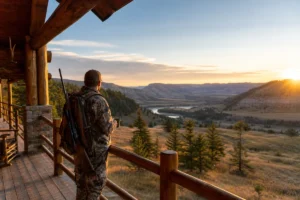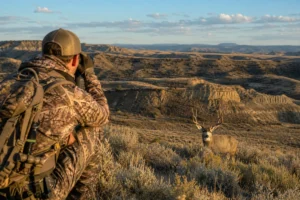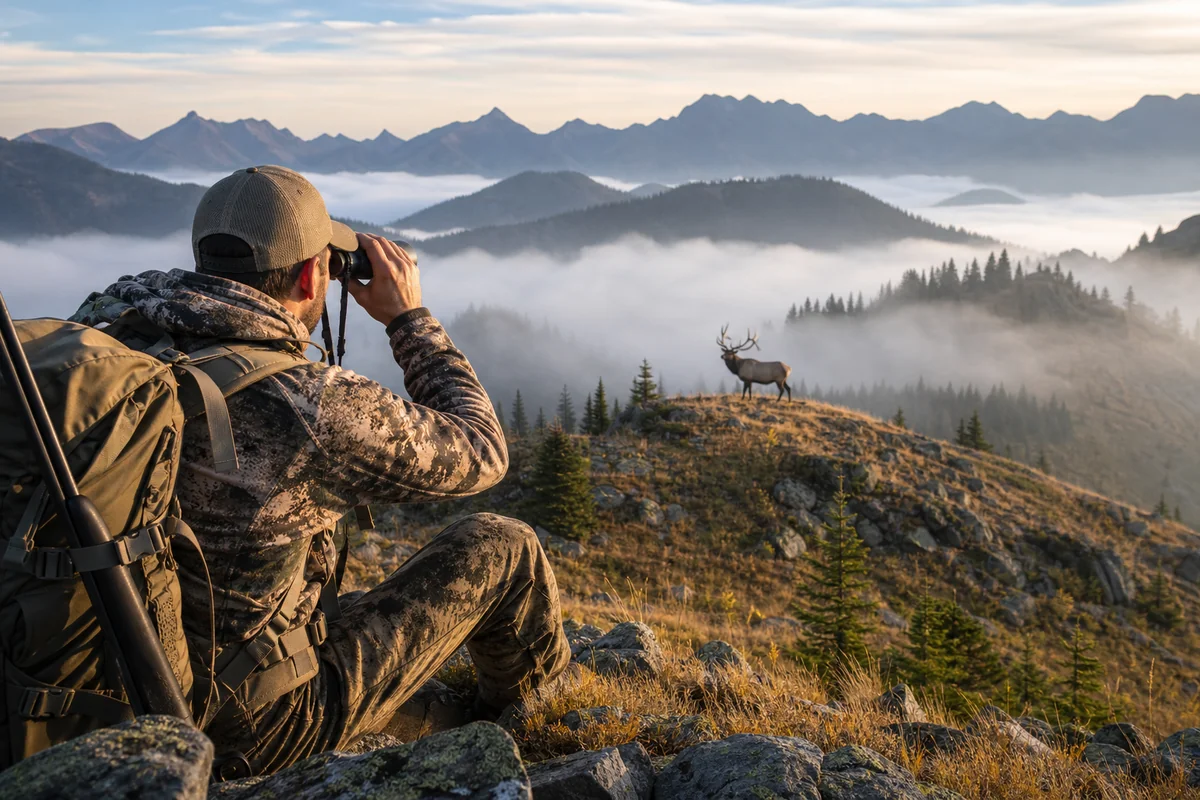
The bull elk appeared at 47 yards through the morning fog, and I remember thinking: “I actually pulled this off myself.”
After three years of failed DIY hunts in Montana, that moment on a remote ridge in the Crazies validated every mistake I’d made learning to hunt this state without a guide.
- Montana offers 30+ million acres of public land accessible to DIY hunters — more opportunity than most Western states combined
- Budget $1,500-$3,000 for a quality DIY elk hunt vs. $5,000-$15,000 for guided hunts
- Apply for limited-entry tags by March 15 (deer/elk) or use over-the-counter general tags
- Start scouting via onX Maps months before your hunt — I spend 40+ hours on digital reconnaissance
- Physical conditioning matters more than gear; start training 3-4 months out
- Pack out plans often fail — have backup strategies for getting meat off the mountain
Why Montana is the Ultimate DIY Hunting Destination
I’ve hunted seven Western states over the past decade, and Montana keeps pulling me back. It’s not just the scenery — though watching the sun rise over the Absaroka Range still stops me cold — it’s the accessibility.
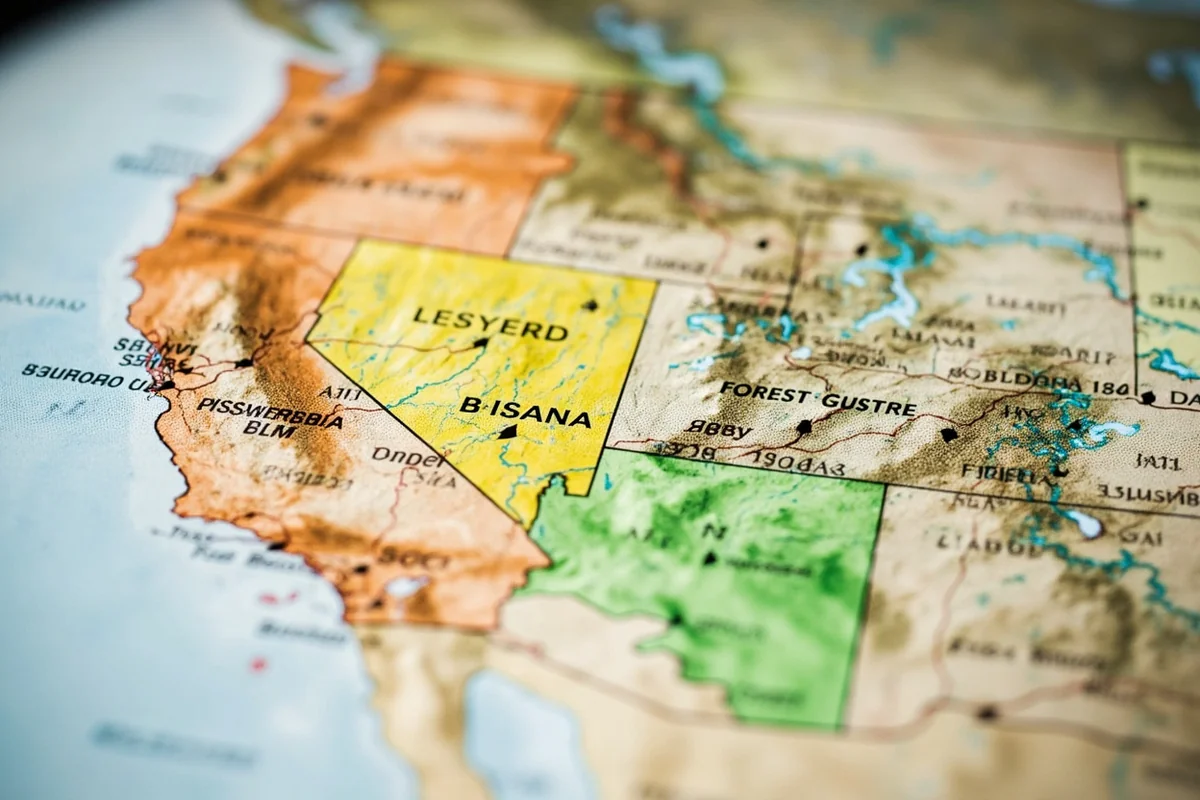
Montana contains roughly 30.2 million acres of public land, including 3.4 million acres of state trust lands and millions more in national forests and BLM holdings. Unlike some neighboring states where public parcels resemble scattered postage stamps, Montana’s public access often connects in meaningful ways.

During my first DIY attempt in 2019 near the Missouri Breaks, I was stunned to realize I could walk for three days without crossing private land. That kind of freedom doesn’t exist in most of the country.
The state also maintains a relatively straightforward licensing system. While draw odds for premium units can be brutal, general elk and deer tags remain available over the counter for certain districts. Last fall, I watched two first-timers from Ohio fill their freezers using nothing but general tags and public land in Region 3.
Understanding Montana’s Licensing System
This is where most DIY hunters get confused, so let me break it down based on what actually matters.
Resident vs. Non-Resident Tags
Montana distinguishes sharply between residents and non-residents. If you’ve lived in the state for 12 consecutive months, you qualify for resident pricing. Everyone else pays significantly more — and faces different opportunity levels.
Non-resident elk combination licenses (which include deer) ran $1,126 in 2024. Residents paid $42 for a similar setup. Yes, that disparity stings, but Montana’s wildlife resources require management, and funding has to come from somewhere.
Draw Tags vs. Over-the-Counter Options
Montana uses a hybrid system that trips up newcomers constantly.
**Limited-entry permits** require applying through the draw system, with applications due by March 15 for deer and elk. These cover specific hunting districts with controlled quotas. I’ve applied for the Missouri Breaks mule deer tag six years running without success — that’s the reality of premium units.
**General licenses** work differently. Residents can purchase general deer and elk licenses over the counter, valid in many hunting districts. Non-residents have guaranteed access to general elk licenses but face a draw for general deer tags.
The B license system adds another layer. These supplemental tags allow additional harvest in specific areas, often for antlerless animals. I filled a B tag for whitetail doe last November near Lewistown — easy hunt, excellent meat, minimal competition.
Preference Points Strategy
Montana doesn’t use a pure preference point system like Colorado. Instead, they employ a hybrid approach where applicants can choose to purchase a preference point ($20 for elk, $20 for deer) if unsuccessful in the draw.
Here’s what I’ve learned after years of playing this game: unless you’re committed to hunting a specific unit, the point system often isn’t worth it for non-residents targeting general season opportunities. The truly premium permits — like the Missouri River Breaks big buck tags — require so many points that most hunters will never draw them.
My advice? Apply for a few realistic limited-entry options, but build your hunt around general tags and public land. That’s where DIY hunting actually happens.
Essential Pre-Hunt Scouting: What I Do Months Before Season
Successful DIY hunting in Montana starts at home, long before you load the truck. I typically begin serious scouting six months before my target season opens.
Digital Reconnaissance
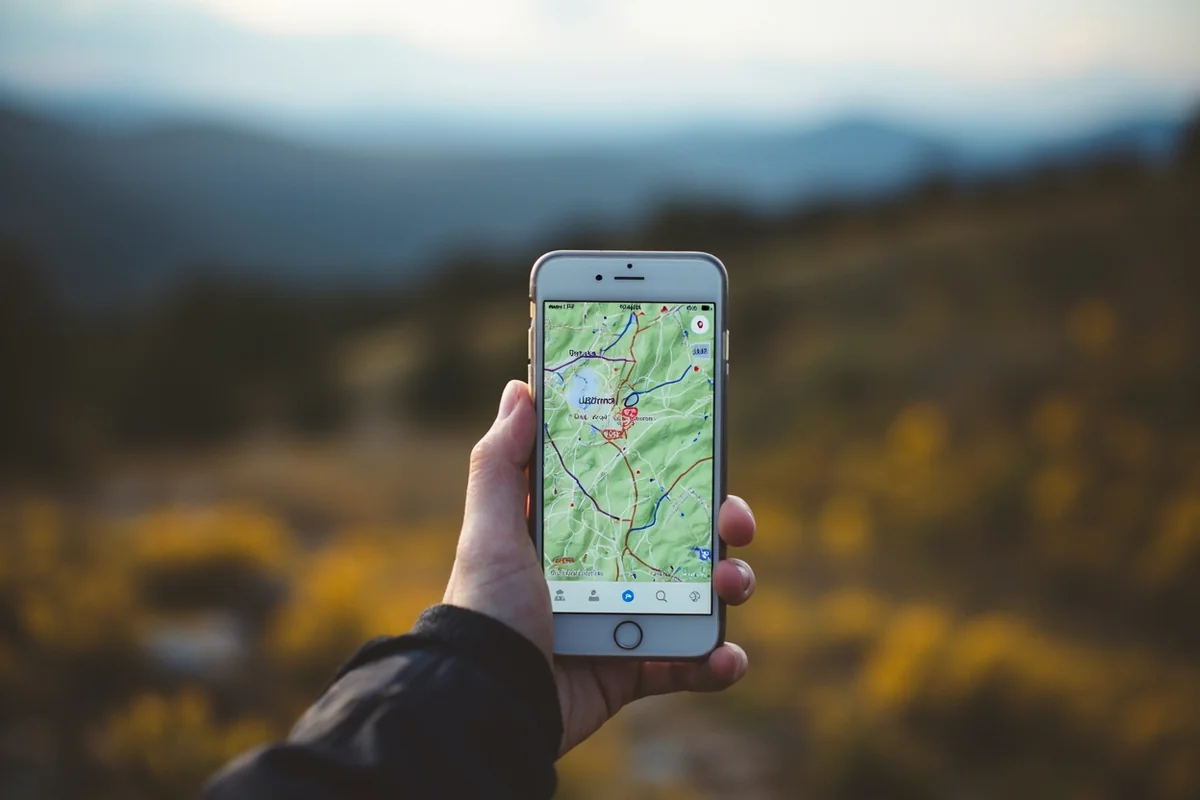
I’m not exaggerating when I say onX Maps changed my hunting success rate. The ability to see precise property boundaries — distinguishing BLM from state land from private — prevents trespassing disasters and reveals access opportunities.
During my prep for last year’s archery elk hunt in the Gallatin Range, I spent approximately 45 hours studying satellite imagery before ever setting foot in the unit. I identified three potential water sources, mapped probable bedding areas on north-facing slopes, and located two access points that avoided the obvious trailhead crowds.
Google Earth’s historical imagery feature proves invaluable for understanding how vegetation changes seasonally. I look for meadow edges where elk feed during early archery season, then track how snow pushes animals lower during rifle season.
Physical Scouting Trips
Digital scouting has limits. Last summer, I drove to my target area in the Crazy Mountains specifically to scout — no hunting, just learning.
I hiked four different drainages over three days, noting game trails, fresh sign, and natural funnels. Two areas that looked perfect on maps turned out to be disappointingly sparse. One drainage I’d nearly written off contained more elk sign than anywhere else I’d found in years.
Those three days cost me $400 in fuel and lodging, but they directly contributed to my success that fall. You cannot replicate boots-on-ground knowledge with any app.
Contacting Local Resources
Montana Fish, Wildlife & Parks biologists will actually talk to you — something I didn’t realize for years. Call the regional office managing your target area and ask specific questions: Where are animals concentrating this year? Any disease concerns? How does current forage quality compare to recent years?
During a call last August with the Region 3 office, a biologist mentioned that drought conditions had concentrated elk around a specific creek system earlier than usual. That single conversation reshaped my entire hunt strategy.
Gear Checklist for Montana DIY Hunts
After too many hunts where I brought the wrong equipment or forgot essentials, I’ve developed a system that works across seasons and terrain.
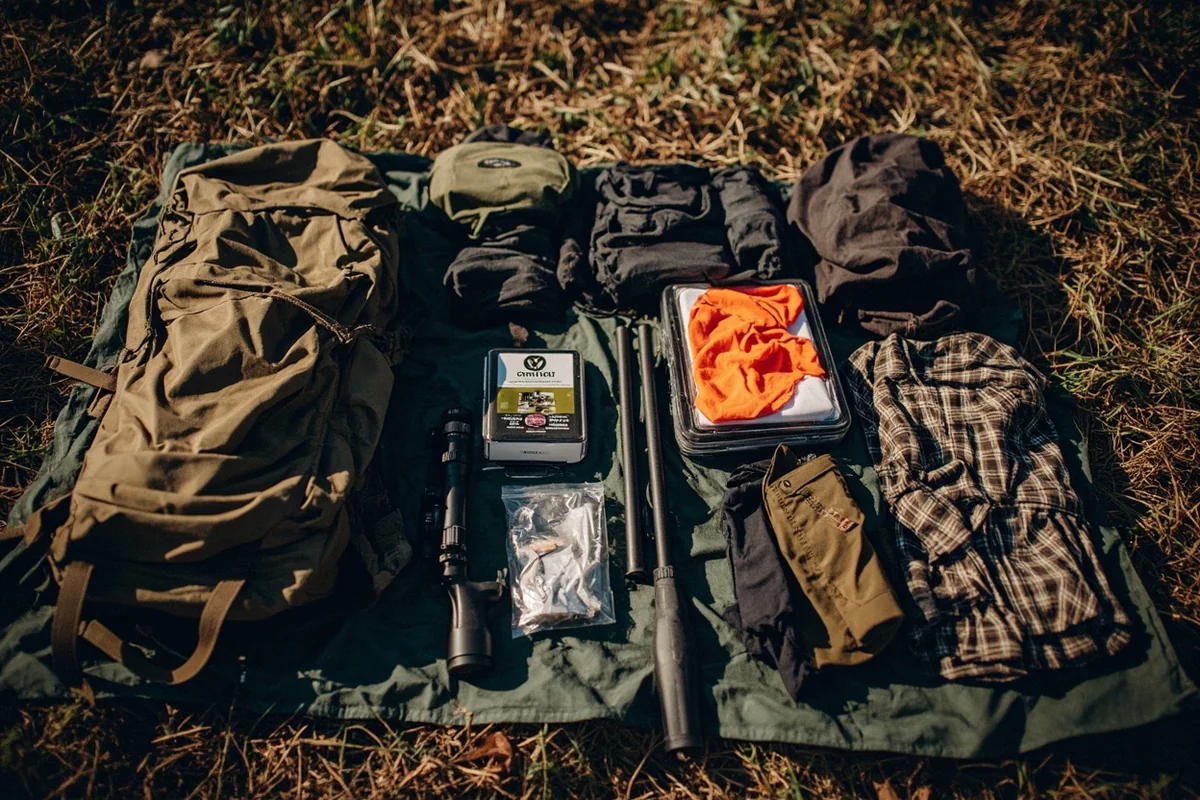
| Category | Essential Items | Notes from Experience |
|---|---|---|
| Navigation | GPS device, paper topo maps, compass, onX subscription | Phone batteries die fast in cold; always carry backup navigation |
| Optics | Binoculars (10×42 minimum), rangefinder, spotting scope for open country | I spend 80% of hunting time glassing; quality optics matter more than rifle upgrades |
| Shelter | 4-season tent, sleeping bag rated 20°F below expected temps, quality pad | Montana October nights regularly hit single digits; hypothermia kills DIY hunts |
| Pack Out | Frame pack (5,000+ cubic inches), game bags, bone saw, quality knife set | My Stone Glacier pack paid for itself on the first heavy pack out |
| Clothing | Layering system, waterproof outer layer, multiple sock pairs, quality boots broken in | Cotton kills. Period. Merino wool base layers changed my comfort level completely |
| Safety | First aid kit, bear spray, emergency beacon (InReach or similar), headlamp with extra batteries | Bear spray isn’t optional in grizzly country — which is most of western Montana |
What I Stopped Bringing
Learning what to leave behind took longer than learning what to pack. I no longer carry:
– Multiple knife options (one quality fixed blade handles everything)
– Heavy camp chairs (sitting on a pad works fine)
– Excessive backup clothing (three days’ worth covers a week)
– Bulky cooking systems (a JetBoil and freeze-dried meals suffice)
Every ounce matters when you’re packing meat miles through mountain terrain. My base pack weight dropped from 38 pounds to 24 pounds over five seasons of refinement.
Physical Preparation: The Most Underrated Factor
I learned this lesson the hard way during my first Montana elk hunt. I was 40 pounds overweight and assumed my Midwest deer hunting experience translated directly. It doesn’t.
The Reality of Mountain Hunting
Montana’s public land elk don’t live where trucks can reach. During last September’s archery hunt, my camp sat at 7,400 feet, and I regularly climbed to 9,000+ feet daily. That’s not hiking — that’s sustained cardiovascular effort at altitude, often with 60+ pounds on your back.
I watched two hunters from lower elevations tap out on day two of a five-day hunt last fall. They weren’t out of shape by normal standards, but they hadn’t trained for the specific demands of mountain hunting.
My Training Protocol
Starting four months before hunting season, I follow a consistent routine:
**Cardiovascular base**: Three to four sessions weekly of sustained hiking with a weighted pack. I started at 25 pounds for 30 minutes and built to 60 pounds for 90 minutes over 12 weeks.
**Leg strength**: Squats, lunges, and step-ups twice weekly. The ability to control your descent while carrying weight prevents injuries and preserves knees.
**Core stability**: A strong core makes carrying loads infinitely more manageable. Planks, deadlifts, and farmer carries became staples.
The stair climber at the gym became my best friend. Boring? Absolutely. Effective? Undeniably.
Field Dressing and Pack Out Strategies
Pulling the trigger is actually the easy part. What happens next separates successful DIY hunters from those who lose meat to spoilage or simply can’t get it out.
Gutless Method: Why I Switched
For years, I field dressed animals traditionally — opening the body cavity, removing entrails, and working from there. During a hot September archery hunt two years ago, I switched to the gutless method and haven’t looked back.
The gutless approach involves removing quarters, backstraps, and tenderloins directly, leaving the gut pile intact. Benefits include:
– Faster processing time (I’ve reduced elk breakdown from 3+ hours to under 90 minutes)
– Cleaner meat with less contamination risk
– Easier transport in manageable loads
I recommend watching Randy Newberg’s detailed videos on the technique before your first attempt. Practice on a deer before tackling elk — the scale difference is significant.
Pack Out Logistics
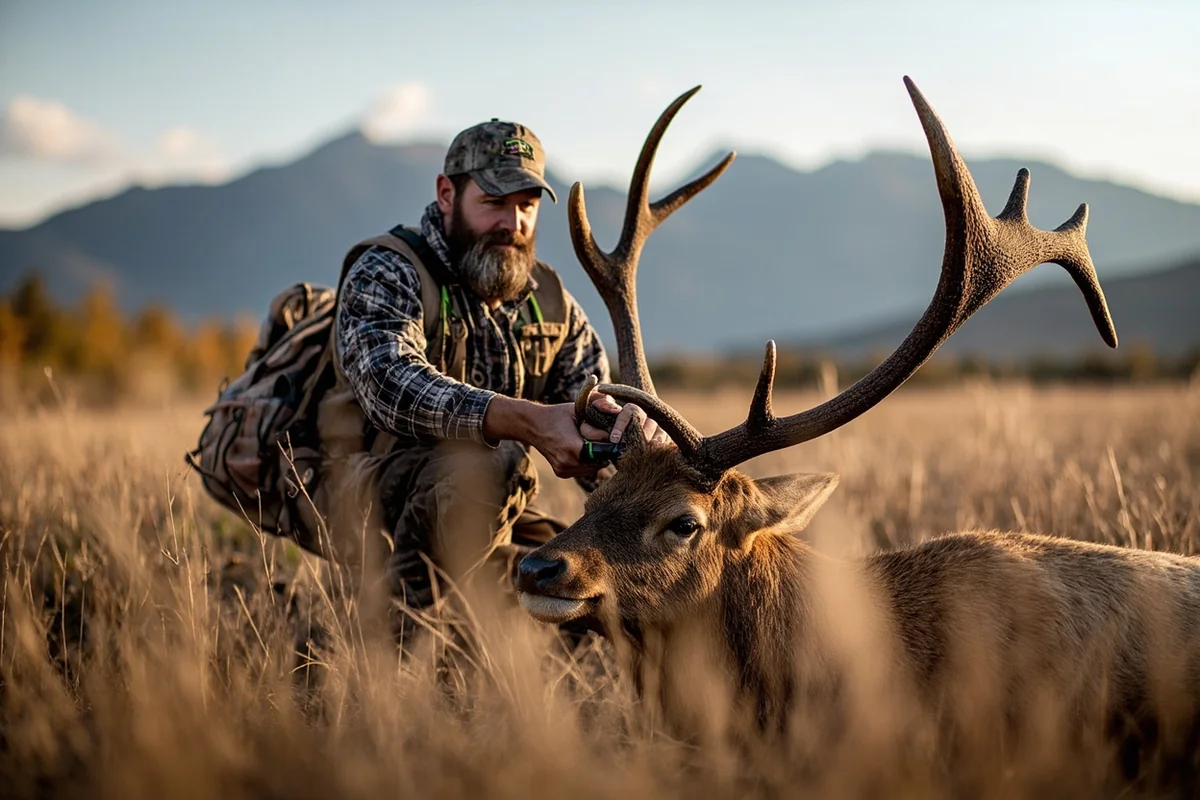
A mature bull elk yields roughly 250-300 pounds of boneless meat. Add quarters with bone-in, and you’re looking at 400+ pounds of animal that needs moving.
From personal experience, here’s what works:
**Solo hunts**: Expect four to six trips from kill site to vehicle, depending on distance. I’ve made trips exceeding 12 miles total. This is where conditioning pays dividends.
**Partner hunts**: Hunting with one reliable partner essentially halves your workload. My regular hunting buddy and I have a standing agreement: whoever’s down first, we work together.
**Game carts**: In appropriate terrain (open meadows, established trails), a game cart saves backs. I’ve used mine successfully in the Paradise Valley area but wouldn’t attempt it in the steep timber of the Bitterroots.
**Pack animals**: Some outfitters rent horses or mules for pack-out assistance without full guide services. I used this option once in the Bob Marshall Wilderness — expensive at $400 for the day, but it salvaged a hunt that would’ve otherwise resulted in lost meat.
Understanding Montana’s Public Land Access
Access is the key that unlocks DIY hunting in Montana. Understanding your options opens doors that most out-of-state hunters never find.
National Forest Land
Montana contains portions of ten national forests, totaling millions of acres open to hunting. The Custer-Gallatin, Helena-Lewis and Clark, and Lolo National Forests provide some of my most consistent hunting opportunities.
National forest land permits hunting according to state regulations during established seasons. Motor vehicle use follows designated routes on Motor Vehicle Use Maps (MVUMs), available free from ranger stations.
Bureau of Land Management (BLM)
BLM parcels range from massive blocks in central Montana to scattered sections throughout the state. The land around the Missouri Breaks offers exceptional mule deer habitat on BLM ground.
One tip I wish I’d known earlier: BLM land often connects national forest and state land, creating access corridors to otherwise inaccessible public ground. Study these connections on your mapping app.
State Trust Lands
Montana’s 5.2 million acres of state trust lands require a State Lands Recreational Use License ($25 for non-residents when I purchased last year). These parcels are managed by the Department of Natural Resources and Conservation, not FWP.
State trust lands sometimes see less pressure than national forest because hunters don’t realize they’re huntable. Last fall, I had an entire section of state land in Wheatland County essentially to myself while the adjacent forest service trailhead had 14 trucks parked.
Block Management Areas
Montana’s Block Management Program provides free public access to private land through agreements with landowners. The program lists 8+ million acres annually, though availability and quality vary significantly.
I’ve had excellent whitetail hunting through Block Management along the Milk River corridor. Registration requirements differ by property — some require advance sign-up, others allow walk-in access. Check the FWP website or phone app for current listings and requirements.
Dealing with Weather and Safety
Montana weather doesn’t care about your plans. I’ve experienced all four seasons during single October hunts, and adapting determines success.
Temperature Swings
During a rifle hunt near Ennis last November, morning temperatures hit -8°F. By afternoon, we saw 42°F in direct sun. Your clothing system must handle both extremes.
I layer aggressively: moisture-wicking base layer, insulating mid-layer, and waterproof/windproof outer shell. The ability to vent while climbing, then bundle while glassing, keeps you functional rather than freezing or soaking in sweat.
Snow Considerations
Early-season snow in Montana often improves hunting dramatically. I’ve watched elk pour off high country during late October storms, concentrating animals in accessible terrain.
However, snow complicates vehicle access. I carry chains, a recovery strap, and shovel as standard equipment from October through November. Getting stuck on a forest service road at midnight in a snowstorm with a truckload of meat teaches lessons you’d rather learn secondhand.
Grizzly Country Protocols
Much of Montana’s prime elk habitat overlaps with grizzly bear range. During my hunts in the Gallatin, Bitterroot, and Bob Marshall areas, bear encounters remain a real possibility.
Practical precautions include:
– Carrying bear spray accessible on chest or hip — not buried in your pack
– Hanging food properly at overnight camps (I use Ursack bags as backup)
– Making noise while approaching downed game
– Processing meat quickly and moving away before returning for additional loads
I’ve had two close encounters in Montana — both resolved without incident because I had spray ready and didn’t panic. Respect the bears, take precautions, and don’t let fear prevent you from hunting great country.
Budget Breakdown: What DIY Hunting Actually Costs
One major advantage of DIY hunting is cost control. Here’s realistic budgeting based on my actual expenses from last season:
**Non-Resident Elk/Deer Combination License**: $1,126
**Travel** (driving from Midwest, fuel, vehicle maintenance): $650
**Lodging/Camping** (mix of campgrounds and one hotel night for shower): $180
**Food** (eight days): $220
**Gear replacement/additions** (new game bags, boots, misc.): $340
**Processing** (I quartered myself but paid for final cuts and wrapping): $285
**Total**: Approximately $2,800
Compare that to guided elk hunts in Montana ranging from $5,000-$15,000+, and the DIY value proposition becomes clear. Yes, my success rate runs lower than guided hunts — probably 40% harvest on DIY versus 70%+ with quality outfitters — but I’ve learned infinitely more about hunting by doing it myself.
Common Mistakes I Made (So You Don’t Have To)
Transparency helps here. I’ve screwed up plenty:
**Hunting too close to roads during rifle season**: My first Montana rifle hunt, I stayed within two miles of established roads. So did everyone else. Moving deeper — even three to four miles — dramatically reduced competition.
**Ignoring midday activity**: I followed the conventional wisdom of hunting dawn and dusk exclusively. In Montana’s cooler temps, especially during October, I’ve killed two animals between 10 AM and 2 PM when other hunters returned to camp.
**Over-calling**: Elk calling feels productive, but I called far too aggressively in my early seasons. Now I call sparingly, use locator bugles primarily, and let elk come to me rather than announcing my position constantly.
**Underestimating distances**: Open Montana terrain tricks your eyes. That ridgeline looks 400 yards away? It’s probably 650. Use your rangefinder obsessively until you calibrate your visual estimation.
**Neglecting wind discipline**: This should be obvious, but thermals in mountain terrain confused me for years. I now hunt exclusively with wind advantage, even if it means hiking further or abandoning productive-looking areas.
Best Regions for DIY Hunting
Based on my experience across the state, these areas offer consistent DIY opportunities:
**Region 3 (Southwest Montana)**: The Gallatin, Madison, and Gravelly Ranges provide accessible elk hunting on public land. Moderate pressure compared to some areas, diverse terrain options, and reasonable draw odds for limited permits.
**Region 4 (North-Central)**: The Rocky Mountain Front offers incredible scenery and good elk populations. Grizzly density is high, but wilderness opportunities abound.
**Region 7 (Southeast Montana)**: Overlooked by elk hunters focused on mountain country, this region offers excellent mule deer hunting on prairie habitat. The landscape differs dramatically from western Montana but produces quality animals.
**Missouri Breaks**: For mule deer specifically, this landscape captivates me. Rugged breaks terrain, solid BLM access, and deer that grow big in harsh country. Draw tags are competitive, but the experience justifies the effort.
Making the Decision: DIY vs. Guided
DIY hunting isn’t for everyone, and there’s no shame in booking an outfitter. Consider going DIY if you:
– Have time to invest in research and scouting
– Possess genuine physical fitness for mountain hunting
– Accept lower success rates in exchange for lower costs and personal satisfaction
– Learn well from failure and find value in the process regardless of outcome
Consider guided options if you:
– Have limited vacation time and need maximum efficiency
– Are hunting Montana for possibly the only time
– Lack confidence in navigation, game processing, or backcountry skills
– Would rather invest money than time
I’ve done both. Guided hunts taught me techniques I use on every DIY hunt. DIY hunting gave me confidence and knowledge that guided hunts couldn’t provide. They’re complementary experiences, not competing philosophies.
Final Thoughts on DIY Hunting in Montana
That elk in the Crazy Mountains didn’t just fill my freezer — it validated years of studying maps, suffering through failed hunts, and learning Montana’s public lands inch by inch. The meat tasted better because I’d earned every bite.
DIY hunting in Montana will humble you. The state is too big, the animals too wild, and the terrain too demanding for anything else. But if you put in the work — the real work, months before you ever chamber a round — Montana offers hunting opportunities that rival anywhere in North America.
Start with realistic expectations. Accept that your first hunt might produce nothing except education. Build on that foundation season after season. Eventually, you’ll stand on a ridgeline at dawn, having done everything right for once, and watch an animal step into range.
That moment makes it all worthwhile. And it belongs entirely to you.
Frequently Asked Questions
How much does a DIY hunting trip in Montana cost compared to guided hunts?
A DIY hunting trip in Montana typically costs between $1,500-$4,000 including licenses, travel, lodging, and supplies, while guided hunts often run $5,000-$10,000 or more. I’ve found that doing your own scouting and planning can save you 50-70% compared to outfitter prices. Budget around $200-$500 for a non-resident deer or elk combination license, plus $50-$150 per night for cabin rentals or campsite fees.
What is the best time of year for DIY elk hunting in Montana?
The prime window for DIY elk hunting in Montana is during the archery season in September when bulls are actively bugling, or the general rifle season running from late October through late November. I personally prefer hunting the second week of rifle season when elk have settled into predictable patterns after the initial pressure dies down. Early September mornings offer cooler temperatures and more vocal bulls, making them easier to locate without a guide.
Do I need to scout Montana hunting areas before my DIY trip?
Absolutely, pre-trip scouting is essential for a successful DIY Montana hunt, and I recommend using onX Hunt or GoHunt maps to study terrain, access points, and public land boundaries months in advance. If possible, plan a summer scouting trip to glass meadows and identify game trails since elk and deer patterns remain relatively consistent. Many hunters drive 1,000+ miles only to waste days figuring out access, so knowing your hunting unit inside-out gives you a serious advantage.
What gear should I pack for a DIY Montana hunting trip?
Essential gear includes layered clothing for temperatures ranging from 20°F to 60°F, a quality GPS unit with downloaded offline maps, and sturdy boots broken in for hiking 5-10 miles daily over rugged terrain. I always pack a lightweight game cart or pack frame for hauling meat since the nearest trailhead can be several miles from where you harvest an animal. Don’t forget a reliable headlamp, emergency bivvy, water filtration system, and bear spray since you’ll be sharing habitat with grizzlies in many Montana units.
Where can I find public land for DIY hunting in Montana?
Montana offers over 30 million acres of public hunting land including Bureau of Land Management tracts, national forests like the Gallatin and Beaverhead-Deerlodge, and Block Management areas on private ranches enrolled in the state program. I use the Montana FWP Hunt Planner tool to identify high-success hunting districts and cross-reference with onX to find walk-in access points away from crowded trailheads. Focus on wilderness areas or roadless sections where other DIY hunters are less likely to venture, typically 3+ miles from the nearest road.
How far in advance should I apply for Montana DIY hunting licenses and tags?
Non-resident hunters should apply for Montana’s elk and deer combination licenses by the March 15 deadline, as many popular units require a drawing and can take 2-5 years to draw for trophy areas. General deer tags are typically available over-the-counter, but prime elk units fill quickly through the lottery system. I recommend having a backup plan with leftover tags released in mid-August if you don’t draw your first-choice unit.
Can I process my own game meat during a DIY Montana hunting trip?
Yes, Montana allows hunters to field dress and process their own game, and I recommend bringing quality knives, game bags, and a portable cooler system to protect meat from spoilage and insects. Temperatures can swing dramatically, so quartering your animal and getting meat into breathable game bags hung in shade is critical within the first few hours. If you’re flying home, research meat processors in towns like Bozeman, Missoula, or Kalispell who can butcher, freeze, and ship your harvest for around $300-$600 depending on the animal size.
Sources