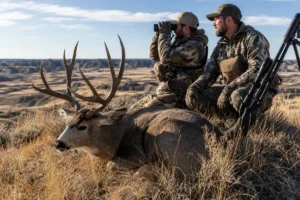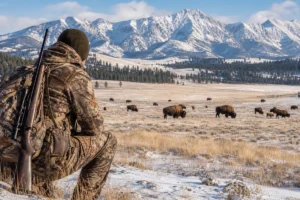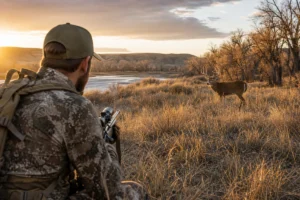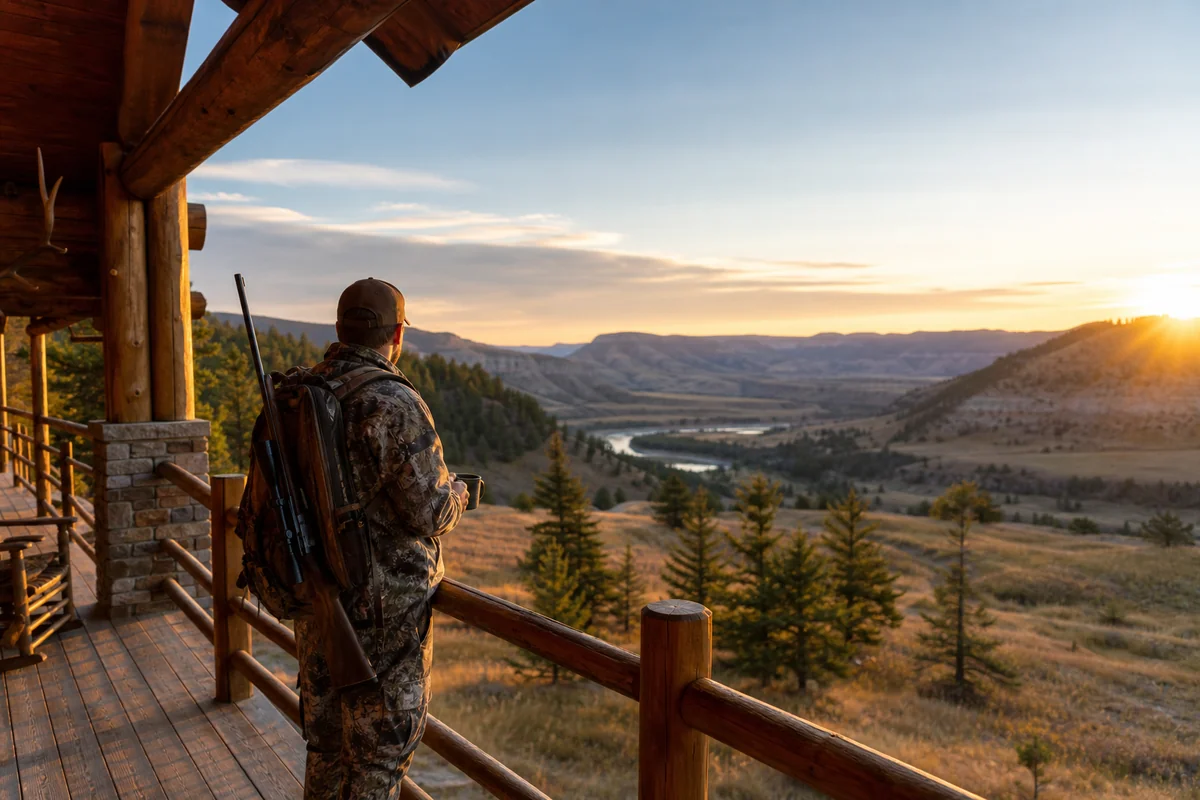
The morning I stepped onto the porch of a remote hunting lodge in the Missouri Breaks, coffee steam curling into the 28-degree air, I understood why hunters travel thousands of miles to experience Montana.
The sun hadn’t crested the rimrock yet, but I could already hear elk bugling somewhere in the drainage below—a sound that still gives me chills every time I return to Big Sky Country.
Whether you’re planning your first guided hunt or looking for a new outfitter after years of DIY adventures, choosing the right hunting lodge can make or break your Montana experience.
This comprehensive Montana Hunting Guide resource will walk you through everything I’ve learned from staying at lodges across the state.
- Montana hunting lodges range from $350/night (basic) to $1,500+/day (luxury guided packages)
- Peak seasons (archery elk, rifle deer) book 12-18 months in advance
- Most lodges offer all-inclusive packages covering meals, guides, and game processing
- The best lodges hold exclusive access to private land or Block Management areas
- Non-residents should budget $8,000-$15,000 for a week-long guided elk hunt
- I recommend booking lodges with references you can actually call

What Makes Montana Hunting Lodges Different
I’ve hunted in Colorado, Wyoming, and Idaho, but there’s something distinctly different about Montana’s hunting lodge culture. It’s less polished, more authentic, and deeply rooted in ranching heritage.
Many Montana lodges operate on working cattle ranches that have been in families for generations. The owners aren’t hospitality professionals—they’re ranchers who know every drainage, every water source, and every elk trail on their land because they’ve been riding it since childhood.
During my stay at a lodge near Livingston last fall, the owner’s grandmother’s quilts still hung on the walls. That’s the kind of place you’re looking for—somewhere with genuine history and intimate knowledge of the terrain.
The Montana Lodge Experience vs. Other States
In my experience, Montana lodges tend to be smaller and more personal than their Colorado or Texas counterparts. You won’t find 20-person bunkhouses or conveyor-belt hunting operations here.
Most lodges I’ve visited accommodate 4-8 hunters at a time, maximum. This means more one-on-one attention from guides and less pressure on the game populations.
The trade-off? Fewer luxury amenities. Don’t expect hot tubs, wine cellars, or gourmet chefs at most Montana operations. Expect hearty meals, warm beds, and people who genuinely care about putting you on animals.
Types of Hunting Lodges in Montana
After visiting lodges in nearly every corner of the state, I’ve identified four distinct categories. Understanding these will help you match your expectations to reality.
Working Ranch Lodges
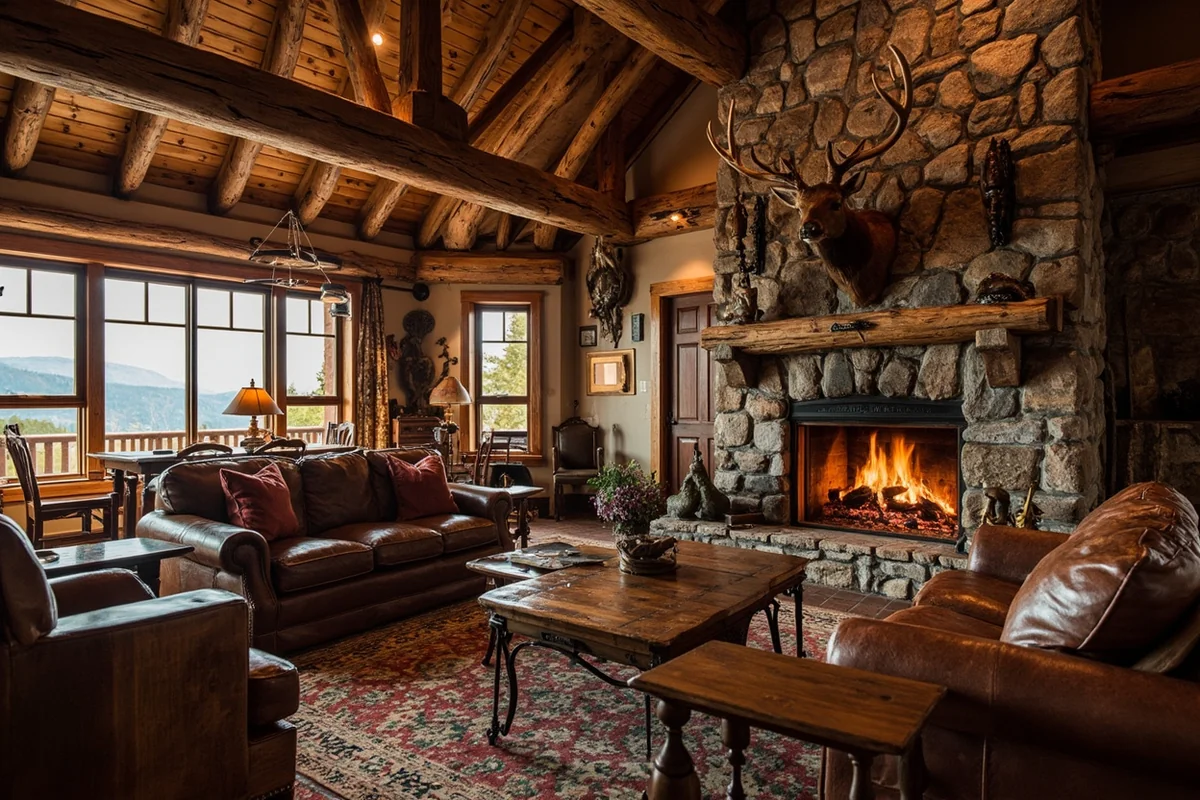
These are my personal favorites. You’re staying on an active cattle operation where hunting is a secondary—though often significant—income stream.
The accommodations might be a converted bunkhouse or a separate guest cabin. Meals are served family-style with the ranch hands.
What you gain is unparalleled access. Ranch owners know their land intimately and often control thousands of acres of prime habitat. I’ve had some of my best Montana elk hunting experiences on working ranches near the Crazy Mountains.
Expect to pay $400-$800 per day for guided hunts on working ranches, with most requiring 5-7 day minimum stays during prime seasons.
Dedicated Outfitter Lodges
These operations exist solely for hunting (and sometimes fishing). They’ve invested in purpose-built facilities designed around the hunting experience.
The guides are typically full-time professionals rather than ranch hands moonlighting during hunting season. Equipment tends to be newer, and operations are more polished.
I stayed at one such lodge in the Bitterroot Valley two seasons ago. The operation ran like clockwork—breakfast at 5 AM, trucks loaded and rolling by shooting light, lunch packed and waiting.
The downside? Less character and higher prices. You’re paying for efficiency and professionalism, which some hunters prefer.
Wilderness Camp Outfitters
For the adventure-minded hunter, several Montana outfitters run backcountry tent camps deep in designated wilderness areas. These aren’t lodges in the traditional sense, but they deserve mention.
You’ll be sleeping in wall tents with wood stoves, eating meals prepared over open fires, and hunting areas that see minimal pressure. This is how Montana hunting was done 100 years ago.
I did a pack-in hunt for Montana mule deer in the Bob Marshall Wilderness three years back. Seven days without cell service, sleeping under canvas, riding horses into country that felt genuinely wild.
It was uncomfortable, challenging, and absolutely unforgettable. Not for everyone, but if you have the physical stamina, these trips deliver authentic Montana experiences.
Luxury Hunting Retreats
A small but growing category, these lodges cater to high-end clientele seeking five-star accommodations alongside world-class hunting.
Think private chefs, single-malt scotch by the fire, and guides who’ve worked everywhere from Africa to Alaska. You’ll pay premium prices—$1,500-$3,000 per day is standard.
The hunting can be excellent, but I’ll be honest: I’ve found the experience at some luxury lodges feels manufactured. You’re not experiencing Montana; you’re experiencing a sanitized version designed for wealthy clients.
That said, if budget isn’t a concern and you want maximum comfort, several operations near Bozeman and Big Timber deliver genuinely impressive experiences.
Montana’s Prime Hunting Regions and Their Lodges
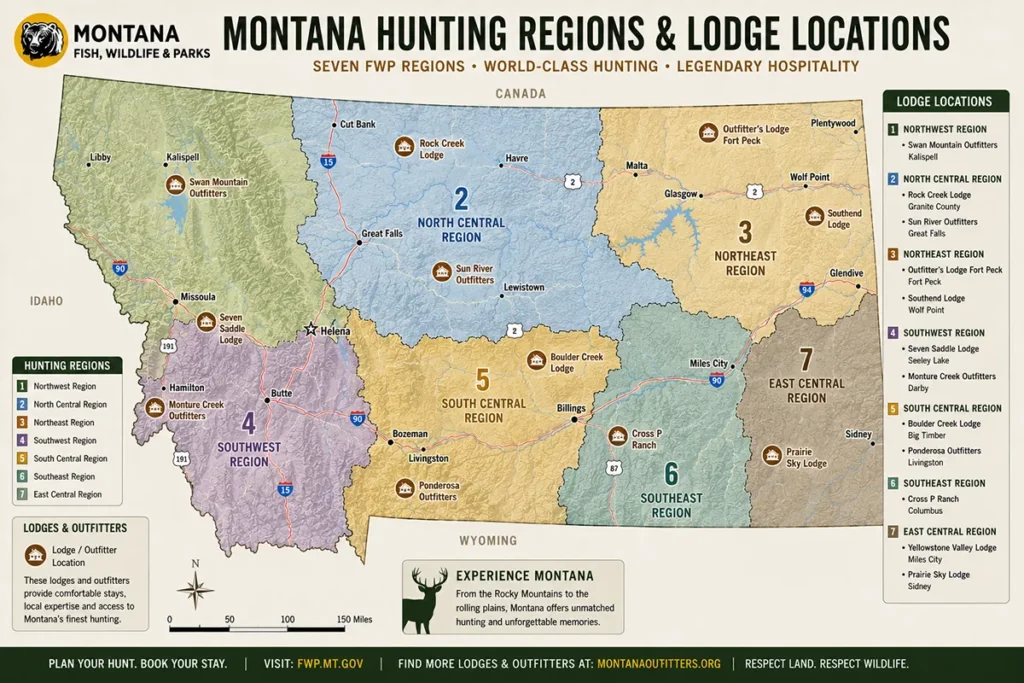
Montana’s diverse geography creates distinct hunting opportunities. I’ve organized my recommendations by region based on target species and terrain.
Missouri River Breaks Region
The Breaks remain one of Montana’s most underrated hunting destinations. This badlands country in north-central Montana holds exceptional mule deer populations and surprisingly good elk numbers.
I’ve hunted the Breaks twice, staying at lodges near Winifred and Jordan. The terrain is challenging—steep coulees, loose shale, and endless ridges—but the game density makes it worthwhile.
Lodges in this region tend to be more rustic and affordable than those in western Montana. You’ll find working ranch operations offering guided mule deer and antelope hunting for $2,500-$4,000 for five-day packages.
The best time to hunt the Breaks is during rifle season in late October and November. I recommend lodges with access to CMR (Charles M. Russell National Wildlife Refuge) boundaries, which funnel migrating deer through private lands.
Southwestern Montana
This is elk country. The mountain ranges surrounding Bozeman, Livingston, and Dillon hold some of Montana’s highest elk densities.
Lodge options here are plentiful but competitive. Prime archery season bookings fill 18 months in advance for established operations.
During my visits to lodges in the Gallatin Valley and Madison Range, I’ve consistently found excellent elk populations and challenging terrain. Be prepared for serious mountain hunting—10,000-foot elevations and steep timber.
Prices reflect the demand. Guided elk hunts through southwestern Montana lodges typically run $6,000-$12,000 for week-long packages, not including your Montana hunting license.
Northwestern Montana
The Flathead and Kootenai regions offer something unique: genuine wilderness hunting for multiple species including whitetail, elk, black bear, and mountain lion.
I spent a week at a lodge near Kalispell last season, primarily hunting whitetail deer in the river bottoms. The combination of agricultural land and timbered mountains creates exceptional habitat.
This region also offers some of Montana’s best bear hunting opportunities. Several lodges run spring and fall bear hunts over bait (where legal) or spot-and-stalk in the high country.
Expect to pay $4,000-$8,000 for guided deer hunts, with bear hunts running slightly higher due to the extended time required.
Eastern Montana Prairies
Don’t overlook the eastern plains. This is prime territory for upland bird hunting, antelope, and increasingly good whitetail populations in river bottom habitats.
Lodge options are fewer in eastern Montana, but what exists tends to be affordable and uncrowded. I’ve found excellent pheasant and Hungarian partridge hunting through lodges near Glasgow and Sidney.
Combination packages—antelope and upland birds, for example—offer exceptional value. A week of mixed-bag hunting can cost $2,000-$3,500 at eastern Montana lodges.
What’s Typically Included (and What Isn’t)
Before booking any Montana hunting lodge, you need to understand exactly what you’re paying for. I’ve learned this lesson the hard way.
Standard Inclusions at Most Lodges
- Lodging (private or shared rooms depending on price point)
- All meals during your stay
- Guided hunting with experienced local guides
- Transportation to and from hunting areas
- Basic game processing (field dressing, quartering)
- Game care and hanging facilities
Common Additional Costs
- Hunting licenses and tags (budget $800-$1,200 for non-residents depending on species—check current Montana hunting license costs)
- Gratuities for guides (15-20% is standard; budget $500-$1,500)
- Taxidermy deposits if you plan to mount your trophy
- Meat processing beyond basic quartering ($200-$500)
- Shipping costs for meat and/or trophies
- Travel to/from Montana
- Ammunition
- Hunting clothing and gear
Questions to Ask Before Booking
I’ve developed a standard list of questions I ask every lodge before committing:
| Question | Why It Matters |
|---|---|
| What is your success rate for my target species? | Should be specific by weapon type and season |
| How many hunters do you take per week/season? | Reveals hunting pressure on their land |
| What is your guide-to-hunter ratio? | 1:1 or 2:1 is ideal; 4:1+ suggests cattle-call operations |
| Do you own the land or lease hunting rights? | Owned land typically means better long-term management |
| Can you provide references from last season? | Reputable lodges gladly share past client contacts |
| What happens if I don’t harvest an animal? | Some offer reduced rates for return trips; most don’t |
Booking Timeline and Reservation Tips
Timing matters enormously when booking Montana hunting lodges. I’ve missed prime weeks by waiting too long and learned to plan further ahead each year.
When to Book for Each Season
Archery Season (September): Book 18-24 months ahead for elk. The best archery lodges are essentially sold out two years in advance. I’m currently booked for a September 2026 archery hunt that I reserved in early 2024.
General Rifle Season (October-November): Book 12-18 months ahead. There’s slightly more availability, but prime weeks around the rut fill fast.
Upland Bird Season: More flexible, but October weeks should be booked 6-12 months ahead. Late season (November-December) often has last-minute availability.
Special Seasons: Muzzleloader season and shoulder season elk hunting opportunities can sometimes be booked with shorter notice, especially through lodges just starting to offer these options.
Deposit and Cancellation Policies
Most lodges require 50% deposits at booking with the balance due 60-90 days before your hunt. Cancellation policies vary widely.
I always recommend purchasing trip insurance for hunts costing more than $5,000. A family emergency or flight cancellation could otherwise cost you thousands.
Some lodges offer “harvest insurance” as an add-on—if you don’t harvest your target animal, you receive a discount on a return hunt. I’ve found these policies worth considering for expensive elk hunts.
Species-Specific Lodge Recommendations
Different species require different habitat, and lodges specialize accordingly. Here’s what I’ve found works best for each major game animal.
Elk Hunting Lodges
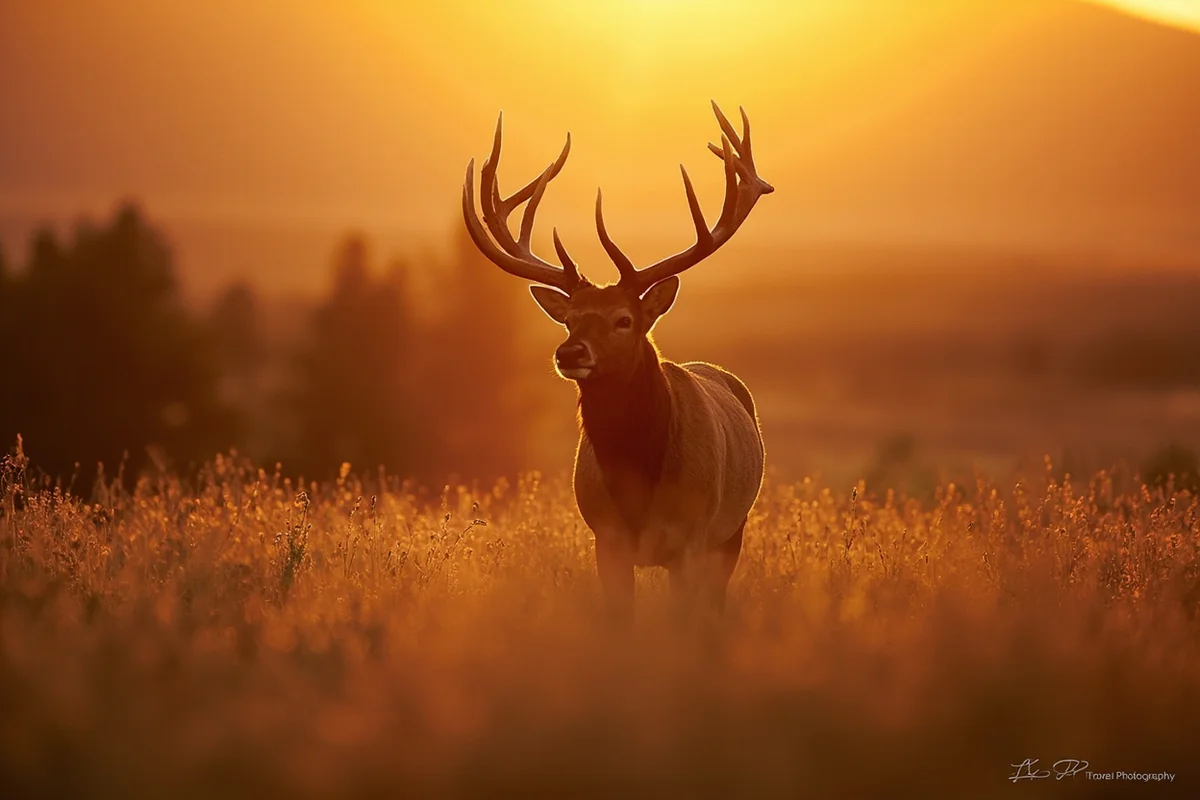
For elk, focus on lodges with access to migration corridors and high-elevation summer range. The best operations I’ve hunted control both private valleys and adjacent public land access.
Look for lodges in Madison County, Park County, and the Bitterroot Valley. These areas consistently produce bulls in the 300-350″ class with occasional trophies exceeding 380″.
Expect significant physical demands at elk lodges. During my most recent guided elk hunt, we covered 8-12 miles daily at elevations above 8,500 feet. Be honest about your fitness level when booking.
Mule Deer Lodges
For trophy mule deer, I’ve had my best experiences at lodges working the Missouri Breaks and areas along the Rocky Mountain Front.
The terrain differs dramatically between these regions. Breaks hunting involves extensive glassing and careful stalking through broken badlands. Front-range hunting often means climbing into high basins where mature bucks spend their summers.
Lodges focusing on mule deer should demonstrate proper management—limited harvest, buck-to-doe ratios, and age structure goals. Ask about their approach to deer management specifically.
Whitetail Lodges
Montana’s whitetail hunting often surprises visitors. The river bottoms of northwestern Montana and agricultural areas of the eastern plains hold exceptional deer.
I’ve found the best whitetail lodges combine stand hunting over food sources with opportunities for spot-and-stalk in riverine timber. The multi-tactic approach keeps things interesting during slow periods.
Whitetail hunts are generally more affordable than elk—budget $3,500-$6,000 for guided week-long hunts. Check Montana deer hunting regulations for specific district rules, as they vary significantly.
Bird Hunting Lodges
Montana’s duck hunting and upland opportunities deserve more attention than they receive. The state holds healthy populations of pheasants, Hungarian partridge, sharp-tailed grouse, and multiple duck species.
Eastern Montana lodges offer classic prairie bird hunting over pointing dogs. Many lodges maintain their own dog strings, which is ideal for hunters without trained dogs.
Swan hunting is a unique Montana opportunity available through limited permits. A few specialized lodges can help with this rare pursuit.
Specialty Species
For bighorn sheep, wolf, and buffalo hunting, you’ll need highly specialized outfitters. These hunts require different licensing processes, including Montana preference points for sheep and limited entry drawings for buffalo.
Only a handful of Montana lodges handle these species, and pricing reflects the exclusivity—sheep hunts can exceed $25,000.
What to Expect During Your Stay
Every lodge operates differently, but I can share what a typical day looks like based on my experiences across multiple Montana operations.
Daily Schedule
- 4:30-5:00 AM: Wake up to coffee already brewed. Most lodges have early breakfast ready—eggs, bacon, toast, oatmeal.
- 5:30 AM: Load trucks and head to hunting areas. Guides typically want you in position before legal shooting light.
- Morning Hunt: Active hunting until mid-morning (for elk) or throughout the morning (for deer and birds).
- Midday: Return to lodge for lunch and rest, or eat packed lunches in the field if hunting distant areas.
- Afternoon Hunt: Back out by 2-3 PM for evening hunting until dark.
- Evening: Dinner around 7-8 PM, often family-style with other hunters. Discussions of the day’s experiences, strategy for tomorrow.
- 9:00 PM: Most hunters are in bed, exhausted. Mornings come early.
Physical Expectations
Be realistic about the physical demands. I’ve seen too many hunters arrive unprepared and struggle through their entire trip.
For mountain elk hunts, you should be comfortable hiking 6-10 miles daily with 2,000+ feet of elevation gain. Practice hiking with a weighted pack before your trip.
Prairie hunts are generally easier but still involve significant walking. Plan for 4-8 miles daily across rolling terrain.
If you have physical limitations, communicate them clearly when booking. Good lodges will accommodate different fitness levels, but they need to know in advance.
Evaluating Lodge Quality and Reputation
Not all lodges deliver what they promise. I’ve developed criteria for separating excellent operations from mediocre ones.
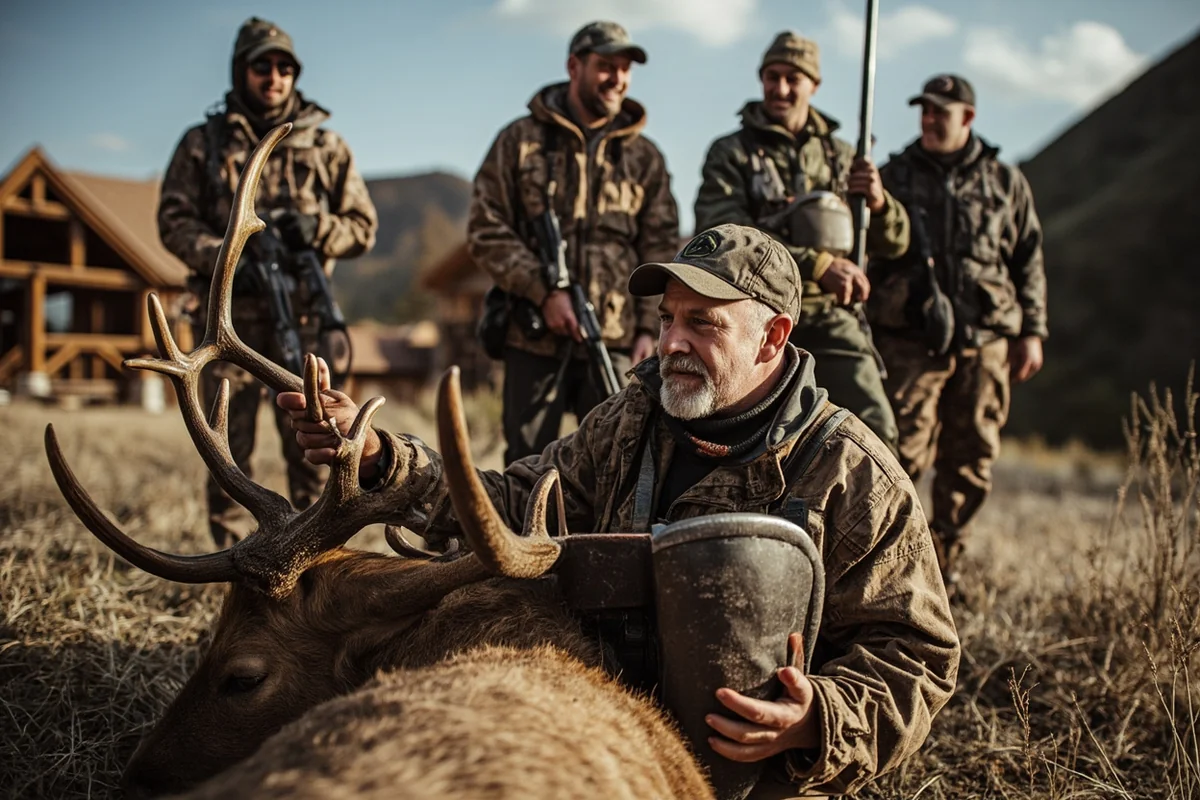
Red Flags to Watch For
- Unwillingness to provide recent references
- Vague answers about success rates or land access
- No-refund policies with no exceptions
- Extremely high success rate claims (95%+ for elk is suspicious)
- Lack of proper licensing and insurance documentation
- Negative reviews mentioning bait-and-switch tactics
Green Flags That Suggest Quality
- Long-standing relationships with landowners
- Guides who have worked there multiple seasons
- Specific, honest success rate data broken down by weapon type
- Repeat clients willing to vouch for the operation
- Active wildlife management on their properties
- Clear communication about what’s included and what’s not
Research Resources
Before booking, I always check:
- Montana Board of Outfitters database (confirms licensing)
- Hunt Talk forums and Rokslide for hunter feedback
- Google Reviews (take with appropriate skepticism)
- Personal references provided by the lodge
One phone call with a previous client tells you more than 50 online reviews. Always make those calls.
DIY Hunting with Lodge Accommodations
Not everyone wants a guided hunt. Several Montana lodges offer “semi-guided” or DIY packages where you handle the hunting yourself but enjoy lodge amenities.
This approach works well for experienced hunters who know Montana or want to learn it themselves. You’ll typically pay $200-$400 per night for room and board without guide services.
Some lodges provide orientation to their land, trail maps, and suggestions for productive areas. You’re on your own after that, which some hunters prefer.
I’ve done several DIY hunts using lodge accommodations. The key advantage is ending each day with a hot meal and warm bed rather than a cold tent. You can hunt on Montana state land during the day and return to comfortable lodging each evening.
For DIY hunters, understanding Montana hunting seasons and Montana hunting regulations is essential since you won’t have a guide to keep you legal.
Budgeting for Your Montana Lodge Hunt
Total costs surprise many first-time visitors. Here’s a realistic breakdown based on my experiences.
Sample Budget: Week-Long Guided Elk Hunt (Non-Resident)
| Expense | Cost Range |
|---|---|
| Lodge/Outfitter Package (7 days) | $6,000 – $12,000 |
| Non-Resident Elk License + Tag | $850 – $1,100 |
| Guide Gratuity (15-20%) | $900 – $2,400 |
| Airfare/Travel | $400 – $800 |
| Meat Processing | $250 – $500 |
| Meat Shipping | $300 – $600 |
| Trip Insurance | $200 – $400 |
| Total | $8,900 – $17,800 |
Ways to Reduce Costs
- Book early-season or late-season dates (lower demand = lower prices)
- Hunt antelope or deer instead of elk (significantly cheaper)
- Choose eastern Montana over western Montana
- Book semi-guided or DIY packages
- Travel with a hunting partner to share costs
- Consider Montana deer hunting for your first trip—similar experience at lower cost
Making the Most of Your Lodge Experience
After years of Montana lodge hunts, I’ve learned what separates great trips from disappointing ones. Much of it comes down to preparation and attitude.
Physical Preparation
Start training at least 8 weeks before your hunt. Focus on cardiovascular endurance, leg strength, and hiking with weight.
I do stair climbs with a 40-pound pack three times weekly leading up to mountain hunts. It’s miserable training, but it pays off when you’re climbing after a bull at 9,000 feet.
Gear Preparation
Break in boots well before your trip. New boots have ruined more hunts than bad weather.
Confirm your rifle’s zero at your destination. Temperature and elevation changes can affect point of impact. Most lodges have ranges for this purpose.
Mental Preparation
Accept that you might not harvest an animal. Even the best lodges can’t guarantee success—these are wild animals in wild places.
Focus on the experience: the country, the people, the challenge. If you come only for a trophy, you’ll likely leave disappointed regardless of outcome.
Working with Your Guide
Trust your guide’s judgment. They know the land and the animals. I’ve seen hunters override guide recommendations and regret it.
That said, communicate your preferences clearly. If you want a mature animal or nothing, say so upfront. If you’re happy with any legal animal, make that clear too.
Ask questions constantly. Good guides love teaching, and you’ll learn things about hunting that no YouTube video can show you.
Beyond the Hunt: Additional Lodge Activities
Many Montana lodges offer activities beyond hunting, which matters if you’re traveling with non-hunting companions or want rest days.
Fishing is the most common alternative. Many hunting lodges sit on or near quality trout water. I’ve had excellent afternoon fishing sessions during September elk hunts when midday hunting was unproductive.
Some lodges offer horseback riding, wildlife photography excursions, or hiking guides. If these matter to you, ask about availability when booking.
For hunters interested in small game like squirrels, some lodges allow casual hunting during downtime. It’s a fun way to fill slow afternoons.
Final Thoughts on Choosing Your Montana Lodge
After more than a dozen lodge hunts across Montana, I keep returning to the same conclusion: the best experiences come from smaller operations with deep roots in their communities.
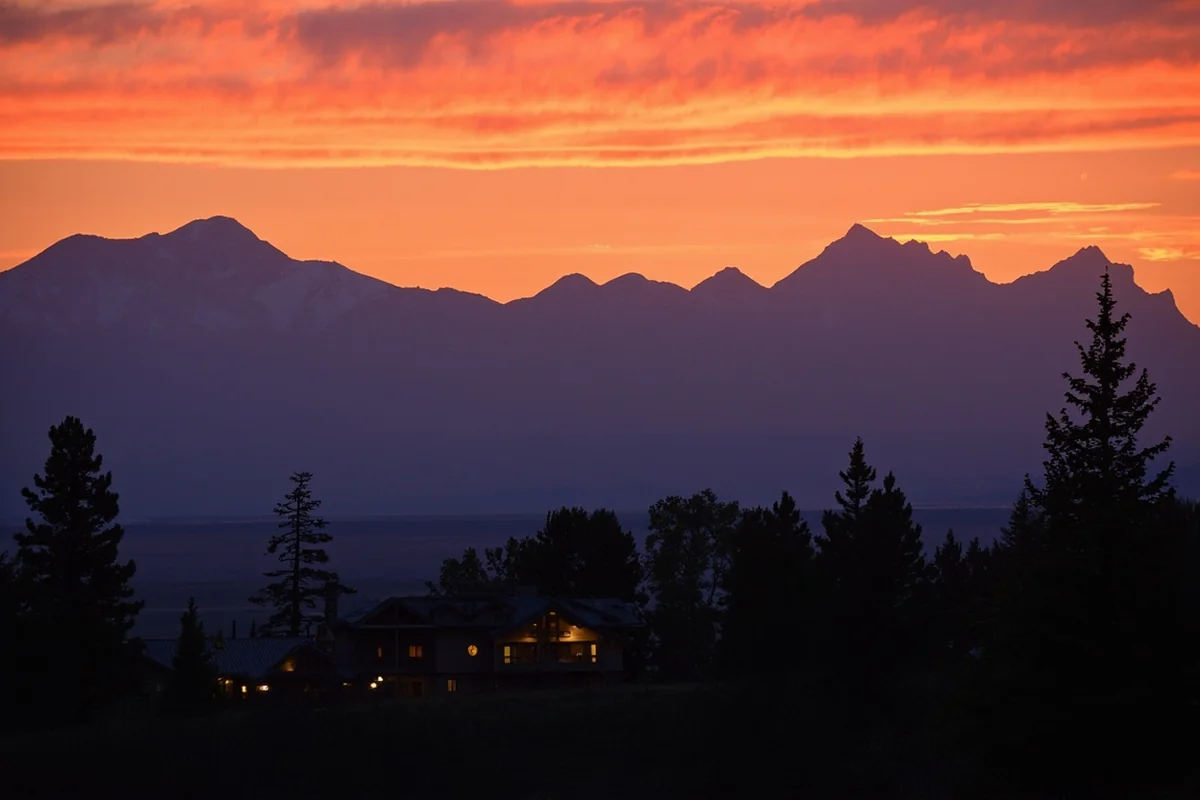
The rancher-outfitter who knows every spring, every game trail, and every wind pattern on his family’s land will put you on animals more consistently than any slick marketing operation. The best meals I’ve eaten at lodges came from ranch wives who’ve been cooking for hunting guests for 30 years.
Do your research. Call references. Ask hard questions about success rates and land access. But also trust your instincts about the people you’re talking to.
Montana hunting lodges offer access to some of North America’s finest big game and bird hunting. Choose wisely, prepare thoroughly, and approach the experience with appropriate humility.
The animals don’t owe you anything. The mountain doesn’t care about your plane ticket. But if you embrace the challenge and show up ready—physically and mentally—Montana will reward you with memories that last far longer than any mount on your wall.
Frequently Asked Questions
What is the best time of year to book a hunting lodge in Montana?
I recommend booking your Montana hunting lodge between September and November for big game seasons, with elk and deer hunts peaking in October. You’ll want to reserve at least 6-12 months in advance since the best lodges fill up quickly, especially for prime rifle season dates.
How much does a guided hunting lodge experience in Montana typically cost?
Expect to pay anywhere from $3,500 to $8,000+ for a 5-7 day guided hunting package at a Montana lodge, which usually includes lodging, meals, and guide services. Trophy elk hunts at premium outfitters can run $10,000-$15,000, while more basic DIY lodge stays with minimal guiding start around $250-400 per night.
What hunting licenses do out-of-state visitors need for Montana hunting lodges?
As an out-of-state hunter, you’ll need a Montana Conservation License ($10) plus species-specific licenses, with non-resident elk tags running around $900 and deer tags approximately $500. I always recommend applying for limited-entry permits through Montana FWP’s drawing system by March 15th, as your lodge can help guide you through which hunting districts offer the best odds.
What should I pack for a week-long stay at a Montana hunting lodge?
Pack layered clothing for temperatures ranging from 20°F to 60°F, including quality waterproof boots broken in for rugged terrain and blaze orange gear as required by law. Most lodges provide bedding and towels, but bring your own rifle, ammunition, binoculars, rangefinder, and a comfortable daypack for all-day hunts in the backcountry.
How far are Montana hunting lodges from major airports?
Most hunting lodges are located 2-4 hours from major airports like Bozeman, Missoula, or Billings, with some remote wilderness lodges requiring an additional ATV or horseback ride to reach. I flew into Bozeman Yellowstone International, which offers the most flight options, and my outfitter arranged a shuttle for the 150-mile drive to their lodge near the Bob Marshall Wilderness.
Do Montana hunting lodges allow families or non-hunting guests?
Many Montana hunting lodges welcome non-hunting companions with activities like horseback riding, fly fishing, wildlife photography, and hiking during your stay. Family-friendly lodges often charge $150-300 per night for non-hunting guests, and I’ve found September trips work well when the weather is milder and there’s more daylight for alternative activities.
What’s the difference between a DIY hunting cabin and a full-service guided hunting lodge in Montana?
A DIY cabin rental gives you a base camp with basic amenities for $100-250 per night while you hunt public land independently, whereas full-service lodges include professional guides, game processing, home-cooked meals, and access to private ranch land with better trophy potential. I’ve done both—guided lodges are worth the investment if you’re unfamiliar with Montana terrain or want higher success rates on elk and mule deer.