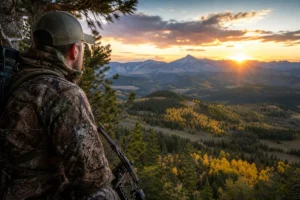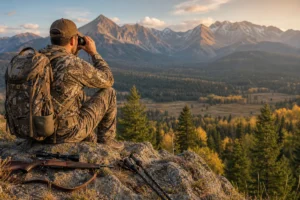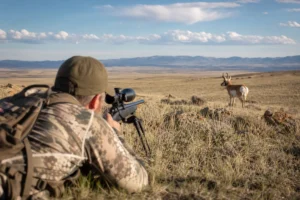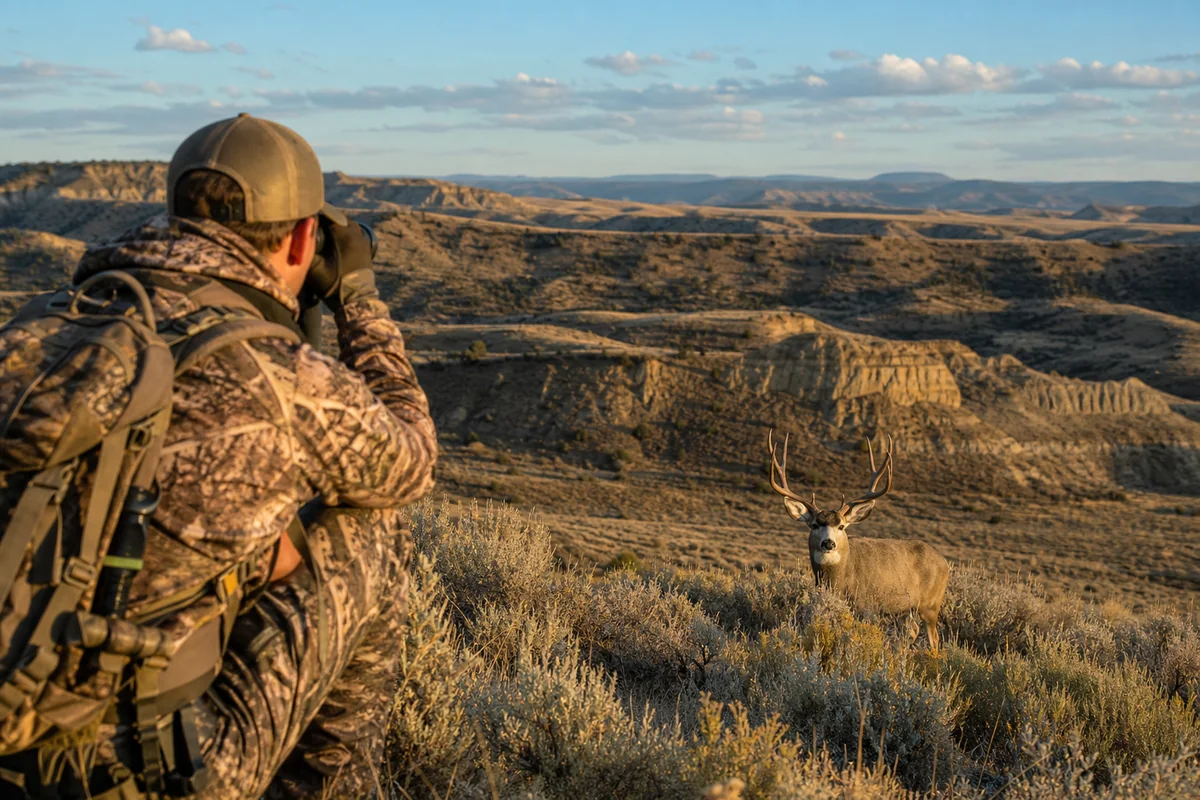
The buck materialized from a draw I’d glassed over twice, his heavy four-by-four frame catching the late October sun as he stepped into the sagebrush flat below my position in the Missouri Breaks.
After three days of hiking coulees and scanning endless prairie, this moment reminded me exactly why Montana mule deer hunting has become an obsession that pulls me back to Big Sky Country year after year.
If you’re planning your first—or fiftieth—mule deer adventure in Montana, this Montana Hunting Guide resource and the detailed breakdown below will help you understand everything from license logistics to field tactics.
- Montana offers over-the-counter general deer licenses for residents; nonresidents apply through a drawing system with limited tags available
- Prime mule deer regions include the Missouri Breaks, Powder River Country, and the Rocky Mountain Front
- General rifle season typically runs from late October through late November
- Archery season starts in September, offering less pressure and better weather
- Budget $3,000-$8,000+ for a guided nonresident hunt; DIY hunts can cost $1,500-$3,000
- Spot-and-stalk is the dominant method, requiring quality optics and physical conditioning
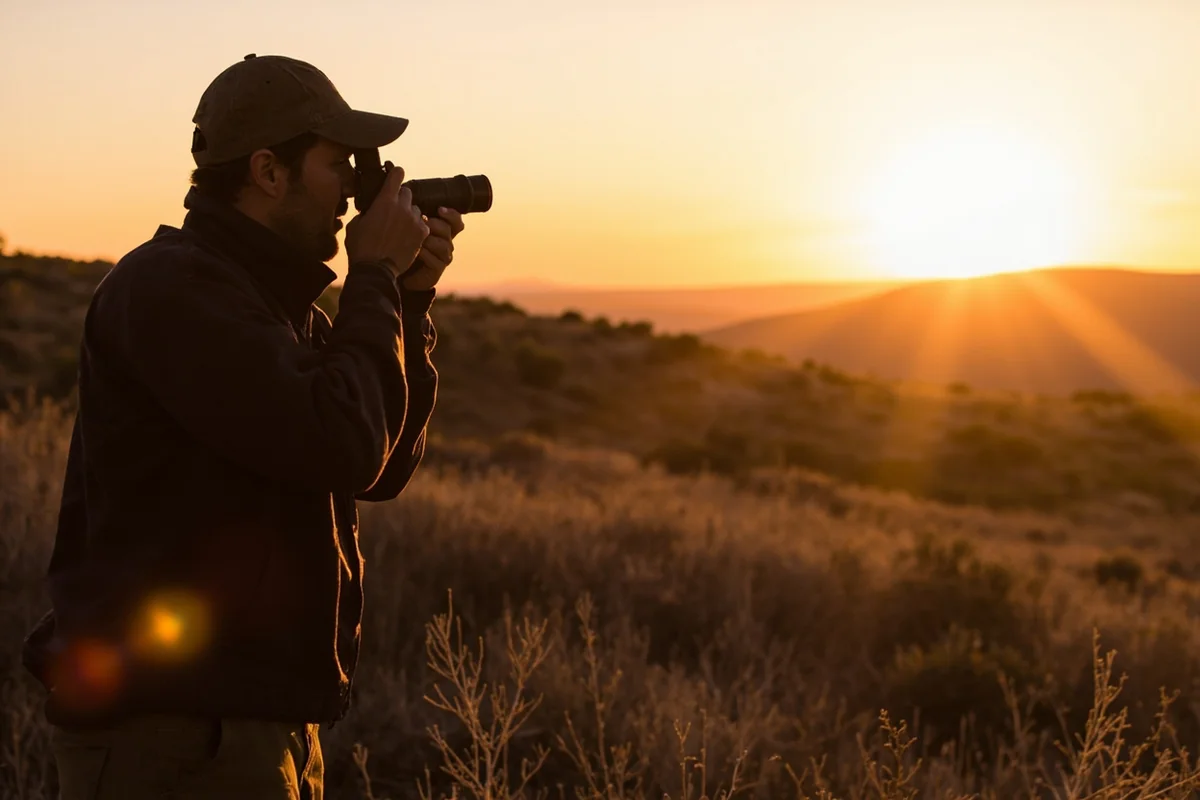
Why Montana Is the Ultimate Mule Deer Destination
Montana consistently ranks among the top states for mule deer hunting, and after spending parts of twelve different seasons pursuing these iconic western deer here, I understand the hype completely.
The state harbors an estimated 200,000-plus mule deer across diverse ecosystems. From the jagged peaks of the Rocky Mountain Front to the endless prairie breaks of eastern Montana, you’ll find habitat that produces everything from modest three-points to genuine Boone and Crockett contenders.
What sets Montana apart isn’t just deer numbers—it’s the quality of the experience. Unlike some western states where you’re bumping into other hunters every few hundred yards, Montana’s sheer size (fourth-largest state in the nation) spreads pressure across millions of acres.
I’ve hunted public land units where I didn’t see another hunter for four days straight. That kind of solitude simply doesn’t exist in many other quality mule deer states.
The terrain variety also means you can hunt the style you prefer. Want to hike high-country basins? Head to the mountain ranges. Prefer glassing from your truck and making strategic stalks? The eastern breaks deliver.
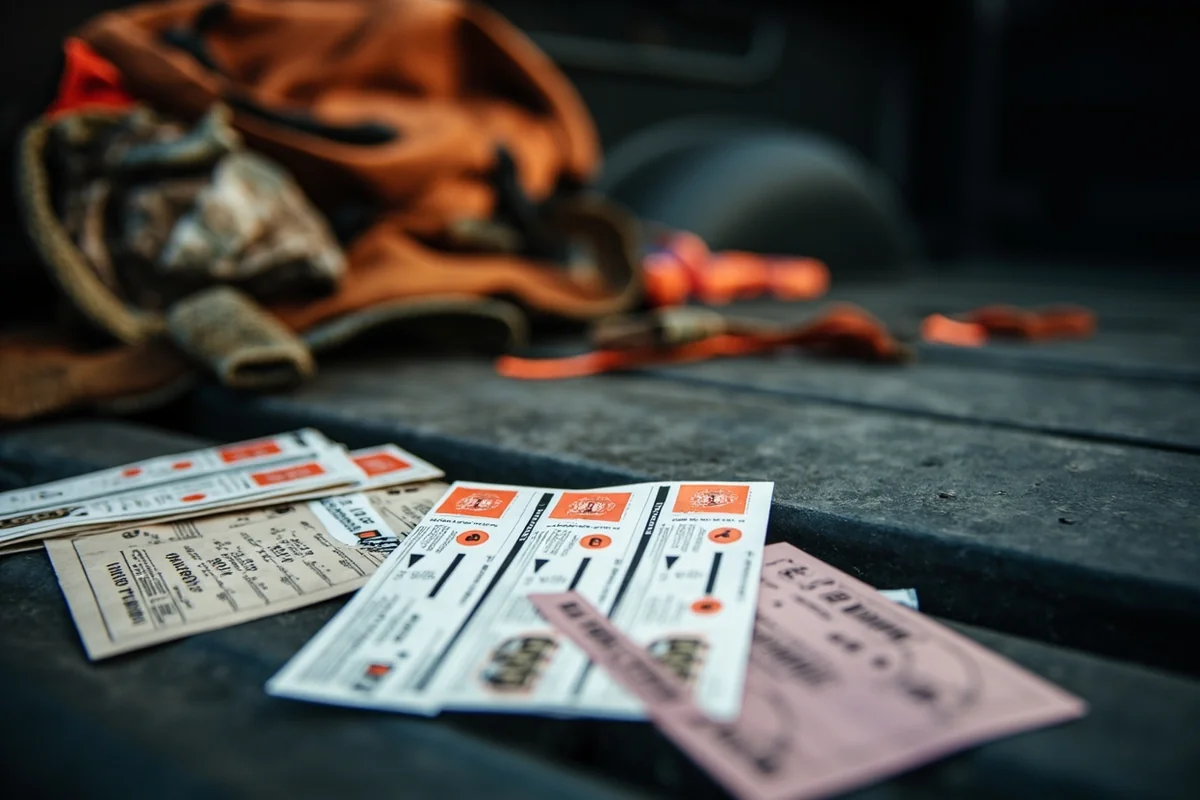
Understanding Montana’s Mule Deer License System
Here’s where things get complicated—and where many first-time hunters make costly mistakes. Montana’s licensing structure differs significantly between residents and nonresidents, and understanding it early is crucial for your planning.
Resident Licenses
Montana residents have it relatively easy. You can purchase a general deer license over-the-counter, which is valid statewide for one mule deer or one whitetail deer (antlered or antlerless depending on the district).
The general deer license costs under $20 for residents, making Montana one of the most affordable places to hunt if you call it home.
Some specific hunting districts require additional permits obtained through the drawing. These are typically limited-entry units managed for trophy quality or population control.
Nonresident Licenses
If you’re coming from out of state, prepare for a different reality. Nonresident deer/elk combination licenses go through an annual drawing with significant demand.
Montana caps nonresident big game licenses, and mule deer hunters compete in this pool. Last summer, I met a hunter from Texas who’d applied for six years before drawing his first Montana tag.
The montana hunting license costs add up quickly for nonresidents. Expect to pay several hundred dollars for application fees plus the license cost if drawn.
Understanding Montana Preference Points is essential for nonresidents. The state uses a hybrid system where half the licenses go to applicants with the most preference points and half through random draw.
Special Permit Opportunities
Beyond general licenses, Montana offers special mule deer permits for specific regions. These often target older age-class bucks or manage populations in particular areas.
During my visit to Region 7 in 2022, several hunters I spoke with had drawn special permits for the Powder River breaks—an area known for producing heavy-antlered mature bucks.
The drawing odds for these premium permits can be steep, sometimes requiring a decade or more of point accumulation for nonresidents.
Best Regions for Montana Mule Deer
Not all Montana mule deer habitat is created equal. After hunting multiple regions and talking with dozens of outfitters, game wardens, and local hunters, I’ve identified several areas that consistently produce quality experiences.
The Missouri Breaks
If you’re chasing a true trophy mule deer on public land, the Missouri Breaks deserves your attention first. This rugged landscape of river-carved coulees, sagebrush flats, and timbered ridges along the Missouri River produces some of Montana’s largest bucks annually.
On a recent trip through the breaks, I glassed over forty different bucks in three days. The terrain is challenging—imagine endless draws that all look the same—but that difficulty keeps pressure manageable.
The Charles M. Russell National Wildlife Refuge offers massive public access within the breaks. I spent five days there during my 2021 hunt and never felt crowded despite being there during the rifle opener.
Access requires serious planning. Many areas involve long drives on rough two-tracks or boat access along the river. When I was there last October, I watched a hunter snap an axle attempting a drainage crossing after rain.
Powder River Country
Eastern Montana’s Powder River region doesn’t get the press of the breaks, but it’s quietly excellent for mule deer. This country consists of vast prairie punctuated by cottonwood-lined creek bottoms and eroded badlands.
I recommend this area for hunters who prefer a mix of glassing from vantage points and making long stalks across open terrain. The bucks here tend toward heavy, wide-framed deer rather than the tall-tined mountain muleys.
Public access comes primarily through BLM parcels and Block Management areas. The Hunt On Montana State Land guide explains how state sections scattered throughout ranch country provide additional opportunities.
Rocky Mountain Front
Where the prairies slam into the Rockies along Montana’s western edge, you’ll find some of the most visually stunning mule deer habitat in North America. The Front, as locals call it, produces big-bodied deer that migrate between high summer ranges and lower winter habitats.
Timing matters here more than anywhere else I’ve hunted. Hit it right during migration and you might see hundreds of deer in a day. Miss the movement and you’re hunting sparse populations.
On my last trip to the Front, near Augusta, weather pushed deer down early and I glassed several shooter bucks within the first morning. The previous year, warm temperatures kept deer high and the same area felt empty.
Sweet Grass Hills and Hi-Line Country
Northern Montana along the Canadian border offers underrated mule deer opportunities. The Sweet Grass Hills—isolated mountain formations rising from the prairie—hold resident deer populations plus migrants.
This area receives less nonresident pressure because it’s simply far from everywhere. The nearest commercial airports involve multi-hour drives.
I hunted here during my 2019 season and found the isolation rewarding. Small towns like Chester and Shelby serve as base camps, and locals are generally welcoming toward respectful nonresident hunters.
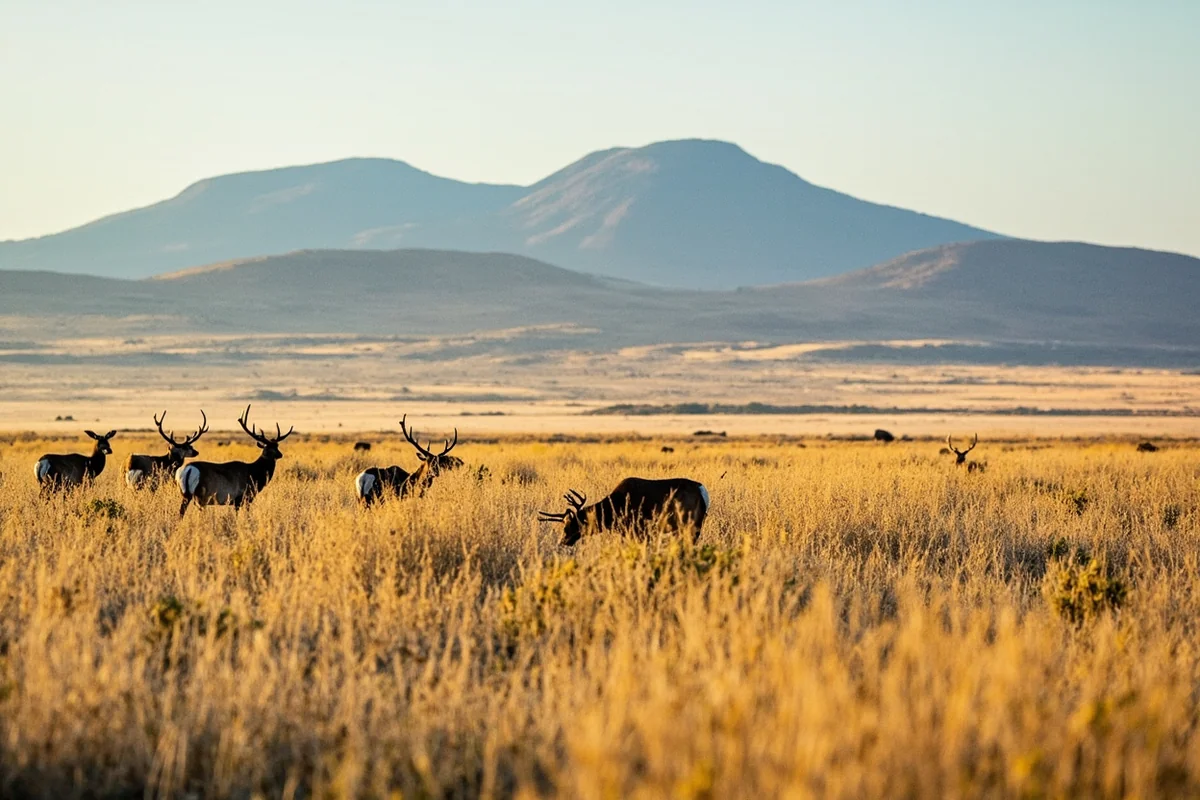
Montana Mule Deer Seasons Explained
Montana structures its deer seasons to provide varied hunting experiences. Understanding the options helps you plan the trip that matches your skills and preferences. Check the Montana Hunting Seasons page for current dates.
Archery Season
Montana’s archery mule deer season typically opens in early September and runs through mid-October. This window offers my personal favorite hunting conditions.
Early September weather can still feel like summer at lower elevations. By October, cooler temperatures make all-day hunting comfortable and deer movement increases as the rut approaches.
I’ve found September archery hunting most productive in higher elevation habitats where bucks are still in bachelor groups. The Montana Deer Hunting Regulations outline specific equipment requirements for archery hunters.
Competition is significantly lower during bow season. Where I might see five to ten hunters per day during rifle season, I’ve had entire drainages to myself with a bow.
The challenge is obvious—getting within 40 yards of a mature mule deer buck requires exceptional woodsmanship. Open terrain complicates shot opportunities.
General Rifle Season
The general rifle season spans roughly five weeks from late October through late November. This remains the most popular period for mule deer hunting.
I break rifle season into three distinct phases based on my experience. The first week draws maximum pressure—every road sees traffic and staging areas fill before dawn.
Weeks two and three offer the sweet spot. Early-season hunters have tagged out or gone home, weather has often pushed deer into more predictable patterns, and remaining hunters are typically more serious.
The final week coincides with Thanksgiving and brings another pressure bump. However, this period can produce rut activity depending on the year.
Muzzleloader Season
Following the rifle season, Montana Muzzleloader Season provides a unique late-season opportunity. December muzzleloader hunting means cold weather—I’m talking single digits and wind.
The tradeoff is encountering deer in winter concentration areas. When I hunted the muzzleloader season near Jordan, deer that had been scattered across thousands of acres compressed into specific south-facing slopes.
Equipment limitations of traditional muzzleloaders make shot selection critical. I passed on several marginal opportunities that I’d have taken with a rifle.
Guided vs. DIY Hunting: Making the Right Choice
This decision fundamentally shapes your Montana mule deer experience. Both approaches have merit depending on your circumstances, experience level, and budget.
When Guided Hunts Make Sense
If you’re a nonresident making your first Montana mule deer trip, a guided hunt dramatically increases success probability. Quality outfitters know the land, understand deer patterns, and have horses, camps, and equipment in place.
During a conversation with an outfitter near Winnett, he mentioned that his guided clients averaged around 80% success on representative bucks. DIY hunters in the same area typically saw 30-40% success.
Guided hunts eliminate logistical complexity. You show up, someone else has handled camping, cooking, glassing, and recovery. This matters when you’re traveling from across the country.
Budget appropriately—guided mule deer hunts in Montana typically run $4,000-$8,000 or more for five to seven days. Premium trophy hunts in limited-entry areas can exceed $10,000.
The DIY Approach
Self-guided hunting offers adventure, satisfaction, and significant cost savings. But it demands more from you in terms of scouting, preparation, and field skills.
I’ve done both, and honestly prefer DIY hunting now that I know specific areas. The learning curve was steep—my first two solo Montana trips produced zero shooting opportunities at mature bucks.
Successful DIY mule deer hunting requires pre-season scouting (at minimum through maps and satellite imagery), physical conditioning for the terrain, quality optics, and honest assessment of your skills.
Plan on $1,500-$3,000 for a DIY hunt including travel, licenses, gear, lodging, and processing. You can go cheaper camping on BLM land and eating Mountain House meals, or bump that up with nice hotels and restaurants.
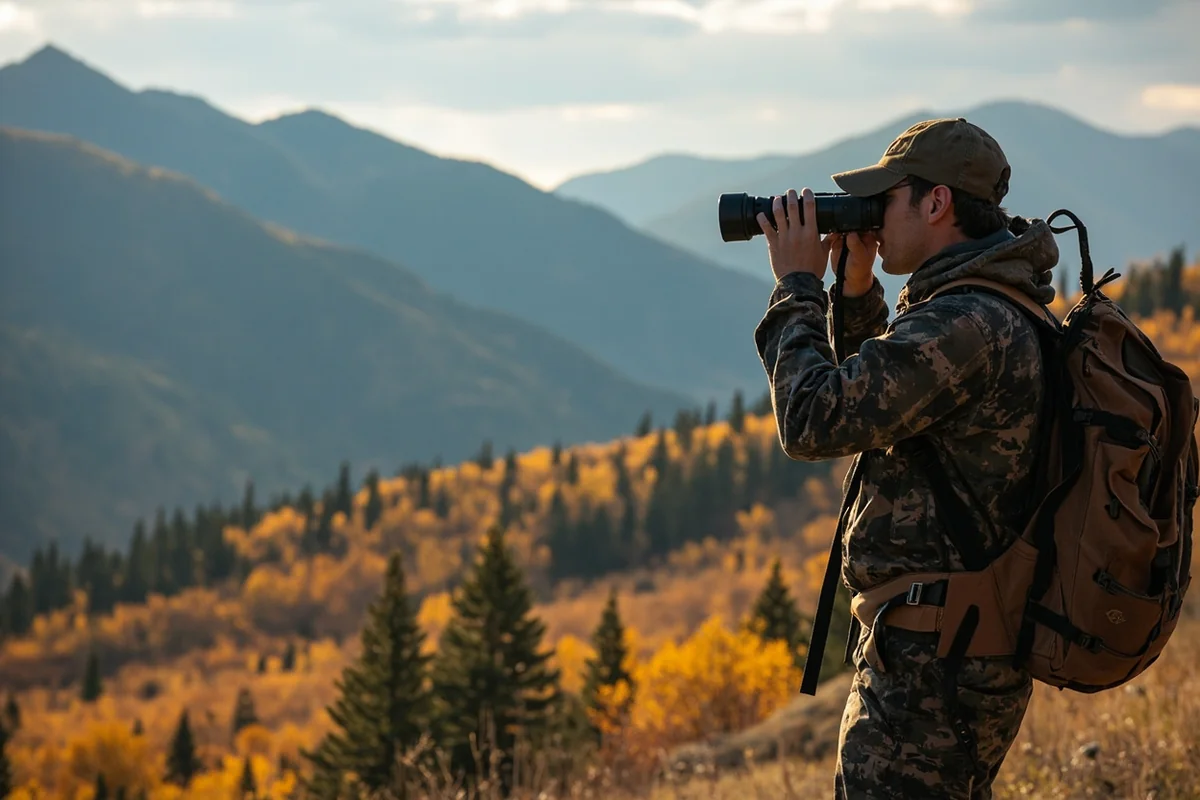
Essential Gear for Montana Mule Deer
Gear selection directly impacts your hunting effectiveness and comfort. After too many trips where I brought the wrong stuff, here’s what I actually use now.
Optics Are Non-Negotiable
Montana mule deer hunting is fundamentally a glassing game. I recommend spending more on optics than almost any other category.
My personal setup includes 10×42 binoculars for initial scanning, a 15-45x spotting scope for evaluating bucks at distance, and a quality rangefinder. The spotter has proven essential—I’ve spent hours judging whether a buck was worth pursuing.
Budget hunters can get started with mid-range binoculars in the $300-$500 range, but plan to upgrade if you get serious about western hunting.
Boots and Footwear
Montana terrain destroys inadequate boots. The combination of rocky slopes, sagebrush, and unpredictable weather demands footwear that provides ankle support, insulation, and grip.
I switched to insulated mountain hunting boots after watching a buddy slip on frost-covered grass and tumble into a draw. The extra weight is worth it.
Bring backup footwear. On my 2020 hunt, I soaked my boots crossing a creek and spent two days in discomfort before my backup pair dried the originals.
Layering Systems
October and November Montana weather swings wildly. I’ve experienced 70-degree sunny afternoons and 15-degree mornings during the same week.
Base layers, insulating mid-layers, and quality outer shells provide flexibility. Pack for the worst conditions expected—it’s better to shed layers than shiver.
Rain gear serves double duty as wind protection on exposed prairie terrain. The wind in eastern Montana simply doesn’t stop some days.
Field Tactics That Actually Work
I’ll share what’s produced results for me, understanding that mule deer hunting involves constant adaptation to conditions.
Dawn and Dusk Glassing
The single most effective tactic I use is positioning myself on vantage points before first light. Mule deer move actively at dawn and dusk, transitioning between bedding and feeding areas.
I pick glassing positions the evening before by studying maps and noting terrain features that offer wide views without skylining myself. Getting set up in darkness means minimal disturbance.
On a typical morning, I’m seated with my binoculars 45 minutes before shooting light. Early movement often reveals where bucks bed—information that becomes valuable for stalking.
Midday Bedding Strategies
Mature bucks bed in predictable locations—shady aspects, hidden benches, edges of cover. Once I’ve located deer during morning activity, I shift to evaluating stalk routes.
Patience pays dividends. I’ve watched the same buck for hours, waiting for him to reposition or for thermals to shift favorably.
One approach that’s worked involves circling wide and approaching bedded bucks from above. Mule deer expect predators from below, so they often watch downhill while their backs face upslope.
Using Terrain Features
Coulees, draws, ridges, and creek bottoms create natural funnels that deer use repeatedly. Learning to read terrain has improved my success more than any other skill.
In the breaks, I focus on transitional edges where habitat types meet—sagebrush flats meeting timbered draws, for example. Bucks travel these edges moving between feeding and bedding.
When I was there last season, I patterned a mature buck using the same crossing point on a ridge saddle three consecutive mornings. That predictability created my shot opportunity.
Shot Placement and Recovery
Ethical hunting demands shooting proficiency and understanding of mule deer anatomy. I won’t sugarcoat this—poor shots result in lost animals and wasted resources.
Effective Rifle Selection
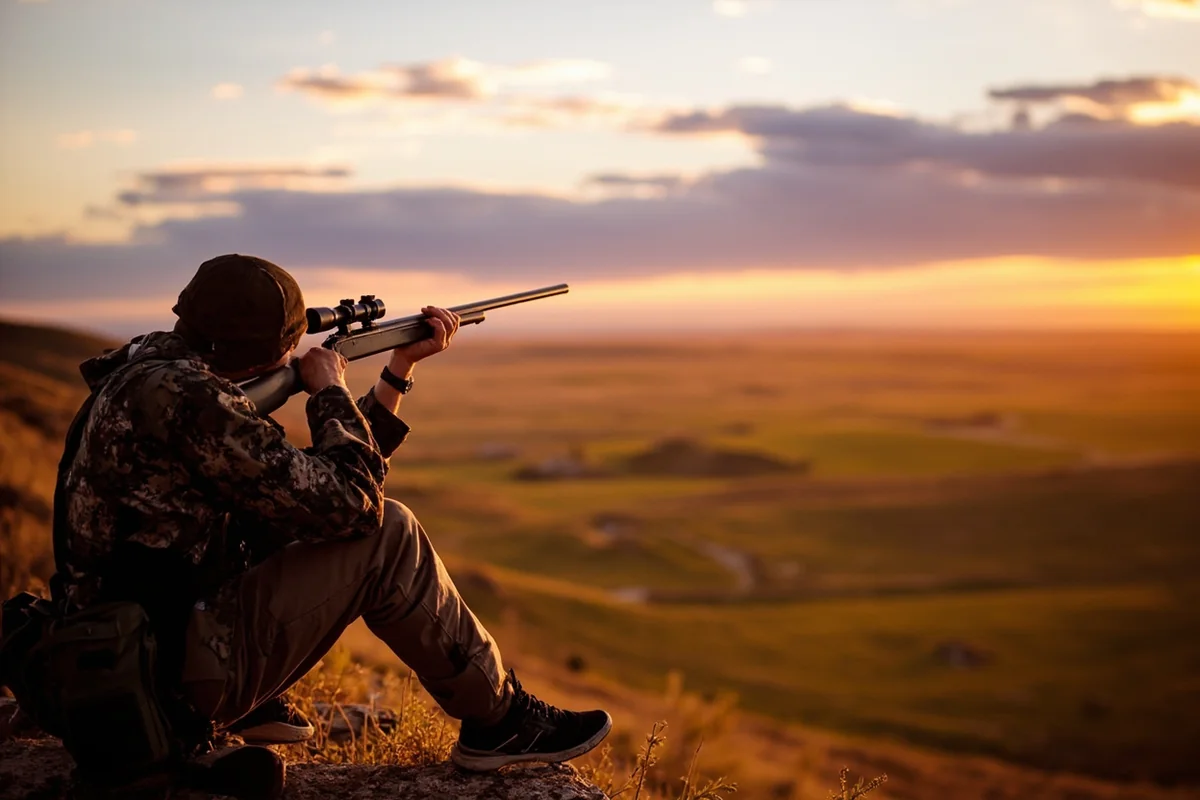
Montana mule deer hunting often involves shots beyond 200 yards. My experience suggests most encounters fall between 150-350 yards, with occasional opportunities beyond that.
Caliber selection sparks endless debates, but cartridges in the .270 to .30 caliber range with quality bullets handle mule deer effectively. I’ve used a .280 Ackley Improved for the past six seasons with complete satisfaction.
Practice at realistic distances from field positions—not just bench rest groups at 100 yards. Knowing your limits under hunting conditions prevents wounded animals.
Post-Shot Protocol
After the shot, mark the exact spot where the deer stood using your rangefinder or GPS. Mule deer often run farther than expected before going down.
Wait before pursuing. I give minimum 30 minutes for lung shots, longer if I suspect a marginal hit. During my early years, I pushed deer that hadn’t expired and complicated recovery.
Blood trailing in open Montana habitat challenges tracking skills. Sparse vegetation and rocky ground don’t hold blood sign well. Mark the last blood periodically and search in expanding circles.
Processing and Meat Care
Montana’s variable weather creates meat care challenges. I’ve hunted in 20-degree snow and 65-degree sunshine during the same week in October.
Field Care Essentials
Get the animal dressed and cooling as quickly as possible. Montana law requires evidence of sex to remain attached during transport, so understand regulations before cutting.
In warm weather, consider quartering and getting meat into game bags immediately. Shade the carcass and maximize air circulation if you can’t pack out immediately.
I carry a lightweight meat thermometer—if internal meat temps climb above 40 degrees for extended periods, spoilage becomes a real risk.
Processing Options
Small-town Montana processors exist but fill quickly during rifle season. Call ahead to confirm availability before assuming you’ll drop off an animal.
Self-processing saves money and gives you complete control. If you’re driving home, coolers with good ice management can keep meat safe for the journey.
Shipping meat home costs roughly $1-$2 per pound through services that cater to hunters. Factor this into your budget if flying to Montana.
Combining Hunts and Planning Multi-Species Trips
Montana’s diverse wildlife populations make combination hunts appealing. Your deer/elk combination license allows hunting both species during overlapping seasons.
Elk and Mule Deer Together
The Montana Elk Hunting Guide covers elk hunting specifics, but combining these pursuits works well in habitat that overlaps.
Mountain front areas hold both species, often in adjacent terrain. I’ve glassed elk herds while specifically scouting mule deer—and vice versa.
The hunting approach differs somewhat. Elk demand more aggressive calling tactics and can require harder hiking. But carrying both tags creates flexibility.
Other Species to Consider
Whitetail deer hunts in montana offer a completely different experience in river bottom habitat. Some hunters specifically target both deer species during a trip.
Montana Antelope Hunting seasons often precede or overlap deer seasons. Antelope tags are easier to obtain and hunting them makes excellent mule deer scouting.
For more adventurous hunters, Montana Bear Hunting, Montana Wolf Hunting, and upland bird opportunities add variety. Check the Montana Upland Bird Hunting page if you want to pack a shotgun.
Even specialized hunts like Montana Bighorn Sheep Hunting, Montana Buffalo Hunting, and Montana Swan Hunting attract dedicated hunters, though these require specific permits and planning.
Practical Trip Planning Details
Logistics matter as much as hunting skills. Here’s what I’ve learned about making Montana trips run smoothly.
Getting There
Major airports include Billings, Bozeman, Missoula, and Great Falls. Billings provides the best access to eastern Montana mule deer country.
Rental vehicles work fine for road-accessible hunting. If venturing onto rough backroads, consider bringing a capable personal vehicle or renting a high-clearance truck.
Driving from surrounding states is common. Interstate 90 and 94 traverse southern and eastern Montana respectively, providing access to prime habitat.
Lodging Options
Small-town Montana motels book quickly during hunting season. Reserve lodging well in advance—by early September at the latest for rifle season.
Camping on public land costs nothing and puts you closer to hunting areas. BLM land allows dispersed camping throughout eastern Montana.
When I was there last fall, I alternated between motel nights (for showers and laundry) and camping nights (for early morning starts).
Weather Preparation
Montana weather changes rapidly. Check forecasts daily and prepare for conditions worse than predicted.
Snow commonly arrives during rifle season. Roads that seemed fine can become impassable overnight. Carry recovery gear and know your vehicle’s limitations.
Wind affects everything from shot accuracy to equipment durability. My tent suffered damage during one particularly brutal November night near Jordan.
License and Tag Acquisition Timeline
Understanding application deadlines and license availability is crucial. The montana hunting license page provides current information.
| Timeline | Action Item |
|---|---|
| March 15 | Nonresident big game application deadline |
| Mid-April | Drawing results typically announced |
| May-July | Second drawing for remaining licenses |
| August | Finalize plans, book lodging, scout remotely |
| September | Archery season opens |
| Late October | General rifle season begins |
Obtaining your montana deer tag after drawing requires purchasing the actual license. Don’t assume drawing means you’re done with paperwork.
The Montana Hunting Regulations book should become required reading. Regulations vary by district and change annually.
Learning From Unsuccessful Hunts
I’ll be honest—I’ve had plenty of Montana mule deer hunts that didn’t end with punched tags. Each taught valuable lessons.
Weather sometimes simply shuts hunting down. During one November trip, three days of blizzard conditions kept me vehicle-bound more than hunting.
Physical conditioning limits where you can effectively hunt. I’ve watched deer disappear into terrain I couldn’t safely pursue because I wasn’t fit enough.
Some years, deer populations or buck ratios are simply lower. Wildlife management involves cycles, and hitting a down year happens.
The hunters who consistently succeed share common traits: they put in time, they learn from failures, they return again and again.
Conservation and the Future of Montana Mule Deer
Mule deer face real challenges across their western range. Habitat loss, drought, harsh winters, and predation all impact populations.
Montana manages deer conservatively compared to some states. Tag quotas, hunting district structures, and season frameworks all aim at sustainable harvest.
Your license dollars fund conservation directly. Beyond legal requirements, consider supporting organizations like the Mule Deer Foundation that work on habitat improvement.
I’ve seen habitat projects in eastern Montana funded by hunting organizations that benefit deer, antelope, and countless other species. This legacy matters.
The Montana Deer Hunting resource covers broader deer hunting topics including conservation efforts.
Making Your Montana Mule Deer Hunt Happen
Montana mule deer hunting rewards those who commit to the process. The license system, travel logistics, terrain challenges, and weather variables create barriers that thin out competition.
Start with Montana Duck Hunting or Montana Squirrel Hunting if you want to experience Montana hunting before investing in big game applications. These lower-barrier hunts help you learn the state.
Some hunters explore Montana Shoulder Season Elk Hunting as an introduction to Montana big game—it offers extended opportunity without the competitive draw pressure.
Whether you book a guided hunt next season or begin accumulating preference points for a future DIY adventure, Montana’s mule deer population represents one of North America’s premier hunting opportunities.
The bucks are there. The public land access is there. The experience of hunting vast, wild country where mule deer have roamed for millennia—that’s waiting for you too.
I’ll be back next October, likely sitting on a Missouri Breaks rimrock before dawn, hoping to connect with another heavy-antlered buck. Maybe I’ll see you out there.
Frequently Asked Questions
When is the best time to hunt mule deer in Montana?
The prime time for Montana mule deer hunts runs from mid-October through late November, with the general rifle season typically opening in late October. I’ve found that hunting during the rut in mid-November offers the best chance at mature bucks, as they’re more active and less cautious during daylight hours.
How much does a guided mule deer hunt cost in Montana?
Guided Montana mule deer hunts typically range from $3,500 to $7,500 for a 5-7 day hunt, depending on whether you’re hunting private land or wilderness areas. Non-resident deer licenses cost around $680, plus a $15 conservation license, so budget approximately $4,500-$8,500 total for a quality guided experience.
Do I need to apply for a Montana mule deer tag or can I buy one over the counter?
Montana offers both over-the-counter general deer tags and limited-entry permits for specific hunting districts with trophy potential. Non-residents can purchase a general deer license without applying, but premium units like the Missouri River Breaks require a special permit draw with application deadlines in early spring.
What are the best regions in Montana for mule deer hunting?
The Missouri River Breaks in north-central Montana consistently produces trophy-class mule deer and is considered bucket-list territory for serious hunters. Eastern Montana’s prairie regions around Miles City and the Rocky Mountain Front west of Great Falls also offer excellent mule deer populations with more accessible over-the-counter hunting opportunities.
What gear should I pack for a Montana mule deer hunt in late October?
Pack layered clothing rated for temperatures ranging from 20°F to 50°F, as Montana weather can shift dramatically in a single day. Essential items include quality binoculars (10×42 minimum), a reliable rangefinder, sturdy boots broken in for hiking 5-10 miles daily over rough terrain, and blaze orange as required by law during rifle season.
Can non-residents hunt mule deer on public land in Montana?
Yes, Montana has over 30 million acres of public land accessible to non-resident hunters, including BLM land, national forests, and state wildlife management areas. I recommend using the onX Hunt app to navigate property boundaries, as public and private land can be checkerboarded throughout prime mule deer habitat.
How far in advance should I book a Montana mule deer hunting trip?
For guided hunts on quality private ranches, I’d recommend booking 8-12 months in advance since the best outfitters fill up quickly for peak rut dates. If you’re planning a DIY public land hunt, secure your lodging in small towns like Lewistown or Jordan at least 3-4 months ahead, as accommodations are limited during hunting season.