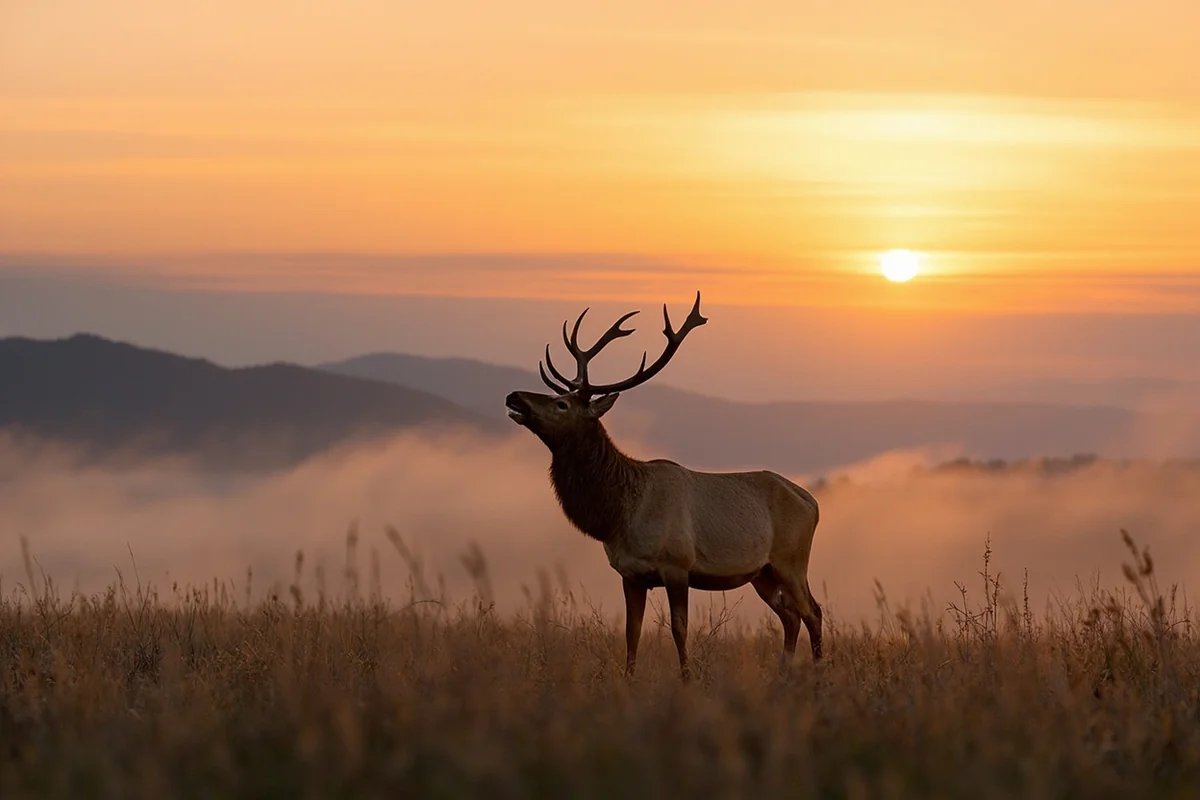
Have you ever dreamed of pursuing majestic elk through Montana’s rugged wilderness, your heart pounding as a bull’s bugle echoes across the valley?
Montana stands as the crown jewel of North American elk hunting, drawing thousands of hunters each year to test their skills against these magnificent animals. But success in Big Sky Country demands more than just showing up with a rifle and a prayer.
From navigating complex regulations and scouting remote backcountry to field dressing a 700-pound bull at 8,000 feet, Montana elk hunting presents unique challenges that can overwhelm the unprepared. This comprehensive guide will walk you through everything you need to know to plan and execute the elk hunting adventure of a lifetime.
- Related article: Get Started With Montana Hunting Today
Whether you’re a first-timer or a seasoned mountain hunter, you’ll discover insider tips on prime hunting areas, proven calling techniques, essential gear, and ethical practices that will maximize your chances of success while preserving this treasured tradition for future generations. So lace up your boots, check your pack, and get ready for an unforgettable journey into the heart of Montana’s elk country.
Table of Contents
Understanding Montana’s Elk Habitat and Behavior
Montana’s diverse landscape offers a variety of elk habitats, each with unique characteristics that influence elk behavior throughout the seasons. As any experienced Montana elk hunting guide will tell you, understanding these habitats and behavioral patterns is crucial to hunting success.
In western Montana, elk thrive in the dense, timbered mountains of the Bitterroot, Cabinet, and Sapphire ranges. These areas provide excellent cover with mixed conifer forests interspersed with small meadows and clear-cuts. During early season, bulls often hold in these dark timber sanctuaries at elevations between 6,000-9,000 feet, particularly on north-facing slopes where cooler temperatures prevail.
The central part of the state features the iconic Missouri Breaks and foothill country, where elk adapt to a blend of pine forests, sagebrush plains, and agricultural lands. These elk herds have become increasingly adaptable, often feeding in alfalfa fields at night before retreating to isolated draws and coulees during daylight hours.
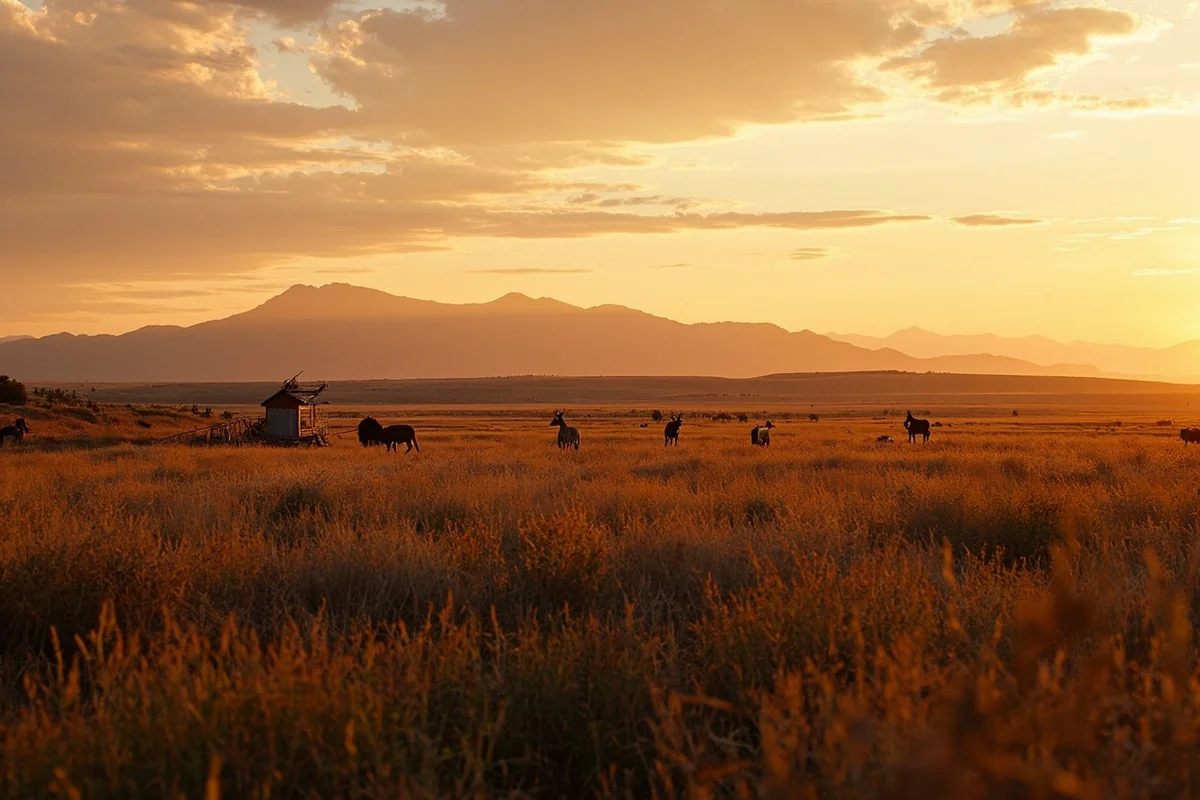
Eastern Montana presents a different challenge altogether, with prairie elk inhabiting the sparse pine forests, river bottoms, and vast grasslands. These herds have adapted to more open terrain, using subtle topography and limited cover to their advantage, often traveling several miles between bedding and feeding areas.
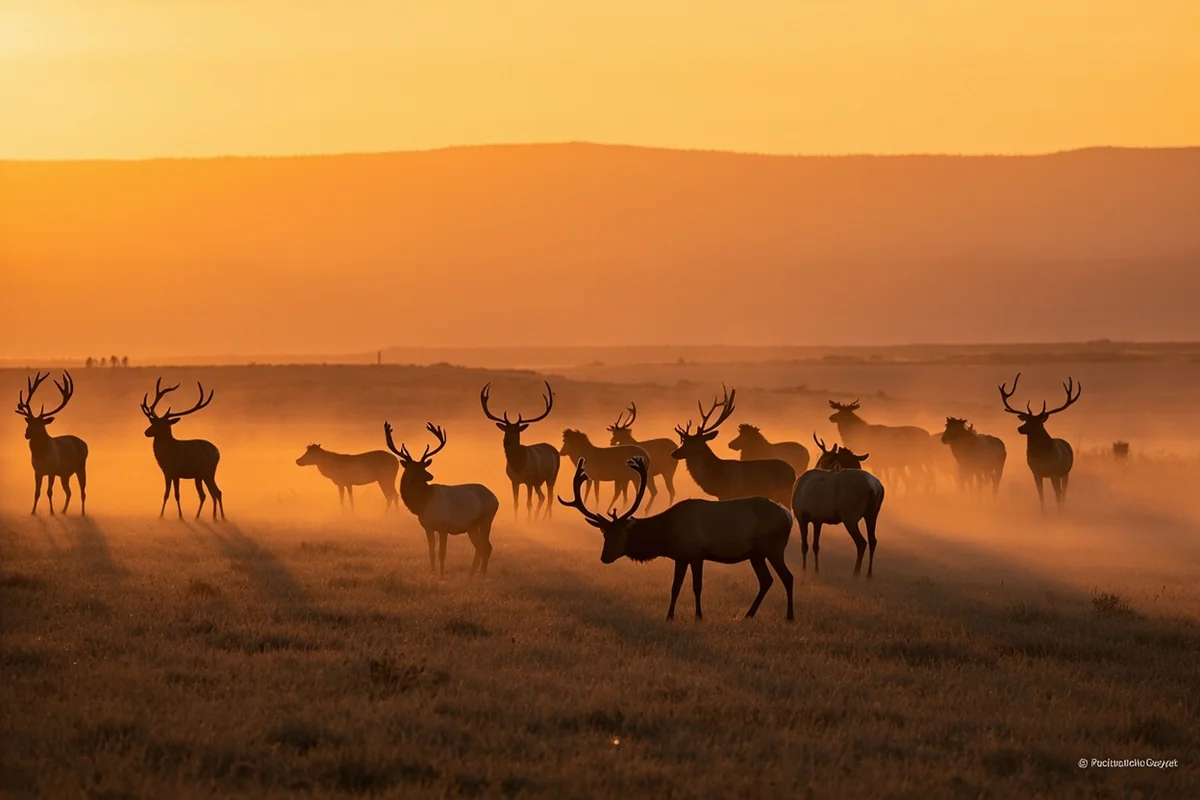
Seasonal behavior drives significant changes in elk patterns. During the September rut, bulls become vocal and more visible as they gather and defend harems of cows. By October, as hunting pressure increases, elk typically retreat to thicker cover and higher elevations, becoming more nocturnal in their movements. November brings the onset of winter conditions, pushing herds toward lower elevations and south-facing slopes where forage remains accessible.
Feeding habits follow predictable patterns throughout the day. Early morning and evening hours see elk moving from bedding areas to feeding grounds, making these prime hunting times. Montana elk primarily graze on grasses but also browse on shrubs, forbs, and in agricultural areas, alfalfa and grain crops. During summer, they may consume up to 15 pounds of vegetation daily, increasing their intake as they prepare for winter.
Elk typically bed down during midday, preferring north-facing slopes in warm weather and sun-exposed southern slopes during colder periods. They often position themselves with the wind at their backs and a clear view downhill, allowing them to detect approaching predators or hunters by sight while catching scent from behind.
Weather dramatically influences elk behavior in Montana. Early season snowstorms can trigger migrations from high country to winter ranges. Strong winds make elk nervous and more likely to bed in heavy timber. Cold fronts often increase daytime movement as elk feed more actively to maintain body temperature. Rain dampens sound, potentially allowing hunters closer approaches, while persistent wet conditions can push elk from exposed ridges to timbered areas.
Understanding these habitat preferences and behavioral patterns requires time in the field and careful observation. The most successful Montana elk hunters develop an almost intuitive sense of where elk will be based on terrain, time of day, weather conditions, and seasonal patterns. This knowledge becomes the foundation upon which effective hunting strategies are built, turning what might seem like random wandering through vast wilderness into purposeful pursuit based on predictable elk behavior.
Montana Elk Hunting Seasons and Regulations
Montana’s elk hunting regulations are designed to balance hunter opportunity with sustainable wildlife management. Understanding these rules is essential for any Montana elk hunting guide or hunter planning their dream hunt.
General Season Framework
Montana’s elk hunting season typically runs from late October through late November, with the general rifle season spanning five weeks. However, archery season opens in early September, giving bow hunters first opportunity at bugling bulls during the rut. Additionally, some districts offer shoulder seasons extending into December or even February, primarily targeting antlerless elk on private lands to manage population densities.
License and Tag Requirements
All hunters must possess a valid Montana hunting license, which requires completion of a hunter safety course for first-time hunters. For non-residents, licenses are limited and distributed through a drawing system with an application deadline in March. The basic elk license allows hunting in most general areas, but the real complexity comes with the tag system.
Montana uses a combination of general tags and special permits. The general elk tag allows hunting in most areas but may restrict you to spike bulls or antlerless elk in certain districts. The coveted “unlimited” bull tags for premier districts are awarded through a competitive drawing with preference points improving your odds over time.
District-Specific Regulations
Montana divides the state into hunting districts, each with unique regulations. Some districts are general (allowing hunting with a standard tag), while others are permit-only. The regulations can vary significantly:
- Some districts allow either-sex elk hunting
- Others restrict hunters to spike bulls only
- Many have antlerless-only opportunities
- Several premier areas require special permits through competitive drawings
The Montana Fish, Wildlife & Parks (FWP) annual regulations provide district-by-district breakdowns that are essential reading before planning your hunt.
Legal Hunting Hours and Methods
Legal hunting hours in Montana run from half an hour before sunrise until half an hour after sunset. Night hunting is strictly prohibited. Regarding methods, centerfire rifles, muzzleloaders, shotguns with slugs, archery equipment, and handguns meeting minimum requirements are all legal. Electronic calling devices, aircraft spotting, and hunting from vehicles are prohibited.
Bag Limits and Tagging Requirements
In most cases, Montana allows one elk per hunter per season. However, in certain management districts with high elk populations, hunters may qualify for additional antlerless tags. Immediately after harvesting an elk, hunters must validate their tag by cutting out the date and attach it to the animal. All harvested elk must be reported, with some districts requiring mandatory check-in at FWP stations.
Special Regulations to Note
Several special regulations trip up hunters new to Montana:
- Hunter orange requirements (400 square inches above the waist) during rifle season
- Restrictions on hunting near roads (no shooting from or across public roads)
- Wilderness area restrictions on motorized access
- Block Management Areas with specific sign-in requirements
- Tribal land regulations that differ from state rules
- Chronic Wasting Disease testing requirements in certain areas
Youth and Disabled Hunter Opportunities
Montana offers special opportunities for youth and disabled hunters, including dedicated youth hunt weekends before the general season and accessibility accommodations for disabled hunters. These special provisions often come with modified regulations designed to increase success rates for these groups.
Any Montana elk hunting guide worth their salt stays current on these regulations, as they change annually based on population surveys, harvest data, and management objectives. Successful hunters make studying the regulations as much a part of their preparation as scouting or target practice.
Essential Gear for a Successful Montana Elk Hunt
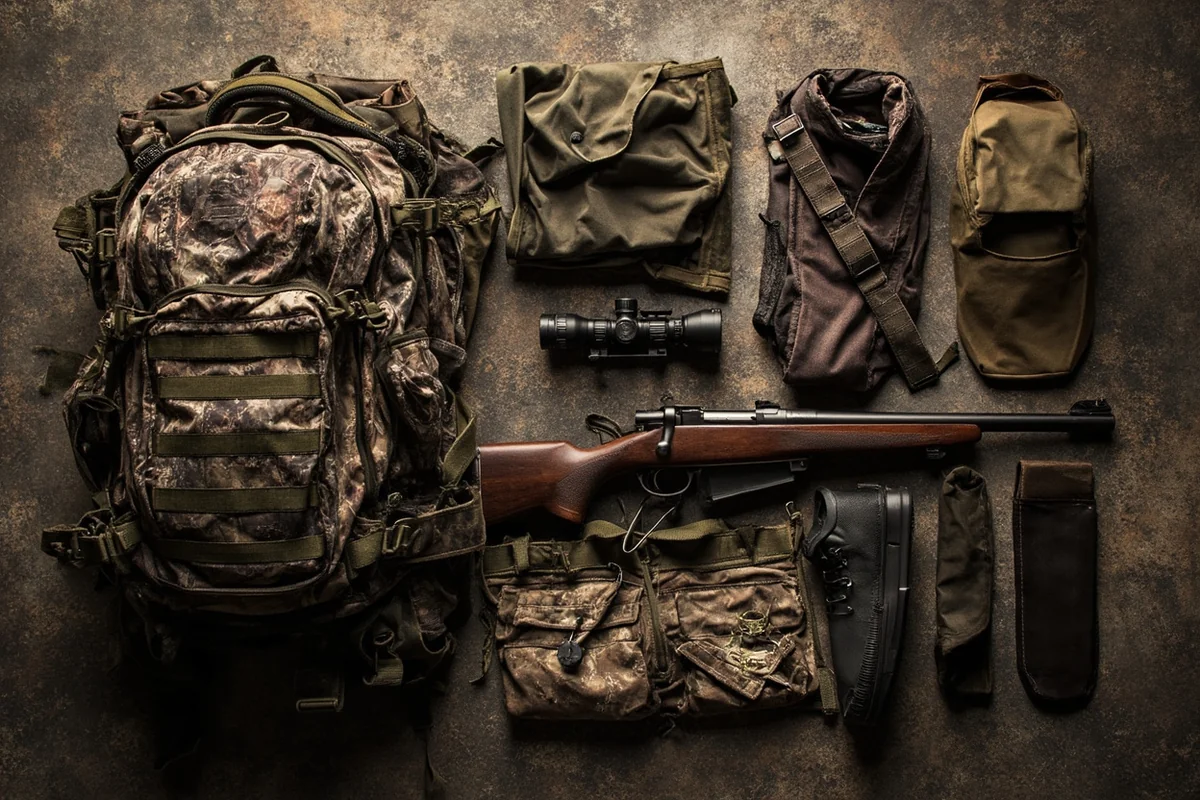
Montana’s rugged terrain and unpredictable weather demand purposeful preparation when it comes to gear selection. As any Montana elk hunting guide will tell you, the difference between success and failure often comes down to having the right equipment for the job. Let’s break down the essential categories of gear you’ll need for your Montana elk hunting adventure.
Recommended Weapons and Calibers
When pursuing elk in Montana’s diverse landscapes, your weapon choice matters significantly. For rifle hunters, calibers in the .270 to .300 range offer the ideal balance of power, accuracy, and manageable recoil. The 7mm Remington Magnum, .300 Winchester Magnum, and .30-06 Springfield remain popular choices among seasoned Montana elk hunters. These calibers deliver sufficient energy to ethically harvest an elk at reasonable distances while maintaining shootability.
For bowhunters, compounds or traditional bows with a minimum draw weight of 60 pounds are recommended. Your arrows should be equipped with fixed-blade broadheads that have proven penetration capabilities. Remember that bowhunting typically means getting within 40-60 yards of these keen-sensed animals, so your setup must be tuned for accuracy and stopping power.
Regardless of your weapon choice, extensive practice before your hunt is non-negotiable. Montana’s challenging conditions—wind, elevation, and shooting angles—demand proficiency that only comes from regular practice sessions.
Optics for Success
Quality optics can make or break your Montana elk hunting experience. A reliable pair of 10×42 binoculars serves as your primary scouting tool, allowing you to glass distant hillsides and identify elk without unnecessary hiking. For serious hunters, adding a spotting scope (20-60x zoom) enables detailed assessment of distant animals before committing to a stalk.
Your rifle scope should offer clear glass, reliable tracking, and appropriate magnification—typically 3-9x or 4-16x depending on the terrain you’ll hunt. First-focal plane reticles have gained popularity for their ability to range at any magnification. Don’t forget scope covers and lens cleaning supplies to protect your investment in the field.
Clothing Layers for Montana Weather
Montana’s weather is notoriously unpredictable, especially during hunting season. The smart approach is a layering system that allows adaptation to changing conditions:
- Base layers: Moisture-wicking merino wool or synthetic materials that move sweat away from your skin
- Mid layers: Insulating fleece or wool that traps body heat
- Outer layers: Waterproof, breathable shell jackets and pants that block wind and precipitation
Your clothing should incorporate camouflage patterns appropriate for your hunting area, but prioritize function over fashion. Specialized hunting clothing with scent-control technology offers an advantage when pursuing elk’s sensitive noses.
Don’t forget extremity protection: a quality hat, neck gaiter, gloves (both lightweight and insulated options), and multiple sock options. Your feet deserve particular attention—invest in high-quality, waterproof hunting boots with adequate ankle support for Montana’s challenging terrain.
Backpacks and Gear Organization
A well-designed hunting backpack serves multiple purposes: carrying your day gear, potentially packing out meat, and organizing essential equipment. Look for packs in the 2,000-5,000 cubic inch range with external frame options for meat hauling capability.
Organization within your pack is crucial for silent, efficient hunting. Use dedicated pouches for calls, ammunition, and optics. Keep emergency gear accessible, and develop a consistent packing system so you can find items without looking. Consider specialized elk hunting packs with integrated meat-carrying capabilities if your budget allows.
Survival Essentials
Every Montana elk hunting guide emphasizes the importance of survival gear. At minimum, always carry:
- Navigation tools: GPS unit with extra batteries, plus map and compass as backup
- Fire-starting kit: waterproof matches, lighters, and tinder
- Signaling devices: whistle, mirror, and emergency beacon
- First aid supplies: including personal medications and trauma care items
- Emergency shelter: space blanket or bivy sack
- Headlamp with extra batteries
- Multi-tool and knife
- Water purification method
- High-calorie emergency food
These items should remain in your pack at all times, regardless of how brief you expect your hunt to be. Montana’s backcountry can quickly turn dangerous when weather shifts or injuries occur.
Investing in quality gear might seem expensive initially, but experienced hunters understand that reliable equipment is an investment in both success and safety. When you’re miles from the trailhead tracking a bull elk through Montana’s challenging terrain, you’ll appreciate every ounce of thoughtfully selected gear on your back.
Montana Elk Hunting Guide to Public Land Opportunities
Montana offers an abundance of public land hunting opportunities that make it a premier destination for elk hunters. With over 30 million acres of publicly accessible land, hunters have plenty of options without needing expensive leases or outfitter services.
The crown jewels of Montana’s public elk hunting are its national forests. The Beaverhead-Deerlodge National Forest spans over 3.3 million acres and contains some of the state’s most productive elk habitat, particularly in the Pioneer Mountains and Gravelly Range. The Gallatin National Forest, now part of the Custer-Gallatin National Forest, provides excellent opportunities near Yellowstone, while the Lewis and Clark National Forest offers less-pressured hunting in its remote sections.
Bureau of Land Management (BLM) lands represent another significant opportunity for elk hunters. While sometimes overlooked in favor of national forests, BLM lands often feature the lower-elevation grasslands and sagebrush that elk frequent during harsh weather conditions. The Missouri Breaks region contains excellent BLM hunting opportunities, with its complex topography providing great elk habitat.
For those seeking a truly wild experience, Montana’s designated wilderness areas provide unparalleled opportunities. The Bob Marshall Wilderness Complex, spanning over a million acres, represents one of America’s premier elk hunting destinations. The Absaroka-Beartooth Wilderness and the Lee Metcalf Wilderness also offer exceptional elk habitat with limited hunting pressure, though accessing these areas typically requires significant hiking or horseback travel.
Montana’s Block Management Program deserves special attention in any elk hunting guide. This innovative program opens approximately 7 million acres of private land to public hunting access. These areas often contain excellent habitat and can be less pressured than popular public lands. Hunters can obtain permission through a straightforward process involving regional FWP offices or the landowners themselves.
Successful public land elk hunting requires thorough research and scouting. Digital tools like onX Hunt have revolutionized public land navigation by clearly showing property boundaries and access points. The Montana Fish, Wildlife & Parks website provides essential information about regulations specific to each hunting district. Topographic maps help identify promising terrain features like saddles, benches, and north-facing timber that often hold elk.
Pre-season scouting trips are invaluable for public land success. Look for fresh sign including tracks, droppings, wallows, and rubs. Trail cameras can be deployed strategically to monitor elk movements, though be sure to check local regulations regarding their use. Speaking with biologists at regional FWP offices can provide insights into herd movements and population densities.
When hunting public lands, be prepared to encounter other hunters. Having backup locations is crucial, as is the willingness to hike further than most hunters are willing to go. The areas just beyond the 1-2 mile radius from access points often hold significantly more elk due to decreased hunting pressure. Early morning entry and all-day hunting strategies maximize your chances of success on public land.
Remember that public land elk hunting success often comes down to persistence and adaptability. Weather changes, hunting pressure, and natural food availability can all cause elk to shift their patterns rapidly. The hunter willing to adjust tactics and locations accordingly will ultimately find more consistent success in Montana’s vast public hunting grounds.
Private Land and Outfitter Options for Montana Elk Hunting
While public land hunting offers incredible opportunities in Montana, private land and guided hunts provide alternatives that might better suit some hunters. Private land often harbors less pressured elk populations and can offer exceptional hunting experiences for those who gain access.
Benefits of Guided Hunts
Working with a Montana elk hunting guide or outfitter brings numerous advantages, especially for first-time hunters in the state. Professional guides possess intimate knowledge of local elk movements, habitat preferences, and behavior patterns that would take years for an individual to develop. They handle logistics including camp setup, meals, and transportation, allowing you to focus entirely on hunting.
Guided hunts typically boast higher success rates than DIY hunts, with outfitters often reporting 50-70% success rates compared to the 10-20% average for self-guided public land hunters. Additionally, guides provide valuable field instruction on calling techniques, shot placement, and tracking wounded animals—skills that transfer to future hunts.
Choosing a Reputable Outfitter
Selecting the right outfitter is crucial for a quality Montana elk hunting experience. Start by verifying proper licensing through the Montana Board of Outfitters. Legitimate operations will provide their license number readily.
Request references from past clients, particularly those who hunted during the same season and area you’re considering. Ask specific questions about success rates, guide-to-hunter ratios, and overall experience. Reputable outfitters maintain detailed records and will be transparent about realistic expectations.
Investigate their hunting areas and methods. Some outfitters specialize in backcountry wilderness experiences, while others focus on ranch hunts. Ensure their hunting style aligns with your preferences and physical capabilities.
Costs and Expectations
Guided Montana elk hunts represent a significant investment. Fully outfitted hunts typically range from $5,000 to $12,000 for 5-7 days, depending on the outfitter’s reputation, accommodations, and hunt location. This usually includes lodging, meals, field guidance, and basic game processing.
Additional costs include license fees ($884 for non-residents in 2023), travel expenses, gratuities (15-20% for guides is customary), and meat processing or taxidermy services. Semi-guided options with fewer amenities may cost less but still provide access to productive hunting grounds.
When booking, clarify exactly what’s included in your package. Understand the outfitter’s policy on unsuccessful hunts—some offer reduced rates for return trips while others make no guarantees.
Accessing Private Land
For hunters seeking to arrange their own access to private land, Montana offers several pathways. The Block Management Program (BMP) opens approximately 7 million acres of private land to public hunting. These properties require obtaining permission through regional FWP offices, with some high-demand areas using drawing systems.
Some ranchers offer fee hunting outside the BMP, typically charging $1,000-$3,000 for elk hunting access. These arrangements vary widely in terms of exclusivity, duration, and services provided.
Landowner Permission Tips
When approaching landowners directly for hunting permission, presentation matters significantly. Make contact well before hunting season—ideally months in advance. Arrive in person during reasonable hours, dressed neatly, and with a respectful attitude.
Offer something in return—fence repair, help during calving season, or other valuable assistance shows you’re willing to build a relationship beyond just hunting access. Many Montana ranchers appreciate hunters who demonstrate conservation ethics and respect for their livelihood.
Be specific about when and how you plan to hunt. Limiting your request to certain days or areas makes approval more likely than asking for unlimited access. Always follow through with a thank-you note and perhaps a gift of processed meat after a successful hunt.
Whether pursuing a fully guided experience or seeking private land access, these options provide alternatives to public land hunting that may increase your chances of a successful Montana elk hunting adventure.
Scouting Techniques for Montana Elk
Successful elk hunting in Montana begins long before the season opens. The mountains and forests of Big Sky Country hold their majestic elk herds in vast, challenging terrain where preparation and reconnaissance can make all the difference between filling your tag and going home empty-handed.
Pre-Season Scouting Tips
Effective Montana elk hunting requires boots-on-the-ground scouting at least 2-3 months before your hunt. Early summer scouting allows you to pattern elk before hunting pressure pushes them into less accessible areas. Focus on identifying feeding areas, bedding zones, and travel corridors. Dawn and dusk scouting sessions offer the best opportunity to observe elk in their natural patterns. Look for areas with fresh food sources near secure cover—this combination is elk heaven.
When scouting, minimize your impact by using quality optics from a distance. The last thing you want is to educate elk about human presence in their sanctuary. Document what you find with detailed notes including wind directions, access points, and potential ambush locations.
Using Maps and Technology
Modern Montana elk hunting guides rely heavily on digital mapping tools like onX Hunt, BaseMap, or Gaia GPS. These applications allow you to layer property boundaries, topographic features, and satellite imagery to identify promising areas. Pay special attention to:
- Benches and saddles between drainages
- North-facing timber stands adjacent to feeding areas
- Water sources, especially in early season
- Areas with limited access that may hold unpressured elk
Digital elevation models can help identify terrain features that funnel elk movement. Mark potential glassing points that provide maximum visibility while keeping you hidden from keen elk senses. Download offline maps before heading into the backcountry, as cell service is nonexistent in many prime Montana elk areas.
Identifying Elk Sign
Reading elk sign is a fundamental skill for any Montana elk hunting guide. Fresh tracks tell you not only that elk are present but also their direction of travel, approximate size, and sometimes even their gender. Bull tracks tend to be more rounded and larger than cow tracks.
Other critical elk sign includes:
- Rubs on trees (typically aspen or pine) where bulls have scraped velvet
- Wallows, especially during the rut
- Droppings (pellet size and freshness indicate recent activity)
- Beds in tall grass or on sheltered hillsides
- Feeding sign like browsed vegetation or torn-up ground
The freshness of sign matters tremendously. Fresh tracks with sharp edges, wet droppings, and recently disturbed vegetation indicate elk are likely still in the area.
Glassing Techniques
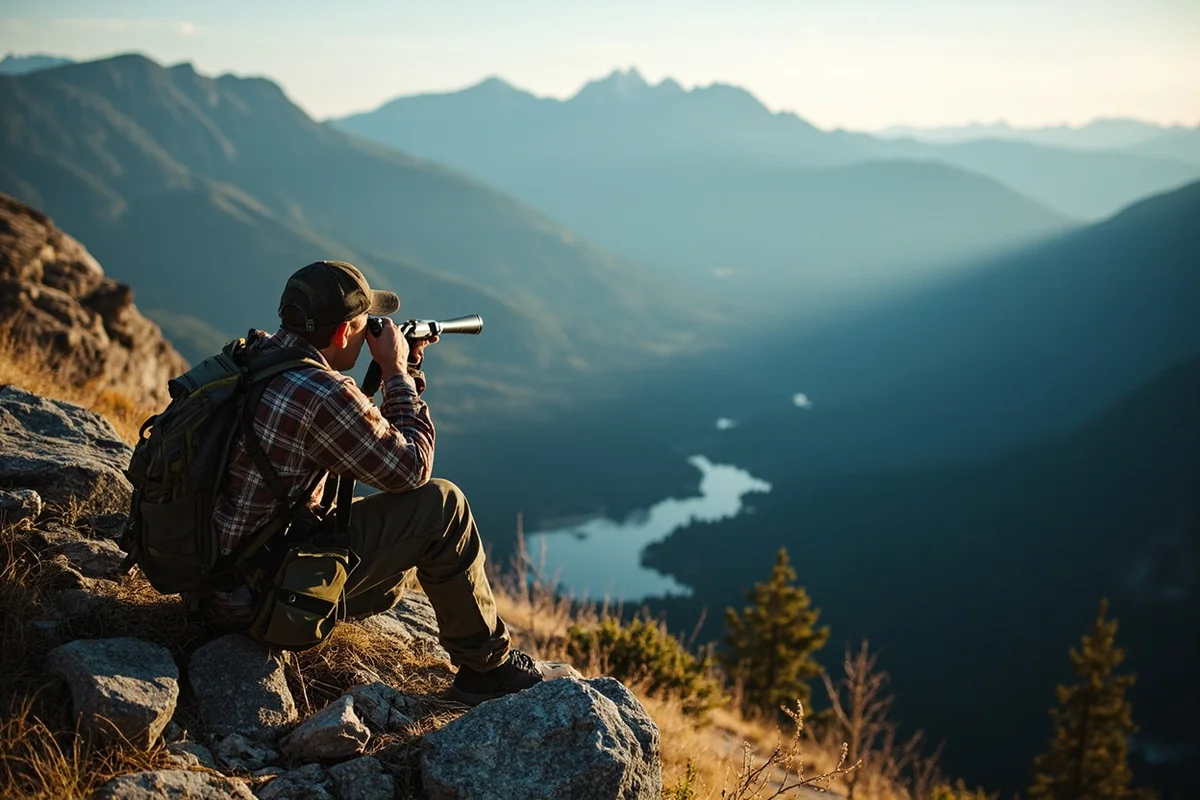
Effective glassing separates successful Montana elk hunters from the rest. Invest in quality optics—10×42 binoculars are the standard, paired with a spotting scope for detailed examination of distant basins and hillsides.
The systematic glassing method used by experienced Montana elk hunting guides involves:
- Breaking the landscape into grid sections
- Thoroughly examining each section before moving to the next
- Looking for parts of elk rather than whole animals (legs, antlers, ears)
- Focusing on edges where timber meets openings
- Using first and last light when elk are most active
Set up your glassing position with the sun at your back when possible, and use a tripod to prevent fatigue and stabilize your optics. Patient, methodical glassing often reveals elk that hasty observation misses.
Trail Cameras
Strategic trail camera placement can provide 24/7 intelligence on elk movements. Montana regulations allow trail cameras, making them valuable tools for understanding elk patterns. Position cameras:
- On established game trails
- Near water sources
- At the edges of meadows and feeding areas
- At natural pinch points where terrain funnels movement
Check cameras infrequently to minimize human disturbance, and use scent control measures when deploying them. Modern cellular cameras can transmit images remotely, further reducing your impact on the area.
E-Scouting Resources
Before ever setting foot in Montana’s elk country, thorough e-scouting can maximize your efficiency. Beyond mapping apps, valuable resources include:
- Montana Fish, Wildlife & Parks harvest reports and population surveys
- Google Earth for 3D visualization of terrain
- Weather data showing prevailing wind directions
- Forest Service and BLM road status updates
- Online forums and hunting communities with local knowledge
Cross-reference these resources to identify promising areas before conducting physical scouting. The most successful Montana elk hunting guides spend countless hours studying these resources to understand both seasonal and daily elk movement patterns.
By combining these scouting techniques, you’ll develop a comprehensive understanding of your hunting area, dramatically increasing your chances of success when the season opens. Remember that elk patterns can shift quickly with hunting pressure, weather changes, or food availability, so maintain flexibility in your hunting strategy based on what your scouting reveals.
Proven Montana Elk Hunting Strategies
Montana’s vast wilderness offers elk hunters diverse terrain that demands adaptable hunting strategies. The most successful Montana elk hunting guides combine multiple approaches based on conditions, elk behavior, and the specific hunting area.
Spot and Stalk Methods
The classic spot and stalk method remains the bread and butter of Montana elk hunting. Begin by glassing open areas during early morning and late evening when elk are most active. Use quality optics to scan meadows, burns, and timber edges. Once you’ve spotted elk, plan your approach carefully by:
- Using terrain features to mask your movement
- Staying downwind at all costs
- Moving only when elk are feeding or distracted
- Planning your final approach to within ethical shooting range
Montana’s broken terrain often provides natural shooting lanes and cover for stalking. Remember that elk have exceptional hearing and smell, so your movements must be deliberate and silent.
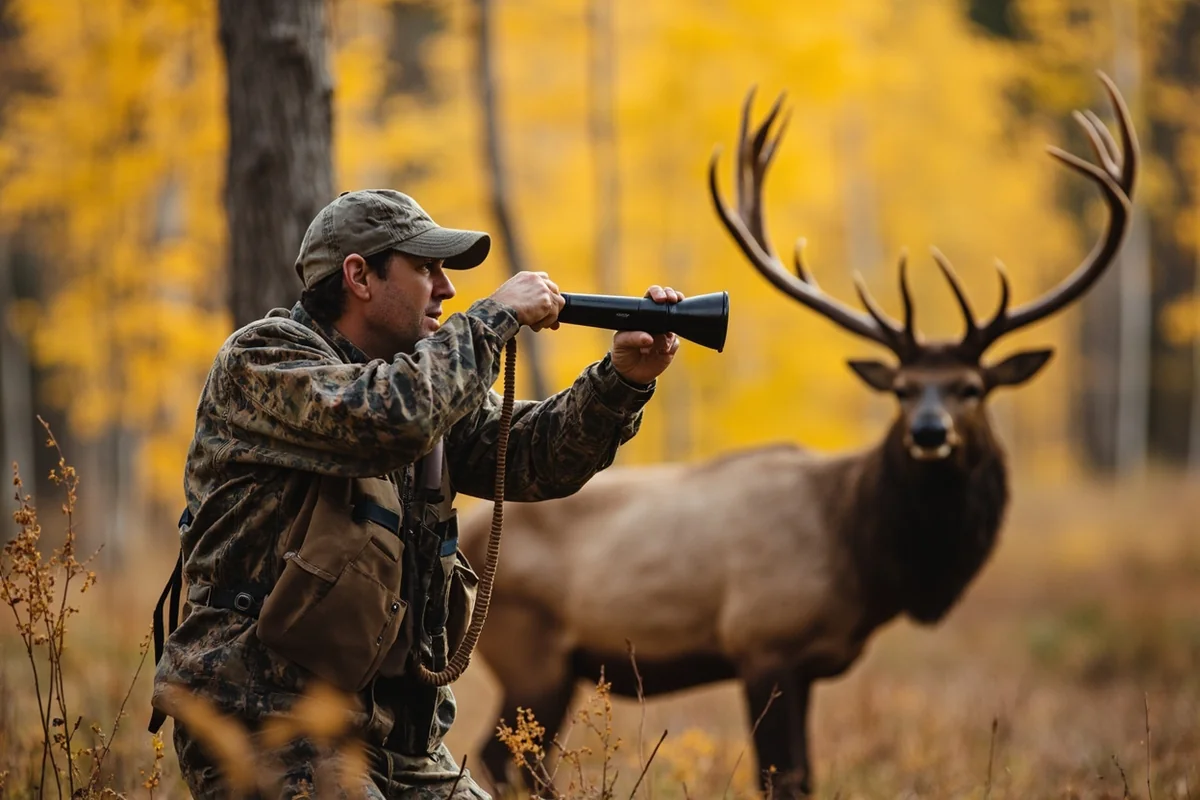
Calling Techniques
Calling elk can produce heart-pounding encounters, particularly during the rut (September to early October). A Montana elk hunting guide would recommend these calling approaches:
- Cow calls work year-round and create less pressure than bugling
- Bugling works best when bulls are actively gathering harems
- Soft cow mews and chirps can be deadly during the post-rut period
- Challenge bugles may pull dominant bulls away from their cows
- Combining soft cow calls with light brush cracking can simulate a cow moving through timber
The key is matching your calling intensity to the elk’s behavior. Early season calling should be more aggressive, while late-season calling requires subtlety and patience.
Ambush Hunting
Setting up ambush points along elk travel corridors can be devastatingly effective. Identify these locations by finding:
- Well-worn game trails between bedding and feeding areas
- Saddles and passes that connect valleys
- Natural funnels created by terrain features
- Bottlenecks where timber meets open areas
Position yourself downwind with good shooting lanes, and be prepared to wait patiently. The best ambush sites often require reaching your position well before first light and staying until after dark.
Still Hunting Approaches
Still hunting—moving slowly and methodically through elk habitat—can be productive when conditions allow. This technique works best:
- After a rain or snow when the forest floor is quiet
- In areas with broken visibility of 30-100 yards
- When winds are consistent and in your favor
- During midday when elk are bedded but alert
Move at a glacial pace—no more than 100 yards per hour in prime areas. Take two or three steps, then pause to glass and listen before continuing. Focus on using your ears as much as your eyes.
Hunting Near Water Sources
Water sources become magnets for elk, especially during dry periods and early season hunts. A comprehensive Montana elk hunting guide would emphasize:
- Setting up near wallows during the rut
- Watching springs and seeps in high country
- Hunting creek crossings along established game trails
- Arriving at water sources at first and last light
Water sources offer the added advantage of soft ground for tracking and identifying fresh sign. Look for tracks, droppings, and disturbed vegetation to confirm recent elk activity.
Food Plot Strategies
While natural food sources dominate Montana’s landscape, some private lands and managed areas have food plots that concentrate elk. When hunting these areas:
- Set up well before daylight in a downwind position
- Use terrain features that overlook the food source
- Consider hunting the trails leading to food plots rather than the plot itself
- Be patient, as elk often approach cautiously and may feed after dark
Combining these strategies with an intimate knowledge of elk behavior and Montana’s terrain will dramatically increase your chances of success. The most effective Montana elk hunting guide adapts tactics to match the conditions and the elk’s seasonal patterns rather than forcing a single approach.
Field Dressing and Packing Out Your Montana Elk
When your Montana elk hunting efforts culminate in a successful harvest, the real work begins. Field dressing and packing out an elk requires preparation, knowledge, and physical stamina. This Montana elk hunting guide section will walk you through the essential steps to ensure your hard-earned meat makes it from the mountains to your freezer in prime condition.
Immediate Field Dressing
Once your elk is down, the clock starts ticking. Begin field dressing immediately to cool the carcass and prevent meat spoilage. Start by positioning the elk on its back, slightly uphill if possible, to prevent fluids from pooling in the cavity. Using a sharp, sturdy knife with a gut hook can make the initial incision safer and more efficient.
Make your cut from the breastbone to the pelvic area, being careful not to puncture the paunch or intestines. If you do nick these organs, immediately clean the affected meat with water or snow to prevent contamination. Remove all organs, cutting carefully around the diaphragm and severing the windpipe and esophagus high in the chest cavity.
Many Montana elk hunting veterans recommend removing the trachea, esophagus, and heart/lung package first, then working back to the paunch and intestines. This “gutless method” minimizes the risk of tainting the meat with stomach contents.
Quartering Your Elk
For most Montana elk hunting scenarios, especially in backcountry settings, quartering your elk is the most practical approach. The standard quarters include:
- Front shoulders (2)
- Rear quarters (2)
- Backstraps (2)
- Tenderloins
- Neck meat
- Rib meat and flanks
To quarter properly, first remove the head and cape if you’re planning a mount. Next, skin one side of the animal while it lays on its opposite side. Remove the front and rear quarters from the exposed side by cutting at the joints and using the natural seams between muscle groups. Flip the carcass and repeat for the other side.
The backstraps run along both sides of the spine and represent some of the finest eating. Remove these by cutting along the spine and following the natural seam between the backstrap and the ribs.
Meat Preservation in the Field
Montana’s weather can be unpredictable, making proper meat care critical. During warm weather hunts, cooling the meat quickly is your priority. Create shade using a tarp if natural shade isn’t available. Hang quarters from trees using game bags that allow airflow while protecting from insects.
In cooler weather, your concern shifts to keeping the meat clean and preventing freezing. Quality game bags are essential pieces of Montana elk hunting equipment, allowing the meat to develop a protective “skin” while still breathing. Cheesecloth or specialized synthetic game bags both work well, though synthetic options typically offer better durability in rugged conditions.
Bone-in quarters should be hung away from each other to promote air circulation. If temperatures drop below freezing, consider periodically rotating the meat to prevent freezing solid, which complicates processing later.
Essential Packing Equipment
Your Montana elk hunting guide wouldn’t be complete without addressing the specialized equipment needed for meat extraction:
- Frame pack (5,000+ cubic inch capacity recommended)
- Game bags (at least 6-8 high-quality bags)
- Paracord for hanging meat and securing to packs
- Tarp for clean work surface
- Extra knife and sharpener
- Bone saw for splitting the pelvis or removing legs
- Latex or nitrile gloves for cleaner handling
- Headlamp for dawn/dusk field dressing
Invest in a pack specifically designed for meat hauling with a sturdy frame and substantial load capacity. Many Montana elk hunting specialists recommend packs with a “meat shelf” between the pack body and frame for carrying quarters.
Extraction Strategies for Remote Areas
Montana’s elk country often means hunting miles from the nearest road, making extraction a significant challenge. Plan your approach before the hunt begins:
- Solo Hunters: Plan multiple trips using a frame pack, focusing on removing the highest-quality cuts first (backstraps, tenderloins, rear quarters). This might require 3-4 round trips.
- Team Approach: Distribute the load among hunting partners, with each person taking a quarter or equivalent weight.
- Pack Animals: In extremely remote areas, horses or mules can be invaluable. If you lack experience with pack animals, hiring an outfitter just for the pack-out can be a worthwhile investment.
- Game Carts: In areas with reasonable terrain and adequate trails, a sturdy game cart can help move quarters closer to vehicle access.
When planning your Montana elk hunting trip, consider your extraction strategy as carefully as your hunting strategy. Many successful hunts have been compromised by inadequate planning for the pack-out. Remember that quarters from a mature bull can weigh 70-100 pounds each, and the total meat yield often exceeds 200 pounds – a formidable challenge even for the physically fit hunter.
With proper field dressing techniques, quality equipment, and a solid extraction plan, you’ll ensure that your successful Montana elk hunt ends with premium-quality meat for your freezer rather than a spoiled opportunity.
Montana Elk Hunting Guide to Physical Preparation
Elk hunting in Montana’s rugged terrain demands exceptional physical conditioning. The mountains show no mercy to the unprepared, and many hunts fail before they begin due to inadequate fitness. A comprehensive physical preparation plan is essential for any serious Montana elk hunter.
The physical demands of elk hunting cannot be overstated. You’ll likely cover 5-10 miles daily across steep terrain, often at elevations above 7,000 feet. Add the weight of your pack and potentially packing out 200+ pounds of elk quarters, and the challenge becomes clear. Successful hunters begin training months before opening day.
Start with a foundation of cardiovascular fitness. Three to four days weekly of hiking, running, or stair climbing builds the endurance needed for mountain hunting. Gradually increase duration and intensity, eventually incorporating a loaded pack. Begin with 15-20 pounds and work up to 40-50 pounds over several months.
Strength training is equally crucial. Focus on leg exercises like squats and lunges to build mountain-climbing power. Core strengthening protects your back during long days of hiking and potential game retrieval. Include exercises like planks, Russian twists, and deadlifts in your routine at least twice weekly.
Acclimating to elevation presents a significant challenge for many hunters. If possible, arrive in Montana 2-3 days before your hunt to allow your body to adjust to the thinner air. If pre-hunt acclimation isn’t possible, consider using a training mask during workouts to simulate high-altitude conditions. Stay exceptionally well-hydrated before and during your hunt to minimize altitude sickness.
Preventing injuries starts with proper footwear. Invest in quality hunting boots and break them in thoroughly before your trip. Ankle support is non-negotiable in Montana’s rocky terrain. Trekking poles reduce stress on knees during steep descents and provide stability on uneven ground. Consider kinesiology tape for troublesome joints and include anti-inflammatory medications in your pack.
Nutrition and hydration can make or break your hunt. Plan for 3,000-4,000 calories daily of nutrient-dense, lightweight foods. Pack protein-rich options like jerky and tuna packets alongside complex carbohydrates such as trail mix and energy bars. Electrolyte supplements prevent cramping during long days of exertion.
Hydration requires strategic planning in Montana’s backcountry. Carry a minimum of 2-3 liters daily and know your water sources. A quality filtration system allows you to replenish safely from streams and lakes. Consider hydration bladders for convenient drinking while moving through elk country.
The mental aspect of physical preparation cannot be overlooked. Incorporate challenging conditions into your training—practice in poor weather, early mornings, and when you’re tired. This mental conditioning pays dividends when you’re facing the fourth straight day of hiking in freezing rain or contemplating a steep climb before dawn.
Remember that physical preparation isn’t just about successful hunting—it’s about safety. Montana’s remote wilderness areas offer limited rescue options. Your physical conditioning might be the difference between a successful hunt and a dangerous situation. Prepare accordingly, and you’ll maximize both your enjoyment and success in Montana’s elk country.
Navigating Weather Challenges in Montana Elk Country
Montana’s weather can be notoriously unpredictable, particularly during elk hunting seasons. One moment you might be sweating under clear skies, and the next you’re facing driving snow or bone-chilling rain. As any experienced Montana elk hunting guide will tell you, your success often depends on how well you adapt to these weather conditions rather than fighting against them.
Preparing for Extreme Weather Shifts
Montana’s mountains create their own weather systems, making forecasts merely suggestions rather than guarantees. Smart hunters prepare for all possibilities by employing a layering system. Start with moisture-wicking base layers, add insulating mid-layers, and finish with waterproof yet breathable outer shells. Always pack additional layers in your hunting backpack, even if the morning starts warm. The temperature can drop 30 degrees in a matter of hours, especially at higher elevations where elk often retreat.
A veteran Montana elk hunting guide trick is to carry lightweight emergency weather gear year-round. A compact space blanket, hand warmers, and a small emergency fire kit weigh almost nothing but can be lifesavers when weather turns dangerous. Remember that in Montana’s backcountry, hypothermia is a year-round threat, even in September hunts.
Snow Hunting Techniques
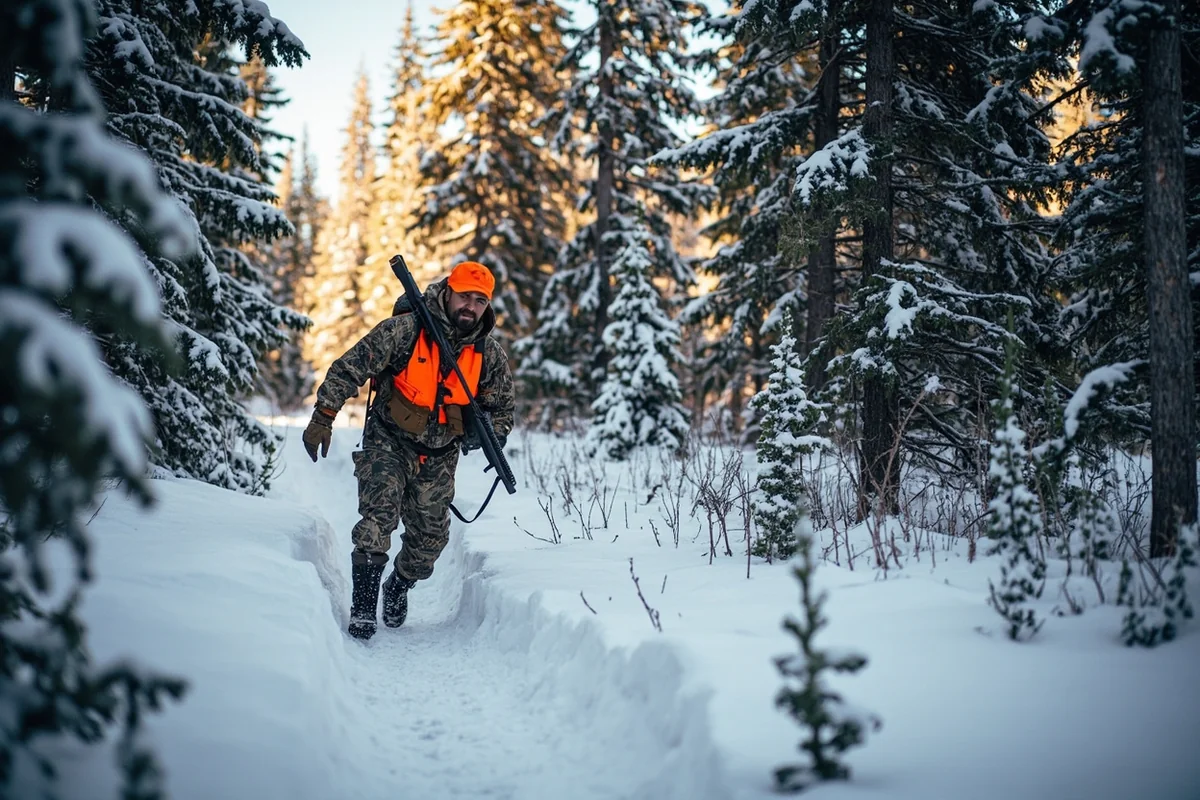
Fresh snow creates prime elk hunting conditions in Montana. Not only does snow make tracking significantly easier, but it also changes elk behavior in ways hunters can leverage. After fresh snowfall, elk often become more active during daylight hours, moving to south-facing slopes where the sun melts snow and exposes food sources.
When hunting in snow, slow your pace and scan open areas with quality optics. Elk stand out dramatically against white backgrounds, making them easier to spot at distances. Follow tracks methodically, paying attention to their freshness. Wet, clean-edged tracks with visible hoof details indicate elk moved through recently. In deeper snow, elk will often use established trails or follow ridgelines where the snow is shallower, making their movement patterns more predictable.
Rain Strategies
Rain presents unique challenges for Montana elk hunters. While many hunters head back to camp when precipitation starts, experienced hunters know that light to moderate rain can actually improve hunting conditions. Elk often continue feeding during rain, and the dampened forest floor allows for silent stalking approaches.
During rainy periods, focus on sheltered areas like timber edges and south-facing slopes where elk seek protection. Waterproof your essential gear, especially your optics, ammunition, and electronics. A quality rain cover for your rifle scope and binoculars is essential equipment in any Montana elk hunting guide’s pack. Additionally, ensure you have waterproof maps or a protected GPS device, as navigation becomes critically important in low-visibility rainy conditions.
Hot Weather Hunting
Early season elk hunting in Montana can sometimes mean temperatures in the 70s or even 80s during midday. These conditions push elk into shaded north-facing slopes and dark timber during daylight hours. The smart hunter adapts by focusing efforts on water sources during morning and evening, as elk will need to hydrate regularly in hot weather.
When temperatures climb, elk typically bed down during midday heat. This creates an opportunity for the patient hunter to locate bedding areas and set up ambush points along travel corridors to water or evening feeding areas. Any Montana elk hunting guide worth their salt will advise hunters to use these hot midday periods to rest themselves, staying cool and hydrated while planning evening hunting strategies.
Safety Precautions
Weather-related emergencies are the number one reason for backcountry rescues during Montana’s elk seasons. Always share your detailed hunting plan with someone not in your hunting party, including expected return times and emergency procedures. Carry reliable communication devices like satellite messengers or personal locator beacons, especially when hunting remote areas.
Learn to recognize the early signs of hypothermia and heat exhaustion. In cold conditions, uncontrollable shivering, confusion, and loss of coordination indicate dangerous core temperature drops. In hot weather, watch for headaches, dizziness, and cessation of sweating, which may signal heat-related illness.
The most successful Montana elk hunters aren’t always those with the best equipment or most experience—they’re often the ones who understand how to read weather patterns and adapt their hunting strategy accordingly. By preparing for weather challenges rather than retreating from them, you transform potential obstacles into strategic advantages in your Montana elk hunting adventure.
The Mental Game: Psychology of Successful Montana Elk Hunting
The difference between filling your tag and going home empty-handed often comes down to what’s happening between your ears. Any experienced Montana elk hunting guide will tell you that mental fortitude is just as important as physical preparation and hunting skills. The psychological aspects of elk hunting in Montana’s challenging terrain and unpredictable conditions require specific mental strategies that can make or break your hunt.
Maintaining patience is perhaps the most crucial mental skill in elk hunting. Montana’s vast wilderness can test even the most seasoned hunters, especially when days pass without a shot opportunity. The key is understanding that elk hunting is rarely a quick endeavor—success often comes to those who can remain vigilant and focused even after multiple days of seeing nothing. Experienced hunters develop what some call “hunter’s patience,” the ability to stay completely present and alert hour after hour, day after day.
When disappointment strikes—whether it’s a missed shot, a bull that hangs up just out of range, or a week of hunting with no encounters—your response determines your ultimate success. The most effective Montana elk hunters have developed resilience by reframing setbacks as valuable learning experiences rather than failures. After a missed opportunity, take a moment to process the disappointment, then methodically analyze what happened and how you can improve next time. This constructive approach prevents negative emotions from derailing the rest of your hunt.
Staying motivated during long hunts requires deliberate mental strategies. Many successful hunters break their days into smaller segments with specific goals for each—perhaps focusing on covering certain terrain in the morning, then switching to calling strategies in the afternoon. Celebrating small victories helps too, whether it’s successfully reading elk sign, executing a perfect stalk (even if it doesn’t result in a shot), or simply navigating difficult terrain successfully.
The harsh conditions of Montana elk country—freezing temperatures, steep terrain, high altitudes, and unpredictable weather—demand mental toughness. Experienced hunters develop the ability to compartmentalize discomfort, focusing instead on the task at hand. This doesn’t mean ignoring physical challenges but rather acknowledging them without allowing them to dominate your thoughts. Many hunters use visualization techniques, imagining successful encounters with elk to maintain a positive mindset despite physical discomfort.
Decision-making in the field becomes particularly critical when fatigue sets in. Should you pursue that distant bugle as daylight fades? Is that bull worth stalking or should you wait for a better opportunity? When tired and cold, hunters often make impulsive decisions they later regret. The best Montana elk hunters have learned to recognize when their decision-making is compromised by fatigue or frustration. Some employ a quick mental checklist before making significant decisions, evaluating risk, reward, and alignment with their overall hunting strategy.
Your mental approach should also include adaptability. Montana’s elk and weather conditions can change rapidly, requiring you to abandon carefully laid plans. Those who cling rigidly to their original strategy often miss opportunities that arise unexpectedly. Successful hunters maintain what military strategists call “tactical flexibility”—a firm commitment to the overall mission (harvesting an elk) while remaining adaptable about exactly how that mission will be accomplished.
Remember that mental preparation begins long before your hunt. Many successful Montana elk hunters practice visualization techniques in the months leading up to their trip, mentally rehearsing everything from perfect shot execution to field dressing procedures. This mental rehearsal builds confidence and improves performance when the moment of truth arrives in the field.
Trophy vs. Meat Hunting: Defining Your Montana Elk Hunt Success
Every Montana elk hunter embarks on their journey with specific goals in mind. Some dream of hanging a magnificent bull on their wall, while others simply want to fill their freezer with nutritious, wild protein. Understanding your personal definition of success is crucial before setting foot in elk country.
Setting Realistic Expectations
Your Montana elk hunting experience begins with honest self-reflection. First-time hunters should recognize that harvesting any elk is an achievement worth celebrating. Montana’s diverse elk population offers opportunities for both trophy and meat hunters, but setting realistic expectations prevents disappointment.
Consider your hunting area’s elk demographics, pressure levels, and accessibility. In heavily hunted public lands, mature bulls may be scarce and extremely wary. Conversely, some limited-entry or backcountry areas might offer better trophy potential but require significantly more effort to access.
An experienced Montana elk hunting guide will tell you that flexibility often leads to greater satisfaction. Many seasoned hunters begin each season focused on finding a quality bull but adjust their goals as the hunt progresses. Remember that elk hunting success rates typically hover between 10-20% across Montana—every opportunity deserves serious consideration.
Trophy vs. Meat Hunting Considerations
Trophy Hunting Approach:
- Requires more patience and selectivity
- Often means passing on multiple legal animals
- May involve more extensive scouting and hunting more remote areas
- Typically focuses on mature bulls (5+ years old)
- Success rates naturally decrease with trophy standards
- May require multiple seasons to achieve goals
Meat Hunting Approach:
- Provides more harvest opportunities
- Often targets cow elk, which many consider better table fare
- Can focus on areas with higher elk densities
- Allows for earlier harvest during your hunt
- Reduces pressure to hold out for a specific animal
- Yields substantial amounts of organic, lean protein
Many Montana hunters find a middle ground, pursuing what old-timers call a “meat bull”—a younger, legal bull that provides excellent eating while still offering modest antlers for the wall.
Judging Elk in the Field
Accurately field-judging elk takes years of experience, but understanding the basics helps inform your decision-making:
For bulls, count tine numbers first (Montana requires a bull to have at least one brow tine to be legal in most areas). A mature 6×6 bull typically carries six points on each antler, including the brow tine.
Next, assess mass—mature bulls carry thick antlers throughout their length, while younger bulls often have spindly tops. Beam length and overall spread become more apparent when viewing the bull broadside.
Cow elk selection focuses on size and age. Yearling cows are notably smaller, while mature cows display fuller bodies and longer faces. When meat is the priority, mature cows often provide excellent quality while having less impact on herd reproduction than harvesting young cows.
Aging and Scoring Basics
While exact scoring requires careful measurement after harvest, understanding approximate Boone & Crockett scoring helps with field judgment:
- Young bulls (2-3 years): Typically spike to small 5×5, scores under 260″
- Middle-aged bulls (4-6 years): Usually 5×5 to 6×6, scores 280-330″
- Mature bulls (7+ years): Fully developed 6×6+ frames, potential scores 330″+
Montana’s record bull scored 429-6/8″, but bulls exceeding 350″ are extremely rare trophies. Most hunters consider any bull scoring over 300″ to be an exceptional trophy in today’s hunting environment.
Age estimation relies on body characteristics as much as antler development:
- Younger bulls have sleek bodies with less mass through the neck and shoulders
- Prime bulls display swollen necks during rut with deep chests and heavy shoulders
- Very mature bulls may show slightly declining antler mass but maintain heavy bodies
Celebrating All Successful Harvests
Perhaps the most important aspect of Montana elk hunting is cultivating gratitude for any successful harvest. The true trophy is the entire experience—the breathtaking landscapes, challenging pursuits, and the invaluable meat that will nourish your family.
Many lifelong Montana elk hunters report that their most memorable hunts weren’t necessarily those resulting in the largest bulls. Instead, they cherish hunts involving special circumstances, family members, or exceptional effort.
Whether you’re admiring the massive antlers of a mature bull or packaging the last of a cow elk’s burger meat, recognize that you’ve accomplished something remarkable. You’ve participated in a tradition dating back generations while securing clean, wild protein through your own skill and perseverance.
In Montana’s elk country, success wears many antler configurations—and sometimes none at all.
Montana Elk Hunting Ethics and Conservation
The privilege of hunting elk in Montana’s majestic landscapes comes with significant responsibilities. Ethical hunting practices and conservation efforts ensure that future generations will enjoy the same opportunities we have today. As any experienced Montana elk hunting guide will emphasize, how we conduct ourselves in the field directly impacts the sustainability of the sport.
Ethical Shot Placement
Perhaps the most critical ethical decision a hunter makes is when to squeeze the trigger. Responsible elk hunters commit to taking only high-percentage shots within their effective range. This means understanding your weapon’s capabilities and your personal limitations. A clean shot through the vital area (heart-lung region) ensures a quick, humane harvest with minimal suffering.
Many Montana elk hunting guides recommend waiting for a broadside or slightly quartering-away shot that offers clear access to the vitals. Shots at running elk or in poor light conditions often lead to wounded animals that may never be recovered. Remember that no elk is worth compromising your ethics—if the shot doesn’t feel right, don’t take it.
Tracking Wounded Game
Despite our best intentions, sometimes shots don’t go as planned. Every ethical hunter accepts the responsibility to make every reasonable effort to recover wounded game. This means being prepared to follow blood trails for hours if necessary, even if it means camping overnight to resume tracking at first light.
Always mark the exact location where the elk was standing when shot, the spot where you were positioned, and the last place you saw the animal. Watch for blood, tracks, broken vegetation, and listen for sounds that might indicate where the wounded elk has gone. A Montana elk hunting guide would advise bringing tracking aids like flagging tape and a powerful flashlight in your pack for this very purpose.
Leave No Trace Principles
The mountains and forests of Montana are treasured for their pristine beauty. Practicing Leave No Trace principles ensures they stay that way:
- Plan ahead and prepare to minimize campsite alterations
- Travel and camp on durable surfaces
- Dispose of waste properly (pack out all trash, including spent cartridges)
- Leave what you find (except your legally harvested elk)
- Minimize campfire impacts
- Respect wildlife and other users
- Be considerate of other hunters and non-hunters alike
A responsible Montana elk hunting guide always ensures their clients understand these principles before heading into the field. Remember that other hunters and outdoor enthusiasts will judge hunting as a whole by the evidence you leave behind.
Supporting Conservation Efforts
Elk hunting in Montana exists today because of dedicated conservation efforts. Every tag purchased contributes to wildlife management, but truly ethical hunters go beyond the minimum requirements:
- Join and actively participate in conservation organizations like Rocky Mountain Elk Foundation
- Volunteer for habitat improvement projects
- Participate in citizen science initiatives that help biologists monitor elk populations
- Advocate for public land access and habitat preservation
- Introduce new hunters to the sport with an emphasis on ethical practices
Many Montana elk hunting guides dedicate their off-seasons to conservation work, recognizing that their livelihood depends on healthy elk populations and accessible habitat.
Respecting the Resource
At its core, ethical elk hunting means respecting the animal itself. This includes utilizing as much of the harvested elk as possible. Beyond the prime cuts, consider using the trim for ground meat, the bones for stock, and other parts that might traditionally be left behind.
When field dressing, move away from water sources to prevent contamination. Dispose of remains properly according to regulations, being mindful that improper disposal can attract predators and create negative associations with hunting.
Finally, take a moment to express gratitude for the animal that will provide nourishment. Many hunters, including veteran Montana elk hunting guides, practice some form of thanksgiving—whether religious, spiritual, or simply a quiet acknowledgment of the elk’s sacrifice.
By embracing these ethical principles and supporting conservation, Montana’s elk hunters ensure that the bugle of bulls will echo through mountain valleys for generations to come.
Conclusion: Planning Your Ultimate Montana Elk Hunt
As you prepare for your Montana elk hunting adventure, remember that success comes from thorough preparation and realistic expectations. Throughout this guide, we’ve covered the essential elements of a productive hunt—from understanding elk behavior and habitat to mastering hunting techniques and navigating Montana’s diverse terrain.
The journey toward a successful Montana elk hunt begins long before the season opens. Start by securing your licenses and tags early, studying maps of your chosen hunting areas, and developing a physical conditioning regimen that will prepare you for the demanding mountain terrain. Remember that elk hunting in Montana often requires covering significant distances in challenging conditions, so your pre-hunt preparation will directly impact your experience.
While harvesting an elk is certainly a goal worth pursuing, the true value of Montana elk hunting extends far beyond the kill. The breathtaking landscapes, the challenge of matching wits with one of North America’s most majestic game animals, and the camaraderie shared with hunting partners create memories that last a lifetime. Even unsuccessful hunts often become the most cherished stories in a hunter’s collection of experiences.
For additional planning resources, consider joining online forums specific to Montana elk hunting, connecting with local conservation organizations, or consulting with Montana Fish, Wildlife & Parks offices for the most current information. Many successful Montana elk hunters also recommend investing in detailed topographic maps, hunting-specific GPS applications, and quality optics to enhance your hunting experience.
Montana’s elk country offers some of the most authentic and challenging hunting opportunities in North America. Whether you’re a first-time elk hunter or a seasoned veteran of the mountains, approaching your hunt with respect for the animals, the environment, and fellow hunters will ensure that Montana’s elk hunting tradition continues for generations to come. The bugle of a bull elk echoing through mountain valleys is a sound that has called hunters for centuries—and with proper planning and preparation, you’ll be ready to answer that call on your ultimate Montana elk hunting adventure.
Frequently Asked Questions
What is the best time of year for elk hunting in Montana?
The best time for elk hunting in Montana typically falls during the rut in September and early October. During this period, bulls are more vocal and active, increasing your chances of a successful hunt. However, specific dates can vary depending on the hunting district and type of hunt (archery or rifle).
Do I need a guide to hunt elk in Montana?
While not required, hiring a guide can significantly increase your chances of success, especially if you’re unfamiliar with the area. Guides provide local knowledge, help with logistics, and can enhance your overall experience. However, many hunters successfully plan and execute their own DIY hunts with proper preparation.
What caliber rifle is recommended for elk hunting in Montana?
Popular calibers for elk hunting in Montana include .270 Winchester, 7mm Remington Magnum, and .300 Winchester Magnum. These calibers offer a good balance of power, accuracy, and manageable recoil. The most important factor is choosing a caliber you can shoot accurately and confidently at realistic hunting distances.
How physically demanding is elk hunting in Montana?
Elk hunting in Montana can be extremely physically demanding. You should be prepared to hike several miles per day in steep, rugged terrain, often at high elevations. A comprehensive fitness program focusing on cardiovascular endurance, leg strength, and core stability is highly recommended before your hunt.
What are the success rates for elk hunting in Montana?
Success rates for elk hunting in Montana typically range from 10-20% for general season hunts. However, these rates can vary widely depending on the specific hunting district, type of hunt (archery vs. rifle), and whether you’re hunting with a guide. Some limited entry areas or guided hunts may have higher success rates.
How do I get an elk hunting license for Montana?
Residents can purchase elk licenses over the counter, while non-residents must apply for a limited number of licenses through a drawing system. The application deadline is typically in March for the fall hunting season. Some districts also require additional special permits, which are awarded through a separate drawing process.
What should I do if I wound an elk but can’t find it?
If you wound an elk, it’s your ethical responsibility to make every reasonable effort to recover the animal. Mark the last place you saw the elk and where you took the shot. Carefully track blood trails, broken vegetation, and other signs. If necessary, camp overnight to resume the search at first light. Consider enlisting help from other hunters or a professional tracker if available.
Sources