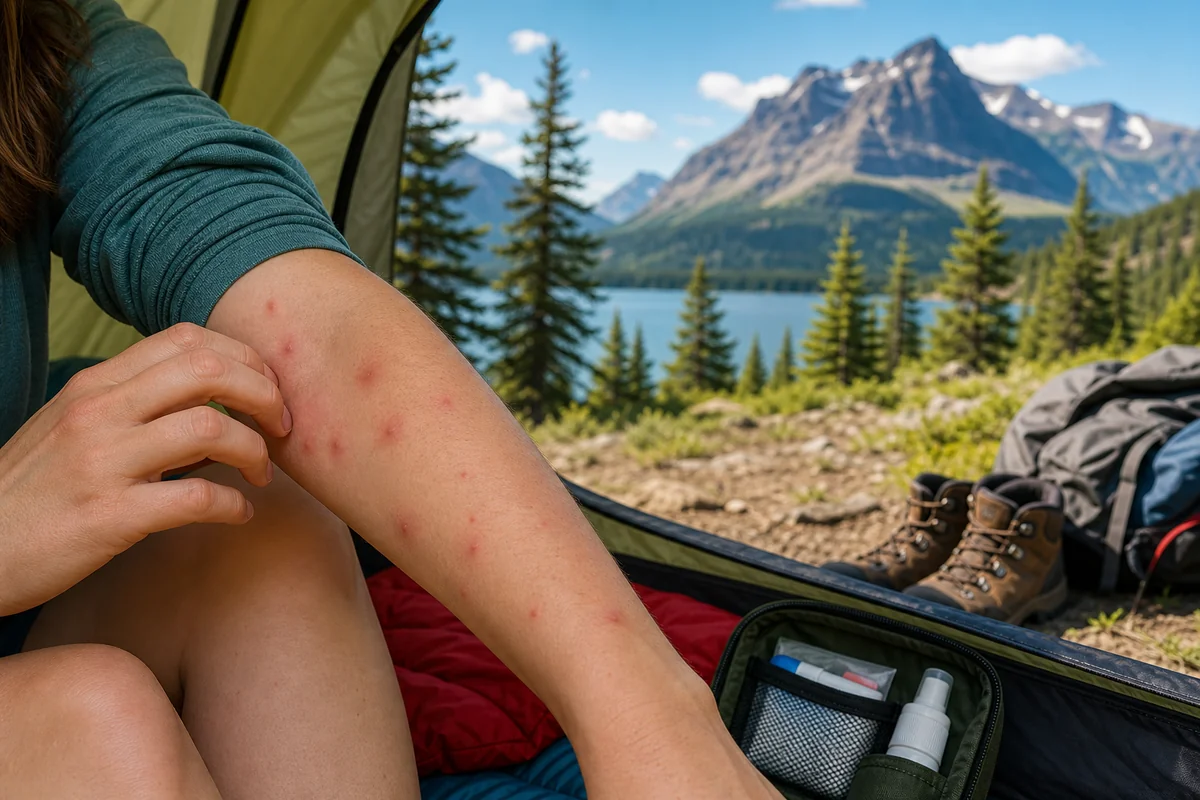
Last July, I woke up in my tent near Glacier National Park with seventeen itchy welts scattered across my ankles and forearms—and absolutely no idea what had caused them.
That morning spent frantically Googling “mystery bug bites Montana” while scratching myself raw taught me a valuable lesson: understanding what’s biting you in Big Sky Country is just as important as knowing which trails to hike.
If you’re planning to explore Montana during Montana bug season, knowing how to identify, treat, and prevent bug bites will make or break your outdoor experience.
- Mosquito bites appear as round, puffy bumps that itch within minutes—most common June through August near standing water
- Tick bites create a small red spot that may develop a bullseye pattern if infected—always do full body checks after hiking
- Black fly bites cause painful, bleeding wounds with intense swelling that lasts 3-5 days
- Horse fly and deer fly bites are immediately painful with potential for serious allergic reactions
- No-see-um bites cluster in groups and itch intensely for up to two weeks
- Most Montana bug bites respond well to hydrocortisone cream, antihistamines, and cold compresses
- Seek medical attention for signs of infection, difficulty breathing, or expanding bullseye rashes

Liked this article?
Add Roaming Montana as a preferred source so you see more of our articles and guides on Google.
Why Montana Bug Bites Hit Different
I’ve been bitten by insects in tropical destinations, humid Southern states, and muggy Midwest summers. But something about Montana bugs feels more aggressive, more determined.
The short, intense summer season creates a frenzy of insect activity. These bugs have limited time to feed and reproduce before the harsh winter returns.
During my five summers exploring Montana, I’ve learned that the combination of pristine wilderness, abundant water sources, and thriving wildlife populations creates perfect conditions for hungry insects. The very things that make Montana beautiful—glacial lakes, rushing streams, dense forests—also make it a bug paradise.
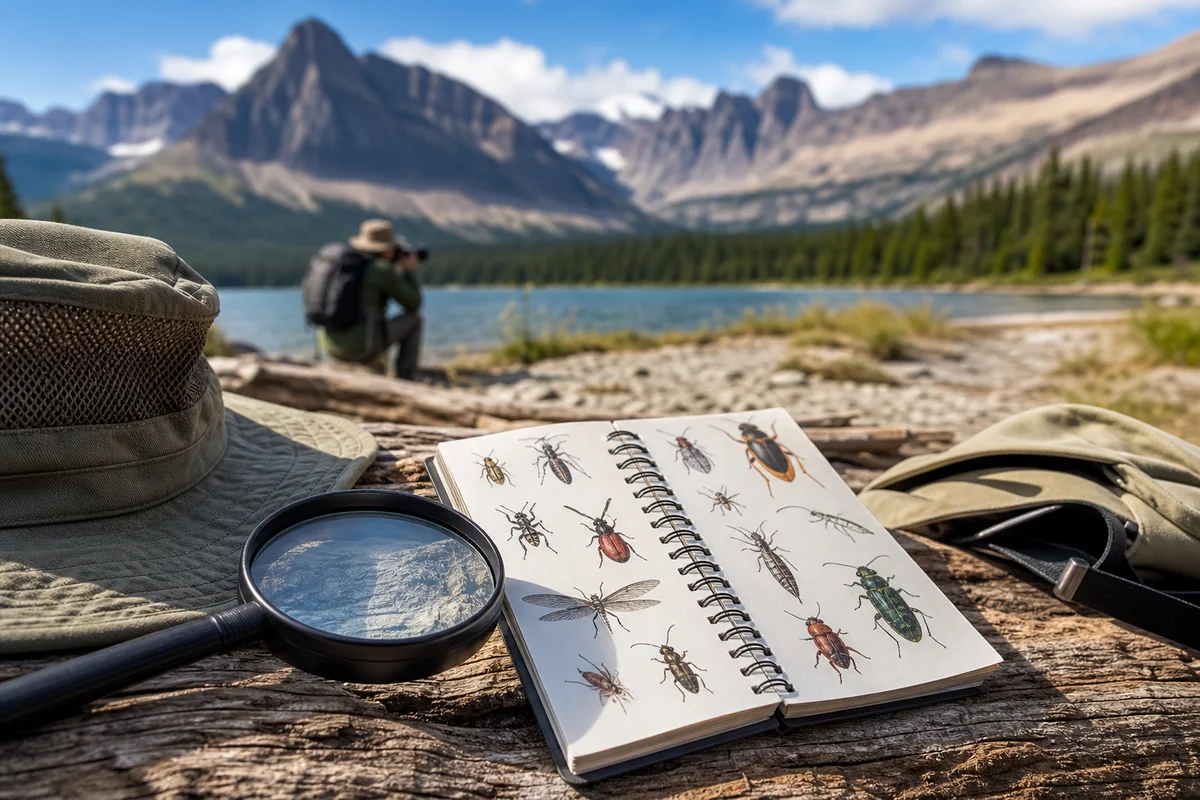
Before diving into specific bites, I recommend familiarizing yourself with the Montana insect guide to understand what’s actually living in the areas you’ll be visiting.
Mosquito Bites: Montana’s Most Common Nuisance
Let me be blunt: Montana mosquitoes will find you. During a camping trip to Flathead Lake last summer, I counted over thirty bites on my legs alone after a single evening by the water.
How to Identify a Mosquito Bite
Mosquito bites typically appear within minutes of being bitten. You’ll notice a round, puffy bump that’s lighter than your surrounding skin.
The center of the bite often has a tiny puncture mark. The bump usually measures between 5-20mm in diameter, depending on your personal reaction.
I react strongly to mosquito bites—mine swell to the size of quarters and stay raised for three to four days. My hiking partner barely notices hers. Your reaction depends entirely on your immune system’s response to mosquito saliva proteins.
Where and When You’ll Get Bitten
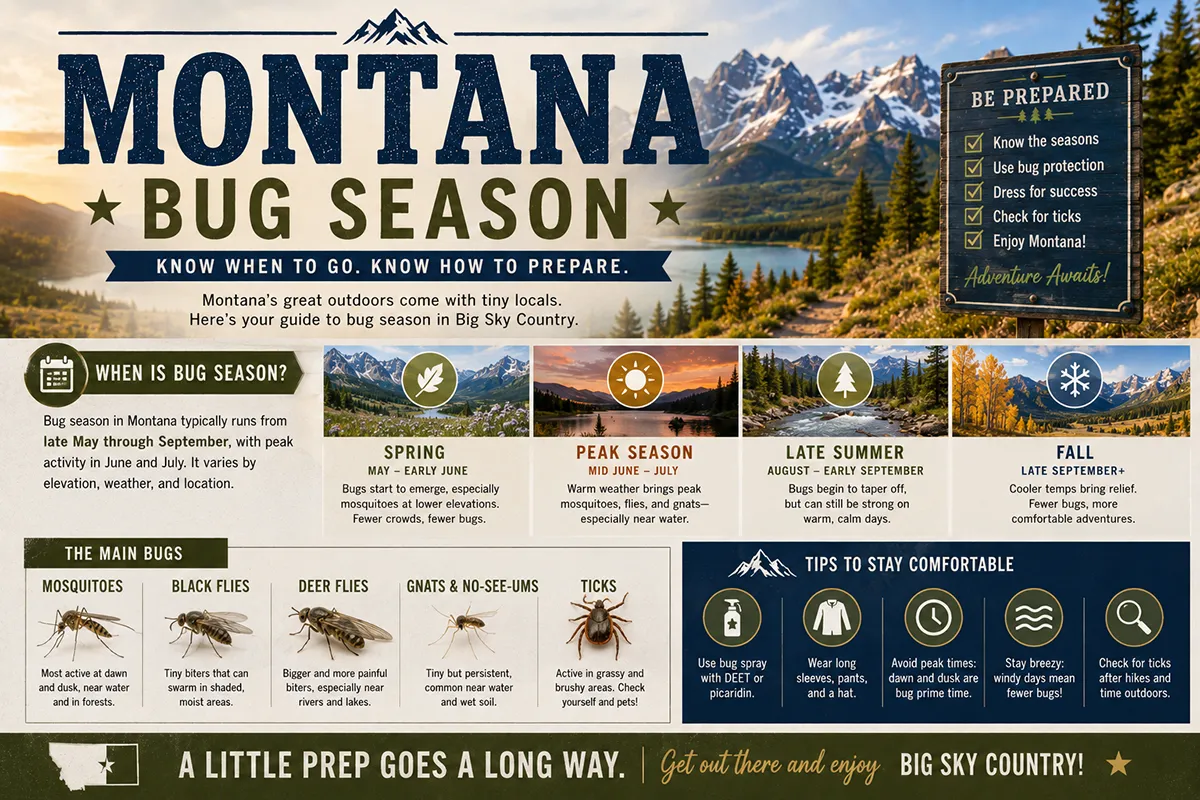
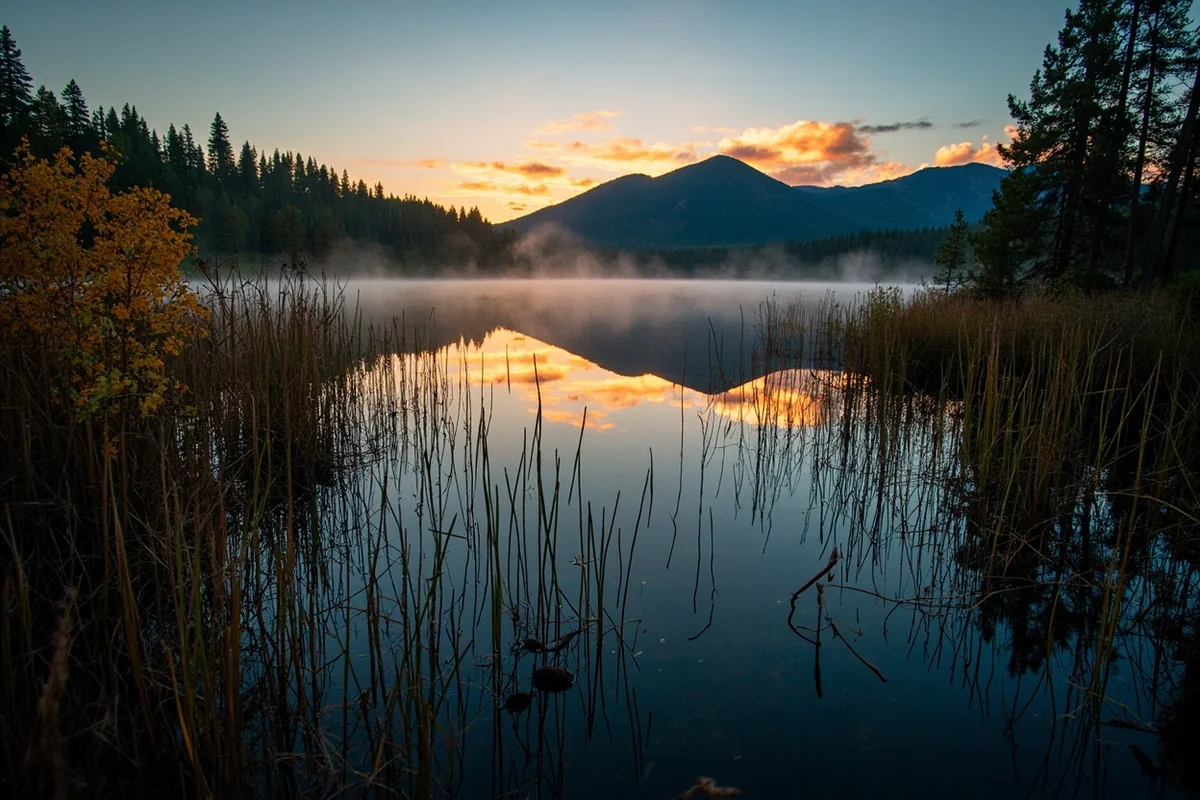
Standing water is the key factor. Any area within 500 feet of ponds, lakes, marshes, or slow-moving streams will have significant mosquito populations from late May through September.
The Blackfoot River corridor, areas around Seeley Lake, and the Mission Valley are mosquito hotspots I’ve personally experienced. Dawn and dusk are prime feeding times, though shaded forest areas can harbor mosquitoes throughout the day.
Glacier National Park’s Many Glacier area was the worst I’ve encountered. During an August backpacking trip, mosquitoes swarmed us continuously from 6 PM until we retreated to our tent at 9 PM.
Treatment Approach That Actually Works
For immediate relief, I apply a cold pack wrapped in a thin cloth for 10-15 minutes. This reduces swelling faster than any cream I’ve tried.
Next, I dab on 1% hydrocortisone cream and take an oral antihistamine like Benadryl or Zyrtec. This combination addresses both the external inflammation and the internal histamine response.
The hardest part? Not scratching. I learned this the hard way when infected mosquito bites on my shin required antibiotics during a 2021 trip to the Bob Marshall Wilderness. I now keep my fingernails trimmed short during Montana trips specifically to reduce scratching damage.
Tick Bites: Small Bites with Big Consequences
Tick bites concern me more than any other Montana insect encounter. The potential for disease transmission makes proper identification and treatment critical.
Recognizing a Tick Bite
Unlike mosquito bites, tick bites often go unnoticed initially. The tick’s saliva contains anesthetic compounds that numb the bite site.
You might first notice the attached tick itself—a small, dark, seed-like creature embedded in your skin. If the tick has already dropped off, you’ll see a small red spot or bump, often with a tiny scab at the center.
The most concerning sign is the classic bullseye pattern: a red ring surrounding a clear area, surrounding a red center. This pattern, which typically appears 3-30 days after a bite, indicates potential Lyme disease infection and requires immediate medical attention.
Types of Ticks I’ve Encountered in Montana
The Rocky Mountain wood tick is most common in Montana’s forests and grasslands. These are larger ticks, about the size of a sesame seed when unfed, growing to the size of a small grape when engorged.
The American dog tick frequents similar habitats and can transmit Rocky Mountain spotted fever. Both species are most active from March through July.
I found a wood tick embedded in my scalp after hiking the Jewel Basin trail system near Kalispell last May. It had been attached for approximately 18 hours based on its size. Fortunately, blood tests a month later confirmed no disease transmission.
Proper Tick Removal Protocol
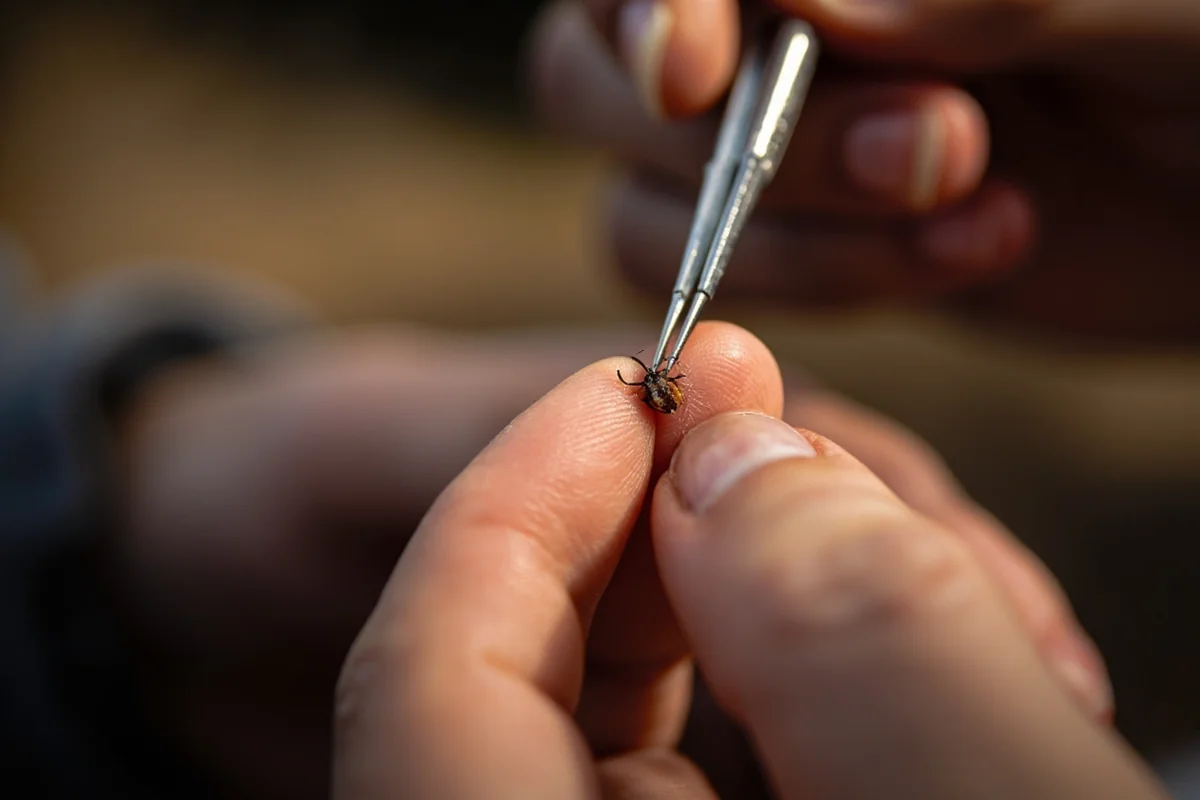
I carry fine-tipped tweezers in my first aid kit specifically for tick removal. Here’s my exact process:
Grasp the tick as close to the skin surface as possible. Pull upward with steady, even pressure—never twist or jerk, as this can break the mouthparts and leave them embedded.
After removal, clean the bite area thoroughly with rubbing alcohol or soap and water. Save the tick in a sealed bag or container in case you develop symptoms later and need to have it identified.
When to See a Doctor
Seek medical attention if you develop fever, headache, muscle aches, or fatigue within 30 days of a tick bite. The expanding bullseye rash is an automatic trip to urgent care in my book.
Don’t panic about every tick bite, though. Most tick bites in Montana don’t result in disease transmission, especially if you remove the tick within 24 hours.
Black Fly Bites: The Painful Surprise
Nothing prepared me for my first black fly encounter. These tiny, humpbacked flies look almost harmless until they take a chunk out of your skin.
Why Black Fly Bites Hurt So Much
Unlike mosquitoes, which insert a needle-like proboscis, black flies cut the skin with scissor-like mouthparts. They literally carve a wound and lap up the pooling blood.
The bite is immediately painful—a sharp, burning sensation that demands your attention. I’ve had them draw visible blood through my hiking pants during a trip along the North Fork of the Flathead River.
Within hours, the bite site swells significantly. My worst black fly bite, on the back of my hand, swelled my entire hand to the point I couldn’t make a fist. The swelling lasted four days.
Identifying Black Fly Bite Symptoms
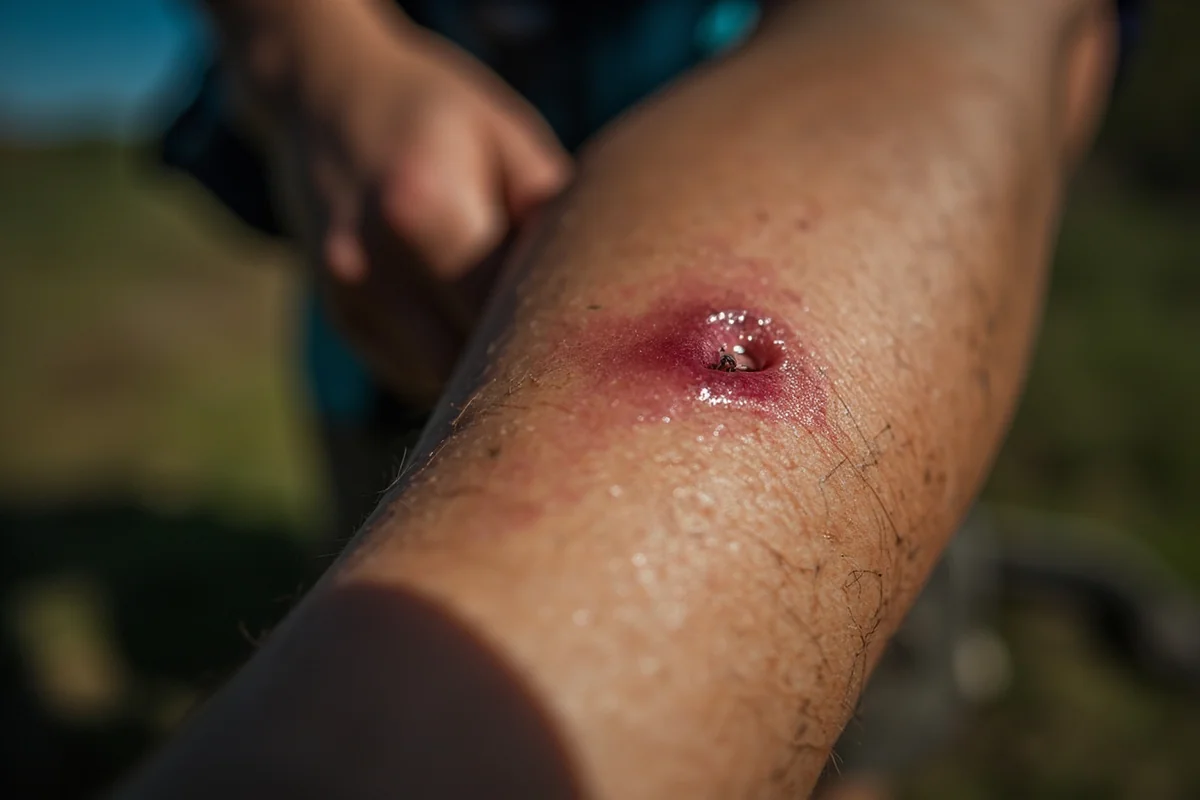
Look for a small puncture wound that may initially bleed. Unlike the clean mosquito bite, black fly bites often have a visible tear or abrasion.
Swelling extends well beyond the immediate bite area. A bite on your ankle might cause your entire lower leg to swell. This is a normal inflammatory response, not necessarily an allergic reaction.
The itching rivals poison ivy in intensity and can persist for one to two weeks. I’ve scratched black fly bites in my sleep without realizing it.
Treatment for Black Fly Bites
Immediate ice application is crucial. I apply ice for 20 minutes on, 20 minutes off, for the first several hours.
Oral antihistamines help more than topical treatments in my experience. I take Benadryl at night (it makes me drowsy) and Claritin during the day.
For severe swelling, some people benefit from oral corticosteroids. A doctor prescribed prednisone for me after a particularly bad reaction near Hungry Horse Reservoir.
Horse Fly and Deer Fly Bites: The Heavy Hitters
These large, aggressive flies are impossible to ignore. When a horse fly bites, you know it instantly.
Understanding Horse Fly Behavior
Horse flies and deer flies are attracted to movement, heat, and dark colors. They’re visual hunters that chase their targets persistently.
During a horseback trail ride near Philipsburg, I watched horse flies pursue our group for nearly a mile. They were relentless, circling and diving until they found exposed skin.
The females need blood to reproduce, and they’re not subtle about obtaining it. A horse fly bite feels like someone stabbing you with a hot needle.
Identifying the Bite
Horse fly bites create a larger wound than most other insect bites. The immediate area may be torn or ragged rather than showing a clean puncture.
Bleeding is common and can continue for several minutes. The bite site swells rapidly and often develops a hard, painful lump.
I’ve noticed my horse fly bites always bruise. The combination of tissue damage and my body’s inflammatory response leaves greenish-yellow bruising around the bite for a week or more.
Allergic Reaction Risks
Horse fly bites carry a higher risk of severe allergic reactions than mosquito or black fly bites. Watch for:
Hives or rash spreading beyond the immediate bite area. Difficulty breathing or throat tightness. Dizziness or feeling faint. Nausea or abdominal cramping.
These symptoms indicate anaphylaxis and require emergency medical treatment. If you have a history of severe insect bite reactions, carry an EpiPen when hiking in Montana.
No-See-Um Bites: Invisible Attackers
These tiny biting midges earned their nickname honestly. At 1-3mm long, they’re nearly invisible to the naked eye.
How to Know You’ve Been Bitten
No-see-um bites typically don’t cause immediate sensation. You might not realize you’ve been bitten until hours later when the itching begins.
The bites appear as small red dots, often in clusters or lines. I’ve woken up with rows of 10-15 bites across my stomach where my shirt rode up during sleep.
The itching intensity surprised me the first time. No-see-um bites itch more persistently than mosquito bites and can remain irritated for up to two weeks.
Where You’ll Encounter Them
No-see-ums thrive near water sources, particularly along the edges of lakes and streams. They’re most active at dawn and dusk but can bite throughout the day in shaded areas.
The worst no-see-um experience of my life occurred at a campsite near Holland Lake. The evening was still and warm—perfect conditions for these tiny terrors. Standard mosquito netting was useless because they simply passed through the mesh.

Treating the Intense Itch
Cooling the bite site provides temporary relief. I apply menthol-based anti-itch products like Sarna lotion for their numbing effect.
Taking oral antihistamines before bed helps prevent sleep disruption. The nighttime scratching response can cause significant skin damage if you’re not careful.
Colloidal oatmeal baths help when bites cover large areas. After my Holland Lake incident, I bought oatmeal bath packets at a Missoula pharmacy and soaked for 30 minutes. The relief was significant.
Less Common Bites Worth Knowing
While mosquitoes, ticks, and black flies cause most Montana bug bites, other insects occasionally bite travelers.
Spider Bites
True spider bites are rarer than people assume. Most suspected spider bites are actually other insect bites or skin infections.
Montana does have black widow spiders, primarily in woodpiles, sheds, and undisturbed outdoor areas. Their bite causes severe muscle cramping, particularly in the abdomen and back. Seek immediate medical attention for suspected black widow bites.
The hobo spider, once thought to cause necrotic wounds, is now considered relatively harmless. Most Montana spiders prefer to avoid human contact entirely.
Biting Flies and Gnats
Stable flies, which resemble house flies, deliver painful bites around the ankles and lower legs. They’re common around livestock areas and some campgrounds.
Various gnats can also bite, though most gnats you’ll encounter in Montana are non-biting varieties. The biting gnats leave small, itchy welts similar to no-see-um bites.
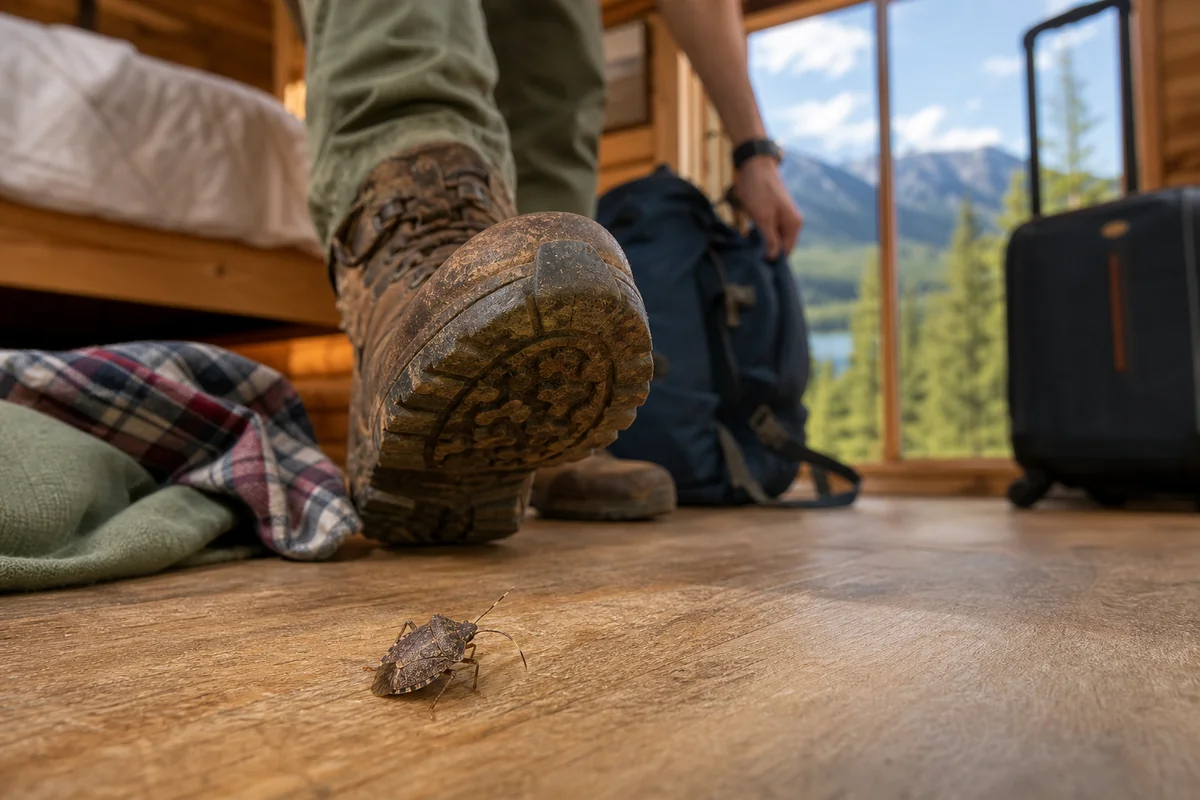
For detailed information about other insects you might encounter, including non-biting species, check out the guides on Montana moths and Montana stink bugs.
The Montana Bug Bite Treatment Table
| Bite Type | Appearance | Timing | First-Line Treatment | Healing Time |
|---|---|---|---|---|
| Mosquito | Round, puffy, pale bump | Immediate | Cold pack + hydrocortisone | 2-5 days |
| Tick | Small red spot with central scab | Hours to days | Clean thoroughly, monitor for rash | 3-7 days |
| Black fly | Bleeding wound with major swelling | Immediate pain | Ice + oral antihistamine | 5-14 days |
| Horse fly | Large wound, possible bruising | Immediate sharp pain | Clean, ice, watch for allergic reaction | 7-10 days |
| No-see-um | Tiny clustered red dots | Delayed (hours) | Menthol lotion + antihistamine | 10-14 days |
Building Your Montana Bug Bite First Aid Kit
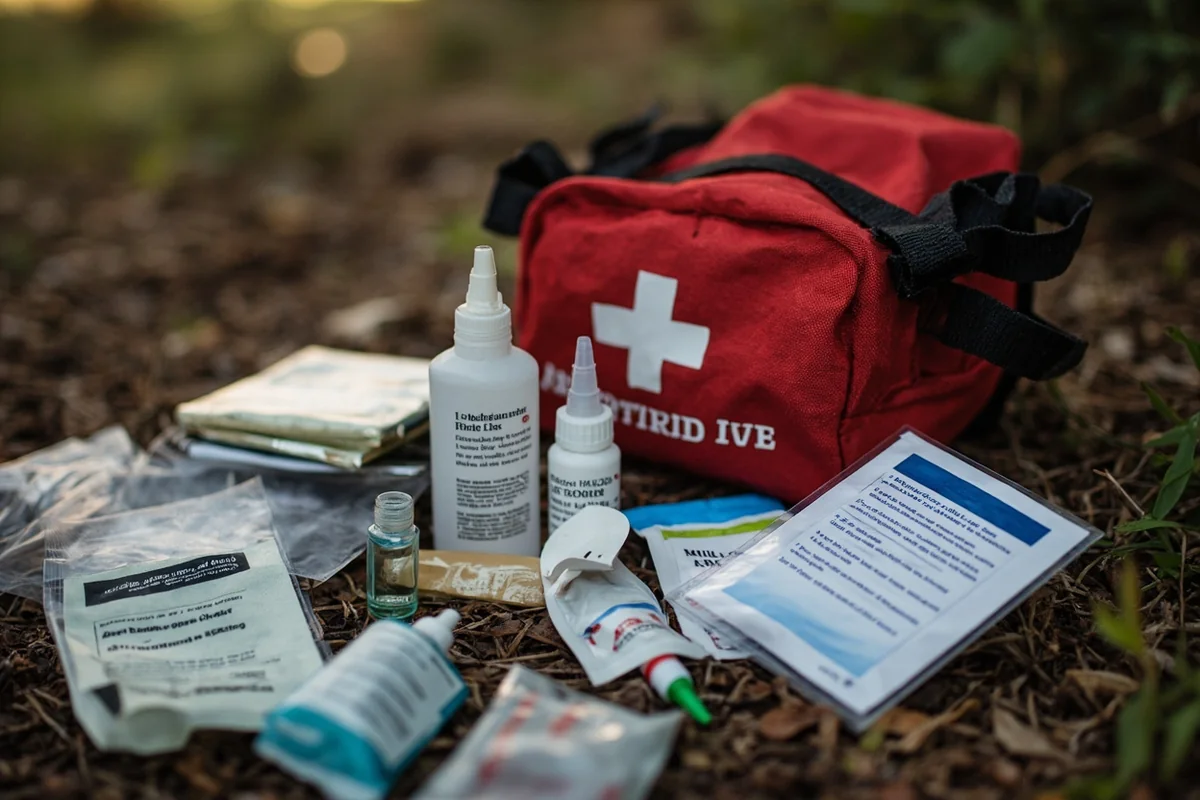
After years of trial and error, I’ve assembled a dedicated bug bite kit that stays in my pack during Montana trips.
Essential Items
Fine-tipped tweezers for tick removal are non-negotiable. I use Tweezerman brand because the grip is precise enough to grab small nymphal ticks.
Alcohol wipes for cleaning bite sites and sterilizing tweezers. I carry at least 10 individually wrapped wipes per trip.
Hydrocortisone cream (1%) in a tube, not packets. Packets are wasteful and often don’t provide enough cream for multiple applications.
Oral antihistamines: I bring both Benadryl (diphenhydramine) for nighttime and Zyrtec (cetirizine) for daytime. The Benadryl helps me sleep through itching, while Zyrtec doesn’t cause drowsiness during hikes.
Additional Recommended Items
A small ice pack or instant cold pack. These are surprisingly light and worth the weight for immediate bite treatment.
After-bite stick or Benadryl itch-stopping gel for quick application during hikes when you can’t stop for full treatment.
A small notebook for recording tick bites—note the date, location on your body, and whether you saved the tick. This information helps doctors if symptoms develop later.
Prescription epinephrine auto-injector if you have any history of severe allergic reactions to insect bites.
Prevention Strategies That Actually Work
Treatment is important, but prevention is better. Here’s what I’ve learned works in Montana’s specific insect environment.
Clothing Choices
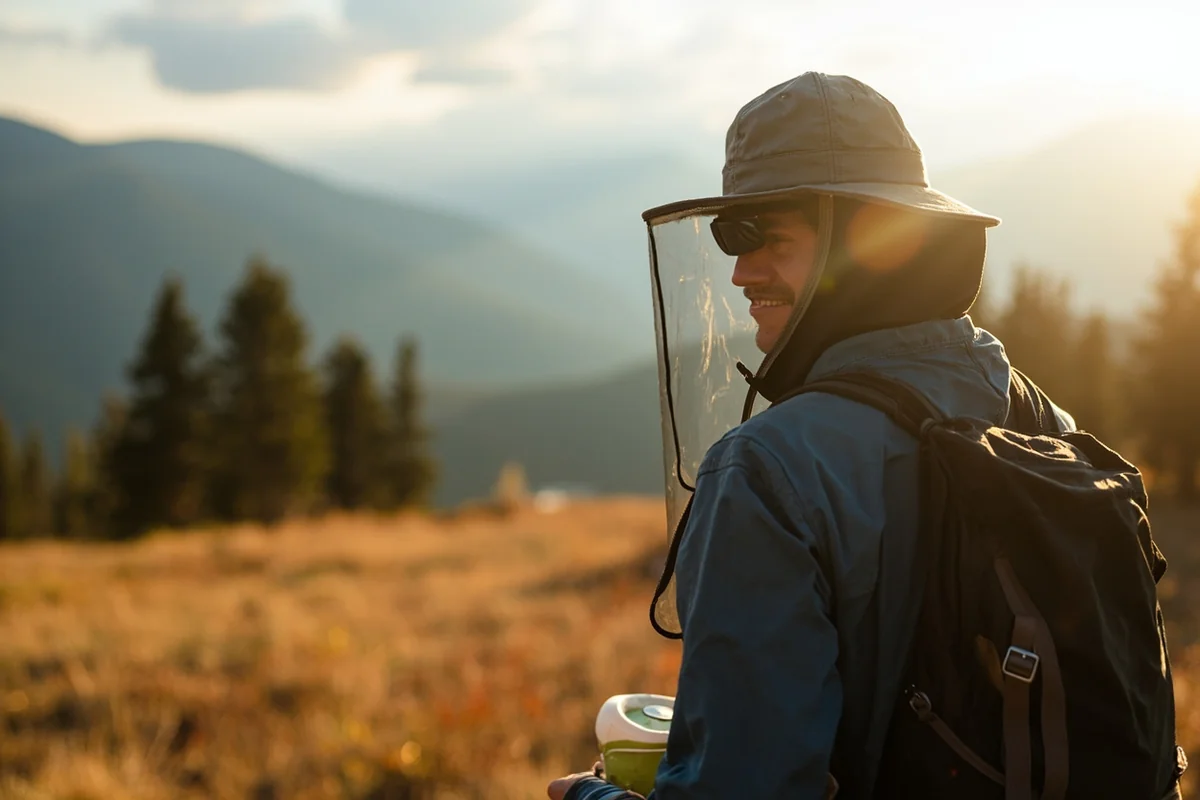
Long sleeves and long pants provide a physical barrier that no amount of repellent can match. I wear lightweight, light-colored hiking pants and shirts even in July heat.
Treat your clothing with permethrin spray before your trip. This insecticide binds to fabric and remains effective through several washes. I treat my hiking pants, shirts, socks, and hat.
Tuck pants into socks when hiking through grass or brush. It looks ridiculous but prevents ticks from climbing up your legs unnoticed.
Repellent Application
DEET-based repellents at 25-30% concentration provide the best protection against Montana’s biting insects. I apply it to all exposed skin, being careful around eyes and mouth.
Picaridin is a DEET alternative that I find less greasy and equally effective. I switch between the two depending on my mood and skin sensitivity.
Reapply repellent every 4-6 hours, or more frequently if you’re sweating heavily. I set phone reminders because I forget otherwise.
Timing and Location Awareness
Plan strenuous activities for midday when mosquitoes and black flies are less active. Save the leisurely lakeside lounging for earlier or later when you can apply repellent and dress appropriately.
Choose campsites away from standing water when possible. Even 100-200 feet of distance significantly reduces mosquito encounters.
Wind is your friend. I specifically seek out campsites with good air flow during peak bug season. Insects have difficulty flying in wind over 5-7 mph.
When Bug Bites Become Medical Emergencies
Most Montana bug bites are annoying rather than dangerous. But some situations require professional medical care.
Signs of Allergic Reaction
Mild allergic reactions include hives, itching, and swelling beyond the immediate bite area. Antihistamines typically manage these symptoms, but monitor closely for escalation.
Severe allergic reactions (anaphylaxis) can develop rapidly. Symptoms include difficulty breathing, throat swelling, rapid heartbeat, dizziness, and loss of consciousness.
Anaphylaxis requires immediate epinephrine and emergency medical care. In remote Montana areas, this means activating emergency communication devices or getting to a trailhead as quickly as possible.
Signs of Infection
Increasing redness that spreads outward from the bite site, especially with a distinct border. Red streaking extending from the bite toward your heart.
Pus or discharge from the bite wound. Increasing pain rather than gradual improvement.
Fever, chills, or feeling unwell. Any of these symptoms warrant medical evaluation, usually with antibiotics for bacterial infection.
Tick-Borne Disease Symptoms
The classic Lyme disease bullseye rash appears in about 70% of cases. But absence of the rash doesn’t mean you’re safe.
Fever, fatigue, headache, and muscle aches within 30 days of a tick bite should prompt medical evaluation. Blood tests can detect antibodies to common tick-borne pathogens.
Rocky Mountain spotted fever symptoms include sudden fever, severe headache, and a spotted rash that typically begins on wrists and ankles. This disease can be severe and requires prompt antibiotic treatment.
Real Talk: You Will Get Bitten
I want to be honest with you: unless you stay indoors the entire trip, you will get some bug bites in Montana.
The goal isn’t complete avoidance. It’s minimizing exposure, recognizing what bit you, and treating bites effectively when they happen.
My most memorable Montana experiences—watching sunset paint the Crazy Mountains, backpacking through the Mission Mountains, floating the Madison River—all came with a side of bug bites. They’re part of the experience.
What matters is being prepared. Carry proper treatment supplies. Know what different bites look like. Understand when symptoms require medical attention.
The discomfort of a few bug bites fades quickly. The memories of Montana’s wilderness last forever.
Final Thoughts From the Trail
After writing this article, I inventoried my bug bites from the current season. Four mosquito bites on my left forearm from fishing at Canyon Ferry Lake. Two black fly bites on my neck from a hike near Essex. One tick removed from my hairline after exploring the Garnet ghost town area.
Each bite has a story attached. Each serves as a reminder of incredible experiences in Montana’s backcountry.
Armed with the knowledge in this guide, you’ll be prepared to identify, treat, and prevent the bug bites that come with exploring Big Sky Country. You’ll know when to shrug off a minor annoyance and when to seek medical care.
Most importantly, you won’t let fear of insects keep you from experiencing one of America’s most spectacular outdoor destinations.
Pack your repellent, bring your treatment supplies, and embrace the adventure. Montana is waiting.
Frequently Asked Questions
When is bug season worst in Montana and when should I avoid visiting?
Montana’s bug season peaks from late May through July, with mosquitoes and biting flies at their worst near lakes, rivers, and in the backcountry. I’ve found that visiting in late August through September offers the best balance of good weather and minimal bugs. If you’re planning a summer trip, early mornings and evenings see the heaviest mosquito activity, so plan outdoor activities accordingly.
What kind of bug bites should I worry about in Montana?
The most common bug bites in Montana come from mosquitoes, black flies, deer flies, and horse flies, especially near water sources like Flathead Lake or the Missouri River. Ticks carrying Rocky Mountain spotted fever and Lyme disease are a real concern in grassy and wooded areas, so daily tick checks are essential. I always watch for spider bites too, as black widows can be found in woodpiles and outbuildings throughout the state.
What bug spray works best for Montana mosquitoes and flies?
For Montana’s aggressive mosquitoes and biting flies, I recommend bringing bug spray with at least 25-30% DEET or 20% picaridin for full-day protection. Products like Sawyer Picaridin or OFF! Deep Woods work well and cost around $8-12 at outdoor retailers in Bozeman, Missoula, or Kalispell. Permethrin-treated clothing is a game-changer for backcountry hiking and can be purchased or applied yourself before your trip.
How do I prevent tick bites while hiking in Montana?
Tucking pants into socks, wearing light-colored clothing, and staying on marked trails reduces tick exposure significantly in Montana’s grasslands and forests. I perform thorough tick checks after every hike, paying close attention to hairlines, armpits, and behind knees where ticks like to hide. Carrying a tick removal tool in your daypack is smart since you’re often 30-50 miles from the nearest pharmacy in remote areas like the Beartooth Mountains.
Are there any dangerous bugs or insects in Glacier National Park?
Glacier National Park has mosquitoes, black flies, and ticks, but no venomous insects that pose serious threats to most healthy adults. The park’s higher elevations above 6,000 feet typically have fewer bugs than the valley trails around Lake McDonald or Two Medicine. I’ve learned to bring a head net for hikes near standing water in June and July when the mosquitoes can be absolutely relentless.
What should I pack to treat bug bites on a Montana camping trip?
I always pack hydrocortisone cream, antihistamine tablets like Benadryl, and a small tube of After Bite for immediate itch relief on Montana camping trips. A basic first aid kit with antiseptic wipes helps prevent infection from scratched bites, especially important when you’re camping 20+ miles from urgent care in places like the Bob Marshall Wilderness. Budget around $15-25 for a complete bug bite treatment kit from any Walmart or outdoor store before heading into the backcountry.
Do Montana mountain towns like Bozeman and Whitefish have bad bug problems?
Mountain towns like Bozeman, Whitefish, and Missoula have noticeably fewer biting insects than rural areas, though mosquitoes still appear near irrigated lawns and parks in summer evenings. Downtown areas and higher-elevation neighborhoods are generally bug-free enough to enjoy outdoor dining without issues. I’ve found that staying in town and day-tripping to wilderness areas lets you escape to air conditioning and screens when the bugs get unbearable.
Sources
- https://www.urmc.rochester.edu/encyclopedia/content.aspx?contenttypeid=85&contentid=P01032
- https://ukhealthcare.uky.edu/wellness-community/blog/dont-let-bug-bites-keep-you-enjoying-outdoors
- https://dphhs.mt.gov/publichealth/cdepi/diseases/westnilevirus
- https://www.montana.edu/extension/flathead/documents/ag/spiders-insects/Spider%20Identification%20and%20Management%20MSU%20Montguide.pdf
- https://www.montana.edu/news/808/?article=808
- https://www.ncbi.nlm.nih.gov/pmc/articles/PMC8402076/