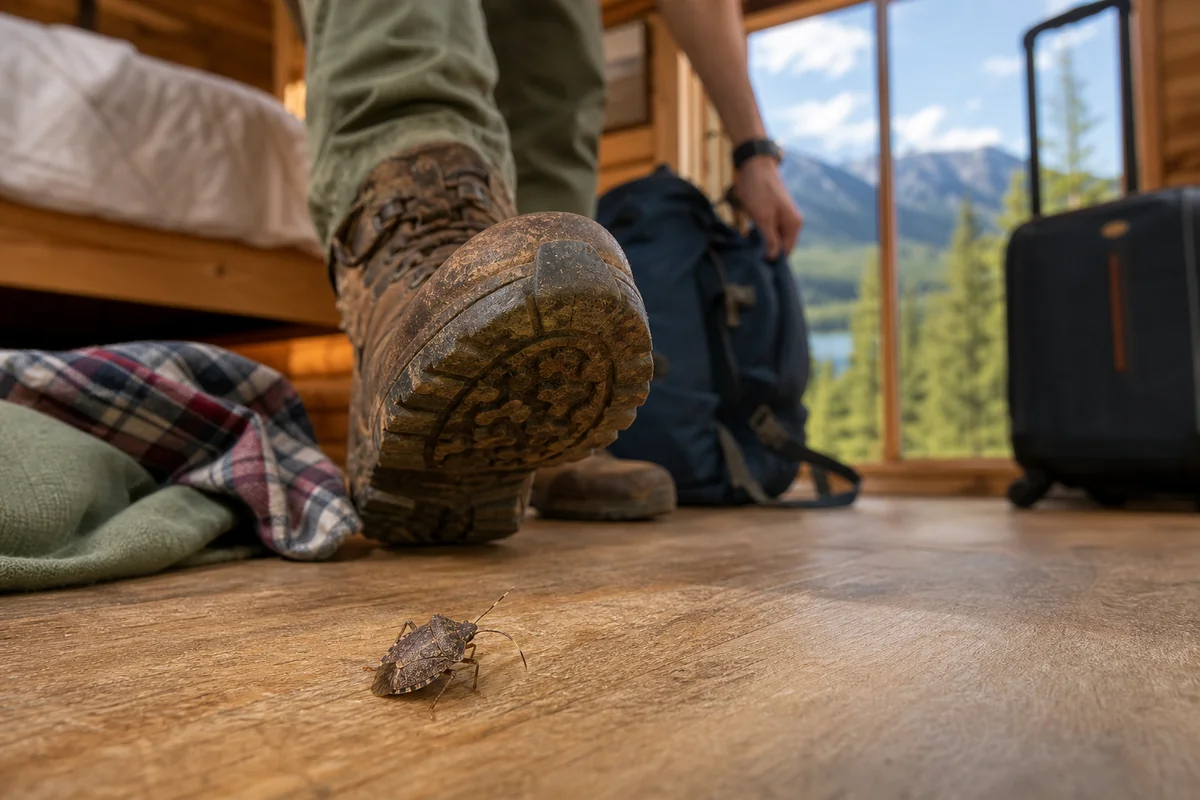
The first time I encountered a Montana stink bug, I was unpacking my bags at a gorgeous cabin outside Whitefish when something crunched under my hiking boot.
The smell that followed—a pungent mix of cilantro and burnt rubber—instantly filled the small bedroom, and I learned a lesson every Montana visitor needs to know: never, ever crush these little brown invaders.
Understanding Montana bug season means knowing which critters you’ll encounter, and stink bugs have become an increasingly common—and smelly—part of the experience.
- Stink bugs are most active in Montana from September through November when they seek indoor shelter
- The brown marmorated stink bug is an invasive species now established throughout western Montana
- Never crush them—the defensive odor lingers for hours and can stain fabrics
- Seal entry points, use a vacuum, and try the soapy water trap method for removal
- They’re completely harmless to humans but can be a nuisance in vacation rentals
- Climate change is expanding their range further into Montana each year
Liked this article?
Add Roaming Montana as a preferred source so you see more of our articles and guides on Google.
Why Montana Has Become Stink Bug Territory
When I first started visiting Montana regularly about eight years ago, stink bugs weren’t really on my radar.
Local property managers I’ve spoken with in the Flathead Valley tell me the same thing—these insects have become noticeably more prevalent in the last decade.
The primary culprit is the brown marmorated stink bug (Halyomorpha halys), an invasive species originally from East Asia. It was first detected in the United States in Pennsylvania during the late 1990s and has been steadily marching westward ever since.
Montana’s agricultural regions, particularly the orchards and farms in the western valleys, provide ideal habitat. I’ve seen significant populations around Missoula, the Bitterroot Valley, and increasingly in areas around Bozeman and Helena.
Native vs. Invasive Species
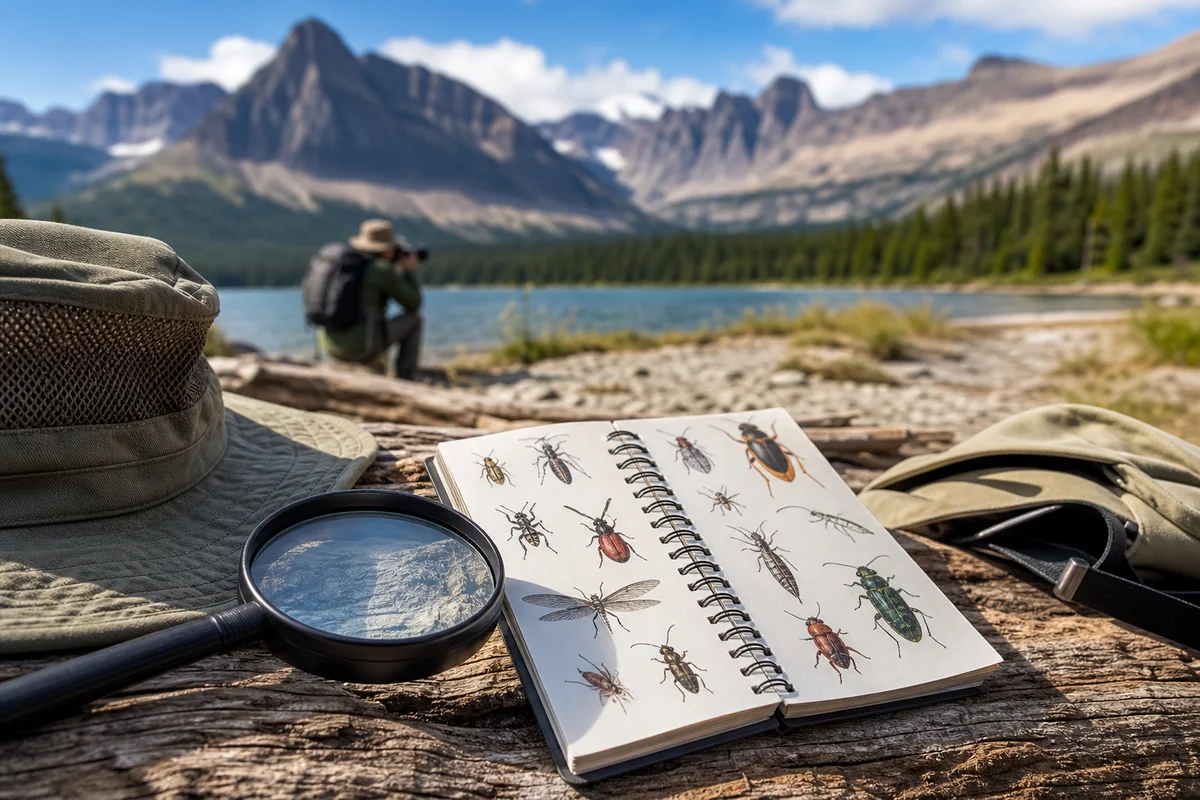
Montana does have native stink bug species, and during my travels I’ve learned to tell them apart. The rough stink bug and the spined soldier bug are both native and actually beneficial—they prey on pest insects.
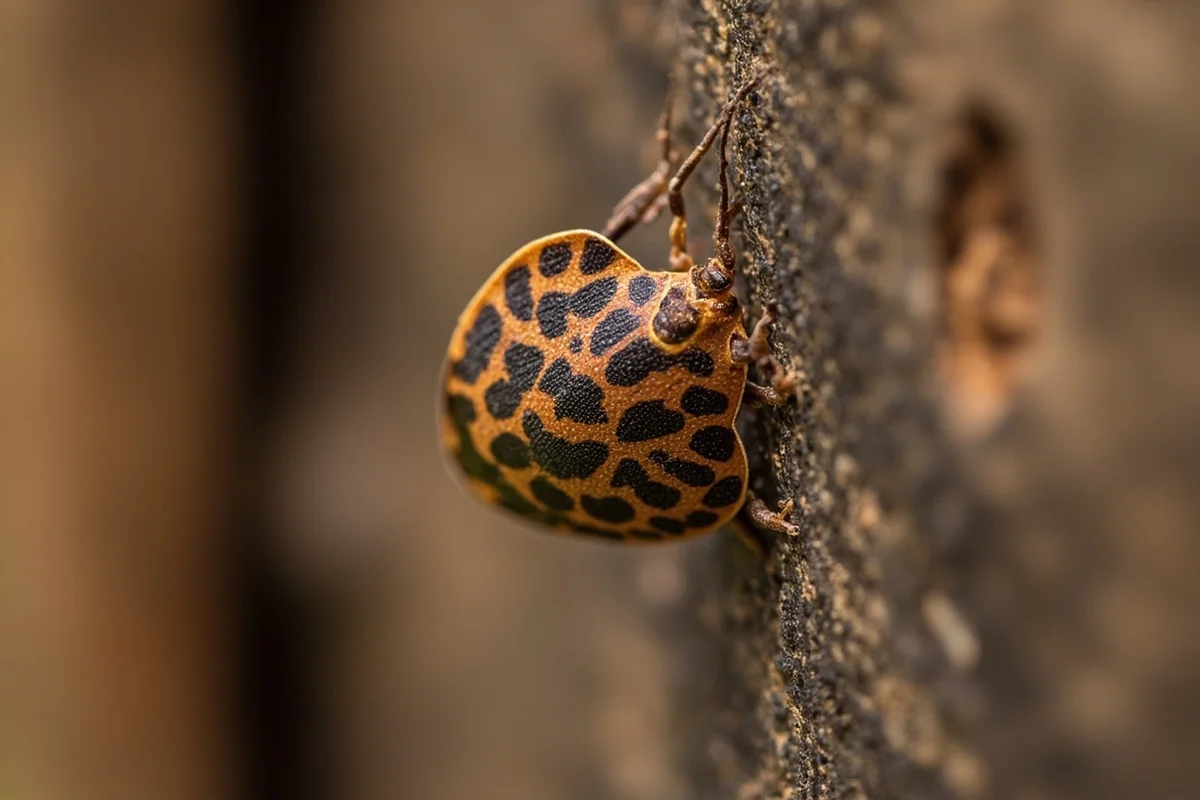
The invasive brown marmorated variety is the one causing headaches for travelers and residents alike. You can identify them by the alternating light and dark bands on their antennae and the smooth shoulder edges on their shield-shaped bodies.
Last October, while staying at a friend’s ranch near Stevensville, I counted at least fifteen of the brown marmorated type clustered around a single south-facing window. The native species rarely congregate in such numbers.
When Stink Bugs Invade: The Seasonal Timeline
Understanding the stink bug calendar has made my Montana trips much more predictable. Here’s what I’ve observed over multiple years of visiting during different seasons.
Spring Emergence (March–May)
As temperatures climb above 50°F consistently, overwintering stink bugs wake up and head outdoors. During a late April trip to Helena, I noticed a few sluggish bugs crawling along windowsills, disoriented and seeking exit routes.
This is actually a good time to visit if you want minimal stink bug interaction. They’re leaving buildings, not entering them, and they’re slow-moving and easily managed.
Summer Activity (June–August)
Summer is stink bug mating and feeding season, but you’ll rarely encounter them indoors during these months. They’re busy in orchards, gardens, and agricultural areas feeding on fruits and vegetables.
I’ve seen them occasionally on trails around Glacier National Park during July hikes, but they weren’t congregating or causing any nuisance. They’re just part of the natural landscape at this point.
Fall Invasion (September–November)
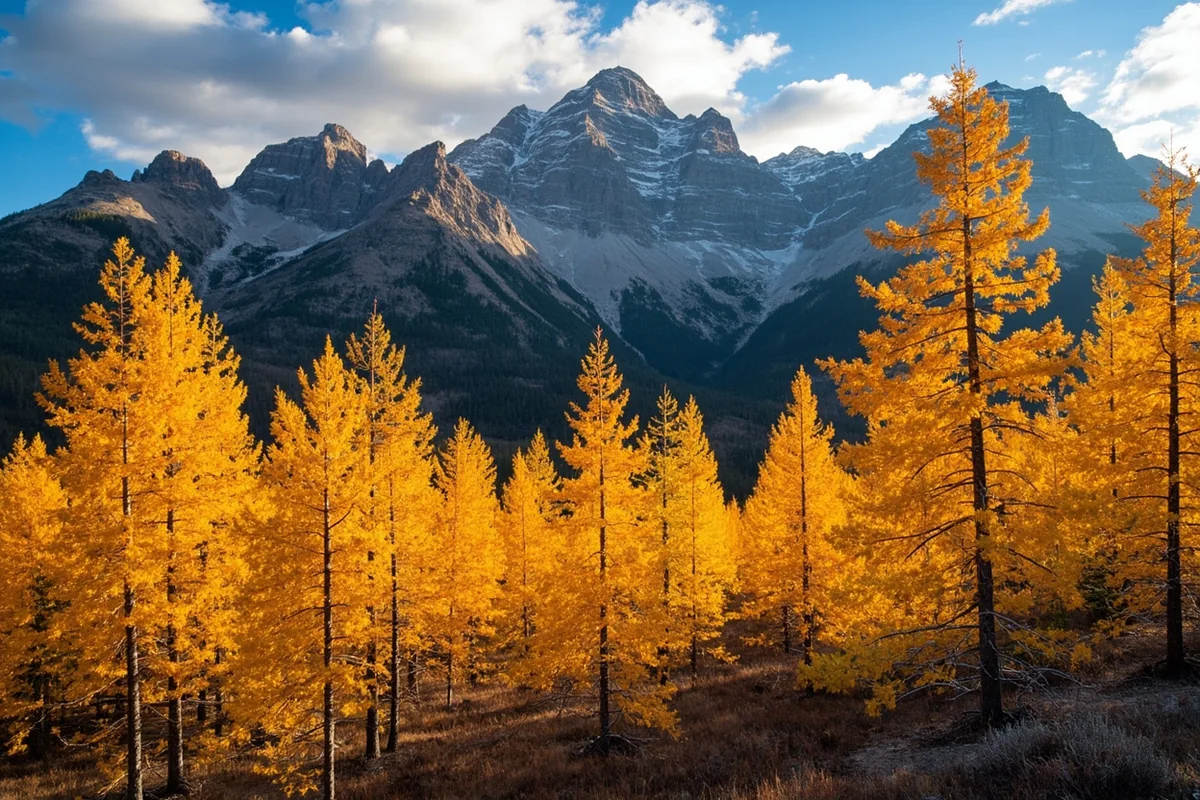
This is peak stink bug season for travelers, and it coincides beautifully (and unfortunately) with Montana’s spectacular fall foliage. As daylight hours shorten and temperatures drop, stink bugs seek shelter.
During my last visit to a cabin near Big Sky in late September, the western and southern walls of the building were literally covered with stink bugs on warm afternoons. They’re attracted to sun-warmed surfaces, and they’ll find any crack or gap to slip inside.
Winter Dormancy (December–February)
Stink bugs enter a hibernation-like state called diapause during Montana’s cold winters. If you’re staying in a cabin or vacation rental, you might still find a few inside on warmer days when the heating system activates their dormant bodies.
I once found about a dozen slowly walking across my ceiling at a rental in Philipsburg during a January visit. They weren’t actively invading—just confused bugs that had been hiding in the walls since fall.
The Science Behind That Infamous Smell
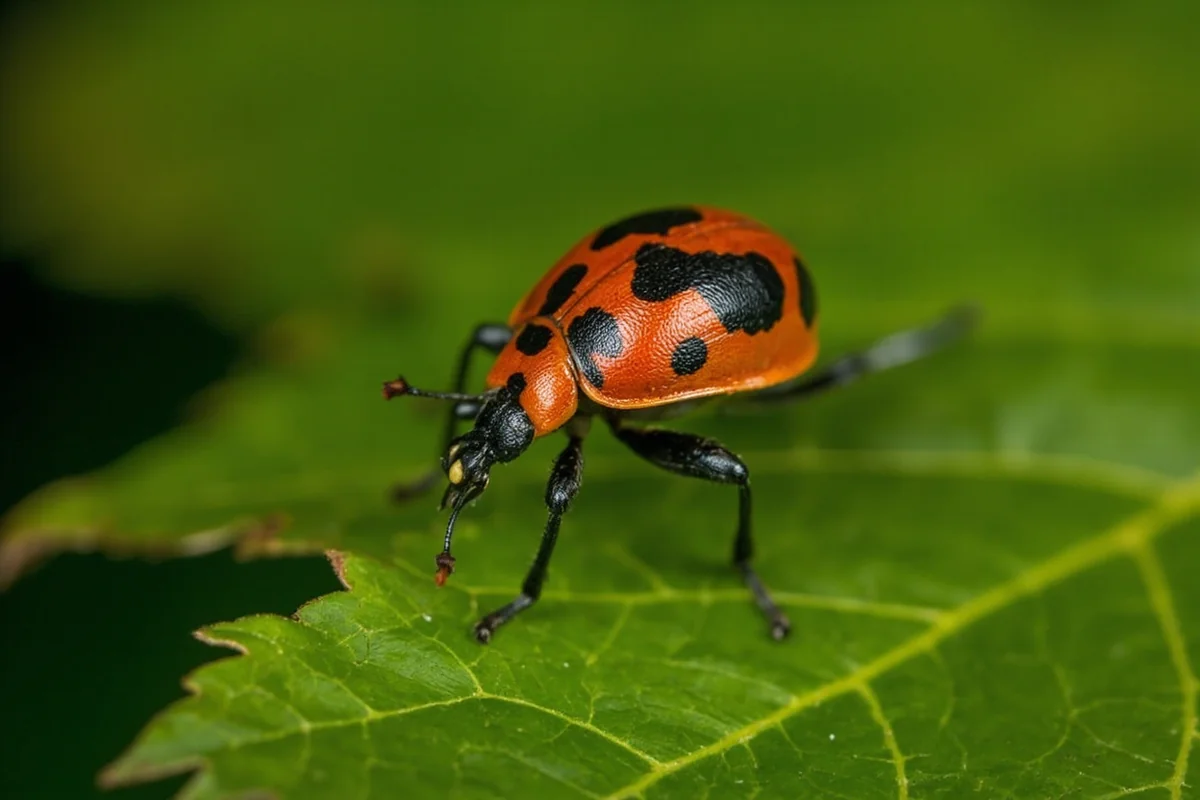
The odor that gives stink bugs their name comes from specialized glands located on their thorax. When threatened, they release a chemical compound called trans-2-decenal, along with other aldehydes.
I’ve had this smell described to me in countless ways by fellow travelers: overripe cilantro, burnt rubber, skunk-lite, or even dirty socks. Personally, I find it closest to concentrated cilantro with an acrid, chemical undertone.
The smell serves as a defense mechanism against predators, and it works remarkably well. Most birds and small mammals avoid them entirely.
Here’s what I’ve learned about the odor from personal experience:
- It takes about 30-45 minutes to fully dissipate in a ventilated room
- The smell transfers easily to hands, clothing, and fabrics
- Crushing releases far more odor than gentle handling
- Some people are more sensitive to the smell than others
My wife can detect a crushed stink bug from three rooms away, while I have to be within a few feet to notice it. This sensitivity seems to vary significantly between individuals.
A Traveler’s Guide to Stink Bug Encounters
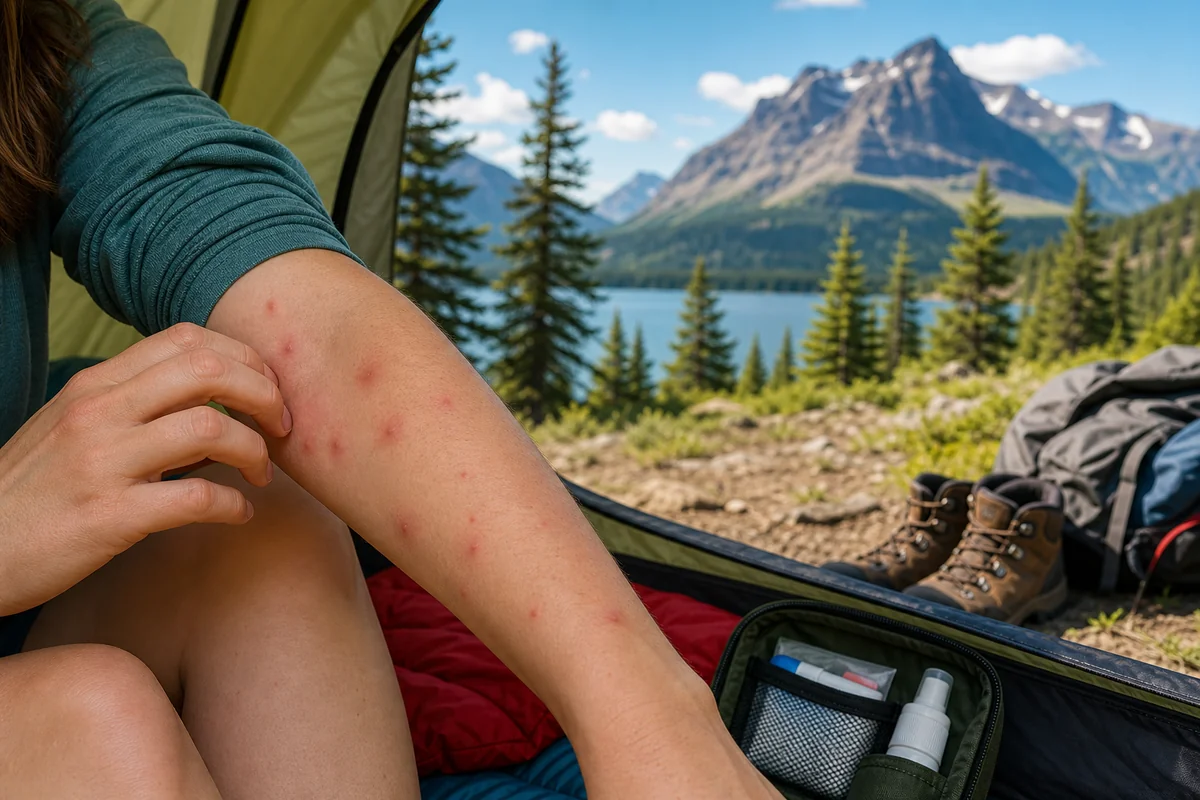
After dealing with stink bugs in numerous Montana lodgings, I’ve developed a reliable system for handling encounters. If you’re concerned about Montana bug bites, the good news is that stink bugs don’t bite, sting, or carry diseases. They’re purely a nuisance pest.
The Vacuum Method
This is my go-to approach for larger congregations. A standard household vacuum removes stink bugs quickly without triggering their defensive spray.
However, I learned the hard way that you need to empty the vacuum immediately afterward. During a stay in Kalispell, I vacuumed about twenty bugs and left them in the canister overnight. The next morning, the entire living room smelled like a stink bug convention.
Some travelers carry a small handheld vacuum specifically for this purpose. It’s extreme, but I’ve met people who swear by it during fall visits.
The Tissue Capture
For individual bugs, I use a tissue or paper towel to gently capture them without applying pressure. The key is cupping rather than grabbing—you want to surround the bug, not squeeze it.
I then flush them or release them far from the building. Some people feel guilty about flushing, but remember these are invasive pests that damage Montana’s agricultural industry.
The Soapy Water Trap
This method works brilliantly for overnight population control. Fill a shallow pan with water and add a few drops of dish soap, then position a desk lamp to shine directly on the water’s surface.
Stink bugs are attracted to light and will fly toward it, landing in the soapy water where they can’t escape due to the reduced surface tension. During a particularly buggy October in Whitefish, I caught over forty bugs in one night using this technique.
| Removal Method | Best For | Odor Risk | Effectiveness |
|---|---|---|---|
| Vacuum | Large numbers | Low (if emptied quickly) | High |
| Tissue capture | Individual bugs | Low | Medium |
| Soapy water trap | Overnight control | None | High |
| Professional spray | Severe infestations | None | Very high |
| Crushing | Never recommended | Extreme | N/A |
Choosing Bug-Smart Accommodations
Not all Montana lodgings are created equal when it comes to stink bug vulnerability. I’ve stayed in places ranging from completely bug-free to overwhelmingly infested, and I’ve learned what to look for.
What Makes a Property Vulnerable
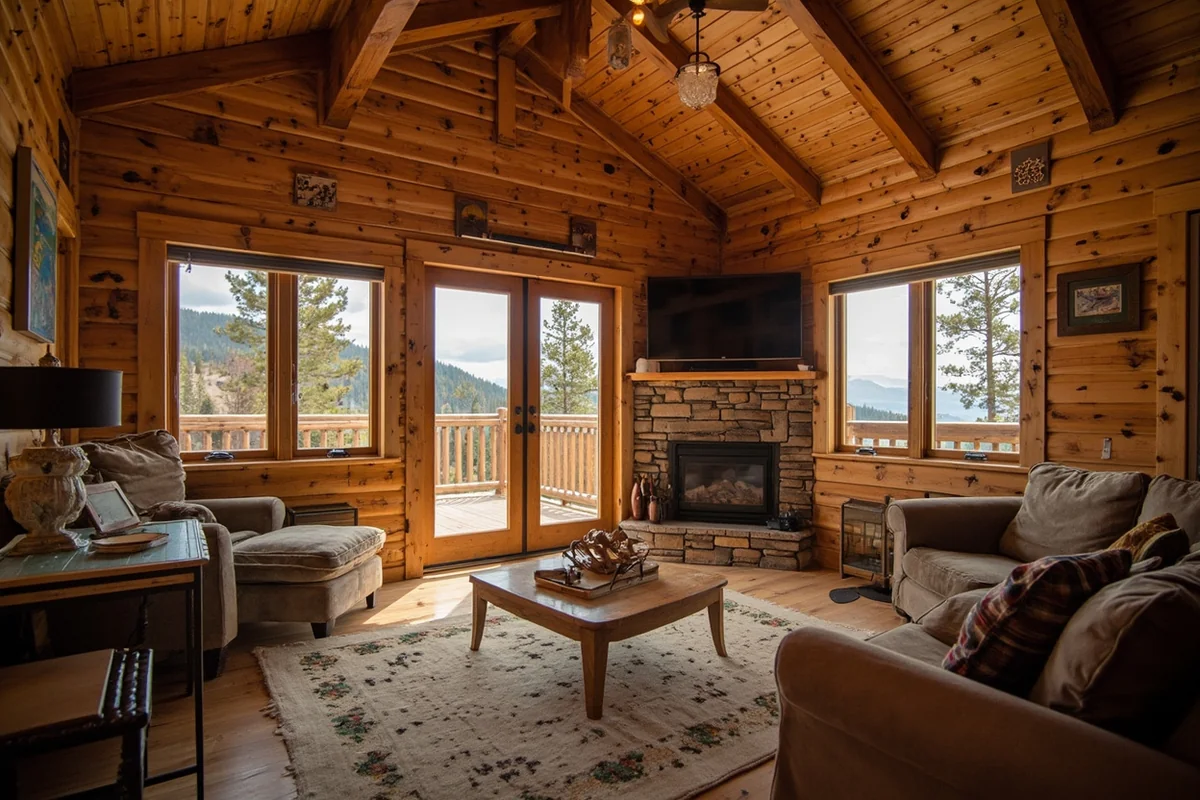
Older cabins and historic lodges tend to have more issues. The charming gaps around windows and doors that let in mountain breezes also let in stink bugs by the dozens.
Properties surrounded by agricultural land or orchards are higher risk. My worst stink bug experience was at a beautiful farmhouse B&B near Florence—gorgeous apple orchards all around, but the bugs were relentless in September.
South and west-facing properties with lots of windows get hit hardest. Stink bugs congregate on sun-warmed surfaces, and windows provide easy entry points through weatherstripping gaps.
Questions to Ask Before Booking
I now ask vacation rental hosts directly about pest management, especially for fall bookings. Here are the questions that have served me well:
- Do you have ongoing pest control treatments?
- When were windows and doors last sealed or weatherstripped?
- Have previous fall guests reported any bug issues?
- Is there vacuum available at the property?
Most hosts appreciate the direct questions and provide honest answers. I’ve found that properties with professional pest management are worth the slight premium in pricing during fall months.
Hotels vs. Cabins vs. Camping
Modern hotels in Montana’s larger towns generally have fewer stink bug problems. The sealed construction and regular pest control keep populations manageable.
Rustic cabins and historic lodges have more character but more bugs. It’s a trade-off I’m willing to make for the right property, but I go in with eyes open.
Camping eliminates indoor stink bugs entirely, though you might find a few crawling on your tent in the morning. They’re seeking the warmth your body generates overnight.
Regional Stink Bug Hotspots
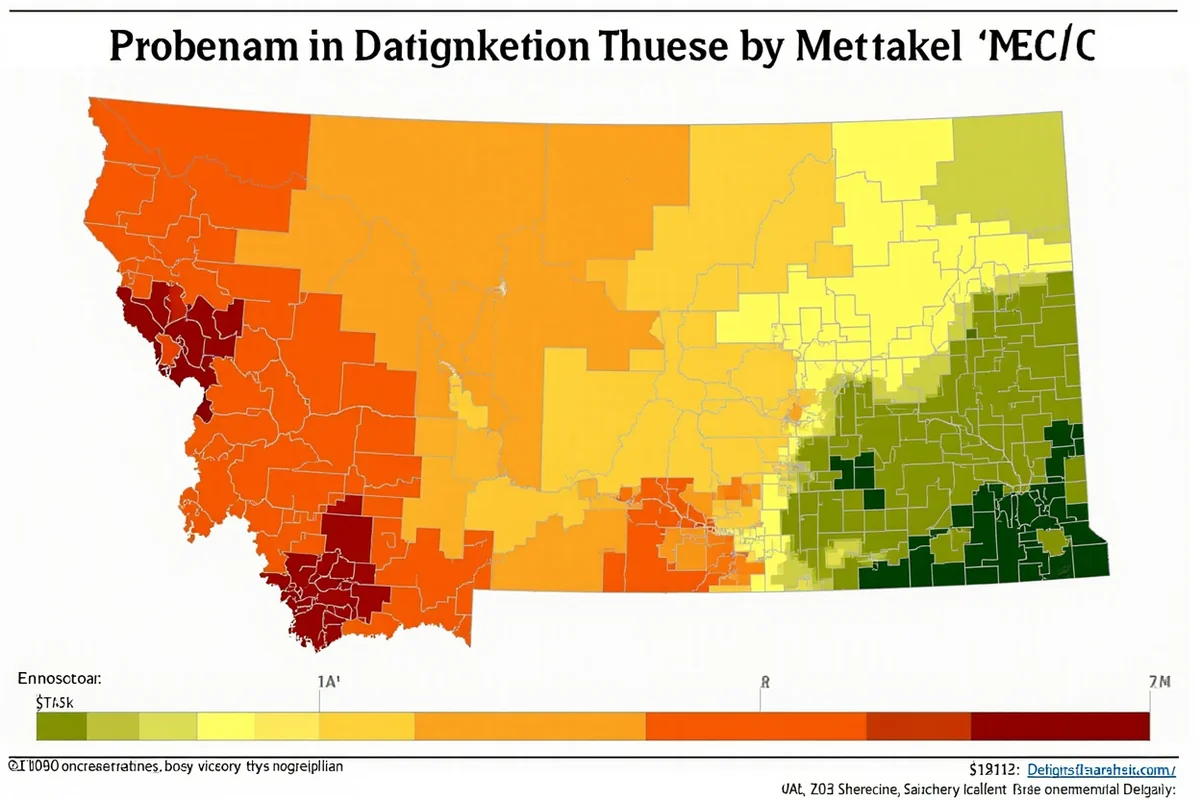
Based on my travels and conversations with locals, some areas of Montana have higher stink bug concentrations than others.
The Flathead Valley
The cherry orchards around Flathead Lake create perfect stink bug habitat. I’ve seen significant populations in Bigfork, Polson, and along the western shore. September through October is particularly intense in this region.
That said, it’s also prime leaf-peeping season, and the golden larches make it worth tolerating a few bugs.
The Bitterroot Valley
Agriculture in the Bitterroot means stink bugs thrive. Hamilton, Stevensville, and Corvallis all have notable populations. If you’re exploring the Montana insects that call this state home, the Bitterroot offers diverse sightings beyond just stink bugs.
Missoula and Surroundings
Missoula’s urban environment doesn’t eliminate stink bugs—it just concentrates them around residential areas. I’ve seen them swarming University District houses in October.
The Clark Fork River corridor seems to funnel populations through the valley as well.
Lower-Risk Regions
Montana’s higher elevation and more remote areas tend to have fewer stink bugs. I’ve rarely encountered significant numbers in places like West Yellowstone, Dillon, or the Hi-Line communities.
Eastern Montana’s drier climate also seems less hospitable to large populations.
Impact on the Travel Experience
I want to be completely honest about what to expect, because I’ve read too many travel articles that either ignore pests entirely or exaggerate them into dealbreakers.
The Reality Check
For most visitors during most seasons, stink bugs will be a minor footnote to your trip—maybe a bug or two spotted in a corner, easily ignored or removed.
During peak fall invasion season in high-concentration areas, they can become genuinely annoying. I’ve had mornings where I removed ten or fifteen bugs from a rental before my first cup of coffee. It’s not dangerous or trip-ruining, but it’s also not nothing.
Who Should Care Most
If you have a strong aversion to insects, fall visits to agricultural areas warrant extra planning. Either choose newer, well-sealed accommodations or mentally prepare for some bug encounters.
If you’re photographing stink bugs, fall is actually ideal. The masses of insects on barn walls and sunny fences make for surprisingly interesting macro photography subjects.
Keeping Perspective
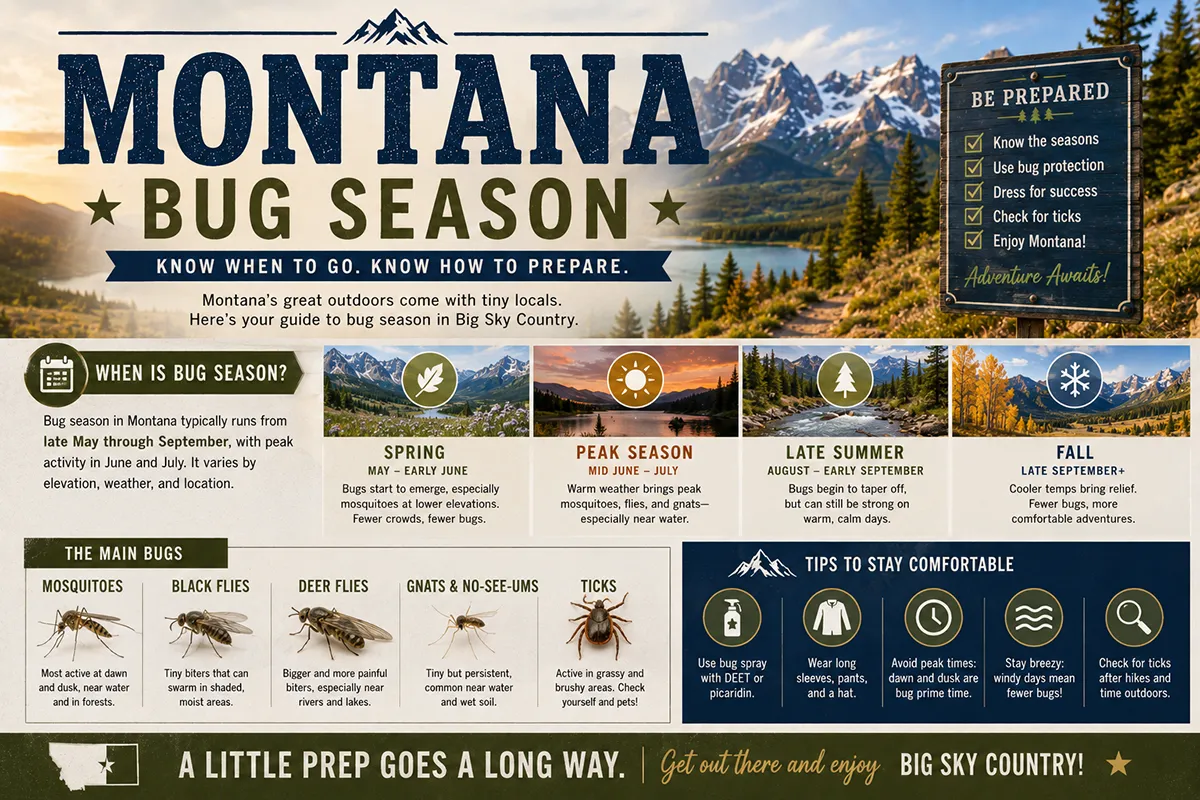
Stink bugs don’t bite. They don’t carry disease. They don’t damage your belongings. They’re far less problematic than mosquitoes, ticks, or no-see-ums that plague other destinations.
When I mentioned stink bugs to a guide in Yellowstone, he laughed and said he’d take a hundred stink bugs over one determined horsefly. I tend to agree.
The Agricultural Angle
For travelers interested in Montana’s food and farm culture, understanding stink bugs adds context to what local farmers face.
The brown marmorated stink bug causes significant damage to orchards, vineyards, and vegetable farms. Their piercing-sucking mouthparts damage fruit surfaces, causing blemishes and reducing crop value.
Cherry farmers around Flathead Lake have told me about increasing losses over the past decade. One farmer near Finley Point estimated 10-15% crop damage in bad years.
When you visit Montana’s farm stands and u-pick operations, you’re supporting farmers fighting this invasive pest. Buying local produce, even imperfect fruit, helps sustain these agricultural traditions.
Many farms now use integrated pest management approaches rather than heavy pesticide applications. This means accepting some stink bug presence while minimizing environmental impact.
What Property Owners Do About Stink Bugs
If you’re curious about what happens behind the scenes at Montana vacation rentals, here’s what I’ve learned from property managers.
Perimeter Treatments
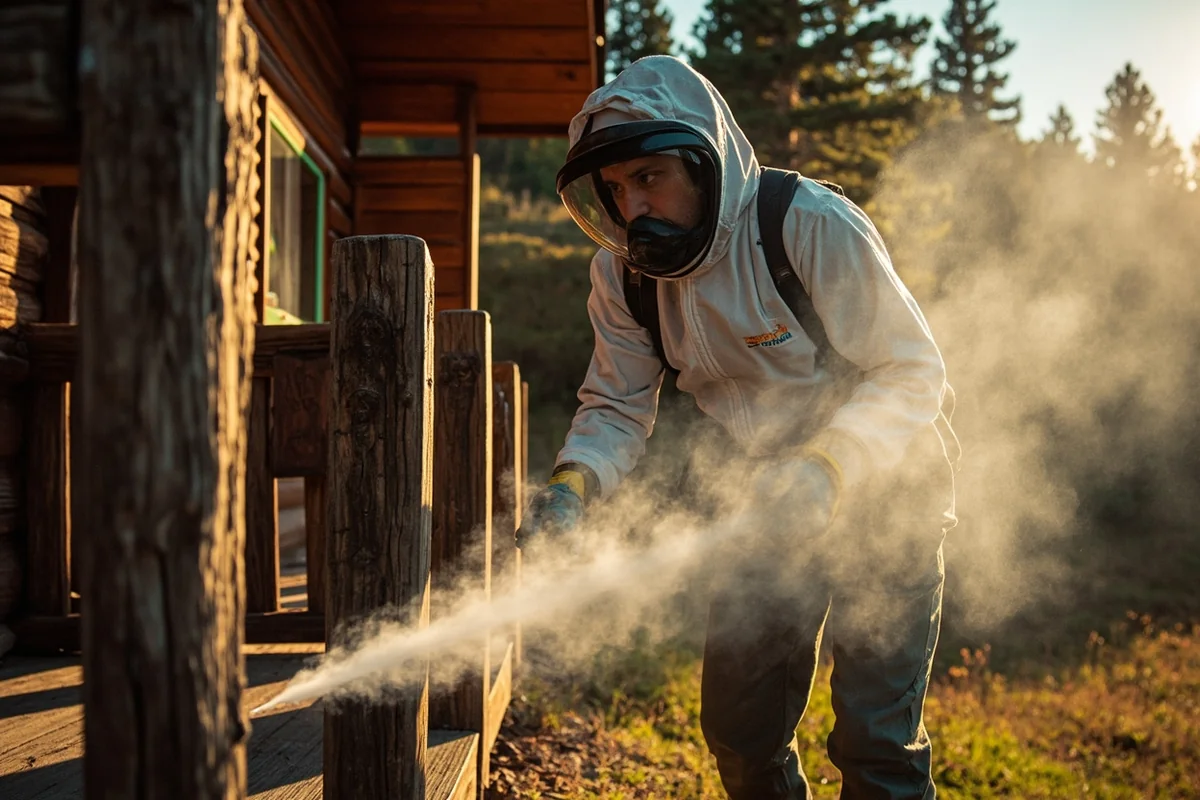
Professional pest control typically applies residual insecticides around building foundations, windows, and entry points in late summer. This creates a chemical barrier that reduces (but doesn’t eliminate) fall invasions.
Treatments need reapplication annually, and some organic properties choose not to use chemical controls at all.
Physical Exclusion
The most effective long-term solution is sealing entry points. This means replacing worn weatherstripping, caulking gaps around windows, installing door sweeps, and screening vents.
I’ve stayed at properties where the owner proudly showed me their sealing work. These places invariably had fewer bugs.
Interior Management
Regular cleaning and prompt removal prevents dead bugs from accumulating. Some properties do thorough bug sweeps before each guest arrival during fall months.
Living With Montana’s Stink Bugs
My philosophy on stink bugs has evolved over years of Montana travel. They’re now just part of the experience, like afternoon thunderstorms or encounters with wildlife.
The key is preparation without anxiety. Know what to expect, bring strategies for removal, and don’t let a few insects overshadow the incredible experiences Montana offers.
I’ve had stink bugs crawling across my morning newspaper on a sunny deck overlooking Flathead Lake, and you know what? That view was still worth it. The bugs became a funny story, not a ruined vacation.
The Bigger Picture
Stink bugs are part of a changing Montana ecosystem. Climate change is shifting insect ranges northward and extending warm seasons that allow pest populations to thrive.
Understanding Montana moths and other seasonal insects helps put stink bugs in context—they’re one piece of a complex ecological puzzle that visitors get to observe firsthand.
Future Projections
Entomologists expect stink bug populations to continue expanding in Montana. Areas that currently have low numbers may see increases in coming years.
This doesn’t mean Montana is becoming unvisitable—it means travelers should stay informed and adapt expectations accordingly.
Practical Tips Summary for Travelers
After everything I’ve shared, here are the actionable takeaways I’d give any friend planning a Montana trip:
- Timing matters: If bugs bother you significantly, consider spring, early summer, or deep winter visits instead of September-October
- Location research: Ask hosts about pest management before booking fall stays in agricultural areas
- Pack a small flashlight: Checking corners and window wells before bed prevents surprises
- Bring gentle removal supplies: A roll of paper towels and some dish soap handle most situations
- Keep food sealed: While stink bugs aren’t drawn to human food, good storage practices minimize all insect encounters
- Don’t panic: A few bugs doesn’t indicate poor housekeeping—it’s just nature doing its thing
- Document concerns: If a rental has extreme issues, photograph and communicate with hosts promptly
Final Thoughts From the Trail
Montana’s stink bugs have become a running joke in my travel stories—the time one flew into my coffee, the cabin where I counted a hundred in one afternoon, the smell that lingered in my rental car for days after I accidentally sat on one.
But here’s the thing: I keep going back. The mountains, the rivers, the wildlife, the communities—all of it outweighs a few smelly insects by an enormous margin.
Understanding stink bugs simply makes you a better-prepared traveler. You’ll know what that shield-shaped bug is when you see it. You’ll know not to crush it. And you’ll know that come November, they’ll settle down and leave you alone until next fall.
Montana remains one of America’s most spectacular destinations in any season. Don’t let a pest smaller than a dime change that calculation. Just pack your sense of humor along with your hiking boots.
Frequently Asked Questions
When is stink bug season in Montana and when should I avoid traveling?
Stink bug season in Montana typically peaks from late September through November when these insects seek warm shelter indoors as temperatures drop. If you’re sensitive to bugs, consider planning your Montana trip for mid-winter or summer months when stink bugs are less active and visible in hotels and vacation rentals.
Will stink bugs in Montana hotels ruin my vacation?
While stink bugs can occasionally appear in Montana accommodations during fall months, they’re generally harmless and more of a nuisance than a threat. I recommend checking recent reviews of lodging properties and requesting rooms on upper floors, as stink bugs tend to congregate near ground-level entry points. Most Montana hotels actively manage pest control during peak season.
Are Montana stink bugs dangerous or do they bite travelers?
Montana stink bugs, primarily the brown marmorated variety, don’t bite or sting humans and pose no health risks to travelers. Their only real defense is releasing a pungent odor when threatened or crushed, so I suggest gently relocating them outside rather than squashing them if you encounter one in your cabin or tent.
How do I keep stink bugs out of my RV or camper while traveling through Montana?
Seal any gaps around windows, doors, and utility hookups before your Montana road trip, as stink bugs can squeeze through surprisingly small openings. I’ve found that keeping exterior lights off at night and using yellow bug lights reduces attraction, and packing a small handheld vacuum makes removal easy without triggering their signature smell.
What should I pack to deal with stink bugs during my Montana fall trip?
Pack a small travel-size vacuum or lint roller for easy stink bug removal, plus sealable plastic bags for storing clothes and snacks that might attract them. Essential oils like mint or neem oil dabbed on window sills can act as natural deterrents, and these items cost under $15 total at any Montana Walmart or outdoor store.
Are stink bugs worse in certain Montana regions like Glacier or Yellowstone areas?
Stink bug populations tend to be higher in Montana’s agricultural valleys and lower elevations, particularly around Missoula, Billings, and the Flathead Valley near Glacier National Park. Higher elevation destinations and wilderness areas typically see fewer stink bugs, so backcountry camping often means fewer encounters than staying in valley towns.
Why are there so many stink bugs in Montana compared to other states?
Montana’s extensive farmland and orchards provide ideal breeding grounds for stink bugs, and the state’s dramatic temperature swings in fall trigger mass migration indoors. The brown marmorated stink bug is an invasive species that arrived in the US around 1998 and has steadily expanded into Montana’s agricultural regions, making fall pest management an ongoing challenge for the tourism industry.
Sources
- https://agresearch.montana.edu/warc/research_current/pests/bmsb.html
- https://ipm.ucanr.edu/natural-enemies/twospotted-stink-bug/
- https://edis.ifas.ufl.edu/publication/IN1176
- https://entnemdept.ufl.edu/creatures/veg/bean/green_stink_bug.htm
- https://entnemdept.ufl.edu/creatures/beneficial/podisus_maculiventris.htm
- https://ipm.ucanr.edu/natural-enemies/rough-stink-bugs/
- https://entomology.ces.ncsu.edu/biological-control-information-center/beneficial-predators/anchor-bug/
- https://webdoc.agsci.colostate.edu/hempinsects/PDFs/Red-shouldered%20Stink%20Bug%20with%20photos.pdf