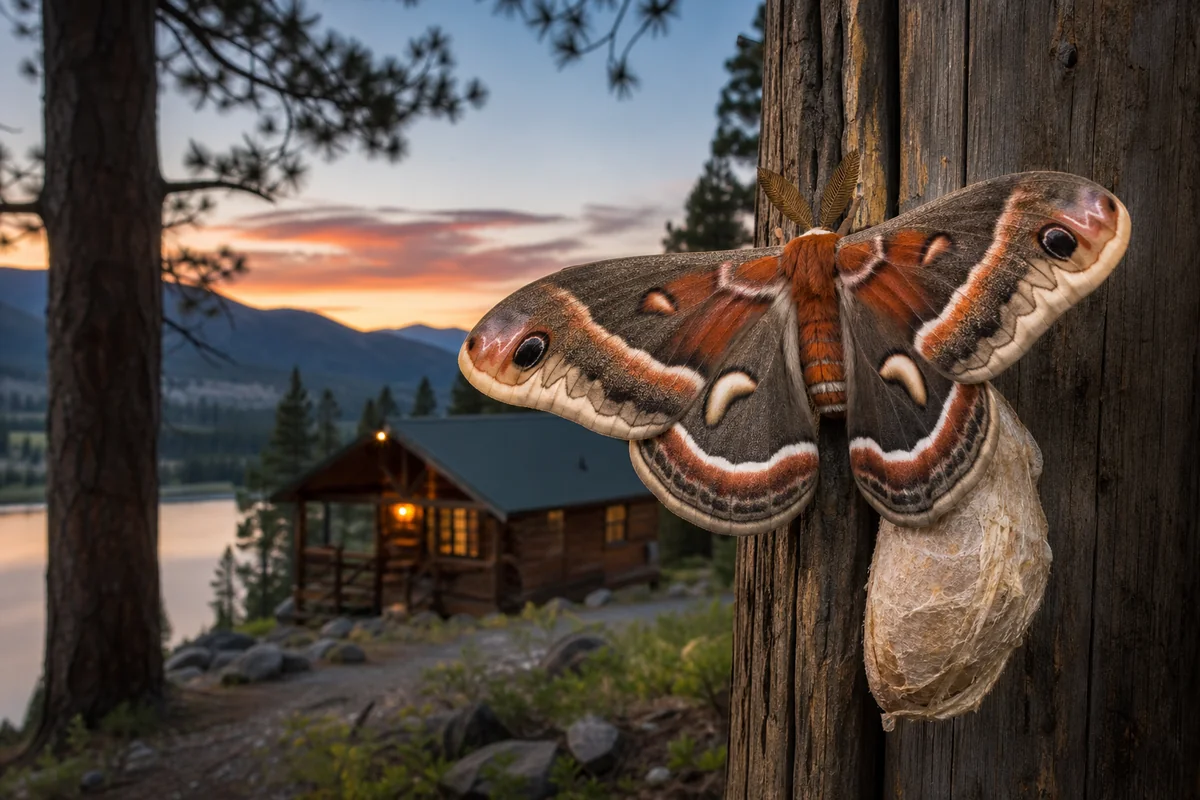
The first time I watched a Cecropia moth emerge from its cocoon at my cabin near Missoula, I couldn’t believe something that large—with a wingspan wider than my hand—existed in Montana.
That single moment three summers ago transformed me from someone who swatted at anything fluttering near my porch light into a dedicated moth enthusiast who now plans entire camping trips around peak emergence seasons.
Moths are the overlooked majority of Montana bug season, outnumbering butterflies roughly ten to one in this state.
While most visitors focus on avoiding mosquitoes or marveling at butterflies, the moth diversity here is genuinely world-class—and understanding what you’re seeing adds an entirely new dimension to any Montana adventure.
- Montana hosts over 2,000 moth species—47 are common enough that visitors regularly encounter them
- Peak moth activity runs May through September, with June-July offering the most spectacular species
- Giant silk moths (Cecropia, Polyphemus, Luna) are the showstoppers, found statewide near deciduous trees
- Sphinx moths hover like hummingbirds and are active at dusk in gardens and wildflower meadows
- Most moths are completely harmless; only a few caterpillars cause minor skin irritation
- Best viewing spots: Glacier National Park lodges, Flathead Lake shorelines, Bozeman’s Peet’s Hill area
- A simple blacklight setup will attract dozens of species to your campsite within an hour
Liked this article?
Add Roaming Montana as a preferred source so you see more of our articles and guides on Google.
Why Montana Is a Moth Hotspot (And Why You Should Care)
I’ll admit that before I moved to Montana eight years ago, moths were just “those brown things” that ate my sweaters.
What I didn’t understand is that Montana’s unique position—straddling the Continental Divide with ecosystems ranging from shortgrass prairie to alpine tundra—creates perfect conditions for extraordinary moth diversity.
The state’s relatively low light pollution outside major cities means moth populations here haven’t been decimated like they have in more developed regions.
During my first summer mothing near Seeley Lake, I counted 67 distinct species in a single night using nothing but a bedsheet and a UV flashlight.
For travelers, this matters because moths are everywhere you’ll be visiting. They’re at your campsite, your cabin rental, your hotel porch, and every trailhead parking lot at dusk.
Instead of being confused or alarmed by what’s landing near you, knowing what you’re looking at transforms these encounters into highlights rather than nuisances.
Understanding Montana’s moths also helps you avoid unnecessary panic about Montana bug bites—the vast majority of moths couldn’t bite you even if they wanted to, since many adult species don’t even have functional mouthparts.
The Giant Silk Moths: Montana’s Most Spectacular Species
Let me be clear about something: seeing your first giant silk moth in person is a core memory in the making.
These aren’t internet-famous for nothing. During my time exploring Montana’s wilderness, I’ve encountered all four of the state’s giant silk moth species, and each one stopped me in my tracks.
Cecropia Moth (Hyalophora cecropia)
The Cecropia is North America’s largest native moth, and Montana’s population is thriving. Last June, I found three of them in a single evening clinging to the exterior walls of the Izaak Walton Inn near Essex—apparently, the warm wood siding mimics their natural tree bark resting spots.
These moths are unmistakable: rusty red-brown wings with crescent-shaped white and red markings, and a body as thick as my thumb.
Wingspan ranges from 5 to 7 inches. They’re found wherever wild cherry, maple, birch, or willow trees grow, which means most of western Montana and river corridors in the east.
Peak emergence happens mid-May through early July. Adults live only about two weeks and don’t eat at all—their sole purpose is reproduction. I’ve had my best luck spotting them around 10 PM to 2 AM near deciduous trees.
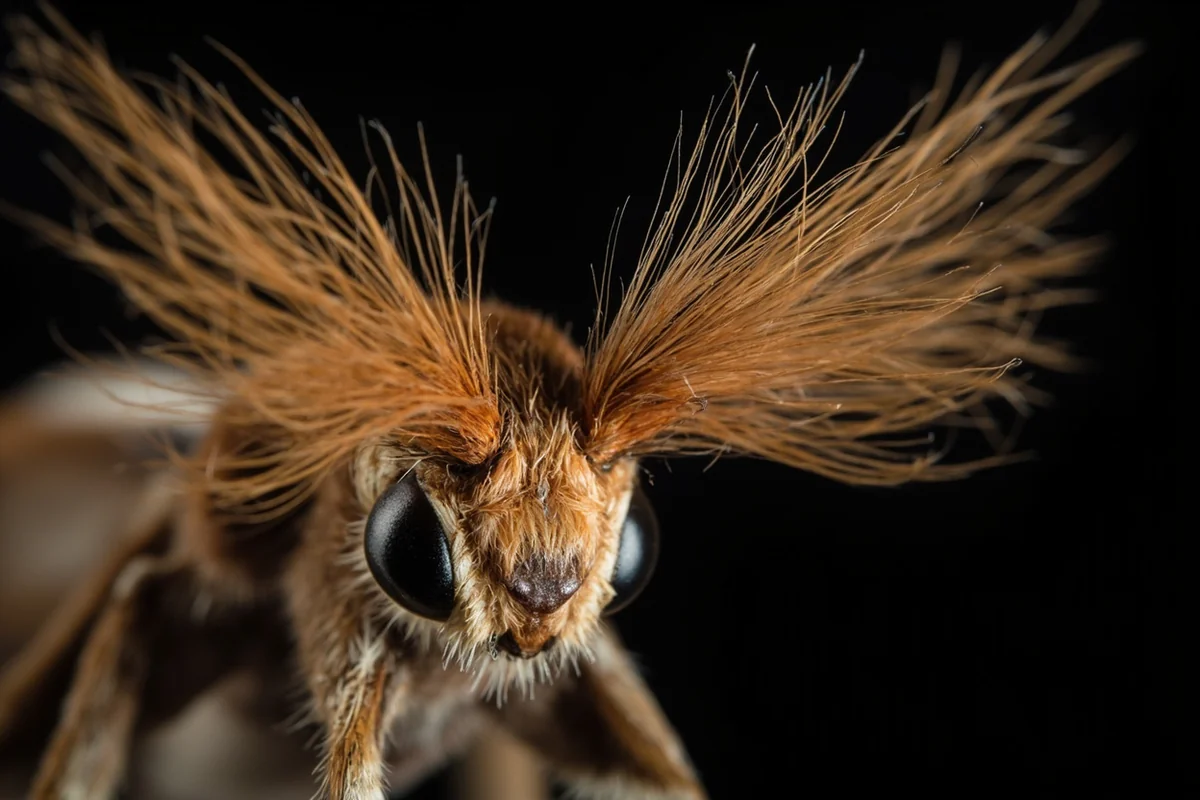
Polyphemus Moth (Antheraea polyphemus)
Named for the one-eyed giant of Greek mythology, the Polyphemus sports enormous eyespots on its hindwings that’ll make you do a double-take.
I photographed a stunning specimen near Bigfork two summers ago—the eyespots were so realistic that my hiking partner genuinely thought an owl was staring at us from the tree trunk.
These moths are tan to golden brown, with a wingspan of 4 to 6 inches. The eyespots serve as predator deterrents; when threatened, the moth flashes its hindwings to startle would-be attackers.
They’re slightly more common than Cecropia in Montana and appear from late May through August. Caterpillars feed on oak, willow, maple, and birch—look for adults near these trees throughout the western half of the state.
Columbia Silk Moth (Hyalophora columbia)
This is Montana’s specialty species—a close relative of the Cecropia that’s adapted specifically to northern Rocky Mountain ecosystems. I spent three seasons trying to find one before finally spotting a female near Lolo Pass during a late June camping trip.
Columbia silk moths look similar to Cecropia but are slightly smaller with more muted coloring and a distinctive white collar.
They’re associated with larch and tamarack forests, making the Seeley-Swan Valley and areas around Glacier National Park prime territory.
If you’re a serious moth enthusiast, this is the species to seek out—it’s uncommon enough to be exciting but present enough to actually find with effort.
Sheep Moth (Hemileuca eglanterina)
Here’s a curveball: the sheep moth is technically a giant silk moth, but it breaks all the rules. It flies during the day, not at night. It’s brightly colored in pink, yellow, and black. And it’s found in mountain meadows rather than forests.
I encountered a mating pair near Yellowstone’s Lamar Valley during a wildlife-watching trip, and they were more visually striking than some of the birds I’d come to photograph. Their caterpillars are worth noting—they’re covered in branching spines that can cause skin irritation if handled.
Sphinx Moths: The Hummingbird Mimics
Sphinx moths (also called hawk moths) are the athletes of the moth world, and Montana has about 30 species.
These are the ones that hover at flowers like hummingbirds, fly at incredible speeds, and often prompt visitors to ask, “What kind of bird was that?”
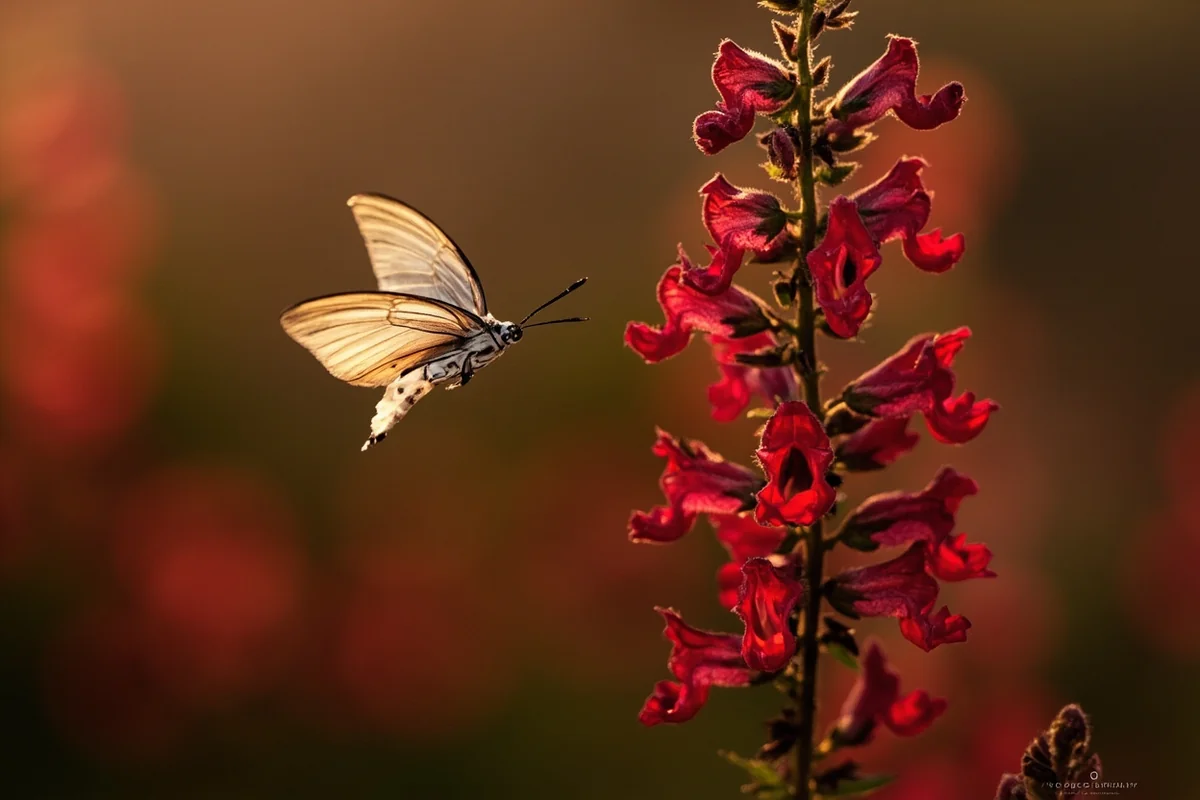
White-Lined Sphinx (Hyles lineata)
This is the sphinx moth you’re most likely to see in Montana, and probably the one that’ll have you Googling “hummingbird moth” at your campsite. It’s brown with white stripes along the forewings and a distinctive pink hindwing flash.
During my time camping near Helena last August, these moths swarmed the evening primrose patches so densely that I could hear them humming from 20 feet away. They’re active from dusk through full darkness and again briefly at dawn.
Pro tip: if you’re staying somewhere with a garden featuring petunias, four-o’clocks, or evening primrose, just wait. White-lined sphinx moths will show up.
Hummingbird Clearwing (Hemaris thysbe)
Unlike most moths, the hummingbird clearwing is active during daylight hours, making it the species visitors most often confuse for an actual hummingbird. Clear wing panels, a fuzzy olive body, and a burgundy band across the abdomen are the giveaways.
I see these regularly at the horsemint and bee balm patches around Bozeman’s Peet’s Hill trail from June through August. They’re smaller than white-lined sphinx moths but just as acrobatic.
Big Poplar Sphinx (Pachysphinx occidentalis)
This massive gray-brown sphinx moth has a wingspan up to 5.5 inches and looks like a stealth bomber when it lands. The scalloped wing edges provide remarkable camouflage against cottonwood bark—which is convenient, since cottonwood is its primary host plant.
Look for these along river corridors statewide. The Missouri River breaks and Yellowstone River valley cottonwood groves are particularly productive. I found my first one stuck to the door of my truck near Miles City; it had apparently mistaken the gray paint for tree bark.
Underwing Moths: Masters of Disguise
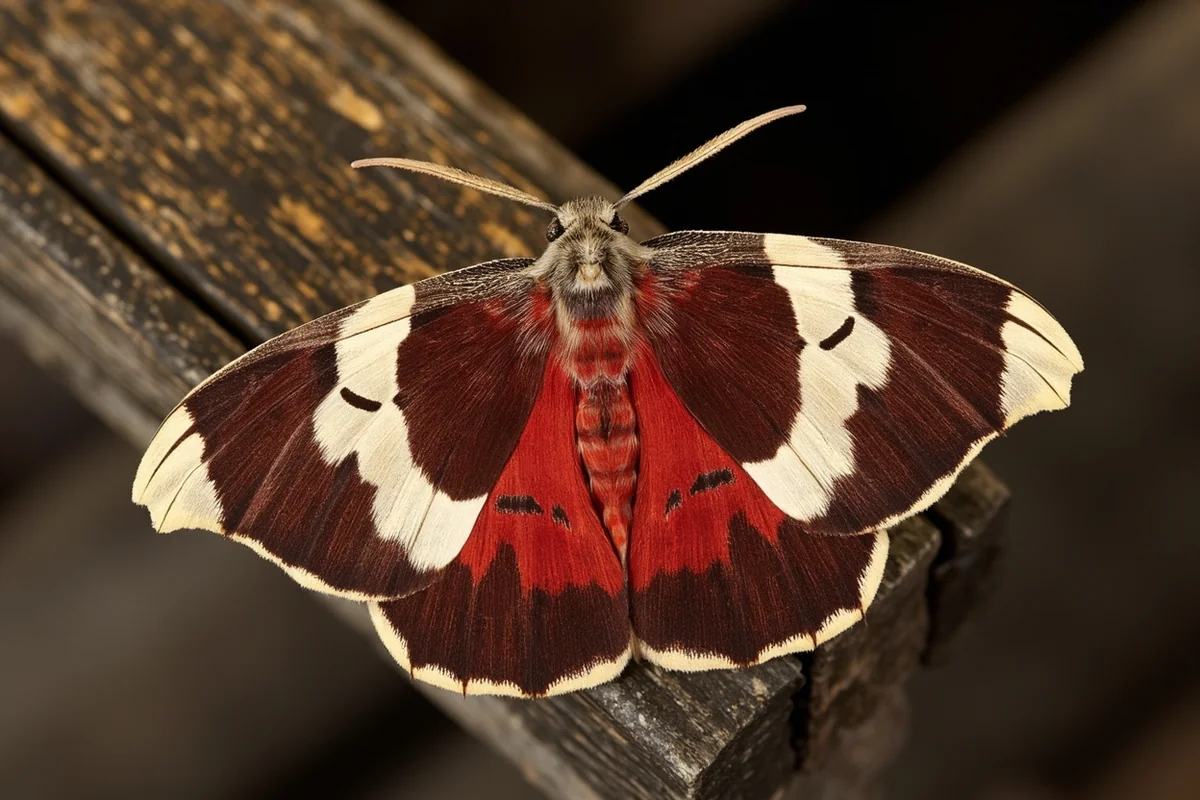
The underwing moths (genus Catocala) deserve special attention because they represent a perfect example of Montana’s hidden biodiversity. There are over 25 species in the state, and each one features the same brilliant trick: drab, bark-like forewings concealing brilliantly colored hindwings.
When resting, an underwing moth is nearly invisible against tree bark. When disturbed, it flashes its hindwings—which might be bright red, orange, pink, or black-and-white striped—startling predators long enough to escape.
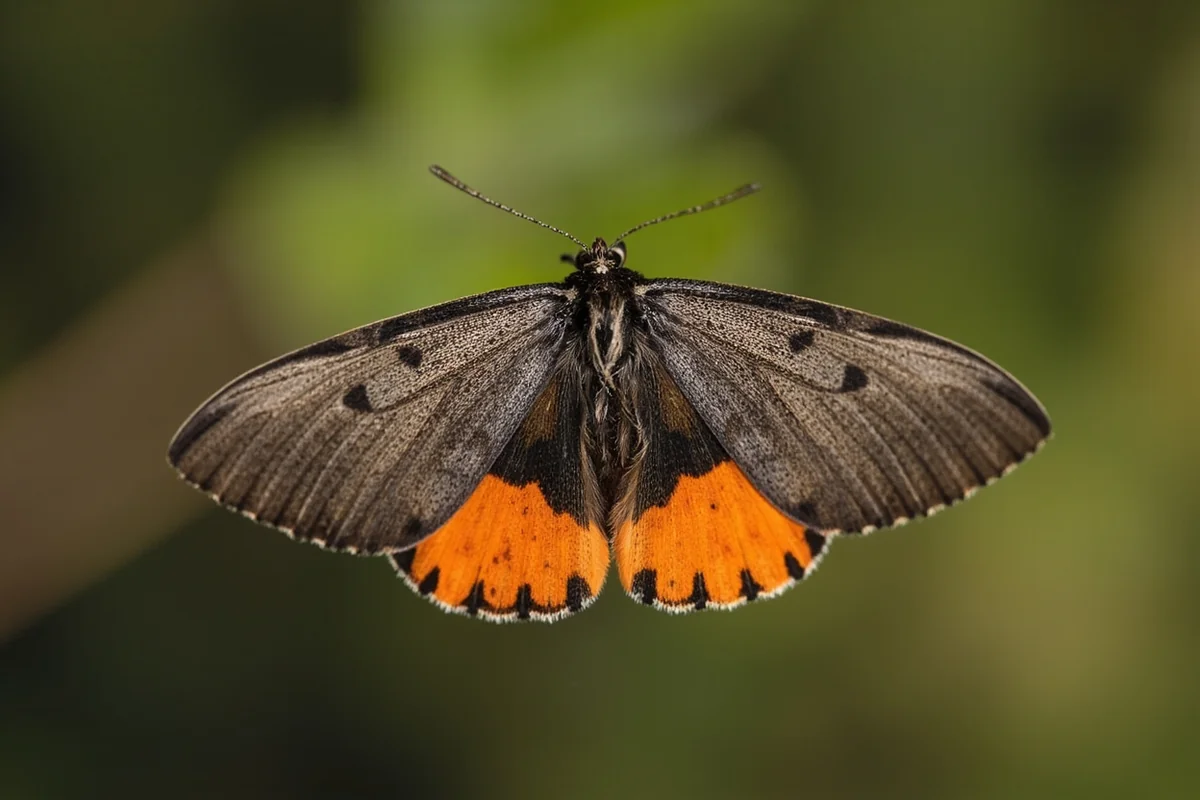
My favorite encounter happened near Glacier National Park’s Apgar Village. I was photographing what I thought was just interesting bark texture when my subject suddenly revealed brilliant crimson hindwings and flew to a nearby tree. It was an Ultronia underwing, and I spent the next hour finding three more in the same grove.
To find underwings, look closely at tree trunks—especially oak, poplar, and willow—during daylight hours. They rest head-down and blend in remarkably well. A gentle tap on the trunk will sometimes prompt them to fly, revealing their hidden colors.
The Moths That Might Concern You (And Shouldn’t)
As someone who writes about Montana insects regularly, I know that many visitors arrive worried about encounters with unfamiliar bugs. Let me address the moths that sometimes cause unnecessary alarm.
Miller Moths
If you’re visiting Montana between late May and early July, you will encounter miller moths. These are army cutworm moths in their adult phase, migrating from the eastern plains to high mountain areas to feed on alpine flower nectar.
During migration, they can appear in huge numbers, clustering around lights and finding their way into buildings through tiny gaps. Last June, I counted over 200 clinging to the exterior of a gas station in Livingston during a single evening.
Here’s what you need to know: they’re completely harmless. They don’t bite, sting, or carry diseases. They’re dusty because their wings are covered in scales (like all moths), and yes, that dust transfers when you handle them. They’re also a critical food source for grizzly bears in high alpine areas—the bears eat millions of them each summer.
If they’re getting into your accommodation, check weather stripping around doors and windows. A towel rolled under the door helps. Otherwise, just scoop them up and release them outside.
Tent Caterpillars
While technically in the caterpillar stage, tent caterpillars belong to moth species (Malacosoma genus) and are common enough in Montana to mention. You’ll see their silken tent structures in wild cherry and apple trees from May through July.
The caterpillars themselves are hairy but not dangerously so—handling them might cause mild skin irritation in sensitive individuals, but nothing compared to more problematic species found in other states. The adult moths are small, tan, and unremarkable.
Clothes Moths and Pantry Moths
Yes, Montana has the same household pest moths found elsewhere. Webbing clothes moths and Indian meal moths occasionally infest homes and rental properties. If you notice small moths in a kitchen or closet, that’s likely what you’re seeing.
These aren’t a wilderness concern—they’re an indoor pest issue. They’re far less exciting than Montana’s wild moths but worth mentioning since visitors sometimes conflate all moth sightings.
A Seasonal Guide to Montana Moths
Timing your trip to coincide with peak moth activity dramatically improves your chances of memorable encounters. Here’s what I’ve observed over eight years of mothing across the state:
| Season | Month Range | Notable Species | Best Locations |
|---|---|---|---|
| Early Spring | April – May | Early spring moths, tissue moths | Lower elevation valleys |
| Late Spring | May – June | Giant silk moths begin emerging, miller moth migration | Statewide, deciduous forests |
| Peak Summer | June – July | Maximum diversity: silk moths, sphinx moths, tigers | Glacier NP, Flathead Valley, Bozeman area |
| Late Summer | August – September | Underwings peak, sphinx moths continue | River corridors, mountain meadows |
| Fall | September – October | Geometrid moths, late-season noctuids | Lower elevations statewide |
For the best all-around experience, I recommend late June. The giant silk moths are still emerging, sphinx moths are fully active, and diversity is at its peak. July remains excellent but can be hotter and smokier in fire-prone years.
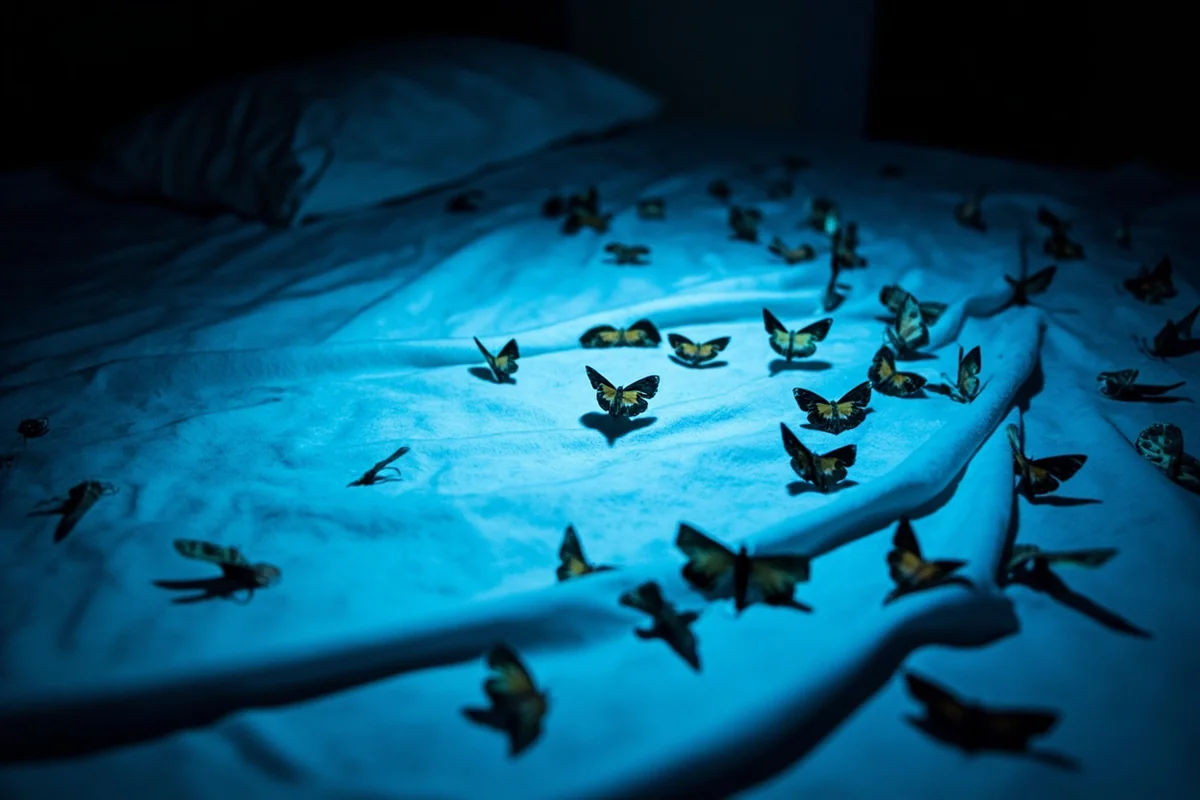
How to Attract and Observe Moths at Your Campsite
One of my favorite things about mothing is how accessible it is. You don’t need expensive equipment or special skills—just some basic gear and patience. Here’s what’s worked for me across dozens of Montana camping trips.
The Blacklight Sheet Method
This is the gold standard for moth observation, and it’s surprisingly simple:
- Hang a white bedsheet from a rope between trees or draped over your vehicle
- Position a UV (blacklight) flashlight or battery-powered UV lamp to illuminate the sheet
- Wait 30-60 minutes after sunset for moths to begin arriving
- Observe and photograph the moths that land on and around the sheet
I use a rechargeable UV flashlight that cost about $25 and a flat white sheet from a thrift store. On good nights near Seeley Lake, I’ve had sheets so covered with moths that the white fabric was barely visible.
Important tip: turn off or cover all other light sources at your campsite. Moths are attracted to the brightest light available, so competition from headlamps or lanterns reduces effectiveness.
Natural Attraction Methods
Before artificial light was available, naturalists used “sugaring”—painting tree trunks with a fermented mixture of brown sugar, overripe fruit, and beer. I’ve tried this with mixed results in Montana; it works better in warmer, more humid climates.
What does work here is simply paying attention. Porch lights at lodges, gas stations, and rest stops attract enormous numbers of moths. Some of my best sightings have come from simply scanning the exterior walls of buildings at night.
The exterior lights at Many Glacier Hotel in Glacier National Park are legendary among Montana moth enthusiasts. On warm June nights, the diversity there is staggering.
Daytime Moth Finding
Not a night person? Plenty of moths can be found during daylight hours. Sphinx moths like the hummingbird clearwing are active all day. Sheep moths fly in mountain meadows under full sun. Geometrid moths often rest on tree trunks and can be found by careful observation.
I also check underneath loose bark, inside old buildings, and in shaded crevices where night-flying moths rest during the day. Some of my best silk moth photographs came from daytime discoveries.
Tiger Moths, Tussock Moths, and Other Notable Groups
Beyond the showstopper species, Montana hosts dozens of moth groups that are worth knowing about. Here are the ones I encounter most frequently.
Tiger Moths (Family Erebidae)
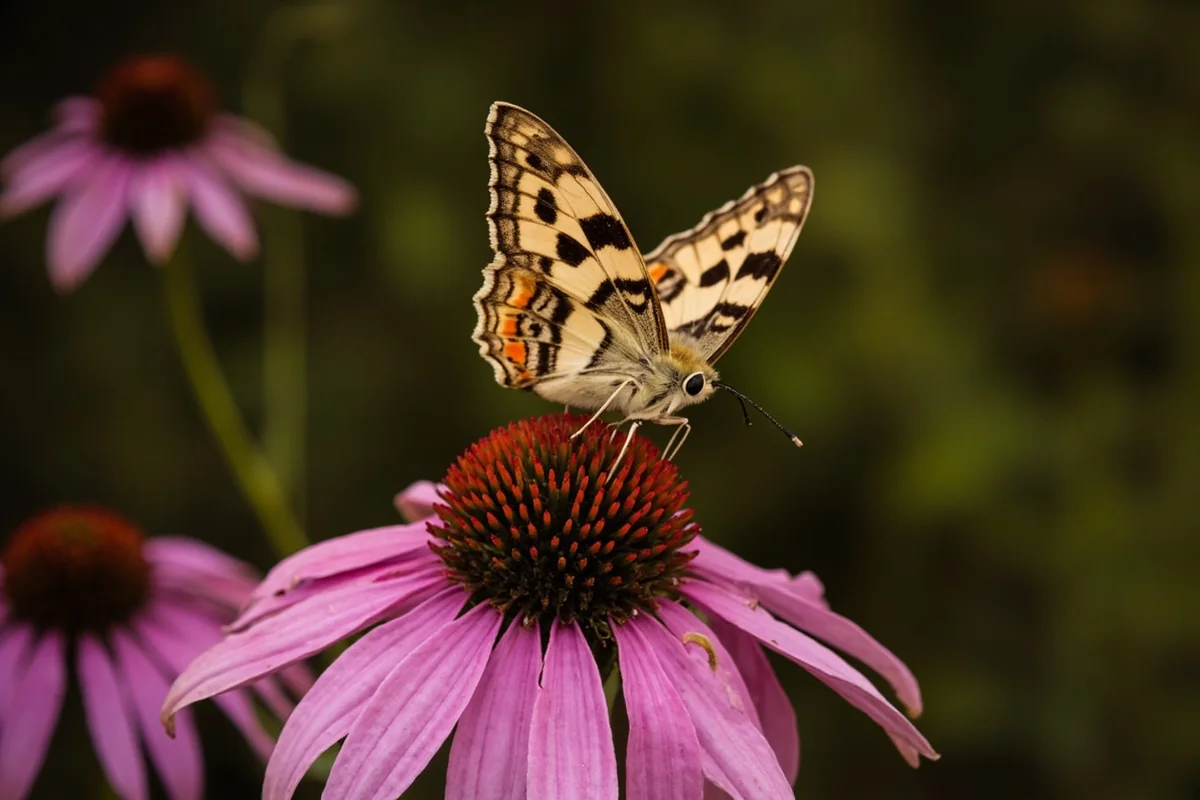
Tiger moths are named for their often-bold wing patterns. Montana’s most common species include:
The banded woolly bear’s adult form—the Isabella tiger moth—is cream-colored with sparse black spots. You’ve probably seen the caterpillar (the fuzzy orange-and-black “woolly bear”) crossing trails in late summer.
The ornate tiger moth features striking white wings with black spots and an orange-red abdomen. I see these commonly around flowering plants at dusk throughout western Montana.
The virgin tiger moth is boldly patterned in pink, black, and white. Despite the flashy coloring, I’ve only seen a handful in Montana—they seem to prefer prairie habitats in the eastern part of the state.
Geometrid Moths (Inchworm Moths)
These small to medium moths are named for their caterpillars’ distinctive “inchworm” locomotion. Adults typically hold their wings flat when resting and have relatively slender bodies.
Montana has hundreds of geometrid species, making them impossible to fully cover here. What I will say is that these are often the “little brown moths” fluttering around your campfire—but look closer. Many have intricate wave patterns, scalloped wing edges, or subtle color variations that reward examination.
Tussock Moths
The tussock moths include some species with caterpillars featuring distinctive “tussocks” (tufts) of hair. The Douglas-fir tussock moth occasionally reaches outbreak levels in Montana forests, causing noticeable defoliation.
Adult tussock moths are typically drab gray or brown—the caterpillars are far more distinctive. If you see a caterpillar with bright hair tufts and a row of spots down its back, you’re likely looking at a tussock moth larva.
Where to See Montana’s Best Moths
After years of exploring this state’s nocturnal insect life, these are my top recommendations for moth-watching locations:
Glacier National Park
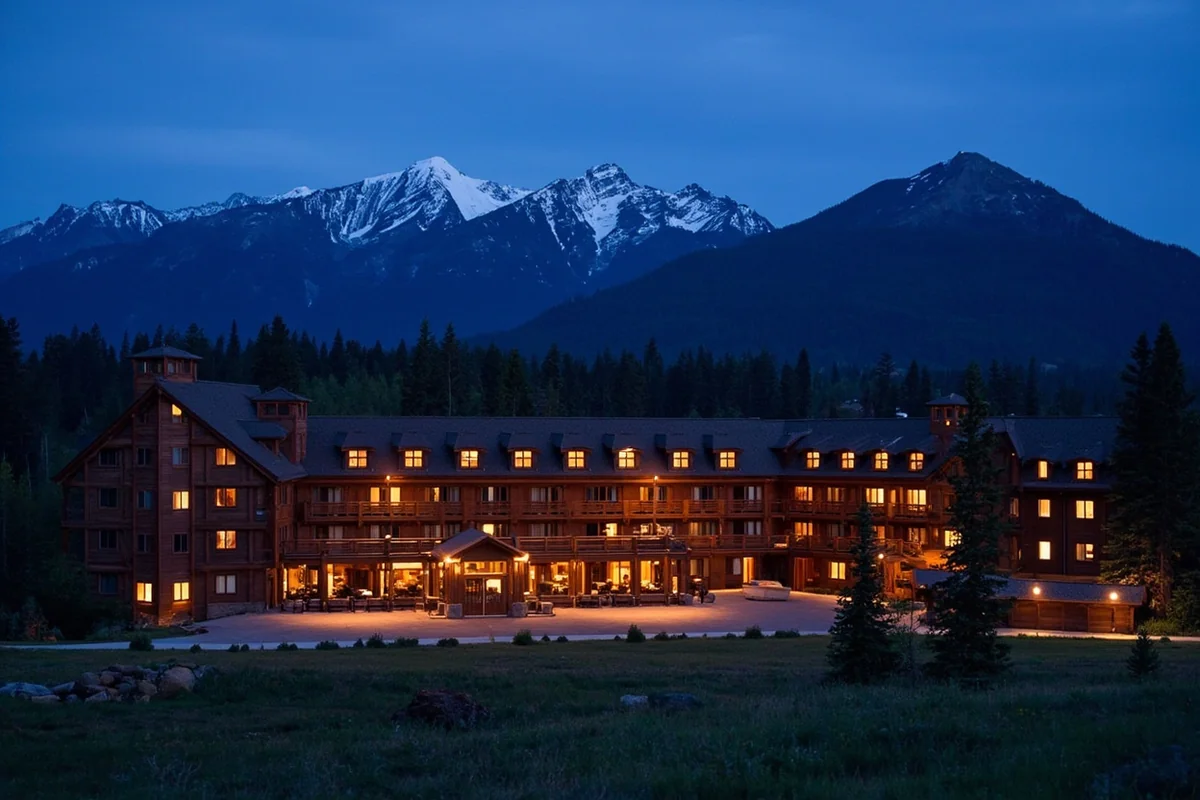
The park’s lodges—particularly Many Glacier Hotel and Lake McDonald Lodge—attract spectacular moth diversity to their exterior lights. I’ve identified over 40 species in a single night at Many Glacier. The combination of diverse forest types, elevation gradients, and relatively intact ecosystems makes Glacier unbeatable.
Best timing: Mid-June through mid-July
Best strategy: Check building exteriors between 10 PM and midnight
Flathead Lake and Vicinity
The cherry orchards and deciduous forests around Flathead Lake support excellent populations of silk moths and underwings. Bigfork and Polson both offer good urban mothing opportunities at streetlights and storefront windows.
Best timing: Late May through July
Best strategy: Evening walks through residential areas with mature trees
The Seeley-Swan Valley
This corridor between the Mission and Swan mountain ranges hosts Montana-specific species like the Columbia silk moth. The mix of larch forest, wet meadows, and riparian zones creates diverse habitat.
Best timing: June
Best strategy: Camping with a blacklight setup
Bozeman Area
For accessible mothing without a major wilderness expedition, Bozeman delivers. Peet’s Hill attracts sphinx moths to its wildflower plantings. The Gallatin Valley’s agricultural edges host diverse noctuids.
Best timing: June through August
Best strategy: Dusk observation at flowering areas, nighttime light attraction in residential zones
Eastern Montana Prairies
Often overlooked, the eastern third of Montana has its own distinctive moth fauna. Prairie sphinx moths and species adapted to grassland habitats are found here and nowhere else in the state.
Best timing: July through August
Best strategy: Blacklight sheets at campgrounds along the Hi-Line or in the Missouri Breaks
Moth Photography Tips for Montana Conditions
I’ve taken thousands of moth photographs across Montana, and I’ve learned some hard lessons about what works in our specific conditions.
Equipment Recommendations
A smartphone with a good macro mode handles most situations adequately. For dedicated macro photography, I use a mirrorless camera with a 90mm macro lens and an external flash with a diffuser.
The key challenge in Montana is wind. Even calm evenings often have enough breeze to make close-up photography difficult. I’ve started carrying small clips to gently hold vegetation still, and I use faster shutter speeds than I would in calmer environments.
Lighting Strategies
Natural light moth photography is challenging since most species fly at night. For sheet-attracted moths, I use my UV light from below and my flash with diffuser from above—this creates even illumination without harsh shadows.
For daytime finds, overcast conditions or open shade produce the best results. Direct Montana sunlight creates challenging contrast on moth wings.
Ethical Considerations
I never refrigerate moths to slow them down for photographs—a common technique that I consider stressful and unnecessary. Patient observation usually yields better results anyway, as most moths settle into a resting position within a few minutes of being disturbed.
I also avoid handling giant silk moths entirely. These species don’t eat as adults and have limited energy reserves; unnecessary stress shortens their already brief lives.
Moths vs. Butterflies: Key Differences for Identification
Since visitors sometimes confuse the two groups, here’s a quick reference for telling moths and butterflies apart:
- Antennae: Butterflies have club-tipped antennae; moths have feathery or filament-like antennae
- Activity time: Most butterflies fly during the day; most moths fly at night (with exceptions in both groups)
- Resting posture: Butterflies typically fold wings vertically above the body; most moths hold wings flat or tent-like
- Body shape: Moths generally have thicker, fuzzier bodies; butterflies are more slender
- Cocoon vs. chrysalis: Moth caterpillars spin silk cocoons; butterfly caterpillars form naked chrysalises
The exceptions prove the rules—sphinx moths and some tiger moths fly during daylight, while a few butterflies are crepuscular. But these guidelines cover 95% of what you’ll encounter.
Conservation and Montana’s Moth Future
Unlike more visible wildlife, moths don’t get much conservation attention. Yet they’re critical pollinators (especially night-blooming plants), essential food sources for bats and birds, and indicators of ecosystem health.
Montana’s moth populations appear relatively stable compared to regions with more habitat loss and light pollution, but threats exist. I’ve noticed fewer miller moths during migration in recent drought years, and climate change is shifting emergence timing for some species.
What can visitors do? The simplest action is avoiding unnecessary outdoor lighting. If your campsite or cabin has exterior lights you don’t need, turn them off. Light pollution disrupts moth navigation and predator avoidance.
Also consider participating in community science projects like iNaturalist. Photographing and uploading moth observations helps researchers track distribution and population changes. I’ve contributed over 2,000 Montana moth records, and several have helped document range expansions for species previously unknown in certain areas.
It’s worth knowing about Montana stink bugs as well—another insect group that’s expanding its range in the state and sometimes gets confused with certain moth species by casual observers.
Practical Considerations for Your Trip
A few final thoughts to help you plan your moth-focused (or moth-aware) Montana experience:
What to Pack
- UV flashlight (rechargeable recommended)
- White bedsheet for moth attraction
- Small rope or cord for hanging sheet
- Field guide (I like the Peterson Guide to Moths of Northeastern North America—covers many Montana species despite the title)
- Camera or smartphone with macro capability
- Red headlamp (moths are less disturbed by red light)
- Notebook for recording observations
Setting Expectations
Moth diversity varies night to night based on temperature, moon phase, wind, and factors we don’t fully understand. I’ve had transcendent nights with 50+ species and frustrating nights with barely a dozen. Warm, calm, moonless nights typically produce the best results.
Also understand that identification takes practice. Many moth species are cryptic and require examination of genitalia (seriously) for definitive ID. Don’t be discouraged if you can’t name everything—enjoying the diversity and beauty doesn’t require a species list.
Health and Safety
Moths themselves pose essentially zero health risk. They don’t bite, sting, or transmit diseases to humans. A few caterpillar species (like tussock moth caterpillars) can cause minor skin irritation, but this is easily avoided by not handling hairy caterpillars.
The main safety consideration with moth watching is the nighttime activity itself—watch your footing, be aware of wildlife, and let someone know where you’ll be if you’re heading out alone.
The Magic of Moths: A Final Thought
I’ll close with this: moths have fundamentally changed how I experience Montana. What used to be “nighttime” is now an entirely separate realm of activity and beauty that most visitors never discover.
When you’re sitting by your campfire in the Flathead Valley and a sphinx moth zooms past, you’ll know what it is. When a giant silk moth lands on your cabin porch near Glacier, you’ll recognize one of North America’s most magnificent insects. When the miller moths descend in June, you’ll understand their ecological role rather than just being annoyed.
That knowledge enriches every Montana trip. And unlike spotting a grizzly or hearing wolves howl, encountering spectacular moths is something you can almost guarantee with a little preparation and patience.
I hope this guide helps you see Montana’s night skies—and the creatures navigating them—with fresh appreciation. These overlooked animals are one of Big Sky Country’s greatest hidden treasures, and they’re waiting for you at every campsite, cabin, and trailhead in the state.
Frequently Asked Questions
When is moth season in Montana and when can I see the most species?
Montana’s moth season runs from late May through September, with peak activity occurring in July and August when warm nights bring out the greatest diversity. I’ve found that the best viewing happens about 1-2 hours after sunset when temperatures stay above 55°F. If you’re planning a trip specifically for moth watching, targeting mid-summer gives you the best chance to spot everything from giant silk moths to hawk moths.
What are the most common moths I’ll encounter while camping in Montana?
You’ll frequently see Polyphemus moths, White-lined Sphinx moths, and various underwing moths around campgrounds and lodges throughout Montana. The impressive Cecropia moth, North America’s largest native moth with wingspans up to 6 inches, is a memorable find in forested areas. Army cutworm moths are particularly abundant near mountain regions, where they serve as a crucial food source for grizzly bears in places like Glacier National Park.
Are Montana moths dangerous or do any species bite travelers?
Montana moths are completely harmless to humans and don’t bite, sting, or carry diseases that affect people. The only minor concern is that some fuzzy caterpillars, like those of the White-marked Tussock moth, can cause skin irritation if handled directly. I always recommend looking but not touching caterpillars, and you’ll have no issues enjoying these fascinating nocturnal insects during your trip.
What gear should I pack for moth watching during my Montana vacation?
Bring a quality headlamp with a red light setting (around $25-40) to observe moths without disturbing them, plus a white sheet and portable UV or blacklight ($15-30) to attract species at your campsite. I also recommend packing a macro lens or clip-on phone magnifier for photography, insect repellent for mosquitoes, and layers since Montana nights can drop into the 40s even in summer. A basic field guide to North American moths runs about $20 and makes identification much easier.
Where are the best locations in Montana to see unique moth species?
Glacier National Park and the surrounding Flathead Valley offer incredible moth diversity, while the alpine meadows around the Beartooth Highway attract high-elevation specialists you won’t find elsewhere. I’ve had great luck at Montana state parks like Lewis and Clark Caverns, where porch lights attract dozens of species on warm nights. The Missouri River Breaks and grassland areas of eastern Montana host different prairie moth species, making a cross-state trip worthwhile for serious enthusiasts.
Do moths in Montana affect outdoor activities like hiking or fishing?
Moths rarely interfere with daytime activities since they’re primarily nocturnal, though you might spot resting moths on tree bark or buildings during hikes. Evening fishing trips along Montana rivers often attract caddisflies and moths to your headlamp, which can actually improve fishing as trout feed actively on these insects. The only real consideration is keeping your tent zipped at night if you’re using lights, or you’ll wake up with several curious visitors inside.
How can I tell the difference between Montana moths and butterflies while traveling?
Moths typically have feathery or thread-like antennae and rest with wings flat or tent-like, while butterflies have thin, clubbed antennae and rest with wings folded upright. Most moths you’ll encounter in Montana are active at night around lights and campfires, whereas butterflies fly during daylight hours. I find that if it’s fluttering around your cabin porch light after dark in Montana, it’s almost certainly a moth worth a closer look.
Sources
- https://fieldguide.mt.gov/displaySpecies.aspx?family=Sphingidae
- https://hea-www.harvard.edu/~fine/CFA/hawkmoth.html
- https://mnfi.anr.msu.edu/species/description/365009/Hypocoena-basistriga
- https://uwm.edu/field-station/three-striped-moths/
- https://s3.wp.wsu.edu/uploads/sites/408/2015/02/PLS-57-Silkworm-Moths.pdf
- https://entomology.ca.uky.edu/files/ef008.pdf