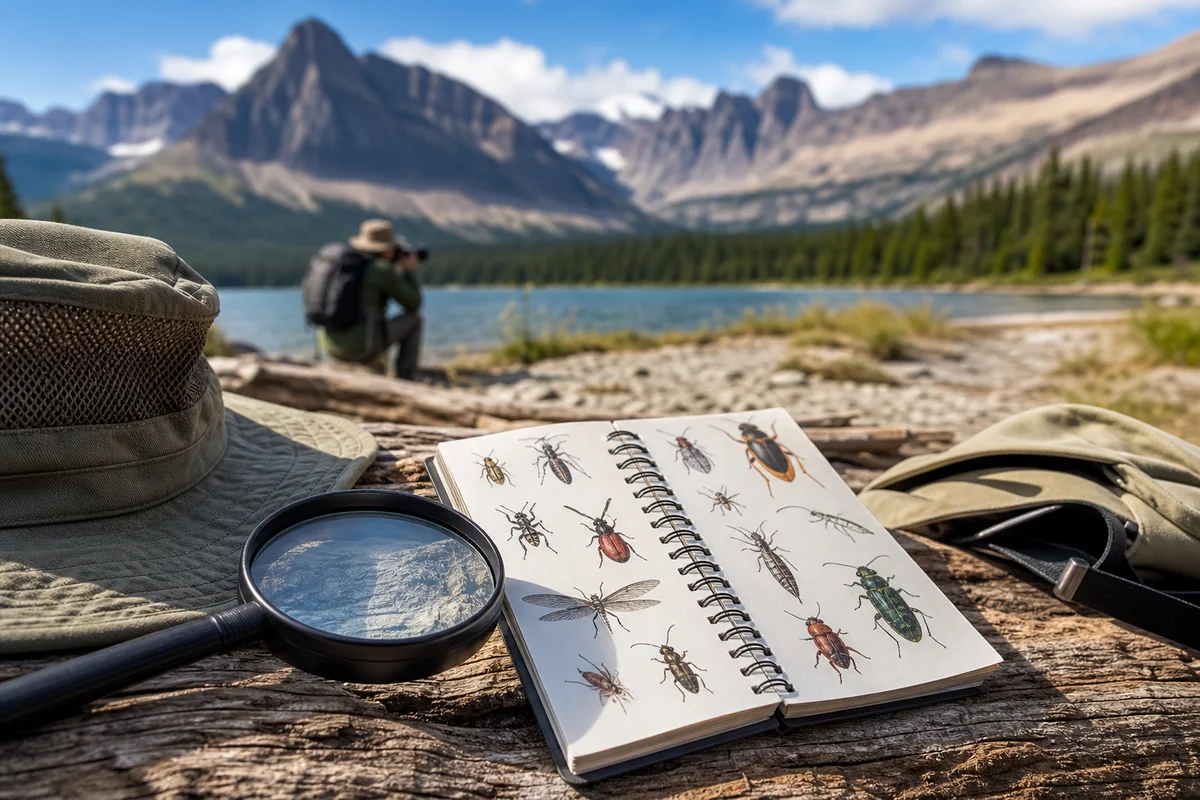
The first time I felt something crawling up my leg while photographing grizzly bears in Glacier National Park, I panicked—only to discover it was a harmless beetle that wanted nothing to do with me.
That moment taught me something crucial about Montana Bug Season: knowing which insects actually matter versus which ones just look intimidating can transform your entire trip experience.
After spending the better part of eight years exploring every corner of Big Sky Country, I’ve had close encounters with nearly every bug this state has to offer.
Some have left me itchy and miserable, others have provided unexpected moments of natural wonder, and a few have sent me running for cover (I’m looking at you, yellow jackets near the Beartooth Highway).
- Montana has 13 insects you’ll commonly encounter, with mosquitoes and horse flies being the most aggressive biters
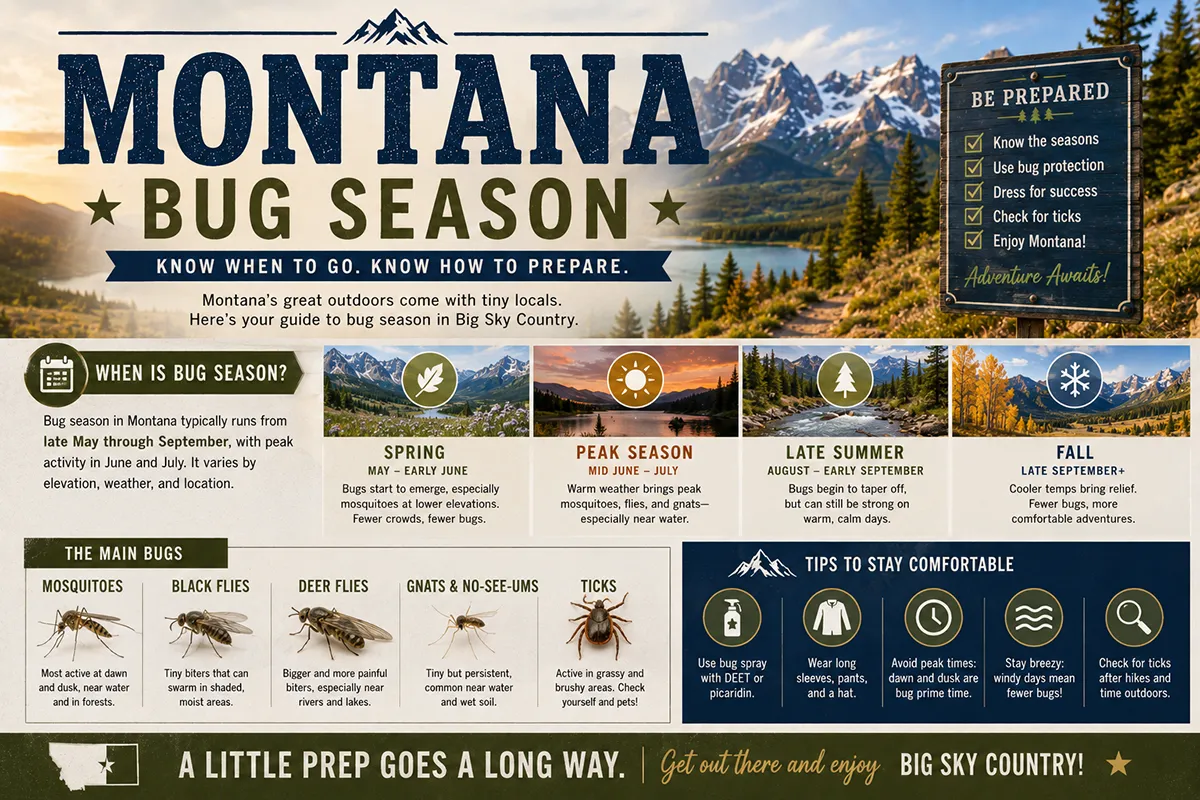
- Peak bug season runs late May through August, with June being the worst month statewide
- Ticks are the only truly dangerous insects due to disease transmission—check yourself daily
- Most “scary-looking” Montana bugs like crane flies and giant water bugs are completely harmless
- Elevation matters: bugs decrease significantly above 7,000 feet
- DEET-based repellents work best; natural alternatives are marginally effective here
Liked this article?
Add Roaming Montana as a preferred source so you see more of our articles and guides on Google.
Why This Guide Is Different From What You’ll Find Elsewhere
I’ve read dozens of Montana insect guides, and most of them read like biology textbooks that tell you everything except what you actually need to know.
They’ll explain the Latin name of a mosquito species but won’t mention that the mosquitoes at Bowman Lake in early June will absolutely destroy you if you’re not prepared.
This guide is built from my actual field notes, countless conversations with park rangers, and yes, plenty of painful lessons learned the hard way.
I’m going to tell you which insects I’ve genuinely worried about, which ones only look scary, and exactly how to protect yourself based on where and when you’re visiting.
If you’re concerned about what might bite you, I also recommend reading through our complete guide to Montana bug bites for identification and treatment tips.
The 13 Montana Insects You’ll Actually Encounter
1. Mosquitoes: The Unavoidable Nemesis
Let me be blunt: Montana mosquitoes are relentless, especially in the western half of the state. During my last trip to the Seeley-Swan Valley in late June, I counted 23 mosquitoes on my arm in the span of about 10 seconds before I could apply repellent.
The state has over 50 mosquito species, but you’ll primarily encounter three: the common house mosquito, the woodland mosquito, and the floodwater mosquito. The floodwater variety is particularly aggressive near rivers after snowmelt.
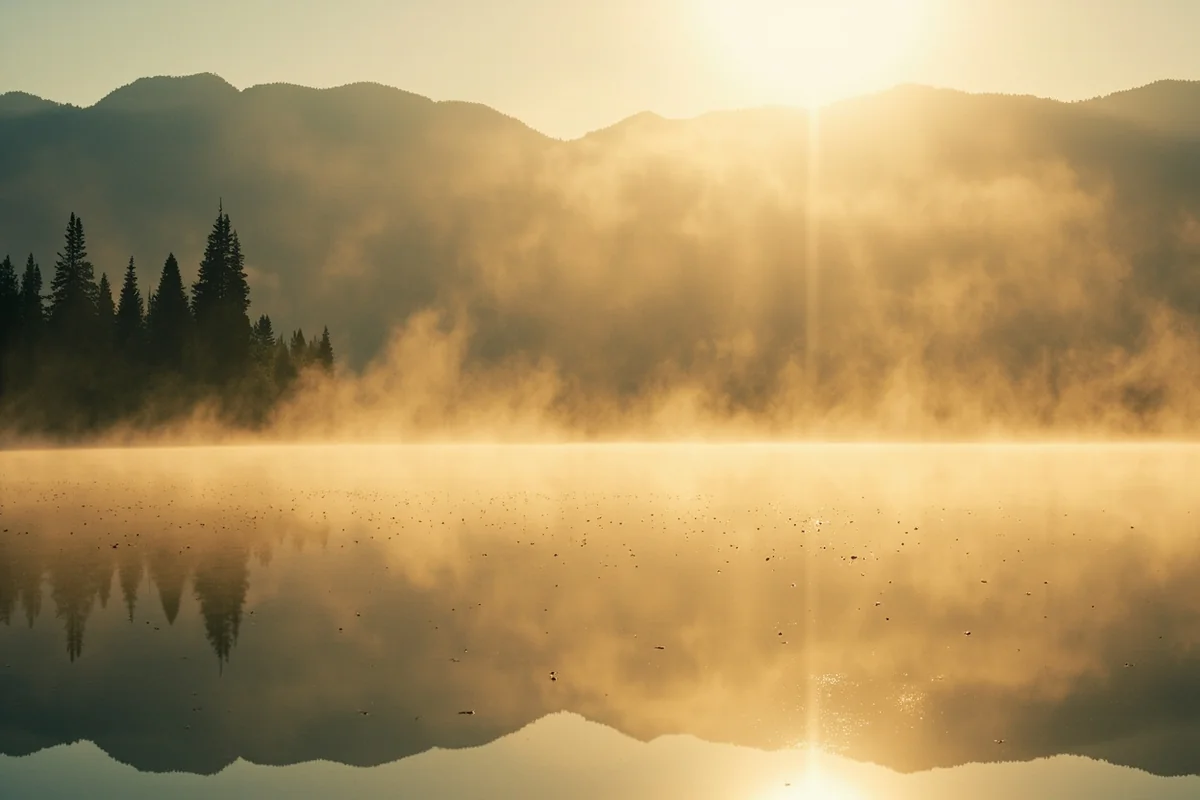
What I’ve learned is that timing matters enormously. Mosquitoes are worst from sunset to about two hours after, and again at dawn. Mid-day hiking? Usually manageable. Sunrise photography at a lake? You’d better be covered head to toe.
2. Horse Flies and Deer Flies: The Painful Biters
If mosquitoes are annoying, horse flies are genuinely painful. I was fishing on the Bitterroot River two summers ago when a horse fly bit through my lightweight fishing shirt—it felt like someone pressed a lit match to my shoulder.
These large, fast-moving flies are most active during hot summer days, particularly near water and livestock areas. They’re attracted to movement and dark colors, which is why I now exclusively wear light-colored clothing when hiking in July and August.
Deer flies are slightly smaller but equally aggressive. I’ve noticed they’re particularly bad in the Paradise Valley and along the lower Yellowstone River corridor. Unlike mosquitoes, DEET only marginally deters them—physical barriers like long sleeves are your best defense.
3. Black Flies: The Underrated Tormentors
Nobody warned me about black flies before my first May trip to the Flathead River area. These tiny, humpbacked flies swarm near running water, and their bites produce welts that itch for over a week.
I’ve found black flies to be worst in the northwestern corner of Montana, particularly around Libby and Troy. They’re active from late May through July and tend to target ears, hairlines, and ankles—anywhere clothing gaps exist.
The good news? They disappear almost entirely above 5,500 feet elevation, which is one reason I’ve shifted most of my early-summer hiking to higher trails.
4. Ticks: The One That Actually Matters Medically
Here’s my honest assessment after years of Montana backcountry travel: ticks are the only insect in this state that genuinely worries me from a health perspective.
Montana has three tick species of concern: the Rocky Mountain wood tick, the American dog tick, and increasingly, the deer tick. The Rocky Mountain wood tick can transmit Rocky Mountain spotted fever and Colorado tick fever, though cases are relatively rare.
During a five-day backpacking trip in the Absaroka-Beartooth Wilderness last June, I removed 11 ticks from my clothing and body. None had attached long enough to pose a danger, but it reinforced how common they are in tall grass and brushy areas.
My tick protocol: tuck pants into socks (fashion be damned), use permethrin-treated clothing, conduct full-body checks every evening, and shower within two hours of returning from the backcountry.
5. Yellow Jackets and Wasps: Late Summer Aggressors
Montana’s yellow jacket population explodes in August and September, exactly when many travelers are visiting for fall colors. I’ve learned to be especially cautious at scenic overlooks and picnic areas where food attracts them.
Last September at the Logan Pass parking area in Glacier, I watched a family abandon their lunch completely after yellow jackets swarmed their sandwiches within minutes. The insects become increasingly aggressive as fall approaches because their colonies are reaching maximum size.
Ground-nesting yellow jackets are particularly hazardous on trails. I accidentally disturbed a nest near Avalanche Lake two years ago and received three stings before I could retreat. If you see unusual ground activity, give it a wide berth.
6. Crane Flies: The Harmless Giant
At least once per week during summer, I encounter a panicked tourist convinced they’ve seen the world’s largest mosquito. In reality, they’ve spotted a crane fly—a completely harmless insect that doesn’t bite, sting, or transmit disease.
These gangly, awkward fliers are abundant near water and in forested areas throughout Montana. They’re attracted to lights at night, which is why you’ll often see them congregating on cabin porches and around campfire areas.
I actually enjoy watching crane flies now. Their clumsy flight patterns and complete indifference to humans make them one of the few insects you can genuinely appreciate without worry.
7. No-See-Ums (Biting Midges): The Invisible Biters
The first time I encountered no-see-ums was during an evening at a rental cabin near Whitefish Lake. I kept feeling bites but couldn’t see a single insect. These nearly invisible midges are small enough to pass through standard window screens.
They’re most problematic in late spring and early summer near lakes and marshy areas. Standard insect repellent helps, but what works best is simply creating airflow—I now always position myself near a breeze or bring a small portable fan when camping near water.
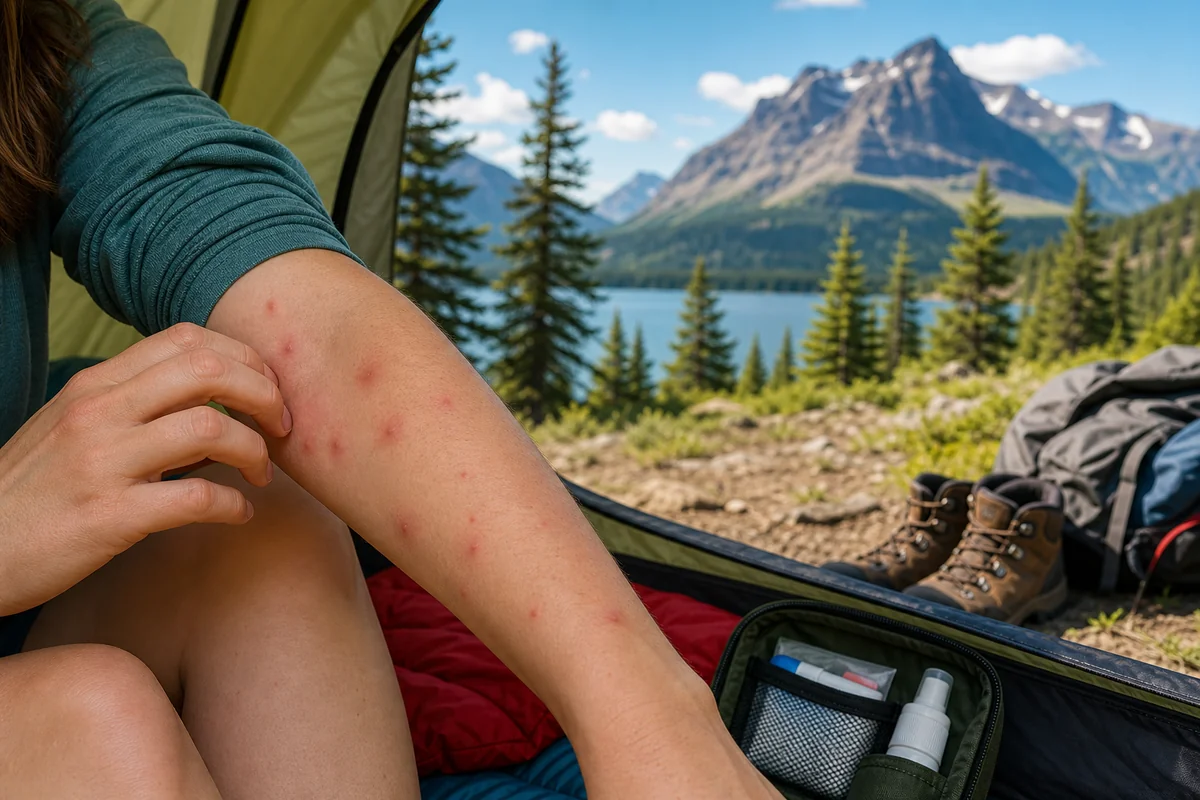
Their bites create small, intensely itchy red spots that can persist for days. I’ve found that anti-itch cream with pramoxine provides the best relief.
8. Boxelder Bugs: Annoying But Harmless
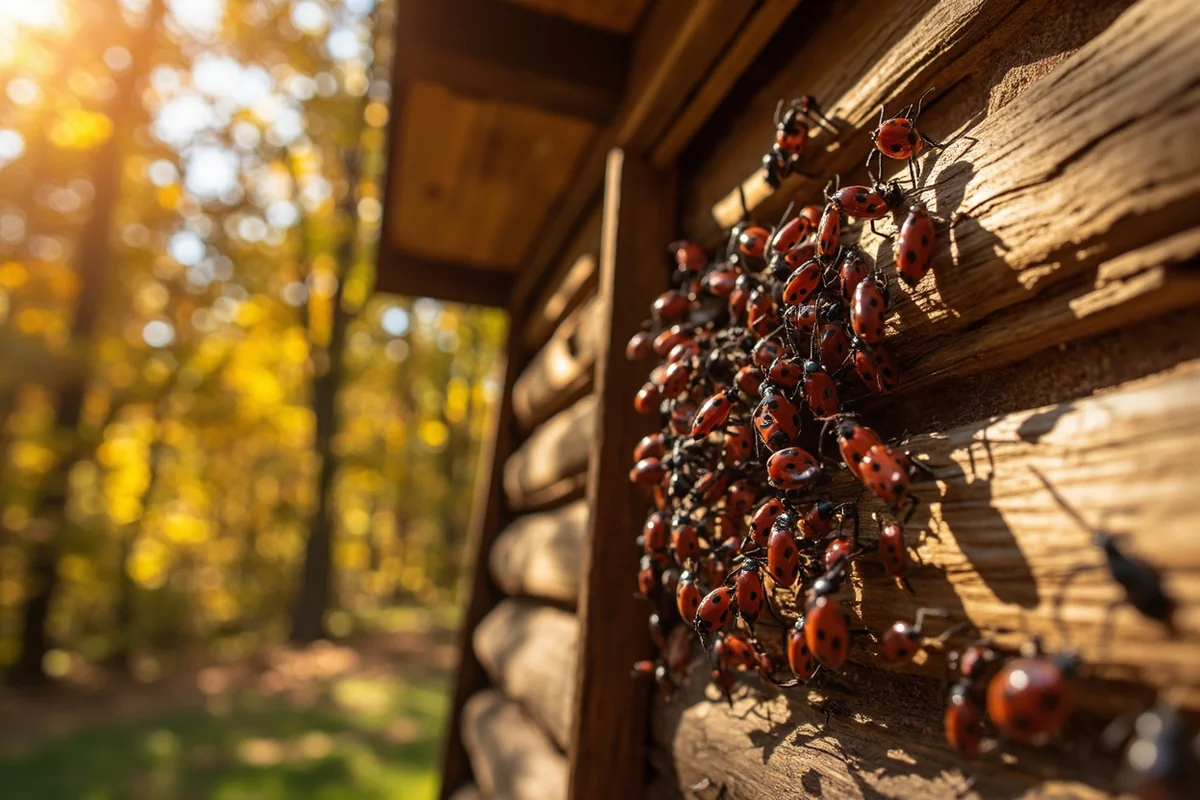
If you’re renting a cabin or staying in an Airbnb in Montana, you’ll likely encounter boxelder bugs, especially in spring and fall. These red and black insects congregate on sunny sides of buildings and sometimes find their way indoors by the hundreds.
During a fall stay in Helena, I counted over 200 boxelder bugs on the south-facing wall of our rental house. They’re completely harmless—they don’t bite, don’t damage structures, and don’t carry disease. They’re just… everywhere.
Property owners use various methods to control them, but as a traveler, simply understanding that they’re harmless can save you unnecessary alarm.
9. Ants: Mostly Background Players
Montana’s ant population is diverse but generally unproblematic for travelers. I’ve encountered carpenter ants in several older cabins and forest lodges, and pavement ants are common in urban areas like Bozeman and Missoula.
The only ants I actively avoid are the harvester ants you’ll find in eastern Montana’s grasslands. Their stings are legitimately painful—I learned this during a rest break near Glendive when I unknowingly sat near their colony.
Fire ants aren’t established in Montana, which is one advantage the state has over southern destinations. Standard food storage practices and keeping your campsite clean are usually sufficient to avoid ant issues.
10. Giant Water Bugs: Scary-Looking River Dwellers
During a kayaking trip on the Clark Fork River near Missoula, I came face-to-face with a giant water bug for the first time. At nearly two inches long with prominent pincer-like forelegs, it looked like something from a science fiction movie.
These aquatic insects can deliver a painful bite if handled, which is why they’re sometimes called “toe-biters.” However, they’re not aggressive toward humans and will only bite in self-defense. I’ve paddled past dozens of them over the years without any issues.
If you’re swimming in slower-moving rivers or reservoirs, just be aware they exist. Don’t grab unfamiliar insects in the water, and you’ll be fine.
11. Grasshoppers: Eastern Montana’s Summer Soundtrack
Traveling through eastern Montana in July and August means experiencing grasshoppers at an almost surreal scale. On a drive between Miles City and Jordan last summer, grasshoppers hit my windshield so frequently that I had to stop twice to clean it.
They’re not harmful to travelers in any way, but they’re impossible to ignore. In heavy outbreak years, they can cover entire roads and make hiking trails feel like walking through a popcorn machine.
I’ve actually come to appreciate grasshoppers as part of the authentic eastern Montana experience. They’re food for the raptors, trout, and other wildlife that make this region special.
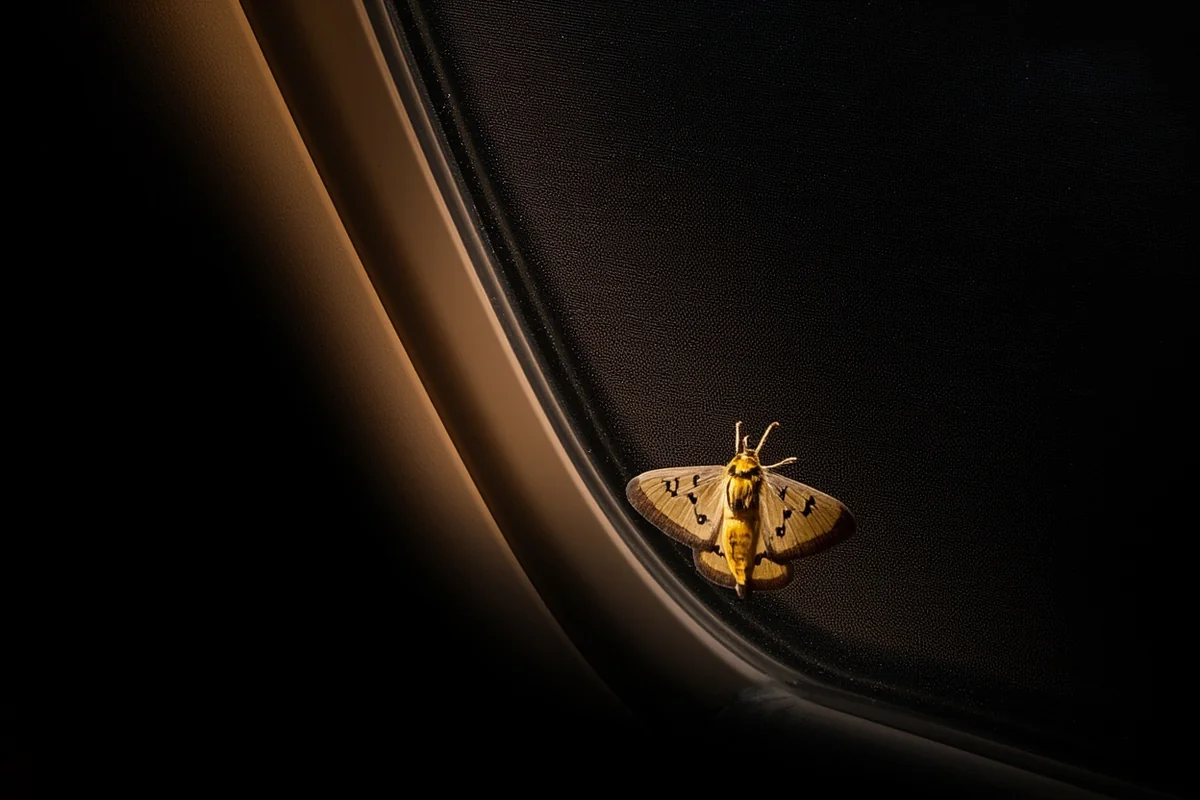
12. Moths: Nighttime Cabin Companions
Montana is home to an impressive variety of moths, and if you’re staying anywhere with artificial lighting, you’ll see them. From the massive cecropia moth with its six-inch wingspan to the tiny, common miller moths that flood the state in June, they’re a constant nighttime presence.
I’ve written extensively about these fascinating insects in our detailed Montana moth guide, but the summary version is simple: they’re harmless, they’re part of Montana’s incredible biodiversity, and they’re worth appreciating rather than fearing.
Miller moth season in June can be overwhelming, with thousands of moths migrating through Montana to reach alpine areas. It’s a spectacle that has to be experienced to be believed.
13. Stink Bugs: The Accidental Invaders
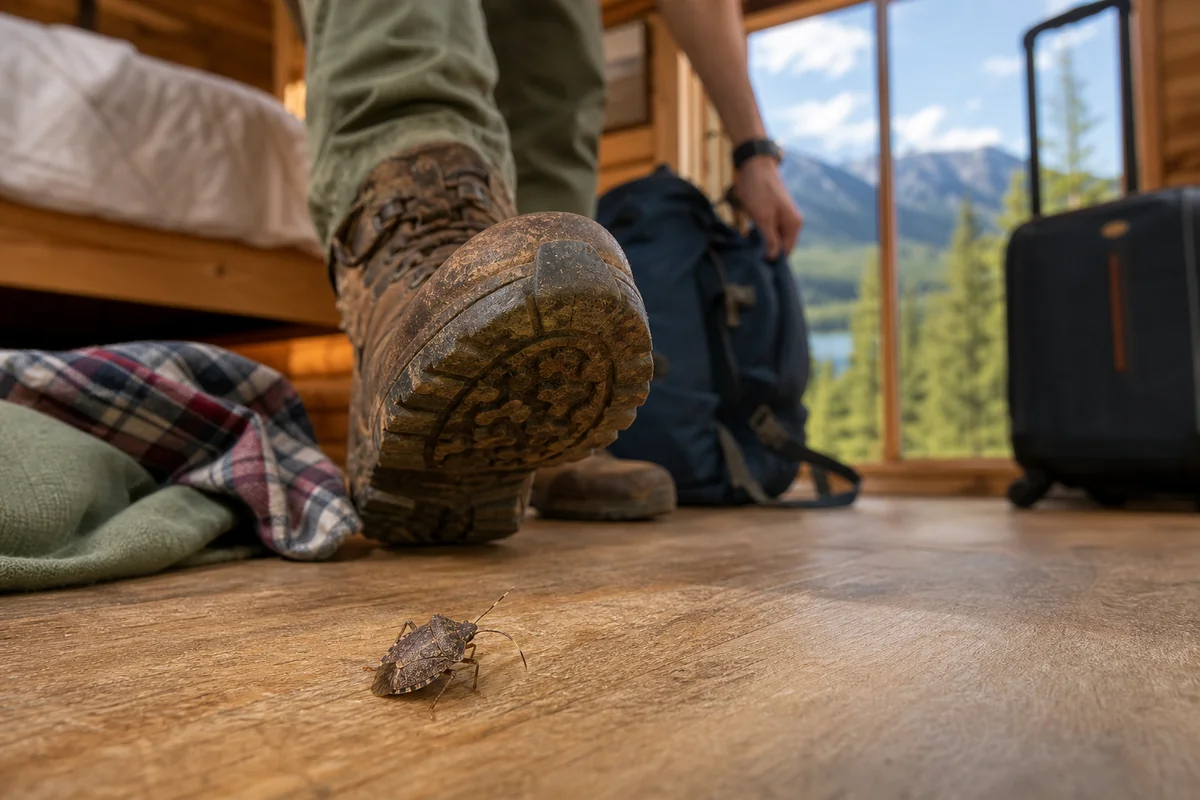
The brown marmorated stink bug has become increasingly common in Montana over the past decade, particularly in urban and agricultural areas. They don’t bite or sting, but they release an unpleasant odor when disturbed—hence the name.
I’ve noticed them most in the Bitterroot Valley and around Billings during fall when they’re seeking warm places to overwinter. Hotels, vacation rentals, and homes all become targets for these seasonal invaders.
For detailed information on identification and why they’ve become more common, check out our complete Montana stink bugs resource. The short version: they’re annoying but utterly harmless.
Understanding Montana’s Bug Seasons by Month
| Month | Primary Insects | Intensity Level | Best Strategies |
|---|---|---|---|
| April | Ticks, early mosquitoes | Low to Moderate | Tick checks only |
| May | Ticks, mosquitoes, black flies | Moderate to High | Full repellent protocol |
| June | Mosquitoes (peak), miller moths, ticks | Severe | Avoid dawn/dusk, head nets |
| July | Mosquitoes, horse flies, deer flies | High | Light clothing, midday activity |
| August | Yellow jackets, declining mosquitoes | Moderate | Food management, wasp awareness |
| September | Yellow jackets (peak), boxelder bugs | Low to Moderate | Careful food handling |
Regional Variations: Where Bugs Are Best and Worst
Western Montana (Glacier, Flathead, Missoula)
This is Montana’s buggiest region, and it’s not even close. The combination of moisture, forests, and lower elevations creates ideal habitat for mosquitoes, black flies, and no-see-ums.
My most intense bug experiences have all occurred in western Montana. The Many Glacier area of Glacier National Park in June is particularly challenging—I’ve seen experienced backpackers cut trips short because they underestimated the mosquito pressure.
That said, this region’s stunning scenery makes it worth the extra preparation. I just plan my visits for late July onward or stick to higher elevation trails where bugs are less problematic.
Central Montana (Helena, Great Falls, Missouri Breaks)
Central Montana offers a middle ground—fewer mosquitoes than the west but more ticks and grasshoppers. The Missouri Breaks region has given me some of my worst tick encounters, so I’m especially vigilant when exploring that area.
Horse flies are common along the Missouri River corridor, particularly near livestock operations. The city areas like Helena and Great Falls have standard urban insect populations that won’t differ much from what you’d experience in other western cities.
Eastern Montana (Billings, Miles City, Glendive)
Eastern Montana’s dry climate means significantly fewer biting insects than the western part of the state. I’ve had entire July camping trips near Makoshika State Park with barely a mosquito sighting.
Grasshoppers dominate the insect scene here, along with various prairie-dwelling species. Harvester ants require attention in grassland areas, and stink bugs have become more common in the Billings area in recent years.
If bugs are a major concern for you, eastern Montana in late summer offers the most comfortable conditions.
Elevation Matters: The 7,000-Foot Rule
One of the most useful things I’ve learned about Montana bugs is what I call the “7,000-foot rule.” Above this elevation, biting insect populations drop dramatically. It’s not absolute—I’ve encountered mosquitoes above treeline in the Beartooths—but it’s a reliable general principle.
This has genuinely shaped how I plan trips during peak bug season. In June, I prioritize trails like Highline Trail in Glacier or routes in the Absaroka-Beartooth Wilderness that keep me at higher elevations.
The tradeoff is that these areas are often still snow-covered in early summer, so you’re balancing bug avoidance against trail accessibility. Late June to mid-July usually offers the best combination of snow-free high trails and reduced insect pressure.
Practical Gear Recommendations Based on Field Experience
Repellents That Actually Work
After testing numerous products across Montana, here’s what I’ve found genuinely effective:
DEET-based repellents (30% concentration) remain the gold standard for mosquitoes, black flies, and ticks. I apply it to clothing rather than skin whenever possible.
Picaridin performs nearly as well as DEET and feels less greasy. I’ve switched to this for day hikes where I’m applying directly to skin.
Permethrin-treated clothing has been a game-changer for tick prevention. I treat my hiking pants and gaiters before each season, and my tick encounters have dropped significantly.
Natural repellents containing lemon eucalyptus oil provide some protection but require frequent reapplication. I consider them a supplement, not a replacement, for synthetic options.
Clothing Strategies
Long sleeves and long pants in lightweight, light-colored fabrics are essential during peak bug season. Yes, it can be hot, but I’d rather be warm than covered in bites.
I’ve become a devoted user of bug-net head gear during June visits to Glacier. The Sea to Summit nano head net weighs almost nothing and has saved countless otherwise-ruined photography sessions.
Gaiters designed for brush and tick protection serve double duty, keeping ticks off my lower legs and giving me peace of mind in tall grass.
For Camping
A tent with fine mesh no-see-um netting is non-negotiable for Montana camping. Standard mosquito netting isn’t fine enough to block the smallest biting midges.
I carry a small, battery-powered fan for creating airflow in tent vestibules during no-see-um season. It sounds excessive until you’ve experienced a night of invisible bites.
Thermacell devices provide a mosquito-free zone around camp that I find genuinely effective. I use mine for cooking and evening relaxation, though I’m careful about placement to avoid disrupting wildlife.
What to Do If You Get Bitten
Despite best preparations, bites happen. Here’s my field-tested approach:
For mosquito and black fly bites, I apply hydrocortisone cream immediately and take an oral antihistamine if I’m getting multiple bites. Cold compresses help with swelling.
For tick bites, I use fine-tipped tweezers to remove the tick as close to the skin as possible, pulling steadily without twisting. I save the tick in a sealed bag with the date noted, just in case symptoms develop later.
Horse fly bites are painful but generally don’t require special treatment beyond cleaning and monitoring. I’ve never had one become infected, but they do tend to welt more than other bites.
If any bite shows signs of infection (increasing redness, warmth, pus, or red streaking), seek medical attention. Montana’s urgent care facilities in larger towns are accustomed to treating outdoor recreation injuries and insect-related issues.
The Bigger Picture: Insects as Part of Montana’s Ecosystem
I want to end with a perspective that took me years to develop: Montana’s insects aren’t just nuisances to be avoided—they’re integral to everything we love about this place.
Those “annoying” mosquitoes feed the trout that make Montana a world-class fly fishing destination. The moths support bat populations and serve as food for countless birds. Even the grasshoppers play crucial roles in nutrient cycling across the prairie.
My relationship with Montana bugs has evolved from pure frustration to something closer to respect. I prepare thoroughly, protect myself effectively, and then try to appreciate these creatures as part of a complex, beautiful ecosystem that I’m privileged to visit.
When a crane fly lands on my arm now, I don’t swat it—I watch it for a moment, marvel at its strange anatomy, and gently encourage it on its way. That shift in perspective has made my Montana travels richer in ways I never expected.
Come prepared, stay protected, and don’t let the bugs keep you from experiencing one of the most spectacular places in North America. After all, they were here first.
Frequently Asked Questions
When is bug season in Montana and what months are insects worst?
Bug season in Montana typically runs from late May through August, with mosquitoes and black flies peaking in June and early July near water sources. I always recommend planning hikes for late August or September if you’re particularly sensitive to biting insects, as populations drop significantly after the first cool nights.
What insect repellent works best for Montana mosquitoes and ticks?
DEET-based repellents (25-30% concentration) or picaridin sprays work best against Montana’s aggressive mosquitoes and ticks. I personally use permethrin-treated clothing for backcountry trips and always do a full tick check after hiking through tall grass or brushy areas in western Montana.
Are there dangerous insects in Montana that travelers should worry about?
Montana has a few insects to watch for, including ticks that can carry Rocky Mountain spotted fever and black widow spiders in dry, undisturbed areas. The good news is that serious encounters are rare if you take basic precautions like wearing long pants on trails and shaking out boots left outside overnight.
How bad are the mosquitoes in Glacier National Park and Yellowstone?
Mosquitoes in Glacier National Park can be intense near lakes and marshy areas from June through mid-July, especially on the Many Glacier side. Yellowstone’s mosquitoes are worst in the backcountry near rivers and thermal areas, so I always pack a head net and lightweight long sleeves for evening wildlife watching.
What should I pack to protect against insects on a Montana camping trip?
Pack DEET or picaridin repellent, a lightweight head net ($8-15), permethrin spray for treating gear, and a tent with no-see-um mesh for Montana camping trips. I also bring antihistamine cream for inevitable bites and keep a lint roller handy to spot ticks on light-colored clothing after hikes.
Do Montana’s high elevation areas have fewer bugs than valleys and lakes?
Yes, hiking above 7,000 feet in Montana typically means far fewer mosquitoes and black flies compared to river valleys and lake shores. Alpine areas in the Beartooth Mountains and higher Glacier Park trails are noticeably less buggy, making them ideal destinations during peak bug season in June and July.
Are horse flies and deer flies a problem for Montana hikers in summer?
Horse flies and deer flies are common nuisances on Montana trails from late June through August, especially near rivers and in open meadows during midday heat. These biting flies are attracted to movement and dark colors, so I wear light-colored clothing and find that hiking during early morning or evening hours helps avoid the worst of them.
Sources
- http://animalrange.montana.edu/documents/extension/MT200209AG.pdf
- https://citybugs.tamu.edu/factsheets/household/beetles-house/what-are-beetles/
- https://www.montana.edu/yellowstoneinsects/hymenoptera/formicidae/camponotus_herculeanus-queen.html
- https://extension.umn.edu/insects-infest-homes/ants
- https://urbanipm.montana.edu/resources/mt-bee-id.html
- https://agsci.colostate.edu/agbio/ipm-pests/wasps/
- https://www.montana.edu/extension/flathead/documents/ag/spiders-insects/Spider%20Identification%20and%20Management%20MSU%20Montguide.pdf
- https://agresearch.montana.edu/wtarc/producerinfo/entomology-insect-ecology/BedBugs/MontGuide.pdf
- https://www.cdc.gov/fleas/getting_rid.html
- https://www.montana.edu/extension/judithbasin/crops-and-livestock/news-and-alerts/tick-season.html
- https://agresearch.montana.edu/wtarc/producerinfo/entomology-insect-ecology/Grasshoppers/MSUGrasshoppers.pdf