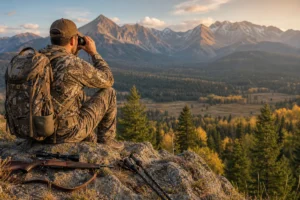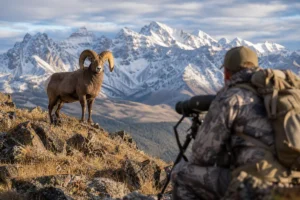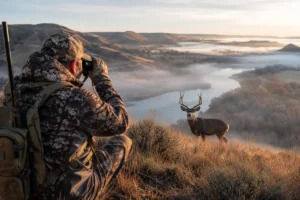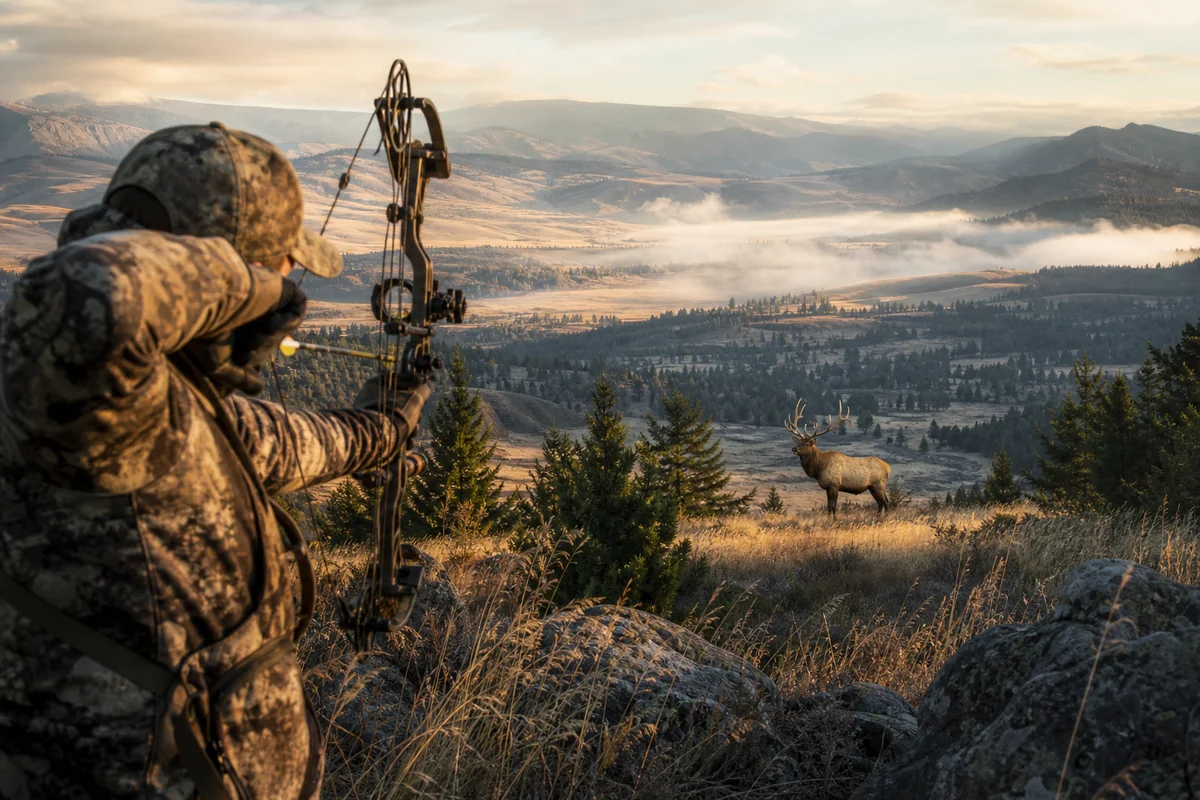
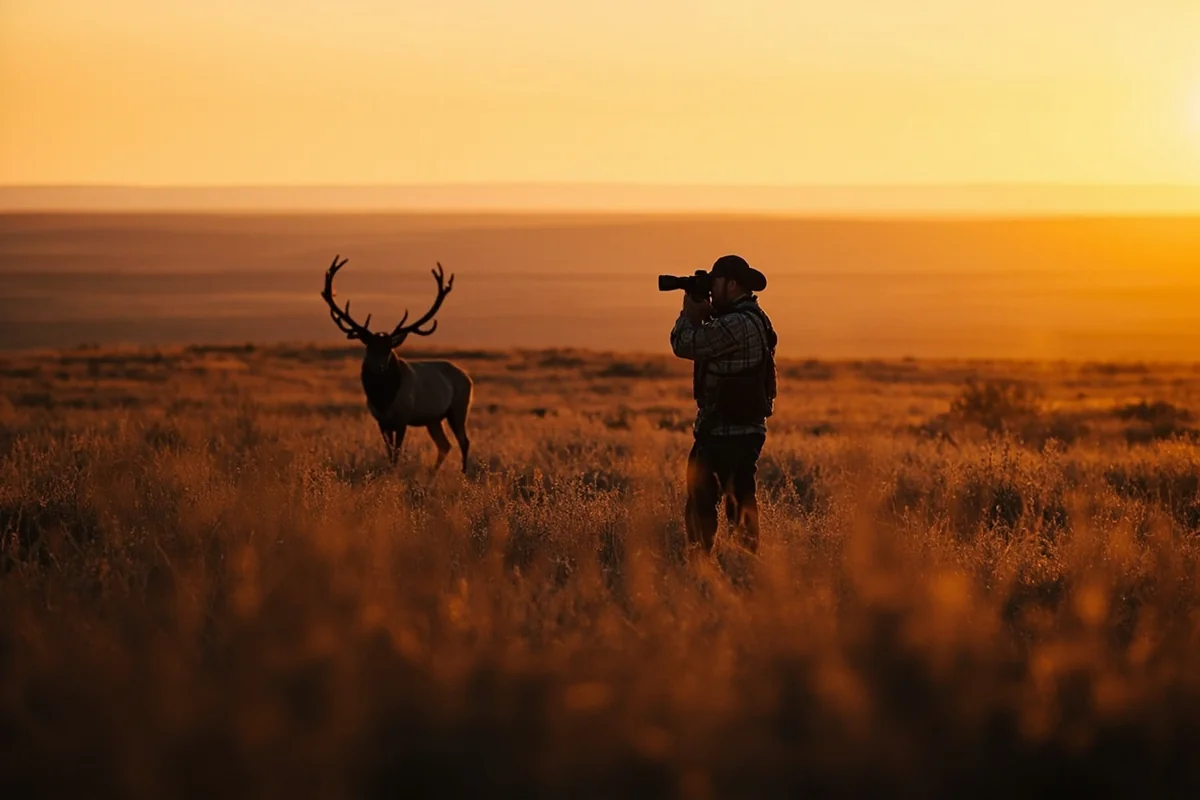
The bull elk appeared at 47 yards, steam rising from his nostrils in the crisp October air as I drew back my bow in a frozen aspen grove near the Missouri Breaks.
That moment—my heart pounding against my chest, three years of scouting and failed hunts culminating in this single breath—is why hunters from across America dream of Montana.
- Non-resident licenses require advance planning—elk/deer combos often sell out within hours of going on sale in early March
- Focus on Region 4 (Missouri Breaks) or Region 3 (Southwest Montana) for best elk opportunities on public land
- Budget $2,500-$4,500 for a DIY non-resident hunt including license, travel, lodging, and gear
- Archery season (September) offers lower pressure but demands fitness; rifle season (late October-November) has higher success rates
- Physical conditioning is non-negotiable—start training 6 months before your hunt
Why Montana Remains the Ultimate Hunting Destination
I’ve hunted in eleven western states over the past fifteen years, and Montana keeps pulling me back. There’s something irreplaceable about the combination of vast public land access, diverse terrain, and genuinely wild game populations that other states simply can’t match.
During my most recent trip last fall, I covered ground from the alpine basins of the Absaroka-Beartooth Wilderness to the cottonwood bottoms along the Yellowstone River. The variety of hunting experiences available within a single state still amazes me.
Montana offers over 35 million acres of public land—roughly 38% of the state’s total area. This translates to real opportunity for hunters willing to put in the work, unlike states where private land dominates the landscape.
Understanding Montana’s Licensing System
Let me be brutally honest: Montana’s licensing system will frustrate you if you don’t understand it before diving in. I learned this the hard way during my first attempt in 2016 when I missed the application deadline by three days.
Resident vs. Non-Resident Licenses
The distinction matters enormously here. Montana residents enjoy over-the-counter general deer and elk tags, while non-residents face a limited permit system for most opportunities.
Non-resident deer/elk combination licenses are capped at a specific number each year. In recent seasons, approximately 17,000 non-resident elk licenses have been available, with demand far exceeding supply.
The Application Process
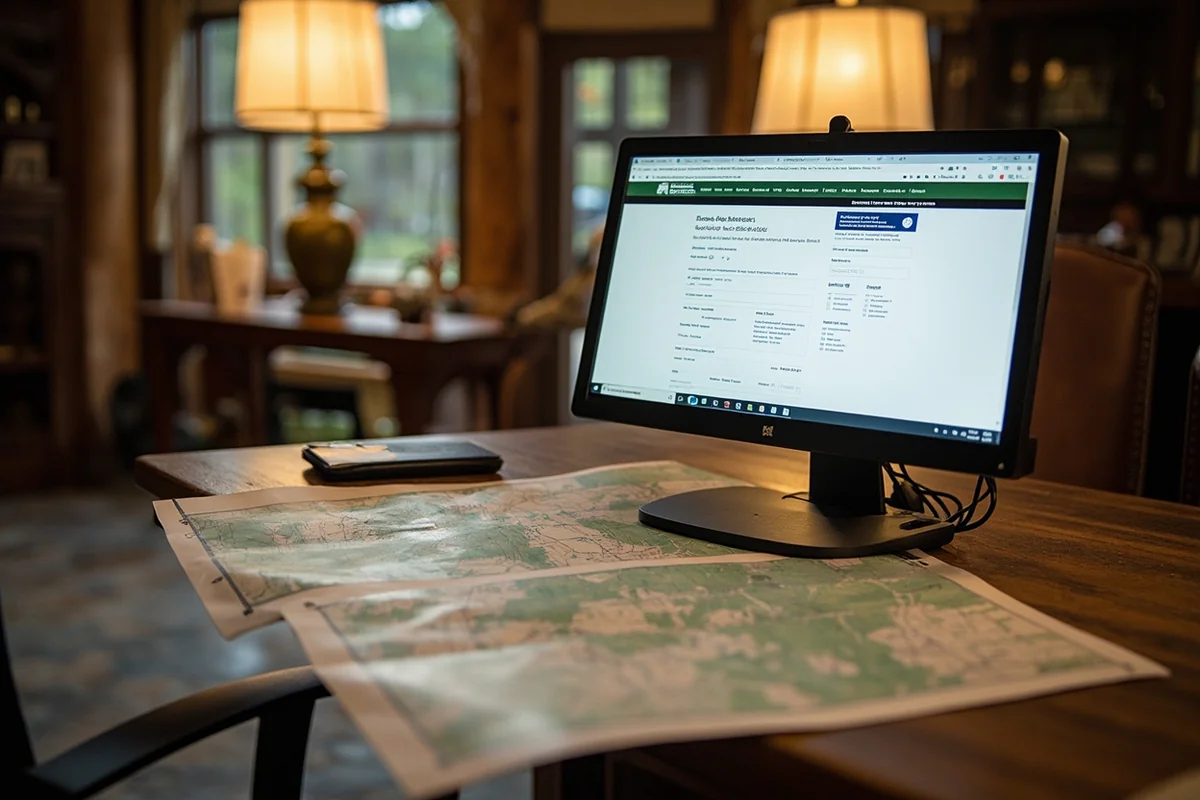
Applications typically open in early March through Montana Fish, Wildlife & Parks (FWP). When I applied last year, the system opened at 8 AM Mountain Time on March 1st.
Here’s what you need to know:
- Big Game Combination License: Includes one elk tag and one deer tag—this is what most non-resident hunters want
- Deer License Only: Easier to obtain, good entry point for first-time Montana hunters
- Antlerless Elk B Tags: Available over-the-counter in some regions, excellent for meat hunters
- Special Permits: Moose, sheep, goat, and antelope require separate drawings with very limited tags
The application window is typically two weeks. Miss it, and you’re waiting another year.
Preference Points and Draw Odds
Montana operates a hybrid system that allocates 75% of permits through a random drawing and 25% to applicants with the most preference points.
I currently have four elk preference points accumulated from unsuccessful draws. My strategy has shifted toward applying for higher-demand units where points actually matter, rather than general units where random luck dominates.
For truly premium units like hunting district 411 (breaks country) or 270 (Paradise Valley), expect to need 15+ points before having a realistic chance in the preference point pool.
| License Type | Non-Resident Cost (2025) | Availability | Best Application Strategy |
|---|---|---|---|
| Elk/Deer Combination | $1,251 | Limited Draw | Apply early March, build points |
| Deer License Only | $527 | Limited Draw | Higher draw odds, good backup |
| Antelope | $252 | Limited Draw | Unit selection critical |
| Upland Bird | $125 | Over-the-Counter | No application needed |
| Conservation License | $10 | Required for all | Must purchase before applying |
Choosing Your Hunting Region
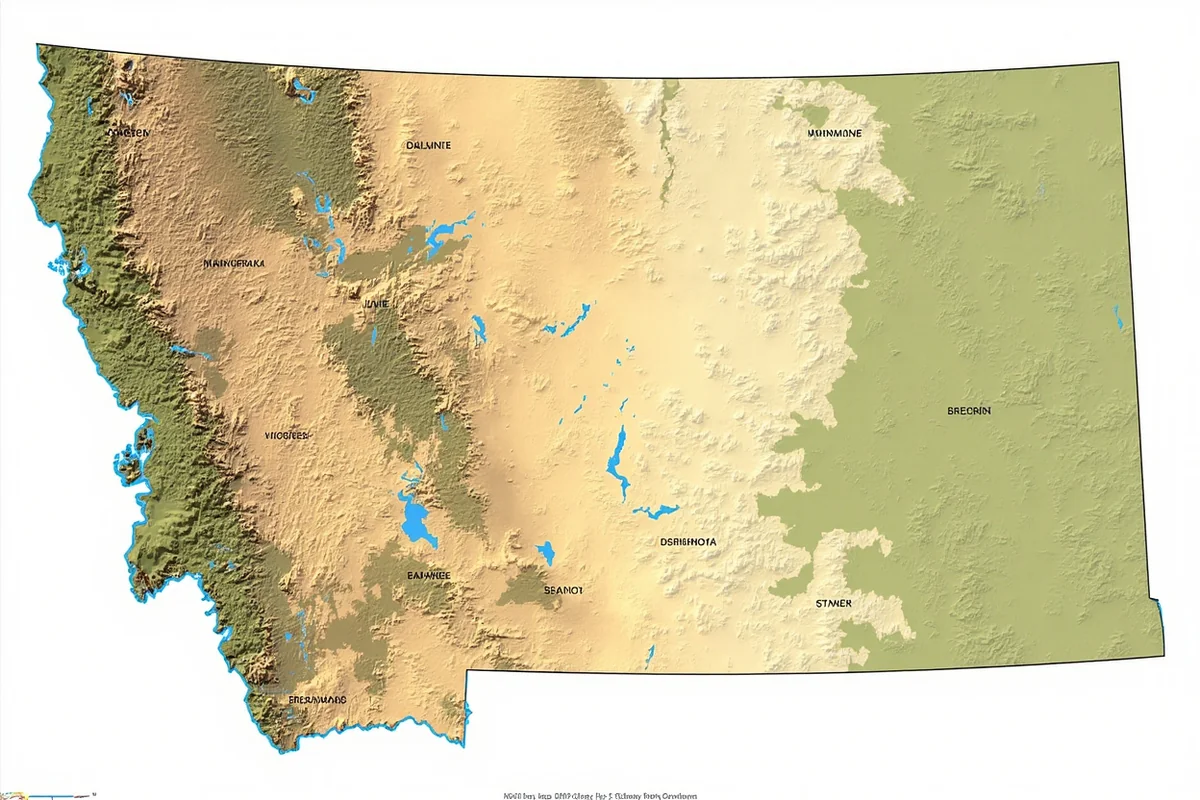
Montana divides its hunting opportunities into seven administrative regions, each with distinct character and game populations. After hunting four of these regions extensively, I can offer some guidance based on real experience.
Region 3: Southwest Montana
This is where I’ve spent the majority of my Montana hunting time, primarily because the public land access is exceptional and elk populations remain strong.
The Gravelly Range, which I hunted during a brutal early October snowstorm two years ago, holds excellent elk numbers but demands serious physical effort. I’ve found the best success working the transition zones between dark timber and alpine meadows at elevations between 8,500 and 9,500 feet.
The Tobacco Root Mountains offer a slightly gentler experience. During a trip last September, I found solid mule deer sign throughout the lower drainages while glassing up several groups of elk higher on the ridge.
Region 4: Central Montana and the Breaks
The Missouri Breaks represent Montana’s most iconic hunting landscape. This is where my opening story took place, and the country has a raw, untamed quality that photographs simply don’t capture.
CMR (Charles M. Russell National Wildlife Refuge) provides outstanding access, though you’ll need to understand the patchwork of regulations. Some areas allow vehicle access on designated roads; others require foot travel only.
Elk hunting here differs dramatically from mountain hunting. You’re working river breaks, coulees, and isolated timbered ridges rather than alpine terrain. I’ve found calling to be significantly more effective in the breaks, likely because elk are less pressured by human encounters.
Region 5: South-Central Montana
The Crazy Mountains and portions of the Absaroka Range fall within this region. This is serious mountain hunting territory with challenging access.
I attempted the Crazies three seasons ago and was humbled by the vertical terrain. The elk were there—I heard bulls bugling every morning—but reaching them required fitness levels I hadn’t adequately prepared for.
Region 7: Eastern Montana
Don’t overlook this region for mule deer and antelope. The rolling prairie breaks hold surprising populations of both species, and hunting pressure is dramatically lower than the western mountains.
During a November mule deer hunt near Jordan, I encountered only two other hunting parties over six days. The solitude was remarkable.
Season Dates and Strategy Selection
Your choice of weapon and season timing will fundamentally shape your Montana experience. I’ve hunted both archery and rifle seasons extensively, and they feel like entirely different pursuits.
Archery Season (Early September through Mid-October)
Archery season has become my preferred window, despite lower overall success rates. The elk are still actively rutting, meaning calling strategies actually work.
Weather during early September typically runs warm—I’ve hunted in t-shirts during afternoon sits. By late September, you’ll see genuine fall conditions with morning frosts and occasional early snow.
The reduced hunting pressure during archery season cannot be overstated. During my last archery hunt near Ennis, I hunted four days without encountering another hunter on the mountain. That solitude disappears instantly when rifle season opens.
General Rifle Season (Late October through Late November)
The five-week general rifle season draws the majority of non-resident hunters. Success rates climb significantly because shot opportunities extend to realistic ranges of 200-400 yards.
However, the mountains transform once rifle season begins. Access roads that were empty in September suddenly have trucks parked at every pullout. Elk behavior shifts to nocturnal movement patterns in response to pressure.
I’ve learned to focus my rifle season efforts on harder-to-reach areas during the first week, then pivot to public land adjacent to private holdings where pressured elk often relocate.
Late Season and Shoulder Seasons
Montana has expanded hunting opportunities through late-season either-sex elk hunts and extended antlerless seasons in specific hunting districts.
These hunts can be extraordinary. I joined a friend on a late December cow elk hunt near Gardiner two years ago, and we witnessed migration herds numbering in the thousands. The hunting was cold—single digits with cutting wind—but game visibility was unlike anything I’d experienced.
Essential Gear for Montana Conditions
I’ve refined my Montana gear list over numerous trips, learning expensive lessons about what actually matters in the field.
Layering System
Montana weather changes rapidly and severely. Last October, I experienced a 45-degree temperature swing within 24 hours—from 62°F during an afternoon stalk to 17°F the following morning.
My current system includes:
- Base layer: Merino wool, 200-weight for September, 250-weight for November
- Mid layer: Synthetic insulated jacket (I use Sitka Kelvin), packable for summit bags
- Outer layer: Gore-Tex shell, both jacket and pants—non-negotiable
- Puffy layer: Down jacket for glassing sessions and cold mornings
Cotton has no place in your pack. I learned this during an unexpected September thunderstorm that dropped temperatures 30 degrees in an hour. Hypothermia risk is real.
Optics
Quality glass matters more in Montana than perhaps anywhere else I’ve hunted. The distances are vast, and finding game before committing to a stalk saves enormous energy.
I carry 10×42 binoculars as my primary optic, with a 65mm spotting scope for serious glassing sessions. During last fall’s hunt, I identified a legal bull at 1.3 miles through the spotter—information that shaped my entire next-day strategy.
Don’t skimp here. A $1,500 binocular will genuinely help you see more game than a $300 option. I resisted this truth for years before finally upgrading.
Navigation and Mapping
OnX Hunt or similar GPS mapping tools are essential for understanding the complex checkerboard of public and private land. I’ve used OnX on every Montana hunt since 2018.
Carry paper topo maps as backup. Electronic devices fail, especially in cold weather. I keep Forest Service and BLM maps for my hunting area laminated and accessible.
Physical Preparation
I cannot overemphasize this point: Montana hunting is physically demanding, and inadequate fitness ruins hunts.
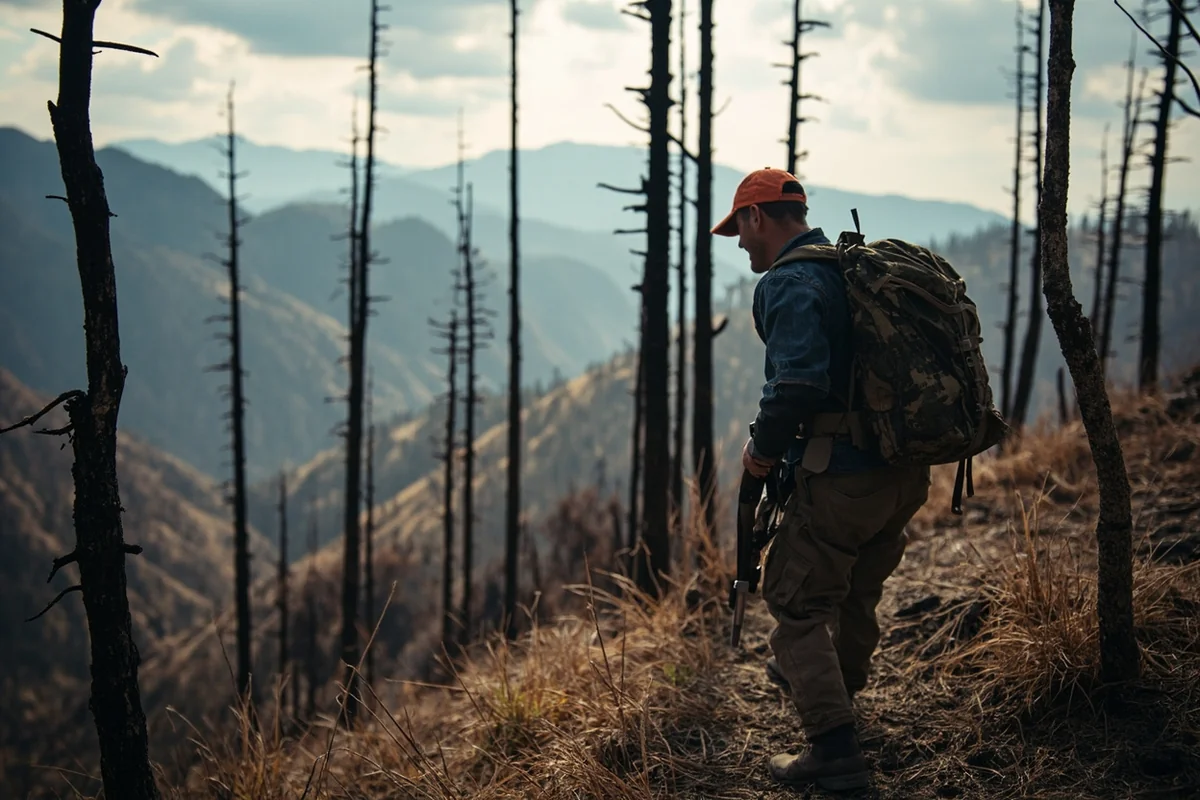
During my first Montana elk hunt, I was in reasonable gym-fitness shape. By day three, my legs were destroyed, and I spent more time recovering than hunting. The experience taught me that hunting-specific conditioning is different from general fitness.
Training Program
I now start structured training six months before any Montana trip. The focus is simple: weighted hiking and stair work.
My weekly routine during preparation months includes:
- Three weighted hikes (45-65 lbs) of 4-8 miles with significant elevation gain
- Two sessions of stair climbing with pack (I use a local stadium)
- One long day hike (10+ miles) every other weekend
The goal is arriving in Montana with tired legs being an afterthought rather than a hunt-ending limitation.
Altitude Considerations
If you’re coming from sea level or low elevation, altitude will affect you. Most Montana mountain hunting occurs between 7,000 and 10,000 feet.
I live at 1,200 feet elevation and notice the effects every trip. My strategy involves arriving 2-3 days before hunting begins to acclimate, keeping exertion moderate on day one, and staying aggressively hydrated.
Lodging and Base Camp Options
Where you stay shapes your hunting experience in ways that aren’t immediately obvious. I’ve tried various approaches and have opinions about each.
Established Lodging
Small-town motels near hunting areas offer hot showers, comfortable beds, and reliable meals—luxuries that matter after hard days in the field.
Towns like Ennis, Dillon, and White Sulphur Springs have multiple lodging options catering to hunters. Expect basic accommodations at reasonable prices ($80-150/night). Book early—rifle season fills these places months in advance.
During my last rifle season hunt, I stayed at a small motel in Twin Bridges that had become an unofficial hunter headquarters. The evening conversations in the lobby provided valuable intel about where other groups had been hunting and what they’d seen.
Camping
Dispersed camping on National Forest or BLM land puts you closest to the game but demands self-sufficiency. I’ve done both car camping and backpack spike camps depending on the hunting scenario.
For car camping, I use a hardshell rooftop tent that keeps me off the ground and provides quick setup. The investment has paid dividends in sleep quality and convenience.
Spike camping deeper in the wilderness offers the best hunting access but requires lightweight gear and the willingness to pack meat significant distances. My spike camp kit comes in under 18 pounds without food.
Outfitter Camps and Wall Tents
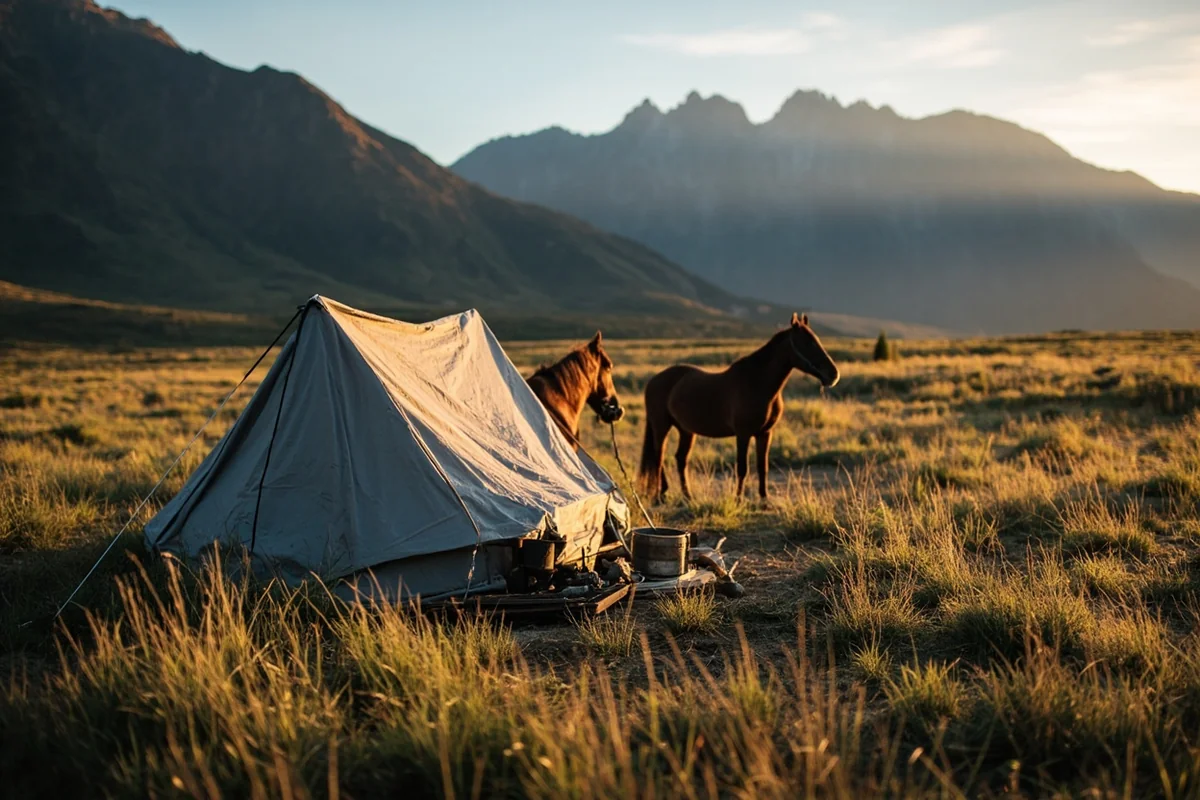
Traditional wall tent camps with wood stoves represent Montana hunting at its finest. The comfort level is surprisingly high—I’ve been warmer in a properly heated wall tent than in many motels.
If you’re organizing a group trip, renting a complete wall tent setup delivered to a designated location runs $500-1,200 depending on size and amenities. This represents good value for groups of four or more hunters.
Working with Outfitters vs. DIY Hunting
I’ve done both guided and unguided Montana hunts. Each approach has legitimate merits.
When Guided Hunts Make Sense
First-time Montana hunters, those with limited time to scout, or hunters targeting difficult species like mountain goat or bighorn sheep benefit enormously from professional guidance.
Quality Montana elk outfitters typically charge $6,000-$12,000 for fully guided hunts. This includes lodging, meals, horses or vehicles, guide services, and often meat processing assistance.
When I booked a guided mule deer hunt in 2019, the outfitter’s knowledge of that specific hunting district—where bucks bedded during different wind conditions, which water sources they preferred—would have taken me years to develop independently.
DIY Advantages
Self-guided hunting costs less and provides unmatched flexibility. You hunt your pace, follow your instincts, and experience the full challenge of the pursuit.
My most memorable Montana moments have come on DIY hunts—figuring out game patterns through my own observation, making mistakes and learning from them, and earning success through accumulated knowledge.
For competent backcountry hunters willing to invest in scouting time, DIY hunting offers success rates comparable to guided hunts at a fraction of the cost.
Processing and Packing Your Game
Killing an elk is the beginning, not the end. Moving 200-400 pounds of meat from a remote location to your freezer demands planning.
Field Processing
I quarter elk in the field universally now. Gutless quartering—removing quarters, backstraps, tenderloins, and neck meat without gutting the animal—keeps meat clean and reduces pack weight versus dragging.
Essential processing gear includes:
- Quality fixed-blade knife (I carry a Benchmade Saddle Mountain)
- Replacement blades or second knife
- Game bags (I use the Caribou Gear system)
- Latex or nitrile gloves
- Small saw for pelvis and ribcage
Meat Care in the Field
September hunts present cooling challenges that November hunts don’t. Meat must cool quickly to prevent spoilage.
When I killed a bull during warm archery season, I hung quarters in breathable game bags overnight, positioned to maximize air circulation. By morning, the meat had crusted over—the beginning of proper aging.
During cold late-season hunts, keeping meat from freezing becomes the challenge. I’ve wrapped quarters in sleeping bags to prevent freeze damage during transport.
Getting Meat Home
If you’re driving, coolers with dry ice work perfectly. I use three large coolers for an elk, rotating ice packs every 8-10 hours during the drive home.
Flying hunters face additional complexity. Several Montana meat processors offer shipping services—you drop off quarters, they process, freeze, and ship to your home. Expect to pay $600-900 for processing and shipping a complete elk.
Safety Considerations
Montana’s wilderness carries real risks that require preparation and respect.
Grizzly Bear Country
Much of Montana’s prime elk habitat overlaps with grizzly bear range. I carry bear spray on every hunt and sleep with it in my tent.
During a 2021 archery hunt in the Absarokas, I had a sow with cubs cross my shooting lane while I was at full draw on a bull. The bear took priority—I slowly let down, backed away, and counted it as a successful encounter because nothing bad happened.
Proper food storage is mandatory. I hang food and game 100+ feet from camp or use approved bear canisters.
Weather and Terrain
Montana kills hunters every year through hypothermia, falls, and exposure. Most incidents involve inadequate preparation or poor decisions.
I carry emergency bivy gear on every hunt: lightweight bivy sack, fire-starting materials, emergency blanket, and first aid. This weighs under two pounds and provides survival capability if things go wrong.
Let someone know your hunt plan before departing. I text my wife waypoints and expected return times every morning.
Making the Most of Your Trip
Beyond the hunt itself, Montana offers experiences worth building into your trip.
Scouting Days
I always arrive 2-3 days before season opens. This allows altitude acclimation and critical scouting that dramatically improves opening day success.
During scouting, I cover ground, glass extensively, and identify game patterns. The intel gathered during these days has led directly to several of my successful harvests.
Local Resources
Montana sporting goods stores often employ staff who hunt locally. A $50 purchase and genuine conversation can yield information that would take days to discover independently.
I’ve developed relationships with staff at several Montana shops who now expect my pre-season visits. These connections have proven invaluable.
Backup Plans
Weather, access issues, or simple bad luck can derail any hunt. I always identify alternative areas within my hunting district and remain flexible about tactics.
Last season, my primary area got hammered by early snow that pushed elk to lower elevations. I shifted to a backup zone near the Yellowstone River and found excellent hunting where I hadn’t originally planned.
The Honest Reality
Montana hunting is hard. The terrain is unforgiving, the weather is unpredictable, and success is never guaranteed.
I’ve eaten my tag multiple times despite doing everything right. The elk won, fair and square.
But the failures matter. They teach patience, humility, and the genuine difficulty of fair-chase hunting. They make eventual success meaningful rather than transactional.
If you come to Montana expecting a guaranteed trophy, you’ll be disappointed. If you come seeking a genuine hunting experience in wild country, Montana will deliver beyond your expectations—regardless of what you ultimately put in your freezer.
That bull in the Missouri Breaks, the one that appeared at 47 yards? I killed him cleanly at 38 yards after he stepped into an opening. He was my first archery elk after three seasons of learning, failing, and returning.
The meat fed my family for eight months. But more than the protein, that hunt gave me something harder to quantify—a confidence that I could meet Montana on its terms and succeed through preparation and persistence.
That’s what awaits you in Big Sky Country. The opportunity is real. The challenge is genuine. And the experience, whether you fill your tag or not, will change how you think about hunting.
Frequently Asked Questions
How much does a Montana hunting guide cost per day?
Expect to pay between $400-$800 per day for a quality Montana hunting guide, with fully outfitted elk or mule deer hunts ranging from $4,000-$8,000 for a 5-7 day trip. I recommend budgeting an additional $500-$1,000 for licenses, tags, and gratuities, as tipping your guide 10-20% is standard practice.
What is the best time of year to book a guided hunting trip in Montana?
The prime hunting season in Montana runs from September through November, with early September being ideal for archery elk hunts during the rut when bulls are most active. I’ve found that booking 6-12 months in advance is essential for popular outfitters, especially for coveted rifle season dates in late October and early November.
Do I need a hunting license as an out-of-state hunter in Montana?
Yes, non-resident hunters must purchase a Montana Conservation License ($10) plus species-specific licenses, with a general deer tag costing around $527 and elk tags running approximately $913 for non-residents. Some tags require applying through Montana’s drawing system by March 15th, so plan your trip well in advance and check Montana FWP’s website for current regulations.
What gear should I pack for a guided Montana hunting trip?
Pack layered clothing for temperatures ranging from 20°F to 60°F, including moisture-wicking base layers, insulated mid-layers, and waterproof outer shells. Your guide typically provides horses and field equipment, but you’ll need quality hiking boots broken in for rugged terrain, your rifle or bow, binoculars, and a reliable GPS unit or hunting app.
How physically demanding are Montana guided hunting trips?
Most Montana backcountry hunts involve hiking 5-10 miles daily at elevations between 5,000-9,000 feet, so I strongly recommend starting a cardio and leg-strengthening routine at least 3 months before your trip. Even horseback-assisted hunts require stamina for tracking and field dressing game, making physical preparation crucial for a successful experience.
Which Montana hunting units have the highest success rates for elk?
Hunting districts in southwest Montana like units 313, 314, and 316 near Bozeman consistently produce high elk harvest rates, while the Missouri River Breaks region offers excellent mule deer opportunities. A knowledgeable local guide can access private land leases that often see 80-90% success rates compared to 20-30% on overcrowded public land.
How far is Montana’s best hunting country from major airports?
Bozeman Yellowstone International Airport puts you within 60-90 miles of prime elk habitat in the Gallatin and Madison ranges, while Missoula International provides access to the Bitterroot Valley hunting grounds about 45 miles south. Most reputable outfitters offer airport pickup services, and I suggest flying in a day early to acclimate and ensure your firearms arrive safely.