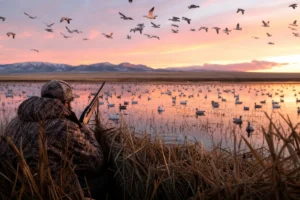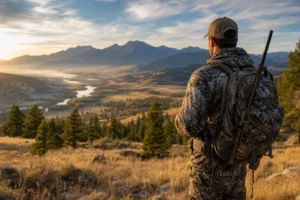
The first time I watched a bull elk emerge from the timber in Montana’s Bob Marshall Wilderness, bugling into the crisp September air, I understood why hunters spend decades chasing these moments.
That morning in the Flathead National Forest changed everything I thought I knew about big game hunting—and I’ve been returning to Montana every fall since.
Whether you’re dreaming of your first western hunt or looking to expand beyond your home state, this Montana Hunting Guide will walk you through everything I’ve learned about pursuing big game in one of America’s last great wild places.
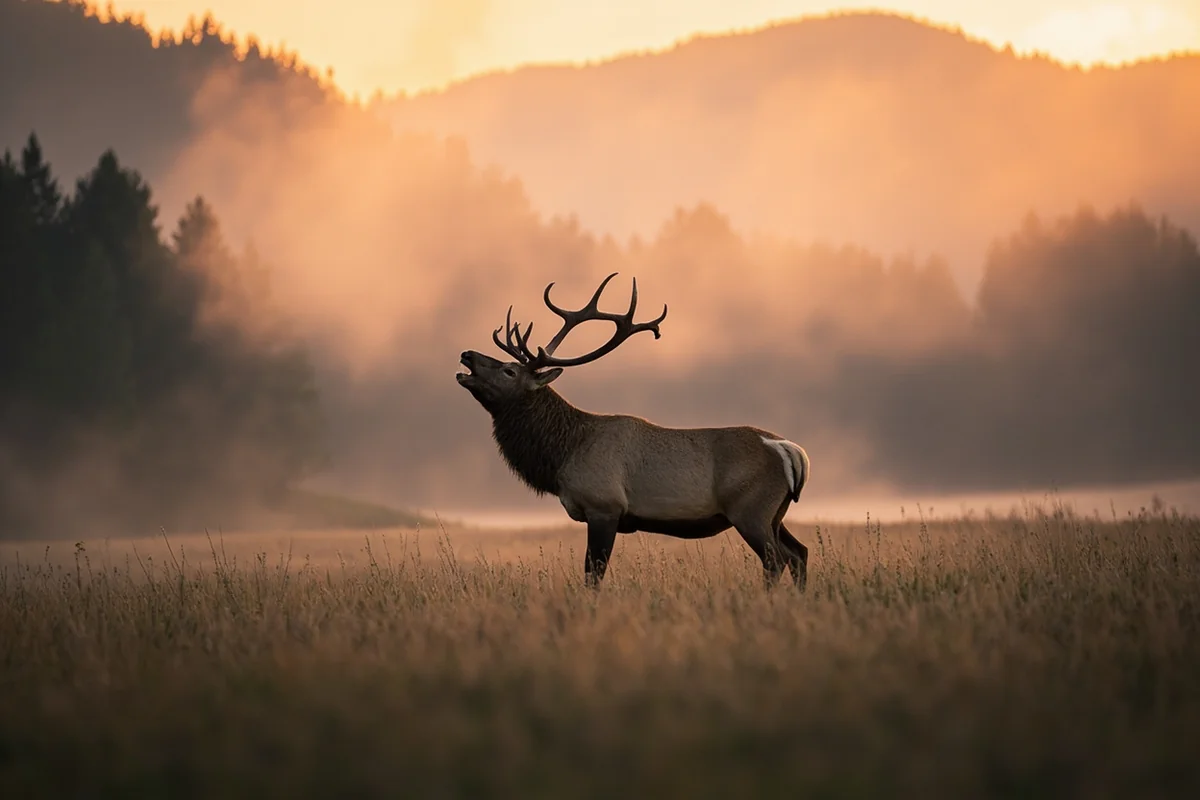
- Montana offers hunting for elk, mule deer, whitetail deer, moose, mountain goat, bighorn sheep, black bear, mountain lion, and antelope
- Non-resident general elk/deer combination licenses cost around $1,000+ and require advance planning
- Apply for limited permits by March 15 each year; some tags take 15+ preference points
- Best general big game units include 410, 411, 392, 261, and the Breaks country
- Archery season typically runs September through mid-October; rifle season spans late October through November
- Physical conditioning is non-negotiable—Montana hunting is demanding backcountry work
Why Montana Stands Apart for Big Game
I’ve hunted whitetails in Wisconsin, mule deer in Colorado, and elk in New Mexico. But Montana remains my favorite destination, and it’s not close.
The combination of over-the-counter elk tags, diverse terrain, and genuinely wild country creates something special. Last fall, I drove from prairie pronghorn habitat to alpine elk basins in the same day—that’s Montana.
The state holds approximately 150,000 elk, making it one of the densest elk populations in North America. Mule deer numbers hover around 200,000, while whitetails add another 250,000 to the mix.
But numbers only tell part of the story. What keeps me coming back is the access.
Understanding Montana’s Big Game Species
Before diving into logistics, let’s talk about what you can actually hunt here. Montana offers the most diverse big game menu in the Lower 48.
Elk: The Crown Jewel
Most hunters come to Montana chasing elk, and for good reason. The state’s elk herd has grown substantially over the past two decades.
I focus most of my Montana hunting on elk because the general tags remain available without years of waiting. If you’re interested in diving deeper into this topic, my Montana Elk Hunting Guide covers everything from calling strategies to unit selection.
During my hunt near Augusta last September, I saw over 40 elk in five days. Not all were shootable bulls, but the opportunity was there.
Roosevelt elk inhabit the far northwestern corner near Troy. Rocky Mountain elk populate everything else, from the prairie breaks to the high alpine.
Mule Deer: The Western Icon
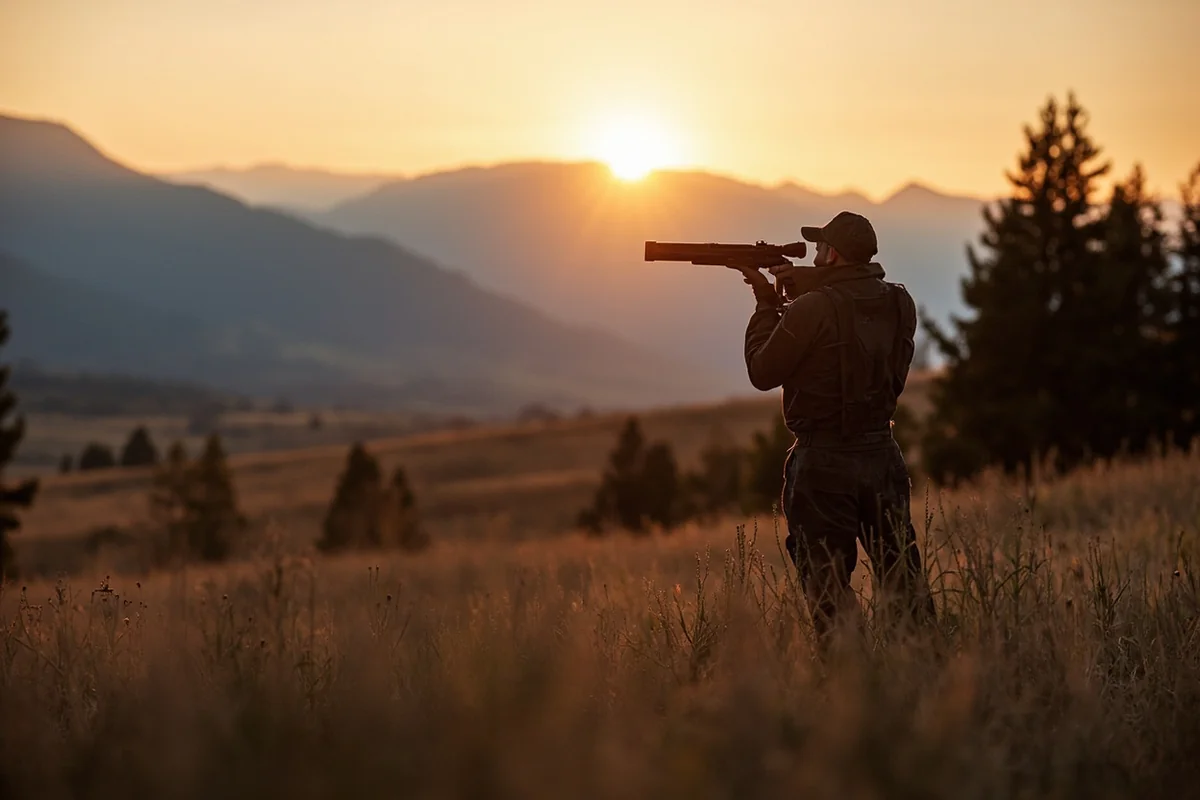
Montana’s mule deer hunting has rebounded significantly since the tough winters of 2011. I’ve noticed stronger buck-to-doe ratios in recent years, especially in the eastern units.
The Missouri Breaks region produces exceptional mule deer. During a November hunt in Region 7, I watched bucks that would make any serious deer hunter weak in the knees.
General mule deer tags are included with your deer license, though some premium units require limited-entry permits. Check out the Montana Deer Hunting Guide for specific unit recommendations.
Whitetail Deer: The Sleeper Pick
Don’t overlook Montana whitetails. The river bottoms and agricultural areas along the Milk River, Yellowstone River, and throughout the western valleys hold impressive deer.
I shot my largest whitetail ever in Montana—a mature buck working a scrape line in the Bitterroot Valley. For dedicated whitetail hunters, my guide to Montana whitetail hunting covers the best areas and tactics.
The advantage with whitetails is less competition. Most non-residents focus on elk and mule deer, leaving whitetail habitat relatively unpressured.
Trophy Species: Moose, Sheep, and Mountain Goat
Now we’re talking about the truly limited opportunities. These require years of dedicated point accumulation.
Montana moose permits take roughly 15-20 preference points for non-residents in most units. That’s potentially two decades of applying before drawing.
Bighorn sheep permits are even more competitive. If this is your dream hunt, start building points immediately and read through my breakdown of Montana bighorn sheep hunting to understand the commitment involved.
Mountain goat tags fall somewhere in between—still extremely difficult to draw but slightly more attainable than sheep.
Black Bear and Mountain Lion
These predator species offer excellent opportunities with spring and fall seasons. Bears can be hunted over bait in limited areas, but spot-and-stalk remains the primary method.
Mountain lion hunting requires hounds in most successful scenarios. Outfitter-guided hunts are popular for this reason.
My Montana Bear Hunting Guide breaks down the specifics if you’re interested in adding a spring bear hunt to your plans.
The License and Tag System Explained
This is where Montana gets complicated—and where I see the most confusion from first-time hunters.
Non-Resident License Structure
Montana uses a combination system. You need a base conservation license first, then you purchase species tags and combination licenses on top of that.
For most big game hunters, the non-resident big game combination license is the way to go. This includes deer and elk tags, allowing you to hunt both species.
Current Montana hunting license costs for non-residents run approximately $1,000+ for the elk/deer combination. It’s not cheap, but compared to other western states with drawing odds, the value is exceptional.
Before anything else, you’ll need a valid Montana hunting license. Applications open in early spring, and I recommend applying as soon as the system goes live.
| License/Tag Type | Approximate Non-Resident Cost | Notes |
|---|---|---|
| Conservation License | $10 | Required base license |
| Big Game Combination | $1,050+ | Includes elk and deer tags |
| Elk Tag Only | $900+ | If not hunting deer |
| Deer Tag Only | $300+ | General deer license |
| Antelope License | $200+ | Limited entry in most units |
| Black Bear License | $350+ | Spring and fall seasons |
The Preference Point System
For limited-entry permits, Montana uses a preference point system that rewards consistent applicants. Understanding Montana preference points is essential for long-term planning.
You can purchase a preference point without applying for a tag in any given year. This costs significantly less than a full application and keeps you accumulating points for future draws.
I started building moose points my first year hunting Montana, even though I had no realistic chance of drawing. Eight years later, those points are finally becoming meaningful.
General vs. Limited Entry Tags
Here’s the critical distinction: general tags are available to anyone who applies, while limited entry tags are awarded through a drawing.
General elk and deer tags allow hunting in most units across the state. Limited entry permits access specific units with restricted harvest, typically producing better trophy quality.
My advice for first-time Montana hunters: stick with general tags. Learn the state, understand the terrain, and build points in the background.
Navigating Montana Hunting Regulations
Montana’s hunting regulations can feel overwhelming initially. The state divides into hunting districts with varying rules.
Understanding Hunting Districts
Montana breaks into seven administrative regions, then subdivides further into numbered hunting districts. Each district has specific season dates, weapon restrictions, and harvest limits.
For deer hunters specifically, the Montana deer hunting regulations vary considerably by district. Some areas allow either-sex harvest while others restrict to antlered-only.
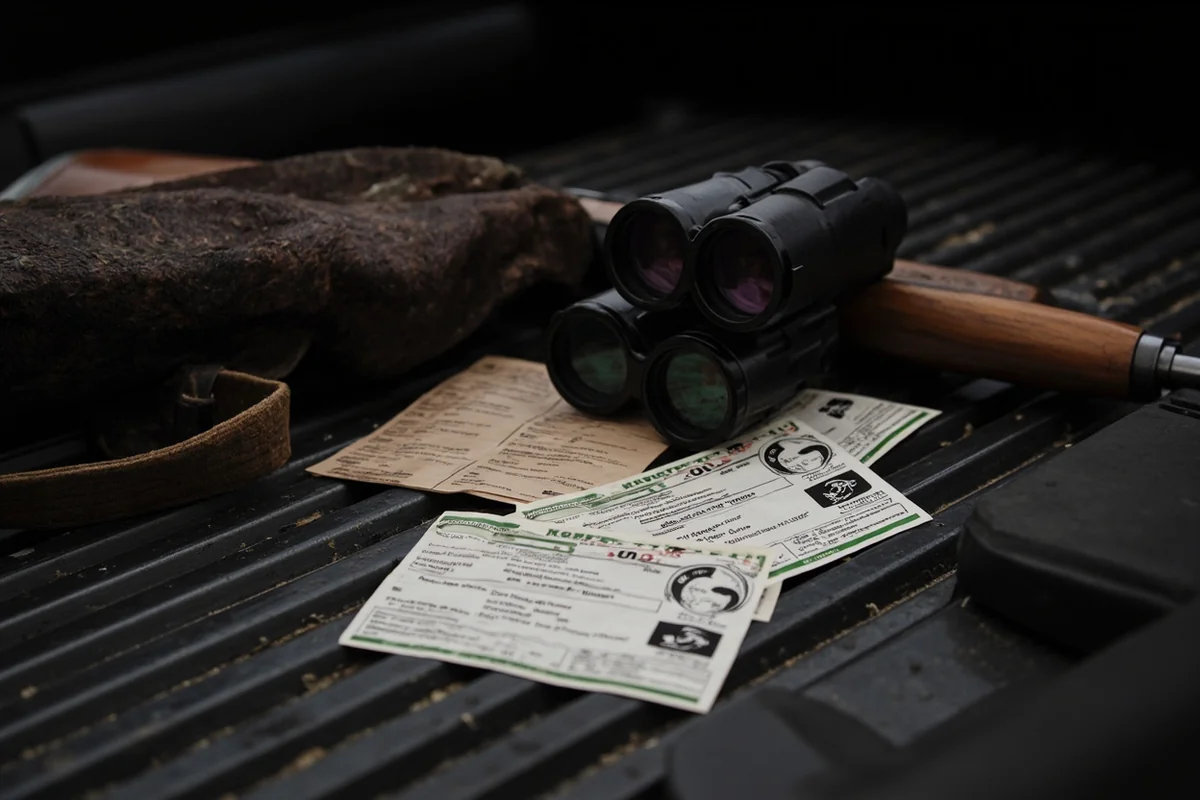
I keep the Montana FWP regulations booklet in my truck all season. It’s too much information to memorize, and making a mistake can mean serious consequences.
Weapon-Specific Seasons
Montana offers archery, muzzleloader season, and general rifle seasons for most big game species.
Archery typically opens earliest—usually early September for elk. This coincides with the rut, making it prime time for calling bulls.
General rifle season runs late October through late November in most districts. This is when you’ll encounter the most hunters but also when deer are moving due to breeding activity.
Season Dates and Planning Timeline
Successful Montana hunts require planning 12-18 months in advance. Here’s the annual rhythm I follow:
January-February
Research units, review harvest statistics from Montana FWP, and identify primary and backup hunting areas. This is also when I book any guided hunts or reserve camping spots in popular areas.
March
The application deadline for limited-entry permits typically falls around March 15. Make sure your preference point purchases and permit applications are submitted well before the deadline.
For a complete breakdown of season timing, check out my overview of Montana hunting seasons.
April-May
Draw results are announced. If you drew a limited permit, start detailed planning for that specific unit. Purchase any remaining licenses and tags.
June-August
Physical conditioning intensifies. Scout units via satellite imagery, trail cameras (where legal), and summer scouting trips if possible.
September-November
Prime hunting season. Archery hunters head out first, followed by muzzleloader and rifle seasons.
December
Some late-season opportunities remain, including the Montana shoulder season for elk in specific units with population management goals.
Best Regions for Big Game Success
After years of hunting various Montana regions, I’ve developed strong opinions about where to focus effort.
Region 3: Southwest Montana
This area around Butte, Dillon, and Bozeman offers excellent elk and deer opportunity. The Madison Range, Tobacco Root Mountains, and Gravelly Range all hold strong populations.
Public land access is exceptional here. I’ve had particularly good luck in the Beaverhead-Deerlodge National Forest.
The downside: pressure. This region is within easy driving distance of Bozeman’s growing population.
Region 4: North-Central Montana
The Rocky Mountain Front in Region 4 might be my favorite landscape in the Lower 48. Elk migrate out of the Bob Marshall Wilderness in November, creating spectacular rifle season opportunities.
Units around Augusta, Choteau, and the Teton River drainage consistently produce. The wind can be brutal, but the hunting justifies suffering through it.
Region 6 and 7: Eastern Montana
Don’t sleep on the eastern districts. The Missouri Breaks and surrounding prairie country offer outstanding mule deer hunting with far less pressure than western units.
Elk numbers have increased dramatically in eastern Montana over the past decade. Units in the Breaks country now hold huntable populations.
For those interested in hunting on public land, my guide to whether you can hunt on Montana state land explains access rules for block management areas and state trust lands.
Region 1: Northwest Montana
The northwest corner near Kalispell and Libby offers excellent whitetail hunting and solid elk opportunity. Heavy timber makes for challenging hunting, but populations are strong.
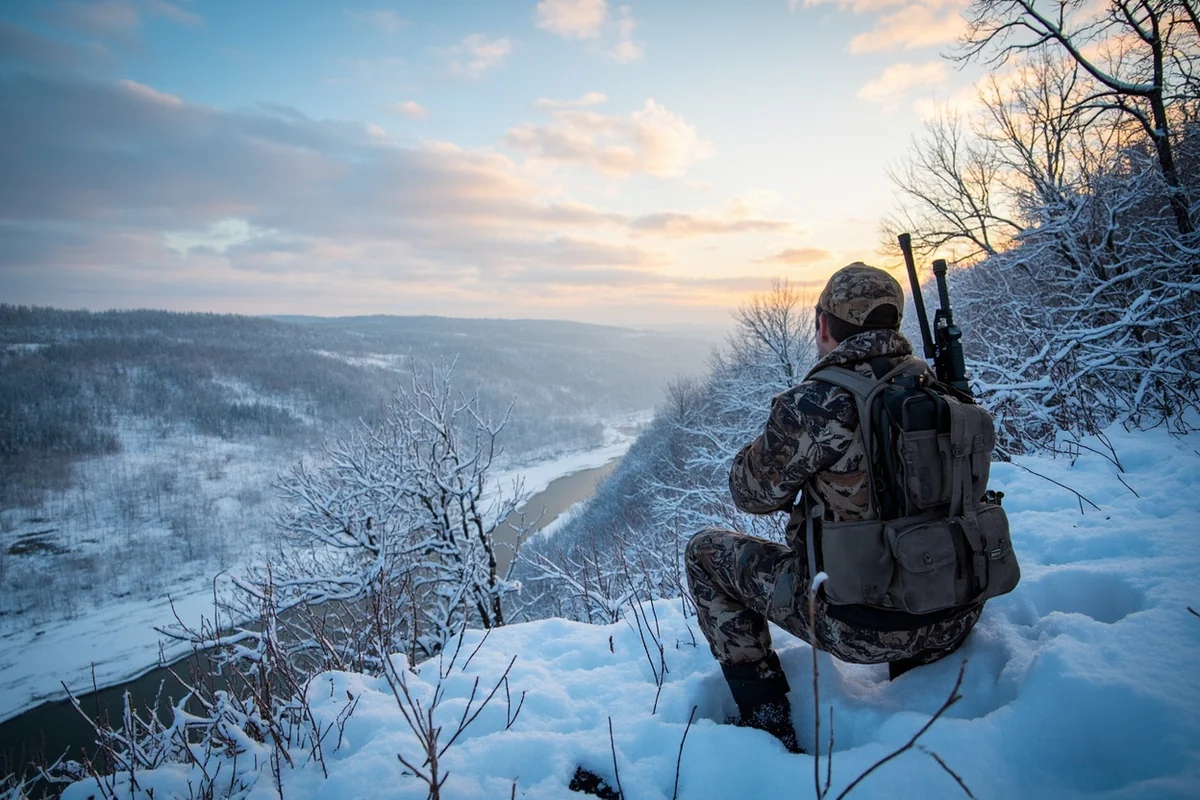
This region sees significant snowfall, which can help concentrate game but also makes access difficult. Be prepared for legitimate winter conditions by late October.
The Reality of DIY Public Land Hunting
Most of my Montana hunting has been do-it-yourself on public land. Here’s what that actually looks like.
Physical Demands
Montana big game hunting is not casual recreation. Last September, I averaged 8 miles per day of mountain hiking with 1,500+ feet of elevation gain while hunting elk near the Chinese Wall.
If you can’t comfortably hike steep terrain at altitude while carrying a pack, start training now. I begin serious conditioning six months before each hunt.
Equipment Considerations
Lightweight backpacking gear has transformed backcountry hunting. My base camp setup weighs under 15 pounds, allowing me to reach areas most hunters can’t or won’t access.
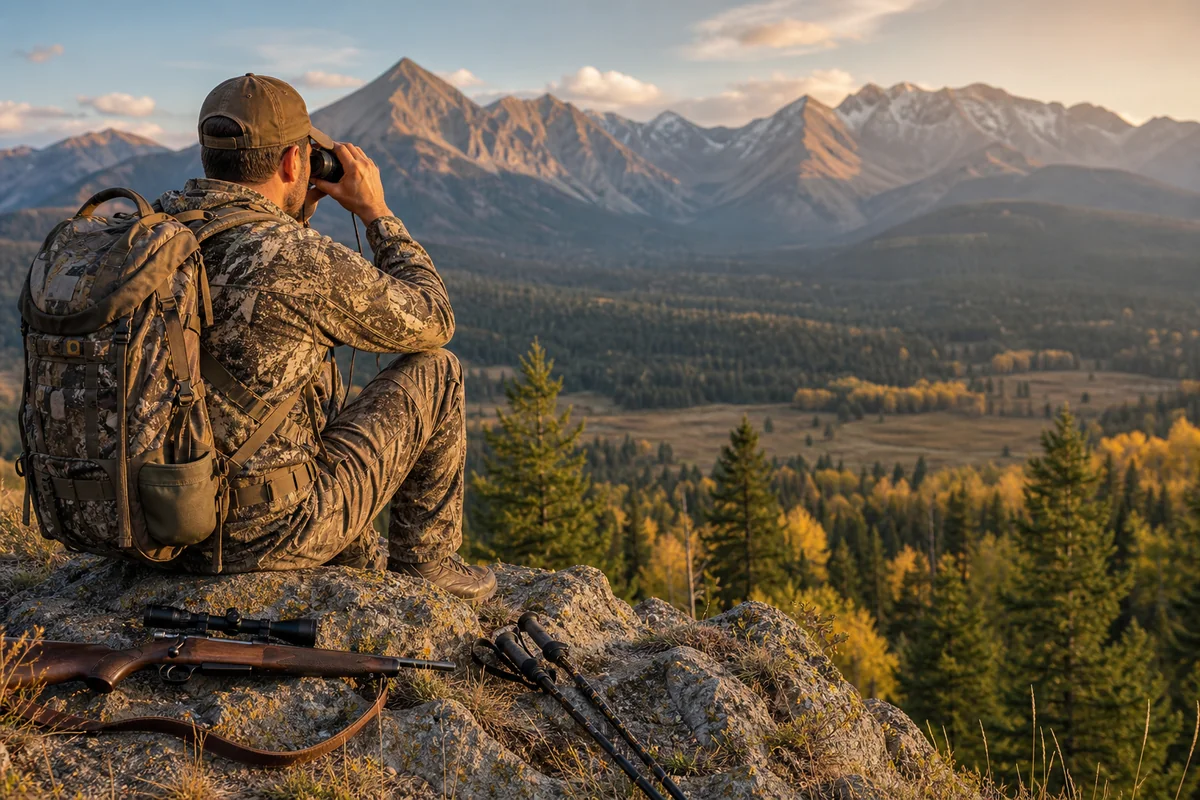
Optics matter enormously in Montana. I spend more time behind binoculars than walking. Quality 10×42 binoculars and a spotting scope are essential.
For rifle hunters, be prepared for shots anywhere from 50 to 400+ yards. I practice regularly at extended distances and know my exact holdovers with my chosen load.
Land Access Strategy
Montana’s Block Management Program provides access to private land through cooperative agreements with landowners. This dramatically expands hunting opportunity beyond traditional public lands.
I’ve killed several animals on Block Management areas that saw minimal pressure because other hunters assumed access wasn’t available.
National Forest and BLM lands comprise millions of acres. Learn to read ownership maps—I use onX Hunt religiously for navigating the checkerboard land patterns.
Working with Outfitters and Guides
While I prefer DIY hunting, I recognize the value outfitters provide—especially for first-time visitors.
A guided elk hunt in Montana typically costs $5,000-$8,000 for a week-long rifle hunt. Archery hunts often run higher due to longer seasons and more intensive calling work.
The advantage is immediate access to productive areas, local knowledge, and logistical support. For hunters with limited time to scout, this can dramatically improve success odds.
I’d recommend researching outfitters thoroughly. Ask for references from recent clients and verify their operating licenses with Montana FWP.
Processing and Packing Out Game
Killing a bull elk six miles from the trailhead presents significant challenges. This isn’t theoretical—I’ve lived it.
Field Processing
I quarter all big game in the field rather than attempting to drag whole animals. A mature bull elk weighs 700+ pounds on the hoof; moving that intact is impractical in mountain terrain.
Quality game bags, a sharp knife selection, and bone saw are essential tools. I practice field dressing and quartering before every season to maintain proficiency.
The Pack Out
Budget multiple trips for elk-sized animals. On that Chinese Wall hunt, I made three trips over two days to retrieve all usable meat, the cape, and antlers.
Some hunters use pack horses or llamas for remote camps. This adds expense but saves enormous physical effort.
Getting Meat Home
I process my own animals, but commercial processors exist throughout Montana. Booking processor appointments before your hunt ensures you’re not scrambling with a truck bed full of game quarters.
Frozen meat can be transported home in insulated coolers. I’ve driven 1,200 miles with elk quarters packed in dry ice without issues.
Alternative Big Game Opportunities
While elk and deer dominate most hunters’ attention, Montana offers additional species worth considering.
Antelope
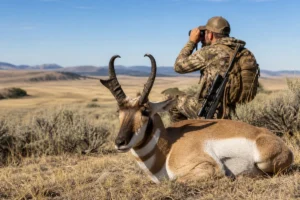
Montana holds solid pronghorn numbers across the eastern prairies. If you’ve never hunted antelope, it’s a unique experience—spot-and-stalk hunting across open terrain.
Drawing tags requires some point accumulation, but not the decades-long waits of moose or sheep. My Montana antelope hunting guide covers the best units and strategies.
Bison
Limited bison hunting exists on tribal lands and in specific management areas. These hunts are expensive and highly restricted but offer an incredible experience.
For hunters interested in pursuing this iconic species, my Montana buffalo hunting guide explains the available options.
Wolf
Montana offers wolf hunting in conjunction with other big game seasons. Tags are relatively affordable and add an exciting dimension to any hunt.
I carry a wolf tag during most of my Montana hunts. While I’ve never killed one, I’ve had multiple encounters that got the heart pumping. Learn more in my Montana wolf hunting breakdown.
Combining Hunts: Making the Most of Your Trip
One advantage of Montana’s combination licenses is the ability to pursue multiple species on a single trip.
I typically plan two weeks in Montana each fall—splitting time between elk in the mountains and deer in the breaks or river bottoms.
Some hunters add upland bird hunting to their big game trips. Hungarian partridge and pheasants provide excellent wing shooting, and a bird dog ride-along makes long hours of glassing more enjoyable.
If you’re near the right habitat, Montana duck hunting can fill mornings before deer movement periods.
Interestingly, even Montana squirrel hunting has its devotees who use it for camp meat or to fill slow afternoons.
Specific Tag Strategies
Let me share some specific strategies I’ve learned for different Montana tags.
Deer Tag Optimization
Understanding Montana mule deer tags versus general deer licenses is crucial. Some units require special permits for bucks while others allow any deer.
I usually carry a general deer tag and focus my limited-entry applications on premium mule deer units. This provides flexibility while building points for better opportunity.
Elk Tag Approach
General elk tags work in most units. However, some specific areas—particularly those with trophy management objectives—require limited-entry permits.
I hunt general units most years but apply for select limited-entry permits in units with documented larger bulls.
Unique Opportunities
Montana even offers Montana swan hunting through a very limited drawing. It’s a bucket-list hunt I’m still working toward.
Common Mistakes to Avoid
After years of hunting Montana and watching other hunters struggle, I’ve identified several recurring mistakes.
Underestimating Distance and Terrain
Everything in Montana is bigger and farther than it appears. That meadow looks like a 20-minute walk until you realize it’s across a massive canyon.
Use good maps and GPS, and build extra time into every plan.
Ignoring the Weather
Montana weather changes rapidly and violently. I’ve experienced 70-degree mornings that turned to snowstorms by afternoon.
Pack layers for every scenario. Hypothermia kills hunters every year—don’t become a statistic.
Over-focusing on Trophy Animals
Your first Montana elk doesn’t need to score 350. Mature cows eat just as well as raghorn bulls.
I’ve watched hunters pass reasonable animals for days, then go home empty-handed. Know your priorities before the hunt begins.
Neglecting Proper Tag Research
Each Montana hunting district has specific regulations. Hunting the wrong area or using improper equipment can result in expensive violations.
Study the regulations thoroughly. When in doubt, call Montana FWP directly—they’re genuinely helpful.
The Intangibles: Why Montana Captures Hunters
Beyond the logistics and tactics, Montana offers something harder to quantify.
The landscape here still feels genuinely wild. Grizzly bears, wolves, and mountain lions share the mountains with elk. Hunting carries real weight and consequence.
I’ve watched sunrises from 10,000-foot ridges that stopped me mid-step. The Bob Marshall Wilderness remains one of the largest roadless areas in the continental US.
This isn’t theme-park hunting. It’s challenging, uncomfortable, and occasionally humbling. But that’s precisely the point.
Final Thoughts on Montana Big Game Hunting
After all these years, Montana remains my go-to destination for big game hunting. The combination of accessible tags, diverse species, and vast public lands creates something unique.
Start planning now. Build preference points, research units, and get yourself in shape. The experiences waiting in Montana’s mountains are worth every bit of effort required to reach them.
I’ll be back again this fall, glassing timbered basins for elk and watching the prairie for mule deer. Maybe I’ll see you out there.
Frequently Asked Questions
What is the best time of year for big game hunting in Montana?
The prime Montana big game hunting season runs from early September through late November, with archery seasons opening first and rifle seasons typically starting in late October. I’ve found that mid-October offers the sweet spot for elk hunting during the rut when bulls are most active and responsive to calls. Plan to book outfitters and accommodations 6-12 months in advance, as popular hunting units fill up quickly.
How much does a Montana big game hunting trip cost for out-of-state hunters?
A non-resident Montana elk hunting license runs around $900-$1,100, while deer tags cost approximately $500-$700 depending on the species. When you factor in guided outfitter services ($4,000-$8,000 for a 5-7 day elk hunt), lodging, travel, and meat processing, expect to budget $6,000-$12,000 total for a quality Montana big game hunting experience. DIY public land hunts can reduce costs significantly if you’re an experienced backcountry hunter.
Do I need a guide for hunting elk and deer in Montana?
Montana doesn’t legally require non-residents to hire a guide for most big game hunting, unlike some neighboring states. However, if you’re unfamiliar with Montana’s vast wilderness areas and elk behavior, a licensed outfitter dramatically increases your success rate, especially in remote units like the Bob Marshall Wilderness. I recommend guided hunts for first-time Montana hunters, then consider DIY trips once you’ve learned the terrain and animal patterns.
What gear should I pack for a Montana big game hunting trip?
Essential Montana hunting gear includes layered clothing rated for temperatures from 20°F to 60°F, waterproof boots broken in for hiking 5-10 miles daily over rugged terrain, and quality optics like 10×42 binoculars and a spotting scope. Don’t forget your hunter safety certification, licenses, game bags for meat packing, and a reliable GPS unit since cell service is nonexistent in most hunting areas. I always pack extra food and emergency shelter since Montana weather can turn dangerous without warning.
What are the best hunting regions in Montana for elk and mule deer?
Region 3 around Bozeman and the Madison Valley offers excellent elk hunting with accessible public land, while Region 7 in eastern Montana is legendary for trophy mule deer on prairie breaks terrain. The Bob Marshall Wilderness in Region 4 provides true backcountry elk hunting but requires horseback or multi-day hikes to reach prime areas. Check Montana FWP’s harvest statistics by hunting district to identify units matching your target species and hunting style.
How do I apply for Montana big game hunting tags and licenses as a non-resident?
Non-residents must apply through Montana Fish, Wildlife & Parks’ online licensing system, with the big game drawing application deadline typically in early March for fall hunts. Some tags like general elk licenses are available over-the-counter, while premium permits for limited-entry units require the lottery draw and accumulating bonus points over multiple years. I suggest purchasing a non-resident hunting license combo and applying for special permits simultaneously to maximize your opportunities during the application window.
Can I hunt on public land in Montana without permission?
Montana offers over 30 million acres of public land open to hunting, including national forests, BLM land, and state wildlife management areas accessible without landowner permission. Use the Montana FWP Hunt Planner and onX Maps to identify public parcels and legal access points, as landlocked public land requires crossing private property with permission. Block Management Areas provide free access to private ranches enrolled in Montana’s public hunting program, which I’ve found invaluable for accessing quality deer and antelope habitat.