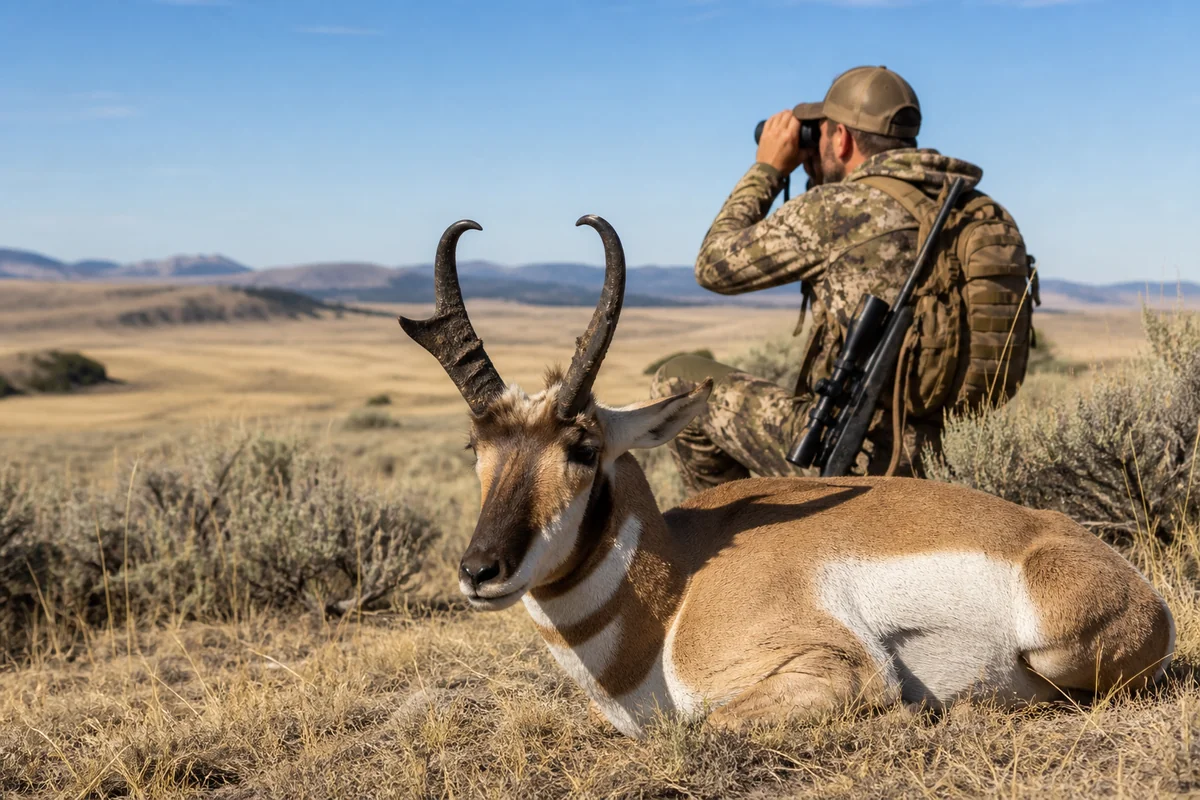
The first pronghorn I ever killed in Montana was at 247 yards across a sagebrush flat in Hunting District 410, and I almost missed the shot because my hands wouldn’t stop shaking—not from cold, but from watching that buck materialize out of the heat shimmer like some ghost of the prairie after three days of crawling through sage on my belly.
That was seven seasons ago, and I’ve since learned that DIY antelope hunting in Montana offers perhaps the most accessible big game experience in the American West, yet most hunters approach it completely wrong.
If you’re working through our DIY hunting guide and considering pronghorn as your entry point, you’re making a smart choice—these animals will teach you glassing, stalking, and patience faster than any other species.
- Montana offers over 100 hunting districts for pronghorn with varying draw odds—some general tags, some 90%+ draw rates
- Eastern Montana (Regions 6 and 7) holds the most animals and accessible public land
- Best DIY approach combines BLM/state land checkerboards with water hole strategies during September heat
- Budget $1,500-2,500 for a week-long DIY trip including license, travel, and lodging
- Archery season (early September) offers less pressure; rifle season (October) has more predictable animal patterns
- A quality spotting scope matters more than your rifle—you’ll spend 10x more time glassing than shooting
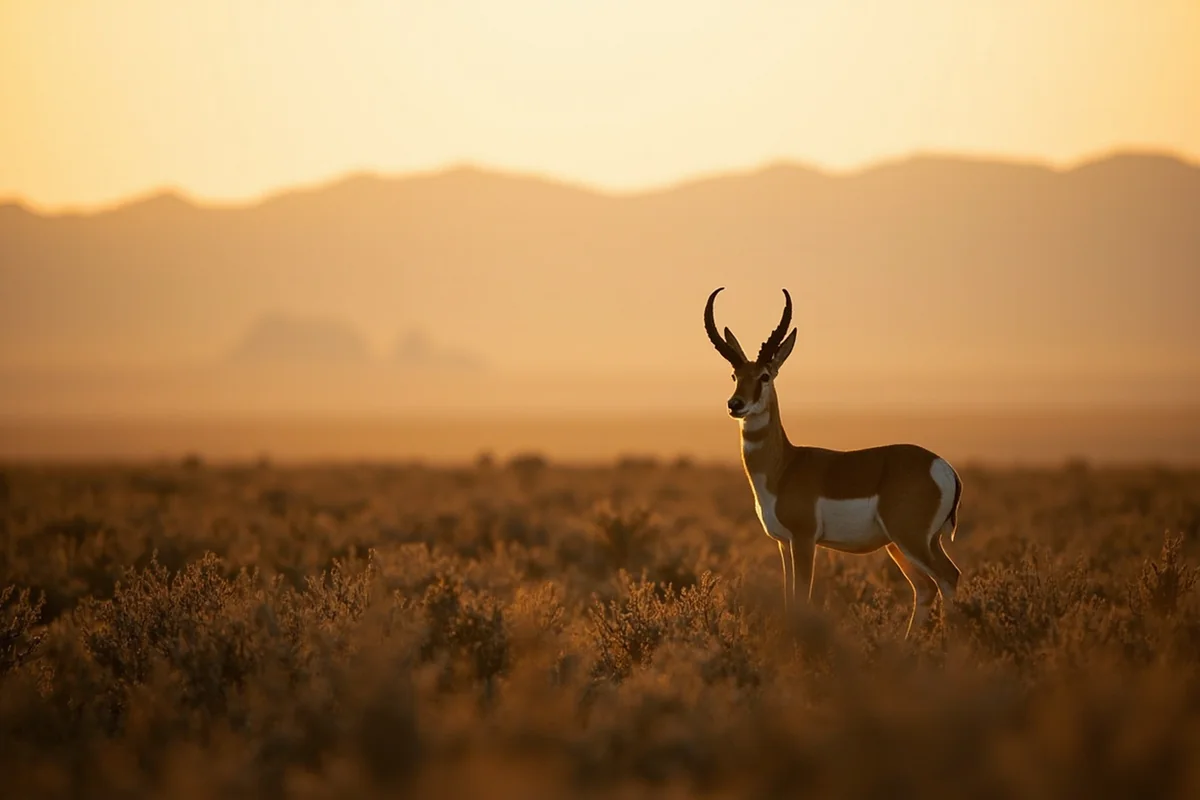
Why Montana for DIY Pronghorn Hunting?
Montana consistently ranks among the top three states for pronghorn population, with roughly 150,000 animals roaming the eastern two-thirds of the state. Wyoming gets more attention, but Montana’s combination of accessible public land, reasonable draw odds, and less hunting pressure makes it ideal for the DIY hunter.
During my first season, I made the mistake of focusing exclusively on Wyoming because everyone said it was “the pronghorn state.” What I discovered after switching to Montana was that I spent less time competing for spots and more time actually hunting.
The state’s Block Management program opens hundreds of thousands of private acres at no cost. I’ve hunted blocks near Jordan, Malta, and Glasgow where I never saw another hunter despite having legal access to prime antelope habitat.
Understanding Montana’s Pronghorn Regions
Montana divides its hunting opportunities into seven administrative regions, but for pronghorn, you really only need to focus on three:
Region 4 (North Central): This area around Great Falls and the Hi-Line holds decent numbers of antelope, particularly south toward the Missouri Breaks. I hunted near Winifred last October and found good concentrations of animals on BLM parcels mixed with agricultural land.
Region 6 (Northeast): This is my personal favorite for DIY hunters. The country around Glasgow, Malta, and Jordan offers vast expanses of public land with healthy pronghorn populations. The Charles M. Russell National Wildlife Refuge alone provides access to some of the best antelope habitat I’ve encountered anywhere.
Region 7 (Southeast): The area from Miles City south to the Wyoming border holds Montana’s highest pronghorn densities. Districts around Broadus and Ekalaka consistently produce good bucks. The downside is slightly more hunting pressure, but the sheer number of animals compensates for it.
The License and Tag System Explained
Montana’s antelope licensing initially confused me, and I’ve met plenty of hunters at check stations equally baffled. Here’s how it actually works after navigating it for seven seasons.
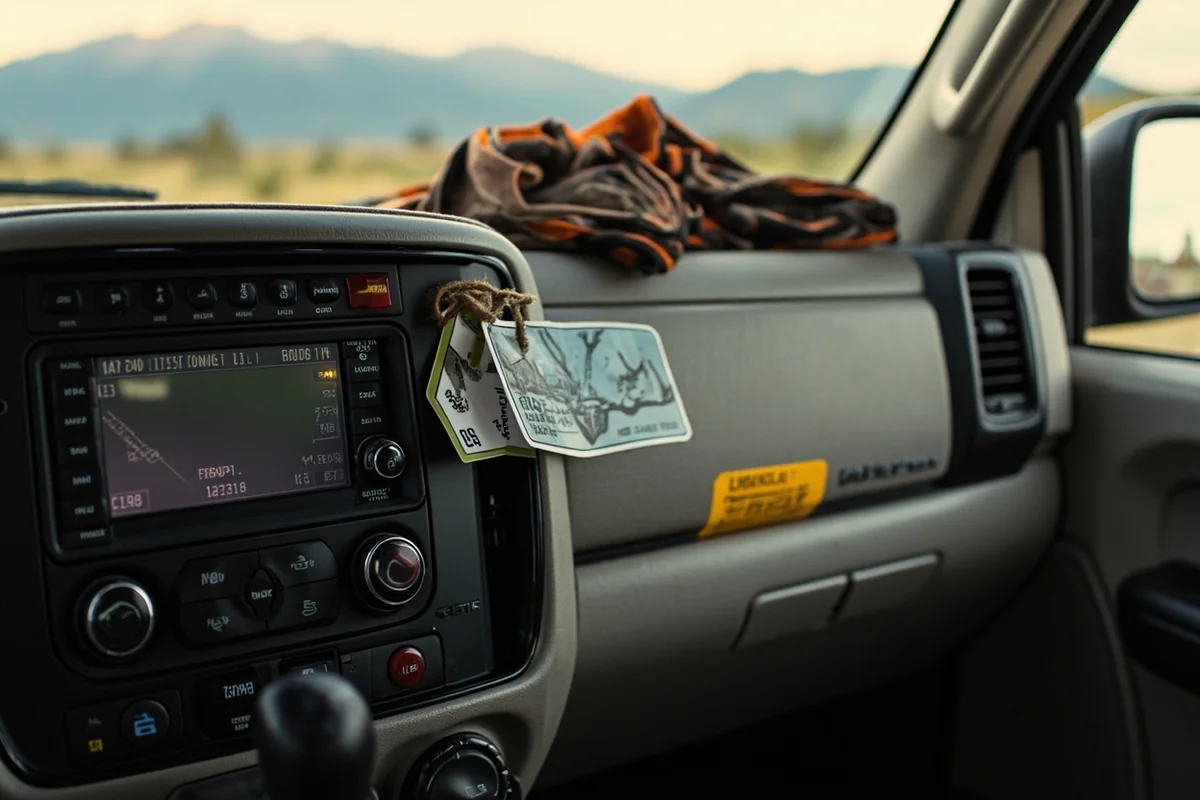
License Types and Drawing
General Antelope License (900-20): Available over-the-counter to residents only. This is why non-residents need to pay attention to the special permit system.
Special Permit Drawings: Non-residents apply through Montana’s spring drawing (deadline typically early April). Your application goes into a pool for specific hunting districts, and odds vary wildly depending on which district you choose.
Here’s what most guides won’t tell you: several districts offer 90%+ draw odds for non-residents. During my research for last season, I found Districts 622, 621, and several in Region 7 that virtually guaranteed tags for first-time applicants.
Combination Licenses: Non-residents can purchase a combination license that includes deer and antelope privileges for certain districts. For my 2022 trip, I bought the Big Game Combination license ($1,026 at the time) which let me hunt both species.
Cost Breakdown for Non-Residents
| Item | Cost (2024) |
|---|---|
| Non-Resident Conservation License | $10 |
| Antelope Special Permit | $205 |
| Base Hunting License | $15 |
| Application Fee (non-refundable) | $5 |
| Total | ~$235 |
Compare this to guided hunts running $2,500-4,500, and you’ll understand why DIY makes financial sense for antelope.
Scouting Strategies That Actually Work
Last summer, I spent four days scouting Districts 410 and 411 before rifle season opened. That pre-season work taught me more about pronghorn behavior than my previous three seasons combined.
E-Scouting Before Your Trip
Start your research using onX Hunt or goHUNT mapping tools. I overlay public land boundaries with topographic features, looking for three specific elements:
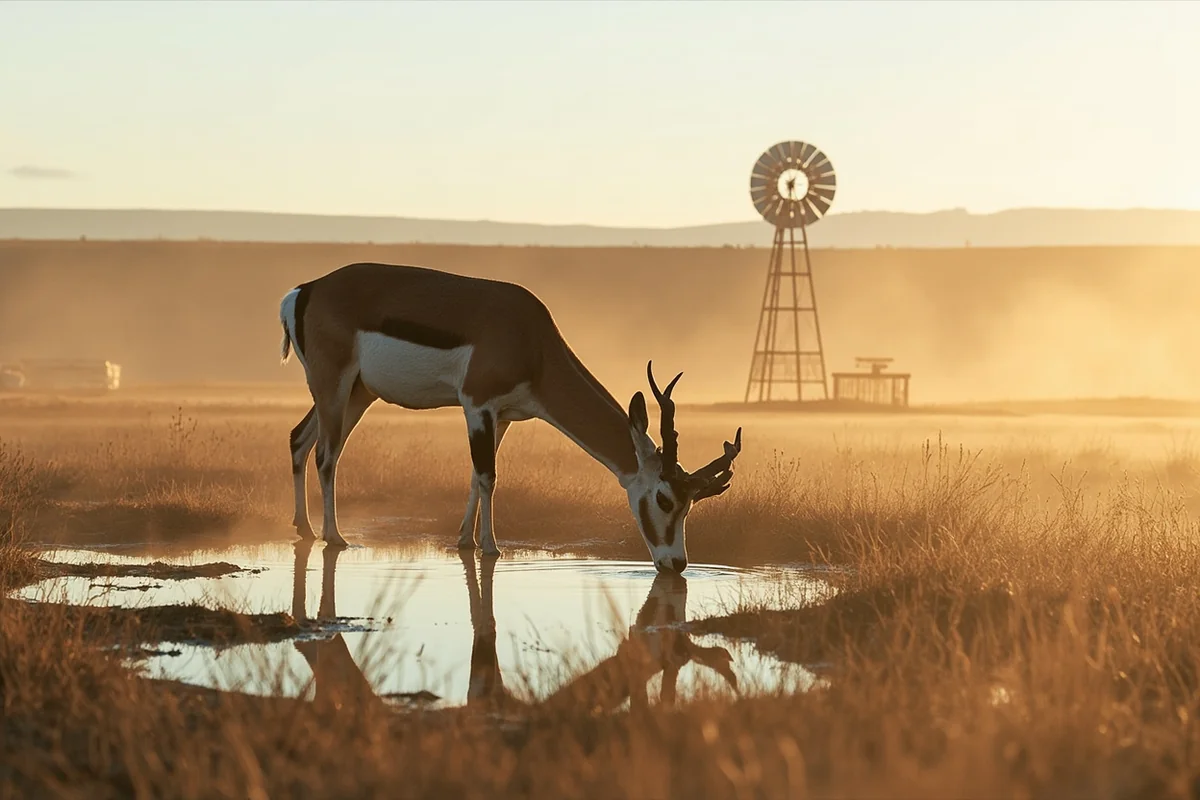
Water sources on public land: Pronghorn need water every 1-2 days during warm September weather. Stock tanks, windmills, and natural springs on BLM or state land become natural funnels. I mark every water source within my target district and prioritize those surrounded by public ground.
Agricultural edges: Antelope love alfalfa and winter wheat. Where public land adjoins agricultural fields, you’ll find animals transitioning between feeding and bedding areas. My best bucks have come from these transition zones.
Terrain breaks: Pronghorn use coulees, ridgelines, and subtle elevation changes for bedding and escape routes. I look for public land parcels with rolling terrain rather than flat expanses—these give you options for stalking.
Boots-on-Ground Scouting
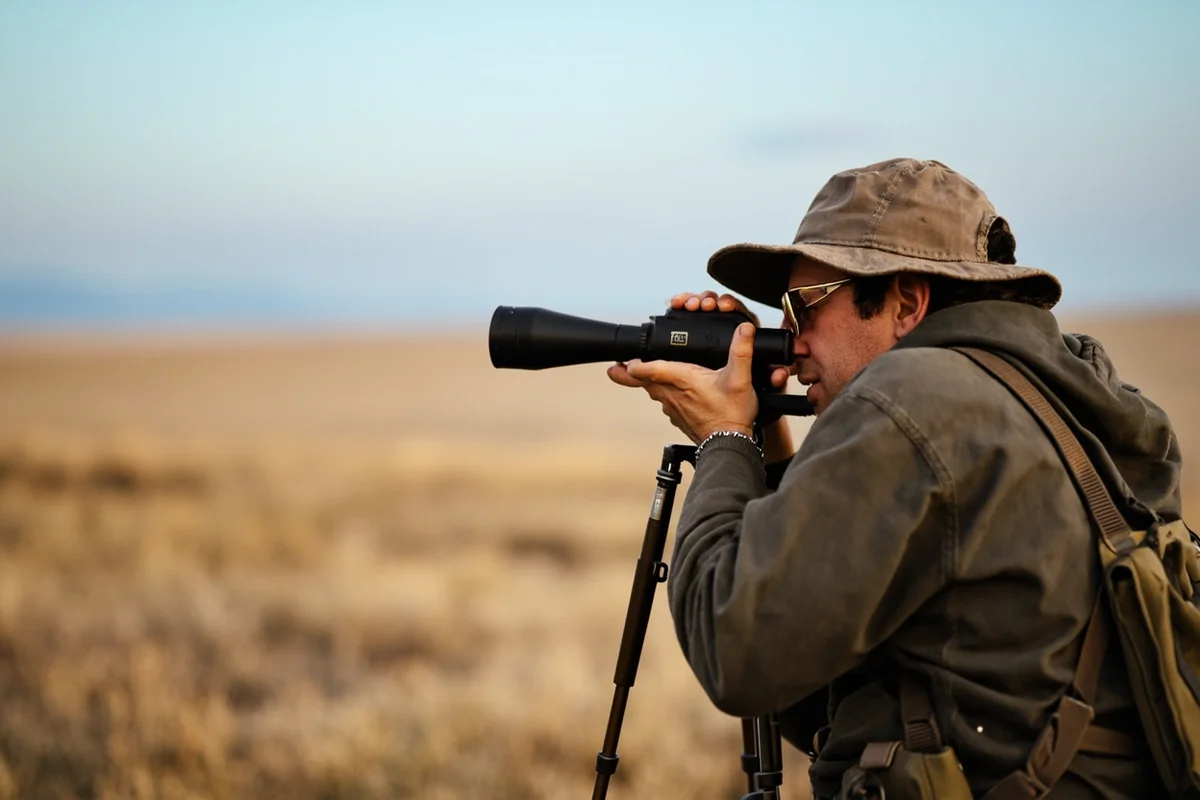
When I arrive in my hunting district, I spend the first full day driving roads and glassing from the truck. This sounds lazy, but it’s efficient—I can cover 50 miles of country and mark antelope concentrations before ever leaving the vehicle.
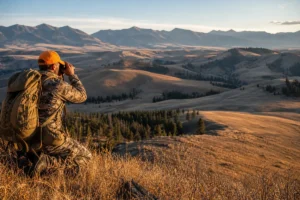
My process involves stopping at every high point, setting up my spotting scope, and spending 20-30 minutes dissecting the landscape. I’m counting animals, noting buck-to-doe ratios, and identifying the biggest bucks in each group.
One discovery from last season: pronghorn in Montana’s eastern districts are creatures of habit. A buck I glassed at 7 AM on Tuesday was within 400 yards of that same spot on Thursday when I returned. They’re not like elk that might move five miles overnight.
Water Hole Hunting: The Montana Advantage
September archery season in Montana often brings temperatures in the 80s and 90s. This creates perfect water hole hunting conditions that I’ve exploited successfully multiple times.
During my 2021 archery hunt near Jordan, I found a stock tank on BLM land that attracted six different pronghorn groups over a single afternoon. I set up a ground blind 35 yards from water and arrowed a 14-inch buck at 28 yards while he was drinking.
Finding Productive Water Sources
Not all water is created equal. After hunting a dozen different tanks and reservoirs, I’ve identified what makes a water hole productive:
Isolation matters: If there are multiple water sources within a mile, animals disperse. The best tanks sit alone in a sea of sage with no competing water for two miles in any direction.
Approach cover: Pronghorn prefer water they can approach with visibility. Tanks surrounded by tall brush see less use than those in open areas where animals can spot predators.
Sign tells the story: Fresh tracks, droppings within 20 yards, and trails converging from multiple directions indicate heavy use. I spend time walking around potential water sources before committing to a setup.
Blind Placement and Setup
I’ve made every mistake possible with water hole blinds. Here’s what I’ve learned works:
Place your blind 3-5 days before hunting if possible. Pronghorn notice changes in their environment but accept them quickly if nothing threatening happens. My blinds brushed in with local vegetation become invisible to animals within 48 hours.
Distance depends on your weapon. For archery, I position 25-35 yards from water—close enough for ethical shots, far enough that animals don’t feel pressured. For rifle hunting, I’ve set up 150-200 yards away, which lets animals approach water naturally.
Wind direction trumps everything. I’d rather hunt a mediocre water hole with perfect wind than a hotspot where thermals will blow my scent across approaching antelope.
Spot-and-Stalk Tactics for Montana Terrain
While water hole hunting produces results, spot-and-stalk remains my favorite method for pronghorn. There’s something about matching wits with the animal possessing the best eyesight in North America that makes success incredibly satisfying.
If you’ve attempted DIY mule deer hunting in similar terrain, many skills transfer directly to pronghorn. The difference is that antelope will spot you at distances where deer would never notice.
The Terrain-Based Approach
Montana’s prairie looks flat from a distance, but subtle undulations hide stalking opportunities. I spend more time studying topography than watching animals—once I know where a buck is bedded, the approach route determines success.
My typical stalk begins with a long loop to get downwind. I’m talking potentially a mile or more of walking to achieve a wind-correct position. Pronghorn will tolerate distant movement but spook at unfamiliar scent from 400+ yards.
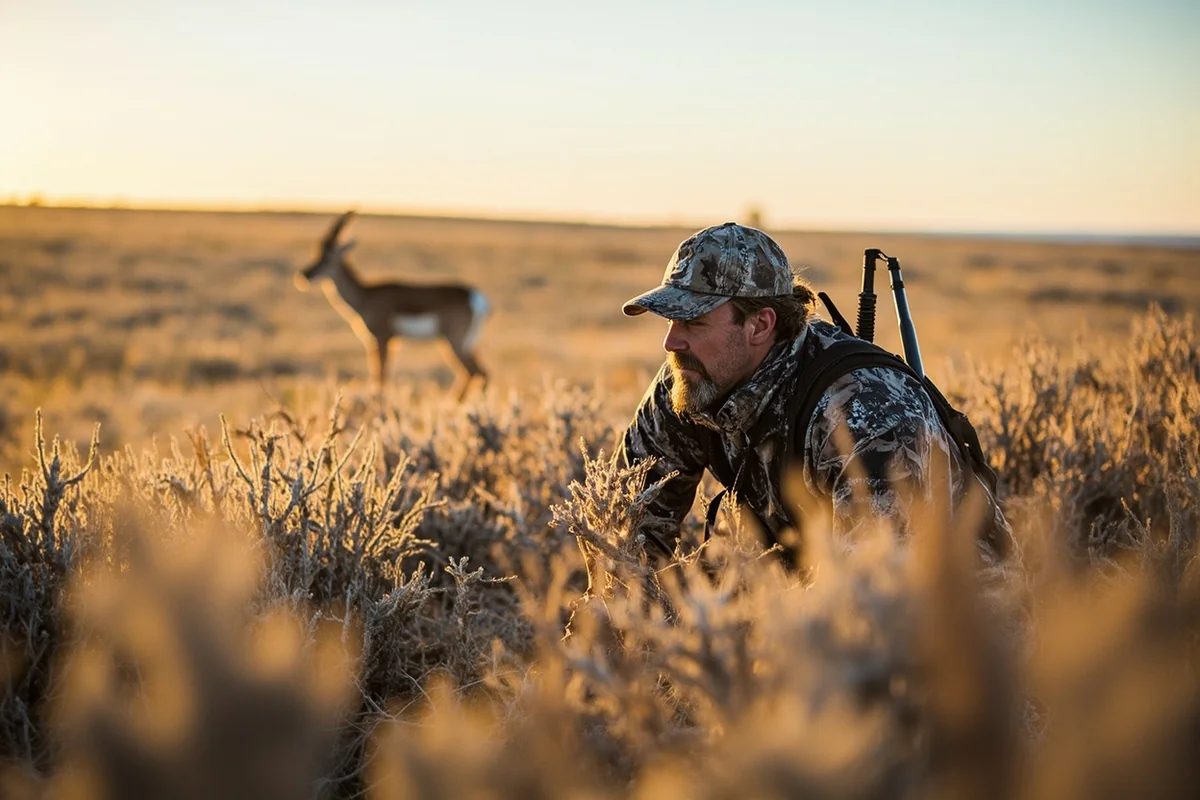
Once downwind, I use every terrain feature: dry creek beds, slight ridges, sagebrush tall enough to break my outline. I move when animals have their heads down feeding or when other pronghorn distract the buck’s attention.
Crawling: The Necessary Evil
Every successful archery stalk I’ve completed involved crawling. The final 100-200 yards across open ground requires getting on your belly and moving inches at a time.
I carry knee pads specifically for this purpose—my Cabela’s knee pads have saved my joints countless times. I also wear a long-sleeve shirt regardless of temperature to protect my elbows.
The key is patience. I’ve spent 90 minutes covering 150 yards on my final approach. Move when the buck’s head turns away. Freeze completely—and I mean completely—when he looks your direction. Pronghorn detect motion, not shapes, so a motionless blob in the sage doesn’t trigger alarm.
Rifle Hunting Specifics
October rifle season brings cooler weather, changing antelope behavior, and different tactical considerations. The rut begins influencing buck movement, creating both opportunities and challenges.
Gear and Equipment
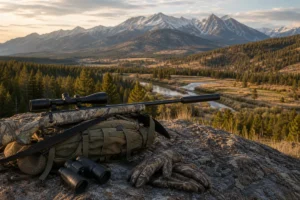
I shoot a Tikka T3 in .243 Winchester for antelope—light enough for long walks, flat-shooting enough for the 300+ yard shots that happen in open country. That said, any flat-shooting caliber from .243 to .300 Win Mag works fine.
What matters more than caliber is your optic. I run a Leupold VX-5HD 3-15×44, which lets me identify animals at distance and make precise shots. A cheap scope on an expensive rifle will fail you in Montana’s unforgiving light conditions.
Bring a quality bipod. Harris makes my go-to model—the legs lock solidly, and the swivel head allows minor adjustments without repositioning. Most of my shots come from prone using this setup.
Typical Shooting Distances
Be honest about your shooting abilities. Montana’s open terrain creates opportunities at every distance from 50 to 500 yards, but that doesn’t mean you should take 500-yard shots.
During my seasons hunting pronghorn, my average shot distance is 227 yards. My longest was 312 yards; my shortest was 47 yards from a blind. I practice to 400 yards but consider my ethical maximum around 350 under field conditions.
Range your targets. I carry a Sig Kilo 2400 rangefinder and use it religiously. Pronghorn create optical illusions across flat terrain—that 250-yard buck often turns out to be 340 yards when actually measured.
Processing and Meat Care in the Field
Montana’s September temperatures can soar into the 90s, making game care critical. I’ve learned hard lessons about meat spoilage that I’ll share so you don’t repeat my mistakes.
Immediate Field Dressing
The moment a pronghorn hits the ground, the clock starts. I gut my animals within 30 minutes of recovery, working in whatever shade I can find or create.
Prop the chest cavity open with a stick to promote air circulation. If temperatures exceed 70°F, I skin the animal immediately and quarter it for transport. Leaving the hide on traps heat and accelerates spoilage.
Carry quality game bags—I use Alaska Game Bags’ synthetic breathable version. These protect meat from flies while allowing airflow. Cotton pillowcases work in a pinch, but purpose-built bags perform better.
Cooling Options
Ice is your friend. I fill large coolers with block ice before leaving town, keeping them in my truck bed for immediate meat storage. A properly iced cooler keeps antelope quarters safe for 3-4 days, letting you continue hunting if you draw a multi-tag district.
Some hunters bone out their antelope in the field to reduce bulk and cooling requirements. This works well but requires sharp knives and knowledge of meat cuts. I quarter my animals traditionally, leaving bone in for easier hanging and aging once I return home.

Where Specifically to Hunt: My Favorite Areas
After seven seasons, I’ve developed strong opinions about specific areas. Here are my top recommendations with honest assessments.
Charles M. Russell National Wildlife Refuge
The CMR offers over one million acres of public land with healthy pronghorn populations. I hunted here during 2020 and found animals throughout the refuge’s broken Missouri Breaks terrain.
Access can be challenging—many roads require high-clearance vehicles, especially after rain. I recommend starting from the Fred Robinson Bridge area on Highway 191, where several good roads penetrate the refuge’s interior.
The downside is distance from services. Bring extra fuel, water, and supplies. The nearest towns (Malta, Lewistown) sit 50+ miles from prime hunting areas.
Glasgow Area BLM Lands
The patchwork of BLM and state land north of Glasgow provides excellent DIY opportunity. I hunted this area last season and appreciated the gentler terrain—easier stalking than the breaks country.
Check Block Management listings for additional access. Several ranches in this area participate in the program, dramatically expanding available ground. I contacted landowners in advance and secured permission for some outstanding private land hunting adjacent to my public land areas.
Ekalaka Region
The Ekalaka area in southeastern Montana holds some of the state’s best antelope hunting. Districts 701, 702, and 703 consistently produce good bucks with reasonable draw odds.
This region taught me that Montana’s southeastern corner delivers what Wyoming promises. The difference is fewer hunters and more accessible public ground. My 2019 hunt near Ekalaka produced my best buck to date—a 15-inch trophy taken at 267 yards on BLM land.
Timing Your Hunt
When you hunt matters almost as much as where you hunt. I’ve experimented with different dates and learned each period offers distinct advantages.
Archery Season (Early September)
Archery antelope season typically opens the Saturday after Labor Day. This period coincides with warm weather, making water hole hunting effective. Bucks remain in bachelor groups or small herds, predictable and patterned.
The challenge is heat management—both for you and any meat you harvest. Plan morning and evening hunts, resting during midday. I’ve napped in my truck many afternoons, waiting for cooling temperatures before resuming.
Rifle Season (October)
General rifle season opens in October, with specific dates varying by district. Cooler temperatures make all-day hunting feasible and simplify meat care.
Pre-rut behavior begins in early October. Bucks start showing interest in does, sometimes letting their guard down during pursuit. I’ve used decoys effectively during this period, though results vary wildly depending on individual buck temperament.
Late Season Considerations
Some districts remain open through November. While hunting pressure decreases, so do animal numbers—many pronghorn shift patterns as winter approaches, sometimes leaving traditional areas entirely.
If you’re flexible on timing, I recommend the first two weeks of October for rifle hunting. You’ll encounter rutting behavior without the harsh late-season weather.
Combining Species on Your Trip
Smart Montana DIY hunters often pursue multiple species on the same trip. The state’s licensing allows combining antelope with other big game under certain circumstances.
Many hunters tackle DIY elk hunting alongside their antelope pursuit. While elk require different terrain, some hunting districts offer both species on nearby public lands.
For those visiting in spring, DIY Montana spring bear hunts provide an excuse to scout your fall antelope areas while targeting black bears emerging from hibernation.
My recommendation: apply for antelope and mule deer tags in adjacent districts. The seasons overlap significantly, and eastern Montana habitat supports both species. I’ve tagged antelope and mule deer on the same trip three different years.
Budgeting Your DIY Hunt
Let me break down realistic costs for a week-long DIY pronghorn hunt based on my actual expenses from last season.
| Expense Category | Cost |
|---|---|
| Licenses and Tags | $235 |
| Fuel (from Denver) | $380 |
| Lodging (6 nights, mix of motel/camping) | $320 |
| Food and Supplies | $175 |
| Processing (at home) | $0 |
| Ice and Game Care | $45 |
| Total | $1,155 |
Your costs will vary based on travel distance and accommodation preferences. But even flying into Billings and renting a vehicle, a DIY pronghorn hunt should cost under $2,500—roughly half what guided operations charge.
Common Mistakes I’ve Made (So You Don’t Have To)
Seven seasons taught me plenty of lessons through failure. Here are the mistakes that cost me animals or created unnecessary hardship.
Underestimating distances: My first season, I left my rangefinder at home thinking I could estimate yardage. I missed two bucks because I misjudged distance by 50+ yards. Never hunt antelope without a rangefinder.
Ignoring wind: Pronghorn smell better than most hunters realize. I’ve had animals spook at 400 yards when wind swirled my scent toward them. Check wind obsessively throughout your stalk.
Moving too fast on stalks: Early in my pronghorn career, I’d rush stalks trying to close distance before animals moved. This never worked. Slow, patient approaches succeed; hurried ones fail.
Poor camp setup: My 2018 hunt involved camping in a low area that flooded during an unexpected storm. Lost a day of hunting drying gear. Now I camp on elevated ground regardless of weather forecasts.
Skipping scouting: One season, I drove straight to my hunting area opening morning without scouting. Spent two days locating animals that I should have found beforehand. Pre-hunt reconnaissance saves hunting-day hours.
Final Thoughts on Montana DIY Antelope Hunting
Pronghorn hunting won’t deliver the adrenaline rush of bugling elk or the challenge of tracking mature whitetails. What it offers instead is accessible adventure in stunning country, with reasonable success rates for hunters willing to put in the work.
I return to Montana’s prairies every fall because the experience never gets old. There’s something profoundly satisfying about glassing a buck at dawn, planning a stalk across two miles of open ground, and executing that plan successfully.
Start simple—pick a district with good draw odds, do your homework on public land access, and commit to a week of hunting. The skills you develop chasing speed goats will make you a better hunter for every other species you pursue.
Montana’s pronghorn aren’t going anywhere, and neither is the public land that makes DIY hunting possible. Apply this spring, do your scouting over summer, and join me on the prairie when autumn arrives. You won’t regret it.
Frequently Asked Questions
How much does a DIY antelope hunt cost in Montana?
A DIY antelope hunt in Montana typically costs between $300-$800 total, including a non-resident antelope license ($205) and conservation license ($10). Your biggest expenses will be fuel, lodging, and meat processing, which runs about $150-$250. I’ve found that camping on BLM land can cut costs significantly compared to hotels in small towns.
What is the best time of year for antelope hunting in Montana?
Montana’s archery antelope season opens in early September, while rifle season typically runs from early October through mid-November. I recommend hunting the first two weeks of October when antelope are still in predictable patterns and the weather is mild. Early mornings and late afternoons are prime times since pronghorn bed down during midday heat.
Where are the best public land areas for DIY antelope hunting in Montana?
Eastern Montana offers the best DIY antelope hunting on public land, particularly in regions 6 and 7 near Miles City, Glasgow, and Jordan. The Charles M. Russell National Wildlife Refuge and surrounding BLM lands hold strong pronghorn populations with less hunting pressure. I always use onX Maps to identify walk-in access areas and landlocked public parcels that other hunters overlook.
What gear do I need to pack for a Montana antelope hunt?
Essential gear includes a flat-shooting rifle (.243 to .270 caliber), quality binoculars (10×42 minimum), a spotting scope for glassing vast terrain, and a sturdy shooting rest or tripod. Pack layered clothing for temperature swings from 30°F mornings to 70°F afternoons, plus sunscreen and plenty of water since eastern Montana is high desert. Don’t forget game bags, coolers with ice, and a reliable GPS unit for navigating remote areas.
How difficult is it to draw a non-resident antelope tag in Montana?
Montana antelope tags are relatively easy to obtain compared to other western states, with many units offering over-the-counter general licenses or high draw odds for non-residents. Some premium units require applying through the drawing system by March 15th, but success rates often exceed 50-75% for first-choice applicants. I recommend checking Montana FWP’s hunting statistics page to identify units with consistent tag availability.
How far in advance should I plan a DIY Montana antelope hunting trip?
Start planning your Montana antelope hunt at least 6-8 months in advance, especially if you need to apply for the March drawing deadline. Book lodging in small towns like Jordan, Winnett, or Ekalaka early since options are limited and fill up fast during hunting season. I spend the summer months e-scouting with Google Earth and studying harvest reports to identify high-density antelope areas.
Can I camp while DIY antelope hunting on public land in Montana?
Yes, dispersed camping is allowed on BLM and National Forest lands throughout eastern Montana’s antelope country, typically for up to 14 days in one location. Bring all your own water, as services are scarce and the nearest town might be 40-60 miles away. I prefer setting up a base camp near water sources on BLM land, which puts me within glassing distance of prime antelope habitat at first light.