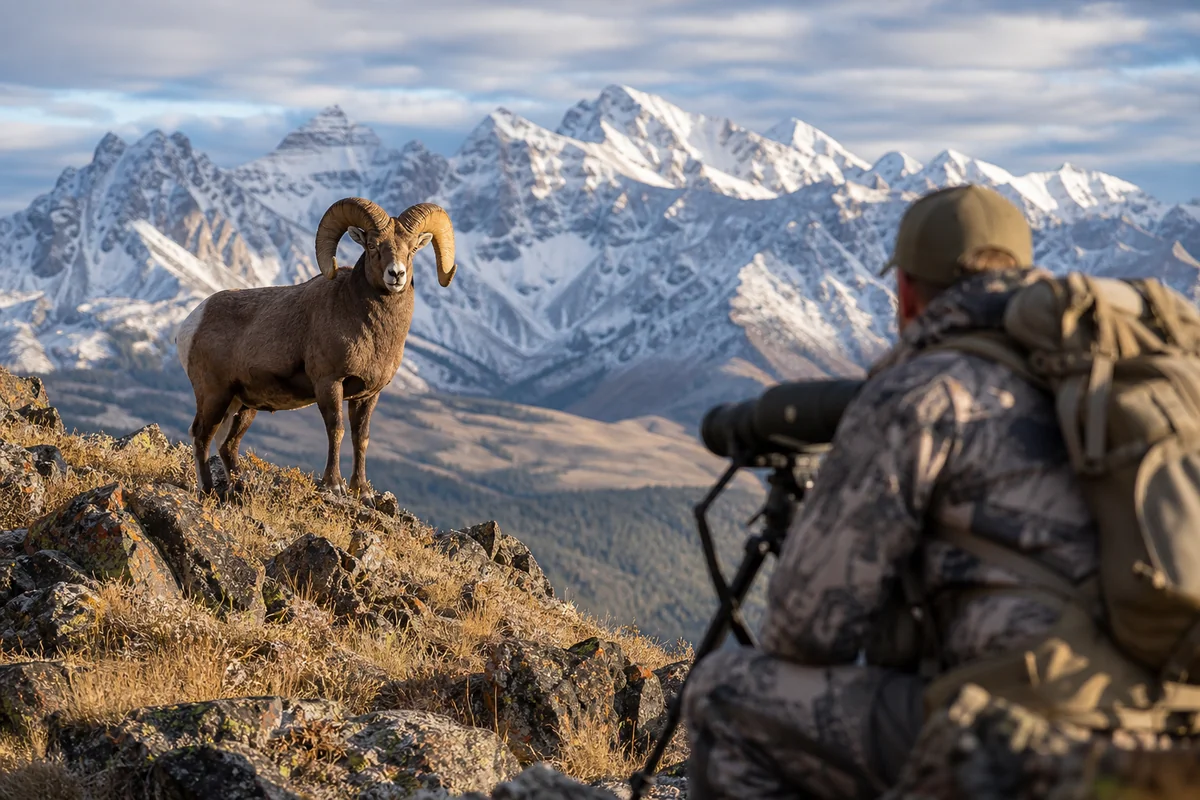
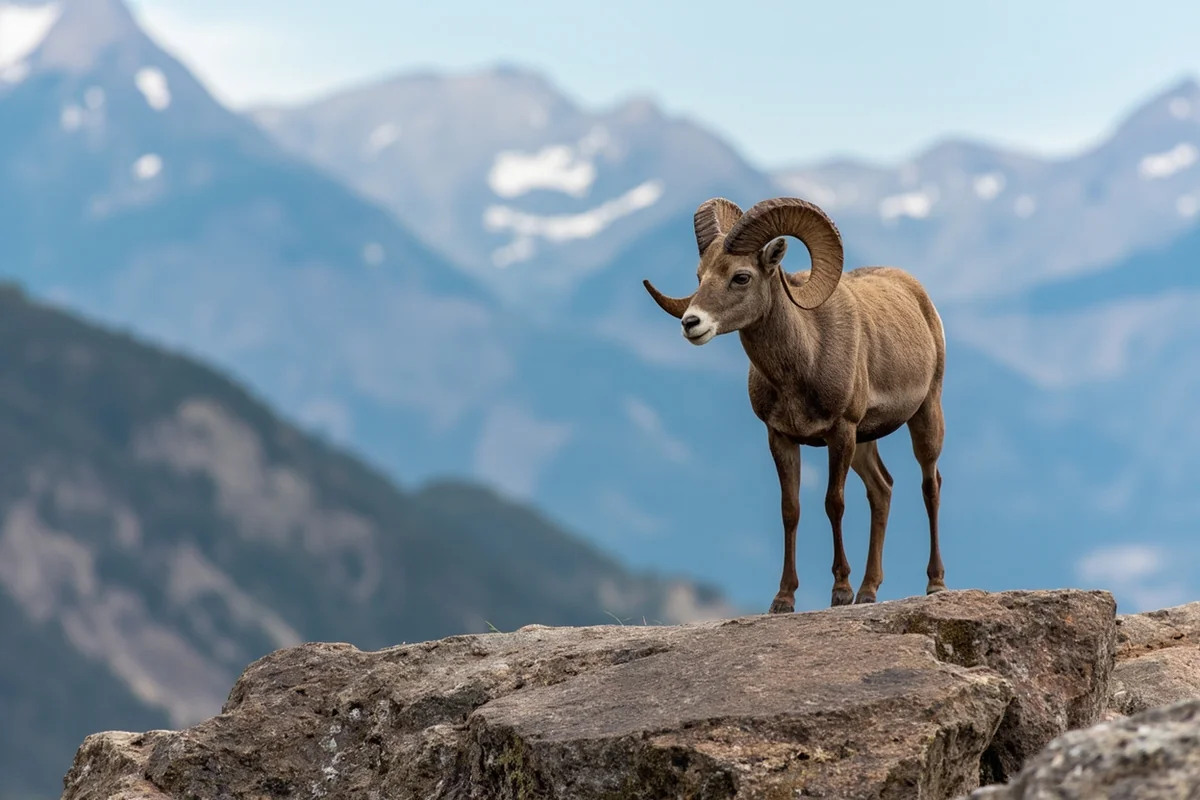
The moment I crested the ridge in Hunting District 300 last October, my breath caught—not just from the 9,000-foot elevation, but from the sight of a full-curl ram silhouetted against the Absaroka peaks, his massive horns curling past his jaw like nature’s perfect sculpture.
That single image represented seven years of applying, waiting, and dreaming about what many hunters call the ultimate North American trophy.
If you’re serious about pursuing bighorn sheep in Montana, this Montana Hunting Guide will become your foundation, but the journey to drawing and harvesting a ram is unlike anything else in big game hunting.
- Montana offers approximately 200-250 bighorn sheep tags annually through a lottery system with preference points
- Expect 15-20+ years of applications before drawing a coveted ram tag
- Best hunting districts include HD 300, 302, 500, and 680 for trophy potential
- Physical conditioning is non-negotiable—plan for 5,000+ feet of elevation gain daily
- Budget $500-$800 for resident DIY hunts; $8,000-$15,000+ for guided non-resident experiences
- Success rates average 85-95% once you draw, making this a true once-in-a-lifetime hunt
Why Montana Bighorn Sheep Hunting Stands Apart
Montana holds one of the healthiest wild bighorn sheep populations in North America, with roughly 6,000 animals scattered across the state’s most dramatic mountain ranges. Unlike Montana elk hunting or deer hunting, bighorn sheep tags are severely limited to protect these iconic animals.
What makes this hunt so special isn’t just the scarcity of tags—it’s the complete package. You’re pursuing an incredibly wary animal in terrain that would make most hikers turn around.
During my hunt, I covered 67 miles on foot over nine days, scrambling across talus fields, navigating knife-edge ridges, and glassing until my eyes burned. Every single step felt earned.
The Montana Bighorn Sheep Population
Montana manages two subspecies of bighorn sheep: Rocky Mountain bighorns and Audubon’s bighorns (now genetically mixed with Rocky Mountain stock). The Rocky Mountain variety dominates most hunting districts.
The population has rebounded significantly since the 1940s when pneumonia and overhunting nearly wiped them out. Today’s herds are carefully monitored through helicopter surveys and ground counts.
I’ve watched FWP biologists work these surveys near Gardiner, and their dedication to maintaining genetic diversity and herd health is remarkable. This conservation success story is exactly why drawing a tag feels like winning the lottery—because you’re part of something sustainable.
Understanding Montana’s Bighorn Sheep Hunting Districts
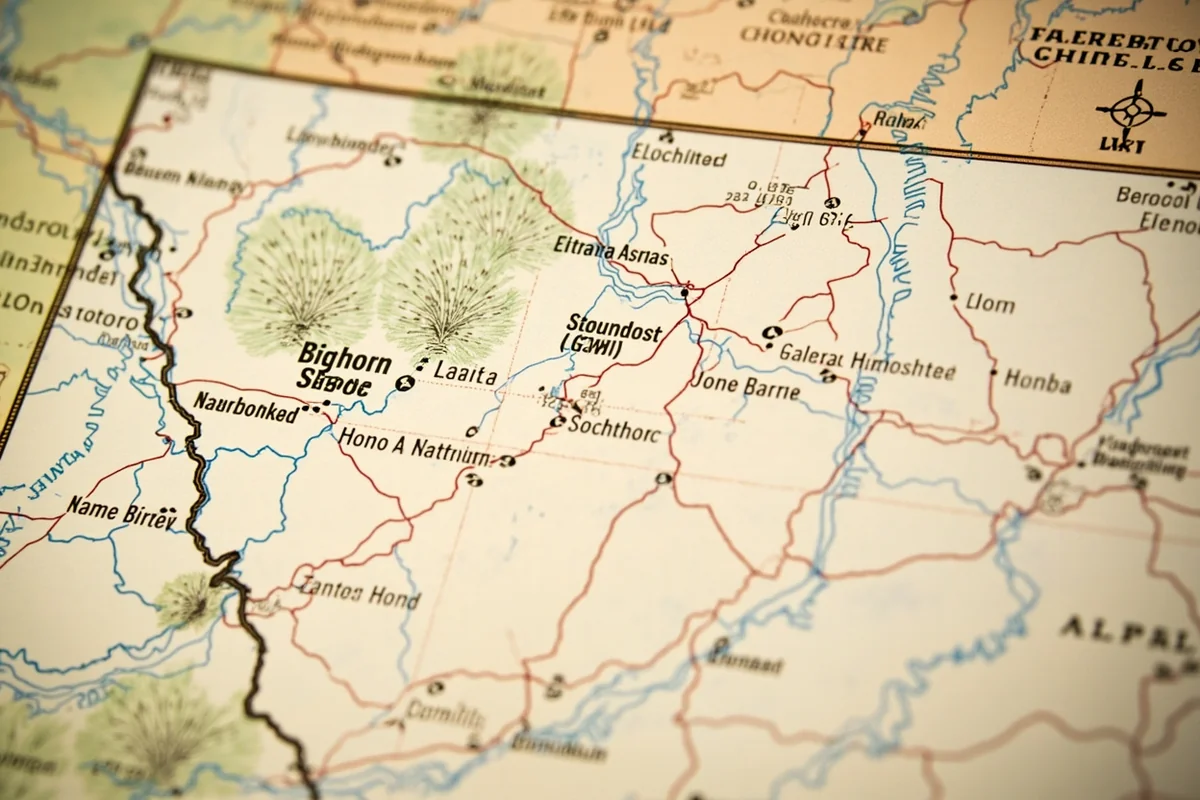
Montana divides bighorn sheep habitat into roughly 30 hunting districts, each with different tag quotas, terrain characteristics, and trophy potential. Knowing these districts intimately before you apply can mean the difference between a frustrating hunt and the experience of a lifetime.
Top Trophy Districts
Hunting District 300 (Absaroka-Beartooth)
This is where I finally drew my tag, and I’d do it again without hesitation. The Absaroka Range offers some of the most rugged yet productive sheep habitat in the lower 48.
Access points near Livingston and Gardiner put you within striking distance of world-class rams. Expect heavy competition for camping spots near trailheads during opening week.
I based my hunt out of Pine Creek and hiked into the backcountry for six days. The rams I encountered averaged 170+ Boone and Crockett inches, with several pushing toward 180.
Hunting District 302 (Stillwater)
Adjacent to HD 300, this district offers similarly spectacular terrain with slightly less hunting pressure. The Beartooth Plateau provides summer range, while lower elevations along the Stillwater River create winter concentration areas.
Local outfitter contacts I’ve developed over the years consistently point to late September as the sweet spot here—rams are still in bachelor groups and more predictable than during the rut.
Hunting District 500 (Upper Missouri Breaks)
Here’s where things get interesting. The Missouri Breaks offer completely different terrain—deeply eroded badlands rather than alpine peaks.
I scouted this area two summers ago and was stunned by the sheep numbers. These bighorns have adapted to a landscape that looks nothing like classic sheep country, making for a unique hunting experience.
Hunting District 680 (Tendoy Mountains)
The Tendoys along the Idaho border produce consistently large rams with less pressure than the flagship districts. Access is challenging, which keeps hunter numbers manageable.
District Comparison Table
| District | Terrain Type | Avg. Tags/Year | Trophy Potential | Physical Difficulty |
|---|---|---|---|---|
| HD 300 | Alpine/Subalpine | 8-12 | Excellent (170+) | Extreme |
| HD 302 | Alpine/Subalpine | 6-10 | Excellent (170+) | Extreme |
| HD 500 | Breaks/Badlands | 10-15 | Good (160-175) | Moderate |
| HD 680 | Mountain/Canyon | 4-6 | Very Good (165+) | Hard |
The Application Process and Preference Points
Here’s the part nobody wants to hear: you will likely wait many years to draw a Montana bighorn sheep tag. Understanding how Montana preference points work is absolutely essential to your long-term strategy.
How the Lottery Works
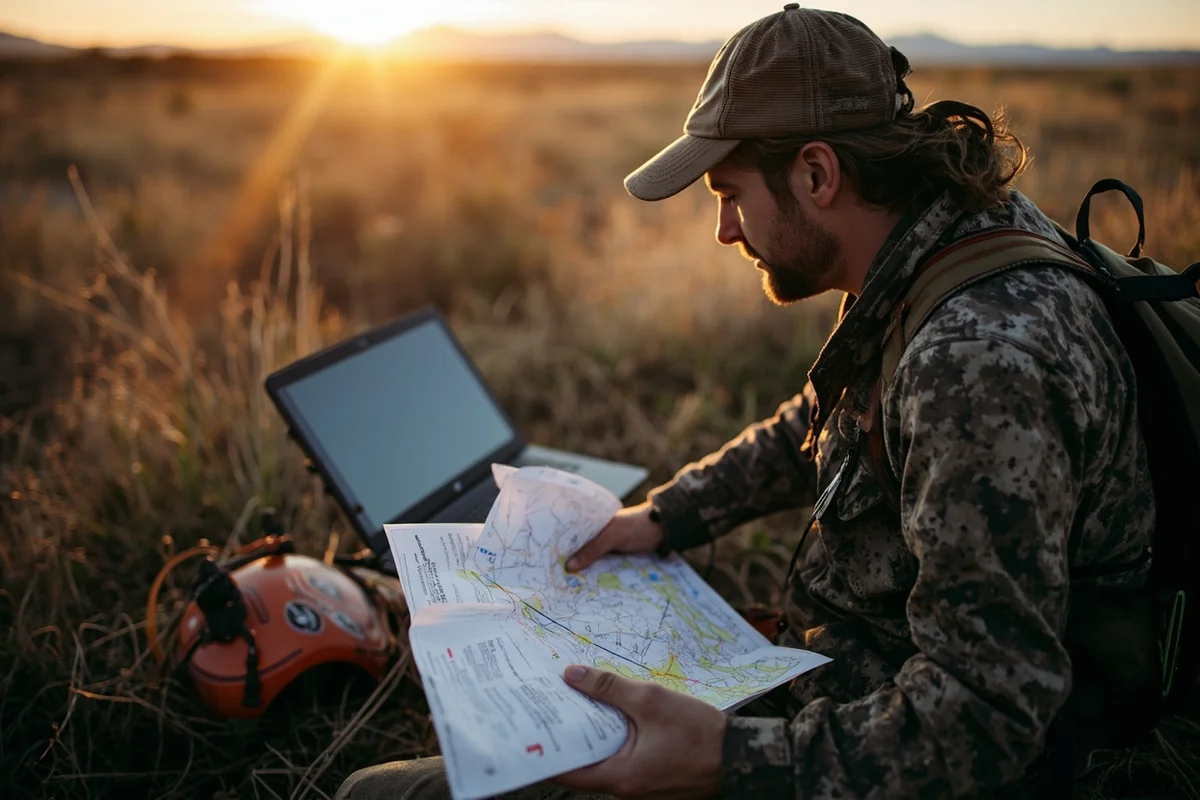
Montana uses a “hybrid” drawing system that balances rewarding long-term applicants with giving everyone a chance. Here’s how it breaks down:
Seventy-five percent of tags go to the applicants with the most preference points. The remaining 25% go into a purely random drawing where any applicant could draw regardless of points.
Each year you apply unsuccessfully, you gain one preference point. These points carry forward indefinitely as long as you continue applying.
I accumulated seven preference points before my name came up. Some hunters I met at the check station had 20+ points and still considered themselves lucky.
Application Timeline and Costs
Applications typically open in early March and close in early May. Check the FWP website each year for exact dates, as they shift slightly.
For detailed information on Montana hunting license costs, residents currently pay around $125 for the bighorn sheep license once drawn, plus the base hunting license. Non-residents face significantly higher costs—approximately $1,250 for the sheep license alone.
The application fee (non-refundable) runs about $10 for residents and $50 for non-residents. This fee purchases your preference point if you don’t draw.
Strategic District Selection
One mistake I see constantly: hunters apply for the “best” district without considering their odds. Trophy districts like HD 300 require maximum points to draw in the 75% pool.
Consider putting in for a second or third-choice district with fewer applicants if you’re playing the odds game. The unlimited sheep areas (yes, they exist for certain ewe hunts) can build points while giving you actual hunting experience.
Some hunters apply for the hardest-to-draw districts figuring they might get lucky in the 25% random pool. It’s a legitimate strategy, just not one that worked for me until year seven.
Preparing Physically for Sheep Country
I cannot stress this enough: Montana bighorn sheep hunting will break you if you’re not prepared. This isn’t a hunt where you can stumble out of the truck at first light and hope for the best.
Conditioning Requirements
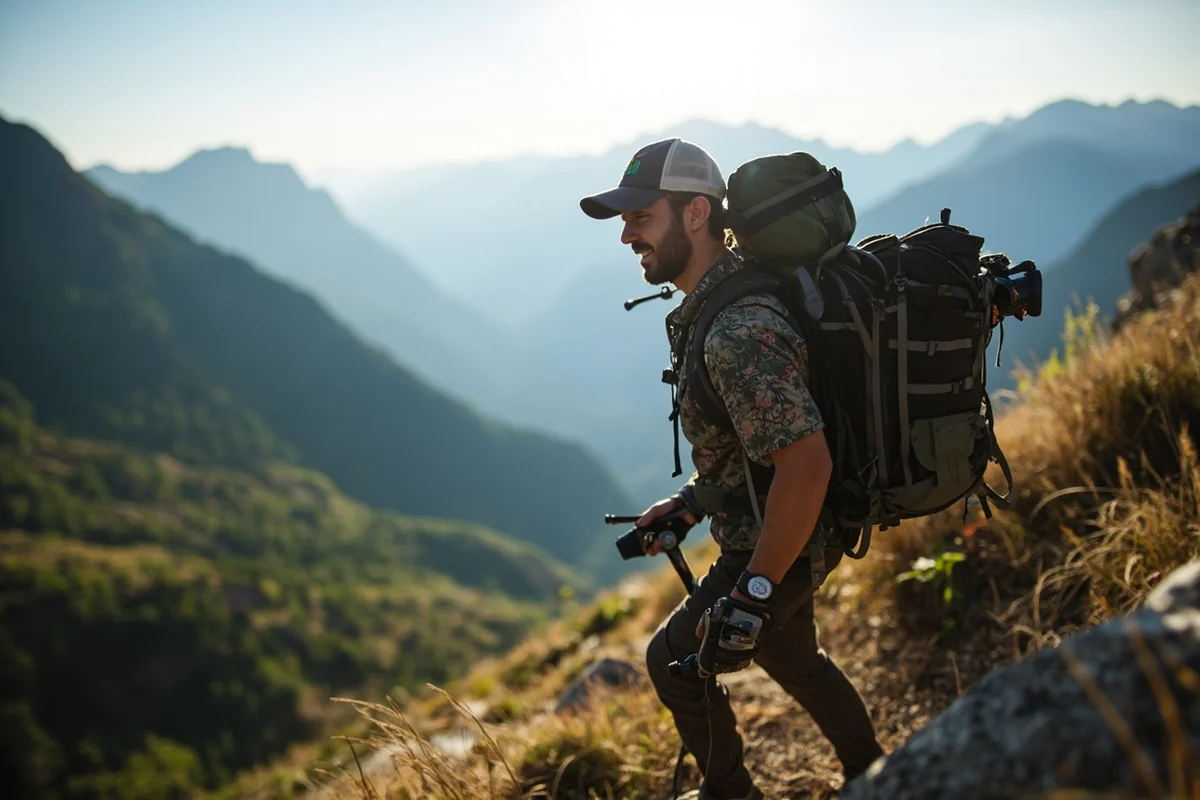
Six months before my hunt, I started a dedicated training program. Three days weekly of weighted pack hikes (starting at 40 pounds, building to 70), combined with stair climbing and altitude simulation training.
I’m in decent shape from chasing elk and mule deer, but sheep hunting operates in a completely different league. You’ll climb 3,000-5,000 feet daily while carrying 30-50 pounds of gear.
One morning, I gained 2,800 feet in 2.5 miles to reach a glassing point. That kind of terrain demands months of preparation, not weeks.
Altitude Considerations
Most prime sheep habitat sits between 8,000 and 11,000 feet. If you’re coming from sea level, plan to arrive at least three days early for acclimatization.
I’ve watched hunters from the Midwest show up the day before opener and spend the first three days sick with altitude symptoms. They recover eventually, but those lost days during a limited hunt are devastating.
Stay hydrated, avoid alcohol for the first few days, and don’t push too hard during your initial scouting. Your body needs time to produce additional red blood cells.
Essential Gear for Montana Sheep Hunting
After nine days in the backcountry, I learned exactly what matters and what becomes dead weight. Sheep hunting demands a careful balance between preparedness and ultralight efficiency.
Optics
Quality glass is non-negotiable. I carried 12×50 binoculars, a 65mm spotting scope, and a compact rangefinder. You’ll spend 80% of your hunting time glassing, so invest here first.
My spotting scope tripod weighed 4 pounds, and I cursed every ounce of it during the climbs. But when I needed to judge horn length at 1,200 yards, that stability was priceless.
Budget at least $1,500-$2,000 for quality binoculars alone. Cheap optics in sheep country lead to misidentified animals and missed opportunities.
Rifle and Caliber Selection
Sheep hunting often involves shots between 300-500 yards across canyons. You need a flat-shooting caliber you can shoot accurately under field conditions.
I carried my 6.5 Creedmoor with a lightweight carbon stock. Total rifle weight was 7.2 pounds scoped. Some hunters prefer more knockdown power with a .300 Win Mag, but shot placement matters far more than caliber selection.
Understanding Montana hunting regulations regarding legal calibers and equipment is crucial—make sure your setup meets all requirements.
Backcountry Camping Gear
Weight is your enemy. I trimmed my base pack weight to 22 pounds through careful gear selection:
- Three-season tent (sub-3 pounds)
- 20-degree down sleeping bag
- Inflatable sleeping pad (R-value 4+)
- Compact cooking system with dehydrated meals
- Water filter and electrolyte tablets
- Emergency communication device (InReach or similar)
Total pack weight with food and water for a five-day spike camp: 55 pounds. It felt like carrying another person up those mountains, but I couldn’t cut anything else.
Hunting Tactics That Actually Work
Bighorn sheep are creatures of habit with exceptional eyesight. They’ll spot you long before you spot them if you’re not careful.
Glassing Strategy
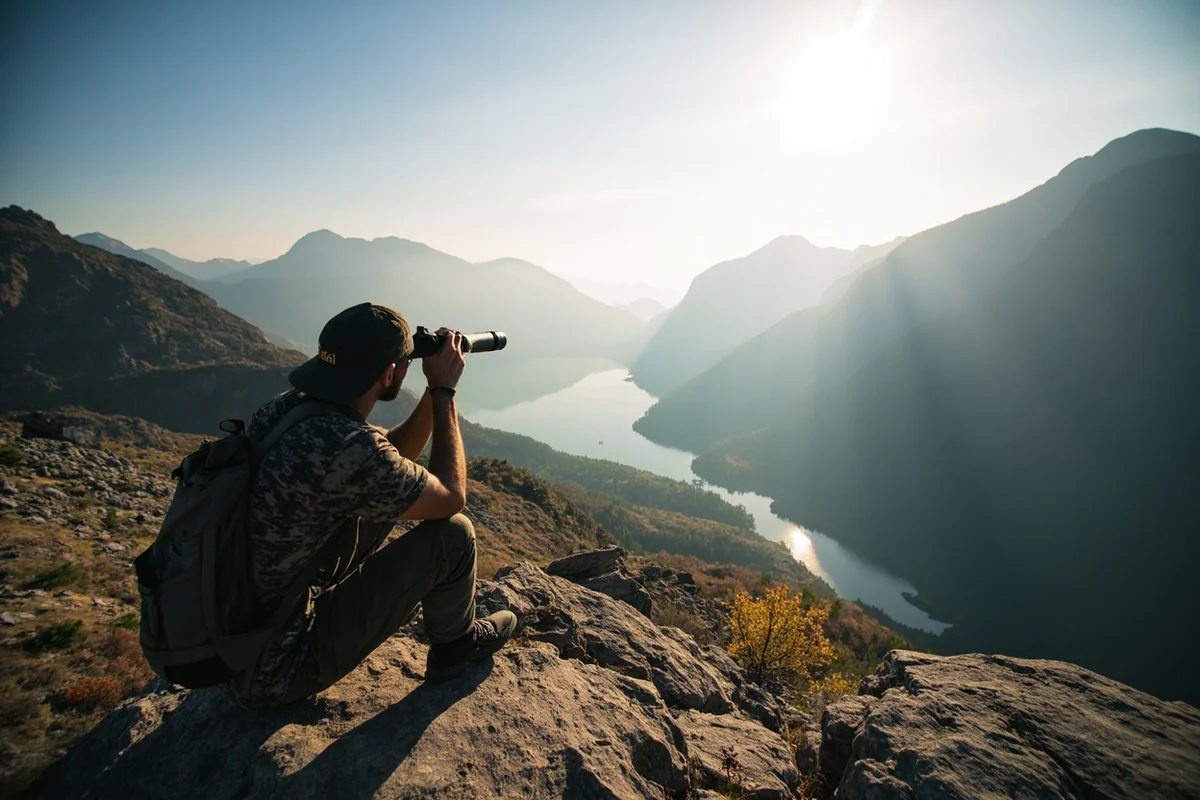
Find a high vantage point before first light and start systematically picking apart the terrain. I divide the visible landscape into a grid pattern and spend 10-15 minutes on each section with my binoculars before moving the spotting scope.
Sheep often bed in surprisingly visible locations—they rely on their eyes to detect danger rather than hiding. Look for white rumps against gray rock, or horizontal body shapes among vertical cliff bands.
During my hunt, I spotted my ram at 8:45 AM from a ridge 1.3 miles away. He was bedded with six other rams in a spot I’d glassed past twice. Patience and systematic coverage eventually reveal what you’re looking for.
Approach Planning
Once you’ve located a ram, the real game begins. I spent four hours planning my approach, waiting for the sheep to move into a more accessible position.
Wind direction matters enormously. Sheep have mediocre noses compared to elk, but thermal currents in mountain terrain are unpredictable. I watched thermals carefully, observing how grass moved and where my wind-checker powder drifted.
Always approach from above when possible. Sheep expect danger from below and constantly watch downhill. Coming from above or at their level gives you a significant advantage.
Shot Opportunities
Take your time. Sheep hunting isn’t like pursuing whitetail deer where opportunities come and go in seconds.
I had my ram broadside at 340 yards for nearly eight minutes before I felt steady enough to squeeze the trigger. Use your pack as a rest, control your breathing, and wait until everything feels right.
One shot, one kill. That’s the goal in sheep hunting, and it requires patience you might not know you have.
Outfitted vs. DIY Hunts
I hunted my ram DIY, but I seriously considered hiring an outfitter. Both approaches have significant merit.
Going Guided
Quality sheep outfitters charge $8,000-$15,000 for fully guided hunts. That price includes horses or pack animals for gear transport, experienced guides who know exactly where the sheep live, and camp support that lets you focus purely on hunting.
For non-residents especially, the outfitter route makes sense. You’ve already invested years accumulating points and thousands of dollars in application fees—why risk an unsuccessful hunt to save money at the end?
I interviewed three outfitters before deciding to go DIY. One had guided 34 successful sheep hunts in HD 300 alone. That experience is invaluable.
The DIY Experience
Going unguided requires serious scouting investment. I made two summer trips to HD 300 before my hunt, learning access points, water sources, and sheep travel patterns.
The cost savings are substantial—my total hunt cost roughly $650 excluding travel and food. But I spent over $1,500 on scouting trips in the two years prior.
DIY hunts also provide a deeper sense of accomplishment. Every mile I covered, every ram I located, every decision I made—it was all mine. When I finally connected, that success felt entirely earned.
If you’re considering hunting on Montana state land, understand that many prime sheep areas fall within wilderness boundaries or Forest Service land with specific access rules.
Timing Your Hunt
Montana’s bighorn sheep season typically runs from mid-September through November, but the “best” time depends on what you’re seeking.
Early Season (Mid-September)
Rams are still in bachelor groups, often predictable and more approachable. Weather is generally favorable, though afternoon thunderstorms are common at high elevations.
I started my hunt September 15th and found rams in exactly the spots I’d observed during summer scouting. They hadn’t begun dispersing for the rut yet.
Mid-Season (October)
The rut begins, and rams become more active but also more unpredictable. They’ll cover enormous distances chasing ewes, which can work for or against you.
Weather becomes more variable. Snow can hit high country anytime after October 1st, which actually helps locate animals (their tracks become visible) but makes access challenging.
Late Season (November)
Post-rut hunting finds rams exhausted and often pushed to lower elevations by snow. This can mean easier access but spookier animals.
I’ve spoken with hunters who prefer late November specifically because snow concentrates sheep in predictable wintering areas. The trade-off is brutal cold and difficult travel.
For hunters who also pursue other species, understanding Montana hunting seasons helps with planning multi-species trips.
Processing Your Ram
A mature bighorn ram can weigh 250-350 pounds. Getting that meat and your trophy off the mountain requires planning.
Field Care
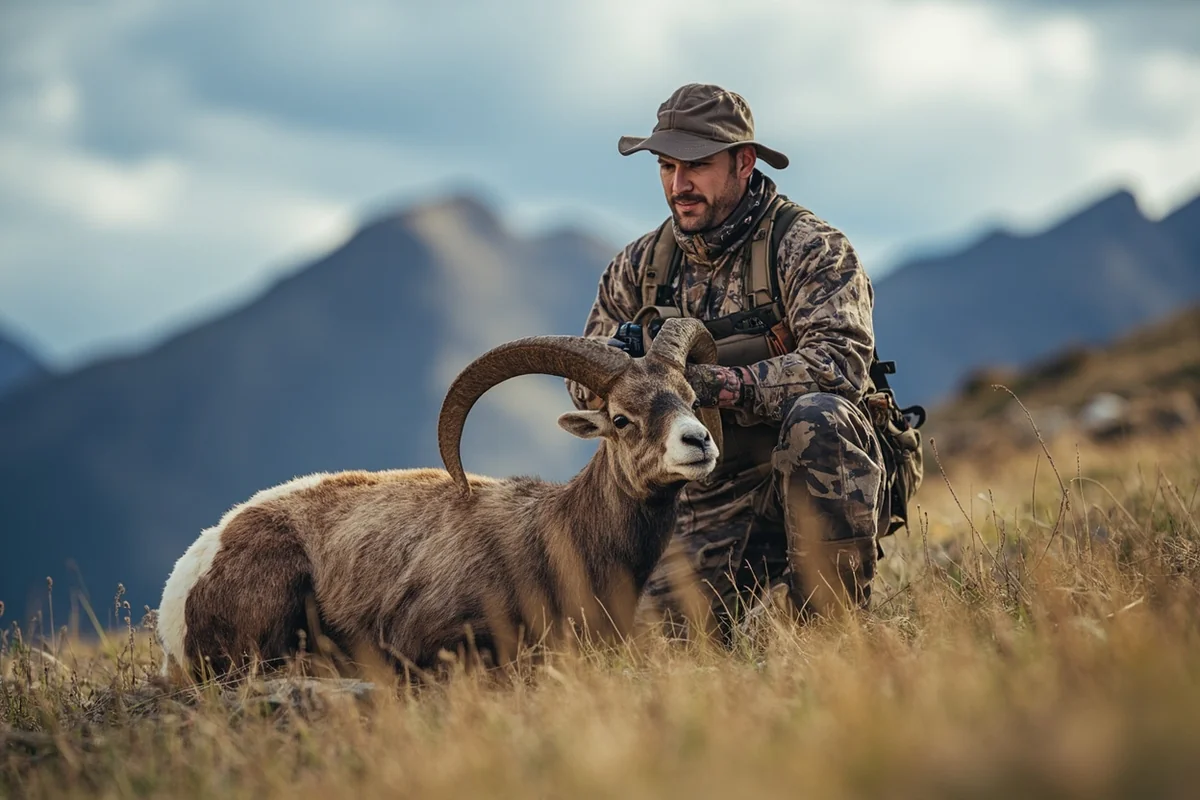
I quartered my ram on-site and hung the meat in game bags to cool overnight. Temperatures in late September hovered around 35°F at night, perfect for keeping meat fresh.
Each hindquarter weighed approximately 45 pounds bone-in. With the cape, skull, and front quarters, I made three trips down the mountain over two days.
Bring extra game bags, quality knives, and a bone saw. I carried these items for nine days before needing them, but when the moment came, they were worth every ounce.
Cape Preservation
If you’re planning a shoulder mount, proper caping is critical. I caped my ram carefully in the field, salting the hide immediately after removal.
Most taxidermists prefer you leave the ears, eyes, and lips attached rather than attempting detailed face work in the field. Get the cape cooled and salted, then frozen as soon as possible.
Alternative Sheep Hunting Opportunities
If waiting decades for a ram tag feels overwhelming, Montana offers other options.
Ewe Hunts
Several districts offer unlimited ewe tags to manage population levels. These hunts provide authentic sheep hunting experience without the multi-decade wait.
The meat from a ewe is actually considered superior to ram meat—less gamey and more tender. It’s an excellent way to build skills and experience before your ram tag comes through.
Unlimited Areas
Certain districts have over-the-counter sheep opportunities, though animals are fewer and hunting pressure is higher. Check current regulations as these designations change.
Out-of-State Options
While you’re building Montana points, consider applying in other states. Wyoming, Idaho, and Colorado all offer bighorn sheep opportunities with different point structures.
Some hunters diversify their applications across multiple states to maximize their chances of eventually drawing somewhere. It’s an expensive strategy but increases your odds significantly.
Conservation and Ethics
Bighorn sheep hunting carries tremendous responsibility. These animals faced near-extinction, and today’s careful management ensures future generations will have the same opportunities we enjoy.
Support organizations like the Wild Sheep Foundation that fund habitat improvement, disease research, and population monitoring. My membership fees feel like the smallest payment I can make for the privilege of hunting these magnificent animals.
Respect closure areas during lambing season. Follow all regulations precisely. Take only ethical shots at mature rams. These principles protect the resource that makes our passion possible.
Practical Tips From My Experience
- Start applying immediately. Every year you wait is another year before you’ll draw.
- Scout in person if possible. Google Earth helps, but nothing replaces boots-on-ground reconnaissance.
- Connect with previous tag holders. FWP publishes successful hunter lists; reach out for advice.
- Plan for weather extremes. I experienced 75°F days and 25°F nights on the same hunt.
- Bring more food than you think you need. High-altitude exertion burns enormous calories.
- Practice shooting from field positions. Bench rest accuracy means nothing in sheep terrain.
- Consider satellite communication. Cell service is non-existent in most sheep country.
The Moment That Makes It All Worthwhile
Seven years of applications. Thousands of dollars in fees. Months of physical preparation. Nine days of grueling mountain hunting.
All of it collapsed into a single moment when I watched my ram crumple at 340 yards, his massive horns catching the morning sun as he fell. I sat down on that ridge and cried—from exhaustion, from relief, from overwhelming gratitude.
That ram now hangs in my office, a daily reminder of what patience and perseverance can achieve. Every time I look at those sweeping horns, I’m transported back to the Absaroka peaks, the smell of pine and sage, the burn in my lungs at 10,000 feet.
Montana bighorn sheep hunting isn’t just a hunt—it’s a decade-long journey toward one of the most meaningful experiences the hunting world offers. Whether you’re just starting to accumulate points or finally holding that precious tag, I hope this guide helps you prepare for your own moment on that mountain.
If you’re exploring other hunting opportunities while building sheep points, consider Montana bear hunting, antelope hunting, or even upland bird hunting to stay sharp in the field. And for truly unique experiences, buffalo hunting offers another once-in-a-lifetime pursuit in Big Sky Country.
Start your Montana hunting license application process today. Your ram is out there, waiting on some windswept ridge, and the only way to meet him is to begin the journey.
Frequently Asked Questions
How much does a Montana bighorn sheep hunting license cost?
A Montana bighorn sheep license is one of the most coveted tags in North America, and residents pay around $125 while non-residents pay approximately $1,250 for the license itself. However, the real challenge is drawing a tag through Montana’s lottery system, which can take 15-20+ years of accumulated preference points. Many hunters opt for unlimited quota areas or purchase landowner permits, which can cost $10,000-$50,000 for guaranteed access.
What is the best time of year to hunt bighorn sheep in Montana?
The prime hunting season for Montana bighorn sheep runs from mid-September through November, with early November being particularly productive during the pre-rut when rams become more active and visible. I recommend planning your hunt for late October to early November when sheep are moving to lower elevations and weather conditions are still manageable. September hunts offer warmer weather but sheep are often at higher, more difficult-to-reach elevations.
Which Montana hunting districts have the best bighorn sheep populations?
The Missouri River Breaks, particularly HD 680 and HD 622, consistently produce quality rams and have healthy sheep populations. The areas around the Absaroka-Beartooth Wilderness near Livingston and the Rocky Mountain Front near Choteau are also excellent destinations with established herds. I’ve found that unlimited districts like HD 502 offer easier tag availability but require more scouting to locate mature rams.
What gear do I need for a Montana bighorn sheep hunt?
Essential gear includes a quality spotting scope (60-80mm), sturdy mountain boots broken in for 10+ mile days, layered clothing for temperatures ranging from 20°F to 60°F, and a reliable rifle chambered in .270 or larger with a good scope for shots between 200-400 yards. Pack a lightweight backpack capable of hauling 80+ pounds of meat out, trekking poles for steep terrain, and emergency bivouac gear since hunts often extend into remote backcountry. Don’t forget your blaze orange—Montana requires 400 square inches above the waist during rifle season.
Do I need a guide for bighorn sheep hunting in Montana?
While Montana doesn’t legally require guides for sheep hunting, I strongly recommend hiring an experienced outfitter if it’s your first bighorn hunt, especially in wilderness areas where navigation and meat retrieval are challenging. Guided hunts typically cost $8,000-$15,000 for a 7-10 day expedition and significantly increase your success rate in locating mature rams. If you’re an experienced mountain hunter comfortable with backcountry navigation and extreme terrain, a DIY hunt is possible but expect to invest considerable time scouting before the season.
How physically demanding is a Montana bighorn sheep hunt?
Montana bighorn sheep hunting is considered one of the most physically challenging hunts in North America, requiring hunters to navigate elevations between 5,000-10,000 feet while covering 8-15 miles daily over rugged terrain. I recommend starting a cardio and leg-strength training program at least 4-6 months before your hunt, focusing on stair climbing with a weighted pack. Most successful hunters can comfortably hike steep grades for 6-8 hours while carrying 40+ pounds, and you should be prepared to pack out a ram weighing 150-200 pounds in multiple trips.
Where should I stay during a Montana bighorn sheep hunting trip?
Base camp options depend on your hunting district—towns like Choteau, Livingston, and Lewistown offer motels ranging from $80-$150 per night and provide easy access to popular sheep units within 30-60 miles. For a more immersive experience, many hunters set up wall tents or use Forest Service cabins available for $25-$50 per night closer to hunting areas. I suggest booking accommodations 3-4 months in advance during hunting season, as small Montana towns fill up quickly with hunters from across the country.
Sources