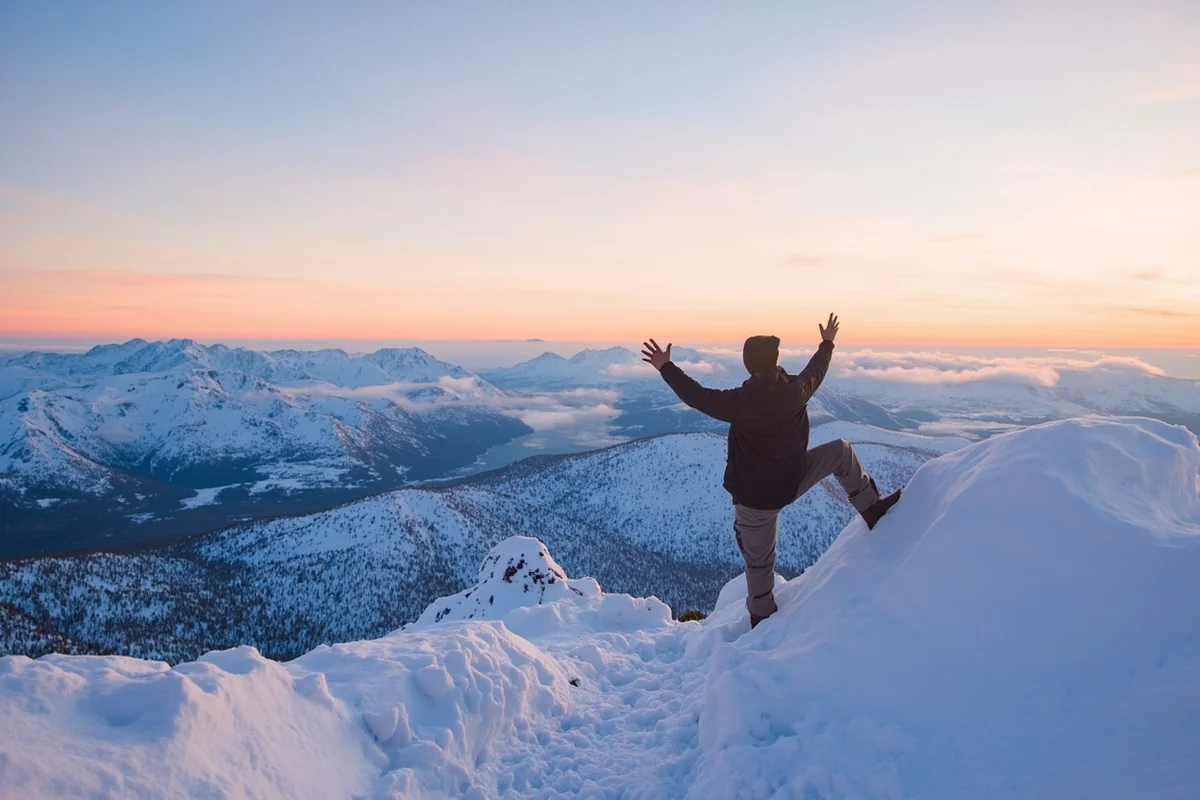
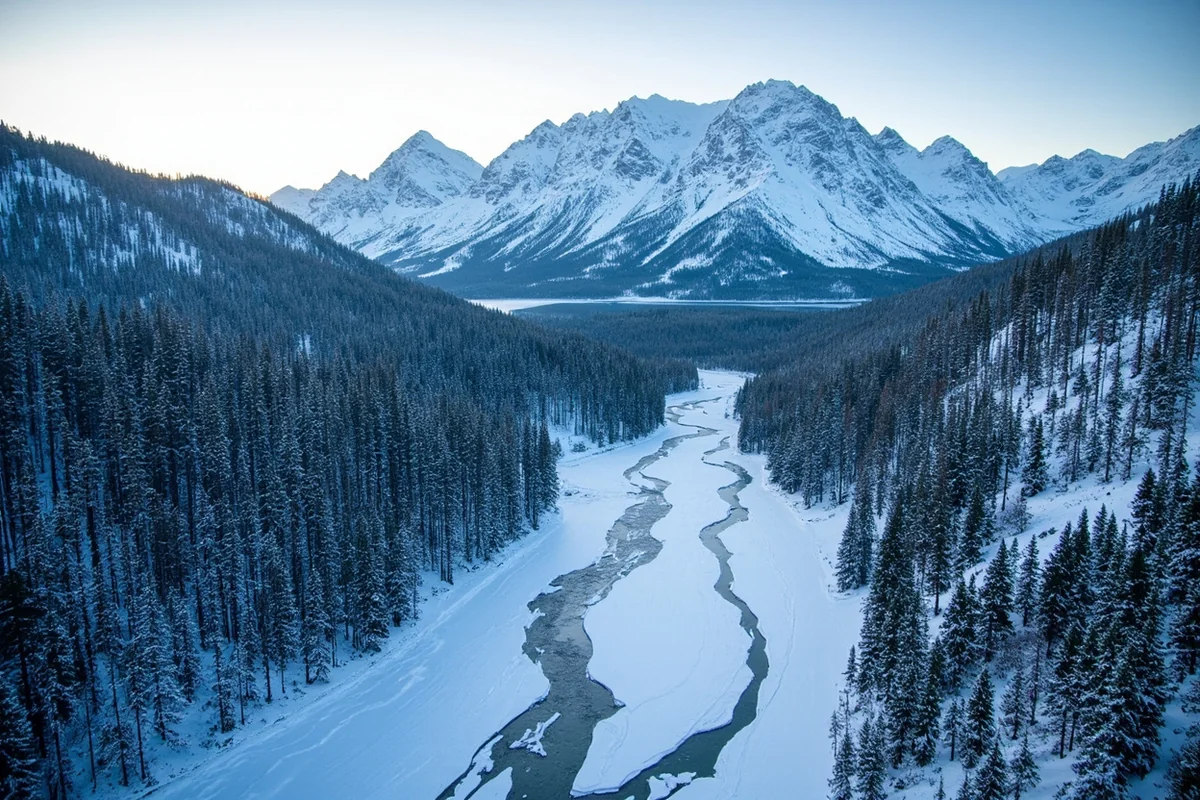
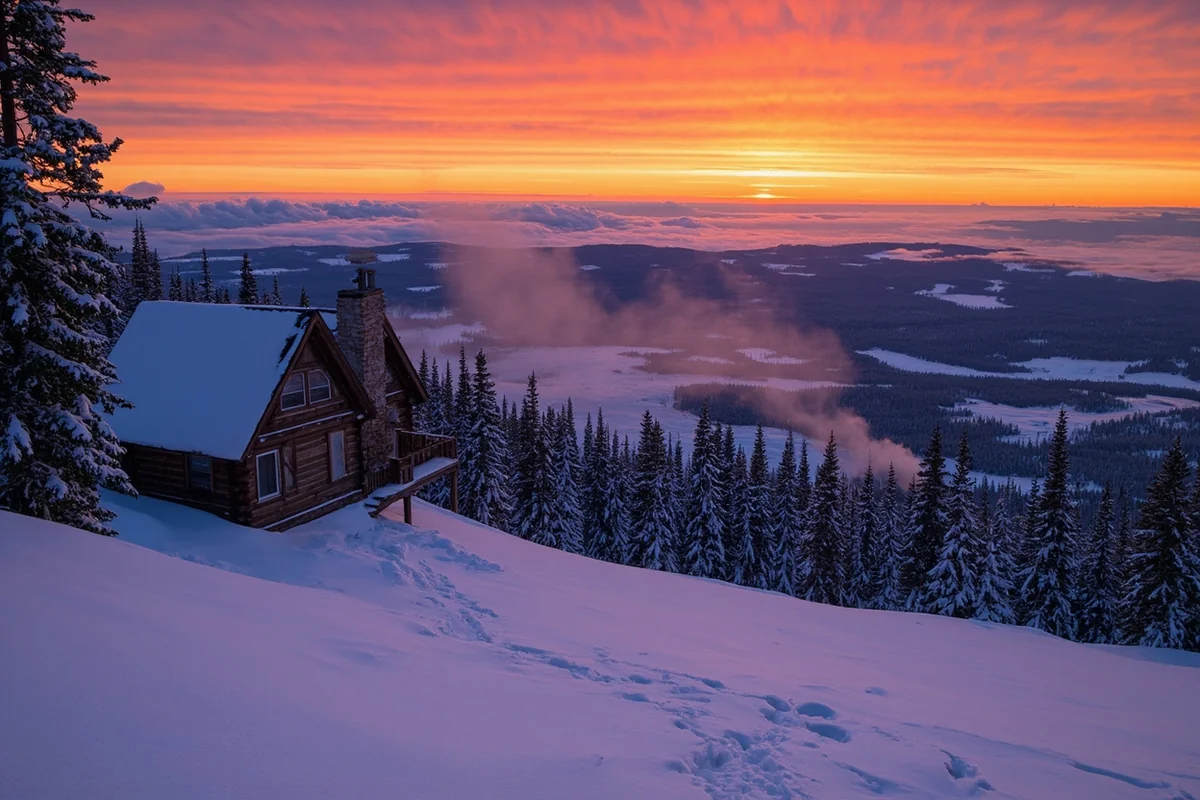
Standing at the summit of Big Sky’s Lone Peak at 11,166 feet, watching the sun paint the Gallatin Range in shades of pink and gold, I realized why Montana’s winter magic pulls people back year after year.
The cold bit at my cheeks, but the view—endless snow-covered peaks stretching into Wyoming—made me forget everything except this moment.
If you’re exploring weekend getaways in Montana, winter transforms this state into something entirely different from its summer self, and honestly, I think I prefer it.
- Big Sky Resort offers North America’s biggest skiable terrain (5,800+ acres) with shorter lift lines than Colorado resorts
- Chico Hot Springs is my top pick for combining hot springs with easy Yellowstone access
- Whitefish Mountain Resort provides the best value for intermediate skiers and families
- Budget tip: Visit lesser-known Showdown Montana or Lost Trail for lift tickets under $70
- Book 3+ months ahead for peak season (December-February) at popular destinations
- Layer obsessively—Montana cold is dry but intense, often dropping below zero
Liked this article?
Add Roaming Montana as a preferred source so you see more of our articles and guides on Google.
Why Montana Winter Hits Different (From Someone Who’s Skied Both Coasts)
I’ve skied Vermont’s ice, Colorado’s crowds, and California’s slushy spring conditions. Montana winter is none of that.
The snow here is what locals call “cold smoke”—ultra-dry powder that sprays up around your skis like actual smoke. During my last trip to Big Sky in February, I skied through 18 inches of fresh powder that fell overnight, and by 10 AM, there were still untracked lines off the Challenger chairlift.
But Montana winter isn’t just about skiing. I’ve soaked in natural hot springs under star-filled skies, tracked wolves through Yellowstone’s Lamar Valley, and spent entire afternoons reading by fireplaces in historic lodges where the wifi barely works and nobody cares.
The state receives fewer winter tourists than neighboring states, which means you’re not fighting crowds for parking spots, restaurant reservations, or lift lines. During my visit to Whitefish last January, I never waited more than three minutes for a chairlift—something unthinkable at Vail or Park City.
Big Sky Resort: Montana’s Crown Jewel of Winter
Let me be honest: Big Sky intimidated me before my first visit. The stats alone are overwhelming—5,800 acres of skiable terrain, a 4,350-foot vertical drop, and runs that seemed designed by someone who thought expert skiers needed humbling.
But here’s what I discovered after spending four days there last winter: Big Sky works for everyone, not just adrenaline junkies.

What Makes Big Sky Worth the Drive
The terrain variety surprised me most. Yes, there’s extreme skiing off the Headwaters area and the terrifying Big Couloir (which requires a guide and serious avalanche training). But the Explorer and Swift Current lifts access long, cruising runs perfect for intermediate skiers who want to feel like they’re getting better.
I stayed at the Summit Hotel, steps from the Ramcharger 8 lift, and the ski-in/ski-out convenience changed everything. Rolling out of bed and clicking into skis by 8:45 AM meant I had first tracks before most people finished breakfast.
Practical Details You Need to Know
| Detail | What I Found |
|---|---|
| Lift Ticket Price | $200-249/day (book online 7+ days ahead for discounts) |
| Best Time to Visit | Mid-January to early March for powder; late March for spring skiing deals |
| Getting There | 1-hour drive from Bozeman Yellowstone International Airport |
| Crowd Level | Moderate on weekends, quiet weekdays |
| My Top Run | Liberty Bowl on a powder day—wide open and forgiving |
One thing caught me off guard: the base village is newer and more commercial than I expected. If you want that rustic Montana vibe, book accommodations in the Mountain Village area or stay 15 minutes away in the town of Big Sky for better restaurants and local character.
Whitefish Mountain Resort: The Unpretentious Alternative
If Big Sky is Montana’s glamorous celebrity, Whitefish is the cool local everyone actually wants to hang out with.
I first visited Whitefish during a girls’ trip three winters ago. We chose it specifically because the town itself had personality beyond just servicing skiers. That decision shaped every winter trip I’ve planned since.
The Mountain Experience
Whitefish Mountain offers 3,000 acres of terrain, which sounds modest compared to Big Sky until you realize the lift ticket costs about half as much. During my recent visit, I paid $119 for a full day—and the snow quality was identical to what I’d experienced elsewhere that same week.
The mountain’s north-facing exposure keeps snow conditions consistent throughout the season. I’ve skied icy runs at other resorts and then driven to Whitefish where the same storm left soft, workable snow.
What I love most is the tree skiing. Whitefish’s gladed terrain—particularly off Chair 4 and Chair 6—offers tight, challenging trees for advanced skiers and wider, more forgiving tree runs for intermediates working up courage.
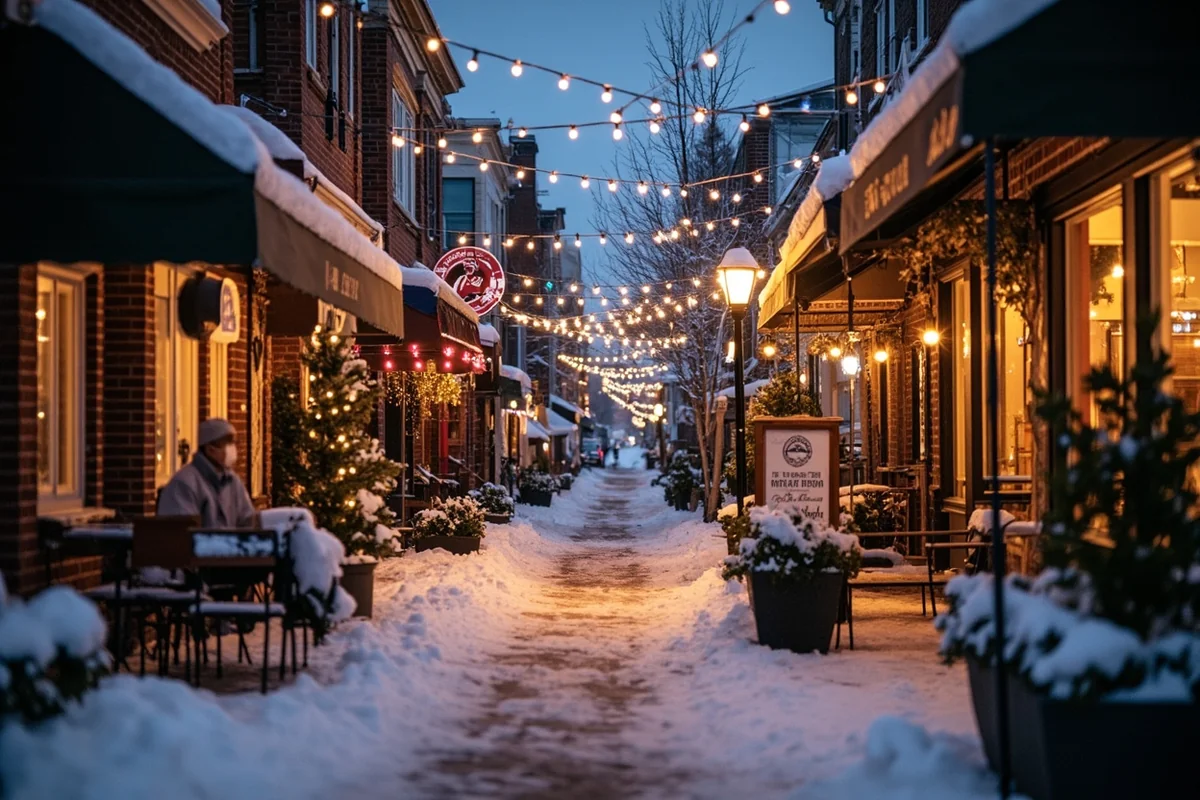
Downtown Whitefish: The Real Draw
After skiing, I always end up at the Bulldog Saloon for a beer and surprisingly good nachos. The bar has that perfect worn-in feeling where ski boots are acceptable footwear and nobody judges your goggle tan.
For dinner, Tupelo Grille serves Southern-inspired Montana cuisine that shouldn’t work but absolutely does. Their shrimp and grits converted me. Reservations are essential during ski season—I learned this the hard way my first trip.
The town works beautifully for girl getaways in Montana because there’s enough variety to keep different interests happy. Shopping, spa time, craft cocktails, and nightlife all exist alongside skiing.
Hot Springs: Where Montana Winter Gets Romantic
Not everyone visiting Montana in winter wants to ski. Some people—myself included on certain trips—want to do nothing more ambitious than soak in hot water while snow falls around them.
Montana delivers this experience better than almost anywhere I’ve traveled.
Chico Hot Springs: My Personal Favorite
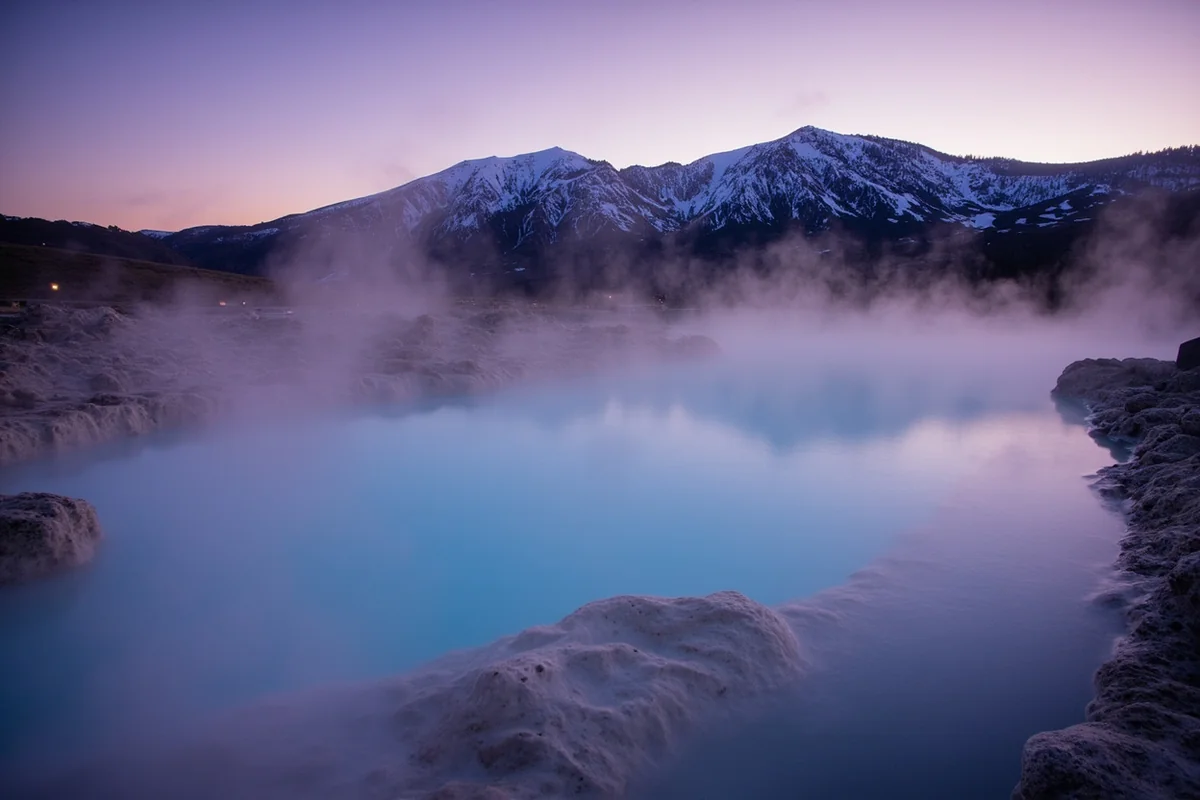
The first time I visited Chico Hot Springs, I wasn’t prepared for how emotional it would feel. Something about floating in 103-degree mineral water while staring at the Absaroka Mountains at sunset made everything else dissolve.
Chico has two outdoor pools—one hotter (around 103°F) and one cooler (around 96°F). I prefer the hotter pool at night when steam rises dramatically and stars emerge above. On weekend evenings, a crowd gathers, but weekday visits feel private and peaceful.
The resort itself dates back to 1900, and the historic lodge retains original character without feeling run-down. I recommend the main lodge rooms for history buffs and the newer rooms for people who prioritize modern bathrooms.
The on-site restaurant, Chico Dining Room, is legitimately one of Montana’s best. I had elk tenderloin there last winter that I still think about. Dinner reservations fill up fast, especially on Sundays when they do a prime rib special locals drive hours for.
For couples specifically, Chico hits the exact balance between romantic and accessible. If you’re planning a Montana getaway for couples, this property should top your list.
Other Hot Springs Worth Your Time
Fairmont Hot Springs: More resort-style with waterslides—better for families than romance. I visited during a sister’s weekend trip and appreciated the casual, no-fuss atmosphere.
Bozeman Hot Springs: Convenient if you’re flying in/out of Bozeman and want a quick soak. Multiple pools at different temperatures. Less scenic but practical.
Norris Hot Springs: Rustic, funky, and utterly charming. They host live acoustic music, serve local beer, and maintain a “no phones” vibe I appreciate. The pool is small—show up early or late to avoid crowds.
Elkhorn Hot Springs: Remote and basic, near the Anaconda-Pintler Wilderness. I visited after a day of cross-country skiing and appreciated how uncommercial it felt.
Yellowstone in Winter: A Different Park Entirely
Most visitors experience Yellowstone in summer alongside four million other people. Visiting in winter means seeing a park that belongs to wildlife, silence, and you.
I took a guided snowcoach tour from West Yellowstone to Old Faithful two winters ago, and the experience permanently changed how I think about national parks.

What Winter Access Actually Looks Like
Here’s the critical detail: most park roads close to regular vehicles from early November through mid-April. The only way to access the park interior is via snowcoach, guided snowmobile tour, or cross-country skiing.
This limitation creates the magic. At Old Faithful in winter, maybe 50 people witness an eruption instead of 5,000. The geysers steam more dramatically against cold air. Bison congregate near thermal features for warmth, creating wildlife viewing opportunities impossible in other seasons.
From West Yellowstone, I booked a full-day snowcoach tour with Yellowstone Vacations that included stops at Fountain Paint Pot, Old Faithful, and West Thumb Geyser Basin. The cost was around $250 per person including park entrance, lunch, and a knowledgeable guide.
The Lamar Valley Wolf Watching Experience
The park’s northern section between Mammoth Hot Springs and Cooke City stays open to vehicles year-round, and this stretch includes the Lamar Valley—arguably the best wolf-watching location in North America.
I drove this route on a 5-degree morning last January, arriving at Slough Creek Overlook before sunrise. Within an hour, I spotted a pack of six wolves crossing the valley floor, visible through my spotting scope.
Bring proper optics (at minimum, binoculars with 8x or 10x magnification) and check with park rangers at Mammoth about recent wolf activity. Joining a wildlife watching tour guarantees better optics and expert guidance.
Cozy Cabin Getaways: Where I Actually Relax
Sometimes the best winter getaway involves going nowhere at all. Montana cabin rentals deliver that snowed-in fantasy where the biggest decision is whether to read by the fire or take a hot tub soak.
Cabin Regions I’ve Stayed In
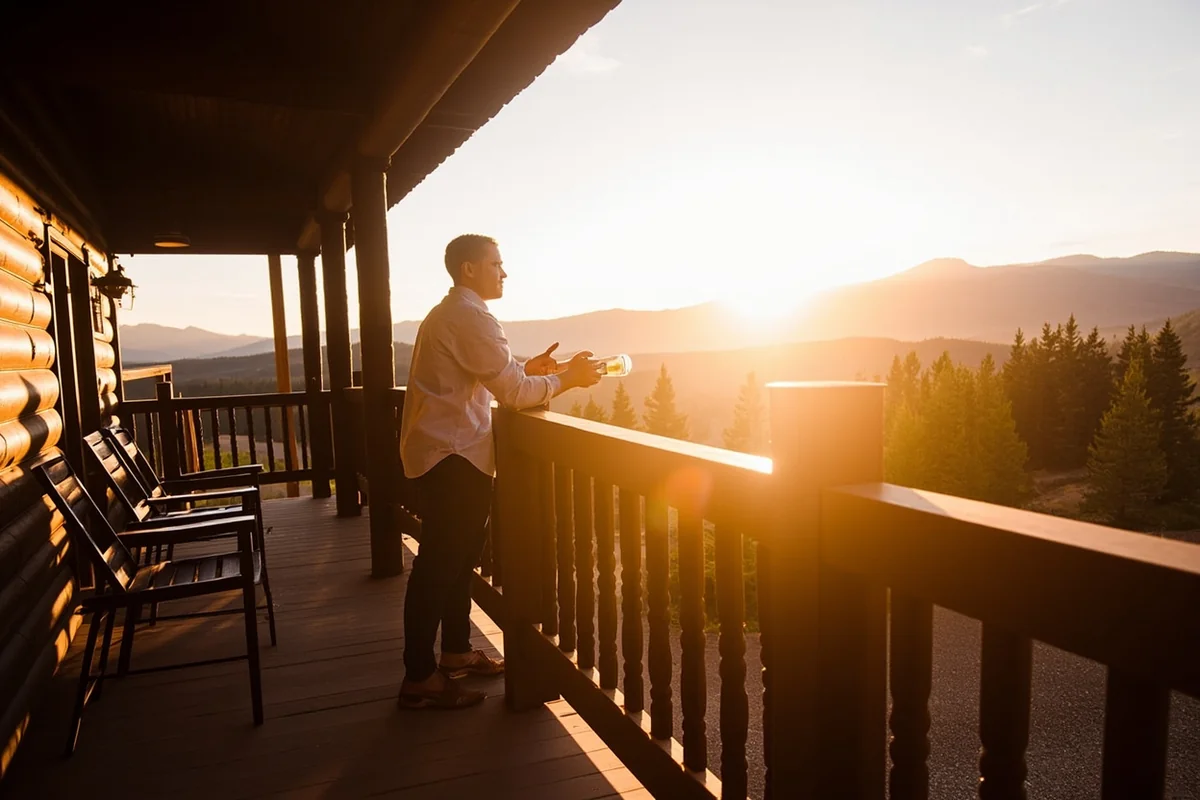
Gallatin Canyon (between Big Sky and Bozeman): I rented a three-bedroom cabin here that had mountain views from every window and a wood-burning stove that made the whole place smell like childhood winters. The canyon location offers easy access to both Big Sky skiing and Yellowstone.
Flathead Lake Area: The lake itself freezes partially in winter, creating an ethereal landscape. Cabins here are typically older and more rustic—which I prefer—and significantly cheaper than ski area rentals.
Paradise Valley (south of Livingston): This is my favorite Montana valley, period. The Absaroka Range rises dramatically to the east while the Gallatin Range defines the west. I stayed at a historic cabin ranch here and spent mornings watching deer browse through snow outside my window.
What to Look for in a Winter Cabin
From experience, I prioritize these features:
- Verified heating systems that don’t rely solely on wood stoves (backup propane is essential)
- 4WD recommended or required access notes—I’ve learned this matters
- Hot tub (worth the premium in winter)
- Kitchen equipped for real cooking (grocery stores are far from most cabins)
- Cell service or wifi (unless you genuinely want to disconnect)
VRBO and Airbnb work fine for Montana cabin rentals, but I’ve also found gems through Montana-specific vacation rental sites like Vacasa and local property management companies.
Budget Winter Getaways: Skiing Without the Premium Price
Not every winter trip requires Big Sky’s price tag. Montana has smaller ski areas that deliver authentic experiences for a fraction of the cost.
Showdown Montana (near Great Falls)
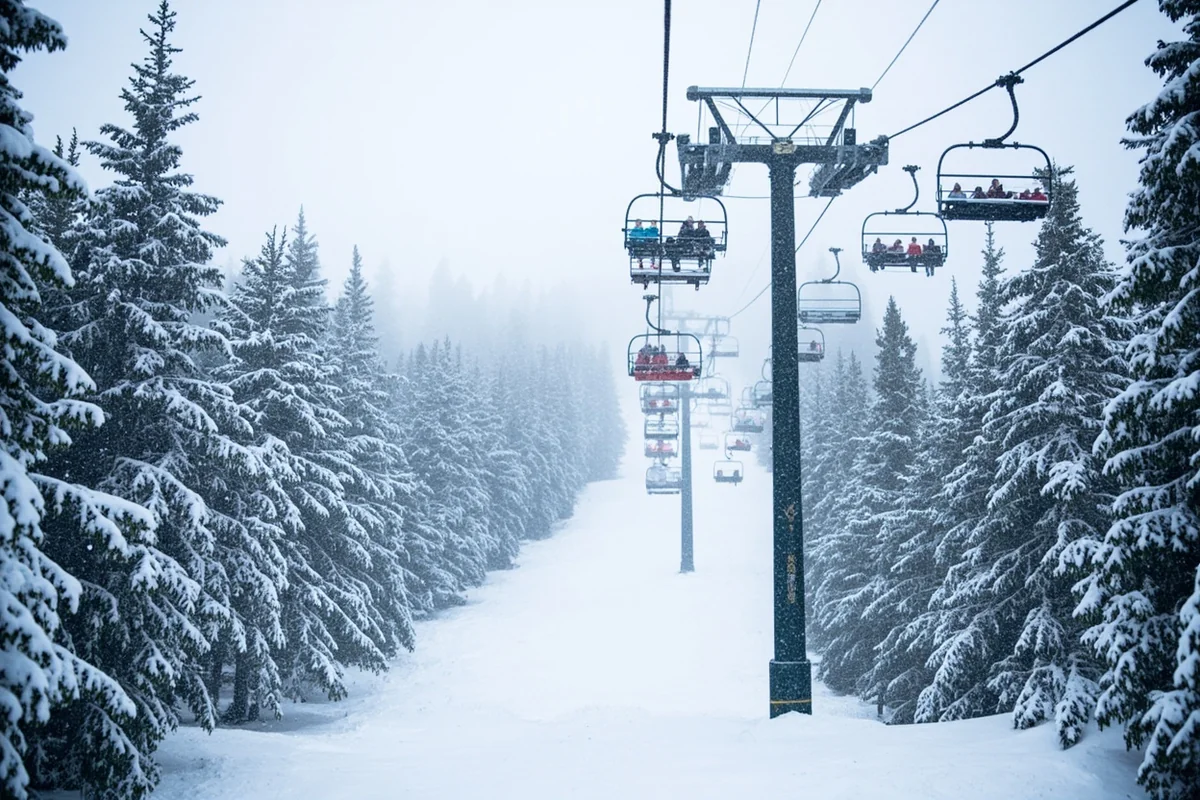
I visited Showdown on a whim during a road trip, and the $52 lift ticket felt like theft. The mountain is smaller (640 acres), but the snow was excellent and I had entire runs to myself.
The vibe is decidedly local—families who’ve been skiing here for generations, high schoolers on their after-school program, retirees who moved here specifically for affordable skiing. That community atmosphere is something no mega-resort can manufacture.
Lost Trail Powder Mountain (Montana-Idaho border)
Lost Trail has one of the best reputations among powder-obsessed locals, and lift tickets hover around $60-65. The remote location (about 90 minutes from Missoula) deters crowds but rewards anyone willing to make the drive.
When I skied there last March, a storm had dumped two feet of fresh snow. By noon, there were still untouched lines in the trees. At any major resort, that snow would have been tracked out by 9 AM.
Maverick Mountain (near Dillon)
Tiny Maverick runs on weekends and holidays only, but the $45 ticket and old-school single chairlift charm make it worth planning around. This is where hardcore skiers who care about snow quality over amenities congregate.
Winter Activities Beyond Skiing
Montana winter delivers for people who’ve never put on skis and never plan to.
Cross-Country Skiing and Snowshoeing
Lone Mountain Ranch near Big Sky offers the best groomed Nordic skiing experience I’ve found in Montana. Over 85 kilometers of trails wind through stunning terrain, and their trail pass is around $30—a bargain compared to downhill skiing.
I spent an entire day on their trails last winter, stopping at a backcountry yurt for lunch (reservations required). The silence of Nordic skiing—just your breath and the swish of skis—provides a meditation no chairlift conversation can match.
For snowshoeing, I’ve had incredible experiences in Glacier National Park. The park remains accessible via the Going-to-the-Sun Road to Lake McDonald Lodge, and ranger-led snowshoe walks introduce beginners to winter travel.
Dog Sledding
I took a half-day dog sledding tour outside Whitefish, and it unlocked a new winter obsession. The dogs’ enthusiasm is infectious—they literally scream with excitement before runs begin.
Expect to pay $200-400 per person depending on tour length. Base Camp Bigfork and Absaroka Dogsled Treks are both reputable operations I’ve heard good things about.
Snowmobiling
West Yellowstone calls itself the “Snowmobile Capital of the World,” and the trail systems back that up. I rented a snowmobile there and spent a day exploring the Gallatin National Forest—covering terrain I never could have accessed on foot.
If you’re planning a group adventure, snowmobiling works well for bachelor parties in Montana or guys’ getaways. The combination of adrenaline, wilderness, and end-of-day beers hits that celebration sweet spot.
Practical Planning: What I’ve Learned the Hard Way
Weather Realities
Montana cold is not what most Americans consider “cold.” I grew up in the Midwest and thought I understood winter. Then I spent a morning photographing in Yellowstone at -15°F and learned my limits.
Layers matter more than any single expensive jacket. I wear a moisture-wicking base layer, fleece mid-layer, down puffy, and wind-resistant shell—plus insulated pants. Hand and toe warmers aren’t cheating; they’re survival.
The dryness surprises people too. Chapstick lives in every pocket, and I drink significantly more water than I do at home.
Driving Conditions
Four-wheel drive or all-wheel drive isn’t optional for most Montana winter destinations. I’ve seen confident drivers in rental sedans stuck on I-90 after underestimating a snowstorm.
Keep these items in your vehicle: jumper cables, blankets, snacks, water, flashlight, phone charger. Cell service disappears between towns—if you get stuck, help might be hours away.
Check road conditions at 511mt.net before every drive. Mountain passes close without warning when storms roll in.
Booking and Reservations
Popular accommodations book up 3-4 months ahead for Christmas through February. I’ve been shut out of first-choice hotels because I procrastinated until October.
Restaurant reservations matter in small resort towns. Whitefish, Big Sky, and even Red Lodge have limited dining options that fill up fast during peak season.
When to Visit: Month-by-Month Breakdown
November: Early season skiing (often limited terrain), fewer crowds, lower prices. I’ve found November visits hit-or-miss for snow coverage.
December: Holiday crowds peak around Christmas/New Year. Book everything early, expect higher prices, but also festive atmospheres at resorts. Snow coverage is usually solid by mid-month.
January: My favorite month. Cold temperatures preserve snow quality, crowds drop after New Year’s, and winter settles into its rhythm. The coldest period runs mid-January through early February.
February: President’s Day brings crowds, but otherwise February offers excellent conditions. Days lengthen noticeably, making it easier to catch sunrises and sunsets.
March: Spring skiing begins. Warmer temperatures, softer afternoon snow, deals on accommodations. I’ve had some of my best powder days in early March after late-season storms.
April: Hit or miss. Some years skiing continues into mid-April; other years resorts close early. Best for people flexible with plans.
Unique Winter Experiences You Won’t Find Elsewhere
For travelers seeking something beyond standard resort experiences, Montana delivers unique getaways that stay with you.
Ice Fishing
I spent a morning ice fishing on Georgetown Lake near Anaconda, and even though I caught nothing, the experience—drilling through ice, watching eagles overhead, enjoying the silence—felt quintessentially Montana.
Local outfitters provide heated shelters, equipment, and guidance. No experience necessary, though patience helps.
Winter Dude Ranch Experiences
Several Montana ranches operate winter programs that include horseback riding in snow, sleigh rides, and ranch-style accommodations. I’ve heard especially good things about winter programs from travelers who’ve done Montana dude ranch getaways.
Dark Sky Stargazing
Montana’s low population density means incredible night skies, and winter’s longer nights maximize viewing time. I’ve watched the northern lights from outside Whitefish twice—both times unexpected and overwhelming.
For bachelorette parties seeking something different, combining hot springs with stargazing creates a memorable, Instagram-worthy experience that feels more meaningful than typical party activities.
Final Thoughts: Why I Keep Coming Back
Montana winter requires commitment. Flights are limited, drives are long, temperatures are brutal, and “roughing it” describes accommodations that would be standard elsewhere.
But that commitment filters out casual visitors, leaving behind people who genuinely want to be there. Every coffee shop conversation, chairlift ride, and hot springs soak feels different because of that shared intentionality.
I’ve visited Montana in summer too, and while it’s beautiful, the winter version feels more authentic to what Montana actually is—wild, quiet, demanding, and rewarding in equal measure.
If you’re reading this and wondering whether Montana winter is worth the effort, let me offer this: I’ve visited over 30 states and a dozen countries, and Montana in winter remains the place I daydream about most often.
Start planning. Book early. Pack more layers than you think you need. And know that somewhere—on a mountainside, in a hot springs pool, beside a frozen river—an experience you’ll never forget is waiting.
Frequently Asked Questions
What are the best Montana winter getaway destinations for first-time visitors?
I always recommend starting with Big Sky or Whitefish for first-timers, as both offer world-class skiing, charming downtown areas, and easy airport access. Big Sky is about 45 miles from Bozeman Yellowstone International Airport, while Whitefish is just 30 minutes from Glacier Park International. Both towns have excellent lodging options ranging from $150-400 per night and provide that authentic Montana mountain town experience.
How much does a week-long Montana winter vacation typically cost?
A week-long Montana winter getaway typically runs $2,500-4,500 for a couple, including lodging, lift tickets, meals, and car rental. Ski lift tickets at major resorts like Big Sky average $180-220 per day, though multi-day passes offer significant savings. I’ve found that booking lodging 2-3 months in advance and visiting mid-January through early February often yields the best rates.
What should I pack for a Montana winter trip in January or February?
Pack serious cold-weather gear since Montana temperatures regularly drop to -10°F to 20°F in winter months. I never travel without insulated waterproof boots, layered thermal clothing, a quality down jacket, and hand warmers for outdoor activities. Don’t forget polarized sunglasses and SPF 30+ sunscreen—the high-altitude sun reflecting off snow can cause serious burns even in freezing weather.
Is it safe to drive in Montana during winter, and do I need a 4WD vehicle?
Winter driving in Montana requires extra caution, and I strongly recommend renting an AWD or 4WD vehicle, especially if you’re heading to mountain resorts or Yellowstone’s north entrance. Major highways like I-90 are well-maintained, but mountain passes and rural roads can be icy and snow-packed. Always check road conditions on the Montana DOT website before driving, carry chains, and keep your gas tank at least half full.
Can you visit Yellowstone National Park from Montana in winter?
Yes, you can access Yellowstone’s north entrance year-round through Gardiner, Montana, which is about 80 miles south of Bozeman. Winter is actually my favorite time to visit because wildlife viewing is exceptional and crowds are minimal—you’ll often spot bison, wolves, and elk against snowy landscapes. Guided snowcoach tours and cross-country skiing opportunities make winter visits uniquely memorable, with tour packages starting around $150-200 per person.
What Montana winter activities are available besides skiing and snowboarding?
Montana offers incredible non-skiing winter activities including dog sledding near Bigfork, snowmobiling in West Yellowstone (the snowmobile capital of the world), and soaking in natural hot springs like Chico Hot Springs or Bozeman Hot Springs. I’ve also enjoyed ice fishing on Flathead Lake, cross-country skiing in Glacier National Park, and fat tire biking on groomed trails around Missoula. Most outfitters charge $75-250 for guided experiences depending on the activity.
When is the best time to book a Montana ski vacation for powder conditions?
For the best powder conditions, I recommend planning your Montana ski trip between late January and mid-March when snowpack is deepest and storms are frequent. Big Sky averages 400 inches of annual snowfall, with February typically being the snowiest month. Book your accommodations at least 6-8 weeks ahead for Presidents’ Day weekend, as this is peak season and availability becomes extremely limited.
Sources
- https://www.fs.usda.gov/recarea/flathead/recarea/?recid=67152
- https://www.nps.gov/teachers/classrooms/spring-summer-fall-winter.htm
- https://www.montana.edu/international/training/participant_resources/WhattoBring.html
- https://www.umt.edu/blog/supporting-the-whole-you/surviving-winter-in-montana.php
- https://www.umt.edu/this-is-montana/columns/stories/montana-winters.php
- https://www.nps.gov/glac/planyourvisit/crosscountryskiing.htm