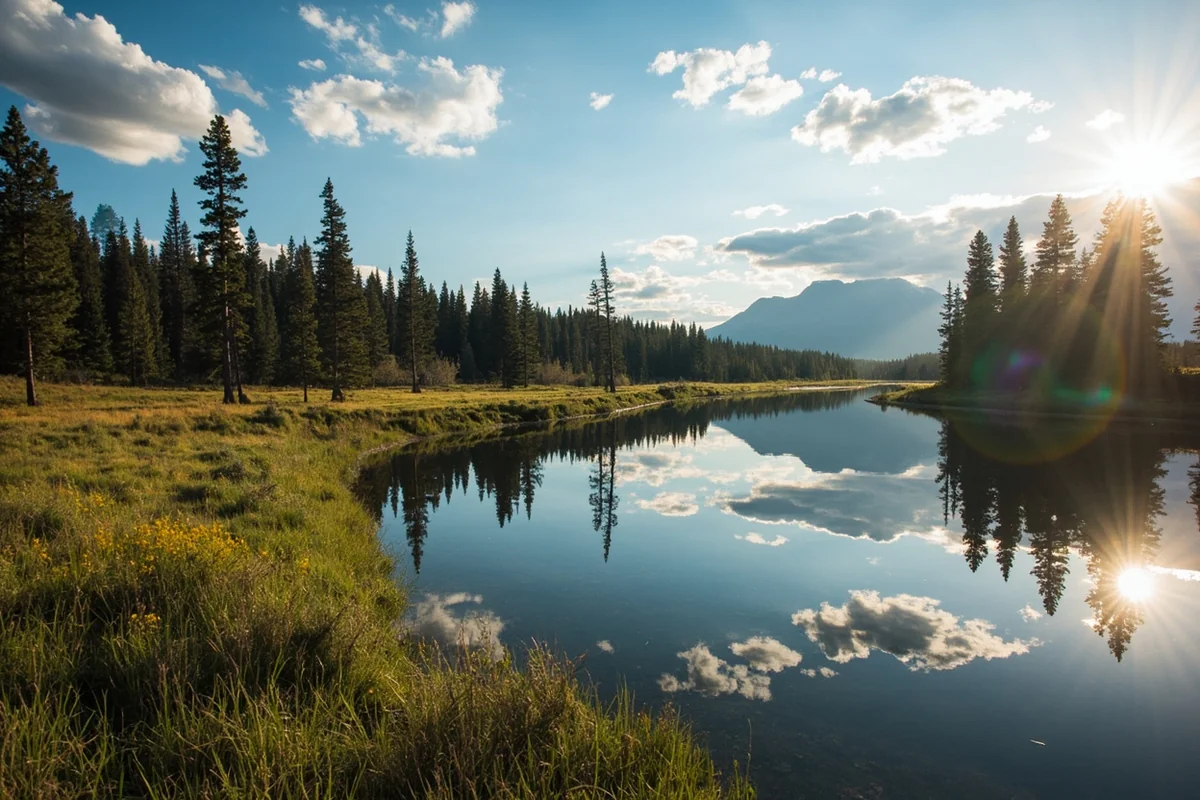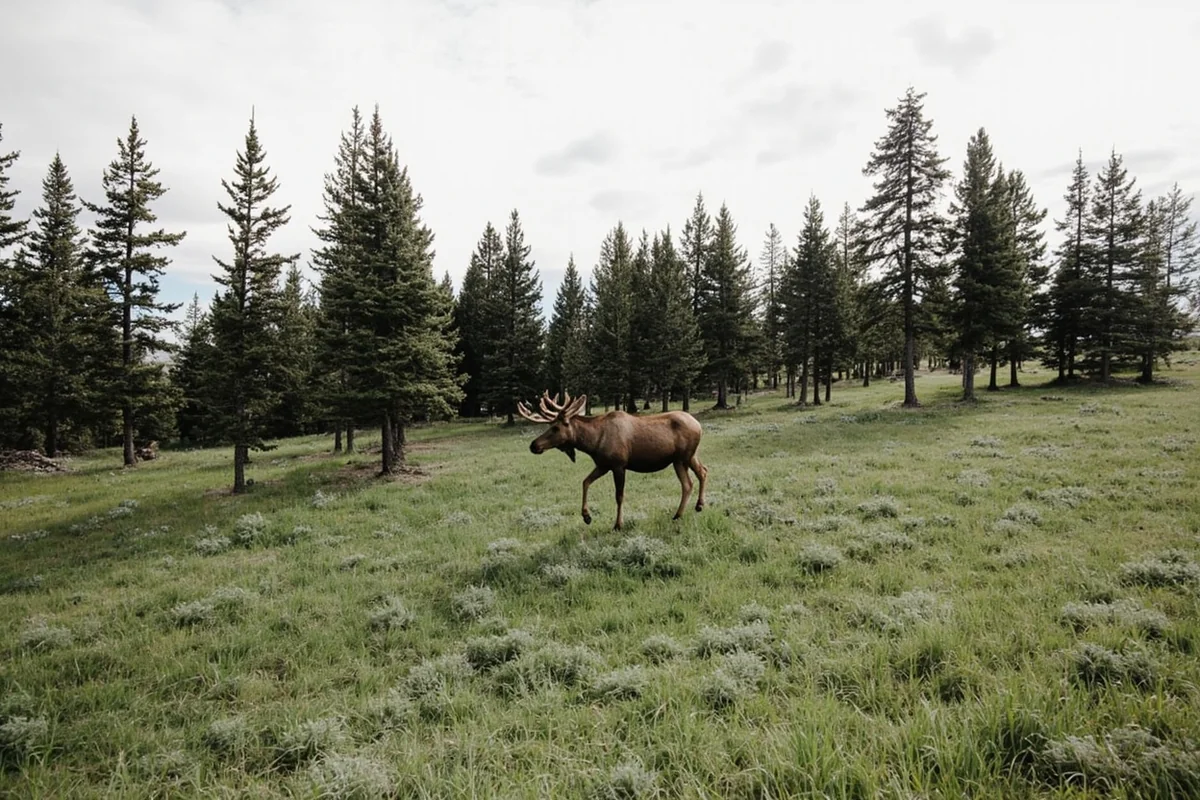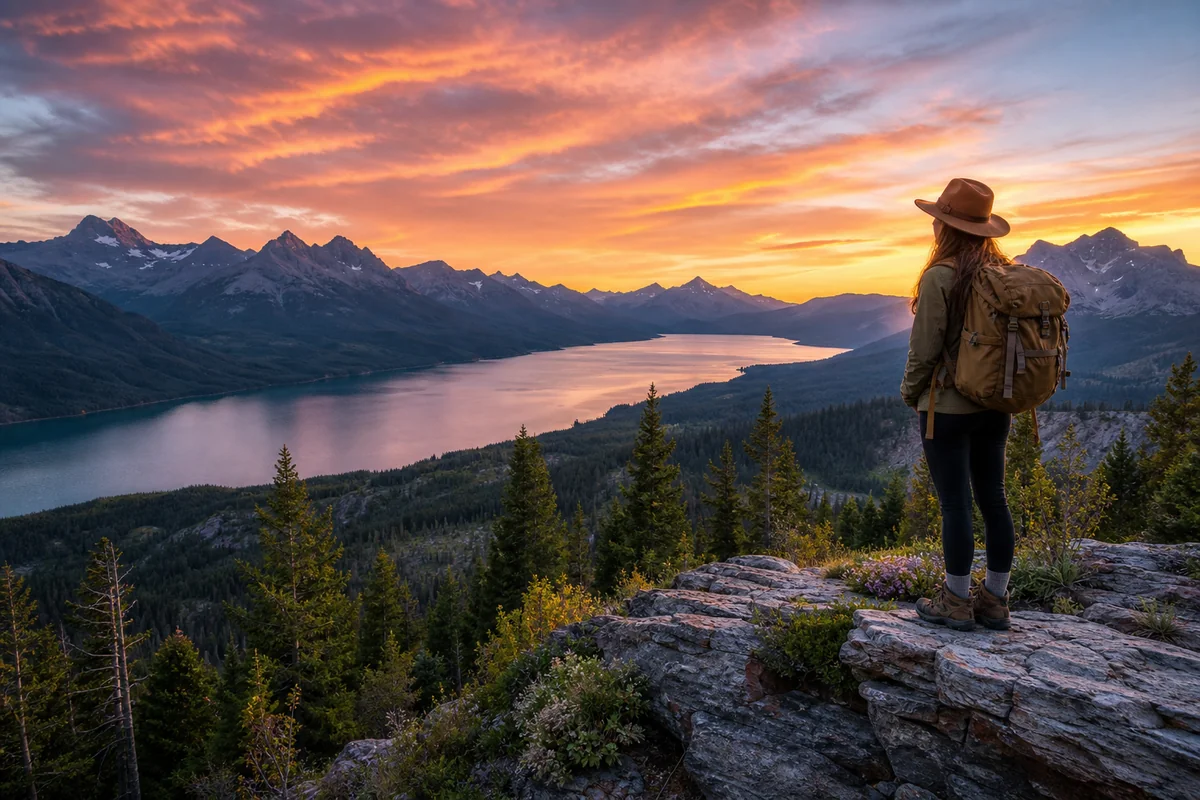
The first time I watched the sun dip behind the Mission Mountains, painting the sky in shades of pink and gold I didn’t know existed, I understood why Montana calls itself Big Sky Country. That moment, standing on a quiet stretch of highway near Polson with nothing but wildflowers and endless horizon, changed how I travel forever.
Quick Answer — What Makes a Montana Vacation?
A Montana vacation typically centers on one or more of these anchors: Glacier National Park (northwest, peak season June–September), Yellowstone’s Montana entrances (south-central, year-round via Gardiner), Big Sky (adventure sports, ski, and resort destination), dude ranch and all-inclusive stays (southwest Montana and Bitterroot Valley), or self-guided road trips along the state’s two main interstate corridors. The state spans 147,000 square miles — choose one region per trip and return for the rest.
- Montana offers the full spectrum: national parks, luxury all-inclusive ranches, hot springs, Big Sky ski, fly fishing, and ghost towns
- Best times: June–September for summer access; December–March for ski and winter wildlife
- Book Glacier lodging 6–12 months ahead — it sells out without exception
- Budget ranges: $80–120/day (camping/budget) → $150–300/day (mid-range) → $500–2,000+/day (all-inclusive ranch)
- A rental car is non-negotiable — public transit doesn’t reach Montana’s main attractions
- The biggest mistake: underestimating distances. Glacier to Yellowstone is 7 hours. Choose one per trip.
Liked this article?
Add Roaming Montana as a preferred source so you see more of our articles and guides on Google.
Why Montana Deserves a Spot on Your Vacation List
I’ve spent countless weeks exploring Montana over the past decade and I’m still discovering new corners that take my breath away. Montana is the fourth-largest state with fewer than 1.2 million residents — vast stretches of wilderness where you might not see another person for hours.
What sets Montana apart from other Western destinations is the authentic wildness. You don’t need to be an expert mountaineer to find yourself in truly remote, stunning landscapes. The access is immediate and honest.
For a complete trip-planning framework before diving into specifics, see my Montana trip planning guide.
Glacier vs Yellowstone: Choosing Your Montana Vacation Anchor
The question I get more than any other: Do I do Glacier or Yellowstone?
Both parks sit partly in Montana. Both deliver experiences you won’t find anywhere else in America. And both are far enough apart (7–8 hours by car) that trying to do both in a week means doing neither properly. Here’s how I help people choose.
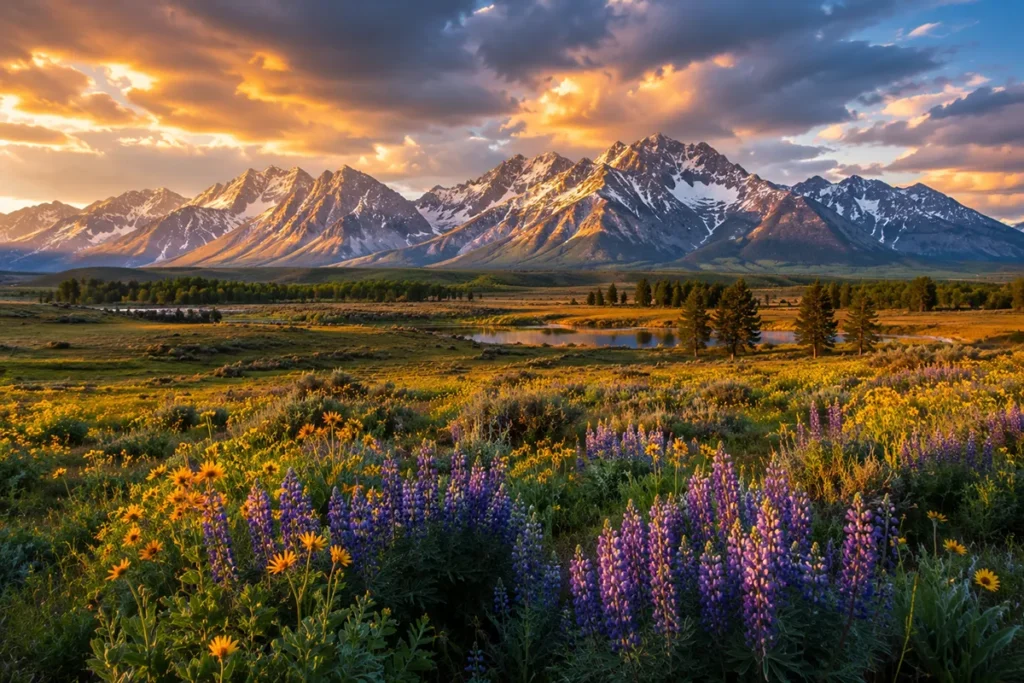
Choose Glacier if you want: Alpine hiking on maintained trails through wildflower meadows and glacial terrain. The Going-to-the-Sun Road — legitimately one of the most beautiful drives in North America. Mountain goats and bighorn sheep at close range. A park that feels intimate and human-scaled despite its grandeur. The Many Glacier area for uncrowded hiking. The most dramatic scenery concentrated in the smallest geographic footprint of any major American park. See my Glacier National Park hiking guide and Going-to-the-Sun Road guide.
Choose Yellowstone (via Montana) if you want: The most diverse wildlife viewing in the contiguous United States. Wolves, grizzlies, bison herds, and elk in the Lamar Valley — accessible from Montana’s Gardiner entrance. Geothermal features unmatched anywhere on Earth. A park that rewards slow mornings and patient watching more than aggressive hiking mileage. The experience of watching natural processes at continental scale. See my Lamar Valley wildlife guide.
Do both if you have: At least 10–14 days, a car, and the willingness to spend a full day driving between them with an overnight in Bozeman or Helena in between.
Glacier National Park: Crown of the Continent
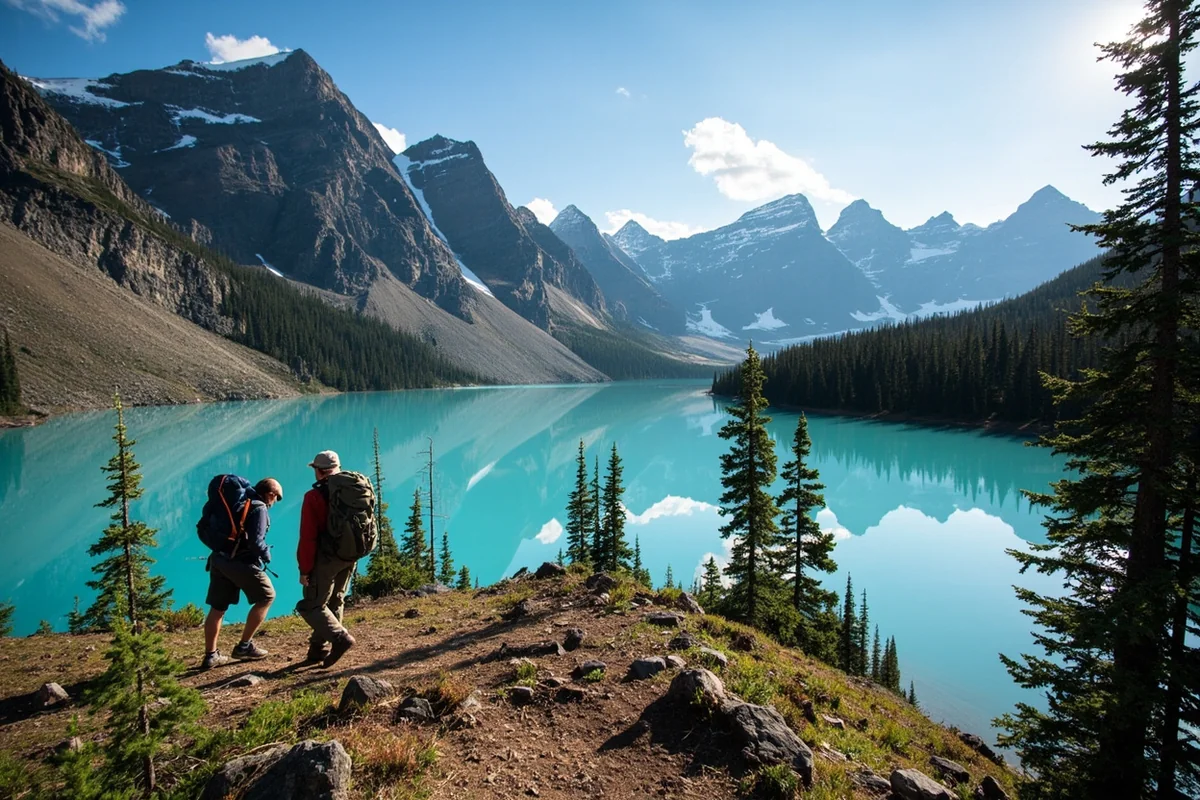
Glacier National Park changed my perspective on what wild America looks like. On my first visit, I hiked to Grinnell Glacier and watched chunks of ancient ice calve into the turquoise lake below.
The Going-to-the-Sun Road crosses the Continental Divide at Logan Pass — 50 miles of road carved into cliff faces above glacial valleys.
I’ve driven it seven times. I will drive it again. Vehicle reservations are mandatory from late May through early September via recreation.gov — book these the moment they become available. They sell out within minutes of release.
My favorite less-crowded Glacier experience is the Many Glacier area on the east side. The Swiftcurrent Motor Inn sits at the trailhead for Iceberg Lake, a 9.7-mile round trip where actual icebergs float in the water in August. For the full Glacier trail breakdown, see my Glacier hiking guide.
For lodging, the historic lodges (Many Glacier Hotel, Lake McDonald Lodge, Glacier Park Lodge in East Glacier) book 6–12 months ahead for summer. For a full lodging strategy inside and outside the park, see my where to stay in Glacier National Park guide.
Yellowstone’s Montana Gateway
While most of Yellowstone sits in Wyoming, Montana provides the most scenic and wildlife-rich entrances. I always recommend the north entrance through Gardiner for first-time visitors.
The Roosevelt Arch marks the original 1903 entrance. Elk wander through Gardiner’s streets at dusk — a preview of what’s inside.
The Lamar Valley in the park’s northern section, accessible from the Montana side, is the best wildlife viewing in the lower 48. During a recent spring trip I spotted wolves, grizzlies, bison, and a wolverine in a single morning. For wildlife strategy and timing, see my Lamar Valley guide.
For lodging in and around Montana’s Yellowstone entrances, see my where to stay in Yellowstone guide.
Montana Ranch Vacations: Dude Ranches and All-Inclusive Stays
This is the Montana vacation category that most first-timers overlook — and the one that produces the most passionate repeat visitors. Three of the ten results that rank for “montana vacations” are luxury ranch resorts. That’s not an accident. Ranch vacations represent a specific and irreplaceable Montana experience.
What a Montana ranch vacation delivers: Working cattle alongside experienced wranglers. Horseback riding through mountain terrain that no road reaches. Campfire dinners under skies with more stars than you’ve ever seen. Activities included in your rate — no wallet needed. The chance to understand Montana’s ranching culture from the inside, not through a windshield.
For the full Montana dude ranch inventory, see my Montana ranches guide.
The Ultra-Luxury All-Inclusive Tier
The Ranch at Rock Creek (Philipsburg area) is arguably Montana’s most celebrated all-inclusive resort — rates reflect that at $1,500–3,000+/night for couples, but literally everything is included: all meals with wine pairings, all activities (horseback riding, fly fishing, ATVs, archery, skeet shooting, spa), and transport. Set on 6,600 private acres with Rock Creek running through the property. Forbes Five-Star rated.
Paws Up (near Greenough, Blackfoot River valley) now holds Two MICHELIN Keys — the first ranch resort in Montana to receive that designation. Luxury glamping tents with king beds and private hot tubs, a spa, and an activities program that rivals the Ranch at Rock Creek. Known for its luxury camping experience alongside full lodge accommodations. Rates start around $1,200–2,500+/night all-inclusive.
Triple Creek Ranch (Darby, Bitterroot Valley) is a Relais & Châteaux property — adults only, gourmet cuisine, private log cabins on 600 mountain acres at the edge of the Selway-Bitterroot Wilderness. All-inclusive and intimate at around 20 cabins maximum. Fishing, horseback riding, and hiking directly from your cabin door. Rates start around $800–1,500/night.
Mid-Range and Family Ranch Options
Montana has excellent dude ranches at accessible price points — typically $200–500/night per person all-inclusive, which often represents strong value compared to piecing together hotel + activities + meals separately. Most offer week-long packages (Sunday to Sunday) and are set in working ranching landscapes.
The Bitterroot Valley, Gallatin Valley, Paradise Valley, and Big Hole Valley all host traditional ranch operations that take vacation guests. These aren’t theme parks — they’re real ranches where guests participate in actual ranch work alongside guides who’ve done this their whole lives.
Big Sky, Montana Vacations
Big Sky is Montana’s largest purpose-built resort area and one of the fastest-growing vacation destinations in the Mountain West.
Sitting 45 miles south of Bozeman at the edge of the Gallatin Canyon, Big Sky serves as an anchor destination for both winter ski trips and summer adventure vacations.
Big Sky in winter: Big Sky Resort combines with Moonlight Basin to form the largest ski area in the United States by acreage — 5,850 acres. That scale means even on a busy Saturday you can find uncrowded terrain. The resort typically receives 400+ inches of snowfall annually. Ski lodges, ski-in/ski-out properties, and a genuine mountain village complement the terrain. For comparison with other Montana ski options, see my Montana ski resorts guide.
Big Sky in summer: The ski terrain converts to mountain biking trails, the Lone Peak Tram opens for hiking and sightseeing, and the Gallatin River provides blue-ribbon fly fishing and whitewater rafting access minutes away. Horse pack trips into the Gallatin National Forest extend from mid-June through September.
Where to stay in Big Sky: The Big Sky Resort Village offers ski-in/ski-out access; Lone Mountain Ranch provides a cross-country ski and summer fly-fishing lodge atmosphere; and vacation rentals throughout the Big Sky corridor offer kitchen access and more space for families. Book 3–6 months ahead for peak winter and peak summer dates.
Getting to Big Sky: 45 miles south of Bozeman on US-191. Fly into Bozeman (BZN) — the most connected airport in Montana — and rent a car. Shuttle services operate between the airport and Big Sky during ski season.
Montana Glamping: Luxury in the Wild
Glamping — glamorous camping — has found its natural home in Montana, where the scenery justifies the premium and the remoteness makes in-tent amenities worth the cost. This isn’t a niche anymore: Paws Up helped pioneer the luxury glamping model that’s now spreading across the American West.
What Montana glamping typically includes: Canvas safari-style tents with real beds (often king), private decks, heating, and in some cases private hot tubs or outdoor soaking tubs. Meals delivered or nearby communal dining with a chef. Activities included or easily arranged. Wi-Fi is deliberately absent — the point is disconnection.
Top Montana glamping experiences:
Paws Up’s glamping tents on the Blackfoot River offer the most recognized luxury glamping in Montana — private camp attendants, gourmet meals served tentside, and activities including float trips and horseback riding from your camp’s own staging area. Rates are significant (typically $900–1,500+/night), but the Blackfoot River setting is extraordinary.
Under Canvas Glacier (near West Glacier) offers a more accessible glamping price point — $200–500/night for canvas tent accommodations with beds and wood stoves, positioned as a premium camping alternative near Glacier’s west entrance. The tradeoff from Paws Up is the communal dining approach rather than private-butler service.
Conestoga Wagon stays and yurt accommodations scattered across the state offer the glamping aesthetic at more moderate prices — many farm and ranch properties across the Gallatin Valley, Bitterroot, and Flathead regions have added quality canvas tent or cabin-tent hybrid options in recent years.
Flathead Lake: Montana’s Summer Water Vacation
Flathead Lake is the largest natural freshwater lake west of the Mississippi — 197 square miles of clear, cold water surrounded by the Mission Mountains, the Cabinet Mountains, and cherry orchards that produce fruit sold from roadside stands all summer. It’s Montana’s most complete summer lake vacation destination, and most out-of-state visitors have never heard of it.
What Flathead Lake offers: Sailing, motorboating, kayaking, paddleboarding, and swimming in water clear enough to see the bottom at 30 feet. Lakeside towns — Polson on the south shore and Bigfork on the northeast corner — with restaurants, galleries, and live theater (Bigfork Summer Playhouse). The Wild Horse Island State Park accessible only by private boat, harboring wild horses, bighorn sheep, and bald eagles.
Polson is the lake’s southern anchor — a real town on the Flathead Indian Reservation with full services, a marina, and a golf course with lake views that borders on unfair.
Bigfork on the northeast corner is the most charming lake town — small enough to walk end to end, with galleries, good restaurants, the summer theater, and direct access to Swan Lake and the Swan Valley to the south.
Cherry season runs late July through early August, when roadside stands along the east shore sell fresh cherries by the flat. This alone makes a Flathead Lake visit worth timing carefully.
Where to stay: Vacation rentals dominate lakefront accommodations. Most Flathead Lake properties are on VRBO and Airbnb rather than in hotels. Book lakefront properties 3–5 months ahead for peak summer.
Outdoor Adventure Experiences
Fly Fishing: Montana’s Living Culture
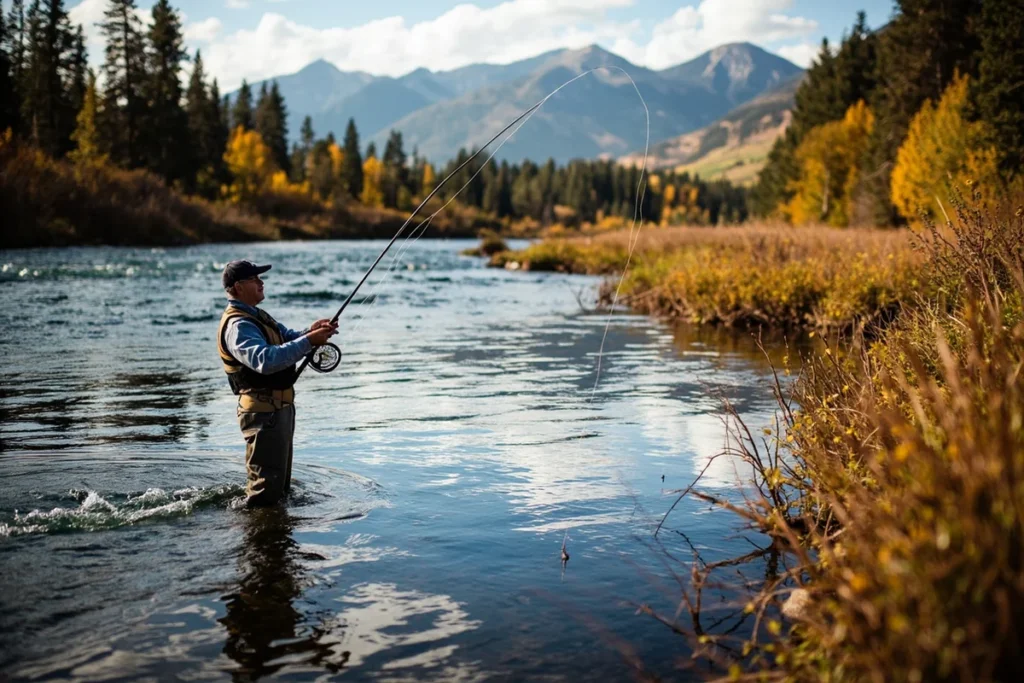
Montana essentially invented American fly fishing culture. “A River Runs Through It” was set here for a reason — the rivers are genuinely that special.
The Madison River outside Ennis offers some of the best dry fly fishing I’ve experienced anywhere. During the salmon fly hatch in June, the action borders on absurd.
The Ennis area specifically — in the Madison River Valley — is one of Montana’s under-the-radar vacation towns. Mountains on all sides, world-famous trout fishing, authentic cowboy culture, and proximity to Yellowstone. Cheaper and less crowded than Bozeman or West Yellowstone.
The Blackfoot River near Missoula (the setting of “A River Runs Through It”) offers excellent guided fishing days. The Missouri River below Holter Dam near Craig provides technical trophy trout fishing.
The Bighorn River near Fort Smith in southeastern Montana is arguably Montana’s most consistent trophy fishery — guided trips on the Bighorn are a legitimate Montana bucket-list item.
Guided full-day trips run $500–600 including lunch and gear. For broader outdoor planning, see my Montana outdoor activities guide.
Hiking for Every Level
Montana’s trail network ranges from wheelchair-accessible boardwalks to multi-day wilderness expeditions requiring backcountry skills. For Glacier specifically, see my best hikes in Glacier National Park guide.
Casual hikers: Avalanche Lake in Glacier (4.5 miles round trip, 500 ft elevation) — old-growth forest leading to a hanging valley with waterfalls. Family-friendly and rewarding without intimidating exposure.
Intermediate hikers: Glacier’s Highline Trail traverses alpine meadows with 1,000-foot drop-offs. I hiked it last August and felt the exposure acutely — this isn’t for anyone uncomfortable with heights. But the views across the Logan Pass bowl are worth every uncomfortable moment.
Advanced hikers and backpackers: The Bob Marshall Wilderness — 1.5 million acres with no roads. Just you, mountains, and grizzly bears. Proper preparation is non-negotiable.
Whitewater Rafting
The Flathead River’s Middle Fork provides the most accessible whitewater in Montana — Class III rapids with Glacier National Park scenery overhead. Half-day trips run $70–90 from outfitters near West Glacier.
The Alberton Gorge on the Clark Fork River west of Missoula features continuous Class III-IV water through a ponderosa pine canyon — one of the most aesthetically satisfying whitewater experiences in the state.
The Gallatin River south of Bozeman runs everything from lazy summer floats to technical Class IV sections. House of the Flowered Bed rapids section has flipped many overconfident crews.
The Smith River Float Trip
The Smith River deserves its own mention — it’s a bucket-list Montana vacation for those who know about it. This five-day, 59-mile float through remote limestone canyon terrain in central Montana is one of the most coveted permitted river trips in the American West.
Access is controlled by a lottery system (apply in January for summer permits) and requires self-supported camping. The canyon walls, wildlife, and isolation make this one of the most extraordinary natural experiences in the state — and because of the permit system, you’ll never feel crowded.
Horseback Riding and Cattle Drives
Montana’s horseback riding options range from single-afternoon trail rides for beginners to week-long cattle drives alongside working ranch crews.
The latter is a genuinely transformative experience — moving cattle across open country on horseback at dawn is something no guided tour or national park visit replicates.
Several dude ranches in the Bitterroot, Paradise, and Big Hole valleys incorporate actual ranch work into guest experiences. See my Montana ranches guide for specific operations.
The Beartooth Highway
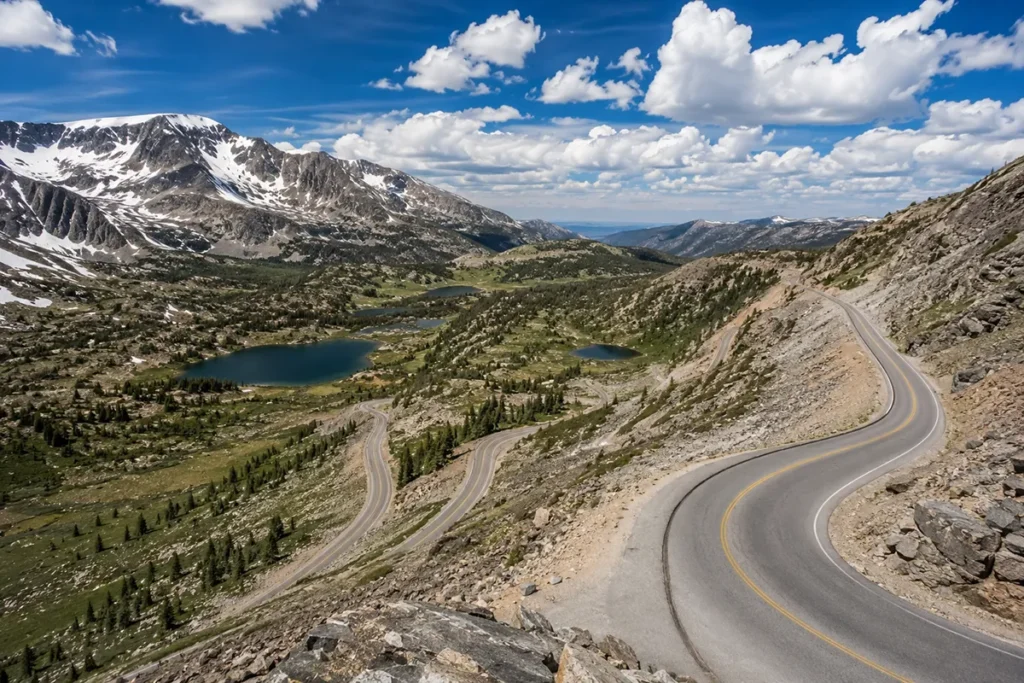
US-212 from Red Lodge to Yellowstone’s northeast entrance is consistently called the most beautiful drive in America. That’s not hyperbole.
The road climbs to 10,947 feet through switchbacks past alpine lakes, above timberline, through snowfields in late June, and delivers you to the Lamar Valley — Montana’s greatest wildlife corridor — on the other end.
This is a vacation unto itself when approached slowly: overnight in Red Lodge, drive the Beartooth at dawn, spend a day in the Lamar Valley, then exit through Gardiner. Done right, it’s three days that require a month of mental recovery before you can explain it to anyone.
Montana Hot Springs Retreats
Montana’s geothermal activity creates dozens of natural hot springs scattered across the state — from rustic primitive pools to polished resort experiences. For the complete Montana hot springs inventory, see my Montana hot springs guide.
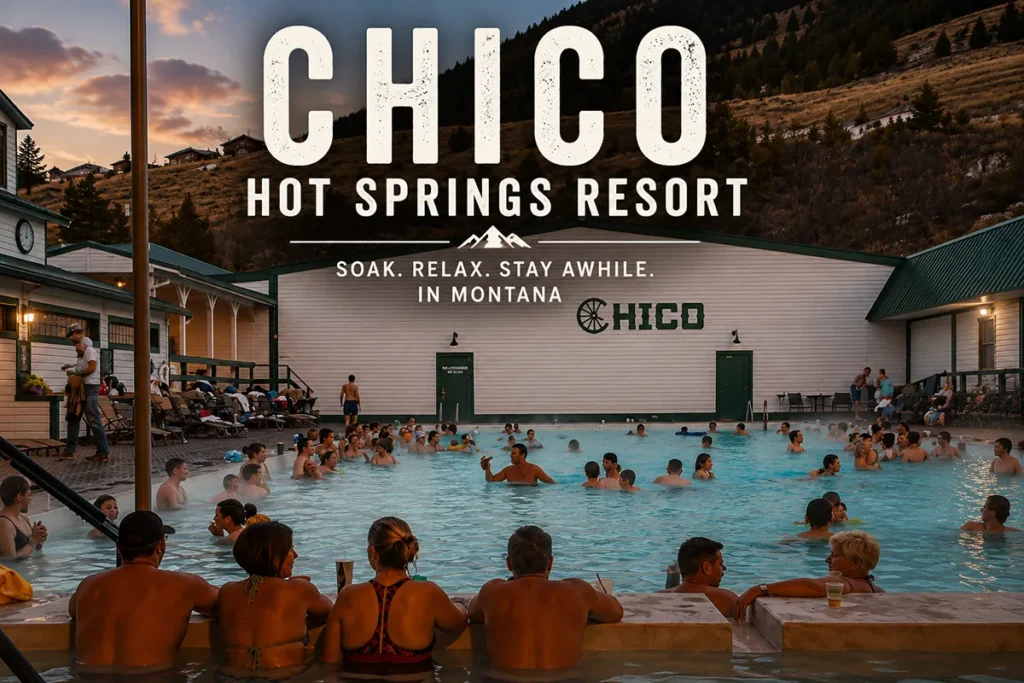
Chico Hot Springs (Pray, near Livingston and Paradise Valley) is my most-returned-to Montana hot springs. Operating since 1900, the outdoor pool maintains a perfect 96°F year-round, and the full-service resort makes it a legitimate destination rather than a day trip. I’ve soaked there in December snowstorms watching steam rise against starlight — it’s one of those distinctly Montana experiences. The Chico Saloon has live music most weekends.
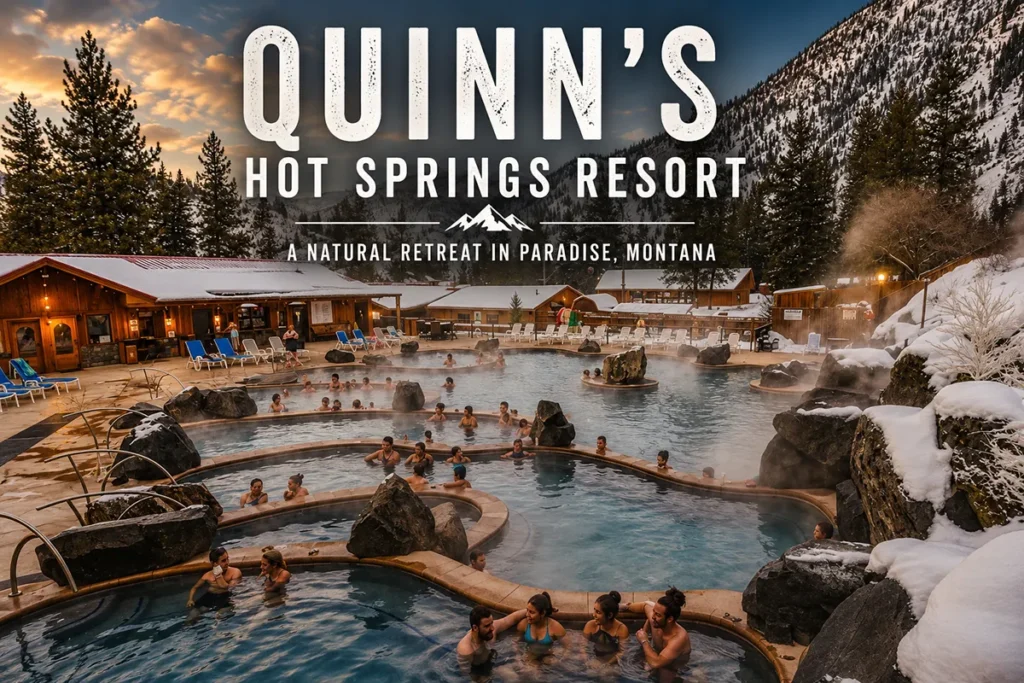
Quinn’s Hot Springs Resort (Paradise, Clark Fork River) features natural rock formations, multiple pools, and a genuinely refined on-site restaurant by Montana standards. The Clark Fork River setting adds to the experience.
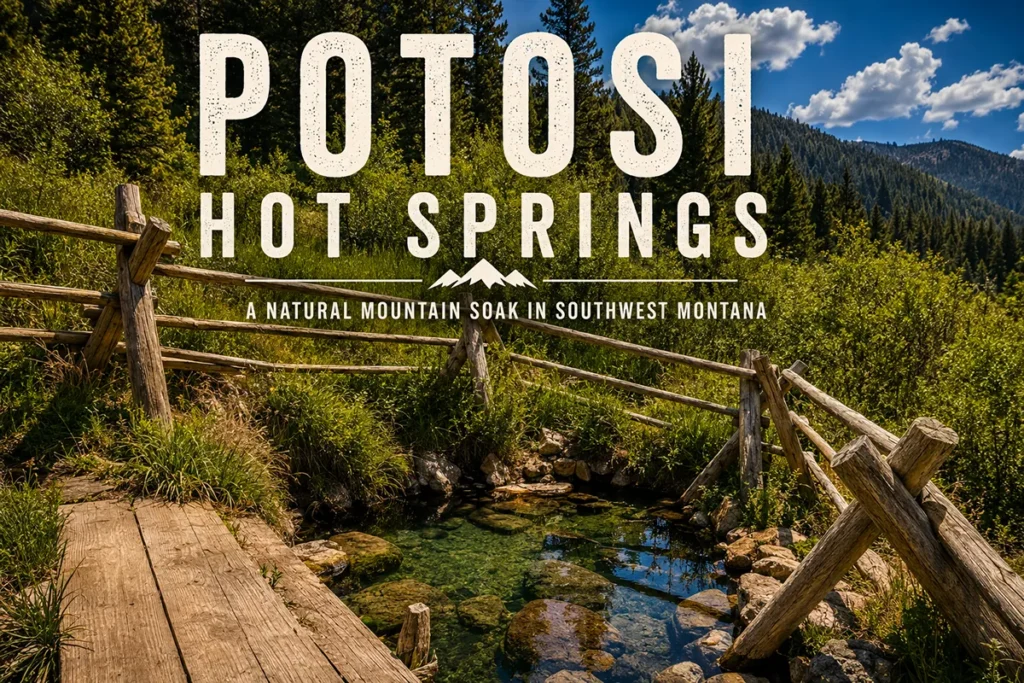
Potosi Hot Springs (near Pony) requires a short hike to reach a primitive pool in a gorgeous meadow — no amenities, bring everything, completely free. The contrast with Chico or Quinn’s is total.
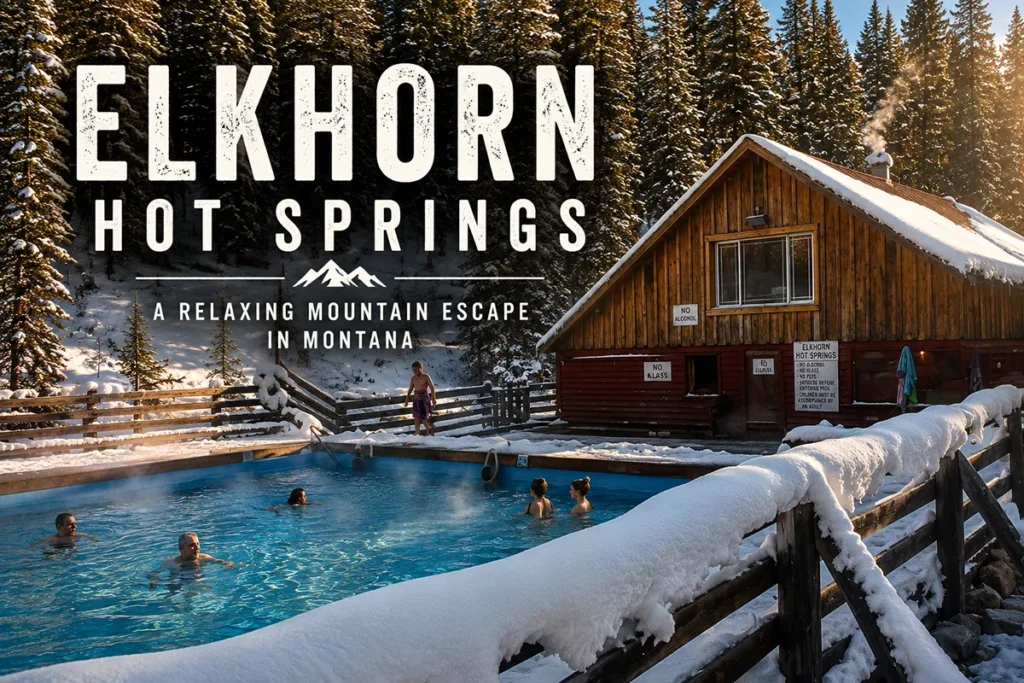
For a rustic overnight hot springs experience, the Elkhorn Hot Springs near Polaris combines soaking with ghost town exploration — see my detailed Elkhorn Hot Springs guide.
Mountain Town Escapes
Whitefish: Montana’s Year-Round Playground
Whitefish Mountain Resort offers 3,000 acres of skiable terrain in winter; the summer brings mountain biking, an alpine slide, and scenic gondola rides. Walking Central Avenue, the restaurant quality punches well above a town of 8,000. The lake is crystal clear for swimming through August.
Expect premium pricing here — July hotel rooms at $300–400/night are normal, and the restaurants reflect a resort-town economy. Book 3–6 months ahead for summer and ski season. For full city details, see my Whitefish guide.
Bozeman: Culture Meets Adventure
The Museum of the Rockies houses one of the world’s most significant dinosaur collections. Main Street’s independent bookstores, galleries, and restaurants create a walkable downtown that surprises first-timers. Hyalite Canyon sits 20 minutes from downtown with waterfalls, alpine lakes, and rock climbing. See my full Bozeman guide.
Missoula: Montana’s Cultural Heart
The University of Montana’s creative writing program has shaped Missoula’s character for generations. The Clark Fork River threads through downtown — fly fishers cast lines while you walk to dinner. The coffee and beer scenes rival cities three times its size. Full city guide at Missoula.
Red Lodge: Beartooth Gateway
Red Lodge is the launch point for the Beartooth Highway and a legitimate ski destination at Red Lodge Mountain Resort. The walkable main street has character left over from its coal-mining days and restaurants that don’t require apology. Full city guide at Red Lodge.
Historical and Cultural Experiences
Ghost Towns
Bannack State Park preserves Montana’s first territorial capital — walking the 1860s main street during my visit, I could almost hear the gold rush that brought 3,000 people to this remote valley.
Garnet near Missoula requires a rugged road but rewards with one of Montana’s best-preserved ghost town atmospheres. Virginia City and Nevada City operate as living ghost towns with some buildings still in active use as museums and shops.
I recommend visiting at least one ghost town on any Montana trip — the context for Montana’s development they provide is irreplaceable.
Native American Heritage
The Little Bighorn Battlefield National Monument marks where Lakota, Cheyenne, and Arapaho warriors defeated Lt. Col. Custer’s 7th Cavalry in 1876. The landscape remains hauntingly empty; the Indian Memorial provides crucial context often missing from traditional accounts.
I visited during the June anniversary commemoration and witnessed descendants from both sides gathering in reconciliation — it fundamentally changed how I understand Western expansion.
The Museum of the Plains Indian in Browning, on the Blackfeet Reservation adjacent to Glacier, showcases art and artifacts with authentic cultural context.
First Peoples Buffalo Jump State Park near Ulm preserves a site where Indigenous people drove bison over limestone cliffs for thousands of years. The scale of the cliff and the interpretive trail are both excellent.
Montana Winter Vacations
Montana’s ski resorts offer world-class terrain without Colorado’s crowds or resort-town price premiums. The winter wildlife and Yellowstone snow coach experience add dimensions that most skiers never consider.
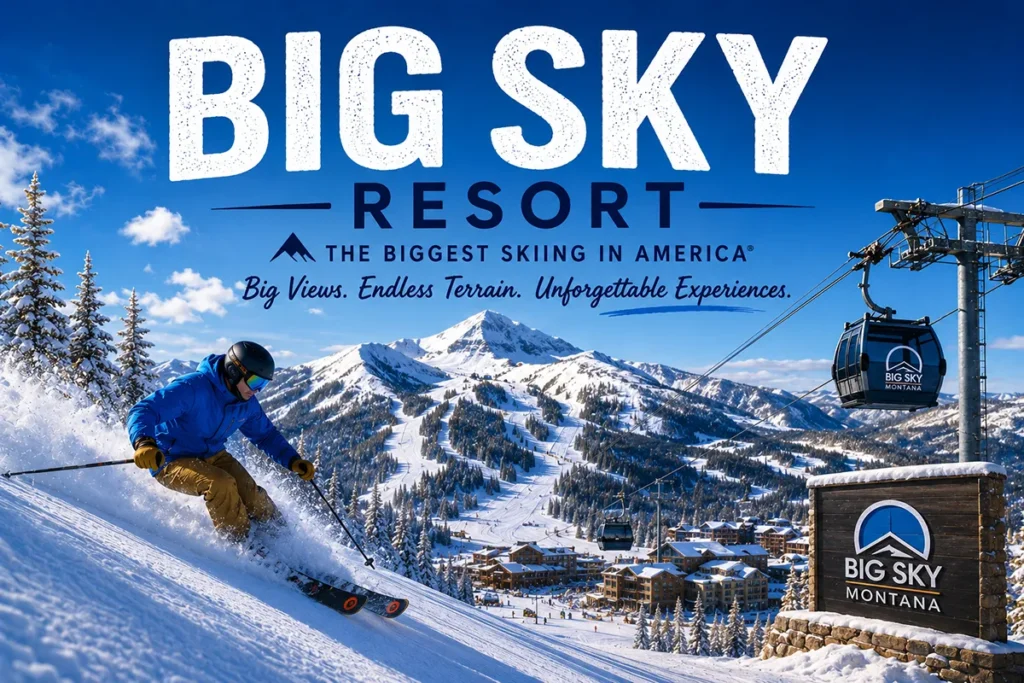
Big Sky Resort (combined with Moonlight Basin) delivers the largest ski area in the US. The terrain is real — serious expert runs, excellent intermediate cruisers, and genuinely uncrowded by major-resort standards even at peak season. See my Montana ski resorts guide for the full comparison.
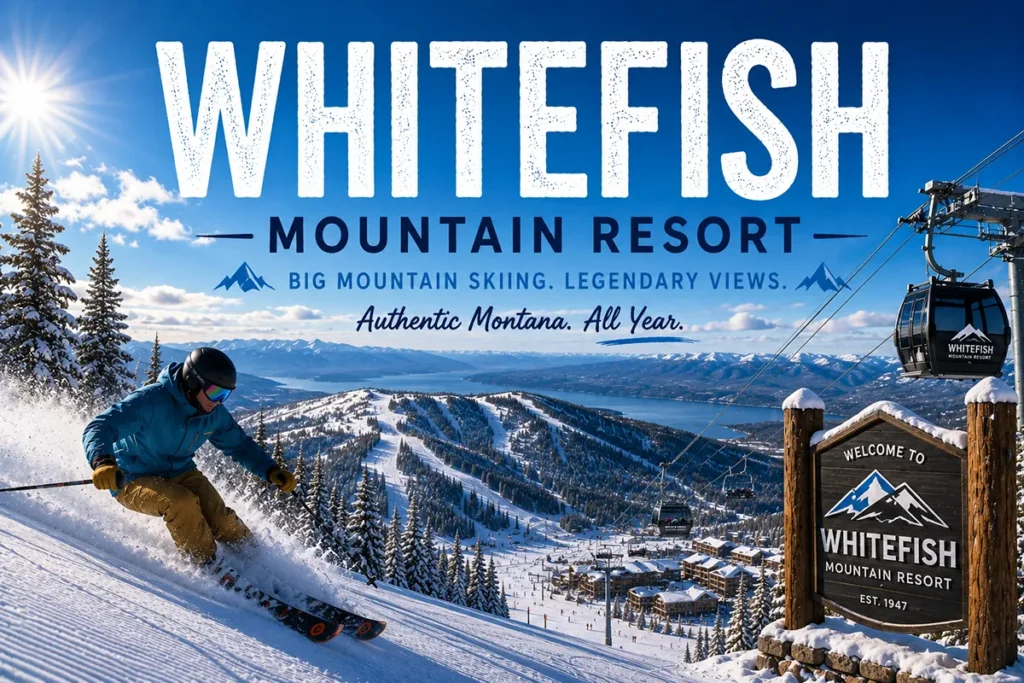
Whitefish Mountain Resort maintains a more local atmosphere — 3,000 skiable acres with a downtown only 8 miles away. Lift tickets run significantly less than Big Sky and resort-town pricing hasn’t fully arrived yet.
Yellowstone in winter deserves its own mention. Snow coach and snowmobile access into the park provides a Yellowstone experience completely different from summer: steaming geothermal features against a silent white backdrop, bison pawing through snow, and wolves visible in morning light against open valleys. Booking through in-park lodges (Old Faithful Snow Lodge operates year-round) and guided snow coach tours provides the best access.
Cross-country skiing and snowshoeing: Glacier’s Going-to-the-Sun Road closes to vehicles but opens to non-motorized travel. I’ve skied into Lake McDonald Lodge in February — the silence is absolute.
Montana Vacation Budget Guide
Understanding what a Montana vacation actually costs prevents the surprise that catches many first-time visitors.
| Vacation Type | Daily Budget (per person) | What’s Included |
|---|---|---|
| Budget (camping/backpacking) | $40–80 | Campground fees, groceries, self-guided activities, free trails |
| Budget (budget motels) | $80–120 | Basic motels, restaurants 1x/day, self-guided |
| Mid-range | $150–250 | Mid-range hotels, restaurants 2x/day, 1 guided activity |
| Comfortable | $250–400 | Good hotels, most meals out, guided fishing/rafting, park fees |
| Luxury (non-ranch) | $400–800 | Top hotels, fine dining, private guides, best experiences |
| All-inclusive ranch | $600–1,500+ | Everything included — lodging, meals, all activities |
| Ultra-luxury (Paws Up / Ranch at Rock Creek) | $1,200–3,000+ | Five-star all-inclusive, all activities, spa, private staff |
Key costs to factor in:
- National park entrance: $35/vehicle for a 7-day pass (covers both Glacier and Yellowstone)
- Guided fly fishing: $500–600/day
- Whitewater rafting: $70–120/half or full day
- Rental car: $60–120/day (book early — selection in Montana is limited)
- Gas: Budget generously — Montana distances are real, and rural gas prices run higher
Summer pricing peaks in July and August. Visiting in June or September typically saves 20–30% on accommodations while maintaining excellent conditions.
For complete seasonal timing guidance, see my best time to visit Montana guide.
Seasonal Planning Guide
Summer (June–August): Peak Season
Early June offers shoulder-season pricing before school ends. July and August provide the most reliable weather and full access everywhere. Late August sees diminishing crowds while maintaining excellent conditions — my preferred summer window.
Wildflower season peaks late June through early July depending on elevation. The alpine meadows around Logan Pass in Glacier explode with color that justifies any crowd navigation. For guided tours that handle logistics for peak season, especially in Glacier and Yellowstone, booking 2–3 months ahead is smart.
Fall (September–October): Montana’s Best-Kept Secret
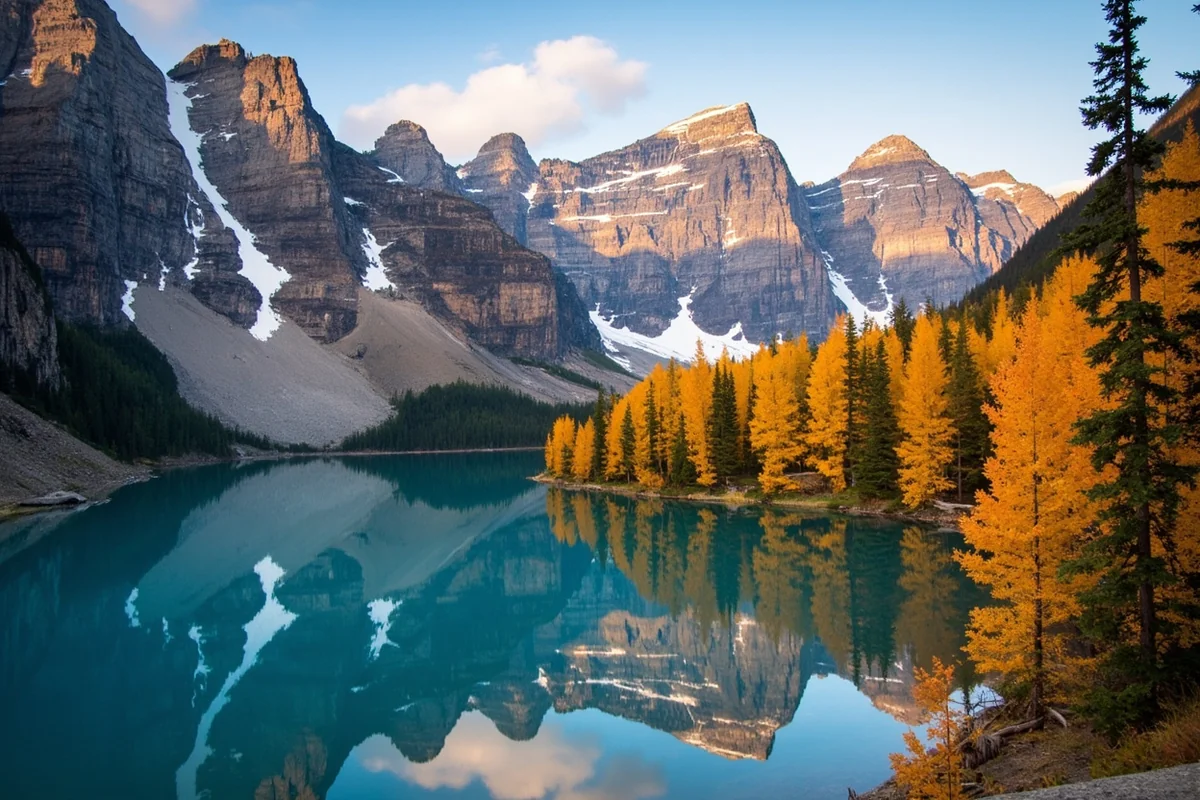
Crowds vanish after Labor Day but weather often holds beautiful through early October. Larch trees in western Montana turn brilliant gold — I hiked Blue Lake in the Mission Mountains last September and had the trail completely to myself. Elk rut season brings bugling through valleys at dawn.
Winter (November–March): Snow Sports Paradise
Big Sky and Whitefish Mountain resort seasons run December through April. Yellowstone wildlife viewing peaks in January and February when wolves are most visible against the snow. Cross-country skiing into Glacier opens road corridors to non-motorized exploration.
Spring (April–May): Transition Season
Bears emerge from hibernation and baby animals appear throughout the ecosystem — spring is the best wildlife viewing season at lower elevations. Many high-elevation roads and facilities remain closed through late May. Eastern Montana around Billings and Miles City becomes accessible while mountains remain snowbound.
Practical Planning
Getting There
| Airport | Code | Best For |
|---|---|---|
| Bozeman Yellowstone Intl | BZN | Yellowstone, Big Sky, SW Montana |
| Glacier Park International | FCA | Glacier NP, Whitefish, NW Montana |
| Missoula International | MSO | Bitterroot Valley, Clark Fork corridor |
| Billings Logan International | BIL | Eastern Montana, Beartooth |
A rental car is essential — book well ahead, especially for summer. For full logistics, see my Montana trip planning guide.
Accommodation Overview
- Historic park lodges (Many Glacier Hotel, Lake McDonald Lodge, Old Faithful Inn): Book 6–12 months ahead without exception
- Ranch resorts: Book 3–6 months ahead; week-long stays are the standard format
- Mountain town hotels (Whitefish, Bozeman): 2–4 months ahead in peak season
- Vacation rentals: Strong inventory on VRBO/Airbnb for smaller towns and lakefront properties
- Camping: National park sites via recreation.gov open 6 months ahead and fill the same day
For winter-specific accommodation strategies, see my best Montana Airbnbs for winter guide.
Trip Ideas by Traveler Type
Families With Children
Montana teaches kids about nature, history, and genuine adventure in ways no screen replicates. Junior Ranger programs at Glacier and Yellowstone keep kids engaged.
Age-appropriate activities cover every level: easy Glacier Lake walks for younger children, teenage-appropriate rafting and horseback riding, and the Museum of the Rockies dinosaur collection in Bozeman for anyone with any curiosity at all.
Safety considerations increase with children. Maintain wildlife distances strictly, understand altitude effects on kids, and carry bear spray on every backcountry trail.
Couples and Honeymooners
Montana’s romance comes from shared awe at natural beauty and adventures that build real intimacy — not champagne service. Guest ranches create particular romantic resonance: riding together through mountain terrain, sharing campfire dinners, retreating to private log cabins.
Chico Hot Springs in the Paradise Valley provides excellent couples access — good lodging, the outdoor pool, live music on weekends, and one of the best regional restaurant scenes in Montana. See my Chico Hot Springs guide.
Solo Travelers
Montana rewards solo exploration profoundly. The pace encourages reflection and locals remain genuinely friendly toward visitors. Small-town bars become community centers where strangers share stories and recommendations. I’ve traveled Montana solo several times and never felt unwelcome.
Safety in wilderness areas matters more solo — always inform someone of hiking plans and carry appropriate gear including bear spray.
LGBTQ+ Travelers
Missoula, Bozeman, and Whitefish offer genuinely welcoming environments. Montana’s libertarian streak often translates to authentic live-and-let-live attitudes even in rural areas. Pride events occur in multiple Montana cities. Common-sense awareness applies as it would in most rural American areas.
Off-the-Beaten-Path Vacation Experiences
Eastern Montana: Makoshika State Park near Glendive features badlands that feel transported from Mars — dinosaur fossils, hoodoos, and total solitude. The Charles M. Russell National Wildlife Refuge protects over a million acres of prairie wilderness. Miles City’s annual Bucking Horse Sale in May is one of the last genuinely authentic cowboy gatherings in America.
The Hi-Line: Highway 2 traces Montana’s northern edge through small towns the railroad created over a century ago. Havre’s underground tour of abandoned businesses below the modern street level is genuinely interesting. Fort Peck Dam impounds one of America’s largest reservoirs.
Ennis and the Madison Valley: One of Montana’s most complete hidden vacation towns. World-famous trout fishing, authentic cowboy culture, mountain views in every direction, and proximity to Yellowstone without Bozeman’s prices. The Madison River through here is one of the finest trout streams in North America.
The Bitterroot Valley: South of Missoula, combining agricultural heritage with dramatic mountain access and the Selway-Bitterroot Wilderness. Lost Trail Powder Mountain offers uncrowded skiing that locals prefer to keep quiet. Marcus Daly Mansion provides Gilded Age context. Triple Creek Ranch sits at the valley’s southern end.
Final Thoughts on Planning Your Montana Vacation
After years of exploring Montana, I’ve learned the state rewards those who slow down and pay attention. This isn’t a destination for checking boxes — it’s a place for genuine experience.
My best Montana memories came from unplanned moments: an unexpected conversation with a rancher in a small-town diner, stumbling on a beaver dam while lost on a “shortcut,” watching thunderstorms roll across the prairie from a motel parking lot. Give yourself permission to deviate. Pull over when the light looks beautiful. Stay an extra day when a place speaks to you.
The state has changed during my years visiting — more people, higher prices, some authenticity eroding at the edges. But the essential Montana remains: wild, honest, humbling.
Start planning. Montana always calls people back.
Ready to start? My Montana trip planning guide covers every logistics question in detail.
Frequently Asked Questions
What are the best Montana vacations for first-time visitors?
For first-timers, I recommend choosing one anchor destination rather than trying to cross the state. A Glacier National Park–focused trip (based in Whitefish or Kalispell) offers the most concentrated scenery and immediate wow factor. A Yellowstone/Big Sky trip (based in Bozeman or Livingston) delivers the best wildlife viewing and a genuine mountain resort experience. Both parks in one trip is possible in 10–14 days with a car. See the Glacier vs. Yellowstone section above for the full comparison.
How much does a week-long Montana vacation cost?
A mid-range week for two people typically runs $3,000–5,000, including lodging, meals, gas, and activities. Budget travelers camping and self-guiding can manage $1,500–2,500. Luxury all-inclusive ranch stays (Ranch at Rock Creek, Paws Up) run $7,000–20,000+ per week for two people — but literally everything is included. National park entrance is $35/vehicle for a 7-day pass. Guided fishing days average $500–600. Whitewater rafting runs $70–120/person.
What is the best time to visit Montana for a vacation?
Late June through early September is peak season — best weather, full access, most activities available. September is my personal preference: crowds thin after Labor Day, larch trees turn gold, elk bugle in the valleys, and prices drop 20–30%. For skiing, December through March at Big Sky or Whitefish Mountain Resort. For the specific month-by-month breakdown, see my best time to visit Montana guide.
Are Montana ranch vacations worth the cost?
For the right traveler, yes — emphatically. All-inclusive ranch stays (especially at Ranch at Rock Creek and Paws Up) deliver experiences impossible to replicate: real wilderness access, exceptional food, expert guides, and the specific pleasure of leaving your wallet at the door for a week. The value calculation includes not having to plan individual meals, activities, or logistics. For budget-conscious travelers, mid-tier Montana dude ranches ($250–500/person/day all-inclusive) often represent strong value compared to building the equivalent trip independently. See my Montana ranches guide.
Do I need a 4WD vehicle for a Montana vacation?
A standard sedan or SUV works for all main highways and paved national park roads during summer. High-clearance is useful for Forest Service roads, remote trailheads, or backcountry access. 4WD with snow tires or chains is essential for winter mountain passes and some ranch property roads. Rental inventory is limited in Montana — book your vehicle 2–3 months ahead for summer travel.
How far in advance should I book Montana vacation lodging?
For Glacier’s historic lodges (Many Glacier Hotel, Lake McDonald Lodge): 6–12 months ahead minimum — they sell out same-day when reservations open. National park campgrounds via recreation.gov: 6 months ahead, fill within hours. Glacier vehicle reservations (required late May–early September): book the moment they open, typically the first day of availability each season. Bozeman and Whitefish hotels in peak summer: 3–6 months ahead. Ranch resorts: 3–6 months ahead; many have week-long minimums.
Is visiting Montana in winter worthwhile?
Absolutely for the right traveler. Big Sky Resort (largest ski area in the US) and Whitefish Mountain Resort offer world-class terrain. Yellowstone in winter via snow coach delivers an entirely different park experience. Wolf sightings in Yellowstone’s Lamar Valley peak in January and February. Cross-country skiing into Glacier provides extraordinary solitude. Winter in Montana is demanding — plan for cold, check road conditions obsessively, and carry emergency car supplies — but the rewards are proportional to the preparation. See my Montana ski resorts guide for winter planning.
What Montana vacation experiences can’t be found anywhere else?
Several are genuinely unique: the Smith River permitted float trip (59 miles through limestone canyon — lottery entry, 5-day commitment, extraordinary); wolf and grizzly sightings from a single Lamar Valley viewpoint in Yellowstone; the Beartooth Highway from Red Lodge to Yellowstone’s northeast entrance; the all-inclusive ranch experience at Ranch at Rock Creek or Paws Up; and the larch tree gold in western Montana in late September — a conifer that loses its needles in fall, turning mountain slopes a brilliant gold that virtually no visitors outside the Mountain West have ever seen.