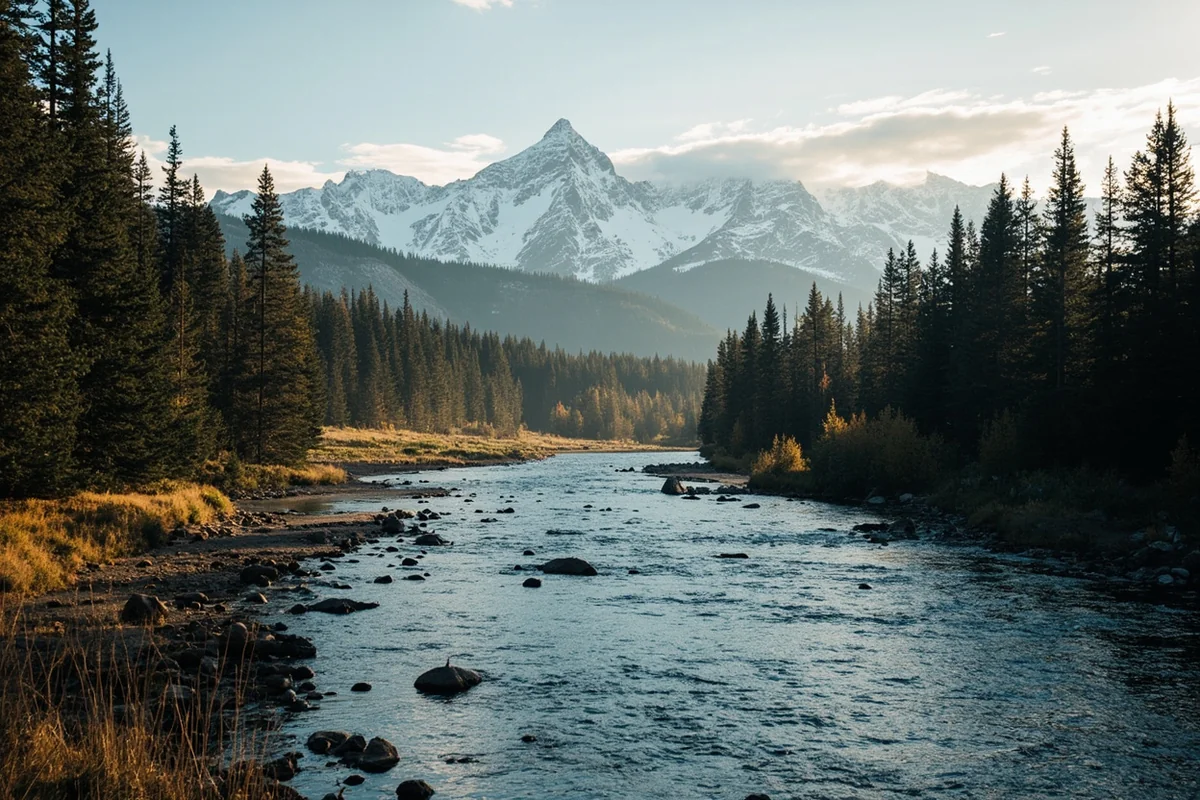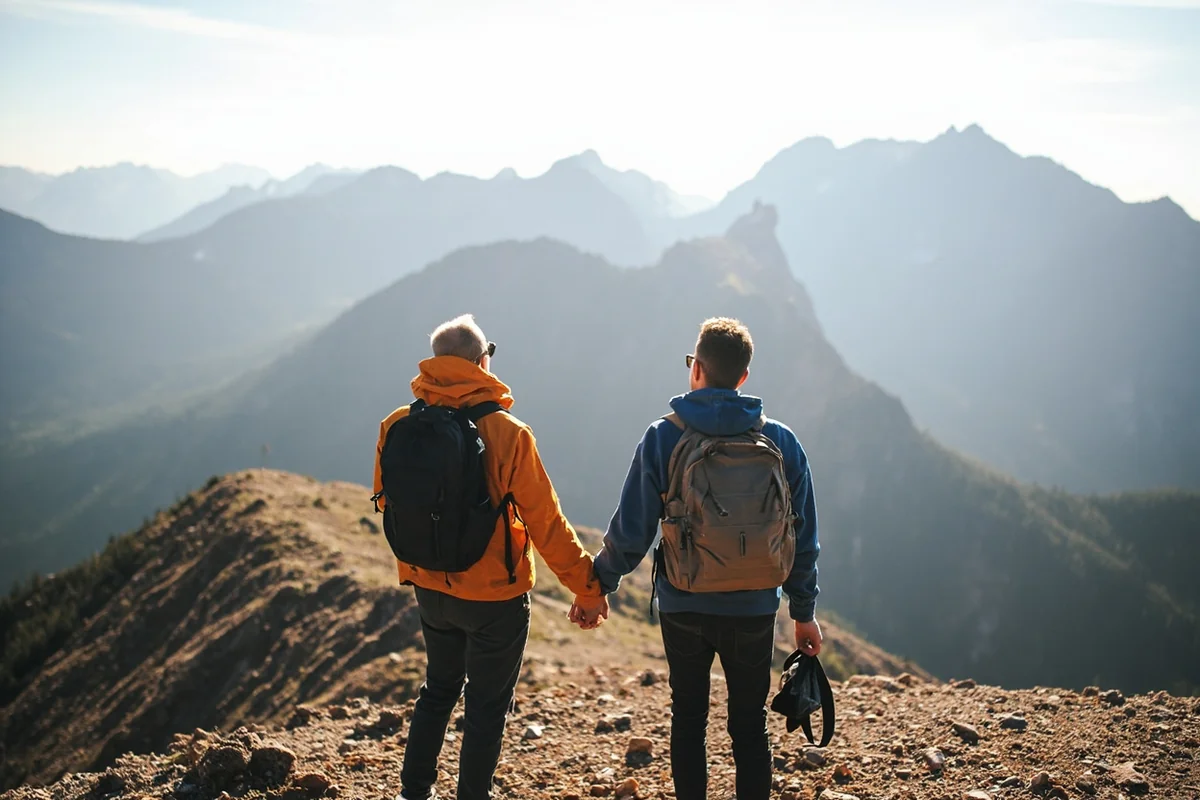
Standing at the summit of Lone Peak last September, holding my partner’s hand as we gazed across four mountain ranges stretching into Wyoming, I realized something profound: Big Sky doesn’t just tolerate LGBTQ+ travelers—it genuinely welcomes us with the same warmth it extends to everyone who falls in love with this remarkable landscape.
That moment crystallized everything I’d experienced during my week exploring this corner of Montana, and it’s exactly why I’m writing this guide for fellow queer travelers considering a trip to Big Sky Country.
If you’re exploring Montana vacation ideas, Big Sky deserves serious consideration as an LGBTQ+-friendly destination that combines world-class outdoor adventure with a surprisingly progressive mountain community.
- Big Sky offers a welcoming atmosphere for LGBTQ+ travelers with an outdoor-focused culture that prioritizes shared adventure over personal differences
- The town has several openly queer-friendly businesses, and I never experienced any discrimination during my visits
- Best times to visit: June-September for summer activities, December-April for skiing
- Bozeman (45 minutes away) has Montana’s most established LGBTQ+ scene with bars, events, and Pride celebrations
- Lodging ranges from inclusive boutique hotels to private vacation rentals perfect for couples or groups
- Winter and summer both offer incredible experiences—plan based on your activity preferences
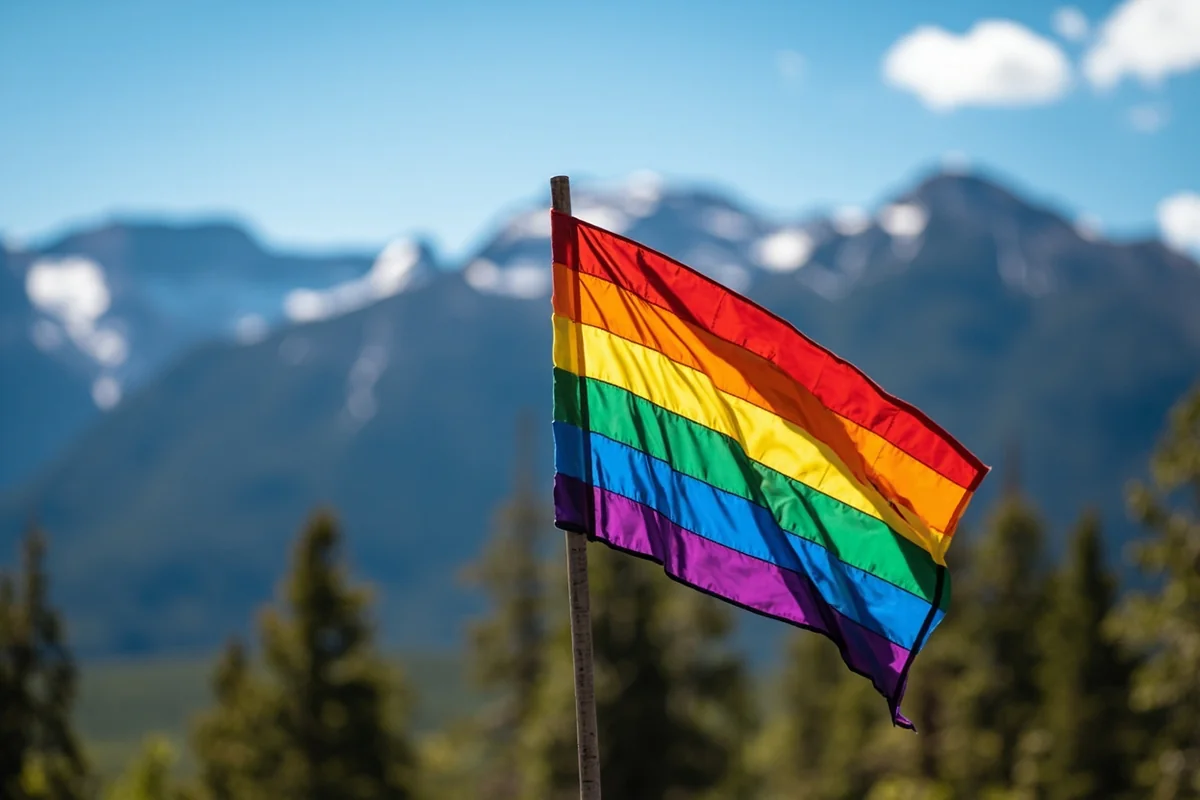
Liked this article?
Add Roaming Montana as a preferred source so you see more of our articles and guides on Google.
Understanding Big Sky’s LGBTQ+ Climate: What I Found
Let me be honest with you from the start: Big Sky isn’t San Francisco or New York City. You won’t find dedicated gay bars or a visible pride district here. What you will find is something I’ve come to appreciate even more during my travels—a mountain community where your worth is measured by your willingness to embrace adventure, respect nature, and treat others kindly.
During my first visit two winters ago, I’ll admit I was nervous. Montana isn’t exactly known for progressive politics, and as someone traveling with my same-sex partner, I wondered what kind of reception we’d receive.
What we discovered surprised us both. The ski instructors at Big Sky Resort didn’t bat an eye when we mentioned we were celebrating our anniversary. The bartender at Lone Peak Brewery made genuine conversation and recommended his favorite trails for couples. Our Airbnb host left us a bottle of local wine with a handwritten note welcoming us to “Big Sky’s little slice of paradise.”
The Mountain Town Mentality
There’s something about mountain communities that tends to foster a “live and let live” attitude. People come here to escape, to find themselves, to pursue passion for the outdoors. That shared purpose creates common ground that transcends other differences.
I’ve spoken with several local business owners about LGBTQ+ tourism, and the consensus was refreshingly simple: “We’re happy to have anyone who loves this place.” One restaurant manager told me, “Half my staff is from somewhere else—California, Colorado, even internationally. Big Sky attracts people who want a different kind of life, and that brings diversity you might not expect.”
That said, I want to provide a balanced perspective. Montana as a state lacks comprehensive LGBTQ+ anti-discrimination protections. While I never experienced any issues, the legal landscape is different from more progressive states. The unincorporated nature of Big Sky means most interactions are with private businesses, which have largely embraced inclusive practices.
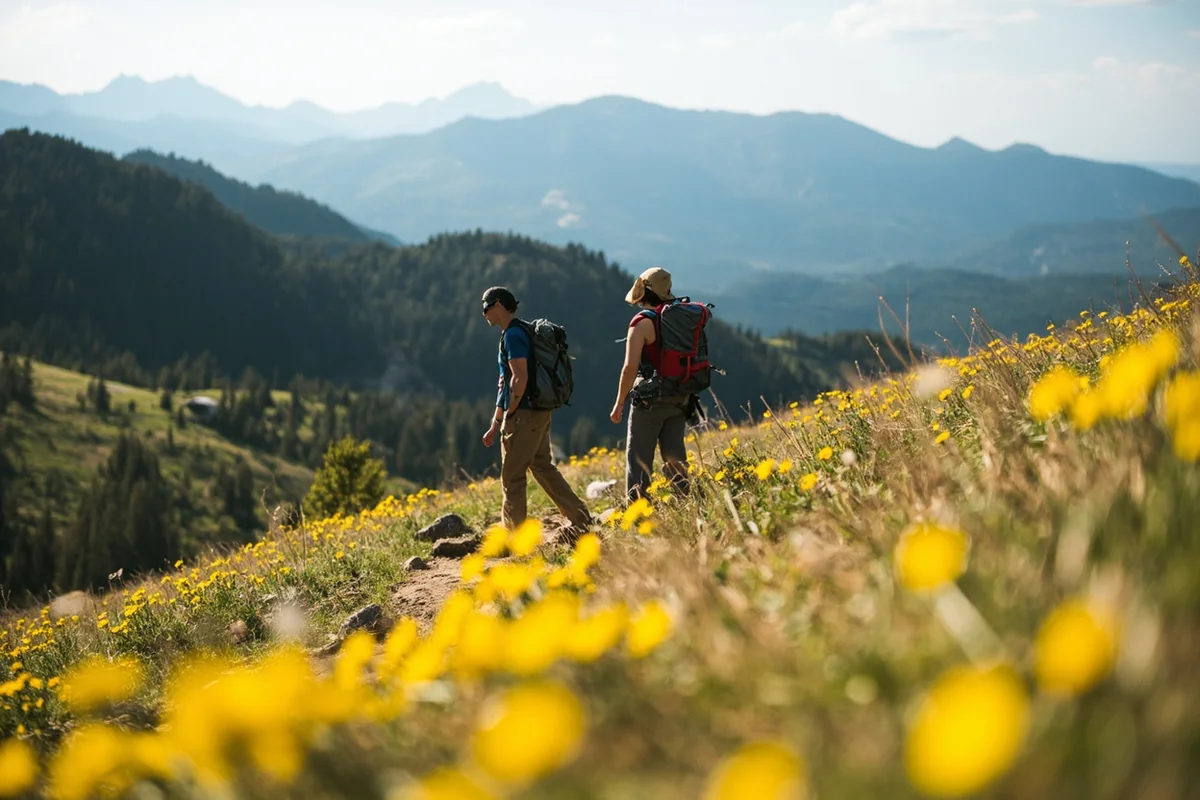
When to Visit Big Sky: Seasonal Considerations for LGBTQ+ Travelers
Big Sky transforms completely between seasons, and timing your visit right can significantly impact your experience. I’ve been fortunate to visit during both peak winter and summer, and each offers distinct advantages.
Winter Season (December through April)
If you’re a skier or snowboarder, Big Sky Resort is the main attraction. With over 5,800 skiable acres, it’s one of the largest ski areas in North America. During my February visit, I found the mountain crowds diverse and international—plenty of European visitors, Californians, and Texans mixing with local Montanans.
The après-ski scene is where social life happens in winter. Whiskey Jack’s at the mountain base gets packed with happy skiers swapping stories from the day. I found the atmosphere young, energetic, and unpretentious.
Winter also means smaller crowds in town during non-holiday weeks. We scored excellent dinner reservations at restaurants that would require weeks of advance booking in summer. The intimate atmosphere felt romantic for couples looking for a Montana honeymoon experience, and the cozy mountain lodges create perfect settings for quality time together.
Summer Season (June through September)
Summer Big Sky is a different experience entirely. The hiking becomes accessible, the rivers reach perfect fly-fishing temperatures, and the wildflowers transform the meadows into postcard-worthy scenes.
I prefer summer visits because the longer days mean more time for adventure. On my last trip in August, we hiked until 9 PM with light still illuminating the peaks. The town also feels more open in summer—outdoor patios, festivals, and community events create opportunities for connection.
June brings Bozeman Pride (45 minutes away), which has grown significantly in recent years. If you’re visiting during Pride month, consider timing your Big Sky trip to include a day in Bozeman for the festivities.
| Season | Pros for LGBTQ+ Travelers | Considerations |
|---|---|---|
| Winter (Dec-Apr) | World-class skiing, cozy atmosphere, romantic lodges, diverse international crowd | Higher prices during holidays, cold temps require proper gear |
| Summer (Jun-Sep) | Incredible hiking, Bozeman Pride in June, outdoor events, longer days | Peak season crowds July-August, book lodging early |
| Shoulder (May, Oct-Nov) | Fewer crowds, lower prices, fall colors spectacular | Some businesses have limited hours, weather unpredictable |
Where to Stay: LGBTQ+-Friendly Lodging in Big Sky
Finding comfortable accommodations sets the tone for your entire trip. I’ve personally stayed at several properties in the Big Sky area and researched many others to compile these recommendations.
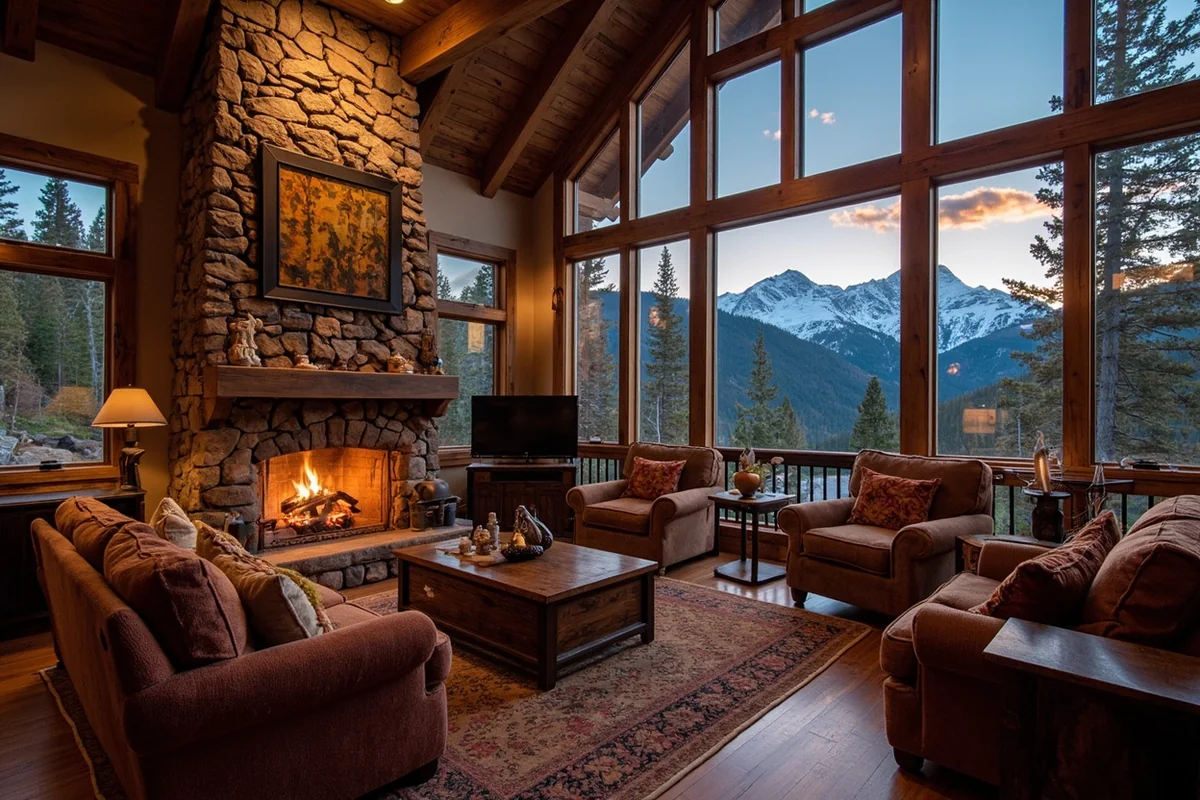
Big Sky Resort Lodging
The resort’s properties—including Huntley Lodge, Summit Hotel, and various ski-in/ski-out condos—operate with standard hospitality training that includes LGBTQ+ inclusivity. During my stay at Summit Hotel last winter, the front desk staff were completely professional and helpful when checking in as a same-sex couple.
The advantage of staying on-mountain is convenience. After a day of skiing, we walked directly to our room without dealing with shuttles or driving. The hot tubs and pools at the resort properties are popular evening gathering spots where we met other travelers easily.
Rates range from around $200/night for basic rooms to $800+ for luxury condos during peak season. I recommend booking 2-3 months ahead for holiday weeks.
Vacation Rentals
For privacy and space, vacation rentals through VRBO or Airbnb offer excellent options. During my summer visit, we rented a two-bedroom cabin in the Meadow Village area for about $275/night. Having a full kitchen let us save money on some meals while enjoying coffee on our private deck each morning.
When booking vacation rentals, I look at recent reviews from diverse travelers. Most Big Sky properties are managed by professional companies with non-discrimination policies. I’ve never encountered any issues, but reading reviews gives additional confidence.
The added benefit of rentals is flexibility. You can stock up on groceries at the Roxy’s Market, cook meals together, and enjoy a more residential experience. For longer stays of a week or more, the economics become quite favorable compared to hotels.
Bozeman as a Base
Some LGBTQ+ travelers prefer staying in Bozeman and making day trips to Big Sky. The 45-minute drive is scenic and easy, and Bozeman offers significantly more nightlife options and a more visibly diverse community.
The Lark Bozeman and RSVP Hotel are both boutique properties that explicitly welcome LGBTQ+ guests. Downtown Bozeman’s walkable dining and bar scene means you won’t need a car once you’re in town. If you’re considering solo travel in Montana, Bozeman’s social scene makes connecting with other travelers easier than in Big Sky’s more spread-out layout.
Dining and Nightlife: My Honest Recommendations
Big Sky’s culinary scene has grown remarkably in recent years, with options ranging from casual mountain fare to genuinely impressive fine dining. Here’s where I’ve had the best experiences.
Restaurants I’d Return To
Horn & Cantle at Lone Mountain Ranch remains my top recommendation for a special occasion dinner. The ranch-to-table menu showcases Montana ingredients, and the rustic-elegant atmosphere feels perfect for celebrating anniversaries or marking trip milestones. During my dinner there last fall, our server was warm and attentive without being intrusive. Reservations essential—book 1-2 weeks ahead.
Olive B’s Big Sky Bistro offers consistently excellent Mediterranean-inspired cuisine in a relaxed setting. It’s become our go-to for a nice dinner that doesn’t require formal attire. The patio seating in summer provides people-watching opportunities in the Town Center area.
Lone Peak Brewery is where we spend most après-ski or post-hike evenings. The craft beer selection focuses on Montana breweries, and the pub food satisfies serious appetites. The vibe is casual and friendly—think worn-in boots and fleece jackets rather than cocktail attire.
For breakfast, Blue Moon Bakery makes incredible pastries and coffee. The friendly chaos of morning skiers fueling up creates easy opportunities to strike up conversation.
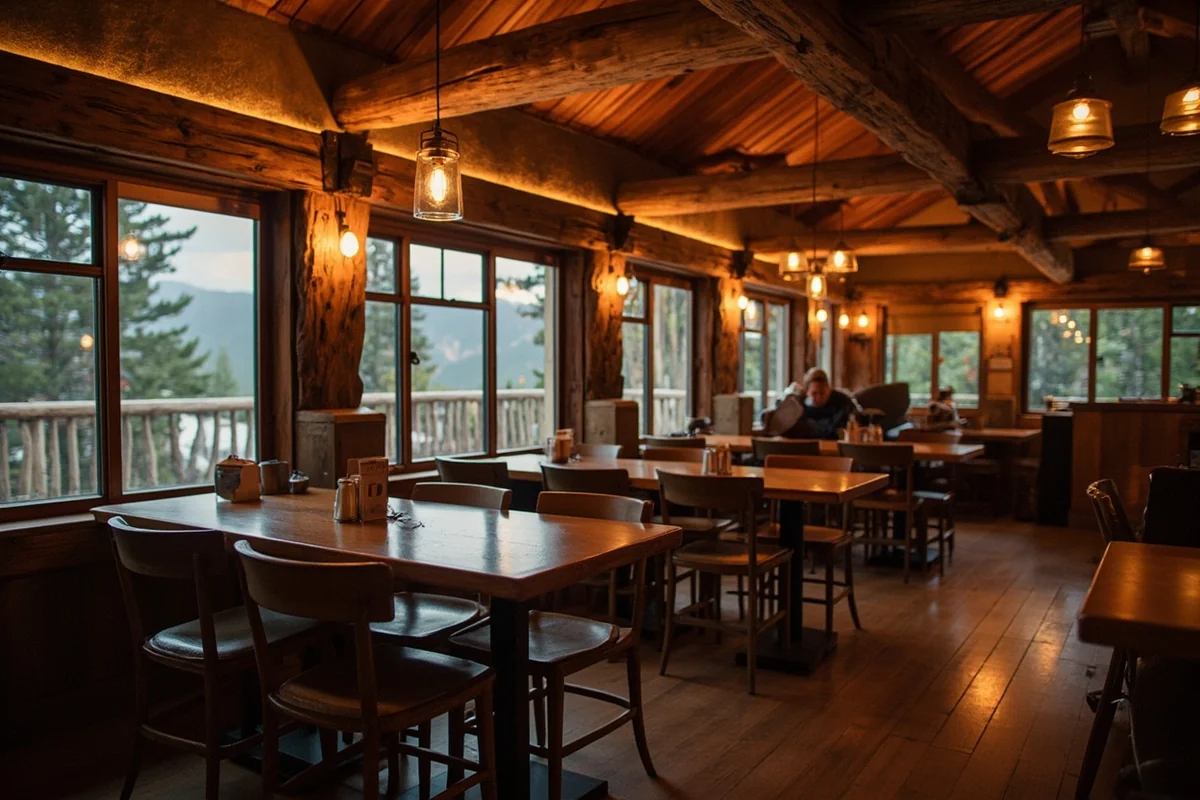
The Bar Scene Reality
Let me set realistic expectations: Big Sky’s nightlife centers on après-ski and early evening socializing rather than late-night clubs. Most restaurants and bars wind down by 10 or 11 PM, with the crowd heading home to rest up for the next day’s adventures.
Scissorbills Saloon at the mountain base is probably the liveliest spot, especially on powder days when skiers celebrate fresh snow. The atmosphere is rowdy and fun, with live music some weekends.
For a quieter evening, the bar at Rainbow Ranch Lodge offers craft cocktails with spectacular Gallatin River views. It’s also an excellent spot for a pre-dinner drink if you’re eating at their restaurant.
If you’re seeking actual gay bars or clubs, Bozeman is your destination. The Crystal Bar downtown has historically been LGBTQ+-friendly, and several other establishments welcome diverse crowds. Check social media for current events, as Bozeman’s scene evolves with the seasons and student population.
Adventures for LGBTQ+ Travelers: What I’ve Done and Loved
Big Sky’s real attraction is the spectacular outdoor recreation. Whether you’re an adrenaline junkie or prefer gentle exploration, options abound for every interest and ability level.
Skiing and Snowboarding
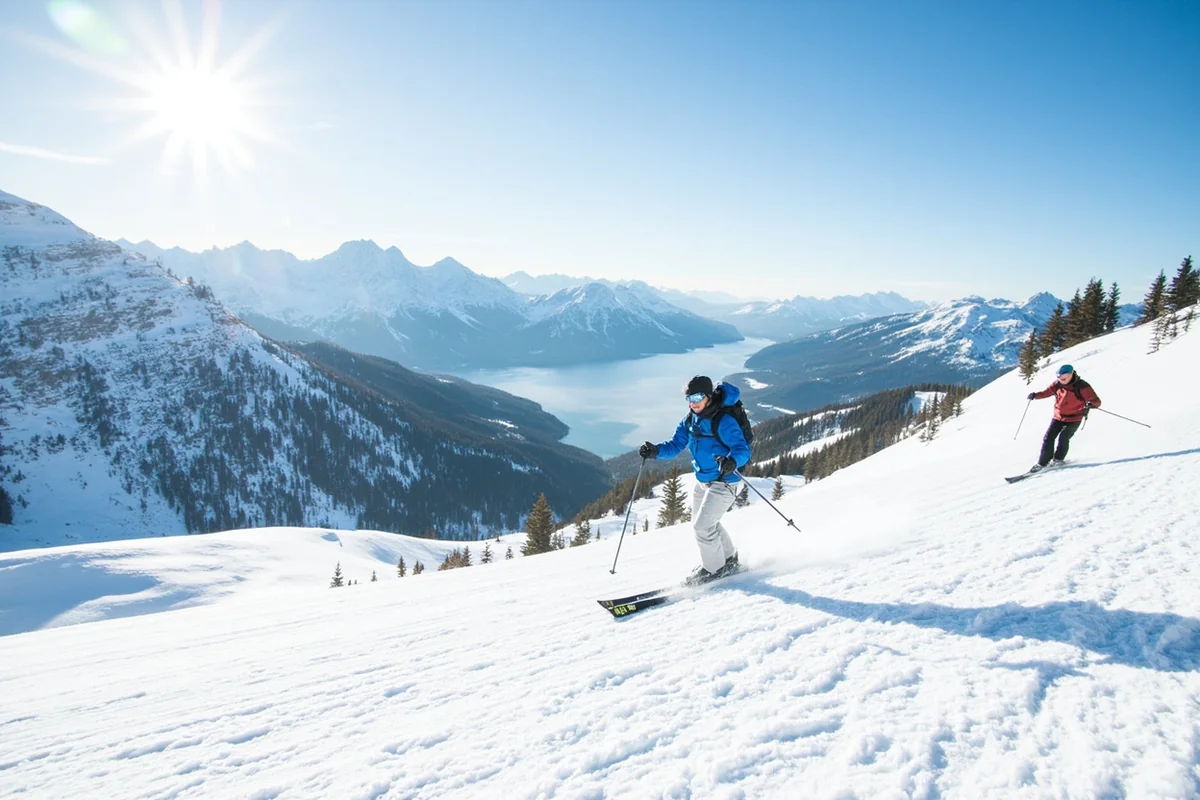
Big Sky Resort offers terrain for all abilities, from gentle groomed runs to the steep chutes of the headwalls. During my intermediate-level skiing days there, I never felt pressured to take on more than I was comfortable with while still finding plenty of challenge.
The resort’s size means you can explore different areas each day without repeating terrain. I particularly loved the Andesite Mountain section for its mix of cruising blues and tree skiing—less crowded than the main faces of Lone Peak.
Group lessons at the ski school put us with a mix of travelers from across the country. The social atmosphere made meeting people natural, and nobody cared about anything except sharing the stoke of skiing.
For couples wanting a private experience, consider booking a private guide through the ski school. We did a half-day private lesson on our second trip, and our instructor took us to terrain we would never have found ourselves.
Summer Hiking
The hiking around Big Sky rivals anything I’ve experienced in Colorado or Washington. Three trails stand out as absolute must-dos based on my explorations.
Beehive Basin is the signature hike—a moderate 6.4-mile round trip that rewards with an alpine basin surrounded by dramatic peaks. We started early (7 AM) on a July Saturday and had the basin nearly to ourselves before crowds arrived. The wildflowers in mid-July were extraordinary.
Ousel Falls offers an easier option, perfect for a morning walk or when you want scenery without major effort. The 1.6-mile trail to a beautiful waterfall is paved and accessible, making it work for nearly all fitness levels.
For a longer adventure, the Lava Lake hike delivers wilderness solitude. The 6-mile round trip climbs through forest to a pristine alpine lake with the Spanish Peaks reflecting on calm mornings. We packed lunch and spent two hours lakeside without seeing another person.
Water Adventures
The Gallatin River defines summer in Big Sky. Whitewater rafting trips on the “Mad Mile” section provide genuine thrills with Class III-IV rapids during peak runoff in June.
I went rafting with Geyser Whitewater Expeditions last summer and had a fantastic experience. Our guide was professional and fun, and the rafting group included couples and solo travelers from around the country. The shared experience of surviving (and laughing through) rapids creates instant camaraderie.
Fly fishing is another iconic Montana activity, and several outfitters run guided trips on the Gallatin and nearby rivers. We booked through Gallatin River Guides for a half-day float, and while I caught more trees than fish, the experience of drifting through pristine river corridors was unforgettable.
Wildlife and Scenic Experiences
Yellowstone National Park sits just an hour south of Big Sky, making day trips entirely feasible. We drove to Lamar Valley at dawn one August morning and spotted wolves, grizzly bears, and hundreds of bison. There’s something profound about witnessing wild America in this way.
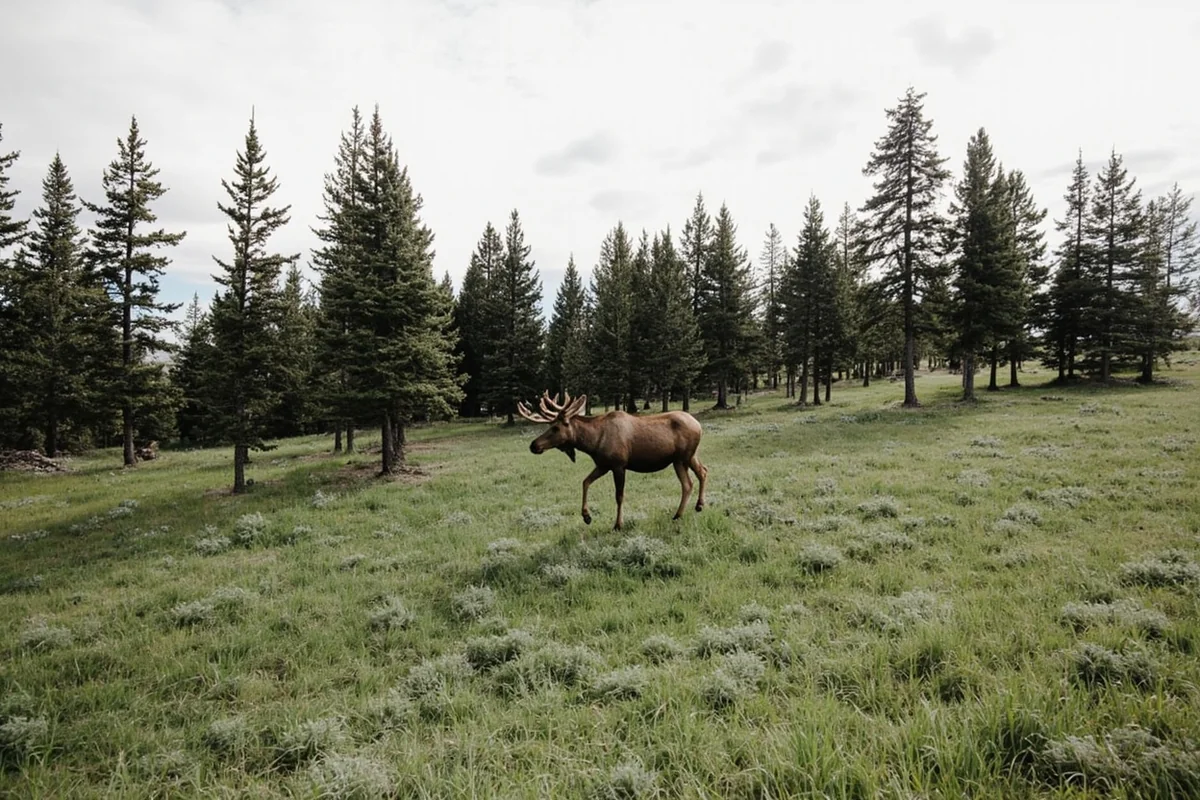
For something closer, the Big Sky Community Trail System offers miles of accessible paths through meadows and forest. These are perfect for morning walks, sunset strolls, or casual bike rides. We frequently encountered deer, elk, and one memorable moose cow with her calf.
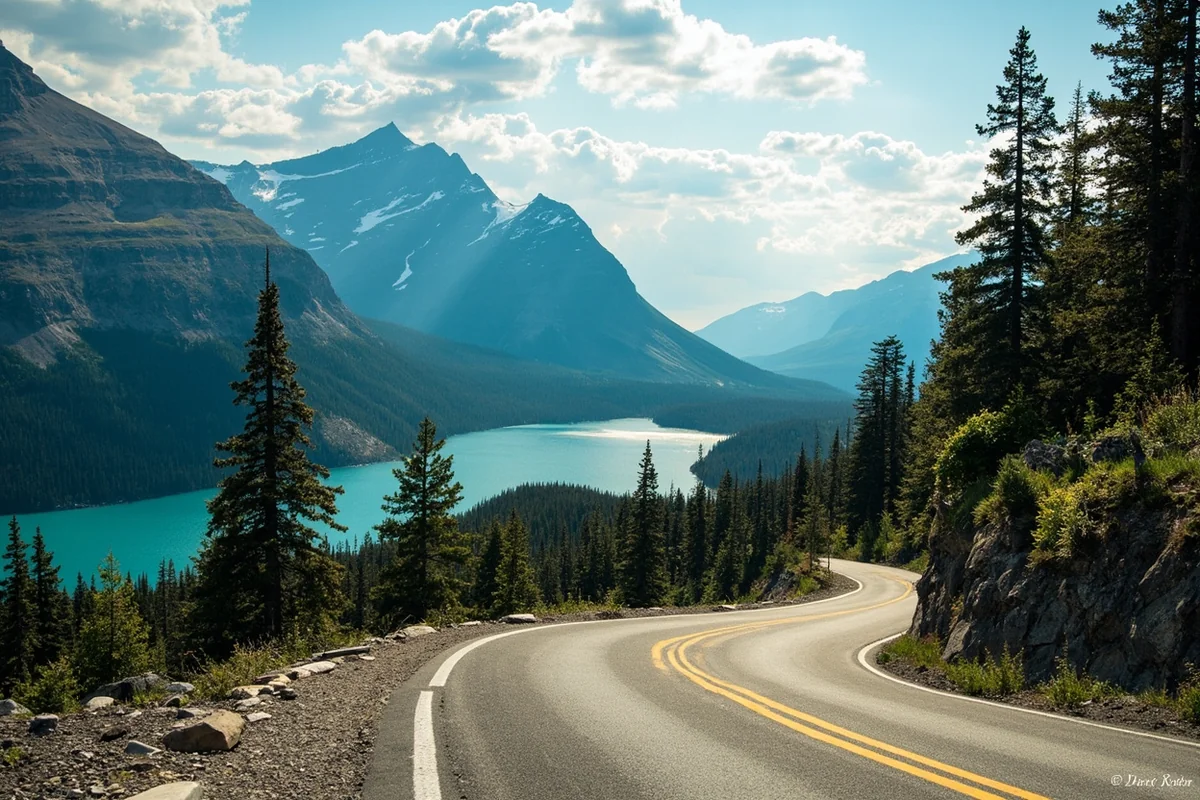
If you’re looking for a truly unique experience while exploring hidden gems in Montana, the drive over Beartooth Pass (about 3 hours from Big Sky) is one of the most spectacular roads in America. We made it a full-day adventure with picnic stops at overlooks.
Practical Information and Planning Tips

Getting There
Bozeman Yellowstone International Airport (BZN) is your gateway, with direct flights from many major U.S. cities including Denver, Seattle, Minneapolis, Los Angeles, and Dallas. The airport has grown significantly and offers competitive fares, especially compared to flying into Jackson Hole or other mountain town airports.
From the airport, Big Sky is 45 minutes south on Highway 191. I always rent a car—you’ll want flexibility for exploring Yellowstone, hiking trailheads, and getting around the spread-out Big Sky area.
Rental car tip: Book early, especially for winter visits. Inventory at BZN can get tight during holiday weeks, and prices spike. I’ve had good luck with Budget and Enterprise at the airport.
Transportation Within Big Sky
Big Sky operates a free bus system called Skyline that connects the Mountain Village, Meadow Village, Town Center, and various residential areas. During ski season, the buses run frequently and make getting to the slopes without a car entirely feasible.
In summer, service is more limited but still useful for certain trips. Having a car gives maximum flexibility for reaching hiking trailheads and exploring the surrounding area.
Safety and Awareness
I want to provide honest guidance while avoiding fearmongering. In all my visits to Big Sky, I’ve never experienced or witnessed any anti-LGBTQ+ incidents. The tourism-dependent economy creates practical incentives for businesses to welcome all guests.
That said, common-sense awareness applies. Big Sky is in rural Montana, and while the resort community is progressive, you might encounter different attitudes if venturing into smaller surrounding towns. As with any travel, read situations and adjust your comfort level accordingly.
For any serious concerns, Lambda Legal and GLAAD maintain travel resources for LGBTQ+ travelers. The International LGBTQ+ Travel Association (IGLTA) also provides destination research for members.
What to Pack
- Winter: Proper base layers, ski jacket and pants, goggles, gloves, hand warmers. Temperatures can drop to -10°F or colder. Pack nicer casual wear for dinners.
- Summer: Layers for variable mountain weather, rain jacket, hiking boots, sunscreen, bear spray for backcountry hikes. Evenings can be cool even in July.
- Year-round: Lip balm (dry mountain air is brutal), reusable water bottle, comfortable walking shoes for town exploring.
Connecting With Community
While Big Sky itself doesn’t have organized LGBTQ+ groups, neighboring Bozeman has a growing community worth connecting with during your visit.
Montana Gender Alliance serves as a resource for transgender travelers needing local information or support. Bozeman Pride holds events throughout the year beyond the main June celebration.
Social media platforms, particularly Instagram and Facebook, have informal groups where LGBTQ+ Montanans connect. Searching “Bozeman LGBTQ” or “Montana queer” surfaces active communities where you can ask questions before or during your visit.
For couples seeking romance alongside adventure, consider that many properties in the area cater to couples’ getaways. Several Montana ranch vacation experiences welcome LGBTQ+ guests, offering horseback riding, gourmet dining, and starlit evenings away from city lights.
Beyond Big Sky: Expanding Your Montana Experience
If you’re planning a longer Montana trip, Big Sky works beautifully as part of a larger itinerary. Here are combinations I’d recommend based on my travels.
Big Sky + Yellowstone
The classic combination—and for good reason. Spend 3-4 days in Big Sky for outdoor activities, then head south into Yellowstone for 2-3 days of geothermal wonders and wildlife watching. The West Yellowstone entrance is just over an hour from Big Sky.
Big Sky + Bozeman
Balance mountain adventure with cultural exploration by splitting time between both. Bozeman’s Main Street offers galleries, breweries, and restaurants that provide nice contrast to Big Sky’s resort atmosphere. The Museum of the Rockies has exceptional dinosaur exhibits if you need a rainy-day option.
The Full Montana Road Trip
With two weeks, you can combine Big Sky with Glacier National Park, Missoula, and Helena for a comprehensive Montana experience. This route showcases the state’s remarkable diversity—from ski slopes to prairie to alpine peaks.
If you’re organizing family travel across Montana, consider how Big Sky can fit into a longer Montana vacation itinerary that includes multiple destinations. Many Montana vacation packages can be customized to include stops at multiple highlights across the state.
My Final Thoughts and Honest Assessment
After multiple visits spanning different seasons, here’s my bottom line for LGBTQ+ travelers considering Big Sky:
This destination won’t give you the visible queer community of a coastal city or the dedicated LGBTQ+ infrastructure of a Provincetown or Palm Springs.
What it offers instead is something different but equally valuable—a stunning natural environment where you can be yourself while pursuing outdoor adventure, share meaningful experiences with your partner or travel companions, and find acceptance from a mountain community that cares more about your love for this landscape than who you love romantically.
I’ve felt genuinely welcome here. I’ve held my partner’s hand on ski lifts, at restaurants, and on hiking trails without incident. I’ve had warm conversations with locals who wanted to share their favorite spots with us. I’ve experienced the profound connection that comes from witnessing Montana’s wild beauty with someone I care about.
Is Big Sky perfect? No destination is. But for LGBTQ+ travelers seeking world-class outdoor recreation in a breathtaking setting with an accepting community, it deserves serious consideration. The memories I’ve made here—sunrise over the Spanish Peaks, powder days on Lone Mountain, quiet evenings by the fireplace—rank among my most treasured travel experiences.
If you’re ready to explore what makes Montana such a special destination for adventurous travelers of all backgrounds, Big Sky offers an exceptional starting point. Book your trip, pack your sense of adventure, and prepare to fall in love with this remarkable corner of Big Sky Country.
Frequently Asked Questions
Is Big Sky, Montana a welcoming destination for LGBTQ+ travelers?
Big Sky is generally welcoming to LGBTQ+ visitors, with most businesses in the ski resort community maintaining inclusive attitudes toward all guests. While Montana is a conservative state overall, Big Sky’s tourism-focused economy means hospitality comes first. I’d recommend checking recent reviews on LGBTQ+ travel forums and booking with openly affirming accommodations for the most comfortable experience.
What is the best time of year for gay and lesbian couples to visit Big Sky, Montana?
Winter (December through March) offers world-class skiing at Big Sky Resort with fewer crowds than Colorado resorts, while summer (June through September) provides ideal hiking weather and access to nearby Yellowstone National Park. Pride events in Montana typically happen in June in cities like Missoula and Bozeman, about 45-50 miles from Big Sky. I personally love late January when the slopes are powdery and cozy cabin time feels extra romantic.
Are there LGBTQ+ friendly bars, restaurants, and nightlife near Big Sky, Montana?
Big Sky itself is a small resort town with limited nightlife, but you’ll find LGBTQ+ friendly establishments in nearby Bozeman, just 45 miles north. The Rocking R Bar and other downtown Bozeman venues welcome diverse crowds, and the city has an active queer community centered around Montana State University. For a night out, plan to make the scenic drive to Bozeman and consider a designated driver or rideshare.
How much does an LGBTQ+ friendly vacation to Big Sky, Montana cost?
Budget $200-$500 per night for lodging depending on season, with ski season commanding premium rates at resorts like Big Sky Resort or Lone Mountain Ranch. Lift tickets run $150-$200 per day, while summer activities like guided hikes or rafting trips cost $75-$150 per person. Including flights to Bozeman Yellowstone International Airport, meals, and activities, expect to spend $3,000-$6,000 for a week-long trip for two.
What should LGBTQ+ travelers pack for a Big Sky, Montana trip?
Pack layers regardless of season since mountain weather shifts quickly, with temperatures dropping 20-30 degrees after sunset even in summer. Winter visitors need serious cold-weather gear including base layers, waterproof shells, and hand warmers for temperatures that can hit -20°F. I always bring a portable phone charger since cell service can be spotty in the mountains, plus any prescription medications since pharmacies are limited in Big Sky.
How do I get to Big Sky, Montana and do I need a rental car?
Fly into Bozeman Yellowstone International Airport (BZN), which receives direct flights from major hubs like Denver, Seattle, and Minneapolis, then drive 45 miles south to Big Sky. A rental car is essential since there’s no reliable public transportation and you’ll want flexibility to explore Yellowstone (50 miles south) and the Gallatin Canyon. During winter, rent an AWD or 4WD vehicle and check road conditions on the Montana DOT website before heading out.
Are there same-sex marriage friendly accommodations and wedding venues in Big Sky?
Several Big Sky resorts and lodges happily host same-sex weddings and commitment ceremonies, including Rainbow Ranch Lodge and various vacation rental properties with stunning mountain backdrops. Montana legalized same-sex marriage in 2014, so all legal protections apply. I recommend contacting venues directly to discuss your vision and confirm their experience with LGBTQ+ celebrations before booking deposits.
Sources