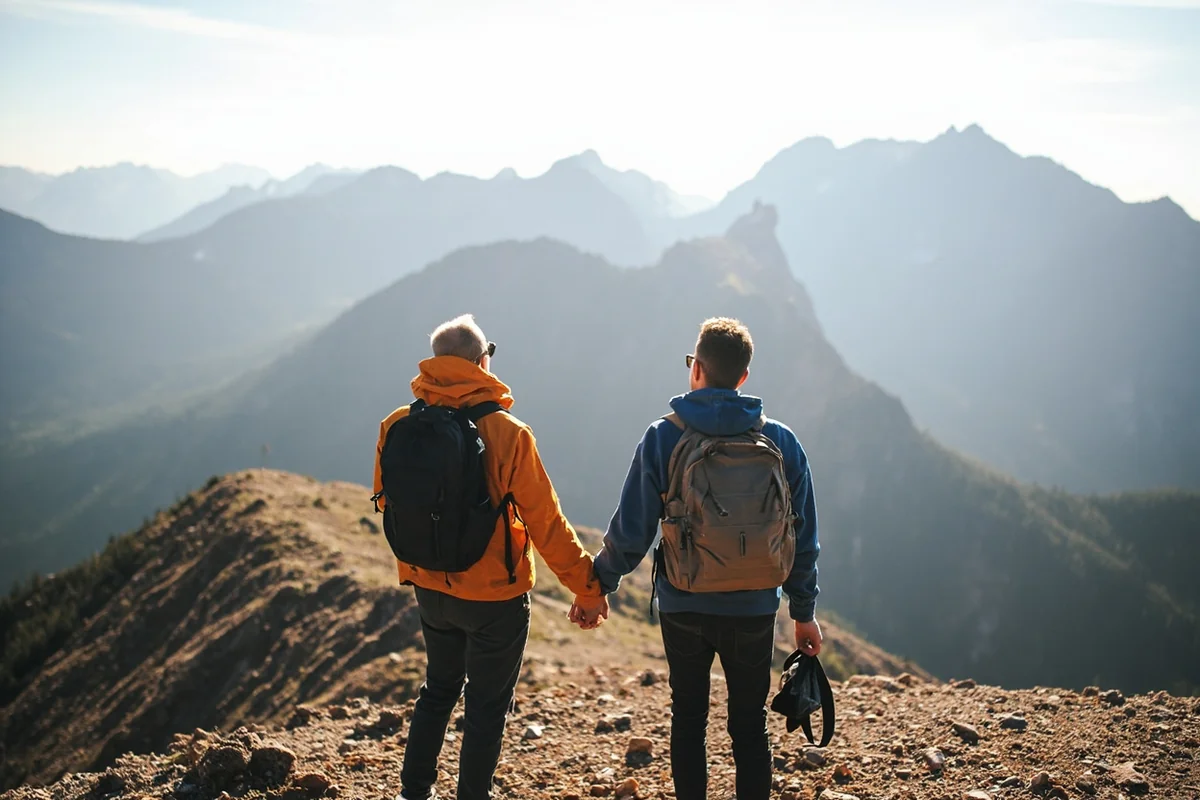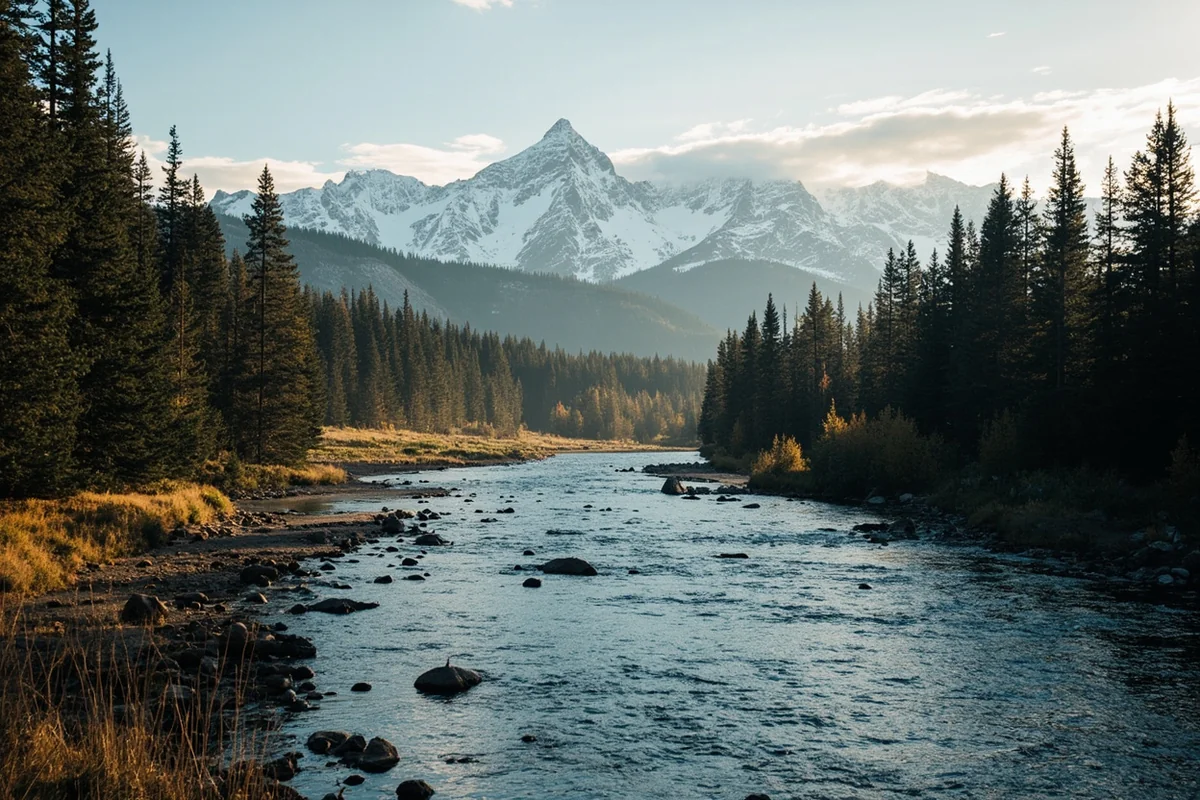
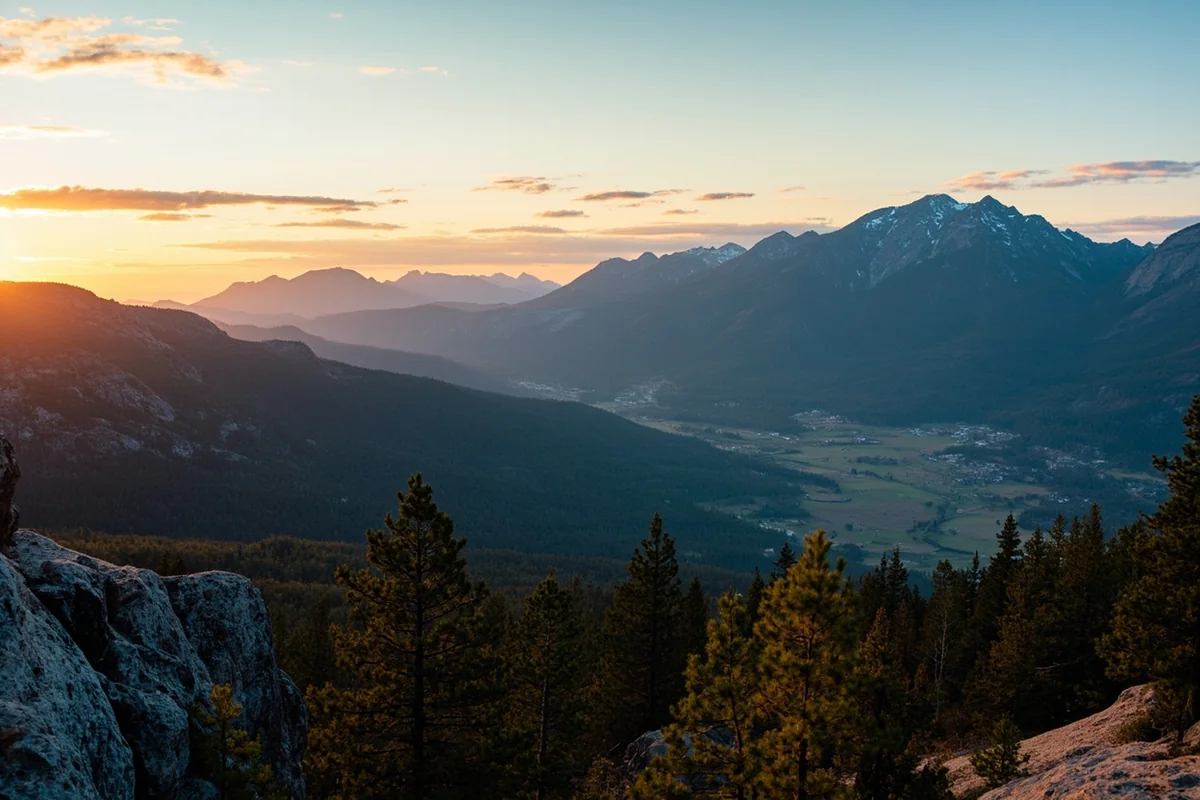
I was standing knee-deep in the Gallatin River at sunrise, watching elk graze along the far bank while my coffee steamed in the crisp mountain air, when I realized Montana had ruined every other state for me.
After spending the better part of three years exploring Big Sky Country for weekend escapes—from ghost towns in the eastern prairies to glacier-carved valleys in the northwest—I’ve assembled my definitive list of Montana getaways that actually deliver on the state’s legendary promise.
- Best overall weekend getaway: Whitefish for year-round activities and walkable downtown
- Most romantic: Bigfork on Flathead Lake’s shores
- Best adventure: Bozeman as basecamp for Yellowstone and skiing
- Most underrated: Philipsburg for charm without crowds
- Budget-friendly: Red Lodge offers big experiences at smaller prices
- Ideal trip length: 2-3 nights minimum to experience any destination properly
Liked this article?
Add Roaming Montana as a preferred source so you see more of our articles and guides on Google.
What Makes Montana Perfect for Weekend Getaways
Before diving into specific destinations, let me address something I hear constantly: “Isn’t Montana too remote for a quick trip?” The short answer is no—if you pick the right spot and plan strategically.
During my travels, I’ve learned that Montana rewards the intentional traveler. Unlike destinations where you need two weeks to scratch the surface, Montana’s weekend getaways offer concentrated experiences.
You can fish a blue-ribbon trout stream, soak in natural hot springs, and dine at a James Beard-nominated restaurant all within 48 hours.
The state’s geography works in your favor here. Major hubs like Bozeman, Missoula, and Kalispell have commercial airports with surprisingly good connections from Denver, Seattle, Minneapolis, and Salt Lake City. I’ve flown in Friday morning and been hiking alpine meadows by lunch.
1. Whitefish: The Complete Mountain Town Package
I’ll admit my bias upfront—Whitefish stole my heart on a snowy January visit, and I’ve returned six times since. This town of 8,000 residents punches well above its weight in every category that matters for a weekend escape.
Central Avenue, the walkable main drag, packs more quality restaurants per block than towns ten times its size. Last winter, I had life-changing duck confit at Café Kandahar followed by craft cocktails at The Great Northern Bar, where locals actually outnumbered tourists—a rarity in Montana resort towns.
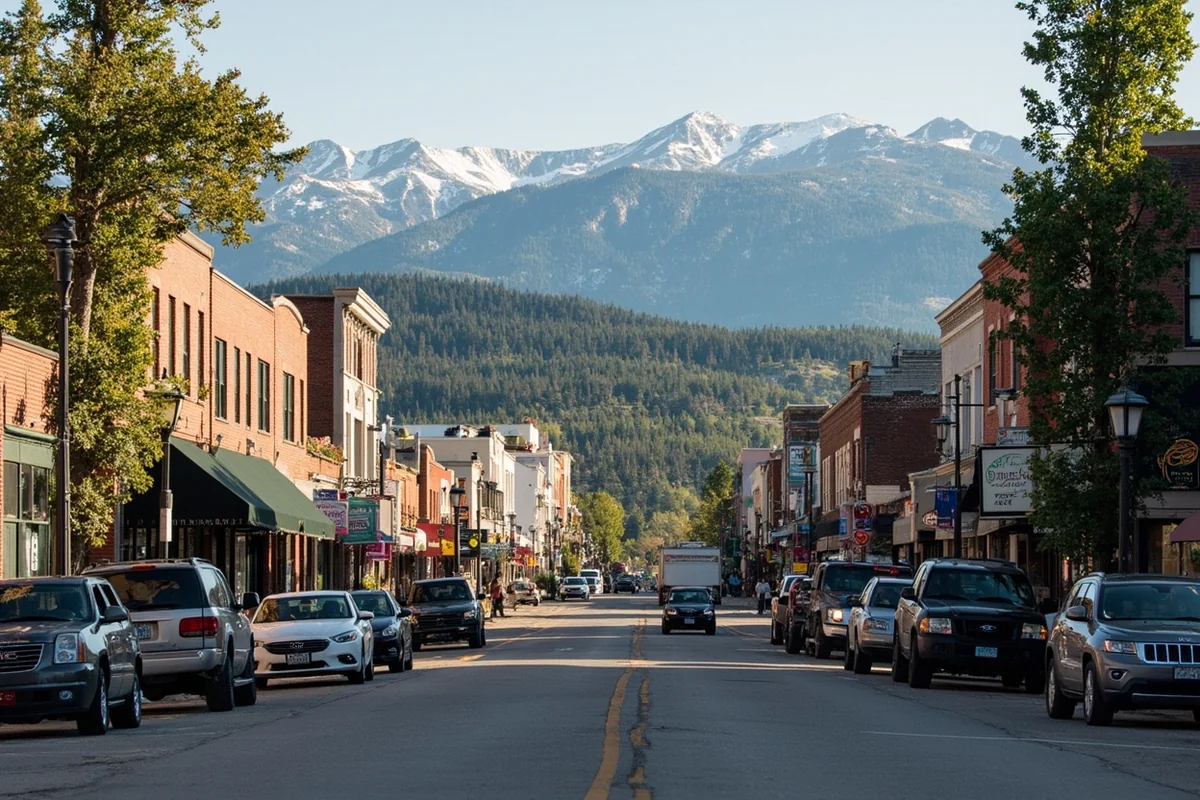
What sets Whitefish apart is its four-season appeal. Summer brings paddleboarding on Whitefish Lake, hiking in Glacier National Park (just 30 minutes north), and live music at the Great Northern.
Winter transforms it into a legitimate ski destination at Whitefish Mountain Resort, where lift tickets cost half what you’d pay in Colorado.
My insider tip: Book a room at the Firebrand Hotel downtown. The rooftop hot tub overlooking the mountains at sunset is worth the splurge, and you can walk to everything that matters.
Getting There and Practical Details
Glacier Park International Airport sits 11 miles south of town. Rental cars are essential for exploring beyond downtown, though summer visitors can use the free SNOW bus system. Budget $200-400 per night for quality lodging in peak seasons, less in shoulder months.
2. Bozeman: Gateway to Everything
If you forced me to recommend just one Montana destination for first-time visitors, Bozeman would win by a nose. This college town (home to Montana State University) balances outdoor access with urban amenities better than anywhere else in the state.
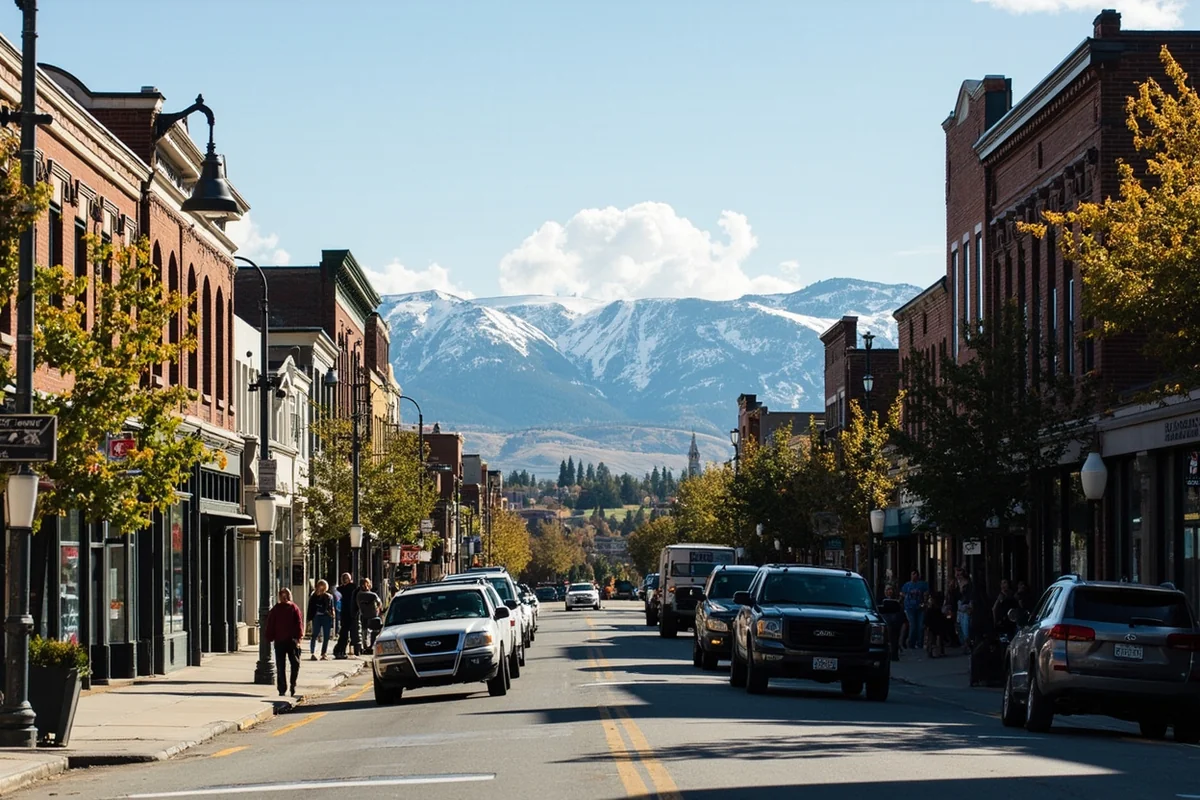
On a trip last September, I mountain biked Leverich Canyon in the morning, browsed independent bookshops on Main Street over lunch, and caught a surprisingly excellent independent film at the Ellen Theatre that evening. That versatility defines the Bozeman experience.
The town serves as basecamp for Yellowstone National Park’s north entrance (90 minutes south), Big Sky Resort (45 minutes south), and the Bridger Mountains (15 minutes east). If you’re looking for unique getaways in Montana, Bozeman’s central location lets you sample multiple experiences without excessive driving.
Where to Stay and Eat
The Lark hotel downtown captures Montana’s modern aesthetic without feeling kitschy. Rooms include turntables with vinyl collections—a quirky touch I appreciated after long hiking days. For dinner, Blackbird Kitchen serves Italian-influenced dishes using Montana ingredients; their house-made pasta haunts my dreams.
Budget tip: Bozeman’s craft brewery scene rivals much larger cities. Map out a walking tour of Bozeman Brewing, Mountains Walking, and 406 Brewing for affordable evening entertainment.
3. Bigfork: Flathead Lake’s Crown Jewel
If I’m planning Montana getaways for couples, Bigfork tops my recommendation list. This village of 5,000 residents perches on Flathead Lake’s northeast shore, combining small-town Montana charm with genuine artistic culture.
During a July visit, I stumbled upon live bluegrass on the village green, browsed galleries showcasing Montana artists, and watched the sunset turn the Mission Mountains pink from the marina. The pace felt European—unhurried without being sleepy.
Flathead Lake itself deserves special attention. At nearly 200 square miles, it’s the largest natural freshwater lake west of the Mississippi. The water clarity still startles me every visit; I’ve counted rocks 30 feet below the surface while kayaking near Wayfarers State Park.
The Cherry Connection
Visit in late July and you’ll catch cherry season. Flathead Valley produces most of Montana’s sweet cherries, and orchards dot the lake’s east shore. I’ve spent embarrassingly pleasant afternoons picking Rainiers at Bowman Orchards and eating them warm from the tree.
The Bigfork Summer Playhouse, Montana’s oldest professional repertory theater, stages productions from Memorial Day through Labor Day. During my last visit, I caught a production of “Oklahoma!” that rivaled regional theaters in much larger cities.
4. Red Lodge: Adventure Without Pretense
Red Lodge delivers the Montana experience at a more accessible price point than glitzier destinations. This former coal mining town at the base of the Beartooth Mountains has reinvented itself as an outdoor recreation hub with legitimate frontier character.
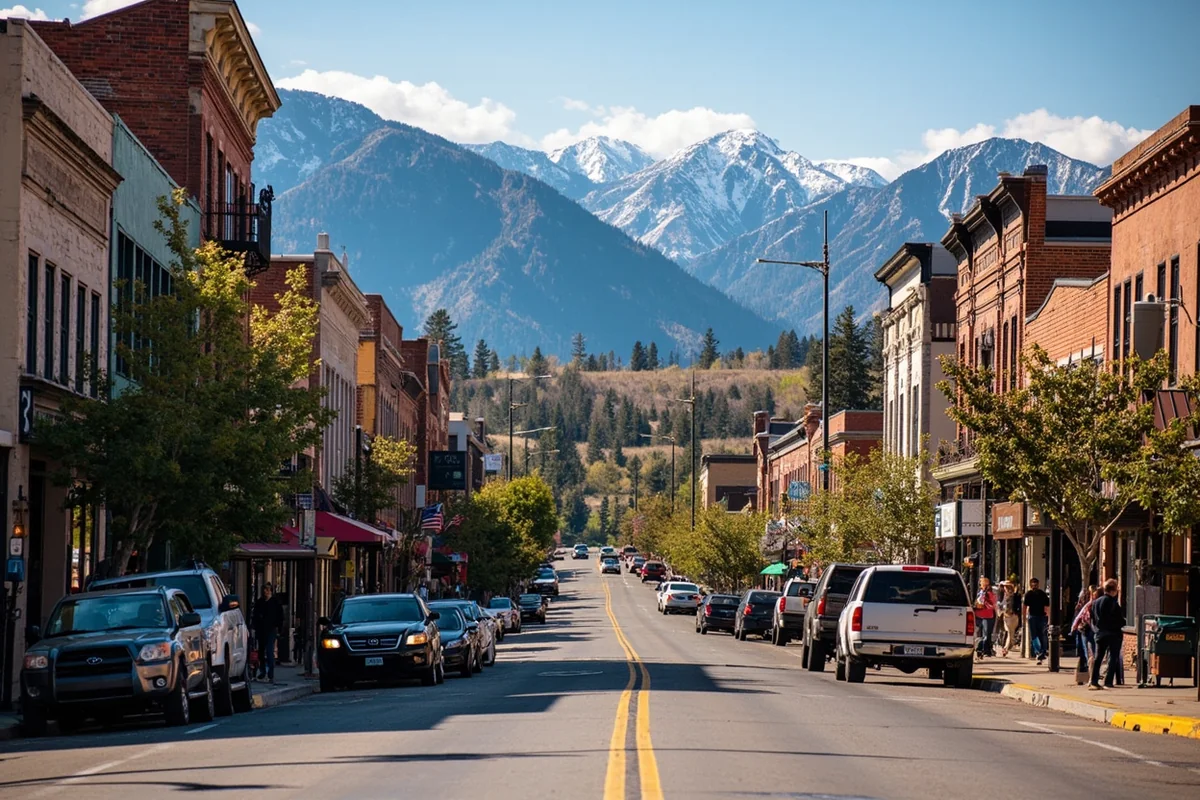
I spent a weekend here last August primarily for the Beartooth Highway, and that road alone justified the trip. Often called America’s most beautiful drive, the 68-mile route climbs to nearly 11,000 feet through alpine tundra before dropping into Yellowstone’s northeast entrance. I counted 14 mountain goats on a single morning drive—they appear unbothered by gawking tourists.
Beyond the scenery, Red Lodge offers solid skiing at Red Lodge Mountain (fraction of Big Sky’s crowds), excellent fly fishing on Rock Creek, and a downtown where a good meal won’t require a loan. The Pollard Hotel, dating to 1893, provides historic accommodations with modern comfort.
Practical Considerations
| Factor | Details |
|---|---|
| Nearest Airport | Billings Logan (60 miles) |
| Best Season | June-September for Beartooth Highway |
| Average Hotel Cost | $120-200/night |
| Crowd Level | Moderate; manageable even in summer |
5. Missoula: Montana’s Cultural Capital
Missoula often surprises visitors expecting a sleepy mountain town. Home to the University of Montana and a disproportionate concentration of writers and artists, this city of 75,000 buzzes with cultural energy while maintaining easy access to wild places.
The Clark Fork River runs directly through downtown, and I’ve watched locals fly fish their lunch breaks from bridges within sight of the courthouse. That juxtaposition—wild nature intertwined with urban life—defines Missoula’s appeal.
Last spring, I spent a weekend exploring the city’s bookish side. Fact & Fiction bookstore on North Higgins has hosted readings by everyone from Norman Maclean to contemporary Montana writers. Shakespeare & Co. and Bird’s Nest Books round out one of the country’s best independent bookstore concentrations.
Beyond Downtown
The Rattlesnake Wilderness begins within city limits—technically, you can walk from downtown to designated wilderness in about an hour. For a proper adventure, the Lolo National Forest surrounds the city with hundreds of miles of trails suitable for all abilities.
Missoula also serves as an excellent launching point for girl getaways in Montana, with its spa options, shopping, and restaurants that go beyond typical mountain town fare.
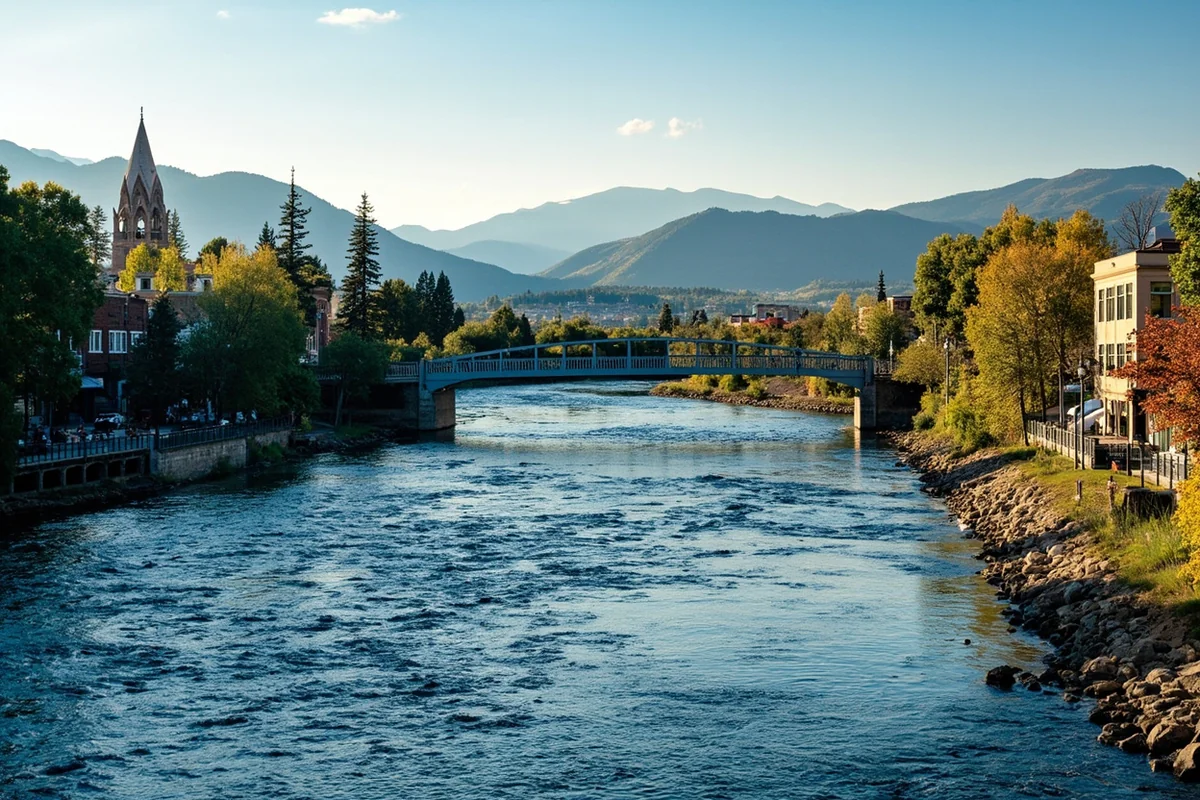
6. Philipsburg: The Undiscovered Gem
I almost didn’t include Philipsburg because I selfishly want to keep it uncrowded. But this former silver mining town of 800 residents deserves recognition as Montana’s most charming small-town getaway.
Broadway Street looks like a movie set—colorful Victorian-era buildings housing antique shops, the famous Sweet Palace candy store, and surprisingly good restaurants for a town this size. During my first visit, I walked the entire downtown in 20 minutes, then spent three hours browsing.
The sapphire mining around Philipsburg adds a unique dimension. Several operations let you purchase buckets of gravel and sift for genuine Montana sapphires. I found three small stones during an afternoon at Gem Mountain—nothing valuable, but the experience felt authentically Montana.
Staying and Exploring
The Broadway Hotel occupies a restored 1880s building with rooms starting around $100. Georgetown Lake, 15 miles west, offers fishing, boating, and camping. Discovery Ski Area, 20 minutes away, provides uncrowded slopes for winter visitors.
Pro tip: Philipsburg makes an excellent stop between Missoula and Butte, but budget a full day minimum. The town reveals its charms slowly.
7. Helena: The Overlooked State Capital
Montana’s state capital often gets dismissed as “just a government town,” but Helena rewards curious visitors with Victorian architecture, accessible mountain trails, and genuine local culture uncorrupted by tourism.
Last Chance Gulch, the walking mall downtown, follows the route of the original gold strike that founded the city. The architecture here rivals San Francisco’s painted ladies—ornate 1880s facades preserved through boom and bust cycles.
Mount Helena rises 1,200 feet directly behind downtown, and the trail system offers morning hikes accessible before breakfast. During a September visit, I watched sunrise from the summit, spotting distant ranges in Idaho and the Rockies stacking north toward Canada.
8. Livingston: Writers and Rivers
Ernest Hemingway, Peter Fonda, and Margot Kidder all chose Livingston as their Montana base. This railroad town (population 8,000) at the Yellowstone River’s exit from Paradise Valley maintains an authentic grit that gentrification hasn’t fully erased.
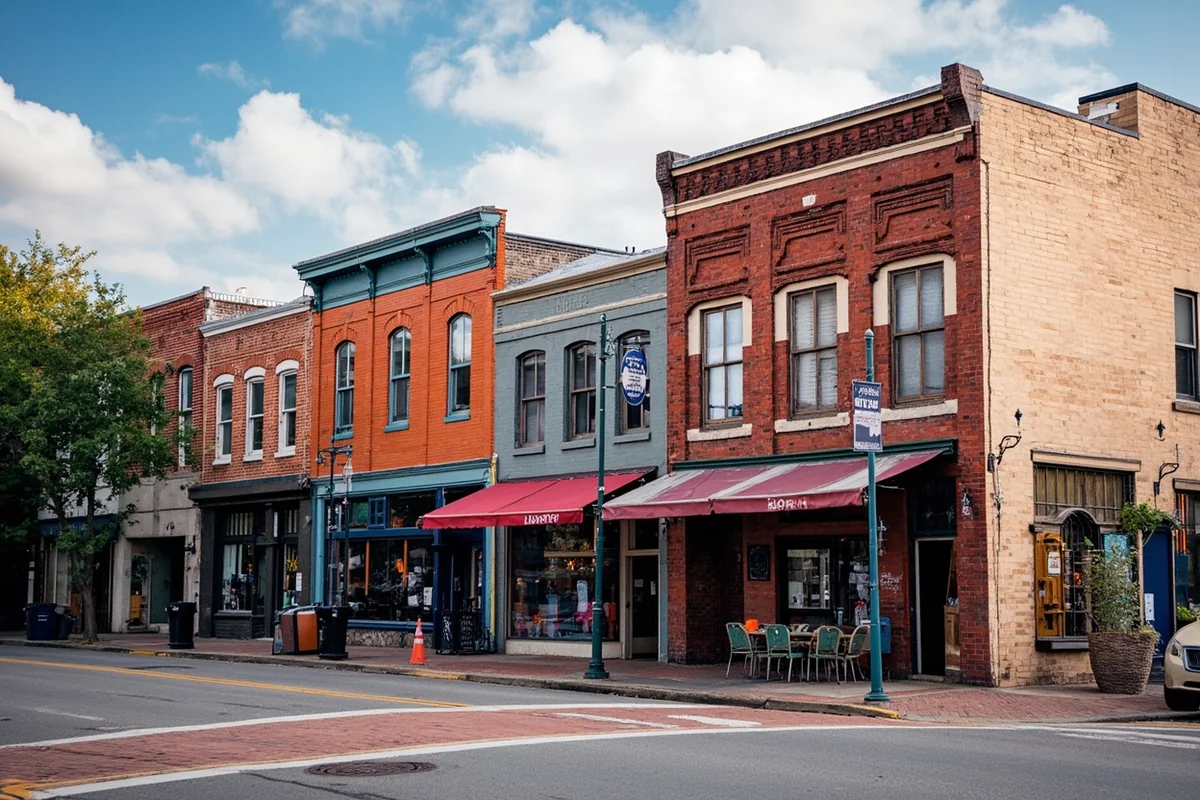
The Murray Hotel anchors downtown, its bar filled with photos of celebrity guests spanning decades. During a rainy October weekend, I spent hours in that bar talking to locals about fishing—Livingston sits at the confluence of the Yellowstone and several spring creeks that produce some of America’s best trout fishing.
For those planning bachelor party destinations in Montana, Livingston offers an excellent combination of fly fishing, craft breweries, and authentic Western saloons without resort-town prices.
Day Trips and Side Adventures
Chico Hot Springs, 30 minutes south in Paradise Valley, makes a perfect day trip or alternative base. The spring-fed pools remain comfortable even in winter, and I’ve watched snow fall while soaking under stars more times than I can count.
9. West Yellowstone: Gateway Town Done Right
Most Yellowstone gateway communities feel like tourist traps, but West Yellowstone has evolved into a legitimate destination. I’ve stayed here during winter, shoulder seasons, and peak summer, and each season revealed different strengths.
Summer brings Yellowstone access, obviously, but also mountain biking on Rendezvous Trail System—nearly 40 kilometers of groomed trails that double as cross-country ski tracks in winter. The town hosts the Yellowstone Ski Festival each November, drawing Olympic-level athletes.
Wildlife and Winter
The Grizzly & Wolf Discovery Center houses displaced wildlife unable to survive in the wild. Unlike typical zoo experiences, the center educates visitors about the animals they might encounter in Yellowstone—information that proved practical during my subsequent park visits.
Winter transforms West Yellowstone into a snowmobile capital. While I prefer quieter pursuits, the guided tours into Yellowstone’s interior access areas impossible to reach otherwise. Seeing Old Faithful with snow-covered pines and steam clouds rising was worth tolerating engine noise.
10. Big Sky: Montana’s Glamorous Side
I’ll be honest—Big Sky skews expensive and can feel corporate compared to other Montana destinations. But dismissing it entirely would ignore genuinely world-class skiing and summer hiking that rivals anywhere in the Rockies.
Big Sky Resort offers 5,800 acres of skiable terrain with lift lines that would make Colorado resorts envious. During a February visit, I skied from first chair to closing without waiting more than five minutes for any lift. The mountain’s scale impresses even jaded skiers.
Summer reveals a different character. The Lone Peak Expedition tram accesses 11,166-foot summit views spanning three states. The hike from Moonlight Basin across to Big Sky’s base area remains one of my favorite Montana day hikes.
Making Big Sky Affordable
Skip the slopeside luxury lodges and stay in Gallatin Canyon or even Bozeman. The drive adds 30-45 minutes but cuts accommodation costs by half or more. SKYLINE bus provides free resort transportation during ski season.
11. Glacier National Park Area: Bucket-List Beauty
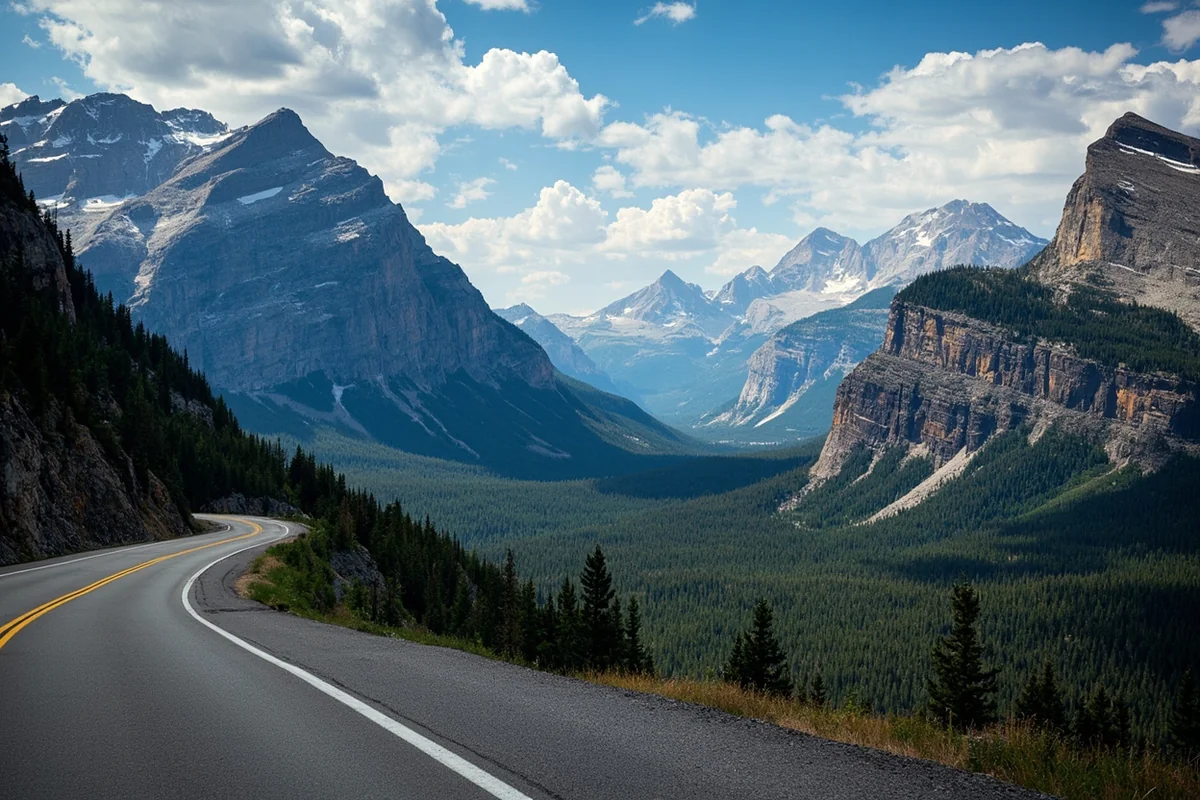
Glacier demands inclusion on any Montana getaway list, though “weekend” barely scratches its surface. On a recent three-day trip, I focused on the Many Glacier area and still felt I’d only sampled what’s available.
The Going-to-the-Sun Road delivers on its reputation as America’s most dramatic paved route. I’ve driven it six times across different seasons, and the experience never diminishes. Pull-offs provide access to short hikes, but the road itself is the attraction.
For romantic Montana winter getaways, the park transforms entirely. Cross-country skiing and snowshoeing access areas impossible to reach in crowded summer months. The Lake McDonald Lodge closes seasonally, but winter camping for the prepared traveler offers profound solitude.
Timing and Logistics
Going-to-the-Sun Road typically opens fully by early July and closes by October snow. Reservation systems now control summer access—check the park website before planning specific dates. Shoulder seasons (late September, early June) offer fewer crowds with reasonable weather odds.
12. Virginia City and Nevada City: Living Ghost Towns
History buffs often overlook Montana’s remarkably preserved ghost towns, but Virginia City and adjacent Nevada City offer weekend getaways unlike anything else in the state.
During an August visit, I walked wooden boardwalks past 1860s buildings that served gold rush miners. Unlike restored historic districts elsewhere, these towns retain original structures—complete with period furnishings visible through dusty windows.
The living history programs during summer weekends bring the era to life. I watched a blacksmith demonstration, attended a performance at the restored opera house, and browsed genuine antiques in buildings that haven’t been “updated” with modern retail sensibilities.
Where to Stay
The Fairweather Inn offers rooms in an 1863 building—creaky floors, period-appropriate furnishings, and shared bathrooms that add authenticity (or annoyance, depending on perspective). The Bennett House B&B provides more modern comfort while maintaining Victorian atmosphere.
13. Great Falls: Unexpected Urban Exploration
Montana’s second-largest city rarely appears on tourist itineraries, which represents both its limitation and appeal. Great Falls lacks the mountain scenery of western Montana but offers cultural attractions that surprise first-time visitors.
The C.M. Russell Museum houses the world’s largest collection of the cowboy artist’s work. I spent an entire morning studying Russell’s bronze sculptures and oil paintings, gaining appreciation for Montana’s ranching culture I hadn’t found elsewhere.
The Missouri River waterfalls that gave the city its name now mostly power dams, but Giant Springs State Park preserves the largest freshwater spring in the country. The water emerges at 52 degrees year-round, clear enough to watch fish from observation platforms.
14. Kalispell: Flathead Valley’s Hub
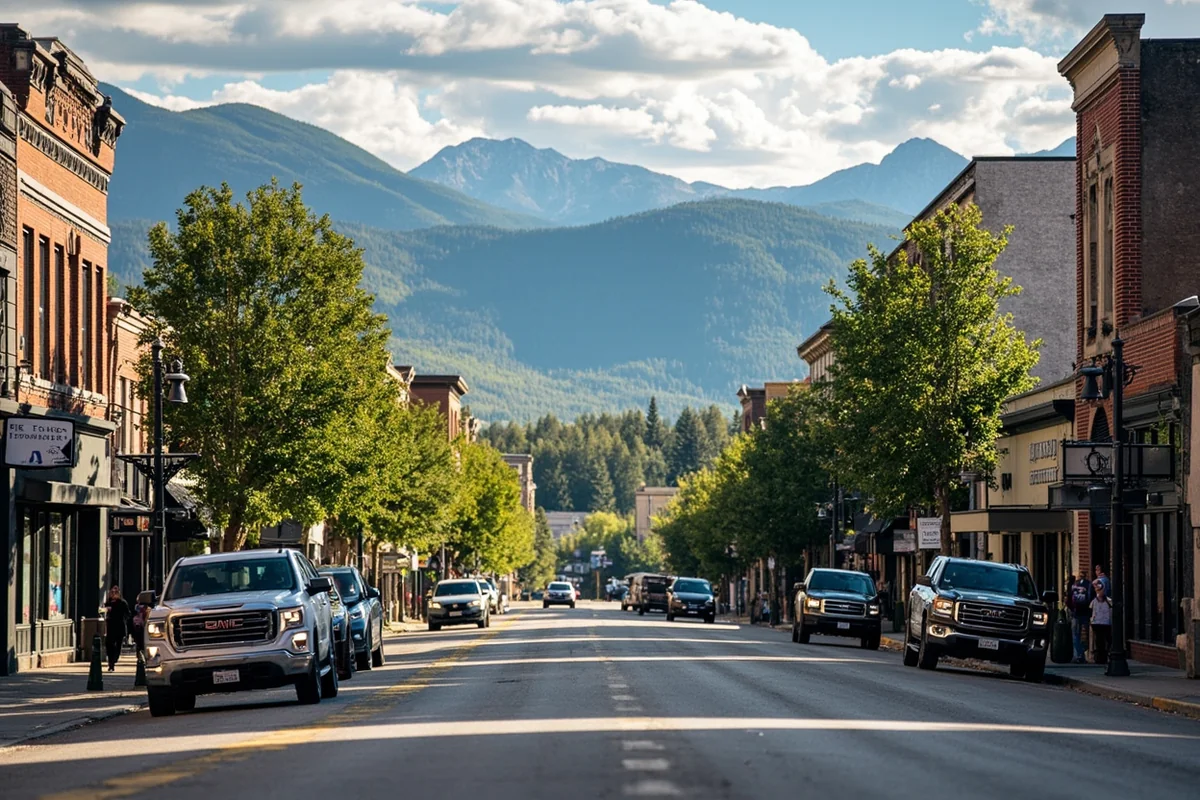
Kalispell serves as the Flathead Valley’s commercial center, providing more affordable accommodations than Whitefish while maintaining easy access to Glacier National Park and Flathead Lake.
During recent visits, I’ve used Kalispell as a base while exploring surrounding areas, returning each evening to the Hilton Garden Inn’s reasonable rates. The downtown has improved significantly over the past decade, with restaurants like Bonelli’s Bistro and Cisco’s offering legitimate dining options.
For groups planning Montana bachelorette parties or girls’ dude ranch experiences, Kalispell’s proximity to multiple activities makes coordination easier than more remote options.
The Practical Appeal
Glacier Park International Airport connects to multiple hub cities. Costco and full-service grocery stores provide supplies for camping or vacation rentals. The town lacks glamour but delivers value and convenience.
15. Seeley Lake: Quiet Water and Tall Timber
My final recommendation skews toward those seeking genuine peace over activities. Seeley Lake and the surrounding Clearwater Valley offer lakeshore relaxation and forest immersion without resort-town development.
The 17-mile chain of lakes connected by the Clearwater River creates paddling opportunities ranging from afternoon canoe trips to multi-day expeditions. I spent a memorable weekend kayaking between Seeley and Salmon Lakes, camping at primitive sites accessible only by water.
Winter brings cross-country skiing on 500 kilometers of groomed trails, making this region one of the best Nordic destinations in the northern Rockies. The Seeley Lake Nordic Ski Club maintains exceptional trails funded largely by voluntary donations.
Planning Your Montana Weekend: Practical Guidance
After dozens of Montana weekends, I’ve learned hard lessons about timing, packing, and expectations. Let me save you some frustration.
Timing Matters More Than You Think
Summer (June-August) brings crowds and high prices but guarantees access and weather. Shoulder seasons (September-October, May-June) offer fewer people and lower costs but require flexibility—snow can close mountain passes through late June.
Winter getaways demand proper preparation but reward adventurous travelers with experiences impossible during crowded summer months. Just pack appropriate gear and verify road conditions obsessively.
Realistic Driving Times
Montana’s scale surprises first-time visitors. Some useful benchmarks:
- Bozeman to Glacier National Park: 4.5 hours minimum
- Missoula to Yellowstone: 4 hours
- Billings to Big Sky: 3 hours
- Helena to Flathead Lake: 2.5 hours
Plan accordingly. Trying to see “all of Montana” in a weekend guarantees exhaustion and superficial experiences.
Group Trip Considerations
Montana excels at group getaways, but destinations matter for different dynamics. Guys’ getaways might focus on fishing lodges or bachelor party destinations with adventure activities. Girls’ trips often gravitate toward spa-friendly towns like Whitefish or Bigfork.
For truly unique group experiences, consider Montana’s more unusual offerings—guest ranches, hot springs resorts, or wildlife watching expeditions that go beyond standard tourism.
What to Pack Year-Round
Montana weather shifts rapidly regardless of season. Even August days can start cold, warm dramatically, then drop again. I always pack:
- Layers (more than you think necessary)
- Rain jacket (afternoon thunderstorms appear without warning)
- Sunglasses and sunscreen (high elevation intensifies UV)
- Binoculars (wildlife appears everywhere)
- Cash (some rural businesses still prefer it)
Making the Most of Your Montana Weekend
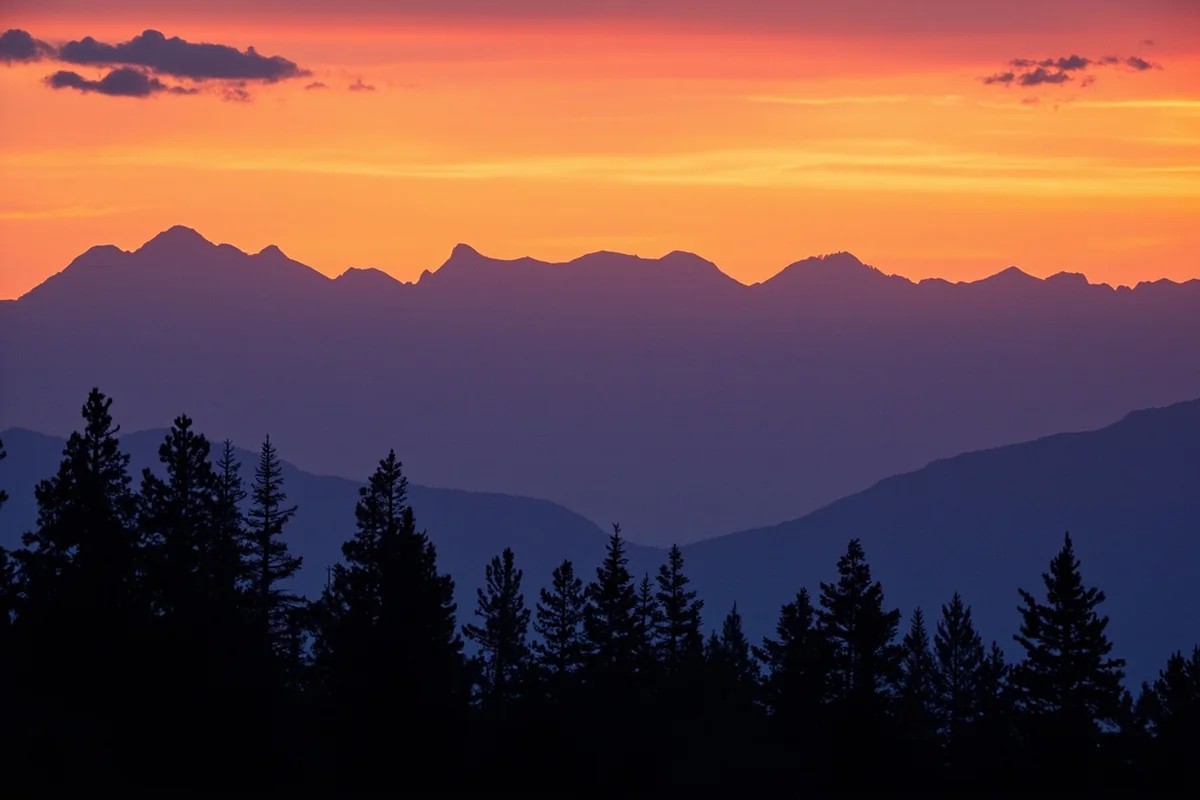
The destinations I’ve listed span Montana’s geographic and experiential range, but they share a common thread: each rewards visitors who arrive with realistic expectations and genuine curiosity.
Montana doesn’t deliver instant gratification. The best moments—watching a grizzly forage in a distant meadow, catching golden light on a limestone canyon, sharing stories with locals at a bar that hasn’t changed in decades—emerge organically from time spent in place.
My advice? Pick one destination that matches your interests, book accommodation that allows flexibility, and resist the temptation to cram too much into limited time. Montana reveals itself to patient visitors, and even a single weekend can fundamentally shift your understanding of what wild places still exist in America.
The state’s tourism slogan—”The Last Best Place”—strikes some as hyperbole. But standing knee-deep in a mountain river at dawn, I’ve never found a better description.
Frequently Asked Questions
What is the best time of year for a weekend getaway in Montana?
I recommend visiting Montana between June and September for the best weather and access to outdoor activities, though ski enthusiasts should plan trips between December and March. Summer weekends offer 16+ hours of daylight, perfect for packing in hikes and scenic drives, while fall (September-October) brings stunning golden larches and fewer crowds.
How much does a weekend trip to Montana typically cost?
A budget-friendly Montana weekend getaway runs about $150-250 per person daily, covering mid-range lodging ($100-180/night), meals, and activities. During peak summer season near Glacier or Yellowstone, expect to pay $200-400/night for quality accommodations, so I suggest booking 2-3 months ahead for better rates.
What should I pack for a Montana weekend getaway?
Pack layers regardless of season since Montana temperatures can swing 30-40 degrees in a single day, even in summer. I always bring a waterproof jacket, sturdy hiking boots, sunscreen, bear spray if hiking, and binoculars for wildlife viewing. Don’t forget a cooler for road trip snacks since towns can be 50-100 miles apart.
Can you do a weekend trip to Montana without a car?
While possible with shuttles to ski resorts like Big Sky or Whitefish, I strongly recommend renting a car for Montana weekend getaways since attractions and small towns are spread across vast distances. Most scenic drives and trailheads require personal transportation, and rental cars at Bozeman, Missoula, or Billings airports start around $50-80/day.
What are the most romantic weekend getaways in Montana for couples?
Whitefish offers charming downtown dining and spa resorts near Glacier National Park, while Big Sky provides luxury mountain lodges perfect for couples seeking privacy. I’ve found that a weekend in the historic town of Livingston, with its art galleries, hot springs nearby, and Yellowstone River views, offers an underrated romantic escape without the tourist crowds.
How far apart are Montana’s best weekend destinations from each other?
Montana’s top destinations are spread across a state larger than all of New England combined, so plan accordingly. Glacier National Park to Yellowstone is about 340 miles (5.5 hours), while Missoula to Bozeman is 200 miles (3 hours). I recommend focusing on one region per weekend rather than trying to see multiple areas.
Are Montana weekend getaways family-friendly and what activities work for kids?
Montana is incredibly family-friendly with activities like horseback riding, easy nature trails, wildlife safaris, and guest ranches designed for all ages. Towns like West Yellowstone, Red Lodge, and Whitefish offer family-oriented lodging and restaurants, plus attractions like the Grizzly and Wolf Discovery Center that keep kids engaged between outdoor adventures.
Sources
- https://fwp.mt.gov/aboutfwp/regions
- https://fwp.mt.gov/stateparks/flathead-lake
- https://fwp.mt.gov/travelers-rest
- https://fwp.mt.gov/lewis-and-clark-caverns
- https://fwp.mt.gov/giant-springs
- https://fwp.mt.gov/pictograph-cave
- https://fwp.mt.gov/medicine-rocks
- https://fwp.mt.gov/makoshika
- https://arc.lib.montana.edu/caroline-mcgill/objects/0945-004-026-001-002.pdf