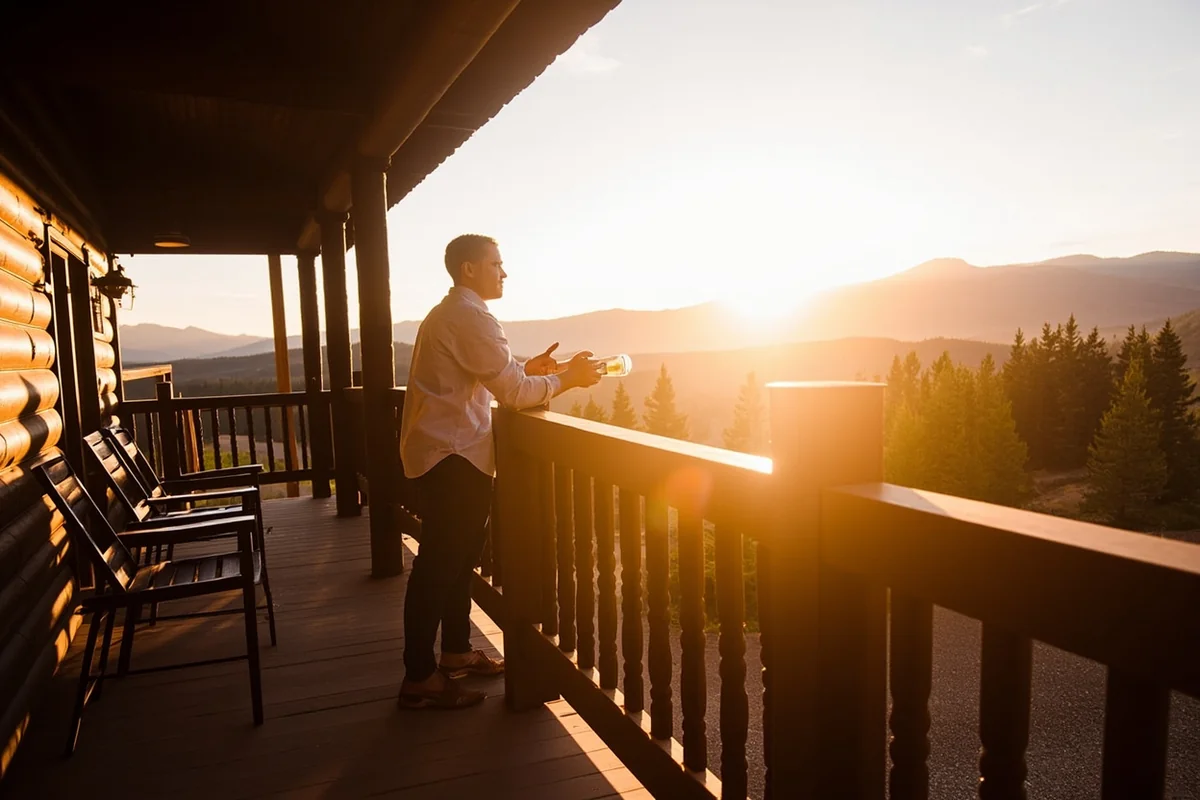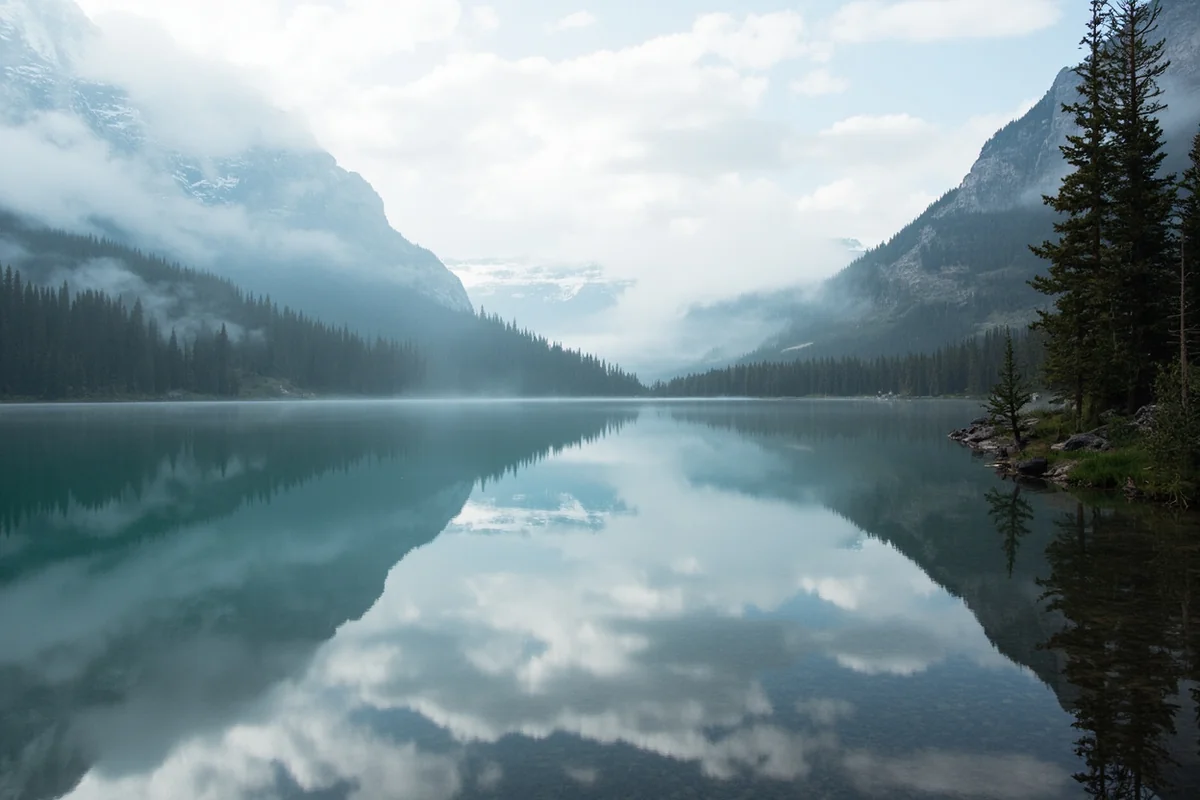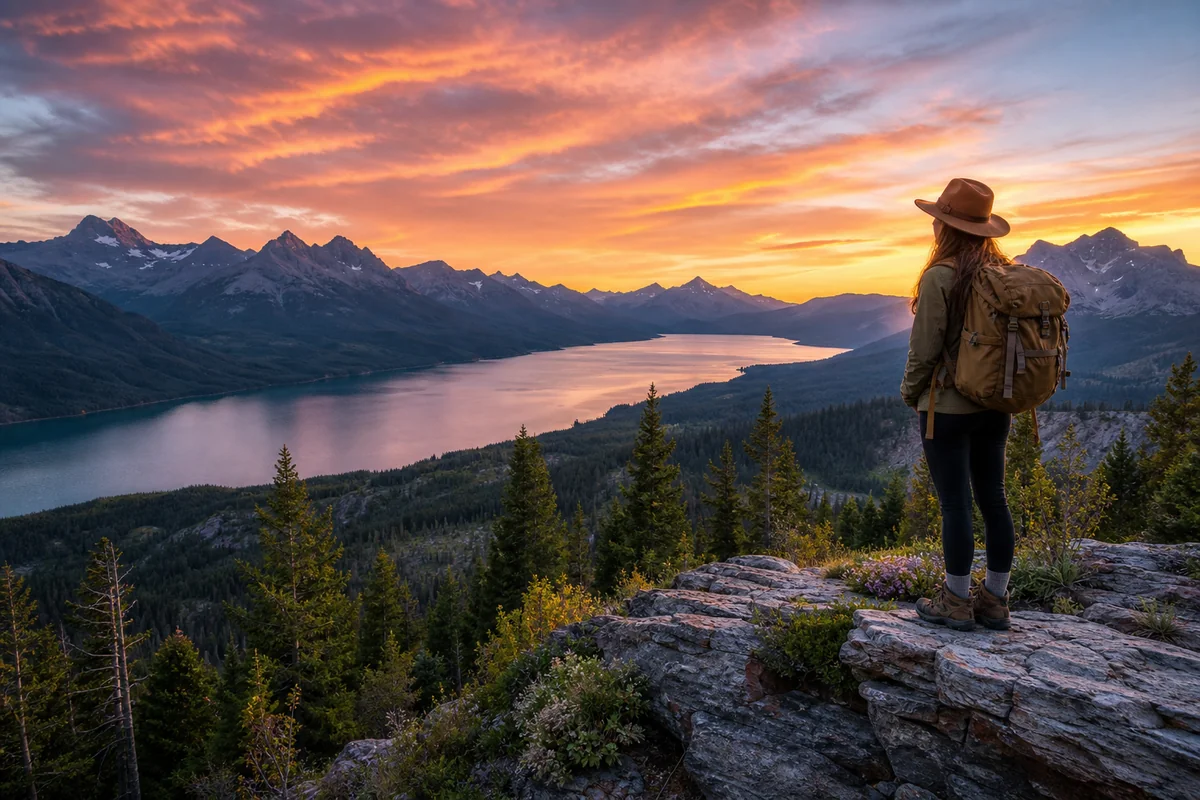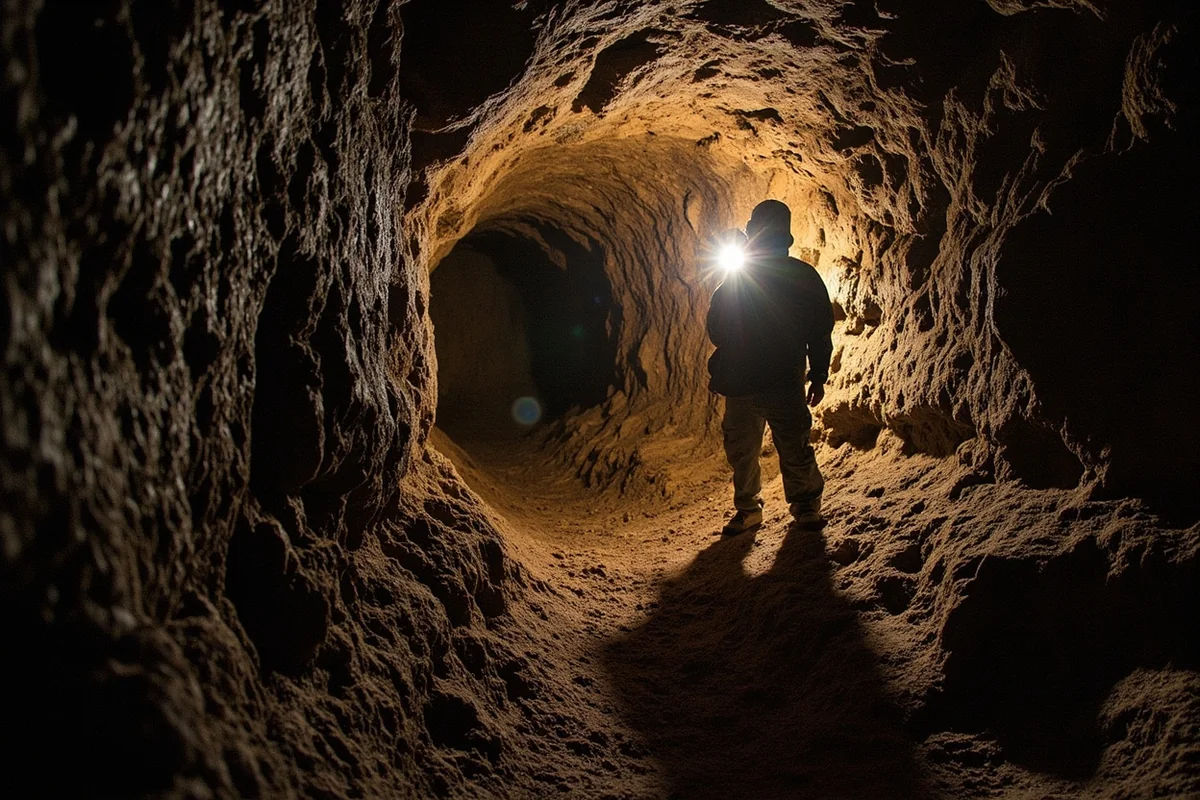
I was standing inside an abandoned copper mine 100 feet underground when it hit me—Montana isn’t just about Glacier and Yellowstone.
The guide’s headlamp flickered across century-old pick marks in the rock, and I realized I’d been missing the state’s most fascinating corners by sticking to the obvious routes.
After spending years exploring Montana’s hidden gems while researching the best weekend getaways in Montana, I’ve compiled the experiences that genuinely surprised me—places that made me pull out my phone not for Instagram, but to text friends saying “you won’t believe this exists.”
- Montana offers unique stays beyond typical mountain lodges—think fire lookout towers, floating cabins, and glamping in ghost towns
- Underground mine tours in Butte and natural hot springs caves provide unexpected adventures
- Historic dude ranches offer authentic cowboy immersion, not tourist theater
- Several options are budget-friendly, ranging from $85/night yurts to splurge-worthy $600/night luxury treehouses
- Best booking windows: fire lookouts require 6-month advance reservations; hot springs are walk-in friendly
- Year-round options exist—some getaways are actually better in winter
Liked this article?
Add Roaming Montana as a preferred source so you see more of our articles and guides on Google.
Why Montana’s Unusual Getaways Beat the Mainstream
Here’s what most Montana travel guides won’t tell you: the state’s most memorable experiences often happen in places that don’t make the top-10 lists. I’ve stayed at fancy Yellowstone lodges and Big Sky resorts, and they’re wonderful—but they rarely come up when friends ask about my best travel memories.
What does come up? Waking at 3 AM in a fire lookout tower to watch a lightning storm roll across the Bob Marshall Wilderness. Soaking in a cave hot spring while snow piled up outside. Sleeping in a renovated caboose surrounded by nothing but wheat fields and stars.
These unique getaways require a bit more planning than booking a standard hotel, but the payoff is exponential. If you’re planning Montana getaways for couples, many of these options offer an intimacy that resort hotels simply can’t match.
1. Fire Lookout Tower Rentals: Sleep Above the Wilderness
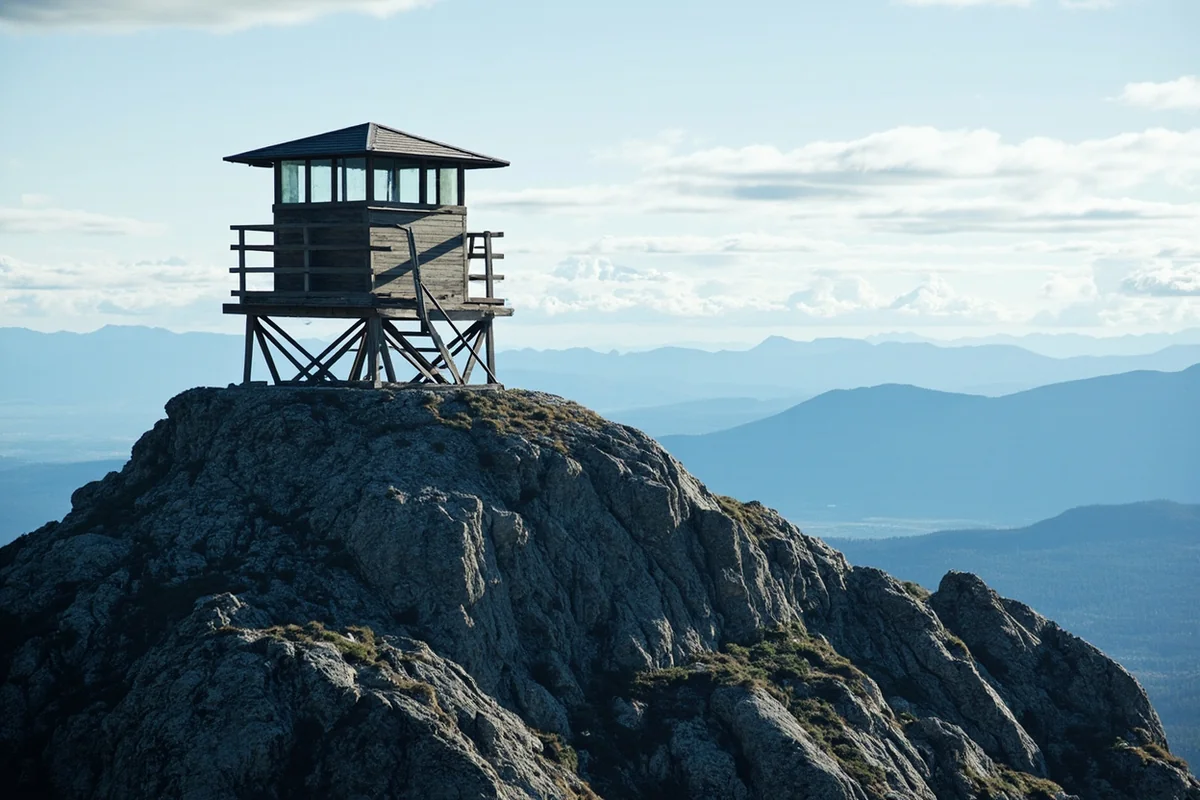
During my stay at Garver Mountain Lookout in the Kootenai National Forest last August, I understood immediately why these towers book out within minutes of opening. You’re literally sleeping in a glass box perched on a mountain peak, with 360-degree views that make you feel like the last person on Earth.
What It’s Actually Like
The reality of fire lookout stays is both more rustic and more magical than photos suggest. There’s no running water—you’ll pack in your own drinking supply or filter from a nearby source. Most have propane stoves but no electricity. The outhouse is typically 50-100 yards from the tower.
But when the sun sets and you’re watching the peaks of the Mission Mountains turn pink from your perch at 7,000 feet, you stop caring about creature comforts.
My Top Lookout Picks
Hornet Peak Lookout in the Bitterroot National Forest offers the most accessible experience for first-timers. The drive-up access (during summer months) means you’re not hauling gear up a mountain, but you still get that isolated feeling.
Werner Peak Lookout near Kalispell requires a moderate 2.5-mile hike but rewards you with views into Glacier National Park that most visitors never see.
Thompson-Seton Lookout in the Flathead National Forest is my personal favorite—the sunrise views over the South Fork of the Flathead River are absolutely unreal.
Practical Booking Tips
Book through Recreation.gov exactly 6 months in advance. Set a phone alarm for 8 AM Mountain Time on your target date. Weekend nights in July and August sell out in under 10 minutes—I’m not exaggerating.
Rates run $40-75 per night, making this one of Montana’s most affordable unique accommodations. Most sleep 2-4 people.
| Lookout Name | Access Type | Best For | Price/Night |
|---|---|---|---|
| Hornet Peak | Drive-up (summer) | First-timers | $50 |
| Werner Peak | 2.5-mile hike | Glacier views | $55 |
| Thompson-Seton | 5-mile hike | True solitude | $40 |
| Hahn Creek | Drive-up | Winter access | $45 |
2. Underground Mine Adventures in Butte
Butte doesn’t get the tourist love it deserves. This city was once the largest west of the Mississippi, built on copper wealth extracted from miles of underground tunnels. On my first visit, I expected a quick museum stop. I ended up staying three days.
The World Museum of Mining Experience
The Orphan Girl Mine tour takes you 65 feet underground into an actual historic mine shaft. The temperature drops noticeably as you descend, and the guides—many descended from Butte’s mining families—share stories that textbooks leave out.
I learned about the Granite Mountain fire of 1917 that killed 168 miners, the ethnic neighborhoods that formed based on which level of the mines workers operated, and how Butte’s labor movements shaped American worker rights.
The surface-level Hell Roarin’ Gulch is essentially a preserved mining town with over 50 historic buildings. Budget at least 3-4 hours here.
Where to Stay in Butte
The Copper King Mansion offers overnight stays in the actual 1884 home of copper magnate William Andrews Clark. Sleeping in a room with Tiffany windows and hand-painted ceilings while learning about Butte’s Gilded Age excess is surreal. Rates start around $150/night and include a full breakfast.
For those seeking romantic Montana winter getaways, Butte’s underground attractions are perfect when snow blankets the ground above.
3. Soak in Natural Hot Springs Caves
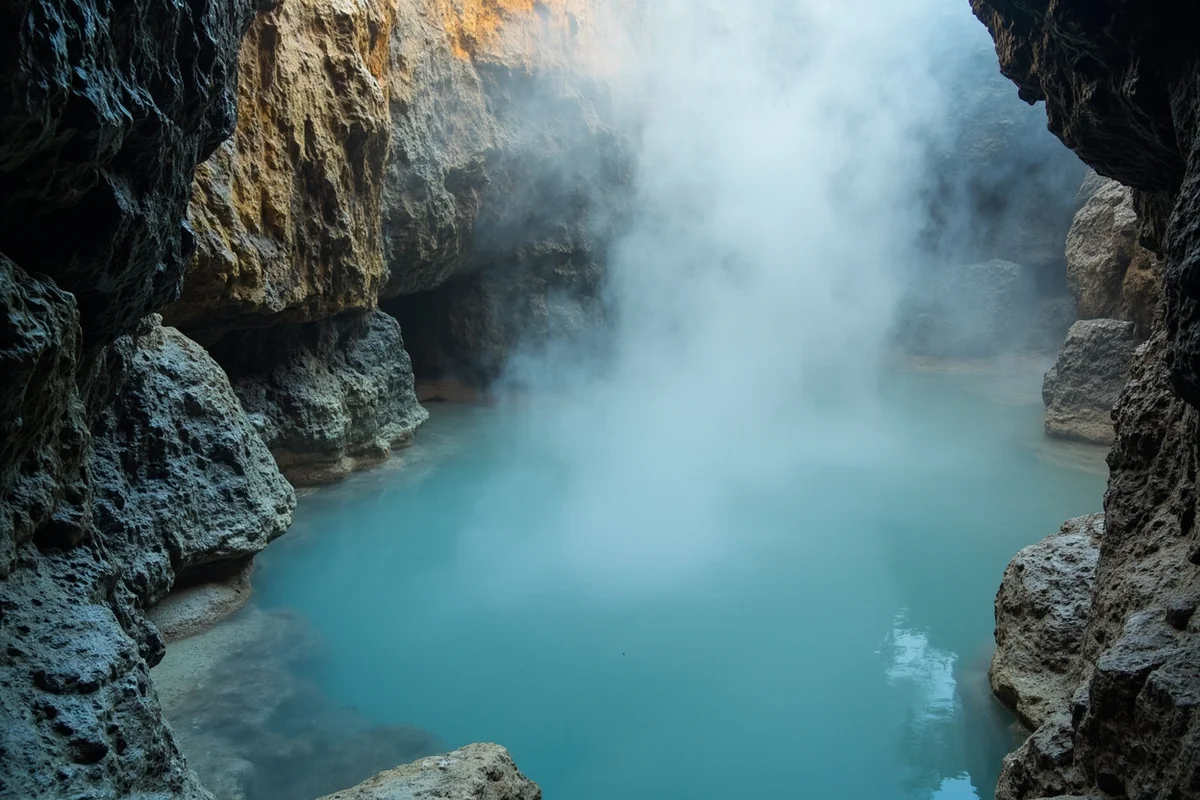
Montana has dozens of hot springs, but Lolo Hot Springs near Missoula offers something different—a cave pool that feels like discovering a secret.
The Hidden Cave Experience
When I visited last October, I initially headed for the outdoor pools. A local regular suggested I check out the cave. Ducking through a low entrance, I found a steaming pool carved into rock, with maybe six other people sharing the space. The cave muffles sound in a way that feels almost meditative.
Water temperatures hover around 106°F in the cave—hotter than the outdoor pools. The mineral content is high, leaving your skin genuinely softer.
Beyond Lolo: Other Unique Soaking Spots
Boulder Hot Springs near Helena is a restored 1880s hotel with both indoor and outdoor pools. The Victorian architecture and quiet atmosphere make it ideal for a wellness-focused retreat.
Norris Hot Springs calls itself “the water of the gods” and backs it up with live acoustic music on weekends. The pools are clothing-optional after dark on certain nights—check their schedule.
Chico Hot Springs near Pray offers perhaps Montana’s most famous hot springs experience, with two outdoor pools and a historic lodge. It’s more developed than others on this list but absolutely worth visiting.
4. Ghost Town Glamping at Garnet
Garnet Ghost Town is the most intact ghost town in Montana, with roughly 30 preserved buildings dating to its 1890s gold mining heyday. What most people don’t know is that you can actually stay there.
Cabin Rentals in the Ghost Town
The Bureau of Land Management rents two cabins within the ghost town from December through April. Yes, you’ll need a snowmobile or cross-country skis to access them in winter. Yes, it’s absolutely worth the effort.
On my January visit, I had the entire ghost town to myself after the caretaker left for the evening. Walking through the preserved hotel and miners’ cabins by flashlight, with snow falling on century-old buildings, was genuinely eerie in the best way.
Cabins run about $30/night and sleep four. They’re heated with wood stoves—bring extra kindling.
Summer Alternative: Nearby Camping
During summer months when the cabins aren’t available, dispersed camping is permitted on surrounding BLM land. The ghost town remains open for daytime exploration, and camping nearby lets you catch sunset and sunrise when the crowds are gone.
5. Stay on a Working Cattle Ranch
Forget dude ranch stereotypes of staged gunfights and line dancing. Montana’s authentic working ranches offer something more valuable—a genuine glimpse into agricultural life that’s been continuous for over a century.
The Rich Ranch Experience
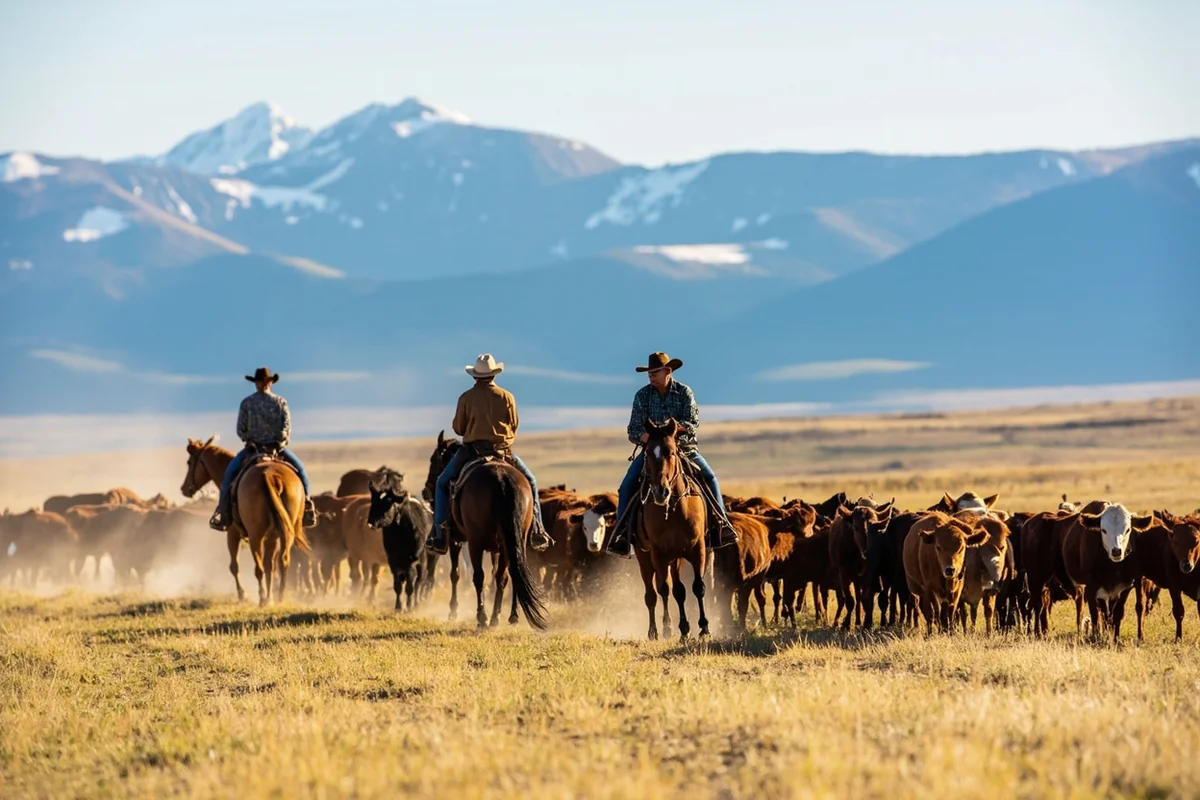
Rich Ranch near Seeley Lake has operated since 1909. During my week there last summer, I helped move cattle between pastures, learned to repair fence lines, and ate meals prepared with beef raised on that very land.
The work is real. You’re not performing ranching—you’re participating in it. My arms were sore for days after helping with hay bales, and I’ve never slept better than I did in that simple cabin after a day of honest physical labor.
Weekly rates at Rich Ranch start around $2,500 and include all meals, lodging, and activities. It’s not budget travel, but the immersion justifies the cost.
Ranch Options for Different Groups
Montana’s dude ranch scene accommodates various travel styles. If you’re organizing guys getaways in Montana, several ranches offer fishing-focused packages that combine horseback riding with blue-ribbon trout streams.
For women-only experiences, check out Montana dude ranches designed for girls’ trips—several properties host dedicated women’s weeks with customized programming.
6. Floating Cabins on Flathead Lake
Flathead Lake is the largest natural freshwater lake west of the Mississippi, and it’s surprisingly uncrowded compared to similar lakes elsewhere. The floating cabin rentals near Bigfork take the experience up another level.
What Floating Cabin Life Is Like
The cabins themselves are modest—think small bedroom, basic kitchen, covered deck. The magic is in the location. You’re anchored in a quiet bay, accessible only by boat. At night, the lake reflects the stars so perfectly it’s disorienting.
During my three-night stay, I swam off my deck every morning, paddleboarded to shore for groceries (the owners provide a kayak and paddleboard), and watched osprey dive for fish while I ate breakfast. Cell service was spotty, which I initially resented and later appreciated.
Rates run $175-250/night depending on season. Book through local outfitters in Bigfork—Airbnb has some listings, but local booking gets you better service and local knowledge.
Best Time to Visit
Late June through mid-September offers the warmest water temperatures for swimming. July can get busy, so I recommend September for the best combination of warm weather and peace.
7. Stay in a Converted Railroad Car
Montana’s railroad heritage runs deep, and several properties have converted historic rail cars into accommodations. The Izaak Walton Inn near Essex pioneered this concept, and it remains the best example.
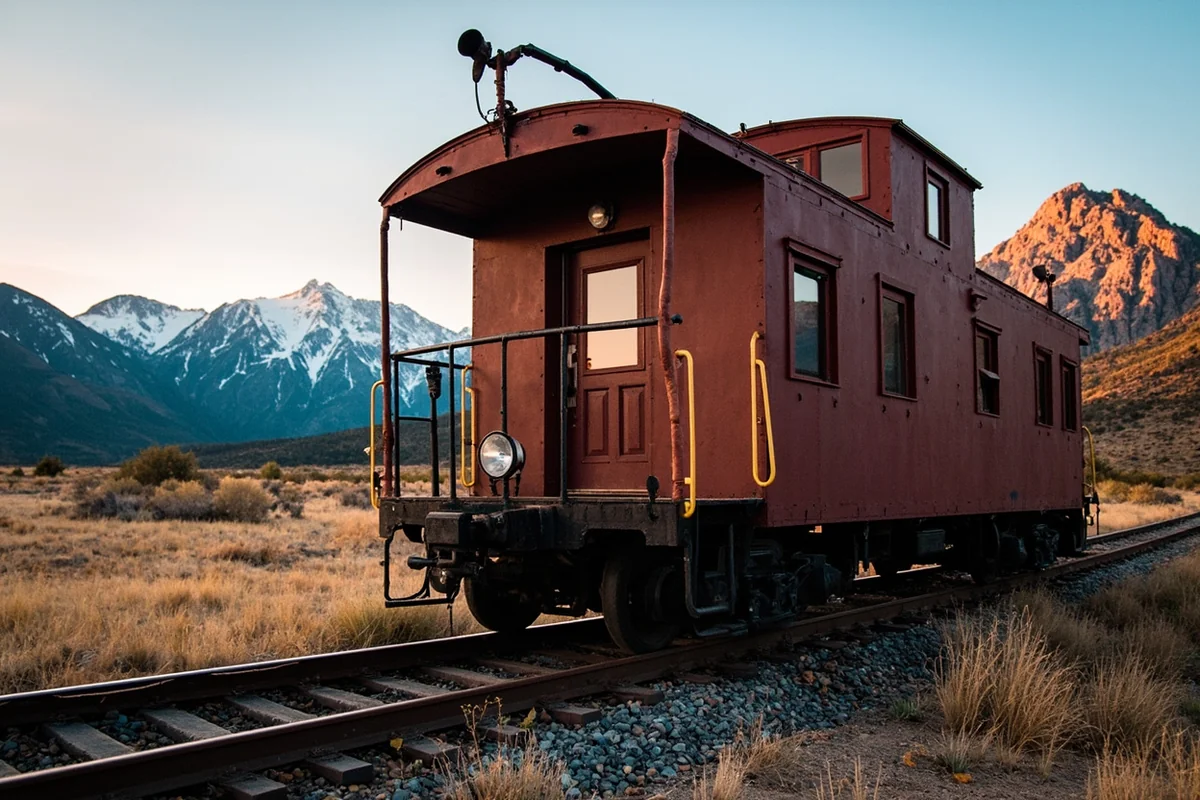
The Izaak Walton Experience
The inn sits directly on the BNSF Railway main line at the southern edge of Glacier National Park. Their renovated cabooses and locomotive engineer quarters offer sleeping accommodations unlike anything else in the state.
During my stay in the J.J. Caboose last February, I fell asleep watching snow pile up outside and woke to the rumble of a freight train passing 50 feet away. The cars are heated, surprisingly comfortable, and packed with railroad memorabilia.
Cross-country skiing trails start directly from the property, and the inn serves as a flag stop for Amtrak’s Empire Builder—meaning you can literally arrive by train.
Standard room rates start around $150/night; the cabooses run $250-400/night depending on season.
8. Luxury Treehouses in the Bitterroot Valley
The treehouse rental trend has reached Montana, and the Bitterroot Valley south of Missoula offers the best options. These aren’t childhood backyard treehouses—they’re architect-designed structures with full amenities.
What to Expect
The property I stayed at near Hamilton sat 25 feet up in old-growth pines, with floor-to-ceiling windows facing the Bitterroot Mountains. The hot tub on the deck felt genuinely ridiculous—soaking in steaming water while eye-level with squirrels jumping between branches.
Modern Montana treehouses typically include full kitchens, high-end bedding, and reliable WiFi. The “roughing it” factor is minimal, but the perspective shift of sleeping above the forest floor is genuinely special.
Expect to pay $400-650/night for luxury treehouse accommodations. Most require minimum two-night stays.
Perfect for Romantic Escapes
The privacy and intimacy of treehouse stays make them ideal for couples celebrating anniversaries or honeymoons. Several properties include couples’ massage services and private chef options.
9. Underground Bunker Hotels in the Hi-Line
This one surprised me most. In Montana’s remote Hi-Line region, decommissioned Cold War missile silos have been converted into unusual overnight accommodations.
The Missile Silo Experience
The converted Atlas E missile silo near Fairfield isn’t a hotel in the traditional sense—it’s a private rental that sleeps up to eight people. The living space occupies what was once the missile launch control center, 30 feet underground.
The tour of the facility is as fascinating as the stay itself. You’ll learn about the nuclear standoffs that made these sites necessary, see the blast-proof doors and escape tunnels, and sleep in a space designed to survive direct nuclear attack.
Rates run around $350/night for the entire facility—surprisingly reasonable when split among a group. If you’re planning bachelor party destinations in Montana, this place makes for an unforgettable headquarters.
10. Yurt Camping in the Backcountry
Montana’s backcountry yurts bridge the gap between tent camping and cabin rentals. You get the wilderness immersion of backpacking with the comfort of a permanent shelter, wood stove, and actual beds.
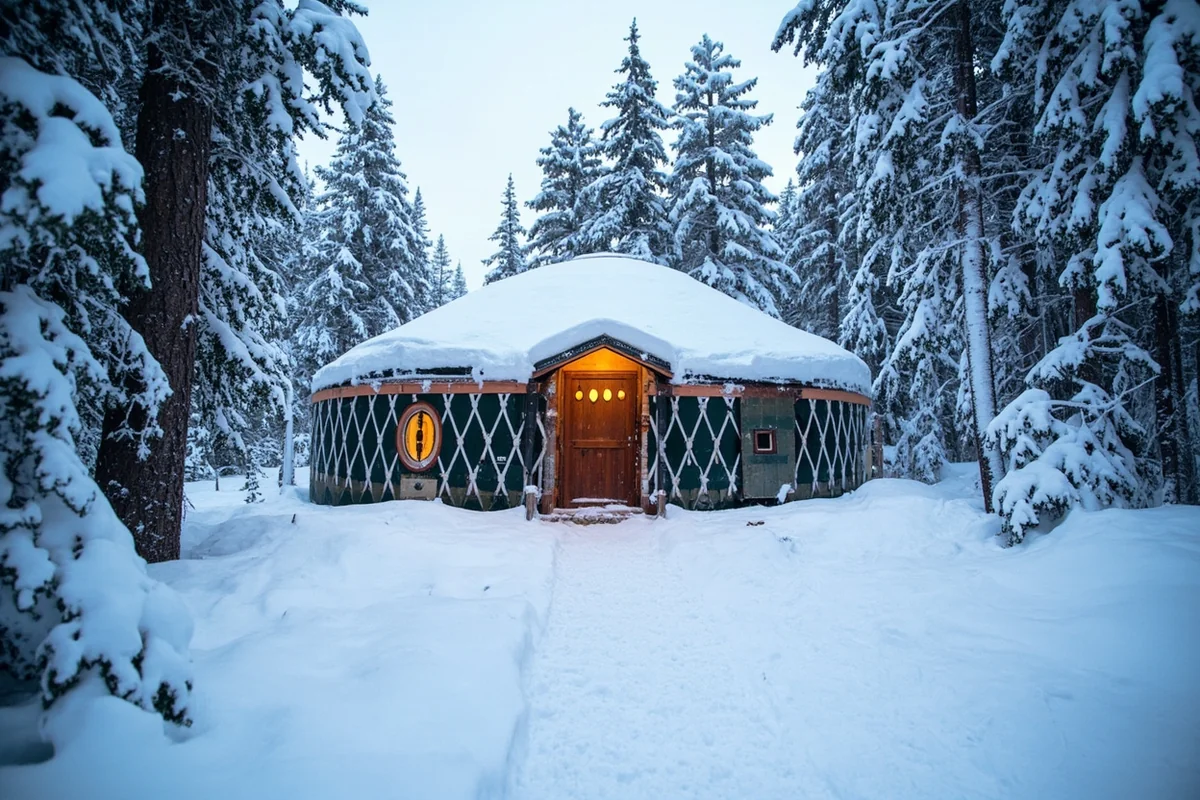
Top Yurt Systems
Yellowstone Country yurts near Cooke City offer wintertime access to some of the state’s best cross-country skiing. The three-yurt system allows groups to hop between camps on multi-day trips.
Stillwater State Forest yurts near Whitefish are more accessible, with shorter ski-in distances making them ideal for yurt camping beginners.
The Montana Backcountry Yurt Company operates several systems in southwestern Montana, including options suitable for families with children.
What’s Provided vs. What You Pack
Most yurts provide sleeping pads, cooking stoves, firewood, and basic kitchen equipment. You’ll bring your own sleeping bag, food, and personal gear. Some systems require you ski or snowshoe in (anywhere from 1-6 miles); others offer snowmobile shuttle services.
Rates typically run $85-150/night. Book well in advance for weekend nights in ski season.
11. Historic Lighthouse Keeper’s Quarters
Wild Horse Island in Flathead Lake hosts one of Montana’s most unusual accommodations—the former lighthouse keeper’s residence, now available for overnight rental.
What Makes This Special
Wild Horse Island is Montana’s largest island, home to wild horses (hence the name), bighorn sheep, and mule deer. The only way to access the island is by boat, and overnight visitors are rare.
The keeper’s quarters are simple—think cabin-level amenities—but the location is extraordinary. I spent my evening there watching wild horses graze while the sun set behind the Mission Mountains. In the morning, bighorn sheep were browsing 30 feet from the cabin.
Access requires coordination with Montana Fish, Wildlife & Parks. You’ll need your own boat or a charter from Bigfork or Polson. Permit costs are minimal, but the logistics require planning.
Planning Your Unique Montana Getaway
After years of exploring Montana’s unconventional accommodations, I’ve learned a few things that might save you frustration.
Booking Timeline Guidelines
- Fire lookouts: Book exactly 6 months in advance—not a day later
- Dude ranches: Book 3-4 months ahead for summer weeks
- Floating cabins: 2-3 months for summer, 1 month for shoulder season
- Yurts: 1-2 months for weekends, often available last-minute midweek
- Hot springs lodging: 2-4 weeks usually sufficient
Budget Considerations
Unique doesn’t always mean expensive. Fire lookouts ($40-75/night), yurts ($85-150/night), and ghost town cabins ($30/night) are more affordable than standard Montana hotels. Luxury treehouses and dude ranch weeks represent splurge territory.
Best Seasons for Each Experience
Summer (June-August) works for everything but is peak season with corresponding crowds and prices. Fall (September-October) offers spectacular foliage and reduced crowds for most experiences. Winter (December-March) is actually ideal for ghost town stays, yurt camping, and hot springs visits.
If you’re traveling with a larger group, consider Montana bachelorette party ideas or girl getaways in Montana—several unique accommodations work beautifully for groups.
What Makes These Getaways Worth It
I’ve stayed in nice hotels all over the world, and I rarely remember them. But I remember every night I’ve spent in Montana’s unusual accommodations—the sounds, the smells, the way the light hit unfamiliar surroundings.
There’s something about sleeping in spaces with history and character that resets your perspective. You leave a fire lookout tower or ghost town cabin thinking differently than you arrived.
Montana’s mainstream attractions are genuinely spectacular, and I’d never tell anyone to skip Glacier or Yellowstone. But the experiences that changed how I see this state happened in converted missile silos and floating cabins and underground mines—places that required extra effort to reach and rewarded that effort tenfold.
Your unique Montana getaway is out there. The only question is how far you’re willing to go to find it.
Frequently Asked Questions
What is the best time of year to visit Montana for a unique getaway?
I recommend visiting Montana between June and September for the best weather, open mountain passes, and access to all outdoor activities. However, if you’re seeking a unique winter escape with skiing and hot springs, December through February offers magical snowy landscapes with fewer crowds than popular Colorado resorts.
How much does a week-long Montana vacation cost for two people?
A week-long Montana getaway for two typically costs between $2,000 and $4,500, depending on your accommodation choices and activities. Budget travelers staying in cabins or campgrounds can spend around $150-200 per day, while luxury ranch stays or guided fishing trips can push daily costs to $500 or more.
What should I pack for a unique Montana getaway?
I always pack layers regardless of the season since Montana temperatures can swing 30-40 degrees in a single day. Essential items include sturdy hiking boots, bear spray for backcountry adventures, sunscreen for high-altitude sun exposure, and a quality rain jacket since afternoon thunderstorms are common in mountain areas.
How far is it to drive between Montana’s most popular unique destinations?
Montana is deceptively large, so distances between destinations add up quickly. Driving from Glacier National Park to Yellowstone’s north entrance takes about 5.5 hours (320 miles), while reaching remote getaways like the Missouri River Breaks from Bozeman requires a 4-hour drive through stunning but isolated terrain.
Do I need a rental car to explore unique getaways in Montana?
Yes, a rental car is essential for exploring Montana’s unique getaways since public transportation is extremely limited outside of major towns. I recommend renting an SUV or all-wheel-drive vehicle, especially if you’re visiting between October and May or planning to access remote hot springs and mountain lodges on unpaved roads.
Are Montana’s unique getaway destinations family-friendly or better for couples?
Montana offers unique getaways perfect for both families and couples, though some experiences cater to specific groups. Guest ranches and wildlife safari lodges work wonderfully for families with kids, while secluded hot springs resorts, boutique mountain lodges, and fly-fishing retreats tend to attract couples seeking romantic escapes.
What hidden gem getaways in Montana do most tourists miss?
Most tourists overlook incredible spots like the ghost town of Bannack State Park, the remote Big Hole Valley for authentic ranch stays, and the Seeley-Swan Valley tucked between two mountain ranges. I’ve found that destinations in eastern Montana, like Makoshika State Park with its badlands landscape, offer solitude and unique scenery without the Glacier or Yellowstone crowds.
Sources