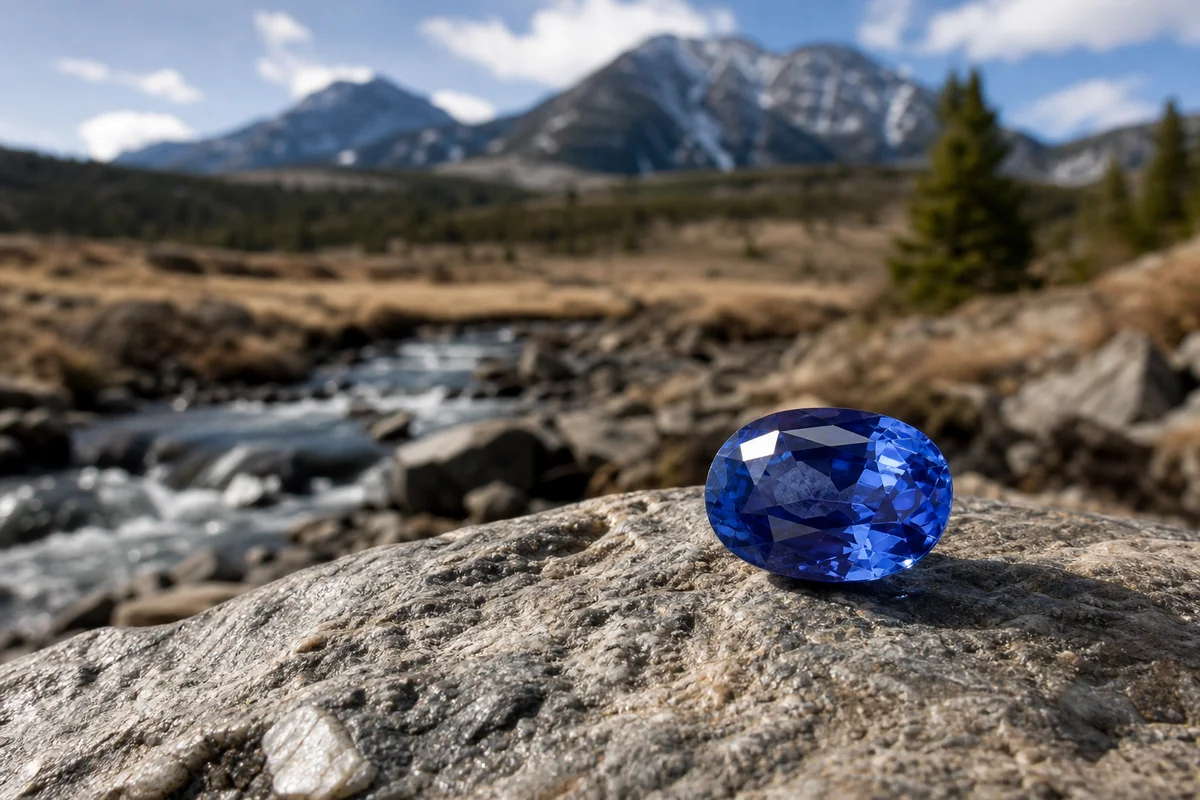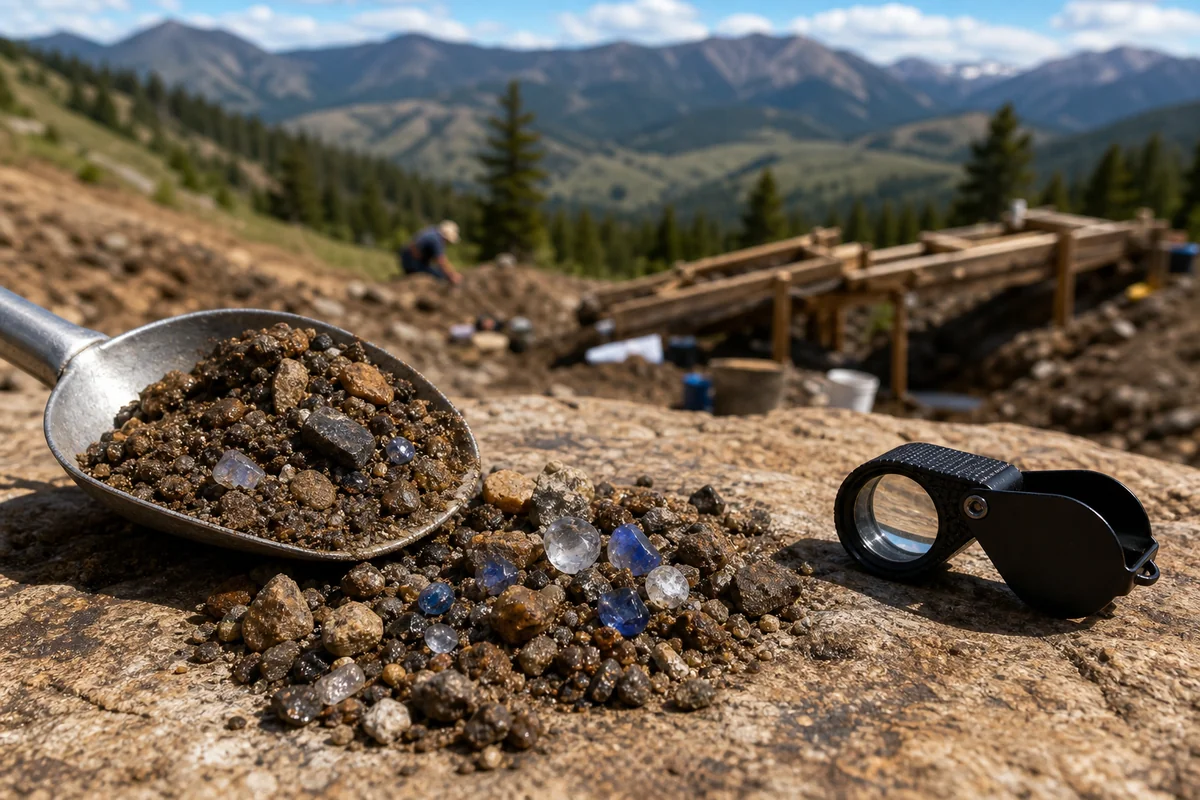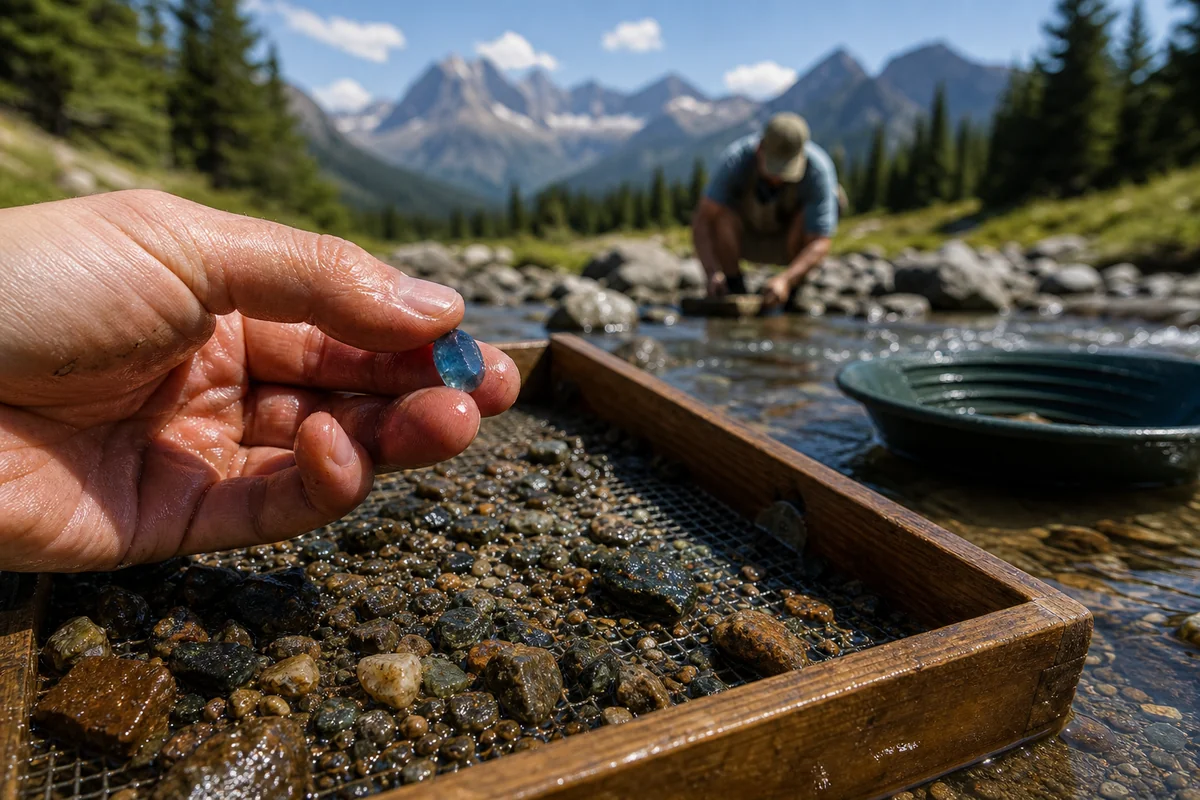
The moment I pulled a translucent blue crystal from my screen at Gem Mountain last summer, hands caked in reddish dirt and afternoon sun warming my shoulders, I understood why people travel across the country for Montana sapphires.
That tiny, uncut stone—no bigger than a lentil—represented millions of years of geological magic and an adventure I’d remember forever.
Montana is home to some of the world’s most unique sapphires, and digging for them yourself is one of the most rewarding Montana gemstones experiences you can have.
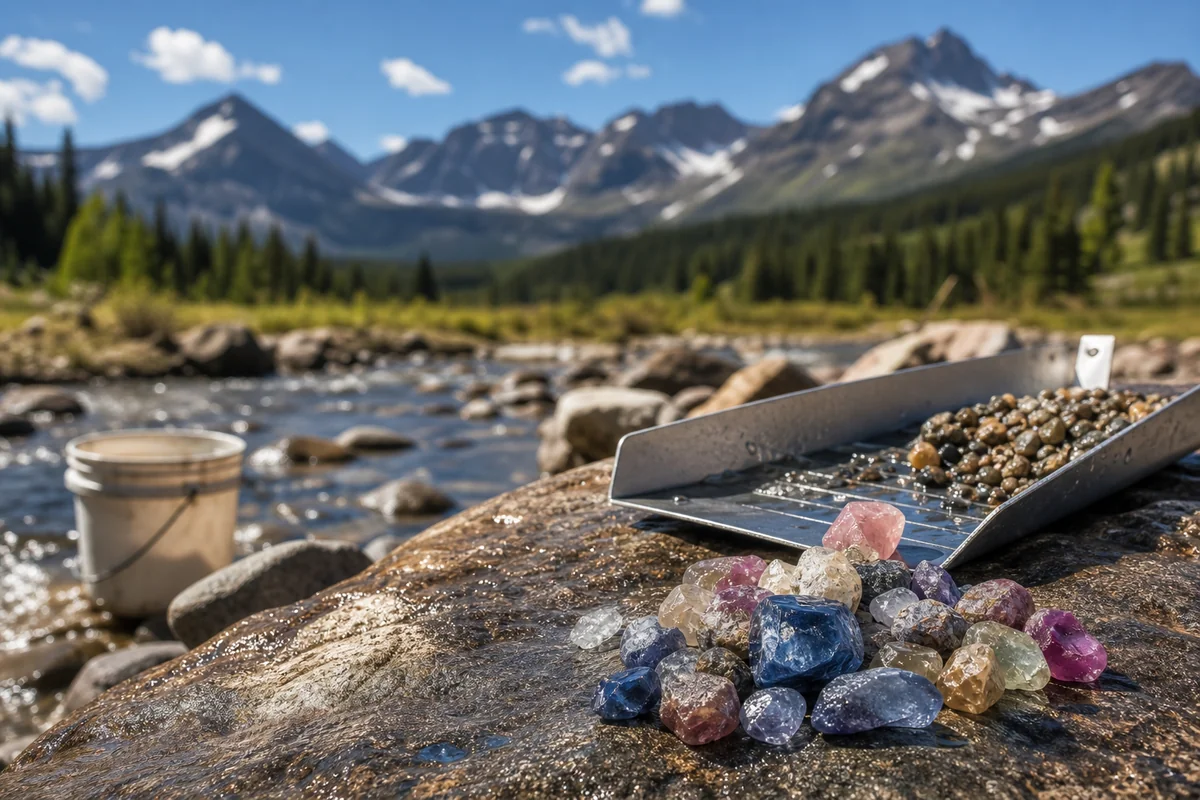
Unlike their Sri Lankan or Australian cousins, Montana sapphires come in an extraordinary rainbow of colors, from cornflower blue to peachy pink to sage green, often within the same handful of gravel.
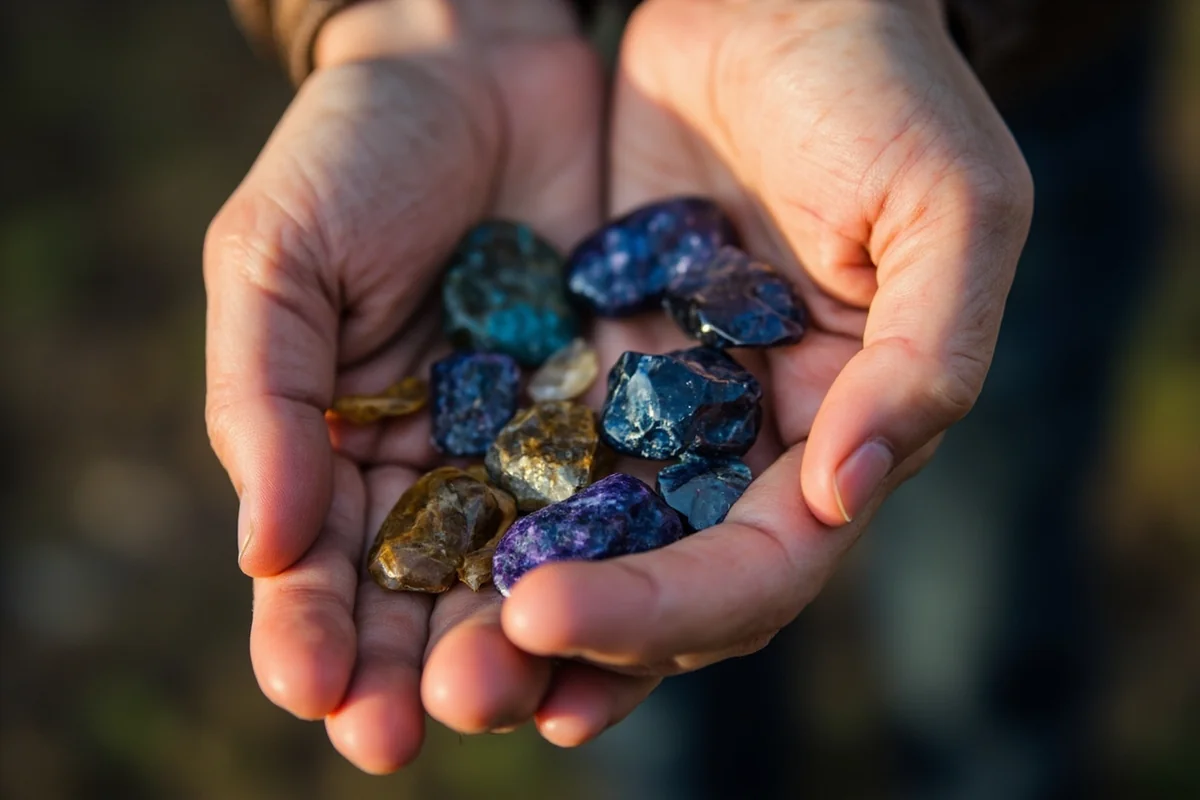
- Montana produces stunning sapphires in unique colors found nowhere else on Earth
- Best dig-your-own locations: Gem Mountain, Sapphire Gallery, and Spokane Bar Sapphire Mine
- Expect to spend $25-$75 per bucket of gravel for public mining
- Peak season runs May through October, with summer offering the best weather
- Budget $75-$200+ per carat for quality cut Montana sapphires if buying
- The famous Yogo sapphires from Utica are considered the finest American sapphires
- Bring sunscreen, a hat, patience, and realistic expectations—you will find sapphires, but gem-quality is rare
Liked this article?
Add Roaming Montana as a preferred source so you see more of our articles and guides on Google.
Why Montana Sapphires Are Different From Any Other Sapphires on Earth
During my first trip to the Philipsburg area in 2019, a seasoned miner named Dale told me something that stuck with me: “Montana sapphires don’t follow the rules.” He wasn’t kidding.
Most sapphire deposits worldwide produce stones predominantly in blue. Montana’s deposits, however, formed under unique geological conditions that created an unprecedented variety of colors.
The technical term is “parti-colored” or “bi-colored” sapphires—stones that display multiple hues within a single crystal. I’ve personally found sapphires that shift from teal to gold depending on the angle, something gem dealers call “color-change” material.
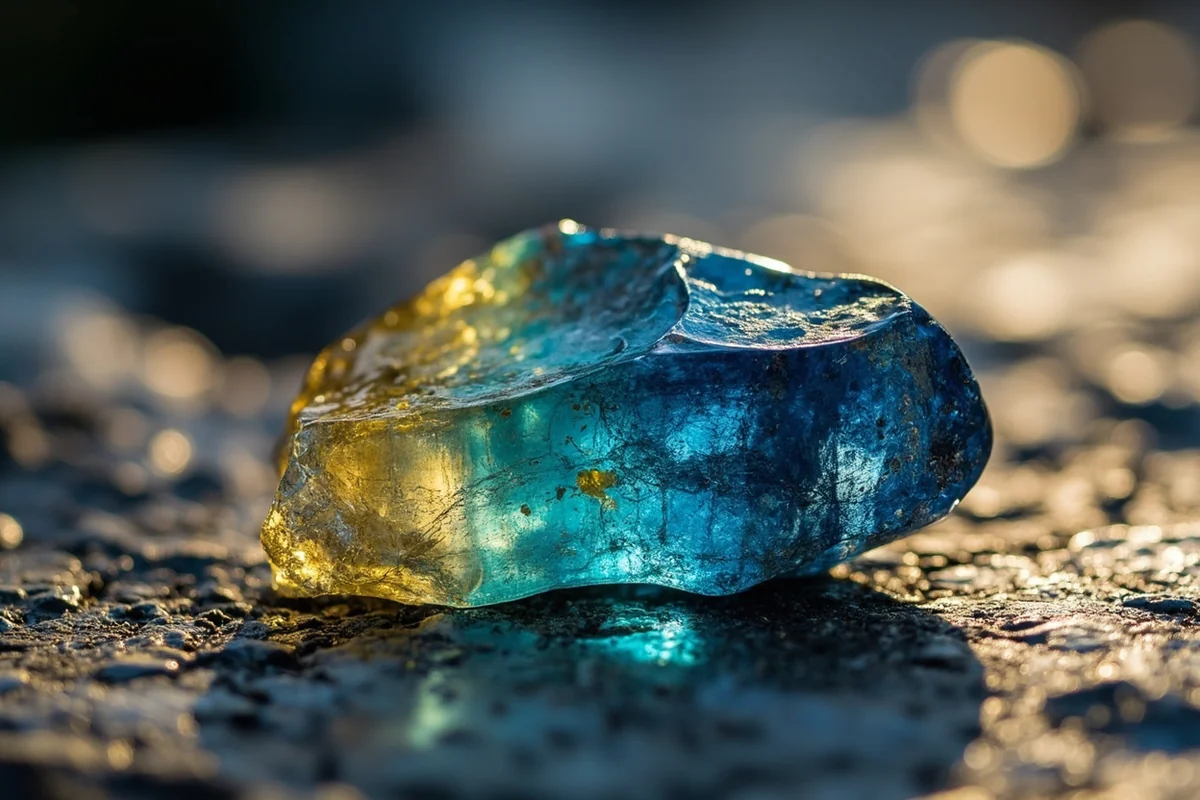
What makes Montana’s geology so special? The sapphires here formed in igneous rock rather than metamorphic deposits like those in Kashmir or Myanmar. This different origin created corundum (the mineral sapphires are made of) with distinct trace element profiles.
The result is a pastel palette that contemporary jewelry designers absolutely love. Terms like “Montana teal,” “champagne,” and “mermaid sapphire” have become marketing staples specifically because of what comes out of Big Sky Country.
The Three Major Montana Sapphire Regions You Need to Know
Montana has three primary sapphire-producing regions, each with its own character, accessibility, and gem quality. I’ve visited all three over multiple trips, and they offer completely different experiences.
Rock Creek District (Near Philipsburg)
This is where most visitors end up, and for good reason. The Rock Creek area, roughly 15 miles from the charming town of Philipsburg, hosts the most accessible public mining operations in the state.
During my visit last summer, I spent two full days at Gem Mountain and found over 40 sapphires, including three that were large enough to facet. The operation is incredibly well-organized, family-friendly, and perfect for first-timers.
The sapphires here tend toward pastel colors—pale blues, pinks, greens, and the occasional orange or yellow. The gem gravel is pre-concentrated, meaning they’ve already removed most of the worthless rock, dramatically increasing your odds of finding something.
Missouri River Deposits (Helena Area)
The alluvial deposits along the Missouri River near Helena produce a different character of sapphire. These stones washed down from their original volcanic source millions of years ago, tumbling and concentrating in river gravels.
Spokane Bar Sapphire Mine offers the primary public access to this region. When I visited in early September, I found the experience more rustic and challenging than Gem Mountain, but there’s something magical about digging in actual river deposits.
The colors here skew more toward greens and blue-greens, with occasional exceptional blues. If you’re interested in broader gemstone mining in Montana, this region also produces garnets and gold as bonus finds.
Yogo Gulch (Near Utica)
Here’s where things get complicated. The Montana Yogo sapphire deposit in Yogo Gulch produces what many consider the finest sapphires in North America—perhaps the world.
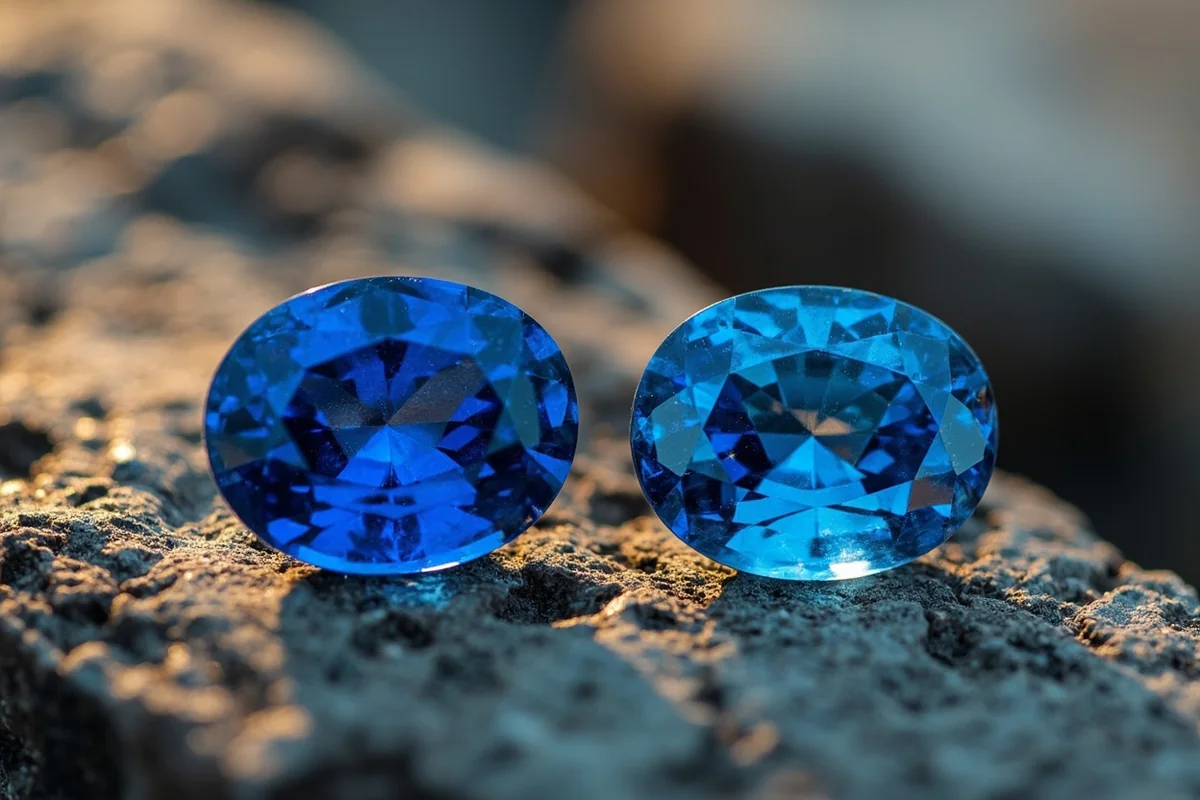
Yogo sapphires display an intense cornflower blue that requires no heat treatment, which is exceptionally rare. The color is so consistent and vivid that Yogos were once featured in the Crown Jewels of England.
However—and this is important—Yogo Gulch is not open for public mining. The deposit is privately owned, and access is restricted to commercial operations. You can purchase Yogo sapphires from authorized dealers, but you cannot dig for them yourself.
I’ve handled several certified Yogo sapphires at the Yogo Sapphire shop in Lewistown, and the color quality genuinely takes your breath away. If you want to own a Yogo, plan to buy rather than find.
My Honest Review of the Best Dig-Your-Own Sapphire Mines
After visiting every major public sapphire mining operation in Montana, here’s my detailed breakdown to help you choose where to spend your time and money.
Gem Mountain Sapphire Mine (Philipsburg)
This is the operation I recommend for most first-time visitors. During my three visits over the years, Gem Mountain has consistently delivered an excellent experience.
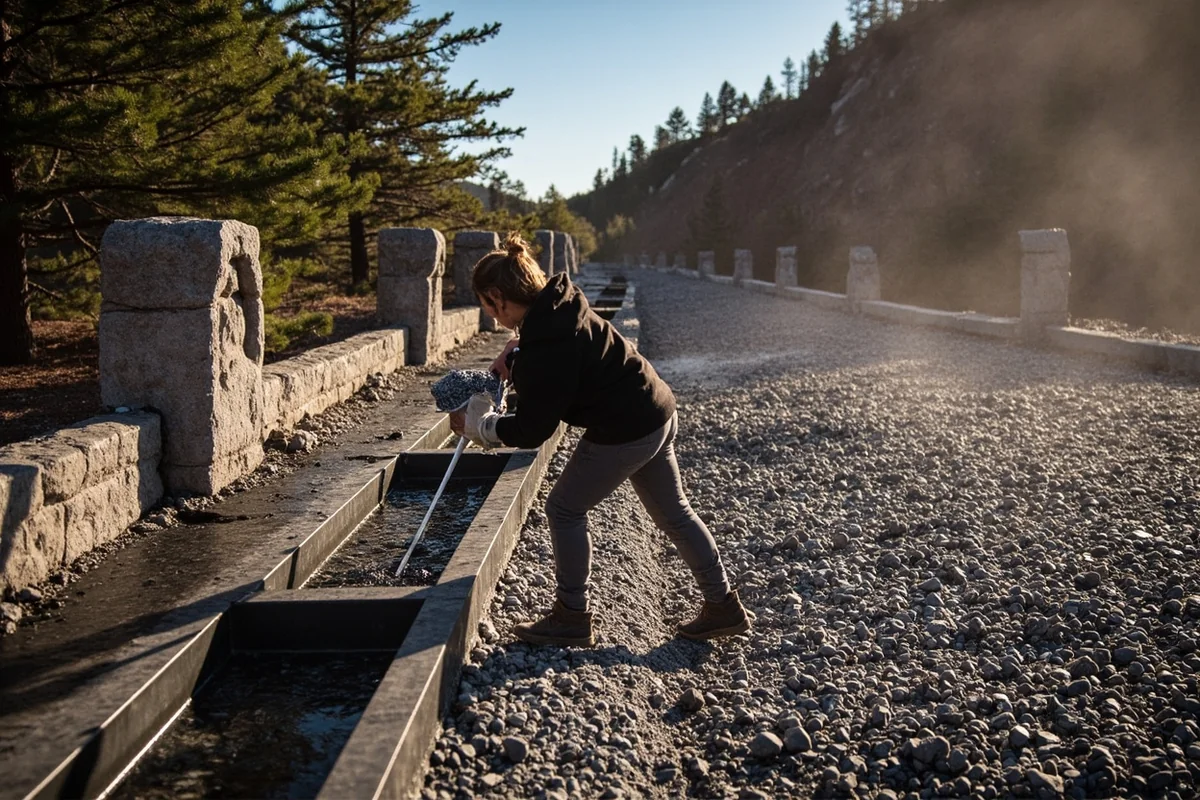
The process is straightforward: you purchase buckets of sapphire-bearing gravel at various price points, then wash and screen the material yourself at covered sluice stations. Staff members are genuinely helpful and will assist with identifying your finds.
Last summer, I purchased two “super buckets” at $75 each and came away with enough rough material to cut several nice stones. The covered screening area meant I wasn’t baking in the August sun, which my sunburn from day one greatly appreciated.
What I appreciated most was the on-site gem gallery where I could see what my rough finds might look like after professional cutting. They also offer cutting services if you want to transform your rough into a finished gem.
The Sapphire Gallery (Philipsburg)
This operation offers a similar bucket-based experience but with a slightly different atmosphere. The Sapphire Gallery felt more intimate during my visit, with fewer crowds and more personalized attention.
Their gravel comes from multiple sources, including their own mining claims and some historic deposits. I found the staff exceptionally knowledgeable about gem identification and cutting potential.
The downtown Philipsburg location means you can combine mining with exploring this delightful historic mining town. The main street shops, ice cream parlors, and local restaurants make for a perfect afternoon after your morning dig.
Spokane Bar Sapphire Mine (Helena Area)
For a more adventurous, less polished experience, Spokane Bar delivers. This operation feels closer to actual mining—you’re working genuine river gravels rather than pre-concentrated material.
When I visited on a recent trip, I spent a full day screen-washing buckets under open sky along the riverbank. The odds of finding sapphires are somewhat lower here, but the setting is spectacular and the finds feel more “earned.”
I recommend Spokane Bar for experienced rockhounds or those who want to understand the full mining process. First-timers might find the lower success rate frustrating, so manage your expectations accordingly.
| Mine | Location | Bucket Price Range | Best For | Season |
|---|---|---|---|---|
| Gem Mountain | Near Philipsburg | $25-$150+ | Families, First-Timers | May-October |
| Sapphire Gallery | Philipsburg | $30-$100+ | Personal Attention | Year-Round (indoor option) |
| Spokane Bar | Near Helena | $25-$75 | Experienced Rockhounds | May-September |
What to Realistically Expect When Sapphire Mining
I want to be completely honest here because managing expectations is crucial for having a good experience.
You Will Find Sapphires
At the commercial operations using pre-concentrated gravel, virtually everyone finds something. During my most recent trip to Gem Mountain, I didn’t see a single visitor leave empty-handed.
Most finds will be small—think grain of rice to pea-sized. Many will be fragments, heavily included, or otherwise unsuitable for cutting. This is normal and doesn’t mean you’re doing anything wrong.
Gem-Quality Is Rare
Out of the 40+ sapphires I found last summer, perhaps 5-6 were what I’d call “cuttable” quality—meaning clean enough, saturated enough, and large enough to potentially produce a nice faceted stone.
The honest odds of finding a truly exceptional, valuable sapphire in a single day of recreational mining are low. People do find them—I’ve seen photos of remarkable discoveries—but I wouldn’t spend your vacation budget counting on it.
The Experience Is the Treasure
What I’ve come to appreciate over multiple trips is that the sapphire hunting experience itself is the real reward. The meditative rhythm of washing gravel, the thrill of spotting color in your screen, the beautiful Montana setting—these make the trip worthwhile regardless of what you take home.
My favorite sapphire from my collection isn’t my largest or most valuable find. It’s a small, pale green stone my daughter found during her first time screening. It’s now set in a simple pendant she wears constantly, and the memory attached makes it priceless.
How to Identify Raw Montana Sapphires
One of the most common questions I hear from first-timers is “how do I know if this is actually a sapphire?” Here’s what I’ve learned through trial and error.
Look for Vitreous Luster
Sapphires have a glassy, somewhat waxy shine even in their raw state. When wet from the sluice, this becomes more apparent. The luster is distinctly different from the dull appearance of common gravel.
Check the Crystal Shape
Many Montana sapphires retain their hexagonal crystal structure. Look for flat surfaces at 120-degree angles or barrel-shaped crystals. Broken fragments may show flat cleavage faces.
Hardness Test
Sapphire is a 9 on the Mohs hardness scale—harder than nearly everything except diamond. If you can scratch it with a knife or piece of quartz, it’s not sapphire. (Don’t scratch your good finds, obviously.)
Color Saturation
Even pale Montana sapphires have a certain depth to their color. Blue sapphires will appear distinctly blue, not just gray-tinted. Look for color that seems to come from within the stone rather than just surface coating.
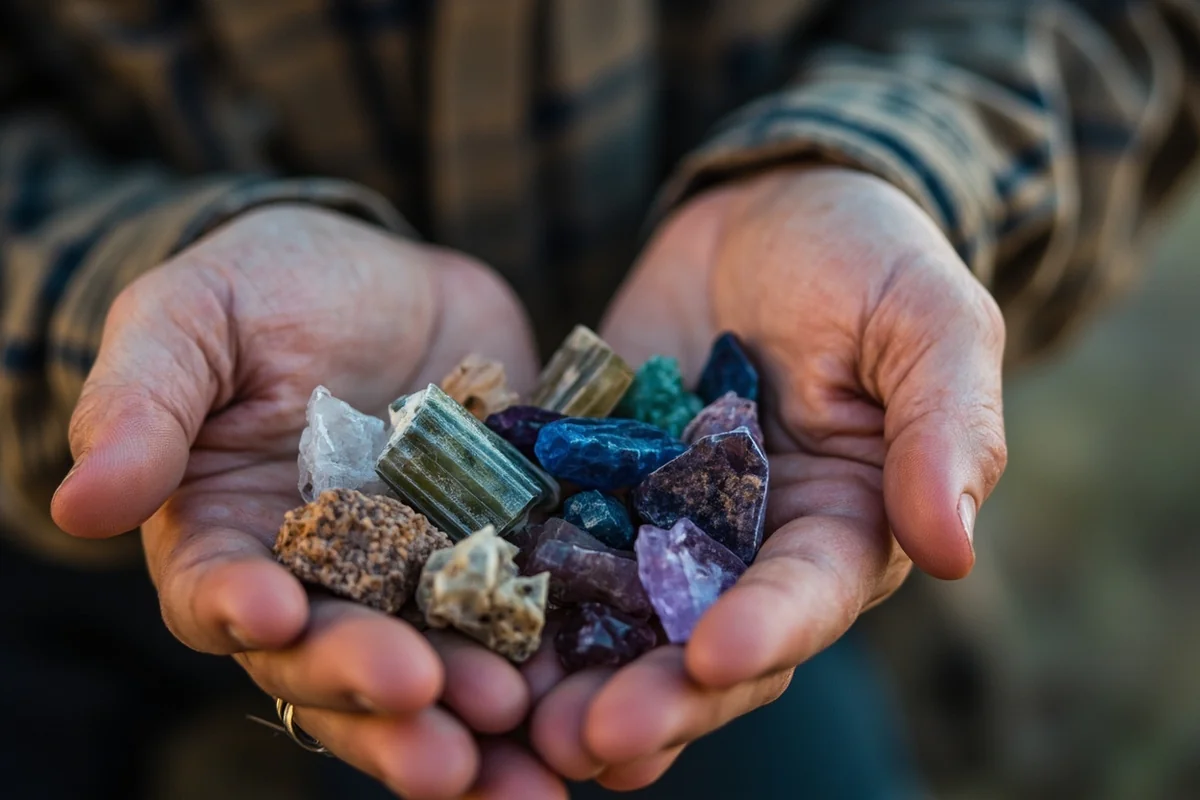
What to Do With Your Finds: Cutting, Setting, and Keeping
After a successful day of mining, you’re left with a decision: what do you actually do with these rough stones?
Keeping Them Rough
There’s absolutely nothing wrong with displaying your finds in their natural state. I have several small glass vials of uncut Montana sapphires that I love showing visitors—the variety of colors is genuinely impressive even without faceting.
Professional Cutting
If you find a stone with cutting potential, both Gem Mountain and The Sapphire Gallery offer cutting services. Expect to pay $75-$150+ per stone depending on size and complexity.
The cutting process typically takes several weeks to months, and they’ll ship the finished stone to you. Important: cutting removes material, so a 1-carat rough might yield a 0.5-carat finished gem or smaller.
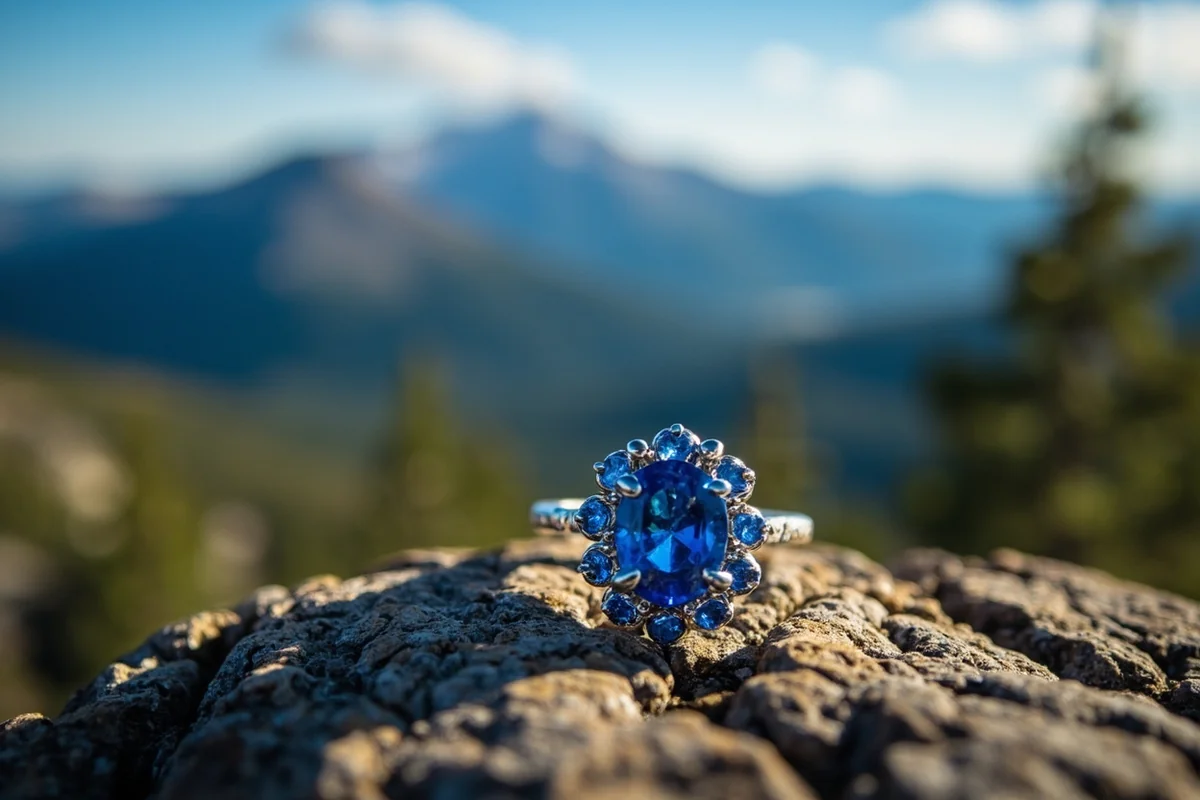
I had two stones cut after my 2019 trip, and the results exceeded my expectations. One became a beautiful 0.6-carat teal sapphire that my wife now wears in an engagement ring upgrade.
Custom Jewelry
Several Montana jewelers specialize in creating custom pieces with locally-mined sapphires. In Philipsburg, I found multiple shops offering design services ranging from simple settings to elaborate custom work.
Having a ring, pendant, or earrings made from sapphires you personally mined creates an incredible story and sentimental value that no retail purchase can match.
Buying Montana Sapphires: What to Know If You’re Not Mining
Not everyone wants to dig in the dirt, and that’s perfectly fine. Montana sapphires are available from numerous reputable dealers if you prefer to purchase finished gems.
Price Expectations
Montana sapphire prices vary wildly based on color, clarity, size, and treatment status. Here’s a rough guide from my shopping experience:
Small accent stones (under 0.5 carat): $50-$150
Medium-quality faceted gems (0.5-1 carat): $150-$500
High-quality stones (1+ carat, good color): $400-$1,500+
Exceptional pieces (rare colors, larger sizes): $1,500-$5,000+
Certified Yogo sapphires: Premium pricing, often 2-3x standard Montana sapphires
Heat Treatment Disclosure
Most Montana sapphires undergo heat treatment to improve color and clarity—this is standard industry practice and not deceptive when disclosed. Untreated stones command premium prices.
Yogo sapphires are notably never heat-treated, which contributes to their prestige and price. If someone claims to sell you an untreated Montana sapphire at Rock Creek prices, be skeptical.
Where to Buy
I recommend purchasing directly from Montana dealers who can provide provenance documentation. The Sapphire Gallery in Philipsburg, Gem Mountain’s retail operation, and Vortex Mining Company are reputable sources I’ve personally bought from.
For Yogo sapphires specifically, authorized dealers include Yogo Sapphire in Lewistown and several Helena-area jewelers. Always request documentation of origin.
Planning Your Montana Sapphire Trip: Practical Logistics
Here’s everything you need to know to plan an actual sapphire hunting trip, based on multiple visits.
Best Time to Visit
The optimal window runs from late May through early October. I’ve found mid-June through mid-September ideal—the weather is warm, all operations are fully staffed, and daylight hours are long.
Early and late season can be beautiful but bring unpredictable weather. I got snowed on during a late September trip, which made screening… interesting.
How Many Days to Budget
For a focused sapphire experience, I recommend 2-3 days minimum. One day of mining often leaves you wanting more, and having a second day lets you process the experience and perhaps try a different mine.
Where to Stay Near Philipsburg
Philipsburg itself has limited lodging, but the options are charming. The Broadway Hotel offers historic character, while vacation rentals provide more space for families.
Nearby Anaconda and Butte have more conventional hotel options if you prefer chains. The drive to Gem Mountain is about 30-40 minutes from either.
What to Bring
Based on hard-won experience, pack the following:
- Sunscreen and a wide-brimmed hat (even on cloudy days)
- Comfortable clothes you don’t mind getting dirty
- Water shoes or sandals that can get wet
- Snacks and plenty of water
- Reading glasses if you use them (small stones are hard to spot)
- A small container for your finds
- Cash and cards (some locations have limited connectivity)
Combining Sapphires With Other Montana Adventures
Montana offers incredible opportunities to expand your gem-hunting experience. If you catch the rockhounding bug, consider exploring additional Montana rockhounding sites beyond sapphire country.
Montana Agate in the Yellowstone River
The eastern half of Montana produces world-famous Montana agate—gorgeous fortification agates found along the Yellowstone River. Combining a sapphire trip in the west with an agate hunt in the east creates an epic gemstone road trip.
During one memorable trip, I spent three days sapphire mining near Philipsburg, then drove across the state to hunt agates near Glendive. The contrast between the experiences—mountain mine versus river gravel bars—made both more memorable.
Exploring Philipsburg
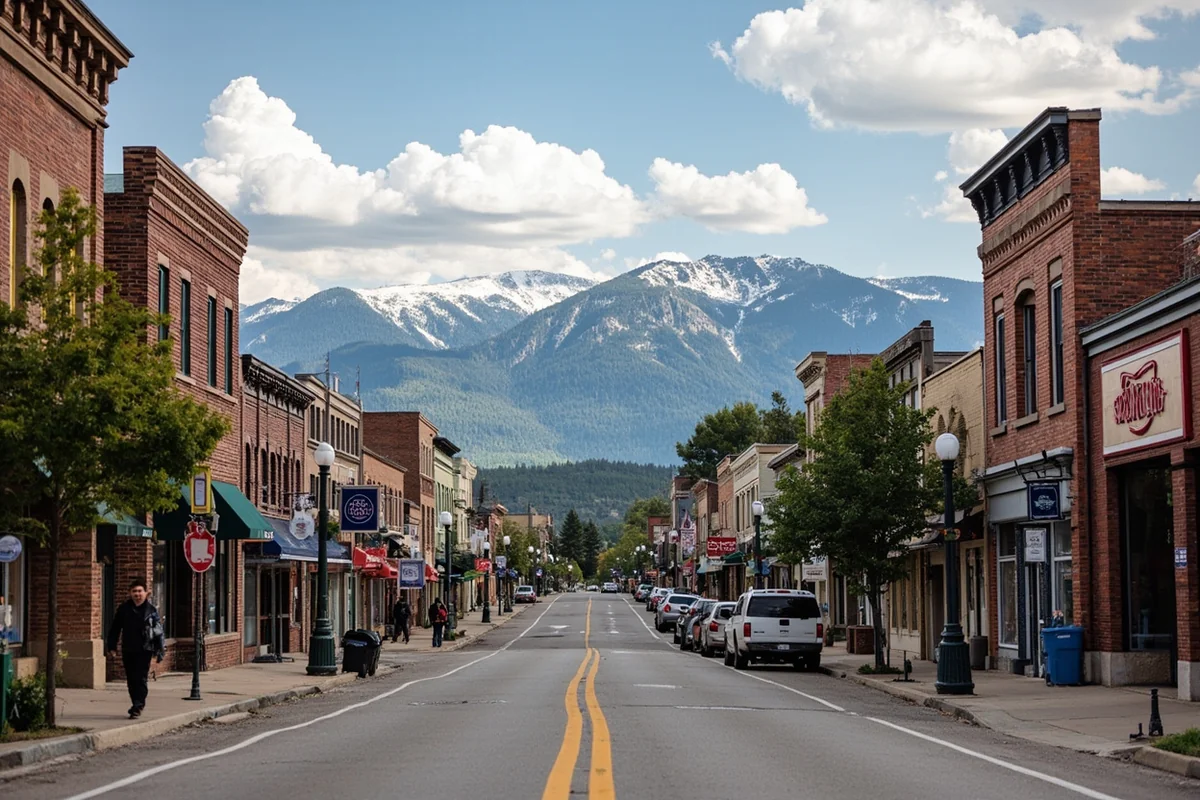
Don’t skip the town itself. Philipsburg (population around 800) has undergone a charming revival, with a candy shop, multiple sapphire retailers, art galleries, and excellent restaurants packed into its historic main street.
The Sweet Palace is worth a stop even if you’re not a candy person—it’s a Montana institution. For dinner, I recommend The Ranch House for steaks or Broadway Saloon for pub fare.
Nearby Attractions
Georgetown Lake, just minutes from Gem Mountain, offers fishing, kayaking, and gorgeous scenery. The Pintler Scenic Route (Highway 1) provides spectacular mountain driving.
The historic mining town of Granite, a well-preserved ghost town, sits high above Philipsburg and offers a fascinating look at Montana’s mining heritage beyond gemstones.
The History and Future of Montana Sapphires
Understanding the historical context of Montana’s sapphire industry adds depth to the experience. During my visits, I’ve had the opportunity to learn from long-time miners and local historians.
Discovery and Early Mining
Montana sapphires were first discovered in the 1860s by gold prospectors who initially considered them worthless nuisances. The famous Yogo deposit wasn’t recognized for its significance until the 1890s.
At its peak, the Yogo mine was a major industrial operation, shipping sapphires to Tiffany & Co. in New York. Tragically, much of the early production was sold overseas, and some estimates suggest millions of carats of fine Yogo material now reside in European collections.
Current Production
Today, Montana sapphire mining is a mix of small commercial operations and the recreational mining experience that attracts visitors. The Yogo deposit remains productive under various ownership structures, though access restrictions frustrate would-be diggers.
Ethical and Environmental Considerations
Montana sapphire mining generally carries a smaller environmental footprint than large-scale overseas operations. The recreational mining industry I’ve participated in is remarkably low-impact—you’re essentially washing already-extracted gravel.
For environmentally conscious gem buyers, Montana sapphires offer a traceable, American-sourced alternative to stones of uncertain origin. This domestic provenance increasingly matters to jewelry consumers.
Common Questions I Had Before My First Trip
Let me address some uncertainties I experienced before my first sapphire hunting trip, in case you’re wondering the same things.
“Will I Actually Find Anything?”
Yes. At commercial operations, you will find sapphires. The real question is quality and size, but you won’t leave empty-handed unless you’re exceptionally unlucky or impatient.
“Is This Just a Tourist Trap?”
I understand the skepticism, but no—this is legitimate small-scale mining with real sapphires. The operations make money on volume and services, not by scamming tourists with salted gravels. Every find I’ve made has been independently verified as genuine corundum.
“Do I Need Experience?”
Zero experience necessary. The staff at every operation I’ve visited were patient, helpful, and genuinely wanted visitors to succeed. They’ll teach you everything you need to know.
“Can Kids Participate?”
Absolutely. Sapphire mining is one of the most family-friendly activities I’ve found in Montana. My kids (ages 7 and 10 during our last trip) were engaged for hours and found their own sapphires with minimal assistance.
“What If It Rains?”
Most operations have covered sluice areas. Rain actually makes screening easier since the gravel stays wet. Unless there’s dangerous lightning, you can usually continue mining through wet weather.
Final Thoughts: Why Montana Sapphires Deserve a Spot on Your Bucket List
After multiple trips and dozens of sapphires found, I remain genuinely enchanted by Montana’s gem country. There’s something magical about pulling a crystal from the earth that formed millions of years ago, knowing it’s never been touched by another human hand.
The sapphires themselves are stunning—colors unlike anything else in the gem world, with a domestic origin story that adds meaning beyond mere beauty. Whether you dig your own or purchase from a local dealer, Montana sapphires carry the spirit of the American West.
But beyond the gems, the experience itself is the real treasure. The friendly miners and shop owners who share their knowledge freely. The spectacular mountain scenery surrounding every operation. The satisfaction of patient work rewarded with glittering finds.
If you’re planning a Montana trip and have even a passing interest in rocks, gems, or unique experiences, I wholeheartedly recommend building in time for sapphire hunting. It might just become the highlight of your journey—it certainly became one of mine.
That small blue stone I found during my first visit? It’s now set in a simple pendant that my wife wears every day. Every time she touches it, we remember those sun-soaked hours on a Montana hillside, washing gravel and dreaming of buried treasure. Some gems are worth more than their carat weight.
Frequently Asked Questions
Where can I dig for Montana sapphires myself?
The best places for public sapphire mining are in the Philipsburg area at Gem Mountain and the Spokane Bar Sapphire Mine near Helena. I’ve found Gem Mountain to be the most beginner-friendly, offering pre-enriched gravel buckets and all the equipment you need. Rock Creek and the Missouri River deposits near Canyon Ferry also allow recreational digging with proper permits.
How much does it cost to mine for sapphires in Montana?
Expect to pay between $25-$75 for a bucket of sapphire-bearing gravel at commercial mines like Gem Mountain, with larger enriched buckets running up to $150. If you want to dig native ground yourself, fees range from $20-$50 per day plus equipment rental. Heat treating and cutting your finds will add another $50-$200 per stone depending on size.
What is the best time of year to go sapphire hunting in Montana?
The prime sapphire mining season runs from mid-May through mid-October when weather is favorable and all commercial operations are open. I recommend visiting in late June through August for the warmest conditions, though September offers fewer crowds and beautiful fall colors. Most mines close during winter months due to frozen ground and harsh conditions.
What should I bring to a Montana sapphire mine?
Wear sturdy closed-toe shoes, sunscreen, and layers since mountain weather changes quickly—even summer mornings can be chilly at 5,000+ feet elevation. Bring a hat, sunglasses, and a small cooler with snacks since you’ll likely spend 3-5 hours sorting gravel. Most commercial mines provide screens, tweezers, and sorting trays, but call ahead to confirm what’s included.
Are Montana sapphires valuable enough to keep or sell?
Montana sapphires are highly sought after, with cut gems ranging from $100 to over $3,000 per carat depending on color and clarity. The unique Yogo sapphires from the Yogo Gulch deposit are especially prized for their cornflower blue color and can fetch premium prices. Most recreational miners find smaller stones perfect for custom jewelry rather than resale, which makes a meaningful souvenir from your trip.
What colors of sapphires can you find in Montana?
Montana produces an incredible range of sapphire colors including blue, teal, pink, yellow, orange, green, and rare color-change varieties. The famous Yogo sapphires display a distinctive cornflower blue, while Rock Creek and Missouri River deposits yield more pastel and bi-color stones. I love that Montana’s unique geological conditions create these fancy sapphires that differ completely from traditional Asian sources.
How far is Philipsburg sapphire mining from major Montana cities?
Philipsburg and Gem Mountain are about 80 miles southeast of Missoula (roughly 1.5 hours) and 140 miles west of Bozeman (about 2.5 hours). From Helena, the Spokane Bar Sapphire Mine is only 15 miles away, making it an easy half-day trip. I suggest combining sapphire hunting with exploring the charming ghost towns and craft breweries along the Pintler Scenic Route.
Sources