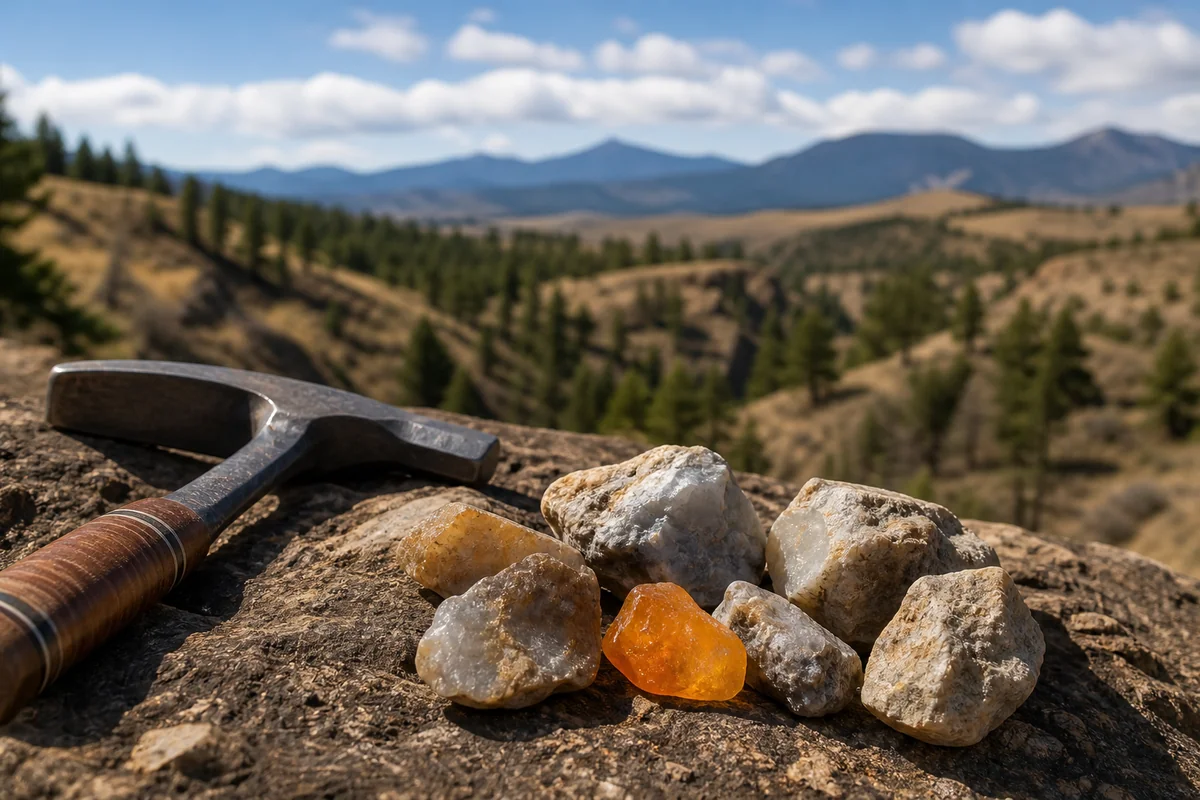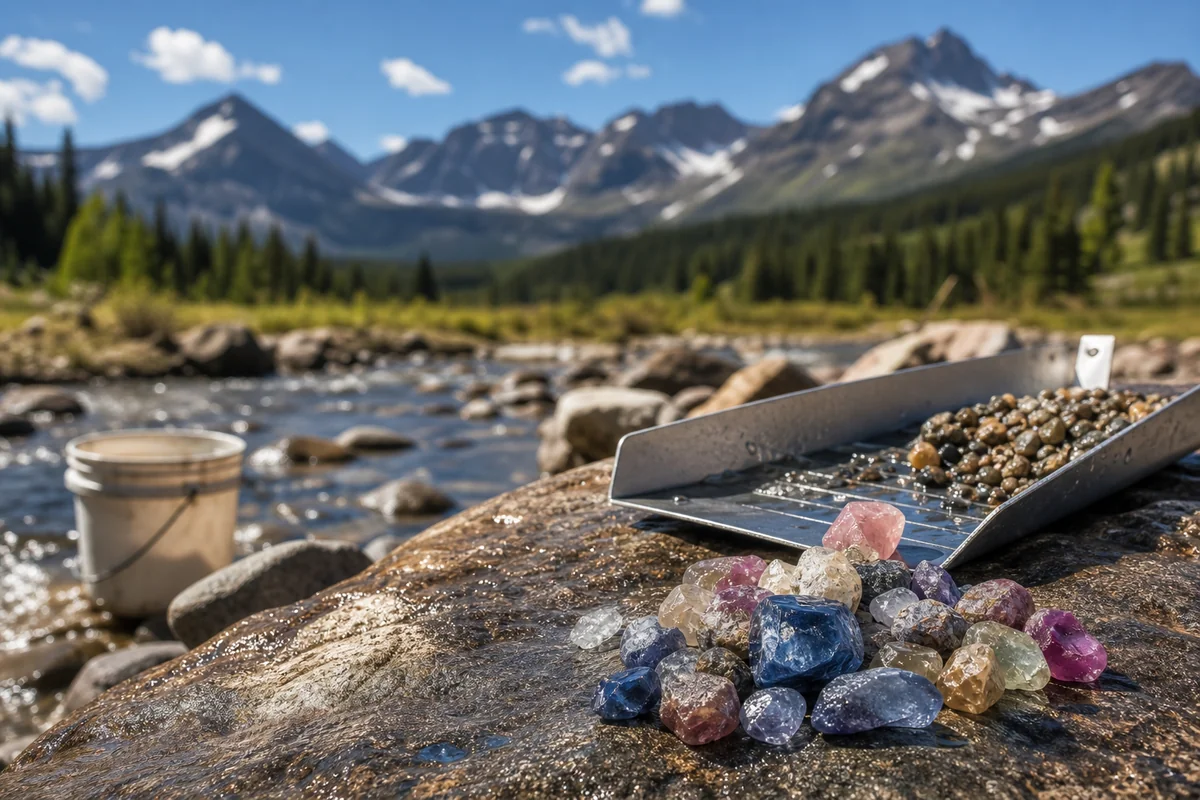
Did you know that hidden within Montana’s rugged landscapes lies a treasure trove of some of the world’s most coveted gemstones? Welcome to the dazzling world of sapphire mining in the Treasure State!
Montana’s sapphire mines offer more than just a chance to unearth precious gems – they provide a unique adventure that combines the thrill of discovery with a deep connection to America’s geological heritage. But what makes Montana sapphires so special, and how can you join in on this glittering pursuit?
- Related article: Montana Precious Stones
In this comprehensive guide, we’ll delve into the fascinating history of gemstone mining in Montana, explore the state’s best sapphire mines, and provide you with expert tips to make your treasure-hunting expedition a success. From the unique properties of Montana sapphires to the step-by-step process of mining and valuing your finds, we’ll cover everything you need to know to embark on your own sapphire mining adventure. Whether you’re a seasoned rockhound or a curious first-timer, get ready to uncover the sparkling secrets of Montana’s sapphire country!
Table of Contents
Gemstone Mining in Montana: The State’s Best Sapphire Mines
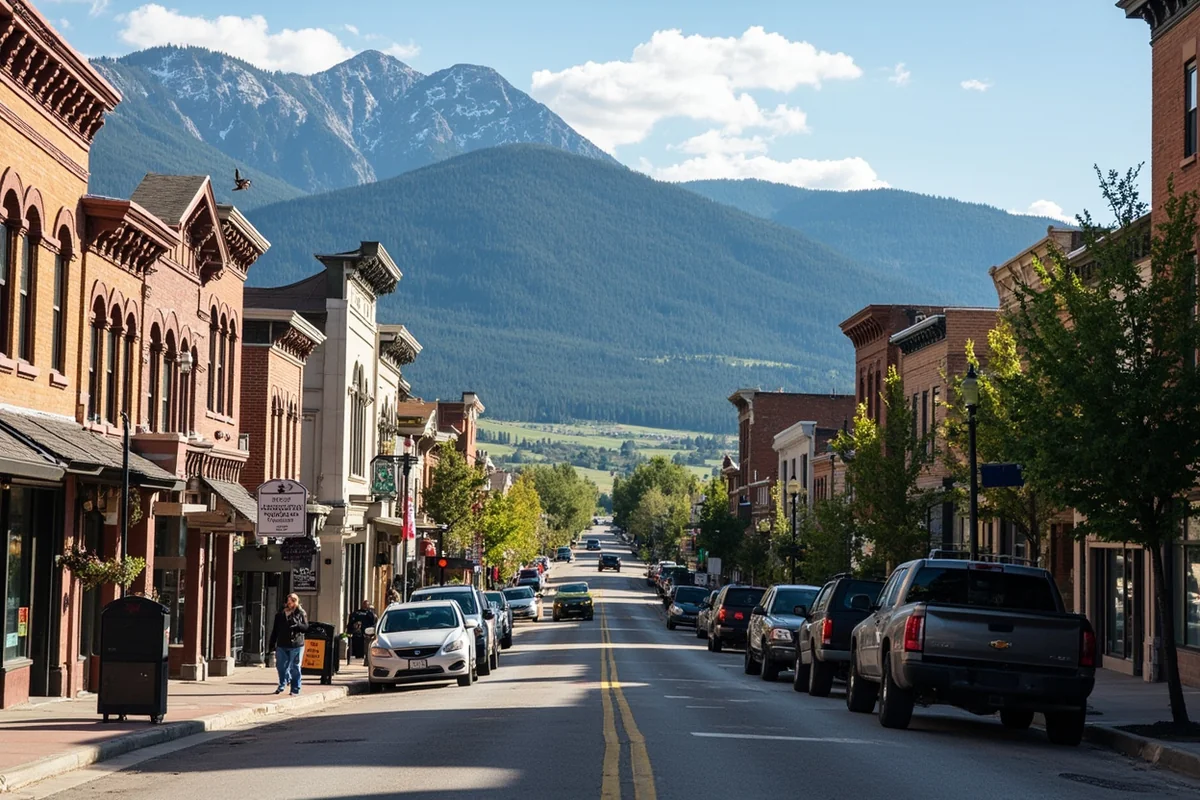
Montana’s rugged landscapes hide more than just breathtaking scenery—they conceal some of the world’s most coveted gemstones. Known as the “Treasure State,” Montana has earned its reputation as one of North America’s premier destinations for gemstone enthusiasts and professional miners alike. While gold and silver initially drew prospectors to Montana’s mountains and streams in the 1860s, it was the accidental discovery of sapphires that would eventually establish the state as a gemstone powerhouse.
Today, Montana stands as the only significant producer of sapphires in North America and one of just a handful of locations worldwide where high-quality sapphires can be found in commercial quantities. The state’s sapphire industry generates millions in revenue annually, with stones from certain Montana locations commanding premium prices in the global market due to their exceptional quality and unique characteristics.
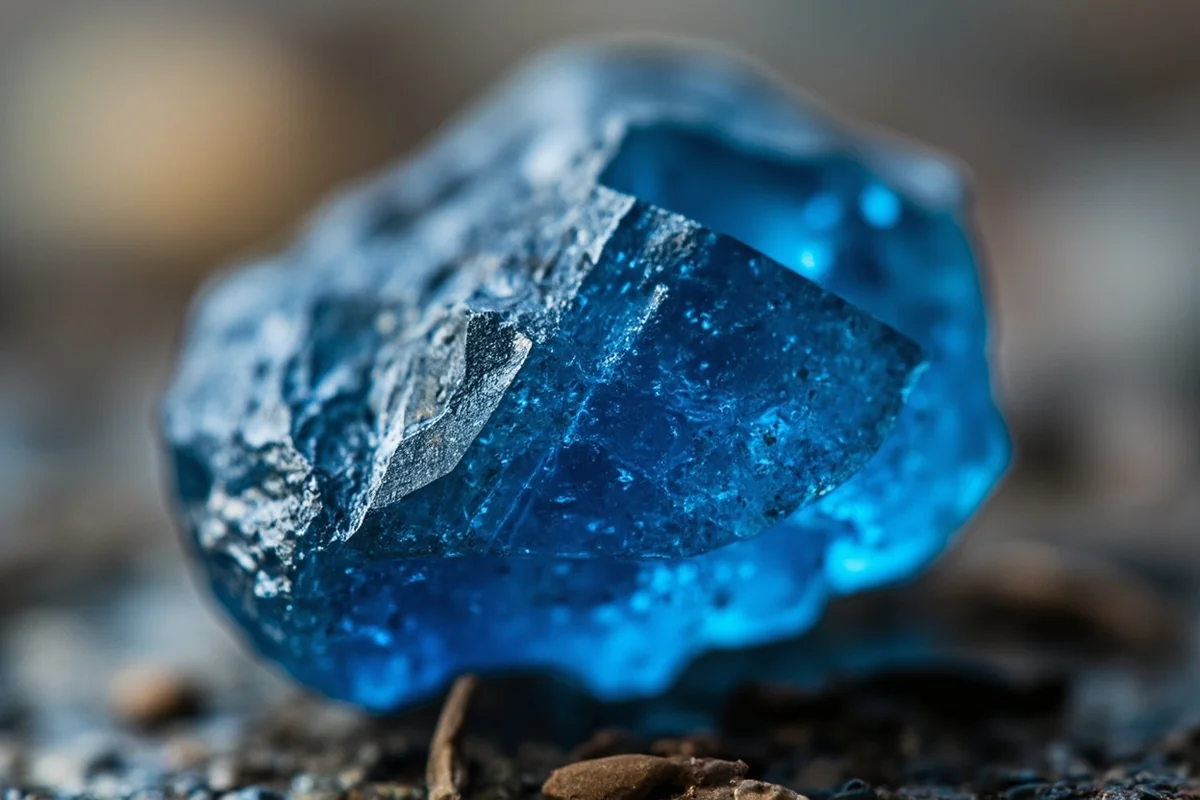
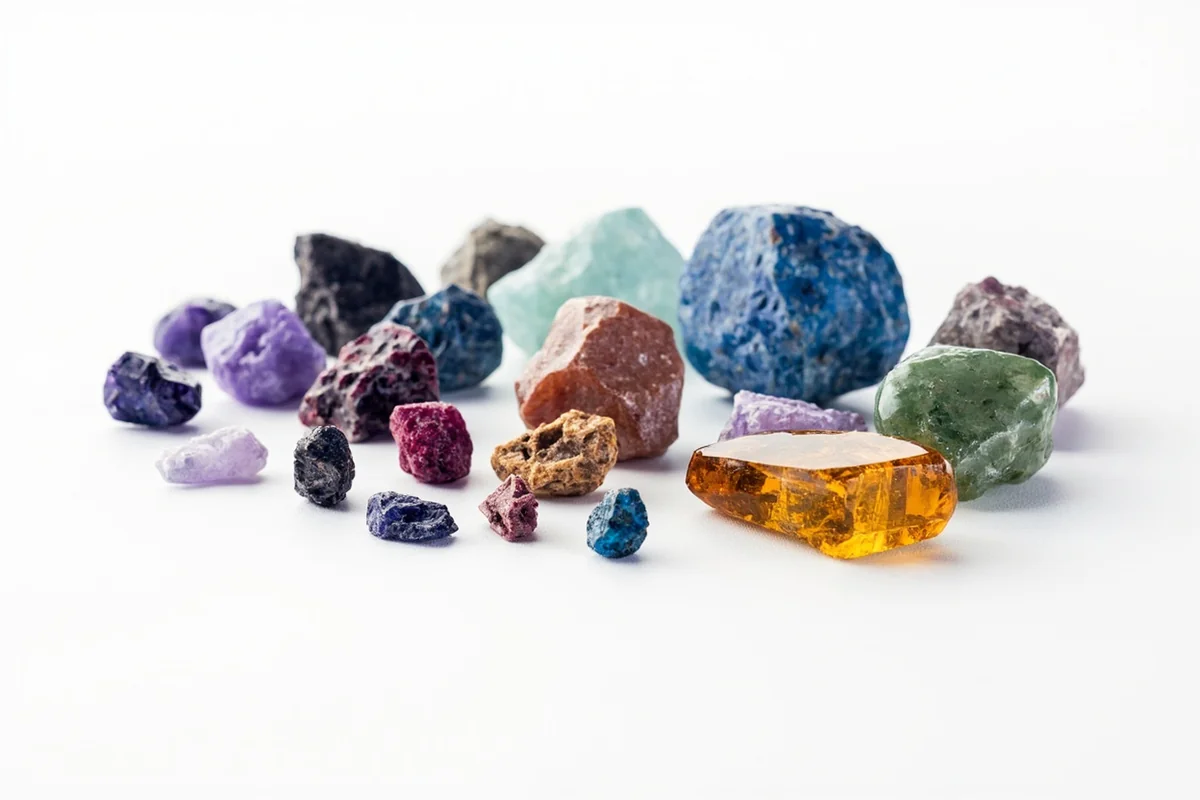
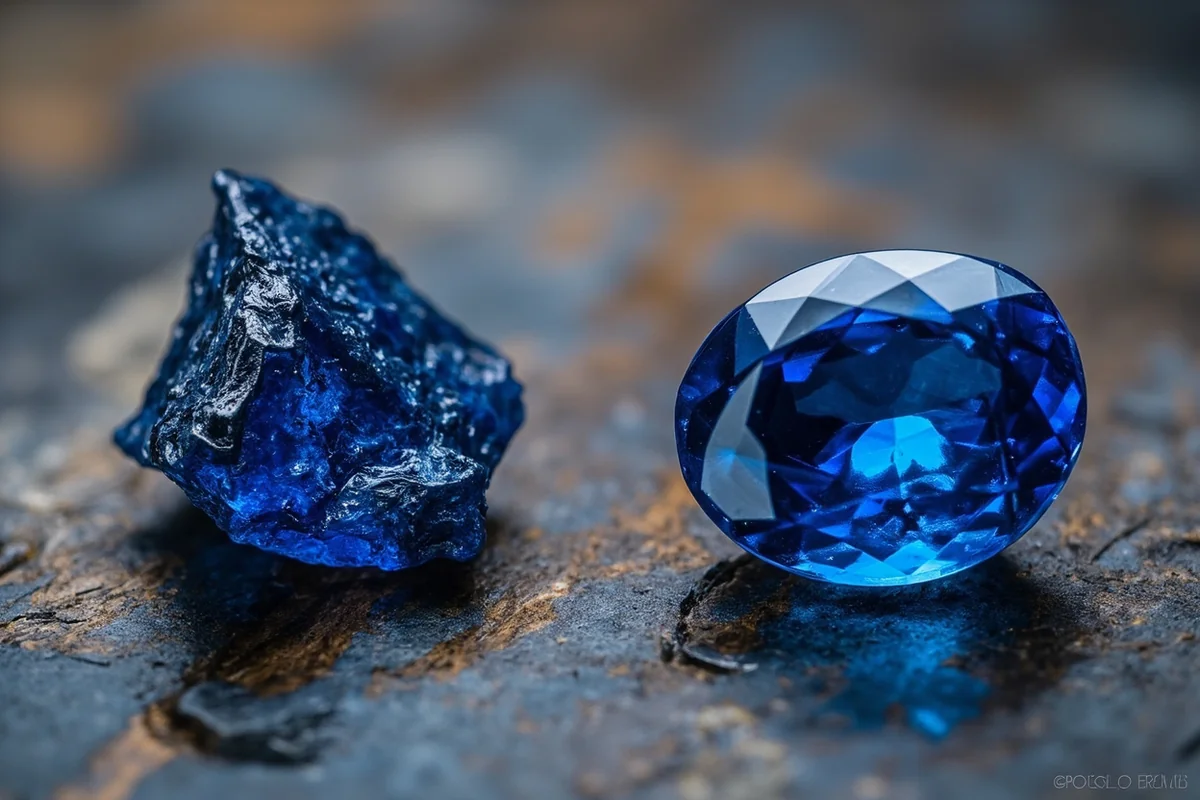
What makes Montana truly special in the gemological world is the diversity of gems found within its borders. Beyond the famed sapphires, treasure hunters can uncover garnets, agates, jasper, opal, and even the occasional diamond. However, it’s the sapphires that have put Montana on the map for gem enthusiasts worldwide. These stones occur in various colors, including the coveted “Montana blue”—a distinctive cornflower blue hue that gemstone collectors eagerly seek.
Montana sapphires possess qualities that distinguish them from those found elsewhere in the world. Unlike the heat-treated sapphires from many international sources, Montana stones often display natural beauty without enhancement. Their exceptional clarity, unique color palette ranging from pale blue to teal, and impressive durability (measuring 9 on the Mohs hardness scale) make them highly prized in fine jewelry. Additionally, for those concerned about ethical sourcing, Montana sapphires offer peace of mind as domestically produced gems with transparent mining practices.
Whether you’re a serious collector, a casual rockhound, or simply someone looking for a unique Montana adventure, the state’s sapphire mines offer an unforgettable opportunity to discover your own piece of gemological treasure while participating in a tradition that spans over 150 years of Montana history.
History of Gemstone Mining in Montana
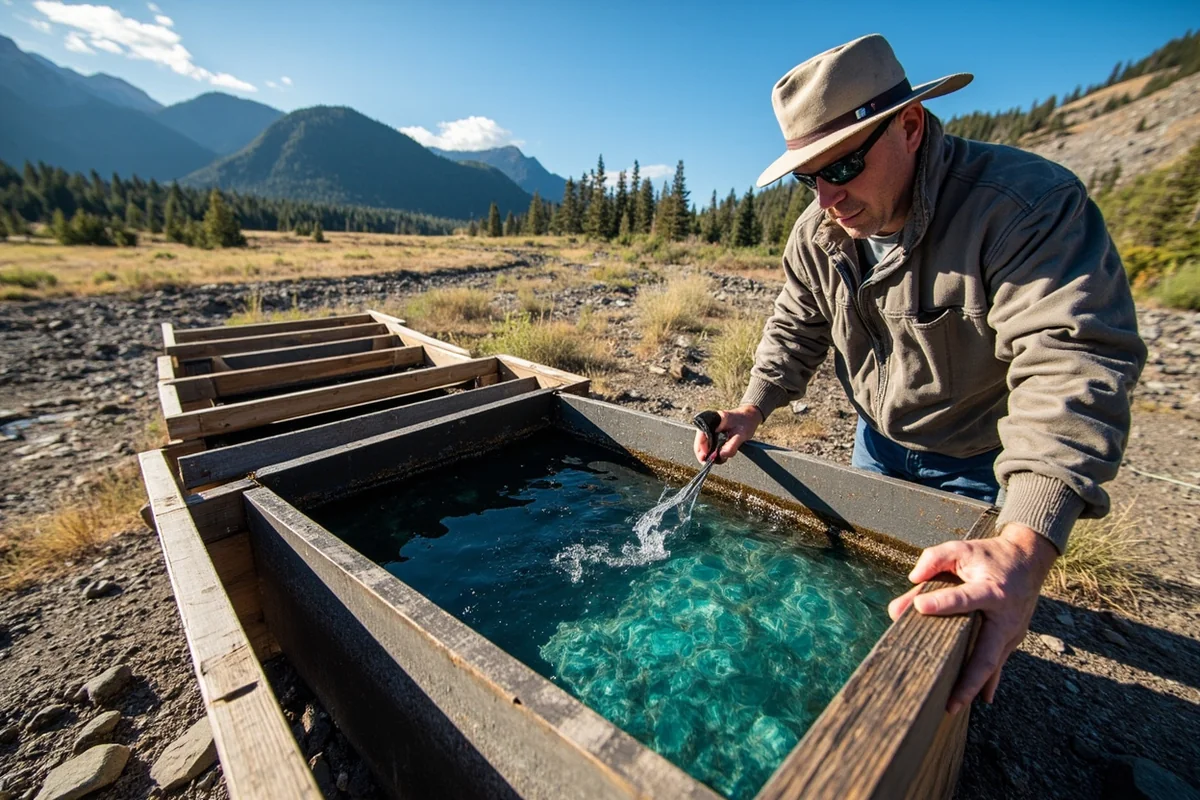
Montana’s gemstone history began quite by accident in the 1860s, when gold miners along the Missouri River noticed unusual blue pebbles in their sluice boxes. These miners, focused on gold, initially discarded these “blue pebbles” without realizing their value. It wasn’t until 1865 that these stones were properly identified as sapphires, marking the beginning of Montana’s illustrious gemstone legacy.
The discovery coincided with Montana’s gold rush era, which brought thousands of prospectors to the territory. In 1866, the first significant sapphire deposit was found along the Missouri River in what is now known as the Eldorado Bar. Shortly after, in 1895, sapphires were discovered in Yogo Gulch by a gold prospector named Jake Hoover, revealing what would become the source of the famous Yogo sapphires—prized for their exceptional cornflower blue color that requires no heat treatment.
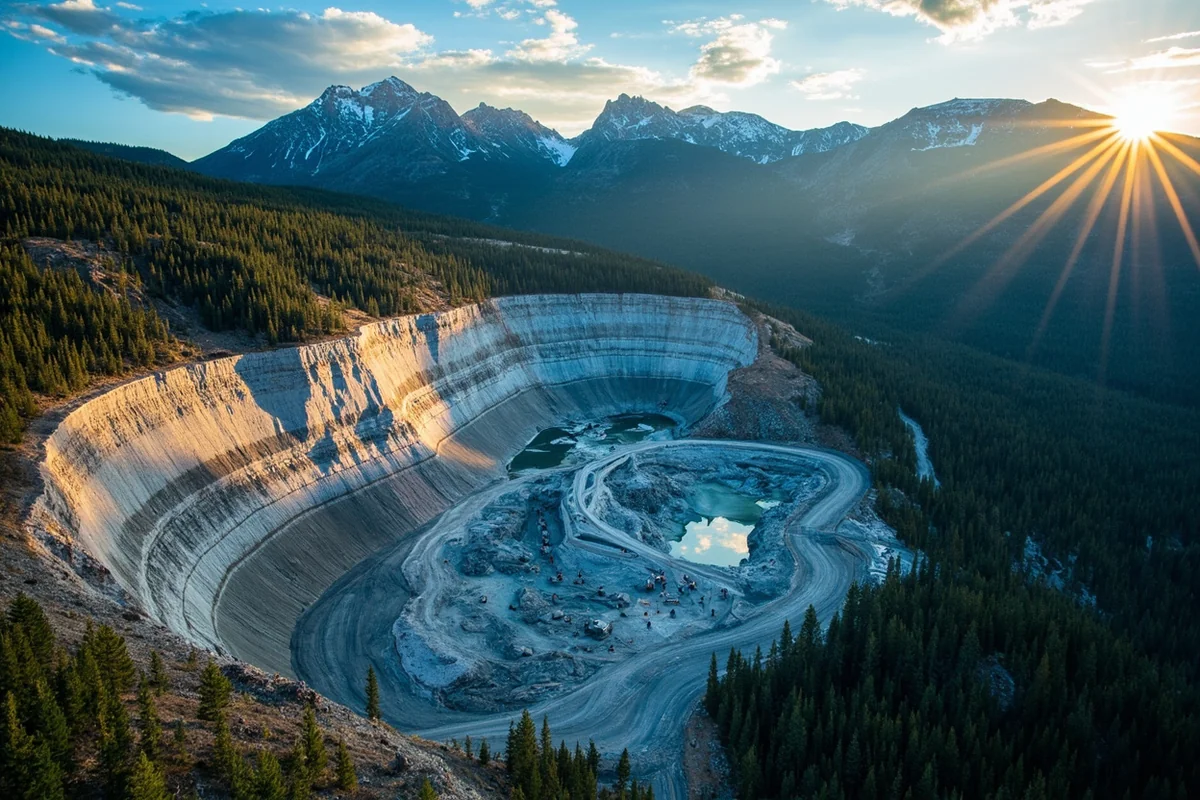
Commercial mining operations began to take shape in the late 1800s. The Yogo sapphire deposit was purchased by a British company in 1899, which established the English Mine that operated until 1929. Meanwhile, along the Missouri River and in the Rock Creek area, various mining companies set up operations to extract and process sapphires. These early commercial ventures employed primitive methods such as hydraulic mining, which used high-pressure water to expose gem-bearing gravels.
As the 20th century progressed, mining techniques evolved significantly. The early hand-digging and basic sluicing methods gave way to more mechanized approaches. By the 1930s and 1940s, operations incorporated mechanical dredges and more sophisticated sorting equipment. The introduction of backhoes and bulldozers in the mid-20th century revolutionized how alluvial deposits were worked, allowing miners to process larger volumes of material more efficiently.
Montana’s gemstone industry has played a significant role in the state’s economic and cultural identity. During World War II, Montana sapphires were utilized for their industrial hardness in precision instruments and watch bearings, highlighting their importance beyond mere ornamental value. The industry has weathered numerous cycles of boom and bust, influenced by market demands, technological advancements, and changing ownership of key mining properties.
Throughout this rich history, several notable discoveries have cemented Montana’s reputation in the gemstone world. In 1969, a remarkable 10.2-carat Montana sapphire was found, which later sold for $30,000—an enormous sum at the time. The “Cornflower Blue,” a 4.03-carat Yogo sapphire discovered in the early 1900s, remains one of the finest examples of Montana’s gemstone wealth and is valued in the hundreds of thousands of dollars today.
From accidental discovery to world-renowned gem source, Montana’s sapphire mining history represents a fascinating chapter in American mineral exploration—one that continues to evolve as new generations of miners and enthusiasts seek these precious stones in the treasure state.
The Unique Properties of Montana Sapphires
Montana sapphires stand apart from their global counterparts with distinctive characteristics that make them highly sought after by collectors and jewelers alike. These American gems possess a unique color palette rarely found elsewhere in the world. While traditional sapphires are known for their deep blue hues, Montana sapphires display an extraordinary range of colors—from the coveted cornflower blue to teal, green, yellow, pink, and even bi-color stones that shift between blue and purple depending on the lighting.
What truly distinguishes Montana sapphires is their exceptional clarity. Unlike sapphires from traditional sources like Burma or Sri Lanka, Montana stones typically form with fewer inclusions and natural flaws. This superior clarity allows light to move through the stone more effectively, creating exceptional brilliance when properly cut. Many Montana sapphires require minimal heat treatment to enhance their color, with some specimens needing no treatment at all—a rarity in the gemstone world.
On the Mohs scale of mineral hardness, sapphires rank at 9, second only to diamonds. Montana sapphires maintain this impressive durability while often displaying a unique internal crystal structure that contributes to their distinctive appearance. This combination of hardness and beauty makes them excellent choices for everyday jewelry pieces that can withstand decades of wear.
When compared to sapphires from traditional mining regions in Asia and Africa, Montana stones typically exhibit more consistent quality and ethical sourcing. Their unique color range—particularly the steel blue, teal, and parti-colored (multi-colored) varieties—creates a distinctive “Montana look” that experienced gemologists can identify at a glance. These stones lack the deep saturation of some Ceylon sapphires but compensate with exceptional clarity and unique color combinations.
In today’s gem market, Montana sapphires command premium prices not only for their beauty but also for their American origin. With growing consumer interest in domestically-sourced and ethically-mined gemstones, Montana sapphires represent both natural beauty and responsible sourcing. Their limited supply, combined with increasing demand from designers seeking unique stones, has positioned Montana sapphires as prestigious alternatives to traditional blue sapphires and even diamonds in engagement rings and fine jewelry.
Best Sapphire Mines in Montana
Montana’s sapphire mines offer visitors a unique opportunity to experience the thrill of gemstone mining firsthand. The state is home to several world-class public mining operations where anyone can try their luck at finding these precious stones. Each mine has its own distinct character and mining approach, but all provide the chance to unearth genuine Montana sapphires.
When visiting these mines, you can generally expect to pay a fee for a bucket or bag of gravel that has been extracted from sapphire-bearing deposits. Most locations provide basic mining equipment like screens, water, and sorting trays as part of your mining experience. The mines typically have staff on hand who can help identify your finds and offer guidance on the mining process.
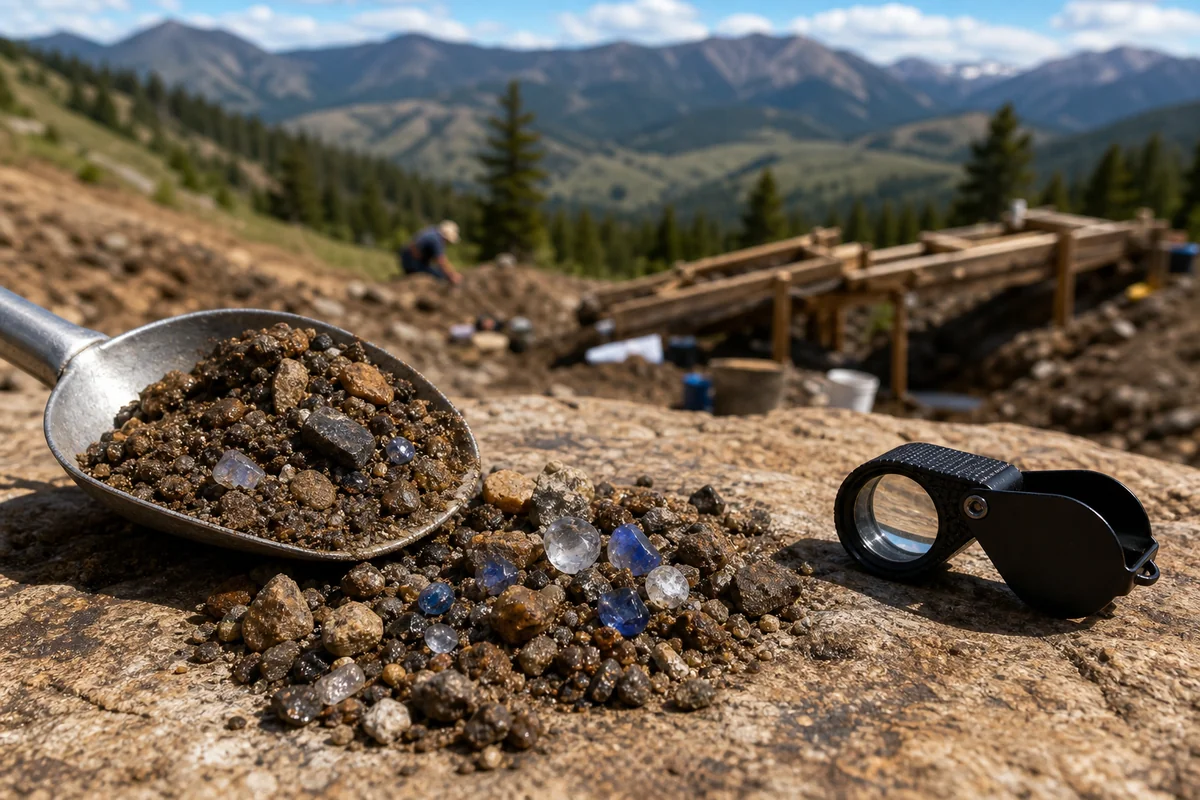
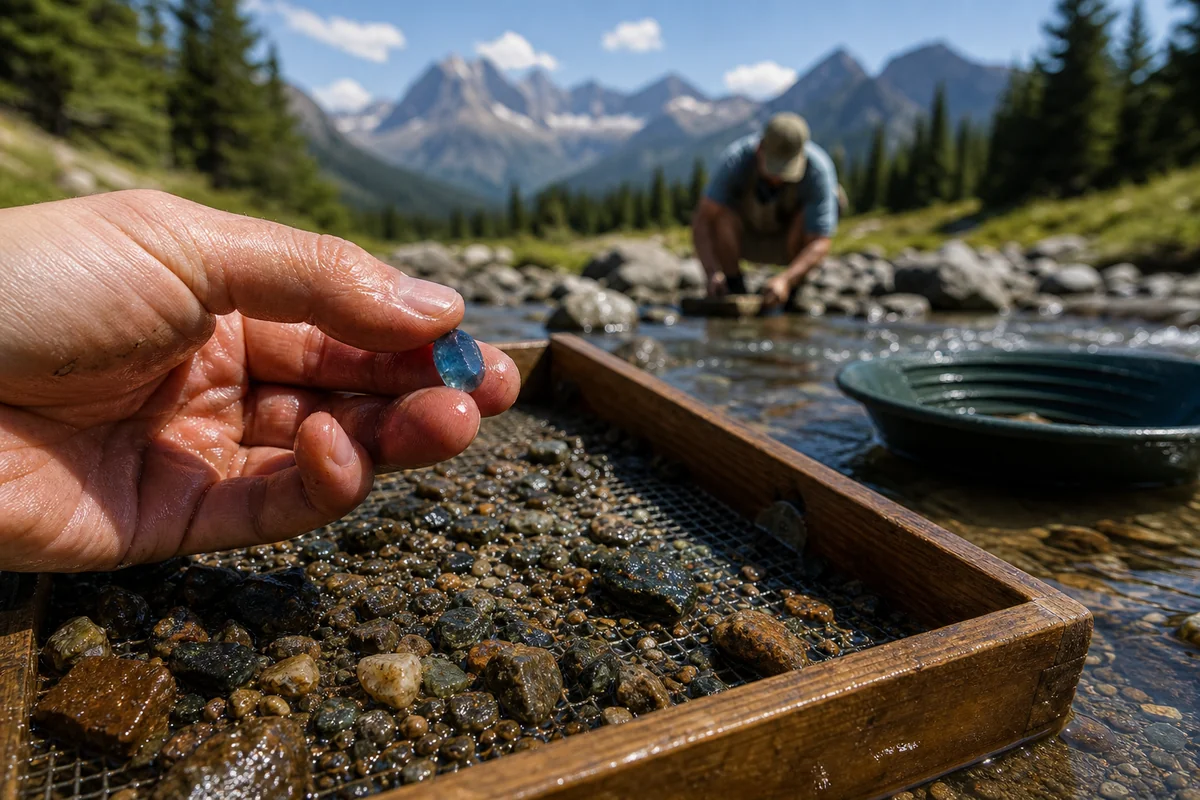
The mining method at most locations involves “wet sifting” where you wash the gravel through screens to remove mud and smaller particles, then carefully examine what remains for the distinctive glint of sapphires. Some mines offer “dry screening” options as well. The process is accessible to all ages and requires no previous experience, making it a perfect family activity.
The best time to visit Montana’s sapphire mines is during the summer months from May through September when all mines are fully operational. Some locations close during winter due to harsh weather conditions, while others offer limited indoor mining options year-round. Fall can be an excellent time to visit as well, with smaller crowds and the beautiful backdrop of Montana’s autumn colors.
What makes Montana’s sapphire mines truly special is that each location offers something unique. Some mines are known for producing sapphires of particular colors, while others are celebrated for the size or clarity of their gems. Some focus on providing an educational experience, while others emphasize the recreational aspects of mining. From rustic operations in spectacular mountain settings to more developed facilities with modern amenities, Montana’s sapphire mines cater to every type of treasure hunter.
1. Gem Mountain Sapphire Mine
Located in the picturesque Philipsburg Valley, Gem Mountain Sapphire Mine stands as one of Montana’s premier sapphire mining destinations. Situated approximately 22 miles east of Philipsburg on Montana Highway 38 (the Skalkaho Highway), this mine offers accessibility without sacrificing the authentic Montana mining experience. The drive itself provides visitors with breathtaking views of the Sapphire Mountains, setting the stage for an exciting treasure-hunting adventure.
Gem Mountain’s history dates back to the late 1800s when sapphires were first discovered in this region. Originally, the area was mined for gold, but miners quickly realized the value of the blue gems they were finding alongside their gold claims. Commercial mining operations began in the early 1900s, and by mid-century, Gem Mountain had established itself as a significant source of high-quality Montana sapphires. Today, the mine operates as a family-friendly attraction while still producing gem-quality stones.
Visitors to Gem Mountain have several mining options to choose from. The most popular is the “Gravel Bucket Experience,” where guests purchase buckets of sapphire-rich gravel that has been extracted from the mine’s deposits. Staff members provide instructions on proper screening and sorting techniques, allowing miners of all ages to search for their own gemstones. For those seeking a more immersive experience, the “Dig Your Own” option lets visitors extract gravel directly from the mine during specific seasons, weather permitting.
Success rates at Gem Mountain are impressively high—virtually every bucket yields at least a few sapphires, with an average of 2-10 gems per bucket. While most finds are smaller stones (under 0.5 carats), miners regularly discover larger sapphires in the 1-2 carat range. The mine is known for producing sapphires in a variety of colors, including the coveted “Yogo blue,” as well as teals, pinks, yellows, and color-changing varieties.
The facility features a comfortable mining pavilion with washing stations and screening equipment, allowing visitors to search for sapphires regardless of weather conditions. A full-service gem shop offers professional heat treatment and faceting services to transform rough stones into finished gems. The site also includes clean restrooms, picnic areas, and a gift shop selling mining supplies, jewelry, and souvenirs. During peak season, a small café provides refreshments and light meals.
Among the notable finds at Gem Mountain was a 3.8-carat blue sapphire discovered by a tourist from Texas in 2019, which was later valued at over $15,000 after cutting. In 2021, a family from Washington unearthed a rare 2.2-carat color-changing sapphire that transitioned from blue-green in daylight to purple in incandescent light.
Pricing at Gem Mountain is straightforward, with gravel buckets starting at around $25 for a small bucket and ranging up to $150 for larger quantities. Season passes and group packages are available for enthusiasts or large parties. Heat treatment services range from $10-$50 depending on stone size, while faceting services vary based on the cut complexity and carat weight. The mine operates seasonally from May through October, with extended hours during summer months and weekend-only operations during shoulder seasons.
2. Eldorado Sapphire Mine
Located in the picturesque Eldorado Bar along the Missouri River, approximately 15 miles northeast of Helena, the Eldorado Sapphire Mine offers visitors a unique opportunity to discover Montana’s famous gemstones in their natural environment. This historic mine has been producing sapphires since the late 1800s when gold miners first discovered the brilliant blue stones while panning for gold.
The Eldorado Bar deposits are alluvial, meaning the sapphires are found in gravel beds that were once ancient riverbeds. What makes this location special is the distinctive color palette of its sapphires – while blue stones are common, miners frequently uncover rare cornflower blue, teal, green, and even the occasional pink and yellow sapphires.
Visitors to Eldorado can choose between two mining methods. The traditional “dig-your-own” approach allows you to collect gravel directly from the mine’s productive areas, while the more convenient “bucket mining” option provides pre-dug material ready for processing. The mine supplies all necessary equipment including screens, shovels, and washing facilities to help separate the gems from the surrounding material.
The sapphires at Eldorado typically range from 0.5 to 3 carats in their rough state, with occasional larger specimens being discovered. Beyond sapphires, lucky miners might also find garnets, agates, and even small amounts of gold that still remain in the gravel.
The mine features comfortable facilities including a covered washing area, restrooms, and a small shop where you can purchase supplies and snacks. Expert staff are always on hand to help identify your finds and offer guidance on the mining process, making this an ideal location for both beginners and experienced gem hunters.
Day passes at Eldorado Sapphire Mine cost $25 per adult and $15 for children under 12, which includes basic equipment rental and access to the mining area. Gravel buckets are priced at $30-$75 depending on size and source location within the mine, with premium gravel from historically productive areas commanding higher prices. For those who discover significant stones, the on-site lapidary offers cutting and setting services at additional cost, allowing you to transform your raw finds into beautiful jewelry before leaving.
3. Montana Blue Jewel Mine
Located in the picturesque Sapphire Mountains near Philipsburg, Montana, the Montana Blue Jewel Mine offers visitors a unique opportunity to unearth some of the state’s most coveted gemstones. This relatively newer operation has quickly established itself as a premier destination for sapphire enthusiasts seeking both adventure and high-quality stones.
The mine sits at an elevation of approximately 6,000 feet, providing not only excellent mining conditions but also breathtaking panoramic views of the surrounding mountain ranges. What makes this location particularly special is its concentration of larger sapphires compared to some neighboring mines, with stones regularly found in the 1-2 carat range.
Montana Blue Jewel Mine is known for producing sapphires with exceptional clarity and a distinctive color palette. While the classic Montana blue sapphires are certainly present, this mine also yields unique cornflower blue, teal, and occasionally pink and yellow varieties. Gemologists particularly value stones from this location for their natural brilliance and minimal inclusions, making them ideal for fine jewelry settings.
Visitors to Montana Blue Jewel Mine enjoy a well-organized experience that caters to both novices and experienced rockhounds. The mine offers two distinct mining options: traditional gravel sluicing and pre-bagged concentrates. For those seeking the full experience, the sluicing operation allows miners to work through material directly from the mine’s productive layers. Staff members provide thorough instruction on proper techniques and are readily available to help identify promising specimens.
Current fees include day passes at $75 per adult, which provides access to unlimited gravel for sluicing, all necessary equipment, and basic instruction. Family packages are available at $200 for up to four people. For those preferring a less intensive experience, pre-bagged concentrates range from $25-$100 depending on size and source location within the mine.
The Montana Blue Jewel Mine operates seasonally from late May through early October, weather permitting. The peak season falls between mid-June and late August when temperatures are most comfortable at this elevation. Reservations are strongly recommended during July and August when the mine often reaches capacity. The facility includes clean restrooms, a covered picnic area, and a small gift shop featuring locally crafted jewelry made with sapphires from the mine.
4. Spokane Bar Sapphire Mine
Located just 10 miles east of Helena along the scenic Missouri River, Spokane Bar Sapphire Mine offers one of Montana’s most accessible gemstone mining experiences. This historic mine has been producing beautiful sapphires since the late 1800s, when miners first discovered the gems while working the gravel bars of the Missouri River.
The Spokane Bar Mine sits on what geologists call an ancient river channel, where millions of years ago, the Missouri River deposited sapphire-bearing gravels. These deposits have yielded thousands of sapphires in various colors, though the site is particularly known for its cornflower blue, pink, and yellow stones.
Visitors to Spokane Bar have two primary mining options. The first is the “dig your own” approach, where you can work directly in the mine’s gravel pit. The mine provides shovels and screens, allowing you to dig material and then wash it through specialized screens to separate potential gemstones from ordinary rocks. This hands-on experience gives you the authentic thrill of mining your own material straight from the earth.
For those preferring a less strenuous experience, the mine also offers pre-dug gravel bags. These concentrated bags of sapphire-bearing gravel have been sourced from the richest parts of the deposit and can be washed at comfortable washing stations with running water.
What sets Spokane Bar apart from other mines is the remarkable variety of gemstones you might discover. While sapphires are the primary attraction—ranging from 0.5 to 3 carats in size—visitors also regularly find garnets, agates, and occasionally small diamonds. The mine is particularly noted for producing unique “parti-colored” sapphires that display multiple colors within a single stone.
The facility features clean restrooms, a covered washing area, and an on-site lapidary shop where your discoveries can be evaluated, cut, and even mounted into jewelry settings. Experienced staff members are always available to help identify your finds and offer guidance on the best mining techniques.
Pricing at Spokane Bar Sapphire Mine is straightforward. In 2023, access to the gravel pit costs $25 per person for a full day of digging, with all necessary equipment provided. Pre-dug gravel bags range from $25 for a small bag to $100 for premium concentrated material. The mine also offers a unique guarantee—if you don’t find at least one sapphire in your purchased gravel, they’ll provide you with an additional bag at no charge.
The mine operates seasonally from May through September, with longer hours during the summer months. Many visitors appreciate that Spokane Bar requires no reservations, making it perfect for spontaneous mining adventures while exploring the Helena area.
5. Yellowstone Gemstone Mining Company
Located in the picturesque town of Gardiner, just minutes from the north entrance of Yellowstone National Park, the Yellowstone Gemstone Mining Company offers visitors a unique opportunity to combine gemstone hunting with one of America’s most iconic national park experiences. This strategic location makes it an ideal stop for travelers looking to add a memorable treasure-hunting adventure to their Yellowstone itinerary.
The mine offers both on-site mining experiences and “to-go” mining kits for those who prefer to search for gems at their leisure. Their on-site mining involves sifting through specially prepared gravel concentrates sourced from Montana’s sapphire-rich deposits. For park visitors with tight schedules, the take-home mining kits provide flexibility while still delivering an authentic Montana gemstone experience.
What sets the Yellowstone Gemstone Mining Company apart is the diversity of gems you might discover. While Montana sapphires in various colors (blue, green, yellow, and the occasional pink) dominate the findings, miners might also uncover garnets, topaz, quartz crystals, and even small amounts of gold. Each bucket of material is carefully curated to ensure a high probability of finding something special.
The facility features a comfortable mining station with water flumes designed for easy gem separation, covered seating areas to protect miners from sun or rain, and well-lit examination tables equipped with magnifying glasses. Clean restrooms and a small snack area make it convenient for families to spend several hours enjoying the mining experience.
One of the highlights of mining here is the expert assistance available. Staff members are knowledgeable about Montana’s gemstone history and provide guidance on proper mining techniques. Once you’ve found your treasures, in-house gemologists can help identify your discoveries and offer advice on which stones might be worth cutting or polishing. For an additional fee, they provide professional gem cutting services to transform your rough finds into polished keepsakes.
Pricing at Yellowstone Gemstone Mining Company is structured to accommodate different budgets and interests. Small buckets start at around $25, with larger, premium concentrates available for serious miners at $75-150. Family packages offer discounted rates, and season passes are available for locals or extended-stay visitors who catch the mining bug.
While the mine operates year-round, the best time to visit is between late May and early October when weather conditions are optimal. This timing also aligns with Yellowstone National Park’s peak season. Summer months offer the longest operating hours and the most comfortable outdoor mining conditions, though September often provides a sweet spot of pleasant weather and smaller crowds. Winter visits are possible but require advance booking as hours become limited during the off-season.
What to Expect When Mining for Sapphires
When you visit a Montana sapphire mine, you’re in for an experience that combines treasure hunting with the beauty of Montana’s natural landscape. Understanding what to expect can help you make the most of your mining adventure.
Step-by-Step Process of Sapphire Mining
The typical sapphire mining experience in Montana follows a consistent process:
- Registration and Orientation: Upon arrival, you’ll register at the mine office and receive a brief orientation about the mining process and safety guidelines.
- Gravel Collection: You’ll either dig your own gravel from designated areas or purchase pre-dug gravel bags, depending on the mine’s offerings.
- Screening: The gravel is then screened to remove larger rocks and debris, leaving material of appropriate size for sapphire hunting.
- Washing: The screened gravel is washed to remove dirt and clay, typically using specialized flumes or washing troughs.
- Sorting and Inspection: The clean gravel is spread out on sorting tables where you’ll carefully examine it for the distinctive flash of sapphires.
Tools and Equipment Used
Most Montana sapphire mines provide the necessary equipment, but knowing what tools are involved helps you understand the process:
- Shovels and Buckets: For collecting gravel from mining areas
- Screens and Sieves: With various mesh sizes to separate gravel by size
- Washing Troughs: Water-filled flumes that help clean the gravel
- Sorting Trays: Typically white or black to provide contrast for spotting gems
- Tweezers: For carefully picking up discovered sapphires
- Magnifying Glasses: To examine potential finds more closely
- Plastic Containers: For safely storing your discoveries
Techniques for Identifying Sapphires
Spotting sapphires among ordinary rocks requires some knowledge:
- Look for the Flash: Montana sapphires have a distinctive flash or brilliance when they catch the light
- Color Recognition: While blue is most famous, Montana sapphires come in various colors including green, yellow, pink, and the rare “cornflower blue”
- Shape Awareness: Sapphires often have a somewhat hexagonal or geometric shape
- Transparency Check: Most sapphires have some degree of transparency
- Surface Texture: Sapphires typically have a smooth, glassy surface unlike most regular rocks
Cleaning and Sorting Methods
Once you’ve collected potential sapphires:
- Initial Rinse: Gems are rinsed in clean water to remove remaining dirt
- Grading by Size: Sorting your finds by size helps with later evaluation
- Color Grouping: Organizing by color can help identify more valuable specimens
- Light Test: Holding potential sapphires up to natural light helps verify authenticity and assess clarity
- Wet Examination: Some mines provide dishes of water for examining stones, as sapphires often show their true colors when wet
What Happens After You Find Gemstones
The adventure doesn’t end when you find a sapphire:
- Verification: Mine staff can usually help confirm your finds and provide initial assessments
- Weight Measurement: Many mines offer to weigh your sapphires (measured in carats)
- Heat Treatment Options: Information about heat treatment, which can enhance color in some stones
- Cutting and Faceting Services: Most mines offer referrals to trusted gem cutters who can transform rough stones into finished gems
- Jewelry Setting: Some mines have partnerships with jewelers who can set your sapphires into custom pieces
- Appraisal Resources: Information on getting your sapphires professionally appraised
- Certificate of Authenticity: Some mines provide documentation of your find’s origin
The hands-on experience of mining your own sapphires creates a personal connection to these precious gems that simply can’t be replicated by purchasing a stone from a jewelry store. There’s nothing quite like the thrill of spotting that first flash of color in your mining tray and knowing you’ve discovered a gem that formed millions of years ago in Montana’s unique geological conditions.
Tips for a Successful Sapphire Mining Trip
Planning a sapphire mining adventure in Montana requires some preparation to maximize both your enjoyment and chances of finding those coveted blue gems. Whether you’re a first-timer or returning enthusiast, these practical tips will help ensure your mining expedition is productive and comfortable.
Best Times to Go Mining
Montana’s sapphire mining season typically runs from May through September, with mid-June to mid-August offering the most reliable weather conditions. Early summer (June) often provides the perfect balance of comfortable temperatures and good mining conditions as the spring runoff has settled. Weekdays are less crowded than weekends, allowing for a more relaxed experience and better access to prime mining spots.
What to Wear
Mining for sapphires is a hands-on activity that can get messy, so dress accordingly:
- Wear layers that can be added or removed as temperatures change
- Bring sturdy, closed-toe shoes or boots that can get wet and muddy
- Pack a wide-brimmed hat and sunglasses for sun protection
- Consider bringing knee pads if you plan to kneel while sifting
- Waterproof gloves will keep your hands dry and protected
- Quick-drying clothes are ideal as you’ll likely get splashed
Essential Items to Bring
Pack these items to enhance your sapphire hunting experience:
- Small shovel or trowel for digging
- Tweezers for picking up tiny gems
- Small containers or zip-lock bags for storing your finds
- Magnifying glass or jeweler’s loupe (10x) for examining potential gems
- Sunscreen and insect repellent
- Plenty of water and snacks
- A small first aid kit
- Portable chair or cushion for comfort during sifting
- Camera to document your experience and findings
Duration Expectations
Most mines offer half-day and full-day options. For first-timers, a half-day (3-4 hours) is usually sufficient to learn the techniques and experience the thrill of the hunt. Serious miners often spend full days (6-8 hours) or even multiple days at a location. Remember that sapphire mining requires patience and persistence—the longer you spend sifting, the better your chances of finding quality gems.
Increasing Your Chances of Finding Quality Gems
Success in sapphire mining comes down to technique and persistence:
- Learn proper screening and sifting techniques from staff before starting
- Process material slowly and methodically rather than rushing
- Pay attention to the “sparkle factor”—sapphires often catch light differently than other stones
- Look for angular shapes and flat surfaces that are characteristic of sapphires
- Don’t discard “ugly” stones too quickly—some of the most valuable sapphires don’t look impressive until cleaned and heat-treated
- Ask staff to check your “discard” pile occasionally to ensure you haven’t missed anything valuable
Preparing for Weather Conditions
Montana weather can change rapidly, especially in mountainous areas:
- Check weather forecasts before your trip
- Bring rain gear even on sunny days
- Pack extra warm layers as temperatures can drop quickly
- Consider a change of clothes to keep in your vehicle
- Bring a small towel for drying hands and equipment
- A wide-brimmed hat provides both sun and light rain protection
Remember that sapphire mining combines treasure hunting excitement with the peaceful enjoyment of Montana’s beautiful outdoors. Approach your mining trip with patience and an appreciation for the experience itself, and you’ll come away with wonderful memories—and hopefully some beautiful Montana sapphires as well.
Processing and Valuing Your Montana Sapphires
After a successful day at one of Montana’s sapphire mines, you’ll likely head home with a collection of rough stones that require proper processing to reveal their true beauty and value. Transforming these rough gems into treasures involves several important steps.
How to Clean Rough Sapphires
Montana sapphires often come out of the ground covered in dirt and mineral deposits that mask their true color and clarity. The first step in processing is a thorough cleaning:
- Initial Rinse: Gently rinse your sapphires under warm water to remove loose dirt and debris.
- Ultrasonic Cleaning: For stubborn dirt, an ultrasonic cleaner with mild soap solution can help, though be careful as some stones with inclusions might be damaged.
- Acid Cleaning: Some miners use a diluted muriatic acid solution to remove iron stains and mineral deposits. This should be done with extreme caution, proper ventilation, and protective equipment.
- Final Rinse: Always finish with a thorough rinse in clean water and dry your stones with a soft, lint-free cloth.
Evaluating Quality and Value
Montana sapphires vary dramatically in quality and value. Here’s what to look for when evaluating your finds:
- Color: The most valuable Montana sapphires display rich, cornflower blue hues, though teal, green, and parti-colored stones (multiple colors in one stone) are also highly prized.
- Clarity: Examine your stones under good light, preferably with a loupe or microscope. Fewer inclusions mean higher value.
- Carat Weight: Larger stones are rarer and command premium prices. Anything over 1 carat in rough form has significant potential.
- Shape and Crystal Structure: Well-formed crystals with good geometry will yield better finished gems.
Options for Cutting and Faceting
Once cleaned and evaluated, you have several options for turning rough stones into finished gems:
- Professional Cutting Services: Many Montana sapphire mines offer cutting services or can recommend reputable lapidaries who specialize in Montana sapphires.
- DIY Faceting: If you’re adventurous, you might consider learning to cut stones yourself, though this requires specialized equipment and considerable skill.
- Custom Design: Working with a jeweler who can both cut your stone and set it in a custom piece offers a complete mine-to-jewelry experience.
Most Montana sapphires are cut in traditional round, oval, or cushion shapes to maximize color and brilliance while minimizing waste.
Heat Treatment Considerations
Heat treatment is a common practice for enhancing sapphires’ color and clarity:
- Natural vs. Treated: Untreated Montana sapphires with excellent color command the highest prices, but are extremely rare.
- Standard Heat Treatment: Most Montana sapphires benefit from heating to 1600-1800°C, which can enhance blue colors and remove unwanted color zoning.
- Value Impact: While heat treatment improves appearance, it typically reduces value compared to natural stones of similar quality. However, a beautifully heat-treated stone is worth more than an unattractive natural one.
Selling vs. Keeping Your Finds
After processing, you’ll face the decision of whether to sell your gems or keep them:
- Personal Jewelry: Many miners choose to have their best finds set into custom jewelry, creating heirloom pieces with a personal story.
- Investment: High-quality Montana sapphires have appreciated in value over time, making them potential investments.
- Selling Options: Online marketplaces, gem shows, or working with local jewelers are all viable options for selling your stones.
Typical Values of Montana Sapphires
Montana sapphire values vary widely based on quality factors:
- Rough Stones: Uncut stones typically sell for $25-$200 per carat depending on color and clarity.
- Cut Stones: Faceted Montana sapphires generally range from $150 to $2,000+ per carat.
- Premium Specimens: Exceptional stones over 1 carat with vivid blue color and excellent clarity can fetch $3,000+ per carat.
- Parti-Colored Gems: These unique multi-colored sapphires have surged in popularity, with prices ranging from $200-$1,500 per carat depending on the color combination and clarity.
Remember that processing your Montana sapphires properly can significantly increase their value, turning a $50 rough stone into a $500+ finished gem with the right color, cut, and clarity.
Gemstone Mining in Montana Final Thoughts
Montana’s sapphire mining experience stands as one of America’s most unique geological adventures. The treasure state lives up to its nickname through these vibrant gemstones that have captivated visitors for generations. What makes Montana’s sapphire mines truly special isn’t just the gems themselves, but the complete experience they offer—from the thrill of discovery to the connection with the state’s rich mining heritage.
The sustainability practices employed at Montana’s premier sapphire mines deserve recognition. Unlike large-scale mining operations that can devastate landscapes, these family-owned operations maintain careful stewardship of the land. Many mines practice responsible gravel extraction and restoration, ensuring that future generations can enjoy both the natural beauty and mineral wealth of these areas. This commitment to conservation has allowed Montana’s sapphire industry to thrive for over a century while preserving the pristine mountain environments that make the state so beloved.
Looking ahead, Montana’s gemstone industry appears poised for continued growth. With increasing interest in ethically-sourced gemstones and unique American products, Montana sapphires offer an appealing alternative to overseas gems. The development of new mining techniques and the potential discovery of additional deposits suggest that Montana’s sapphire story is still being written. As jewelry designers and consumers increasingly seek out these distinctive stones, the value and recognition of Montana sapphires will likely continue to rise.
For gemstone enthusiasts, Montana remains a premier destination for several compelling reasons. The accessibility of mines to the public creates opportunities unavailable in most gemstone-producing regions worldwide. The exceptional quality of Montana sapphires—with their unique color palette and remarkable clarity—makes them prized additions to any collection. Perhaps most importantly, the authentic mining experience connects visitors to America’s frontier spirit and offers a tangible link to the geological forces that shaped our continent.
Whether you’re a serious rockhound or simply seeking a memorable Montana adventure, the state’s sapphire mines deliver an experience as multifaceted as the gems themselves. With beautiful settings, friendly mine operators, and the genuine possibility of discovering valuable gemstones, Montana’s sapphire country continues to shine as one of America’s most rewarding geological treasures.
Gemstone Mining in Montana FAQs
Do I need a permit to mine for sapphires in Montana?
Most commercial sapphire mines in Montana operate on a fee-for-service basis, where you purchase a bucket or bag of gravel to sift through. These operations handle all the necessary permits for their land. However, if you plan to mine on public lands outside of established commercial operations, you’ll need to check with the Bureau of Land Management or the U.S. Forest Service regarding recreational mining permits. Some areas may require a free recreational mining permit, while others might be off-limits to mining activities.
What is the best season for sapphire mining in Montana?
The optimal season for sapphire mining in Montana is late spring through early fall (May through September). During this period, the weather is most favorable, and all commercial operations are open. Summer months (June-August) offer the warmest conditions but are also the busiest. Many experienced miners prefer the shoulder seasons of late May/early June or September when there are fewer crowds but still good weather. Winter mining is generally not possible as most operations close due to snow and freezing temperatures.
Are sapphire mines in Montana suitable for children?
Yes, most commercial sapphire mines in Montana are very family-friendly and make excellent destinations for children. Operations like Gem Mountain and Spokane Bar Sapphire Mine specifically cater to families with kid-friendly facilities and staff who are patient with young miners. The process of washing and sifting gravel is straightforward enough for children to participate, and the excitement of potentially finding a colorful gemstone keeps them engaged. Most mines provide basic instructions and sometimes offer special smaller gravel buckets designed for younger participants.
What are the chances of finding valuable sapphires in Montana?
The likelihood of finding sapphires is quite high—most miners find at least a few small sapphires in each bucket of gravel. However, finding large, gem-quality stones with natural color is much rarer. Generally, you can expect to find 1-5 sapphires per bucket that might be worth cutting, though most will be smaller than one carat when finished. Professional miners estimate that roughly one in every 50-100 sapphires found will have exceptional color and clarity. While you shouldn’t expect to fund your retirement with a single mining trip, the experience almost always yields at least a few keepsake stones.
What are the largest sapphires ever found in Montana?
The largest documented sapphire from Montana was the “Cornflower Blue,” a 12.61-carat finished gem discovered in Rock Creek. Several other notable finds include the “Montana Queen,” a 10.2-carat cut blue sapphire, and a 19.88-carat rough stone found at Gem Mountain that yielded a 7.2-carat finished gem. In 2013, a visitor to the Spokane Bar Sapphire Mine discovered a 3.9-carat natural blue sapphire that was valued at over $15,000 after cutting. While most finds are much smaller, new significant discoveries are made every year by both commercial operations and lucky visitors.
How do the different mining locations in Montana compare?
Each Montana sapphire mining location offers a unique experience and slightly different stones:
Gem Mountain (Philipsburg): Known for consistently producing sapphires with a higher percentage of blue stones. The operation is well-established with excellent facilities and a professional gem-cutting service on-site.
Eldorado Bar (Helena): Produces sapphires with a wider color range, including unique cornflower blues and teals. The mining experience here is more rustic compared to other commercial operations.
Rock Creek/Gem Mountain: Famous for “Montana blues” with their distinctive steel-blue to cornflower blue colors. This area has historically produced some of the largest sapphires in the state.
Spokane Bar (Helena): Known for sapphires with excellent clarity and a higher percentage of yellow and green stones. Their mining setup allows for year-round mining with indoor facilities.
Yellowstone Mine: Offers a different experience focusing on gold panning along with sapphire mining, with stones that tend toward the lighter blue spectrum.
The quality of facilities, ease of access, and amenities vary significantly between locations, with Gem Mountain and Spokane Bar offering the most developed visitor experiences.
Sources
- https://www.gia.edu/gia-news-research/montana-gem-mountain-sapphire-mine
- https://www.gia.edu/gems-gemology/summer-2017-montana-alluvial-deposits
- https://www.gia.edu/gia-news-research/sapphire-mining-upper-missouri-river
- https://www.gia.edu/gia-news-research/rock-creek-montana-sapphires-new-age-mining-begins