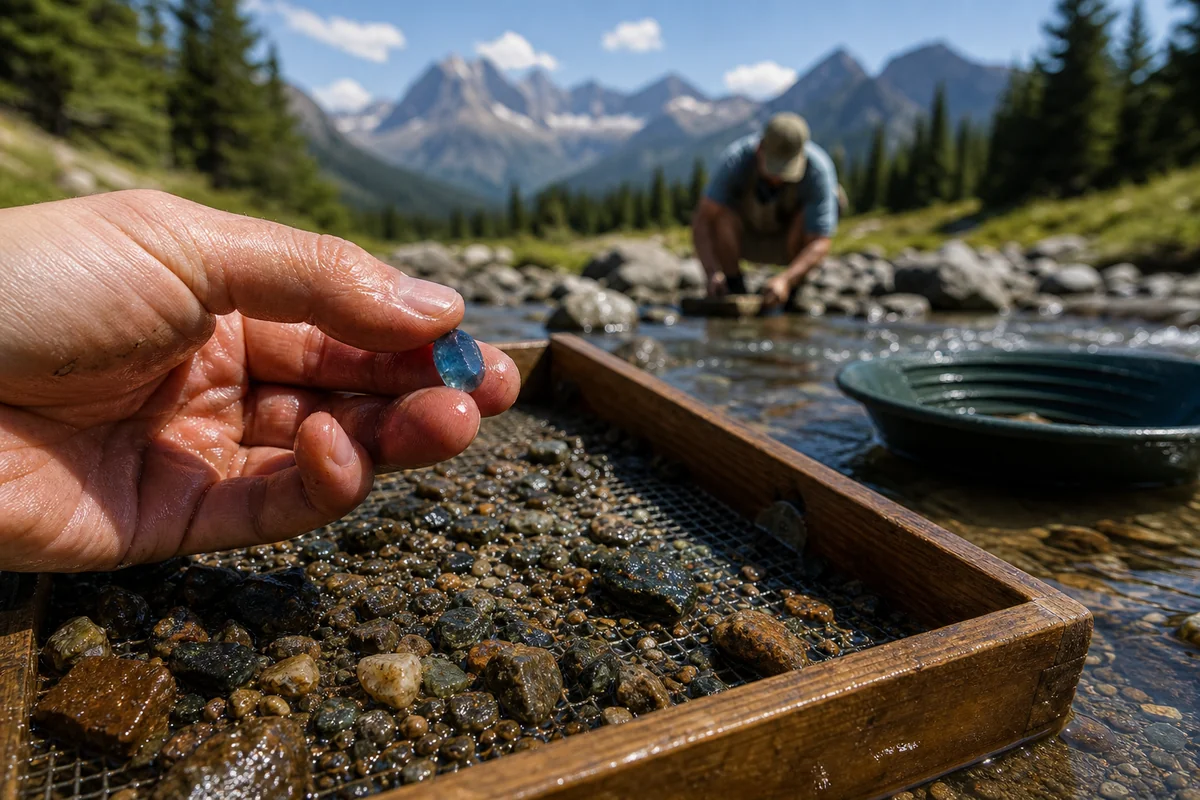
The moment I pulled my first Montana sapphire from a bucket of gravel at Gem Mountain, I understood why people travel thousands of miles for this experience.
That tiny, cornflower-blue crystal—no bigger than a pea—had been hiding in the earth for millions of years, waiting for me to find it.
Montana isn’t just Big Sky Country; it’s treasure country. From the sapphire-rich gravels near Philipsburg to the agate-strewn banks of the Yellowstone River, this state offers gemstone hunting opportunities you simply won’t find anywhere else in America.
- Montana produces some of the world’s finest sapphires, plus agates, garnets, and unique gemstones
- The Philipsburg area has three major sapphire mines open to public digging
- Montana agates from the Yellowstone River are prized worldwide for their distinctive banding
- Best seasons: Late spring through early fall for most locations
- Budget $50-150 per person for a quality dig-your-own experience
- You can keep everything you find at commercial mines
Liked this article?
Add Roaming Montana as a preferred source so you see more of our articles and guides on Google.
Why Montana Is America’s Gemstone Capital
I’ve hunted gems in Arizona, North Carolina, and even overseas, but Montana holds a special place in my heart. The geological history here created conditions for gemstone formation that simply don’t exist in most places.
Around 50 million years ago, volcanic activity pushed gemstone-bearing rocks toward the surface. Ancient rivers then scattered these treasures across valleys and riverbeds, making them accessible to modern-day rockhounds like you and me.
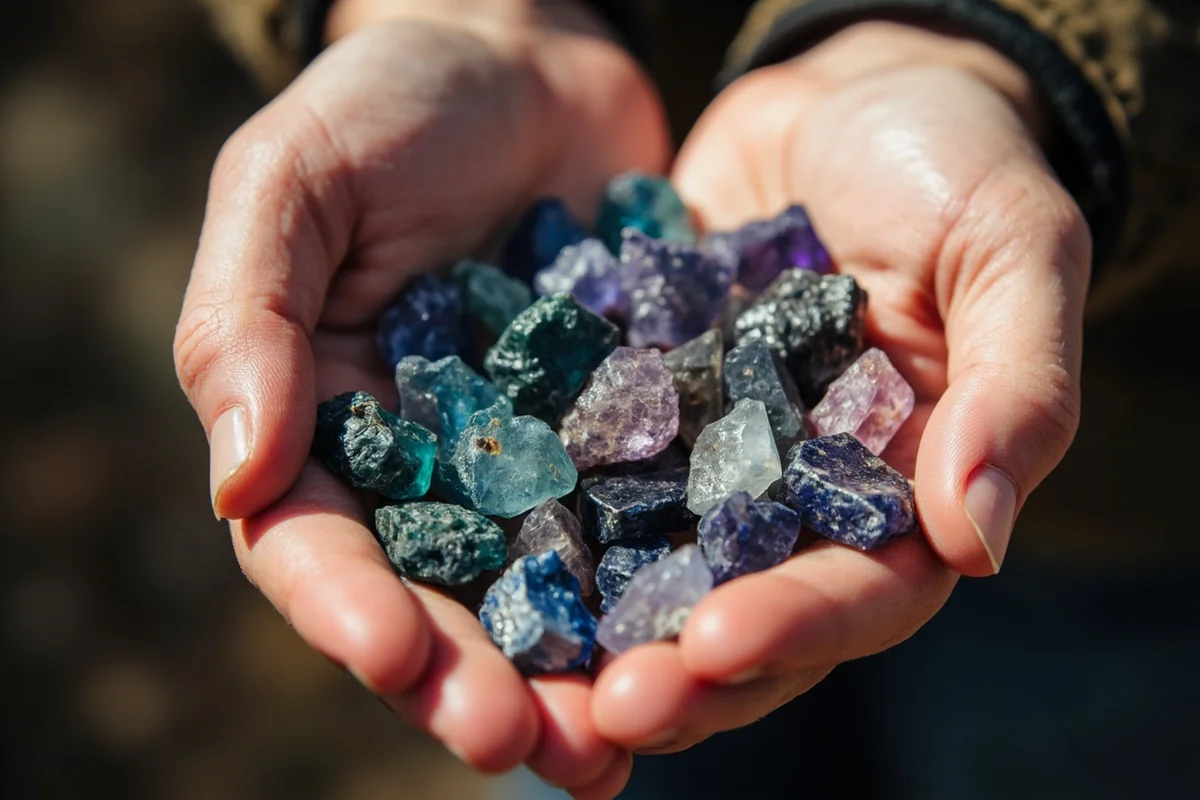
What sets Montana apart is variety. During my trips across the state, I’ve found sapphires in at least seven different colors, agates with banding so intricate they look like abstract paintings, and garnets that sparkle like tiny drops of wine.
Montana Sapphires: The Crown Jewels of the Treasure State
Montana sapphires deserve their own spotlight. These gems put the state on the international jewelry map, and hunting for them remains one of the most accessible gemstone adventures you can have.
The Unique Qualities of Montana Sapphires
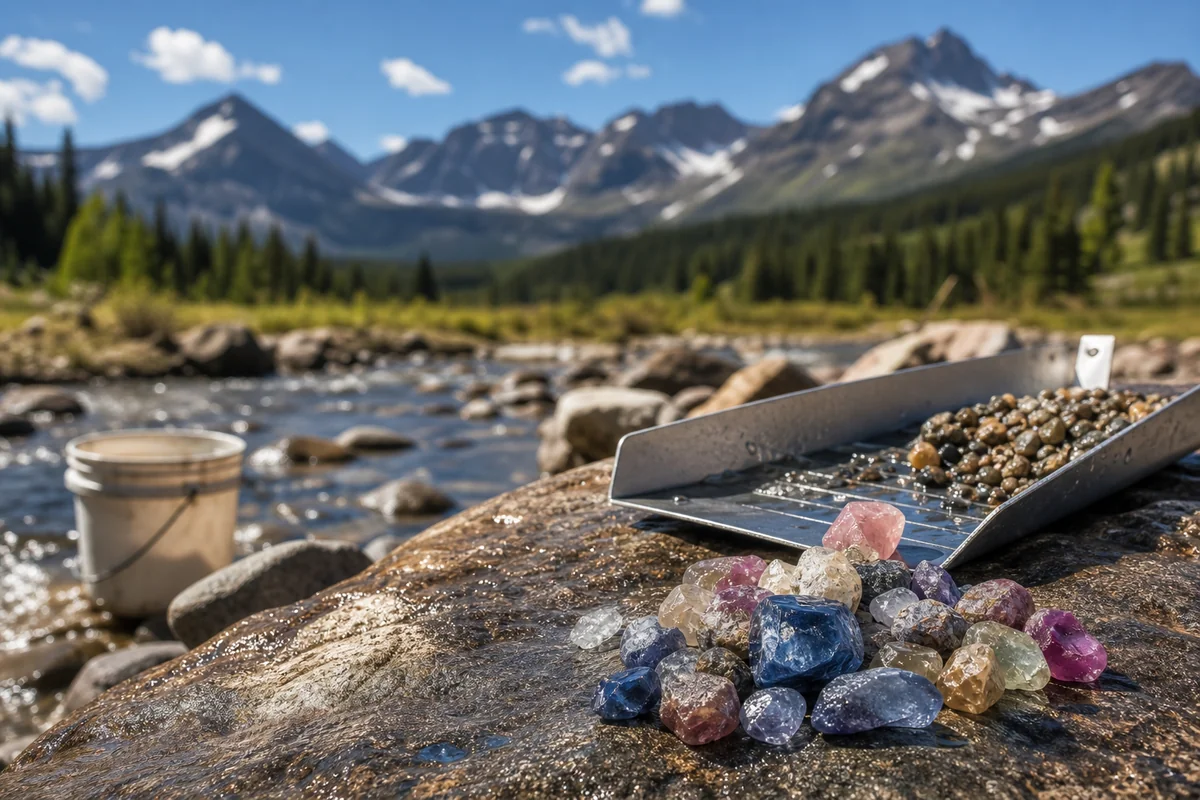
During my first trip to Gem Mountain, the staff explained something that surprised me: Montana sapphires come in virtually every color except red (which would make them rubies). I’d assumed sapphires were just blue, but I was wrong.
The fancy sapphires I found that day included a pale pink stone, a seafoam green crystal, and one remarkable specimen that shifted from blue to purple depending on the light. This color-change variety, sometimes called “yogo-adjacent,” is highly prized by collectors.
What makes Montana sapphires truly special is their clarity and color saturation. Many stones come out of the ground nearly eye-clean, meaning you can see through them without obvious inclusions. Gemologists consider this exceptional.
Yogo Sapphires: Montana’s Most Precious Secret
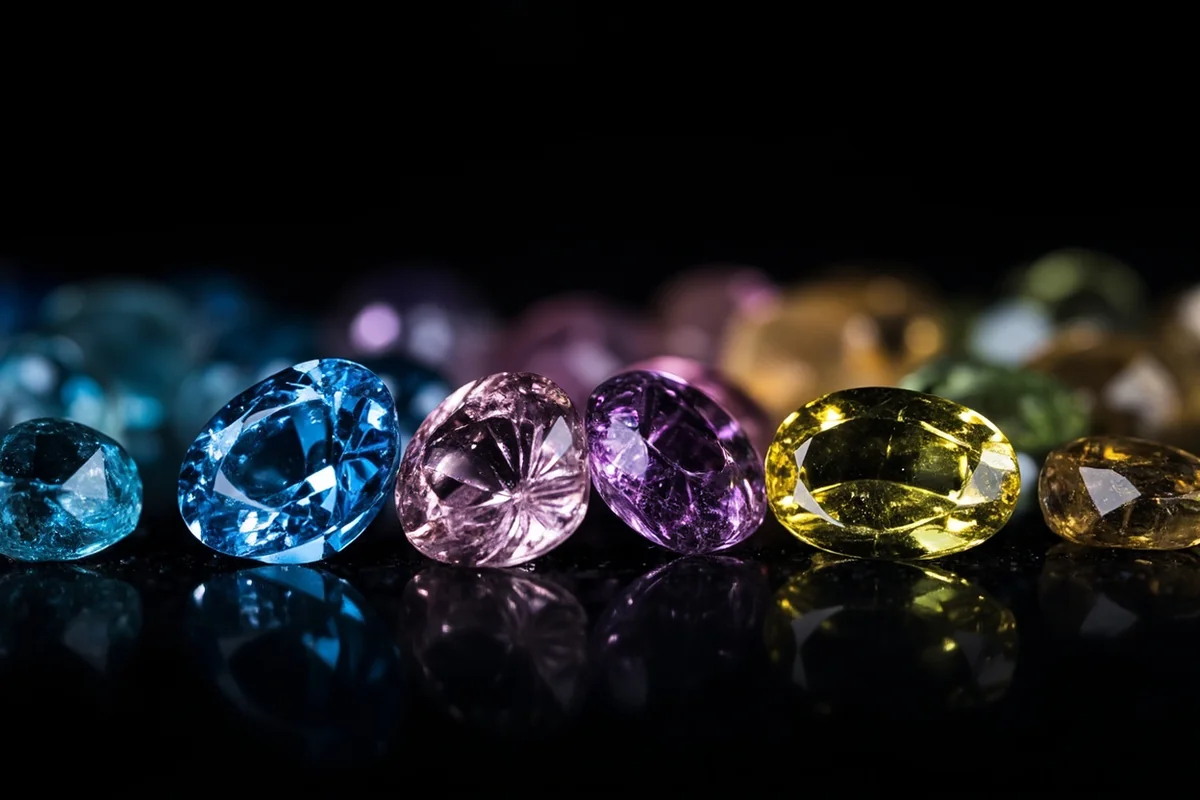
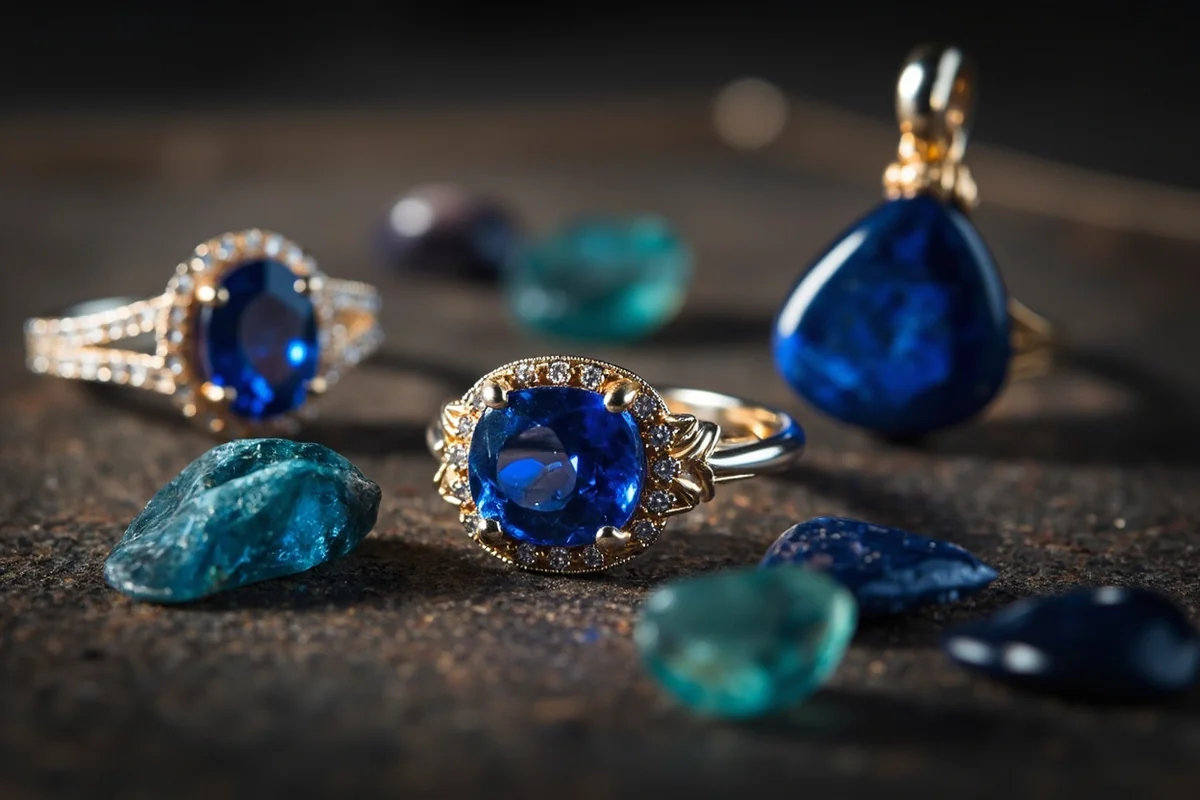
If regular Montana sapphires are impressive, Yogo sapphires are legendary. Found only in a small area near Utica, Montana, these cornflower-blue gems rival the finest sapphires from Kashmir and Ceylon.
I made a pilgrimage to the Yogo Gulch area last summer, though public access to active mining claims is restricted. The history alone makes the drive worthwhile—gold miners first discovered these sapphires in 1895 and initially tossed them aside as worthless blue pebbles.
Today, Yogo sapphires command premium prices. A well-cut one-carat Yogo can sell for $2,000 to $5,000 or more. If you want to own one, your best bet is visiting a jeweler in nearby Lewistown or Great Falls who specializes in these stones.
The unique aspect of Yogos is that they don’t require heat treatment to achieve their color—a rarity in the sapphire world. When a jeweler tells you a sapphire is “unheated,” that’s usually a selling point, and Yogos are naturally brilliant.
Where to Dig for Sapphires in Montana
The Rock Creek area near Philipsburg hosts the most accessible sapphire mining experiences in Montana. I’ve visited all three major operations, and each offers something different.
Gem Mountain
This is where I recommend first-timers start. Gem Mountain provides pre-concentrated gravel bags that guarantee results—during my visit, every single person at the sluice found at least a few sapphires.
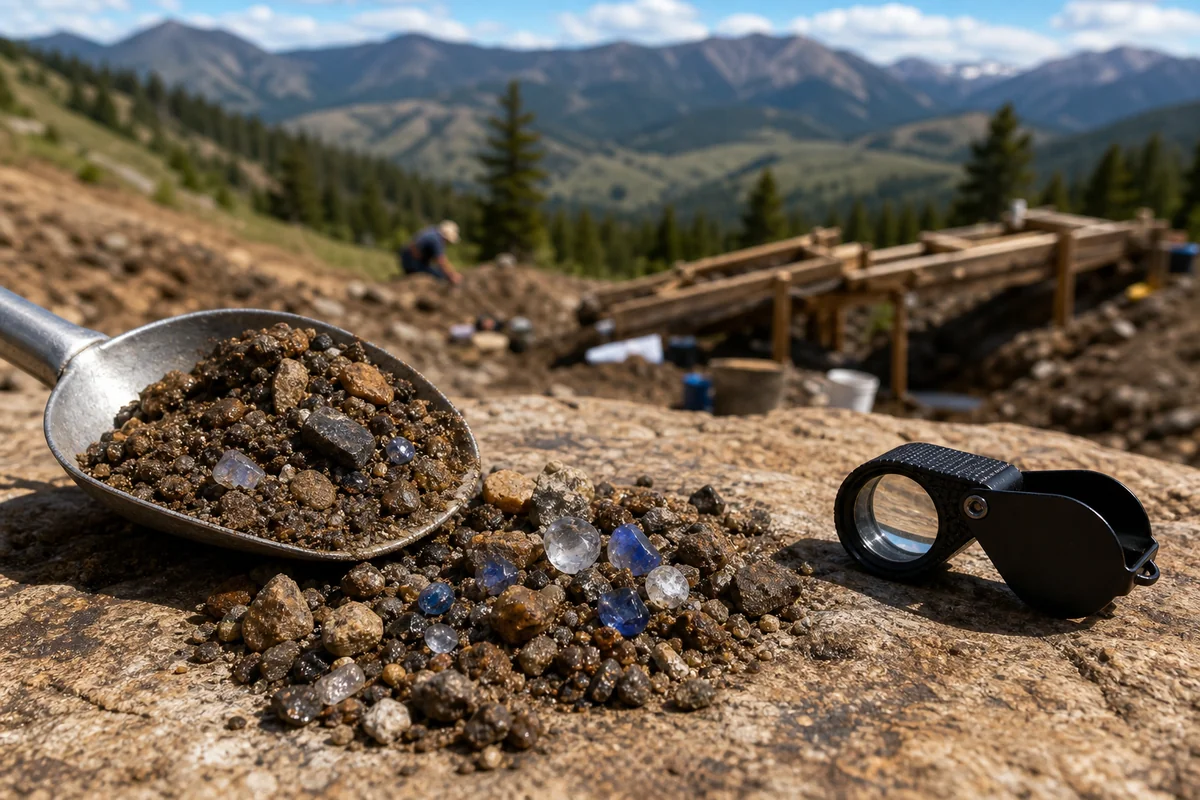
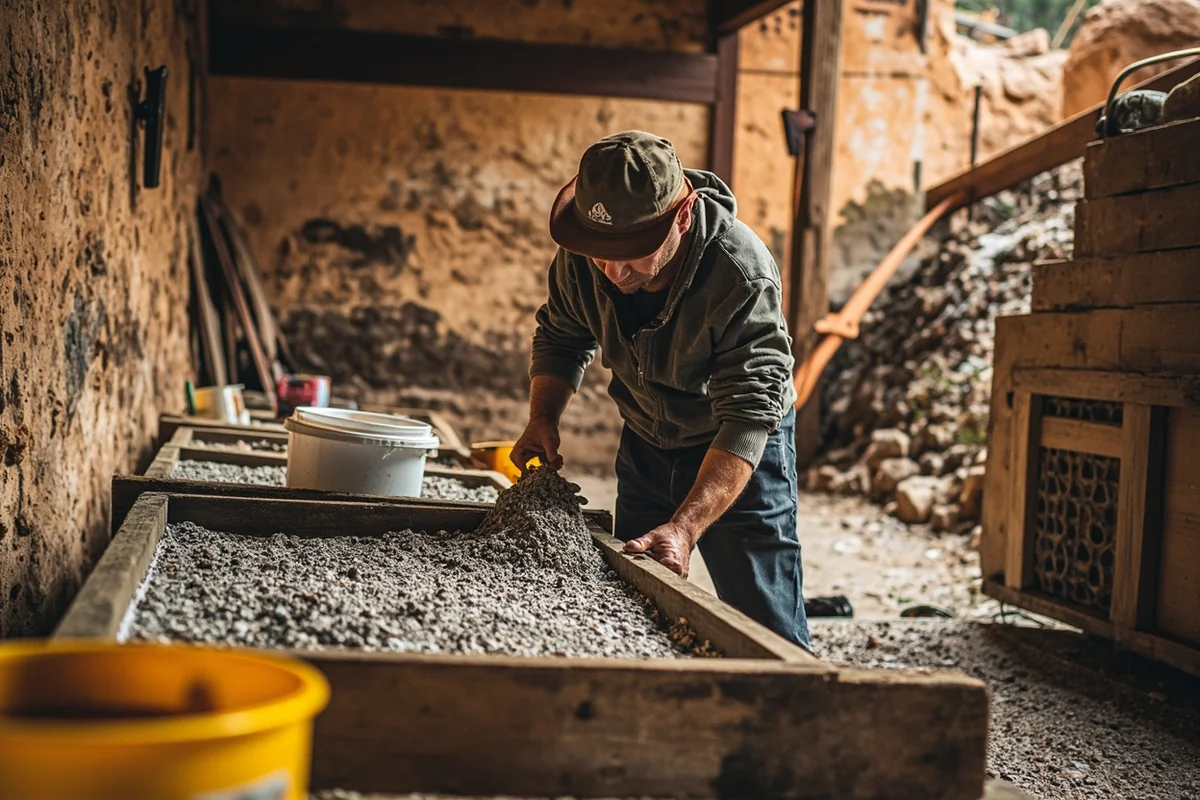
The setup is beginner-friendly. You purchase a bucket of gravel (prices ranged from $25 to $250 when I visited), sit at a covered sluice trough, and use screens and water to separate the sapphires from the surrounding material. Staff members patrol constantly, helping identify stones and offering tips.
On my most recent trip, I bought a $75 bucket and found 23 sapphires over about three hours. Most were small—under a carat rough—but three showed real promise for cutting. The staff even helped me identify a rare pink sapphire I would have overlooked.
Sapphire Gallery
Located right in downtown Philipsburg, Sapphire Gallery offers the same concept with a different atmosphere. You can sluice in their indoor facility regardless of weather, which saved one of my trips when an August thunderstorm rolled through.
Their gravel comes from multiple sources, including some material from the famous Spokane Bar deposit. I found what they identified as a potential 2.5-carat blue sapphire here—it’s currently being evaluated for cutting.
What I appreciated about Sapphire Gallery was the expertise of the owner. He spent nearly an hour explaining the geological history of the area and showing me how to identify heat-treatable versus naturally colored stones.
The Spokane Bar Sapphire Mine
For a more adventurous experience, Spokane Bar lets you dig your own material directly from the source. This appeals to my rockhound soul more than pre-bagged gravel, though results are less predictable.
When I visited on a hot July afternoon, I spent four hours digging and sluicing my own buckets. The yield was lower than the commercial operations—about eight sapphires total—but the satisfaction of extracting them myself made up for it.
Be prepared for physical work here. You’ll be shoveling, hauling buckets, and standing in the sun. Bring water, sunscreen, and muscles.
Montana Agates: Hidden Gems of the Yellowstone
If sapphires are Montana’s blue-chip investment, Montana agates are its hidden treasure. These banded chalcedony stones form along the Yellowstone River and its tributaries, and serious collectors consider them among the world’s finest.
What Makes Montana Agates Special
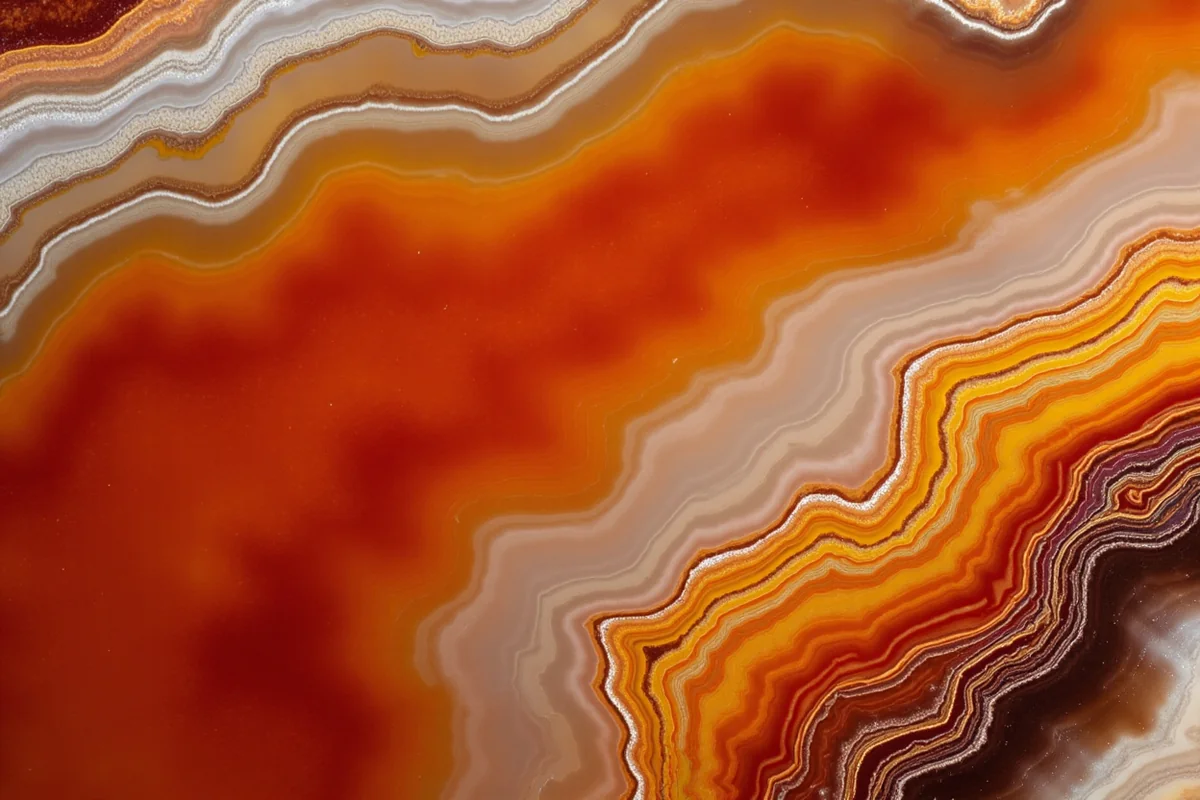
During a conversation with a lapidary artist in Billings, I learned that Montana agates formed around 50 million years ago in volcanic ash deposits. The silica-rich groundwater created bands of chalcedony that are prized for their clarity and vivid coloring.
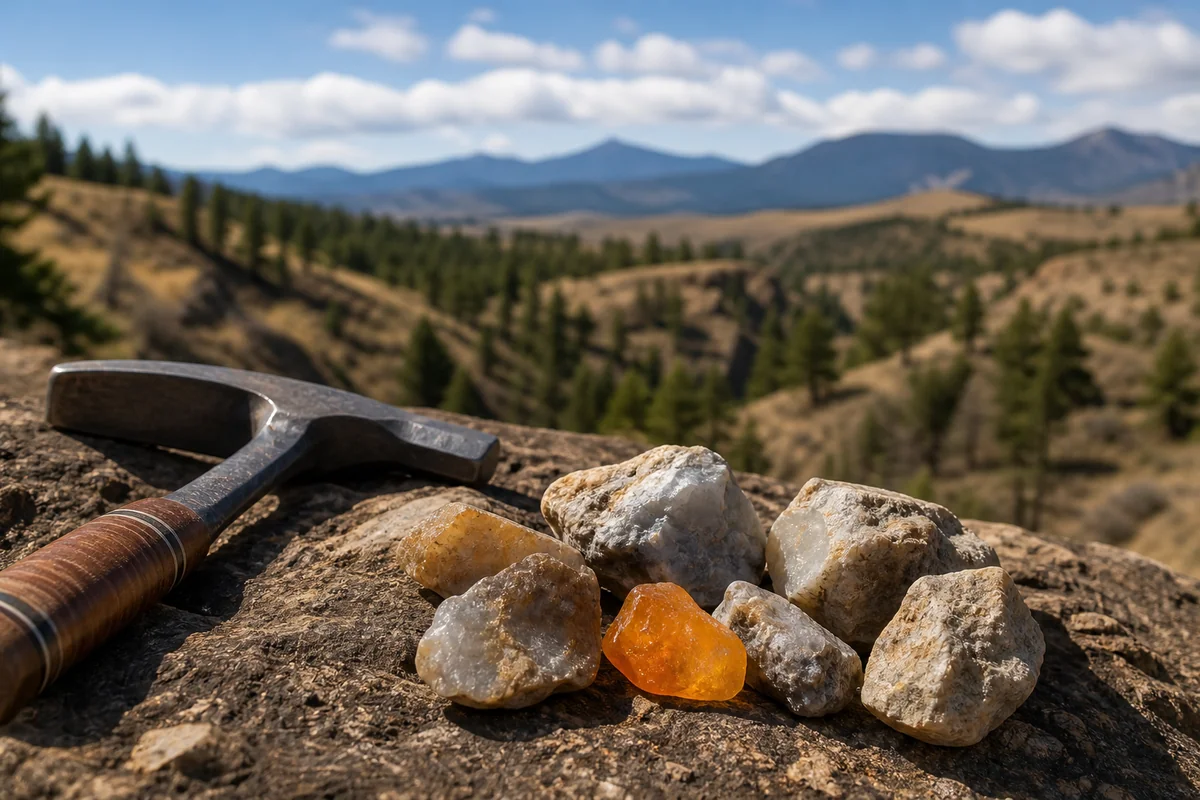
The most sought-after Montana agates feature “fortification banding”—concentric layers that create castle-like patterns when sliced. Others display moss-like inclusions, scenic patterns that look like tiny landscapes, or rare iris effects that create rainbows when backlit.
I’ve found agates throughout eastern Montana, but the quality varies dramatically by location. The best stones come from specific stretches of the Yellowstone River between Billings and Miles City.
Where to Hunt for Montana Agates
Unlike sapphire mining, agate hunting is free and available on most public lands. That accessibility is both a blessing and a challenge—the easy spots have been picked over for decades.
Yellowstone River Gravel Bars
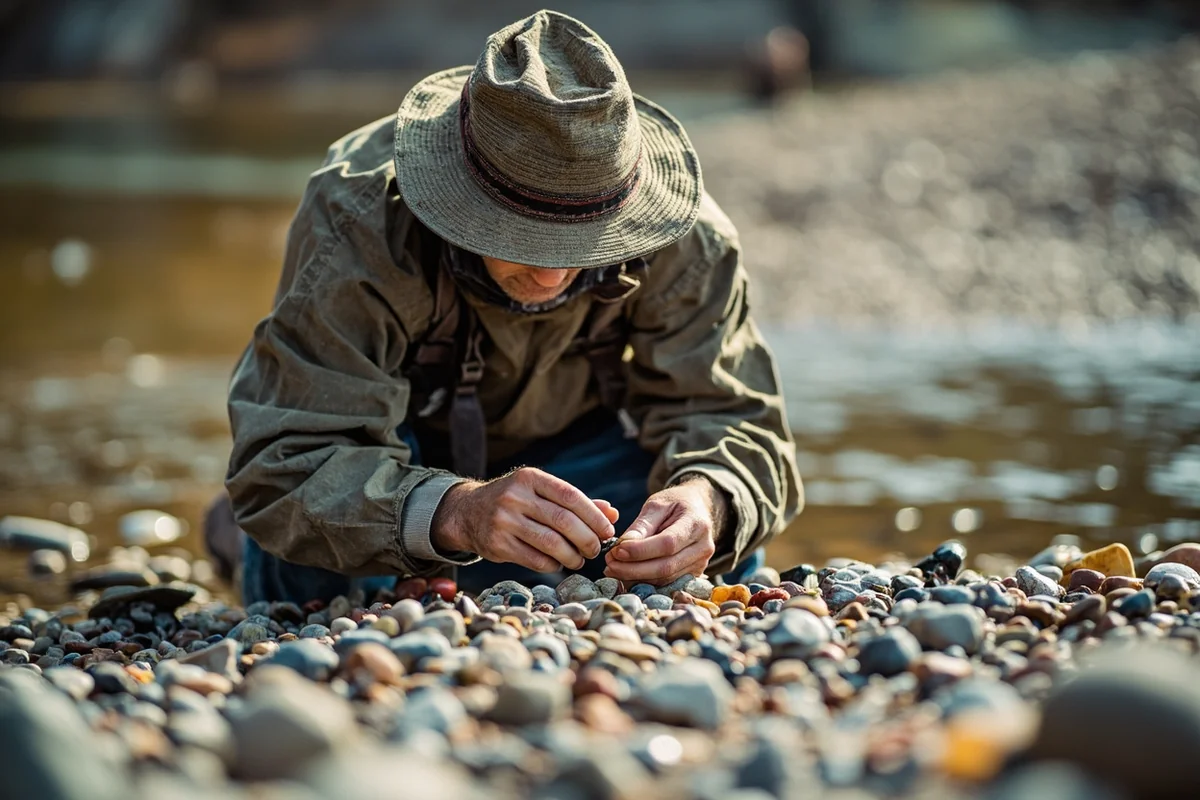
My most productive agate hunting happens on exposed gravel bars along the Yellowstone River, particularly during low water periods in late summer and fall. After spring runoff subsides, fresh material becomes exposed.
I’ve had good luck accessing the river from fishing access sites between Huntley and Pompeys Pillar. The key is finding areas where the river has deposited new gravel—look for bars that clearly experienced recent flooding.
The technique is simple but requires patience. Walk slowly, scanning for the distinctive waxy luster of agate among ordinary rocks. Wet the stones with river water to reveal their true colors—many agates look dull when dry but come alive when moistened.
On a productive day last September, I found about a dozen keeper-quality agates in a four-hour session. My prize was a palm-sized specimen with gorgeous orange and white banding that a local gem club member later valued at around $75.
Gravel Pits and Construction Sites
Here’s an insider tip: gravel operations along the Yellowstone corridor often unearth excellent agates during their normal excavation work. Several allow rockhounding with permission—always ask first.
A quarry operator near Glendive once let me spend an afternoon picking through their reject piles. The material they considered worthless for construction purposes included several museum-quality agates. I’ve returned with permission multiple times since.
Montana Agate Quality and Values
The value of Montana agates varies enormously based on pattern, color, and size. Here’s what I’ve learned about evaluating them:
| Quality Factor | What to Look For | Approximate Value Impact |
|---|---|---|
| Pattern Clarity | Sharp, distinct banding without cloudiness | Can double or triple value |
| Color Saturation | Deep reds, oranges, and rare blues/greens | Premium colors: 3-5x standard |
| Size | Larger specimens (3″+ diameter) | Exponential increase with size |
| Transparency | Water-clear sections that transmit light | Highly valued for cabochons |
| Special Features | Iris effects, moss inclusions, scenic patterns | Can be exceptional ($100+ per stone) |
Beyond Sapphires and Agates: Montana’s Other Gemstones
The treasure hunt in Montana extends well beyond the headline gems. On my various trips, I’ve discovered that the state produces an impressive variety of lesser-known but equally fascinating stones.
Montana Garnets
Garnets appear throughout western Montana, particularly in areas near Missoula and the Bitterroot Valley. The most common variety is almandine garnet—deep red to purplish-red stones that form in metamorphic rocks.
I found my first Montana garnets while hiking near Lolo Pass. They were small—most under 5mm—but the color was remarkable. Some areas produce gem-quality crystals suitable for jewelry, though most Montana garnets end up in collections rather than rings.
The best garnet hunting happens along streams that drain granite and schist formations. Look for the distinctive red glint in sand and gravel deposits—it becomes easier to spot with practice.
Quartz Varieties
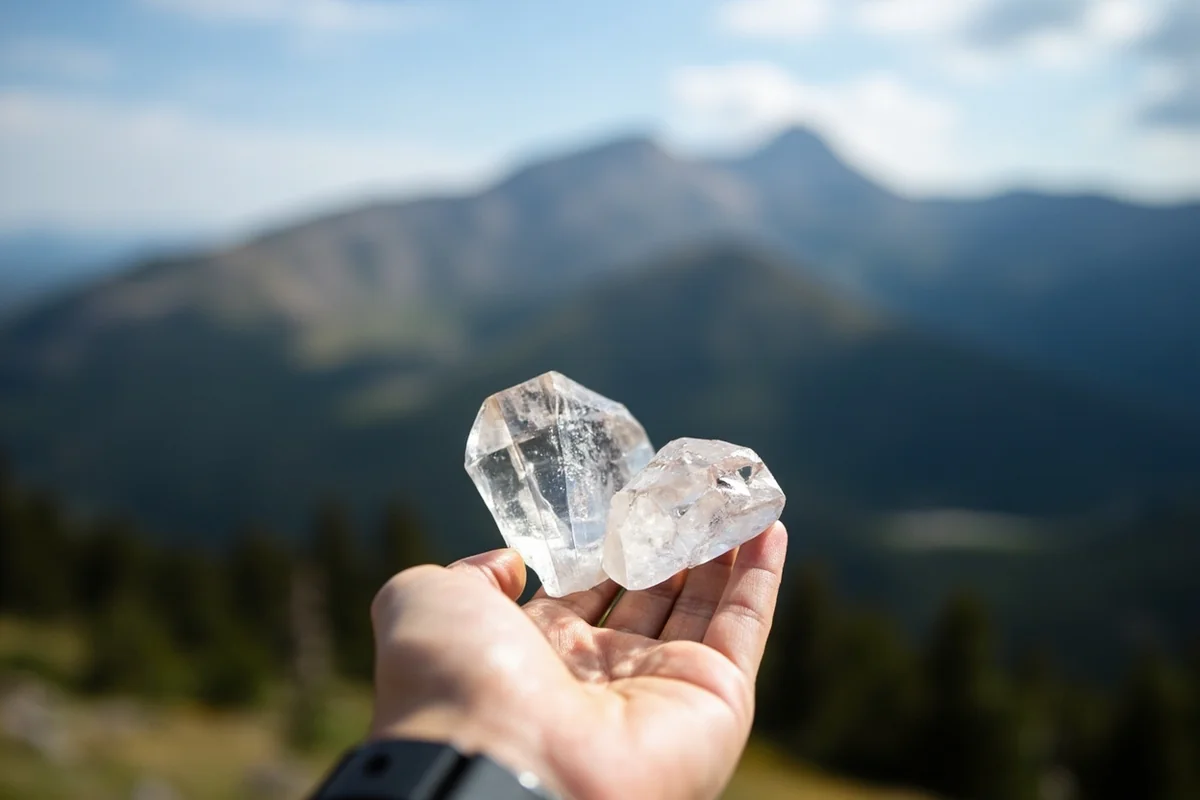
Montana produces excellent quartz specimens in several forms. During a visit to the Crystal Park Recreation Area near Dillon, I spent a full day extracting clear quartz crystals from the hillside.
Crystal Park deserves special mention because it’s one of the few places in Montana where you can legally dig for crystals. The Forest Service maintains this area specifically for recreational rockhounding—bring your own tools and water.
The quartz crystals here range from thumbnail-size specimens to clusters weighing several pounds. I found about 30 good crystals during my visit, including a particularly clear double-terminated point that now sits on my desk.
Smoky quartz also appears at Crystal Park, though it’s less common. The dark-tinted crystals form when clear quartz is exposed to natural radiation over millions of years.
Rhodonite and Other Collector Minerals
For the adventurous rockhound, Montana offers some genuinely unusual minerals. Rhodonite—a pink manganese mineral—occurs in several locations, though most sites require permission or claim research to access legally.
I’ve also encountered specimens of epidote (bright green), copper minerals, and even small amounts of jade during my Montana travels. These aren’t commercial gemstone operations but rather discoveries made while exploring old mining districts.
The key to finding these lesser-known specimens is research. Mining claim maps, geological surveys, and conversations with local rock clubs reveal productive locations that don’t appear in mainstream guides.
Practical Planning for Your Montana Gemstone Trip
After numerous gemstone hunting trips to Montana, I’ve developed a system for planning productive adventures. Here’s what actually matters for your experience.
Best Seasons for Different Gemstones
The Montana rockhounding season depends heavily on your target and location.
For sapphire mining at commercial operations, the season typically runs from late May through mid-October. I prefer visiting in June or September—the weather is pleasant, crowds are smaller than peak summer, and the operations are fully staffed.
Agate hunting along the Yellowstone follows a different rhythm. Late summer and early fall offer the best conditions because water levels drop, exposing fresh gravel. August through October provides optimal hunting if water conditions cooperate.
Crystal Park and other mountain locations become accessible after snowmelt, usually by mid-June. These sites can see early snow in September, so plan accordingly.
What to Bring
Your packing list depends on your chosen activity, but here’s what I’ve learned is essential:
For commercial sapphire operations, bring sunscreen, a hat, and patience—they provide all necessary equipment. I also bring a small spray bottle to wet stones for better color evaluation.
For independent agate hunting, pack sturdy waterproof boots (you’ll be walking in shallow water), a bucket or bag for finds, a spray bottle, and a rock hammer. Polarized sunglasses help spot agates in bright conditions.
For any Montana rockhounding, bring plenty of water, snacks, and layers. Weather changes rapidly, and many productive areas lack shade or facilities.
Working with Local Gem Cutters
Finding beautiful rough material is only half the experience. Turning your discoveries into finished gems requires skilled lapidary work.
I’ve developed relationships with several gem cutters in the Philipsburg and Butte areas who handle Montana sapphires expertly.
The cutting process typically costs $50-150 per stone depending on size and complexity—expensive, but watching a rough pebble become a brilliant faceted gem is worth it.
For agates, numerous lapidaries across Montana can slice and polish your finds. Some operate from home workshops and offer very reasonable rates—I’ve paid as little as $5 per slice for basic cuts.
Ask at local rock shops for recommendations. The gemstone community in Montana is tight-knit and generally welcoming to newcomers.
Budget Expectations
Here’s a realistic breakdown of costs based on my experiences:
| Activity | Cost Range | Notes |
|---|---|---|
| Sapphire mine gravel (basic bucket) | $25-50 | Good for beginners; guaranteed finds |
| Premium sapphire gravel | $100-250 | Better odds of larger stones |
| Dig-your-own sapphire mining | $50-100/day | Spokane Bar area |
| Agate hunting (public land) | Free | Just time and effort required |
| Crystal Park digging | Free | Forest Service recreation area |
| Sapphire cutting (per stone) | $50-150 | Varies by size and complexity |
| Agate slicing/polishing | $5-20 | Per slice or per stone |
Legal Considerations and Ethical Rockhounding
Understanding where and how you can legally collect in Montana prevents headaches and respects the resource for future generations.
Public vs. Private Land
Much of Montana is public land managed by the Forest Service, BLM, or state agencies. On most federal lands, casual collecting of reasonable quantities for personal use is permitted. However, rules vary by specific area and management unit.
I always check current regulations before collecting. The local BLM or Forest Service office can clarify rules for specific areas. Some areas restrict collecting entirely due to archaeological or environmental concerns.
Private land—including mining claims—requires permission. Montana has extensive mining claim coverage, and what appears to be public land may actually be claimed. Resources like the BLM LR2000 database help identify active claims.
The commercial sapphire operations handle all permissions—you’re paying for access to their claims and materials.
Respecting the Resource
Montana’s gemstone locations have provided treasures for over a century. Sustainable collecting ensures they’ll continue for future generations.
I follow a simple ethic: take only what I’ll actually use, fill any holes I dig, pack out all trash, and never disturb archaeological sites. The rockhounding community depends on good behavior to maintain access.
At popular sites like Crystal Park, this means not digging massive pits, not cutting down vegetation, and leaving some crystals for the next visitor to discover. The best rockhounds I’ve met are also careful stewards.
Combining Gemstone Hunting with Other Montana Experiences
A gemstone-focused trip to Montana doesn’t mean ignoring everything else this remarkable state offers. I’ve learned to build trips that combine multiple interests.
The Philipsburg area, home to the sapphire mines, sits near Georgetown Lake and the Pintler Wilderness—outstanding destinations for fishing and hiking. After a morning sluicing sapphires, I’ve spent afternoons fly fishing or exploring ghost towns.
The Yellowstone River corridor where agates concentrate also offers world-class fishing, dinosaur fossil sites around Makoshika State Park, and access to Yellowstone National Park’s northern reaches.
Helena and Butte provide base camp options with access to sapphire country, historic mining heritage, and mountain recreation. Both cities have gem shops where you can purchase specimens and learn from experienced collectors.
Taking Your Treasures Home
The final consideration is turning your finds into lasting memories or valuable keepsakes.
Raw specimens can be cleaned with water and a soft brush. For agates, I sometimes use a rock tumbler to achieve a polished surface—a weeks-long process that rewards patience with beautiful results.
Sapphires intended for jewelry require professional cutting. I recommend having stones evaluated before committing to cut them—not every rough crystal is worth the investment. A good lapidary can advise on a stone’s potential.
For truly exceptional finds, consider professional appraisal. The Montana sapphire market fluctuates, but quality stones consistently hold value. I’ve had one of my finds valued at over $800—not bad for a $75 bucket of gravel.
Whatever you find, the real treasure is often the experience itself. Every stone in my collection triggers memories of Montana sun, mountain air, and the primal thrill of discovery. That’s something you can’t put a price on.
Whether you’re seeking a world-class sapphire, a perfect Montana agate, or simply the joy of finding something beautiful in the earth, this state delivers. I’ve hunted gems across America, and Montana remains my favorite destination—each trip reveals something new.
Pack your patience, bring your sense of adventure, and prepare to discover why they call Montana the Treasure State. The gems are waiting.
Frequently Asked Questions
Where can I dig for sapphires in Montana and how much does it cost?
The most popular sapphire mining spots are in Philipsburg at places like Gem Mountain and the Sapphire Gallery, and near Helena at Spokane Bar Sapphire Mine. Expect to pay between $25-$75 for a bucket of gravel to sift through, with heated and treated gravel costing more but offering better odds of finding quality stones.
What is the best time of year to go gemstone hunting in Montana?
I recommend visiting between May and September when most commercial mines are open and weather conditions are ideal for outdoor digging. Peak season runs June through August, but shoulder months offer smaller crowds and the same great finds at places like the Gem Mountain sapphire mine.
Can I actually keep the Montana sapphires and gemstones I find?
Yes, at fee-dig sites you keep everything you find, which is part of what makes Montana gemstone hunting so exciting. I’ve seen visitors walk away with dozens of small sapphires and occasionally someone finds a gem worth several hundred dollars that they can have professionally cut and set into jewelry.
What should I bring to a Montana sapphire mining experience?
Bring sunscreen, a hat, comfortable clothes you don’t mind getting dirty, and closed-toe shoes since you’ll be sitting at sluice stations for hours. Most mines provide all necessary equipment like screens and tweezers, but pack snacks and water since facilities can be limited at remote mining locations.
How far is Philipsburg Montana sapphire mining from major cities?
Philipsburg is about 80 miles southeast of Missoula (roughly 1.5 hours) and approximately 200 miles from Bozeman (3.5 hours drive). If you’re flying in, Missoula International Airport is your closest option, making it easy to combine sapphire hunting with a broader Montana road trip.
Are Montana Yogo sapphires worth more than regular Montana sapphires?
Yogo sapphires from the Yogo Gulch deposit near Utica are considered the most valuable Montana sapphires due to their exceptional cornflower blue color and natural clarity without heat treatment. While you can’t dig for Yogos yourself since the mine isn’t open to the public, you can purchase certified Yogo sapphires from authorized dealers in towns like Lewistown and Great Falls.
What other gemstones besides sapphires can I find in Montana?
Montana offers more than just sapphires—you can hunt for garnets near Alder, agates along the Yellowstone River, and even gold at several recreational panning sites. The Gallatin National Forest area is known for quartz crystals, and I’ve found beautiful specimens of jasper and petrified wood on BLM lands open to rockhounding throughout the state.