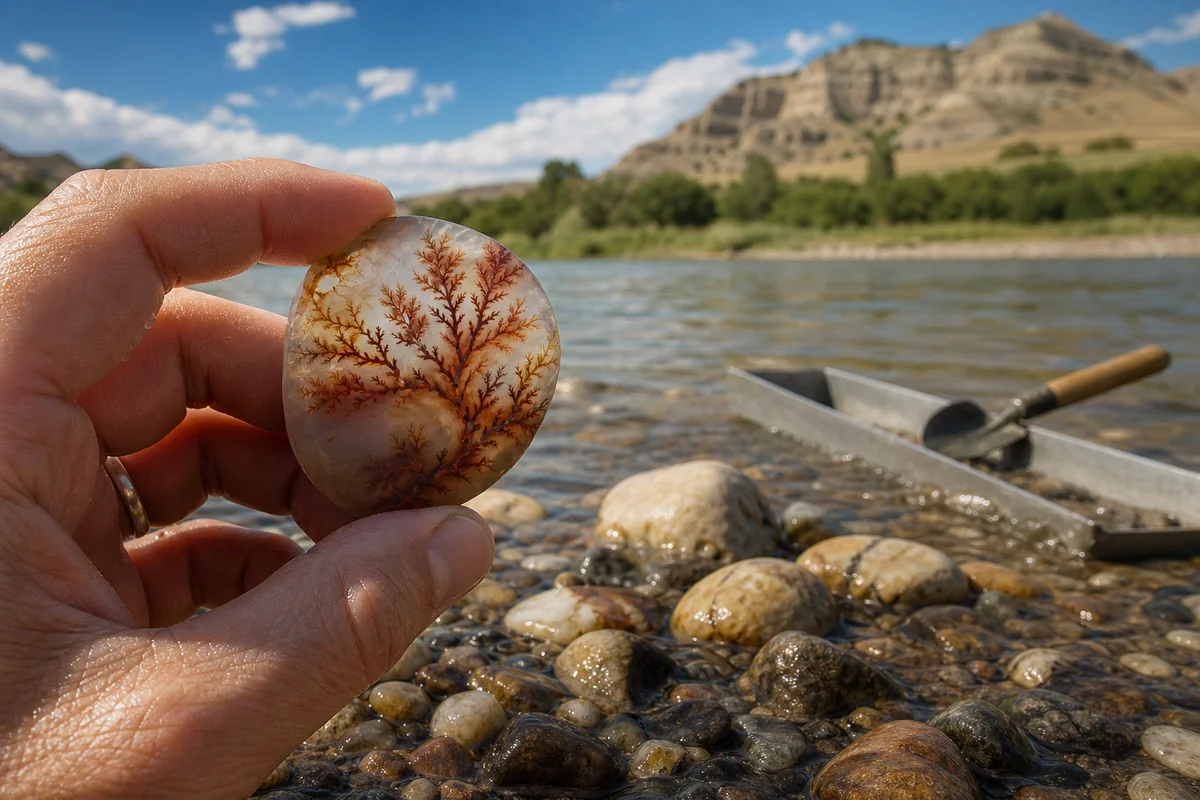
I still remember the exact moment I pulled my first Montana Agate from the gravels of the Yellowstone River — a translucent stone about the size of a silver dollar, with rust-red dendrites branching through it like frozen lightning.
That single find during a dusty August afternoon near Forsyth transformed what I’d expected to be a quick roadside stop into a three-hour obsession that’s kept me returning to eastern Montana every year since.
If you’re exploring Montana gemstones, the state’s official gem deserves a spot at the top of your list.
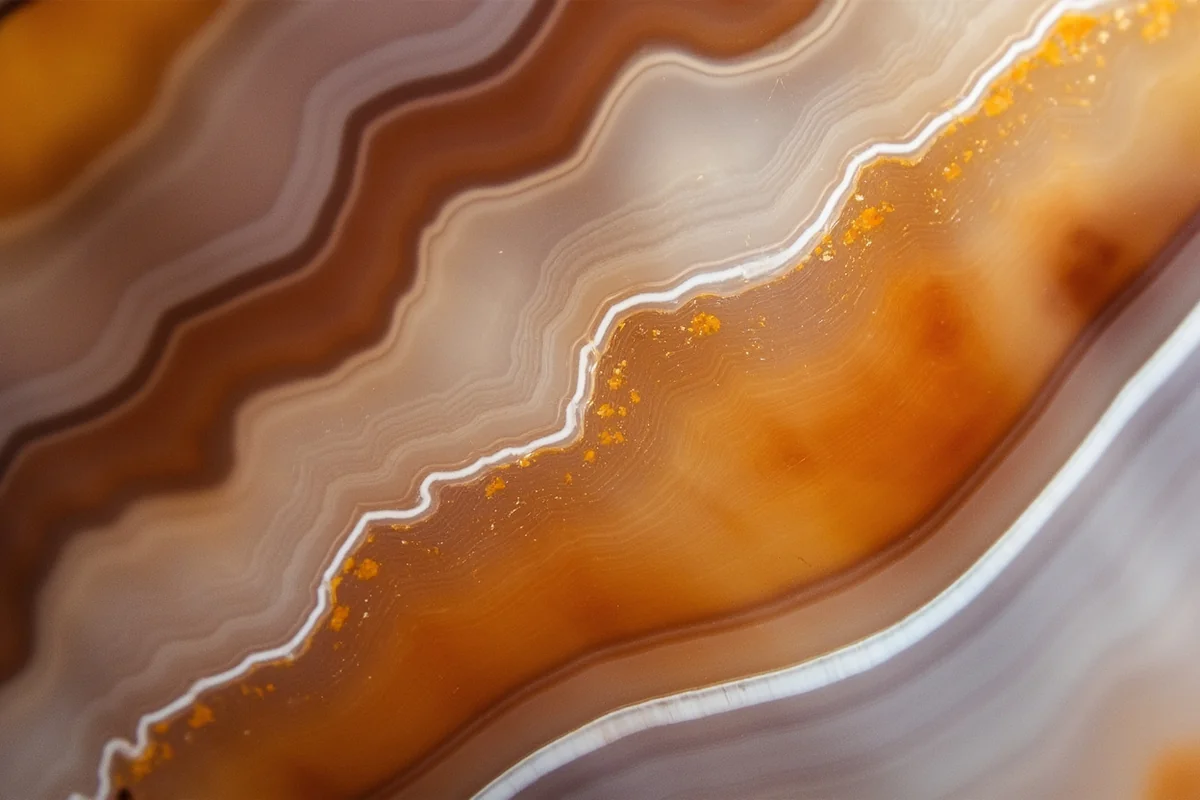
- Montana Agate is found primarily along the Yellowstone River from Billings to the North Dakota border
- Best hunting happens spring through early summer when water levels drop and expose fresh gravels
- Look for translucent stones with visible banding or dendrites — wet them to check
- Public access points include Howrey Island, Intake Dam, and numerous BLM lands
- No permits required for personal collecting on public land (up to 25 pounds)
- Peak season: Late April through June after spring runoff recedes
Liked this article?
Add Roaming Montana as a preferred source so you see more of our articles and guides on Google.
What Makes Montana Agate So Special
Montana Agate isn’t just another pretty rock — it’s a geological fingerprint of volcanic activity that occurred roughly 50 million years ago.
The stone formed when silica-rich groundwater percolated through porous volcanic ash, depositing layers of chalcedony in cavities and cracks over millions of years.
What sets Montana Agate apart from agates found elsewhere is its remarkable clarity and distinctive dendrites. Those tree-like or fern-like patterns you see suspended within the stone are manganese or iron oxide inclusions that formed during the gem’s creation.
I’ve collected agates from Oregon to Lake Superior, and nothing quite matches the ethereal quality of a well-formed Montana specimen. The best pieces look like tiny landscapes frozen in glass — scenes of miniature forests, river deltas, or abstract paintings created by geological chance.
Where Montana Agates Come From
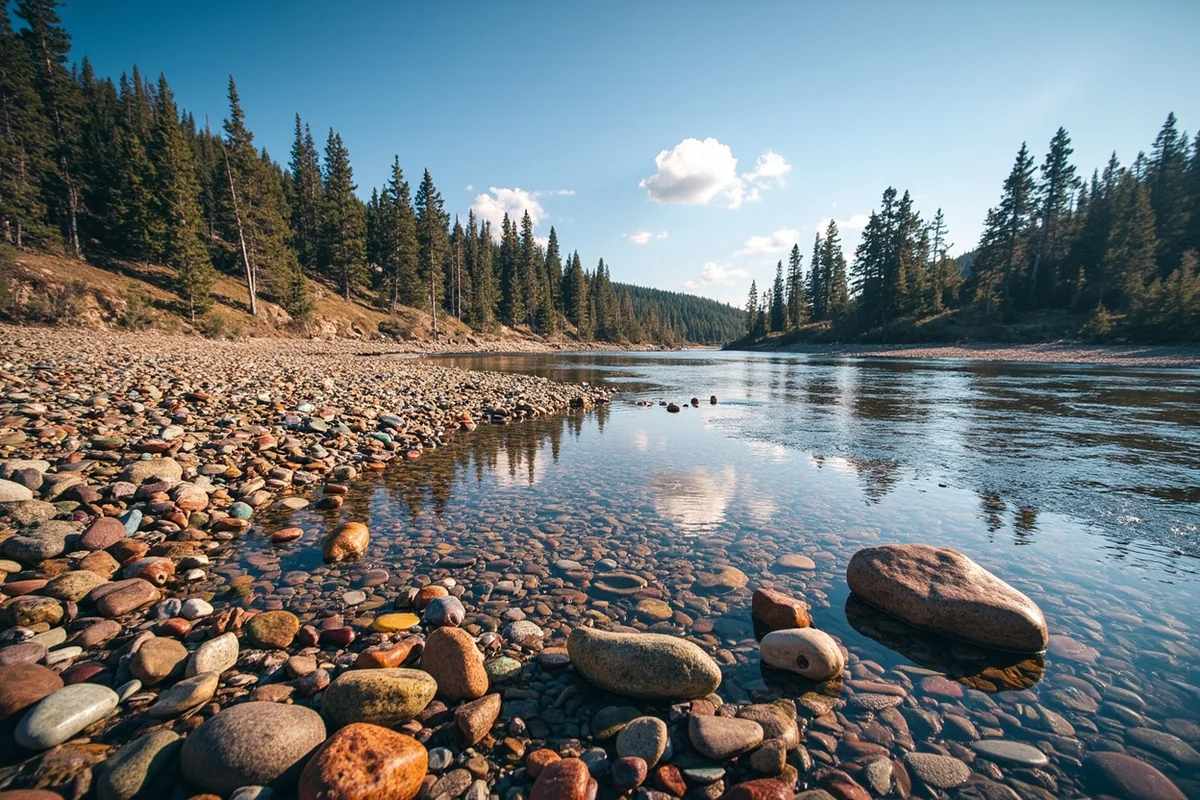
The story of Montana Agate begins in the Yellowstone River drainage, which serves as the primary collection and distribution system for these gems. Originally, the agates formed in volcanic formations throughout south-central Montana.
Over millennia, erosion released them from their host rock. Rivers carried them downstream, tumbling and polishing them along the way. Today, you’ll find concentrations wherever the Yellowstone and its tributaries slow down or change course.
The richest hunting grounds stretch from approximately Billings eastward to Sidney near the North Dakota border — a distance of about 250 miles. This corridor represents the heart of Montana Agate country.
The Geological Timeline
During my research trip last spring, I spent an afternoon with a geology professor from Montana State University who explained the formation process in terms that finally clicked. The sequence goes something like this:
First, massive volcanic eruptions blanketed the region in ash around 50 million years ago. This ash compacted into what geologists call tuff — a soft, porous rock.
Silica-laden groundwater then seeped through this material over millions of years. In pockets and voids, the silica precipitated out as chalcedony, building up in concentric layers like rings in a tree trunk.
The final step was liberation. As the soft tuff eroded away, the harder agate nodules were released into streams and rivers. The Yellowstone became a 670-mile conveyor belt, concentrating agates in gravel bars and floodplains along its length.
Best Locations for Finding Montana Agate
I’ve spent the better part of five summers hunting Montana Agates across the eastern part of the state. Some spots consistently produce, while others require more patience. Here’s my honest assessment of the top locations.
Howrey Island Recreation Area
Located about 18 miles east of Billings off Highway 312, Howrey Island has become my go-to introduction spot for first-time hunters. The BLM-managed area offers easy river access with extensive gravel bars.
During my visit last June, I found seven keeper-quality agates in roughly four hours of searching. The parking area accommodates about a dozen vehicles, and there are vault toilets available.
Fair warning: this spot gets crowded on summer weekends. I’ve had much better luck visiting on weekday mornings when I often have entire gravel bars to myself.
Pompeys Pillar Area
The stretch of the Yellowstone near Pompeys Pillar National Monument (yes, where Clark carved his name in 1806) offers multiple access points for agate hunting. I typically launch from the fishing access site downstream of the monument.
What I appreciate about this area is the diversity of material. Last summer, I pulled a stunning piece of petrified wood alongside several nice agates — a reminder that this region produces various collectible stones.
The gravels here tend to be larger, which can make spotting agates easier once you develop an eye for them.
Intake Dam to Sidney
This eastern stretch of the Yellowstone is less visited but remarkably productive. The Intake Fishing Access Site, about 16 miles northeast of Glendive, provides one of the best access points I’ve found.
During my most recent October trip, the low fall water levels had exposed gravel bars that hadn’t been picked over all summer. I found what remains my finest Montana Agate here — a palm-sized piece with red and black dendrites so detailed they look painted.
The town of Sidney serves as a good base for exploring this area, with several motels and restaurants to choose from.
Treasure County Gravel Deposits
Treasure County, appropriately named for our purposes, encompasses some of the most productive agate territory in the state. The Hysham area in particular has produced exceptional specimens for generations.
Access can be trickier here, with much of the land in private ownership. I’ve had success asking permission from landowners along the river — most are accommodating if you’re respectful and explain what you’re doing.
A Note on Montana Rockhounding Sites
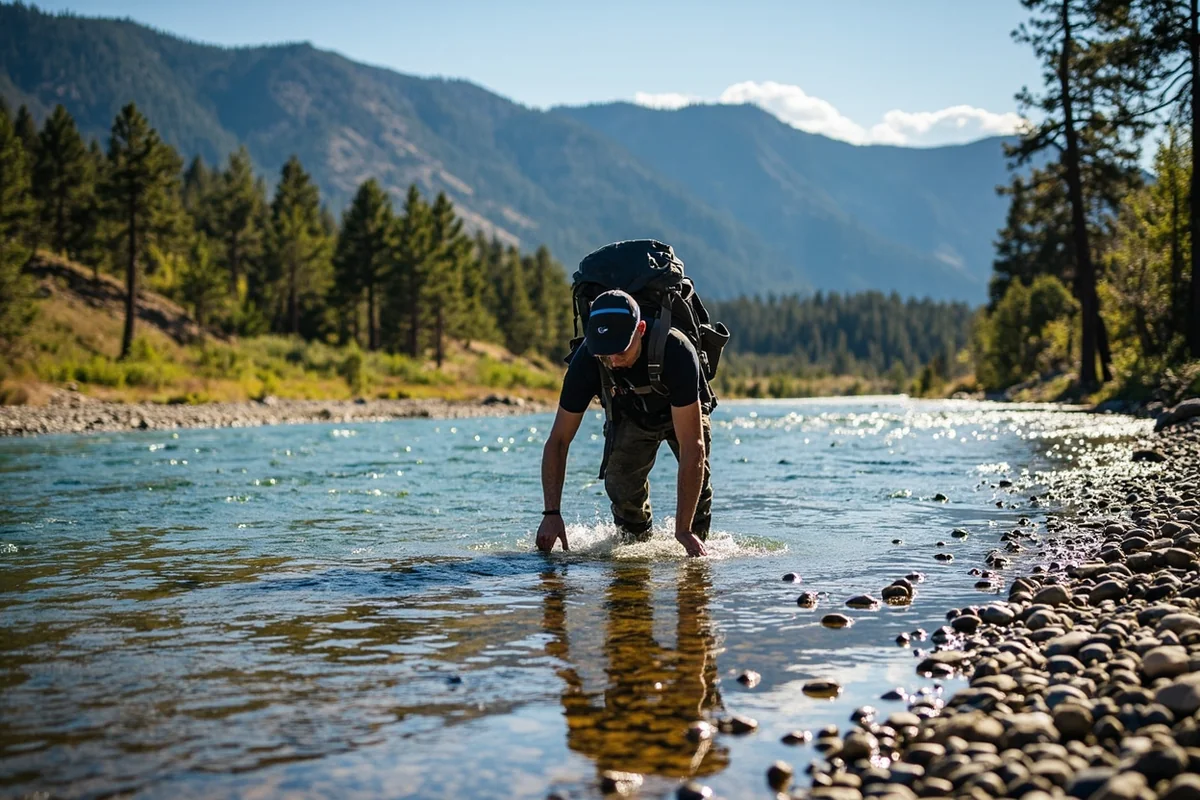
While the Yellowstone corridor dominates Montana Agate hunting, don’t overlook tributary streams like the Musselshell and Tongue Rivers. These smaller waterways can produce quality specimens with significantly less competition.
I spent a memorable afternoon last July along the Tongue River south of Miles City. The agates were smaller on average but included several with exceptional color and clarity.
When to Hunt: Timing Your Trip
Timing matters tremendously for Montana Agate hunting. Get it wrong, and you’ll struggle. Get it right, and you’ll wonder why everyone isn’t doing this.
The Prime Season
Late April through June represents the sweet spot for agate hunting along the Yellowstone. Here’s why: spring runoff, driven by snowmelt from the mountains, scours the riverbed and deposits fresh material on gravel bars.
As water levels drop in late spring, these newly exposed gravels offer the best picking. I’ve noticed a dramatic difference between early-season hunts and late-summer outings on the same stretches of river.
By July and August, popular spots have typically been picked over multiple times. You can still find agates, but the quality and quantity decline noticeably.
Fall Alternative
If spring doesn’t work for your schedule, consider an October trip. Fall rains occasionally produce smaller floods that refresh gravel deposits. Plus, you’ll enjoy cooler temperatures and fewer crowds.
My October hunts have been some of my most peaceful — though I’ll admit the mornings can be chilly. Bring layers.
Conditions to Watch
Check the USGS water gauge readings before heading out. I’ve found that flows between 3,000-8,000 cubic feet per second at the Billings gauge tend to correlate with good hunting conditions downstream.
Higher flows mean submerged gravel bars; much lower can actually concentrate material but also means everyone else is hunting too.
| Month | Conditions | Hunting Quality |
|---|---|---|
| April | High water, runoff beginning | Poor – limited access |
| May | Peak runoff, levels dropping late month | Good to Excellent (late May) |
| June | Dropping levels, fresh gravels exposed | Excellent |
| July-August | Low stable flows, hot weather | Fair – picked over |
| September | Very low flows | Fair |
| October | Variable, possible fall refresh | Good (after rains) |
How to Identify Montana Agate in the Field
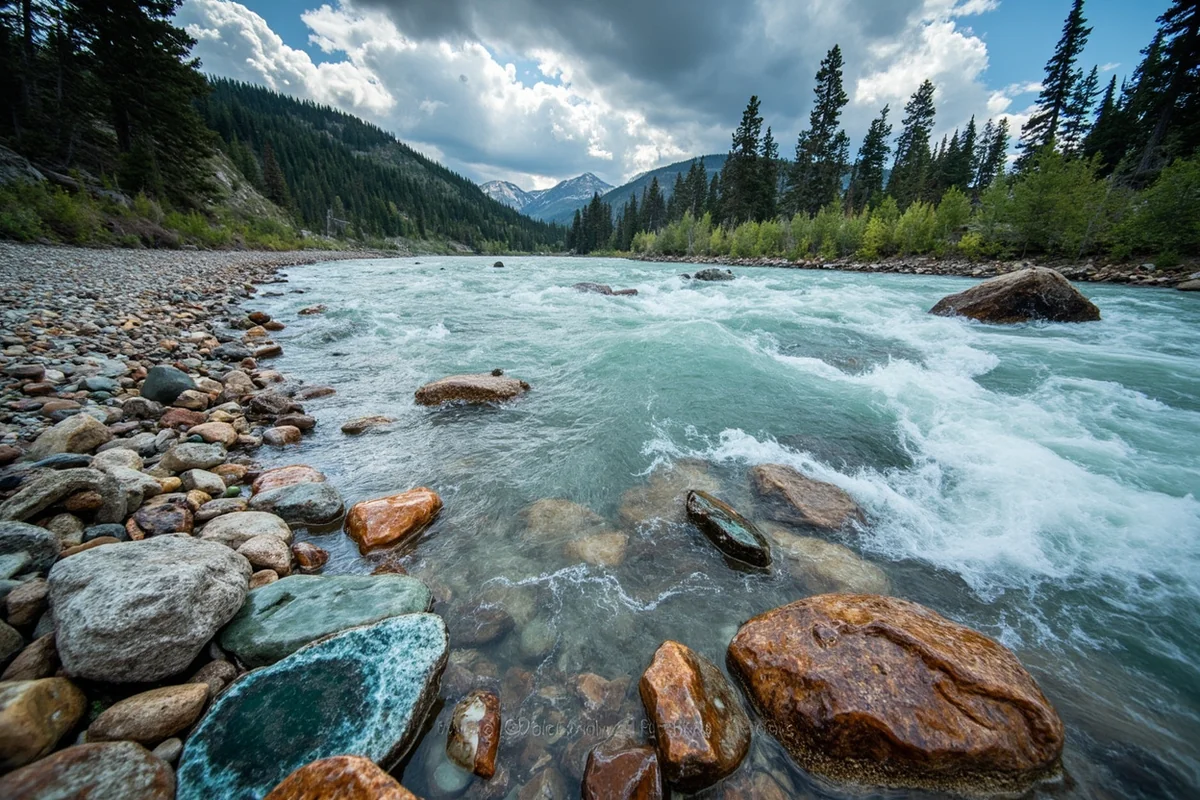
Learning to spot Montana Agates among thousands of ordinary rocks takes practice, but a few techniques dramatically improve your odds. I’ve refined my approach over hundreds of hours of hunting.
The Wet Test
This is the single most valuable technique I use. Carry a spray bottle filled with water. When you spot a potentially interesting stone, wet its surface.
Agates will reveal their translucency and any internal patterns when wet. Ordinary siltstones, sandstones, and other rocks that might fool you when dry will remain opaque and dull.
I probably wet-test fifty rocks for every keeper I find. It becomes second nature after a few hours.
What to Look For
Montana Agates share certain characteristics that help distinguish them from common river rocks:
- Translucency: Hold the stone up to sunlight. Even rough, unpolished agates will transmit light through thin edges.
- Waxy luster: The surface often has a subtle sheen, different from the dull texture of most river rocks.
- Conchoidal fracture: If you see a broken face, it should curve smoothly rather than showing flat planes or crumbling edges.
- Weight: Agates are denser than many common rocks. With experience, you’ll notice they feel heavier than expected for their size.
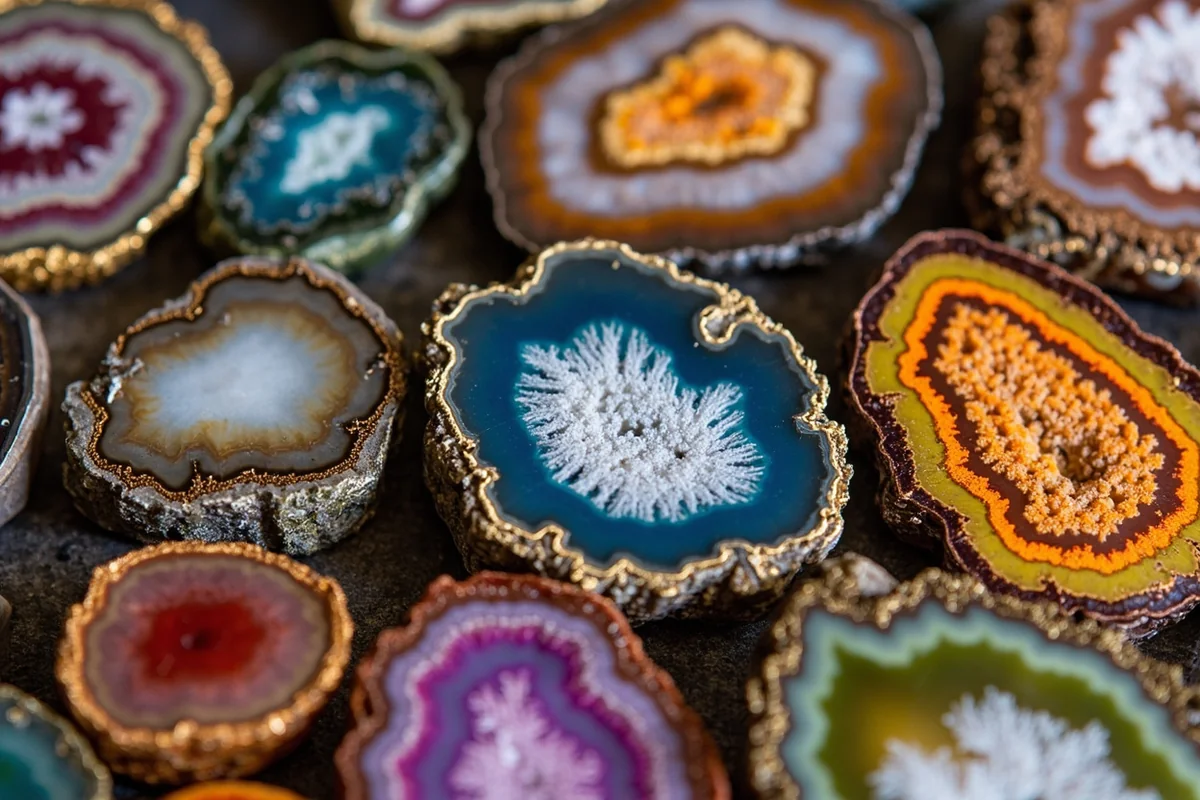
Color and Pattern Variations
Montana Agates display remarkable variety. During my years of collecting, I’ve encountered:
Clear/colorless: The most common variety, often with subtle banding visible when backlit.
Dendrite agates: The iconic Montana specimens featuring tree-like inclusions in red, orange, brown, or black.
Moss agates: Similar to dendrites but with more irregular, moss-like inclusions.
Fortification agates: Featuring distinct concentric banding patterns.
Plume agates: Containing feathery, plume-like inclusions that seem to float within the stone.
Sagenite agates: Rare specimens containing needle-like crystal inclusions.
The most valuable pieces combine excellent translucency with distinctive, centered dendrite patterns. But beauty is subjective — I’ve kept plenty of “plain” agates simply because something about them spoke to me.
Practical Gear and Preparation
You don’t need expensive equipment to hunt Montana Agates, but a few items make the experience much more enjoyable and productive.
Essential Gear
- Spray bottle: For wet-testing potential finds. I carry a 16-ounce bottle and refill from the river.
- Sturdy footwear: Ankle-supporting boots or hiking shoes. River cobbles are notoriously unstable.
- Sun protection: Hat, sunscreen, and sunglasses. Eastern Montana sun is relentless.
- Collection bag: A sturdy cloth bag or bucket. Agates get heavy quickly.
- Water and snacks: Hours pass quickly when you’re hunting. Stay hydrated.
- Small towel: For drying specimens to examine them more closely.
Nice-to-Have Items
- Kneepads: Game-changer for extended searching. My knees thank me every trip.
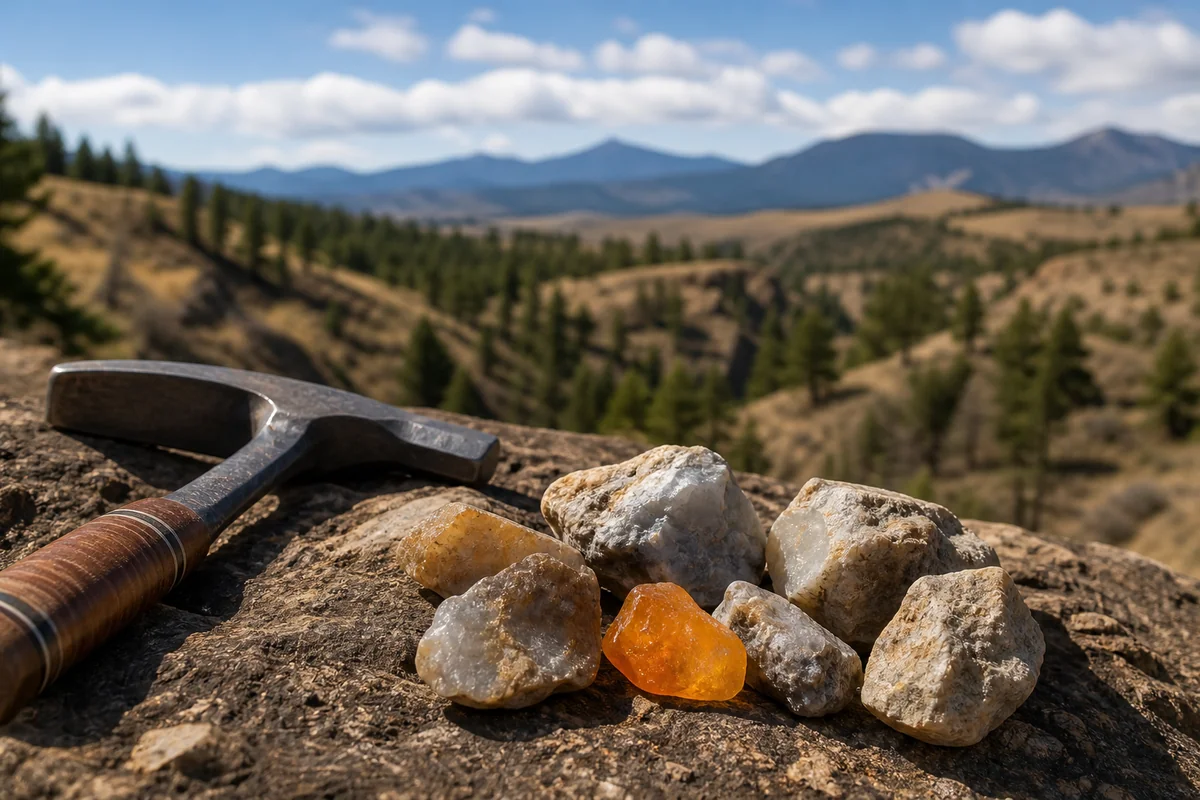
- Small trowel: For gently moving surface gravels to expose agates beneath.
- Loupe or magnifying glass: For examining inclusions in detail.
- UV flashlight: Some agates fluoresce interestingly under UV light.
- Field guide: I recommend “Montana Agates” by Roger Roche for serious collectors.
Safety Considerations
I cannot stress enough: respect the river. The Yellowstone is a powerful, cold waterway with unpredictable currents. I never wade more than knee-deep and always watch for unstable footing.
Rattlesnakes inhabit the riparian areas along the Yellowstone. I’ve encountered them several times, typically when moving through brushy areas away from the water. Watch where you step and reach.
Cell service is spotty to nonexistent in many prime hunting areas. Let someone know your plans before heading out, especially if hunting alone.
Legal Considerations and Ethics
Understanding where you can legally collect — and how much — keeps your hobby on the right side of regulations.
Public Land Rules
On BLM land, which covers vast stretches of eastern Montana, you can collect up to 25 pounds per day plus one piece, with an annual limit of 250 pounds per person for personal, non-commercial use. No permit is required.
State lands have different regulations. Check with Montana DNRC for current rules, as they can vary by parcel.
Private Land
Much of the prime agate territory borders private ranch land. Always — and I mean always — obtain permission before accessing private property.
In my experience, most ranchers are reasonable folks who appreciate being asked. I’ve been granted access many times simply by pulling up to a ranch house and explaining what I’m doing. A genuine interest in their land and livestock helps.
Some landowners now charge fees for access, which seems fair given the wear their property receives. I’ve paid anywhere from $20-50 for day access to productive private stretches.
Ethical Collecting
Leave sites better than you found them. Pack out all trash — yours and anything else you encounter. Avoid disturbing bank vegetation or creating erosion problems.
I follow a personal rule of only collecting what I’ll actually use or display. It’s tempting to grab every decent agate you see, but restraint ensures future hunters enjoy the same thrill of discovery.
If you’re interested in more intensive gemstone mining in Montana, be aware that different rules apply to commercial operations and mining claims.
What to Do With Your Finds
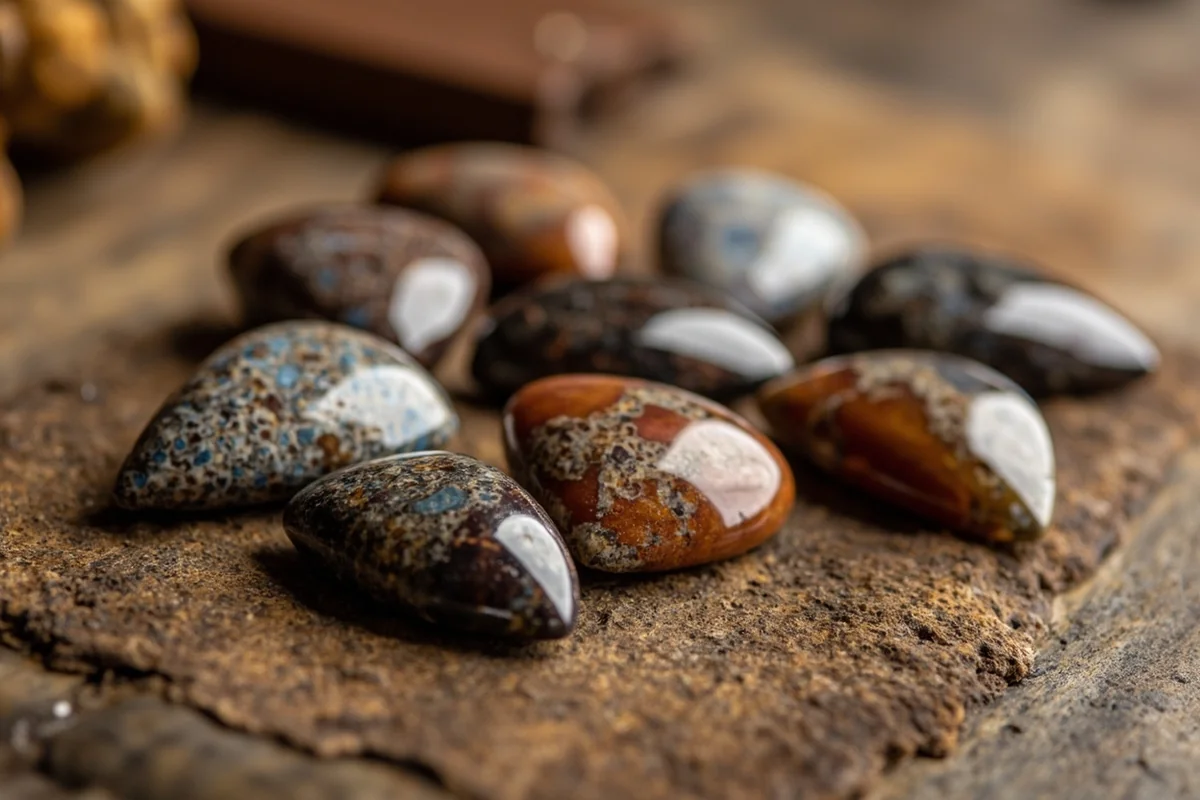
Part of the joy of collecting Montana Agates is transforming rough river stones into polished gems that reveal their full beauty.
Tumbling
A rotary rock tumbler is the most accessible finishing method. Entry-level tumblers cost around $50-80 and can handle several pounds of material at once.
The process takes patience — typically 4-6 weeks through progressively finer grits. But the results are worth the wait. My first batch of tumbled Montana Agates remains one of my prized collections.
Cutting and Polishing
For premium specimens with centered dendrites, cutting and polishing produces the most stunning results. If you don’t have lapidary equipment, several shops in Montana offer cutting services.
I’ve used Montana Gems in Billings for years. They charge reasonable rates and do quality work. Seeing a rough agate transformed into a polished cabochon that perfectly displays its dendrites never gets old.
Jewelry and Display
Montana Agates make exceptional jewelry. The most desirable specimens — those with distinctive dendrite patterns in clear backgrounds — can be worth hundreds of dollars as finished cabochons.
Several jewelers in Montana specialize in setting locally collected agates. Custom pieces make meaningful souvenirs and gifts.
For display purposes, simple LED light stands that illuminate from below showcase agates’ translucency beautifully. I have several favorite pieces arranged on my home office windowsill where afternoon light brings them to life.
Combining Agate Hunting With Other Montana Experiences
Montana Agate hunting works wonderfully as part of a broader eastern Montana itinerary. The region offers more than most visitors expect.
Makoshika State Park
Just outside Glendive, Montana’s largest state park features dramatic badlands geology and excellent fossil-hunting opportunities. I typically spend a day here during any extended agate trip.
The park contains extensive exposed Hell Creek Formation — the same strata that produces dinosaur fossils across the northern plains. You can’t collect fossils, but hiking among them feels appropriately Montanan.
Medicine Rocks State Park
Between Miles City and Baker, these sandstone formations were sacred to Native American tribes and remain an atmospheric place to explore. The rock formations make excellent photography subjects.
Paddlefish Season
If you’re visiting in May or June, eastern Montana’s paddlefish snagging season on the Yellowstone offers a uniquely Montana experience. These prehistoric fish can exceed 100 pounds. The Intake Dam area that’s excellent for agates is also a prime paddlefish spot.
A Note on Montana’s Other Treasures
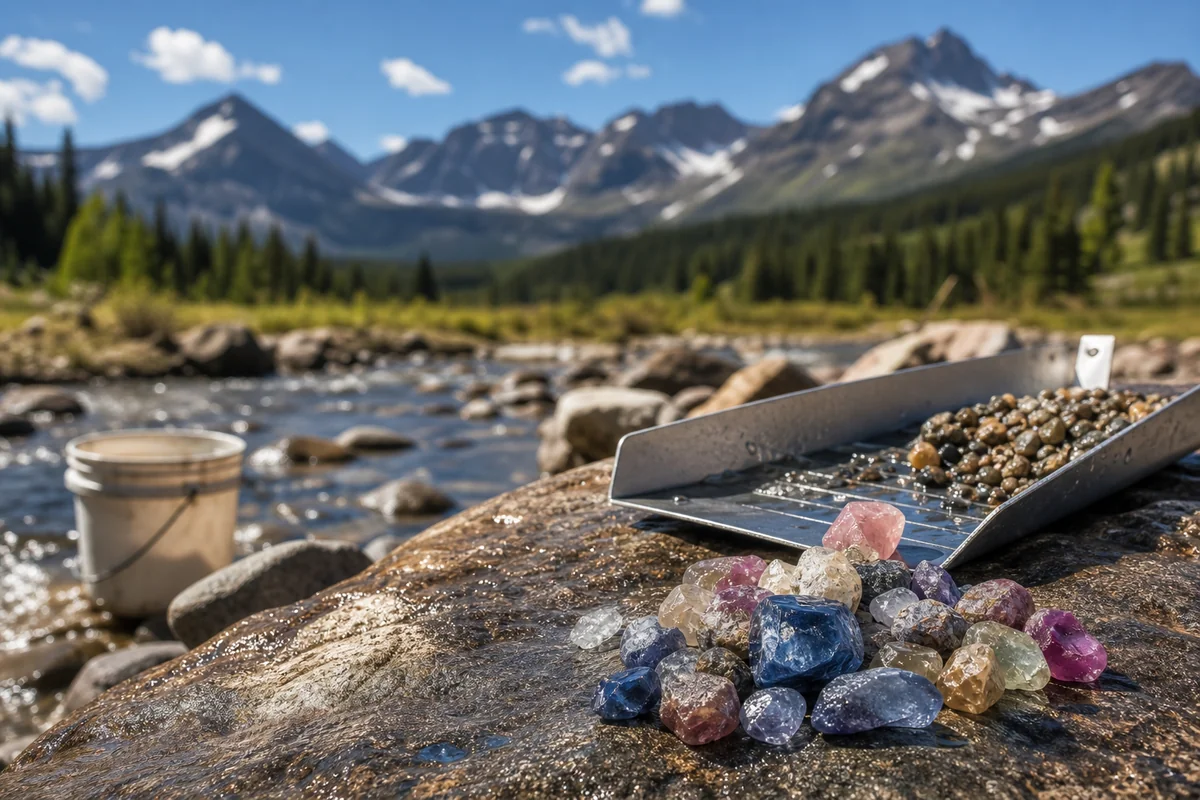
While you’re exploring Montana’s gem resources, you might also consider the famous Montana sapphires found in the western part of the state. They represent a completely different hunting experience but one equally rewarding.
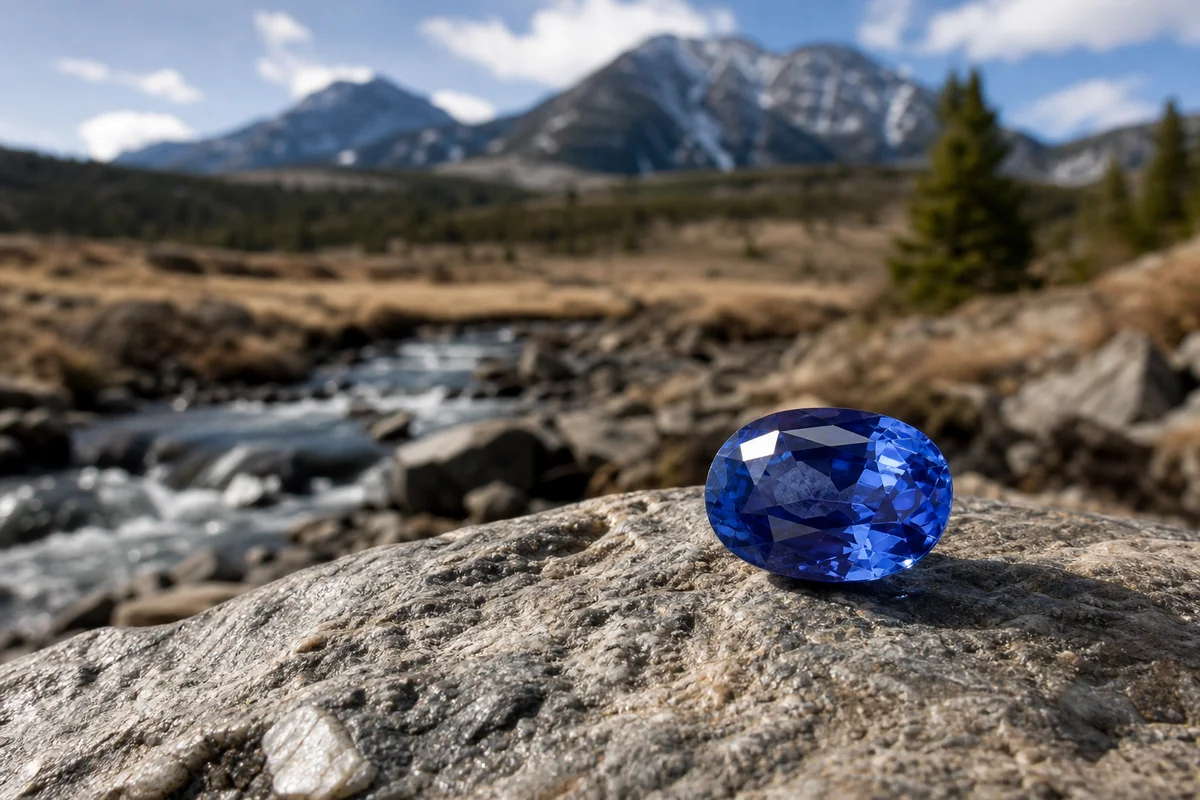
For the rarest of the rare, the Montana Yogo Sapphire from the Little Belt Mountains commands premium prices and offers guided dig experiences.
Building Your Montana Agate Trip
For first-time visitors, I recommend a three to four-day itinerary focusing on the Billings to Glendive corridor. Here’s a sample approach based on my experience.
Day 1: Billings Area
Arrive in Billings and pick up supplies. Visit a local rock shop — I recommend D&J Trading Post on Montana Avenue — to see examples of finished Montana Agates and get current tips on conditions.
In the afternoon, head to Howrey Island for an introductory hunt. The easy access lets you focus on developing your eye for agates without difficult logistics.
Day 2: Pompeys Pillar Area
Split the day between visiting Pompeys Pillar National Monument (the Clark signature alone is worth the stop) and hunting the gravel bars downstream.
This stretch tends to produce larger specimens in my experience, though they may be less abundant than other areas.
Day 3: Miles City to Glendive
The long drive east pays dividends in less-pressured hunting grounds. Stop at several access points along the way. The Rosebud Creek confluence and areas near Fallon are personal favorites.
End in Glendive for dinner and overnight. The town has a surprising number of decent restaurants for its size.
Day 4: Intake Area and Return
Hit Intake Dam early for prime hunting conditions. This is typically my most productive stop on any eastern Montana trip.
Afternoon options include exploring Makoshika State Park or beginning the return journey to Billings.
Resources and Local Knowledge
Connecting with local enthusiasts dramatically improves your hunting success. Here are resources I’ve found valuable.
Rock Clubs
The Yellowstone Gem & Mineral Society (based in Billings) welcomes visitors and organizes group hunts. Monthly meetings often include presentations on productive locations. Attending one before a hunting trip provides invaluable local intel.
The Eastern Montana Rockhounds, less formally organized, maintain a Facebook group where members share finds and tips.
Local Shops
Rock and mineral shops in eastern Montana serve as informal information exchanges. Shop owners know which spots are producing and are usually happy to share insights with buyers.
Besides D&J Trading Post in Billings, check out the Makoshika Dinosaur Museum gift shop in Glendive, which stocks local agates and connects with knowledgeable collectors.
Online Resources
The Montana Bureau of Mines and Geology publishes maps and reports on agate occurrences. Their Butte office can provide information on geology and known productive areas.
The BLM Miles City Field Office maintains current information on public land access points along the Yellowstone. They can clarify any questions about collecting regulations.
The Deeper Appeal of Agate Hunting
After years of hunting Montana Agates, I’ve come to appreciate that the activity offers something beyond simply acquiring pretty rocks. There’s a meditative quality to walking slowly along a gravel bar, eyes scanning the endless stones.
Each agate represents a slice of deep time — a geological process that began before humans existed. When I hold a particularly fine specimen, I’m touching something that formed over millions of years and waited in the earth to be discovered.
The landscapes themselves contribute to the experience. Eastern Montana remains one of the least-visited parts of the state, yet it possesses an austere beauty that grows on you. The big sky feels bigger out here, away from the mountains that frame it elsewhere.
And there’s the element of chance — the treasure-hunt excitement that never diminishes. Every hunt might produce the finest agate I’ve ever found. That possibility keeps me returning year after year.
Montana’s official state gem earned that designation for good reason. These stones capture something essential about this place — formed by volcanic fire, shaped by patient water, revealed by persistent searching. If that’s not a metaphor for the Montana experience, I don’t know what is.
Frequently Asked Questions
Where can I find Montana agate while visiting Montana?
The best places to hunt for Montana agate are along the Yellowstone River between Billings and Sidney, with popular spots including gravel bars near Terry, Glendive, and the Intake area. I’d also recommend checking out Dryhead agate hunting areas near the Pryor Mountains south of Billings. Many private ranches offer paid access for rockhounding, typically charging $20-50 per day.
What is the best time of year to hunt for Montana agate?
The ideal time for Montana agate hunting is late spring through early fall, specifically May through October when river levels drop and expose fresh gravel bars. I’ve found that going after spring runoff in June or July reveals agates that have been tumbled and polished by high water. Winter hunting is possible but challenging due to snow cover and freezing temperatures.
What equipment do I need for Montana agate hunting?
You’ll want sturdy waterproof boots for walking along riverbanks, a spray bottle to wet rocks and reveal agate patterns, and a rock pick or small shovel for digging. I always bring a bucket or backpack for collecting, sunscreen, and plenty of water since Montana gets hot and dry in summer. Polarized sunglasses help spot translucent agates among ordinary river rocks.
How much is Montana agate worth and can I sell what I find?
Montana agate values range from $1-5 per pound for common material up to $50-200+ for exceptional specimens with scenic or fortification patterns. If you find a high-quality piece with distinctive banding or landscape-like inclusions, it could be worth significantly more to collectors and jewelry makers. You’re free to sell agates you legally collect, and local rock shops in Billings and Glendive often purchase quality specimens.
Do I need a permit to collect Montana agate on public land?
Casual collecting on BLM land is generally allowed without a permit as long as you take less than 25 pounds per day for personal use. However, you cannot collect in state parks, on private property without permission, or within certain protected areas along the Yellowstone River. I always verify current regulations with the local BLM field office in Miles City or Billings before heading out.
What makes Montana agate different from other types of agate?
Montana agate is prized for its unique scenic inclusions that create landscape-like images, moss patterns, and distinctive red, orange, and yellow coloring from iron and manganese. Unlike Brazilian or Lake Superior agates, Montana specimens often display dramatic fortification banding and dendritic formations resembling trees or ferns. Collectors worldwide consider high-quality Montana agate among the most beautiful and valuable American agates.
Are there guided Montana agate hunting tours near Yellowstone River?
Yes, several outfitters near Billings and Glendive offer guided rockhounding tours ranging from $75-150 per person for half-day excursions. These tours provide access to private land with better hunting grounds and include expert instruction on identifying quality agates. I recommend booking in advance during summer months since tours fill up quickly, and guides know exactly where the best specimens are hiding.
Sources