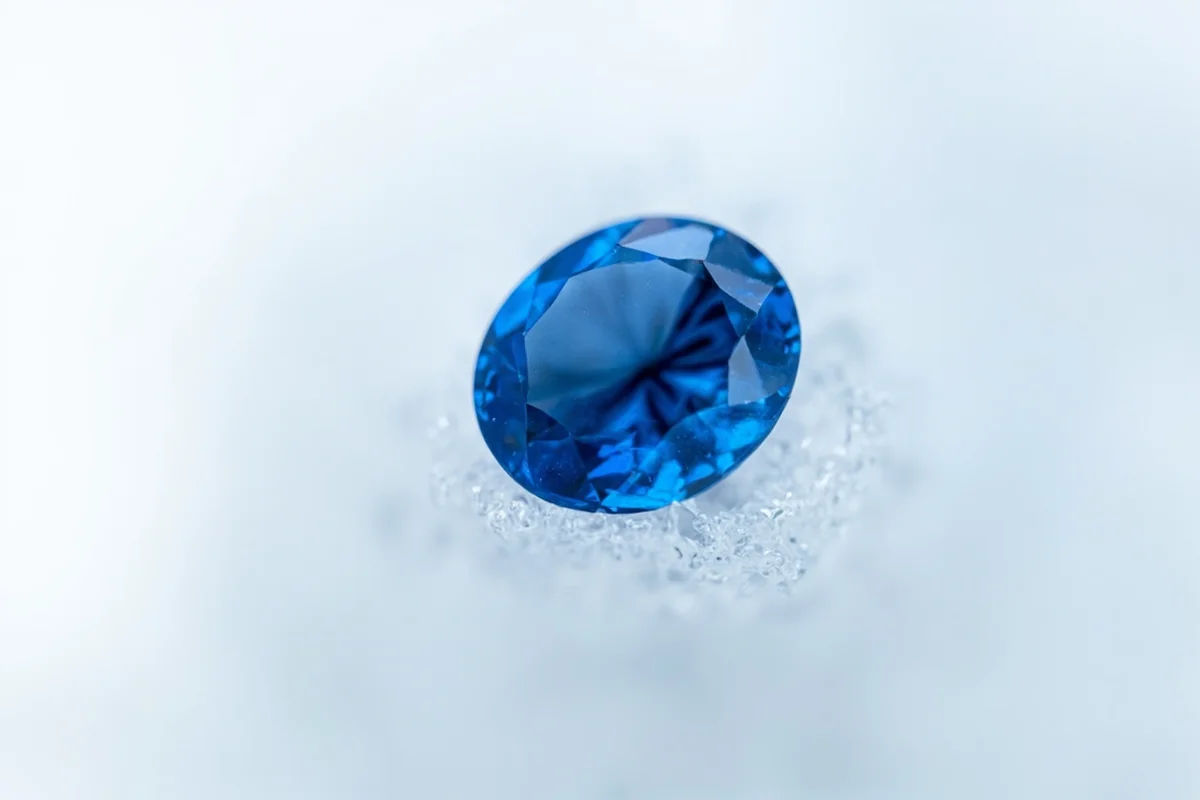
I’ll never forget the moment a jeweler in Lewistown held a Yogo sapphire up to the window light and I watched it ignite with that impossible cornflower blue—no treatment, no enhancement, just pure Montana earth magic.
That single stone, barely larger than a pencil eraser, represented millions of years of geological patience and a mining history as rugged as the state itself.
Among all the stunning Montana gemstones I’ve encountered across this state, Yogos hold a special place. They’re not just beautiful—they’re geologically unique, historically fascinating, and increasingly rare.
If you’re planning a trip to Big Sky Country with gemstones on your mind, understanding Yogo sapphires will transform your experience from casual sightseeing to genuine treasure hunting.
- Yogo sapphires come exclusively from Yogo Gulch in Montana’s Judith Basin County—nowhere else on Earth
- Unlike other sapphires, Yogos require no heat treatment to achieve their signature cornflower blue color
- Public mining isn’t currently available at Yogo Gulch, but you can buy authentic stones from Montana dealers
- Prices range from $200-$2,000+ per carat depending on size and quality
- Best places to see and buy: Lewistown, Great Falls, and certified Montana jewelers
- The Yogo Sapphire mine has complex ownership history—research before any “mining opportunity” claims
Liked this article?
Add Roaming Montana as a preferred source so you see more of our articles and guides on Google.
What Makes Yogo Sapphires Different From All Other Sapphires
During my first deep dive into Montana sapphires, I assumed a sapphire was a sapphire. I was wrong. Yogo sapphires occupy their own category, and once you understand why, you’ll never look at them the same way.
The magic starts underground. While most sapphires worldwide require heat treatment to enhance their color—sometimes reaching temperatures over 1,800 degrees Celsius—Yogos emerge from the earth already perfect.
That cornflower blue isn’t engineered in a lab; it’s baked in by nature over 49 million years of geological pressure cooking.
I spoke with a gemologist in Helena last fall who put it this way: “Buying a Yogo means buying truth. What you see is exactly what the earth created.” That authenticity carries real weight in a gemstone market flooded with treated stones.
The Cornflower Blue Phenomenon
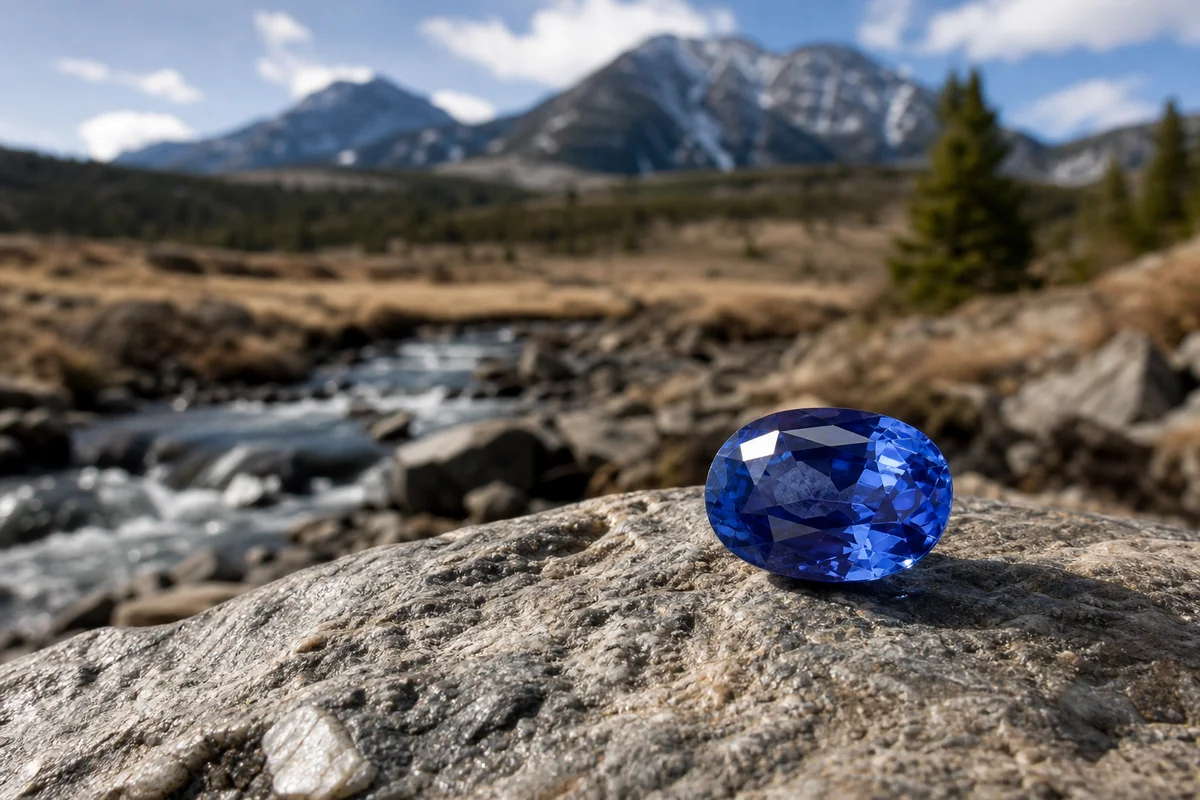
Yogo sapphires display a specific shade that gemologists call “cornflower blue.” It’s lighter than the deep royal blue of Sri Lankan sapphires, with a violet undertone that catches light differently depending on the angle.
I’ve compared them side by side with sapphires from other Montana deposits—Rock Creek, Dry Cottonwood Creek, the Missouri River region.
Those stones show more color variation, from pale pastels to deep navy, and often carry greenish or grayish undertones.
Yogos maintain remarkable color consistency. Stone to stone, mine to mine, decade to decade—that distinctive blue remains almost identical. It’s like a geological fingerprint that can’t be faked.
Size Limitations You Should Know About
Here’s something dealers don’t always mention upfront: Yogo sapphires rarely exceed one carat. During my research trip through central Montana, I examined dozens of stones and only saw three that topped 1.5 carats.
The geological formation that created these sapphires—a vertical igneous dike rather than horizontal deposits—simply didn’t produce large crystals. The largest faceted Yogo on record weighs around 10 carats, and it’s considered a geological miracle.
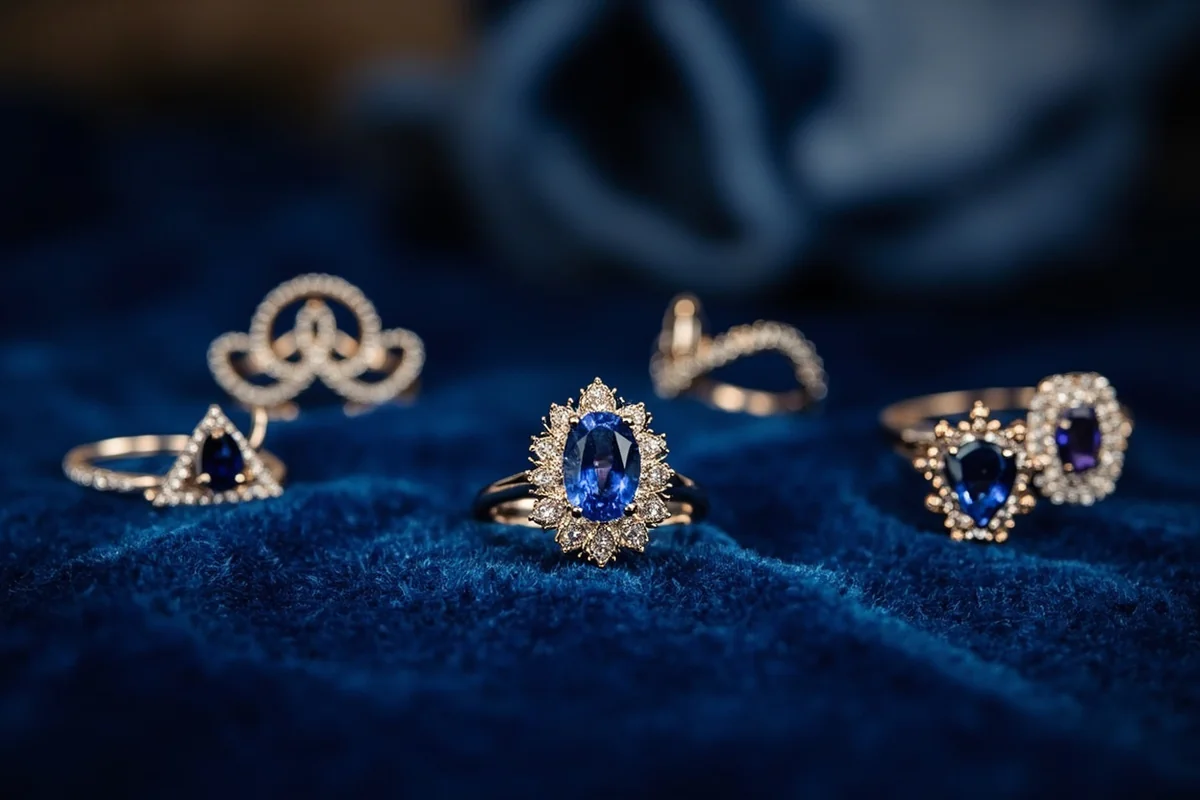
This size constraint actually makes Yogos perfect for certain jewelry applications. Engagement rings with a center Yogo surrounded by diamond accents, delicate pendant necklaces, and stud earrings showcase these gems beautifully without requiring massive carat weights.
The Remarkable History of Yogo Gulch
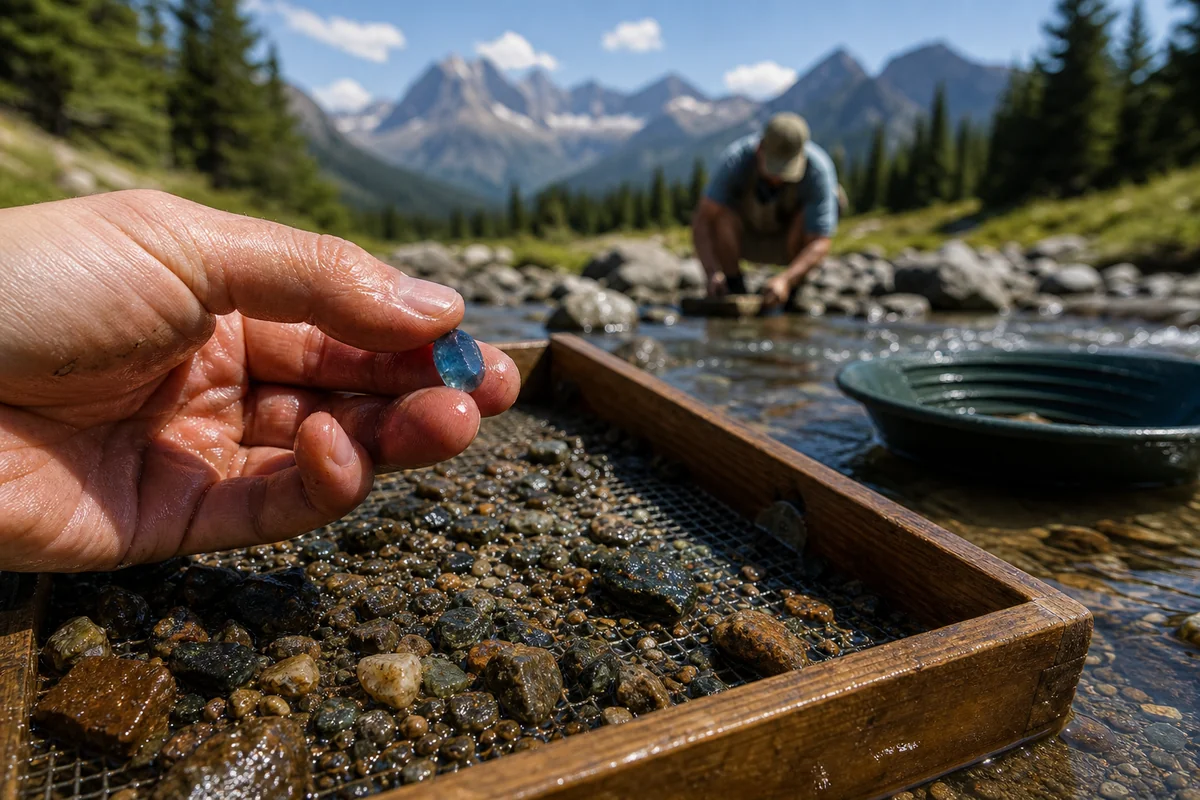
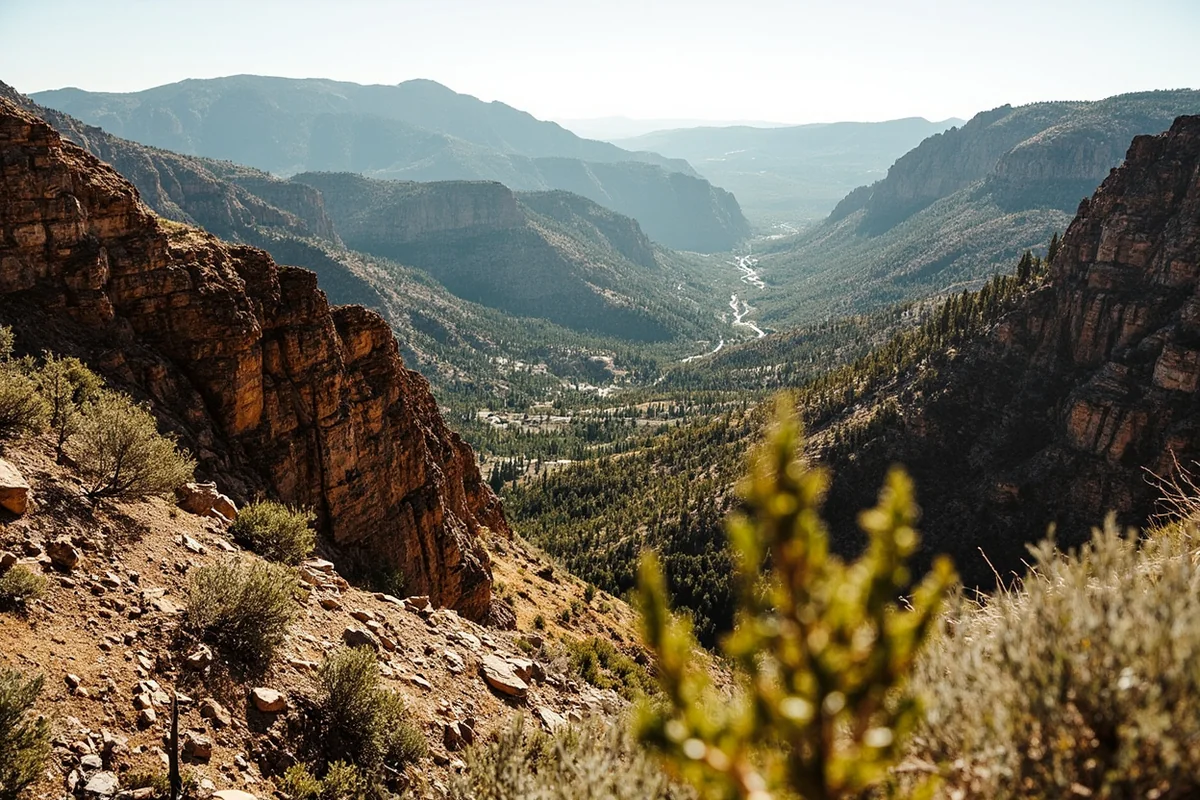
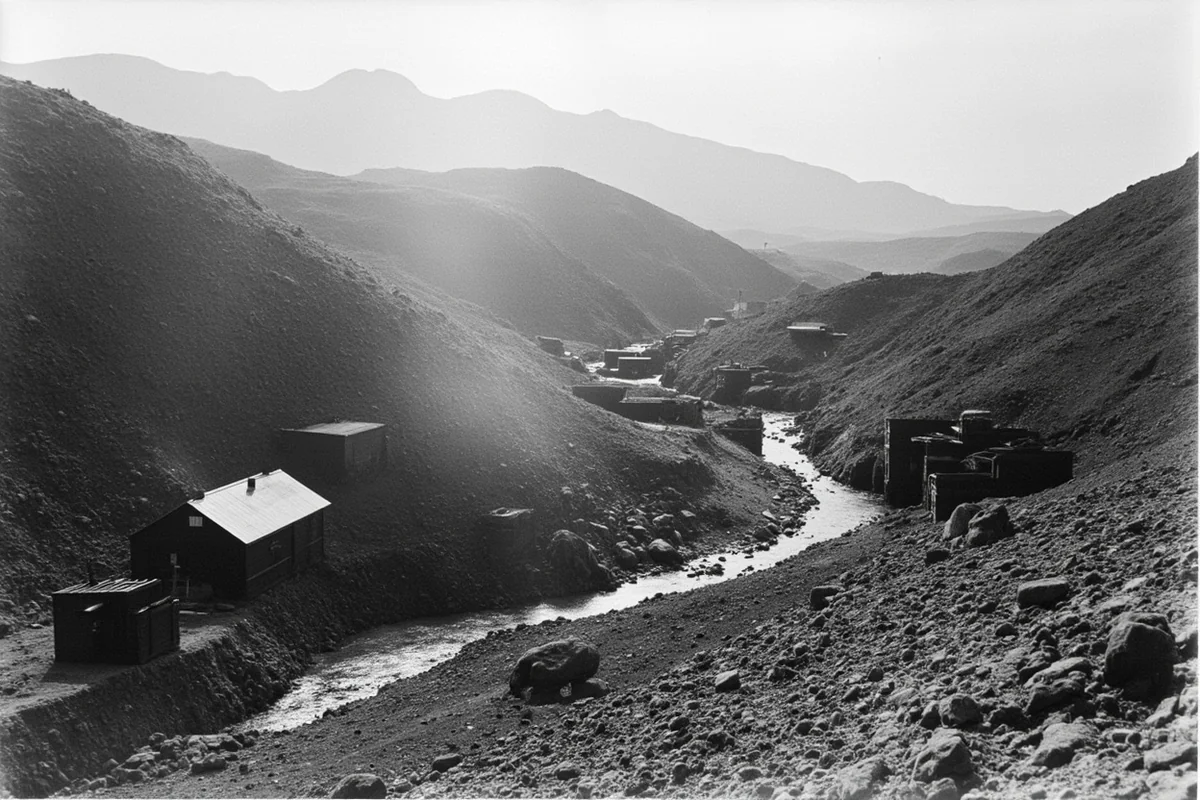
Gold prospectors discovered Yogo sapphires in 1894—completely by accident. They were washing gravel for gold nuggets when blue pebbles kept clogging their sluice boxes. Most miners tossed them aside as worthless rock.
A sharp-eyed prospector named Jake Hoover gathered a cigar box full of those “blue pebbles” and shipped them to Tiffany & Co. in New York. The response changed Montana mining history forever.
The Tiffany & Co. Connection
George Frederick Kunz, Tiffany’s legendary gemologist, immediately recognized what he was seeing.
He sent Hoover a check for $3,750—a fortune in 1890s dollars—along with a letter calling the stones “the finest precious gemstones ever found in the United States.”
When I visited the Montana Historical Society in Helena, I found archived correspondence between Kunz and Montana mining interests.
His enthusiasm practically leaps off the century-old pages. He wrote that Yogo sapphires required no enhancement to rival the best sapphires from Kashmir and Burma.
Tiffany featured Yogos prominently for decades. The company’s approval put Montana on the international gemstone map and established credibility that persists today.
A Century of Ownership Drama
The Yogo Gulch deposit has changed hands more times than I can count, and the ownership history reads like a soap opera.
British investors, American mining companies, bankruptcy proceedings, environmental disputes, and legal battles have all played roles.
When I drove through the area last summer, active mining had ceased. The current ownership situation remains complicated, and I’d caution anyone against believing claims about public mining access without thorough verification.
Some legitimate gemstone mining in Montana operations exist elsewhere, but Yogo Gulch itself isn’t among them as of my last visit.
Why Mining Stopped and What’s Next
The economics of Yogo mining present unique challenges. Unlike surface deposits that can be worked with relatively simple equipment, Yogo sapphires come from a narrow dike of igneous rock that requires underground mining.
One mine engineer I met in Lewistown explained that extracting sapphires from the hard lamprophyre rock costs significantly more per carat than mining softer alluvial deposits. When sapphire prices dipped in the early 2000s, operations became economically unviable.
Various companies have announced restart plans over the years. Some have even begun preliminary work. But as of my most recent trip, the mine remained quiet, and locals weren’t optimistic about imminent changes.
Where to See and Buy Authentic Yogo Sapphires Today
You can’t currently dig for Yogos yourself, but that doesn’t mean your trip will lack gemstone adventures. Montana offers multiple options for seeing, learning about, and purchasing authentic Yogo sapphires.
Lewistown: The Yogo Capital
Lewistown sits roughly 40 miles from Yogo Gulch, and the town has embraced its sapphire heritage. When I spent two days exploring last August, I found genuine Yogo enthusiasm everywhere.
The Yogo Inn—yes, it’s named after the sapphire—serves as a base camp for gemstone tourists. The lobby displays Yogo specimens, and staff can direct you to local dealers.
Don’s Jewelry on Main Street carries Yogo pieces and employs staff who actually know the stones’ history. I spent an hour there asking questions, and the owner never once tried to pressure a sale. That kind of educational approach matters when you’re making a significant purchase.
The Central Montana Museum includes a small but informative Yogo exhibit. It’s worth the modest admission fee to understand the mining history before you start shopping.
Great Falls Options
Great Falls offers more jewelry store choices, though you’ll need to verify Yogo authenticity carefully. Not every store selling “Montana sapphires” carries genuine Yogos—many stock stones from other Montana deposits.
I found the most reliable selection at stores that specialize in Montana-made jewelry rather than general jewelers who happen to stock some local stones.
Ask specific questions: Where exactly did these sapphires originate? Can you provide documentation? What’s your relationship with the source? Legitimate dealers welcome these inquiries because they’ve invested in building authentic supply chains.
Online Dealers and Red Flags
Several reputable dealers sell authentic Yogos online, but this marketplace requires extra caution. During my research, I encountered multiple listings claiming “Yogo sapphire” that clearly showed stones from other deposits or even different countries entirely.
Red flags to watch for: Prices that seem too good to be true (genuine Yogos command premium prices), unusually large stones (remember, Yogos rarely exceed one carat), color variations that include green or yellow undertones (true Yogos maintain consistent cornflower blue), and sellers who can’t provide provenance documentation.
The Yogo Sapphire Mining Company website occasionally lists authenticated inventory. Some estate jewelry sales also feature legitimate vintage Yogo pieces from Tiffany and other historic dealers.
Understanding Yogo Sapphire Pricing
Prepare yourself: Yogo sapphires cost more per carat than most other Montana sapphires, and often more than treated sapphires from major international deposits. That premium reflects their natural, untreated status and extreme rarity.
| Carat Weight | Typical Price Range | Notes |
|---|---|---|
| Under 0.25 ct | $150-$400 | Melee stones, often used as accents |
| 0.25-0.50 ct | $400-$800 | Good for small pendants, earrings |
| 0.50-0.75 ct | $800-$1,500 | Popular engagement ring size |
| 0.75-1.00 ct | $1,500-$3,000 | Premium stones, harder to find |
| Over 1.00 ct | $3,000-$10,000+ | Extremely rare, collector pieces |
These prices assume high-quality specimens with good clarity and characteristic color. Stones with visible inclusions, off-color tints, or poor cuts may cost less but also carry less value long-term.
Why the Price Premium Makes Sense
I initially balked at Yogo prices until I understood the full picture. No new Yogos are currently entering the market from active mining. Existing inventory comes from decades-old stock, estate sales, and the occasional lucky find in old collections.
Simple supply and demand: finite supply meets growing demand equals premium prices. As awareness of these gems spreads—and as untreated gemstones gain popularity among ethical consumers—Yogo values continue climbing.
A jeweler in Bozeman showed me purchase records from his family business. Yogo prices have roughly doubled every 15-20 years for the past century. That’s not a get-rich-quick investment, but it does suggest these stones hold value better than most jewelry purchases.
Getting Fair Value
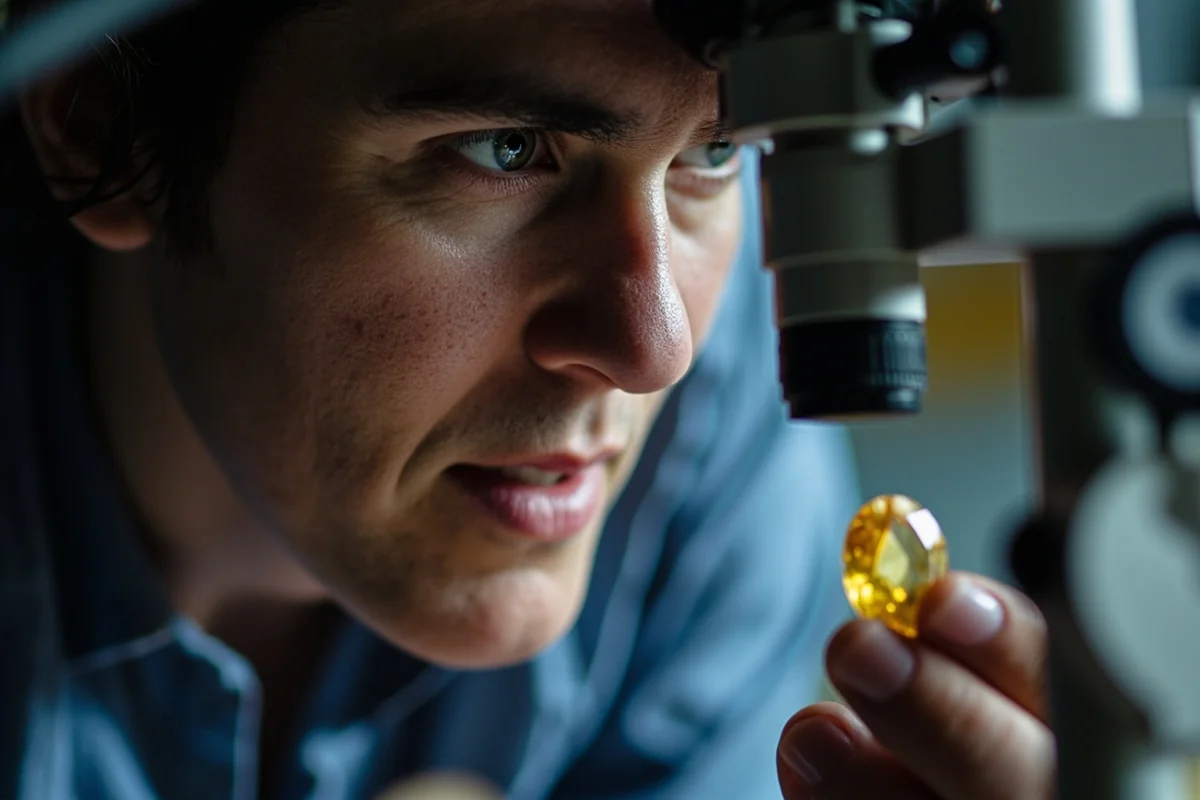
When I buy gemstones in Montana, I always get independent appraisals before major purchases. A certified gemologist can verify authenticity, assess quality, and confirm fair market pricing.
The American Gem Society maintains a directory of certified professionals. Budget $50-$150 for an appraisal—cheap insurance against overpaying or buying misrepresented stones.
Ask sellers about return policies. Reputable dealers offer at least a week for you to have stones independently evaluated. Anyone refusing this reasonable request raises immediate concerns.
Planning Your Yogo Sapphire Trip
A focused Yogo sapphire trip works well as a two to three day excursion through central Montana. Here’s how I’d structure it based on my own travels through the region.
Day One: Lewistown Base Camp
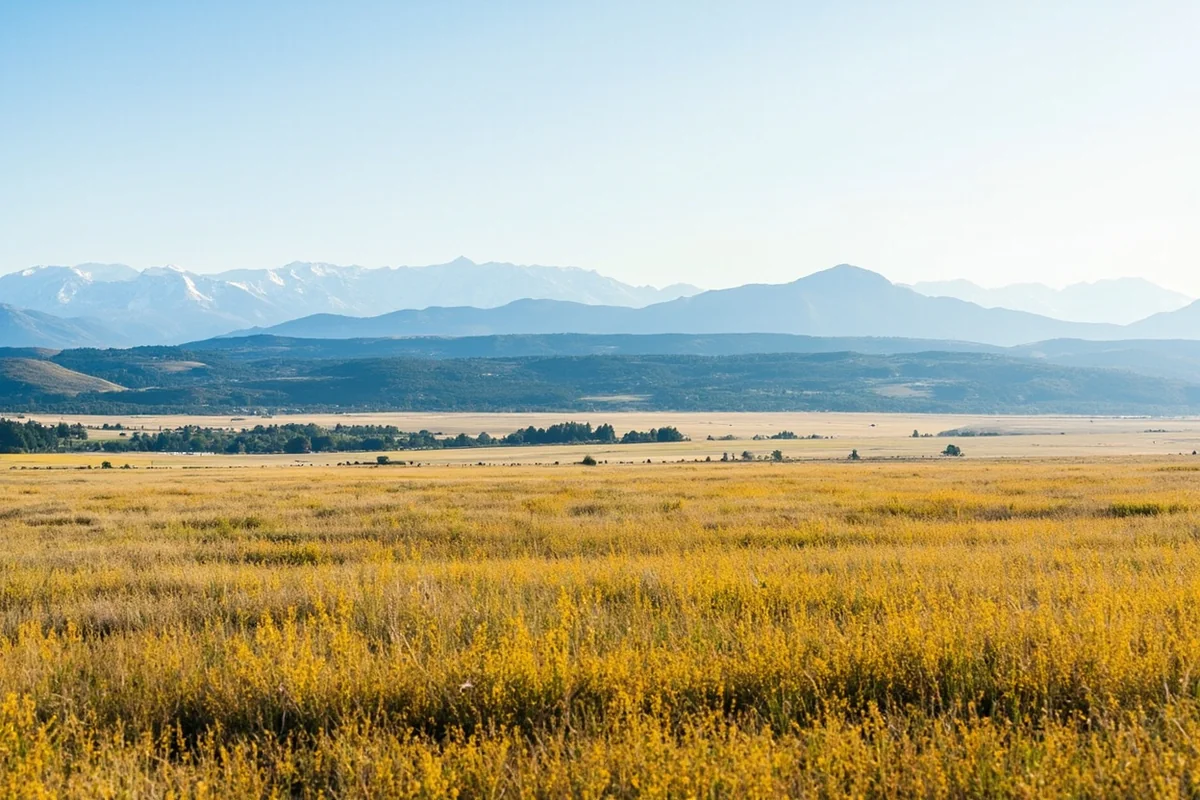
Fly into Great Falls or Billings and drive to Lewistown. The drive from Great Falls takes about 90 minutes through classic Montana ranch country—rolling grasslands, distant mountain views, and enough open space to reset your brain from city stress.
Check into the Yogo Inn or one of several comfortable bed and breakfasts in town. Spend the afternoon at the Central Montana Museum getting your Yogo education started. The historical context makes everything else more meaningful.
Have dinner at one of Lewistown’s surprisingly good restaurants—The Mint Bar & Grill serves excellent steaks—and rest up for gemstone shopping.
Day Two: Shopping and Sightseeing
Morning is shopping time. Visit Don’s Jewelry and any other Yogo dealers you’ve identified. Take your time, ask questions, and don’t feel pressured to buy immediately.
Afternoon options include driving toward Yogo Gulch to see the landscape (you can’t enter the mine property, but the area offers scenic viewpoints) or exploring the nearby Judith Mountains.
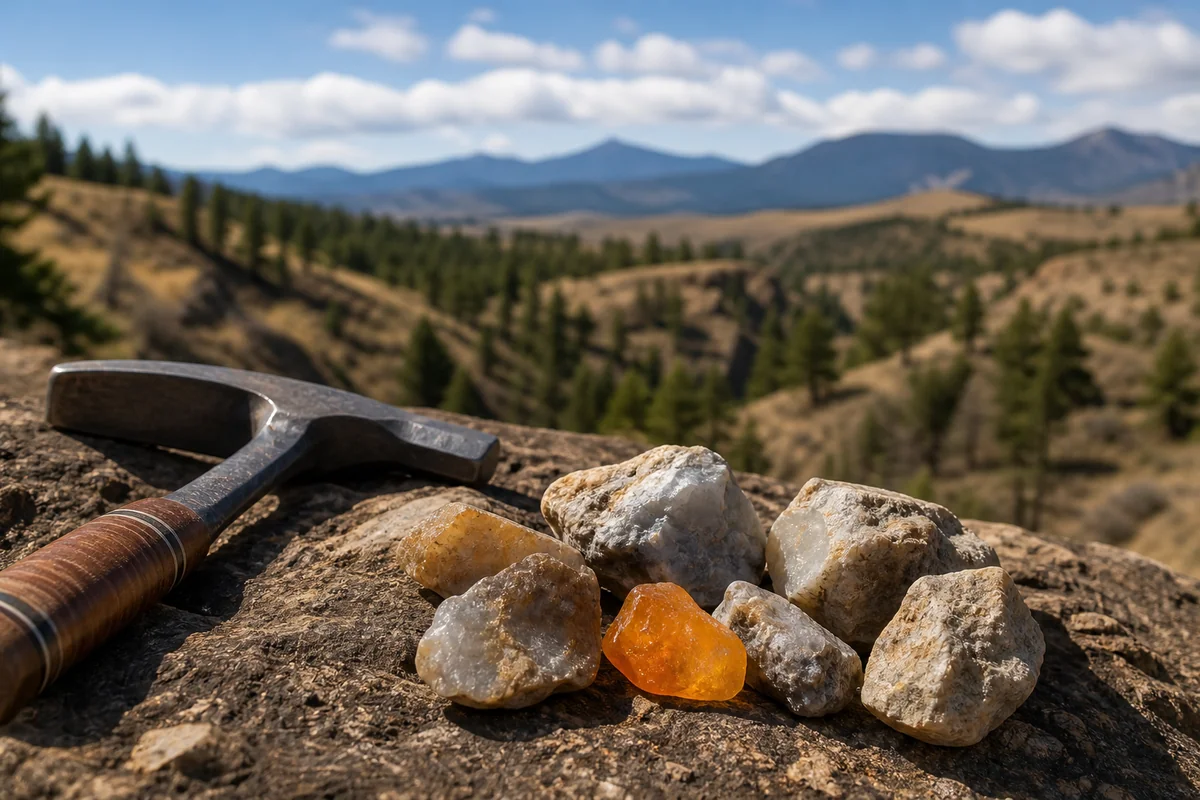
If rockhounding interests you beyond just Yogos, several Montana rockhounding sites lie within day-trip distance. The Lewistown area produces interesting agates and fossils at various accessible locations.
Day Three: Expanding Your Search
Consider driving to Great Falls for additional dealer visits and more urban amenities. The city’s jewelry stores offer different inventory than small-town shops.
The First Peoples Buffalo Jump State Park makes an interesting stop between Lewistown and Great Falls—one of the largest buffalo jump sites in North America, with interpretive trails explaining its 2,000-year history.
Best Seasons to Visit
Central Montana’s climate presents strong seasonal considerations. Summers bring pleasant temperatures and long daylight hours—perfect for combining gemstone shopping with outdoor exploration.
Fall offers gorgeous golden colors and fewer tourists, though days shorten significantly by October. Winter travel remains possible but challenging; some rural roads become treacherous, and a few businesses reduce hours.
I’d avoid April and early May unless you enjoy mud. Spring snowmelt turns unpaved roads into adventures, and the landscape hasn’t yet recovered its green.
Alternative Montana Sapphire Experiences
If you want hands-on mining experience that Yogo Gulch can’t currently provide, Montana offers excellent alternatives. You won’t find Yogos at these sites, but you’ll find beautiful sapphires with their own distinctive character.
Gem Mountain Near Philipsburg
I’ve written extensively about Gem Mountain for good reason—it’s the premier public sapphire mining experience in Montana. You purchase buckets of pre-collected gravel and wash them yourself, keeping whatever you find.
The sapphires here differ from Yogos: more color variation, different geological origin, and yes—most require heat treatment to achieve their best appearance. But the thrill of finding your own gemstone can’t be replicated by simply buying one from a store.
Gem Mountain operates seasonally, roughly Memorial Day through mid-October. Reservations become essential during peak summer months.
Spokane Bar Sapphire Mine
Located near Helena, Spokane Bar offers another public mining option with alluvial sapphires from ancient Missouri River deposits.
The experience differs from Gem Mountain—dig-your-own gravel rather than pre-collected buckets—and the stones show characteristic Montana sapphire variety.
Both sites make excellent additions to a broader Montana gemstone tour. Spend time at each location and you’ll develop real appreciation for Montana’s sapphire diversity.
Montana Agate: A Different Kind of Hunt
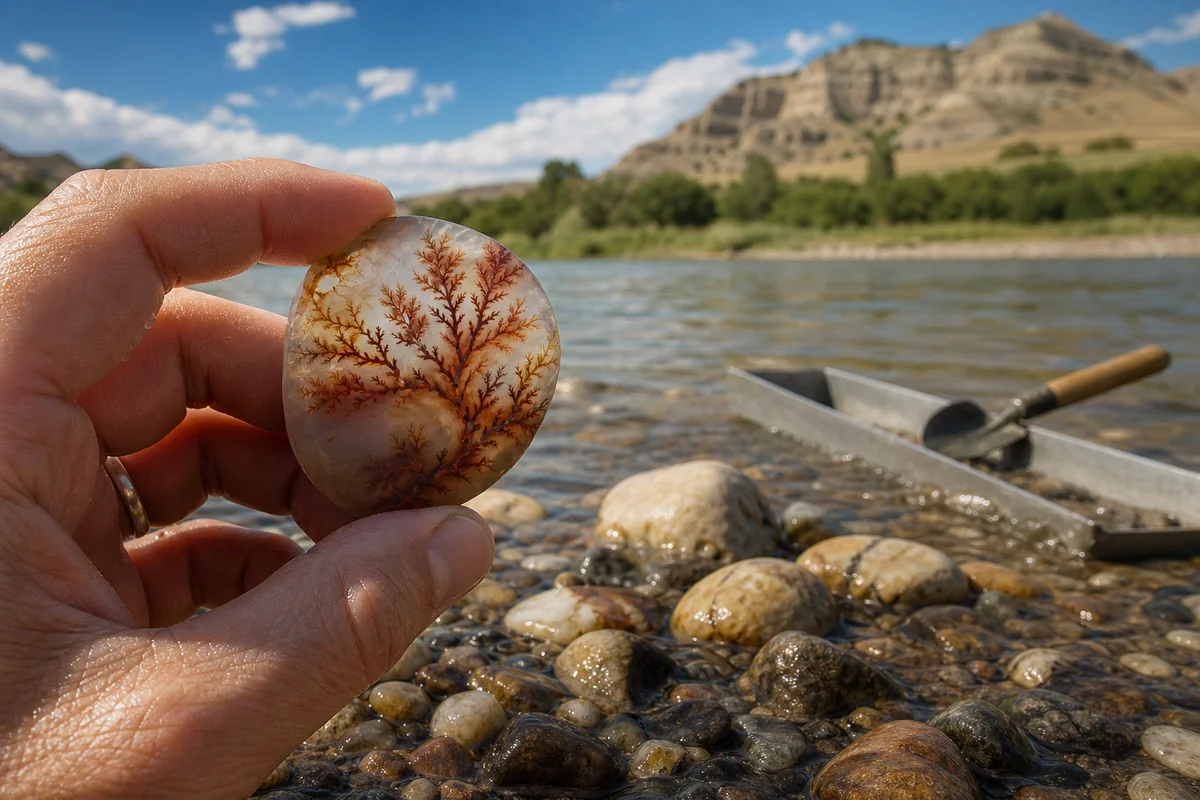
If searching for stones appeals to you but sapphire mining seems too commercial, Montana agate hunting offers a free alternative. The Yellowstone River and its tributaries produce distinctive agates found nowhere else.
I often combine sapphire visits with agate hunting for a more complete Montana gemstone experience. The two activities complement each other well—structured mining one day, free-range rockhounding the next.
Caring for Your Yogo Sapphire Purchase
Once you’ve acquired a Yogo sapphire, proper care ensures it maintains its beauty for generations. These are hard stones—9 on the Mohs scale—but they’re not indestructible.
Cleaning Best Practices
Warm soapy water and a soft brush handle most cleaning needs. I use mild dish soap and an old toothbrush with soft bristles. Rinse thoroughly and dry with a lint-free cloth.
Ultrasonic cleaners generally work well for sapphires, but I’d consult your jeweler first if your stone has visible inclusions. Intense vibration can occasionally extend fractures in stones that aren’t perfectly clean.
Steam cleaning also works for most sapphires. Again, stones with inclusions or fracture fills require more caution.
Storage Considerations
Store Yogo jewelry separately from other pieces. That hardness that makes sapphires durable also makes them capable of scratching softer gems and metals.
I keep my gemstone jewelry in individual soft pouches within a larger jewelry box. This prevents pieces from knocking against each other during travel or storage.
Insurance and Documentation
For any significant Yogo purchase, get professional appraisal documentation and consider adding the piece to your homeowner’s or renter’s insurance. Some policies cover jewelry automatically up to certain limits; others require scheduled riders.
Keep receipts, certificates, and photographs in a safe place separate from the jewelry itself. If the worst happens, you’ll need documentation to support insurance claims.
The Future of Montana Yogo Sapphires
What happens next with Yogo mining remains genuinely uncertain. During conversations with locals, geologists, and gem dealers over the past several years, I’ve heard wildly different predictions.
Optimistic Scenarios
Some believe rising sapphire prices and growing demand for untreated gemstones will eventually make Yogo mining economically viable again. New extraction technologies might reduce costs, or a well-financed company might accept lower margins for the prestige of producing these legendary stones.
Environmental regulations have also evolved since the last active mining period. Some argue that modern practices could satisfy both production needs and ecological concerns that complicated earlier operations.
Pessimistic Views
Others point out that the easiest-to-reach sapphire-bearing rock has already been mined. Future operations would need to go deeper and extract harder material—expensive propositions that might never pencil out economically.
The complicated ownership history also discourages investment. Companies considering Yogo mining must navigate legal complexities that simpler deposits don’t present.
What This Means for Visitors
For travelers, the uncertainty actually creates opportunity. Existing Yogo sapphires become more valuable as time passes without new production. Stones you buy today may appreciate significantly if the mine never reopens.
More practically, this means focusing your Montana sapphire experience on appreciation and purchase rather than hands-on mining. Understand what you’re seeing, learn to evaluate quality, and make informed purchasing decisions.
The gemstone market rewards knowledge. Visitors who do their homework before buying consistently make better investments than those who impulse-purchase whatever catches their eye.
Final Thoughts on the Yogo Experience
After multiple trips focused on Montana’s gemstone heritage, I keep returning to Yogo sapphires with fresh appreciation.
These stones embody everything that makes Montana special: rugged geological history, independent spirit, authentic character that can’t be manufactured or faked.
You can’t currently dig for your own Yogo. You might never hold a raw crystal still wearing its earthen coat. But you can own a piece of Montana’s geological legacy that required no human enhancement to achieve its beauty.
That cornflower blue represents 49 million years of patient creation in a narrow dike of igneous rock beneath central Montana’s grasslands. Gold miners almost threw these treasures away.
Tiffany recognized their value. And now, over a century later, they remain among the rarest and most desirable gemstones on Earth.
If your Montana travels include any interest in gemstones, understanding Yogos enriches the entire experience. Even if you never buy one, knowing their story transforms how you see Montana’s relationship with its mineral wealth.
Plan your trip, do your research, ask questions, and let the blue draw you in. Montana’s earth has gifts to give, and none shine quite like the stones from Yogo Gulch.
Frequently Asked Questions
Where can I dig for Yogo sapphires in Montana?
The primary location for Yogo sapphire mining is near Utica, Montana, about 70 miles southeast of Great Falls in the Judith Basin. The Vortex Mine and Yogo Inn offer public dig experiences where you can search for these rare cornflower blue gems. I recommend booking in advance as spots fill up quickly during peak summer months.
How much does it cost to mine for Yogo sapphires in Montana?
Public Yogo sapphire mining experiences typically range from $50-$150 per person for a half-day dig, with full-day options costing $200 or more. Most operations include basic tools, instruction, and you keep what you find. Some mines charge additional fees for screening buckets of pre-dug ore, usually around $25-$75 per bucket.
What makes Montana Yogo sapphires different from other sapphires?
Yogo sapphires are prized for their distinctive cornflower blue color that requires no heat treatment, unlike 95% of the world’s sapphires. They’re the only North American sapphire included in the Crown Jewels of England. Their natural clarity and consistent color make them highly valuable, though they’re typically smaller than sapphires from other deposits.
What is the best time of year to visit Yogo sapphire mines in Montana?
The best time to dig for Yogo sapphires is between late May and early October when mining operations are open and weather is favorable. I’d suggest visiting in June or September to avoid peak summer crowds while still enjoying pleasant digging conditions. Most mines close during Montana’s harsh winter months when the ground freezes.
What should I bring to a Yogo sapphire mining experience in Montana?
Bring sturdy closed-toe shoes, sunscreen, a wide-brimmed hat, and layered clothing since mountain weather changes quickly. I always pack knee pads or a cushion for comfort while screening gravel, plus a small container for your finds. Most mines provide basic tools, but bringing your own tweezers and a small magnifying glass helps spot the smaller gems.
Can I buy certified Yogo sapphires if I don’t find any while mining?
Yes, several jewelers in Montana specialize in authenticated Yogo sapphires, including shops in Great Falls, Lewistown, and Helena. Prices typically start around $200 per carat for smaller stones and increase significantly for gems over one carat. Always request a certificate of authenticity confirming the stone’s Yogo origin, as these sapphires command premium prices due to their rarity.
How do I get to the Yogo sapphire mining area from major Montana cities?
From Great Falls, the Yogo mining district near Utica is about a 70-mile drive southeast, taking roughly 90 minutes on Highway 87. If you’re coming from Billings, plan for a 3-hour drive of approximately 170 miles heading northwest. The last stretch involves gravel roads, so I recommend a vehicle with decent clearance and checking road conditions during spring thaw or after heavy rains.
Sources
- https://pubs.usgs.gov/bul/0983/report.pdf
- https://mhs.mt.gov/education/Textbook/Chapter1/chapter1.pdf
- https://mhs.mt.gov/education/docs/Footlocker/Symbols.pdf
- https://www.gia.edu/gia-news-research/montana-yogo-sapphires-unique-gemology
- https://www.gia.edu/gems-gemology/spring-1995-yogo-sapphire-deposit-mychaluk
- https://www.gia.edu/gems-gemology/summer-2018-gemological-characterization-of-sapphires-from-yogo-gulch-montana