The moment I pulled my first fire opal from a crumbling hillside near Spencer, I understood why people drive hundreds of miles to dig in Montana dirt.
That translucent orange stone, still warm from the August sun, now sits on my desk—a reminder that this state holds treasures most travelers never think to look for.
Montana’s rockhounding scene is one of the best-kept secrets in American travel, and after spending the better part of three years exploring Montana gemstones and minerals across the state, I’m convinced there’s no better place in the Lower 48 to get your hands dirty hunting for geological treasures.
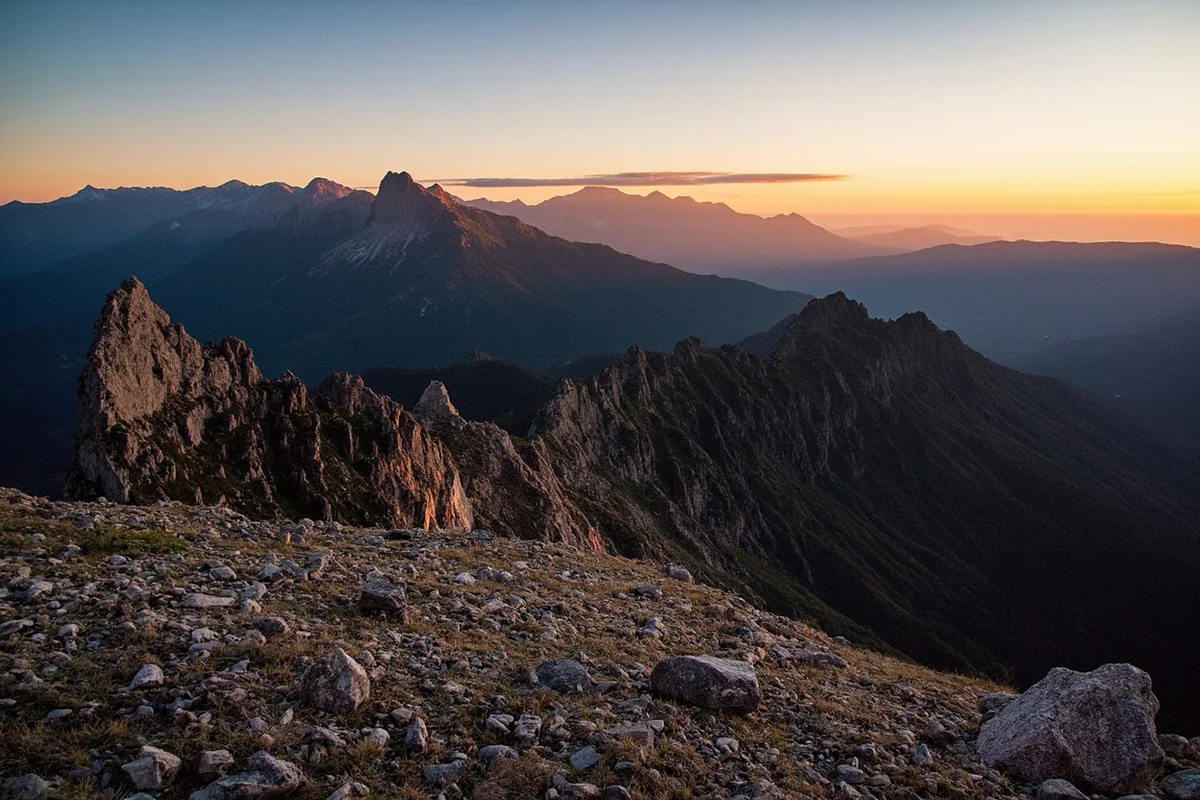
- Montana offers 15+ accessible rockhounding sites spanning sapphires, agates, opals, garnets, and fossils
- Best seasons: Late spring through early fall (May-October) when ground isn’t frozen
- Fee dig operations ($20-$200/day) guarantee access; public lands require more research but are free
- Must-hit spots: Gem Mountain for sapphires, Yellowstone River for agates, Spencer for opals
- Always verify current land access rules—mining claims and private property boundaries shift
- Bring sturdy boots, sun protection, and more water than you think you’ll need
Liked this article?
Add Roaming Montana as a preferred source so you see more of our articles and guides on Google.
Why Montana Stands Out for Rockhounding
I’ve hunted rocks in Arizona, Colorado, and Oregon, but Montana consistently delivers diversity that other states simply can’t match. Within a single weekend trip, you can dig for world-class sapphires, surface-hunt for agates along river bars, and pick through opal-bearing volcanic material.
The geology here tells a violent story. Ancient volcanic activity, inland seas, and glacial movement combined to create collecting opportunities that span nearly every major gemstone and mineral category.
What really sets Montana apart is accessibility. Unlike many Western states where mining claims blanket the landscape, Montana maintains significant public lands open to casual collecting. The Bureau of Land Management administers millions of acres where rockhounding is permitted with reasonable restrictions.
The 15 Best Montana Rockhounding Sites I’ve Explored
1. Gem Mountain Sapphire Mine (Philipsburg)
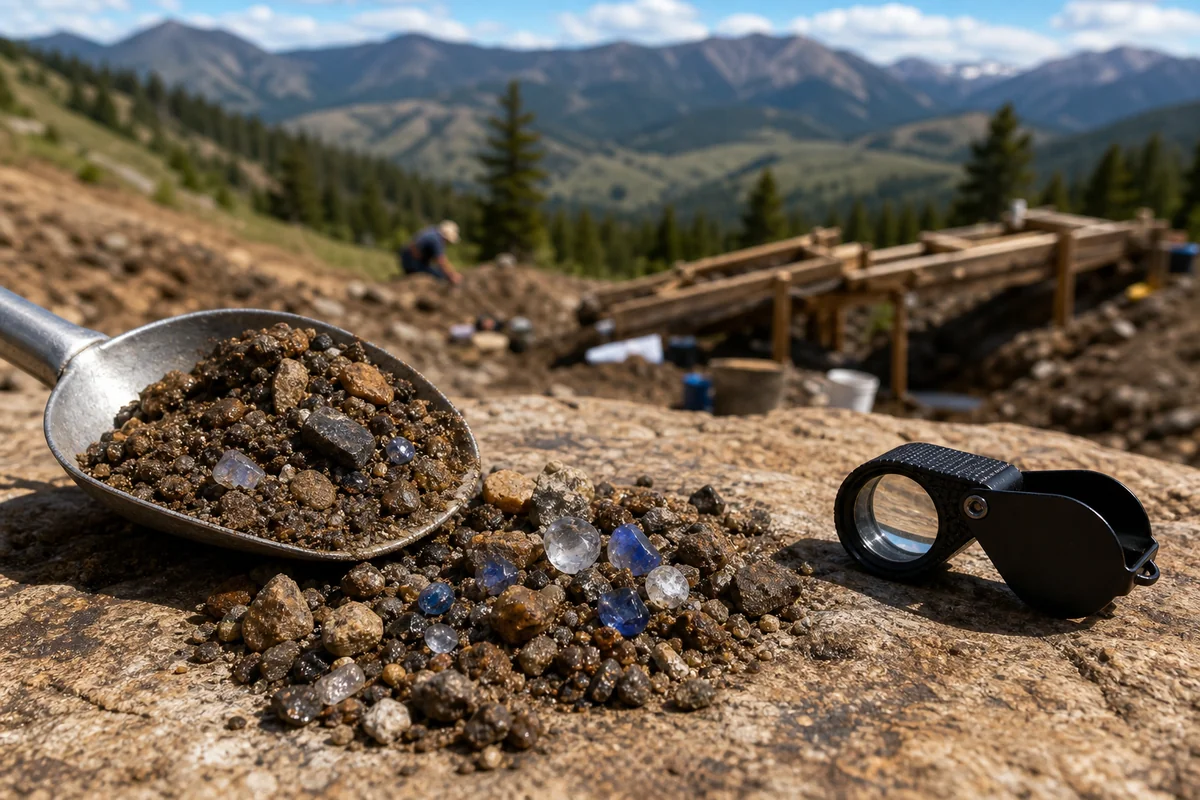
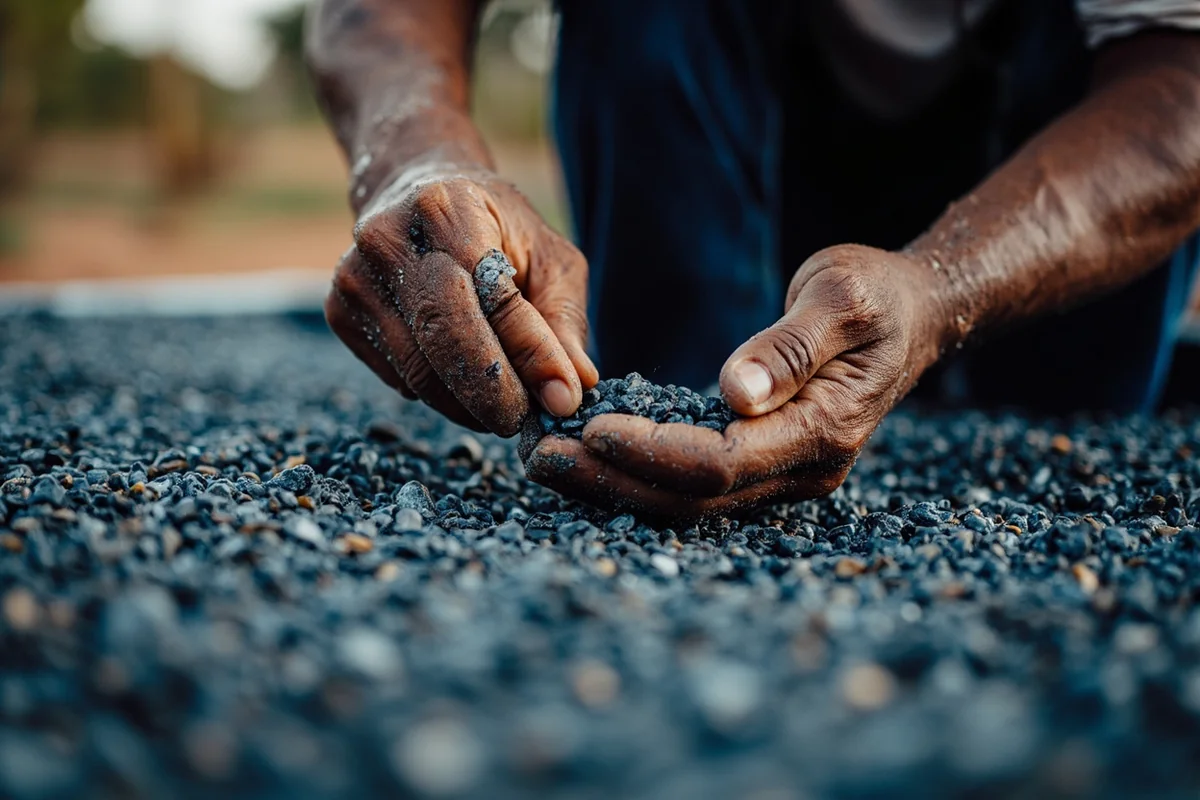
Last summer, I spent three full days at Gem Mountain, and I’d go back tomorrow if I could. This fee dig operation near Philipsburg lets you work through gravel concentrate pulled from actual sapphire-bearing ground.
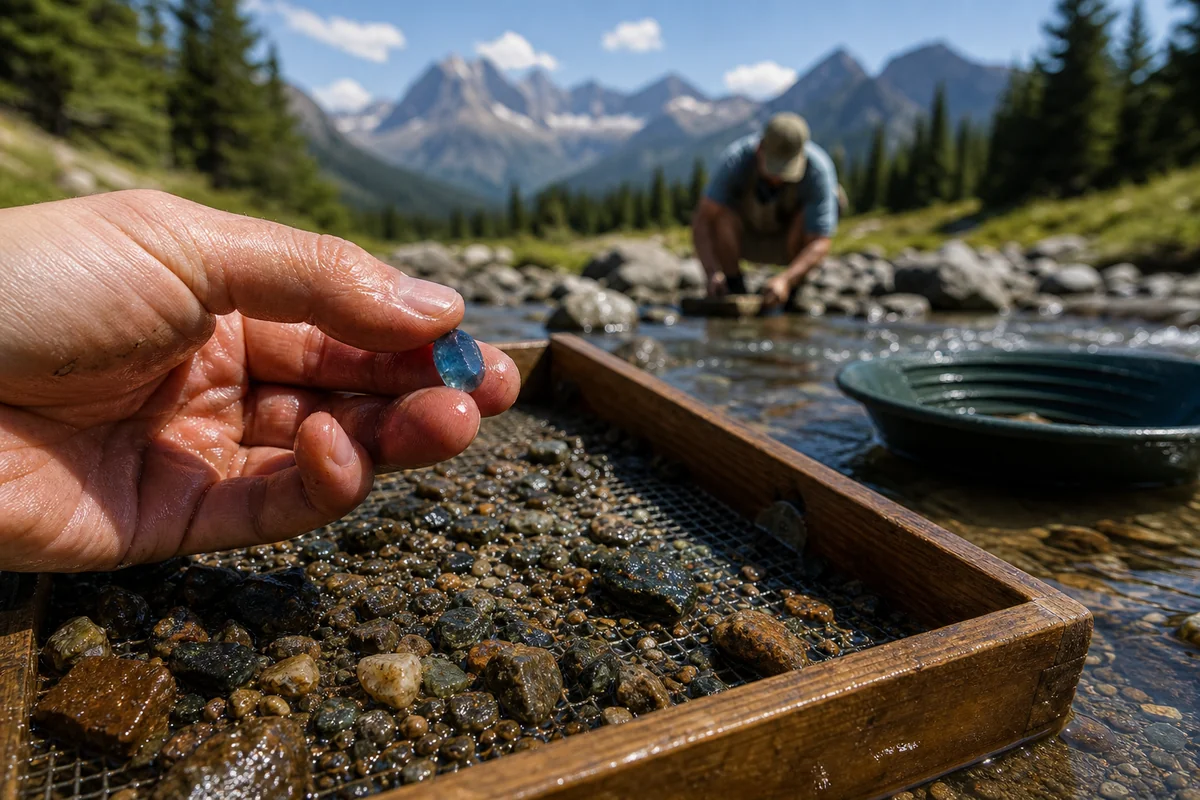
The experience is surprisingly addictive. You sit at a shaded washing station, running handfuls of gravel through a series of screens while cold mountain water washes away the mud.
Those Montana sapphires you’re hunting for? They show up as glassy, rounded pebbles in shades of blue, green, pink, and occasionally that coveted cornflower blue.
During my visit, I found 47 sapphires ranging from tiny 2mm stones to a respectable 1.2-carat light blue gem that I later had heat-treated and set into a ring. The couple next to me pulled a 4-carat stone on their first bucket.
Practical Details:
- Cost: Buckets run $25-$200 depending on source location
- Season: May through October
- What to expect: Half-day minimum; full day recommended
- Address: 3835 Skalkaho Road, Philipsburg, MT 59858
2. Spokane Bar Sapphire Mine (Helena)
If Gem Mountain feels too polished for your taste, Spokane Bar offers a grittier alternative. This operation near Helena pulls concentrate from historic sapphire deposits along the Missouri River drainage.
When I was there two Septembers ago, the weather turned cold and rainy—miserable conditions that actually worked in my favor.
Fewer people meant more personal attention from the staff, who shared tips on identifying rough sapphires versus similar-looking quartz and feldspar.
The sapphires here tend toward pale colors, but I found several with interesting color-change properties that shift from gray-green in daylight to purple under incandescent light. Those unusual stones are worth keeping even if they’re not classic blue.
3. Yellowstone River Gravel Bars (Multiple Access Points)
For Montana agate hunting, the Yellowstone River corridor between Billings and Miles City is sacred ground. I’ve walked these gravel bars in every season, and early spring—right after ice-out when fresh material washes downstream—produces the best finds.
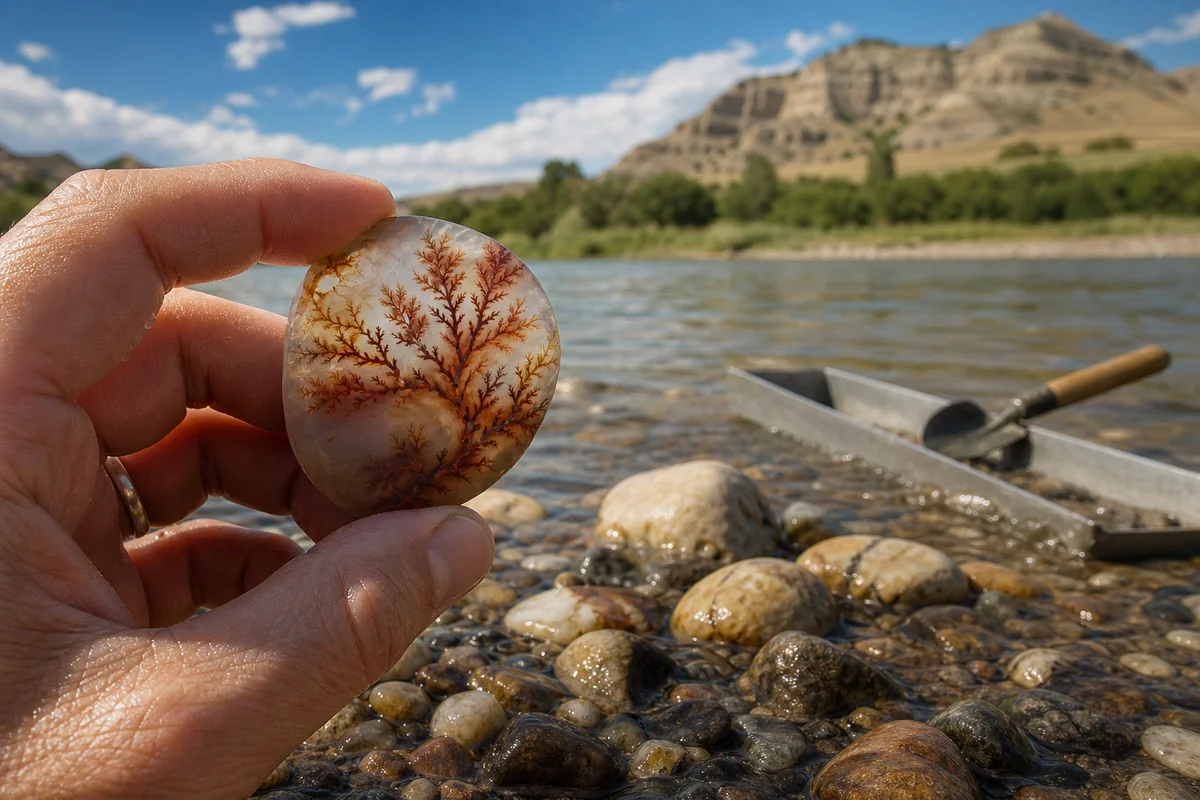
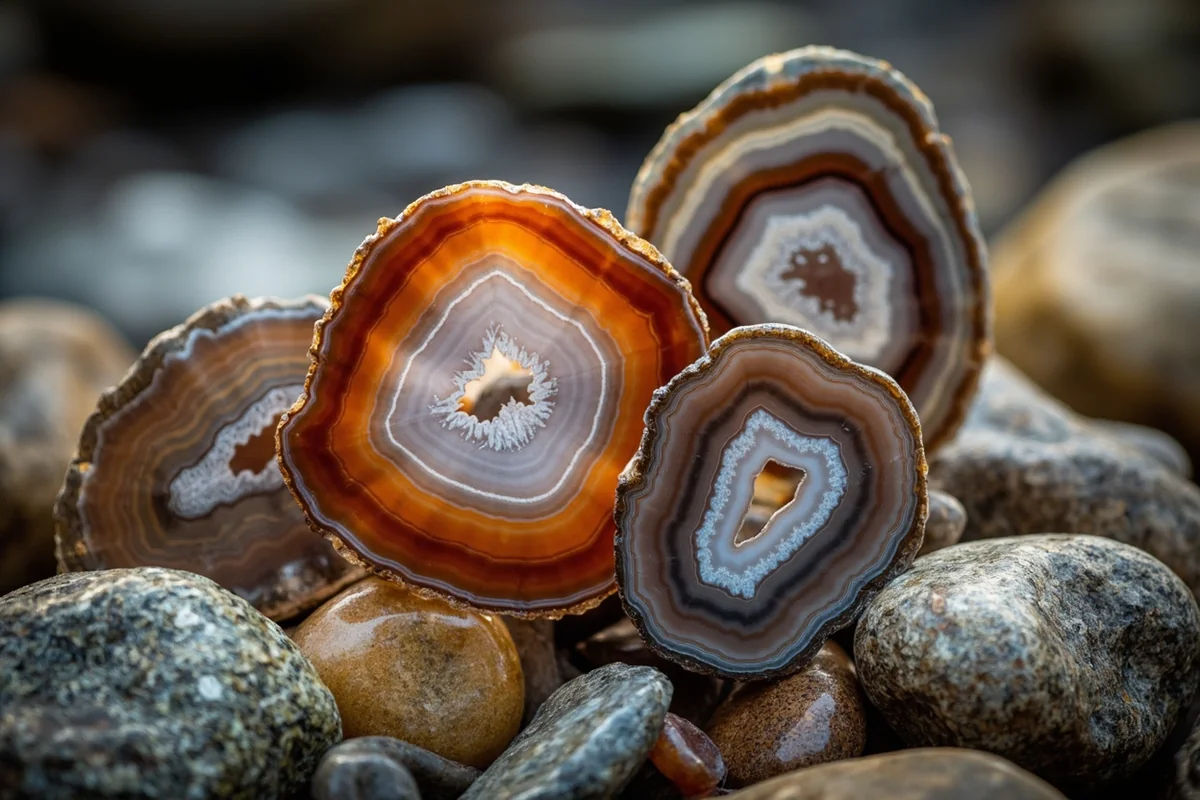
The classic Montana agate shows banding in shades of amber, red, and black, often with fortification patterns that look like tiny aerial photographs of mountain ranges.
On a recent trip near Glendive, I found a palm-sized specimen with perfectly centered eyes that any lapidary artist would prize.
Access points I’ve used successfully include fishing access sites at:
- Intake (spectacular after high water)
- Seven Sisters
- Howrey Island
- Fallon Bridge
No fees for public fishing access areas, but stick to the gravel bars below the high-water mark to avoid trespass issues.
4. Dryhead Agate Area (Near Lovell, Wyoming Border)
Technically straddling the Montana-Wyoming border, the Dryhead area produces distinctive agates with red, orange, and yellow coloring unlike anything from the Yellowstone drainage. The BLM land here is remote and rugged—not a place for casual day-trippers.
During my visit in late May, I drove rough two-track roads for 45 minutes before parking and hiking into collecting areas. The effort paid off with several pieces of “flame agate” showing swirling patterns that look like frozen fire.
Bring a high-clearance vehicle, extra water, and a GPS device. Cell service doesn’t exist out here, and the terrain is disorienting. I nearly got turned around coming out and was grateful for the breadcrumb trail on my Garmin.
5. Spencer Opal Mine (Spencer, Idaho Border)
Okay, Spencer technically sits just across the border in Idaho, but it’s the closest quality opal dig to Montana, and most Montana rockhounds consider it home territory. The drive from Dillon takes about an hour.
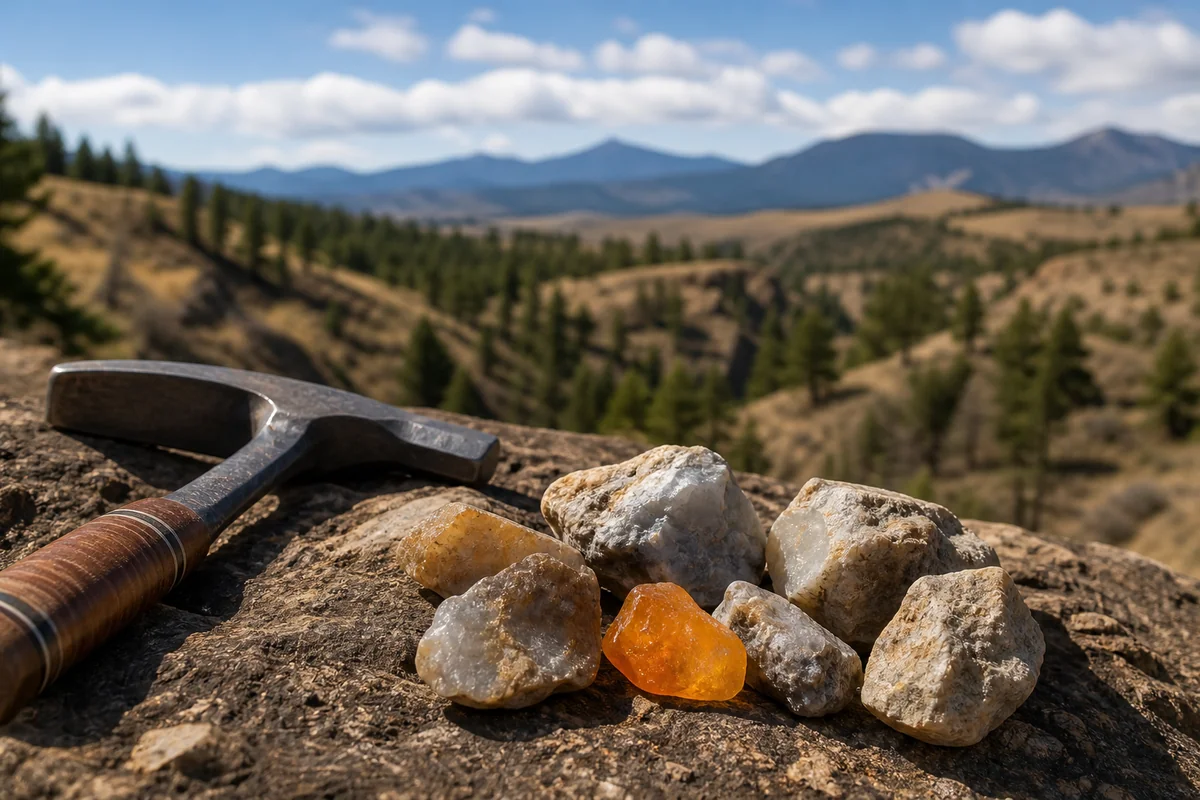
I mentioned finding fire opal there in my opening—that stone came from a layer of volcanic material about two feet down in one of their fee dig areas. The opals here range from common opal (milky, no play of color) to precious opal with flashes of red, green, and blue.
The staff at Spencer will teach you exactly what to look for and which layers are most productive. When I visited, they’d just opened a new dig area that was producing exceptional material. That local knowledge is worth the fee alone.
6. Crystal Park (Wise River)
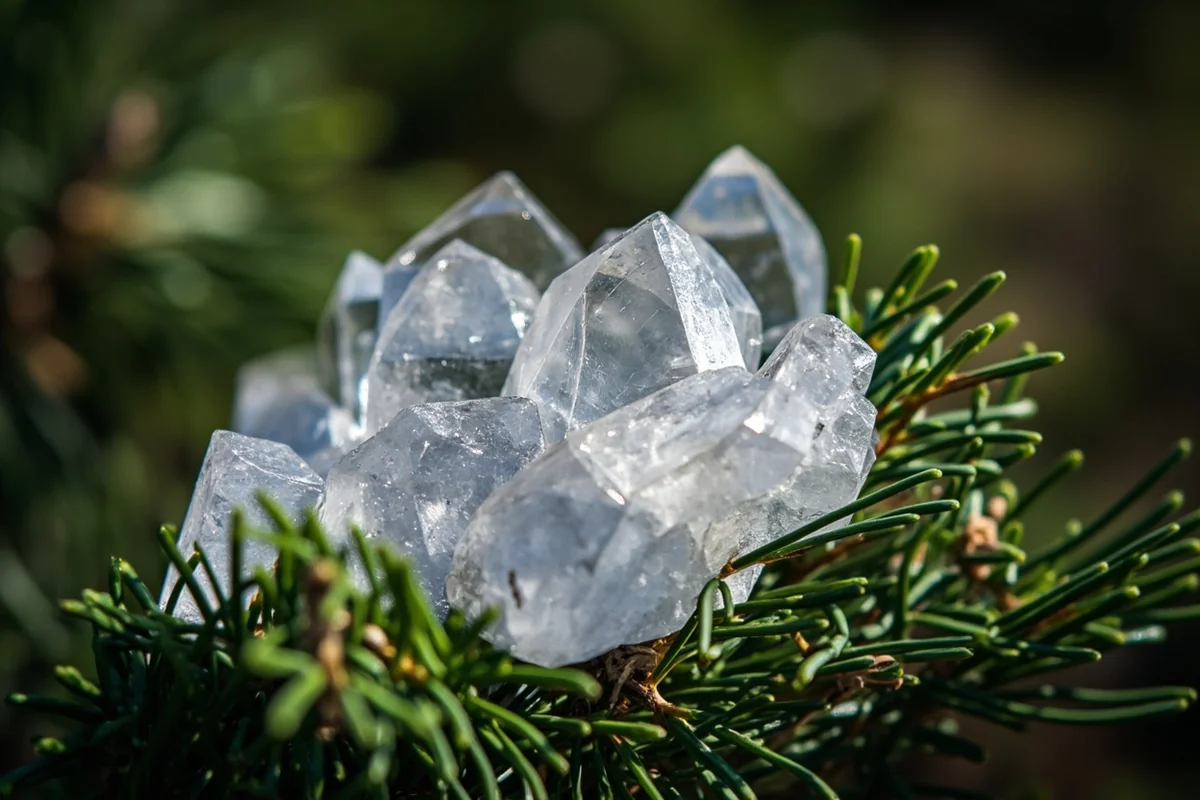
Crystal Park might be the most family-friendly rockhounding site in Montana. This U.S. Forest Service recreation area near Wise River features exposed quartz crystal deposits that kids can spot and dig with basic hand tools.
The crystals here are typically clear to smoky quartz, many with perfect terminations. Nothing here will make you rich, but the experience of pulling a two-inch crystal point from the ground creates lasting memories.
I recommend arriving early on summer weekends—the parking lot fills by 10 AM. Bring a small garden trowel, a bucket, and something to kneel on. The digging surface is rocky and hard on knees.
Practical Details:
- Cost: Free
- Season: Late May through September (road closed in winter)
- Facilities: Pit toilets, no water
- Collection limit: Reasonable quantities for personal use
7. Yogo Gulch Area (Utica/Hobson)
The Montana Yogo sapphire is the only American gemstone that didn’t require heat treatment to achieve its cornflower blue color. That natural beauty made Yogos famous worldwide and extremely valuable.
Here’s the frustrating reality: most Yogo-bearing ground is under active mining claims or private ownership. The one fee dig operation that existed has closed. I’ve spent considerable time researching legal access and come up largely empty.
What you can do is visit the area around Utica and Hobson to understand the geology and history. The Yogo Inn in Lewistown displays specimens and can provide historical context. If you’re serious about Yogos, plan to purchase stones from legitimate dealers rather than attempting to collect them yourself.
8. Garnet Range (Near Missoula)
The mountains west of Missoula produced commercial quantities of garnets in the early 1900s, and casual collecting remains possible on some BLM and Forest Service lands. The garnets here are typically small (under 5mm) but nicely formed almandine crystals in a deep red color.
I spent a frustrating first day in this area before meeting a local rockhound who pointed me toward more productive ground. The garnets occur in schist outcrops, and you need to look for the right rock type—shiny, foliated metamorphic material with a purplish cast.
Once you develop an eye for the host rock, garnets appear everywhere. I collected several dozen specimens in a few hours, though most were too small or included for faceting.
9. Ruby Range (Madison County)
Despite the name, the Ruby Range doesn’t produce rubies—the name comes from early miners who mistook garnets for rubies. However, this area near Sheridan and Twin Bridges offers legitimate rockhounding opportunities for garnets, sapphires, and gold.
The Ruby River corridor provides access to gravel deposits that occasionally yield sapphires, though not in the concentration found near Philipsburg. I’ve spent time panning here and found a few small colored stones along with respectable amounts of fine gold.
Public access can be tricky, so check current land status maps before exploring. The Madison County Fairgrounds in Twin Bridges hosts an annual gem and mineral show in August that’s worth attending for local knowledge.
10. Missouri River (Great Falls Area)
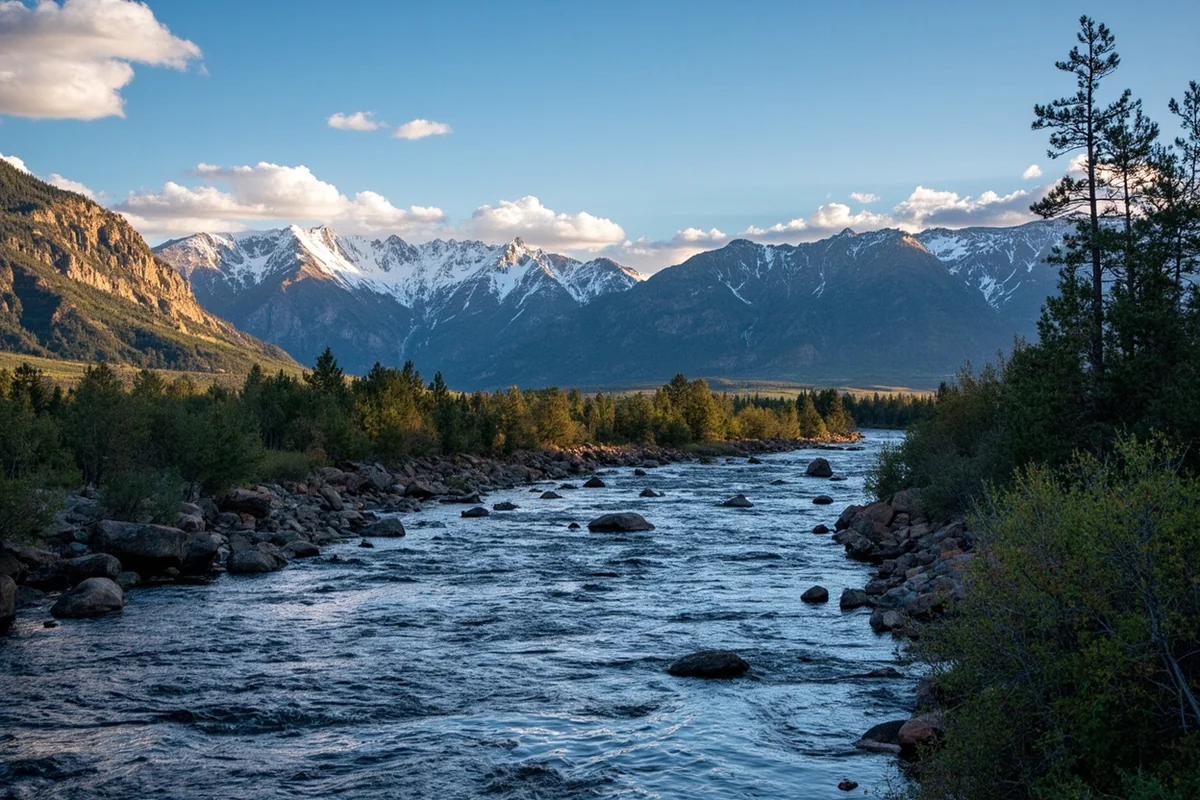
The Missouri River near Great Falls historically produced sapphires in commercial quantities. While the famous deposits are mostly claimed, the river itself offers agate hunting opportunities.
I’ve walked gravel bars downstream from Giant Springs State Park and found decent agates, though nothing compared to the Yellowstone drainage. The real draw here is combining rockhounding with exploring the Lewis and Clark interpretive sites that line the river.
11. Stillwater Complex (Nye/Absarokee)
For something different, the Stillwater Complex south of Absarokee contains platinum group minerals and chromite. Casual collecting is extremely limited due to active mining operations, but the area’s geology is fascinating.
I drove through on a trip to the Beartooths and stopped at roadcuts where chromite bands were visible in the rock. Collecting wasn’t feasible, but understanding this unusual geological feature enriched my appreciation for Montana’s mineral diversity.
12. Elk Creek (Clancy/Jefferson City)
The Elk Creek sapphire deposits near Jefferson City historically produced significant quantities of stones. While most productive ground is now claimed, I’ve found sapphires on BLM land adjacent to historic diggings.
The key is understanding that sapphires weather out of bedrock and concentrate in stream gravels. By working the right drainages on public land, you can find material similar to what fee dig operations sell—just with more effort and less guidance.
I recommend this only for experienced rockhounds willing to do serious research on land status and geology. Beginners should start at established fee dig operations.
13. Sweet Grass Hills (Near Shelby)
These isolated volcanic hills in north-central Montana produce beautiful volcanic rocks including obsidian, agates, and zeolites. The remote location keeps crowds minimal, but requires commitment.
On a trip two summers ago, I found excellent specimens of common opal in yellow and green colors, plus several nice thunder egg-type agates. The terrain is open prairie punctuated by weathered volcanic formations—striking in a stark, lonely way.
Respect tribal boundaries here. Part of this area holds cultural significance to local tribes, and posted areas must be avoided.
14. Choteau Area (Teton County)
The Teton River drainage near Choteau produces nice agates, and the area also offers dinosaur fossil collecting opportunities at certain sites. I spent a weekend here combining rockhounding with exploring the Old Trail Museum’s paleontology exhibits.
The agates tend toward clear and white banding rather than the colorful material found along the Yellowstone. Still, well-formed specimens with interesting patterns turn up regularly.
15. Bitterroot Valley (Hamilton/Darby)
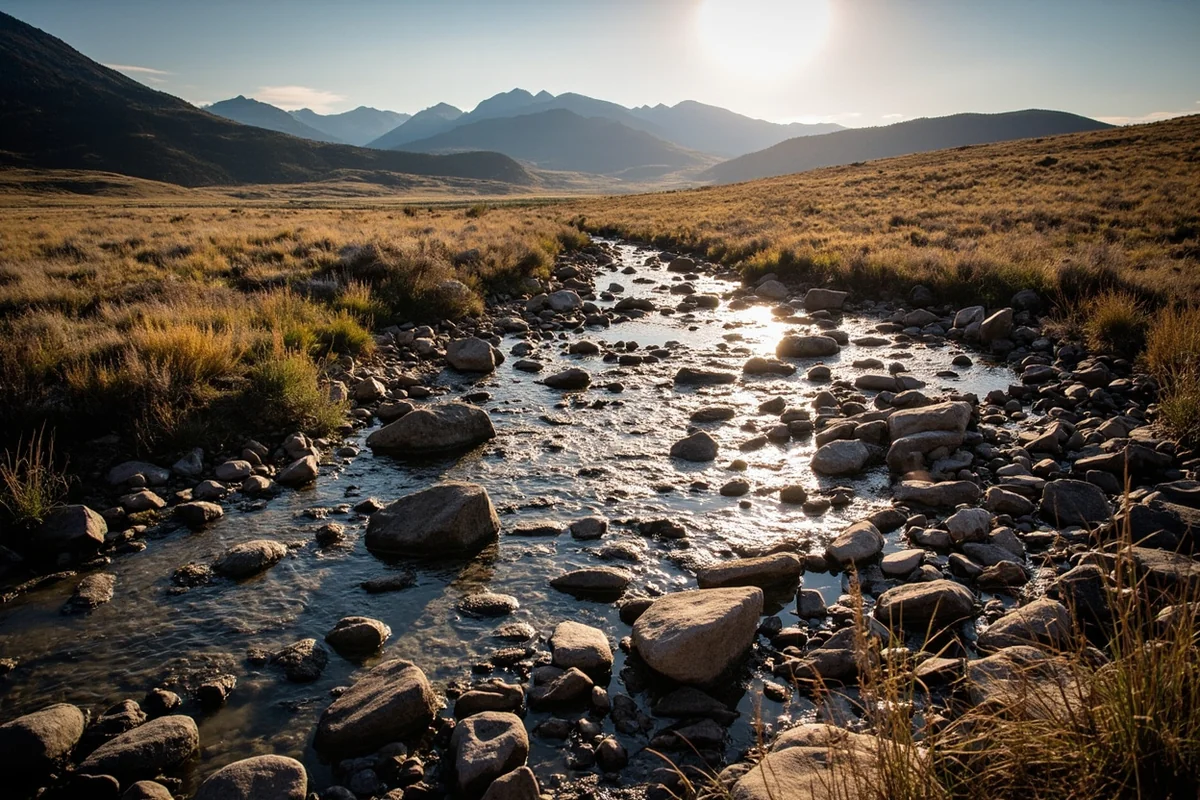
The Bitterroot Valley offers garnets and small sapphires in certain drainages, plus excellent jasper and agate hunting in gravel deposits. I’ve had my best luck near creek access points on Forest Service land.
The scenery alone makes this area worth visiting. Towering granite peaks frame the valley, and wildlife sightings are common. On my last trip, I watched a moose browse willows while I sorted through stream gravels—not a bad way to spend a morning.
Understanding Gemstone Mining in Montana: Legal Considerations
Before heading out, you need to understand the legal framework governing rock and mineral collecting in Montana. I’ve seen people get into trouble by ignoring these rules, and the consequences can include fines and confiscation of collected material.
Public Land Rules:
- BLM and Forest Service land generally allows casual collecting of reasonable quantities for personal use
- “Reasonable quantities” typically means what you can carry without mechanical assistance
- No collecting in wilderness areas, national parks, or monuments
- Active mining claims are off-limits without permission—these are private property rights
- State trust lands require permission and may have associated fees
Private Land Rules:
- Always obtain written permission before collecting
- Fee dig operations provide automatic permission for their specific areas
- Surface rights and mineral rights can be held separately—complicated situations exist
I carry a BLM surface management map and check the LR2000 mining claim database before exploring new areas. This research takes time but prevents awkward encounters with claim holders or property owners.
Essential Gear for Montana Rockhounding
After dozens of trips, I’ve refined my kit to include:
| Item | Purpose | Notes |
|---|---|---|
| Rock hammer (3 lb) | Breaking material, prying | Estwing is my go-to brand |
| Hand lens (10x) | Field identification | Essential for sapphire hunting |
| Sturdy boots | Ankle support, snake protection | Waterproof for river work |
| Sun protection | Hat, sunscreen, sunglasses | Montana sun is intense at elevation |
| Collection bags | Sorting finds by location | Label immediately to avoid confusion |
| Water (1 gallon minimum) | Hydration, wet-testing specimens | More for remote areas |
| Garden trowel | Digging softer material | Some sites prohibit heavy tools |
| First aid kit | Basic wound care | Include tweezers for splinters |
Best Times to Visit Montana Rockhounding Sites
Timing matters more than most people realize. Here’s what I’ve learned:
Spring (May-June): Snowmelt exposes fresh material, especially along rivers. Ground may be wet and muddy at higher elevations. Best time for agate hunting along river drainages.
Summer (July-August): Prime season for high-elevation sites like Crystal Park and mountain sapphire deposits. Crowded conditions at popular locations, especially on weekends.
Fall (September-October): My favorite time. Cooler temperatures make physical work comfortable, crowds thin dramatically, and fall colors create stunning backdrops. Fee dig operations often offer discounts late in the season.
Winter (November-April): Most sites are inaccessible due to snow. A few low-elevation river bars remain open, but harsh conditions limit practical collecting.
I avoid holiday weekends at all costs. Memorial Day at Crystal Park was so crowded I barely found a place to dig. Midweek visits, when possible, provide dramatically better experiences.
Processing Your Montana Finds
Bringing material home is only the beginning. Processing and identifying your finds is half the fun.
For sapphires: Wash thoroughly with water and mild soap. Examine under bright light with a loupe to assess color, clarity, and potential. Most rough sapphires look unimpressive until properly cut—don’t judge too quickly.
For agates: Clean with water and a soft brush. Cut a small window with a rock saw to reveal interior patterns if exterior weathering obscures the material. Polish exterior surfaces with progressively finer grits.
For crystals: Clean carefully with water. Avoid harsh chemicals that can damage surfaces. Display in cases away from direct sunlight, which can fade some minerals.
Several lapidary shops in Montana can process your finds:
- Philipsburg area shops specialize in sapphires
- Billings has several rock shops with cutting services
- Missoula dealers handle diverse material types
I recommend building a relationship with a local lapidary before bringing material for cutting. Their expertise helps identify which stones are worth the investment in professional cutting.
Combining Rockhounding with Other Montana Experiences
Smart trip planning combines rockhounding with Montana’s other attractions. Here’s how I structure multi-day trips:
Western Montana Loop (5-7 days):
- Day 1-2: Gem Mountain sapphires (Philipsburg)
- Day 3: Garnet collecting west of Missoula
- Day 4: Drive to Spencer opal mine via Salmon River route
- Day 5-6: Spencer opal digging
- Day 7: Return via Bitterroot Valley, hunting garnets along the way
Eastern Montana Loop (4-5 days):
- Day 1: Arrive Billings, hit Yellowstone River access points
- Day 2: Drive to Glendive, intensive agate hunting
- Day 3: Makoshika State Park (fossils, scenery)
- Day 4: Return via Yellowstone River access points
Both loops can incorporate fishing, hiking, and wildlife viewing. Montana delivers multiple experiences simultaneously for travelers willing to plan thoughtfully.
Where to Stay Near Montana Rockhounding Sites
Accommodations range from rustic camping to comfortable lodges. My preferences:
Philipsburg area: The town itself has charming Victorian-era hotels and several vacation rentals. I’ve stayed at basic motels in Anaconda when everything in Philipsburg was booked—30 minutes away but affordable.
Eastern Montana: Glendive and Miles City offer standard chain hotels. For camping, primitive sites along the Yellowstone River provide free options with spectacular morning light for agate hunting.
Spencer (for opal digging): Limited options near Spencer itself. I usually stay in Lima, Montana, or drive from Dillon (about an hour).
Crystal Park: Primitive camping available at the site. Wise River has a few lodging options. Butte (45 minutes) provides more choices.
Final Thoughts on Montana Rockhounding
Three years of exploring Montana’s rockhounding sites have taught me that success requires patience, research, and willingness to work.
The spectacular finds—that fire opal from Spencer, the sapphires from Gem Mountain, the perfectly banded agate from the Yellowstone—came after many hours of effort and plenty of trips that produced nothing remarkable.
That’s the authentic rockhounding experience. Not every outing yields treasure, but every outing teaches something about Montana’s remarkable geology and tests your persistence.
The stones I’ve collected now fill a display case in my office. Each one triggers memories: the afternoon thunderstorm that cut short a digging session, the fellow rockhound who shared their secret spot, the sunset over the Missouri River while sorting through gravel.
Montana’s rockhounding sites offer something increasingly rare in our digital world—direct, physical engagement with the natural landscape, the possibility of genuine discovery, and tangible rewards for time and effort invested.
The ground isn’t going anywhere. Your stones are waiting.
Frequently Asked Questions
Where are the best rockhounding sites for sapphires in Montana?
The Gem Mountain Sapphire Mine near Philipsburg and Spokane Bar Sapphire Mine outside Helena are the two most popular spots for finding Montana sapphires. I’ve had great luck at Gem Mountain where you can purchase buckets of gravel to sift through, and they’ll even help you identify your finds. Both locations are within a 2-hour drive of each other, making it easy to visit both during a single Montana trip.
Do I need a permit to go rockhounding on public land in Montana?
Casual rockhounding for personal use on BLM land in Montana doesn’t require a permit as long as you collect reasonable amounts (typically under 25 pounds per day). However, you’ll need to verify the land status before collecting since rules differ on Forest Service land, state land, and private property. I always recommend downloading the BLM’s recreation map or stopping by a local field office to confirm you’re collecting legally.
What is the best time of year to go rockhounding in Montana?
The prime rockhounding season in Montana runs from late May through early October when mountain roads are accessible and commercial mines are open. I prefer visiting in June or September to avoid peak summer crowds at popular sites like Gem Mountain. Keep in mind that many high-elevation sites near places like Crystal Park may still have snow into early June, so check conditions before making the drive.
How much does it cost to dig for gems at Montana’s sapphire mines?
Most commercial sapphire mining operations charge between $25-$75 for a bucket of ore concentrate to sift through, with Gem Mountain’s buckets ranging from $35-$300 depending on grade. Daily digging fees at places like Spokane Bar run around $30-50 per person for a full day of sluicing. I’ve found the mid-priced buckets offer the best value for finding quality rough sapphires without breaking the bank.
What equipment should I bring for rockhounding in Montana?
For commercial mines, most equipment is provided, but bring sunscreen, a hat, and a small container for your finds. If you’re hunting on public land, pack a rock hammer, safety glasses, sturdy gloves, a hand trowel, and a field guide to Montana minerals. I always bring a GPS device and plenty of water since many productive sites like those near Dillon or the Crazy Mountains are miles from the nearest services.
Can I find agates and Montana moss agates without paying mining fees?
Absolutely—Montana moss agates can be found for free along the Yellowstone River gravels between Billings and Miles City, particularly after spring runoff exposes fresh material. The best free collecting spots are on BLM land east of Billings where agate-bearing gravels are abundant in exposed bars and banks. I’ve spent entire afternoons surface collecting beautiful moss agates near Forsyth without spending a dime beyond gas money.
Are Montana rockhounding sites family-friendly for kids?
Commercial operations like Gem Mountain and Crystal Park are excellent for families since they provide all equipment and virtually guarantee kids will find something exciting to take home. Crystal Park near the Pioneer Mountains offers free collecting for quartz crystals and is perfect for children who can easily spot crystals in the soft soil. I’ve taken my nieces to Gem Mountain where the sluicing stations kept them entertained for hours, and the staff helped them identify every stone they found.
Sources