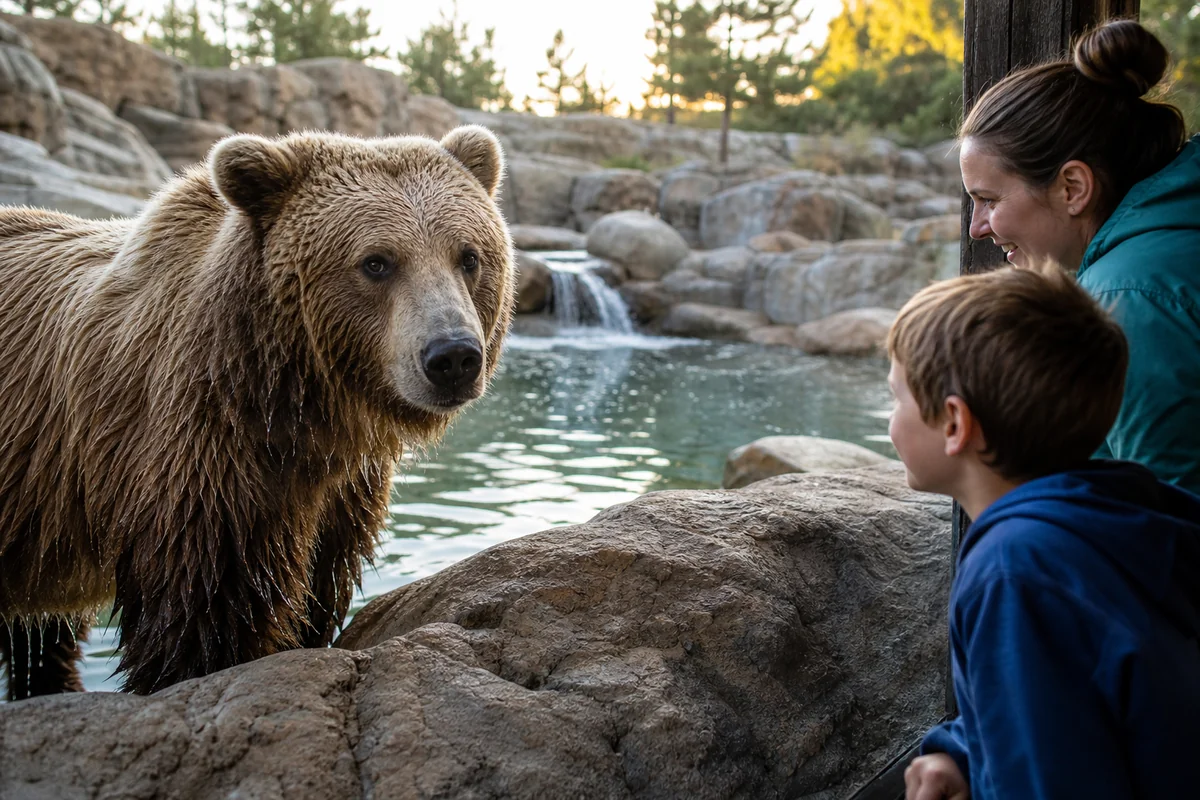
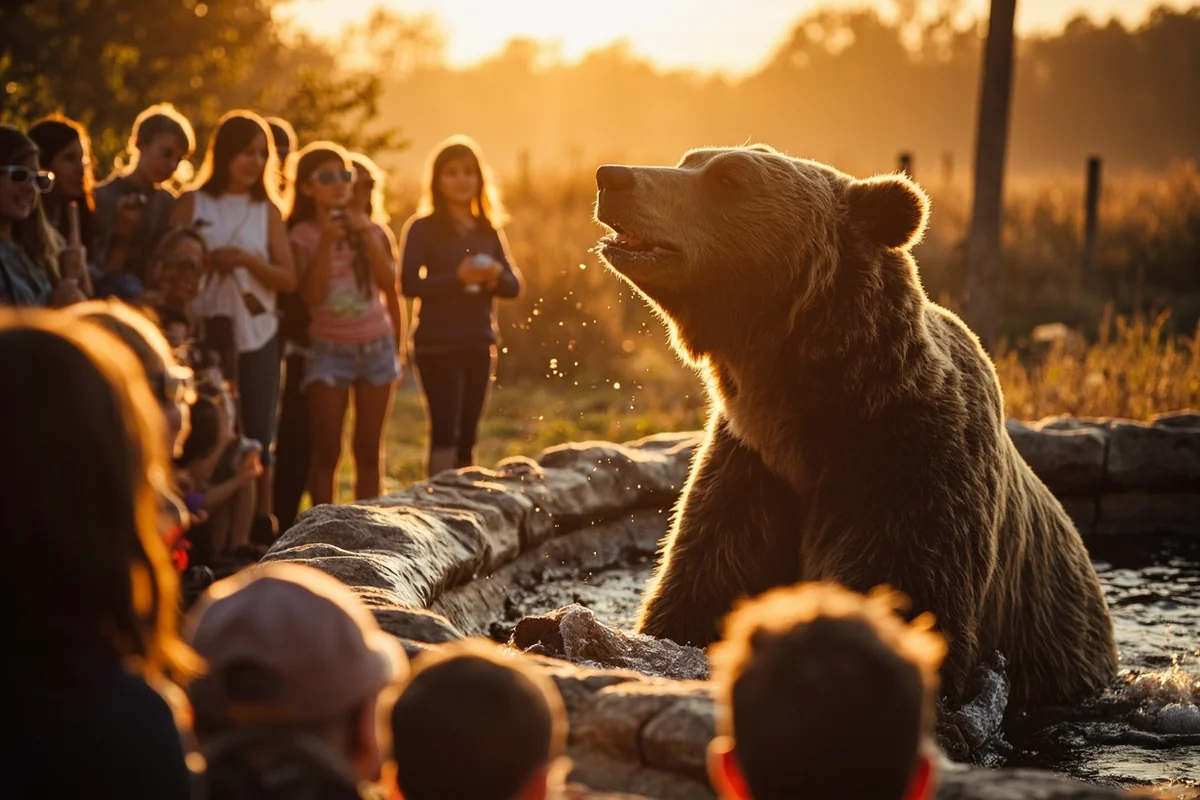
Standing three feet from a grizzly bear at ZooMontana’s twilight feeding event, I understood why these experiences draw thousands of visitors each year—there’s something transformative about connecting with wildlife in ways standard zoo visits simply can’t match.
Montana’s zoos host dozens of special events throughout the year, from educational programs that get you behind the scenes to seasonal celebrations that turn an ordinary afternoon into an unforgettable adventure.
If you’re exploring the Montana attractions that make this state special, zoo events deserve a prominent spot on your itinerary.
- ZooMontana in Billings and Grizzly & Wolf Discovery Center in West Yellowstone host the state’s premier zoo events
- Peak event season runs May through September, with special holiday programming in December
- Book keeper talks and animal encounters 2-3 weeks ahead—they sell out fast
- Evening events offer cooler temperatures and more active animals
- Budget $15-75 per person depending on the event type
- Many events are weather-dependent; always have a backup plan
Liked this article?
Add Roaming Montana as a preferred source so you see more of our articles and guides on Google.
Why Montana Zoo Events Are Different
I’ve visited zoos across the country, from San Diego to the Bronx, but Montana’s wildlife facilities offer something you won’t find at larger institutions—intimacy. When I attended the “Breakfast with the Bears” event at ZooMontana last July, our group numbered just twelve people.
Compare that to similar programs at major metropolitan zoos where you’re one of fifty or more. Here in Montana, you actually get to ask questions, have conversations with keepers, and observe animals without jockeying for position.
The animals themselves are different too. Montana zoos focus heavily on species native to the Northern Rockies and High Plains. You’ll encounter grizzlies, wolves, mountain lions, and elk—creatures that actually roam the wilderness surrounding these facilities.
This creates an educational context that’s hard to replicate elsewhere. When a keeper at the Grizzly & Wolf Discovery Center explains bear behavior, you might actually use that knowledge hiking in Yellowstone the next day.
ZooMontana Events: Billings’ Wildlife Gem
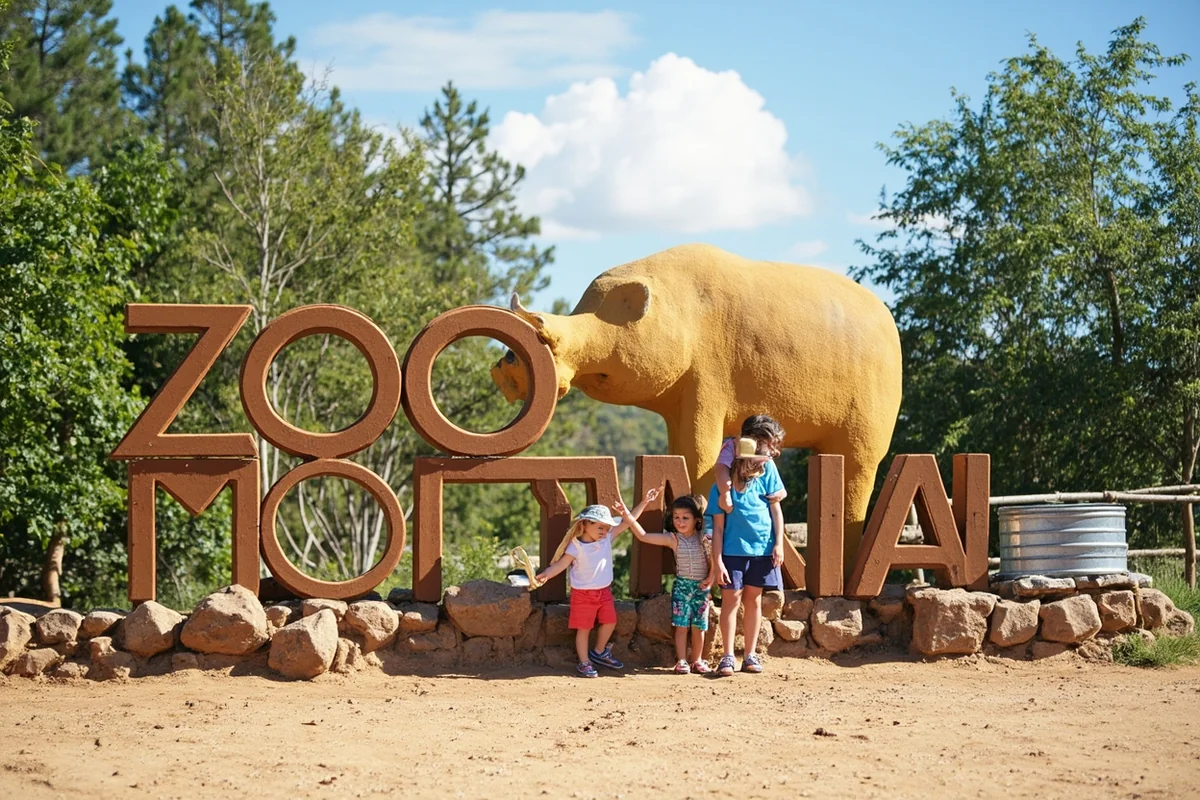
ZooMontana sits on 70 acres along the Yellowstone River in Billings, and it’s become my go-to recommendation for families visiting eastern Montana. The zoo has dramatically expanded its event programming over the past few years.
Seasonal Signature Events
The zoo’s calendar breaks down into distinct seasons, each with flagship events that draw visitors from across the region. For those planning a full Montana trip, you might also want to check out Montana zoos themselves before diving into specific events.
ZooBrew (June) – This adults-only evening event pairs local Montana craft beers with animal encounters. During my visit last summer, I sampled offerings from Überbrew and Angry Hank’s while watching the wolves during their most active twilight hours. Tickets run about $45 and include five drink tokens.
Boo at the Zoo (Late October) – I brought my nephew to this event two years ago, and we still talk about it. Kids in costumes trick-or-treat throughout the zoo while staff share fascinating facts about “spooky” animals. The emphasis on education rather than pure scares makes it appropriate for younger children. Speaking of spooky, if you’re visiting in October, haunted places in Montana offer a completely different kind of thrill.
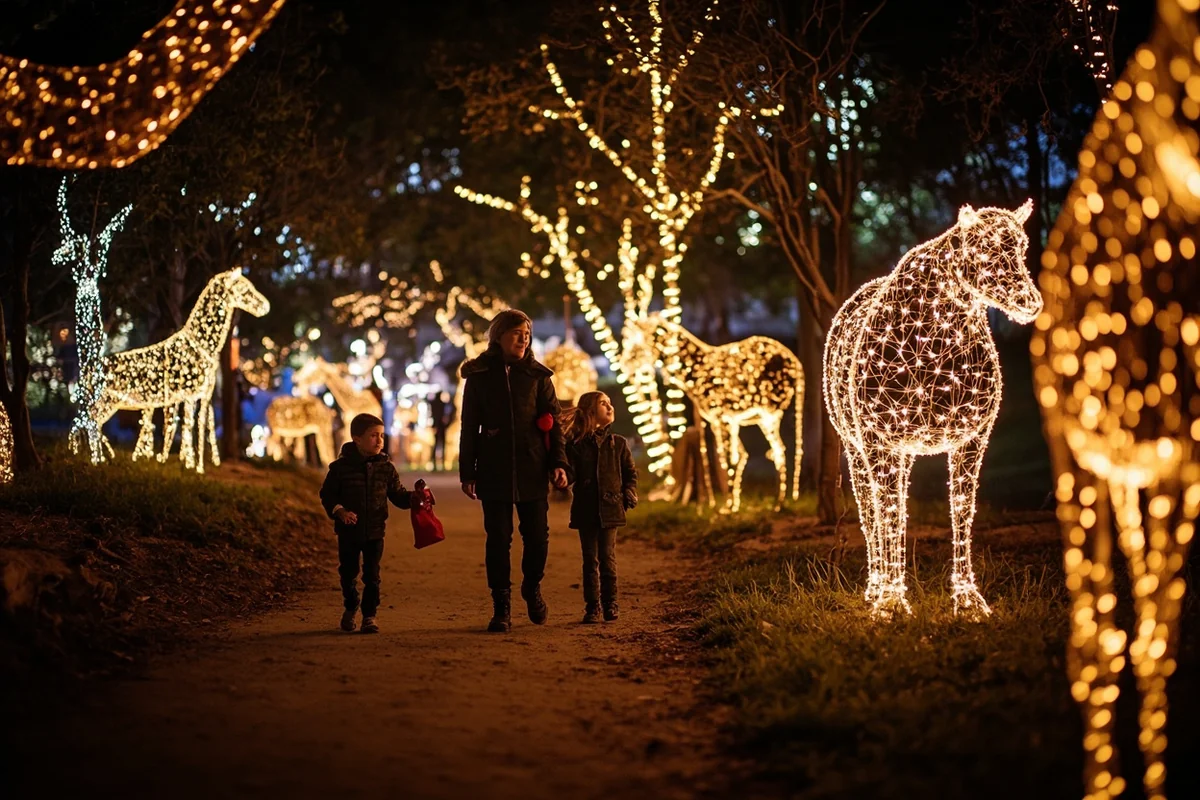
Wild Lights (December) – The zoo transforms into a winter wonderland with thousands of lights, hot cocoa stations, and shortened walking paths designed for cold weather. I’ll be honest—dress warmer than you think. When I attended on a 15-degree evening, I wished I’d worn an extra layer.
Weekly and Monthly Programming
Beyond the big seasonal events, ZooMontana runs consistent programming that often gets overlooked by tourists.
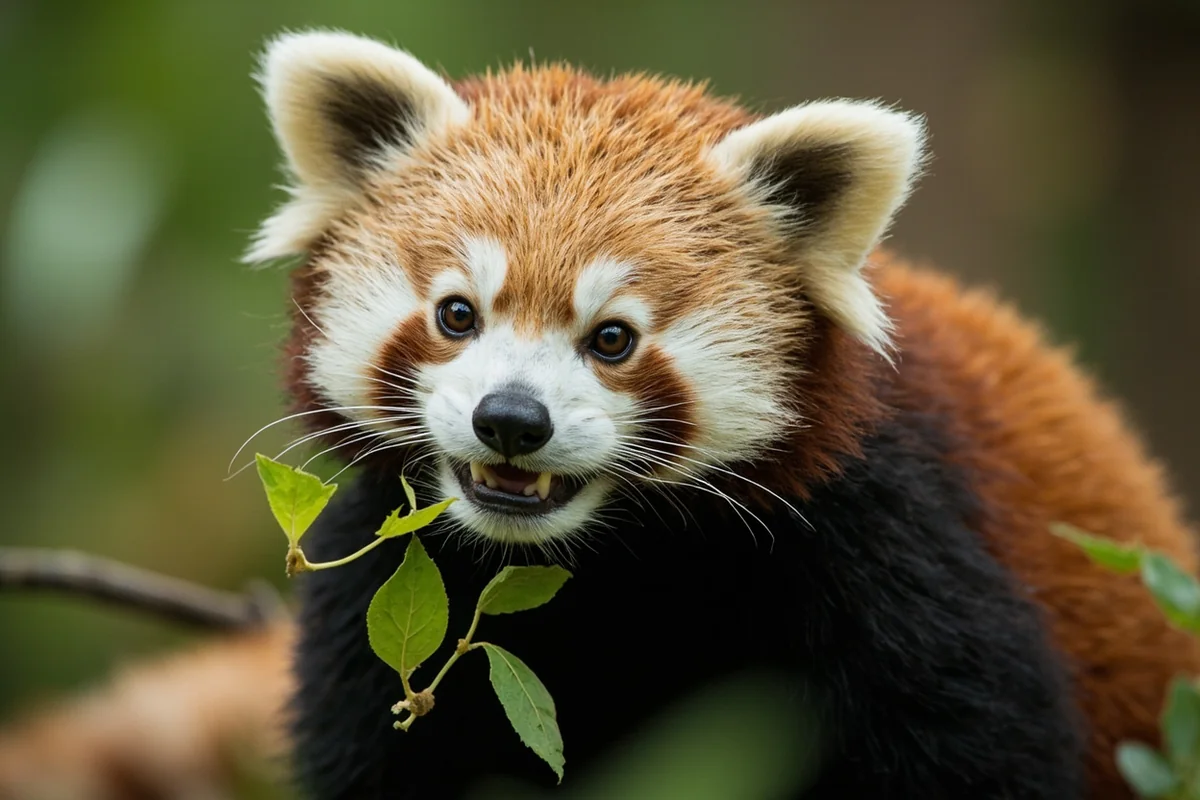
Keeper Talks happen daily at rotating exhibits. The grizzly bear talk at 11 AM on weekends is the most popular, but I actually prefer the lesser-attended red panda presentation at 2 PM. The keeper who runs it has worked with these animals for over a decade and shares stories you won’t hear anywhere else.
Sensory-Friendly Mornings occur on the first Saturday of each month. The zoo opens early with reduced noise, dimmed lights, and quiet spaces available. If you’re traveling with children who have sensory sensitivities, these mornings are invaluable.
Wildlife Wednesdays feature discounted admission and special enrichment activities for animals. I’ve watched keepers hide food puzzles for the foxes and introduce new scent enrichments to the big cats. It’s genuinely educational and offers excellent photo opportunities.
Private and Behind-the-Scenes Experiences
This is where ZooMontana really shines for dedicated wildlife enthusiasts.
The Grizzly Bear Encounter costs $75 per person but provides an unforgettable hour with the bear care team. You’ll learn about their individual bears’ personalities, help prepare enrichment items, and watch a training session. When I participated, I learned that one of their grizzlies prefers blueberries to salmon—completely contrary to what you’d expect.
Photography Sessions are scheduled monthly for serious photographers who want golden hour access without crowds. The $50 fee includes extended hours and guidance from staff on the best angles and times for each exhibit.
Grizzly & Wolf Discovery Center: West Yellowstone’s Premier Facility
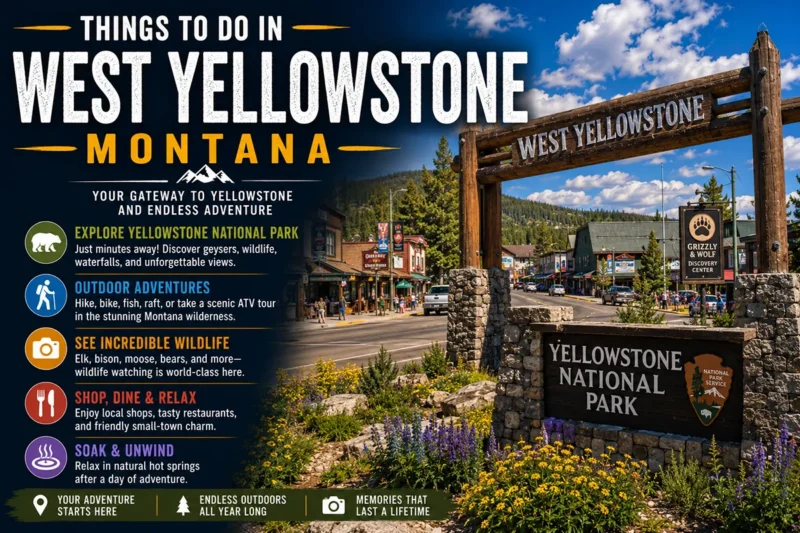
If ZooMontana serves eastern Montana visitors, the Grizzly & Wolf Discovery Center anchors the western tourist corridor. Located steps from Yellowstone’s west entrance, this facility rescues animals that can’t survive in the wild.
The event programming here leans heavily educational, which makes sense given their mission and proximity to the national park.
Bear and Wolf Educational Programs
Bear Spray Training Sessions run several times weekly during summer months. Before my first solo backpacking trip into the Yellowstone backcountry, I attended one of these sessions. The $15 cost includes actually discharging inert canisters, which builds muscle memory you’ll rely on in a real encounter.
During my session, the instructor—a former park ranger—shared statistics about bear spray effectiveness that completely changed my perspective on wilderness safety. This isn’t tourist fluff; it’s genuinely practical education.
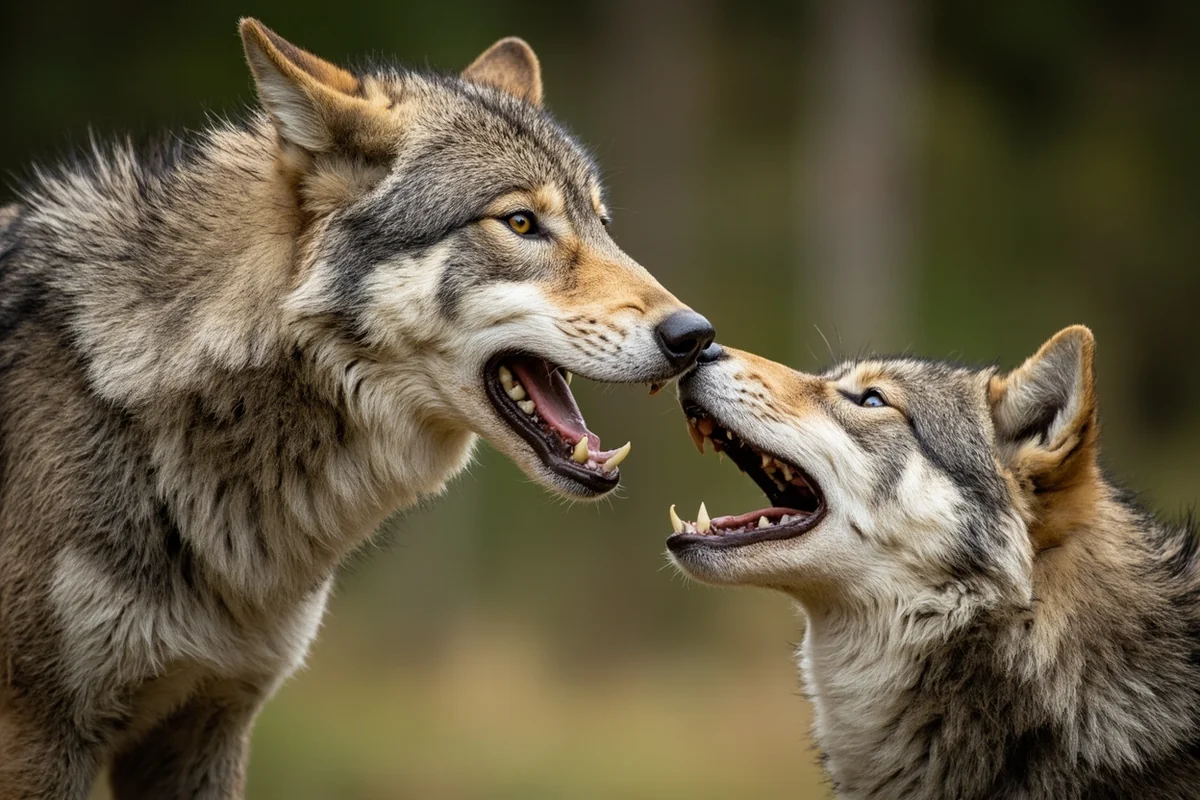
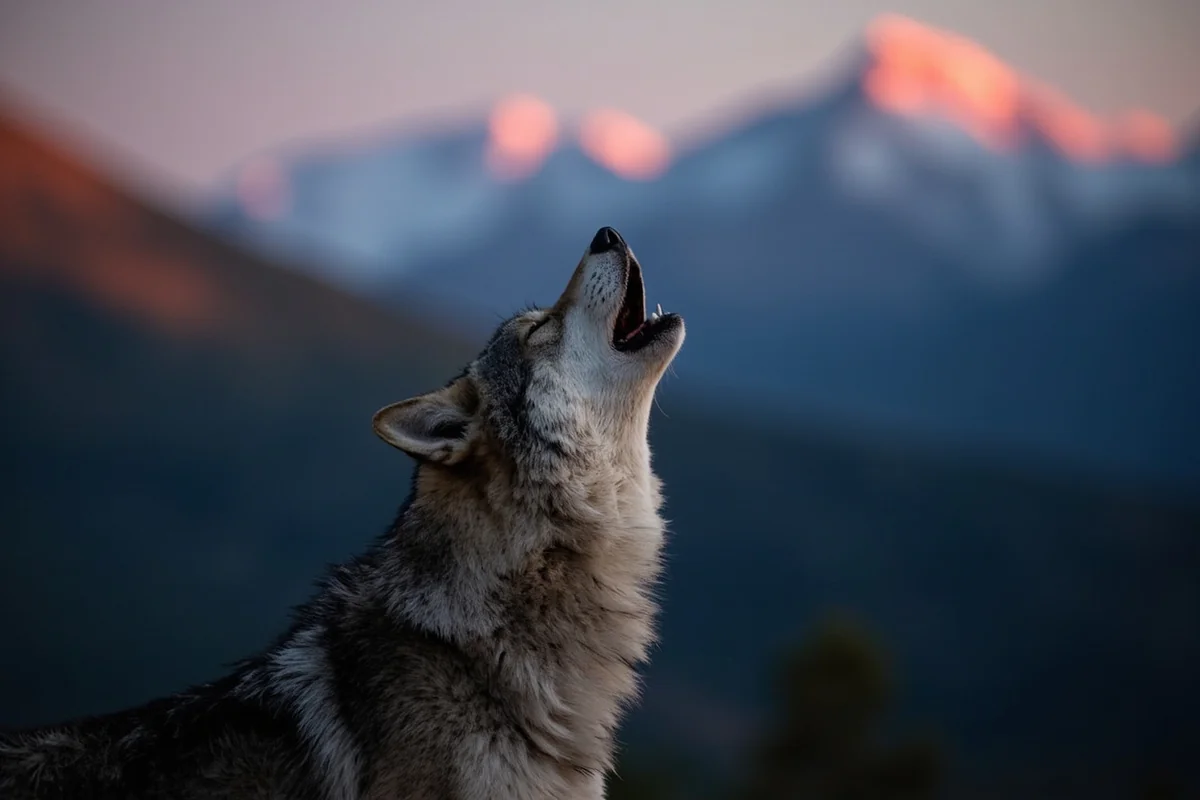
Wolf Pack Feeding Demonstrations occur daily at specific times that vary seasonally. Unlike passive zoo feeding where keepers simply deliver food, these demonstrations show how wolves interact with carcasses, establish pack hierarchy, and cache food for later. I watched their alpha female claim a deer leg and carry it to the far corner of the enclosure while subordinate wolves waited their turn.
Summer Event Series
The center hosts special evening events throughout summer that take advantage of West Yellowstone’s extended daylight.
Wildlife Film Nights screen documentaries featuring animals housed at the center. Following the film, keepers lead discussions about how the portrayed behaviors match what they observe daily. The informal Q&A sessions often run longer than scheduled because visitors have so many questions.
Junior Keeper Days let children aged 8-12 experience animal husbandry firsthand. When my friend’s daughter participated, she helped prepare food, learned about animal health checks, and earned a certificate. The program runs $95 but includes zoo admission, lunch, and take-home materials.
Naturalist-Led Park Preparation Talks happen every Saturday morning from June through August. If you’re entering Yellowstone the same day, these talks prep you for what you might encounter. They cover seasonal animal behavior, recent sightings, and safety protocols. The talks are free with admission.
Special Winter Programming
Most Yellowstone-area attractions shut down or minimize operations during winter, but the Grizzly & Wolf Discovery Center maintains robust programming.
Bear Hibernation Education Series runs from November through February and offers insight into how their bears prepare for and enter torpor. Not all their grizzlies hibernate consistently, which actually creates fascinating educational moments about individual variation in wild populations.
Winter Wildlife Photography Workshops capitalize on snow-covered enclosures and dramatic winter lighting. I’ve heard from photographer friends that the wolf images possible during these workshops rival anything achievable in the wild—without the unpredictability.
Montana Wildlife Center Events: Helena’s Hidden Gem
Less touristy than the two major facilities, the Montana Wildlife Center near Helena rehabilitates native species and offers intimate educational events.
Raptor Programs
Their signature programming involves birds of prey that can’t be released due to injuries.
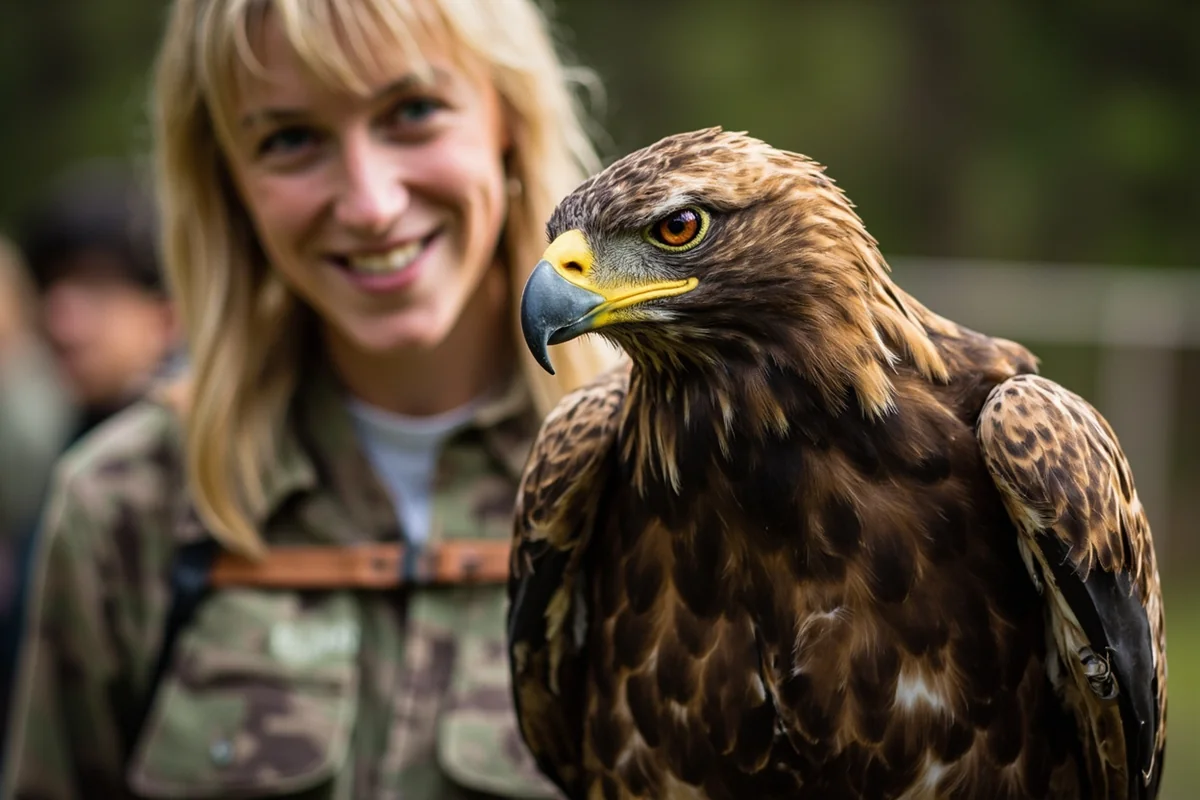
Live Raptor Presentations happen every Saturday afternoon during summer. A naturalist introduces educational ambassador birds including a golden eagle, several owl species, and red-tailed hawks. The small venue means you’re sitting within fifteen feet of these incredible predators.
When I attended last August, the handler explained how each bird’s injury prevented release while emphasizing the center’s mission of returning healthy animals to the wild. It struck a perfect balance between entertainment and conservation education.
Owl Prowl Night Hikes occur monthly during spring and fall. Participants learn owl calls, then venture onto trails to listen for wild owls responding. The event I attended yielded great-horned owl sightings and the unforgettable sound of a barred owl calling from the darkness.
Seasonal Event Planning Guide
Timing your Montana visit around zoo events requires understanding the seasonal patterns that govern programming.
Spring (March-May)
Spring brings baby animal season, and both major facilities schedule events around new arrivals. ZooMontana’s spring calendar includes New Arrival Celebrations where keepers introduce young animals to viewing areas for the first time.
The weather remains unpredictable through May. I’ve attended March events that required winter coats and May events where I wished I’d brought sunscreen. Always check forecasts and bring layers.
Spring also marks the return of school field trips, which means weekday mornings can get crowded. For quieter experiences, aim for weekend mornings before 10 AM or weekday afternoons after 2 PM.
Summer (June-August)
Peak season brings the fullest event calendars but also the largest crowds. If you’re exploring various Montana amusement parks during summer, zoo events make excellent additions to your itinerary.
Evening events become essential during summer months. Not only are temperatures more comfortable, but many Montana species—wolves, bears, mountain lions—become significantly more active during cooler hours.
Book special experiences at least three weeks ahead. When I tried to schedule a last-minute keeper encounter during July, everything was sold out. Learn from my mistake and plan early.
Water stations are available but bring your own bottle. The Billings summer heat can be intense, and hydration matters more than you’d expect during outdoor events.
Fall (September-November)
My personal favorite season for Montana zoo events. Crowds thin dramatically after Labor Day, animals become more active as temperatures drop, and fall foliage creates stunning backdrops for photography.
Harvest celebrations replace summer programming with events like ZooMontana’s Fall Festival in late September. Think pumpkin enrichment for animals, corn maze adjacent to the property, and cozy hot apple cider.
The Grizzly & Wolf Discovery Center’s Pre-Hibernation Bear Behavior Programs in October showcase hyperphagia—the period when bears eat constantly to prepare for winter. Watching a grizzly consume 20,000 calories in a single day puts human eating habits in perspective.
Winter (December-February)
Limited but special events define Montana’s zoo winter season. Wild Lights at ZooMontana is the obvious highlight, running most evenings from Thanksgiving through early January.
Smaller facilities may close or reduce hours significantly. Always call ahead to confirm winter event schedules.
The Grizzly & Wolf Discovery Center maintains year-round operations given its Yellowstone visitor audience, but even their programming scales back. Winter visits offer the benefit of virtually no crowds and animals at their most photogenic against snowy backgrounds.
Practical Information for Event Visitors
| Facility | Standard Admission | Special Event Range | Parking |
|---|---|---|---|
| ZooMontana (Billings) | $12 adults, $8 children | $15-$75 | Free |
| Grizzly & Wolf Discovery Center | $15 adults, $10 children | $15-$95 | Free |
| Montana Wildlife Center | $8 adults, $5 children | $10-$35 | Free |
Booking Tips That Actually Matter
Online reservations are essential for special events but usually unnecessary for general admission with keeper talks. I’ve never been turned away from a standard keeper presentation, even during busy weekends.
Membership pays off if you’re staying in Montana for more than a few days. ZooMontana’s membership includes reciprocal benefits at dozens of other zoos nationwide, plus discounts on events and gift shop purchases. During my extended stay last year, the membership saved me over $100.
Cancellation policies vary significantly. Most paid events offer full refunds if cancelled 48+ hours ahead, but some specialty experiences have stricter policies. Read the fine print before booking.
What to Bring
My standard zoo event kit has evolved through trial and error:
- Comfortable walking shoes with good grip—paths can get muddy after rain
- Layers regardless of season—Montana weather shifts quickly
- Small binoculars for observing animals in larger enclosures
- Portable phone charger—you’ll take more photos than expected
- Snacks and water—food options are limited at smaller facilities
- Cash for smaller facilities that may have limited card processing
Accessibility Considerations
All major Montana zoo facilities meet ADA requirements, but event accessibility varies. ZooMontana’s main paths are paved and wheelchair-accessible, though some behind-the-scenes experiences involve uneven terrain.
I recommend calling ahead for specific events if mobility is a concern. Staff have consistently been helpful about accommodating needs when given advance notice.
The Grizzly & Wolf Discovery Center’s viewing areas are fully accessible, and their amphitheater-style seating for presentations includes designated wheelchair spaces with excellent sightlines.
Combining Zoo Events with Broader Montana Adventures
Zoo events integrate naturally into larger Montana itineraries, especially when you consider their geographic distribution.
Eastern Montana Circuit
ZooMontana in Billings anchors an excellent eastern Montana route. Pair a morning zoo event with an afternoon visit to Pictograph Cave State Park (just 15 minutes away) where prehistoric humans left striking rock art.
If you’re interested in outdoor concerts during your trip, Montana amphitheaters offer excellent summer entertainment throughout the region.
Pompeys Pillar, where William Clark carved his signature during the Lewis and Clark expedition, sits about an hour northeast. I’ve successfully combined ZooMontana’s morning programming with an afternoon at Pompeys Pillar multiple times.
Western Montana and Yellowstone Gateway
The Grizzly & Wolf Discovery Center makes an ideal Yellowstone preparation stop or decompression point. I typically recommend spending a morning at the center, attending their bear spray training, then entering the park in the afternoon.
Alternatively, after multiple days in Yellowstone, the center offers a structured wildlife experience that complements the unpredictable nature of park wildlife viewing. You’re guaranteed to see grizzlies and wolves here, which isn’t always true inside the park.
Conservation Impact and Why It Matters
Beyond entertainment, Montana zoo events directly support wildlife conservation across the region.
ZooMontana participates in Species Survival Plans for several animals, meaning their breeding programs contribute to maintaining genetically diverse populations. Event revenue helps fund these programs alongside general operations.
The Grizzly & Wolf Discovery Center exclusively houses animals that cannot survive in the wild—orphaned bears, human-habituated wolves, and others whose release would endanger themselves or communities. Your event attendance supports the lifetime care these animals require.
When I learned that one of ZooMontana’s bears was rescued after becoming food-conditioned at a campground, it reinforced why proper food storage matters during camping trips. The zoo essentially provides a living lesson in consequences.
Insider Tips from a Repeat Visitor
After dozens of Montana zoo visits, I’ve accumulated observations that don’t appear in any official literature.
The best animal activity at ZooMontana happens during the first and last hours of operation. Midday visits, especially during summer, often feature sleeping animals avoiding the heat.
Rainy days are underrated. I’ve had some of my best experiences during light rain when crowds thin but animals remain active. Just bring appropriate gear.
Volunteer events offer unique access. ZooMontana periodically recruits volunteers for habitat cleanup, planting projects, and special occasions. Check their volunteer page if you’re staying in Billings for an extended period.
Gift shop purchases support conservation more directly than you’d expect. Both major facilities stock items from local artisans and conservation-focused organizations. I’ve bought several pieces that support specific species programs.
Annual event calendars typically release in January. If you’re planning a summer trip early in the year, check for event schedules to optimize your timing.
Final Thoughts on Planning Your Visit
Montana zoo events offer something increasingly rare in our world—genuine, unhurried connections with wildlife in a state where wild still means something. Whether you’re watching wolves hunt during a feeding demonstration or learning bear safety skills you’ll use on trails the same week, these experiences add layers of meaning to Montana travel.
I’ve returned to both major facilities multiple times because each visit reveals something new. The animals change, the keepers share different stories, and my own understanding deepens with each encounter.
Start by identifying which events align with your travel dates and book any special experiences early. Build flexibility into your schedule for weather-dependent programming. And most importantly, approach these events not as tourist checkboxes but as opportunities to connect with the wild heart of Montana.
The grizzly I watched that summer evening, standing so close I could count the water droplets on its fur—that moment continues to shape how I think about wildlife, wilderness, and our responsibility to both. Montana’s zoo events offer everyone the chance to find their own such moment.
Frequently Asked Questions
What are the most popular Montana zoo events throughout the year?
Montana’s zoos host exciting seasonal events including ZooLights at ZooMontana in Billings during December, Boo at the Zoo Halloween celebrations in October, and Conservation Day events each spring. I’ve found that summer brings the most family-friendly programming, with keeper talks, animal encounters, and educational camps running from June through August.
How much do Montana zoo event tickets cost for families?
General admission to ZooMontana runs about $10-12 for adults and $6-8 for children, with special events like ZooLights typically adding $5-10 per person. Many zoos offer family membership packages around $75-100 annually, which I recommend if you’re planning multiple visits or attending several events during your Montana trip.
What is the best time of year to visit Montana zoos for special events?
Late spring through early fall offers the best weather and most active animal viewing, with May through September featuring outdoor events and extended hours. If you’re visiting in December, ZooLights transforms ZooMontana into a winter wonderland, though temperatures can drop below freezing so dress warmly.
Are Montana zoo events suitable for toddlers and young children?
Absolutely—Montana zoos design most events specifically with young families in mind, featuring petting areas, interactive exhibits, and age-appropriate educational programs. ZooMontana’s Discovery Center offers hands-on activities perfect for kids under 5, and special events often include face painting, crafts, and meet-the-keeper sessions that toddlers love.
How far is ZooMontana from Yellowstone National Park?
ZooMontana in Billings is approximately 130 miles north of Yellowstone’s northeast entrance via Highway 212, making it about a 2.5-3 hour drive. I suggest combining a zoo visit with your Yellowstone itinerary if you’re entering or exiting through the park’s northern routes—it’s a perfect family stop to break up the journey.
What should I bring to Montana zoo events in summer versus winter?
For summer zoo events, pack sunscreen, a refillable water bottle, comfortable walking shoes, and a light jacket since Montana evenings cool down quickly. Winter events like ZooLights require serious layering—I recommend insulated boots, hand warmers, and thermal clothing since temperatures often hover around 20°F or colder.
Can I book private animal encounters or behind-the-scenes tours at Montana zoos?
Yes, ZooMontana offers special animal encounter experiences and educational programs that can be booked in advance, typically ranging from $25-75 per person depending on the experience. I recommend calling at least two weeks ahead during peak summer season, as popular encounters with wolves, bears, and birds of prey fill up quickly.