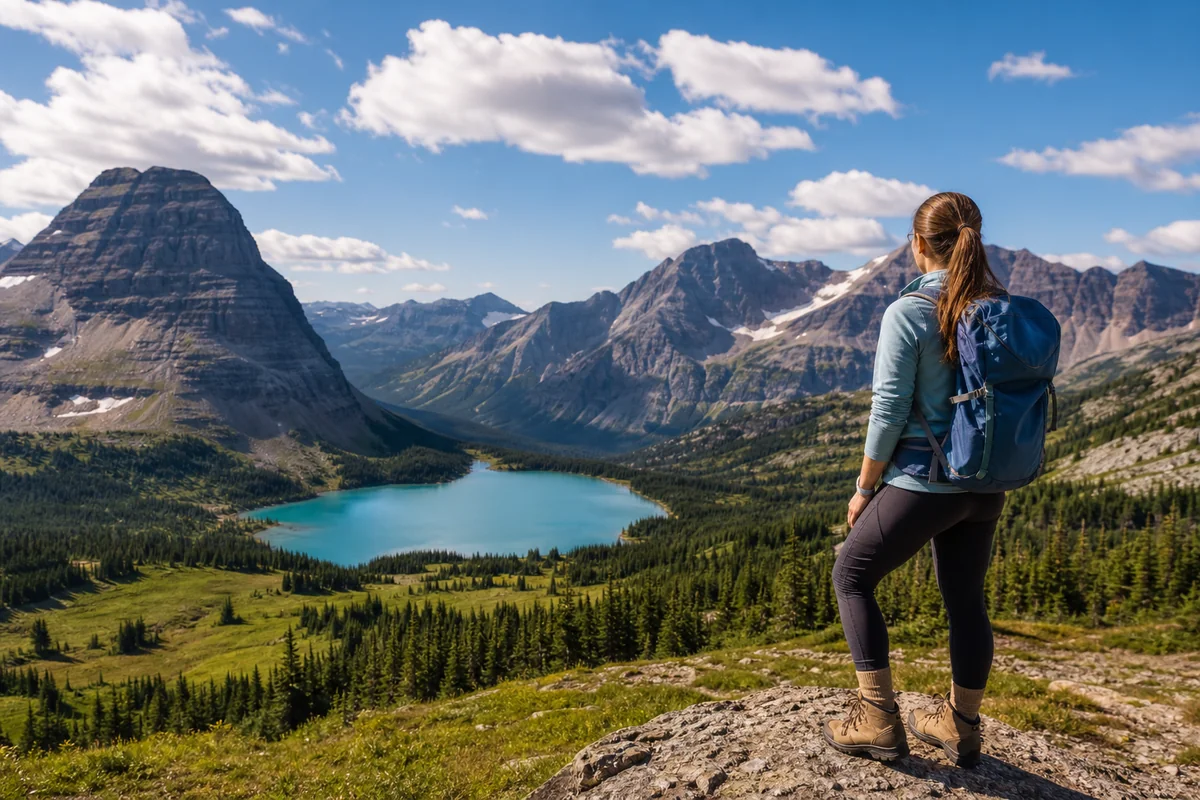
Standing at the edge of Grinnell Glacier last August, watching ancient ice calve into turquoise water, I realized Montana isn’t just a destination—it’s a complete sensory overhaul.
After spending three years exploring every corner of Big Sky Country for this blog, I’ve narrowed down the attractions that genuinely deserve your time, not just the ones that photograph well.
If you’re planning your itinerary and researching things to do in Montana, these 21 spots represent the absolute best the state has to offer.
- Glacier National Park tops the list, but timing your visit for September avoids 70% of crowds
- Budget 3-4 days minimum for Yellowstone’s Montana entrances—you can’t rush geothermal wonders
- Ghost towns like Bannack and Garnet offer free or cheap adventures with incredible history
- Hidden gems include Pictograph Cave, Giant Springs, and the surreal Grasshopper Glacier
- Most attractions cluster in western Montana, so base yourself in Missoula or Kalispell for efficiency
- Summer (June-August) brings crowds; shoulder seasons deliver better experiences at lower prices
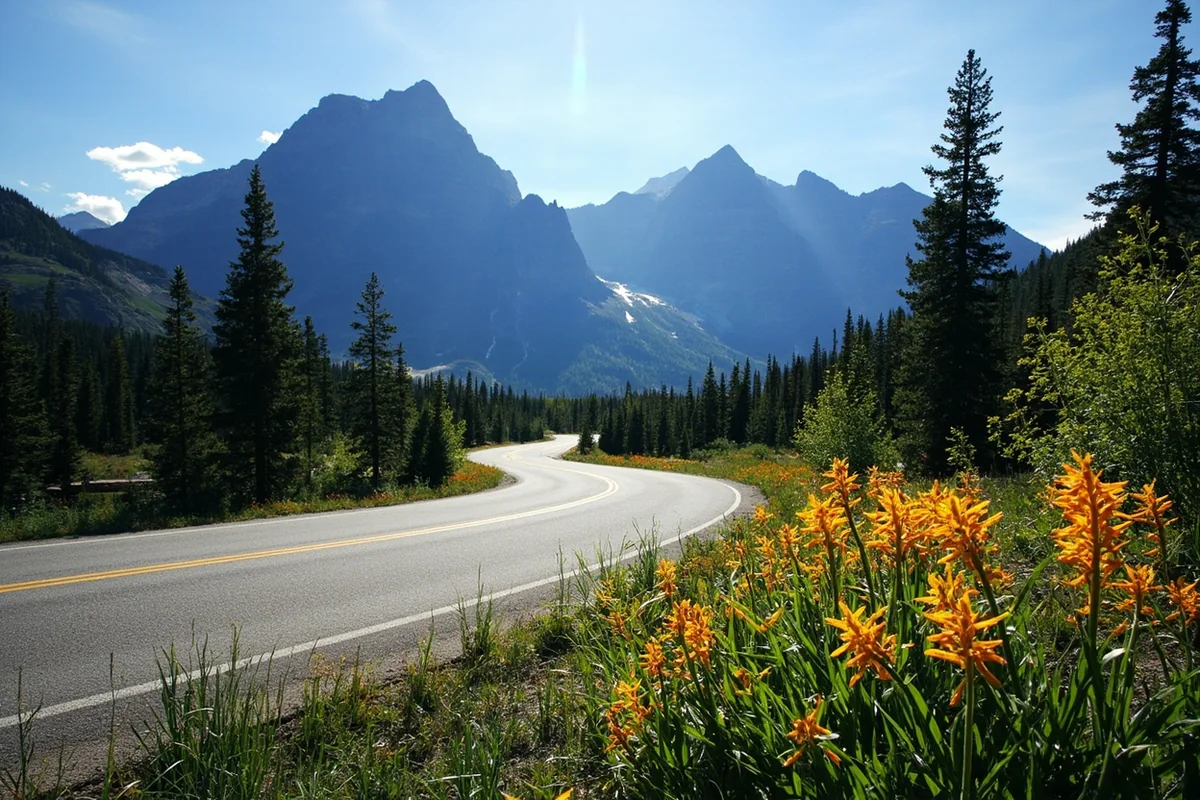
Montana spans 147,040 square miles, making it larger than Germany. Within that vast expanse, you’ll find everything from underground caverns to rooftop observatories, from Native American rock art to ultra-modern museums. I’ve personally visited every attraction on this list at least twice, and I’m sharing the honest details that glossy brochures won’t tell you.
Whether you’re drawn to unique activities in Montana or prefer classic natural wonders, this guide covers the full spectrum. Let’s dive into the 21 attractions that define Montana travel.
Liked this article?
Add Roaming Montana as a preferred source so you see more of our articles and guides on Google.
1. Glacier National Park — The Crown Jewel That Lives Up to Its Name
I’ve visited Glacier National Park eleven times now, and it still makes my jaw drop. The park contains 762 lakes, 563 streams, and roughly 25 remaining glaciers (down from 150 in 1850, which should motivate you to visit soon).
Going-to-the-Sun Road deserves its legendary status. During my most recent September visit, I drove the entire 50-mile stretch without stopping behind a single tour bus. The wildflower meadows had faded, but the larch trees were turning golden, creating an entirely different kind of magic.
My insider tip: enter through the St. Mary entrance on the east side before 7 AM. You’ll catch sunrise over Wild Goose Island and have the first miles of the road practically to yourself. The Logan Pass parking lot fills by 9 AM during peak summer, so early arrival isn’t optional—it’s essential.
For hiking, Highline Trail remains my favorite. It’s 11.8 miles one-way, but you can shuttle back, and the views into the Hanging Gardens will occupy your camera’s entire memory card.
Practical Details for Glacier
| Detail | Information |
|---|---|
| Entrance Fee | $35/vehicle (7-day pass) |
| Best Time | Late June–September (Going-to-the-Sun Road fully open) |
| Reservation Required | Yes, for peak summer vehicle entry (check recreation.gov) |
| Nearby Town | Whitefish (30 minutes west) |
2. Yellowstone National Park (Montana Entrances)
Yes, Yellowstone is technically in Wyoming, but Montana claims three of its five entrances, and those northern sections contain some of the park’s most dramatic features. I always recommend entering through Gardiner—the Roosevelt Arch makes an unforgettable first impression.
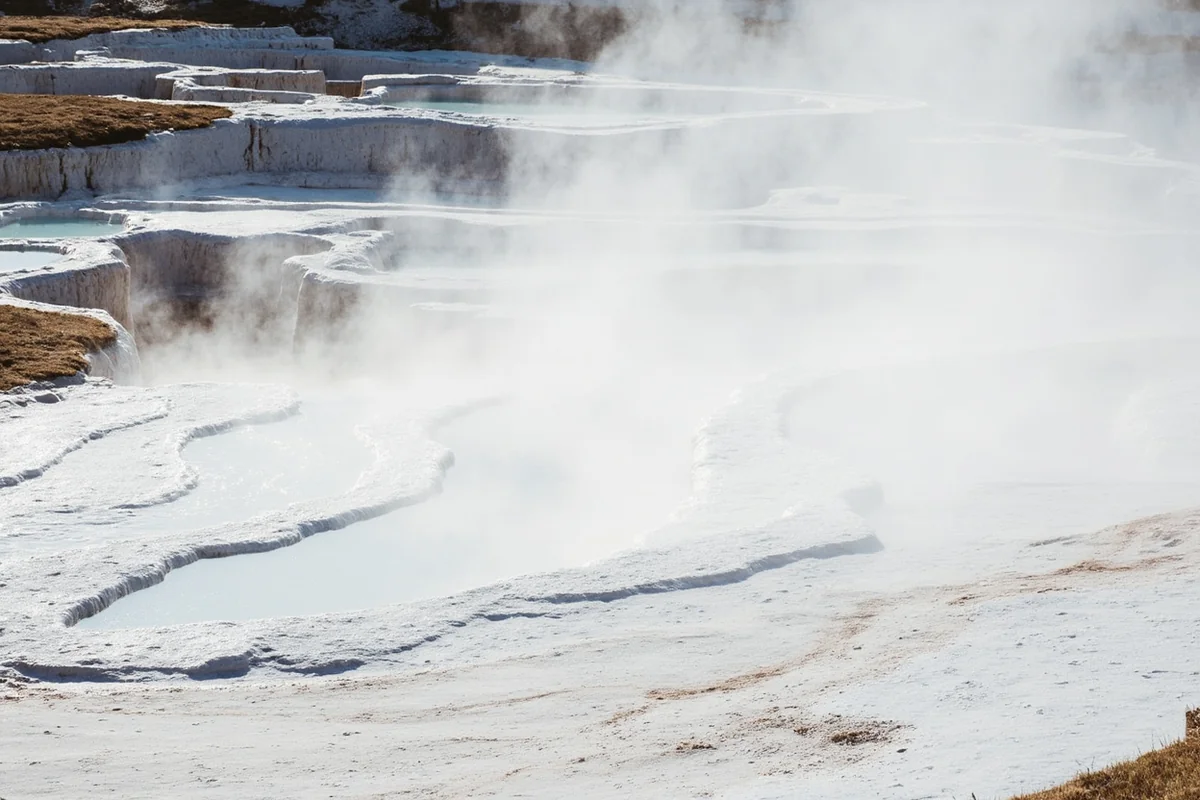
Mammoth Hot Springs, just five miles inside the north entrance, showcases nature’s architecture in travertine. The terraces change constantly; features I photographed two years ago have completely transformed or dried up entirely.
The Lamar Valley, accessible through the northeast entrance near Cooke City, offers the best wildlife viewing in the greater Yellowstone ecosystem. I spent four hours there last October watching a wolf pack hunt elk at sunrise. Bring binoculars, a spotting scope if you have one, and patience.
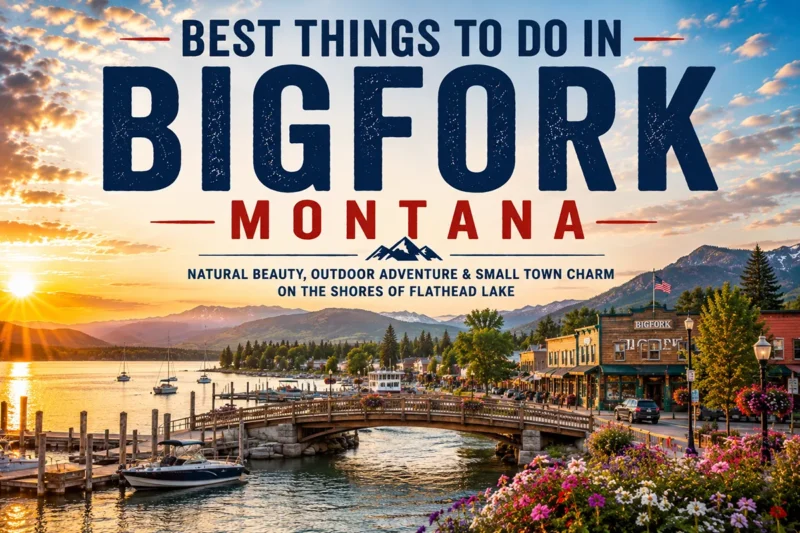
3. Flathead Lake — The Largest Natural Freshwater Lake West of the Mississippi
At 197 square miles, Flathead Lake dominates northwestern Montana. I kayaked its entire perimeter over five days last summer, camping on Wild Horse Island and several smaller spots.
The water clarity here rivals the Caribbean. On calm mornings, you can see 30 feet down to the rocky bottom, watching trout cruise past your paddle. The lake’s famous Flathead cherries ripen in late July—stop at any roadside stand for the sweetest stone fruit you’ll ever taste.
Wild Horse Island State Park requires a boat to access (no ferry service), but it’s worth renting a kayak in Bigfork. The island supports bighorn sheep, deer, and yes, actual wild horses descended from those brought by the Salish-Kootenai people.
4. Museum of the Rockies — Dinosaurs Done Right
I’ll admit I visited this Bozeman museum expecting a typical regional natural history collection. I left five hours later having completely revised my understanding of Montana’s prehistoric past.
The dinosaur exhibits here aren’t replicas—they’re actual fossils, including the largest T. rex skull ever discovered. Paleontologist Jack Horner (who consulted on the Jurassic Park films) built this collection over decades, and it shows.
The planetarium shows run throughout the day, and during my winter visit, I caught a presentation on Montana’s dark sky preserves that convinced me to plan a dedicated stargazing trip. Adult admission runs $14.50, which feels like highway robbery given how much you get.
5. Little Bighorn Battlefield National Monument
Standing on Last Stand Hill last June, looking across the same rolling grassland where 263 U.S. soldiers and roughly 100 Lakota, Cheyenne, and Arapaho warriors died in 1876, I felt the weight of American history pressing down.
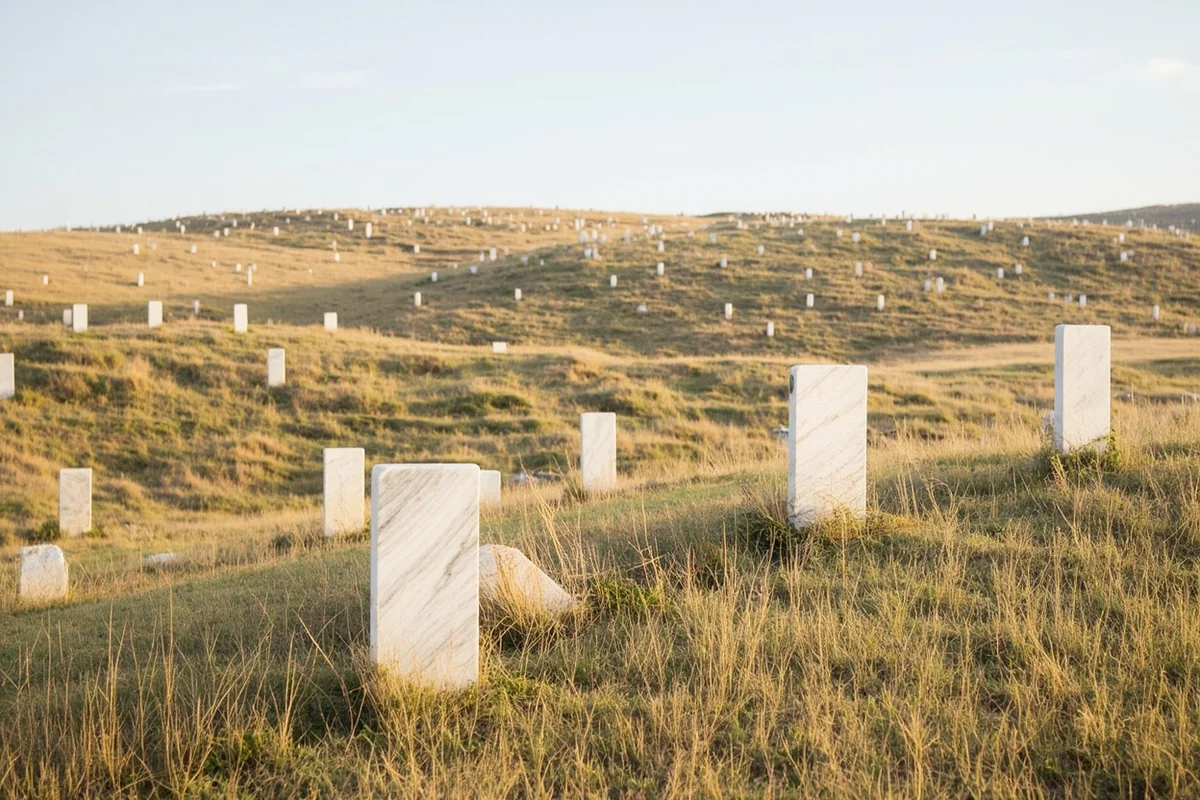
The ranger-led tours (included with $25 vehicle admission) provide essential context. When I visited, a Crow Nation guide named Marcus shared his tribe’s perspective on the battle, which differed significantly from the standard textbook account. That oral history tradition adds layers you simply can’t get from reading plaques.
Plan at least two hours here. Walk the Deep Ravine Trail and the Indian Memorial, opened in 2003 to honor the Native warriors. Bring water—shade is scarce and summer temperatures regularly exceed 95°F.
6. Bannack State Park — Montana’s Best-Preserved Ghost Town
If you’re intrigued by Montana’s mining history or enjoy exploring haunted places in Montana, Bannack delivers on every front. This 1860s gold rush town stands frozen in time, with over 50 structures still intact.
I wandered through the old Hotel Meade at dusk on my last visit, and I’ll confess the creaking floorboards had me glancing over my shoulder. Local paranormal groups regularly investigate here, and staff members have stories they’ll share if you ask.
During Bannack Days (third weekend of July), reenactors bring the town back to life with gunfight shows and period demonstrations. The rest of the year, you might have the entire town to yourself. Camping in the adjacent grounds runs $28/night, and falling asleep in a ghost town is an experience I won’t soon forget.
7. Virginia City and Nevada City
These twin towns, connected by a narrow-gauge train, offer a more commercialized but equally fascinating ghost town experience. Virginia City served as Montana’s territorial capital, and its main street looks like a Western film set—because Hollywood has actually filmed here.
The train ride between the towns takes 20 minutes and crosses the Alder Gulch where $90 million in gold was extracted between 1863 and 1889. I recommend riding the train one direction and walking back along the gulch trail.
8. Pictograph Cave State Park — 4,500 Years of Human History
Tucked into sandstone cliffs just seven miles south of Billings, Pictograph Cave contains over 100 ancient paintings created by prehistoric peoples. The red, white, and black pigments depict animals, figures, and symbols whose meanings we’re still working to understand.
I visited on a rainy April morning when I was the only person on the trail. The overhanging cave offered shelter, and I spent an hour studying the paintings, imagining the hands that created them millennia ago.
The interpretive trail is fully paved and accessible, making this one of Montana’s most inclusive outdoor attractions. Entry costs just $8 per vehicle.
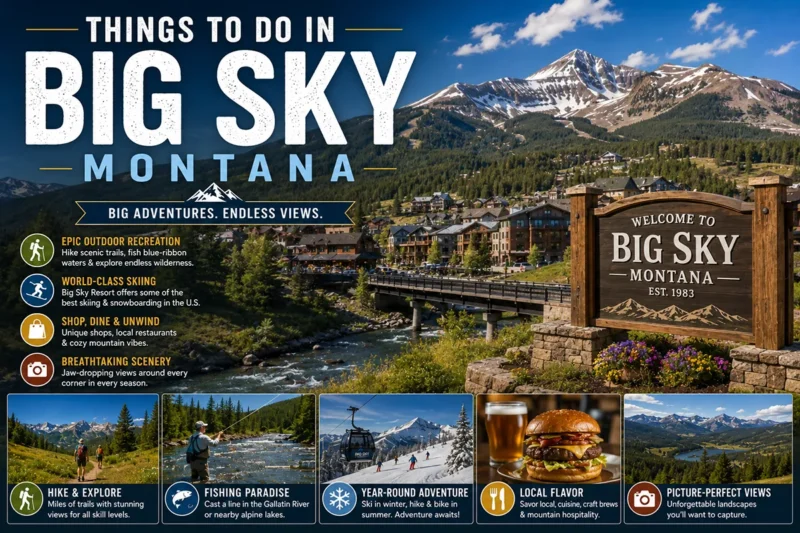
9. Big Sky Resort — Beyond Winter Sports
Big Sky draws skiers in winter, but my favorite visit came in July when I rode the Lone Peak Tram 11,166 feet up and hiked the ridgeline at sunrise. The summer adventure offerings include zip lines, mountain biking, and disc golf, but honestly? Just sitting on the Shedhorn deck watching thunderstorms roll across the Madison Range justified the $45 tram ticket.
10. Berkeley Pit — Beauty in Devastation
This former open-pit copper mine in Butte fills with toxic water that kills birds on contact. It shouldn’t be beautiful, but the swirling colors of acidic minerals create an otherworldly landscape that fascinates despite—or because of—its danger.
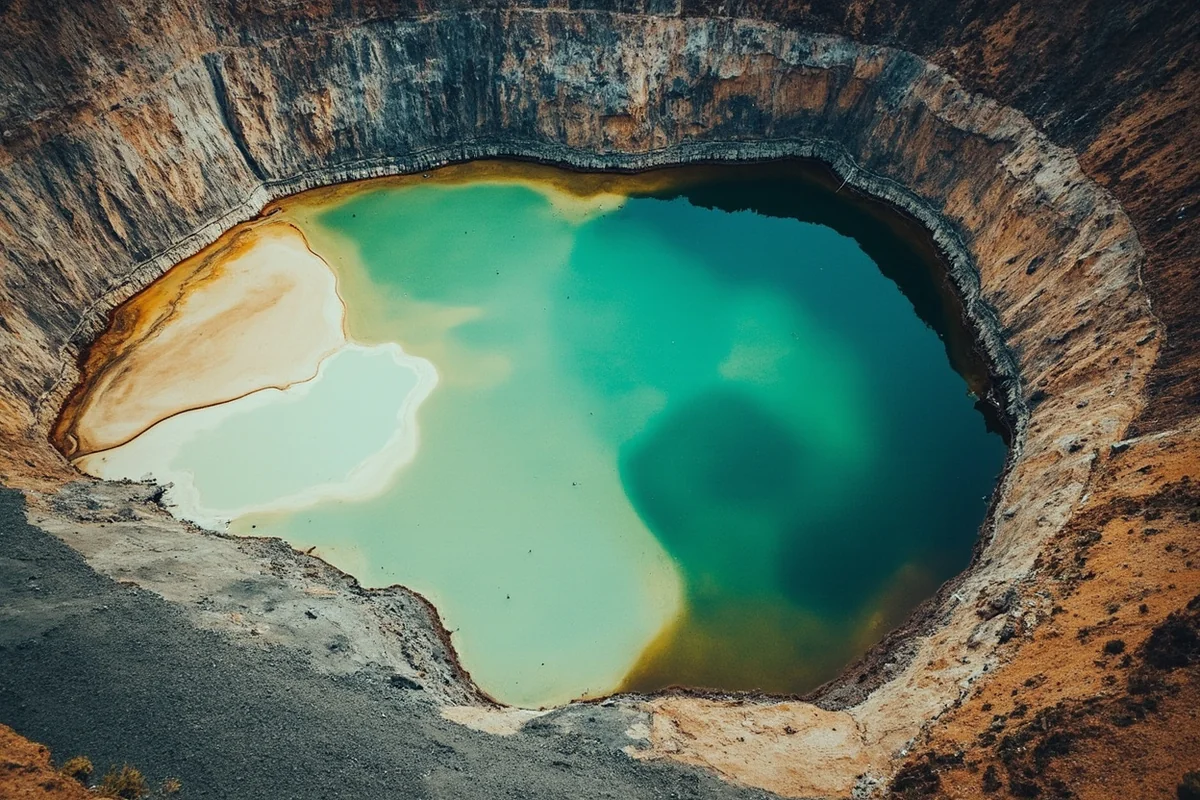
The viewing platform ($2 admission) explains the mining history and ongoing environmental challenges. I find it a sobering counterpoint to Montana’s pristine natural attractions, a reminder that human industry leaves marks.
11. Lewis and Clark Caverns State Park
Montana’s first state park contains one of the most extensive limestone caverns in the Northwest. The classic tour descends 600 steps through chambers filled with stalactites, stalagmites, and helictites (those weird sideways-growing formations that defy gravity).
I recommend the Wild Cave Tour for adventurous visitors—you’ll crawl through passages the regular tour skips, and the guides turn off all lights for a minute of absolute darkness. Book ahead; these tours fill weeks in advance.
12. Grizzly & Wolf Discovery Center — Ethical Wildlife Viewing
Located in West Yellowstone, this nonprofit sanctuary houses grizzly bears and gray wolves that cannot survive in the wild. Unlike roadside zoos, the enclosures here are massive, and the animals came from situations where release wasn’t possible.
I watched a 900-pound grizzly named Sam methodically destroy a “bear-proof” cooler during their daily enrichment program. The keepers explained that manufacturers actually send products here for testing before certifying them. That’s a practical conservation connection most wildlife facilities can’t claim.
Speaking of ethical animal encounters, Montana offers several quality facilities. Check out our guides to Montana zoos and upcoming ZooMontana events if you’re traveling with kids or wildlife enthusiasts.
13. Giant Springs State Park — One of the Largest Freshwater Springs on Earth
The springs here near Great Falls discharge 156 million gallons daily at a constant 54°F. The water is so clear it looks artificial, like someone filled a swimming pool with Windex.
I jogged the River’s Edge Trail along the Missouri River on a June morning and stopped to watch rainbow trout stacking up below the springs. The adjacent fish hatchery offers free tours where you can feed the trout—kids go absolutely wild for this.
14. Gates of the Mountains
Lewis and Clark named these towering limestone cliffs where the Missouri River cuts through the Big Belt Mountains. The two-hour boat tours depart from a marina north of Helena and reveal the same dramatic scenery the Corps of Discovery encountered in 1805.
I prefer the sunset cruise, when the cliffs glow orange and bighorn sheep appear on the rocky ledges. The Captain pointed out mountain goats on my last trip, barely visible white dots against the gray stone.
15. National Bison Range
This 18,500-acre refuge near Moiese protects one of the oldest publicly-owned bison herds in America. The 19-mile Red Sleep Mountain Drive climbs through grasslands where you’ll encounter bison, elk, deer, and pronghorn.
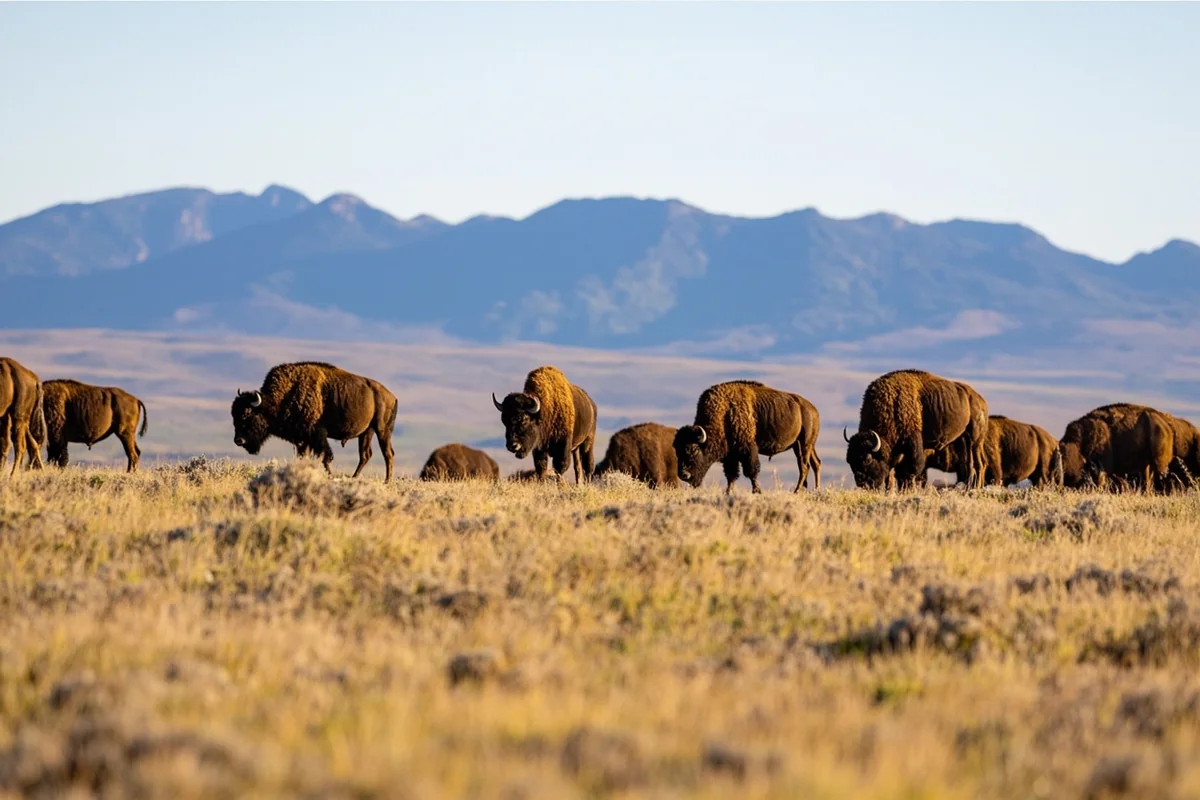
After the historic transfer to Confederated Salish and Kootenai Tribes management in 2021, the refuge has maintained public access while integrating tribal perspectives into interpretation. My recent visit included displays on traditional bison hunting practices and the animal’s spiritual significance.
16. Makoshika State Park — Montana’s Badlands
Eastern Montana hides this 11,000-acre park where erosion has carved sandstone and mudstone into bizarre formations. Dinosaur fossils emerge regularly from these layers—a triceratops skull discovered here now resides at the Museum of the Rockies.
I camped in the park on a September night when the temperature dropped 40 degrees between sunset and sunrise. The isolation felt complete; coyotes howled constantly, and the Milky Way stretched horizon to horizon with zero light pollution.
17. Garnet Ghost Town
Unlike commercialized Virginia City, Garnet sits abandoned on a mountain accessible only by rough dirt road. The Bureau of Land Management maintains 30 structures in their original deteriorated state, creating an authentic ruins experience.
Winter visits require snowmobiling or skiing the final four miles, but the effort rewards you with complete solitude among snow-draped buildings. I’ve never felt more connected to Montana’s mining past than walking those empty streets in January.
18. The C.M. Russell Museum — Charlie Russell’s Legacy
Great Falls houses this museum dedicated to Montana’s most famous artist. Charlie Russell’s paintings and bronze sculptures capture the Old West with an authenticity born from actually living it—Russell worked as a cowboy before becoming an artist.
The museum preserves his log cabin studio, filled with props and unfinished works. I spent a while studying his color palette, which perfectly captures the specific gold of Montana’s autumn light.
19. Grasshopper Glacier
This remote glacier in the Absaroka-Beartooth Wilderness contains millions of frozen grasshoppers, trapped during a migration hundreds of years ago and preserved in the ice ever since. The 12-mile hike to reach it requires solid backcountry skills and early summer timing.
I made the trek last July with a group from Cooke City. We reached the glacier at midday when summer melt had exposed bands of insects perfectly visible within the ice. It’s one of Montana’s weirdest and most rewarding destinations.
20. First Peoples Buffalo Jump State Park
For over 1,500 years, Native peoples drove bison herds over this cliff, providing food, clothing, shelter, and tools. The visitor center explains the complex hunting technique and displays artifacts recovered from the jump’s base.
The guided interpretive walk with a tribal member (offered periodically, check schedules) provides cultural context that transforms your understanding of the landscape. When I visited, our guide performed a blessing ceremony at the cliff edge that moved several participants to tears.
21. Montana Outdoor Adventures at KettleHouse Amphitheater
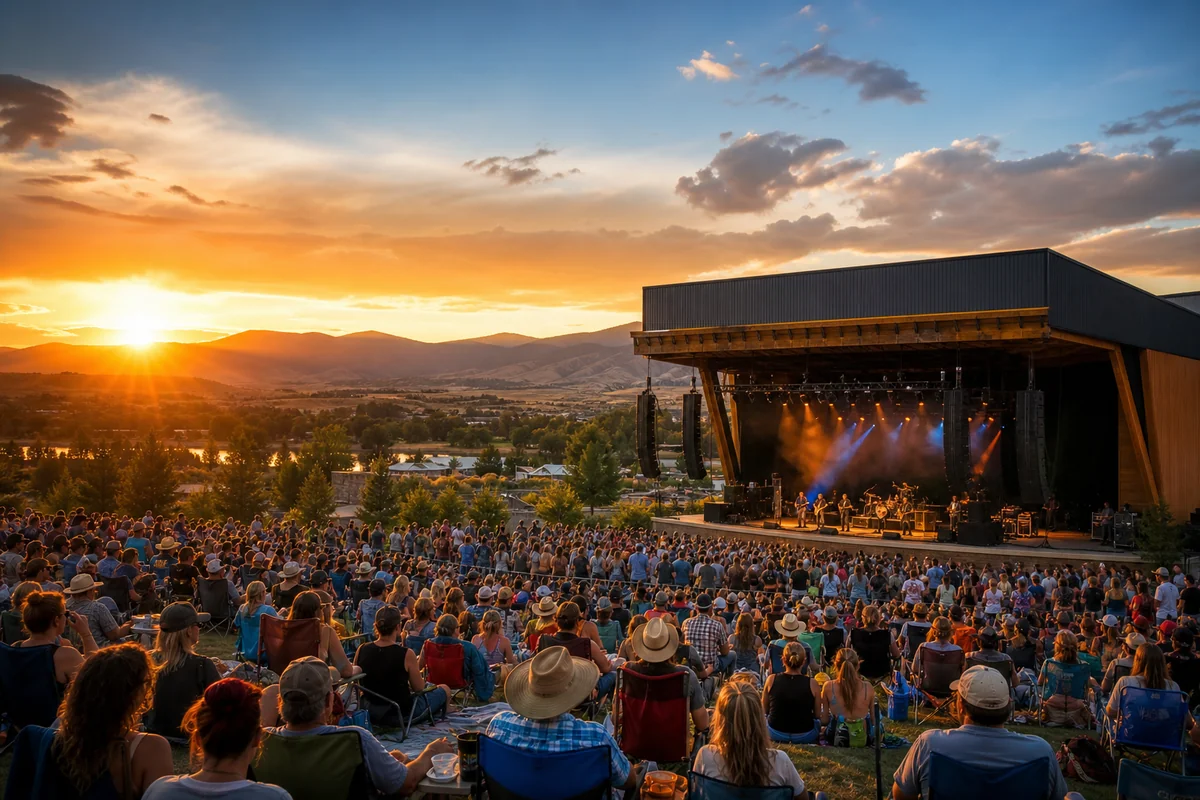
I’ll close with something different—a cultural attraction rather than natural or historical. The KettleHouse Amphitheater near Missoula hosts concerts against a backdrop of the Bitterroot Mountains. I caught Brandi Carlile there on a perfect August evening, the sunset competing with the stage lighting.
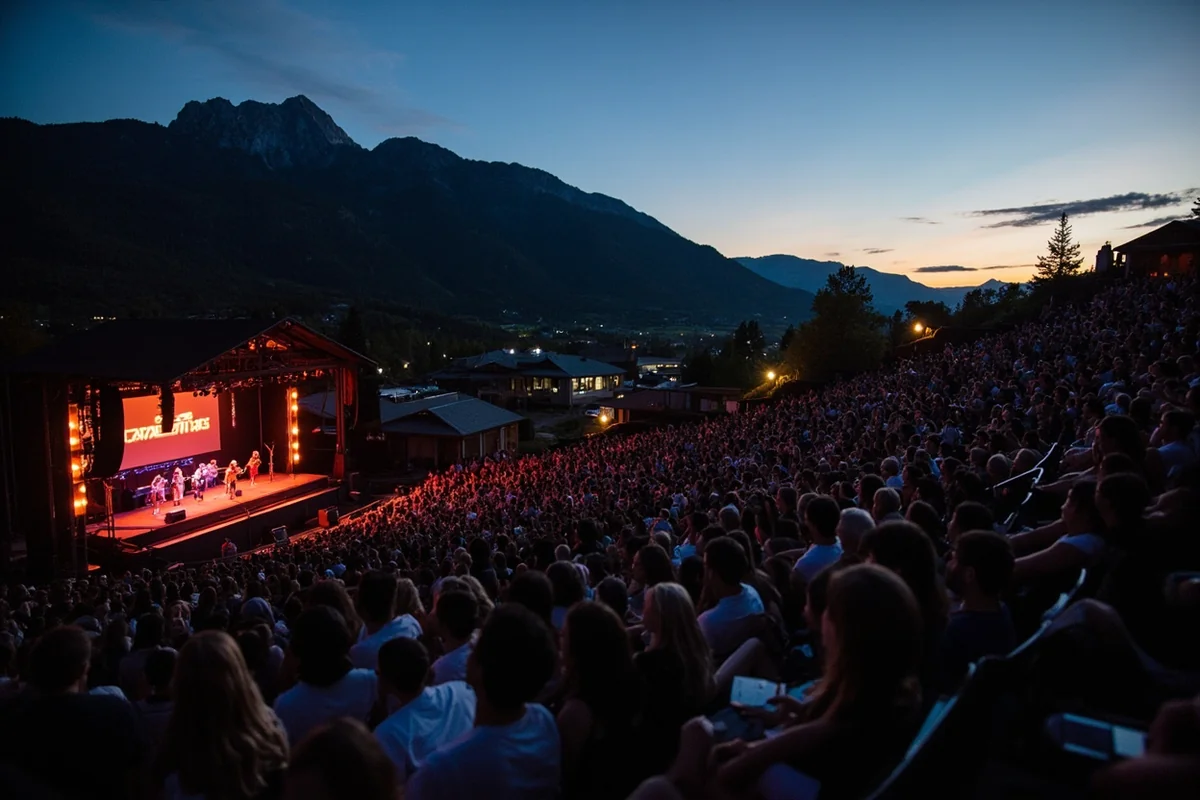
For more venue options across the state, explore our complete guide to Montana amphitheaters. And if you’re traveling with family, don’t miss our roundup of Montana amusement parks for kid-friendly thrills.
Planning Your Montana Attractions Itinerary
After visiting all 21 attractions multiple times, here’s how I’d structure trips of various lengths:
One Week: Greatest Hits Route
Focus on Glacier National Park (3 days), Flathead Lake (1 day), and either the Museum of the Rockies in Bozeman or the Little Bighorn Battlefield. This covers Montana’s headliners without excessive driving.
Two Weeks: The Complete Circuit
Add Virginia City, Lewis and Clark Caverns, Great Falls attractions (Giant Springs, C.M. Russell Museum, First Peoples Buffalo Jump), and one ghost town. You’ll drive roughly 1,500 miles but see the state’s full diversity.
Three Weeks or More: Deep Exploration
Include eastern Montana’s hidden gems—Makoshika State Park, Pictograph Cave—and tackle longer adventures like the Grasshopper Glacier hike. This timeline allows spontaneous detours and unhurried exploration.
Seasonal Considerations
Summer (June-August) offers the fullest access but also the largest crowds and highest prices. I’ve shifted most of my Montana travel to September and early October, when weather remains stable but visitation drops dramatically.
Winter transforms many attractions into completely different experiences. Glacier’s roads close to vehicles, but cross-country skiing into the park reveals a silent, snow-muffled beauty that summer crowds never witness.
Spring arrives late (May in most areas) and brings unpredictable weather along with baby wildlife. The shoulder season can be frustrating or magical depending on your flexibility and expectations.
Final Thoughts
Montana’s attractions span the full range of American experiences—geological wonders, painful histories, cultural preservation, modern recreation, and landscapes that defy adequate description. After three years of dedicated exploration, I still discover new details on every visit.
The attractions on this list share one quality: authenticity. These aren’t manufactured tourist traps but genuine expressions of Montana’s natural and human heritage. They reward curiosity, respect time, and leave lasting impressions.
Start planning, but stay flexible. Montana has a way of revealing unexpected wonders to those willing to take the unmarked turnoff or chat with the local at the gas station. Every trip I’ve taken here has exceeded its original itinerary in the best possible way.
See you on the road.
Frequently Asked Questions
What is the best time of year to visit Montana attractions?
I recommend visiting Montana between June and September for the best access to outdoor attractions, as most roads and trails are fully open. If you’re interested in skiing or winter activities at places like Big Sky Resort, December through March offers excellent snow conditions. Keep in mind that Glacier National Park’s Going-to-the-Sun Road typically doesn’t fully open until late June or early July.
How many days do you need to see the top Montana attractions?
To experience Montana’s best attractions without feeling rushed, I suggest planning at least 7-10 days for a comprehensive road trip. You’ll want 2-3 days for Glacier National Park alone, plus additional time for Yellowstone’s Montana entrance, historic towns like Virginia City, and natural wonders like Lewis and Clark Caverns. If you’re short on time, a focused 4-5 day trip covering one region works well.
How much does it cost to visit Montana’s national parks and attractions?
Glacier National Park charges $35 per vehicle for a 7-day pass, while Yellowstone costs $35 as well. I highly recommend the $80 America the Beautiful Annual Pass if you’re visiting multiple parks. State parks like Makoshika typically cost $6-8 per vehicle, and many Montana attractions like historic downtown Bozeman or the Missouri River Headwaters are completely free to explore.
What should I pack for a Montana attractions road trip?
Pack layers regardless of season since Montana temperatures can swing 30-40 degrees in a single day, especially in mountain areas. I always bring sturdy hiking boots, bear spray for backcountry trails, sunscreen, and a good camera for wildlife sightings. Don’t forget a paper map as cell service is unreliable throughout much of rural Montana, particularly near Glacier and the Bob Marshall Wilderness.
How far apart are Montana’s major attractions from each other?
Montana is massive, so distances add up quickly. Glacier National Park to Yellowstone’s north entrance is about 340 miles (5-6 hours driving), while Missoula to Billings spans roughly 350 miles across the state. I budget extra driving time because you’ll want to stop at attractions along the way, and speed limits on scenic routes are often 55-65 mph with winding mountain roads.
Are Montana attractions suitable for families with young children?
Absolutely, many Montana attractions are perfect for family travel. Kids love the Museum of the Rockies in Bozeman with its impressive dinosaur exhibits, boat tours on Flathead Lake, and the easy boardwalk trails at Yellowstone’s geysers. I suggest sticking to shorter hikes under 2 miles for young children and taking advantage of Junior Ranger programs at both national parks to keep them engaged.
Do I need reservations to visit popular Montana attractions?
Yes, several Montana attractions now require advance reservations during peak season. Glacier National Park requires vehicle reservations to enter during summer months, and popular lodges inside both Glacier and Yellowstone book up 6-12 months ahead. I recommend booking accommodations in gateway towns like Whitefish, West Yellowstone, or Gardiner at least 3-4 months in advance for summer travel.
Sources