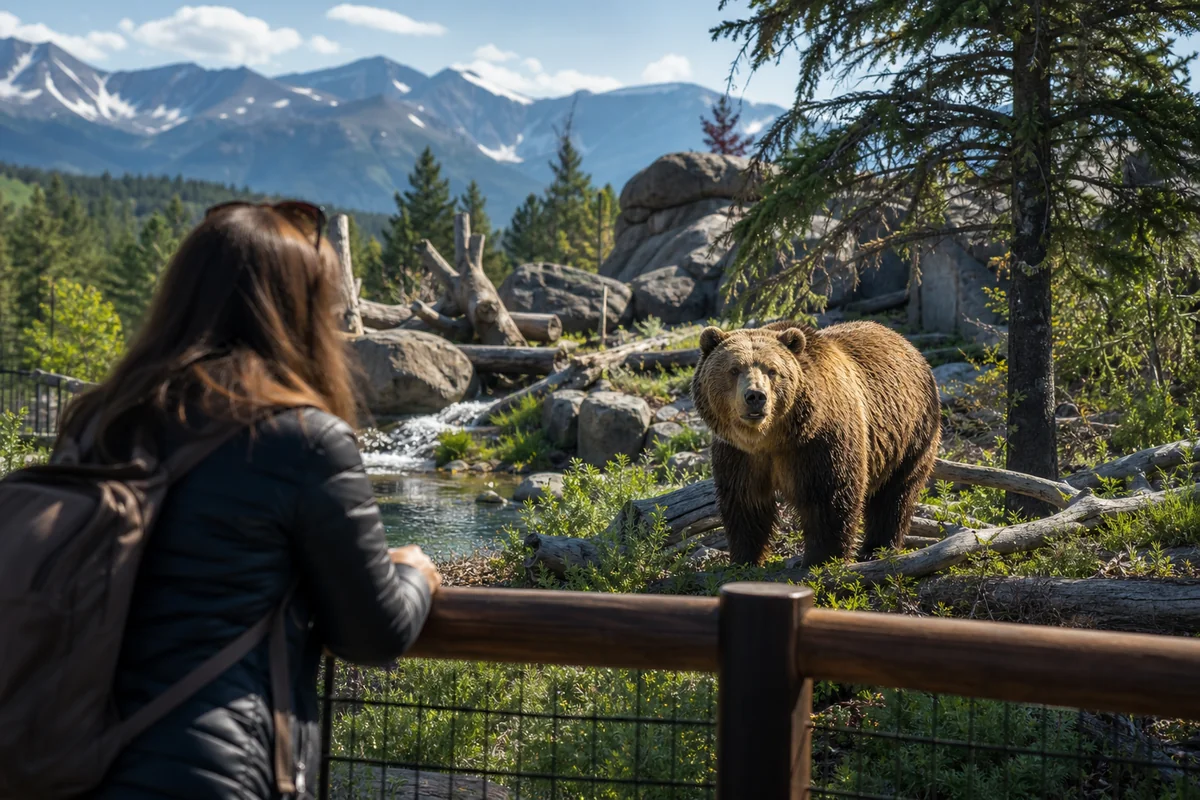
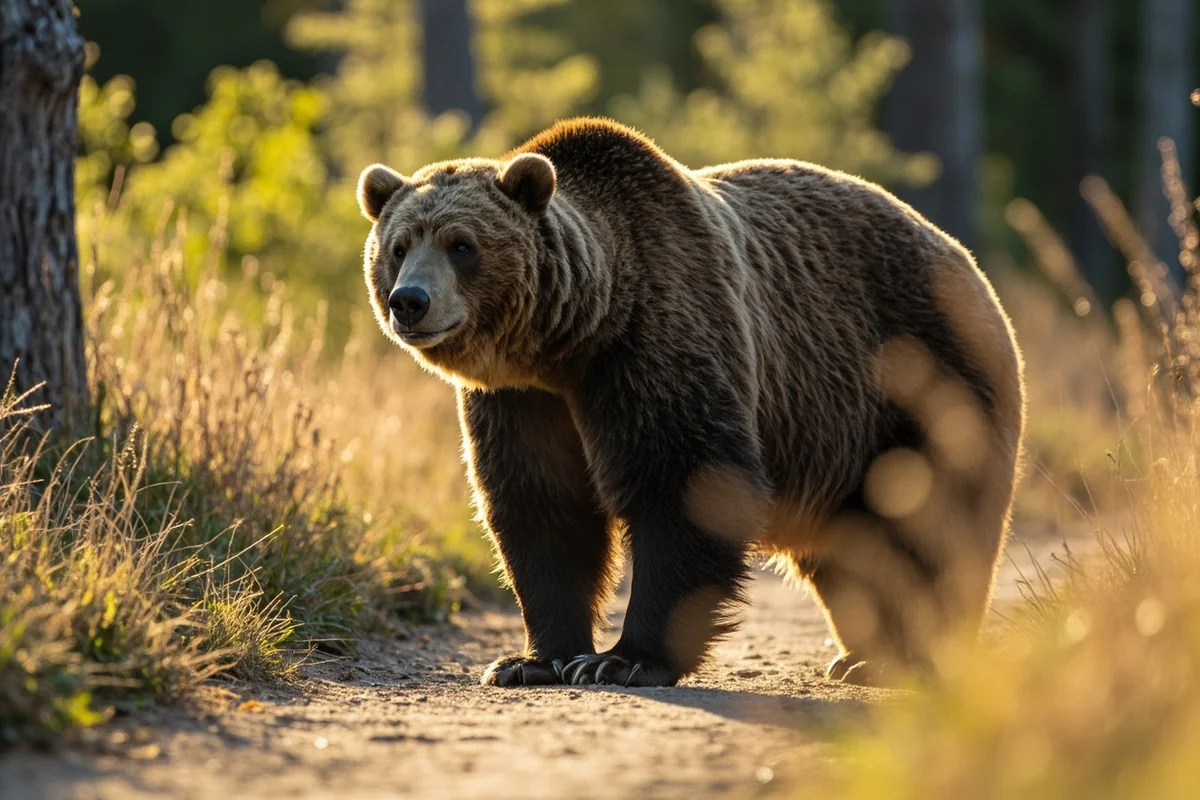
I’ll never forget the moment a grizzly bear locked eyes with me from thirty feet away at ZooMontana, the morning sun casting long shadows across his enclosure while he lazily scratched his back against a Douglas fir.
That unexpected connection—feeling the weight of a true Montana apex predator’s gaze—reminded me why wildlife experiences in this state hit differently than anywhere else.
When you’re exploring 21 Montana Attractions worth your time, the wildlife encounters here deserve a special place on your itinerary.
- ZooMontana in Billings is the state’s only accredited zoo, home to 100+ animals across 70 acres
- Montana focuses on wildlife sanctuaries and rescue centers rather than traditional zoos
- Best visiting months: May through September for outdoor exhibits and active animals
- Expect to spend 2-4 hours at most facilities; budget $8-15 per adult
- Combine zoo visits with nearby wildlife refuges for the ultimate animal experience
- Many facilities rescue and rehabilitate native Montana species you can’t see elsewhere
Liked this article?
Add Roaming Montana as a preferred source so you see more of our articles and guides on Google.
Understanding Montana’s Wildlife Philosophy
Here’s something that surprised me when I first started exploring Montana’s animal attractions: this state doesn’t do zoos the way most Americans expect. You won’t find massive urban zoological parks with elephants from Africa or penguins from Antarctica.
Instead, Montana embraces something more authentic. The facilities here focus overwhelmingly on native North American species, rescued animals, and wildlife that actually belongs in Big Sky Country.
This philosophy clicked for me during my first visit to ZooMontana back in 2019. A volunteer explained that their mission centers on connecting people with the Northern Rockies ecosystem—not recreating a global menagerie.
ZooMontana: The State’s Premier Wildlife Destination
Located in Billings at 2100 Shiloh Road, ZooMontana remains the only zoo in Montana accredited by the Association of Zoos and Aquariums. I’ve visited four times over the years, and each trip reveals something new.
The 70-acre facility doesn’t overwhelm you like big-city zoos. During my most recent trip last summer, I appreciated how the naturalistic enclosures give animals genuine space to roam, hide, and behave naturally.
What Animals Will You Actually See?
ZooMontana houses over 100 animals representing 56 species. But let me be real about what to expect because I’ve heard visitors express disappointment when they arrive hoping for lions and tigers.
The stars here are the grizzly bears—Ozzy and Bruno. These rescued brothers came from an overcrowded facility in Ohio, and watching them wrestle near their pond on a warm afternoon had me transfixed for twenty minutes.
The gray wolves occupy a large enclosure near the back of the zoo. I recommend visiting early morning when they’re most active. On my June visit, I watched the pack howling in response to sirens from a distant fire truck—pure Montana magic.
Other notable residents include:
- Siberian tigers (among the few non-native species)
- Red pandas in a thoughtfully designed habitat
- River otters who perform endless underwater acrobatics
- Bald eagles and other raptors in the Birds of Prey exhibit
- Mountain lions native to Montana’s wilderness
- Canadian lynx with those distinctive ear tufts
The Sensory Garden and Botanical Experience
Something most travel guides don’t mention: ZooMontana doubles as a legitimate botanical garden. The Sensory Garden opened a few years back, and when I wandered through last August, the fragrant herbs and textured plants added an unexpected dimension to my visit.
The naturalistic landscaping throughout uses native Montana plants, creating habitats that feel less like enclosures and more like windows into the wild. This attention to detail sets ZooMontana apart from roadside attractions.
Practical Information for Planning Your Visit
| Detail | Information |
|---|---|
| Address | 2100 Shiloh Road, Billings, MT 59106 |
| Adult Admission | $12 (ages 13-61) |
| Child Admission | $8 (ages 3-12) |
| Senior Admission | $10 (ages 62+) |
| Summer Hours | Daily 10 AM – 5 PM (April-October) |
| Winter Hours | Daily 10 AM – 4 PM (November-March) |
| Time Needed | 2-3 hours for complete visit |
| Parking | Free |
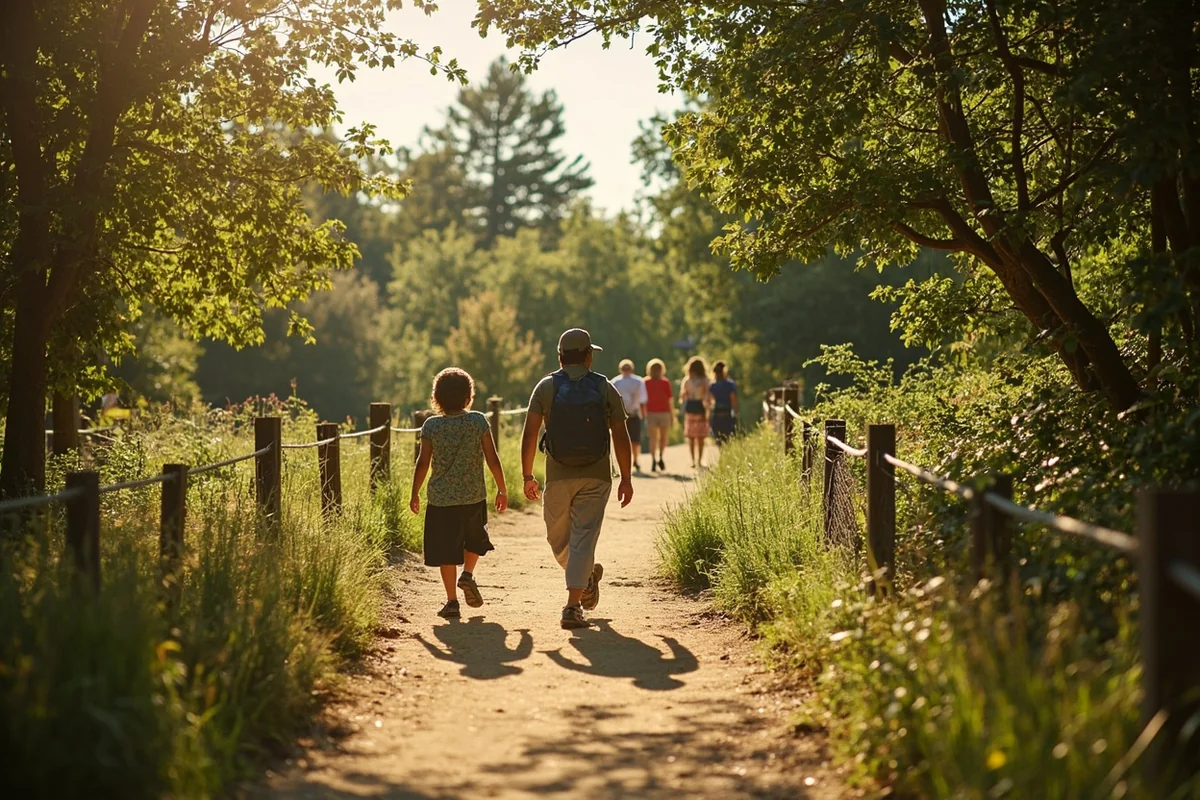
I always budget extra time beyond the typical visit because the walking paths invite leisurely exploration. Bring comfortable shoes—the terrain covers significant ground with some gentle hills.
If you’re visiting during summer months, check out the calendar for ZooMontana events including behind-the-scenes tours, keeper talks, and seasonal celebrations that add extra value to your admission.
Montana Grizzly Encounter: Face to Face with Giants
When I tell people about Montana wildlife experiences, Montana Grizzly Encounter in Bozeman always sparks the most conversation. This isn’t technically a zoo—it’s an educational sanctuary where trained grizzly bears demonstrate natural behaviors.
Located on Highway 191 just south of Bozeman, this facility changed my understanding of these magnificent animals during a visit three summers ago.
The Bear Experience
Two grizzly bears named Brutus and Bella serve as educational ambassadors. What makes this place special is the up-close viewing—you’re separated by fencing, obviously, but the proximity feels startlingly intimate.
During my visit, a trainer worked with Brutus on behaviors that help with veterinary care. Watching an 800-pound grizzly gently present his paw for inspection drove home both the intelligence of these animals and the expertise of the handlers.
The facility offers different encounter levels, from basic viewing to premium experiences where you can help feed the bears through the fence. I opted for the mid-tier “Grizzly Photo Session” and came away with images I still display in my office.
Educational Value
Unlike some wildlife attractions that feel exploitative, Montana Grizzly Encounter prioritizes education about grizzly conservation, bear safety for backcountry hikers, and the challenges these animals face in a changing landscape.
The staff answered my questions about grizzly behavior patterns with genuine expertise. When I asked about the bears’ daily routines, I learned details about their hibernation preparation, dietary needs, and individual personalities that no guidebook covers.
Wildlife Sanctuaries Beyond Traditional Zoos
Montana’s wildlife viewing philosophy extends well beyond enclosed facilities. Several sanctuaries and rescue operations offer experiences that feel more authentic to the state’s wild character.
Montana Raptor Conservation Center (Bozeman)
This rehabilitation facility on Story Mill Road doesn’t function as a public attraction in the traditional sense, but they offer educational programs that I found incredibly worthwhile during my Bozeman trip last fall.
The center rehabilitates injured raptors—eagles, hawks, owls, and falcons—with the goal of releasing them back into the wild. Birds that can’t be released become educational ambassadors.
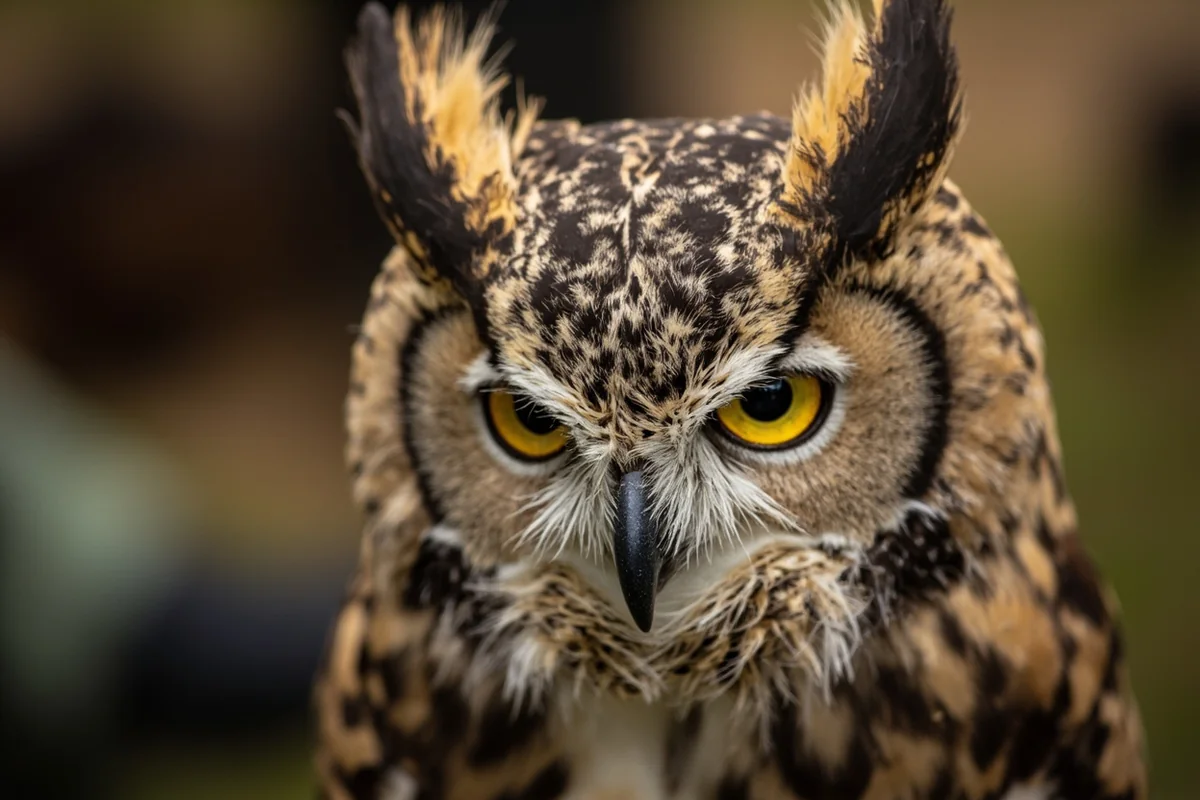
I attended their “Raptors of Montana” presentation on a crisp October Saturday. Standing ten feet from a great horned owl while learning about her injury and recovery created an emotional connection no conventional zoo has matched.
Dancing Spirit Wildlife Rehabilitation (Great Falls area)
Though primarily a rehabilitation facility, Dancing Spirit occasionally offers educational tours that provide insight into Montana’s wildlife rescue efforts.
I haven’t personally toured this facility, but I spoke with a volunteer at a Great Falls community event who described their work rehabilitating everything from fawns to bobcats.
If you’re near Great Falls and wildlife conservation interests you, reaching out to inquire about educational opportunities might enhance your trip.
National Bison Range: Wild Zoo Alternative
For visitors who find traditional zoos limiting, the National Bison Range near Moiese offers something fundamentally different—free-roaming wildlife across 18,500 acres.
I spent a full morning driving the range last September, and it remains one of my favorite Montana wildlife memories. The two driving loops (one takes about 30 minutes, the other about two hours) wind through prairie, forest, and mountain terrain.
What You’ll See
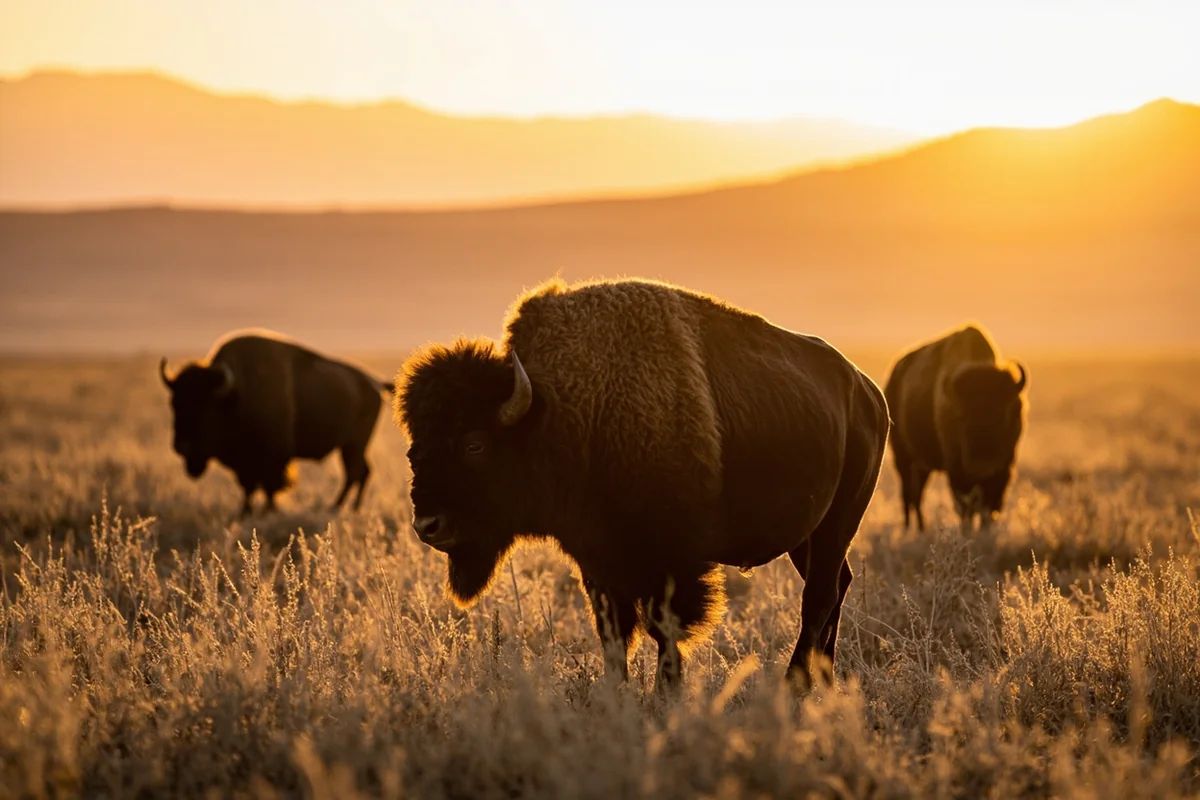
The bison steal the show, obviously. I counted over 40 individuals during my September visit, including calves that had been born that spring. But the range supports incredible diversity:
- Bighorn sheep along rocky outcrops
- Pronghorn antelope sprinting across grasslands
- White-tailed and mule deer at forest edges
- Elk (especially during fall months)
- Black bears (I spotted one on the upper loop)
- Mountain lions (rare but present)
The experience of watching bison graze naturally, unstressed by enclosure boundaries, offers something that even the best zoo exhibit cannot replicate.
Practical Tips
Bring binoculars—they transform the experience. Many animals stay at distances where naked-eye viewing disappoints, but decent optics bring them into sharp focus.
The visitor center near the entrance provides maps and current wildlife sighting information. Staff there told me exactly which areas had recent bison activity, saving me significant time.
Early morning or late afternoon visits yield better wildlife activity and dramatically better lighting for photography. My September visit started at 7 AM, and I watched bison emerge from misty draws as the sun crested the mountains.
Grizzly & Wolf Discovery Center (West Yellowstone)
Technically sitting in Montana just outside Yellowstone’s west entrance, this facility deserves mention for anyone combining a Yellowstone trip with Montana exploration.
I visited on a rainy day when Yellowstone’s weather made park activities miserable. The covered viewing areas at the Discovery Center turned a frustrating situation into an educational highlight.
The Wolves
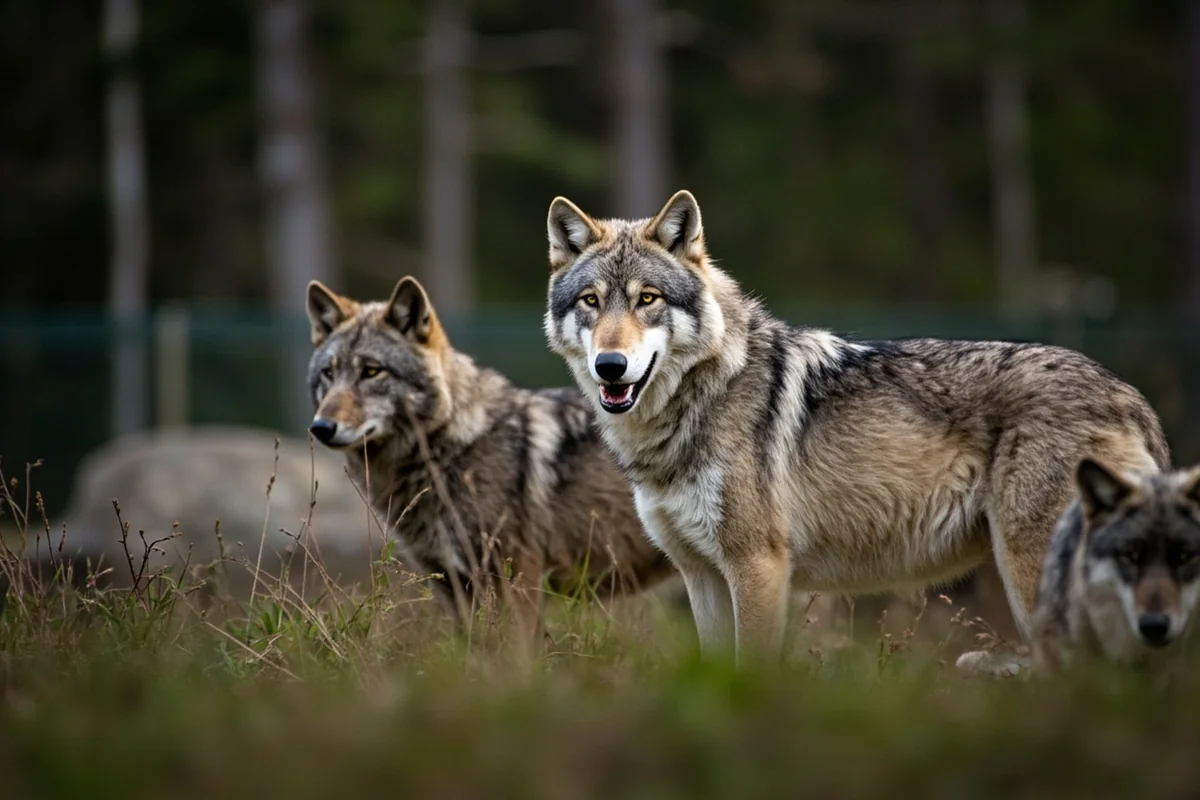
The wolf pack here lives in a naturalistic enclosure visible from an elevated boardwalk. During my visit, I watched pack dynamics unfold—subtle ear positions, tail movements, and vocalizations that the nearby interpretive panels helped me understand.
The wolves here were either born in captivity or rescued from situations where they couldn’t survive in the wild. Knowing their stories adds emotional weight to the experience.
The Grizzlies
Several grizzlies rotate through outdoor and indoor viewing areas. Staff mentioned that the bears participate in enrichment activities at scheduled times, where they solve puzzles and manipulate objects to find hidden food.
I caught one of these sessions and watched a large male dismantle a “bear-proof” container in under three minutes—a sobering reminder of why backcountry food storage matters.
Visitor Information
Admission runs about $15 for adults. The facility stays open year-round, making it a viable option during Montana’s long winter when other attractions close.
Plan 2-3 hours for a thorough visit. The attached museum exhibits on predator ecology and Yellowstone’s wildlife management add context that enhances any subsequent park exploration.
Planning Your Montana Wildlife Itinerary
After multiple visits exploring Montana’s wildlife options, I’ve developed some insights that might help you maximize your experience.
Combining Wildlife with Other Attractions
ZooMontana in Billings pairs naturally with the nearby Yellowstone Art Museum and Pictograph Cave State Park. When I visited last summer, I spent the morning at the zoo and the afternoon exploring ancient rock art just outside the city.
If you’re building a diverse Montana itinerary, consider how wildlife experiences fit alongside other attractions. For family trips, 11 Montana Amusement Parks offer completely different energy that can balance contemplative wildlife viewing.
For evening entertainment after a day watching animals, Montana’s outdoor amphitheaters host concerts and performances throughout summer months.
Best Seasons for Wildlife Viewing
May through September offers optimal conditions at most facilities. Animals are active, all exhibits operate fully, and Montana’s long daylight hours extend your visiting window.
I particularly love late spring visits when baby animals appear. ZooMontana’s river otters produced pups during my May visit two years ago, and watching them learn to swim provided unexpected entertainment.
Fall brings its own magic—autumn colors enhance naturalistic enclosures, animals prepare for winter with increased eating activity, and visitor crowds thin considerably.
Winter visits work at heated indoor facilities, but outdoor experiences diminish significantly. ZooMontana remains open year-round with reduced hours, but many animals retreat to sheltered areas not visible to visitors.
Photography Tips from Experience
Fencing presents the primary challenge at zoo facilities. I’ve learned to position my lens as close to the fence as allowed, use a wide aperture to blur fence lines, and focus carefully on the animal’s eyes.
Morning light at ZooMontana falls beautifully on the wolf enclosure from the western viewing area. I discovered this after frustrating afternoon attempts produced harsh shadows.
For the National Bison Range and other open-range experiences, a 200mm or longer lens makes the difference between memory-worthy shots and distant dots.
Wildlife Viewing Ethics and Expectations
Something I’ve grappled with during my Montana travels: the ethics of captive wildlife viewing. Montana’s approach actually resolves many concerns I’ve had about traditional zoos.
Rescue and Education Focus
Most Montana wildlife facilities emphasize rescued animals that cannot survive in the wild. The grizzlies at ZooMontana, the wolves at West Yellowstone, and the raptors at rehabilitation centers—these animals have stories involving injury, orphaning, or human habituation that prevented natural release.
Understanding this context transformed how I experience these facilities. Rather than feeling conflicted about animals in captivity, I appreciate the educational opportunity and the genuine care these organizations provide.
Realistic Expectations
Montana wildlife facilities are not San Diego or Bronx Zoo. If you expect exotic species from every continent, elaborate theatrical presentations, or massive complexes requiring full-day visits, you’ll leave disappointed.
But if you approach Montana’s wildlife experiences seeking authentic connection with native species, conservation-focused education, and intimate encounters impossible at mega-zoos, you’ll find something genuinely special.
I’ve traveled extensively and visited world-renowned zoological parks. Yet some of my most memorable wildlife moments happened at Montana’s smaller facilities—a wolf’s howl at dawn, a grizzly’s contemplative gaze, an otter’s playful splash that drew involuntary laughter.
Hidden Gems and Local Secrets
Beyond the obvious attractions, Montana offers wildlife experiences that most visitors never discover.
Fish Hatcheries
Montana operates several fish hatcheries that offer free tours and outdoor fish viewing. The Giant Springs State Park near Great Falls includes a fish hatchery where you can watch trout feeding and learn about Montana’s fisheries management.
These won’t replace zoo experiences, but they add an interesting dimension to any wildlife-focused trip. During my Great Falls visit, I found the hatchery unexpectedly engaging—especially watching enormous rainbow trout compete for feed.
Wildlife Management Areas
Montana’s Wildlife Management Areas (WMAs) provide habitat viewing without facilities or admission fees. They require more self-sufficiency—no interpretive signs or guides—but offer genuinely wild experiences.
The Blackfoot-Clearwater WMA north of Missoula supports elk, deer, and bears. I spent an evening there last fall, sitting quietly on a hillside watching elk graze in the distance, feeling wonderfully alone in a way no zoo can provide.
Seasonal Wildlife Events
Certain Montana locations offer predictable wildlife events that rival any zoo experience:
- Spring bear emergence in Glacier National Park
- Elk rut in the Paradise Valley (September)
- Waterfowl migration at Freezeout Lake (March)
- Mountain goat viewing at Logan Pass (summer)
These require more planning and luck than zoo visits, but they deliver wildlife experiences in natural contexts that amplify their impact.
For travelers interested in Montana’s full spectrum of attractions, including some unexpected ones, exploring haunted places in Montana offers a completely different adventure that pairs surprisingly well with daytime wildlife viewing.
Making the Most of Your Visit
After years of exploring Montana’s wildlife attractions, I’ve assembled practical advice that I wish someone had shared before my first trip.
Physical Preparation
Every wildlife facility involves walking—some significant distances over uneven terrain. ZooMontana’s 70 acres will test anyone not accustomed to walking, especially on warm summer days.
Comfortable, broken-in shoes matter more than most visitors expect. I watched a family in flip-flops struggle through ZooMontana’s gravel paths last summer and felt genuine sympathy.
What to Bring
Essential items for Montana wildlife visits:
- Binoculars (even at zoos, they reveal detail)
- Sunscreen and hat (Montana sun is intense at elevation)
- Water bottle (refill stations exist at most facilities)
- Light jacket (weather changes rapidly)
- Camera with zoom capability
- Patience (wildlife operates on its own schedule)
Managing Expectations with Kids
Children expecting a theme park experience may find Montana’s wildlife facilities understated. I’ve seen this disconnect frustrate families who didn’t prepare their kids for a different kind of experience.
Frame the visit as a wildlife adventure rather than traditional zoo entertainment. Encourage kids to spot animals, predict behaviors, and ask questions—this approach consistently engages young visitors I’ve observed.
ZooMontana’s playground and interactive elements help bridge the gap for younger children. The discovery center area lets kids burn energy between animal viewing sessions.
Final Thoughts on Montana’s Wildlife Scene
Montana does wildlife differently. Rather than importing exotic species and constructing elaborate artificial habitats, this state invites visitors to engage with creatures that actually belong here—grizzlies, wolves, bison, elk, and the countless smaller animals that compose the Northern Rockies ecosystem.
This philosophy might disappoint visitors seeking traditional zoo experiences. But for travelers willing to embrace Montana’s approach, the wildlife encounters here feel more authentic, more meaningful, and ultimately more memorable than any mega-zoo has provided in my experience.
When I think about that grizzly bear who held my gaze at ZooMontana, I don’t remember an animal in captivity. I remember a genuine Montana moment—connection with a species that has shaped this landscape for thousands of years and continues to define what makes Big Sky Country unique.
That connection awaits you at Montana’s zoos, sanctuaries, and wild places. Plan your visit with realistic expectations, bring patience and curiosity, and let Montana’s wildlife surprise you.
Frequently Asked Questions
What are the best zoos and wildlife parks to visit in Montana?
Montana’s top wildlife attractions include ZooMontana in Billings, Grizzly & Wolf Discovery Center in West Yellowstone, and the Montana Grizzly Encounter in Bozeman. I’d also recommend the Triple D Game Farm near Kalispell for unique wildlife photography experiences. Each offers a distinctly Montana focus on native species like grizzly bears, wolves, and mountain lions.
How much does it cost to visit zoos in Montana?
Most Montana zoos and wildlife centers charge between $8-$15 for adult admission, with children’s tickets typically running $5-$10. ZooMontana in Billings costs around $10 for adults, while the Grizzly & Wolf Discovery Center is approximately $15. I always recommend checking websites for family passes or combo deals that can save you 15-20% on group visits.
What is the best time of year to visit Montana zoos and wildlife centers?
Late spring through early fall (May-September) offers the best zoo experience in Montana, with animals most active and all exhibits open. I’ve found early morning visits during summer provide the best animal activity before afternoon heat sets in. Winter visits can be rewarding at indoor facilities like Grizzly & Wolf Discovery Center, where bears remain active year-round.
Are Montana zoos good for seeing native wildlife like grizzly bears and wolves?
Montana zoos specialize in native Rocky Mountain wildlife, making them exceptional for grizzly bear and wolf encounters. The Grizzly & Wolf Discovery Center houses rescued bears and wolves you can observe up close, often within 20 feet. Montana Grizzly Encounter in Bozeman offers intimate viewing of grizzlies that have appeared in Hollywood films, which I found more educational than larger traditional zoos.
How far is ZooMontana from Yellowstone National Park?
ZooMontana in Billings is approximately 170 miles (about 3 hours driving) from Yellowstone’s northeast entrance at Cooke City. If you’re visiting West Yellowstone, the Grizzly & Wolf Discovery Center is literally steps from the park’s west entrance, making it a perfect same-day combo. I recommend pairing ZooMontana with a Beartooth Highway scenic drive if traveling between destinations.
What should I bring when visiting wildlife centers in Montana?
Pack layers even in summer since Montana mountain weather changes quickly, plus comfortable walking shoes for outdoor exhibits. I always bring binoculars for better wildlife viewing, sunscreen, and a refillable water bottle since many facilities have extensive outdoor walking paths. A camera with zoom capability is essential for capturing close-up shots at places like Triple D Game Farm.
Are Montana zoos kid-friendly and worth visiting with young children?
Montana zoos are exceptionally kid-friendly, with ZooMontana offering a dedicated nature play area and educational programs designed for children ages 3-12. The Grizzly & Wolf Discovery Center features a junior ranger program where kids can earn badges while learning about wildlife conservation. I’ve taken my own kids to these facilities and found the smaller, focused exhibits keep young attention spans engaged better than overwhelming mega-zoos.