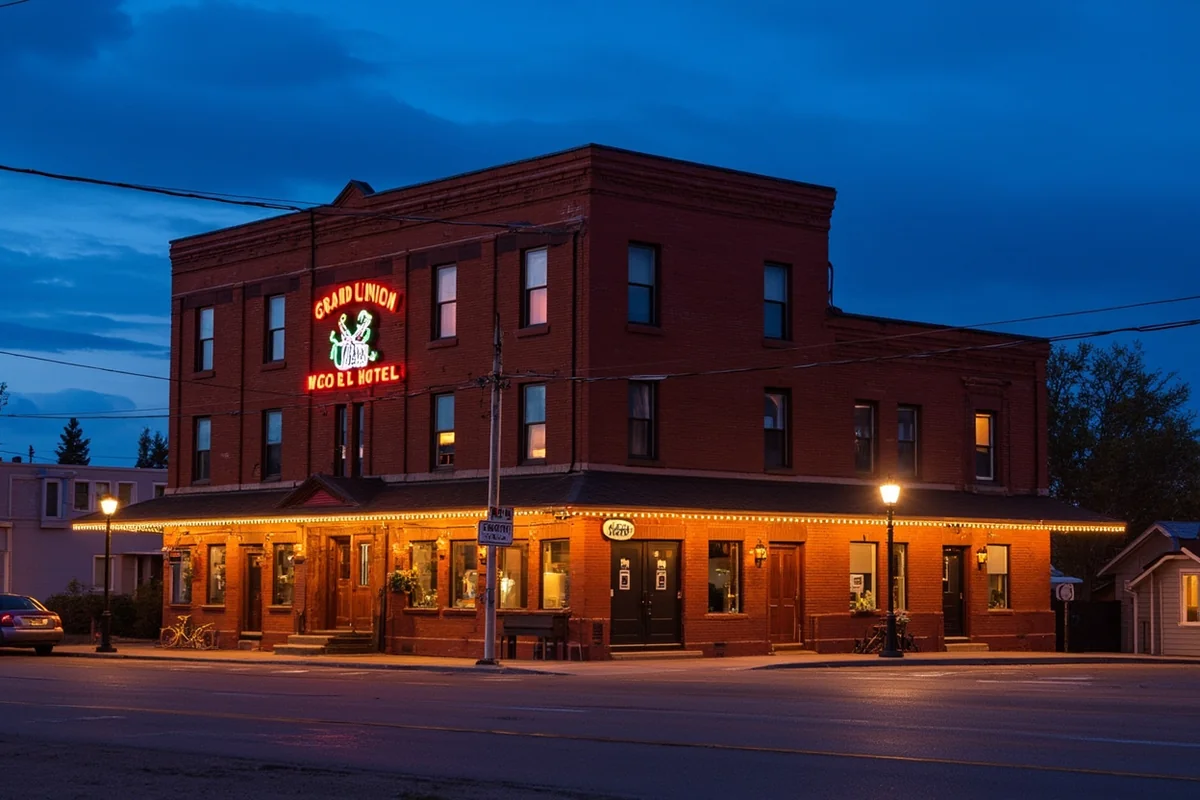
The temperature dropped fifteen degrees the moment I stepped into Room 202 at the Grand Union Hotel in Fort Benton last October, and my phone’s battery drained from 80% to dead in under two minutes.
I’ve spent three years tracking down Montana’s most haunted locations, and that experience still gives me chills.
Montana’s vast wilderness and violent frontier history have left behind more than just ghost towns—they’ve left actual ghosts, according to countless witnesses, paranormal investigators, and my own unexplainable encounters.
While most visitors come to Montana for the stunning landscapes featured in our guide to 21 Montana Attractions, the state’s supernatural side offers an entirely different kind of adventure.
- Montana has 13+ documented haunted locations spanning hotels, theaters, prisons, and ghost towns
- Best times to visit: October for ghost tours, off-season for quieter paranormal experiences
- Top picks for beginners: Grand Union Hotel, Moss Mansion, Montana State Prison
- Most active sites: Chico Hot Springs (consistently reported activity), Bannack Ghost Town (multiple spirits)
- Many haunted locations are free to visit; guided ghost tours range from $15-$45
- Respect private property and get permission before investigating
Liked this article?
Add Roaming Montana as a preferred source so you see more of our articles and guides on Google.
Why Montana Has So Many Haunted Places
Before I dive into specific locations, understanding Montana’s haunted history helps contextualize what you might experience. The state earned its reputation through a perfect storm of frontier violence, mining disasters, and isolated deaths.
During the gold rush of the 1860s, thousands of prospectors flooded into Montana Territory. Many died from accidents, disease, vigilante justice, or murder—often without proper burials or closure for their families.
The mining industry claimed countless lives underground. Cave-ins, explosions, and toxic gas left widows and orphans throughout mining towns like Butte, which reportedly sits atop over 10,000 miles of underground tunnels.
Montana’s brutal winters trapped early settlers, sometimes with fatal consequences. Isolation drove some to madness, and the remote landscape made help impossible to summon.
This violent, chaotic history created the conditions paranormal researchers believe foster residual hauntings—energy imprints that replay like recordings—and intelligent hauntings, where spirits seem aware of the living.
The Grand Union Hotel, Fort Benton
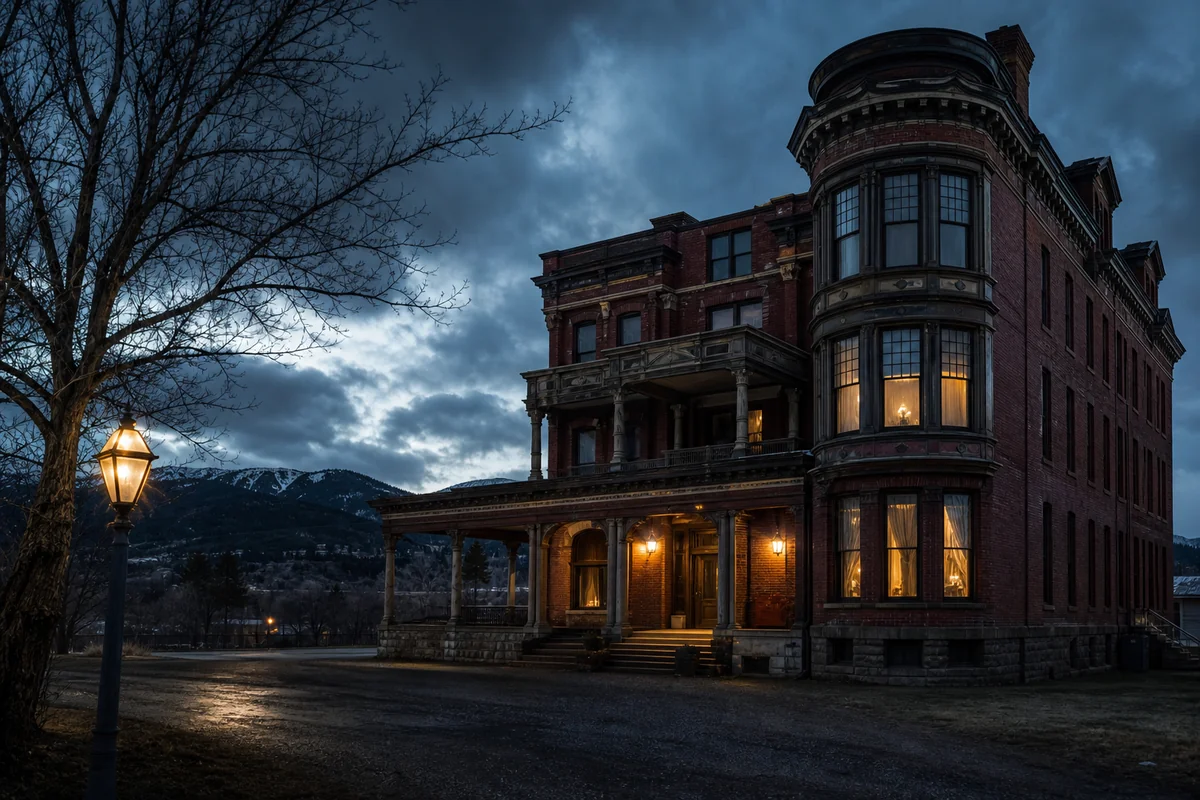
I mentioned my experience in Room 202, but the Grand Union Hotel deserves a full exploration. Built in 1882, this is Montana’s oldest operating hotel, and it’s accumulated 140+ years of reported paranormal activity.
The hotel sits in Fort Benton, once called the “Birthplace of Montana” and the innermost port in North America. Steamboats brought supplies, settlers, and sometimes death up the Missouri River to this remote outpost.
During my October visit, the front desk staff didn’t blink when I asked about ghost stories. “Which ones do you want?” the night manager asked with a knowing smile.
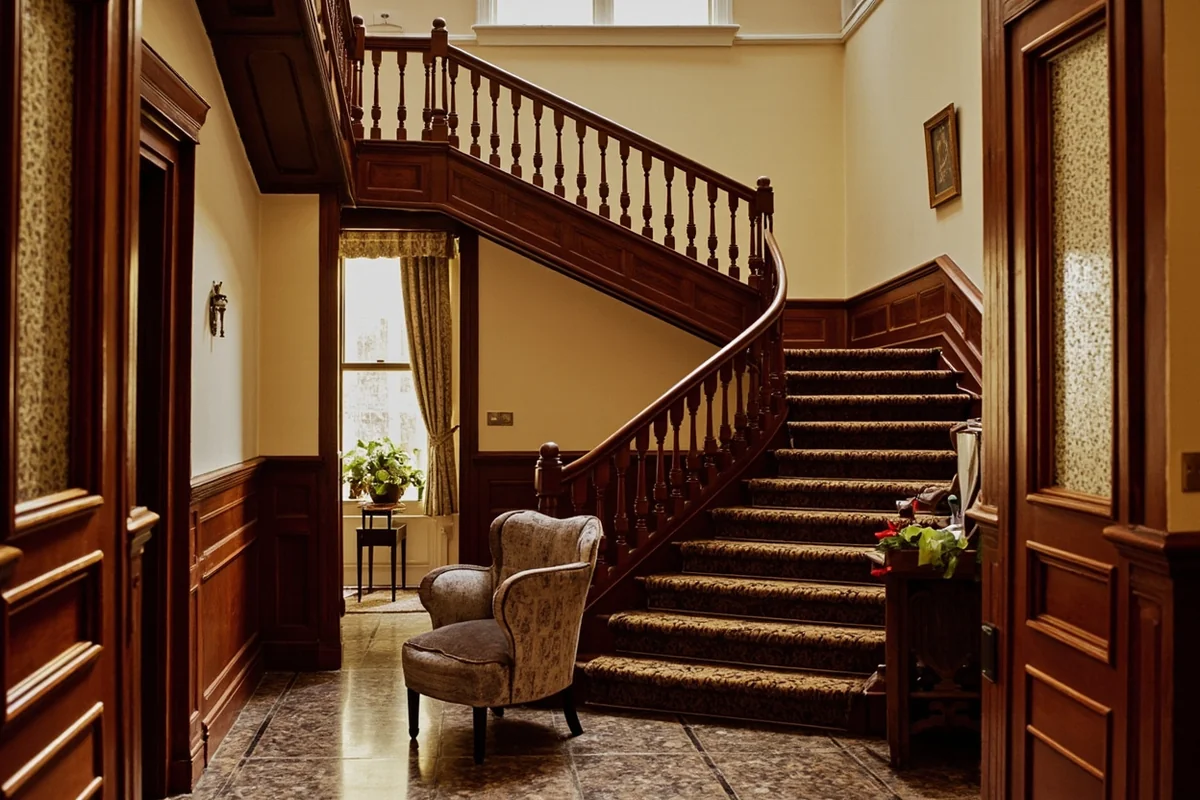
What I Experienced
Beyond the temperature drop and battery drain in Room 202, I heard distinct footsteps in the hallway at 3 AM—then watched under the door crack as shadows passed by. When I opened the door seconds later, the hallway stood empty.
Other guests have reported a woman in Victorian dress appearing in the third-floor windows, doorknobs turning on their own, and the overwhelming scent of perfume in otherwise empty rooms.
Practical Information
| Address | 1 Grand Union Square, Fort Benton, MT 59442 |
| Room Rates | $95-$175/night (request haunted rooms specifically) |
| Best Time to Visit | October for ghost events, winter for atmosphere |
| Ghost Tours | Available by request; contact hotel directly |
| My Recommendation | Book Room 202 or Room 310 for highest activity |
Chico Hot Springs Resort
About 30 miles north of Yellowstone, Chico Hot Springs has operated since 1900—and some original guests apparently never checked out. This was my second visit last summer, and activity seemed even more pronounced than my first trip in 2021.
The resort’s main lodge houses a presence locals call “Percie,” believed to be Percie Knowles, who owned the property for decades and died in 1941. Guests and staff report her rearranging furniture, adjusting thermostats, and appearing as a translucent figure in the third-floor hallway.
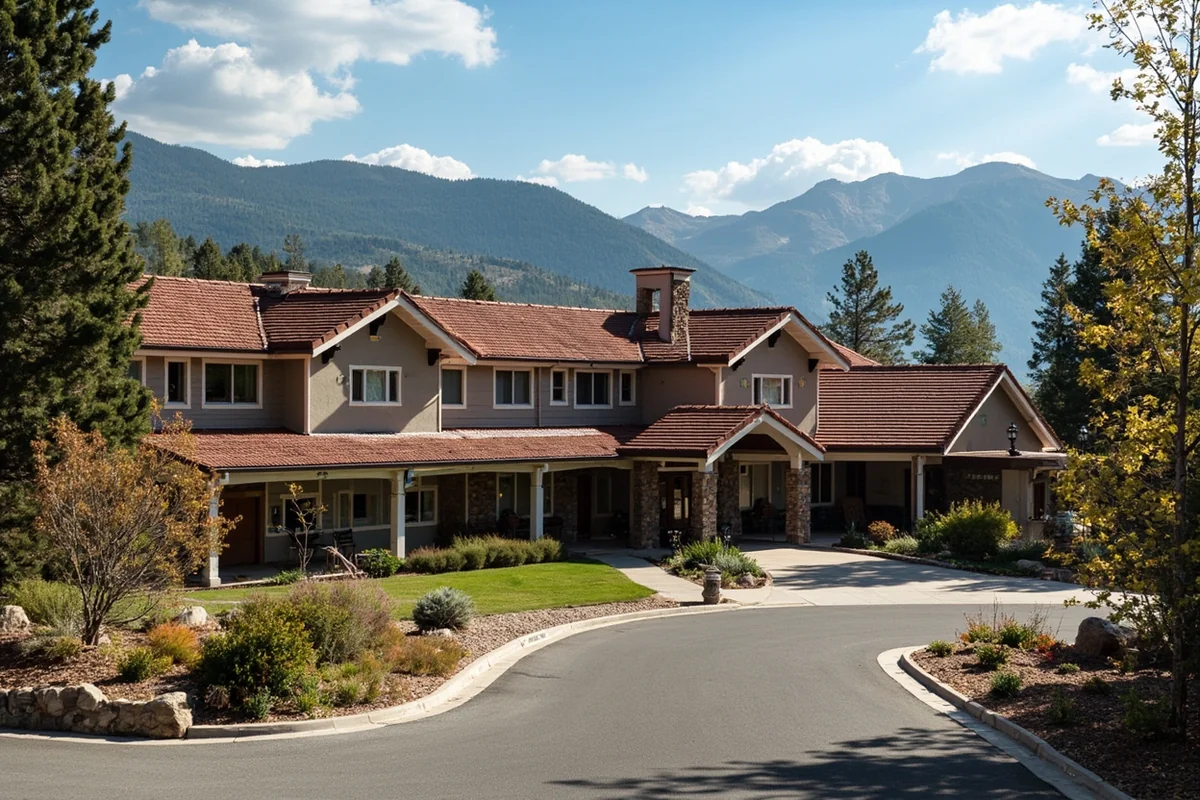
The Third Floor
Room 349 draws the most paranormal attention. When I stayed there during my recent trip, I woke to find my neatly placed shoes moved to opposite corners of the room and my suitcase unzipped—despite being alone with a deadbolted door.
Multiple guests have captured EVPs (electronic voice phenomena) on recording devices, including what sounds like a woman humming and saying names.
Beyond Percie
The hot springs pools themselves sit on land once used by Native Americans and later by miners. Some sensitive visitors report feeling watched while soaking after dark, particularly in the outdoor pool closest to the creek.
I recommend arriving at dusk and staying through the evening. Something shifts in the atmosphere after 9 PM, and I’ve never left Chico without experiencing something I couldn’t explain.
What to Know Before You Go
- The resort is fully operational with a restaurant, bar, and spa—you can visit without staying overnight
- Day passes for hot springs run approximately $10-$15
- Request third-floor rooms specifically if seeking paranormal experiences
- Staff are open about hauntings and happy to share stories
Bannack Ghost Town
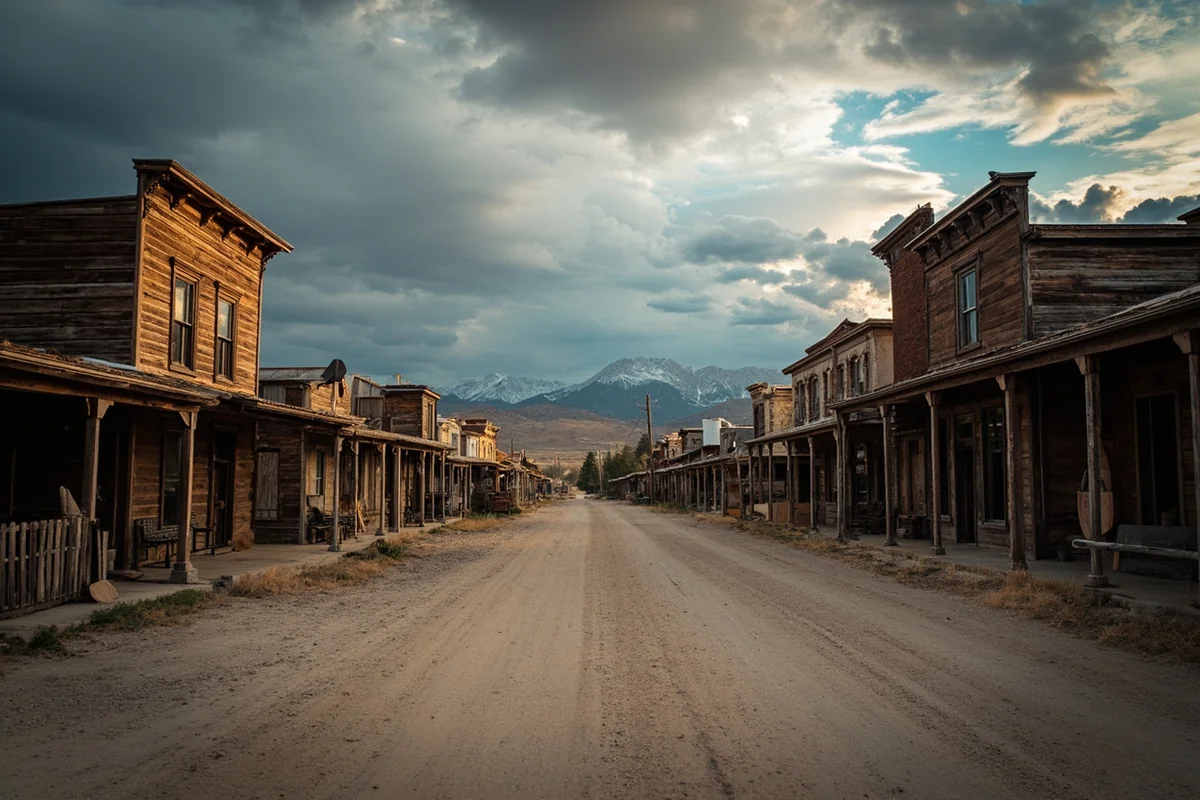
Bannack isn’t just haunted—it’s one of the most intact ghost towns in the American West and Montana’s first territorial capital. Walking these streets during my September visit felt like stepping through a portal to 1863.
The town was founded after gold discovery at Grasshopper Creek and quickly became notorious for lawlessness. Sheriff Henry Plummer was hanged here by vigilantes who believed he secretly led a gang of road agents called the Innocents.
Today, over 60 structures remain standing, and paranormal activity has been documented in at least a dozen of them.
Hotel Meade
This building started as the county courthouse, became a hotel, and is now the epicenter of Bannack’s haunting. The spirit of a young girl named Dorothy Dunn reportedly drowned in the creek nearby and now plays in the hotel’s upstairs rooms.
During ghost hunts organized by Montana State Parks, investigators have recorded children’s laughter, captured shadow figures on camera, and documented objects moving on their own.
When I walked through Hotel Meade at twilight, I felt pressure on my shoulder—like someone resting their hand there. I turned to find nobody behind me, but the sensation lingered for several minutes.
The Hanging Tree
A gnarled old tree near the town’s edge served as the execution site for Sheriff Plummer and his alleged accomplices. Visitors report feelings of dread, difficulty breathing, and seeing rope-like shadows in photographs.
I stood beneath it for about five minutes before an overwhelming sense of being unwelcome drove me away. Make of that what you will.
Visiting Bannack
| Location | 25 miles southwest of Dillon, off Highway 278 |
| Admission | $8/vehicle (Montana residents $6) |
| Hours | Dawn to dusk daily; buildings open 10 AM – 5 PM in summer |
| Ghost Tours | Bannack Days (July) and Ghost Walks (October) |
| Camping | Available on-site ($18-$28/night) |
The state park hosts Bannack Ghost Walks during October weekends, which I highly recommend. Tours fill quickly—book at least a month ahead.
Old Montana State Prison, Deer Lodge
This is Montana’s most commercially accessible haunted attraction, and for good reason—the paranormal activity here is consistent enough that ghost hunting shows have featured it multiple times.
The prison operated from 1871 to 1979, housing some of Montana’s most dangerous criminals. Executions, riots, suicides, and murders occurred within these walls, creating what paranormal investigators consider a perfect environment for hauntings.
When I joined a nighttime investigation last fall, our EMF detectors went off constantly in Cell Block 3, particularly near cells where inmates died violently.
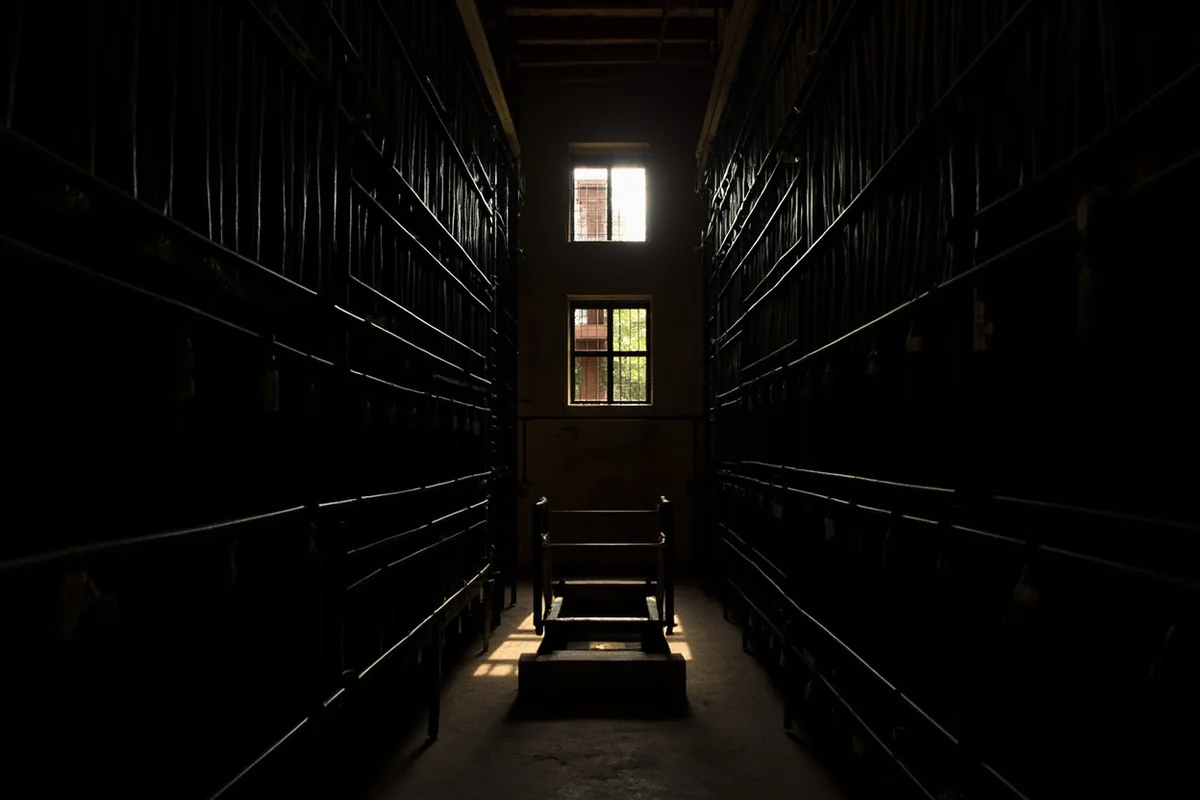
The Maximum Security Building
This section housed death row and the execution chamber. The energy here feels heavy—that’s the only word I can use. Multiple people in my tour group reported headaches, nausea, and the feeling of being watched.
Guards who worked here before closure reported hearing screaming from empty cells, seeing figures moving after lockdown, and finding cell doors mysteriously unlocked.
Practical Ghost Hunting Details
- Regular daytime tours: $15 adults, $12 seniors/military, $10 children
- Evening paranormal investigations: $45-$75 depending on package
- Private overnight investigations available for groups (book well in advance)
- Bring your own equipment—flashlights required for night events
- Open May through September; limited winter hours
The prison museum complex also includes the Montana Auto Museum and other exhibits, making it worth a half-day visit even if ghosts aren’t your primary interest. Speaking of diverse Montana experiences, if you’re traveling with kids, you might balance the spooky stuff with a visit to some of the 11 Montana Amusement Parks for lighter family fun.
Moss Mansion, Billings
The Moss Mansion doesn’t immediately scream “haunted”—it’s a beautiful 1903 sandstone mansion built for banker Preston Boyd Moss. But staff members and visitors have reported unexplainable activity for decades.
I toured the mansion during a “Spirits of the Mansion” event two Octobers ago, and while I didn’t experience anything dramatic, three people in my group simultaneously saw a woman in period dress cross an upstairs hallway—where no actress or staff member was stationed.
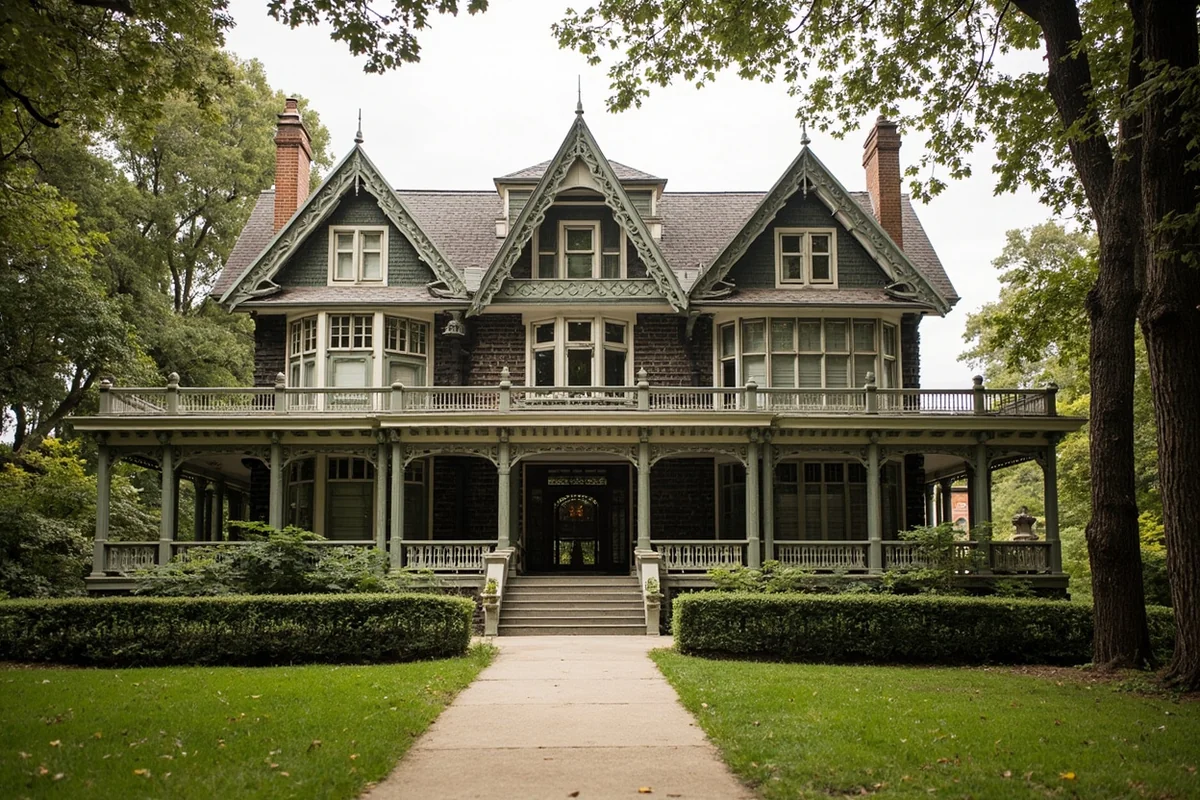
The Moss Family Spirits
The haunting here feels gentle compared to sites like the prison. Spirits believed to be various Moss family members apparently still occupy their home, rearranging objects, playing the piano, and occasionally appearing to visitors.
Staff have reported smelling cigar smoke in Preston Moss’s study despite the building being smoke-free for decades.
Visiting Information
The mansion operates as a house museum with regular tours. Special Halloween events sell out quickly—I recommend booking the moment they go on sale in late September.
Regular admission runs $10-$15, and the mansion is located at 914 Division Street in Billings. Combined with a visit to nearby Montana Zoos, including ZooMontana just minutes away, you can create a full day exploring Billings.
The Copper King Mansion, Butte
Butte’s Copper King Mansion was built between 1884 and 1888 for William Andrews Clark, one of Montana’s original “Copper Kings” whose wealth rivaled the Rockefellers. The 34-room mansion is now a bed and breakfast, and yes, you can sleep with the ghosts.
I spent a night in the North Bedroom during a solo trip three winters ago. At approximately 2:30 AM, I clearly heard a music box playing—a melody I later learned matched a music box that belonged to Clark’s daughter.
Common Experiences
Guests frequently report:
- The scent of perfume and cigars in otherwise empty rooms
- Footsteps on the third floor when no one is there
- A female apparition in the stairwell
- Children’s laughter from the old nursery
- Objects moving, particularly in the library
Booking and Access
| Address | 219 W Granite Street, Butte, MT 59701 |
| Overnight Rates | $95-$165/night including breakfast |
| Day Tours | Available May-September, $10-$12 |
| Ghost Events | Special October programming |
The mansion’s Victorian opulence makes it worth visiting regardless of paranormal interest, but I’d encourage staying overnight if you’re truly seeking an experience.
Garnet Ghost Town
Unlike Bannack’s state park status, Garnet feels truly abandoned. This former gold mining town sits at nearly 6,000 feet elevation in the mountains between Missoula and Helena, accessible only by dirt road.
When I visited late last summer, I was one of only four people in the entire town. That isolation amplifies whatever residual energy lingers here.
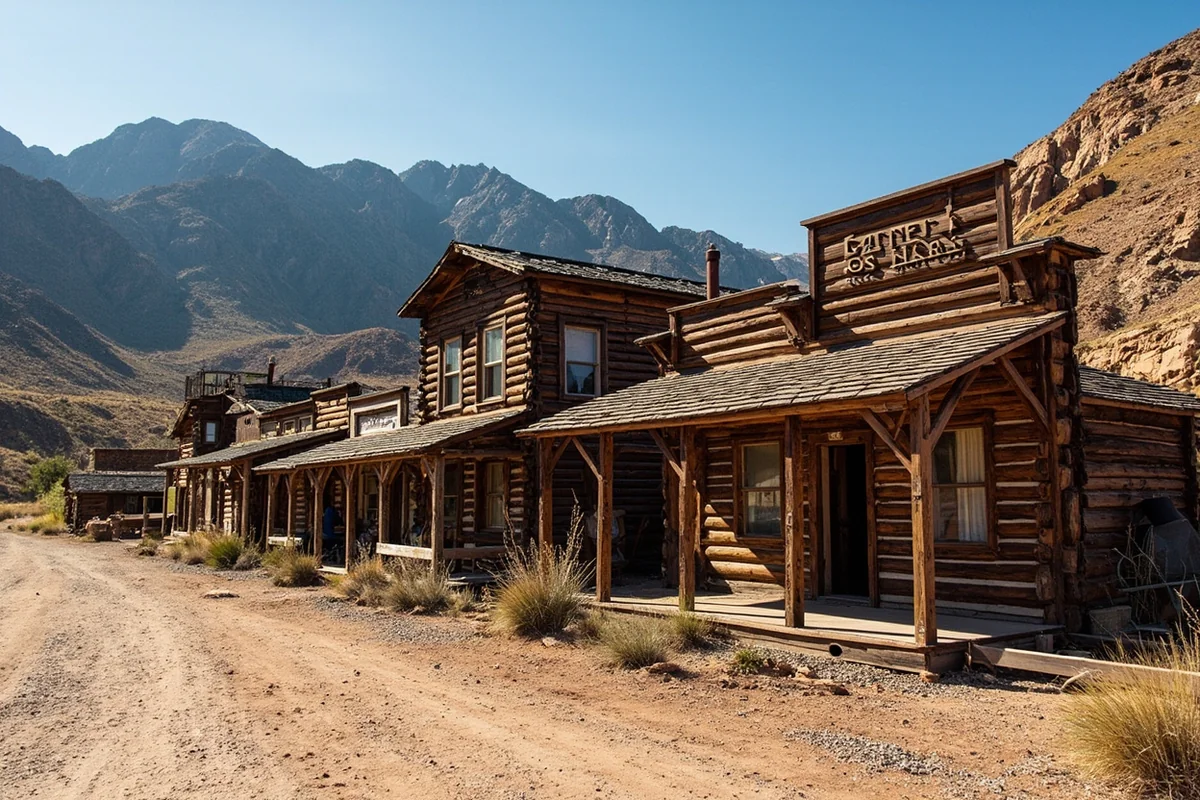
The Hotel and Cabins
Garnet’s hotel stands as the most intact structure, and it’s also the most reported site for paranormal activity. Visitors describe hearing piano music from within the building, seeing figures in windows, and feeling touches on their arms and shoulders.
The Bureau of Land Management maintains the site and offers winter cabin rentals accessible by ski or snowshoe. I haven’t yet worked up the courage to stay overnight in complete isolation, but it’s on my list.
Access Information
- Located 30 miles east of Missoula via Highway 200
- Summer access via gravel road (high clearance recommended)
- Winter access by ski or snowshoe only (10-mile trek)
- No admission fee; donations appreciated
- No services—bring water and supplies
The Willow Creek Café and Saloon
This tiny café in the equally tiny town of Willow Creek (population around 200) punches well above its weight in paranormal reputation. The building dates to the 1890s and has served as everything from a general store to a bordello.
I stopped here for pie on a road trip two summers ago, having no idea about its reputation. When I mentioned to the server that something felt “off” about the back corner, she laughed and said, “That’s where Helen sits.”
Helen, apparently, is a former working girl whose spirit never left. She’s described as protective of women and dismissive of men—which explains why my friend Jake felt uncomfortable while I felt perfectly at ease.
Worth the Detour
The café serves excellent food, making it worth visiting regardless of ghosts. It’s located about 35 miles from Bozeman on your way to many southwest Montana destinations.
Operating hours vary seasonally, so call ahead: (406) 285-3698.
Little Bighorn Battlefield
This site requires a different approach than “ghost hunting.” The 1876 battle between Lt. Colonel George Armstrong Custer’s 7th Cavalry and Lakota Sioux, Northern Cheyenne, and Arapaho warriors resulted in over 260 U.S. military deaths and an unknown number of Native American casualties.
The battlefield is sacred ground, and any paranormal experiences should be approached with profound respect.
That said, rangers, visitors, and researchers have reported extensive activity over the decades: sounds of battle, gunfire, and screaming when the field is silent; apparitions of soldiers and warriors; horses galloping across the hills with no physical source; and overwhelming emotional responses with no apparent trigger.
When I visited at sunset one September evening, I felt genuine grief standing at Last Stand Hill—an emotional intensity that seemed disproportionate to my personal connection to the history.
Respectful Visitation
This is a National Park Service site, not a paranormal attraction. No ghost hunting equipment, no investigating, no disrespectful behavior.
Visit during quiet hours (early morning or near closing), sit silently, and pay attention. If you experience something, consider what the spirits here might want visitors to understand.
Admission is $25 per vehicle, and the visitor center provides essential historical context.
Custer’s Last Stand Reenactment Site, Hardin
Separate from the actual battlefield, Hardin hosts an annual reenactment of the Battle of Little Bighorn. The reenactment grounds have developed their own paranormal reputation, possibly from repeated intense emotional recreation of the battle.
Participants have reported seeing soldiers who aren’t part of the cast, horses appearing and disappearing, and equipment malfunctioning in ways that mirror battle damage.
I attended the 2022 reenactment and noticed my camera consistently failed to capture one particular “soldier” I could clearly see near the cavalry line. When I reviewed photos later, he simply wasn’t there.
Virginia City and Nevada City
These twin preserved mining towns offer Montana’s most complete glimpse into 1860s life—and death. Vigilante justice ruled here, with the infamous “3-7-77” code (still visible on Montana Highway Patrol badges) signaling death sentences.
At least five men were hanged from the infamous “Hangman’s Tree” in Virginia City, and dozens more died in mining accidents, gunfights, and the general chaos of frontier life.
Ghost reports span multiple buildings:
- The Opera House (apparitions, cold spots, moving objects)
- Various hotels and boarding houses (footsteps, voices, door manipulation)
- The cemetery (shadow figures, feeling of being followed)
- Boot Hill (intense emotional responses, equipment malfunctions)
I’ve visited Virginia City three times, and each trip has produced at least one moment I couldn’t explain—most recently, a voice saying “leave” in my ear while I photographed an abandoned building.
Both towns are highly accessible and family-friendly during daylight hours. If you’re looking for less spooky entertainment options during your trip, check out ZooMontana Events for wildlife-focused activities or explore live music at various Montana Amphitheaters.
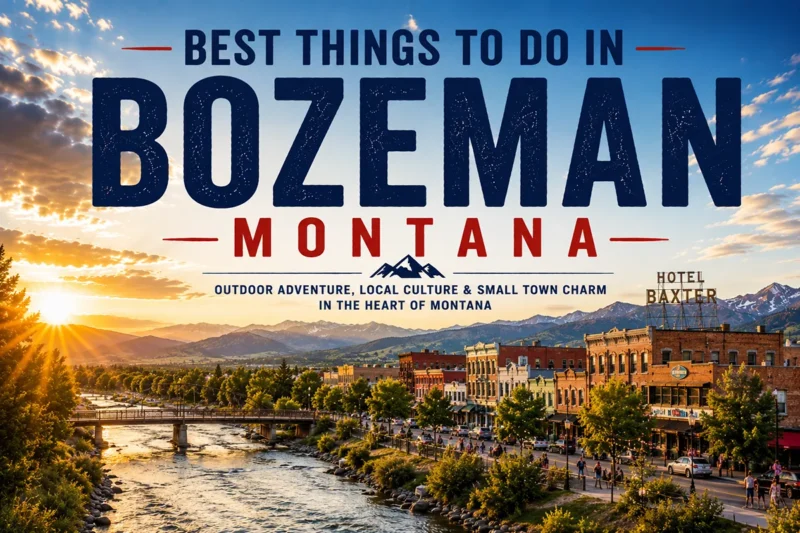
The Bozeman Hotel
Originally built in 1867 and rebuilt after a fire in 1928, the Bozeman Hotel operated until 1996 and sat vacant for years before renovation. Current businesses in the building report ongoing paranormal activity.
Staff members have documented a “Lady in White” on the third floor, elevator operation with no passengers, cold spots that move through rooms, and objects falling or flying off shelves.
The building now houses apartments and commercial space, limiting public access. However, businesses at street level sometimes acknowledge the haunting if you ask respectfully.
Tips for Paranormal Tourism in Montana
After years of investigating Montana’s haunted sites, I’ve learned practical lessons worth sharing:
Equipment and Preparation
- Smartphone apps are unreliable—if you’re serious, invest in dedicated EMF meters, digital recorders, and infrared cameras
- Extra batteries are essential; unexplained battery drain is the most commonly reported phenomenon
- Dress in layers—cold spots are real, and Montana nights are cold anyway
- Bring a notebook; phones and recording equipment sometimes fail
Best Times to Visit
October offers the most organized ghost tours and events, but I’ve had stronger personal experiences during off-season visits when locations are quieter.
Winter creates atmospheric conditions (cold, isolation, long darkness) that seem to amplify activity, but many sites have limited winter access.
New moons and the hours between 2-4 AM (often called the “witching hours”) yield higher activity at sites I’ve repeatedly visited.
Ethical Considerations
Always get permission before investigating. Never trespass on private property. Treat spirits—whatever you believe them to be—with respect. Some hauntings involve real tragedy, and approaching them as entertainment disrespects victims and survivors.
Native American sacred sites require particular sensitivity. Research protocols before visiting, and consider whether paranormal investigation is appropriate.
Planning Your Haunted Montana Trip
For first-time paranormal tourists, I recommend this three-day itinerary:
- Day 1: Fly into Bozeman, drive to Chico Hot Springs for overnight stay. Evening in hot springs, attention to third-floor activity.
- Day 2: Morning at Virginia City and Nevada City. Afternoon drive to Deer Lodge for evening investigation at Old Montana State Prison. Overnight in Deer Lodge or Anaconda.
- Day 3: Morning at Copper King Mansion in Butte (tour or overnight). Afternoon at Bannack Ghost Town. Return to Bozeman.
Extended trips can incorporate Billings (Moss Mansion), Fort Benton (Grand Union Hotel), and the Little Bighorn Battlefield.
What to Believe
I’ve been asked countless times whether I truly believe in ghosts. My honest answer: I don’t know.
I’ve experienced things I cannot explain—temperature drops, battery drains, voices, touches, shadow figures, emotional responses that seem externally triggered. Whether these phenomena are supernatural, psychological, electromagnetic, or something else entirely remains beyond my ability to determine.
What I can say is that Montana’s haunted sites offer experiences you won’t find elsewhere. The combination of violent history, isolated locations, preserved architecture, and atmospheric conditions creates something genuinely unique.
Whether you’re a skeptic looking to test your worldview, a believer seeking validation, or simply a traveler wanting unusual experiences, Montana’s haunted places deliver.
Just don’t say I didn’t warn you about Room 202.
Frequently Asked Questions
What are the most haunted places to visit in Montana?
The most haunted locations in Montana include the Old Montana State Prison in Deer Lodge, the Copper King Mansion in Butte, and the historic Chico Hot Springs Resort near Pray. I’ve found that Virginia City’s preserved ghost town buildings and the Dumas Brothel in Butte consistently rank among the creepiest spots for paranormal enthusiasts visiting Big Sky Country.
Can you take ghost tours at haunted sites in Montana?
Yes, several Montana haunted attractions offer guided ghost tours, with the Old Montana State Prison being the most popular option featuring both daytime history tours and nighttime paranormal investigations. Tours typically cost between $10-$50 per person, and overnight ghost hunts at locations like the prison can run $75-$150. I recommend booking haunted tours in advance during October when they sell out quickly.
What is the best time of year to visit haunted places in Montana?
Late September through October offers the best haunted tourism experience in Montana, with special Halloween events, extended ghost tour hours, and atmospheric fall weather perfect for exploring spooky sites. However, visiting during the quieter winter months means fewer crowds at indoor haunted locations like the Copper King Mansion, and the snow-covered historic buildings create an eerily beautiful backdrop.
Is the Old Montana State Prison really haunted and worth visiting?
The Old Montana State Prison in Deer Lodge is considered one of the most haunted places in the American West, with documented reports of shadow figures, unexplained voices, and cold spots throughout the cellblocks. It’s absolutely worth the visit even if you’re skeptical—the prison operated from 1871 to 1979 and the preserved conditions alone make it a fascinating historical attraction. Admission runs about $18 for adults, and I’d suggest allowing 2-3 hours to explore the grounds.
What should I bring when visiting haunted attractions in Montana?
Pack layers and a warm jacket since many historic haunted buildings in Montana lack heating and temperatures can drop significantly, especially during evening ghost tours. Comfortable walking shoes are essential for uneven floors and outdoor cemetery visits, and bring a flashlight for nighttime investigations. If you’re hoping to capture paranormal evidence, a fully charged phone or camera with extra batteries is a must since many ghost hunters report unusual battery drain at these locations.
Are there any haunted hotels where you can actually stay overnight in Montana?
Several haunted hotels in Montana welcome overnight guests, including the Grand Union Hotel in Fort Benton, Chico Hot Springs Resort, and the Murray Hotel in Livingston where you might encounter the ghost of director Sam Peckinpah. Room rates at these historic properties typically range from $100-$250 per night depending on the season. I’ve stayed at Chico Hot Springs and while I didn’t see a ghost, the combination of natural hot springs and reported hauntings makes it a unique Montana travel experience.
How far apart are Montana’s most haunted locations and can I visit multiple in one trip?
Montana’s top haunted destinations are spread across the southwestern part of the state, making a haunted road trip very doable. Butte and Deer Lodge are only about 40 miles apart along I-90, while Virginia City sits roughly 70 miles south of Butte—you could easily visit all three areas in a long weekend. I recommend basing yourself in Butte or Bozeman to minimize driving time between the Copper King Mansion, Old Montana State Prison, and Virginia City ghost town.