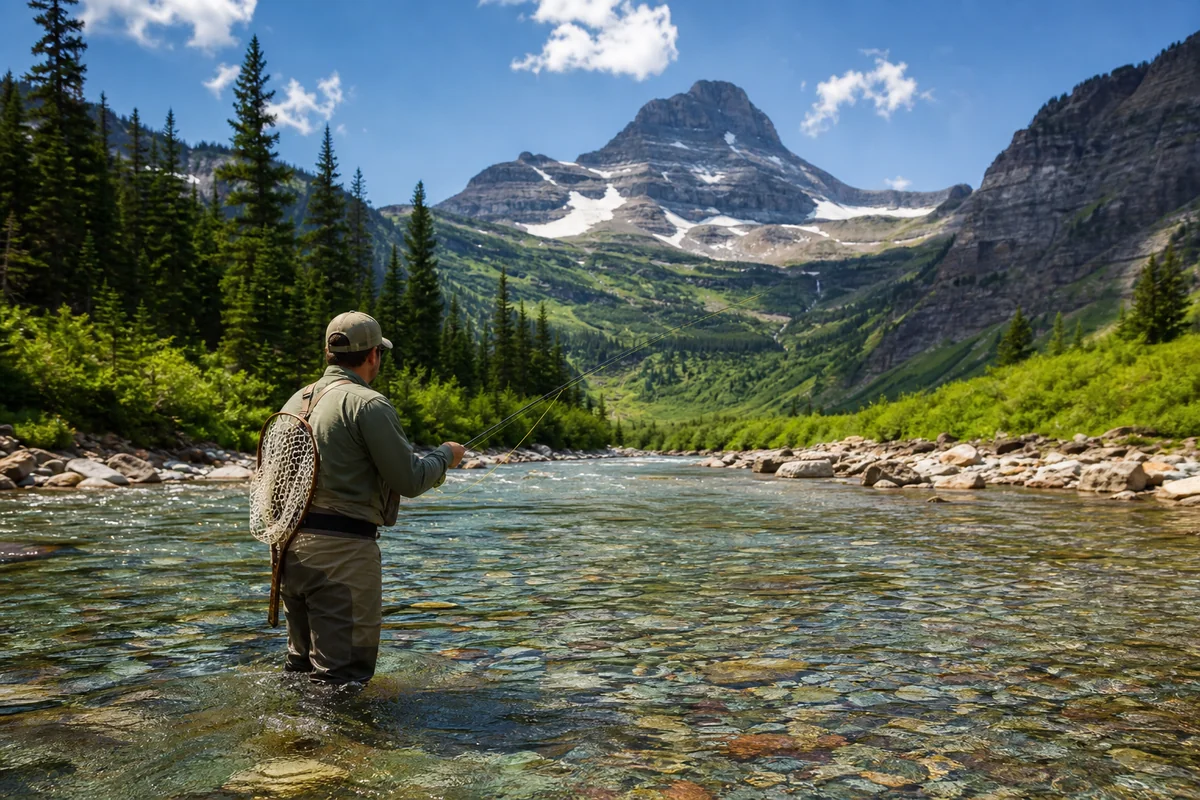
Standing knee-deep in the crystalline waters of Avalanche Creek last July, watching cutthroat trout dart between sun-dappled rocks while glacier-carved peaks towered above me, I understood why Montana calls itself “The Last Best Place.” It’s not marketing fluff—it’s an understatement.
- Glacier National Park is Montana’s crown jewel, but Going-to-the-Sun Road requires early arrival (before 6 AM in summer) to avoid vehicle reservations
- Yellowstone’s Montana entrance at Gardiner offers fewer crowds than Wyoming’s gates
- Hidden gems like Hyalite Canyon near Bozeman deliver world-class scenery without the national park chaos
- Best wildlife viewing happens at dawn and dusk—plan your days accordingly
- Shoulder seasons (May-early June, September-October) offer the sweet spot of good weather and manageable crowds
Liked this article?
Add Roaming Montana as a preferred source so you see more of our articles and guides on Google.
Why Montana’s Natural Attractions Hit Different
I’ve traveled to 43 states and a dozen countries, and nothing has consistently humbled me like Montana’s wild spaces.
There’s a scale here that photographs simply cannot capture—the way a mountain range unfolds for fifty miles in every direction, or how a river valley can swallow entire towns into its vastness.
What makes Montana unique isn’t just the scenery. It’s the accessibility of genuine wilderness combined with enough infrastructure to actually enjoy it safely.
During my eight years exploring this state, I’ve learned that Montana rewards the prepared visitor while remaining surprisingly welcoming to newcomers. You don’t need to be an expert mountaineer to experience profound natural beauty here.
Glacier National Park: Montana’s Undisputed Crown Jewel
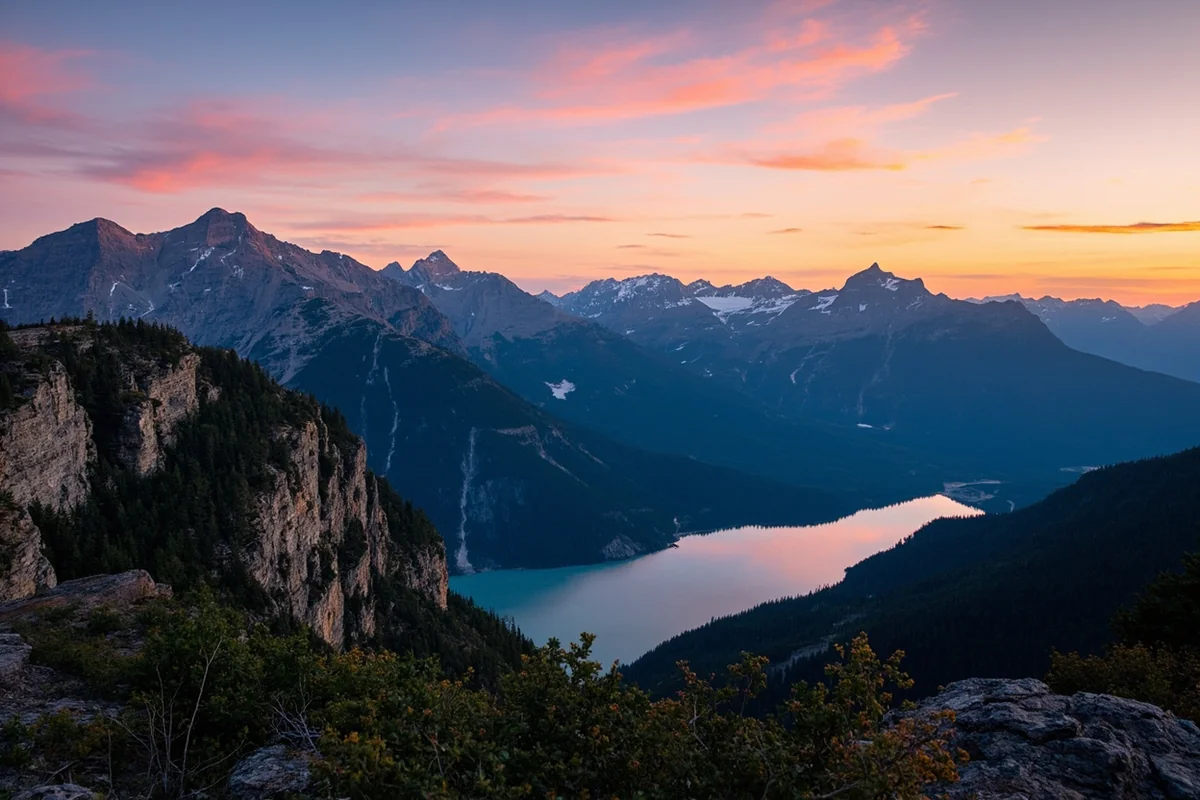
Let me be direct: if you only visit one place in Montana, make it Glacier National Park. I’ve been there seventeen times, and I still discover something new each visit.
The park spans over one million acres of pristine wilderness, but here’s what the brochures don’t tell you—the “glaciers” are disappearing.
When I first visited in 2016, there were 26 named glaciers. Scientists estimate only 25 remain, and they’re shrinking rapidly.
This isn’t meant to depress you. It’s meant to create urgency. See this place now.
Going-to-the-Sun Road: Planning Your Drive
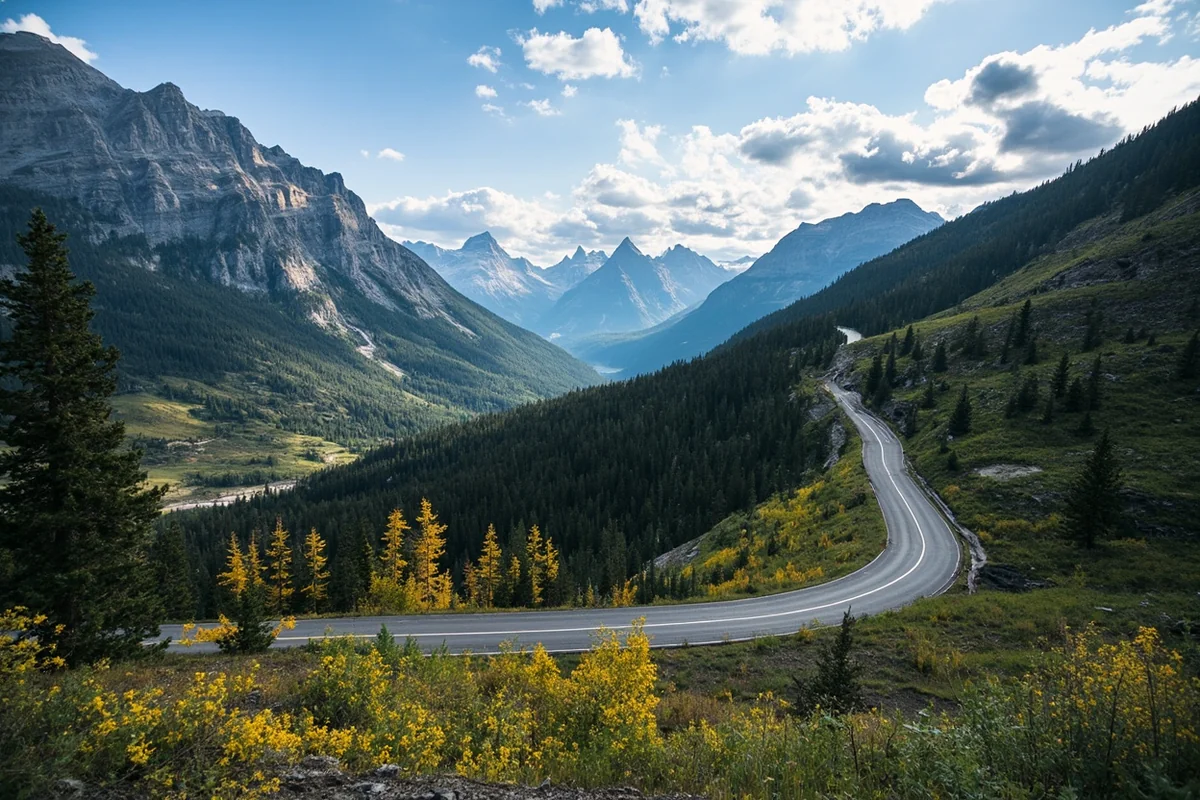
The 50-mile Going-to-the-Sun Road is the park’s main artery, and it’s genuinely one of America’s most spectacular drives. During my most recent trip last August, I learned some hard lessons about timing.
Vehicle reservations are now required between 6 AM and 3 PM during peak season (typically late May through early September). I made the mistake of assuming I could snag a same-day reservation my first year dealing with this system. I couldn’t.
Book your reservations the moment they become available—typically 60 days in advance for half the allocation, with remaining spots released 24 hours ahead.
My preferred strategy? Enter the park before 6 AM when no reservation is needed. Yes, it means a 4:30 AM alarm, but watching sunrise from Logan Pass with only a handful of other early risers is worth every lost hour of sleep.
The road typically opens fully by late June or early July, depending on snowpack. Don’t plan a trip around the full drive before July unless you’re prepared for disappointment.
Must-Do Hikes in Glacier
I’ve logged over 200 miles on Glacier’s trails, and these are my honest recommendations based on effort-to-reward ratio.
Highline Trail (11.8 miles point-to-point): This is my favorite hike in North America. Starting at Logan Pass, you traverse a cliff-carved path with thousand-foot drops before gradually descending through wildflower meadows. I arrange a shuttle pickup at The Loop trailhead to make this manageable.
The first half-mile feels exposed and intimidating—there’s a cable bolted into the rock for nervous hikers. After that initial section, the trail widens considerably.
Avalanche Lake (5.9 miles round-trip): Perfect for families or those wanting an easier day. The trail follows Avalanche Creek through old-growth cedars before opening to a glacially-fed lake surrounded by waterfalls. I’ve done this hike six times and never tired of it.
Grinnell Glacier (10.6 miles round-trip): Strenuous but transformative. You’ll hike to the base of an actual glacier, watching ice calve into the turquoise lake. When I did this trail last summer, I sat at the glacier’s edge for two hours, unable to leave.
Hidden Lake Overlook (2.7 miles round-trip): Starts at Logan Pass and delivers big views with minimal effort. Mountain goats frequent this area—I’ve seen them within ten feet of the trail, completely unbothered by hikers.
Practical Glacier Tips
| Factor | My Recommendation |
|---|---|
| Best time to visit | Mid-September (fall colors, fewer crowds, usually snow-free) |
| Where to stay | Whitefish (30 min from west entrance) offers best lodging variety |
| Days needed | Minimum 3, ideally 5-7 |
| Entrance fee | $35/vehicle for 7 days; annual pass ($80) pays for itself with 3 visits |
| Bear spray | Mandatory. Buy at any outdoor store in Whitefish or Kalispell |
Yellowstone’s Montana Side: The Less-Traveled Entrance
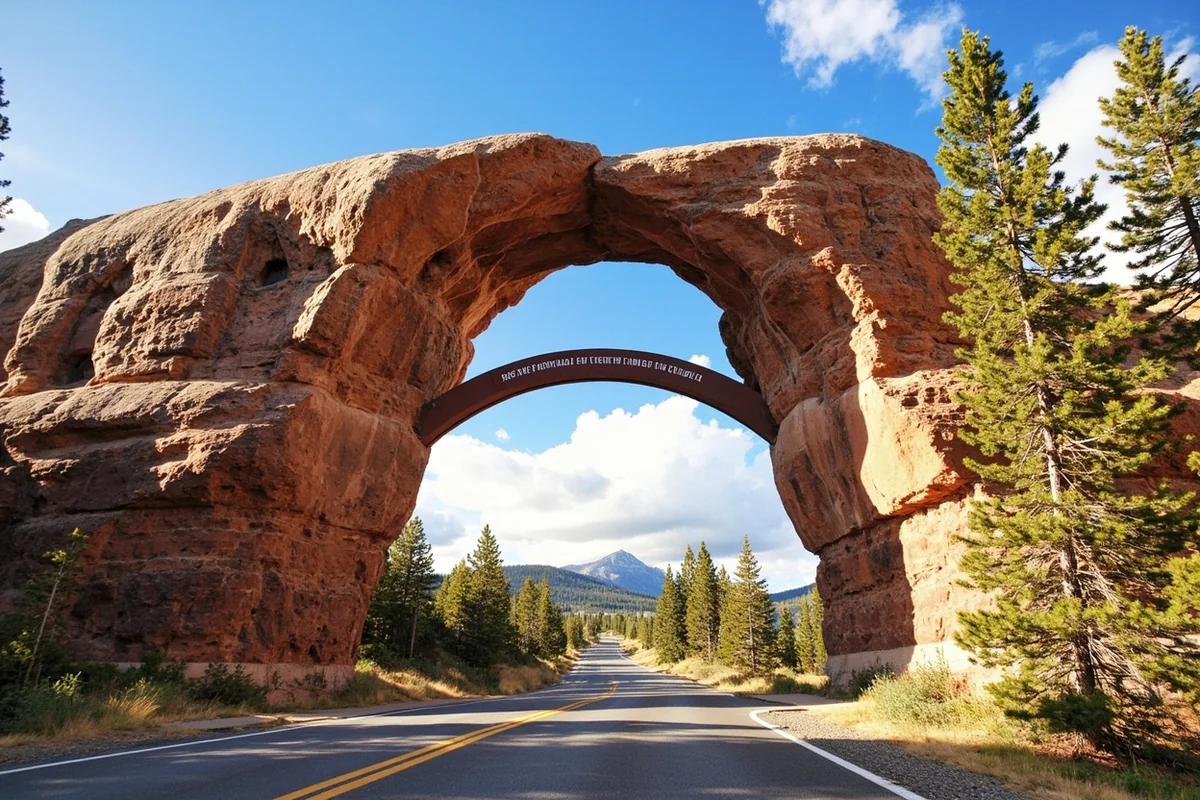
Here’s an insider perspective: Yellowstone’s Montana entrance through Gardiner is dramatically less chaotic than the more famous Wyoming entrances, yet it provides immediate access to some of the park’s best features.
When I drove through Gardiner last October, I waited exactly zero minutes at the entrance station. Friends who entered through West Yellowstone that same weekend reported 45-minute waits.
The Northern Range: Yellowstone’s Best Wildlife Viewing
The Lamar Valley, accessible within thirty minutes of the Gardiner entrance, is called “America’s Serengeti” for good reason. I’ve witnessed wolf packs hunting, grizzly bears with cubs, bison herds numbering in the hundreds, and elk in every direction during early morning drives here.
My best wildlife day ever occurred on a May morning in Lamar Valley. Between 5:30 AM and 10 AM, I observed: two grizzlies (one with two cubs), a black bear, a wolf pack of seven, approximately 400 bison, countless elk, and a golden eagle taking a ground squirrel.
The key is timing. Wildlife viewing is productive at dawn and dusk. Mid-day, animals rest in areas away from roads.
I always pack a spotting scope and binoculars. Many roadside turnouts have other wildlife watchers who’ll share their scopes if you ask politely—it’s part of the Lamar Valley culture.
Mammoth Hot Springs: Otherworldly Terraces
Just five miles from the Gardiner entrance, Mammoth Hot Springs features travertine terraces that look like something from another planet. The formations change constantly as mineral-rich water deposits new layers while old ones dry up.
During my visit three years ago, the Canary Spring area was flowing spectacularly. When I returned last fall, it had gone dormant while previously quiet areas had activated. This constant change means no two visits are identical.
The boardwalk system makes this accessible to visitors of all ability levels. I’ve brought my 78-year-old mother and my 6-year-old niece here—both were captivated.
Fair warning: the sulfur smell is intense. It fades into the background after about fifteen minutes, but those first moments can be jarring if you’re unprepared.
Hidden Gems: Montana’s Lesser-Known Natural Wonders
National parks get the headlines, but Montana’s state parks and lesser-known natural areas often deliver equal beauty without the crowds.
Hyalite Canyon: Bozeman’s Backyard Paradise
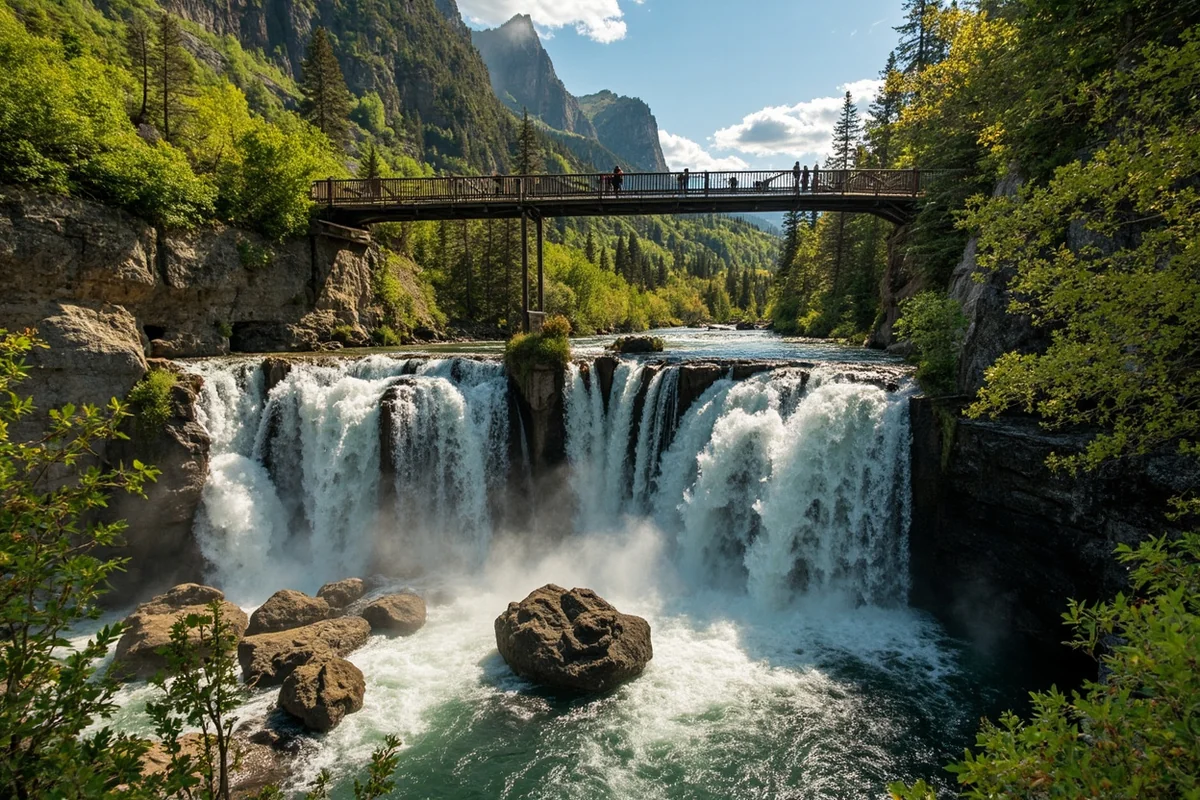
Located just twenty minutes south of Bozeman, Hyalite Canyon contains more natural beauty per square mile than many national parks I’ve visited. And during my numerous trips here, I’ve rarely encountered more than a handful of other visitors.
Palisade Falls is the canyon’s easiest attraction—a half-mile paved trail (wheelchair accessible) leads to an 80-foot waterfall cascading over ancient volcanic rock. I bring every visitor here because it requires minimal effort but delivers maximum impact.
For more adventure, the Hyalite Peak trail (12 miles round-trip) climbs through forest and alpine meadows to panoramic summit views. This hike kicked my butt the first time I attempted it, but the views of the Gallatin Range made the burning quads worthwhile.
In winter, Hyalite transforms into an ice climbing destination of international reputation. Even if you don’t climb, driving up the canyon to see the frozen waterfalls is worth the trip.
Natural Bridge State Park: A Geological Wonder
South of Big Timber, Natural Bridge State Park features a massive limestone arch carved by Boulder River over millions of years. The waterfall that created this formation now flows through a cave system, emerging below the arch.
I stumbled upon this place by accident during a road trip on I-90 and spent three hours exploring what I thought would be a quick fifteen-minute stop. The short trails offer views of the natural bridge from multiple angles, and the geology is fascinating.
Bring a picnic—the area near the falls provides beautiful spots to eat lunch while watching the water emerge from underground.
Giant Springs State Park: One of the World’s Largest Freshwater Springs
In Great Falls, Giant Springs produces 156 million gallons of crystal-clear water daily from one of the largest freshwater springs on Earth. The water maintains a constant 54°F year-round, creating surreal steam effects on cold winter mornings.
The Roe River, which flows from Giant Springs to the Missouri River, was once recognized by Guinness World Records as the world’s shortest river at just 201 feet. (The designation has since been disputed, but visiting it makes for a fun photo opportunity.)
I’ve stopped here every time I’ve driven through Great Falls—the short paved trails along the spring and river take about an hour to fully explore.
Montana’s Best Waterfalls: Beyond the Guidebook Basics
Montana’s mountains generate countless waterfalls, but accessing the best ones requires some research. Here’s what I’ve discovered through extensive exploration.
Kootenai Falls: Raw Northwestern Power
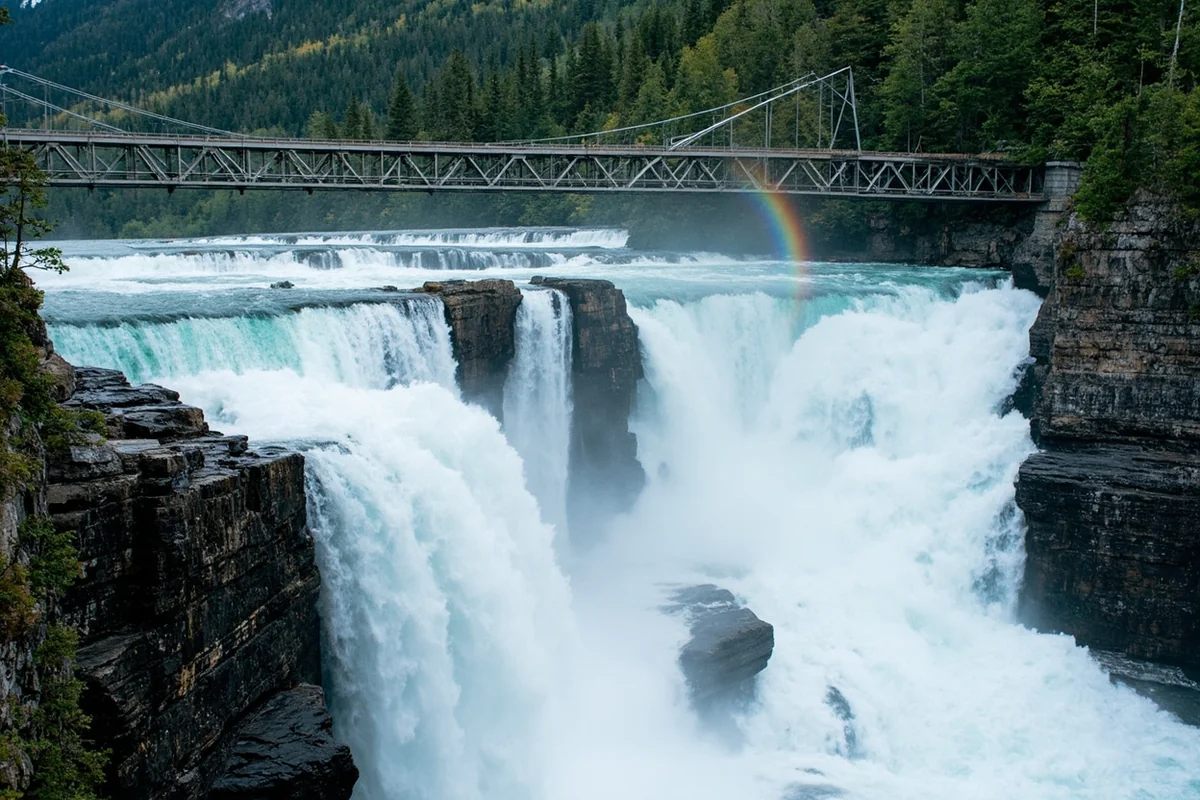
Near Libby in Montana’s northwest corner, Kootenai Falls is the largest free-flowing waterfall in the northwest and was considered sacred by the Kootenai tribe. The falls appear briefly in the movie “The Revenant,” though the scene was shot to disguise the swinging bridge that provides viewing access.
Walking across that swinging bridge—which bounces and sways with each step—while watching thousands of gallons of water thunder below is genuinely thrilling. The bridge is safe but may challenge those uncomfortable with heights.
I visited on a October afternoon when fall colors painted the surrounding forest gold and orange. The combination of autumn foliage and the river’s raw power created one of my most memorable Montana moments.
Ousel Falls: A Gem Near Big Sky
The trail to Ousel Falls (1.6 miles round-trip) starts near the town of Big Sky and descends through forest to a beautiful 70-foot waterfall on the South Fork of the West Fork Gallatin River. Yes, that’s really the river’s name.
I prefer this hike in late spring when snowmelt makes the falls most impressive. The trail crosses several bridges and features interpretive signs about the local ecosystem.
Big Sky itself is a ski resort town, so combining this hike with lunch at one of the town’s surprisingly excellent restaurants makes for a perfect half-day excursion.
Woodbine Falls: Worth the Effort
In the Absaroka-Beartooth Wilderness south of Big Timber, Woodbine Falls drops nearly 600 feet in a series of cascades. Reaching the best viewpoint requires a moderately strenuous 2.2-mile round-trip hike.
When I hiked here last summer, I had the entire trail to myself. The falls become visible about halfway up, growing more impressive with each switchback. At the viewpoint, you’re face-to-face with the main drop—close enough to feel the mist on windy days.
The trailhead is remote, requiring a drive on gravel roads. Check conditions before heading out, especially in spring when roads may be muddy.
Wildlife Watching: Where Montana Delivers Like Nowhere Else
Montana offers wildlife viewing opportunities that rival African safaris, and I don’t make that comparison lightly. The key is knowing where to look and when.
National Bison Range: Guaranteed Bison Encounters
Located on the Flathead Indian Reservation between Missoula and Kalispell, the National Bison Range maintains a herd of 350-500 bison on 18,500 acres of native prairie.
The 19-mile Red Sleep Mountain Drive winds through the refuge, offering near-guaranteed bison sightings. During my visit two summers ago, I counted over 200 bison, including calves born just weeks earlier.
The range also supports pronghorn, elk, deer, bighorn sheep, and more bird species than I could count. Bring binoculars—while some animals approach roads closely, others require distance viewing.
The road is one-way in most sections and rough in places. Budget at least two hours for the full loop, more if you’re serious about photography.
Charles M. Russell National Wildlife Refuge
Spanning 1.1 million acres along the Missouri River in central Montana, the CMR Refuge is one of the largest wildlife refuges in the lower 48 states. It’s also one of the least visited.
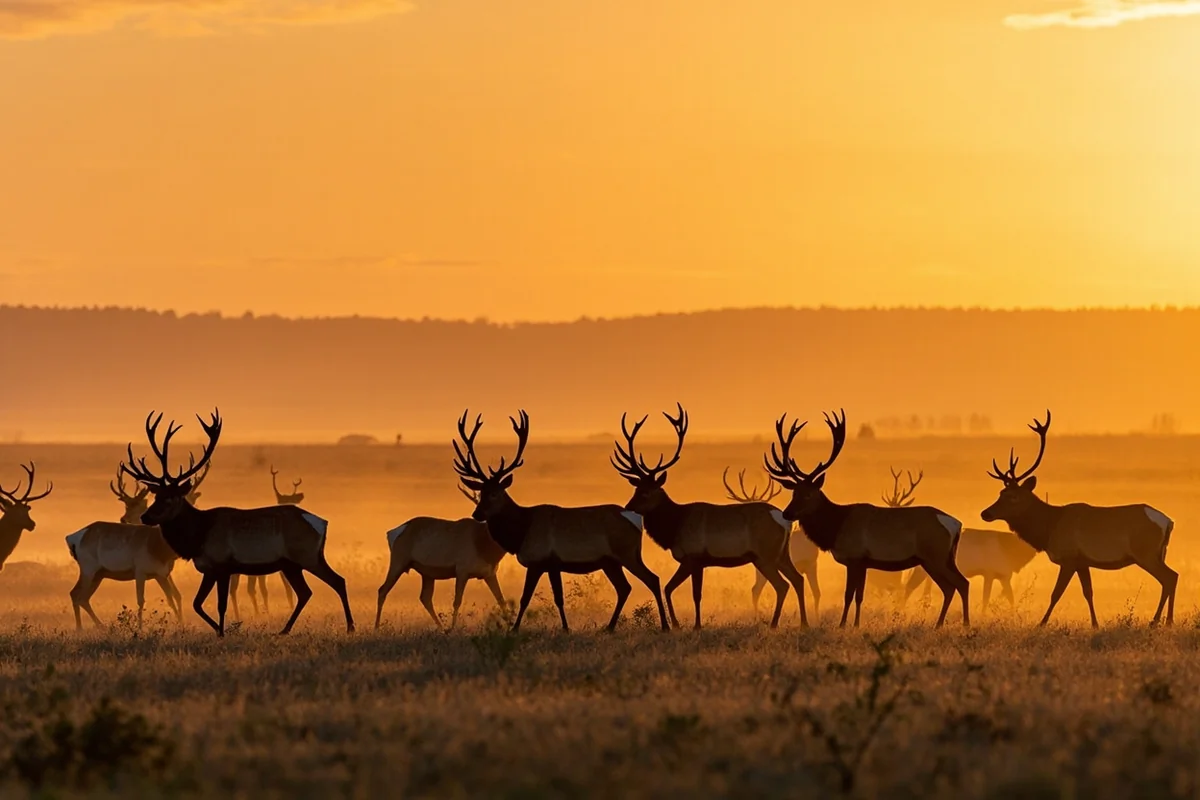
I spent three days camping here last September and encountered more wildlife than people. Elk herds numbering in the hundreds, mule deer at every turn, and coyotes hunting at dawn.
The refuge requires serious planning—services are sparse to nonexistent, roads range from rough to terrible, and cell service is basically absent. But for those seeking solitude with their wildlife viewing, no place in Montana compares.
Planning Your Montana Nature Trip: Practical Considerations
After years of exploring Montana, I’ve learned lessons—sometimes painfully—that can help you make the most of your visit.
When to Visit: Seasonal Trade-offs
Summer (June-August): Warmest weather, longest days, fullest crowds. Going-to-the-Sun Road and high mountain passes are open. Expect peak-season prices and the need for extensive advance booking.
Fall (September-October): My favorite season. Crowds thin dramatically after Labor Day. Aspens and larches turn gold. Wildlife becomes more active as animals prepare for winter. Temperatures are comfortable for hiking.
Spring (April-May): Unpredictable weather—I’ve experienced both sunburn and snowstorms in the same May week. Waterfalls are most impressive due to snowmelt. Wildlife is active with newborn animals. Many high-elevation roads remain closed.
Winter (November-March): A completely different experience. Yellowstone’s interior is accessible only by snowcoach or snowmobile. Glacier’s Going-to-the-Sun Road is closed. Cross-country skiing and snowshoeing opportunities abound. Dramatically fewer visitors.
What to Bring: My Tested Packing List
- Bear spray: Not optional. Purchase after you arrive (airlines prohibit it in luggage) and learn how to use it before you need it.
- Layers: Mountain weather changes rapidly. I always carry a rain jacket and warm layer even on sunny days.
- Binoculars: You’ll kick yourself if wildlife appears at distance and you can’t see it properly.
- Sun protection: Montana’s high elevation means intense UV exposure even on cloudy days.
- Navigation backup: Cell service is unreliable in most natural areas. Download offline maps before your trip.
- Snacks and water: Services within natural areas are limited. I carry more food and water than I think I’ll need—always.
Getting Around: Driving Realities
Montana is massive. Driving from Glacier National Park to Yellowstone takes approximately seven hours under ideal conditions. I’ve seen visitors underestimate distances and spend their entire trips in cars rather than experiencing nature.
My advice: choose a region and explore it thoroughly rather than trying to see everything. Montana rewards depth over breadth.
Roads in and near natural areas are often winding and slower than GPS apps predict. Add 20% to estimated driving times for mountain routes.
Wildlife regularly appears on roads—especially at dawn and dusk. I’ve had to brake for everything from deer to moose to bison. Stay alert and drive defensively.
Responsible Visitation: Keeping Montana Wild
Montana’s natural attractions are under increasing pressure from growing visitation. How we behave as visitors directly impacts whether future generations can experience these same wonders.
Leave No Trace Isn’t Just a Slogan
I’ve seen too many trails degraded by careless visitors—unofficial “social trails” eroding hillsides, toilet paper blooming behind bushes, apple cores and orange peels left because someone mistakenly believed they’re “biodegradable.”
Pack out everything you bring in. Stay on designated trails. If nature calls, move at least 200 feet from water sources and pack out or properly bury human waste.
Wildlife Viewing Ethics
That Instagram shot isn’t worth harassing an animal. I’ve watched people chase bighorn sheep up cliffs, creep dangerously close to bison, and worse.
The rule is simple: if an animal changes its behavior because of your presence, you’re too close. Use binoculars and telephoto lenses rather than your feet.
Feeding wildlife is illegal and harmful. Animals that associate humans with food become dangerous and often must be euthanized.
Crowding and Capacity
Some of Montana’s most popular destinations are implementing capacity limits and reservation systems—a trend that will likely expand. I support these measures even when they inconvenience my own visits.
Consider visiting lesser-known destinations that can absorb more visitors sustainably. Montana has enough natural beauty that spreading out actually improves everyone’s experience.
Final Thoughts: What Montana’s Nature Offers That Nowhere Else Can
After countless trips to Montana’s wild places, I keep returning because this state delivers something increasingly rare: genuine encounters with untrammeled nature.
Standing on a ridge in Glacier, watching clouds roll through valleys below while not another person is visible in any direction, I’ve experienced a stillness that seems impossible in our hyperconnected world.
Watching a grizzly bear teach her cubs to forage in a meadow, both of us aware of the other’s presence but neither disturbed, I’ve felt a connection to wild systems that most Americans will never know.
These experiences are still available in Montana—for now. But they require planning, respect, and a willingness to step outside comfort zones.
If you’re reading this and considering a trip to Montana’s natural attractions, don’t wait. Book that trip. Experience these places while they remain relatively accessible and uncrowded.
And when you go, tread lightly. Take only photographs. Leave only footprints. Help ensure that Montana’s wild places remain wild for generations to come.
Frequently Asked Questions
What are the best nature attractions to visit in Montana?
Montana’s top nature attractions include Glacier National Park with its stunning Going-to-the-Sun Road, Yellowstone’s geothermal wonders in the southern region, and the pristine wilderness of the Bob Marshall Wilderness Complex. I’d also recommend Flathead Lake, the largest natural freshwater lake west of the Mississippi, and the dramatic landscapes of the Beartooth Highway.
When is the best time to visit Montana for outdoor activities and wildlife viewing?
The best time to visit Montana nature attractions is late June through early September when most roads and trails are accessible and wildflowers are blooming. For wildlife viewing, I’ve found early morning visits in spring and fall offer the best chances to spot grizzly bears, elk, and wolves. Winter attracts visitors for cross-country skiing and watching bison in Yellowstone’s snow-covered valleys.
How much does it cost to visit Montana’s national parks and nature areas?
Glacier National Park and the Montana portion of Yellowstone each cost $35 per vehicle for a 7-day pass, or you can purchase an $80 America the Beautiful annual pass covering all national parks. Montana’s state parks charge $6-8 per vehicle for day use, and many wilderness areas and national forests are free to explore. Budget around $150-300 per day total including lodging, food, and activities.
What should I pack for hiking Montana’s nature trails?
Pack layers regardless of season since Montana mountain weather changes rapidly—I always bring a rain jacket, fleece, and sun protection even in summer. Bear spray is essential and costs around $35-50 at local outdoor shops near trailheads. Don’t forget sturdy hiking boots, a first aid kit, plenty of water (at least 2 liters per person), and a detailed trail map since cell service is unreliable in most wilderness areas.
How far apart are Montana’s major nature attractions from each other?
Montana is massive, so distances between attractions require planning—Glacier National Park to Yellowstone’s north entrance is approximately 340 miles (about 5.5 hours driving). Missoula to Glacier is around 150 miles, while Bozeman to Yellowstone is just 90 miles. I recommend focusing on either the northern region (Glacier, Flathead Lake, Bob Marshall) or the southern region (Yellowstone, Beartooth Highway, Paradise Valley) rather than rushing between both.
Are Montana nature attractions safe to visit with wildlife like grizzly bears?
Montana’s wilderness is safe when you follow proper precautions—always carry bear spray, make noise on trails, hike in groups, and store food properly in bear-resistant containers or hung from trees. I’ve encountered bears several times and giving them space has always resulted in peaceful outcomes. Check with ranger stations for recent wildlife activity before heading out, and never approach or feed any wild animals.
Do I need a reservation to visit Glacier National Park and other Montana nature spots?
Glacier National Park requires vehicle reservations ($2 fee) to enter the Going-to-the-Sun Road corridor from late May through early September, and these sell out quickly—book at Recreation.gov 60 days in advance. Yellowstone doesn’t currently require entry reservations but popular campgrounds book months ahead. For backcountry camping in wilderness areas, free permits are required and can often be obtained at ranger stations 24-48 hours before your trip.
Sources