- Montana’s spring bear season runs April 15–May 31 (varies by region), offering excellent spot-and-stalk opportunities
- Focus on south-facing slopes, avalanche chutes, and burned areas where bears feed on emerging vegetation
- Success rates improve dramatically when you commit to glassing from first light until 10 AM and again from 5 PM until dark
- Budget approximately $800-1,500 for a week-long DIY trip including license, tag, fuel, and camping
- Regions 1 and 2 (northwest Montana) consistently produce the highest bear densities and largest animals
- Meat quality in spring bears is exceptional—don’t let anyone tell you otherwise
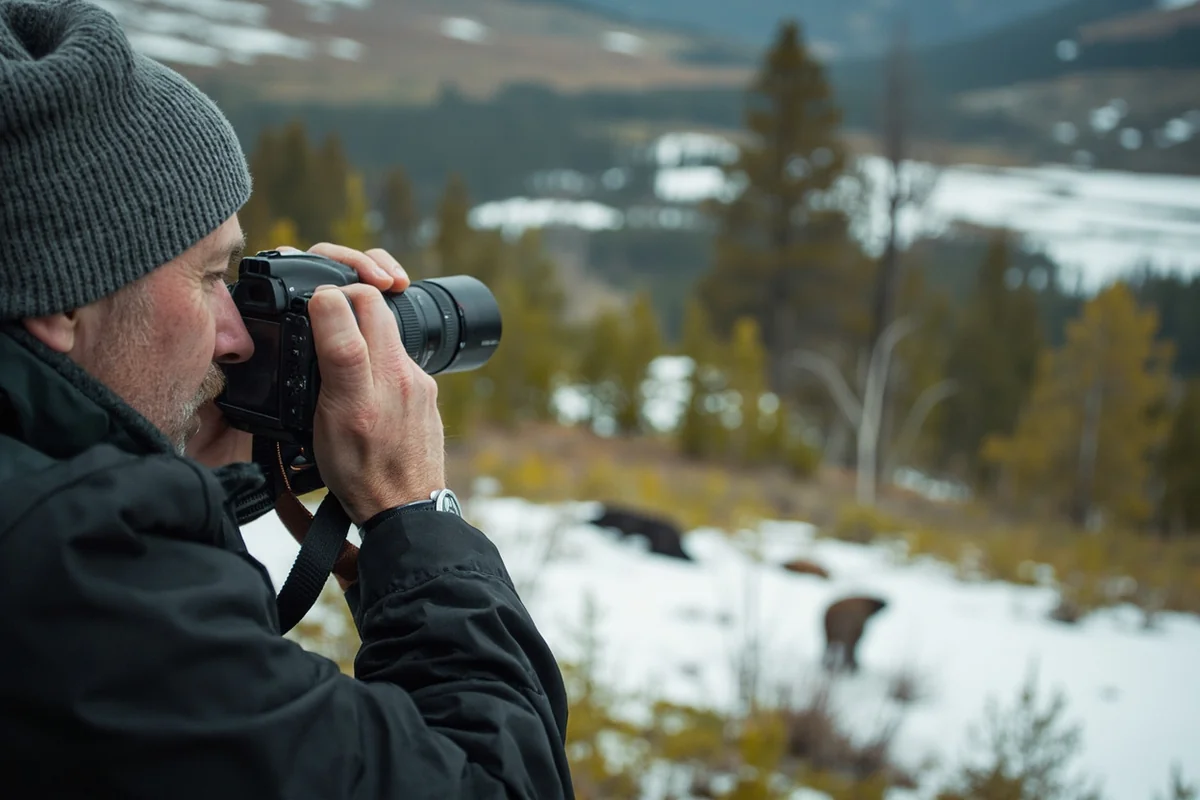
Why I Fell in Love with Montana Spring Bear Hunting
Spring bear hunting transformed my hunting calendar. Where fall feels crowded and pressured, spring offers solitude, more predictable bear behavior, and landscapes slowly waking from winter. During my first Montana spring bear hunt in 2009, I spotted 14 different bears over five days near Libby. I was hooked immediately. The combination of visible animals, manageable weather, and virtually zero competition from other hunters created an experience I hadn’t found anywhere else. What strikes me most about spring hunting compared to fall is how differently the bears behave. They’re focused on one thing: replenishing fat reserves after months of hibernation. This single-minded pursuit of calories makes them patternable in ways they simply aren’t during autumn.Understanding Montana’s Spring Bear Regulations
Montana’s spring black bear season structure confused me initially. The state divides into multiple bear management units, each with specific season dates, quotas, and access considerations.| Region | Typical Season Dates | License Type | Quota Status |
|---|---|---|---|
| Region 1 (Northwest) | April 15 – May 31 | General | Some units quota-limited |
| Region 2 (West-Central) | April 15 – May 31 | General | Open |
| Region 3 (Southwest) | April 15 – May 15 | General | Open |
| Region 4 (North-Central) | April 15 – May 31 | General | Limited |
| Region 5 (South-Central) | April 15 – May 31 | General | Open |
| Region 7 (Eastern) | Variable | Limited Entry | Quota-limited |
The Quota System Explained
Some bear management units operate under harvest quotas. When the quota fills, the season closes—sometimes mid-hunt. I learned this lesson the hard way in 2017 when HD 110 near Eureka closed on day four of my five-day trip. Now I always have backup units identified. During that same trip, I simply moved east into HD 130 and found bears within hours. Flexibility is essential for spring bear success. Montana requires hunters to report harvests within 24 hours and present the skull and hide for inspection within 10 days. Plan your trip logistics around these requirements.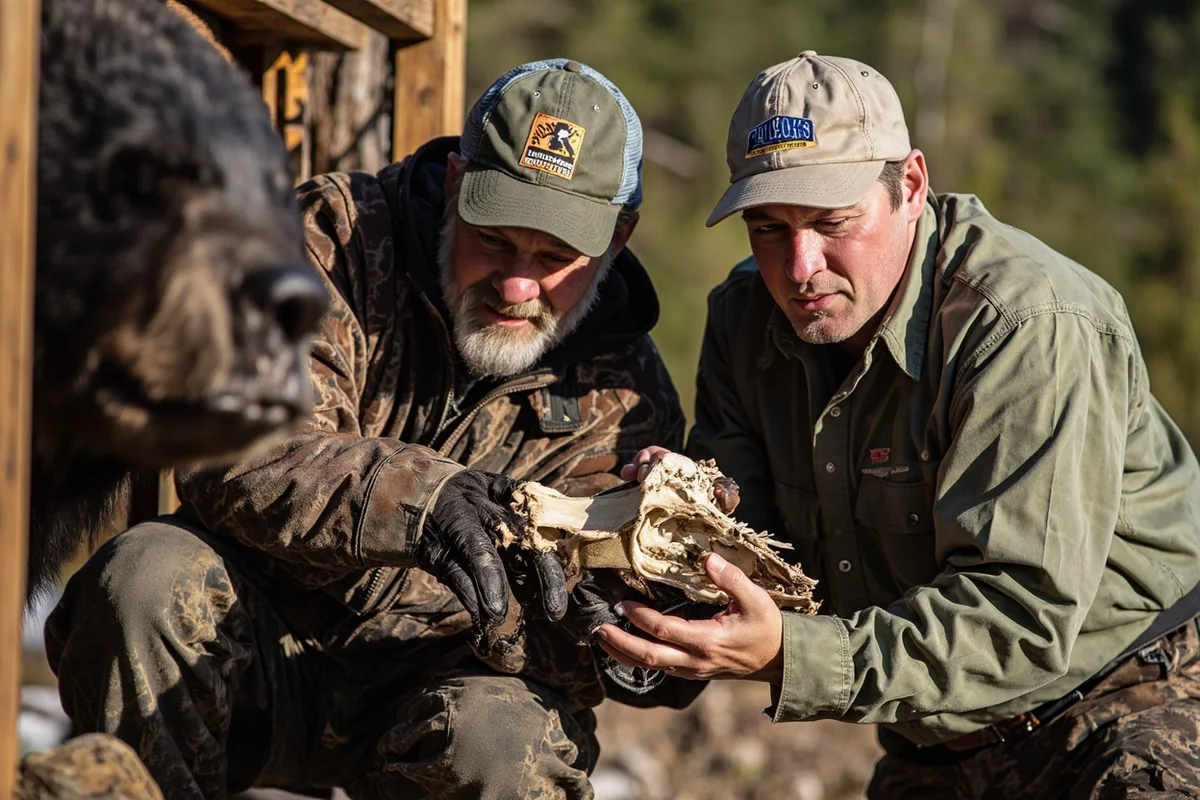
Selecting Your Hunting Unit: Where the Bears Live
Unit selection makes or breaks a DIY spring bear hunt. After hunting nearly every region of Montana over 15 seasons, I’ve developed strong opinions about where to focus your efforts.Region 1: The Bear Factory
The Kootenai and Flathead National Forests in northwest Montana hold the state’s highest black bear densities. Units around Libby, Troy, and Eureka consistently produce bears, including color-phase animals that would turn heads anywhere. I particularly like the Yaak River drainage. During a 2019 hunt, I glassed 23 bears over seven days from a single ridgeline above Pete Creek. The timber is thick, but avalanche chutes and old burns create perfect glassing opportunities. Access can be challenging in early spring. Snow often blocks forest roads until late April or early May, concentrating bears on lower-elevation south-facing slopes. I’ve come to see this as an advantage—fewer roads mean less pressure and more predictable bear locations.Region 2: Underrated and Accessible
West-central Montana around Missoula and the Bitterroot Valley offers excellent spring bear hunting with better road access than Region 1. The Sapphire Mountains and portions of the Lolo National Forest consistently produce bears. If you’re also interested in DIY elk hunting and want to scout future archery spots while chasing spring bears, Region 2 makes an ideal choice. The landscapes overlap significantly. The burned areas from the 2017 Lolo Peak Fire have become exceptional bear habitat. Huckleberry brush, fireweed, and grasses thrive in the opened canopy, and bears congregate there each spring.Regions 3 and 5: The Sleepers
Southwest and south-central Montana don’t receive the same attention for bears as the northwest, but they produce quality animals for patient hunters. The Gravelly Range, Madison Range, and portions of the Gallatin hold bears in lower densities but with significantly less hunting pressure. I’ve hunted the Gravellys three times, taking my largest Montana bear there in 2016—a 350-pound boar with a 19-inch skull. The open terrain makes glassing more productive per hour than in the timber-choked northwest, even if total bear numbers are lower.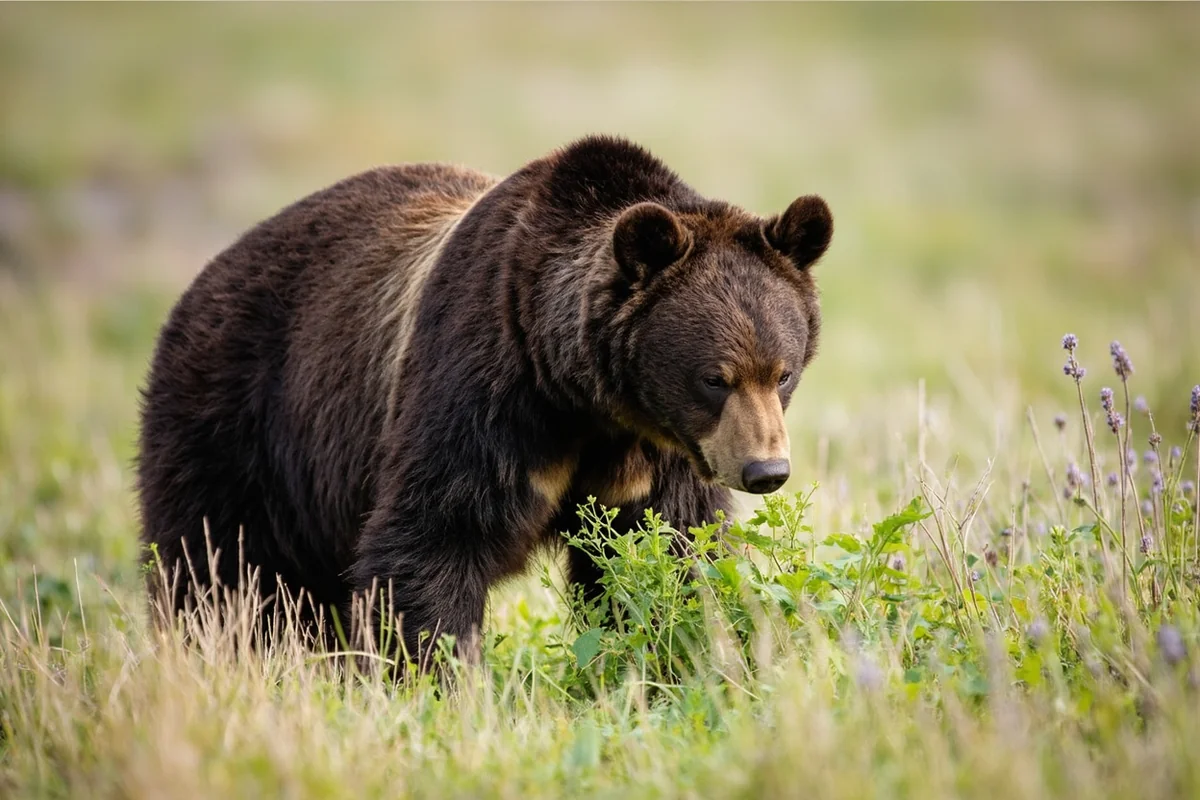
Timing Your Hunt: When Bears Are Most Active
The “best” time for spring bear hunting depends on what you prioritize. I’ve hunted every week of Montana’s spring season and found distinct advantages to each window.Early Season (April 15-30)
Early season hunting targets bears just emerging from dens. They’re groggy, hungry, and often found on the lowest-elevation south-facing slopes where snow has melted and vegetation emerges first. I love early season for predictability. Bears are tied to specific food sources—primarily grasses and the first emerging forbs. Locate the green-up, and you’ll find bears. The downside? Weather can be brutal. During my 2021 early season hunt near Whitefish, I woke to six inches of fresh snow on April 22. The bears were still there, but the experience was decidedly winterlike. Hides are typically in prime condition during early season, with thick winter coats intact.Mid-Season (May 1-15)
Mid-May represents my personal sweet spot. Snow has receded on most access roads, bears have established feeding patterns, and weather is generally cooperative. Bear activity during mid-season peaks in morning and evening hours. During the midday lull, I use the time to relocate, glass new country, or grab much-needed rest. This period also coincides with breeding activity. I’ve watched boars travel incredible distances searching for sows, which increases sightings but makes patterning specific animals more difficult.Late Season (May 16-31)
Late season offers the warmest weather and easiest access but comes with trade-offs. Bear hides begin to rub as animals shed winter coats. If hide quality matters to you, early or mid-season is preferable. However, late season concentrates bears on the highest-elevation food sources. I’ve had my best hunting in late May on high alpine meadows where bears gather to feed on glacier lilies and spring beauties. The vegetation has also fully greened, making bears more visible against the lush backdrop compared to the brown/gray early-spring landscape.Essential Gear for DIY Spring Bear Success
After years of refinement, my spring bear kit prioritizes three things: optics quality, layering versatility, and mobility.Optics: Don’t Skimp Here
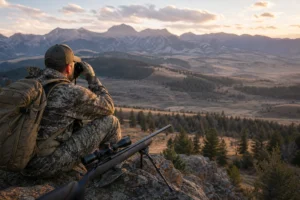
Spring bear hunting is primarily a glassing game. Quality optics pay dividends every single day. My current setup includes 10×42 binoculars, a 65mm spotting scope, and a lightweight tripod. I glass 70% of the time with binoculars, switching to the spotter only when I’ve found a bear worth evaluating. Invest the most in your binoculars. They’re in your hands constantly. I’ve used Vortex Razor HD, Swarovski EL, and Leica Trinovid models—all performed excellently in the low-light conditions common during prime bear activity. A quality tripod weighs more than I’d like but eliminates fatigue during extended glassing sessions. My Outdoorsmans compact tripod has been worth every ounce over 12 seasons.Clothing and Layering
Spring weather in Montana ranges from shirt-sleeve warmth to driving snow within hours. I pack for every possibility:- Merino base layers (2 sets minimum)
- Insulated midlayer (down or synthetic)
- Softshell jacket for active pursuit
- Waterproof shell jacket and pants
- Warm hat, lightweight cap, and sun protection
- Gloves (light gloves for glassing, insulated for cold mornings)
Rifle Considerations
Montana spring bear hunting doesn’t require magnum firepower. Most shots occur under 300 yards if you’re patient and methodical. I carry a .308 Win or .300 WSM depending on conditions. Shot placement matters far more than cartridge selection. Bears are surprisingly tough, and I’ve seen multiple animals travel significant distances after hits that would anchor deer. Premium bonded bullets like Federal Trophy Bonded or Nosler AccuBond penetrate reliably through heavy shoulder bones. Avoid frangible varmint bullets entirely.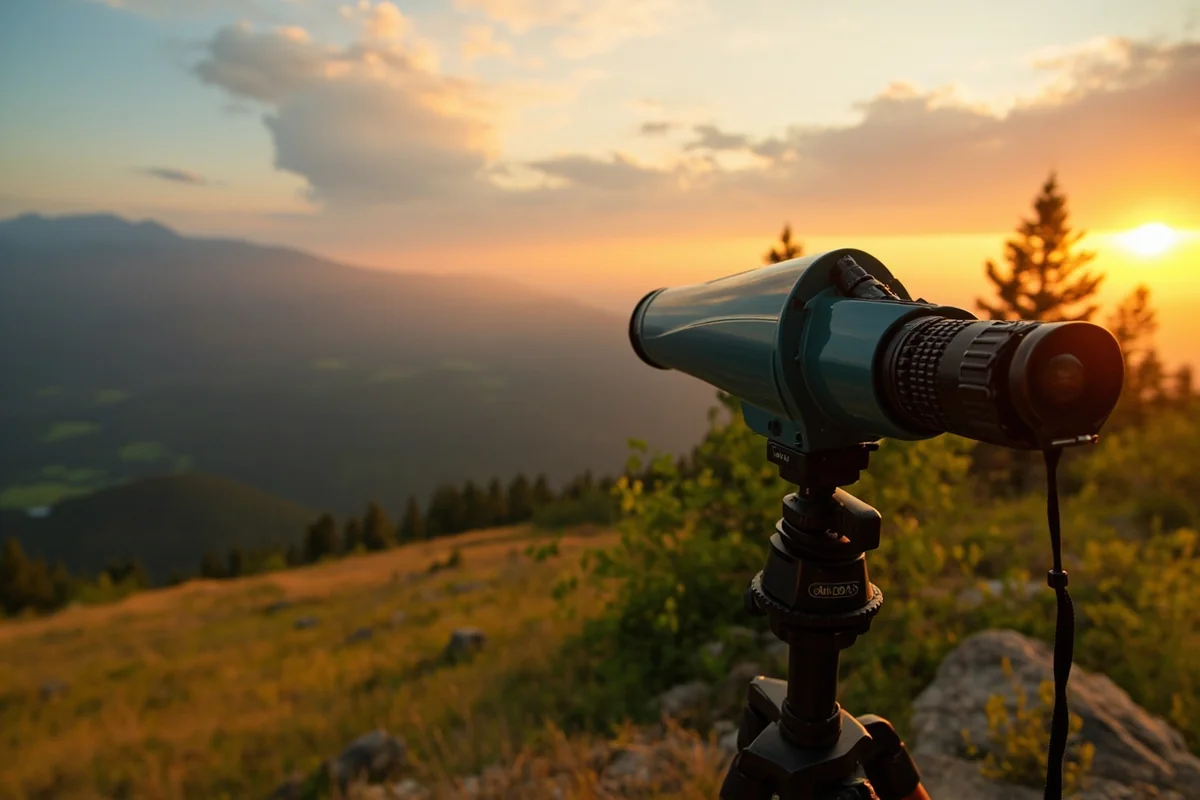
Spot-and-Stalk Strategies That Actually Work
Spring bear hunting success comes down to three skills: finding bears, evaluating bears, and closing distance. Each requires practice and patience.Glassing Technique and Strategy
Effective glassing is systematic, not random. I divide visible terrain into grids, thoroughly examining each section before moving on. South and west-facing slopes receive priority during morning hours—they warm first and concentrate feeding activity. By mid-morning, bears often bed in timber edges just below open feeding areas. My typical glassing day starts 45 minutes before legal shooting light. I position on a high point the evening before or drive in predawn darkness. The first two hours of daylight consistently produce the most bear sightings. After 10 AM, I relocate to glass new country or return to camp for midday rest. Evening sessions resume around 4 PM and continue until full dark.Reading Bear Sign
Before I ever lift binoculars, I study maps and on-the-ground sign to identify high-probability areas. Spring bear sign includes:- Fresh tracks in mud or snow (bear tracks show a narrow heel and five toes)
- Overturned rocks where bears search for insects
- Torn logs with exposed ant galleries
- Grazing trails through emerging grass
- Fresh scat (spring scat is typically green and grass-filled)
Stalking and Shot Execution
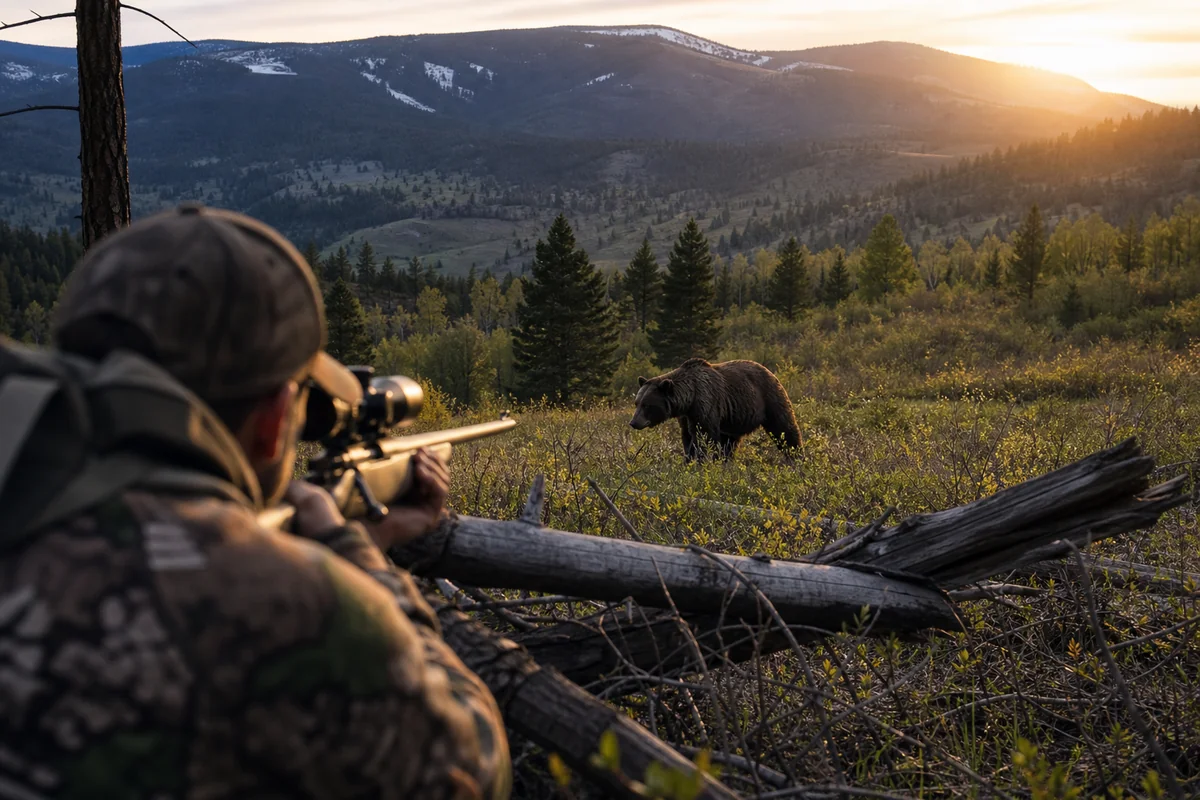
Once I’ve located a bear worth pursuing, the real work begins. I study the terrain between us, plan my approach route, identify potential shot positions, and commit. Thermals in spring mountains are unpredictable. Cool mornings typically produce downslope winds, shifting to upslope as warming occurs. I time stalks during stable thermal periods or use terrain features to stay downwind. Closing distance on a feeding bear requires patience. They move constantly while eating, and I’ve blown multiple stalks by rushing when the bear temporarily moved behind cover. Let them settle, wait for a predictable pattern, then move. I prefer shot opportunities under 200 yards. The closer, the better. Bears offer small vital zones relative to their body size, and brush or terrain can obstruct shots at longer distances.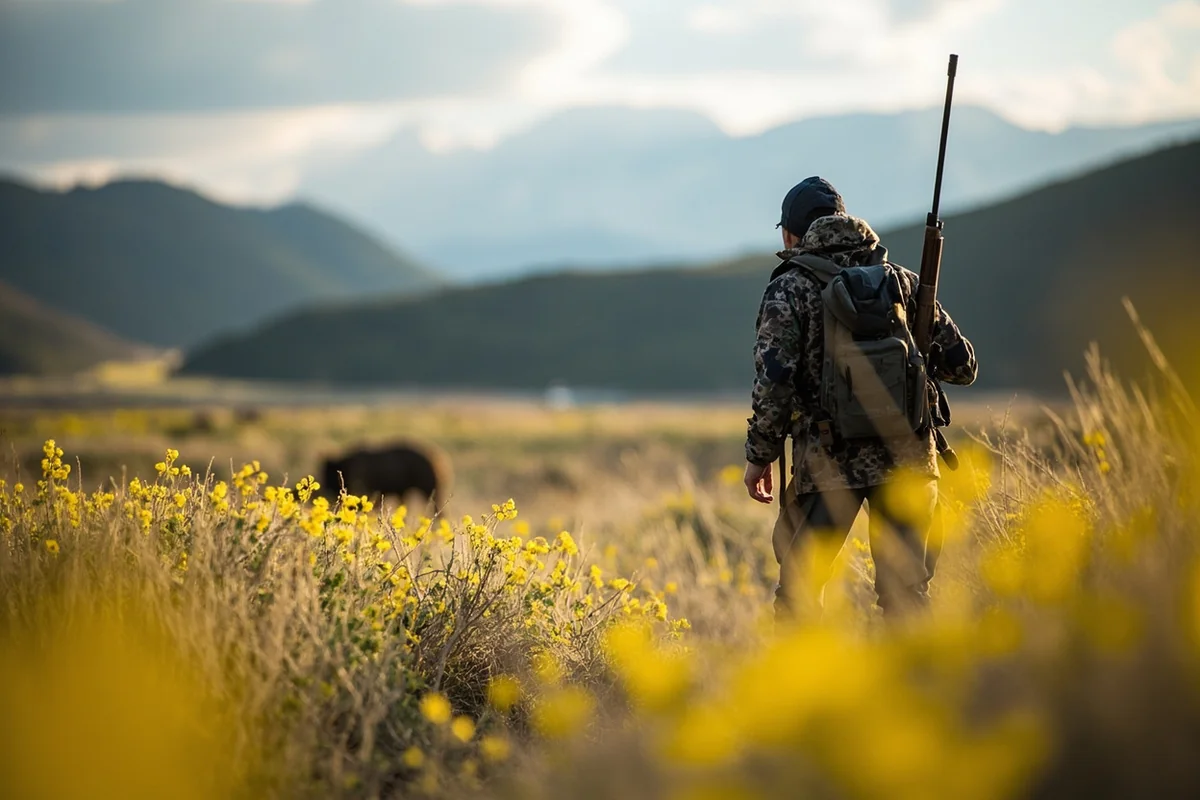
Judging Bears: Size Matters (Here’s How to Assess It)
One of the biggest mistakes I see DIY bear hunters make is shooting the first bear they see without proper evaluation. Montana holds truly large black bears, and learning to judge them prevents regret.Physical Characteristics of Mature Boars
Mature boars display several identifiable characteristics when viewed through quality optics: Their ears appear small relative to their head. Young bears have ears that seem oversized. When a bear’s ears seem to disappear into its head, you’re looking at a mature animal. Mature boars have a pronounced forehead with a crease or furrow between the eyes. Young bears have flat foreheads that flow smoothly into the muzzle. Body shape reveals age. Young bears appear leggy and athletic. Mature boars look barrel-shaped with short, thick legs that seem too small for their body. They walk with a distinctive swagger, front legs bowing outward.Behavior-Based Assessment
How a bear behaves tells you nearly as much as physical appearance. Dominant boars move with confidence, rarely look behind them, and often rest in exposed positions. Sows with cubs behave nervously—constantly scanning, frequently pausing, and quick to run from perceived threats. Avoid these situations entirely; mistakenly shooting a sow with cubs is both illegal during spring season and ethically problematic. Solo bears feeding in the open during daylight are most likely mature boars. Younger bears and sows typically remain more cautious.When in Doubt, Wait
If you’re unsure about a bear’s size or sex, don’t shoot. I’ve passed on dozens of bears because I couldn’t confirm what I was looking at. Montana’s spring season is generous in length. There’s no reason to rush a decision you’ll live with forever. The best bear you’ll see might appear on day five, not day one.Handling Your Harvest: Meat, Hide, and Skull
Taking care of your bear properly honors the animal and creates lasting value from your hunt. Spring bear meat, in my experience, rivals any wild game.Field Processing
Bears must be skinned promptly to prevent meat spoilage and hair slippage on the hide. Spring temperatures can rise quickly, and body heat trapped under thick fur accelerates deterioration. I cape bears for shoulder mounts or flat-skin full hides depending on my mounting plans. A 3-inch blade skinning knife and a small saw for quartering are all I carry. Remove all fat from the hide immediately—bear fat goes rancid quickly and ruins hides faster than any other factor. Salt heavily if you can’t get the hide to a taxidermist within 48 hours.Meat Quality
Spring bear meat is exceptional. Bears emerge from dens having metabolized most stored fat, and their recent diet of grasses and vegetation produces clean-tasting meat. I process all my bears into roasts, steaks, and ground meat. Bear must be cooked to 165°F internal temperature to eliminate trichinella risk. With proper preparation, it’s among my favorite wild game. The meat-to-body ratio on black bears surpasses most ungulates. A 300-pound bear yields 120-150 pounds of boneless meat depending on condition.Skull Care
Montana requires skull submission for measurement and aging. Beyond that requirement, I keep every bear skull as a memory of the hunt. Boil or beetle-clean skulls rather than using harsh chemicals. I’ve seen beautiful skulls ruined by bleach or hydrogen peroxide applied too aggressively.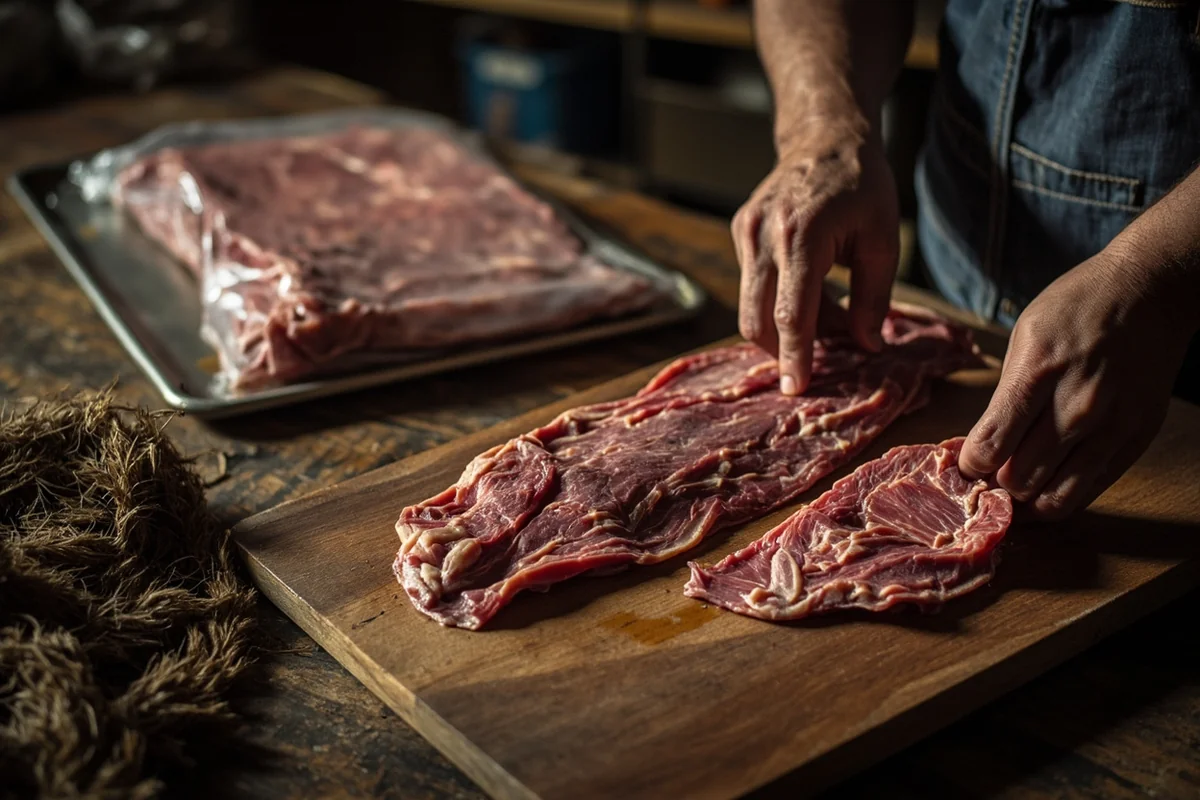
Logistics: Camping, Access, and Trip Planning
DIY spring bear hunting requires significant planning for a successful trip. Here’s what I’ve learned about making logistics work.Camping Options
I typically camp on National Forest land near my hunting areas. Dispersed camping is free and allows flexibility to relocate as needed. Spring conditions require appropriate shelter. Ground temperatures remain cold, often below freezing at night. I use a four-season tent with a quality sleeping pad rated to at least 20°F. For longer trips, I’ve based out of small towns like Libby, Thompson Falls, or Superior. Simple motels offer warm showers and dry sleeping—luxuries that become appealing after four days of rain.Vehicle and Road Considerations
High-clearance 4WD is essential for Montana spring bear hunting. Forest roads may be snow-covered, muddy, or washed out. I carry traction boards, a shovel, and chains regardless of conditions. Always check road status before committing to specific access routes. Ranger districts post road condition updates, and local gas station attendants often have current information. I budget more fuel than expected. Morning and evening hunts often require driving to distant trailheads or glassing locations daily. My typical spring bear trip burns 300-400 miles of fuel.Communication and Safety
Cell coverage is nonexistent in most prime bear country. I carry a satellite communicator (Garmin inReach) for emergencies and daily check-ins. Grizzly bears share habitat with black bears throughout northwest Montana. While spring bear hunting, I carry bear spray and remain alert. I’ve encountered grizzlies twice during spring hunts—both resolved peacefully with slow retreats. Tell someone your exact plans and expected return. Solo hunting in remote spring conditions carries inherent risks that proper communication mitigates.Connecting With Other Montana DIY Opportunities
Montana spring bear hunting fits naturally into a broader DIY hunting strategy. The skills you develop—glassing, stalking, judging animals—translate directly to other species. If you’re planning fall hunts, consider that DIY mule deer hunting uses nearly identical spot-and-stalk methods in overlapping terrain. Several of my best mule deer spots came from spring bear scouting observations. Similarly, DIY antelope hunting rewards the same patient glassing approach, though in different ecosystems. The discipline developed watching for bears translates perfectly to picking apart prairie horizons for pronghorn. I often schedule spring bear hunts specifically to scout regions I plan to return to during fall seasons. Two trips for the price of one, in a sense.Realistic Expectations and Success Rates
Spring bear hunting is not a guaranteed success. Even in high-density areas, plenty of hunters go home empty-handed each year. My personal success rate over 15 seasons sits around 60%. That includes hunts where I saw dozens of bears but couldn’t close the deal, hunts cut short by weather or quota closures, and hunts where I simply passed on everything I saw. First-time spring bear hunters should plan for learning experiences rather than assuming success. The skills compound over time. My first three hunts produced no bears; since then, I’ve rarely been skunked. Expect to glass 20-40 hours for each bear you actually stalk. Plan for physical discomfort, early mornings, late evenings, and significant solitude. The reward? Experiences like that chocolate bear in the Bitterroots—moments that replay in my mind decades later and pull me back to Montana every spring.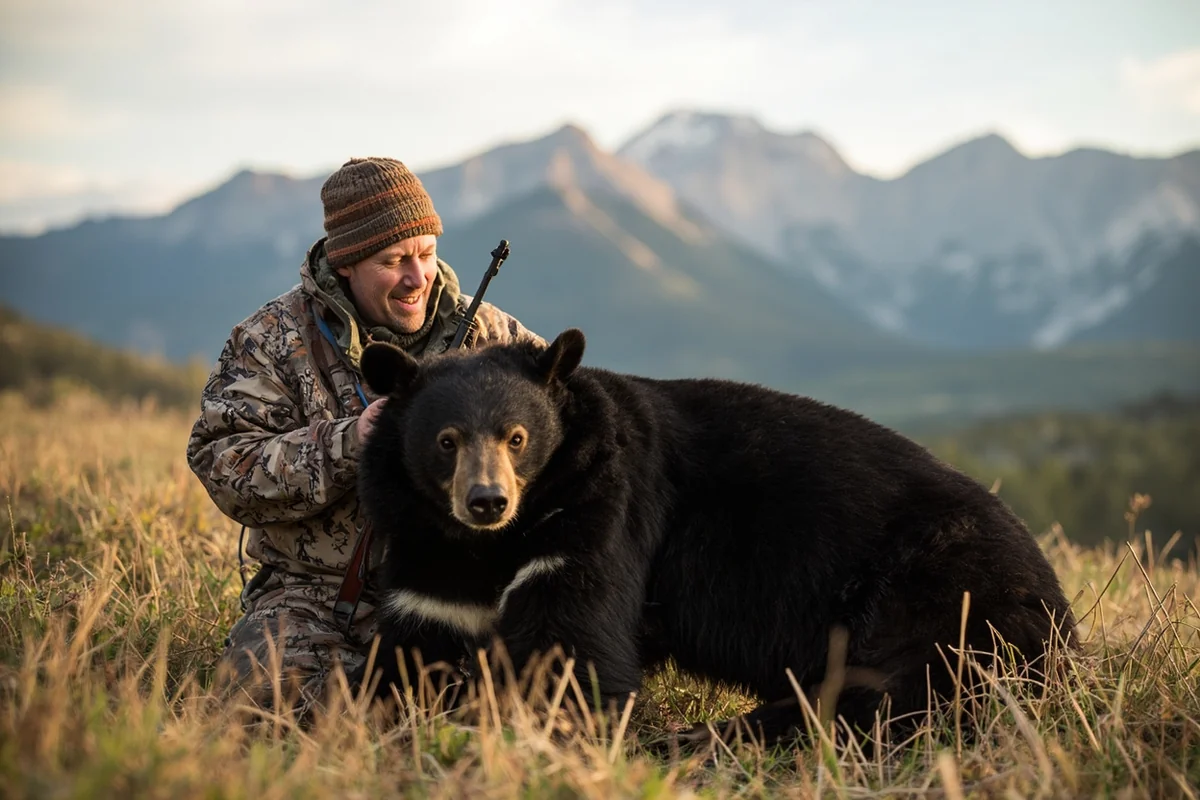
Final Thoughts and Personal Recommendations
Spring bear hunting in Montana offers something increasingly rare in American hunting: genuine wilderness adventure accessible to anyone willing to put in the work. If I could give one piece of advice to someone planning their first DIY spring bear hunt, it’s this: extend your trip by two days beyond what you think you need. Every spring hunt I’ve rushed produced regret; every extended trip produced success or valuable experience. Montana’s black bear population remains healthy and well-managed. By hunting legally, reporting harvests accurately, and respecting regulations, we ensure these opportunities persist for future generations. The best bear hunt you’ll ever have might be this spring. The landscapes are pristine, the animals are visible, and the memories last forever. See you in the mountains.Frequently Asked Questions
When is the best time to hunt spring black bear in Montana?
Montana’s spring bear season typically runs from mid-April through mid-May, with the sweet spot being late April to early May when bears are most active after emerging from hibernation. I’ve found that hunting during the first few weeks gives you the best shot at finding bears feeding on south-facing slopes where snow has melted and fresh vegetation is sprouting.
How much does a DIY spring bear hunt in Montana cost for out-of-state hunters?
A non-resident Montana black bear license runs about $350, plus you’ll need a $10 conservation license. Budget an additional $500-$1,200 for lodging, gas, food, and gear for a week-long DIY hunt. If you’re driving from neighboring states, fuel costs average around $200-$400 depending on your starting point.
What gear do I need to pack for a Montana spring bear hunt?
Essential gear includes quality binoculars (10×42 minimum), a reliable rifle in .30-06 or .308, layered clothing for unpredictable spring weather ranging from 20°F to 60°F, and waterproof boots with good ankle support. Don’t forget a spotting scope, game bags, and a bear drag or pack frame since you’ll likely be miles from your truck when you connect.
Can I hunt bears on public land in Montana without a guide?
Absolutely—Montana offers millions of acres of huntable public land through BLM, National Forest, and state trust lands that are perfect for DIY bear hunters. I recommend downloading OnX Hunt or Gaia GPS to identify public access points, as some of the best spring bear habitat sits in remote areas of the Kootenai, Flathead, and Lolo National Forests.
What are the best regions in Montana for DIY spring black bear hunting?
Northwestern Montana, particularly Lincoln, Sanders, and Flathead counties, consistently produces the highest black bear harvest numbers due to dense timber and abundant food sources. The areas around Libby and Thompson Falls offer excellent public land access, with some spots located just 30-50 miles from small towns with lodging and supplies.
Do I need to bait bears or use hounds for a spring hunt in Montana?
Montana prohibits both baiting and hound hunting for bears, so your DIY hunt will be spot-and-stalk or calling. This actually makes spring an ideal time since bears are concentrated on open hillsides feeding on grass, clover, and winter-killed game—I’ve glassed up multiple bears in a single evening from a good vantage point.
How physically demanding is a DIY Montana spring bear hunt?
Expect to cover 3-8 miles daily over steep, uneven terrain with elevations ranging from 3,500 to 6,500 feet, so solid cardiovascular fitness is essential. Spring conditions often mean hiking through mud, patchy snow, and downed timber, plus you’ll need the stamina to pack out 150-300 pounds of meat and hide if you’re successful.
Sources