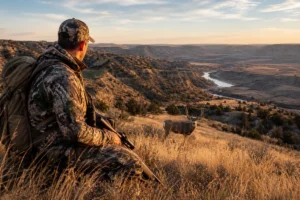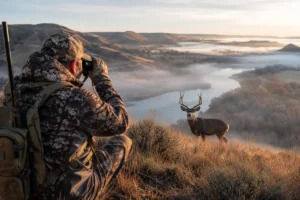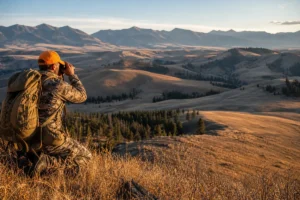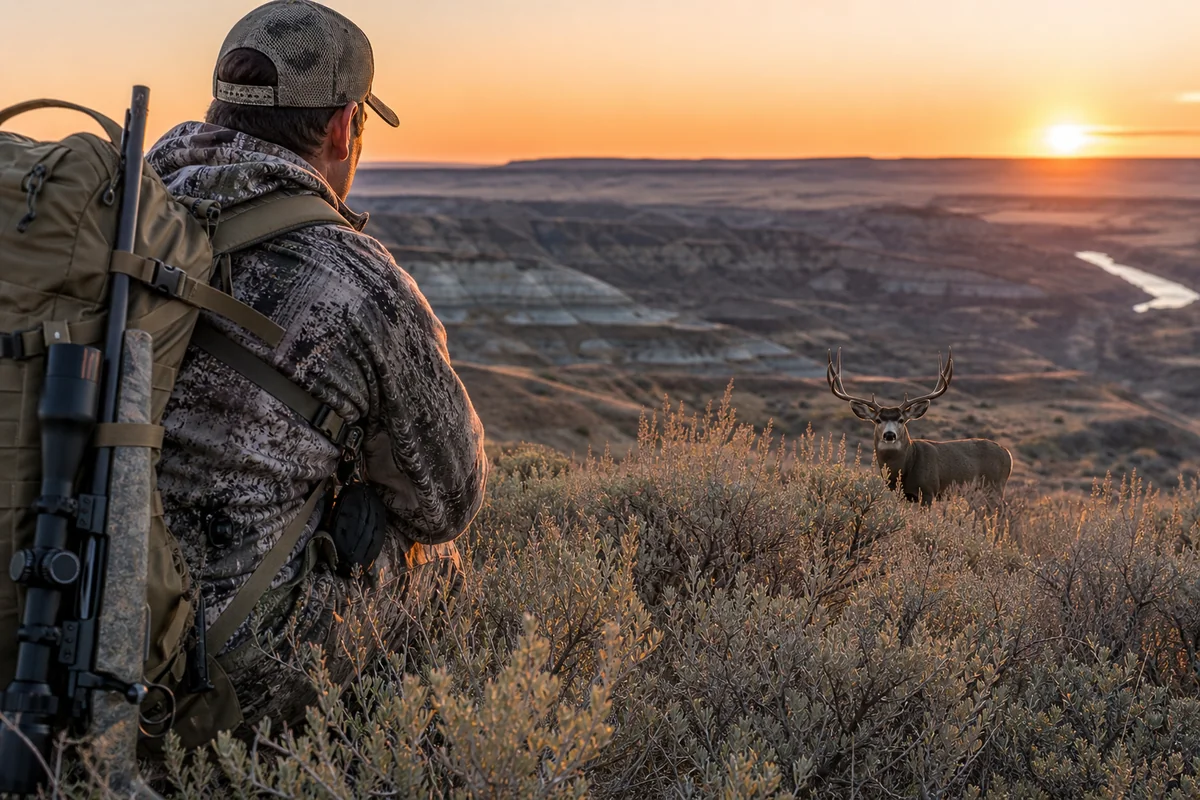
The buck materialized from the sagebrush coulee like a ghost at first light, his heavy four-by-four frame silhouetted against the orange glow of a November sunrise near the Missouri Breaks—and in that moment, five days of brutal hiking, glassing, and learning the land paid off in one unforgettable encounter.
That’s the magic of DIY mule deer hunting in Montana. Unlike guided hunts where someone else does the legwork, going do-it-yourself means you earn every inch of that experience.
If you’re ready to take on the challenge, my comprehensive DIY hunting guide covers the fundamentals, but mule deer demand their own specialized approach that I’ve refined over eight seasons in Montana’s diverse terrain.
- Best DIY mule deer units: Region 4 (Missouri Breaks), Region 6, and Region 7 offer excellent public land access
- General deer tags are over-the-counter for non-residents ($265 base license + $150 deer combo)
- Peak rut activity: November 10-25 provides best trophy opportunities
- Glass 70% of your time—mule deer are spotted, not stumbled upon
- Budget $1,500-3,000 for a quality week-long DIY hunt including travel
- Block Management Areas (BMAs) are your secret weapon for avoiding crowds
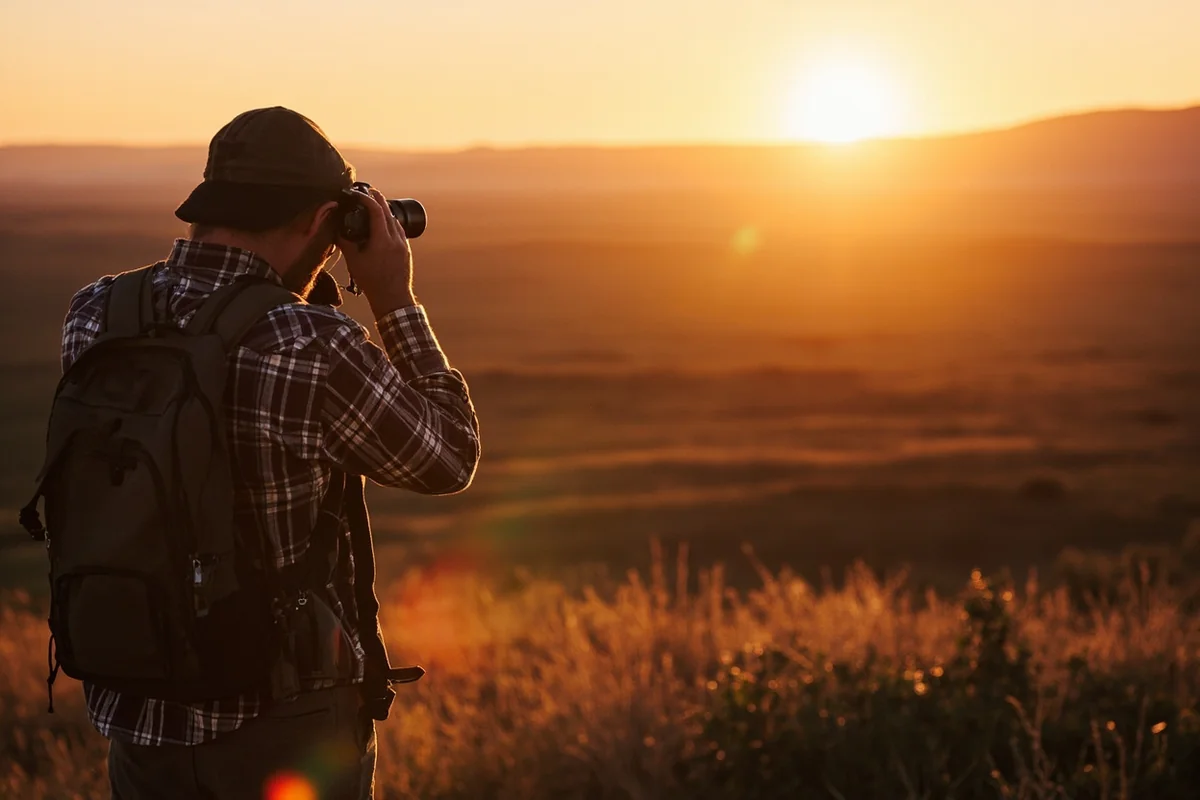
Why Montana Remains the Premier DIY Mule Deer Destination
I’ve hunted mule deer in five western states, and Montana consistently delivers the best combination of access, opportunity, and trophy potential for the unguided hunter. Here’s why.
Montana contains roughly 47 million acres of public land—that’s larger than many eastern states combined. Unlike Colorado’s overcrowded units or Wyoming’s limited quota draws, Montana offers over-the-counter general deer licenses that give you genuine flexibility.
During my most recent hunt last November in Petroleum County, I encountered only three other hunters across six days of hard hunting. That kind of solitude simply doesn’t exist in most western states anymore.
The mule deer population hovers around 260,000 animals statewide, with some of the healthiest herds found in eastern Montana’s breaks country. While the western mountains get all the glamour, the real DIY opportunity lies in those seemingly barren prairies and coulees that most out-of-staters overlook.
Understanding Montana’s License System for Mule Deer
Let me break down what you actually need, because Montana’s licensing structure confuses a lot of first-timers.
Base Requirements
Every non-resident needs a Conservation License ($8) and a Base Hunting License ($15) before purchasing anything else. Think of these as your entry ticket to the Montana hunting system.
From there, you’ll want the Deer Combo ($150), which allows you to harvest one mule deer and one white-tailed deer. This is outstanding value compared to single-species tags in other states.
General vs. Special Permits
The general deer license lets you hunt most of Montana during the general season (typically late October through late November). This is where DIY hunters should focus their efforts.
Special permits for limited-entry units require the draw and offer exceptional trophy potential in places like hunting districts 410, 411, and 417. I’ve put in for HD 410 four years straight without drawing—the demand speaks to the quality.
| License Component | Non-Resident Cost | Notes |
|---|---|---|
| Conservation License | $8 | Required for all licenses |
| Base Hunting License | $15 | Required prerequisite |
| Deer Combo (Mule/Whitetail) | $150 | General season, OTC |
| Deer B License | $75 | Antlerless, unit specific |
| Special Permit Application | $50 | Draw only, premium units |
My Top Regions for DIY Mule Deer Success
After hunting extensively across Montana, I’ve identified several regions that consistently produce for the do-it-yourself hunter. Each offers distinct terrain and hunting styles.
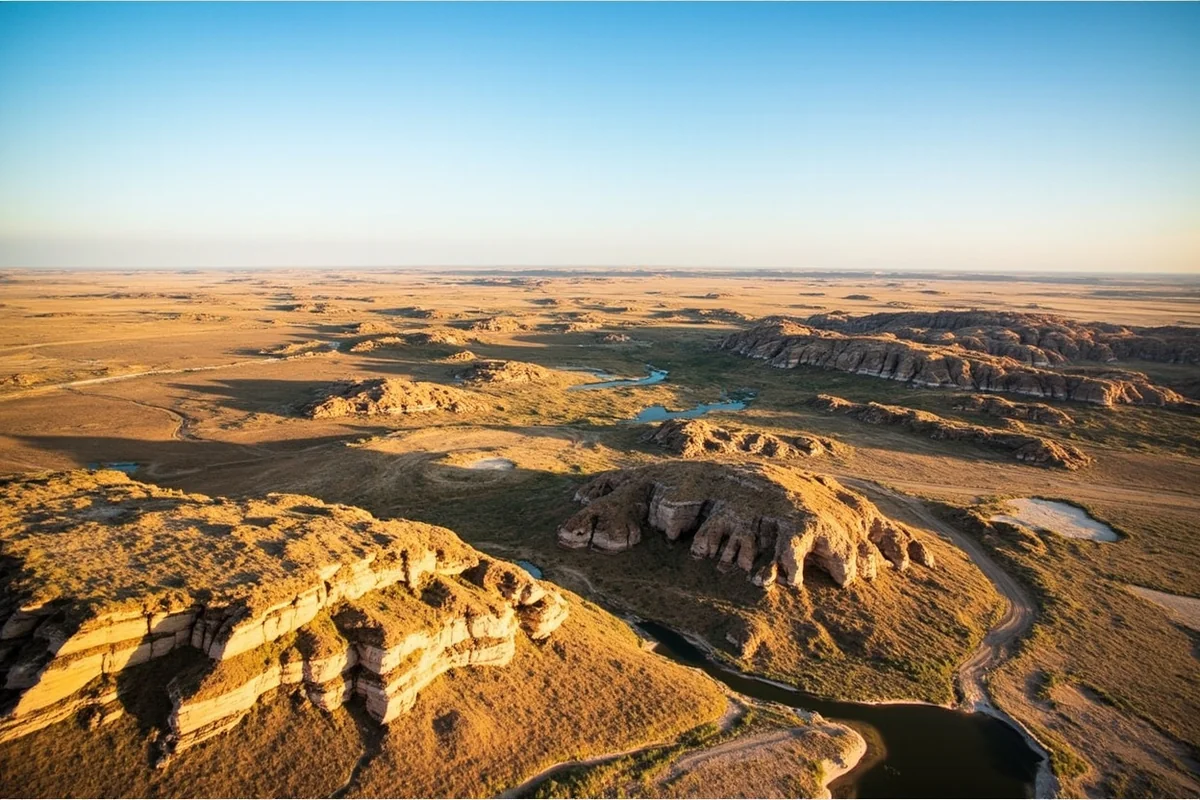
Region 4: Missouri Breaks Country
This is my personal favorite, and where I’ve tagged my best bucks. The Charles M. Russell National Wildlife Refuge and surrounding BLM land offer nearly endless public access.
The terrain looks deceptively simple from the highway—rolling grass and sage. But drop into those coulees and you’ll find a maze of hidden pockets where big bucks bed.
Last fall, I found a buck pushing 170 inches tucked into a juniper-choked draw that was invisible from 200 yards away. The Breaks reward those willing to explore on foot.
Key hunting districts here include 410, 411, 412, and 417. While 410 requires a special permit, the surrounding general units still hold quality deer.
Region 6: Hi-Line Prairie
The country north of the Milk River doesn’t photograph well, but it hunts beautifully. Vast wheat stubble fields broken by coulees and creek drainages create classic mule deer habitat.
I spent a week hunting near Malta two seasons ago and was amazed by the deer numbers. The challenge here is access—much of the land is private, making Block Management Areas essential.
The upside? When you find public access points, you’ll often have them to yourself. Most hunters drive past this region heading for the mountains.
Region 7: Southeastern Montana
The country around Miles City and Terry offers excellent DIY potential with slightly easier terrain than the Breaks. This region also holds good populations of both mule deer and whitetails.
If you’re considering adding DIY antelope hunting to your Montana trip, Region 7 is ideal—you can realistically pursue both species from the same base camp.
Hunting districts 700, 701, and 702 consistently produce mature bucks on public land.
Region 3: Southwest Mountain Transition
For hunters who prefer mountains over prairie, the foothills around Dillon, Ennis, and Bozeman offer a different mule deer experience. Deer here migrate from high summer range to winter range, creating hunting opportunities during general season.
The challenge is timing. Hit it right and you’ll intercept moving bucks. Miss the migration and you’ll wonder where all the deer went.
I’ve found mid-November after the first significant snowfall produces best here. Without snow pressure, deer stay scattered at higher elevations.
Essential Gear for Montana Mule Deer
I’m not going to list every item in your pack, but there’s specific gear that separates successful DIY mule deer hunters from frustrated ones.
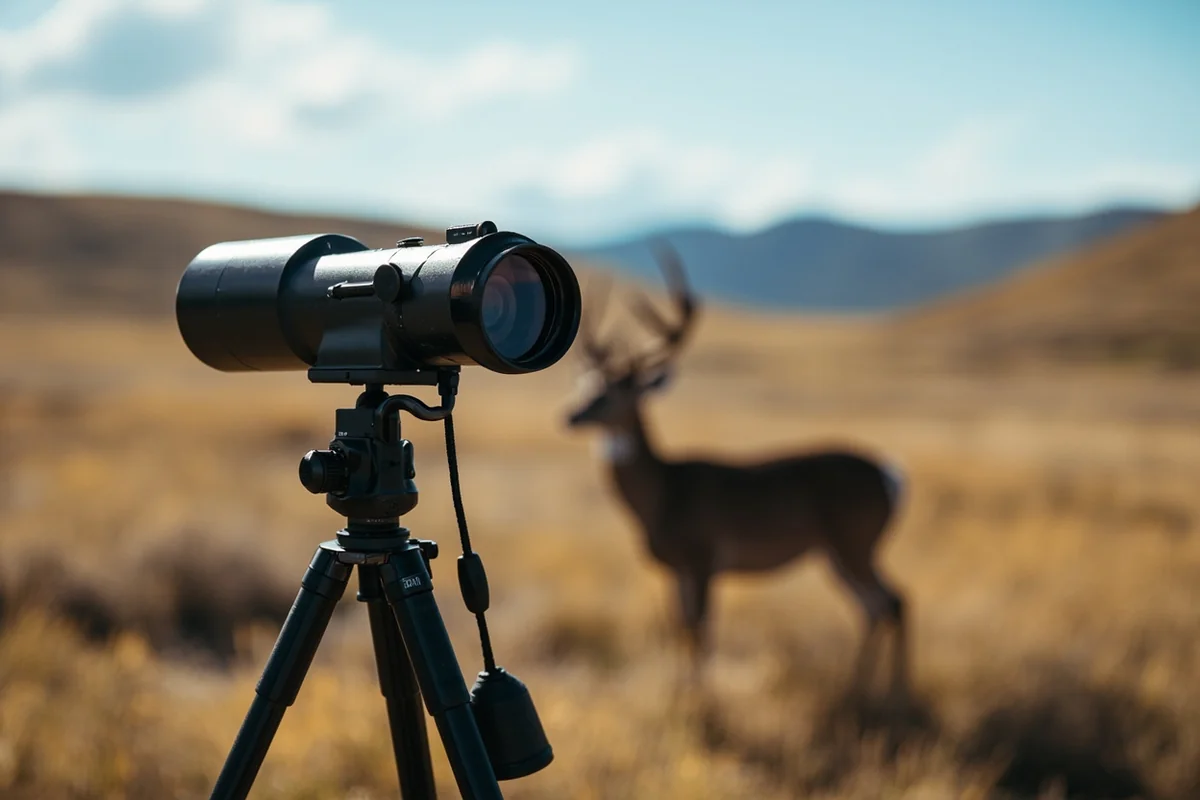
Optics: Your Most Important Investment
You will spend 70% of your hunting time behind glass. This is not an exaggeration—it’s how mule deer hunting works in Montana’s open country.
I use 10×42 binoculars as my primary tool, with a 65mm spotting scope for evaluating distant bucks. Don’t skimp here. I made that mistake my first season with $150 binoculars and missed countless deer in the low-light hours when mature bucks move.
Quality optics from Vortex, Leupold, or Maven in the $400-800 range will transform your hunt. Budget optics physically cannot resolve deer in shadows the way good glass can.
Footwear for Breaks Country
The Missouri Breaks and similar terrain will destroy cheap boots in a single hunt. The gumbo clay turns slick as ice when wet, and the shale ridges chew through soft soles.
I wear Crispi or Lowa boots with aggressive tread and ankle support. Bring two pairs and rotate them daily—wet boots from morning frost make for miserable afternoon hunts.
Clothing Layers for Temperature Swings
Montana November weather is violently unpredictable. I’ve experienced 60°F afternoons and -15°F mornings on the same hunt.
My system includes merino base layers, synthetic insulation mid-layers, and a quality windproof outer layer. Skip the cotton entirely—it has no place in Montana November.
Tactics That Actually Work for DIY Hunters
Forget what you’ve seen on hunting shows. Those guided hunts on private ranches don’t translate to DIY public land hunting. Here’s what I’ve learned works.
The Glass-and-Stalk Method
Wake up early. Drive to your glassing point in darkness. Set up your optics before legal shooting light and systematically dissect every visible piece of terrain.
Mule deer bucks spend the last hour of morning moving toward bedding areas. Your job is to spot them before they disappear into cover, then plan a stalk approach.
Last November, I glassed 47 deer before 9 AM from a single vantage point overlooking a drainage near Winnett. Three were shooter bucks, and I eventually stalked within 280 yards of the largest.
The key is patience. Most hunters start hiking too early and bump deer they never saw. Glass first, always.
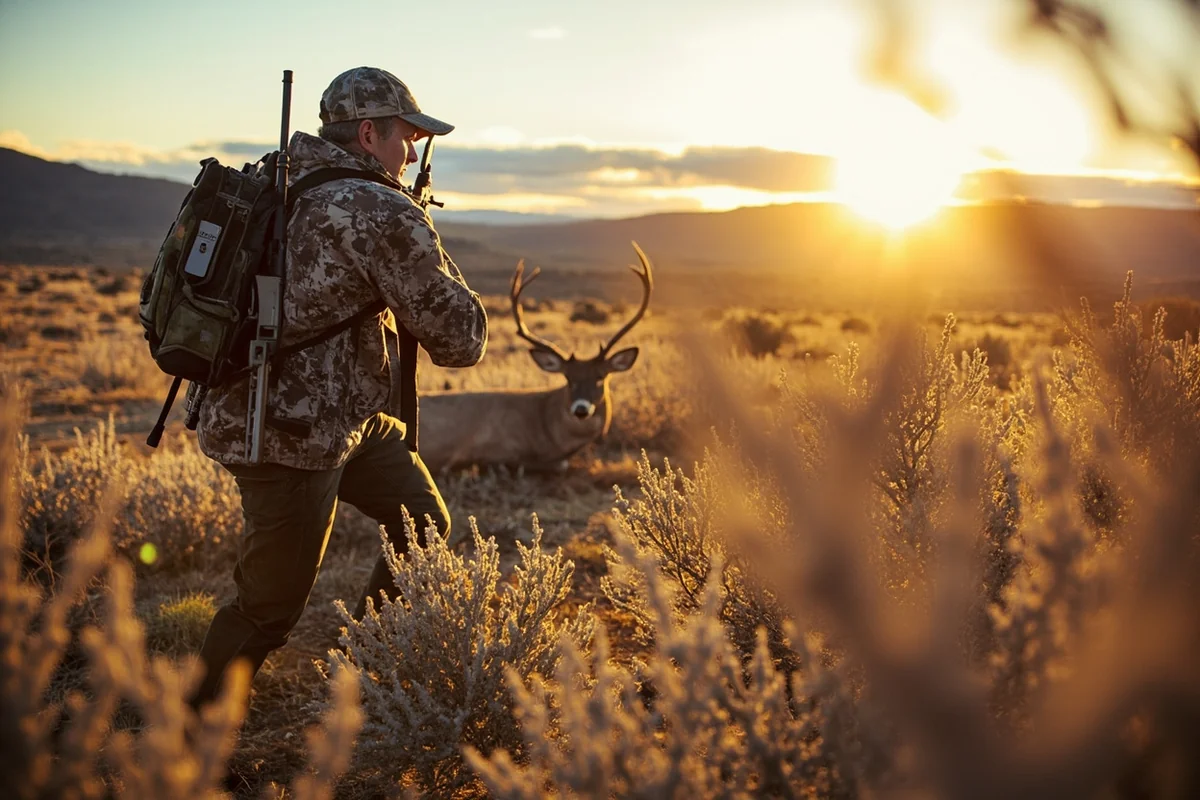
Hunting the Rut
Mule deer rut peaks in Montana around November 15-25, and it’s the great equalizer for DIY hunters. Mature bucks abandon their nocturnal caution and move during daylight pursuing does.
During my best rut hunt, I watched a heavy 4×4 buck chase does across an open hillside at 10 AM—behavior that would never happen in October.
Focus your rut hunting around doe concentrations. Find the does and the bucks will eventually appear.
Using Terrain Features
Mule deer travel predictable paths between feeding and bedding areas. In the Breaks, they follow the finger ridges descending into coulees. In prairie country, they use creek drainages as highways.
I spend hours studying topographic maps and Google Earth before each hunt, identifying these natural travel corridors. Then I position myself to intercept deer using them.
Saddles between drainages, the heads of coulees, and isolated water sources are consistent producers.
Maximizing Public Land and Block Management
The Block Management Area (BMA) program is Montana’s gift to traveling hunters, and most don’t use it effectively.
How Block Management Works
Private landowners enroll their property in the BMA program, granting public hunting access in exchange for compensation from the state. Currently, over 7 million acres are enrolled.
Some BMAs require advance registration through the FWP website, while others allow walk-in access. I’ve found some of my best hunting on BMAs that other hunters overlook because they don’t understand the system.
Download the Montana FWP app and study the BMA maps before your trip. Identify several options near your target area.
Combining Public Land and BMAs
My strategy involves using BLM, National Forest, and CMR land as my primary hunting grounds, with BMAs as backup options when pressure increases on public land.
Opening weekend, public land near roads gets hammered. That’s when I shift to BMAs that require advance sign-up—most hunters don’t bother with the extra step.
By the second week of season, pressure drops significantly and public land becomes more productive.
Field Care and Processing in Remote Locations
Killing a mule deer in Montana’s backcountry presents logistical challenges you must plan for in advance.
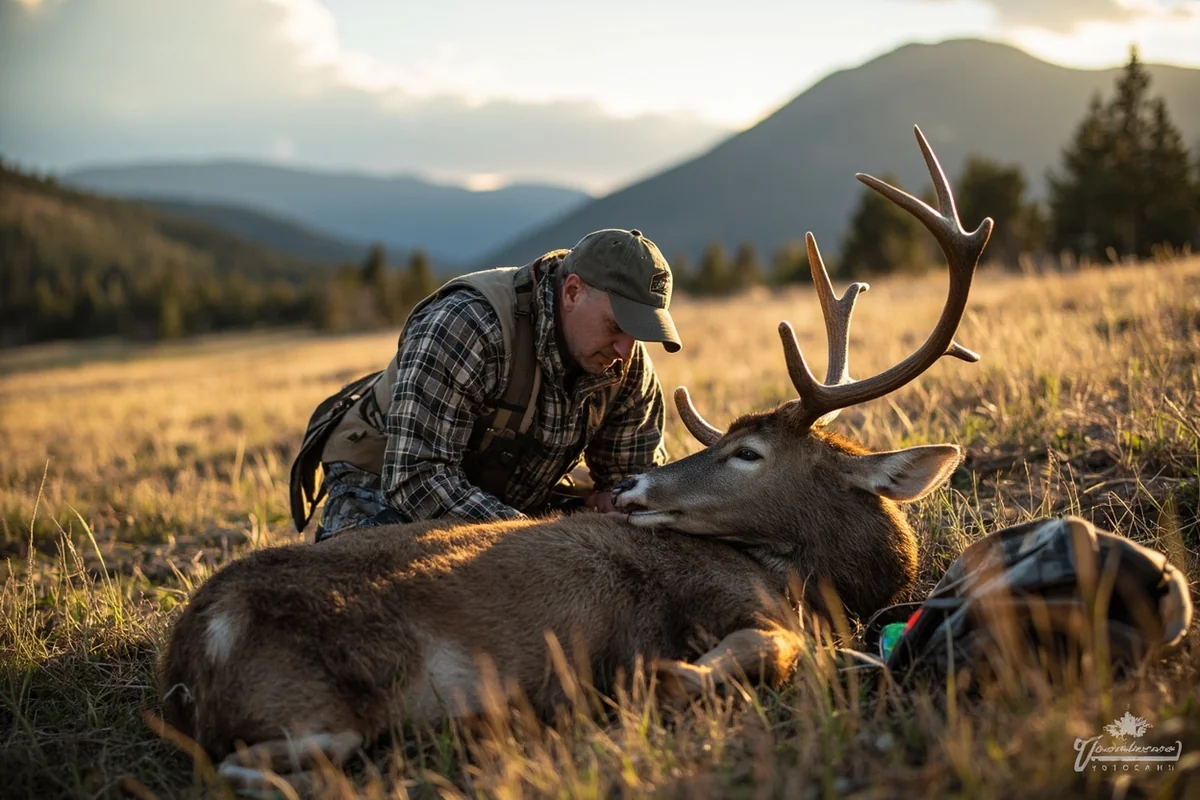
Game Care in Warm Weather
Early season temperatures can reach 70°F, making rapid cooling essential. I carry quality game bags, a bone saw, and enough rope to hang quarters if needed.
My rule: if temperatures exceed 50°F, I quarter the deer immediately and get meat into shade. Leaving a whole deer lying in afternoon sun guarantees spoilage.
Packing Out
DIY hunters without horses face serious physical demands. A mature mule deer buck yields 150-200 pounds of boned-out meat, cape, and head.
I use a quality frame pack (Mystery Ranch or Stone Glacier) and plan multiple trips if necessary. The distance from kill site to vehicle determines my strategy—anything over a mile requires careful load planning.
Consider bringing a hunting partner. Splitting pack-out duties makes the work manageable and safer in remote country.
Processing Options
Unless you’re driving home immediately, you’ll need local processing. Towns like Malta, Lewistown, Miles City, and Glasgow have processors who handle deer during hunting season.
Call ahead to confirm availability—opening week gets extremely busy. I typically reserve a processing slot before my hunt begins.
Physical Preparation for Montana Terrain
I’ll be direct: mule deer hunting in Montana’s breaks country is physically demanding. Unprepared hunters struggle or fail entirely.
Cardiovascular Conditioning
The elevation ranges from 2,500 to 4,500 feet in most eastern Montana hunting areas. While not extreme, the constant climbing up and down coulees accumulates quickly.
I begin dedicated cardio training eight weeks before my hunt—hiking with a weighted pack, stair climbing, and trail running. The goal is sustained effort over 6-8 hour days.
Leg Strength
The Breaks terrain demands strong legs, particularly for descending steep slopes with a loaded pack. Squats, lunges, and step-downs prepare your knees and quads for the punishment.
Last season, my hunting partner developed knee problems on day three that effectively ended his hunt. Don’t let fitness cut your trip short.
Realistic Expectations and Success Rates
I believe in honesty about what DIY hunting delivers, because unrealistic expectations ruin trips.
Harvest Statistics
Non-resident general season success rates for mule deer hover around 30-40%, depending on the region and year. This means most hunters go home without filling their tag.
That number doesn’t reflect failure—it reflects the genuine challenge of hunting wild animals on public land. Adjust your expectations accordingly.
Trophy Potential
Can you kill a 180-inch buck on a DIY public land hunt? Yes, but it’s not probable. More realistic is a mature 3×4 or 4×4 buck in the 140-160 inch range.
I’ve seen two truly giant bucks in eight seasons of DIY hunting. Both were on private land where I had no access. That’s the reality.
The Real Value
My most memorable Montana hunt ended with an unfilled tag. Five days of exploring new country, watching wildlife, and experiencing complete solitude in the Breaks provided more satisfaction than some of my successful hunts.
If you’re measuring your trip solely by inches of antler, DIY public land hunting will disappoint you. Embrace the full experience.
Planning Your Trip Timeline
Successful DIY hunts require planning that begins months before your arrival.
12 Months Out
Apply for special permits if you want to pursue premium units. The deadline falls in mid-March, and results arrive by late June.
Begin researching regions and identifying target hunting districts. Order paper maps and start studying Google Earth.
6 Months Out
Book lodging if you’re not camping. Small Montana towns fill up during hunting season—Lewistown, Malta, and Miles City have limited options.
Finalize your gear list and purchase any needed equipment. Quality optics and boots require time to evaluate.
2 Months Out
Confirm your physical conditioning is on track. If you’re behind, increase training intensity.
Contact local processors and reserve a slot. Download updated BMA maps and regulations.
2 Weeks Out
Purchase your licenses online through Montana FWP. Print paper copies as backup.
Check weather forecasts and adjust your clothing plan. Finalize your packing list.
Combining Species for Maximum Value
Montana allows stacking species on a single trip, dramatically increasing your value per travel dollar.
The deer combo already includes whitetail, so you can pursue both species simultaneously in regions like the breaks where ranges overlap.
Adding an antelope tag makes excellent sense for hunters based in eastern Montana. Many of the same areas hold pronghorn, and season dates overlap with deer season.
For hunters seeking a true Montana challenge, consider researching DIY elk hunting opportunities that coincide with deer season. Regions 3 and 4 offer general elk tags that let you pursue both species.
Some hunters even combine a fall deer hunt with a DIY Montana spring bear hunt in a different season, making two Montana trips per year.
Common Mistakes I’ve Watched DIY Hunters Make
Eight seasons of observation have taught me what separates successful hunters from struggling ones.
Not Glassing Enough
This is the universal mistake. Hunters want to walk and feel active, but walking burns deer. Sit, glass, and find deer before moving.
I estimate 80% of hunters I observe spend less than 25% of their time glassing. Invert that ratio.
Hunting Too Close to Roads
Every deer within a half-mile of a two-track gets bumped repeatedly during hunting season. Mature bucks learn this and relocate to roadless areas.
My best hunting happens a minimum of one mile from any vehicle access. Two miles is better.
Giving Up on Bedded Bucks
You spot a good buck at 8 AM. He beds in a brushy draw. Most hunters move on looking for something easier.
That buck will likely stay bedded until late afternoon. Mark his position, plan an approach, and return for an evening stalk. Bedded bucks are opportunities, not dead ends.
Ignoring the Wind
Mule deer have excellent noses. Every stalk must account for wind direction, or you’re wasting effort.
I’ve ruined more stalks with bad wind than poor shooting. Check wind constantly and abort stalks when conditions change unfavorably.
Final Thoughts on the DIY Experience
Montana DIY mule deer hunting isn’t the easiest path to venison, but it’s the most rewarding. The independence, the learning process, and the deep satisfaction of earning your own deer create memories that guided hunts cannot match.
I return to Montana every November not because it’s easy, but because it’s earned. The Breaks country has become my spiritual hunting ground—a place where preparation, persistence, and respect for the animal determine outcomes.
If you’re ready to commit to the DIY path, Montana will reward you. Maybe not on your first trip, maybe not with the biggest buck you’ve ever seen, but with experiences that transform how you understand hunting.
Start planning now. Study the maps. Get your body ready. Montana’s mule deer are waiting.
Frequently Asked Questions
What is the best time of year for DIY mule deer hunting in Montana?
The prime time for DIY mule deer hunting in Montana runs from mid-October through late November, with the rut typically peaking around November 10-20 when bucks are most active and visible. I recommend planning your trip during the general rifle season, which usually opens in late October, as this gives you the best combination of weather conditions and deer movement. Early morning temperatures can drop below freezing, so layer up and be prepared for variable mountain weather.
How much does a DIY mule deer hunt cost in Montana for out-of-state hunters?
Budget around $1,000-$1,500 total for a DIY mule deer hunt in Montana as an out-of-state hunter. The non-resident deer license runs approximately $680, plus a $10 conservation license. Add in fuel costs for driving (Montana is huge—some hunting districts are 400+ miles from Billings), lodging at $80-150/night, and food, and you’re looking at a fraction of what guided hunts cost at $4,000-$8,000.
What gear should I pack for a DIY mule deer hunt in Montana’s mountains?
Essential gear includes quality optics (10×42 binoculars minimum and a spotting scope for glassing vast terrain), a rifle capable of 300+ yard shots, and layered clothing for temperatures ranging from 20°F to 50°F. I always bring a reliable GPS unit, trekking poles for steep terrain, a quality pack frame for hauling meat, and emergency supplies since cell service is nonexistent in most hunting areas. Don’t forget game bags, a sharp knife set, and a headlamp for early morning hikes.
Which Montana hunting districts are best for public land DIY mule deer hunting?
Regions 4, 6, and 7 in central and eastern Montana offer excellent public land opportunities with good mule deer populations and less hunting pressure than western districts. The Missouri River Breaks (Districts 410, 417, 620) provide vast BLM land with trophy potential, though the terrain is rugged and remote. I suggest using Montana FWP’s hunting access maps and the onX Hunt app to identify Block Management areas, which add millions of acres of private land open to public hunting.
Do I need to apply for a Montana mule deer tag or can I buy one over the counter?
Montana offers general deer licenses over the counter for most hunting districts, meaning you can purchase your tag without entering a draw—a major advantage for planning DIY trips on short notice. However, some limited-entry districts require special permit applications due in early June, so check the specific regulations for your target area. I recommend buying your license through Montana FWP’s website at least two weeks before your hunt to avoid any processing delays.
How do I pack out a mule deer on a solo DIY hunt in Montana’s backcountry?
Quarter your deer in the field and plan for 2-4 trips if you’re hunting more than a mile from your vehicle, with each load weighing 40-60 pounds depending on the buck’s size. I use a sturdy external frame pack rated for 100+ pounds and bone-out as much meat as possible to reduce weight. Hang quarters in game bags away from your kill site between trips to protect from predators, and always carry bear spray in grizzly country, which includes much of western Montana’s mule deer habitat.
Where should I stay during a DIY mule deer hunting trip in Montana?
Small-town motels in places like Lewistown, Miles City, or Glasgow offer affordable lodging ($70-120/night) close to prime hunting districts and provide a warm base for multi-day hunts. Many hunters opt for truck camping or setting up a wall tent on BLM or National Forest land, which is free and puts you right in hunting territory. I’ve found that booking accommodations early is critical during rifle season, as rooms fill up fast with hunters from across the country.
Sources