You are currently viewing Ultimate DIY Montana Elk Hunting Guide: Tips, Strategies, and Insider Secrets

Ultimate DIY Montana Elk Hunting Guide: Tips, Strategies, and Insider Secrets

Have you ever dreamed of pursuing majestic elk through Montana’s rugged wilderness, testing your skills against one of North America’s most challenging big game animals? A DIY Montana elk hunt offers the adventure of a lifetime, but success requires more than just luck and enthusiasm. From navigating complex regulations to mastering mountain tactics, there’s a lot to learn before embarking on your first elk hunt in Big Sky Country.

In this comprehensive guide, we’ll walk you through everything you need to know to plan and execute a successful DIY Montana elk hunt. You’ll discover the best areas to focus your efforts, learn essential gear requirements, and gain insights into elk behavior that can dramatically improve your odds. We’ll cover physical preparation, scouting techniques, and strategies for both trophy and meat hunters.

Whether you’re a seasoned hunter looking to tackle a new challenge or a complete beginner dreaming of your first elk encounter, this article will equip you with the knowledge to make your Montana elk hunting aspirations a reality. So grab your favorite beverage, settle in, and let’s start planning your unforgettable Montana elk hunting adventure!

DIY Montana Elk Hunt Basics for Hunting Success

Montana stands as a premier destination for elk hunters seeking the authentic wilderness experience. With over 30 million acres of public land and home to the second-largest elk population in the United States, the Treasure State offers unparalleled opportunities for DIY hunters willing to put in the work. However, success in Montana’s rugged landscapes demands thorough preparation, knowledge, and realistic expectations.

Montana’s elk hunting regulations are designed to maintain healthy herds while providing diverse hunting opportunities. The general elk season typically runs from late October through late November, though archery seasons begin in early September. To legally hunt elk in Montana, non-residents must apply for licenses through a competitive drawing system with application deadlines in March or April, while residents enjoy more straightforward access to tags. These licenses aren’t cheap—non-residents can expect to pay upwards of $1,000 for a combination license—making preparation all the more critical to maximize your investment.

The terrain that makes Montana elk hunting so rewarding also creates its greatest challenges. From the dense, dark timber of northwestern Montana to the sagebrush plains and isolated mountain ranges of the eastern portion, elk country is rarely gentle. Elevations ranging from 4,000 to 10,000 feet demand cardiovascular fitness and mental toughness. Weather conditions can change dramatically within hours, with early-season hunts potentially reaching 80°F while late-season temperatures can plummet well below zero. Snow, rain, and wind are constant companions in Montana’s elk country.

What truly distinguishes Montana elk hunting is the combination of abundant public land access, healthy elk populations, and the genuine wilderness experience. Unlike some western states where limited draw tags or guided hunts are practically mandatory for success, Montana still offers the true DIY hunter a fighting chance. The state’s block management program also opens significant private lands to public hunting, further expanding opportunities.

Montana elk hunting rewards those who approach it with equal parts humility and determination. The bulls here may not consistently reach the Boone and Crockett dimensions found in some trophy destinations, but the challenge of pursuing them through Montana’s breathtaking landscapes offers something perhaps more valuable—an authentic hunting experience that connects you to both the land and a rich hunting heritage that defines the American West.

Understanding Montana’s Elk Population and Behavior

Montana’s vast wilderness is home to the Rocky Mountain elk (Cervus canadensis nelsoni), the predominant subspecies found throughout the state. These majestic creatures are larger than their eastern counterparts, with bulls weighing between 700-1,000 pounds and standing 5 feet tall at the shoulder. Cows are smaller, typically weighing 500-600 pounds.

Montana elk typically organize into herds that vary seasonally in size and composition. During summer months, bull elk often form bachelor groups of 2-15 animals, while cow elk gather in family groups of 10-25 individuals with their calves. As the fall rut approaches, these dynamics shift dramatically, with herd sizes sometimes swelling to 50-200 animals in winter concentration areas.

Seasonal movement patterns are critical for hunters to understand. Montana elk generally follow elevational migrations, spending summers at higher elevations (7,000-10,000 feet) where temperatures are cooler and food is abundant. As fall approaches and snow begins to accumulate, they gradually move to lower wintering grounds (4,000-6,000 feet), often concentrated on south-facing slopes where forage remains accessible.

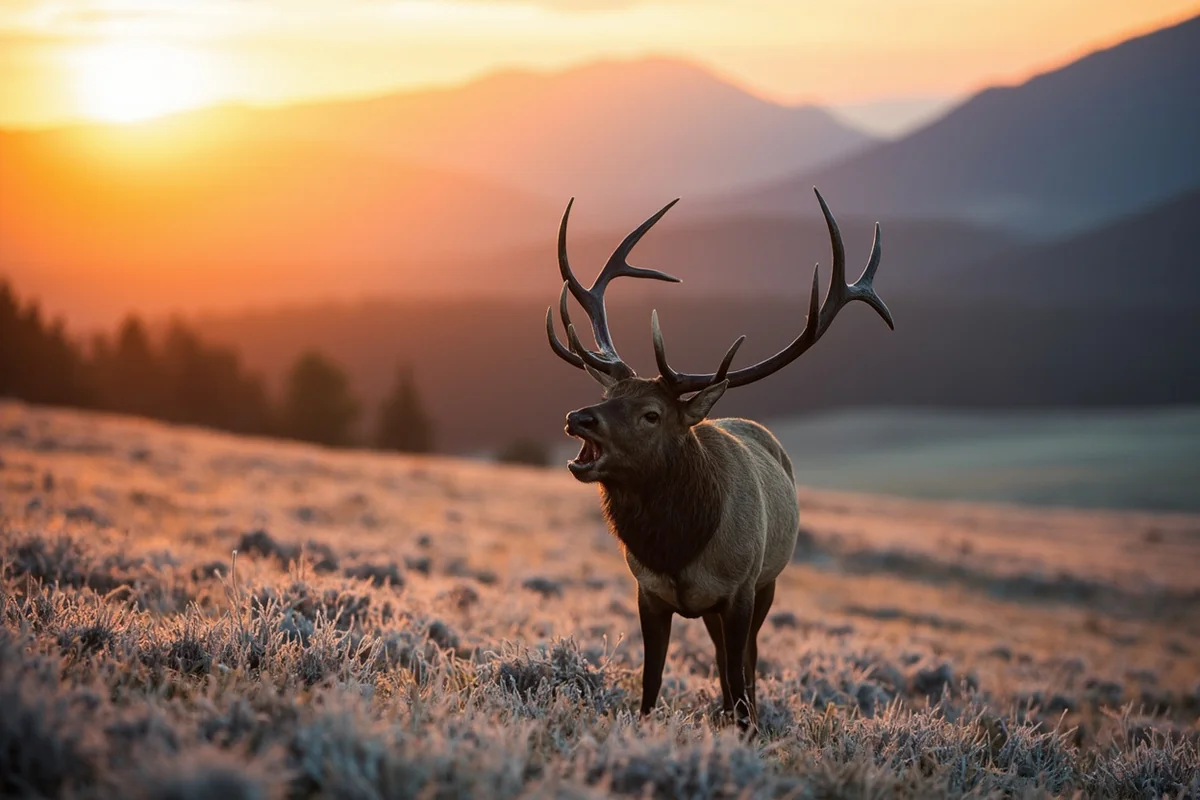
The rut (breeding season) typically begins in early September and extends through mid-October, varying slightly by location and elevation. During this period, bull elk become vocal and less cautious, bugling to attract cows and challenge rival males. Bulls establish harems of 5-20 cows, which they defend aggressively against competitors. This period offers hunters a unique opportunity as elk are more responsive to calls and more active during daylight hours.

Feeding habits of Montana elk revolve around two primary periods: dawn and dusk. They’re primarily grazers, consuming 15-20 pounds of vegetation daily, with preferences for grasses in spring and summer, transitioning to browsing on shrubs, forbs, and bark as winter approaches. Key food sources include meadow grasses, aspen shoots, willow, serviceberry, and various forbs.

Bedding areas tend to be predictable based on time of day and weather conditions. During warmer months, elk seek north-facing slopes with dense timber for midday bedding, offering shade and cooler temperatures. In colder weather, they prefer south-facing slopes that receive more sunlight. Bedding locations are typically positioned to allow elk to use their exceptional sense of smell to detect approaching predators, often on ridgelines or halfway up slopes with good visibility and escape routes.

Weather dramatically influences elk movement. During extreme heat, elk become primarily nocturnal, feeding mainly at night and bedding in thick timber during daylight. Cold fronts and snow events often trigger increased daytime activity and movement to lower elevations. Wind is perhaps the most significant weather factor – elk prefer to bed with the wind at their backs and move into the wind while feeding, allowing them to smell danger ahead while listening for threats behind them. Heavy, consistent precipitation can push elk to seek shelter in dense timber stands, while a light rain or snow often increases feeding activity in open areas.

Understanding these behavioral patterns is essential for DIY hunters hoping to intercept Montana elk in their vast home ranges, where successful hunting often means predicting movement rather than randomly encountering animals.

Montana Elk Hunting Regulations and Licensing

Montana’s elk hunting regulations and licensing system can seem complex at first glance, but understanding it is essential for a successful DIY hunt. The state offers various opportunities for both residents and non-residents, with a system designed to balance hunting pressure with conservation needs.

License Application Process

The Montana Fish, Wildlife & Parks (FWP) manages all hunting licenses through their online portal, regional offices, or authorized license providers. For non-residents, the process begins with applying for a big game combination license, which includes elk, deer, upland game birds, fishing, and conservation licenses all in one package. Residents have the option to purchase elk-specific licenses without the combination requirement.

To apply, you’ll need to create an account on the Montana FWP website, complete the application form with personal information, hunting district preferences, and pay the application fee. First-time hunters in Montana must also provide proof of having completed a hunter education course.

Preference Points System

Montana uses a modified preference point system called “Bonus Points” for non-resident combination licenses. For each year you apply but are unsuccessful in drawing a license, you receive one bonus point. These points improve your odds in future drawings by essentially giving you additional chances—each point equals an additional entry in the drawing.

For residents, Montana does not use a preference point system for general elk licenses, though some special permits do utilize bonus points.

Draw Odds

Draw odds vary significantly based on the hunting district, license type, and residency status. Generally, non-resident draw odds for combination licenses hover around 20-40% depending on the year, while some highly sought-after special elk permits might have odds below 5%.

Residents face better odds for general licenses but may still encounter competitive drawings for limited-entry areas. The Montana FWP publishes statistics from previous years’ drawings, which can help you strategize your application choices.

Over-the-Counter Options

Montana offers several over-the-counter (OTC) options that don’t require drawing:

  • General elk licenses for residents (available until the season begins)
  • Surplus licenses (leftover from the drawing, available on a first-come, first-served basis)
  • Youth licenses (for hunters 12-15 years old)
  • Shoulder season licenses for specific areas with elk management challenges

These OTC options provide flexibility for hunters who missed drawing deadlines or want to add an elk hunt to their plans later in the year.

Season Structures

Montana’s elk seasons are structured to accommodate different hunting methods and management objectives:

  • Archery Season: Typically runs from early September to mid-October
  • General Season: Usually spans five weeks from late October to late November
  • Shoulder Seasons: Extended seasons in specific areas, sometimes running into February
  • Youth-Only Days: Special early-season opportunities for young hunters

Each hunting district may have variations on these dates and additional regulations, so consulting the current year’s regulations is crucial.

Residency Requirements

To qualify as a Montana resident for hunting purposes, you must:

Non-residents face higher fees but have dedicated allocation pools for licenses, ensuring access to Montana’s elk hunting opportunities.

Fees and Costs

The fee structure varies significantly between residents and non-residents:

Resident Fees:

  • Conservation License: $8
  • Base Hunting License: $10
  • Elk License: $20
  • Special Elk Permit Application: $5

Non-Resident Fees:

  • Big Game Combination License: $1,095 (includes elk, deer, upland birds, fishing, and conservation)
  • Elk Combination License: $888
  • Application Fee: $50 (non-refundable)

These fees support Montana’s wildlife management and habitat conservation efforts.

Important Deadlines

Missing deadlines can derail your Montana elk hunting plans. Key dates to remember include:

  • March 15: Deadline for non-resident combination license applications
  • April 1: Deadline for resident and non-resident special elk permit applications
  • June 1: Deadline for resident general elk license applications with special drawing options
  • Mid-June: Drawing results typically announced
  • August 15: Surplus license sales begin

The exact dates may shift slightly each year, so checking the current regulations is essential.

Understanding Montana’s licensing system is your first step toward a successful DIY elk hunt. Planning ahead and applying early gives you the best chance of securing your preferred hunting opportunity in this elk-rich state.

Montana Elk Hunting Gear

The success of your DIY Montana elk hunt often hinges on having the right equipment. The rugged terrain and unpredictable weather of the Montana backcountry demand careful consideration of your gear selection.

Essential Gear Checklist

A well-prepared elk hunter never leaves home without these fundamentals:

  • Hunting license and tags: Keep these protected in a waterproof container
  • Game bags: At least 4-6 high-quality, breathable bags for meat transportation
  • Hunting knife and sharpener: A fixed blade 3-5 inch knife with a gut hook is ideal
  • Bone saw: Essential for quartering your elk
  • Paracord: At least 50 feet for various uses including hanging meat
  • Headlamp and extra batteries: Crucial for early morning hikes and field dressing
  • First aid kit: Include blister treatment and personal medications
  • Fire starter: Waterproof matches and a lighter
  • Water purification: Filter or tablets
  • Emergency shelter: Space blanket or bivy sack

Weapon Selection: Rifle vs. Bow

Your choice of weapon significantly impacts your hunting strategy:

Rifle Hunting

  • Recommended calibers: .270, .30-06, 7mm Mag, or .300 Win Mag
  • Effective range: 300-400 yards in capable hands
  • Requires less stalking proximity
  • Season typically runs 5 weeks in fall
  • Higher success rates for beginners

Bow Hunting

  • Minimum 40-pound draw weight required by Montana regulations
  • Effective range: typically under 60 yards
  • Requires advanced stalking skills
  • Earlier season (typically September) with less hunting pressure
  • More challenging but potentially more rewarding experience

Whichever you choose, practice extensively before your hunt and ensure your equipment is properly sighted and tuned.

Mountain-Ready Clothing System

Montana’s weather can change dramatically within hours. A layering system is essential:

Base Layer

  • Moisture-wicking merino wool or synthetic materials
  • Avoid cotton at all costs—it retains moisture and can lead to hypothermia

Mid Layers

  • Insulating fleece or down
  • Multiple thin layers offer better temperature regulation than one thick layer

Outer Layer

  • Waterproof, breathable, and quiet hunting jacket and pants
  • Choose camouflage patterns appropriate for your hunting area and season

Extremities

  • Insulated, waterproof boots with ankle support (200-400g insulation)
  • Multiple pairs of wool socks
  • Insulated gloves with shooter fingers
  • Warm hat plus sun protection

Backpacks

For elk hunting in Montana, consider:

  • Day pack (2000-3000 cubic inches): For shorter hunts
  • Multi-day pack (4000+ cubic inches): For backcountry expeditions
  • Meat hauler capability: Either an expandable pack or a dedicated frame system
  • Hydration compatibility: Essential for staying hydrated in dry mountain air
  • Load support: Padded hip belt and frame to support 80+ pounds when packing out meat

Optics

Quality optics are a non-negotiable investment:

  • Binoculars: 10×42 is the standard for elk hunting, offering good magnification and light gathering
  • Spotting scope: 15-45×60 for long-range scouting
  • Rangefinder: Essential for accurate shots, especially in mountain terrain
  • Rifle scope: Variable power (e.g., 3-9x or 4-16x) with good light transmission

Getting lost in Montana’s wilderness can be dangerous:

  • GPS device: Preferably with satellite communication capabilities
  • Physical maps: USGS topographic maps of your hunting area
  • Compass: Know how to use it regardless of your electronic options
  • Battery bank: For recharging electronic devices
  • Area-specific hunting unit maps: Available from Montana FWP

Emergency Equipment

Always prepare for the unexpected:

  • Satellite messenger or PLB (Personal Locator Beacon): For emergency communication
  • Multi-tool: For gear repairs and other uses
  • Survival kit: Including emergency whistle, signal mirror, and survival blanket
  • Extra food and water: At least one day’s extra supply
  • Bear spray: Essential in grizzly country
  • First aid kit: Including knowledge of how to use it

Remember that your gear needs will vary based on hunting method, season, location, and duration of your hunt. Quality gear is an investment that pays dividends in comfort, safety, and ultimately, hunting success. The mountains of Montana are unforgiving to the unprepared, but reward those who arrive with the right equipment and the knowledge to use it.

Montana Elk Hunting Best Spots

Montana offers vast expanses of public land for elk hunting, with over 30 million acres accessible to DIY hunters. Finding productive elk country requires understanding where the highest densities exist and which areas provide the right combination of habitat, access, and hunting pressure.

National Forests with Prime Elk Habitat

The Beaverhead-Deerlodge National Forest in southwestern Montana stands as the largest national forest in the state, offering over 3.3 million acres of diverse elk habitat. The Big Hole Valley and Pioneer Mountains within this forest consistently produce quality bulls and experience slightly lower hunting pressure than other regions.

The Gallatin National Forest adjacent to Yellowstone provides excellent opportunities, particularly in the Absaroka-Beartooth Wilderness. The challenging terrain deters some hunters, creating better opportunities for those willing to venture deeper into the backcountry.

Lewis and Clark National Forest in central Montana, particularly the Rocky Mountain Front, holds substantial elk populations. The transition zones between mountains and plains create ideal elk habitat with good feed and escape cover.

BLM Lands Worth Exploring

The Elkhorn Mountains southeast of Helena feature BLM lands with healthy elk herds. These areas offer more accessible terrain than some wilderness areas while still providing quality hunting opportunities.

The Missouri Breaks in central and eastern Montana presents a different elk hunting experience on BLM land. Here, elk inhabit the rugged coulees and river breaks rather than high mountain terrain, making this region worth considering for hunters seeking less physically demanding options.

Wilderness Areas for the Serious DIY Hunter

The Bob Marshall Wilderness Complex offers perhaps the quintessential Montana elk hunting experience. Spanning over 1.5 million acres, “The Bob” provides true wilderness hunting with some of the state’s healthiest elk herds. Access typically requires backpacking, horseback, or hiring an outfitter to pack you in.

The Absaroka-Beartooth Wilderness south of Livingston holds excellent elk populations. Its rugged terrain and distance from roads mean bulls often live longer, increasing trophy potential for those willing to work for it.

Regions by Elk Density

Montana Fish, Wildlife & Parks divides the state into hunting districts, with some consistently producing better results than others. The southwestern region (hunting districts 300-series) typically shows the highest elk densities and harvest success rates. Districts 302, 328, and 339 are particularly noteworthy.

The west-central region (hunting districts 200-series) offers good elk numbers with slightly less hunting pressure than the southwestern units. Districts 215, 250, and 270 deserve special attention.

Access Points and Strategies

For national forests, focus on trailheads that require at least a 3-5 mile hike to reach productive areas. The Madison Range offers several access points that get you into elk country relatively quickly.

When hunting BLM lands, look for parcels adjacent to private ranches where elk might seek refuge during hunting pressure. The Block Management Program provides access to some private lands that can be strategically valuable.

Areas with Higher Success Rates

According to harvest statistics, hunting districts in the Greater Yellowstone Ecosystem consistently show higher success rates, particularly for archery hunters. The Paradise Valley and surrounding mountains produce quality bulls each season.

The Missouri Breaks region has shown increasing success rates in recent years as elk populations have expanded eastward across Montana.

The Highland Mountains south of Butte offer good public access with relatively high success rates compared to other easily accessible areas.

Remember that “best” often means different things to different hunters. Some prioritize access and easier terrain, while others seek wilderness experiences and trophy potential. The most successful DIY Montana elk hunters are those willing to adapt their definition of “best” to match their physical abilities, available time, and hunting goals.

Physical Preparation for DIY Montana Elk Hunting

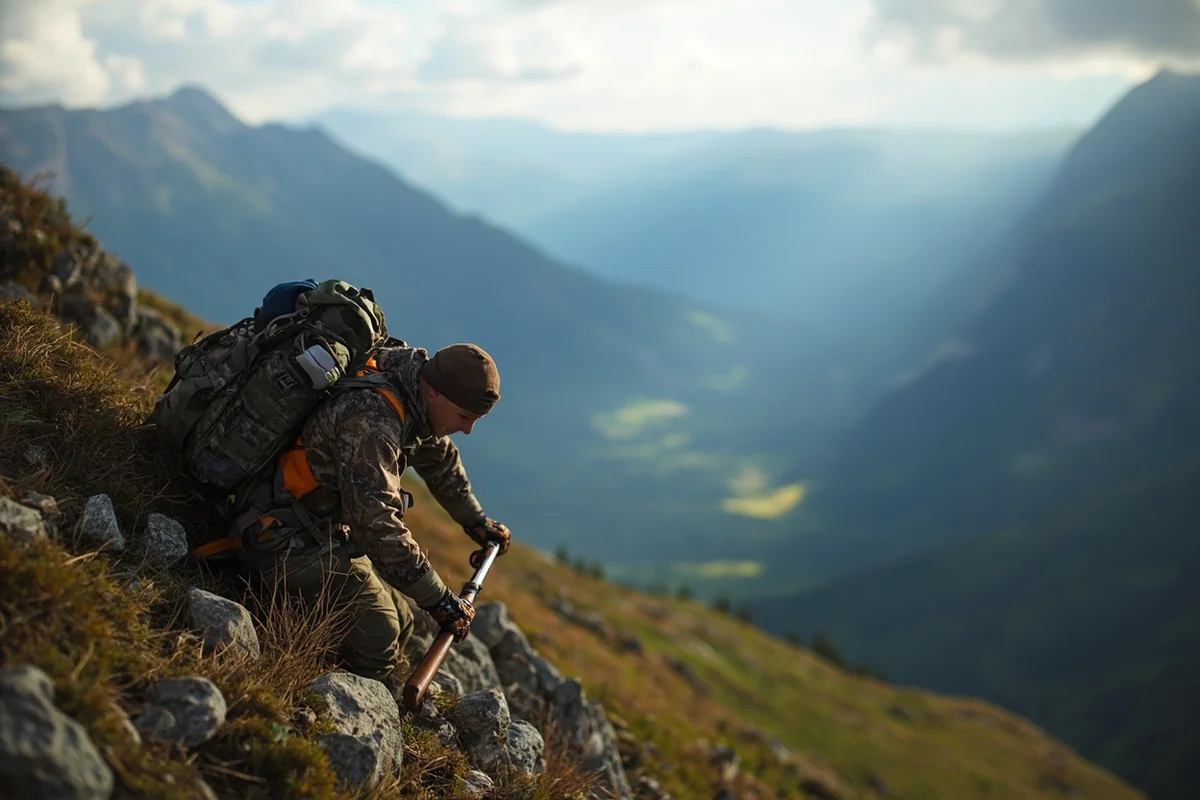
Hunting elk in Montana’s rugged terrain demands peak physical conditioning that many underestimate until they’re gasping for breath on a steep mountainside. The difference between a successful hunt and coming home empty-handed often comes down to your physical readiness.

Fitness Requirements for Mountain Hunting

Montana’s elk country typically sits between 5,000-10,000 feet elevation, featuring steep slopes, dense timber, and challenging terrain. A successful DIY elk hunter needs:

  • Cardiovascular endurance to handle long days covering 5-10 miles
  • Leg strength for climbing steep inclines with gear
  • Core stability for navigating uneven terrain
  • Upper body strength for packing out meat (potentially 60-100 pounds per trip)
  • Overall stamina for consecutive days of hunting

Training Regimen (3-6 Months Before Hunt)

Start training at least three months before your hunt with this progressive approach:

Weeks 1-4: Foundation Building

  • 30-minute hikes/walks 3-4 times weekly
  • Basic strength training (squats, lunges, core work) twice weekly
  • Focus on consistency rather than intensity

Weeks 5-8: Increasing Load

  • Add weight to your pack during hikes (start with 10-15 pounds)
  • Increase hiking distance and elevation gain
  • Add stair climbing or hill repeats once weekly
  • Incorporate weighted exercises (weighted lunges, step-ups)

Weeks 9-12: Hunt Simulation

  • Full-day hikes with 30-40 pound pack once weekly
  • Back-to-back hiking days to build recovery capacity
  • Include “rucking” (fast walking with weighted pack)
  • Practice shooting after physical exertion to simulate hunting conditions

Altitude Considerations

Montana’s high-country presents unique challenges for those coming from lower elevations:

  • Arrive 2-3 days early to acclimatize if possible
  • Stay properly hydrated (drink more water than you think necessary)
  • Consider an altitude sickness prevention medication (consult your doctor)
  • Expect reduced performance initially (plan shorter days at the beginning)
  • Recognize symptoms of altitude sickness: headache, nausea, fatigue, dizziness

Mental Preparation

The mental game is equally important for elk hunting success:

  • Practice decision-making when physically exhausted
  • Develop strategies for staying positive during challenging conditions
  • Visualize success scenarios and problem-solving situations
  • Set realistic expectations for your first DIY elk hunt
  • Prepare for early mornings, late evenings, and potential disappointment

Endurance Building Exercises

These specific exercises build elk hunting endurance:

  1. Loaded Step-Ups: With a weighted pack, step up onto a 12-18″ platform for 3-5 sets of 15-20 reps per leg
  2. Weighted Hiking: Gradually build to hiking with 40-50 pounds for 3+ hours
  3. Interval Training: Alternate between high intensity (uphill hiking/running) and recovery periods
  4. Backpack Training: Wear your hunting pack during workouts to build specific strength
  5. Shooting Drills: Practice shooting positions after physical exertion

Injury Prevention

Avoid hunt-ending injuries with these precautions:

  • Invest in quality footwear and break boots in thoroughly before the hunt
  • Use trekking poles to reduce impact on knees during descents
  • Implement a proper stretching routine focused on hips, lower back, and shoulders
  • Strengthen stabilizing muscles around knees and ankles
  • Address any existing injuries or weaknesses before the hunt
  • Build recovery days into your training schedule

Remember that your physical preparation directly impacts your hunting effectiveness. The elk hunter who can comfortably cover more ground, stay out longer, and maintain shooting accuracy when fatigued will always have an advantage in Montana’s challenging elk country.

Scouting Techniques for Montana Elk

Successful elk hunting in Montana begins long before opening day. Effective scouting can be the difference between filling your tag and going home empty-handed. Today’s hunters have access to powerful tools that combine traditional woodsmanship with modern technology.

E-Scouting: The Modern Hunter’s Advantage

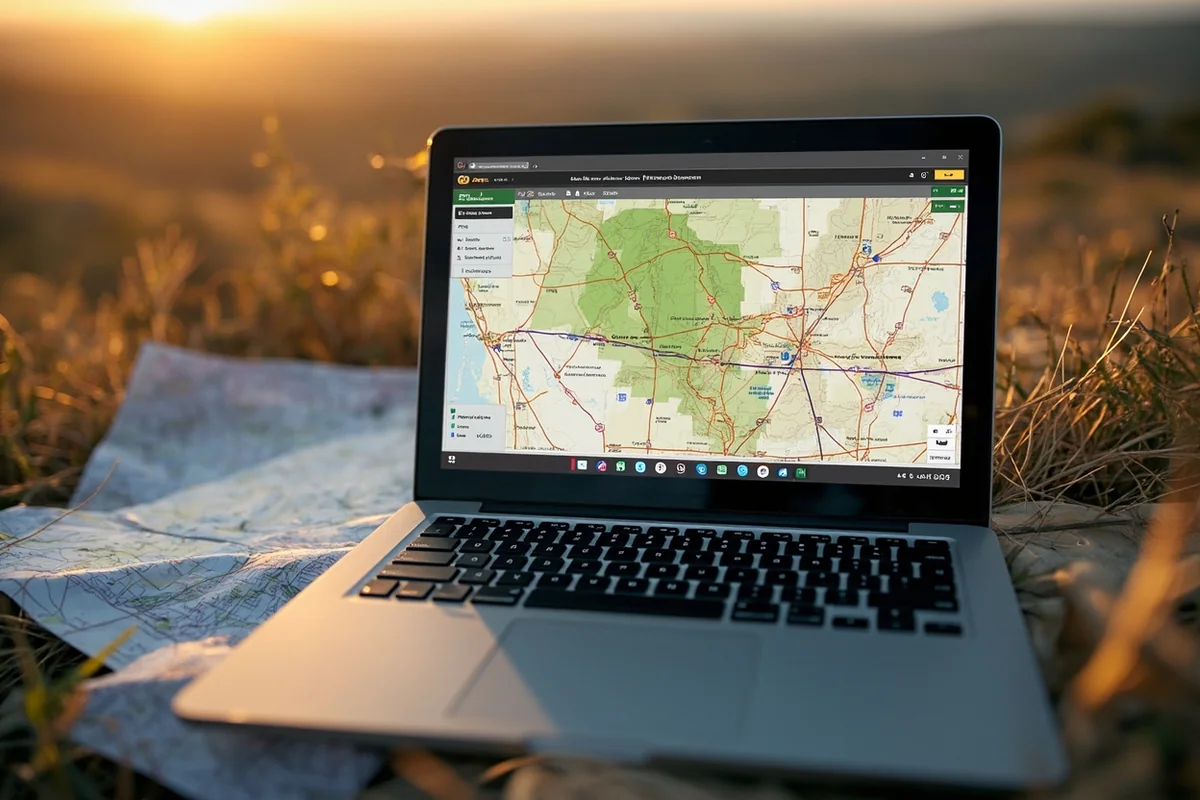
E-scouting has revolutionized how hunters prepare for elk season. Start by using platforms like onX Hunt, BaseMap, or Google Earth Pro to identify potential elk habitat. These tools allow you to mark waypoints, measure distances, and understand terrain features from the comfort of home.

When e-scouting for Montana elk, look for:

  • Elevation changes: Elk often travel between feeding areas at lower elevations and security cover at higher elevations
  • North-facing slopes: These typically hold more moisture and denser vegetation elk prefer
  • Saddles and benches: Natural funnels where elk movement concentrates
  • Remote areas: The farther from roads and trails, the less hunting pressure

Reading Topographic Maps

Topographic maps reveal the three-dimensional landscape on a two-dimensional surface. For elk hunting, pay special attention to:

  • Contour line spacing: Tightly packed lines indicate steep terrain, while widely spaced lines show flatter areas
  • Drainage systems: Elk often use these as travel corridors
  • Ridgelines: Elk frequently travel along these, especially in early morning and evening
  • Bench features: Flat areas on slopes where elk may bed during midday

Identifying Prime Elk Habitat

Montana elk require specific habitat elements to thrive. When scouting, search for areas that provide:

  1. Food sources: Meadows, clear-cuts, burns, and aspen stands
  2. Water access: Springs, seeps, ponds, and streams
  3. Security cover: Dense timber, especially dark timber on north-facing slopes
  4. Bedding areas: Usually in timber with good visibility downwind

Leveraging Satellite Imagery

Modern satellite imagery offers unprecedented detail for scouting. Toggle between different map layers to identify:

  • Recent burns: Excellent elk feeding areas for 2-5 years post-fire
  • Logging activity: Clear-cuts and selective cuts create edge habitat elk prefer
  • Vegetation changes: The interface between timber and meadows often attracts elk
  • Historical imagery: Compare images across seasons and years to identify consistent elk habitat

Pre-Season Boots-on-the-Ground Scouting

While digital scouting is valuable, nothing replaces physical scouting. Plan trips 4-6 weeks before season to:

  • Verify digital findings: Confirm what you’ve identified through e-scouting
  • Look for sign: Fresh tracks, droppings, rubs, and wallows
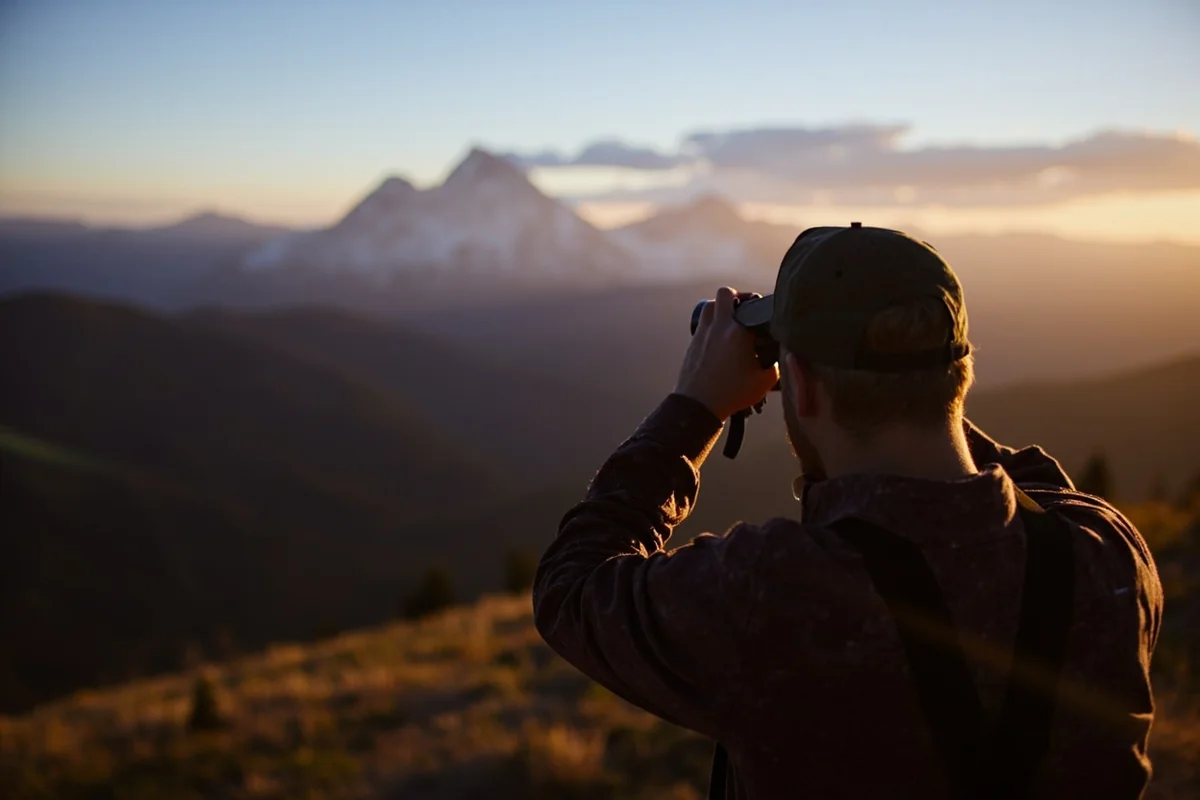
  • Glass potential areas: Dawn and dusk glassing can reveal elk patterns
  • Set trail cameras: Strategic placement can provide 24/7 scouting

Finding Water Sources

In Montana’s often dry landscape, water sources are elk magnets, especially during early season hunts:

  • Springs and seeps: Often marked on topographic maps with a blue circle
  • Wallows: Muddy depressions where bulls soak during the rut
  • High mountain lakes: Particularly productive in early season
  • Creeks and streams: Look for game trails leading to these water sources

Identifying Feeding Areas

Elk are primarily grazers, and understanding their food preferences is crucial:

  • Alpine meadows: Prime feeding areas in early season
  • Clear-cuts: Offer nutritious regrowth vegetation
  • Burn areas: Provide protein-rich new growth
  • Agricultural fields: Where accessible, these can attract elk, especially alfalfa fields

Mapping Travel Corridors

Elk are creatures of habit, using the same travel routes between bedding and feeding areas:

  • Saddles: Low points between ridges that elk use to cross from one drainage to another
  • Benches: Flat areas on hillsides where elk may pause while traveling
  • Game trails: Well-worn paths that indicate regular elk movement
  • Drainage bottoms: Natural pathways elk use to move through rough terrain

The most successful Montana elk hunters combine these scouting techniques, starting months before season. Remember that effective scouting minimizes your intrusion—avoid disturbing elk in their core areas before the hunt. By putting in this preparation work, you’ll dramatically increase your chances of a successful DIY Montana elk hunt.

Montana Elk Hunting Tips

Elk hunting in Montana requires a strategic approach that adapts to both the terrain and elk behavior. Success often hinges on the small details that many first-time hunters overlook. Whether you’re hunting the rut or late season, these battle-tested tips will significantly improve your chances of a successful DIY elk hunt in Montana.

Calling Strategies During Rut

During the September rut, calling becomes one of your most powerful tools. Bull elk are vocal and responsive, making this the ideal time to use calls strategically:

  • Start Subtle: Begin with soft cow calls to avoid spooking nearby bulls. A simple estrus cow call can bring in curious bulls without alarming them.
  • Sequence Your Calls: Wait 15-20 minutes between calling sequences. Impatient calling is a common mistake that educates elk quickly.
  • Bugle Strategically: Reserve bugling for locating distant bulls or challenging a bull you’ve already spotted. Aggressive bugling works best when you know a bull is with cows and might defend his harem.
  • Use Satellite Bull Tactics: Younger bulls often hover around the perimeter of a herd. Mimicking these “satellite bulls” with medium-intensity bugles can sometimes draw the dominant bull out to defend his territory.

Remember that calling works best during the peak rut from September 10-25. Outside this window, be much more conservative with calling.

Still Hunting vs. Spot-and-Stalk Methods

Montana’s diverse terrain demands flexibility in hunting approaches:

  • Still Hunting: Works exceptionally well in thick timber or during midday when elk are bedded. Move extremely slowly (think 100 yards per hour), pausing every few steps to scan and listen. Focus on hunting the edges of dark timber adjacent to feeding areas.
  • Spot-and-Stalk: The preferred method in more open terrain like burn areas or mountain basins. Get to a high vantage point at first light, use quality optics, and plan your approach based on wind and terrain features.
  • Hybrid Approach: Most successful Montana elk hunters combine both methods, glassing at dawn and dusk while still-hunting through promising cover during midday hours.

Hunting Pressure Considerations

Montana’s public lands see significant pressure, especially during general season:

  • Get Away From Roads: For every mile you hike from a road, your chances of encountering unpressured elk increase dramatically. Most hunters stay within a mile of access points.
  • Hunt “Pressure Pockets”: Look for terrain features that create sanctuaries—north-facing slopes, steep draws, or dense timber patches between heavily-hunted ridges.
  • Weekday Advantage: If possible, hunt weekdays when pressure decreases significantly.
  • Adapt to Pressure Patterns: After opening weekend, elk often shift to thicker cover and become more nocturnal. Adjust by hunting deeper and focusing on bedding areas.

Glassing Techniques

Effective glassing separates successful hunters from the rest:

  • First and Last Light: Commit to glassing during the first 90 minutes of daylight and last 90 minutes before dark when elk are most active.
  • Systematic Approach: Divide your viewing area into sections and thoroughly examine each one before moving on. Most hunters scan too quickly and miss elk.
  • Look for Parts, Not Wholes: Often you’ll spot an ear, antler tip, or horizontal line before seeing the entire animal.
  • Elevation Strategy: Glass from one elevation level to spot elk at another. Looking slightly downhill often provides better visibility into timber edges.
  • Use a Tripod: Stabilizing your binoculars reduces eye fatigue and allows you to spot subtle movement.

Wind Direction Importance

Nothing matters more than wind management when hunting elk:

  • Constant Monitoring: Carry a wind checker and use it frequently. Thermals shift throughout the day, especially in mountain terrain.
  • Plan Around Wind: Always approach bedding areas and feeding grounds with the wind in your face, even if it means a longer route.
  • Thermal Patterns: In mountains, wind typically flows uphill during warming daytime hours and downhill during cooling evening hours. Plan morning hunts working uphill and evening hunts working downhill.
  • Crosswind Strategy: When possible, use crosswinds to your advantage when setting up calling sequences, giving approaching bulls less chance of winding you.

Best Times of Day

Timing can be everything in elk hunting:

  • Dawn Strategy: Position yourself near feeding areas before first light. Elk often feed in open parks or meadows early morning before retreating to bedding areas.
  • Midday Opportunities: While many hunters take breaks midday, this can be prime time to still-hunt bedding areas, especially during cold weather when elk may be up feeding.
  • Evening Approach: Begin moving toward feeding areas 3-4 hours before sunset, giving yourself time to get positioned before elk emerge from their beds.
  • Weather Windows: Immediately after weather fronts pass through is often magical for elk movement. Be ready to hunt all day during these windows.

By applying these Montana-specific elk hunting tips, you’ll dramatically increase your chances of success on your DIY hunt. Remember that persistence is key—many successful elk hunters put in 10+ days before filling their tag, but the reward is well worth the effort.

Montana Elk Field Dressing and Processing

Field dressing an elk quickly and properly is crucial to preserving meat quality, especially in Montana’s variable weather conditions. Once you’ve successfully harvested your elk, the real work begins.

Field Dressing Step-by-Step

  1. Position the elk: Roll the animal onto its back, using rocks or logs to prop it in place if on a slope.
  2. Make the initial cut: Start at the bottom of the breastbone and carefully cut through the hide down to the pelvic bone. Use your fingers alongside the knife to prevent cutting into the intestines.
  3. Cut around the anus: Make a circular cut around the anus and tie it off with string to prevent contamination.
  4. Open the abdominal cavity: Continue your cut up to the breastbone, being careful not to puncture the paunch or intestines.
  5. Split the breastbone: Use a saw or heavy knife to split the breastbone, which gives better access to the chest cavity.
  6. Remove the windpipe and esophagus: Cut these at the base of the throat and pull them down through the chest cavity.
  7. Remove the internal organs: Cut the diaphragm free from the rib cage and carefully pull all organs out of the body cavity.
  8. Clean the body cavity: Wipe out the cavity with clean cloth or paper towels. Never use water in the field as it can accelerate bacterial growth.

Proper Cooling Techniques

Cooling your elk quickly is essential, especially during Montana’s early season hunts when temperatures can still be warm:

  • If temperatures are above 40°F, quarter the elk immediately after field dressing
  • Hang quarters in shade where air can circulate freely
  • Use game bags to protect the meat from insects and debris
  • In warmer weather, consider packing the body cavity with snow or ice if available
  • Remove the hide only if temperatures are cold enough to prevent the meat from drying out

Meat Preservation in the Backcountry

When hunting deep in Montana’s wilderness, you may be days from your vehicle:

  • Bone out the meat to reduce weight and increase cooling surface area
  • Use high-quality game bags that breathe while protecting from insects
  • Hang meat at least 10 feet high to protect from predators
  • Select shady north-facing slopes for meat storage
  • Create a makeshift cooling rack using branches to keep meat off the ground
  • If temperatures permit, consider “boning out” the entire elk to maximize meat preservation

Packing Out Methods

Getting hundreds of pounds of elk meat out of the backcountry requires planning:

  • Quarter method: Divide the elk into four quarters plus backstraps, tenderloins, and neck meat
  • Boning method: Remove all meat from the carcass, reducing weight by eliminating bones
  • Pack frames: Essential for comfortable carrying of heavy loads
  • Game carts: Useful in less rugged terrain where wheeled access is possible
  • Pack animals: Horses or mules can be invaluable for remote hunts
  • Multiple trips: Most DIY hunters make several trips to pack out all meat

Gear Needed for Processing

Carry these essential processing tools:

  • Sharp hunting knife with replacement blades
  • Bone saw or portable meat saw
  • Latex or nitrile gloves
  • High-quality game bags (at least 6-8 for an elk)
  • Paracord for hanging meat
  • Small cutting board for clean butchering
  • Sharpening stone or steel
  • Flagging tape to mark meat caches or trails
  • Heavy-duty trash bags for hide and scraps

Aging Recommendations

Properly aging elk meat enhances tenderness and flavor:

  • Age quarters in temperatures between 34-38°F
  • Aim for 7-14 days of aging for optimal tenderness
  • Ensure good air circulation around all meat surfaces
  • Keep meat dry during the aging process
  • Monitor carefully for any off smells or discoloration
  • Consider professional processing if you lack proper aging facilities

Remember that Montana law requires hunters to retrieve all edible portions of their harvest. Taking proper care of your elk meat honors both the animal and Montana’s hunting traditions while ensuring excellent table fare for months to come.

Backcountry Camping for Multi-Day Elk Hunts

When pursuing elk in Montana’s remote wilderness, your backcountry camp becomes both sanctuary and strategic asset. A well-planned camp allows you to hunt deeper in elk country where pressure is minimal and opportunities abound.

Lightweight Camping Setup

The golden rule of backcountry elk hunting is ruthless weight efficiency. Every ounce matters when you’re hiking miles into the wilderness:

  • Shelter: Opt for a lightweight 2-3 person tent (3-5 pounds) with a small footprint but enough room to organize gear. Four-season tents provide better protection but weigh more; three-season tents work well through early November.
  • Sleep System: A 15-20°F rated down sleeping bag paired with an insulated sleeping pad (R-value of 4+) balances warmth and packability.
  • Backpack: Choose a 65-80 liter pack with a robust frame capable of hauling meat (many hunters use purpose-built hunting packs with meat-hauling capabilities).

Remember that comfort items like camp chairs and extra clothing quickly add weight. Be selective—your legs will thank you on the hike in.

Food Planning

Caloric needs skyrocket during elk hunting. Plan for 3,000-4,000 calories daily:

  • Breakfast: Instant oatmeal with added nuts and dried fruit, or freeze-dried breakfast meals
  • Lunch/Field Food: Jerky, trail mix, energy bars, hard cheese, tortillas with peanut butter
  • Dinner: Freeze-dried meals offer the best weight-to-calorie ratio
  • Hot Drinks: Coffee, tea, or hot chocolate provide psychological comfort during cold mornings

Pre-package meals in daily rations to simplify camp life and avoid overpacking. A compact backpacking stove with fuel sufficient for your trip duration is essential—jetboil-style systems excel for efficiency.

Water Filtration

Montana’s mountains offer plentiful water sources, but proper filtration is non-negotiable:

  • Scout water sources on maps before departing
  • Carry a reliable filter system (pump, gravity, or squeeze-style)
  • Include chemical treatment tablets as backup
  • Plan camps within reasonable distance of water sources
  • In freezing conditions, sleep with your filter to prevent damage
  • Bring a collapsible water container to reduce trips to the source

During active hunting, carry 2-3 liters in your pack, refilling when opportunities arise.

Tent Placement Strategies

Where you pitch your tent significantly impacts hunting success and comfort:

  • Set up at mid-elevation (not on ridgetops or valley bottoms)
  • Choose locations sheltered from prevailing winds
  • Avoid game trails and feeding areas
  • Position at least 200 yards from water sources elk might use
  • Select flat ground with natural drainage
  • Consider morning sun exposure for quicker warming
  • Place camp where it won’t disrupt your hunting routes

The ideal camp location balances access to hunting areas with minimal disturbance to elk patterns.

Leave No Trace Principles

Montana’s wilderness deserves protection. Follow these practices:

  • Pack out ALL trash (including food scraps)
  • Use established fire rings if fires are permitted
  • Properly dispose of human waste (bury 6-8 inches deep, 200 feet from water)
  • Minimize campsite footprint and impact
  • Use biodegradable soap sparingly and away from water sources
  • Leave natural objects and features undisturbed

Remember, the next hunter deserves the same pristine experience you enjoyed.

Staying Comfortable in Changing Weather

Montana’s fall weather is notoriously unpredictable:

  • Layering: Pack moisture-wicking base layers, insulating mid-layers, and waterproof outer layers
  • Camp Improvements: Create windbreaks with natural features or tarps
  • Emergency Gear: Always include a space blanket, fire starter, and extra warm layer
  • Dry Storage: Use waterproof stuff sacks for sleeping bag and clothes
  • Gloves and Hats: Bring multiple options as these small items significantly impact comfort
  • Boot Care: Alternate socks daily and dry boots overnight (sleep with liners if necessary)

A good rule of thumb: prepare for conditions 20 degrees colder than forecast.

With proper backcountry camping skills, you can extend your hunt deeper into elk country, increasing your odds of success while experiencing the true wilderness character that makes Montana elk hunting so special.

Montana offers over 30 million acres of public land for elk hunting, but accessing these areas can sometimes be challenging. Understanding the nuances of land access is crucial for a successful DIY elk hunt in the Treasure State.

Dealing with Private Land Boundaries

Montana’s checkerboard pattern of public and private land ownership creates a complex hunting landscape. Always carry detailed maps or GPS devices with updated land ownership information. OnX Hunt and similar apps have become essential tools, allowing hunters to see property boundaries in real-time. Before your hunt, study these boundaries carefully and plan routes that keep you on public land. Remember that game animals don’t recognize property lines, and tracking an elk from public to private land without permission can lead to legal issues and lost opportunities.

Accessing Landlocked Public Land

Nearly 1.6 million acres of Montana’s public land is considered “landlocked” – surrounded by private property with no legal public access. To reach these areas:

  • Contact private landowners well in advance (months, not days) for permission to cross
  • Look for public easements that may exist through private lands
  • Consider Block Management Areas (BMAs) where Montana Fish, Wildlife & Parks has arranged access agreements with private landowners
  • Research historical access routes that may have established public right-of-way status

Montana Stream Access Laws

Montana’s stream access law is a powerful tool for hunters. This law allows public use of rivers and streams up to the ordinary high-water mark, regardless of who owns the adjacent land. Key points to remember:

  • You can wade, float, and walk within the high-water marks
  • You can access streams and rivers at bridge crossings and other public access points
  • You cannot access streams by crossing private land without permission
  • You can hunt within the high-water mark if properly licensed

This law sometimes allows hunters to access otherwise isolated public lands by following waterways, but be absolutely certain you understand the boundaries.

Corner Crossing Considerations

“Corner crossing” occurs when public land sections meet at a corner point with private land. While physically stepping from one public section to another at these corners technically avoids trespassing on private land, the legality remains contested in Montana. Some hunters use ladders or other methods to cross these corners without touching private property, but this practice remains in a legal gray area. Recent court cases in neighboring Wyoming have favored hunters, but Montana’s laws may differ. The safest approach is to avoid corner crossing entirely and find legal access routes.

Respecting Private Property

Maintaining positive relationships between hunters and landowners is essential for the future of hunting access in Montana. Always:

  • Obtain explicit permission before entering private land
  • Leave gates as you found them (open or closed)
  • Pack out all trash and evidence of your presence
  • Report any issues or damages to the landowner
  • Express gratitude when permission is granted
  • Offer to share harvested meat as a gesture of appreciation

Remember that one hunter’s poor behavior can result in closed access for everyone. By treating private land with respect and following all regulations, you help preserve Montana’s hunting traditions for future generations.

Trophy vs. Meat Hunting Strategies in Montana

When planning your DIY Montana elk hunt, one of the first decisions you’ll need to make is whether you’re primarily hunting for a trophy bull or for meat to fill your freezer. This fundamental choice will influence nearly every aspect of your hunt—from location selection to equipment needs.

Different Approaches Based on Goals

Trophy hunters typically need more patience and selectivity. You’ll spend additional time glassing and evaluating bulls, passing on smaller or younger animals that a meat hunter might happily take. Trophy hunting often means:

  • More days afield (plan for the full season)
  • Targeting more remote areas with less hunting pressure
  • Focusing on pre-rut and rut periods when bulls are more visible
  • Being willing to go home empty-handed if the right opportunity doesn’t present itself

Meat hunters, by contrast, can adopt a more opportunistic approach. Any legal elk—including cows in many units—represents success. This strategy allows for:

  • Shorter, more efficient hunts
  • Taking the first legal opportunity
  • Focusing on areas with higher elk densities rather than trophy potential
  • Prioritizing shot placement and recovery over antler size

Areas Known for Trophy Potential

Montana’s trophy elk hunting hotspots include:

  • The Missouri Breaks region (particularly the late season)
  • The Bob Marshall Wilderness Complex
  • The Greater Yellowstone Ecosystem units
  • The Elkhorn Mountains
  • The Crazy Mountains

These areas typically have more restrictive regulations, lower success rates, but higher trophy potential. They often require more difficult access and greater physical exertion to reach areas where mature bulls live.

Meat Hunting Efficiency

For meat hunters, focus on:

  • Units with higher elk populations and better success rates
  • Areas with antlerless tags available
  • Locations closer to roads for easier packing out
  • National Forest lands near private ranches where elk seek refuge
  • Late-season hunts when elk congregate in lower elevations

Remember that a cow elk provides excellent meat with typically better flavor than mature bulls, especially during the rut when bull meat can be gamey.

Shot Placement Considerations

Regardless of your hunting goals, ethical shot placement remains paramount:

  • Trophy hunters may need to wait longer for the perfect broadside or quartering-away shot on a mature bull
  • Meat hunters should prioritize shots that minimize meat damage
  • Both should aim for the vital “boiler room” area behind the shoulder
  • Consider using larger calibers (.300 Win Mag or similar) for trophy bulls, while meat hunters might prefer calibers that cause less meat damage

Realistic Expectations

Setting realistic expectations is crucial for DIY Montana elk hunting:

  • Trophy hunters: Success rates for mature 6×6 bulls often run below 10% for DIY hunters
  • Meat hunters: Success rates can reach 25-30% when targeting any legal elk
  • First-time Montana elk hunters should consider adopting a meat hunter mentality
  • Many “trophy” hunters evolve into appreciating the entire experience beyond antler size

The beauty of Montana elk hunting is that even “unsuccessful” hunts deliver unforgettable wilderness experiences. Whether you’re chasing bugling bulls in September or tracking winter herds in November, understanding your primary motivation will help you plan a more satisfying DIY Montana elk adventure.

DIY Montana Elk Hunt Final Thoughts

Embarking on a DIY Montana elk hunt is one of hunting’s greatest adventures, but success requires realistic expectations and a long-term mindset. The statistics don’t lie—many hunters go multiple seasons before filling a tag, and that’s perfectly normal. The true measure of a successful hunt extends far beyond harvesting an animal.

What separates consistently successful elk hunters from the rest is their commitment to continuous improvement. Each day in the mountains, whether you encounter elk or not, offers valuable lessons about terrain, animal behavior, and your own capabilities. These experiences compound over time, gradually transforming you from a novice into a seasoned elk hunter.

Planning for a multi-year journey is essential. Rather than viewing your first hunt as your only shot at success, consider it the beginning of a rewarding progression. Document what works and what doesn’t after each season. Build relationships with other hunters and locals who can share knowledge that might take years to discover on your own.

Physical preparation cannot be overstated. The hunters who consistently find elk are those who can access areas others cannot reach or lack the endurance to hunt effectively. Your physical condition is one variable entirely within your control—make it an advantage rather than a limitation.

Remember that the mountains give their gifts on their own schedule, not yours. Some of your most memorable moments will come when you least expect them—a bugling bull at sunrise, the vast Montana landscape stretching before you, or the camaraderie of sharing camp with like-minded adventurers.

Whether you return home with a cooler full of elk meat or just memories and photographs, honor the experience for what it truly is—a chance to test yourself against one of hunting’s greatest challenges in some of America’s most spectacular wilderness. The pursuit itself, with all its hardships and moments of wonder, is the real trophy that will call you back to Montana’s mountains season after season.

DIY Montana Elk Hunt FAQs

How Much Does a DIY Montana Elk Hunt Cost?

A DIY Montana elk hunt typically costs between $1,500-$3,000, excluding travel expenses. This includes approximately $900-$1,000 for non-resident licenses and tags, $300-$500 for food and supplies, $200-$400 for accommodations (if not camping), and potential costs for meat processing. Budget hunters can keep costs lower by camping and processing their own meat, while those seeking more comfort might spend closer to the higher end of this range.

Is a Guided Hunt Better Than DIY for First-Timers?

For first-time Montana elk hunters, guided hunts offer expertise and higher success rates but cost $5,000-$10,000+. DIY hunts provide authentic experiences and significant cost savings but require more research and self-reliance. First-timers should consider their hunting experience, physical fitness, and budget. Those with solid hunting backgrounds in other environments can succeed with DIY after thorough preparation, while complete beginners might benefit from a guided experience before attempting DIY.

What’s the Best Weapon Choice for Montana Elk?

Rifle hunters typically choose .300 Win Mag, 7mm Rem Mag, or .30-06 Springfield calibers for their combination of power, range, and manageable recoil. Bowhunters should select compounds or recurves capable of at least 60 pounds draw weight with fixed-blade broadheads. Muzzleloader enthusiasts need .50 caliber or larger with 100+ grains of powder. Each weapon type offers different season opportunities and hunting experiences. Your choice should reflect your proficiency level and hunting style rather than simply selecting the most powerful option available.

When Is the Best Time to Hunt Elk in Montana?

Early archery season (September) offers opportunities to catch elk during the rut with bugling bulls, though success requires advanced calling skills. Early rifle season (late October) balances elk activity with potentially manageable weather. Late rifle season (November) presents tracking opportunities in snow but with harsher conditions. The optimal timing depends on your hunting style, physical preparedness for weather conditions, and whether you prioritize trophy potential or meat harvest.

What Accommodations Are Available for DIY Hunters?

DIY hunters have several accommodation options: dispersed camping on public lands (free but primitive), developed campgrounds ($10-$30/night with basic amenities), national forest cabins ($45-$75/night, requiring advance reservation), private ranches offering hunter access ($50-$100/night), budget motels in hunting communities ($70-$120/night), or vacation rentals for larger groups ($150-$300/night). Your choice should balance proximity to hunting areas, comfort needs, and budget constraints.

What Are My Options for Processing an Elk?

After harvesting an elk, you can field dress and quarter it yourself (saving $300-$500 but requiring knowledge and equipment), use professional processors ($300-$500 for basic processing), opt for specialty processing with various sausage and jerky options ($500-$800), or choose combination processing where you handle field work and professionals finish the job. Mobile processors operating near popular hunting areas offer convenience but book quickly during peak season.

How Do I Ship Elk Meat Home After My Hunt?

To ship elk meat home, first ensure proper field dressing and cooling. Package meat in vacuum-sealed bags before freezing solid. Use insulated shipping containers with sufficient dry ice (approximately 10 pounds per day in transit). Select overnight or 2-day shipping through carriers like FedEx or UPS that accept perishables (expect $200-$500 shipping costs for a quartered elk). Alternatively, some processors offer shipping services, or you can transport meat yourself in coolers if driving. Always verify regulations regarding transporting game meat across state lines before your hunt.

Sources

Daniel Brooks

I write about Montana hunting, focusing on regulations, seasons, ethical practices, and regional conditions. With a decade of experience hunting Montana's Block Management Areas, my work is grounded in careful research and up-to-date information. I aim to help readers clearly understand complex topics while promoting respect for wildlife, safety, and responsible outdoor use.

Leave a Reply