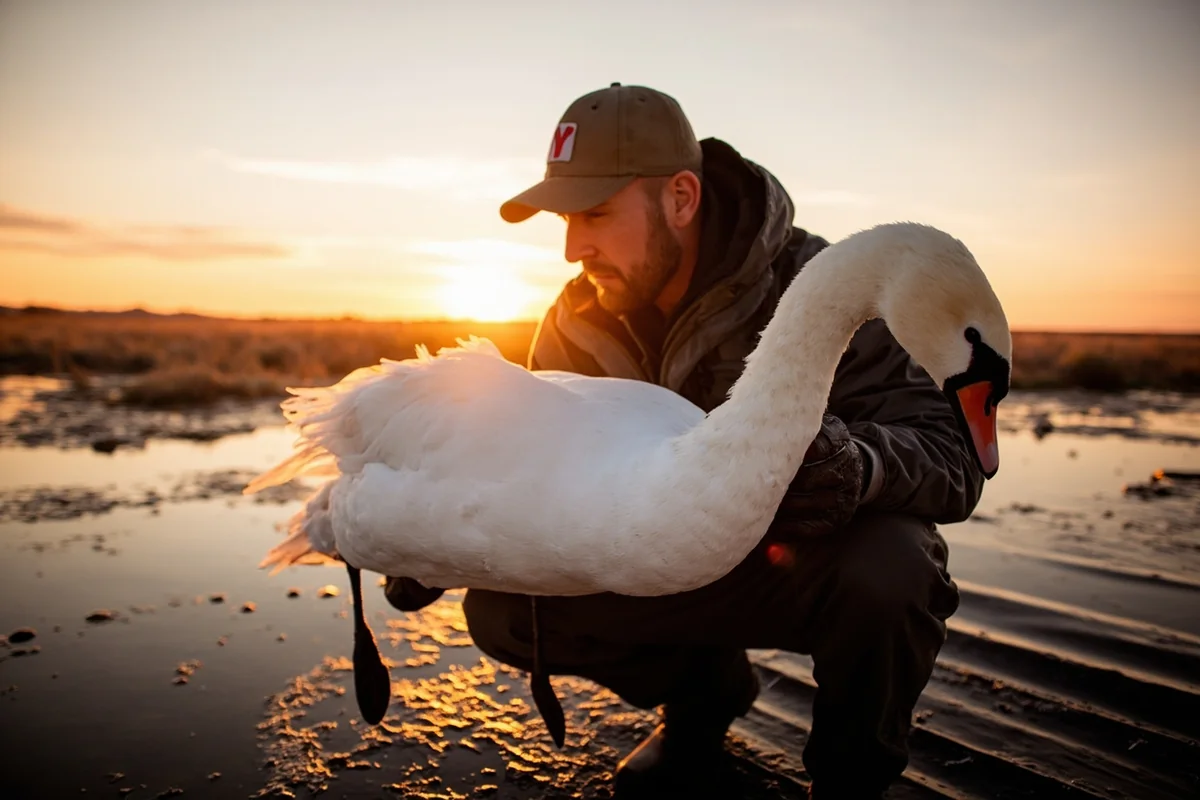
The morning I drew my first Montana tundra swan permit, I nearly fell out of my chair—these tags are among the rarest waterfowl permits in North America, and holding one felt like winning a hunting lottery.
Swan hunting in Montana isn’t just another waterfowl outing; it’s a bucket-list experience that fewer than 500 hunters in the entire state get to pursue each year.
If you’re exploring our complete Montana Hunting Guide, you’ll quickly realize that swan hunting represents something truly special—a chance to harvest one of the largest and most majestic birds on the continent.
- Montana offers limited tundra swan permits (around 500 annually) through a special drawing
- Season typically runs October through January in specific hunting districts
- Only tundra swans are legal—trumpeter swans are protected
- Apply during Montana FWP’s annual waterfowl drawing (usually mid-summer)
- Focus on northeast Montana reservoirs and prairie wetlands for best success
- Proper identification training is mandatory before receiving your permit
- Expect one of the most challenging and rewarding waterfowl hunts of your life
Why Montana Swan Hunting Is Unlike Anything Else
I’ve hunted ducks across Montana’s prairie potholes and upland birds in the Treasure State’s rolling grasslands, but nothing prepared me for the intensity of pursuing tundra swans. These birds weigh between 14 and 23 pounds, sport wingspans exceeding five feet, and possess a wariness that makes mature mallards seem careless by comparison.
During my first swan hunt near Medicine Lake, I watched a flock of tundra swans circle for nearly 45 minutes before even considering my decoy spread. They checked every angle, studied every shadow, and ultimately landed on the opposite side of the reservoir.
That’s when I learned my first hard lesson: swan hunting humbles you.
The experience pushed me to become a better waterfowler. I had to reconsider everything I thought I knew about decoy placement, calling, concealment, and patience.
Understanding Montana’s Swan Hunting Program
Montana’s tundra swan hunting season exists because of careful wildlife management and the recovery success of tundra swan populations along the Pacific Flyway. However, the program operates under strict controls that every prospective hunter must understand.
The Permit Drawing Process
Unlike general waterfowl seasons where you simply purchase a license and hunt, swan permits require entering Montana Fish, Wildlife & Parks’ special drawing. When I first applied, I was surprised by how straightforward the process was—but also how competitive.
Montana typically issues between 400 and 600 tundra swan permits each year, distributed across specific hunting districts. Application periods usually open in mid-summer (around July) and close in early August.
To apply, you’ll need a valid Montana hunting license and a base waterfowl license. Understanding Montana hunting license costs is essential for budgeting your trip.
Drawing odds vary by district but generally hover between 20% and 40% for first-time applicants. The good news? Montana doesn’t use a preference point system for swan permits, so every applicant has a fair chance each year.
Legal Species: Tundra vs. Trumpeter
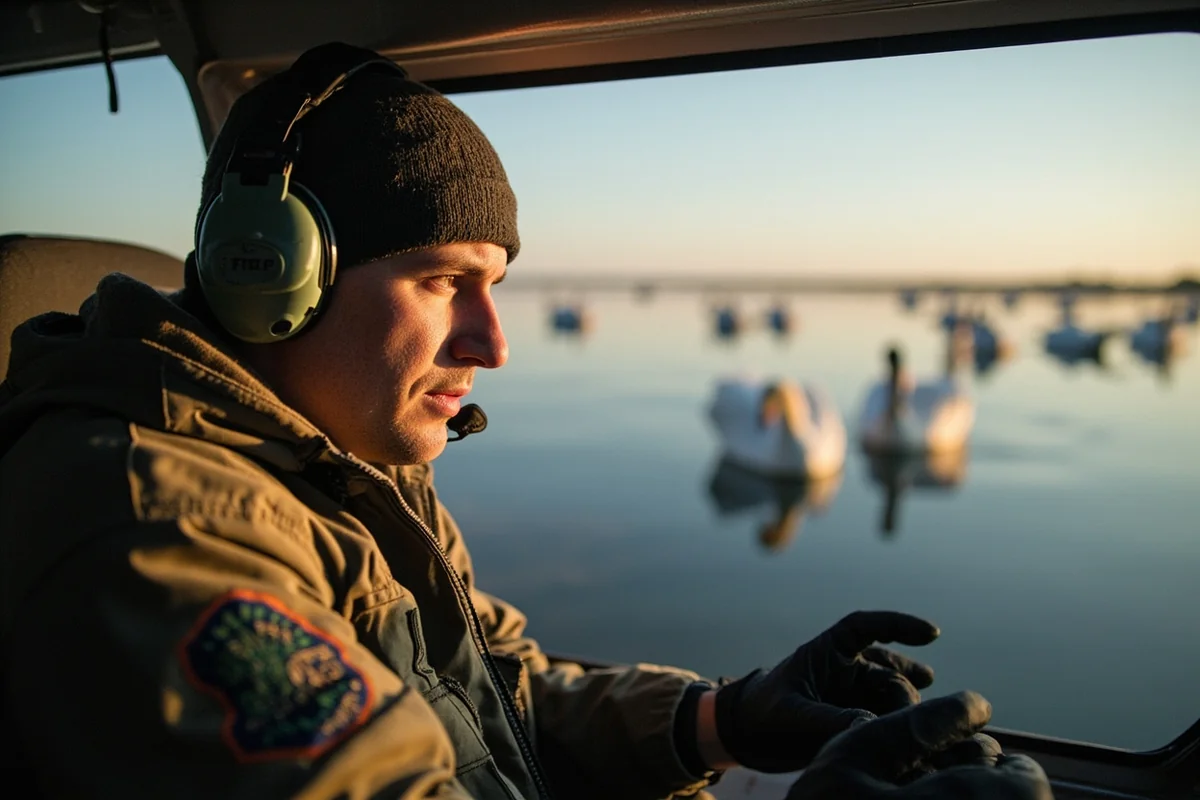
This is absolutely critical, and I cannot stress it enough: only tundra swans are legal to harvest in Montana. Trumpeter swans are fully protected under state and federal law, and shooting one carries severe penalties including fines exceeding $10,000 and potential loss of hunting privileges.
During my hunt, I passed on multiple swan opportunities because I couldn’t positively identify the species. That restraint was frustrating in the moment, but it’s the only responsible approach.
The key identification differences I’ve learned to recognize:
Tundra swans typically show a yellow spot near the eye (called the lore), though this isn’t always visible at distance. They’re generally smaller than trumpeters, with adults averaging 15-18 pounds versus 20-30+ pounds for mature trumpeters.
Tundra swan calls are higher-pitched and more melodic—often described as a “wow-wow-wow” sound. Trumpeters produce deeper, more resonant honking.
In flight, tundra swans hold their necks straighter and appear more compact than the larger, more elongated trumpeters.
Montana FWP requires all permit holders to complete swan identification training before the season opens. During my training session at the regional office in Glasgow, biologists walked us through mounted specimens, audio recordings, and video footage until identification became second nature.
When and Where to Hunt Swans in Montana
Montana’s swan season typically runs from early October through late January, though exact dates vary by hunting district and are set annually by Montana FWP based on population surveys and migration timing.
Prime Hunting Districts
Based on my experience and conversations with successful swan hunters across the state, certain areas consistently produce the best opportunities.
**Northeast Montana (Hunting Districts 1-4):** This is swan hunting central. The prairie pothole region extending from the Missouri River breaks north to the Canadian border hosts significant tundra swan concentrations during fall migration.
Medicine Lake National Wildlife Refuge and the surrounding WPAs (Waterfowl Production Areas) see major swan flights from late October through November. I spent three days hunting public land near Dagmar last season and glassed over 200 tundra swans during my time there.
Bowdoin National Wildlife Refuge near Malta is another hotspot, though hunting is only permitted on designated portions of the refuge. The reservoir and adjacent grain fields create perfect swan habitat.
**North-Central Montana (Hunting Districts 5-8):** The Milk River corridor and associated reservoirs attract migrating swans, particularly when northeast Montana freezes early.
Fresno Reservoir west of Havre consistently holds swans through November. The shallow bays and agricultural fields surrounding the reservoir create ideal feeding and roosting habitat.
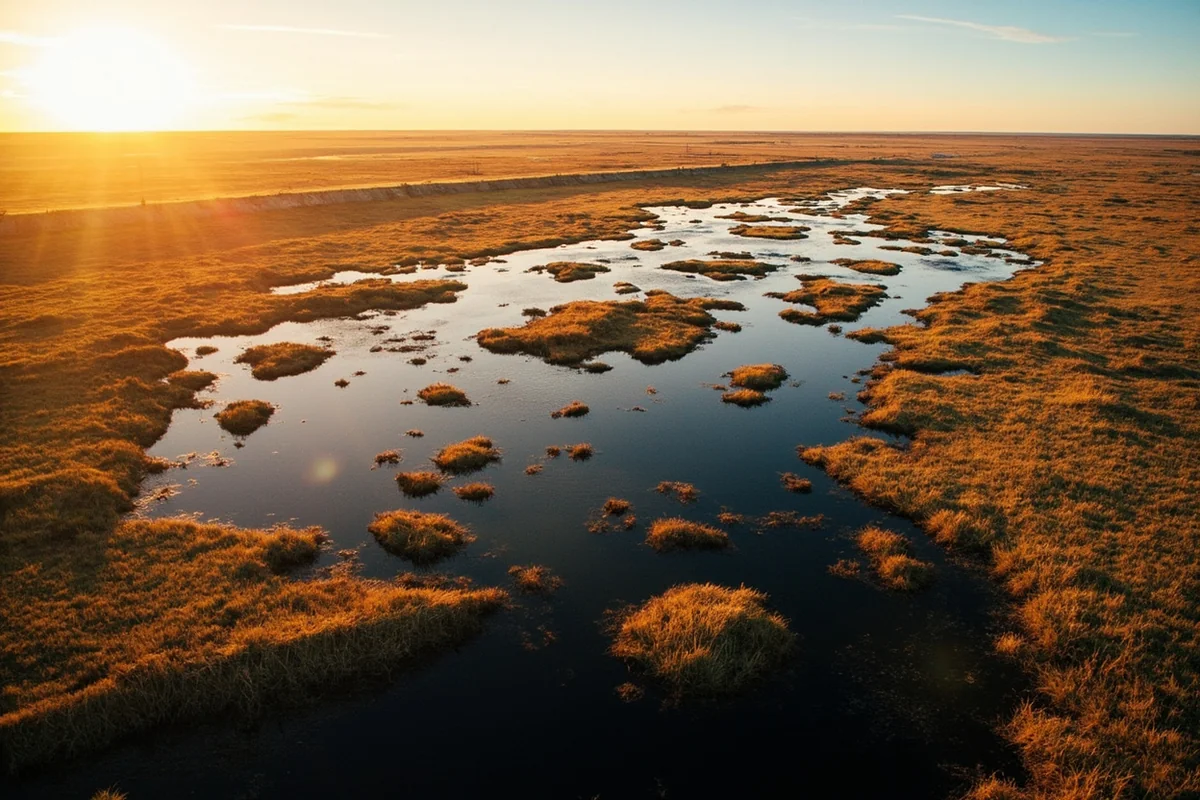
**Eastern Montana (Hunting Districts 9-12):** Fort Peck Reservoir and the surrounding Missouri River breaks provide both hunting opportunities and swan concentrations.
The Charles M. Russell National Wildlife Refuge offers limited hunting access but some of the highest swan densities I’ve witnessed. Focus on the UL Bend area during peak migration.
Migration Timing and Peak Periods
Understanding swan migration patterns dramatically improved my hunting success. Here’s what I’ve observed over multiple seasons:
**Early October:** Scout swans begin appearing on northern reservoirs. Numbers are low, but birds are often less pressured and more approachable.
**Late October through mid-November:** Peak migration period. This is when I schedule my primary hunting trips. Swan numbers peak, and birds are actively moving between feeding and roosting areas.
**Late November through December:** Post-peak period with smaller numbers of lingering birds. Cold weather can concentrate remaining swans on open water, creating excellent hunting opportunities.
**January:** Final weeks of season with variable bird numbers depending on ice conditions and weather patterns.
Gear and Preparation for Montana Swan Hunting
Swan hunting requires specialized equipment beyond standard waterfowl gear. I learned this the hard way during my first season when I showed up with duck decoys and wondered why swans wanted nothing to do with my spread.
Decoys: Quality Over Quantity
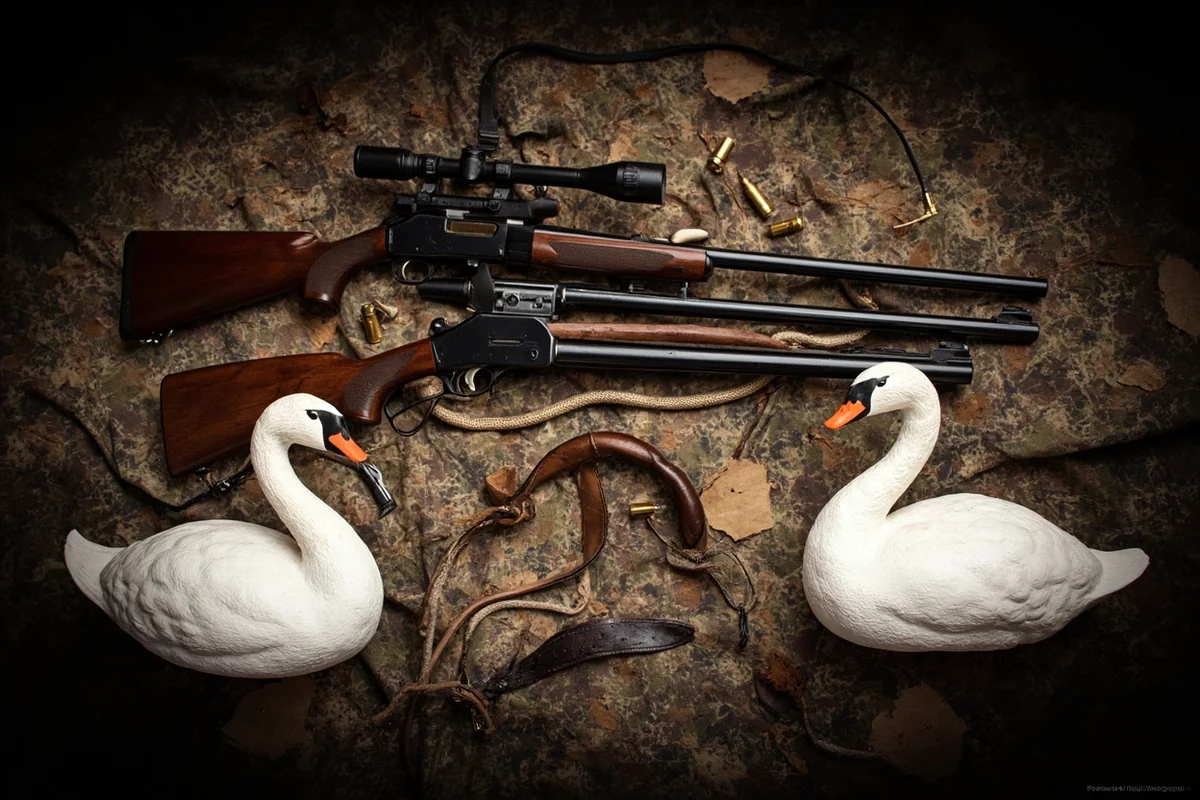
Full-body swan decoys are essential. I run a spread of six Bigfoot swan decoys supplemented by a dozen white goose shells. The swan decoys provide realism at close range, while the goose shells add volume and visibility.
Position swan decoys in family groups of 2-4 birds with realistic spacing. During my most successful hunts, I’ve arranged decoys to mimic the natural feeding behavior I observed during scouting—heads in various positions, some feeding, some alert.
Motion is critical. Even light wind activation on floating decoys can make the difference between curious swans and educated swans that flare at 200 yards.
A single jerk cord rigged to my closest decoys has proven invaluable on calm days. That subtle movement catches attention without appearing unnatural.
Shotguns and Ammunition
I hunt swans with a 12-gauge chambered for 3.5-inch shells, loaded with non-toxic BB or BBB shot. Swans are incredibly tough birds, and clean, ethical kills require sufficient payload and energy.
During my training with Montana FWP, biologists emphasized the importance of close shots (under 35 yards) and precise head-and-neck targeting. Body shots, even with heavy loads, often result in crippled birds.
I’ve seen hunters attempt swan hunting with 20-gauges, but I don’t recommend it. You’re pursuing one of the largest birds in North America—bring appropriate equipment.
Steel shot performs adequately, but I’ve switched to premium non-toxic options like Bismuth and BOSS for improved downrange energy. Yes, it’s expensive, but you’re only shooting at a handful of birds during this once-in-a-lifetime hunt.
Clothing and Concealment
Montana’s late-season weather demands serious cold-weather gear. I’ve hunted in everything from shirtsleeve conditions in early October to -15°F wind chills during late-season December hunts.
Layered systems are essential. My typical setup includes:
– Moisture-wicking base layers
– Insulated mid-layers (I prefer merino wool)
– Waterproof outer shell
– Insulated waders or pack boots depending on setup
– Face mask and insulated gloves
Concealment in Montana’s open prairie presents unique challenges. Layout blinds work excellently in stubble fields, but you’ll need to brush them heavily with local vegetation.
For water setups, I’ve had success with a low-profile boat blind positioned in cattail edges. Swans seem less suspicious of disturbances near cover than in open water.
Scouting Strategies That Actually Work
I cannot overstate the importance of scouting for swan hunting success. During my second season, I dedicated three full days to scouting before ever loading my shotgun, and it made all the difference.
Locating Birds
Start with aerial perspective. Google Earth and onX Hunt allow you to identify potential water sources before you leave home. Look for reservoirs, large wetlands, and shallow lakes in agricultural areas.
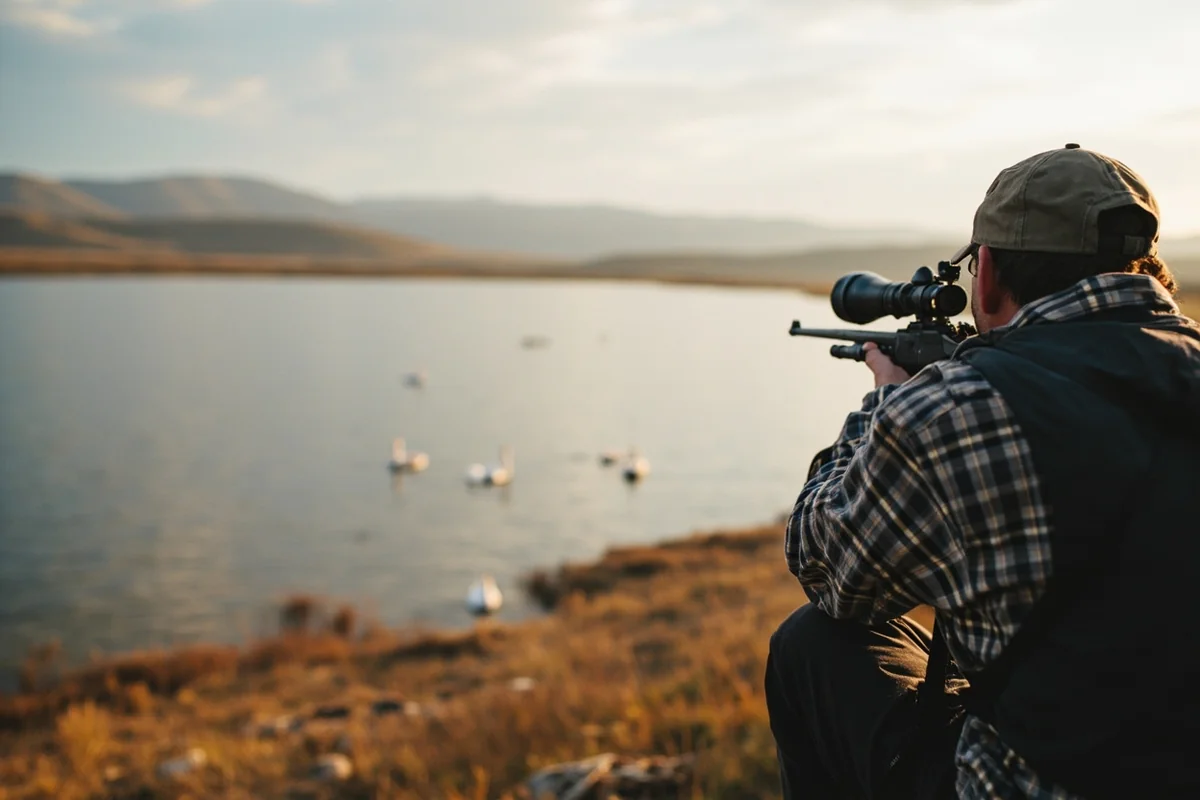
Once in the field, glass from elevated positions during morning and evening flight periods. Swans are highly visible and audible, so covering country with binoculars reveals concentration areas quickly.
I’ve found that swans in Montana typically establish predictable patterns within 48-72 hours of arriving in an area. They’ll roost on large, secure water sources and fly to agricultural fields (waste grain, particularly wheat and barley) during morning and evening feeding periods.
Access and Permission
Much of northeast Montana’s prime swan habitat crosses private land. Securing access requires effort, but I’ve found Montana landowners generally receptive to respectful hunters.
Understanding options like hunting on Montana state land and Block Management areas is essential for planning access. State school trust lands (DNRC sections) are scattered throughout swan country and can provide excellent opportunities.
The Block Management program opens significant private land acreage to hunters. Register through the Montana FWP system before your hunt and carry appropriate documentation.
When approaching landowners, I’ve had the best success with honest, specific requests. Rather than asking to “hunt on your property,” I explain that I’ve drawn a rare swan permit and noticed swans using a particular field. Most landowners appreciate the specificity and limited nature of the request.
Hunting Techniques and Tactics
After multiple seasons pursuing swans, I’ve refined my approach to focus on what consistently produces opportunities.
Field Hunting Over Decoys
This is my preferred method and the most consistently productive tactic I’ve employed. When swans establish a feeding pattern on grain fields, field hunting intercepts them predictably.
Set up before first light. I typically arrive 45 minutes before shooting time to arrange decoys and settle into my layout blind. Swans often begin moving at first legal light, and you need to be ready.
Position your spread where you’ve observed birds actually feeding—not where you think they should feed. During my most successful hunt, I set up on what appeared to be inferior stubble because scouting confirmed birds preferred that exact spot.
Calling is minimal. Unlike duck and goose hunting, aggressive calling rarely helps with swans. I use subtle, soft vocalizations primarily as confidence calls when birds are already committed. Overcalling spooks educated swans instantly.
Water Hunting
Pass shooting swans over water can work when birds are trading between roosting and feeding areas, but I’ve found it less consistent than field setups.
If you’re set on water hunting, focus on points and narrows where swans funnel during flight. Swans tend to follow specific flight corridors, and positioning beneath these paths creates opportunities.
Floating decoys in conjunction with field sets can pull birds lower and closer. I’ve experimented with combination spreads where I position floating swans on a nearby pond adjacent to my field spread, creating a more complete picture for passing birds.
Jump Shooting and Stalking
In certain situations, I’ve successfully stalked swans on smaller potholes and wetlands. This requires extreme patience and intimate knowledge of terrain.
Use topography, vegetation, and wind to your advantage. Swans have excellent eyesight and typically post sentries while feeding. Your approach must be completely concealed.
I only attempt stalks when birds are on water sources with defined approaches—coulee bottoms, cattail edges, or terrain features that allow hidden movement.
Processing Your Harvest
A harvested tundra swan represents significant table fare if properly handled. During my first successful hunt, I was surprised by both the quantity and quality of meat.
Swans should be field dressed immediately. Remove entrails and prop the body cavity open to promote cooling. In Montana’s typical late-season temperatures, spoilage isn’t usually a concern, but prompt attention to the bird shows respect for the resource.

Plucking versus skinning is a matter of preference. I’ve done both and found that plucking preserves more fat and moisture for roasting, while skinning is faster if you’re planning to butcher into portions.
Swan meat is dark, rich, and more similar to beef than chicken. I’ve had excellent results with slow-roasting whole birds at low temperatures, as well as braising legs and thighs.
Save the down and feathers if you’re interested in crafting. Quality swan feathers are prized for fly tying and other applications.
Regulations and Compliance
Understanding Montana hunting regulations is crucial for any hunt, but swan regulations carry additional layers of complexity.
| Requirement | Details |
|---|---|
| Swan Permit | Required; obtained through special drawing only |
| Bag Limit | 1 tundra swan per permit (season limit) |
| ID Training | Mandatory before permit validation |
| Federal Duck Stamp | Required in addition to state license |
| Reporting | Must report harvest within 24 hours |
| Collar/Band Reporting | Report any collars or bands immediately |
Check current Montana hunting seasons before planning your trip, as dates can shift annually based on population surveys and migration patterns.
Swan permits are non-transferable. If you draw and cannot hunt, you must notify Montana FWP and forfeit the permit.
Combining Swan Hunting with Other Montana Pursuits
One of the advantages of planning a Montana swan hunt is the overlap with other excellent hunting opportunities. During my swan trips, I’ve routinely pursued multiple species.
Montana deer hunting seasons overlap significantly with swan timing. I’ve taken whitetail deer from river bottom stands during the same trips I was primarily focused on swans.
Understanding Montana deer hunting regulations and obtaining appropriate deer tags allows you to maximize your trip value.
Elk hunting in Montana also coincides with swan seasons, though eastern Montana’s elk opportunities are more limited than western regions. The Montana shoulder season for elk can extend into prime swan hunting periods.
Consider adding antelope hunting to early-season swan trips. Northeast Montana holds strong pronghorn populations, and rifle seasons typically close in mid-October.
For truly ambitious hunters, wolf hunting and bear hunting offer additional opportunities during fall months, though these pursuits require separate permits and preparation.
Planning Your Trip: Logistics and Accommodations
Swan hunting takes place in some of Montana’s most remote and sparsely populated regions. Proper planning ensures a comfortable and successful trip.
Getting There
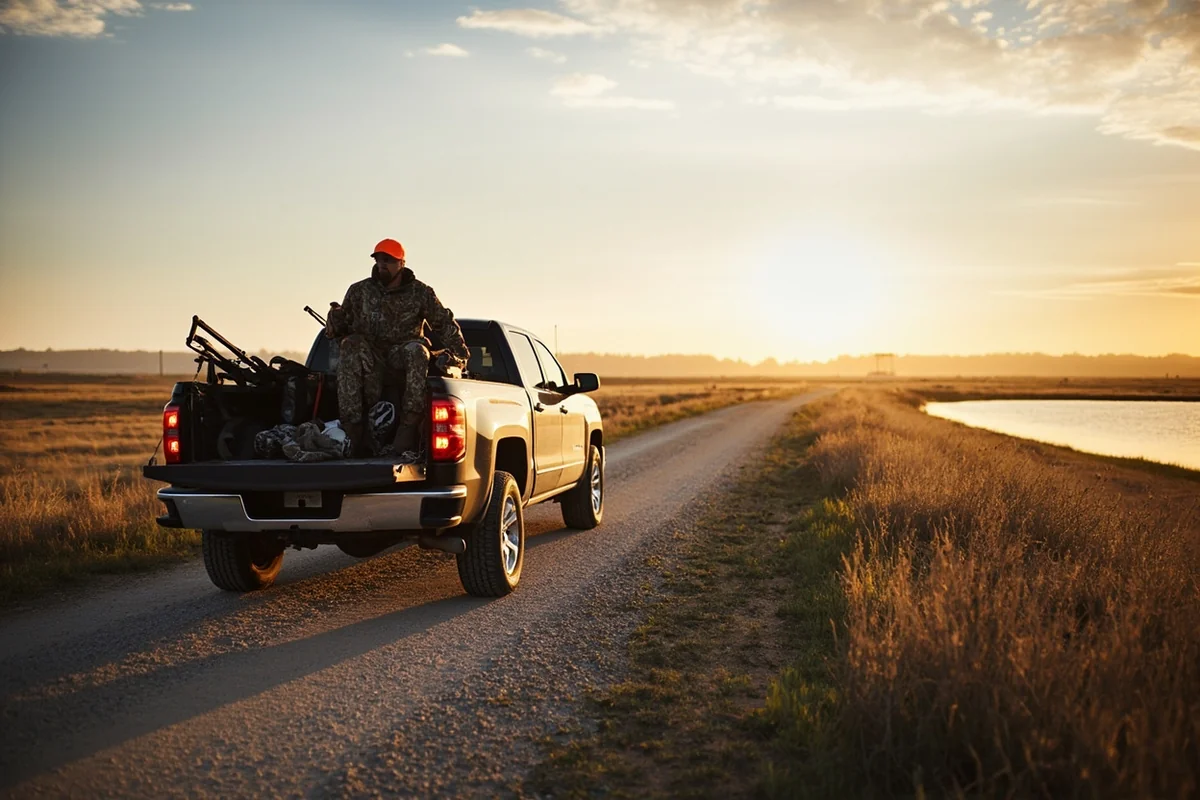
Most swan hunters fly into Billings or Great Falls and drive to hunting areas. Northeast Montana destinations like Medicine Lake or Glasgow require 3-4 hour drives from Billings.
Rental vehicles should be capable of handling gravel roads. During my November hunt last season, recent rains turned access roads into muddy challenges that would have stopped a standard sedan.
Consider driving from home if feasible. You’ll want to bring substantial gear, including decoys, blinds, and cold-weather equipment that can be difficult to transport via air travel.
Lodging Options
Small-town Montana accommodations are basic but functional. Glasgow offers the most options in the northeast region, including several motels and a few Airbnb-style rentals.
Malta, Havre, and Wolf Point provide additional lodging along the Hi-Line (Highway 2 corridor). Book early during hunting season—rooms fill quickly with waterfowl and upland bird hunters.
I’ve also camped during swan hunts when weather cooperated. Campgrounds at Medicine Lake NWR and various BLM sites offer basic facilities at minimal cost.
Outfitter Considerations
While I prefer hunting independently, guided swan hunts exist for those wanting a turnkey experience. Quality waterfowl outfitters in northeast Montana occasionally offer swan hunting packages when guides hold permits.
If considering guided services, verify the outfitter’s specific swan hunting experience. General waterfowl guides may lack the specialized knowledge that swan hunting demands.
Conservation and the Future of Swan Hunting
Montana’s swan hunting program represents responsible wildlife management at its best. Tundra swan populations have recovered substantially since mid-century lows, and regulated hunting provides both recreational opportunity and population management.
The permit system ensures conservative harvest rates that don’t impact overall population health. Montana FWP biologists continually monitor swan numbers through aerial surveys and harvest reporting.
As hunters, our role in this conservation story extends beyond simply complying with regulations. Reporting banded or collared birds contributes valuable data to continent-wide swan research. Several times I’ve photographed collar codes from swans I observed while scouting, submitting that information to research programs tracking migration and survival.
Supporting habitat conservation organizations like Ducks Unlimited and Delta Waterfowl directly benefits swan populations by protecting and restoring the prairie wetlands these birds depend upon.
Learning from Unsuccessful Hunts
I’d be dishonest if I suggested every swan hunt ends with a filled tag. In fact, my first permit resulted in zero shots fired despite four full days of hunting.
That experience taught me more than any successful hunt could have. I learned to read swan behavior more closely, understanding the subtle differences between curious circling and suspicious inspection.
I learned the importance of absolute concealment. Swans will flare from movement that ducks and geese would ignore.
And I learned patience. Some hunts simply don’t come together, regardless of preparation. Accepting that reality is part of pursuing challenging game.
The following season, I applied everything from my failure. When birds finally committed to my spread on a November morning near Larslan, I was ready. That single, successful shot remains one of my proudest moments in decades of waterfowl hunting.
Final Thoughts on Pursuing Montana’s Rarest Waterfowl Permit
Swan hunting in Montana isn’t for everyone. It requires significant commitment, specialized equipment, and the patience to potentially go seasons without drawing a permit or, once drawn, without connecting on a bird.
But for hunters who crave genuine challenge and authentic experience, few opportunities rival pursuing tundra swans across Montana’s vast prairie landscapes. The combination of incredible country, remarkable birds, and limited opportunity creates something truly special.
Understanding Montana’s preference and drawing systems helps across multiple species. Research Montana preference points for other limited permits, and consider applying for species like bighorn sheep or buffalo that use preference systems.
If you’re interested in more accessible hunting while building your Montana experience, consider squirrel hunting or explore muzzleloader seasons for deer and elk.
Apply for that swan permit. Do the preparation. Accept that success isn’t guaranteed.
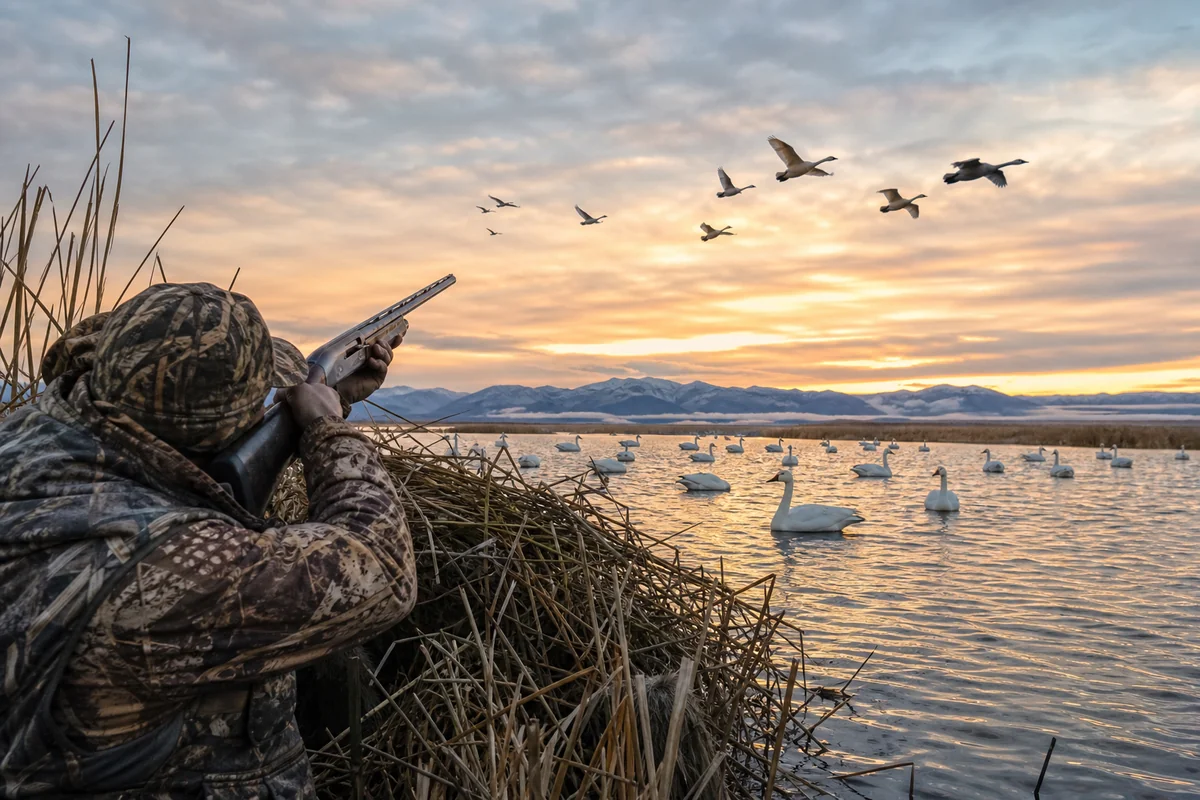
When everything finally comes together—when tundra swans cup their wings over your decoys against a Montana sunrise—you’ll understand why this hunt occupies such a special place in the waterfowling world.
Frequently Asked Questions
Is swan hunting legal in Montana and how do I get a permit?
Yes, Montana offers a limited tundra swan hunting season, but permits are extremely limited and awarded through a special lottery drawing. I’d recommend applying through Montana Fish, Wildlife & Parks by early summer, as only around 500 permits are issued statewide each year. The application fee is typically $5-10 for residents and around $50 for non-residents.
When is the best time to hunt swans in Montana?
Montana’s tundra swan season typically runs from late November through January, coinciding with the birds’ migration through the state. I’ve found the best hunting opportunities occur in early December when large flocks are actively moving through the major flyways. Plan your trip around the Central Flyway zones in eastern Montana for the highest swan concentrations.
Where are the best swan hunting locations in Montana?
The Freezout Lake Wildlife Management Area near Choteau and the wetlands along the Hi-Line region in north-central Montana offer excellent tundra swan hunting opportunities. I’ve had great success in the Benton Lake area and along the Missouri River corridor, both within 50-80 miles of Great Falls. Private agricultural lands with flooded fields and stock ponds also produce well if you can secure landowner permission.
What gear and equipment do I need for Montana swan hunting?
You’ll need a 12-gauge shotgun with non-toxic steel or bismuth shot in BB to T-shot sizes, as swans are large, tough birds requiring significant stopping power. I always pack quality waders, layered cold-weather gear rated for temperatures below 20°F, and white or snow-pattern camouflage for the late-season conditions. Full-body swan decoys are essential, and I typically set out 6-12 decoys mixed with Canada goose spreads.
How much does a guided swan hunting trip in Montana cost?
Guided swan hunting experiences in Montana typically range from $400-800 per day, which usually includes decoys, blinds, and field preparation but not licenses or permits. If you’re planning a DIY hunt, budget around $150-300 for decoys, plus your permit fees and travel expenses. I’d recommend booking guides at least 3-4 months in advance since permitted hunters often lock in outfitter services early.
What’s the difference between tundra swans and trumpeter swans in Montana?
Correctly identifying your target is critical because trumpeter swans are fully protected and illegal to harvest in Montana, while tundra swans are the only legal species. Tundra swans are noticeably smaller, weighing 13-20 pounds versus trumpeters at 25-35 pounds, and often display a small yellow spot near the eye. I always study identification guides extensively before the season and pass on any questionable birds to avoid costly violations.
Can I combine swan hunting with other hunting opportunities in Montana?
Absolutely, and I’d highly recommend it since Montana’s swan season overlaps with excellent waterfowl and upland bird hunting. You can hunt Canada geese, mallards, and other ducks in the same wetland areas, plus pursue pheasants and Hungarian partridge in nearby agricultural zones. Planning a 4-5 day trip lets you maximize your experience and justify the travel costs, especially if you’re driving 500+ miles from neighboring states.
Sources
- https://fwp.mt.gov/hunt/regulations/swan
- https://www.fws.gov/species/trumpeter-swan-cygnus-buccinator
- https://www.fws.gov/species/tundra-swan-cygnus-columbianus
- https://www.fws.gov/story/2024-02/bird-month-tundra-swan
- https://fieldguide.mt.gov/speciesDetail.aspx?elcode=ABNJB02030
- https://fwp.mt.gov/binaries/content/assets/fwp/hunt/regulations/2023/2023-mig-bird–webless-final-for-web.pdf