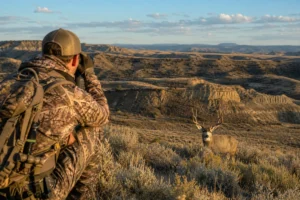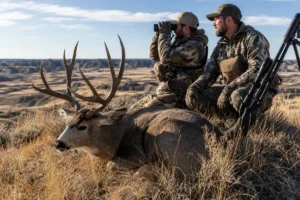
I’ll never forget opening my email last March to see “SUCCESSFUL” next to my moose application after seven years of accumulating preference points—a moment that made every $20 annual investment worth it.
For hunters dreaming of pursuing Montana’s most sought-after species, understanding the preference point system isn’t just helpful; it’s absolutely essential to your success.
If you’re using our comprehensive Montana Hunting Guide to plan your adventure, this deep dive into preference points will give you the strategic edge you need.

- Preference points improve your draw odds for limited-entry Montana tags (moose, sheep, goat, bison, and some elk/deer permits)
- Points cost $20 each for residents, $50 for nonresidents (species-dependent)
- Application deadline is typically March 15 annually—miss it, and you lose a year
- Montana uses a “preference point squared” system, not straight preference
- Some tags require 15-25+ points to draw with certainty
- You can purchase points without applying for a license to build your bank
What Exactly Are Montana Preference Points?
Let me break this down the way I wish someone had explained it to me back when I started hunting Montana in 2015. Preference points are essentially loyalty credits that Montana Fish, Wildlife & Parks (FWP) uses to reward hunters who apply year after year for limited-entry tags.
Think of them as raffle tickets that you accumulate over time. The more points you have, the better your chances of drawing that once-in-a-lifetime tag.
Unlike bonus points used in some other states (which merely increase your odds), Montana’s preference points create a more structured system where hunters with the most points get first consideration in the draw.
Which Species Require Preference Points?
Not every Montana hunt uses the preference point system. Here’s where points matter most:
- Moose – My personal white whale for seven years
- Bighorn Sheep – The ultimate Montana trophy, often requiring 20+ points
- Mountain Goat – Steep terrain, steep point requirements
- Bison – Limited to specific units with incredibly low tag numbers
- Limited-Entry Elk Permits – Specific hunting districts with special regulations
- Limited-Entry Deer Permits – Trophy management areas
- Antelope – Some districts require points, especially for nonresidents
For hunters interested in Montana bighorn sheep hunting, I can tell you firsthand that patience isn’t just a virtue—it’s a requirement. I’ve talked to successful sheep hunters who waited 23 years to draw their tag.

How Montana’s Preference Point System Actually Works
Here’s where I see hunters—even experienced ones—get confused. Montana doesn’t use a simple “most points wins” system. Instead, they employ what I call the “preference point squared” method, which creates some interesting dynamics.
The Squared System Explained
When you apply for a limited-entry tag, your name goes into the draw pool a number of times equal to your preference points squared. Let me show you what this means in practice:
| Preference Points | Names in Draw | Relative Advantage |
|---|---|---|
| 1 | 1 | Baseline |
| 2 | 4 | 4x better odds than 1 point |
| 5 | 25 | 25x better odds than 1 point |
| 10 | 100 | 100x better odds than 1 point |
| 20 | 400 | 400x better odds than 1 point |
This squared system rewards long-term commitment exponentially. During my last visit to the FWP office in Helena, a wildlife manager explained that this approach prevents point creep from becoming as severe as in states with linear systems.
Understanding Draw Categories
Montana typically divides available tags into preference and random categories for most limited permits. This is crucial to understand.
A percentage of tags (usually around 75%) go to applicants in order of their preference points. The remaining tags get distributed randomly among all applicants, regardless of point totals.
This means you technically could draw a sheep tag on your first application—it happens, though rarely. Last summer, I met a hunter at a campground near Gardiner who drew his moose tag with just two preference points thanks to the random draw category.

Current Preference Point Costs and Deadlines
Money matters, especially when you’re investing over multiple years. Here’s what you need to budget:
Resident Costs
Montana residents enjoy significantly lower preference point fees—one of the perks of living in Big Sky Country.
- Moose, sheep, goat: $20 per application/point
- Bison: $20 per application/point
- Limited-entry deer/elk: Included with license application
Nonresident Costs
If you’re traveling from out of state (and I know many of you reading this are), prepare for higher fees. Understanding Montana hunting license costs becomes essential for budgeting your multi-year point accumulation strategy.
- Moose: $50 per application
- Sheep: $50 per application
- Mountain Goat: $50 per application
- Bison: $50 per application
Over a 20-year sheep point accumulation period, a nonresident will invest $1,000 just in point fees before ever drawing a tag. Add the actual license cost when you draw, and you’re looking at a significant investment.
Critical Deadlines
Miss the deadline, and you’ve lost an entire year of point accumulation. I cannot stress this enough—I’ve watched friends lose years of progress by forgetting to apply.
The main application deadline is March 15 at 11:59 PM Mountain Time.
I set multiple calendar reminders starting February 1. I also recommend applying in early March rather than waiting until the deadline when website traffic can cause crashes.
Strategic Approaches to Building Points
After years of navigating this system and talking with successful hunters across Montana, I’ve developed some strategies that actually work.

The Long Game Strategy
For truly premium tags like sheep or moose, accept that you’re playing a long game. Start accumulating points the moment you turn 12 (for residents) or whenever you decide Montana is in your hunting future.
When I began applying for sheep points at age 28, I immediately regretted not starting earlier. Every year you delay is a year you’re falling behind hunters who started in their teens.
The Point Banking Approach
Here’s something many hunters don’t realize: you can purchase preference points without actually applying for a license that year. This is called “point banking” or purchasing a “point only” application.
This strategy makes sense when:
- You’re not ready to commit to a hunt in a given year
- You want to build points while saving money for future license fees
- Life circumstances prevent hunting that season
I used this approach during 2020 when pandemic uncertainties made planning impossible. I maintained my point bank without committing to expensive license fees.
The Calculated Risk Strategy
Some hunters prefer to apply for tags even with low odds, hoping to catch lightning in a bottle through the random draw portion.
This strategy works best for hunters who:
- Have flexibility to hunt whenever they draw
- Are comfortable with the financial commitment of drawing unexpectedly
- Hunt multiple species and can pivot plans quickly
Species-by-Species Point Requirements
Let me share what I’ve learned about realistic expectations for each species. These numbers fluctuate yearly, but they’ll give you a solid planning baseline.
Moose Points Analysis
Montana moose permits are among the most coveted in North America. During my successful draw last year, the minimum points for a guaranteed tag in my unit was 14, but some units require 20+.
For nonresidents, the situation is even more competitive. Some units haven’t seen a nonresident draw under 18 points in years.
My recommendation: start applying immediately and choose your unit strategically. Some units draw faster than others due to lower animal densities or tougher terrain.
Bighorn Sheep Reality Check
Let’s be honest—sheep tags are the hardest draw in Montana. The bighorn sheep hunting experience is unparalleled, but you’ll wait for it.
Current statistics show successful applicants typically holding 20-27 preference points in most units. Some unlimited sheep districts offer better odds but require extreme physical conditioning.
I’m currently sitting at 11 sheep points. If drawing trends continue, I’m looking at 2035 or later for my shot.
Mountain Goat Considerations
Goat tags fall between moose and sheep in difficulty. Expect to need 10-18 points depending on the unit.
The physical demands of goat hunting mean some hunters strategically apply for units that draw faster, even if trophy quality is slightly lower. A goat in hand beats a potential goat in a decade.

Bison Opportunities
Montana buffalo hunting opportunities are extremely limited, primarily occurring near Yellowstone National Park during winter.
Tag numbers vary dramatically by year based on population management needs. Some years see only a handful of permits issued, while others offer more opportunity.
Bison point requirements typically range from 7-15 points, but the unpredictability makes strategic planning difficult.
Limited-Entry Deer and Elk
These permits offer more accessible entry points to the preference system. Some limited-entry Montana elk hunting permits draw with 3-7 points, making them achievable within a reasonable timeframe.
For Montana deer hunting in limited-entry units, similar timeframes apply. Premium mule deer units obviously require more patience.
Combining Preference Points with General Season Tags
Here’s the approach I’ve used successfully over the years: while building preference points for premium tags, take advantage of general season opportunities to actually hunt Montana.
General Season Advantages
Montana’s general season offers incredible hunting without any point requirements. Understanding Montana hunting seasons helps you maximize your time while building points.
With your Montana hunting license, you can pursue:
- General elk in most districts
- General deer (both mule deer and whitetail)
- Upland birds
- Wolves (in season)
Last fall, while my moose application was pending, I spent two incredible weeks pursuing whitetail deer hunts in Montana near the Missouri Breaks. The hunting was phenomenal, and it cost me nothing extra in point fees.
Shoulder Season Options
The Montana shoulder season elk hunting program provides extended opportunities on private land without entering the preference point system.
This has become my go-to solution for filling the freezer while saving premium points for trophy opportunities.
Antelope Considerations
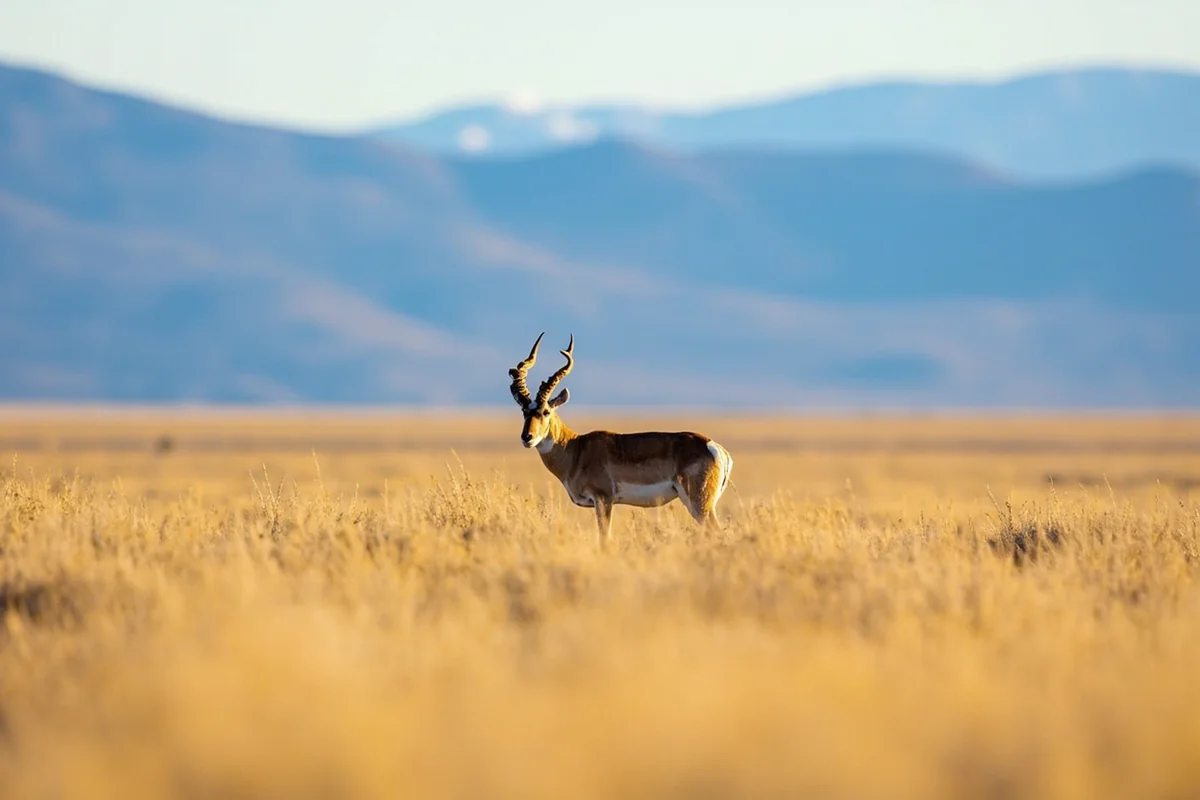
Montana antelope hunting presents a mixed situation. Some units offer over-the-counter tags for residents, while premium units (especially for nonresidents) require point accumulation.
If you’re new to Montana hunting, antelope provides an excellent introduction with more accessible draw odds than other species.
Common Preference Point Mistakes to Avoid
I’ve seen too many hunters sabotage their own applications. Learn from others’ mistakes:
Missing Deadlines
This seems obvious, but March 15 arrives faster than you think. One hunter I met at a Bozeman sporting goods store had missed three consecutive deadlines due to “just forgetting.”
Set those reminders now. I use my phone, email calendar, and even ask my wife to remind me.
Applying for the Wrong Species
Preference points don’t transfer between species. Your moose points won’t help you draw a sheep tag. I’ve met hunters who didn’t understand this and wasted years applying for the wrong species.
Decide early which species you’re pursuing and commit to that path.
Ignoring Unit Selection
Not all units within a species draw equally. Some moose units in northwest Montana might draw at 10 points while others require 18+.
Before applying, study the draw statistics published by FWP. I spend hours each winter analyzing these numbers before submitting my applications.
Forgetting Regulation Changes
Montana hunting regulations change periodically, including modifications to the preference point system itself. Always verify current rules before applying.
The FWP website and annual regulations pamphlet are your authoritative sources—don’t rely on outdated information from forums or even previous versions of this article.
Planning Your Hunt Once You Draw
The excitement of seeing “SUCCESSFUL” on your application quickly transforms into “now what?” Let me share what I learned after drawing my moose tag.
Immediate Next Steps
When you draw, you’ll receive notification typically in late April or early May. You’ll need to purchase your actual license within a specified timeframe—don’t miss this secondary deadline!
For nonresidents, license fees for premium species are substantial. My moose license cost over $1,200 total when combined with the conservation license.
Scouting Requirements
Drawing a once-in-a-lifetime tag demands serious scouting. I made three separate trips to my moose unit between May and September—each one revealing new information about animal patterns and access points.
Understanding hunting on Montana state land becomes crucial for planning access, especially in units with mixed land ownership.
Physical Preparation
Premium tags often require hunting in challenging terrain. Start your physical preparation the moment you draw—not a month before season.
My moose unit involved daily hikes of 5-8 miles through timber at 7,000+ feet. The hunters I saw struggling were those who underestimated the physical demands.
Alternative Approaches While Building Points
Don’t let preference point accumulation stop you from hunting. Montana offers incredible opportunities outside the limited-entry system.
General Elk and Deer
I’ve filled my freezer every year while building points by focusing on general season opportunities. Understanding Montana deer hunting regulations for general units opens up vast hunting grounds.
For those wanting specialized experiences, Montana muzzleloader season offers reduced pressure in many areas.
Predator and Varmint Hunting
Montana wolf hunting provides exciting predator opportunities without preference points. Similarly, Montana bear hunting (for black bear in most situations) offers accessible seasons.
Even Montana squirrel hunting provides excellent small game action to fill the gaps between big game seasons.
Bird Hunting Opportunities
While building big game points, Montana’s bird hunting keeps me in the field. Montana upland bird hunting for pheasants, Hungarian partridge, and sharp-tailed grouse requires no preference points.
For waterfowl enthusiasts, Montana duck hunting offers world-class opportunities along major flyways. The rare Montana swan hunting permits are limited, but the experience is unforgettable.
Understanding Point Creep and Future Projections
Point creep—the gradual increase in points needed to draw—affects long-term planning significantly. Here’s what I’ve observed:
Historical Trends
Ten years ago, some sheep units drew at 15 points. Today, those same units require 22+. This trend shows no signs of reversing.
The popularity of Western hunting, combined with social media exposure, continues driving application numbers higher annually.
What This Means for You
If you’re starting from zero points today, realistic expectations are essential. You’re likely looking at:
- Sheep: 25-30 years to draw premium units
- Moose: 12-18 years for most units
- Goat: 15-22 years for popular units
- Limited-entry elk/deer: 5-10 years depending on the unit
These projections assume current point creep continues. Changes to regulations could alter these dramatically in either direction.
Strategies for Younger Hunters
If you’re young (or have young hunters in your family), start accumulating points immediately. A 14-year-old who begins building sheep points today could potentially draw in their mid-thirties.
I started my son on preference points when he turned 12. He’s already ahead of many adult hunters who haven’t started.
Working the System Legally and Ethically
Over the years, I’ve heard various schemes people propose for gaming the preference point system. Let me be clear: follow the rules.
Legitimate Strategies
Legal approaches that maximize your odds include:
- Studying draw statistics carefully before unit selection
- Applying for less popular units when trophy quality isn’t paramount
- Understanding the random draw percentage and timing applications accordingly
- Staying current on regulation changes that might affect draw odds
What to Avoid
Residency fraud, false applications, and other illegal approaches carry serious consequences including loss of hunting privileges, fines, and criminal charges. Montana takes wildlife violations seriously.
The system, while imperfect, works fairly when everyone follows the rules.
Making Your Final Decision
After all this analysis, the question remains: should you invest in Montana preference points?
For hunters committed to experiencing Montana’s finest hunting opportunities, the answer is almost certainly yes. The investment of time and money pays dividends when you finally draw that tag.
Start with realistic expectations about timeframes. Build points while actively hunting general seasons. Study the system annually as regulations evolve.
Understanding Montana deer tags and limited-entry permits becomes easier with experience. Your first few applications may feel confusing, but the process becomes second nature.
Most importantly, don’t let preference point accumulation become your only Montana hunting experience. The state offers phenomenal opportunities every single year, with or without limited-entry tags.
My moose hunt last fall represented the culmination of seven years of patience and planning. Standing over that bull in the Bitterroot drainage, I knew every application fee, every scouting trip, and every year of waiting had been worthwhile.
Your once-in-a-lifetime Montana hunt awaits—start building those points today.
Frequently Asked Questions
What are Montana preference points and how do they work for out-of-state hunters?
Montana preference points are credits you accumulate each year when you apply for but don’t draw a hunting license, increasing your odds in future drawings. As an out-of-state hunter, I purchase a preference point annually for $50-$100 depending on species, and these points are pooled with other applicants to determine drawing priority for coveted tags like elk, mule deer, and moose.
How much does it cost to buy Montana hunting preference points for non-residents?
Non-resident preference points in Montana typically cost between $50-$100 per species annually, with deer and elk combination points around $50 and specialty species like moose, sheep, or goat running closer to $100. I budget roughly $200-$300 per year if I’m banking points for multiple species while waiting for my dream hunt opportunity.
How many preference points do I need to draw a Montana elk tag as a non-resident?
Drawing a general Montana elk tag as a non-resident typically requires 3-5 preference points depending on the year, while premium limited-entry units can take 10-20+ years of point accumulation. I always check Montana FWP’s drawing statistics before applying since point creep means these numbers increase annually as more hunters enter the system.
When is the application deadline for Montana hunting preference points?
Montana’s big game license application period typically runs from early March through April 1st, and you must apply during this window to either draw a license or purchase a preference point. I set calendar reminders for February to review my strategy since missing this deadline means losing an entire year of point accumulation.
Can I buy Montana preference points without applying for a hunting license?
Yes, Montana allows you to purchase preference points without entering the actual license drawing, which is exactly what I do during years when I can’t commit to the hunt. This costs less than a full application and lets you build points strategically until you’re ready to cash them in for a high-demand tag.
What’s the best strategy for out-of-state hunters building Montana preference points?
I recommend starting your Montana preference point journey immediately since time is your biggest asset, focusing on one or two priority species rather than spreading thin across all categories. Many experienced hunters suggest applying for general elk tags while simultaneously banking points for premium limited-entry units, giving you hunting opportunities while building toward once-in-a-lifetime draws.
Do Montana preference points expire or carry over each year?
Montana preference points carry over indefinitely and never expire as long as you remain in the system, which gives me peace of mind knowing my investment is protected. However, if you successfully draw a license for a particular species, you’ll use your accumulated points for that category and start back at zero.
Sources