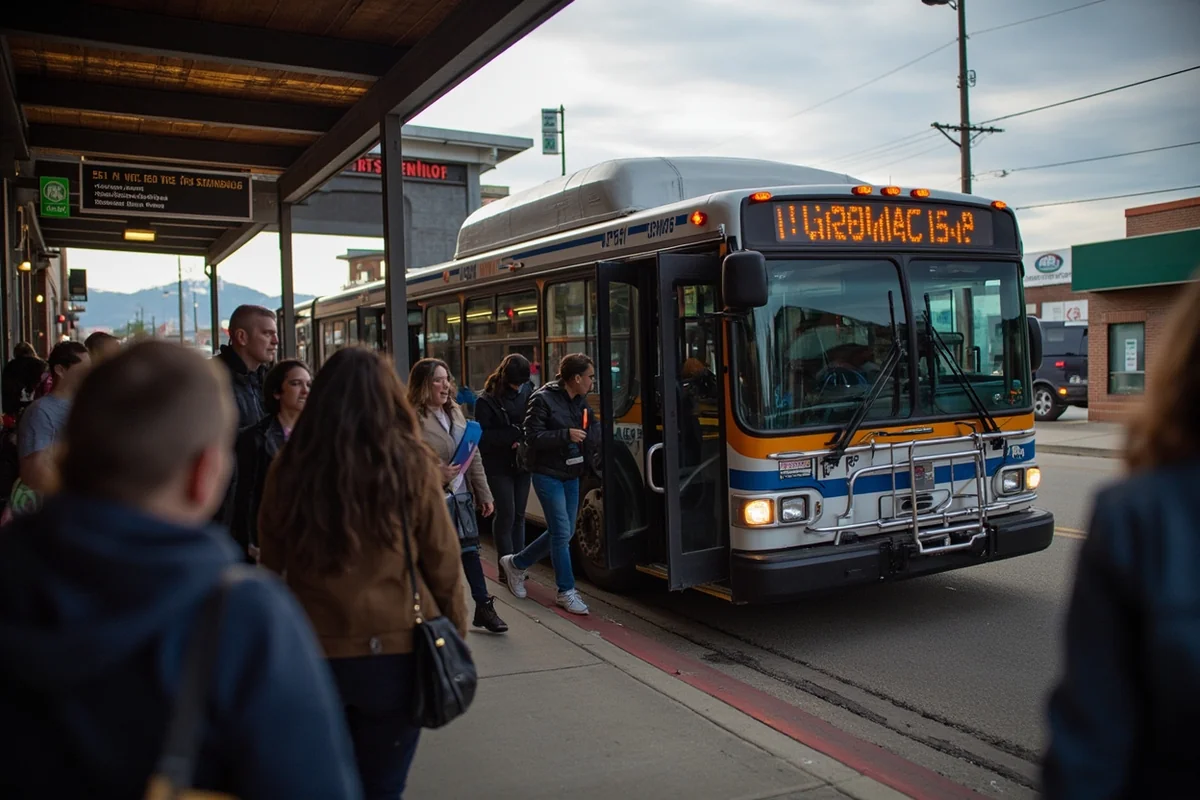
I’ll never forget standing at a bus stop in downtown Missoula on a crisp October morning, watching the Mountain Line bus pull up exactly on time, and thinking: “Wait, Montana actually has public transportation?” That moment shattered my assumptions about getting around the fourth-largest state in America without a car.
While Montana isn’t New York City, the public transit options that do exist here can genuinely work for travelers—if you know where to look and set realistic expectations.
Whether you’re exploring our comprehensive Montana Transportation Guide for the first time or trying to piece together a car-free adventure, understanding public transit in Big Sky Country requires local knowledge that most travel guides simply don’t provide.
- Montana has public bus systems in 7 cities, with Missoula’s Mountain Line being the most visitor-friendly (and it’s fare-free)
- Skyline and Salt Lake Express offer intercity bus routes connecting major Montana towns
- Glacier National Park has the best seasonal shuttle system for tourists
- Rural areas have essentially zero public transit—plan accordingly
- Winter service reductions are significant; always check seasonal schedules
- Combining buses with Amtrak’s Empire Builder creates viable car-free itineraries
Liked this article?
Add Roaming Montana as a preferred source so you see more of our articles and guides on Google.
The Honest Truth About Montana Public Transit
Let me be direct with you: Montana’s public transportation system is limited compared to what you’re probably used to in other states. The state spans 147,040 square miles with a population of just over 1.1 million people, which means the economics of public transit simply don’t work the same way they do in densely populated areas.
During my travels across Montana over the past several years, I’ve learned that public transit here falls into three categories.
Urban bus systems serve the larger towns, intercity buses connect some communities, and seasonal shuttles operate in tourist destinations like Glacier National Park.
The good news? What exists is generally clean, safe, and functional. The challenging news? You’ll need to plan around it rather than expecting it to accommodate your schedule.
City Bus Systems: What Actually Works
Missoula’s Mountain Line: The Gold Standard
If there’s one public transit system in Montana that genuinely impresses me, it’s Missoula’s Mountain Line. When I spent two weeks in Missoula last summer, I used it almost daily and found it remarkably functional for a city of 75,000 people.
Here’s what makes Mountain Line special: it’s completely fare-free. Yes, you read that correctly. Since 2015, Missoula eliminated fares on all fixed routes, which removes the hassle of figuring out payment systems, carrying exact change, or downloading apps.
The system operates 12 routes covering most of the city, including the university area, downtown, and residential neighborhoods. During my visit, I found the Route 1 particularly useful—it runs between the university and downtown every 15 minutes during peak hours.
| Mountain Line Details | Information |
|---|---|
| Fare | Free |
| Operating Hours | Typically 6:30 AM – 9:00 PM weekdays |
| Weekend Service | Limited (some routes only) |
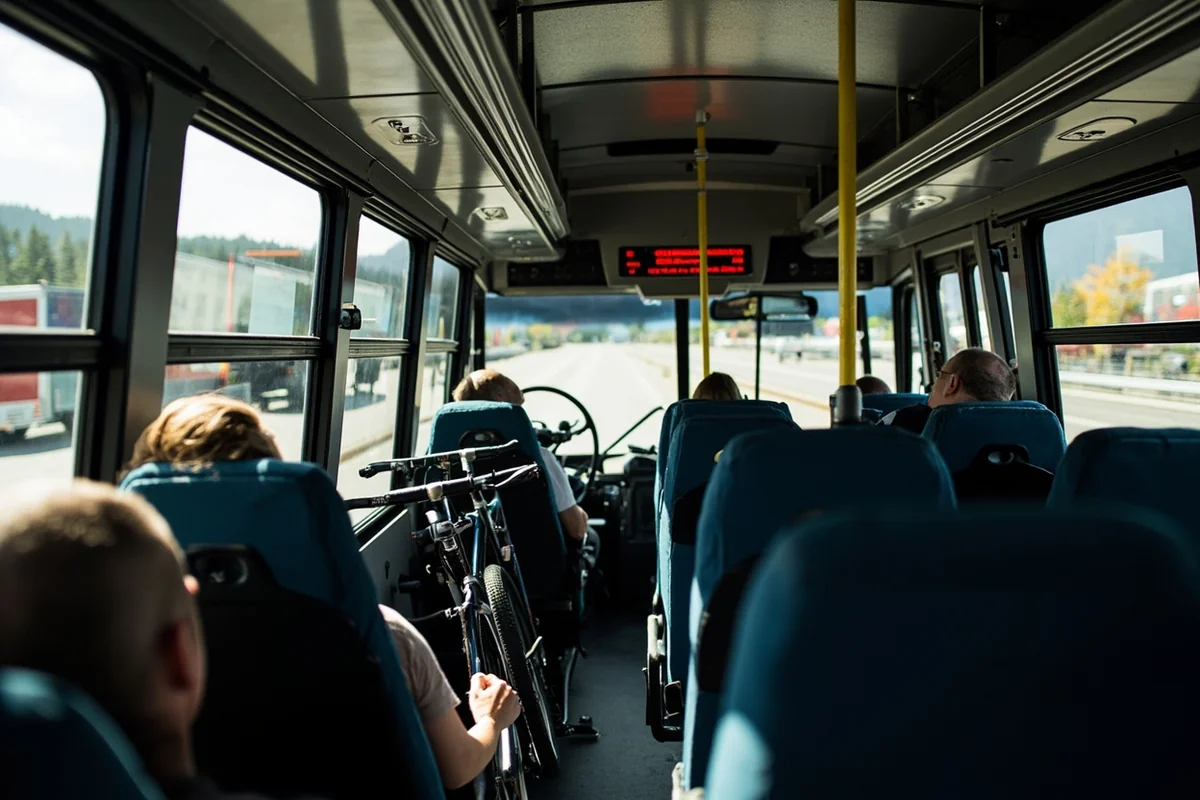
| Bike Racks | Yes, on all buses |
| Real-Time Tracking | Available via DoubleMap app |
| Website | mountainline.com |
One thing I appreciate about Mountain Line is their real-time tracking. The DoubleMap app shows exactly where buses are, which saved me from waiting in the cold more than once. I recommend downloading it before your trip.
Bozeman’s Streamline: Growing but Limited
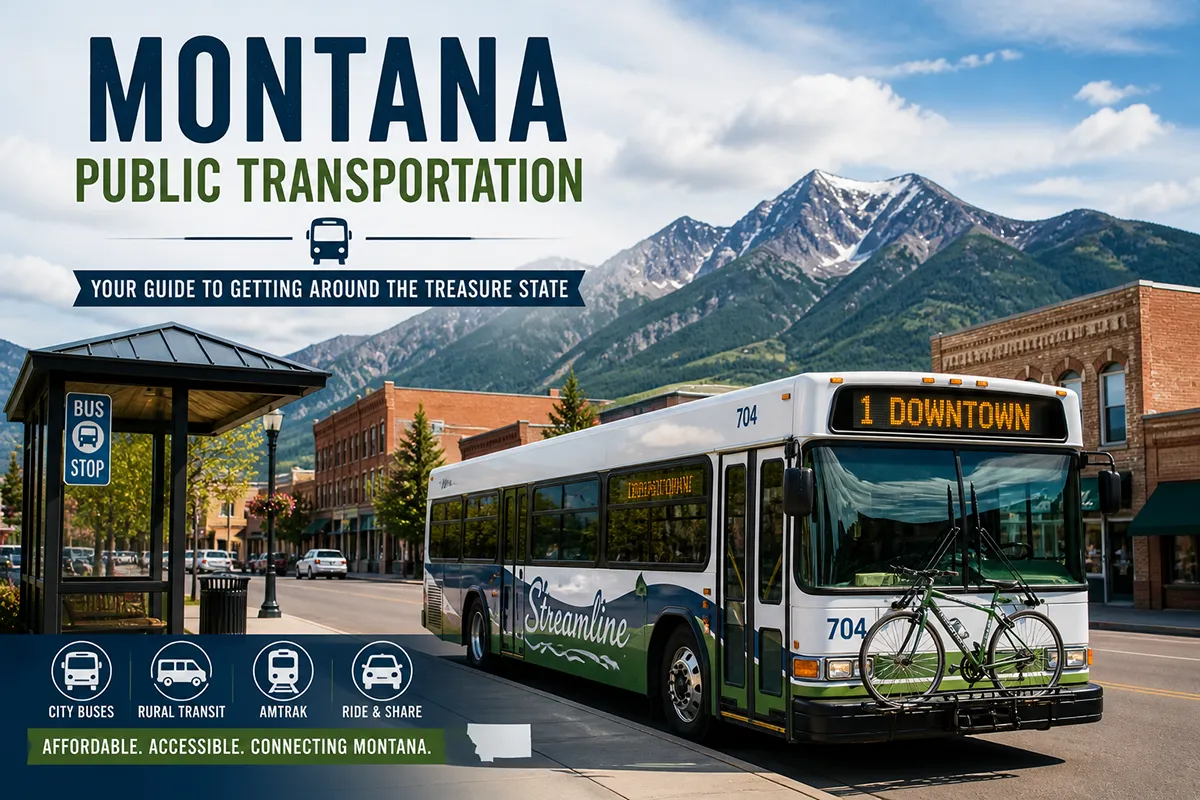
Bozeman’s Streamline system has expanded significantly in recent years, reflecting the town’s rapid growth. On a recent trip to Bozeman, I tested several routes and found the system useful but less comprehensive than Missoula’s.
The Streamline operates fare-free routes within Bozeman and extends to neighboring communities like Belgrade and Livingston.
The Gallatin Valley route connecting these towns runs several times daily, which can be genuinely helpful if you’re staying in Belgrade to save on Bozeman’s expensive hotels.
The Main Street route in downtown Bozeman was my most-used line. It connects the Montana State University campus to the historic downtown area, which is where most visitors want to be anyway.
However, I found weekend service significantly reduced. If you’re planning a Saturday trip to the Museum of the Rockies via Streamline, double-check the schedule—I once waited 45 minutes for a bus that runs every 15 minutes on weekdays.
Great Falls Transit District
Great Falls operates a small but functional bus system that most tourists never discover. During a three-day visit last fall, I used it to get between my hotel near the airport and the downtown area.
The system has five routes covering the main commercial areas. Fares are just $1.50, which is reasonable, though I found having exact change essential—the drivers couldn’t make change when I tried paying with a $5 bill.
What struck me about Great Falls Transit is how few people seemed to know it existed. Even locals I talked to were surprised when I mentioned taking the bus. This meant buses were never crowded, but it also made me wonder about the system’s long-term viability.
Billings MET Transit
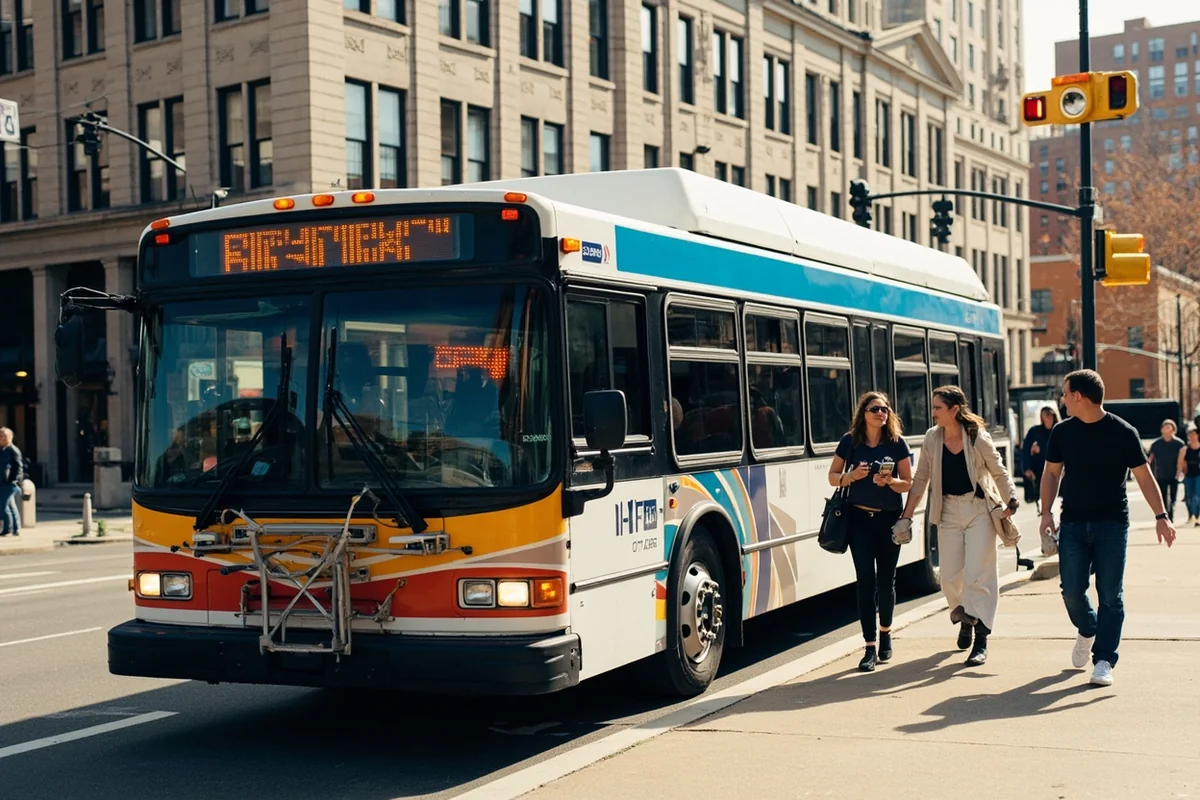
Billings, as Montana’s largest city, has the MET Transit system with 11 fixed routes. During my visits to Billings—usually passing through on longer road trips—I’ve used MET a handful of times.
The system covers the sprawling city reasonably well, though Billings’ layout means some destinations require transfers. I found the downtown-to-Heights route useful, and the service to Rimrock Mall is convenient for shopping.
Fares are $1.50 for adults, with day passes available for $3.00. The system runs Monday through Saturday, with no Sunday service—a crucial detail if you’re planning a weekend visit.
One honest observation: Billings is genuinely difficult to navigate without a car due to its spread-out design. MET helps, but I’d recommend checking out our Montana Uber Guide as a backup option, since Billings has more reliable rideshare coverage than most Montana cities.
Helena’s Capital Transit
Helena’s Capital Transit operates three routes serving the state capital, but I’ll be honest—it’s minimal. When I visited Helena to tour the State Capitol building, I found the system more useful for residents than tourists.
Routes run Monday through Friday only, with no weekend service. If you’re visiting Helena for weekend sightseeing, you’ll need another transportation option.
Butte and Other Smaller Systems
Butte-Silver Bow operates a small dial-a-ride service rather than fixed routes. This requires calling ahead to schedule a ride, which can work but requires more planning than most tourists want to deal with.
Several other Montana communities have similar demand-response services, including Havre, Helena, and Kalispell. These are designed primarily for seniors and residents without vehicles, but visitors can use them too.
Intercity Bus Service: Connecting Montana’s Towns
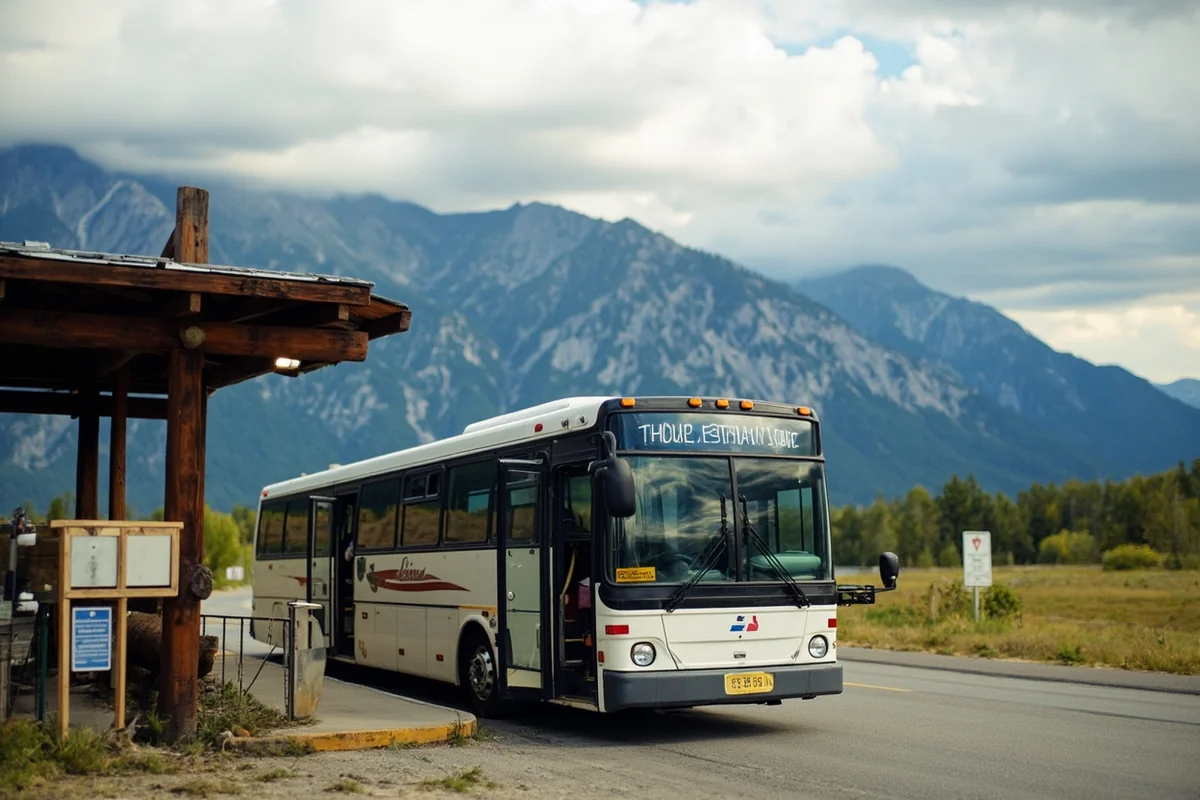
Getting between Montana cities by bus is possible, though options have decreased over the years. The old Greyhound routes that once crisscrossed the state are mostly gone, replaced by smaller regional carriers.
Skyline Bus: The Glacier Country Connector
Skyline is probably the most useful intercity bus for tourists in Montana. The service connects Missoula to Whitefish via Polson and Kalispell, hitting exactly the route many visitors want to travel.
I took this route on a September trip, departing Missoula in the morning and arriving in Whitefish by early afternoon. The scenery along Flathead Lake was spectacular, and the driver was knowledgeable about the area.
One-way fares run around $20-45 depending on distance. The bus stops in Polson, which is a great option if you want to explore Flathead Lake without driving. Reservations are recommended, especially during summer months.
Salt Lake Express: Southern Montana Routes
Salt Lake Express primarily connects Montana to Idaho and Utah, but their routes can be useful for certain Montana trips. The service runs through Butte, Bozeman, and Billings, connecting to Idaho Falls and eventually Salt Lake City.
I’ve used Salt Lake Express once when my car had mechanical issues in Bozeman and I needed to get to Billings for a flight. The service was reliable, though the bus wasn’t particularly comfortable for the three-hour journey.
If you’re arriving via one of the Montana airports in the southern part of the state, Salt Lake Express can help you reach other destinations without renting a car.
Jefferson Lines: Limited Montana Service
Jefferson Lines operates some routes that touch Montana, though service has been reduced in recent years. Their buses typically connect larger hubs, and schedules can be infrequent.
I’d recommend checking their current routes before counting on this option. The company has cut service in many rural areas, and Montana routes seem particularly vulnerable to changes.
Glacier National Park: The Best Transit Experience in Montana
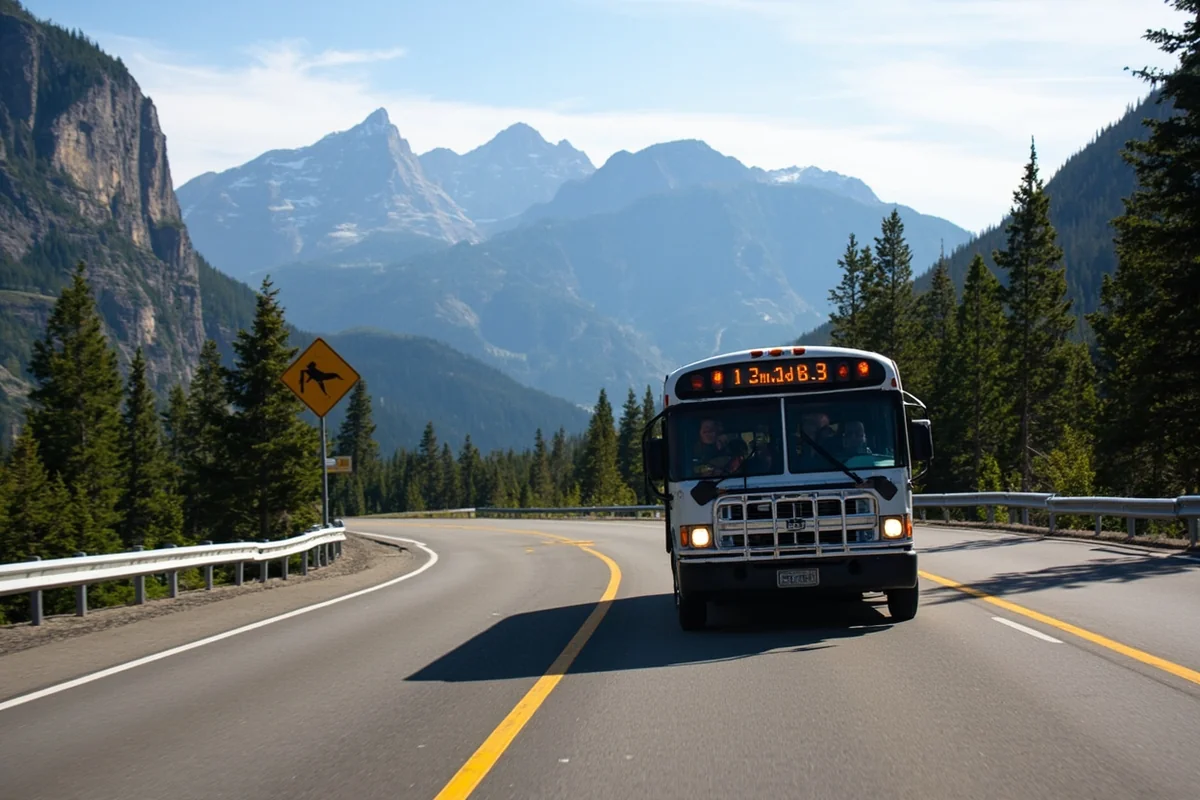
Here’s where Montana public transit genuinely shines. Glacier National Park’s free shuttle system is excellent—I’d even call it comparable to shuttle systems I’ve used in much more developed areas.
How the Free Shuttle Works
During summer months (typically July through Labor Day), Glacier operates free shuttles on the Going-to-the-Sun Road. This is incredibly valuable because parking at trailheads along this iconic road is nearly impossible after 8 AM during peak season.
On my last visit in August, I parked at the Apgar Transit Center early and used shuttles all day. I hiked to Hidden Lake, took a shuttle to Logan Pass, then caught another to the Many Glacier area. It worked beautifully.
The shuttles run frequently—every 15-30 minutes at most stops—and the drivers are friendly and informative. They’ll wait for passengers at trailheads and announce upcoming stops clearly.
What the Shuttle Can and Can’t Do
The shuttle system covers the main Going-to-the-Sun Road corridor and connects to the Apgar, Lake McDonald, Logan Pass, and St. Mary areas. It’s perfect for day hiking and sightseeing.
What it doesn’t cover: backcountry access points, the Many Glacier area from the west side (you’ll need to drive around), and the Two Medicine area. For these destinations, you’ll either need a car or a commercial shuttle service.
Red Bus Tours offer another option—those iconic vintage buses with roll-back canvas tops. These are paid tours rather than transportation, but they do provide access to areas the free shuttles don’t reach.
Connecting to Glacier from Gateway Towns
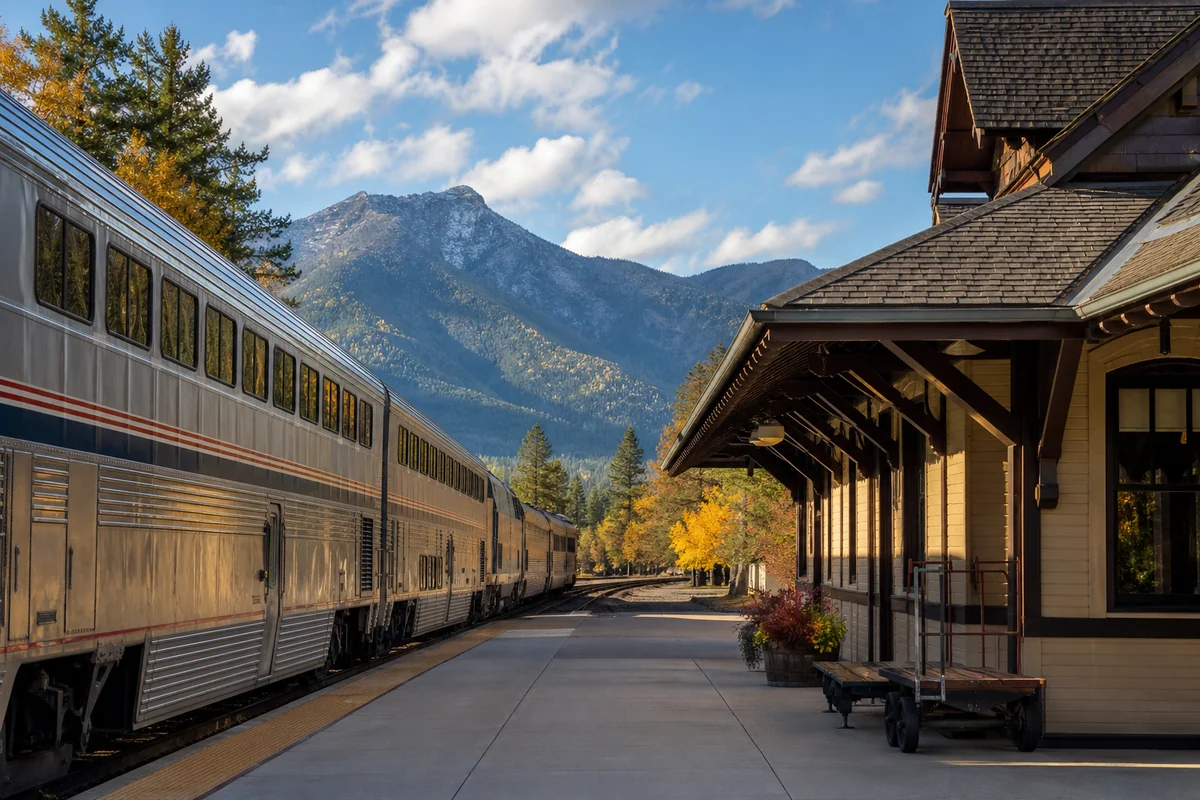
Getting to Glacier National Park without a car is genuinely possible, which surprised me when I first researched it. Amtrak’s Empire Builder stops in East Glacier Park, West Glacier, and Essex—three stations right at the park’s doorstep.
From West Glacier, you can walk to the park entrance in about 15 minutes. East Glacier requires a short shuttle ride, but services connect the train station to the park during summer.
I’ve detailed train options more thoroughly in our Train Stations guide, which covers each Glacier-area station.
Amtrak: Montana’s Underrated Transit Option
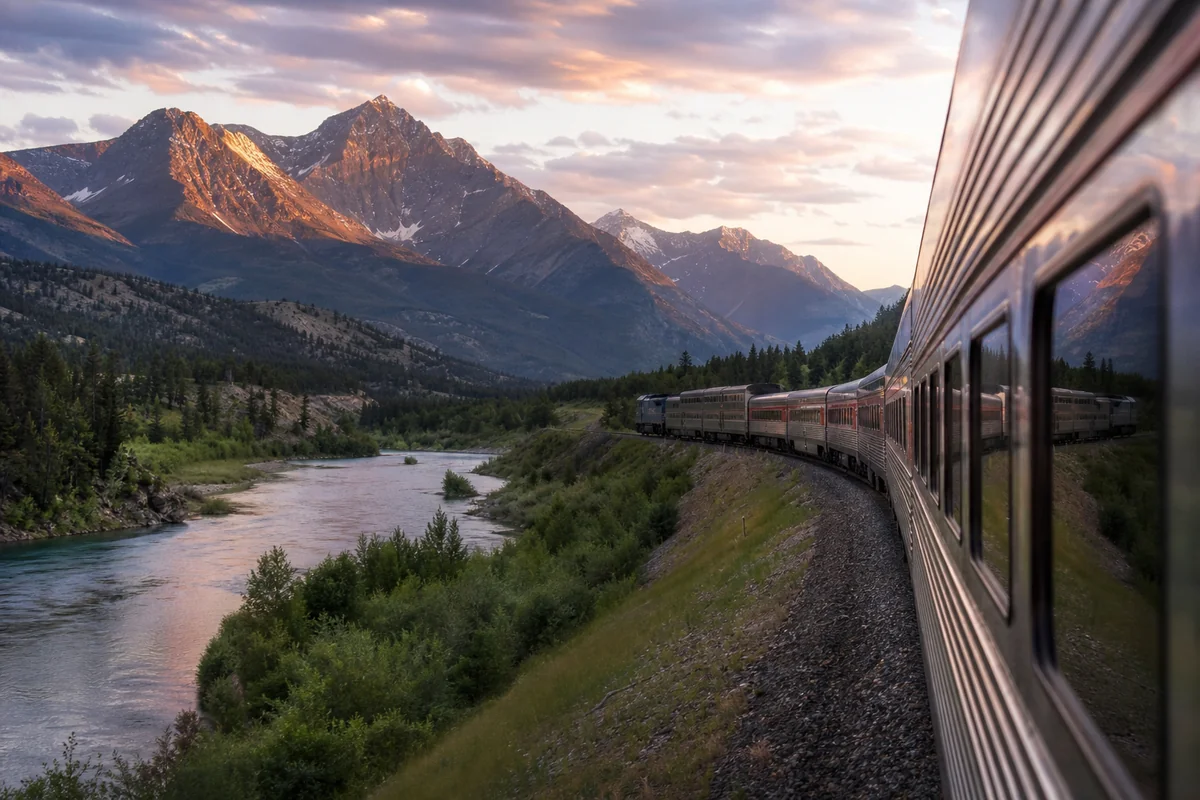
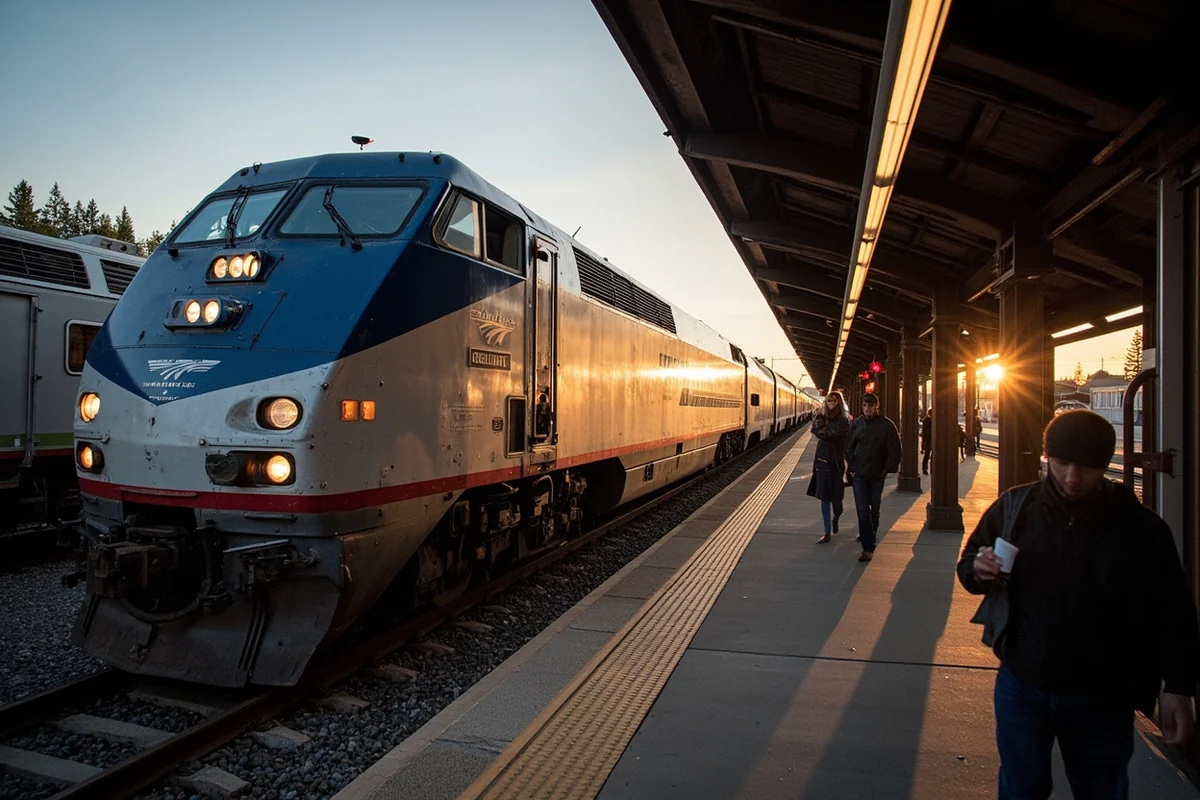
The Empire Builder route crosses northern Montana, and I consider it one of the most scenic train rides in America. More importantly for this discussion, it provides legitimate public transportation across the northern tier of the state.
Empire Builder Stops in Montana
The train stops at 12 stations across Montana: Libby, Whitefish, West Glacier, Essex, East Glacier Park, Browning, Cut Bank, Shelby, Havre, Malta, Glasgow, and Wolf Point.
That’s a remarkable amount of coverage, connecting towns that have no other public transit links. When I explored the Hi-Line region (Highway 2 corridor) two years ago, I met several travelers using Amtrak as their primary transportation.
Whitefish is the busiest Montana station and has the nicest facilities. If you’re planning a car-free Glacier trip, Whitefish makes an excellent base—the town is walkable, has local shuttles, and sits just outside the park.
For more on how Montana railroads shaped the state and continue to serve travelers, check out our detailed guide.
Practical Train Travel Tips
Amtrak runs once daily in each direction across Montana. The westbound train typically passes through at night (arriving Whitefish around 8:30 PM), while eastbound comes through in the morning.
This timing matters for trip planning. If you want to enjoy the scenery, eastbound offers better daytime views across Montana. Westbound means watching the mountains in darkness.
I always book a roomette for overnight segments. Yes, it costs more than coach, but the flat bed, included meals, and access to the shower make the experience dramatically better. For a trip from Chicago to Whitefish, the upgrade is worth every penny.
Reservations are essential during summer. I tried booking a July train two weeks out and found all sleeping accommodations sold out. Book at least a month ahead for peak season travel.
When Public Transit Won’t Work: Being Realistic
I want to be completely honest here, because setting realistic expectations matters more than cheerful optimism.
Rural Areas Have Nothing
If your Montana dream involves visiting the Missouri Breaks, the Rocky Mountain Front, the Beartooth Highway, or the vast eastern prairies, public transportation simply doesn’t exist. These areas require a vehicle, period.
This covers probably 85% of Montana’s land area. The public transit options I’ve described work for urban areas and the Glacier corridor, but that’s a small fraction of the state.
Winter Service Reductions
Most Montana transit systems significantly reduce service during winter months. Mountain Line cuts some routes, Glacier’s shuttles don’t operate, and intercity buses run less frequently.
If you’re planning a winter trip, verify current schedules before counting on any public transit option. What runs five times daily in July might run once daily in January—or not at all.
Timing Challenges
Montana buses typically don’t run late at night. Most city systems stop by 9:00 PM, and intercity buses have limited departures. If you need flexibility in your schedule, public transit will frustrate you.
I learned this the hard way when a delayed flight into Bozeman meant I arrived after the last Streamline bus. Always have a backup plan.
Making It Work: Combining Transportation Options
The most successful car-free Montana trips I’ve seen (and done) combine multiple transportation modes. Here’s what I’ve found works:
Fly-Train-Shuttle Itinerary Example
Fly into Kalispell (Glacier Park International Airport), take Skyline bus to Whitefish, explore the town on foot, catch the park shuttle to Glacier, then return via Amtrak to either continue east or connect to another airport.
This itinerary works because the pieces connect logically. Each segment is reliable, and you’re never stuck.
University Town Strategy
Missoula and Bozeman work well for car-free visits because their transit systems center on universities. If you’re interested in arts, dining, and urban Montana culture, these towns are perfectly explorable by bus.
In Missoula, I spent five days without a car, using Mountain Line for most trips and walking for others. I visited the university, explored downtown, and even got to the Rattlesnake Wilderness trailhead via bus.
For those considering whether they can explore Montana without a car entirely, I’d say certain itineraries absolutely work—but others absolutely don’t.
Rent a Car for Portions
Some visitors rent a car for specific portions of their trip while using transit otherwise. This makes sense if you want a few days in Glacier (transit works) plus a few days exploring Yellowstone’s northern entrance (car essential).
Accessibility Considerations
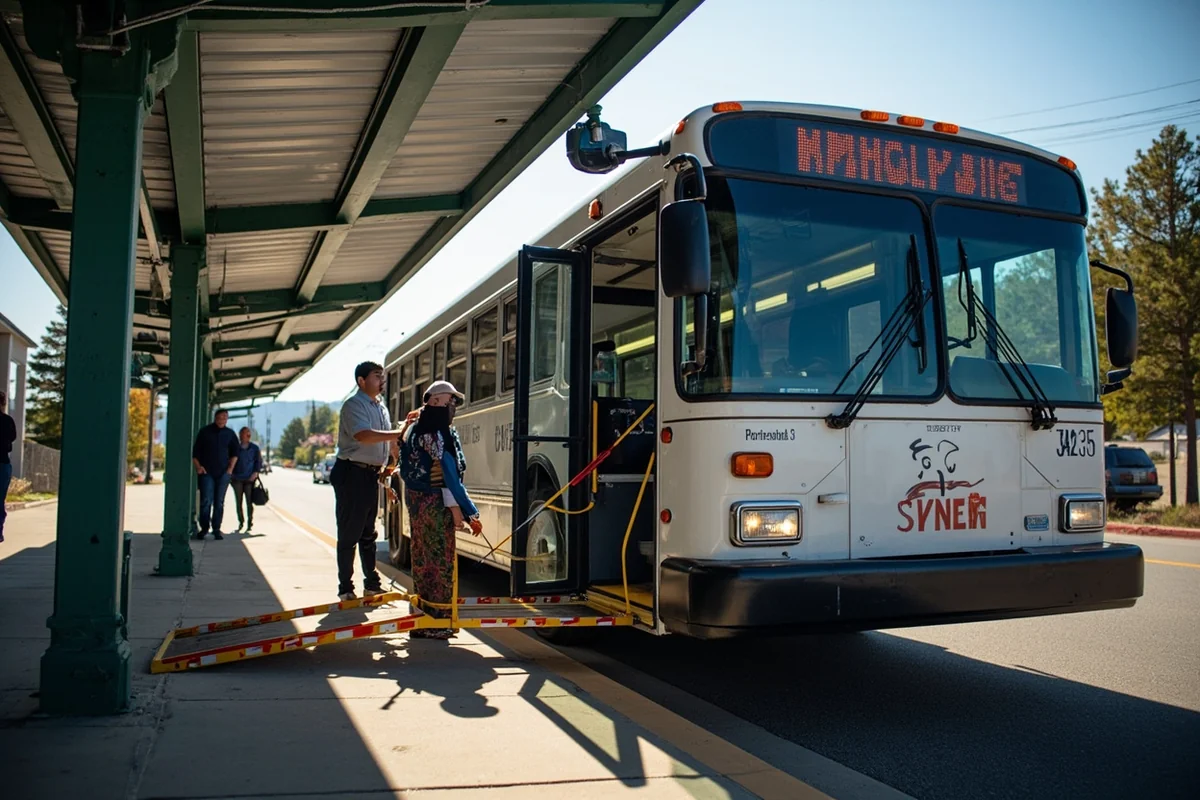
Montana’s urban bus systems are generally ADA compliant, with wheelchair lifts or ramps on all vehicles. I’ve observed drivers being helpful and patient with passengers who need extra time.
Mountain Line in Missoula has particularly good accessibility features, including audio announcements and kneeling capability for easier boarding.
For intercity travel, Amtrak offers accessible bedrooms on the Empire Builder, and most bus services can accommodate wheelchairs with advance notice. Always call ahead to confirm.
Environmental and Practical Benefits
Using Montana’s public transit makes sense beyond convenience. The state’s air quality benefits from fewer vehicles on roads, particularly in valleys like Missoula where winter inversions trap pollution.
During my summer visits, I’ve noticed parking challenges in popular areas. Using the Glacier shuttle meant I didn’t spend an hour circling Logan Pass looking for a spot—a real problem during peak season.
For travelers interested in sustainable transportation, our Montana EV Guide covers electric vehicle options, though charging infrastructure remains limited in rural areas.
Planning Resources and Apps
These tools have helped me navigate Montana transit:
Google Maps: Surprisingly good for Montana bus routes. Real-time tracking works for Mountain Line and Streamline.
Transit App: Covers Missoula and Bozeman with live tracking and trip planning.
DoubleMap: Mountain Line’s official real-time tracker. Download it before visiting Missoula.
Amtrak App: Essential for Empire Builder travel, showing real-time train positions and delay information.
Local Transit Websites: Always check official sites for the most current schedules. Service changes more frequently than third-party apps reflect.
Costs Comparison: Is Public Transit Worth It?
Let me break down some actual numbers from my experiences:
| Transportation Option | Typical Cost | Notes |
|---|---|---|
| Mountain Line (Missoula) | Free | All routes |
| Streamline (Bozeman) | Free | All routes |
| Billings MET | $1.50/ride, $3 day pass | Cash only |
| Glacier Park Shuttle | Free | July-Labor Day |
| Skyline (Missoula-Whitefish) | $25-45 | Reserve ahead |
| Amtrak (Whitefish-Havre) | $40-80 | Varies by season |
| Car rental per day | $60-120 | Plus gas, insurance |
If you’re staying in one city, free transit makes the decision obvious. For intercity travel, the math depends on your itinerary and group size.
Final Thoughts: Managing Expectations
Public transportation in Montana works—within its limitations. I’ve had genuinely enjoyable car-free trips in Missoula, Bozeman, and the Glacier corridor. The key is matching your destination to what transit can realistically provide.
Come to Montana expecting urban transit coverage like Seattle or Denver, and you’ll be disappointed. Come expecting a limited but functional system that serves major population centers and key tourist destinations, and you might be pleasantly surprised.
The systems that exist are clean, safe, and often free. The drivers I’ve encountered have been friendly and helpful. The infrastructure is modern and accessible.
My recommendation: use public transit for the portions of your trip where it makes sense, and don’t force it where it doesn’t. Montana rewards flexibility, and combining transit with other options often creates the best experience.
Whether you’re a budget traveler looking to minimize costs, an environmental advocate avoiding car emissions, or simply someone who enjoys watching scenery without worrying about driving, Montana’s public transportation has a place in your trip planning. Just make sure that place matches reality.
Frequently Asked Questions
Is there public transportation in Montana for tourists?
Public transportation in Montana is very limited compared to other states, so I always recommend planning accordingly. Larger cities like Missoula, Billings, and Bozeman have local bus systems, but rural areas and national parks have minimal to no public transit options. For most Montana trips, you’ll need to rent a car or arrange private shuttles to get around effectively.
How much does public transportation cost in Montana cities?
Local bus fares in Montana cities typically range from $1 to $2 per ride, making it an affordable option when available. In Missoula, the Mountain Line bus system is actually fare-free, which is a nice perk for budget travelers. I’ve found that day passes, when offered, usually cost between $3 and $5.
Can you get to Glacier National Park without a car using public transportation?
Getting to Glacier National Park without a car is possible but requires planning. Amtrak’s Empire Builder stops at West Glacier and East Glacier stations, and the park operates a free shuttle system along the Going-to-the-Sun Road during peak summer months. I’d suggest combining the train with the park shuttles, though you’ll still be limited in exploring remote trailheads.
Does Yellowstone National Park have public transportation options?
Yellowstone doesn’t have a public bus system, but several private tour operators run guided bus tours from gateway towns like West Yellowstone and Bozeman. During my visits, I’ve found these commercial tours cost between $150 and $300 per day depending on the route. The park has discussed implementing a shuttle system, but as of now, personal vehicles remain the primary way to explore.
What are the best shuttle services between Montana airports and ski resorts?
Several shuttle companies connect Bozeman Yellowstone International Airport to Big Sky Resort, with one-way fares typically running $60 to $100 per person. The Skyline Bus offers a more budget-friendly option at around $15 each way for the Big Sky route. I always book airport shuttles at least 24 hours in advance during ski season since they fill up quickly.
Is Amtrak a good option for traveling across Montana?
Amtrak’s Empire Builder route crosses northern Montana with stops in Whitefish, West Glacier, East Glacier, Shelby, Havre, and other towns along the Hi-Line. It’s a scenic 12-hour journey across the state, and I’ve found it’s more about the experience than efficiency. Tickets typically cost $80 to $150 depending on how far in advance you book, but delays are common so I wouldn’t rely on tight connections.
Should I rent a car or rely on public transportation for a Montana road trip?
I strongly recommend renting a car for any Montana trip, especially if you’re visiting national parks or exploring beyond city limits. Distances between attractions are vast—it’s 350 miles from Glacier to Yellowstone—and public transit simply doesn’t connect these areas. Car rentals at Montana airports typically start around $50 to $80 per day, and having your own vehicle gives you the freedom Montana travel really requires.
Sources
- https://www.nps.gov/glac/planyourvisit/gettingaround.htm
- https://www.nps.gov/glac/planyourvisit/shuttlestops.htm
- https://www.nps.gov/glac/planyourvisit/shuttles.htm
- https://dphhs.mt.gov/detd/transportation/publictransit
- https://www.billingsmt.gov/979/Transportation
- https://www.belgrademt.gov/291/Streamline-Bus-System
- https://nrd.gov/resource/detail/12740924/Montana+Public+Transportation
- https://www.mdt.mt.gov/travinfo/public-trans.shtml
- https://www.flickr.com/photos/thewestend/38559487345
- https://commons.wikimedia.org/wiki/File:Main_St,Bozeman,_Montana
- https://www.flickr.com/photos/30709234@N02/5122589082
- https://commons.wikimedia.org/wiki/File:Montana_Club,_Helena,_Montana_15.jpg
- https://commons.wikimedia.org/wiki/File:Billings,_Montana._1st_av_N_and_27th
- https://commons.wikimedia.org/wiki/File:Butte,Montana%287877876182%29.jpg