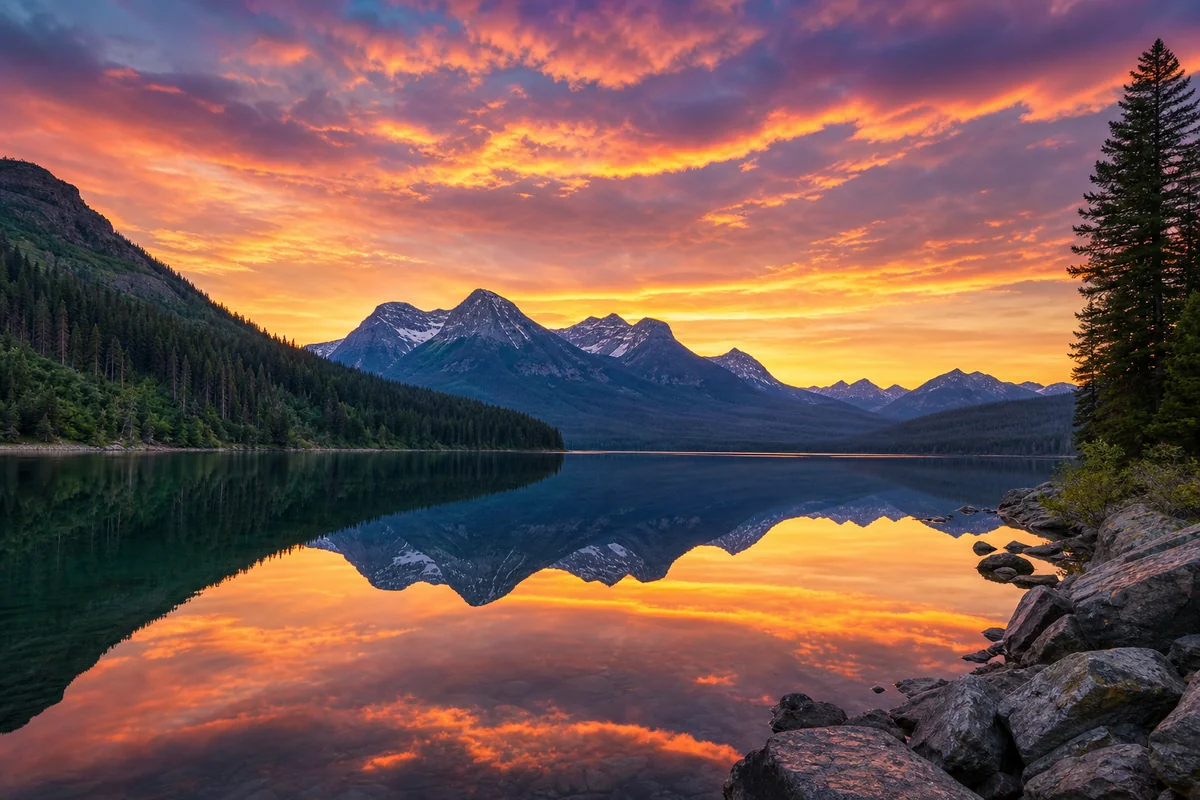
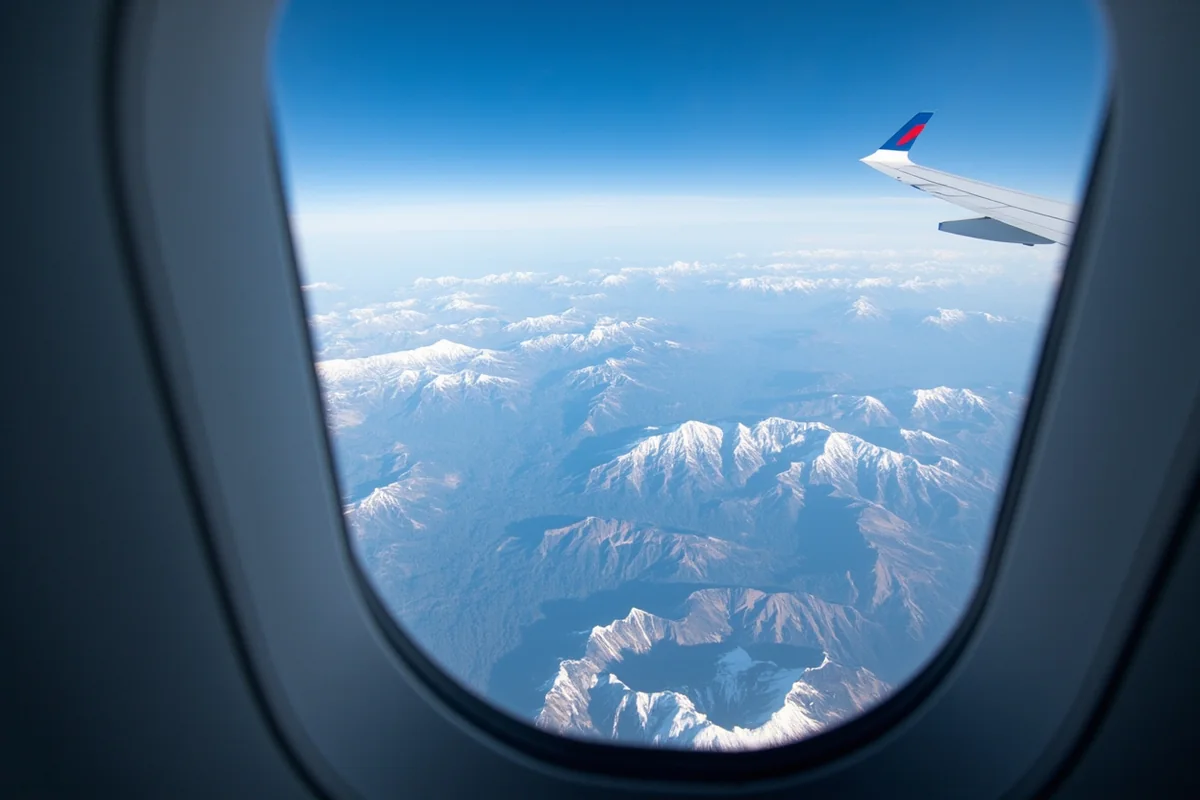
I’ll never forget circling over Glacier Park International last September, watching the sun paint the Mission Mountains gold while passengers gasped at the view outside their tiny windows.
That descent into Montana—where you can spot grizzly habitat from 10,000 feet—remains one of the most spectacular airport approaches I’ve experienced anywhere in the country.
If you’re planning a trip to Big Sky Country, understanding which airport to fly into can make or break your adventure, and as someone who’s landed at every commercial airport in the state, I’m here to share what I’ve learned the hard way.
For a complete overview of all your options for Montana transportation, start there before diving into the specifics below.
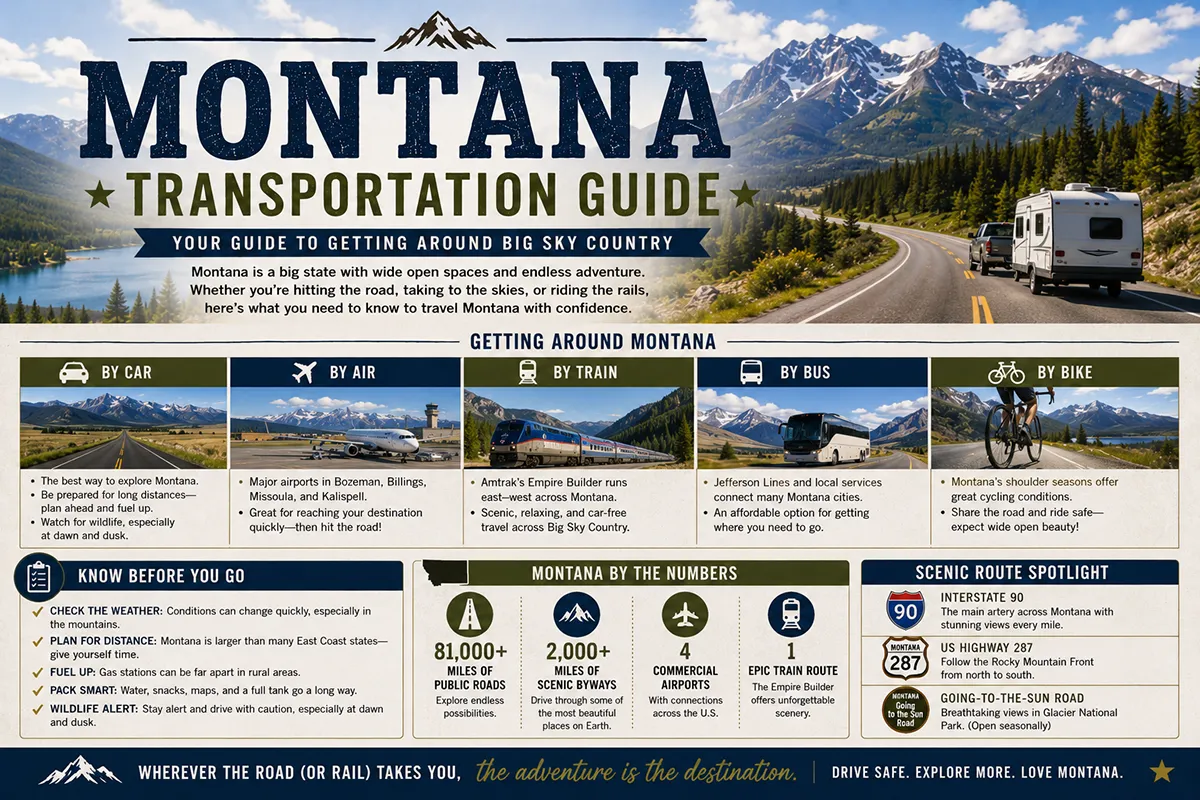
- Montana has 8 commercial airports—Bozeman (BZN) is busiest; Glacier Park (FCA) is best for park access
- Book flights 6-8 weeks ahead for summer; prices spike 40-60% in peak season
- Rental cars are essential at most airports—reserve months in advance for summer trips
- Smaller airports like Helena and Great Falls often have cheaper flights with connections
- Winter arrivals? Pack patience—weather delays are common from November through March
- Consider flying into different airports for one-way road trips across the state
Liked this article?
Add Roaming Montana as a preferred source so you see more of our articles and guides on Google.
Why Montana’s Airports Are Unlike Anywhere Else
Montana is the fourth-largest state in the US but has fewer than 1.1 million residents. This creates a unique airport situation where relatively small cities operate surprisingly well-connected facilities.
The state spans 147,000 square miles—about the size of Germany—which means choosing the wrong airport could add 6+ hours of driving to your trip. I made this mistake on my first Montana visit, flying into Billings when I was heading to Whitefish. Never again.
What makes Montana airports special is their accessibility to wilderness. Within 30 minutes of landing at most terminals, you can be on a trailhead, fishing a blue-ribbon stream, or checking into a ranch that’s completely off-grid.
The 8 Commercial Airports Ranked by a Frequent Flyer
Montana has eight airports with scheduled commercial service. I’ve flown through all of them multiple times, and each serves a different type of traveler.
1. Bozeman Yellowstone International (BZN)
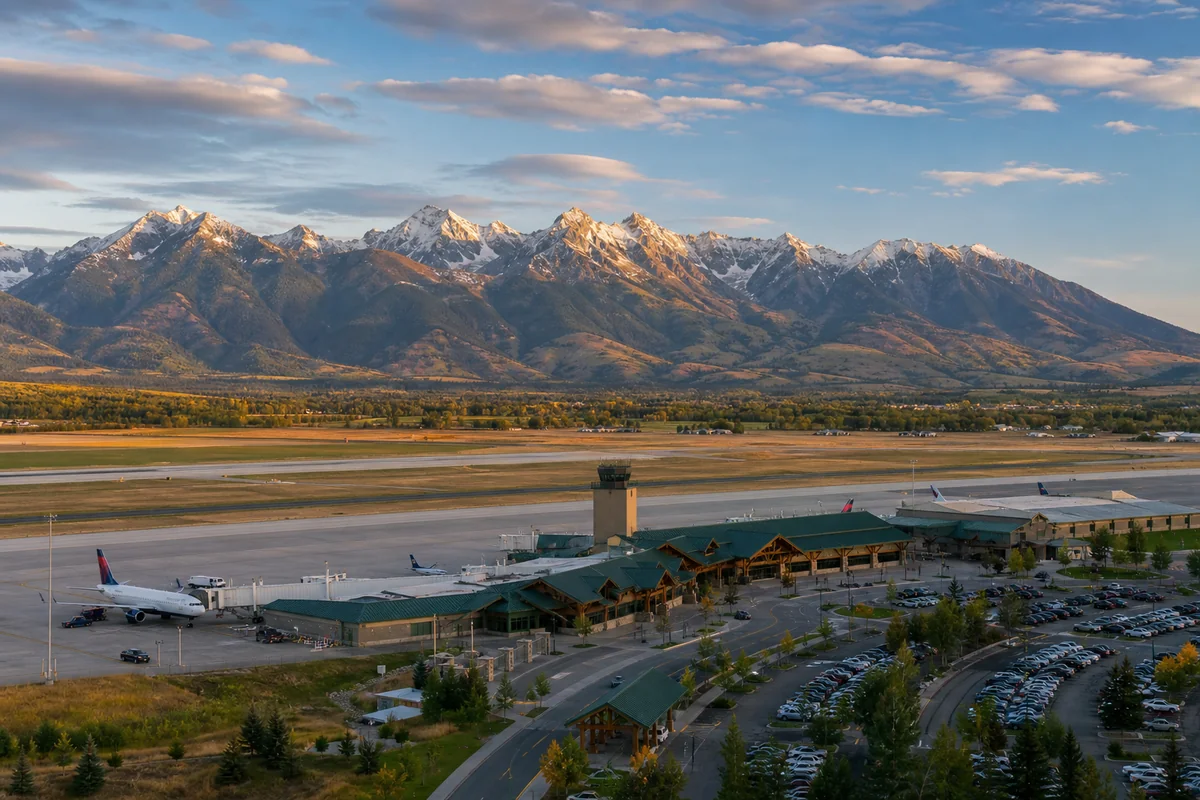
Bozeman’s airport is the gateway to Yellowstone and the undisputed king of Montana aviation. Last summer, it handled over 2 million passengers—remarkable for a town of 56,000 people.
The terminal underwent a massive expansion completed in 2021, and it shows. The new Concourse B feels modern without losing that mountain-town character, with local art installations and huge windows framing the Bridger Range.
Direct flights serve 25+ destinations including Denver, Seattle, Minneapolis, Salt Lake City, Dallas, Chicago, Los Angeles, and Phoenix. During ski season, you can catch direct flights from Atlanta and New York.
My honest assessment: Bozeman is efficient and rarely feels chaotic, but it’s expensive. A beer at the terminal bar ran me $9 last time. Rental car rates here are among the highest in Montana, especially from June through September.
The drive to Yellowstone’s north entrance takes about 90 minutes via Paradise Valley—one of the most scenic airport-to-park routes in America.
2. Glacier Park International (FCA)
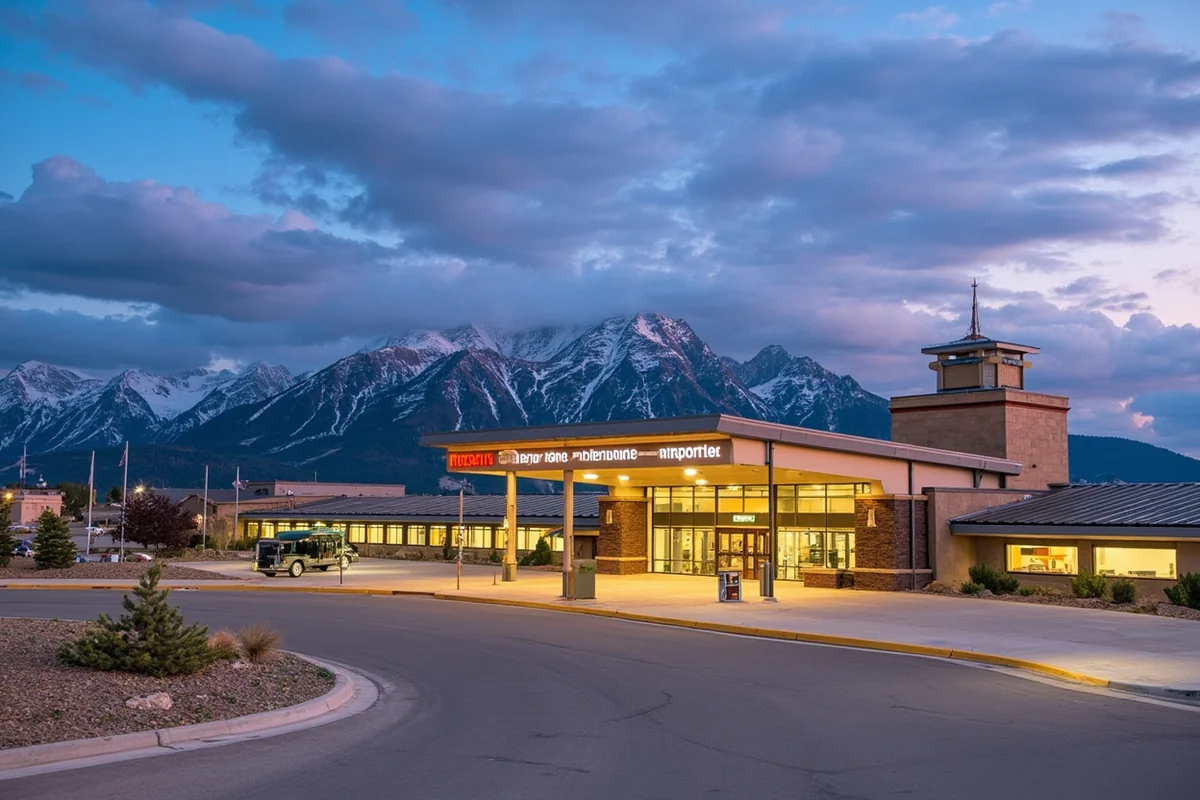
This is my personal favorite Montana airport, and not just because the approach feels like a National Geographic documentary. Glacier Park International in Kalispell puts you 30 minutes from Glacier National Park’s west entrance.
The terminal is smaller than Bozeman’s but handles the crowds well. I flew in last July during peak season, and security took only 12 minutes—considerably faster than my Denver connection.
Airlines serving FCA include Alaska, Allegiant, American, Delta, Frontier, JetBlue, Southwest, and United. The Southwest service that started in 2021 dramatically dropped prices on certain routes.
One insider tip: the rental car lot is a short walk from baggage claim, but during summer, the lines can stretch for an hour or more. I now always book through smaller agencies like Budget or local operators that have shorter waits.
Flathead Lake, the largest natural freshwater lake west of the Mississippi, sits just 15 minutes south. If you’re exploring Montana without a car, Kalispell has the best shuttle services to Glacier National Park of any airport.
3. Missoula International (MSO)
Missoula’s airport serves western Montana’s cultural hub, and it recently completed a stunning new terminal that opened in 2022. The $115 million facility features floor-to-ceiling windows, a massive fireplace in the main hall, and local brewery taps—it genuinely feels like Montana.
I use Missoula when visiting the Bitterroot Valley or floating the Clark Fork River. The university town vibe means more restaurant options and nightlife than you’d find in Kalispell or Bozeman.
Direct routes include Denver, Seattle, Salt Lake City, Minneapolis, Phoenix, Portland, Las Vegas, and Los Angeles. Southwest’s presence keeps fares competitive.
The one drawback: Missoula is 2.5 hours from Glacier National Park and 5+ hours from Yellowstone. It’s perfect for western Montana adventures but less ideal for park-focused trips.
4. Billings Logan International (BIL)
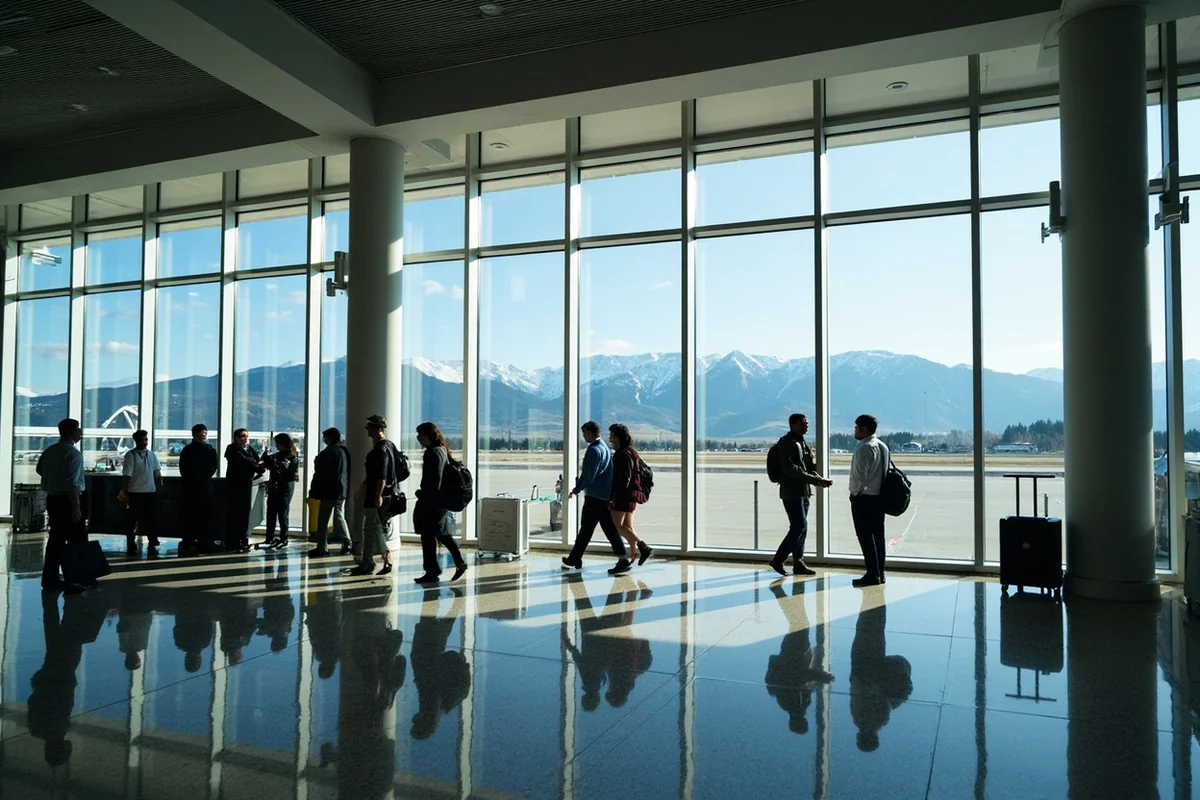
Billings is Montana’s largest city, and its airport is the state’s original aviation hub. While Bozeman now handles more passengers, Billings remains important for eastern Montana access.
The terminal feels dated compared to newer Montana airports—think 1990s aesthetics—but it’s functional and efficient. I’ve never waited more than 10 minutes at security here.
Airlines include Allegiant, American, Delta, and United, with hubs in Denver, Salt Lake City, Minneapolis, and Phoenix. Fares are often 15-20% cheaper than Bozeman for the same routes.
Billings positions you well for the Beartooth Highway (seasonal), Little Bighorn Battlefield, and the often-overlooked northeastern corner of Yellowstone via the Lamar Valley.
The drive to Yellowstone’s northeast entrance through Red Lodge and over Beartooth Pass is 3 hours of jaw-dropping scenery when the road opens in late May.
5. Helena Regional Airport (HLN)
Montana’s capital city has a small but serviceable airport that often gets overlooked by tourists. That’s a mistake.
Helena serves as an excellent hub for exploring the Bob Marshall Wilderness, Gates of the Mountains, and Montana’s historic mining district. During my last visit, I found rental car rates 40% lower than Bozeman for the same dates.
Delta and United provide the main service, connecting through Salt Lake City and Denver. Flights are limited but reliable.
The terminal is tiny—essentially one building with a handful of gates—which means you’ll clear security in under 5 minutes even during busy periods. Helena also connects well with Montana’s public transportation options if you’re trying to minimize driving.
6. Great Falls International (GTF)
Great Falls sits along the Rocky Mountain Front, where the plains meet the mountains in dramatic fashion. The airport is small but efficient, serving as a gateway to the Sun River, Gibson Reservoir, and the east side of Glacier National Park.
Allegiant, Delta, and United operate here with connections through Denver, Minneapolis, Salt Lake City, and Las Vegas. Allegiant’s direct Las Vegas route makes Great Falls surprisingly accessible for winter travelers from the Southwest.
I’ve used Great Falls as my entry point for backcountry hunting trips in the Bob Marshall Wilderness. The town has excellent outdoor outfitters and the lowest hotel prices of any Montana airport city.
The drive to Glacier’s east side via Highway 89 takes about 2 hours and passes through some of the most photogenic landscape in the state—golden prairies backed by jagged peaks.
7. Butte-Silver Bow (Bert Mooney) Airport (BTM)
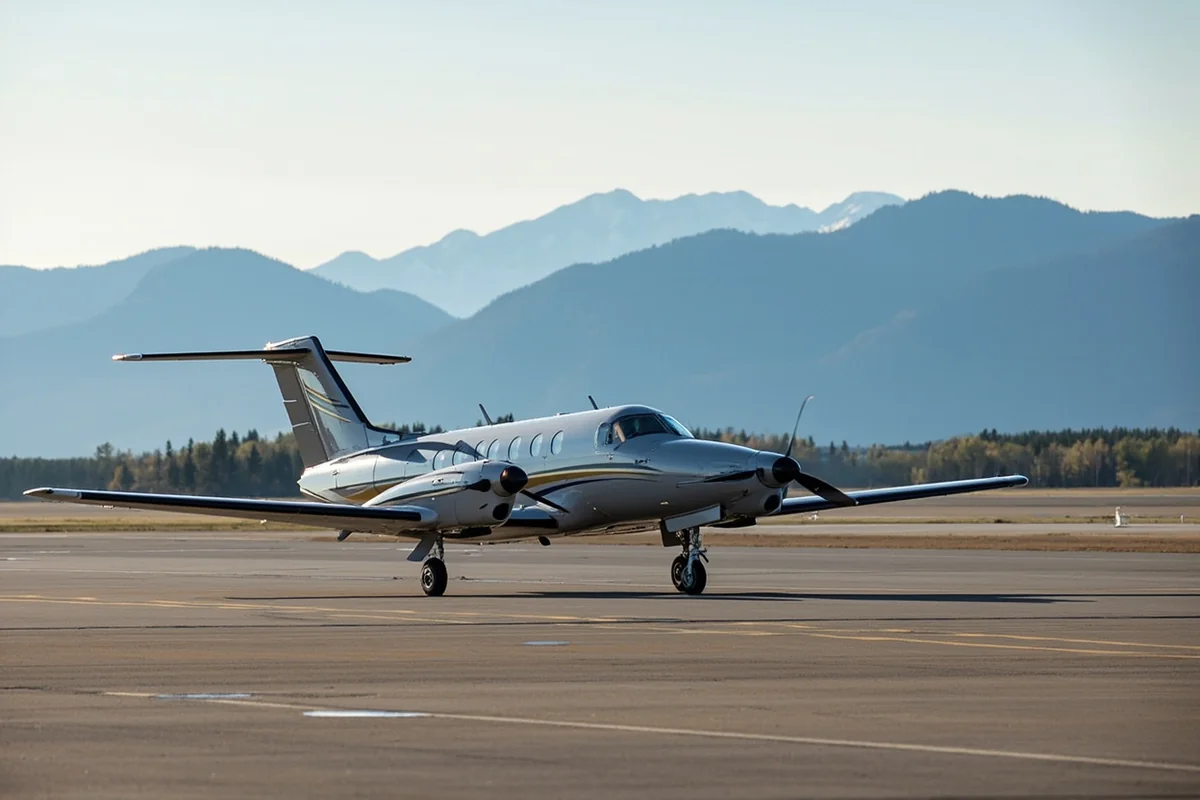
Bert Mooney Airport is Montana’s smallest commercial facility, and it has a cult following among savvy travelers. SkyWest operates United flights connecting through Denver.
Butte itself is a fascinating historic mining town with incredible architecture, but the airport’s real value is geographic. It’s equidistant from many Montana destinations, making it useful for multi-region itineraries.
I used Butte on a recent trip where I wanted to ski at Discovery, fish the Big Hole River, and visit Virginia City. It saved me significant driving compared to flying into Bozeman.
The terminal is minimal—one gate, one baggage carousel, minimal amenities—but the parking lot sits 50 feet from the door, and you can land, grab a rental car, and be on the highway in 15 minutes.
8. The Essential Service Airports
Montana has several airports with limited commercial service under the Essential Air Service program. These include Wolf Point, Sidney, Havre, and Glasgow.
These airports connect to Denver or Minneapolis on small regional aircraft. Unless you’re specifically visiting these northeastern Montana communities, you’re unlikely to use them.
I did fly into Sidney once for a paddling trip on the Yellowstone River. The 9-seat Cessna felt like a bush plane experience, and watching the river snake below during the approach was unforgettable. But practically speaking, these airports serve locals more than tourists.
How to Choose the Right Airport for Your Trip
After dozens of Montana flights, I’ve developed a system for choosing airports based on itinerary rather than just price.
Heading to Glacier National Park?
Glacier Park International (FCA) is the obvious choice for west-side access. You’ll reach the Apgar Visitor Center in about 30 minutes.
However, if you’re planning to focus on Many Glacier or Two Medicine—the park’s east side gems—Great Falls (GTF) actually puts you closer. The drive through Browning on the Blackfeet Reservation is spectacular.
Yellowstone-Focused Trips
Bozeman (BZN) wins for north and west Yellowstone access. The drive through Gardiner hits the park’s original entrance arch.
For Yellowstone’s east entrance or Beartooth Highway, Billings (BIL) makes more sense. I especially recommend this route when the Beartooth opens in late May—it’s legitimately one of America’s greatest drives.
Road Trip Itineraries
One of my favorite Montana hacks: fly into one airport and out of another. Rental companies charge one-way fees, but they’re often worth it.
Last summer, I flew into Glacier Park International and out of Bozeman, hitting Whitefish, the National Bison Range, Helena, and Bozeman over 10 days without backtracking. The one-way rental fee was $150 extra—a bargain compared to the driving time saved.
Practical Airport Information Table
| Airport | Code | Major Airlines | Best For | Rental Cars |
|---|---|---|---|---|
| Bozeman Yellowstone | BZN | All major carriers | Yellowstone, Big Sky skiing | All major + local |
| Glacier Park Int’l | FCA | Alaska, Delta, United, Southwest | Glacier NP west side | All major |
| Missoula Int’l | MSO | Alaska, Delta, United, Southwest | Western Montana, Bitterroot | All major |
| Billings Logan | BIL | Allegiant, American, Delta, United | Beartooth, E. Yellowstone | All major |
| Helena Regional | HLN | Delta, United | Central Montana, Bob Marshall | Limited major |
| Great Falls Int’l | GTF | Allegiant, Delta, United | Glacier east side, Rocky Mtn Front | Limited major |
| Bert Mooney (Butte) | BTM | United (SkyWest) | Southwest Montana, Big Hole | Very limited |
Rental Cars: The Montana Reality Check
Here’s what no one tells you about Montana airports: rental cars are a crisis during summer months. I’m not exaggerating—I’ve seen travelers stranded at Glacier Park International because every vehicle was booked.
Book your rental car the moment you book your flights. During peak season (June-August), I recommend booking 3-4 months ahead for popular airports like Bozeman and Kalispell.
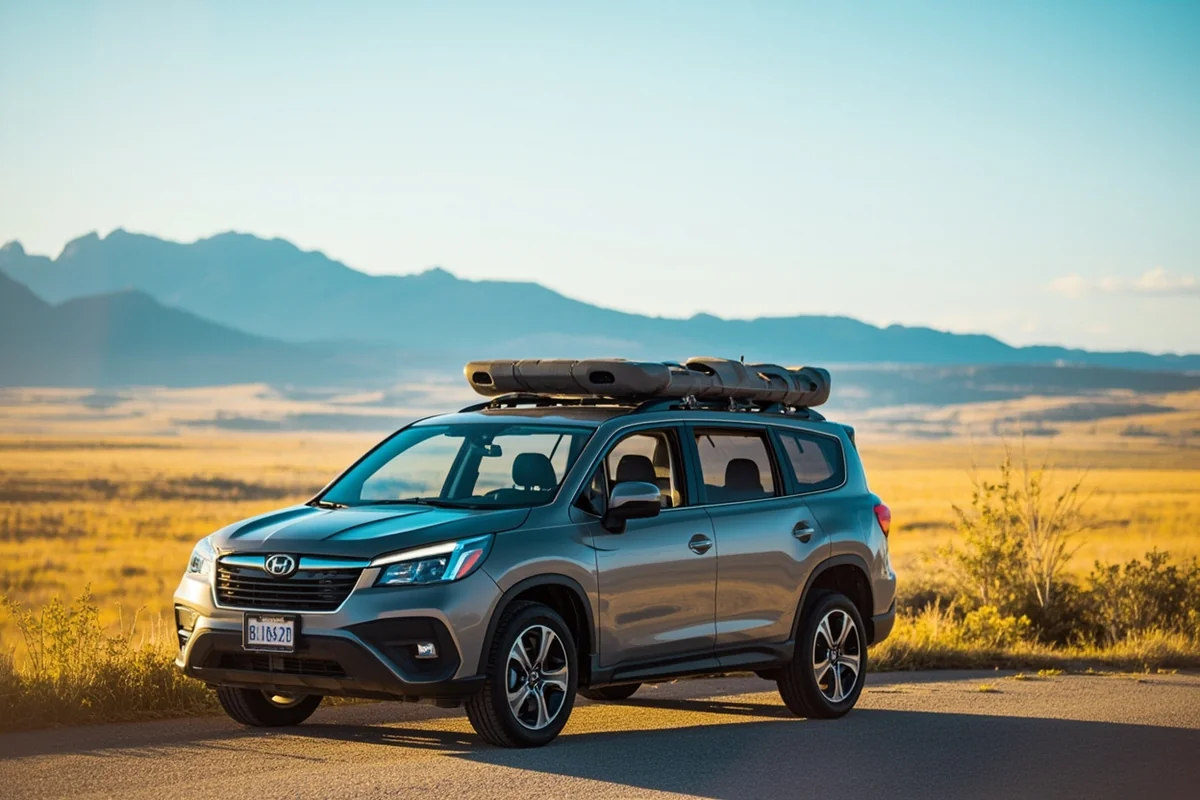
Prices have stabilized somewhat since the 2021-2022 rental car apocalypse, but expect to pay $80-150 per day during summer for a standard SUV. Compact cars are sometimes cheaper but struggle on gravel forest roads.
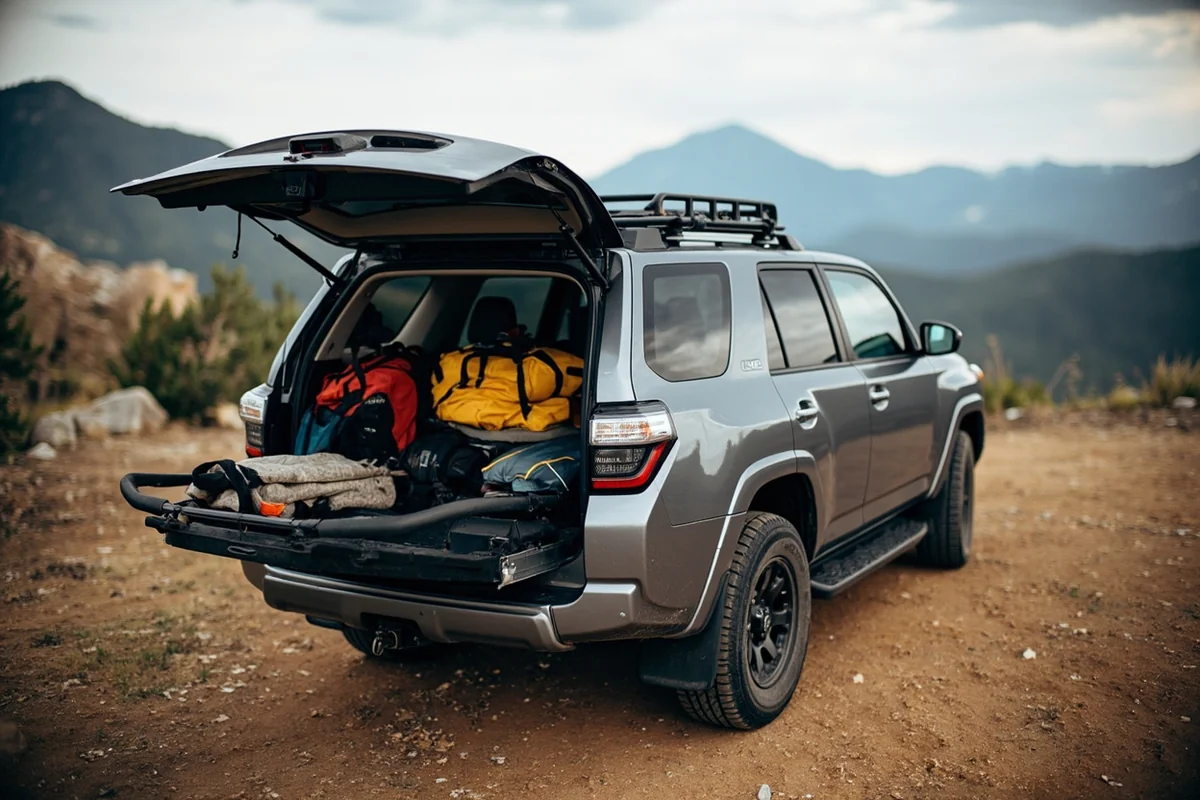
AWD or 4WD vehicles are worth the premium if you’re heading into the backcountry. Many Forest Service roads become impassable after rain without proper traction.
One alternative I’ve been exploring is the ultimate Montana EV guide for electric vehicle rentals. Turo now has several Tesla options at Montana airports, and the charging network has improved dramatically.
Rental Car Pro Tips
Skip the airport rental counter when possible. Sometimes local agencies in nearby towns offer better rates with shuttle service. In Kalispell, I’ve had luck with smaller operators who pick you up at FCA.
Always photograph your rental car before leaving the lot. Montana’s gravel roads chip windshields and kick up rocks constantly. You want documentation of pre-existing damage.
Fill up before returning—airport fuel prices run 20-30% higher than in-town stations.
Ground Transportation Beyond Rental Cars
While rental cars dominate Montana travel, alternatives exist at the larger airports.
Shuttle Services
Glacier Park International has the best shuttle network. Glacier Park Inc. operates shuttles to Lake McDonald Lodge and other park destinations. Whitefish and Kalispell also have hotel shuttle services.
Bozeman has several shuttle companies running to Big Sky Resort during winter. The Skyline Bus offers scheduled routes for around $40 one-way—cheaper than parking at the ski area for a week.
Rideshare and Taxis
If you’re wondering about using Uber in Montana, the reality is mixed. Uber and Lyft operate in Bozeman, Missoula, and Billings with reasonable reliability. At smaller airports, you might wait 30+ minutes or find no drivers available.
Traditional taxis exist at all commercial airports but cost considerably more than rideshare. Budget $50-80 from any airport to the nearest town center.
Public Transit
Missoula’s Mountain Line buses connect the airport to downtown, making it the most transit-accessible Montana airport. Helena has limited bus service. Other airports have no public transit connections.
Flying During Montana’s Seasons
Weather dramatically affects Montana aviation, and understanding seasonal patterns helps you plan realistic itineraries.
Summer (June-August)
This is peak season with maximum flight options but also maximum prices and crowds. I’ve paid $600+ for round-trip tickets to Bozeman in July that cost $250 in October.
Afternoon thunderstorms are common and can delay flights, particularly at mountain airports. Early morning flights have the highest on-time performance.
Wildfire smoke affects air travel some summers. During the bad smoke years (like 2017 and 2021), I’ve seen flights diverted due to visibility issues. Check fire conditions before travel.
Fall (September-October)
My favorite time to fly into Montana. Crowds thin dramatically after Labor Day, prices drop 30-40%, and the weather remains excellent through mid-October.
Hunting season brings a different crowd—you’ll see more camo and gun cases at baggage claim—but airports stay manageable.
Winter (November-March)
Winter is when Montana airports get interesting. Ski season brings crowds to Bozeman and Kalispell, but weather delays become common.
I always book the earliest morning flight during winter travel. Storms typically intensify throughout the day, and afternoon flights face higher cancellation rates.
Pack patience and flexibility. I’ve been stuck overnight at Denver and Minneapolis multiple times due to Montana winter weather. Travel insurance is worth considering.
The upside: winter sunrises from descending aircraft over snow-covered peaks are transcendent.
Spring (April-May)
Spring is Montana’s mud season, and airports are quiet. This means cheap flights and available rental cars, but many seasonal businesses remain closed.
Weather is unpredictable—I’ve experienced 70°F sunshine and unexpected snowstorms in the same April week. Layer up and stay flexible.
Money-Saving Strategies That Actually Work
After years of Montana flying, I’ve developed reliable strategies for keeping costs reasonable.
Compare Alternative Airports Seriously
Don’t just default to the closest airport. On my last Yellowstone trip, flying into Salt Lake City saved $400 over Bozeman—easily worth the 5.5-hour drive through gorgeous canyon country.
I’ve also flown into Spokane, Washington, for Glacier trips when the price difference justified the 4-hour drive.
Watch Allegiant and Southwest Routes
Both airlines have expanded Montana service, and their sales can be remarkable. I scored $99 round-trip Las Vegas to Bozeman on Allegiant last fall—though you’ll pay extra for bags and seat selection.
Southwest’s no-fee cancellation policy is gold for Montana travel, where weather and wildlife make last-minute itinerary changes common.
Consider Position Flights
When rental car prices are astronomical, sometimes it’s cheaper to book a flight routing that positions you where cars are available.
Last summer, my brother flew Bozeman to Butte on a $89 one-way ticket because Butte had rental cars at half the Bozeman price. The total savings covered his extra flight.
Tuesday and Wednesday Flights
This universal advice applies doubly in Montana. Weekend flights, especially to ski destinations, carry significant premiums.
What to Expect at Montana Airports
Montana airports share certain characteristics that differentiate them from big-city terminals.
Security Is Usually Quick
TSA PreCheck exists at larger airports, but honestly, standard lines rarely exceed 15 minutes except during holiday weekends. I’ve walked through Billings security in under 3 minutes.
Food and Beverage Options Are Limited
Don’t expect much beyond basic cafes and bars. Bozeman and Missoula have decent local food vendors now, but smaller airports might have vending machines only.
I always eat before arriving at Montana airports or pack snacks for departures.
WiFi Is Free but Variable
All commercial airports offer free WiFi, though speeds vary. I’ve successfully joined video calls from Missoula’s new terminal but struggled to load email at Great Falls.
The People Are Friendlier
This isn’t a cliché—Montana airport staff genuinely seem happier than their big-city counterparts. I’ve had gate agents help me rebook missed connections, rental car agents upgrade me for free, and TSA officers make actual jokes.

Connecting Through Denver and Minneapolis
Most Montana flights route through hub airports, and understanding your connection options matters.
Denver International (DEN)
United’s fortress hub serves most Montana airports. The A-B-C concourse train system can add 20+ minutes to connections, so I never book less than 90 minutes for DEN connections.
Denver weather affects Montana flights year-round. Summer thunderstorms and winter blizzards ripple through schedules quickly.
Minneapolis-St. Paul (MSP)
Delta’s Minneapolis hub serves Bozeman, Billings, and other Montana airports. The terminal is more compact than Denver, making 60-minute connections viable.
MSP is my preferred winter routing—Minnesota handles snow better than Colorado, and delays seem less severe.
Salt Lake City (SLC)
Delta’s hub serves multiple Montana airports and offers the smoothest connections in my experience. The compact terminal rarely requires more than a 15-minute walk between gates.
Seattle (SEA)
Alaska Airlines routes much of its Montana service through Seattle. The airport is huge, but Alaska operates from concourses near the main terminal, keeping connections manageable.
Private and Charter Aviation
Montana has extensive private aviation infrastructure for those with deeper pockets or group travel needs.
Bozeman has numerous charter operators serving remote ranches and fishing lodges. Prices start around $1,500 per hour for small turboprops.
Backcountry airstrips dot the state, offering access to wilderness that’s otherwise days of hiking away. Several outfitters fly anglers and hunters to remote airstrips in the Bob Marshall Wilderness.
If you’re flying private, know that Montana ATC is extremely accommodating, but weather windows in mountain valleys close quickly. Experienced Montana pilots are worth the premium.
Connecting to Amtrak
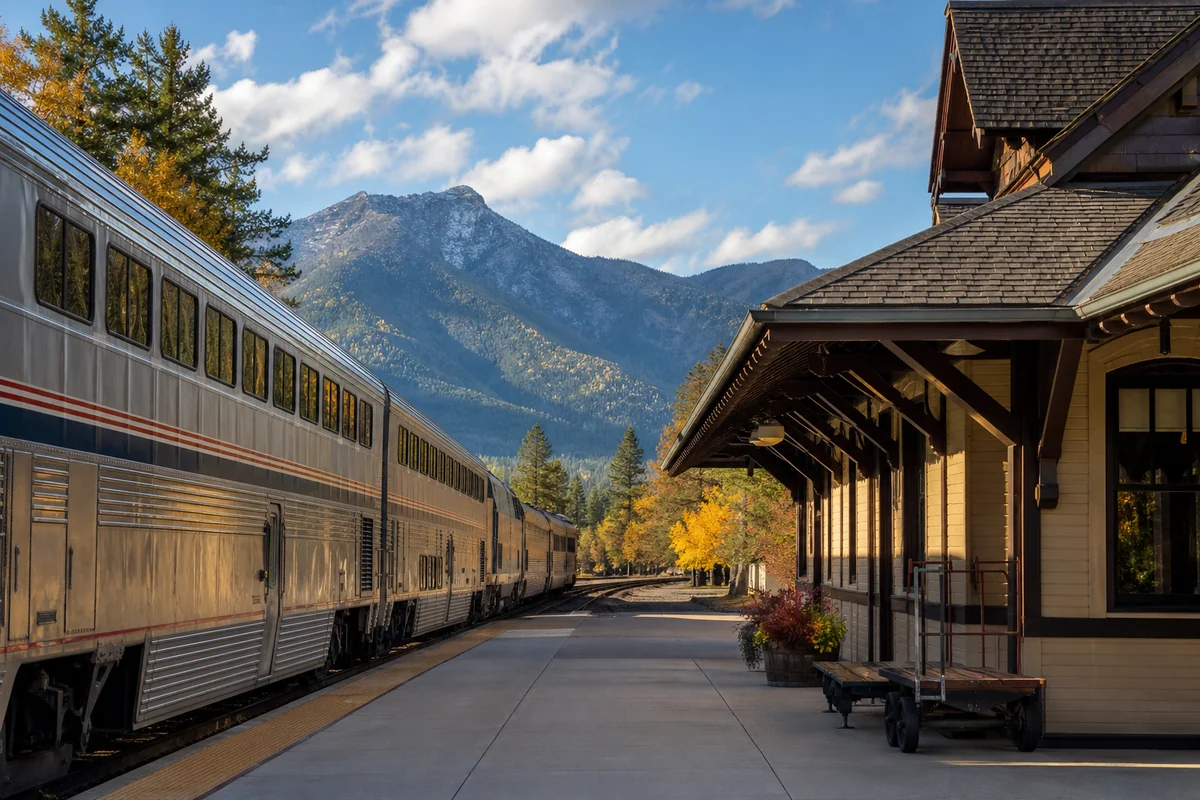
For travelers interested in combining air and rail, Montana offers unique options. If you’re exploring Montana’s railroad history and routes, consider flying into one city and taking the Empire Builder train out—or vice versa.
The Empire Builder stops in Whitefish (near Glacier Park International), East Glacier, Essex, Shelby, Havre, Malta, Glasgow, and Wolf Point. I’ve done Kalispell-to-Seattle by flying in and taking the train back—an unforgettable two-day journey through the Cascades.
For complete details on the state’s rail options, check out the guide to Montana train stations for schedules and station amenities.
Final Thoughts: Your Montana Arrival Sets the Tone
The airport you choose shapes your entire Montana experience. Flying into the wrong one doesn’t ruin a trip, but landing at the right one—stepping off the jetway to mountain views, skipping rental car lines, starting your adventure immediately—elevates everything that follows.
I’ve learned to think of Montana’s airports not as interchangeable entry points but as gateways to different experiences. Glacier Park International feels like arriving at wilderness. Bozeman feels like reaching a ski town. Billings feels like entering the Great Plains.
Take time to match your airport to your itinerary. Study the distances. Consider the seasonal factors. And book that rental car early—seriously.
Montana rewards travelers who plan ahead but stay flexible. The weather changes, the wildlife moves, and the best experiences often emerge from unexpected detours. Your airport choice just gets you to the starting line.
I’ll be flying into Glacier Park International again next month, timing my arrival for sunset over the Mission Mountains. After all these trips, that approach still gives me chills. May your Montana arrival be just as spectacular.
Frequently Asked Questions
What are the major commercial airports in Montana for visitors?
Montana has eight commercial airports, with Bozeman Yellowstone International (BZN) being the busiest and most popular for visitors heading to Yellowstone or Big Sky. Missoula International (MSO) and Billings Logan International (BIL) are also major hubs, while smaller airports like Glacier Park International (FCA) in Kalispell offer convenient access to Glacier National Park. I always recommend checking all nearby airports since prices can vary significantly between them.
How far is Bozeman airport from Yellowstone National Park?
Bozeman Yellowstone International Airport is approximately 90 miles from the north entrance of Yellowstone National Park, which takes about 1.5 to 2 hours to drive depending on weather and traffic. During winter months, this drive can take considerably longer due to snow and icy conditions. I suggest renting a car at the airport since there’s limited public transportation to the park.
Which Montana airport is closest to Glacier National Park?
Glacier Park International Airport (FCA) in Kalispell is the closest airport to Glacier National Park, located just 30 miles from the West Glacier entrance. The drive takes approximately 30-40 minutes, making it incredibly convenient for park visitors. Missoula International Airport is an alternative option about 150 miles south if you find better flight deals there.
How much does it cost to fly into Montana airports?
Round-trip flights to Montana typically range from $250-$600 from major US cities, though prices spike during peak summer season (June-August) and ski season (December-March). Bozeman often has the most flight options but can be pricier due to demand, while flying into Billings or Missoula sometimes saves $100-$200. I’ve found booking 6-8 weeks in advance usually gets the best rates for Montana flights.
Do I need to rent a car at Montana airports or is there public transportation?
I strongly recommend renting a car at any Montana airport since public transportation is extremely limited outside of small shuttle services. Montana’s attractions are spread across vast distances—often 100+ miles apart—and rideshare services like Uber are unreliable in rural areas. All major Montana airports have rental car counters from companies like Enterprise, Hertz, and Budget, with daily rates averaging $50-$100 depending on season.
What is the best time of year to find cheap flights to Montana?
The cheapest flights to Montana are typically during the shoulder seasons of April-May and September-October when tourism slows between ski and summer seasons. I’ve seen fares drop 30-40% compared to peak summer months when everyone is heading to the national parks. If you’re flexible with dates, flying mid-week (Tuesday or Wednesday) can also save you $50-$100 on airfare.
Are there direct flights to Montana from major US cities?
Yes, you can find direct flights to Montana from major hubs like Denver, Seattle, Salt Lake City, Minneapolis, and Los Angeles, with Denver offering the most frequent connections. Bozeman and Missoula have the best direct flight options, while smaller airports like West Yellowstone only operate seasonally. Airlines serving Montana include Delta, United, Alaska Airlines, and Allegiant, though routes vary significantly by season.
Sources
- https://www.mdt.mt.gov/other/webdata/external/aero/airport-directory.pdf
- https://yellowstoneairport.mdt.mt.gov/
- https://www.billingsmt.gov/1900
- https://www.cbp.gov/about/contact/ports/great-falls-airport-mt-montana-3304
- https://www.flickr.com/photos/amyguth/4044989095
- https://www.flickr.com/photos/redlegsfan21/15106462747
- https://www.flickr.com/photos/auvet/6127264198
- https://commons.wikimedia.org/wiki/File:Terminal_at_Missoula_Airport
- https://commons.wikimedia.org/wiki/File:Bert_Mooney_Airport_at_Butte