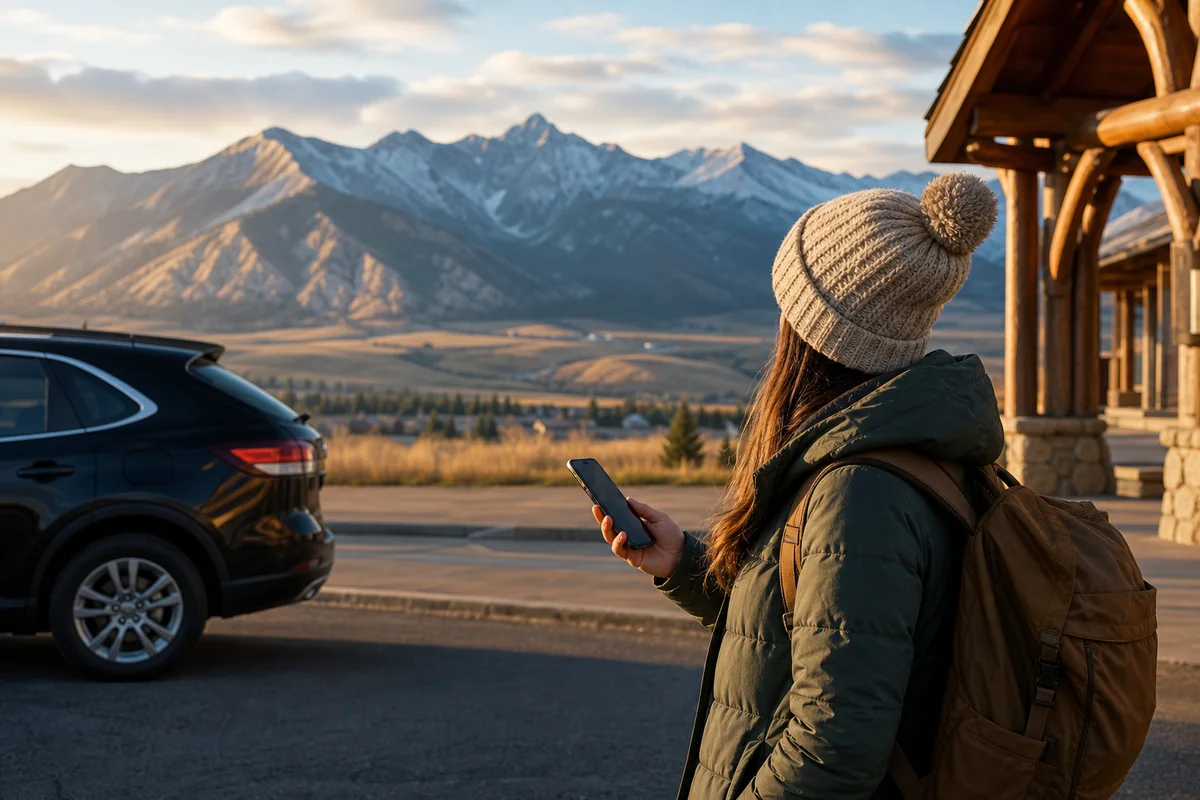
I’ll never forget standing outside Bozeman Yellowstone International Airport at 11 PM last October, watching my Uber app spin endlessly with “searching for drivers” while the temperature dropped into the twenties.
After fifteen minutes, I gave up and called a local taxi—a lesson that perfectly encapsulates rideshare reality in Montana. If you’re coming from a city where Uber appears within three minutes flat, you need to recalibrate your expectations entirely before visiting Big Sky Country.
Understanding how rideshare services actually function here is a crucial part of any Montana transportation guide, because what works in Denver or Seattle simply doesn’t translate to a state with more land than people.
- Uber operates reliably only in Bozeman, Missoula, Billings, and ski resort areas—everywhere else is hit or miss
- Wait times of 15-30+ minutes are normal, even in “covered” cities
- Surge pricing during events and ski season can be 3-4x normal rates
- Always have backup transportation plans—local taxis, hotel shuttles, or rental cars
- Lyft has even less coverage than Uber in Montana
- Download apps and set up accounts before arriving—cell service is unreliable in many areas
Liked this article?
Add Roaming Montana as a preferred source so you see more of our articles and guides on Google.
The Reality of Rideshare in America’s Fourth-Largest State
Let me be straight with you: Montana isn’t rideshare country, and pretending otherwise would waste your time and potentially strand you somewhere inconvenient.
I’ve spent the better part of six years exploring this state, and I’ve learned that rideshare services exist in a fundamentally different capacity here than anywhere else I’ve traveled in the US.
Montana spans 147,000 square miles—larger than Germany—but has a population of just over 1.1 million people. Most of those residents live in a handful of cities, and the vast majority of the state is functionally empty when it comes to on-demand transportation.
When I visited Great Falls for the first time in 2022, I assumed Uber would work there since it’s Montana’s third-largest city. I opened the app outside my hotel downtown and found zero drivers available. Not a long wait—literally no one.
This isn’t a complaint; it’s context. Understanding the landscape helps you plan smarter and enjoy your trip more.
Where Uber Actually Works in Montana
Through dozens of trips, I’ve developed a mental map of where rideshare services are genuinely functional versus where they’re theoretical possibilities at best.
Bozeman: The Most Reliable Option
Bozeman is Montana’s rideshare sweet spot. During my most recent trip last summer, I used Uber five times around town without any catastrophic waits. The college population (Montana State University), tourism economy, and relatively affluent demographics create enough driver supply to make the service workable.
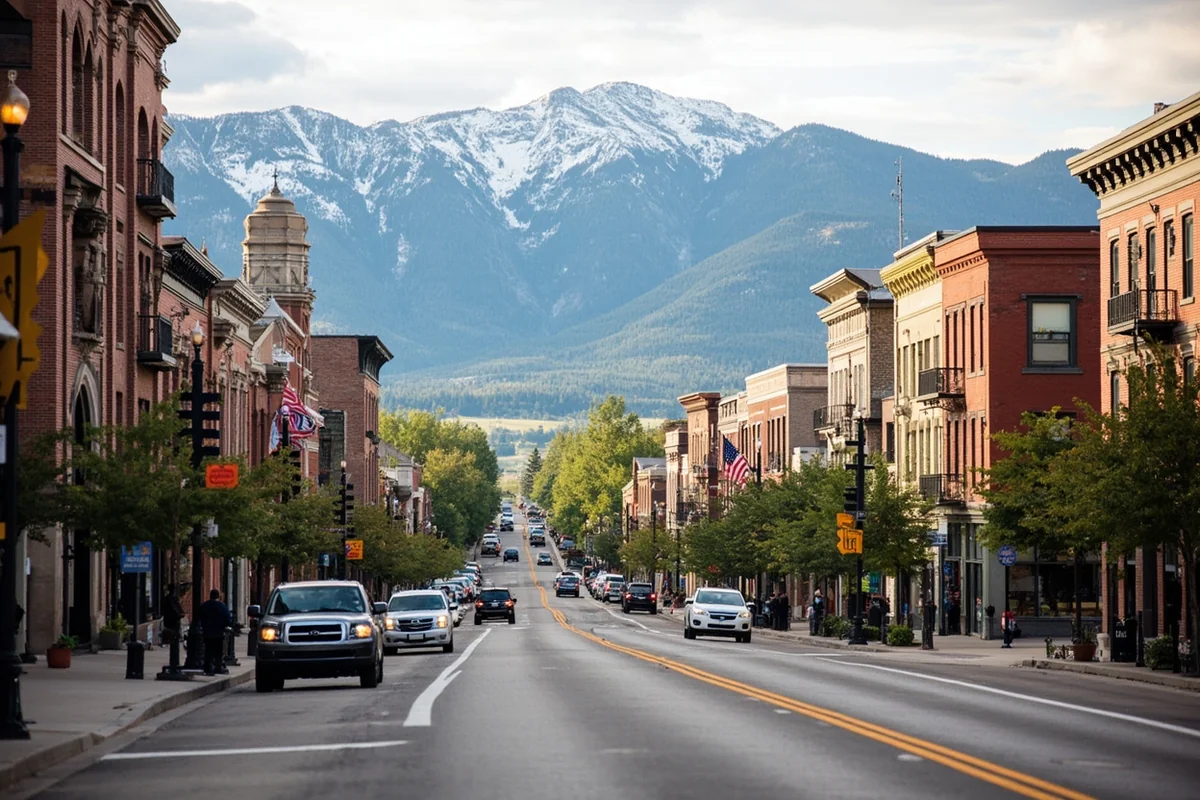
Even here, though, “reliable” requires air quotes. My average wait time in Bozeman runs 8-15 minutes during normal hours. Compare that to the 3-5 minute average I experience in Portland or Austin.
The airport (BZN) is where things get tricky. Bozeman Yellowstone International has exploded in popularity—it’s now Montana’s busiest airport—but driver supply hasn’t kept pace. If you’re flying into BZN, check out our Montana airports guide for more context on ground transportation options at each terminal.
Pro tip from hard experience: if you land during peak arrival windows (roughly 10 AM-1 PM or 4 PM-8 PM), request your Uber before you even reach baggage claim. You might wait at the curb, but at least you’ll be in the queue.
Missoula: College Town Energy
Missoula functions similarly to Bozeman thanks to the University of Montana student body. I’ve had good luck here during regular business hours and early evenings.
Last fall, I stayed downtown near the Hip Strip and used Uber to get to the airport for an early morning flight. I scheduled the ride the night before, and the driver showed up exactly when promised at 5:30 AM. That experience taught me that scheduling in advance—not just requesting on-demand—dramatically improves reliability in Montana.
The downtown core, university area, and routes to Missoula International Airport (MSO) are your best bets. Once you venture toward the outskirts or nearby areas like Lolo, driver availability drops substantially.
Billings: Sporadic but Present
Montana’s largest city by population surprisingly has less consistent Uber coverage than smaller Bozeman. I suspect this relates to demographic differences—Billings is more blue-collar and less tourist-driven, meaning fewer people are accustomed to using or driving for rideshare services.
When I was in Billings two summers ago for a wedding, I tried Uber three times. It worked twice (10 and 20-minute waits respectively) and failed once—no drivers available on a Saturday afternoon in a city of 120,000 people.
My recommendation: treat Uber as a backup option in Billings rather than your primary plan.
Whitefish and Big Sky: Seasonal Hotspots
Here’s where things get interesting. Ski season transforms certain Montana communities from rideshare deserts into surprisingly functional markets.
Big Sky Resort, in particular, has developed solid Uber coverage during winter months. The wealthy ski crowd expects on-demand transportation, and drivers know they can charge premium rates, so the economics work out.
I visited Big Sky last February and had no trouble getting rides around the resort area, though surge pricing was the norm rather than the exception.
Whitefish near Glacier National Park operates similarly during ski season at Whitefish Mountain Resort. Summer coverage exists but is spottier since the tourist crowds, while substantial, are more spread out and more likely to have rental cars.
Where Uber Doesn’t Work (At All)
I want to save you from wasted expectations. The following areas have effectively zero reliable rideshare service based on my experience:
| Location | Uber Status | Alternative |
|---|---|---|
| Great Falls | Essentially non-existent | Diamond Cab, hotel shuttles |
| Helena (Capital) | Very rare | Capital Taxi, rental cars |
| Butte | Non-existent | Mining City Taxi |
| Kalispell | Rare outside ski season | Flathead Glacier Transportation |
| Glacier National Park | Non-existent | Red Bus Tours, shuttles, rentals |
| Yellowstone (Montana entrances) | Non-existent | Park shuttles, tour operators |
If you’re planning to explore Montana without a car, you’ll need to think creatively—Uber alone won’t cut it for most itineraries.
Lyft in Montana: Even Less Coverage
I occasionally get asked whether Lyft offers a better alternative to Uber in Montana. In my experience, the answer is a definitive no.
Lyft’s driver pool in Montana is significantly smaller than Uber’s already-limited supply. I’ve opened both apps simultaneously in Bozeman and Missoula multiple times, and Lyft consistently shows fewer available drivers and longer wait times.
During ski season at Big Sky, Lyft is virtually non-existent while Uber maintains decent coverage. I’m not sure why this disparity exists—perhaps Uber got to the market first and drivers simply stuck with the platform they knew.
My advice: download both apps just in case, but set your expectations accordingly. Uber is your primary option; Lyft is a hail-Mary backup.
Understanding Montana Uber Economics
Surge Pricing: The Hidden Budget Buster
If you’re accustomed to Uber in major metros, Montana’s surge pricing might shock you. The limited driver supply means any spike in demand immediately triggers surge multipliers.
I’ve seen 3.8x surge pricing in Big Sky during a powder day, turning a $15 ride into nearly $60. During the Sweet Pea Festival in Bozeman last August, I watched surge pricing hit 2.5x at midnight when everyone needed rides home simultaneously.
Events that trigger surge pricing in Montana include:
- Montana State and University of Montana football games
- Major ski weekends (holidays, powder days)
- Summer festivals (Sweet Pea, Red Ants Pants, Testicle Festival)
- Airport rush hours during tourist season
- Bar closing time (1:30-2:30 AM) in any covered city
The solution? Flexibility. If you can wait 20-30 minutes during peak surge, prices often settle back down as additional drivers come online.
Why Driver Supply Is So Limited
Understanding why Uber coverage is sparse helps contextualize the situation. Several Montana-specific factors suppress driver supply:
Distance economics don’t work. In dense cities, drivers can complete multiple short trips per hour. In Montana, a single airport run might take a driver 45 minutes round-trip, making hourly earnings less attractive.
Alternative employment is plentiful. Montana’s tourism economy creates abundant service jobs. Someone who might drive Uber in Phoenix might work at a ski resort, fishing outfitter, or dude ranch in Montana—seasonal work that often pays better and feels more authentic.
Vehicle wear concerns. Montana’s winters are brutal on cars. The combination of rough roads, extreme temperatures, and long distances accelerates vehicle depreciation, eating into driver profits.
Insurance complications. Montana requires specific rideshare insurance, which adds costs that many casual drivers aren’t willing to absorb.
Smart Strategies for Using Uber in Montana
After years of figuring out Montana’s rideshare quirks, I’ve developed strategies that consistently work better than just opening the app and hoping.
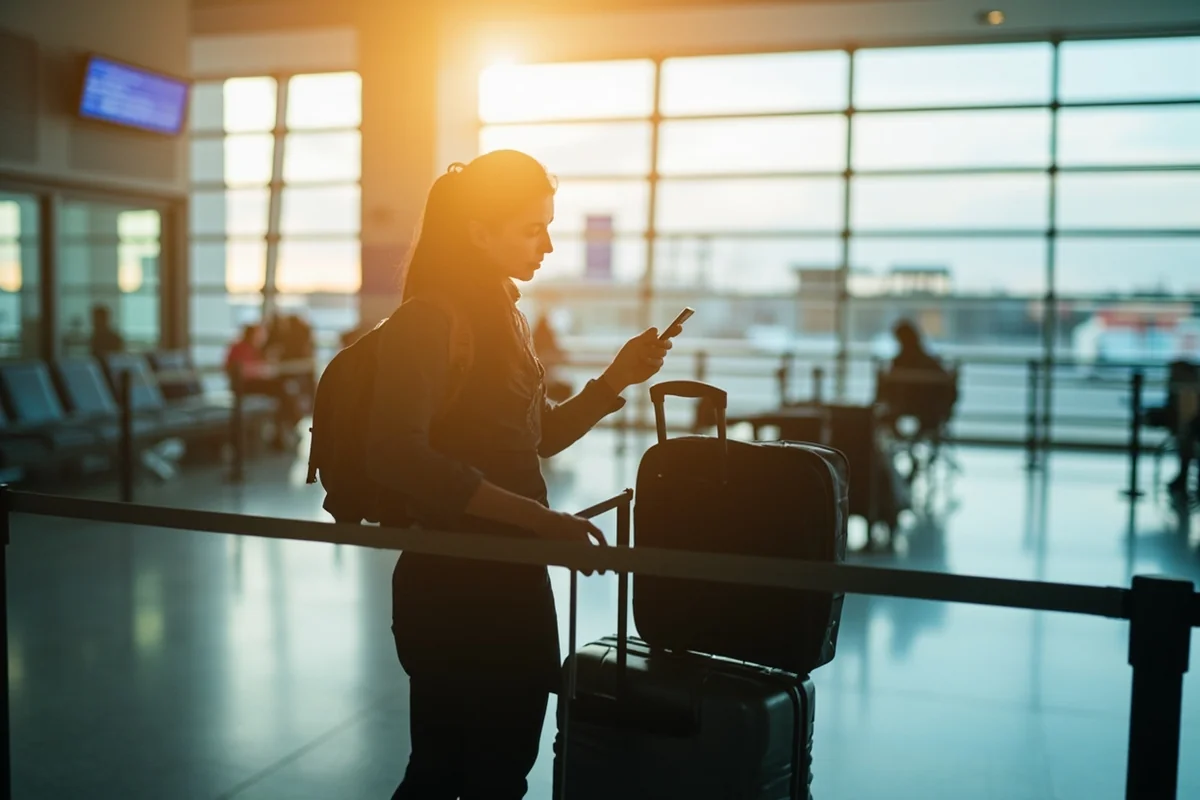
Schedule Rides in Advance
Uber’s scheduling feature is your friend in Montana. When I need an early morning airport ride or want to ensure transportation from a special event, I schedule 24 hours in advance.
Scheduled rides seem to attract drivers who are specifically planning their shifts around guaranteed fares. My success rate with scheduled rides is significantly higher than on-demand requests.
Build in Buffer Time
Never schedule anything tight when relying on Uber in Montana. If you have a 6 PM dinner reservation, start requesting your ride by 5:15 PM.
During my girlfriend’s birthday dinner last year in Bozeman, I requested the Uber 30 minutes before our reservation. The driver arrived in 22 minutes, and we made it to the restaurant right on time. Had I waited until the typical 10-minute window I’d use in Seattle, we’d have been embarrassingly late.
Have Cash for Taxi Backup
I always carry $60-80 in cash when traveling in Montana specifically for taxi emergencies. Traditional taxi services still operate in most Montana cities, and while they’re not as convenient as rideshare, they’re more reliable.
Local taxi numbers worth saving in your phone:
- Bozeman: Karst Stage (406-556-2100)
- Missoula: Yellow Cab (406-543-6644)
- Billings: City Cab (406-252-8700)
- Great Falls: Diamond Cab (406-453-3241)
Ask Your Hotel About Shuttles
Many Montana hotels, especially those near airports and ski resorts, offer complimentary or low-cost shuttle services. I’ve found these vastly more reliable than Uber for airport transfers in particular.
When I stayed at the Element Bozeman last spring, their free shuttle ran to the airport every 90 minutes—far more dependable than hoping an Uber would materialize at 4 AM for my early flight.
Alternative Transportation When Uber Fails
Given Uber’s limitations, I strongly recommend building redundancy into your Montana transportation plans.
Rental Cars: Usually the Smart Choice
For most Montana visitors, a rental car is simply the right answer. The state is huge, attractions are spread out, and the flexibility of having your own vehicle outweighs the cost for trips longer than a day or two.
Even visitors who normally avoid renting cars in other destinations find them necessary here. The exception might be a dedicated trip to a single ski resort with comprehensive shuttle services.
If you’re considering an electric vehicle rental, our ultimate EV guide for Montana covers charging infrastructure across the state.
Public Transit Options
While Montana’s public transportation system is limited compared to other states, several routes can supplement rideshare:
Bozeman’s Streamline bus system covers the main corridors and costs nothing—it’s fare-free. I’ve used it to get from downtown to the university area multiple times.
Missoula’s Mountain Line is similarly fare-free and covers most areas visitors care about.
The Skyline bus connecting Big Sky Resort to Bozeman runs during ski season and has saved me from surge pricing multiple times.
Train Connections
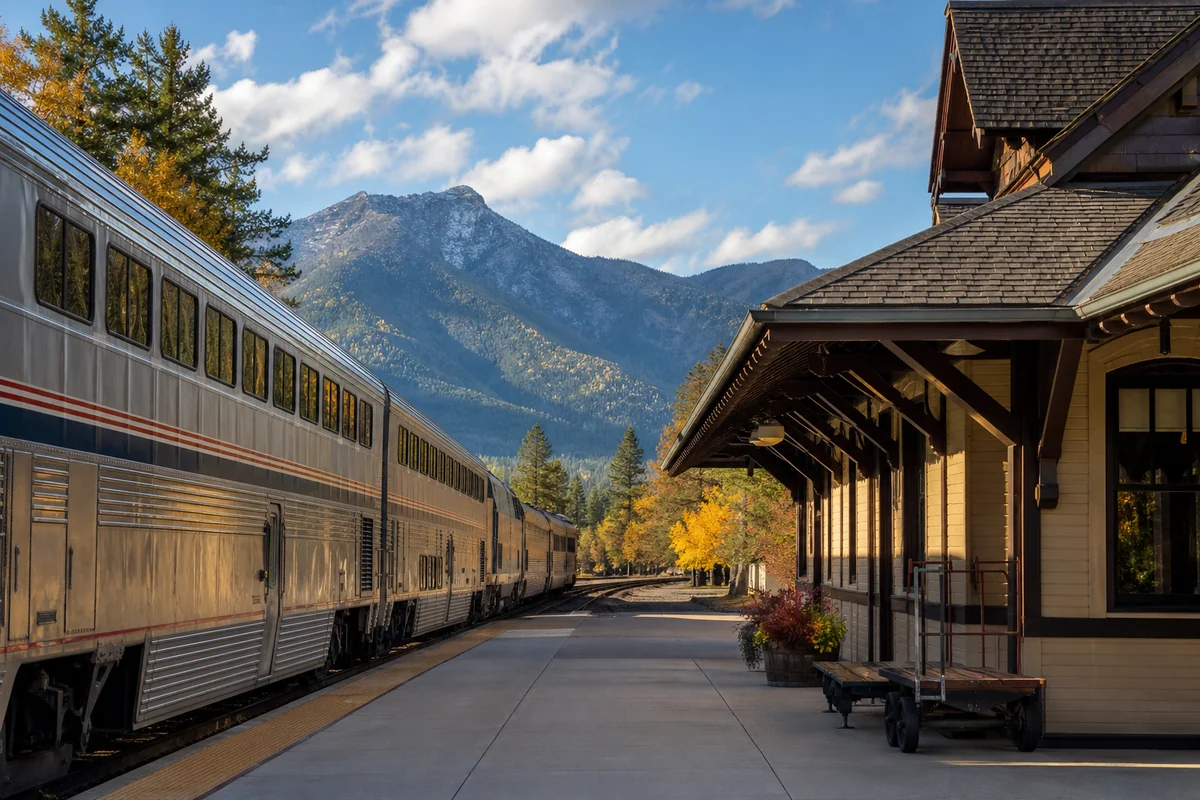
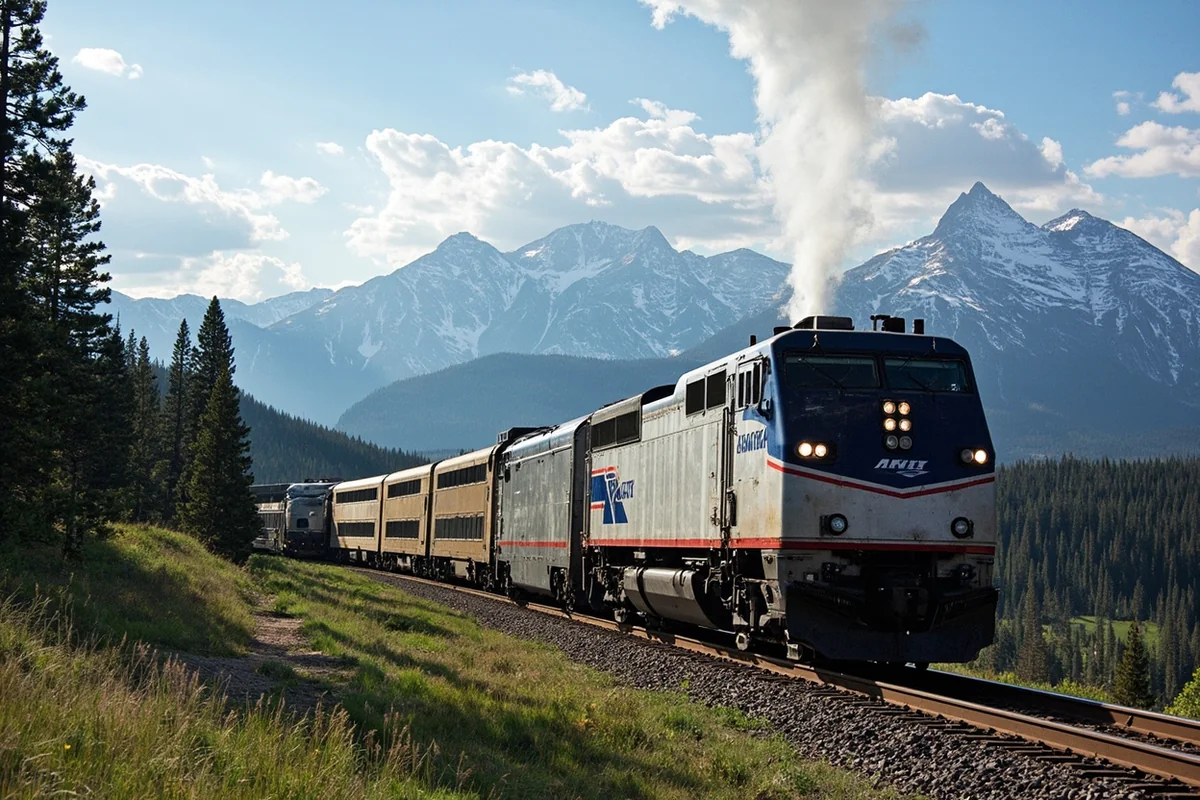
Amtrak’s Empire Builder route crosses northern Montana, stopping in several communities. If you’re traveling between Whitefish, West Glacier, East Glacier, or Havre, the train offers a reliable (if slow) alternative to driving or rideshare.
Our Montana railroads overview and train stations guide cover this option in detail for travelers interested in rail connections.
Uber at Major Montana Airports
Since airport transportation is often visitors’ first Uber interaction in Montana, let me share specific insights from each major terminal.
Bozeman Yellowstone International (BZN)
The designated rideshare pickup is on the lower level, near the parking garage. Cell service is good here, which helps since you’ll likely be waiting.
During summer 2023, my average wait was 12 minutes. During March ski season, it climbed to 25 minutes with surge pricing nearly constant.
The airport has a taxi stand as a backup, though during peak times even taxis get overwhelmed.
Missoula International (MSO)
Pickup is at the curb outside baggage claim. It’s a smaller airport than Bozeman, which paradoxically sometimes helps since fewer people are competing for limited drivers.
I’ve had better luck here during off-peak hours—my 2 PM arrival last September yielded an Uber in 8 minutes.
Billings Logan International (BIL)
Honestly, I’d recommend arranging alternative transportation from BIL rather than counting on Uber. The two times I’ve tried were unsuccessful despite waits of 20+ minutes.
Hotel shuttles and traditional taxis are more reliable here.
Glacier Park International (FCA)
The Kalispell/Whitefish airport has extremely limited rideshare service outside ski season. During summer, when most Glacier visitors arrive, I’d estimate you have maybe a 30% chance of finding an available driver.
Rental cars are really the move here, or pre-arranged shuttle services to Whitefish or the park.
Special Considerations for National Park Visits
Neither Glacier nor Yellowstone (Montana portion) has meaningful Uber service. The parks themselves are rideshare dead zones—no cell service, no drivers, no infrastructure.
For Glacier, your options include:
- Historic Red Bus Tours (operated by Xanterra)
- Park shuttles on the Going-to-the-Sun Road
- Rental cars
- Pre-booked private tours
For Yellowstone’s Montana entrances (Gardiner/North Entrance, West Yellowstone/West Entrance), you’ll need:
- Your own vehicle or rental car
- Bus tours from gateway communities
- Pre-arranged transportation services
I made the mistake of assuming I could Uber from Bozeman to West Yellowstone on my first Montana trip. That’s a 90-mile journey through mountains—no driver would take it, and even if they did, you’d be stranded with no return option.
Tipping Etiquette for Montana Drivers
Given the challenges Montana rideshare drivers face—long distances, harsh weather, vehicle wear—I tip more generously here than elsewhere. My standard is 25-30% for Montana Uber rides versus 15-20% in major metros.
Drivers here genuinely appreciate it. Several have mentioned that tips make the difference between rideshare being worthwhile or not in Montana’s challenging market.
Cash tips are especially valued since drivers receive them immediately rather than waiting for Uber’s processing.
Planning Your Transportation Strategy
Here’s my honest advice after years of navigating Montana’s rideshare landscape:
For city-focused trips (Bozeman or Missoula): Uber is a reasonable primary option, but still book accommodation with shuttle service or near walkable areas as backup.
For ski trips: Research specific resort shuttle options first. Uber works at major resorts but with premium pricing.
For Glacier or Yellowstone visits: Don’t even think about relying on Uber. Rent a car or arrange guided tours.
For road trips or multi-destination itineraries: A rental car isn’t just convenient—it’s essentially required.
For business travelers to smaller cities: Arrange rental cars or corporate transportation. Uber isn’t reliable enough for tight schedules.
Montana rewards travelers who embrace its wide-open character rather than fighting it. That means adjusting expectations around transportation and planning accordingly.
The state’s beauty and authenticity are worth the extra logistical effort. Just don’t assume your phone will summon a car within minutes like it does back home—Big Sky Country operates on its own terms.
Frequently Asked Questions
Is Uber available in Montana, and which cities have service?
Uber operates in Montana’s larger cities including Billings, Missoula, Bozeman, and Great Falls, but coverage is limited compared to major US metros. I’ve found that availability drops significantly in rural areas and smaller towns, so don’t count on rideshare as your primary transportation outside urban centers.
How much does an Uber ride cost in Montana cities like Bozeman or Missoula?
Expect to pay around $8-15 for short trips within Montana cities, with airport runs from Bozeman Yellowstone International typically costing $20-35 depending on your destination. Surge pricing kicks in during peak ski season and major events like college football games, so I recommend scheduling rides in advance when possible.
Can I get an Uber from Bozeman airport to Big Sky Resort or Yellowstone National Park?
While you can sometimes find Uber drivers willing to make the 45-mile trip to Big Sky ($60-90), availability is unreliable, and rides into Yellowstone are nearly impossible to book. I strongly recommend renting a car or booking a dedicated shuttle service for these longer distances, as drivers often decline remote drop-offs where they can’t get return fares.
What are the best alternatives to Uber for getting around Montana?
Renting a car is honestly your best bet for exploring Montana, especially if you’re visiting national parks or traveling between cities. Local taxi services, hotel shuttles, and seasonal shuttle services like Skyline Bus to Big Sky fill gaps where Uber falls short. In Missoula and Bozeman, I’ve also had luck with the local bus systems for budget-friendly in-town travel.
Why is it so hard to find Uber drivers in Montana at night or during winter?
Montana’s low population density means fewer drivers overall, and many avoid late-night shifts or hazardous winter road conditions. During ski season, demand spikes while driver supply stays flat, creating long wait times of 30+ minutes even in Bozeman. I always have a backup plan during winter trips, whether that’s a taxi company’s number saved or a designated driver in my group.
Should I rely on Uber for my entire Montana road trip?
I wouldn’t recommend relying solely on Uber for a Montana trip, especially if you’re planning to visit Glacier National Park, Yellowstone, or any rural destinations. The distances between attractions are vast—it’s over 550 miles from Glacier to Yellowstone—and rideshare simply isn’t practical or cost-effective for that kind of travel. Use Uber for nights out in cities like Missoula or Billings, but rent a car for the actual exploring.
Does Uber work at Montana ski resorts like Whitefish or Big Sky?
Uber availability at Montana ski resorts is spotty at best, with Whitefish having slightly better coverage due to its proximity to Kalispell. Big Sky Resort is particularly challenging since it’s 45 miles from Bozeman with limited local drivers. Most resorts offer free village shuttles, and I’ve found pre-arranged shared shuttles or resort transportation to be far more reliable during peak ski season.
Sources