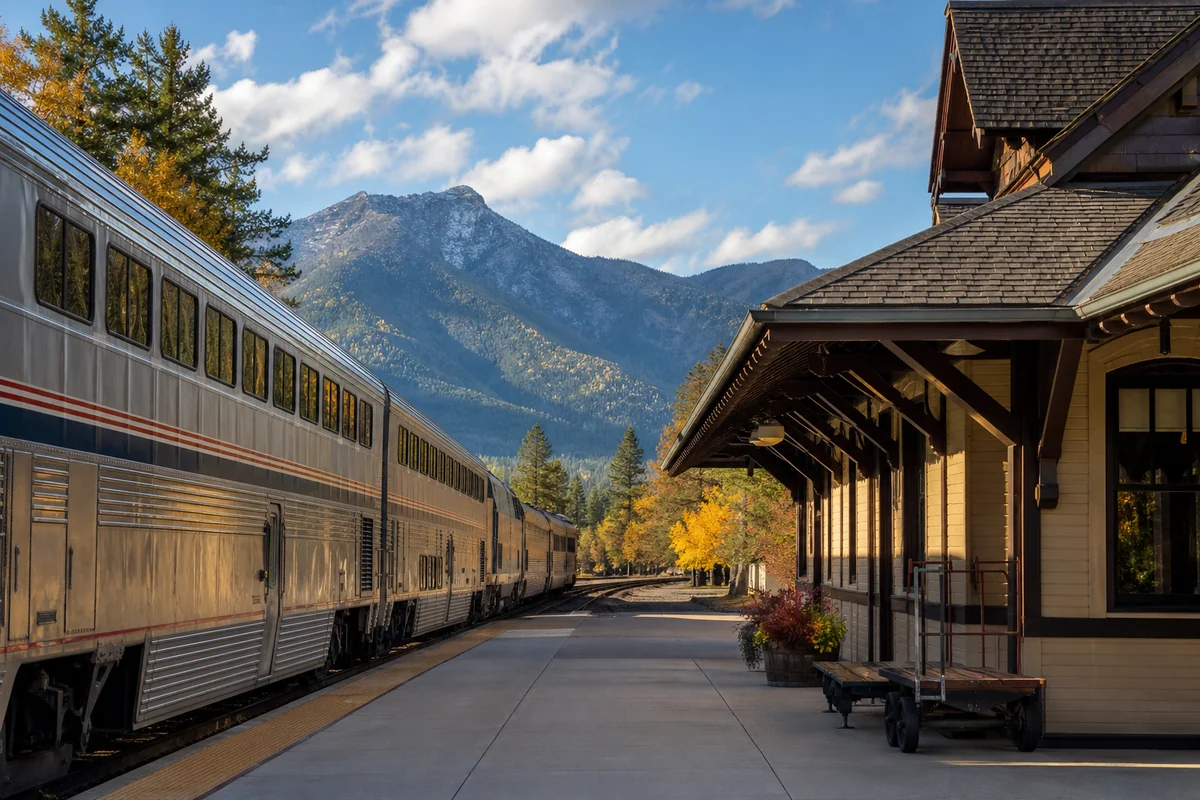
The moment I stepped off the Empire Builder at Whitefish Station last October, the crisp mountain air hit my face and I knew I’d made the right choice.
While most travelers default to flying into Montana or renting a car, arriving by train offers something that no airport terminal or interstate highway can match—a slow, scenic immersion into one of America’s most breathtaking landscapes.
If you’re exploring our comprehensive Montana Transportation Guide, you’ll quickly discover that train travel remains one of the most romantic and practical ways to experience Big Sky Country.
- Montana has 12 Amtrak stations along the Empire Builder route, running east-west across the northern part of the state
- Whitefish Station is the busiest and most scenic, serving as the gateway to Glacier National Park
- Trains run once daily in each direction—westbound arrives evening/night, eastbound arrives morning
- Stations range from historic beauties to simple platforms, so know what to expect before you arrive
- Book sleeping accommodations 2-3 months ahead during summer for the best options
- The Hi-Line route offers views you simply cannot get from Interstate 90 or any airport
Liked this article?
Add Roaming Montana as a preferred source so you see more of our articles and guides on Google.
Why Train Travel in Montana Makes Sense
I’ll be honest with you—Montana isn’t the easiest state to navigate by train. There’s only one route, and it doesn’t go everywhere you might want to visit. But what it does offer is remarkable.
The Empire Builder follows the historic route of the Great Northern Railway, hugging the northern border of Montana through terrain that will leave your phone full of photos. During my westbound journey last fall, I watched the landscape transform from the golden prairies near the North Dakota border to the dramatic peaks of Glacier National Park.
If you’re arriving from Chicago, Minneapolis, or Seattle/Portland, the train can actually be more convenient than flying. There’s no TSA line, no cramped middle seat, and no rental car to worry about at the other end. For visitors who want to explore Montana without a car, the train opens up real possibilities.
Understanding Montana’s Train Network
Let me set realistic expectations right away. Montana has exactly one passenger rail line: Amtrak’s Empire Builder. It runs along the northern edge of the state, roughly paralleling Highway 2.
This means major destinations like Yellowstone National Park, Bozeman, Missoula, and Helena are not directly accessible by train. If those are your primary targets, check out our Montana Airports Guide instead.
But if Glacier National Park, the Hi-Line communities, or the northern Rockies are calling your name, the train is a genuine option. And honestly, some of Montana’s most underrated experiences happen along this corridor.
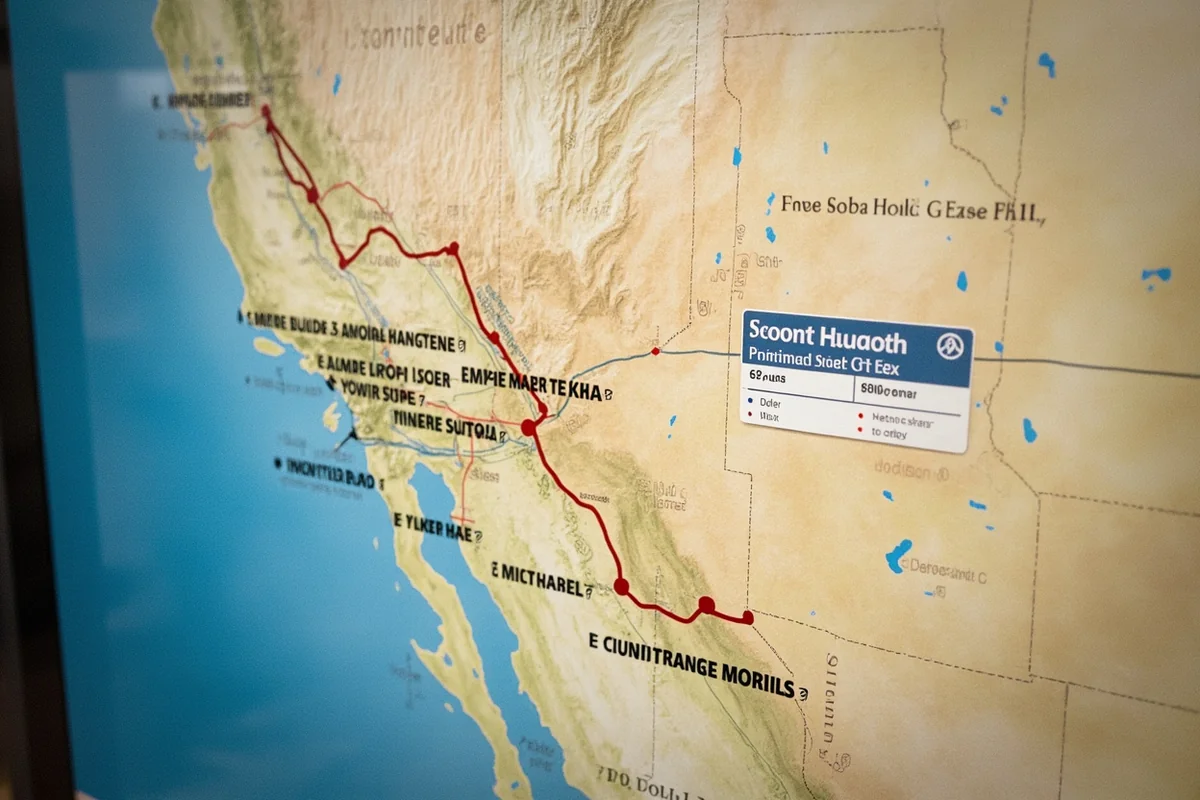
All 12 Montana Amtrak Stations: What You Need to Know
I’ve personally visited eight of Montana’s twelve stations over multiple trips, and I’ve gathered detailed information about the remaining four from fellow travelers and local contacts. Here’s the honest breakdown of each stop, from east to west.
Wolf Point
Wolf Point Station sits in the heart of the Fort Peck Indian Reservation, and it’s where Montana greets eastbound travelers each morning. The station itself is modest—a small shelter with limited amenities.
When I passed through Wolf Point heading west, the eastbound train had just departed, and I watched a handful of passengers walking into town. The station is about three blocks from the downtown area, making it walkable if you’re traveling light.
This is ranching and agricultural country, with the Missouri River nearby. Most passengers here are locals traveling to other Montana towns or heading east to Minneapolis.
Glasgow
Glasgow’s station surprised me. This small city of about 3,000 people has a genuine Amtrak station building with indoor waiting areas—a luxury you won’t find at every Montana stop.
The station sits close to downtown Glasgow, and there’s a certain charm to arriving in this classic Montana town by train. Fort Peck Lake, one of the largest reservoirs in the country, is about 17 miles south.
I recommend Glasgow as an underrated base for exploring northeastern Montana. The Charles M. Russell National Wildlife Refuge sprawls across the region, and the lack of crowds compared to Glacier is refreshing.
Malta
Malta is a small platform stop, but don’t let that fool you into dismissing it. The town sits along the historic route of the dinosaur discoveries, and the Great Plains Dinosaur Museum downtown houses some genuine paleontological treasures.
During my brief stop here on a recent trip, I noticed how the station’s location on the edge of town makes it convenient for quick pickups. If someone’s meeting you, they can pull right up.
The Hi-Line country around Malta represents the Montana that most tourists never see—vast wheat fields, antelope on the horizon, and communities that have weathered boom and bust for over a century.
Havre
Havre is the largest community on Montana’s Hi-Line, and its station reflects that status. The depot sits downtown, walking distance from hotels, restaurants, and the fascinating Havre Beneath the Streets underground tour.
I spent a full day in Havre during my 2022 Montana trip, and I was impressed by how much there is to do. The town has a genuine Montana State University campus, decent dining options, and enough services that you could comfortably spend a night or two without a car.
The station building itself has character—it’s a real railroad depot with indoor waiting areas and restrooms. Staffing varies, so don’t count on a ticket agent being available.
Shelby
Shelby’s station sits in a wind-swept railroad town that once hosted a world heavyweight boxing championship in 1923. Today, it’s primarily a junction point where travelers heading to Glacier via the east side might arrange transportation.
The station is basic but functional. What I appreciate about Shelby is its position as the last major stop before the train enters the true mountain country. Looking west from here, you can see the Rockies building on the horizon.
If you’re connecting to the Canadian border at Sweetgrass (about 30 miles north), Shelby is your closest station.
Cut Bank
Cut Bank bills itself as the “Coldest Spot in the Nation,” and after experiencing a winter visit here, I believe it. The station is minimal—essentially a platform stop with shelter.
The town is small but friendly, and it serves as another potential gateway to Glacier’s east side. Browning and the Blackfeet Reservation are just to the west.
I recommend Cut Bank primarily for travelers who have specific business in the area or who are being picked up by someone with local knowledge. It’s not a place where you’d want to arrive without a plan.
Browning
Browning Station serves the Blackfeet Nation, and arriving here by train carries a different kind of significance. This is the gateway to the reservation’s rich cultural offerings, including the Museum of the Plains Indian.
The station itself is simple, but the location matters enormously for cultural tourism. The eastern entrance to Glacier National Park at St. Mary is about 30 miles west.
During my visit, a local elder shared that train travel remains important to tribal members connecting with family across the Hi-Line. There’s history here that goes deeper than tourism.
East Glacier Park
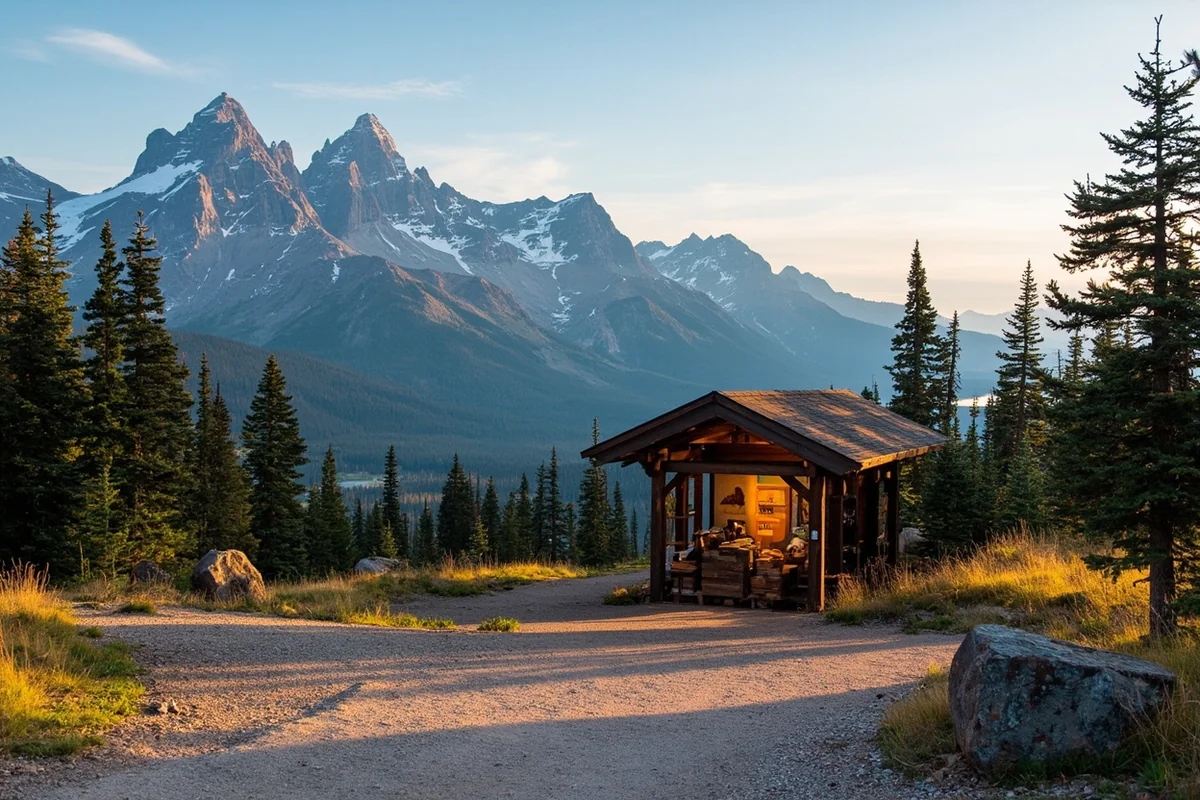
Now we’re getting to the stations that most Glacier-bound travelers care about. East Glacier Park Station is seasonal—it only operates from May through October when the adjacent Glacier Park Lodge is open.
The historic Great Northern Railway-built lodge sits right there, and the station experience feels like stepping back into the golden age of rail travel. When I arrived here last summer, the first thing I saw was the lodge’s massive timber columns, and I understood immediately why early tourists fell in love with this place.
The village has a few restaurants, outfitters, and lodging options. Two Medicine Lake and the eastern park entrances are accessible from here.
Essex
Essex is a flag stop, meaning the train only stops if passengers have reserved to board or detrain here. The only real destination is the Izaak Walton Inn, a historic railroad hotel that caters specifically to train travelers and cross-country skiers.
I stayed at the Izaak Walton during a winter trip, and the experience of watching freight trains pass while sitting by the fire was magical. This is deep wilderness territory—no town, no services, just the inn and the forest.
If solitude and railroad history appeal to you, Essex is worth the detour. Just make sure you’ve booked the inn first.
West Glacier
West Glacier Station is the most popular boarding point for Glacier National Park visitors, and for good reason. The park’s west entrance is about two miles away, and the town has the services—shuttles, gear shops, restaurants—that travelers need.
The station sits beside the historic Belton Chalet, another Great Northern-era lodge that still operates today. When I arrived here on a September afternoon, the station area was buzzing with hikers finishing their trips and excited visitors just beginning theirs.
This is where I recommend most Glacier visitors plan to board or detrain. The infrastructure exists to make carless travel work.
Whitefish
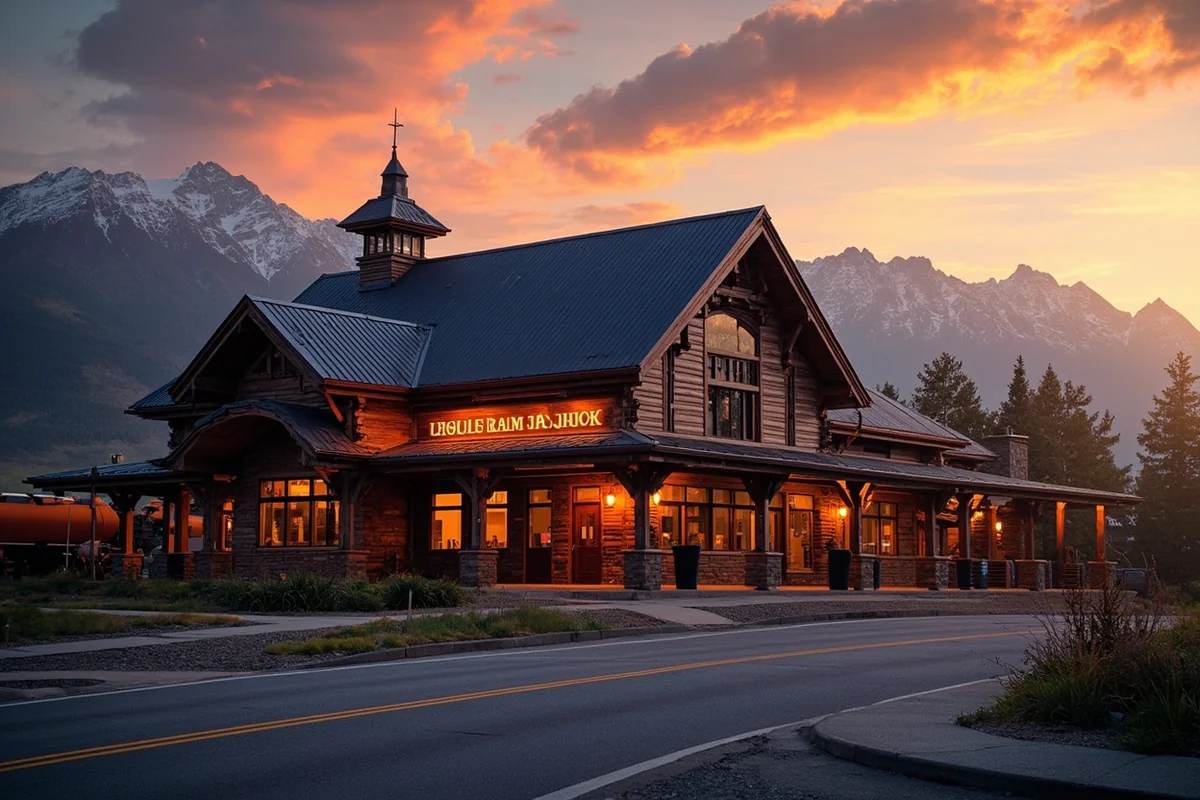
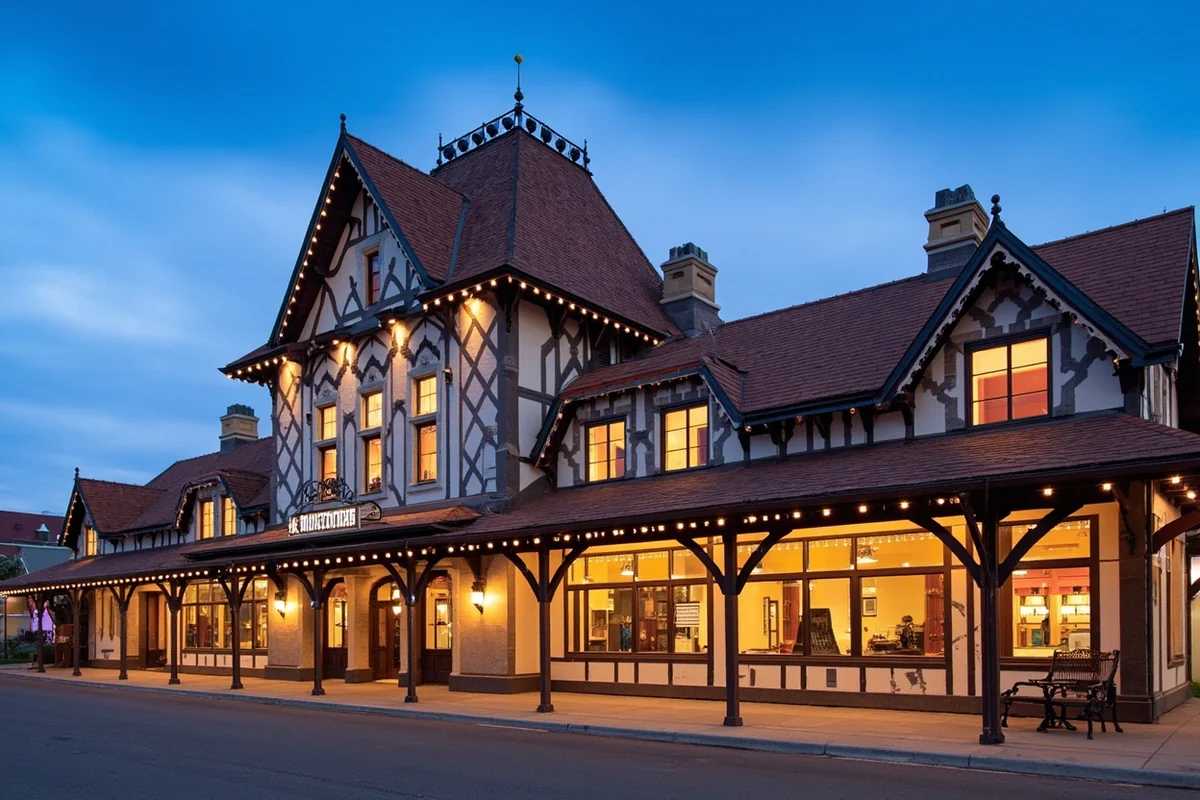
Whitefish Station is Montana’s crown jewel of train travel, and I’m not exaggerating. The Tudor Revival depot building, constructed in 1927, anchors downtown Whitefish and has been beautifully maintained.
I’ve spent more time in Whitefish than any other Montana train town, and the station itself is part of the appeal. There’s an Amtrak ticket office, a small museum, comfortable waiting areas, and a level of service you won’t find elsewhere in the state.
The town radiates outward from the depot, with restaurants, breweries, and shops all within walking distance. Whitefish Mountain Resort is 15 minutes away. Glacier National Park is about 30 minutes to the east entrance.
If I could recommend just one Montana train experience, it would be arriving at Whitefish Station on a clear evening, watching the sun set over the mountains, and walking to dinner without ever needing a car.
Libby
Libby’s station represents the last Montana stop heading west (or first heading east). The station building exists, but it’s essentially unstaffed and basic.
The town itself sits in the Kootenai River valley, surrounded by timber country and mountain wilderness. Kootenai Falls, one of Montana’s most spectacular waterfalls, is about 10 miles west.
I’ve found Libby to be an underrated destination for travelers interested in outdoor recreation without the crowds of Glacier. The town has experienced economic challenges, but the natural beauty is undeniable.
Practical Station Information Table
| Station | Type | Staffed | Best For |
|---|---|---|---|
| Wolf Point | Shelter | No | Fort Peck area access |
| Glasgow | Station building | Limited | Fort Peck Lake, wildlife refuge |
| Malta | Platform | No | Dinosaur museum, Hi-Line exploration |
| Havre | Station building | Limited | Largest Hi-Line town, underground tour |
| Shelby | Station building | No | Canadian border access |
| Cut Bank | Shelter | No | East Glacier alternative |
| Browning | Platform | No | Blackfeet Reservation, cultural tourism |
| East Glacier Park | Seasonal station | Seasonal | Historic lodge, east side of Glacier |
| Essex | Flag stop | No | Izaak Walton Inn only |
| West Glacier | Station building | Seasonal | Main Glacier NP access |
| Whitefish | Full station | Yes | Best overall experience, ski resort |
| Libby | Station building | No | Kootenai Falls, timber country |
Train Schedules and What to Expect
Here’s where the Empire Builder’s schedule matters enormously for trip planning. There’s one train per day in each direction, and the timing determines a lot about your experience.
The westbound train (from Chicago via Minneapolis) typically arrives at Montana stations in the evening and night hours. Whitefish, for example, sees the westbound train around 9:30 PM. This means you’ll be arriving in the dark during winter months.
The eastbound train (from Seattle/Portland) rolls through Montana during the morning and midday. Whitefish sees it around 7:20 AM. This is actually my preferred timing—you arrive with the whole day ahead of you.
Be warned: the Empire Builder is frequently late. During my westbound trip last October, we arrived in Whitefish about 90 minutes behind schedule. That’s actually better than average. Plan for delays, especially in winter.
If you’re interested in the deeper history of train travel in Montana, our Montana Railroads guide covers the broader context of how rail shaped the state.
Booking Tips That Actually Matter
I’ve booked Montana train trips four times now, and I’ve learned what works. Here’s the genuine advice.
Book sleeping accommodations early for summer travel. The Empire Builder has a limited number of roomettes and bedrooms, and the Montana segment is the most scenic part of the entire route. Two to three months ahead is reasonable; three to four months is safer.
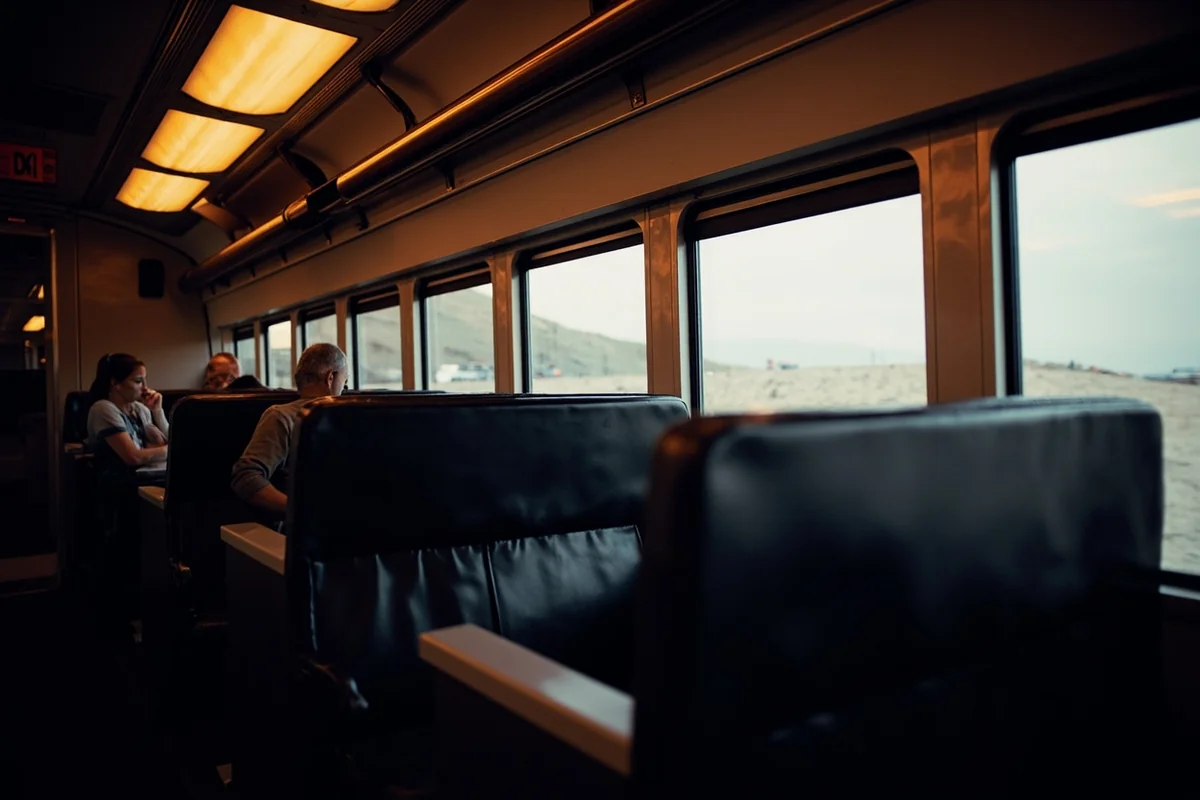
Coach seats are perfectly fine for day travel. If you’re just riding from Whitefish to East Glacier (about 90 minutes), there’s no need for a sleeper. But coach gets uncomfortable for overnight segments.
Use the Amtrak app for real-time tracking. It’s imperfect, but it’ll give you a general sense of whether your train is running late before you head to the station.
Getting From Stations to Your Final Destination
This is where train travel in Montana requires creativity. Most stations have no direct transit connections, so you need a plan.
For Whitefish, you’re in luck. The town is walkable, and if you’re heading to Glacier, shuttle services operate during peak season. Some hotels offer pickup.
For West Glacier, the park shuttle system (free during summer) can connect you to trailheads and visitor centers. The town itself has limited services.
For East Glacier Park, the Glacier Park Lodge is literally steps from the platform. If you’re staying elsewhere, you’ll need a prearranged ride.
For other stations, you’re generally looking at rental cars, local taxi services (which may or may not exist), or someone picking you up. I’ve used the Montana Uber Guide to understand what’s available, and the answer in most small towns is: not much.
Consider that Montana public transportation options vary significantly by location. Larger communities have more options, but the Hi-Line towns require self-reliance.
What to Pack for Montana Train Travel
Train travel has different packing requirements than flying, and Montana’s conditions add another layer.
Layers are essential. Even in summer, the air-conditioned train can feel cold, and stepping off in the mountains means a temperature change. I always bring a light jacket regardless of season.
Bring entertainment. Cell service is spotty along the Hi-Line, and while the scenery is spectacular, you’ll want books, downloaded podcasts, or other offline entertainment.
Pack snacks. The Empire Builder has a dining car and café, but options are limited and prices are high. I bring trail mix, fruit, and sandwiches.
Carry essential medications in your bag. Checked luggage goes in the baggage car, and you won’t have access during the trip.
Binoculars are worth the space. Wildlife sightings are common—I’ve seen elk, deer, eagles, and even a moose from the train windows.
Seasonal Considerations for Montana Train Stations
When you travel matters enormously for your station experience.
Summer (June-August) brings the most services. East Glacier Park Station operates. Shuttles run. Hotels are open. But it’s also peak season, meaning higher prices and more crowds on the train.
Shoulder seasons (May and September-October) offer my favorite balance. The scenery is gorgeous—spring wildflowers or fall colors—and the trains are less crowded. Some services may be reduced.
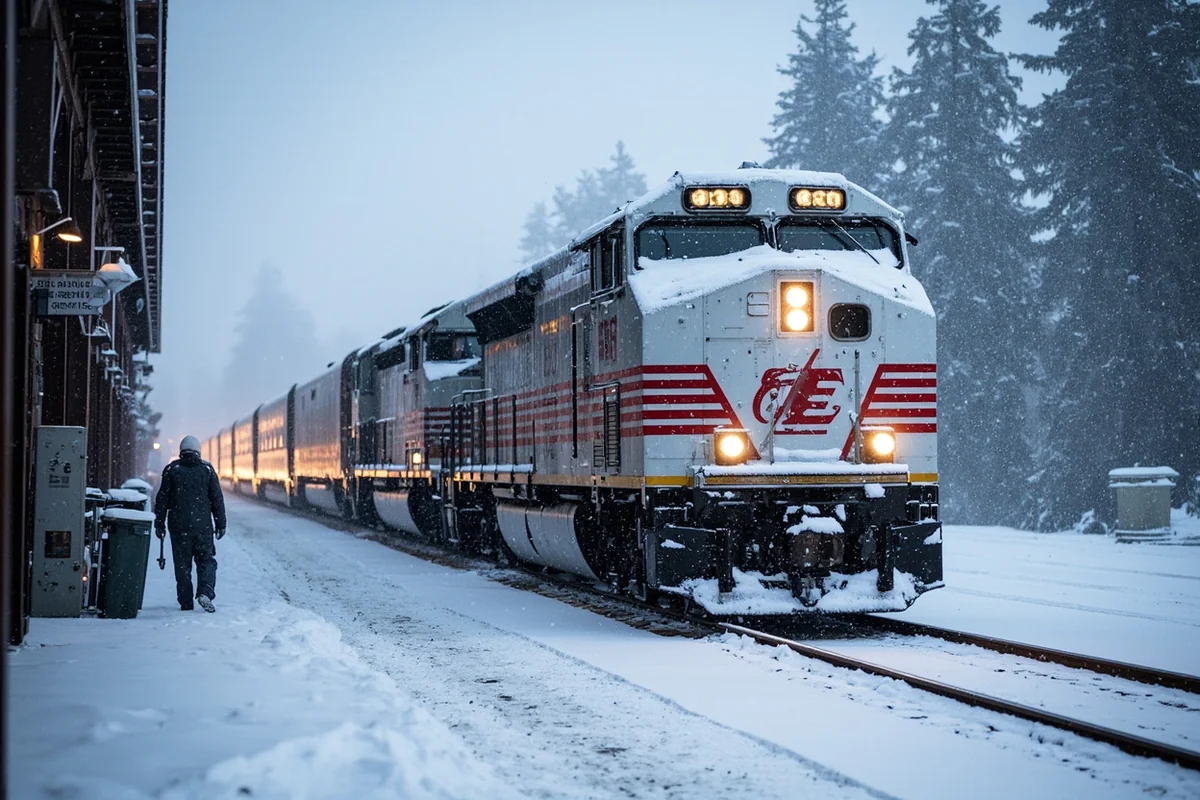
Winter transforms the experience entirely. East Glacier Park Station closes. Some smaller stations become genuinely cold waiting experiences. But the mountain scenery with snow is breathtaking, and the Izaak Walton Inn at Essex is specifically designed for winter train travelers.
If you’re considering alternative transportation to reach southern Montana destinations, our Montana EV Guide covers electric vehicle infrastructure throughout the state.
The Empire Builder Experience Through Montana
I want to take a moment to describe what the actual train journey feels like, because the stations are just endpoints. The transit between them is the real experience.
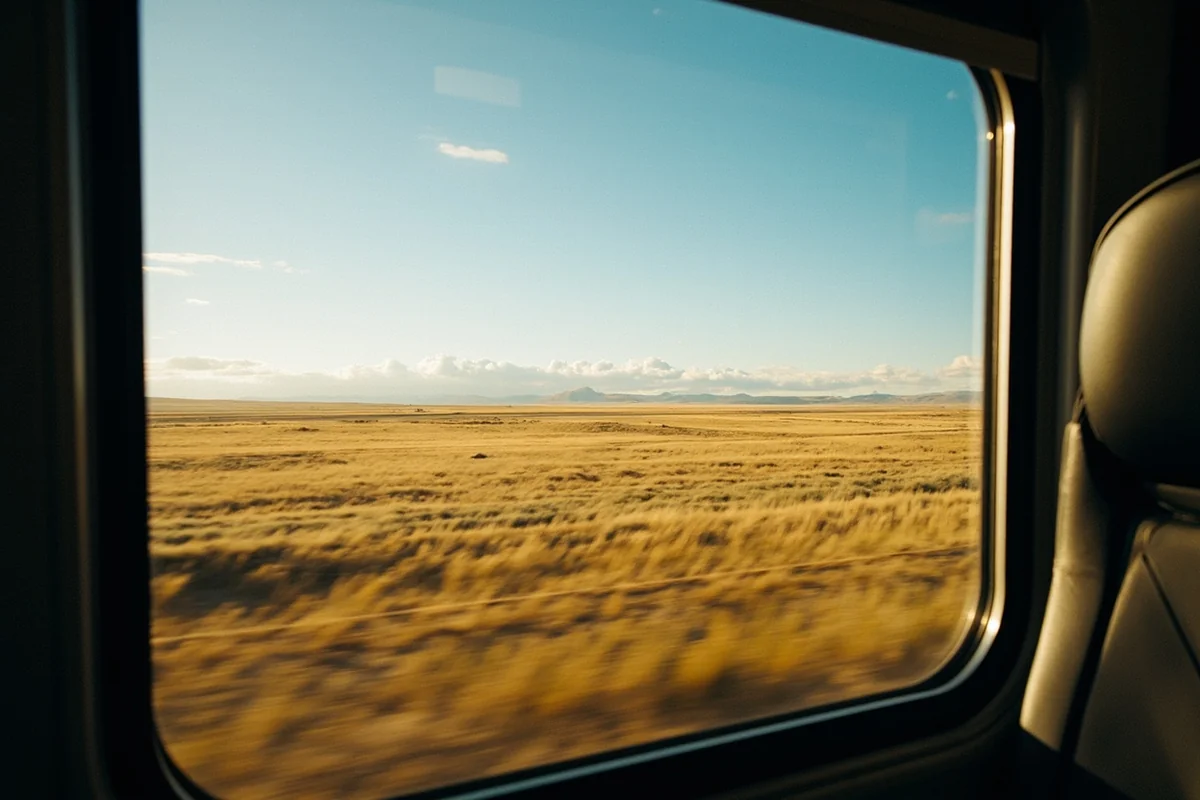
Heading westbound from Wolf Point, the first few hours are open prairie. It sounds boring on paper, but there’s something meditative about watching endless grass and sky pass by. The light changes constantly.
As you approach Havre, the terrain starts to shift. The Bears Paw Mountains appear to the south. You’re getting your first hints of what’s coming.
West of Havre, the landscape starts rising. By Shelby and Cut Bank, the Rocky Mountain Front is visible in the distance—a wall of peaks that seems to run north-south forever.
Then comes the transformation. As the train leaves Browning and approaches East Glacier Park, you’re suddenly in the mountains. The peaks of Glacier National Park are right there, close enough that you feel like you could touch them.
The segment from East Glacier to West Glacier, through Essex, is the most scenic stretch of railroad in America. I don’t make that claim lightly. The train follows the Middle Fork of the Flathead River, winding through wilderness that’s unchanged from when the railroad was built.
Keep your camera ready. The views come fast—snowcapped peaks, waterfalls, forests, and if you’re lucky, wildlife. On my last trip, the conductor announced a family of goats on a cliff face, and the entire car rushed to one side.
Honest Limitations of Montana Train Travel
I believe in giving you the full picture, including the downsides.
You can’t reach southern Montana by train. Yellowstone, Big Sky, Bozeman, Helena, Butte, Missoula—none of these are on the Empire Builder route. If those are your priorities, you need a different plan.
Schedules are inflexible. One train per day, one direction. Miss it, and you’re waiting 24 hours.
Delays are common. Winter weather, freight train congestion, and other factors regularly push the Empire Builder off schedule. Don’t plan tight connections.
Some stations are genuinely basic. Showing up at Cut Bank at 4 AM in January is a different experience than arriving at Whitefish in summer.
Cell service is inconsistent. Long stretches of the route have no signal at all. Plan accordingly.
That said, if you go in with realistic expectations, train travel through Montana rewards you in ways that airports and interstates simply cannot.
Making the Most of Your Station Stop
Here’s advice that I wish someone had given me before my first Montana train trip.
If you’re stopping at a smaller station, confirm your pickup in advance. Cell service may not work when you arrive, so have a backup plan.
At Whitefish, build in time to explore the depot. The small museum is worth 20 minutes, and the building’s architecture deserves appreciation.
At West Glacier, don’t rush off. The Belton Chalet offers a glimpse of how early park visitors experienced Glacier.
At East Glacier Park, walk around the Glacier Park Lodge even if you’re not staying there. The lobby, with its massive tree-trunk pillars, is spectacular.
At Havre, consider scheduling a layover long enough to take the underground tour. It’s genuinely fascinating and gives context to Montana’s railroad history.
Final Thoughts on Montana Train Stations
After multiple trips through Montana by train, I’ve come to appreciate these stations as more than just boarding points. They’re gateways to experiences that most travelers miss.
The Empire Builder offers something increasingly rare in American travel: a journey that’s as memorable as the destination. The stations—from the grand historic depot at Whitefish to the simple platforms along the Hi-Line—are part of that story.
Is train travel right for everyone visiting Montana? No. If you need to reach Yellowstone quickly or cover the entire state in a week, fly and rent a car.
But if Glacier National Park is calling, if you want to see the Montana that most tourists miss, or if you simply believe that how you travel matters as much as where you go, these stations are waiting for you.
I’ll be back on the Empire Builder again this coming summer, watching the Rockies appear through my window, knowing that the best of Montana is just ahead.
Frequently Asked Questions
Which Amtrak train stations are located in Montana?
Montana has 12 Amtrak stations along the Empire Builder route, including major stops in Whitefish, East Glacier Park, Havre, and Shelby. I’ve found the Whitefish station to be the most popular for tourists since it’s just 30 miles from Glacier National Park and offers a beautifully restored historic depot with excellent amenities.
How much does an Amtrak ticket cost to travel across Montana?
Amtrak fares within Montana typically range from $30-$80 for coach seats depending on the distance and how far in advance you book. For example, a one-way ticket from Whitefish to Havre (about 200 miles) usually costs around $45-$65, and I recommend booking at least 2-3 weeks ahead for the best prices.
What is the best train station to use for visiting Glacier National Park?
The East Glacier Park station drops you right at the park’s doorstep during summer months, while Whitefish station operates year-round and is my preferred choice for its reliable service and nearby lodging options. From Whitefish, you can easily arrange shuttle service or rent a car for the 30-mile drive to Glacier’s west entrance.
Are Montana train stations accessible and what amenities do they offer?
Most staffed Montana Amtrak stations like Whitefish and Havre offer wheelchair accessibility, indoor waiting areas, and restrooms, though smaller unstaffed stops have limited facilities. I always recommend arriving 30 minutes early at staffed stations where you can get assistance with baggage and find nearby coffee shops or restaurants.
What time do Amtrak trains typically arrive and depart from Montana stations?
The Empire Builder passes through Montana stations in the early morning hours, with westbound trains arriving between 3 AM and 10 AM and eastbound trains between 6 PM and midnight depending on the station. I’ve learned to book nearby lodging for late-night arrivals in towns like Shelby or Malta where station amenities are minimal during off-hours.
Can I bring luggage and outdoor gear on trains departing from Montana stations?
Amtrak allows two carry-on bags and two checked bags (up to 50 lbs each) for free at staffed Montana stations, plus you can check skis, bikes, and other sporting equipment for a $20 fee. I’ve traveled with hiking gear and a bike box through Whitefish station without any issues, just be sure to reserve bike spots in advance as space is limited.
How reliable are Amtrak trains in Montana during winter months?
Winter delays are common on Montana’s Empire Builder route due to heavy snow and freight train traffic, with delays sometimes exceeding 2-4 hours between December and March. I always build flexibility into my winter travel plans and sign up for Amtrak’s text alerts to track real-time arrival updates before heading to the station.
Sources