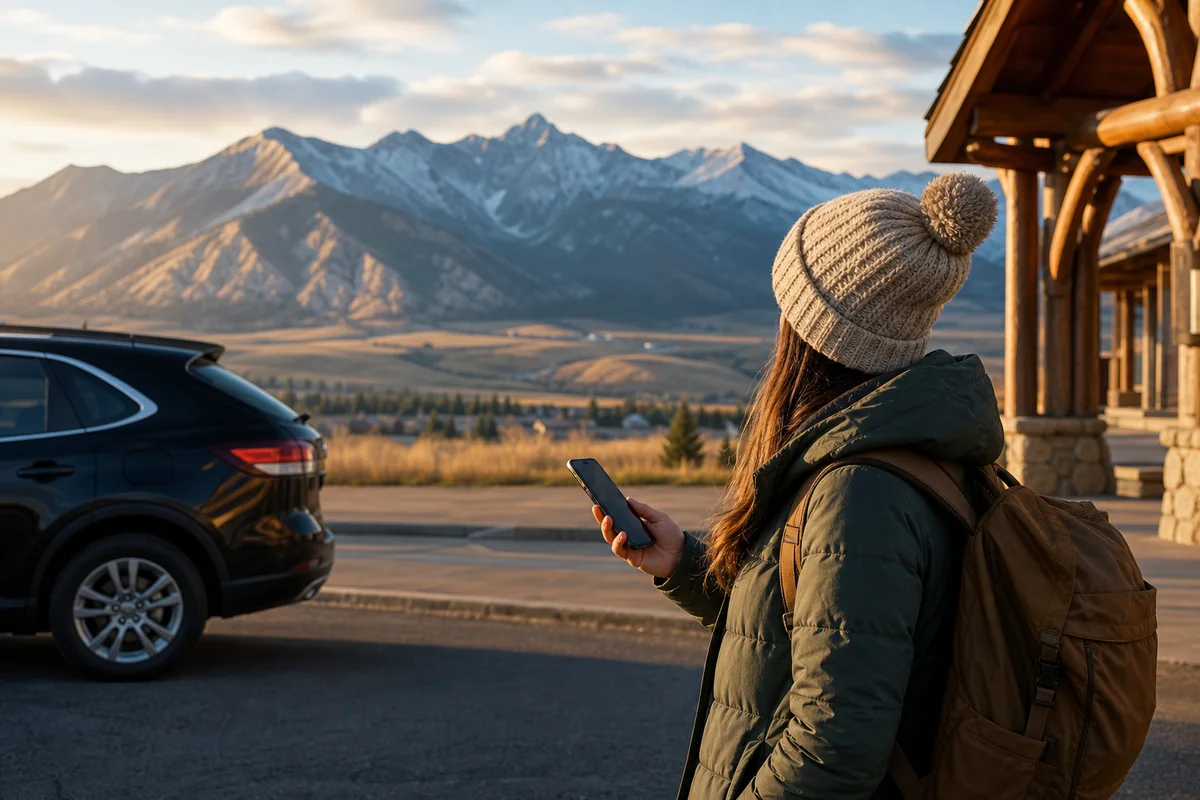
I’ll never forget the moment my dashboard flashed “47 miles remaining” somewhere between Bozeman and Livingston, with the next charger showing 52 miles away on my GPS.
That heart-pounding math defined my first Montana EV road trip—and taught me everything I now know about navigating Big Sky Country on electrons instead of gasoline.
Electric vehicle travel in Montana isn’t impossible, but it does require planning that most coastal EV drivers have never had to consider. After three separate trips totaling over 2,000 electric miles across the state, I’ve learned the secrets, found the hidden chargers, and discovered why Montana might actually be better for EVs than you’d think—if you know what you’re doing.
Whether you’re flying into the state via one of the Montana airports and renting an EV, or driving your own from out of state, this guide will help you navigate the charging landscape with confidence.
For a complete overview of all your options, check out our comprehensive Montana Transportation Guide.
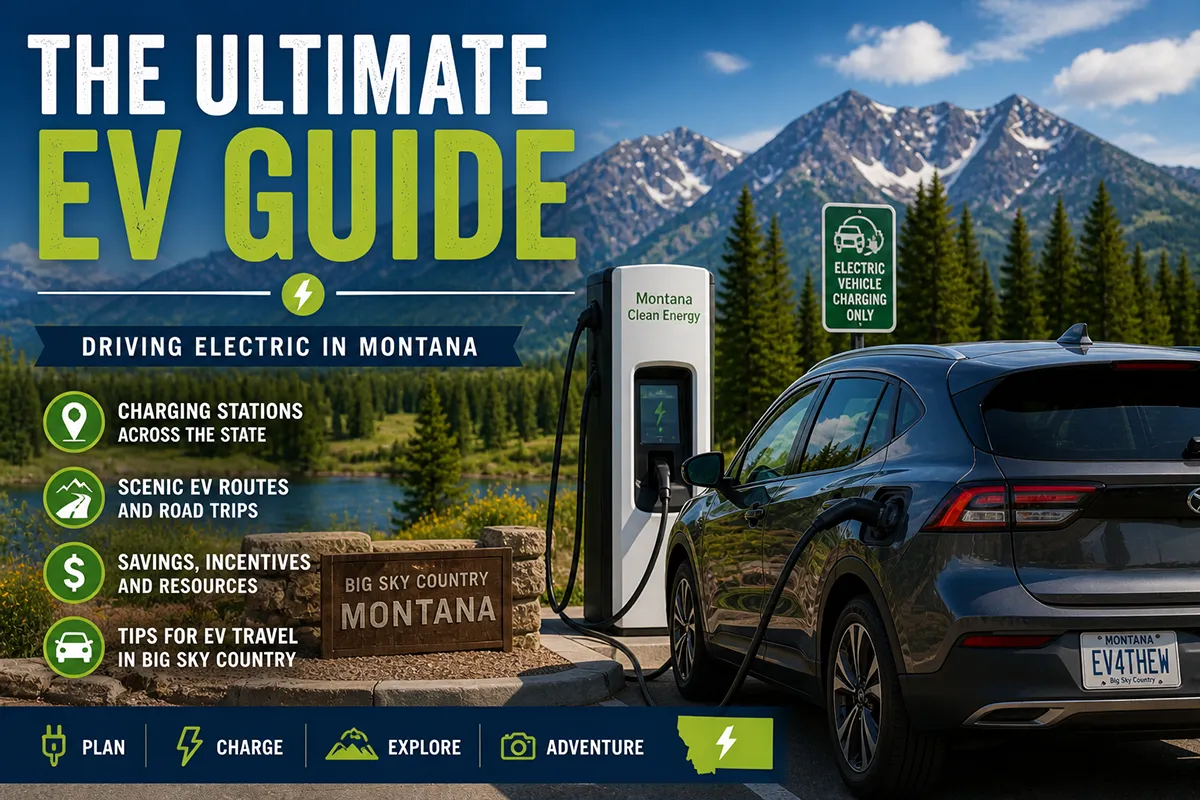
- Montana has approximately 150+ public charging locations, with DC fast chargers concentrated along I-90 and I-15 corridors
- Plan for 20-30% reduced range in winter due to cold temperatures and mountain driving
- Missoula, Bozeman, Billings, and Helena have the most reliable charging infrastructure
- Download PlugShare, ChargePoint, and Tesla apps before your trip—cell service is spotty
- Many Montana hotels now offer Level 2 destination charging—book these strategically
- The scenic routes (Going-to-the-Sun Road, Beartooth Highway) require careful planning but are absolutely doable
Liked this article?
Add Roaming Montana as a preferred source so you see more of our articles and guides on Google.
The Reality of EV Driving in Montana: What I Wish I’d Known
Let me be honest with you from the start: Montana presents unique challenges for EV drivers that you won’t encounter in California or the Northeast. The state covers 147,040 square miles—fourth largest in the nation—with a population density of just 7.5 people per square mile.
This means long stretches between towns, significant distances between charging stations, and terrain that will test your vehicle’s efficiency. But here’s what surprised me: Montana’s EV infrastructure has improved dramatically since my first visit in 2021.
During my most recent trip last summer, I found new DC fast chargers in towns that previously had nothing. The state’s investment in EV infrastructure, combined with federal funding from the National Electric Vehicle Infrastructure (NEVI) program, is genuinely transforming the landscape.
Understanding Montana’s Charging Network
Types of Chargers You’ll Encounter
Montana’s charging infrastructure breaks down into three categories, and understanding these saved me from multiple potential strandings.
Level 1 (120V standard outlet): These add roughly 3-5 miles of range per hour. You’ll find these at some campgrounds and older hotels. I used one overnight at a KOA near Glacier and woke up with 40 extra miles—better than nothing, but not a primary charging strategy.
Level 2 (240V): The workhorses of Montana charging, adding 15-30 miles per hour depending on your vehicle. Hotels, ski resorts, and downtown parking garages typically offer these. I spent many evenings in Bozeman and Missoula topping up while having dinner.
DC Fast Charging (Level 3): These are your lifeline for long-distance travel, providing 100-200+ miles in 30-45 minutes. Tesla Superchargers and Electrify America stations dominate this category in Montana.
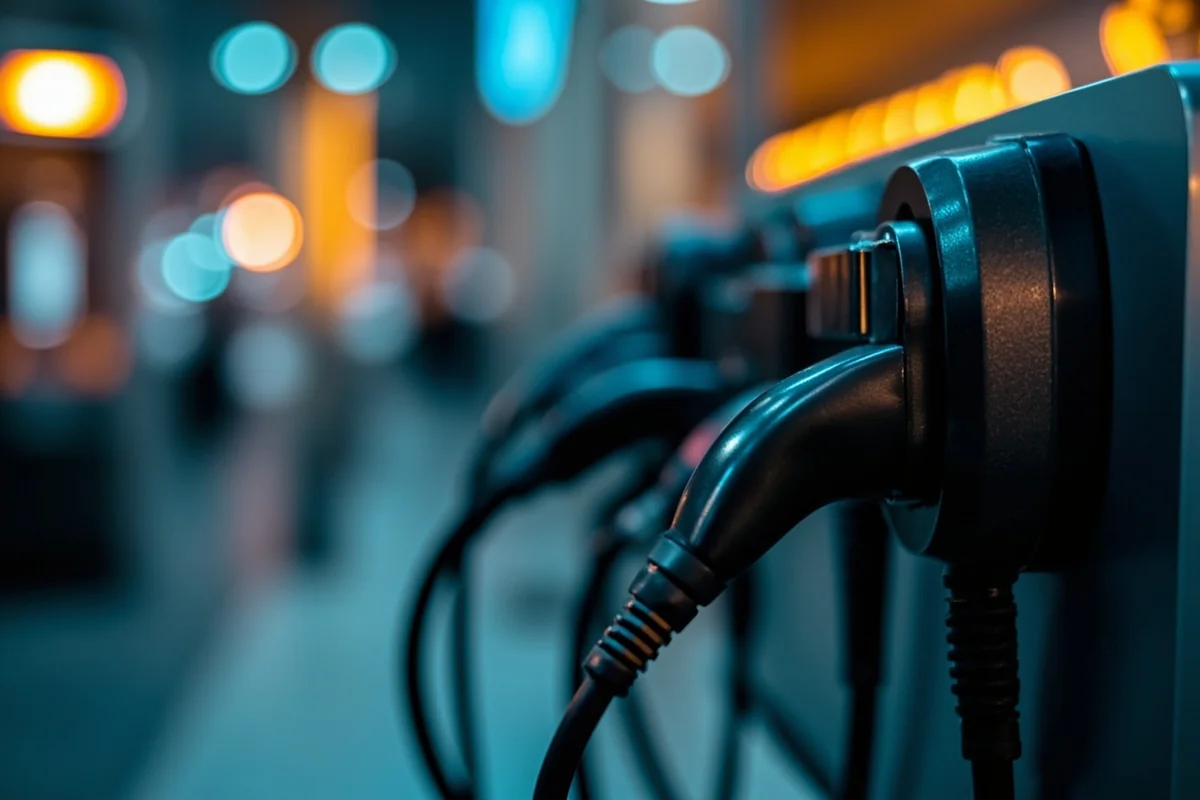
Major Charging Networks Operating in Montana
| Network | Station Count | Connector Types | Payment Method |
|---|---|---|---|
| Tesla Supercharger | 12 locations | Tesla/NACS (Magic Dock at some) | Tesla app |
| ChargePoint | 45+ locations | J1772, CCS | ChargePoint app/card |
| Electrify America | 6 locations | CCS, CHAdeMO | EA app/credit card |
| EVgo | Limited | CCS, CHAdeMO | EVgo app |
| Francis Energy | Growing | CCS | Francis app/credit card |
City-by-City Charging Breakdown
Missoula: Montana’s Most EV-Friendly City
If I had to pick a Montana city as an EV home base, Missoula wins hands down. The university town’s progressive culture has translated into legitimate charging infrastructure.
During my visit last October, I counted over 15 public charging locations within city limits. The Southgate Mall has reliable ChargePoint stations where I topped up while grabbing lunch. Downtown parking garages offer Level 2 options, and the Tesla Supercharger off Reserve Street was always available.
The Holiday Inn Missoula Downtown has Level 2 chargers I used twice—just call ahead to confirm availability. I also discovered that several local businesses offer free charging to customers, including the Good Food Store co-op.
What I love about Missoula is that you can leave your car charging while exploring on foot. The public transportation system, while limited compared to major cities, can get you around while your vehicle charges.
Bozeman: Gateway to Yellowstone
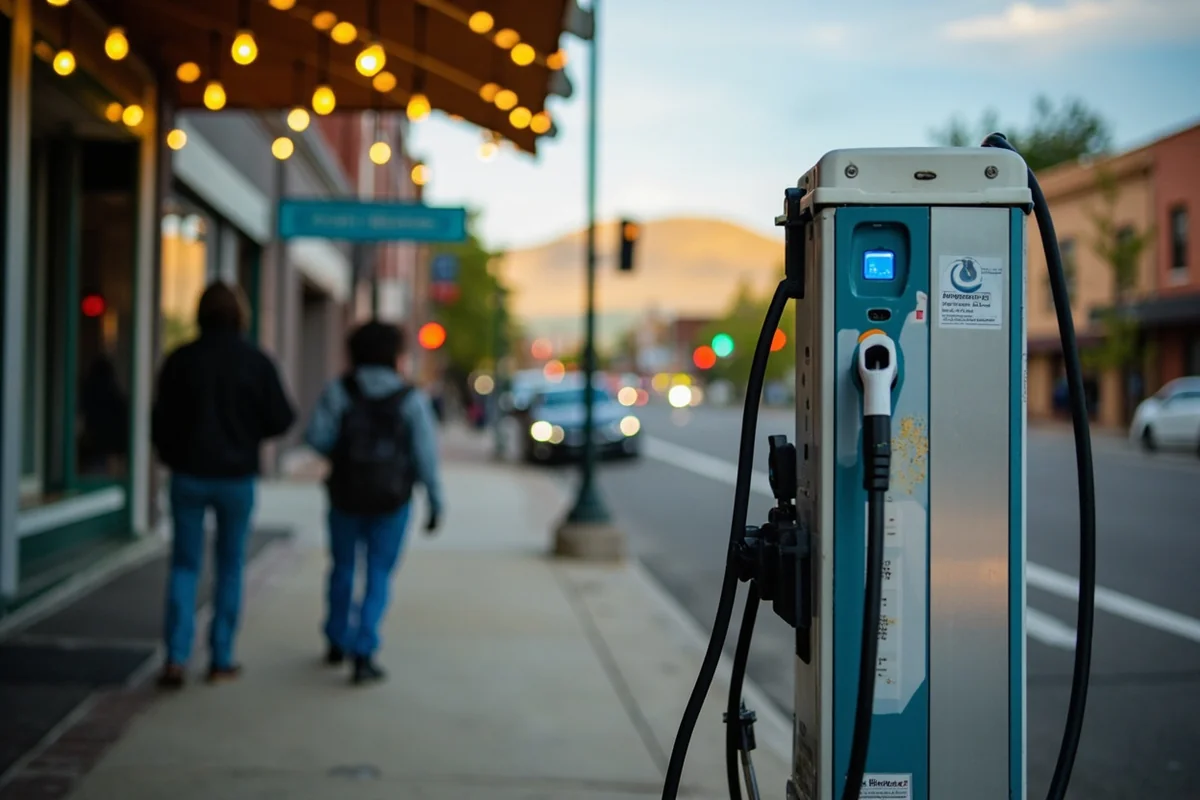
Bozeman has exploded in both population and EV infrastructure over the past few years. The town serves as a critical charging hub for anyone heading to Yellowstone National Park.
The Tesla Supercharger at the Comfort Suites was my go-to during a week-long trip last summer. Eight stalls, usually available, with a hotel lobby where you can use the restroom and grab coffee. Electrify America installed a station near the interstate that handles non-Tesla vehicles.
I discovered that many Bozeman hotels have quietly added destination chargers. The Element by Westin, Residence Inn, and several boutique properties offer Level 2 charging—sometimes free for guests, sometimes with a small fee.
The Main Street area has ChargePoint stations in public lots. I’d plug in, walk to a brewery, and return to a full battery. That’s the Montana EV lifestyle at its best.
Billings: Eastern Montana’s Charging Hub
Billings matters if you’re crossing the state or exploring the eastern reaches. The city has both Tesla Superchargers and Electrify America stations along the I-90 corridor.
During my drive from Bozeman to the North Dakota border last spring, Billings was my mandatory stop. The Electrify America station at the Pilot Travel Center worked flawlessly—four stalls, 350kW capability, and decent food options while waiting.
I’ll note that Billings to Miles City is a significant gap (145 miles) with limited charging options in between. Plan accordingly and don’t leave Billings below 80% if you’re heading east.
Helena: The Capital’s Growing Network
Helena often gets overlooked, but the state capital has invested in charging infrastructure. I found ChargePoint stations downtown and a Tesla Supercharger that opened recently.
The Great Northern Hotel has destination charging that saved me during an unexpected overnight stay when a winter storm made mountain driving unwise. Helena works well as a stopping point between Missoula and Bozeman via Highway 12.
Great Falls and the Hi-Line
Great Falls presents a different challenge. While the city has basic charging infrastructure, the real concern is heading north toward the Canadian border or east along the Hi-Line (Highway 2).
I drove from Great Falls to Glacier National Park’s east entrance last summer and sweated the entire way. The charging options are sparse, and I recommend starting with a full battery.
Havre, along Highway 2, has limited options—verify current availability on PlugShare before attempting the Hi-Line route.
For some remote areas, you might even find that railroads or train stations provide interesting alternative transportation options if charging becomes problematic.
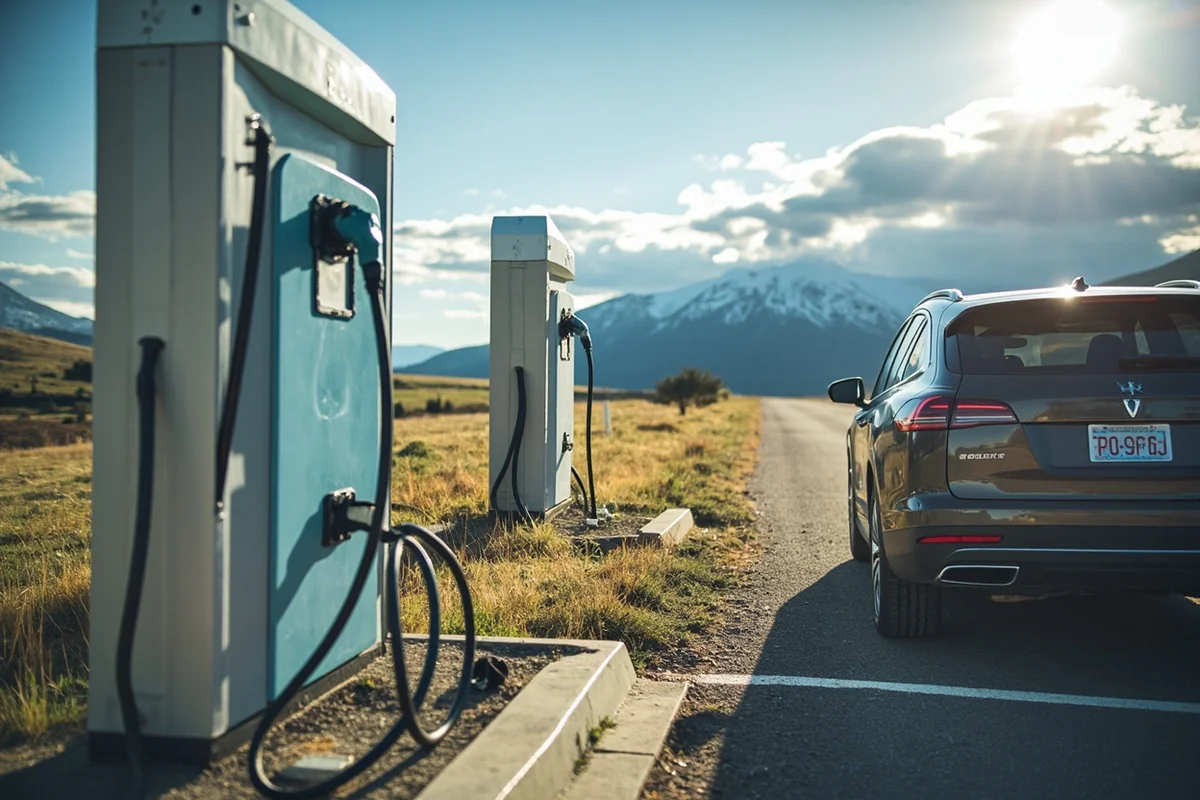
Route Planning: Major Montana Corridors
Interstate 90 (East-West Spine)
I-90 is Montana’s most EV-friendly corridor. Running from Lookout Pass at the Idaho border to the Wyoming/North Dakota corners, this highway has reliable charging every 80-120 miles.
My recommended stops heading east from Missoula: Missoula → Butte (120 miles) → Bozeman (90 miles) → Billings (145 miles) → Miles City (145 miles). Each city has DC fast charging, though Miles City’s options are more limited.
The stretch between Billings and Miles City made me nervous on my first crossing. I arrived in Miles City with 15% battery and learned my lesson: top up fully in Billings regardless of how good your range looks.
Interstate 15 (North-South Corridor)
I-15 runs from the Canadian border through Great Falls, Helena, and Butte before entering Idaho. This corridor has improved dramatically.
Great Falls to Helena covers 90 miles with charging available at both ends. Helena to Butte adds another 65 miles. The segment from the Canadian border to Great Falls (120 miles) is the one that requires attention—verify Sweet Grass/Shelby charging availability before attempting.
Highway 93 (Flathead Valley to Missoula)
This scenic north-south route through the Flathead Valley is manageable but requires planning. Kalispell has charging options, Polson has limited facilities, and Missoula anchors the south.
During my Glacier trip, I charged fully in Kalispell, explored the park, and made it back without issues. The key is understanding that round-trip park exploration from Kalispell or Whitefish works better than trying to charge mid-route.
Glacier National Park: The Electric Vehicle Challenge
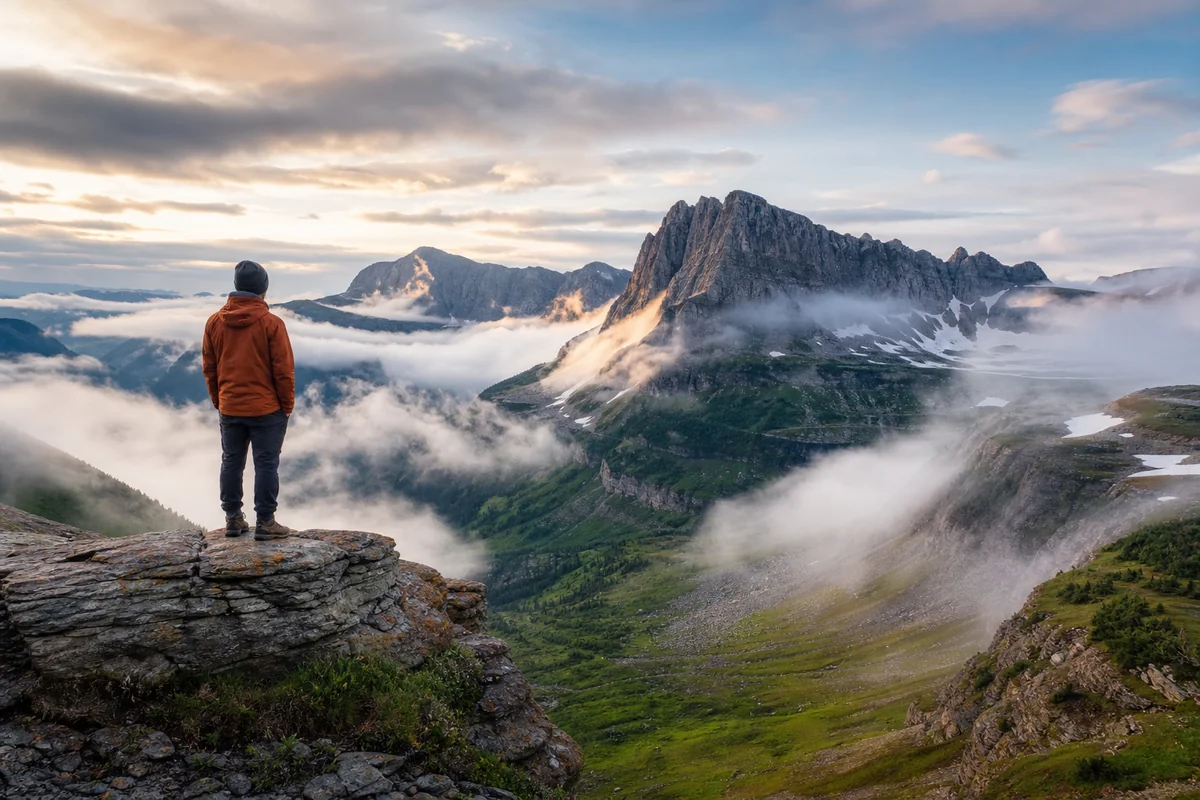
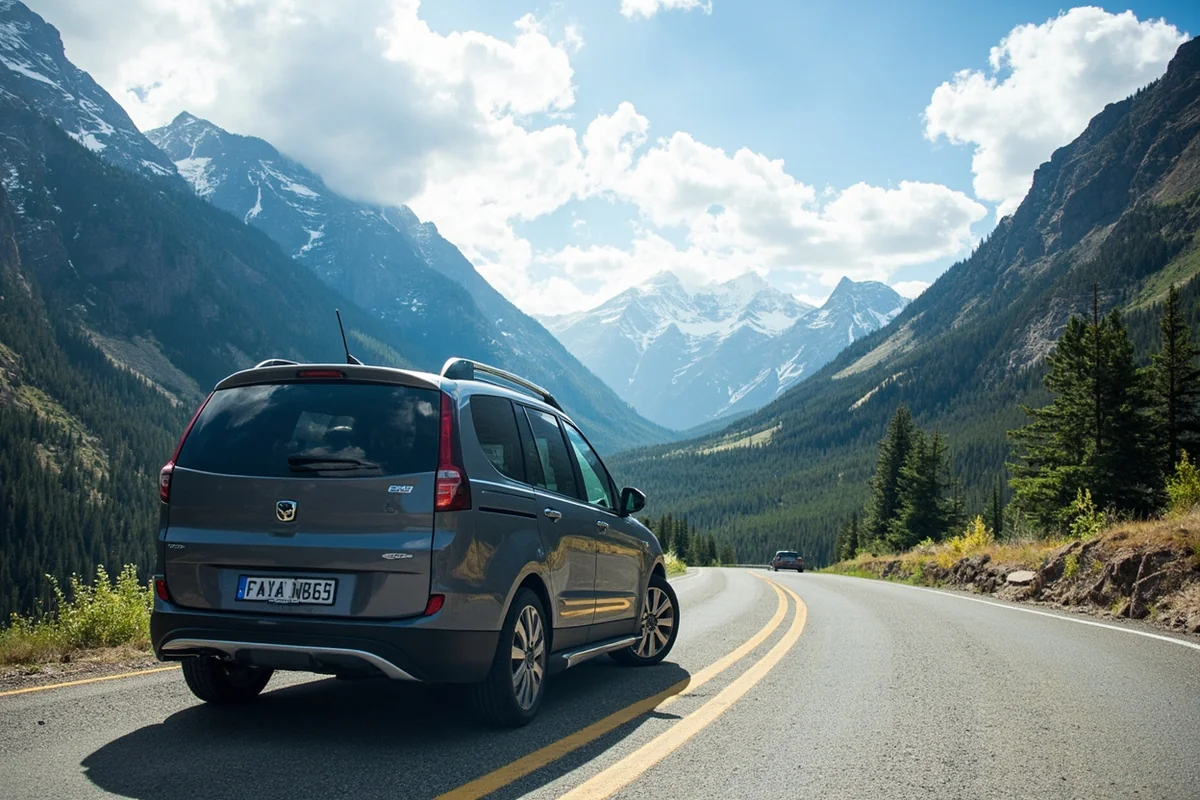
Let me tell you about my Going-to-the-Sun Road experience. This bucket-list drive presents unique considerations for EV travelers.
The Good News
The road’s 50-mile length from West Glacier to St. Mary is well within any modern EV’s range. The eastern and western sides both have gateway towns with charging options.
West Glacier/Whitefish/Columbia Falls area offers several Level 2 chargers and occasional DC fast charging. St. Mary has fewer options, but the Glacier Park Lodge area has added some infrastructure.
The Challenge
Going-to-the-Sun Road climbs to 6,646 feet at Logan Pass. That elevation gain absolutely impacts range—I lost about 20% more battery than distance would suggest on the westbound climb.
Here’s my strategy: Start from the west side with at least 80% battery. The climb depletes range, but the descent east regenerates significantly. I arrived in St. Mary with more battery than expected thanks to regenerative braking on the long downhill.
If you’re doing an out-and-back from either side, plan for about 120 miles of “effective” range use for the 100-mile round trip due to elevation changes.
Seasonal Considerations
Going-to-the-Sun Road is only fully open from late June through mid-October, weather depending. The vehicle reservation system means you’ll want to plan your exact timing regardless of fuel type.
I recommend staying overnight in the park or gateway communities with charging access rather than attempting same-day round trips from distant cities.
Yellowstone’s Montana Entrances
Three Yellowstone entrances sit in Montana: North (Gardiner), Northeast (Cooke City), and West (West Yellowstone). Each presents different EV scenarios.
West Yellowstone
This entrance has the best infrastructure. West Yellowstone proper has Level 2 chargers at several hotels and the visitor center area. I stayed at a property with destination charging and explored the park’s western loop without range anxiety.
The 90-mile drive from Bozeman to West Yellowstone is straightforward. Charge in Bozeman, drive to West Yellowstone, charge overnight, explore the park.
Gardiner (North Entrance)
Gardiner’s charging situation has improved but remains limited. I found Level 2 chargers at a couple of hotels when I visited last September.
The Gardiner-to-Bozeman route via Paradise Valley covers about 80 miles—manageable, but verify Gardiner charging availability before committing to this entrance.
Cooke City (Northeast Entrance)
This remote entrance requires serious planning. Cooke City has minimal charging infrastructure, and the Beartooth Highway approach from Red Lodge (currently no DC fast charging) means you’re committed.
I haven’t attempted the Northeast entrance in an EV yet. If I were to try, I’d charge fully in Billings, drive to Red Lodge (60 miles), then carefully assess whether my vehicle’s range could handle the Beartooth Highway round trip (approximately 130 miles with significant elevation).
Winter EV Driving in Montana: Hard Truths
Montana winters are brutal on EV range. I learned this during a December trip that tested everything I thought I knew.
Expect 25-35% Range Reduction
Cold batteries hold less charge and require energy for heating. My Tesla Model 3 Long Range showed 310 miles in summer but struggled to display 200 miles on a -10°F morning in Bozeman.
Preconditioning your battery before charging in cold weather is essential. I’d start the car remotely 20 minutes before unplugging to warm the battery, which improved charging speed dramatically.
Heating Uses Significant Energy
Running the cabin heater at full blast can consume 3-5 kW continuously. I learned to use seat heaters more and cabin heat less, which extended my winter range noticeably.
Heated steering wheel? Worth every penny in Montana. It allows you to keep cabin temperature lower while staying comfortable.
Charger Availability Issues
Some outdoor chargers in Montana have had freeze-up issues during severe cold. I encountered one ChargePoint station in Helena that wouldn’t communicate with my vehicle during a cold snap—the screen was frozen solid.
Tesla Superchargers handle cold better in my experience, but even they charge more slowly when the battery is cold. Budget extra time for winter charging sessions.
Essential Apps and Tools
I don’t start any Montana EV trip without these tools downloaded and offline maps cached:
PlugShare: The most comprehensive database of charging stations with real-time user updates. Filter by connector type, read recent reviews, and check whether stations are operational. This app saved me multiple times.
A Better Route Planner (ABRP): This free tool accounts for elevation, weather, and your specific vehicle to plan charging stops. I input my Montana routes and trust its recommendations.
ChargePoint/Electrify America/Tesla apps: Each network’s app is essential for starting charges and checking availability. Download all three before entering Montana—cell service gaps mean you can’t always download mid-trip.
Offline Maps: Google Maps or Apple Maps offline downloads for Montana. I learned this lesson when I lost cell service for 45 minutes between Missoula and Glacier and my navigation went blank.
Practical Charging Tips From Experience
The 80% Rule
Charging from 0-80% is dramatically faster than 80-100%. In Montana, I rarely charge above 80% unless I’m parking overnight. That last 20% can take as long as the first 80% on DC fast chargers.
I typically arrive at chargers around 15-20% and charge to 75-80% before continuing. This maximizes charging speed and minimizes wait time.
Time Your Charging Strategically
I combine charging with meals, restroom breaks, and quick explorations. The Bozeman Supercharger is near restaurants—charge while eating, and you’ve lost no time.
Many Montana towns have walkable downtowns near charging locations. I’ve explored historic districts, grabbed coffee, and returned to a charged vehicle countless times.
Carry a J1772 Extension
Some Montana charging stations are positioned oddly or have short cables. A J1772 extension cord ($100-150) has helped me reach chargers when my charge port wasn’t ideally positioned.
Always Have a Backup Plan
Before leaving any charging location, I identify the next two charging options—not just one. If the first is broken or full, I need a fallback. This mindset has prevented several potential strandings.
If you’re really concerned about remote areas, consider that some travelers choose to explore Montana without a car using alternative methods for the most remote regions.
The Cost Comparison: EV vs. Gas in Montana
Montana gas prices typically run $3.20-3.80 per gallon (as of my last visit). Here’s how my EV costs compared:
Tesla Supercharger rates: Approximately $0.35-0.45 per kWh in Montana. A 50 kWh charge (roughly 180 miles) costs $17-22.
Electrify America: Similar pricing, sometimes slightly higher for non-members.
Level 2 at hotels: Often free for guests or $2-5 per session. Some charge by the hour ($1-2/hour is common).
For a 500-mile Montana road trip, I spent approximately $45-60 on charging versus an estimated $90-110 in a 28 MPG vehicle. The savings add up, though I’ll admit the time investment in charging makes the math more complicated than pure dollar comparison.
Renting an EV in Montana
If you’re flying into Montana and considering an EV rental, here’s what I’ve found:
Hertz offers Tesla Model 3 rentals at Bozeman and Missoula airports, though availability varies significantly. I’d reserve weeks in advance and confirm before your trip.
Turo (peer-to-peer rental) has expanded EV options in Montana cities. I’ve seen Model Y, Rivian, and various EV models available through private owners.
Before renting, ask the owner or agency:
– What charging networks are accessible (Tesla app transfer, ChargePoint card provided, etc.)
– What’s the expected range in current weather conditions
– Any specific charging instructions
If you’re uncertain about EV rental logistics, rideshare options exist in major Montana cities for shorter trips within urban areas.
The Future Looks Bright
Montana’s EV infrastructure is improving rapidly. Federal NEVI funding is bringing DC fast chargers to previously underserved corridors. I’ve watched the PlugShare map add new stations every few months.
Several Montana towns are actively courting EV tourism by installing chargers at scenic overlooks and historic sites. This trend excites me—it suggests Montana understands that EV travelers spend money while charging.
The state’s long-term transportation plan includes significant EV infrastructure investment through 2030. Routes like Highway 2 (the Hi-Line) and Highway 200 are priorities for new charging installations.
Final Thoughts: Is Montana Ready for EVs?
After three trips and 2,000+ electric miles, my answer is a qualified yes. Montana is ready for EVs—if you’re ready for Montana.
This isn’t California, where you can drive carelessly knowing a charger awaits every 20 miles. Montana demands respect, planning, and flexibility. But that planning becomes part of the adventure.
I’ve had some of my best Montana moments during charging stops—conversations with curious locals, discoveries of small-town restaurants, and quiet mornings watching the sunrise while electrons flowed into my battery.
The infrastructure gaps are real, but they’re shrinking. The range anxiety is manageable with proper planning. And the satisfaction of exploring Big Sky Country on clean energy? That’s something no gas pump can provide.
Pack your charging adapters, download your apps, and embrace the slower pace. Montana rewards those who take time to appreciate it—and EV travel forces exactly that appreciation.
See you on the road. I’ll be the one parked at the charger with a coffee, watching the mountains and waiting for 80%.
Frequently Asked Questions
How easy is it to travel Montana in an electric vehicle?
Traveling Montana in an EV is definitely doable, but it requires more planning than in coastal states. The state has been expanding its charging network along major corridors like I-90 and I-15, though rural areas and scenic byways often have gaps of 100+ miles between chargers. I’d recommend mapping out your route carefully and never passing a charging station when you’re below 50%.
Where are EV charging stations located in Montana?
Montana’s EV charging stations are concentrated in larger towns like Missoula, Bozeman, Helena, Billings, and Great Falls, with Level 2 and DC fast chargers available at hotels, shopping centers, and some rest stops. Along I-90 and I-94, you’ll find chargers roughly every 50-80 miles, but heading into Glacier National Park or remote areas like the Missouri Breaks means fewer options. I always use PlugShare or the ChargePoint app to verify station availability before departing.
Can I drive an electric car to Glacier National Park?
Yes, you can drive an EV to Glacier National Park, and there are charging stations in Whitefish, Columbia Falls, and Kalispell within 30 miles of the park entrance. Inside the park, there’s currently limited charging infrastructure, so arrive with a full battery since the Going-to-the-Sun Road is about 50 miles one way. Cold weather at higher elevations can reduce your range by 20-30%, so factor that into your planning.
How much does it cost to charge an EV while road tripping through Montana?
Charging costs in Montana vary widely depending on the charger type and network. DC fast chargers typically run $0.30-$0.45 per kWh, meaning a full charge for a 300-mile range vehicle costs roughly $25-$40. Many Montana hotels offer free Level 2 charging for guests, which I’ve found is a great way to save money by charging overnight.
What’s the best EV for a Montana road trip with long distances?
For Montana’s vast distances and mountainous terrain, I’d recommend an EV with at least 270+ miles of real-world range, like the Tesla Model Y, Ford Mustang Mach-E Extended Range, or Rivian R1S. All-wheel drive is essential for winter travel and accessing unpaved forest roads. Teslas have an advantage here since the Supercharger network is the most extensive in the state.
Should I rent an electric vehicle for my Montana vacation?
Renting an EV in Montana is possible through Hertz and some local agencies in Bozeman and Missoula, though selection is limited compared to traditional vehicles. If you’re sticking to the I-90 corridor between Missoula and Billings or basing yourself in one area, an EV rental works great. For remote adventures to places like the Beartooth Highway or eastern Montana prairies, I’d suggest a hybrid or gas vehicle for more flexibility.
What should I know about charging an EV in Montana during winter?
Montana winters are brutal on EV batteries, and you can expect 30-40% reduced range when temperatures drop below freezing. I recommend preconditioning your battery while still plugged in, keeping your charge above 20%, and adding extra time for slower charging speeds in cold weather. Always have a backup plan and pack emergency supplies since some rural charging stations may be inaccessible during heavy snowstorms.
Sources
- https://www.nps.gov/subjects/sustainability/electric-vehicle-charging-map.htm
- https://leg.mt.gov/content/Committees/Interim/2021-2022/Transportation/20_Sept_22/EVs_V2.pdf
- https://afdc.energy.gov/laws/all?state=MT
- https://deq.mt.gov/files/Energy/Transportation/2023_MT_NEVI_Plan_update_FINAL.pdf
- https://electrek.co/2021/11/03/how-long-does-it-take-to-charge-a-tesla/