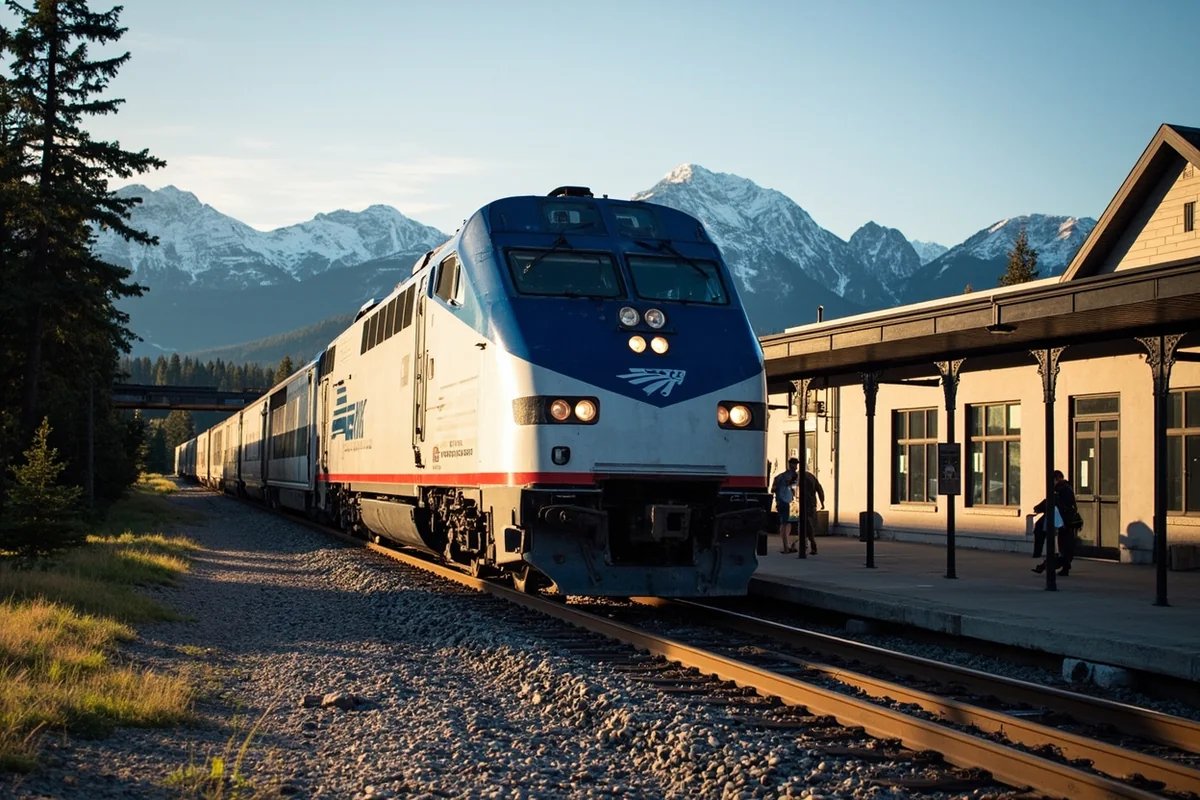
Last July, I stepped off Amtrak’s Empire Builder in Whitefish with nothing but a backpack and a bold plan: spend three weeks exploring Montana without renting a car. Everyone told me I was crazy. “You can’t do Montana without wheels,” my brother insisted.
He was wrong—mostly. While I won’t pretend it was always easy, those three weeks taught me that exploring Big Sky Country car-free is not only possible but sometimes preferable, offering unexpected connections and experiences I never would have found from behind a windshield.
If you’re researching our full Montana Transportation Guide, this deep dive into car-free travel will show you exactly what’s realistic and what takes creativity.
- Montana without a car requires planning, but it’s absolutely doable for certain destinations
- Amtrak’s Empire Builder connects 12 Montana stations along the Hi-Line and Glacier corridor
- Shuttle services to Glacier and Yellowstone are reliable and reasonably priced
- Missoula, Bozeman, and Whitefish are the most car-free-friendly towns
- Expect limitations in eastern Montana and remote areas—plan accordingly
- Budget $30-80/day for shuttles and transit versus $60-120/day for rental cars
Liked this article?
Add Roaming Montana as a preferred source so you see more of our articles and guides on Google.
Why Go Car-Free in Montana?
Before diving into logistics, let me address the obvious question: why would anyone willingly give up the freedom of a car in America’s fourth-largest state?
For me, it started with sticker shock. During my trip planning in spring 2023, rental car quotes in Bozeman were running $140 per day during peak season. Add gas prices that hover around $3.50-4.00 per gallon in remote areas, and suddenly my two-week budget was looking grim.
But cost wasn’t the only factor. I wanted to actually experience Montana, not just drive through it. Some of my most vivid memories from that trip happened on bus rides and train platforms—conversations with locals, time to journal, the simple pleasure of watching the landscape scroll by without worrying about wildlife darting across the road.
There’s also an environmental consideration. Montana’s air quality is precious, and traveling by train or shared shuttle reduces your carbon footprint significantly compared to a single-occupancy vehicle.
The Honest Truth: Where Car-Free Works (and Where It Doesn’t)
I want to be straight with you because I’ve seen too many travel articles oversell car-free Montana. Here’s my honest assessment after three weeks of boots-on-ground experience.
Car-Free Friendly Destinations
Whitefish: This was my home base for a week, and I never once wished for a car. The town is compact and walkable, with excellent bike rentals. The free SNOW Bus runs to Big Mountain in winter, and summer shuttles to Glacier National Park leave from downtown.
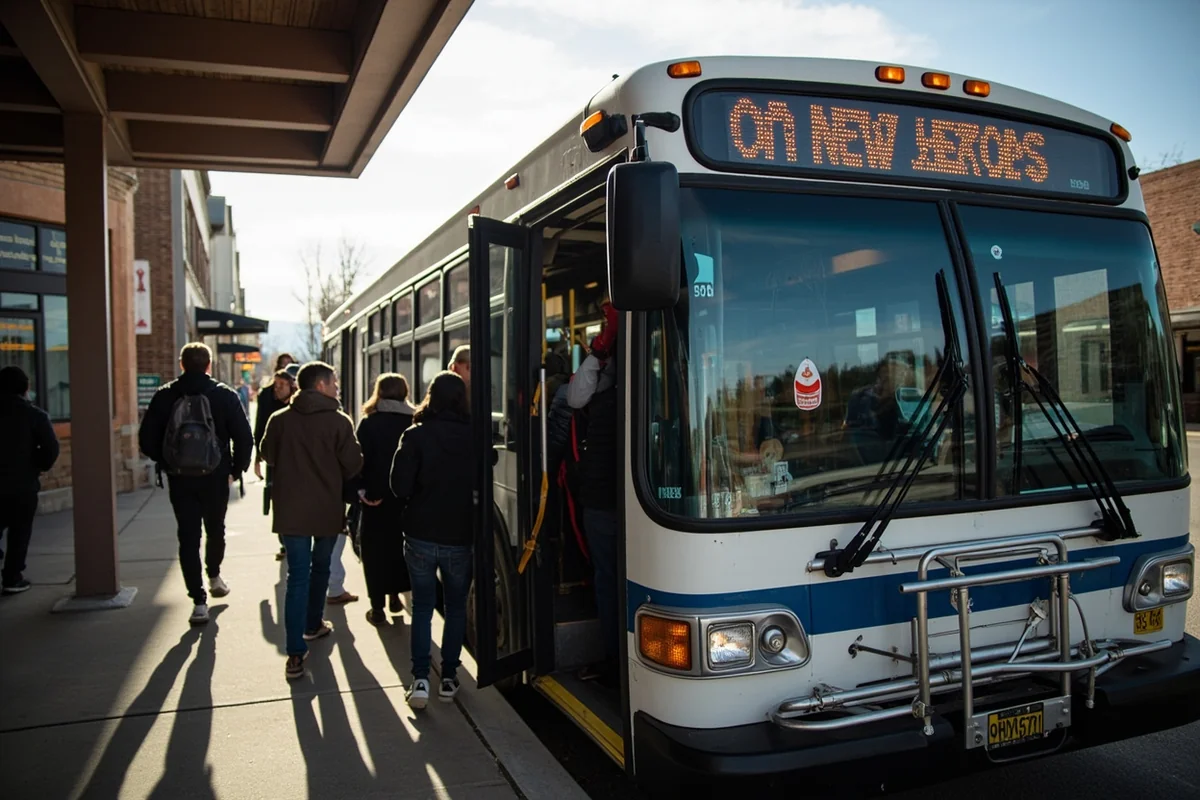
Missoula: Montana’s most progressive city has the state’s best public transit system. Mountain Line offers free bus service throughout the city and into surrounding areas. I spent four days here exploring on foot and by bus without any frustration.
Bozeman: The downtown core is walkable, and Streamline Transit connects you to Big Sky and Livingston. During my visit last summer, the Skyline bus to Big Sky ran six times daily.
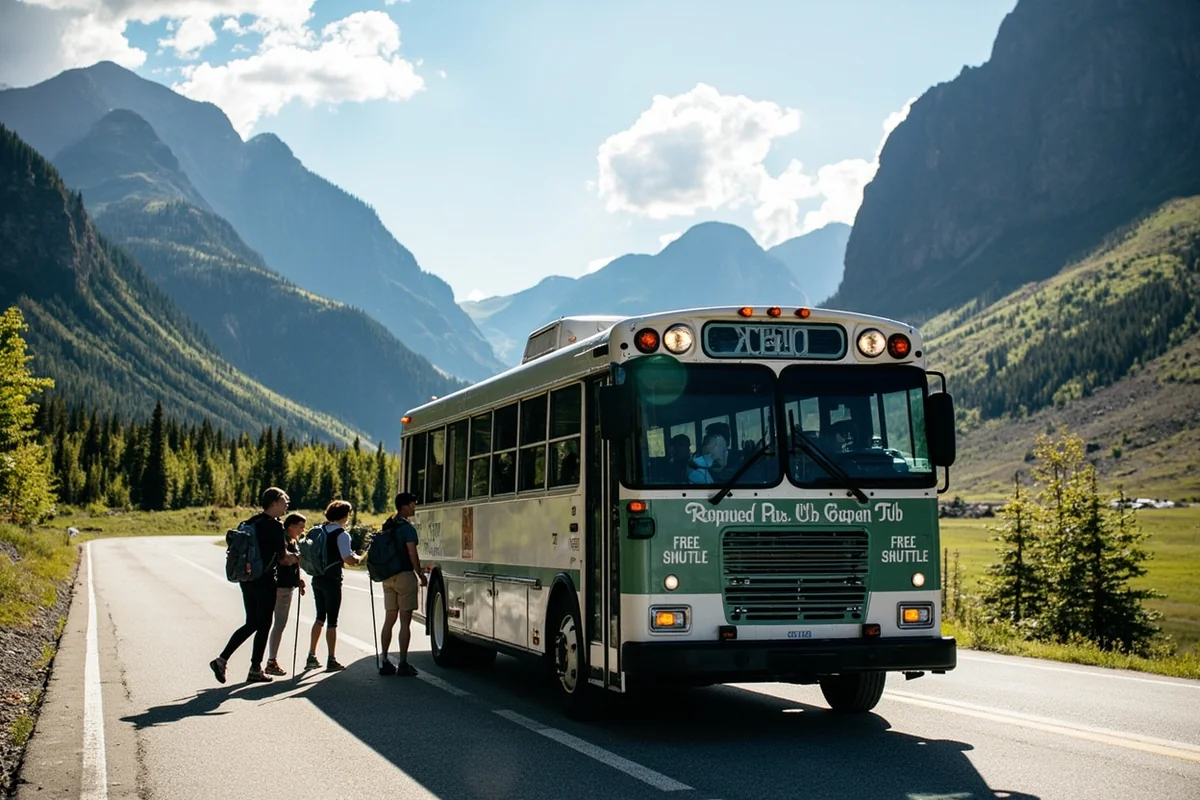
Glacier National Park: Here’s a surprise—Glacier is actually easier without a car during peak season. The free shuttle system inside the park eliminates the headache of finding parking at Logan Pass, which fills by 6 AM in July. More on this later.
Challenging Without a Car
Yellowstone National Park: While shuttle options exist to get you there, getting around inside the park without wheels is genuinely difficult. The park is massive, and internal shuttles are limited.
Eastern Montana: I had planned to visit Makoshika State Park near Glendive, but scrapped those plans when I realized public transit in eastern Montana is essentially non-existent. You’ll need to rent a car or join a tour.
Small Towns: Places like Philipsburg, Anaconda, and most towns under 10,000 people have zero public transit. If these are on your itinerary, you’ll need to arrange private transportation.
Getting to Montana Without a Car
Your car-free adventure starts before you arrive. Understanding your options for reaching Montana sets the stage for everything else.
Flying In
Montana has eight commercial airports, but only a few make sense for car-free travelers. When researching Montana’s airports, focus on these gateway cities.
Missoula International Airport (MSO) is my top recommendation for car-free visitors. Mountain Line bus route 12 connects directly to downtown for free—yes, completely free. The ride takes about 25 minutes.
Bozeman Yellowstone International (BZN) is Montana’s busiest airport but requires more planning without a car. Karst Stage runs shuttles to downtown Bozeman and Big Sky. Book in advance during peak season.
Glacier Park International (FCA) near Kalispell puts you close to Whitefish and Glacier. Flathead County’s Eagle Transit offers service to Whitefish and Kalispell, though frequency is limited.
| Airport | Transit to Town | Cost | Frequency |
|---|---|---|---|
| Missoula (MSO) | Mountain Line Bus | Free | Every 30-60 min |
| Bozeman (BZN) | Karst Stage Shuttle | $15-25 | 8-10 times daily |
| Glacier Park (FCA) | Eagle Transit | $2-5 | Limited |
Arriving by Train
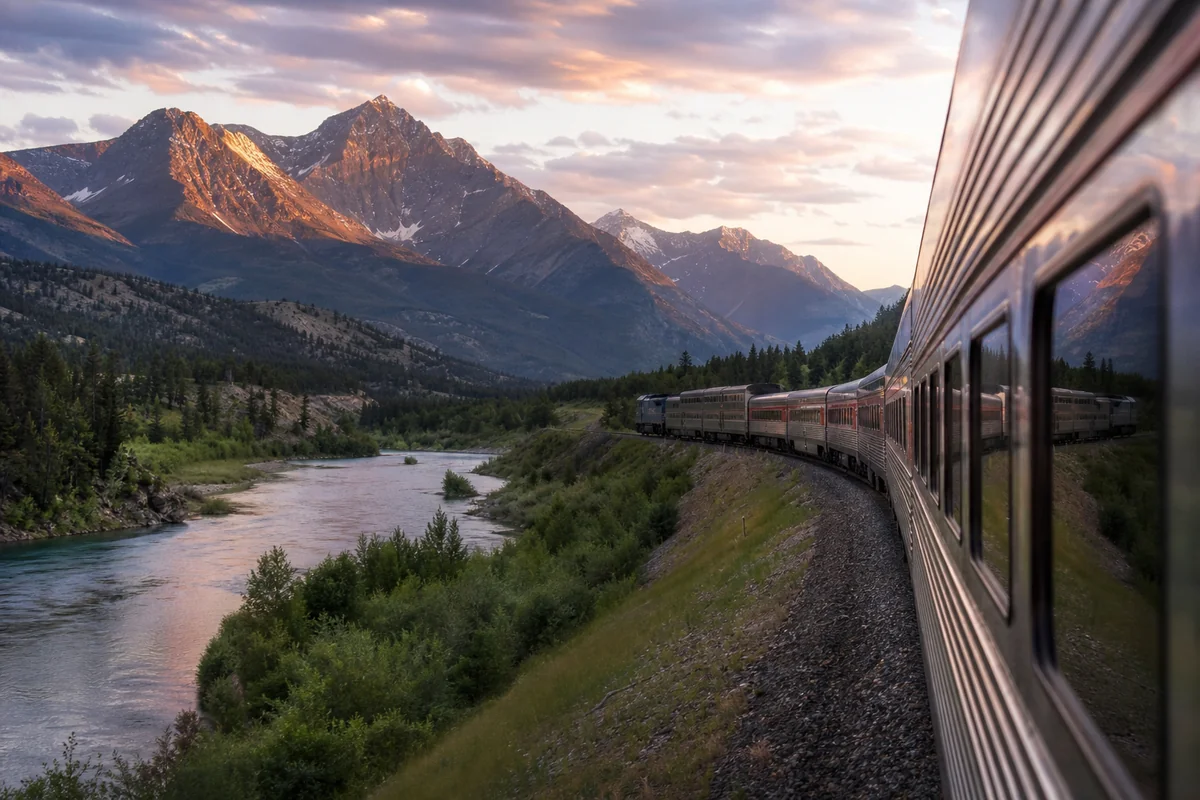
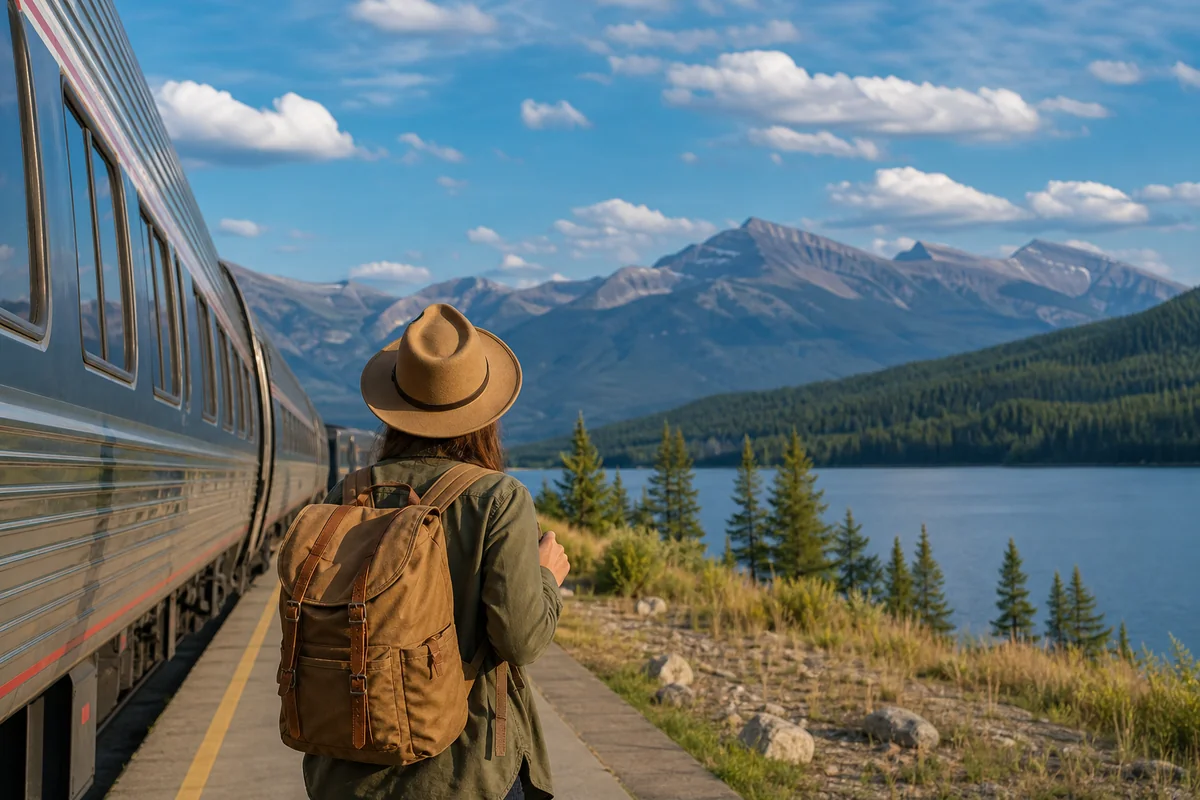
Amtrak’s Empire Builder is the crown jewel of car-free Montana travel. This route connects Chicago to Seattle/Portland, passing through 12 Montana stations along the way. I’ve written extensively about Montana’s railroad history and current routes, and taking the Empire Builder remains one of my favorite ways to experience the state.
The train stops at: Wolf Point, Glasgow, Malta, Havre, Shelby, Cut Bank, Browning, East Glacier Park, Essex, West Glacier, Whitefish, and Libby.
During my July trip, I boarded in Chicago and woke up as we crossed into Montana near Wolf Point. Watching the sunrise over the prairie from the observation car, with a cup of mediocre Amtrak coffee in hand, remains a core memory.
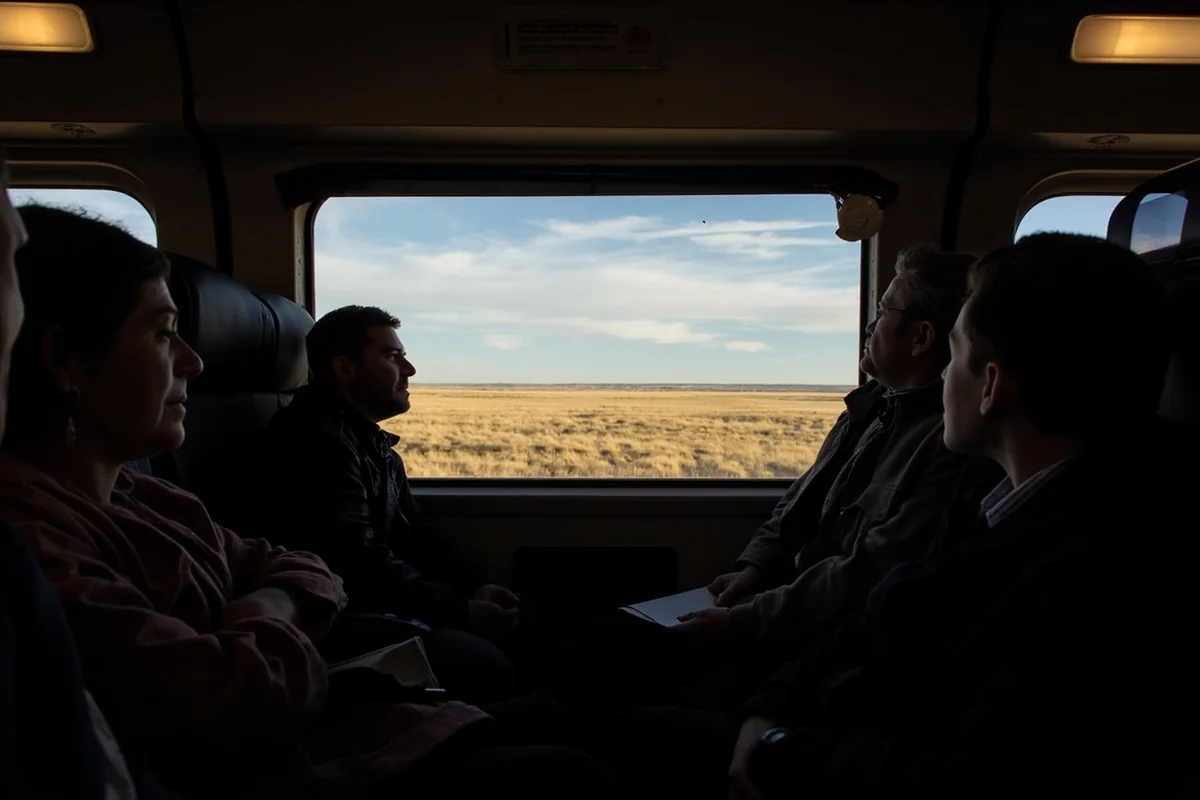
One critical tip: the Empire Builder runs once daily in each direction. Miss it, and you’re waiting 24 hours. During my trip, delays of 2-4 hours were common due to freight train traffic. Build flexibility into your schedule.
For detailed information on where to catch the train, check out our guide to Montana’s train stations and their amenities.
Long-Distance Buses
Greyhound and Jefferson Lines serve limited Montana routes. I took Jefferson Lines from Billings to Bozeman during a separate October trip—the experience was fine, if unremarkable. Buses run less frequently than you’d expect, often once or twice daily.
Getting Around Montana’s Gateway Towns
Once you’ve arrived, each town presents different car-free possibilities. Here’s what I learned navigating Montana’s most accessible communities.
Whitefish: The Car-Free Champion
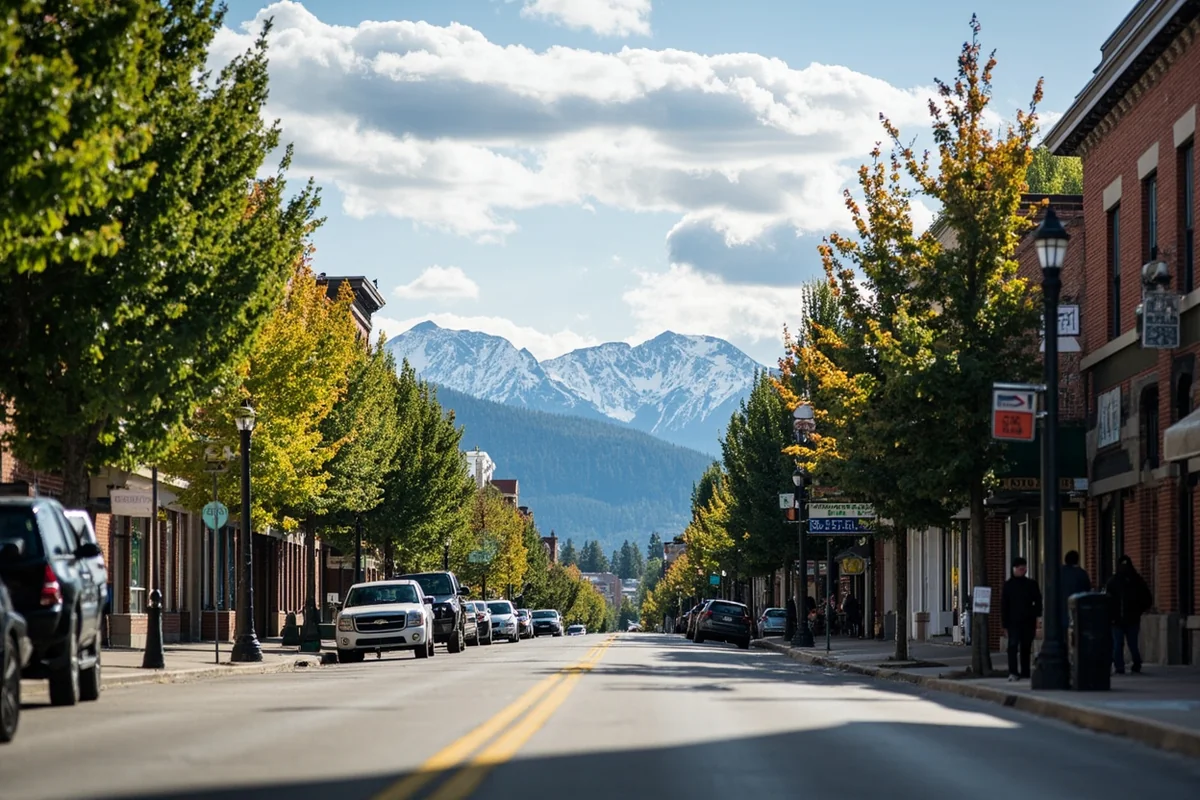
Whitefish stole my heart and earned my vote as Montana’s best car-free destination. With a population of about 8,000, everything sits within reasonable walking distance.
Central Avenue, the main drag, spans maybe eight blocks. I walked from my Airbnb near the train depot to restaurants, breweries, and shops daily. The Whitefish Trail system offers 45+ miles of hiking and biking paths accessible right from town.
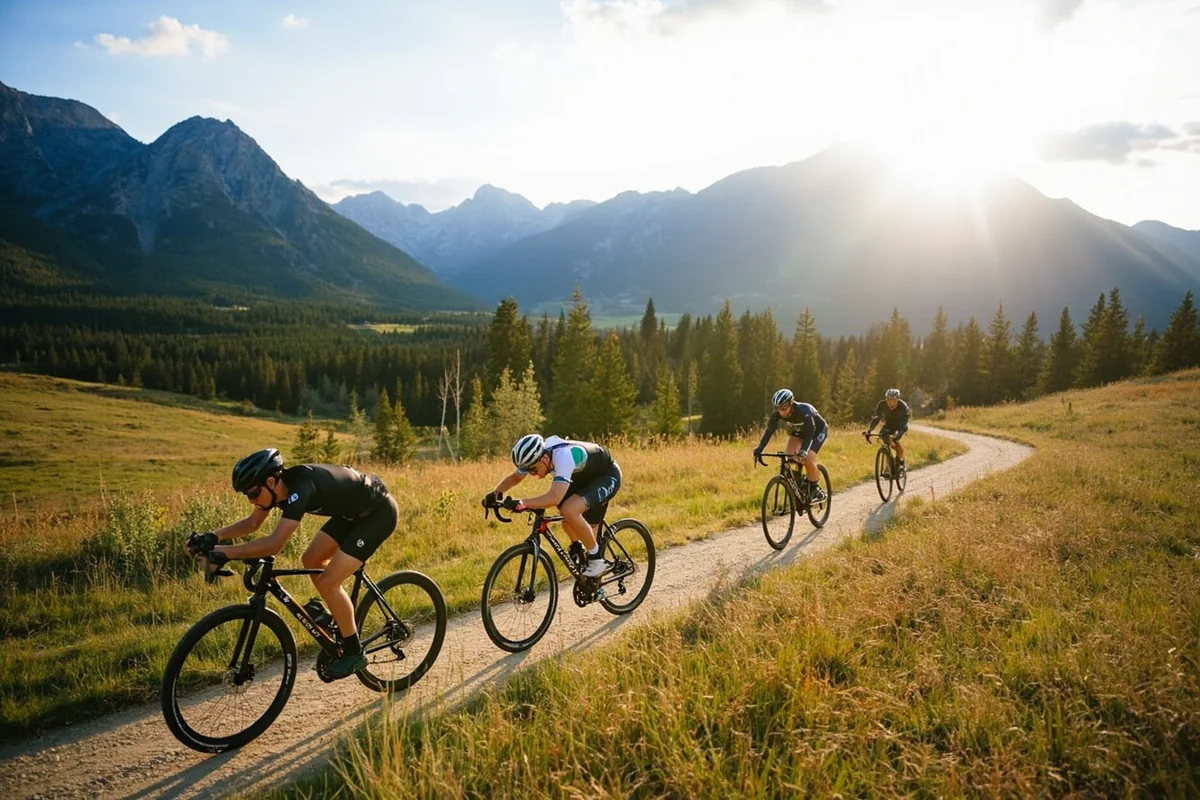
For biking, I rented from Glacier Cyclery on 2nd Street. A quality mountain bike ran $45 per day, and they provided maps of local trails. The Whitefish Trail’s Lion Mountain loop became my morning routine—challenging enough to feel like exercise, beautiful enough to forget I was exercising.
The SNOW Bus operates as a free shuttle to Whitefish Mountain Resort during ski season. In summer, various outfitters run shuttles to Glacier National Park, typically $15-40 round trip depending on where you’re heading in the park.
Missoula: Urban Montana at Its Best
Missoula surprised me with its legitimate urban transit system. Mountain Line operates 12 routes covering most of the city and immediate surroundings—and it’s all zero-fare. They eliminated fares in 2015, and ridership has increased dramatically since.
Downtown Missoula is thoroughly walkable. From the University of Montana campus to the hip restaurants along the Hip Strip on South Higgins, I covered everything on foot during a four-day stay last fall.
The Rattlesnake Wilderness trailhead sits about 4 miles from downtown. I caught Mountain Line route 1, which dropped me within a half-mile of the trailhead. That’s a $0 ride to legitimate wilderness access—try that in most American cities.
For more details on transit options, our comprehensive Montana public transportation guide breaks down every route and schedule.
Bozeman: Workable with Planning
Bozeman’s car-free experience sits a tier below Missoula and Whitefish, but it’s manageable with the right expectations.
Downtown Bozeman is compact and pleasant for walking. Main Street buzzes with restaurants, galleries, and coffee shops. I based myself near the Emerson Center for the Arts and rarely needed anything beyond my own two feet for in-town activities.
Streamline Transit connects Bozeman to Belgrade, Four Corners, and Livingston. The Skyline route to Big Sky proved essential for my visit to Big Sky Resort—the 50-minute ride runs $5 each way.
One honest observation: Bozeman is growing rapidly, and the sprawl extends well beyond what’s walkable. If you’re staying in a vacation rental on the outskirts, you might struggle without a car or rideshare.
Rideshare Reality Check
I’d read that Uber and Lyft operate in Montana’s cities, so I downloaded both apps expecting backup transportation. The reality proved more complicated.
In Missoula, rideshare worked reasonably well. Wait times averaged 8-15 minutes, and I used Uber twice for late-night returns from bars.
In Bozeman, service was spottier. One evening, no drivers were available at all—I ended up walking 40 minutes back to my accommodation.
In Whitefish, forget it. I opened the Uber app several times and never saw an available driver. The town is small enough that this didn’t matter much, but don’t count on rideshare as a backup.
For realistic expectations about rideshare availability across the state, our Montana Uber guide provides current coverage maps and tips.
Glacier National Park: The Car-Free Sweet Spot
Here’s the revelation that made my trip: Glacier National Park is actually better without a car during peak season.
I know that sounds counterintuitive for a park covering over one million acres. But hear me out.
The Going-to-the-Sun Road vehicle reservation system, implemented in recent years, limits private vehicle access during summer. Even with a reservation, parking at Logan Pass fills by 6 AM. I watched rental cars circle the lot for 45 minutes while shuttle riders hopped off and started hiking.
The park operates a free shuttle system from early July through early September. Routes connect Apgar Village, Lake McDonald Lodge, Logan Pass, St. Mary, and many trailheads in between.
During my week exploring Glacier, I established a rhythm: catch the 7 AM shuttle from Apgar Transit Center, arrive at Logan Pass by 8:30, hike the Highline Trail, descend to The Loop shuttle stop, and catch a ride back. Zero parking stress, zero road anxiety on Going-to-the-Sun Road’s famous hairpin turns.
Getting to Glacier Without a Car
From Whitefish: Glacier Park Express runs shuttles from downtown Whitefish to the park’s west entrance. Round-trip tickets cost about $35. During my July trip, the 8 AM departure got me to Apgar Village by 9:15.
From East Glacier: If you’re arriving via Amtrak (the train stops at East Glacier Park station from May through October), you can catch the park shuttle from the Two Medicine or St. Mary areas, or arrange a private shuttle.
From Kalispell: Flathead Transit operates limited service to the park entrance during summer months.
One important note: the park shuttle doesn’t run everywhere. Many Glacier, a spectacular area on the park’s east side, requires separate transportation. I booked a tour through Sun Tours—a Native American-owned company offering guided trips from East Glacier that included Many Glacier. The $120 fee was worthwhile for the cultural context and logistics handled.
Yellowstone: The Car-Free Challenge
I’ll be honest—Yellowstone presented the toughest car-free challenge of my Montana travels. It’s possible but requires significant planning and acceptance of limitations.
Getting to Yellowstone’s Montana entrances (West Yellowstone or Gardiner) is straightforward. From Bozeman, Karst Stage and other shuttles run to West Yellowstone daily during summer. I paid $45 each way during my August visit.
Once inside the park, your options narrow considerably. Yellowstone doesn’t operate a comprehensive shuttle system like Glacier. You’ll need to rely on:
Guided tours: Companies like Yellowstone Forever and various outfitters run all-day tours hitting major attractions. Expect to pay $150-250 per person.
Bike rentals: Limited paved paths exist around Old Faithful and Mammoth Hot Springs. I rented a bike in West Yellowstone and rode into the park’s west entrance—beautiful, but you can only cover so much ground.
Walking: If you’re based in West Yellowstone, the Madison River valley is accessible on foot. The Riverside Trail system offers wildlife viewing without leaving town.
My recommendation: if Yellowstone is your primary destination, rent a car. If you’re combining it with more car-free-friendly destinations, accept that you’ll see Yellowstone through guided tours rather than independently.
Practical Tips From Three Weeks Without Wheels
Packing Differently
Without a trunk to stash extra gear, pack light. I survived three weeks with a 40-liter backpack. A packable daypack for hikes proved essential—I could clip it to my larger pack when moving between towns.
Bring comfortable walking shoes you can wear daily. I made the mistake of packing hiking boots and casual shoes, which ate precious pack space. Trail runners served both purposes.
Accommodation Strategy
Location matters exponentially more without a car. That cute cabin 8 miles outside town? Skip it. Pay more to stay downtown or near transit.
In Whitefish, I chose a place within walking distance of Central Avenue. In Missoula, I specifically selected lodging on a Mountain Line route. These choices saved me constant transportation headaches.
Food and Supplies
Stock up when you have access to grocery stores. I kept protein bars, trail mix, and fruit in my pack constantly. Small-town convenience stores charge premium prices, and you might not find one when you need it.
In Whitefish, I did a major grocery run at Super 1 Foods on my first day. That $60 investment covered breakfasts and snacks for the week.
Timing and Schedules
Bus and shuttle schedules dictate your life without a car. I learned to photograph schedules on my phone, always confirm departure times the day before, and arrive early.
The Amtrak Empire Builder is famously unreliable for timing. My westbound train was 3.5 hours late arriving in Whitefish. Had I booked a tight connection, I would have been stranded.
Backup Plans
Always have a backup. I kept a taxi company number saved (yes, actual taxis exist in Montana’s larger towns). I knew which hotels could call shuttles. I carried enough cash for emergency transportation.
One evening in Bozeman, the last Streamline bus departed before I finished dinner. My backup: a $25 taxi ride that stung my budget but got me home.
Budget Comparison: Car-Free vs. Rental
Let’s talk numbers. During my three-week trip, I tracked every transportation expense:
Car-free costs:
- Amtrak ticket (partial): $189
- Shuttles to/from Glacier: $140 (multiple trips)
- Shuttle to Yellowstone (round trip): $90
- Guided Yellowstone tour: $165
- Various local transit: $45
- Bike rentals: $85
- Taxis (emergencies): $55
Total: $769 over 21 days = ~$37/day
Comparing to rental car estimates for the same period: $140/day average rental plus approximately $200 in gas equals roughly $3,140—over four times my car-free costs.
Even accounting for convenience sacrifices, the savings were substantial. That extra $2,000+ funded better restaurants, a nicer hotel in Missoula, and a Red Bus Tour in Glacier I’d initially skipped for budget reasons.
Electric Vehicle Considerations
If you’re considering renting an EV to reduce emissions while maintaining car flexibility, Montana’s charging infrastructure has improved significantly. Our ultimate EV guide covers charging station locations and practical tips for electric road trips across the state.
However, for purely car-free travelers, EVs obviously aren’t relevant—just an option if you decide the car-free approach has too many limitations for your particular itinerary.
Who Should (and Shouldn’t) Go Car-Free
Car-Free Montana Is Perfect For:
- Budget travelers willing to trade convenience for savings
- Solo travelers who enjoy meeting people on buses and trains
- Glacier National Park-focused visitors during peak season
- Anyone staying primarily in Whitefish, Missoula, or downtown Bozeman
- Travelers who want to reduce their environmental impact
- People uncomfortable driving mountain roads (Going-to-the-Sun Road terrifies many drivers)
Consider Renting a Car If:
- You want extensive Yellowstone exploration
- Eastern Montana is on your itinerary
- You’re traveling with family or groups (car economics improve)
- You have mobility limitations that make walking and waiting difficult
- Your schedule is tight with no room for transit delays
- You want to visit multiple small towns off main corridors
My Final Thoughts After 21 Car-Free Days
Would I do it again? Absolutely—with adjustments.
The three weeks taught me that car-free Montana isn’t about seeing everything. It’s about seeing specific places deeply. I know Whitefish’s trails, Missoula’s neighborhoods, and Glacier’s shuttle-accessible viewpoints intimately. I couldn’t have told you what Malta or Roundup look like, but I never claimed comprehensive coverage.
The people I met on trains and buses enriched my experience immeasurably. A rancher from Malta shared stories of calving season during our Amtrak ride. A college student on Missoula’s Mountain Line recommended a hiking trail I never would have found. A Glacier shuttle driver pointed out where she’d seen grizzlies that morning.
These connections don’t happen when you’re sealed in your rental car, focused on the next destination.
Montana without a car requires letting go of the road-trip fantasy we’ve been sold—the freedom of the open highway, the spontaneous detour, the sunset pull-off. You trade that for a different kind of freedom: freedom from parking anxiety, gas station math, and white-knuckled mountain driving.
For the right traveler, with the right expectations, it’s a trade worth making.
Frequently Asked Questions
Can you travel around Montana without a car?
Yes, you can explore Montana without a car, though it requires more planning than other states. I’ve found that combining Amtrak’s Empire Builder route, local shuttle services, and town-based exploration makes car-free travel totally doable. Focus on hub towns like Whitefish, Missoula, and Bozeman where you can walk, bike, or use local transit to access restaurants, shops, and nearby trails.
How do I get to Glacier National Park without a car?
The easiest car-free route to Glacier is taking Amtrak’s Empire Builder to Whitefish or West Glacier station, which drops you right at the park’s doorstep. From there, the park’s free Going-to-the-Sun Road shuttle runs from July through early September and connects major trailheads and visitor centers. I’d also recommend booking a stay at one of the historic park lodges, which offer guided tours and easy trail access without needing your own vehicle.
What is the best time to visit Montana without a car?
Late June through early September is ideal for car-free Montana travel since that’s when shuttle services, public transit options, and tour companies are fully operational. Winter travel without a car is possible but limited to ski resort towns like Whitefish, which offer airport shuttles and free local transportation. I’d avoid shoulder seasons like May or October when many transit services shut down but roads aren’t yet snow-covered enough for ski shuttles.
How much does it cost to travel Montana without a car?
Budget around $50-150 per day for transportation depending on your mix of shuttles, rideshares, and guided tours. Amtrak tickets from Seattle or Chicago to Whitefish run $100-250 each way, while local shuttles like the Skyline bus in Bozeman cost just $1-2 per ride. Guided day tours to places like Yellowstone from Bozeman typically cost $175-250 per person, which honestly isn’t bad when you factor in park entrance fees and the convenience.
What should I pack for a car-free trip to Montana?
Pack a quality daypack for carrying essentials on shuttles and hikes, comfortable walking shoes, and layers since Montana temperatures can swing 30 degrees in a single day. I always bring a portable phone charger since you’ll rely heavily on apps for shuttle schedules and rideshare services. Don’t forget bear spray if you’re hiking—you can purchase it in gateway towns since it can’t fly in checked luggage.
Are there Uber or Lyft options in Montana cities?
Uber and Lyft operate in Bozeman, Missoula, Billings, and the Whitefish/Kalispell area, but availability is hit-or-miss compared to major US cities. During peak tourist season, expect longer wait times of 15-30 minutes and higher surge pricing, especially near national park entrances. I’ve had better luck using local taxi companies or pre-booking airport shuttles for early morning flights rather than relying solely on rideshare apps.
Can I take a bus from Bozeman to Yellowstone National Park?
Yes, several tour companies run daily bus excursions from Bozeman to Yellowstone during summer months, with full-day tours covering about 100 miles each way. Yellowstone Forever and various private operators offer guided trips ranging from $200-300 that include park entrance fees and wildlife-watching stops. There’s no public bus service into the park itself, so these guided tours or hiring a private driver are your main car-free options from Bozeman.
Sources