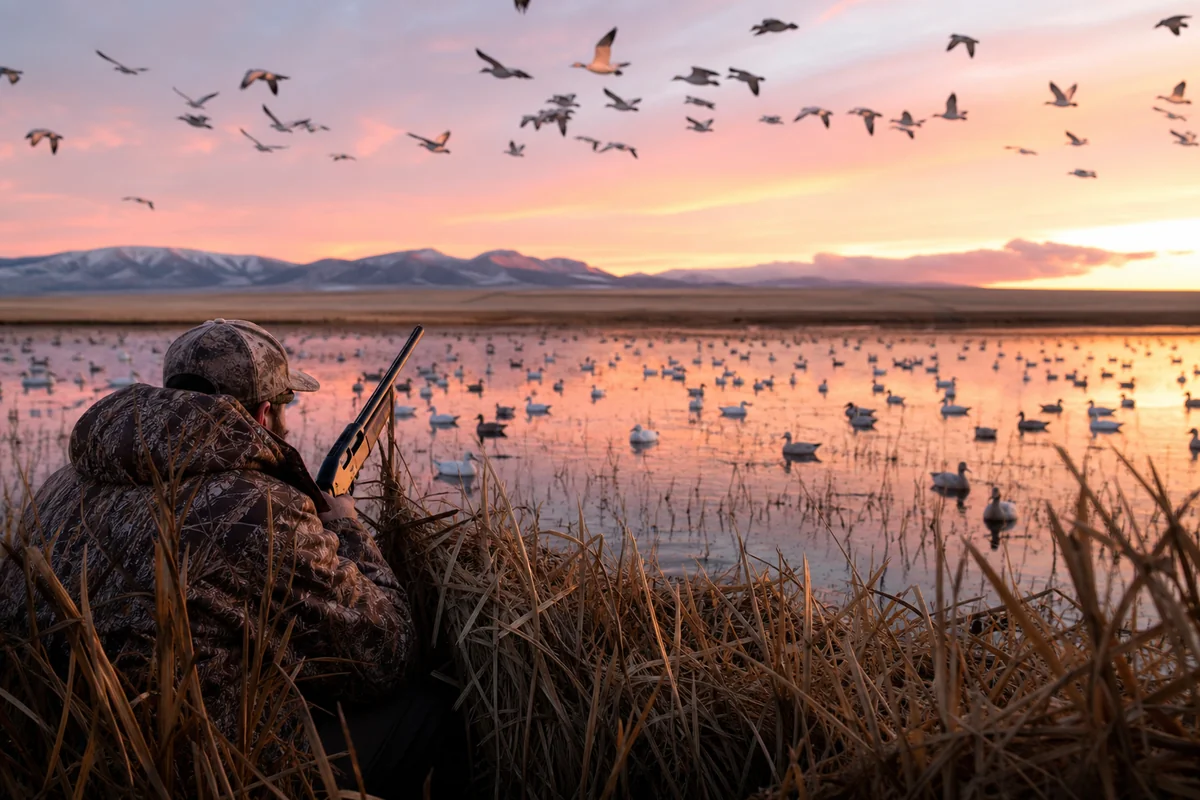
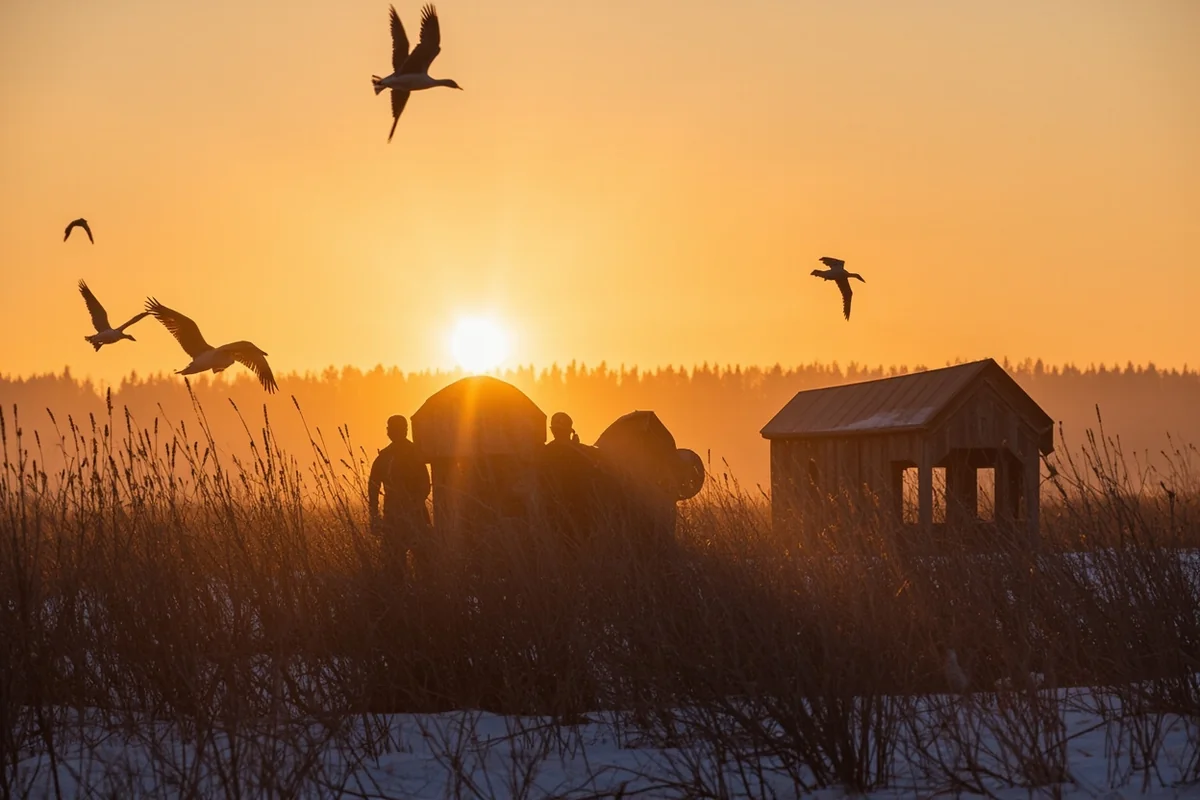
The morning I crouched in a flooded barley field near Freezeout Lake, watching wave after wave of snow geese descend against a pink Montana sunrise, I understood why serious waterfowlers travel thousands of miles for this experience.
That single hunt during last fall’s migration produced more birds—and more unforgettable moments—than entire seasons I’ve spent in other states.
If you’re exploring options in our comprehensive Montana Hunting Guide, waterfowl hunting deserves a prominent spot on your list because the combination of accessible public land, diverse species, and legendary flyway corridors creates something truly special here.
- Montana sits along the Central and Pacific Flyways with exceptional snow goose, Canada goose, and duck hunting
- Peak migration typically runs late October through November—plan trips around these windows
- Non-resident waterfowl license costs approximately $75, plus required state and federal duck stamps
- Freezeout Lake, Benton Lake NWR, and the Missouri River corridor offer outstanding public access
- Steel shot required for all waterfowl; bring layers for unpredictable weather ranging from 60°F to below zero
- Combination trips pairing waterfowl with upland birds or deer maximize your Montana hunting investment
Why Montana Stands Out for Waterfowl Hunting
Montana doesn’t immediately spring to mind when waterfowlers dream about their bucket-list destinations. Most think of Arkansas flooded timber or the pothole prairies of the Dakotas first.
But that’s precisely what makes Montana special—it’s genuinely underrated, which translates to less pressure and more birds for those who make the trip.
During my hunts across the state over the past four seasons, I’ve consistently found scenarios that friends from traditional waterfowl states simply couldn’t believe. Fresh birds that haven’t seen decoy spreads, public areas where you’re not competing for spots at 4 AM, and diverse hunting that can include everything from puddlers in prairie potholes to honkers on wheat stubble.
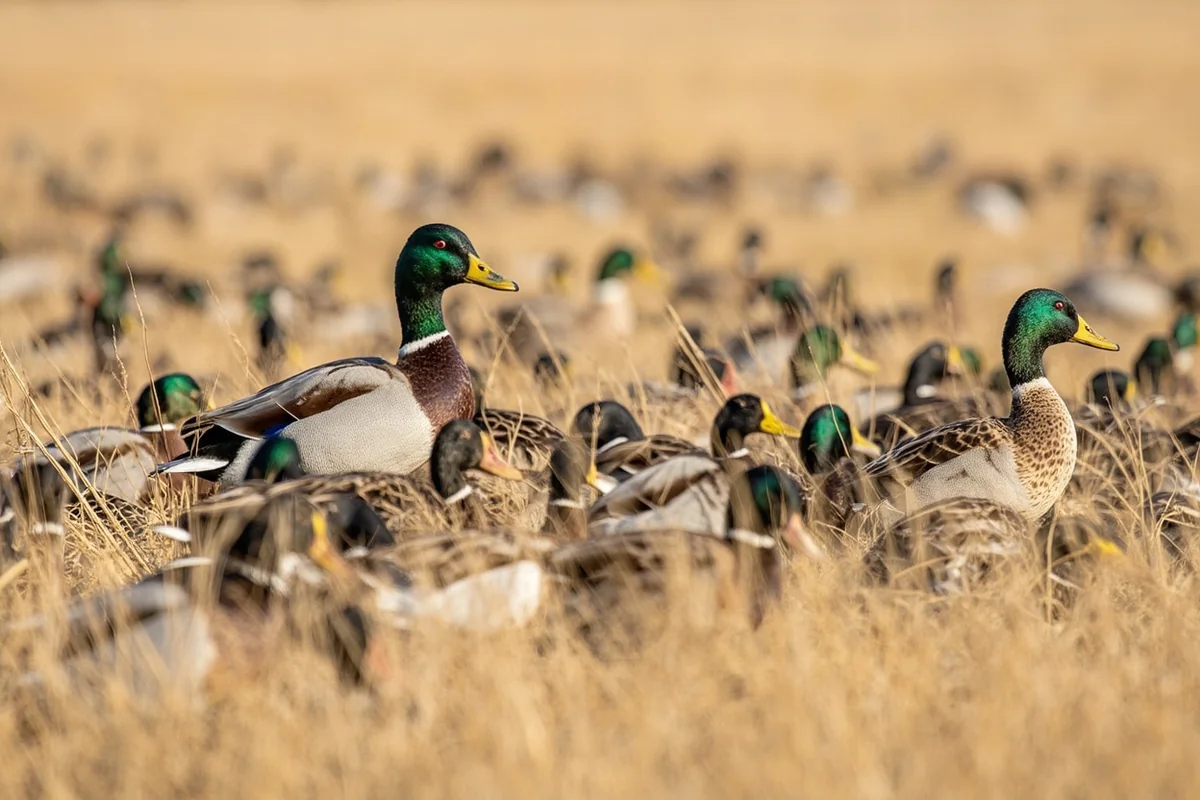
The state’s position along both the Central and Pacific Flyways creates a unique convergence. Birds funneling down from the Arctic breeding grounds have multiple entry points into Montana’s river systems and wetland complexes.
What struck me most during a recent November trip near Choteau was the variety within a single day. We hunted snow geese in the morning, relocated to a stock pond for afternoon mallards, and finished with Canada geese decoying into cut barley. That kind of diversity keeps things interesting in ways that single-species hunts simply can’t match.
Understanding Montana’s Waterfowl Seasons and Regulations
Before you start planning, you need to understand how Montana structures its waterfowl seasons. The state divides into multiple zones with different opening dates, and the regulations differ significantly from what you might encounter elsewhere.
Reviewing the complete Montana hunting regulations is essential before finalizing any trip plans.
Season Structure and Dates
Montana typically opens duck season in late September or early October, with the season running through January. However, the exact dates shift annually based on federal frameworks, so always verify current dates with Montana Fish, Wildlife & Parks (FWP).
The state uses a Pacific Flyway and Central Flyway boundary, generally following the Continental Divide. This matters because bag limits and season dates can differ between zones.
Goose seasons generally align with duck seasons but include additional late-season opportunities. Snow goose conservation orders extend into spring, offering another window that I’ve found particularly productive.
For comprehensive information about all Montana hunting seasons, including how waterfowl dates overlap with other opportunities, check our dedicated guide.
Licensing Requirements for Non-Residents
The licensing situation for out-of-state waterfowlers is actually quite straightforward, and understanding Montana hunting license costs helps with trip budgeting.
| License/Permit | Cost (Non-Resident) | Notes |
|---|---|---|
| Conservation License | $10 | Required for all licenses |
| Bird License (Waterfowl) | $75 | Covers ducks and geese |
| Montana Waterfowl Stamp | $10 | Required for waterfowl |
| Federal Duck Stamp | $25 | Required nationwide |
| HIP Registration | Free | Mandatory for migratory birds |
For the full breakdown of obtaining your Montana hunting license, including online purchase options, our detailed guide walks through every step.
One thing I appreciate about Montana’s system: there’s no special draw or preference point system required for basic waterfowl hunting. Unlike pursuing species like bighorn sheep where Montana preference points become critical, waterfowl licenses are available over-the-counter.
The Best Waterfowl Hunting Regions in Montana
After hunting multiple areas across the state, I’ve identified several regions that consistently produce exceptional waterfowl opportunities. Each has distinct characteristics and prime timing.
Freezeout Lake Wildlife Management Area
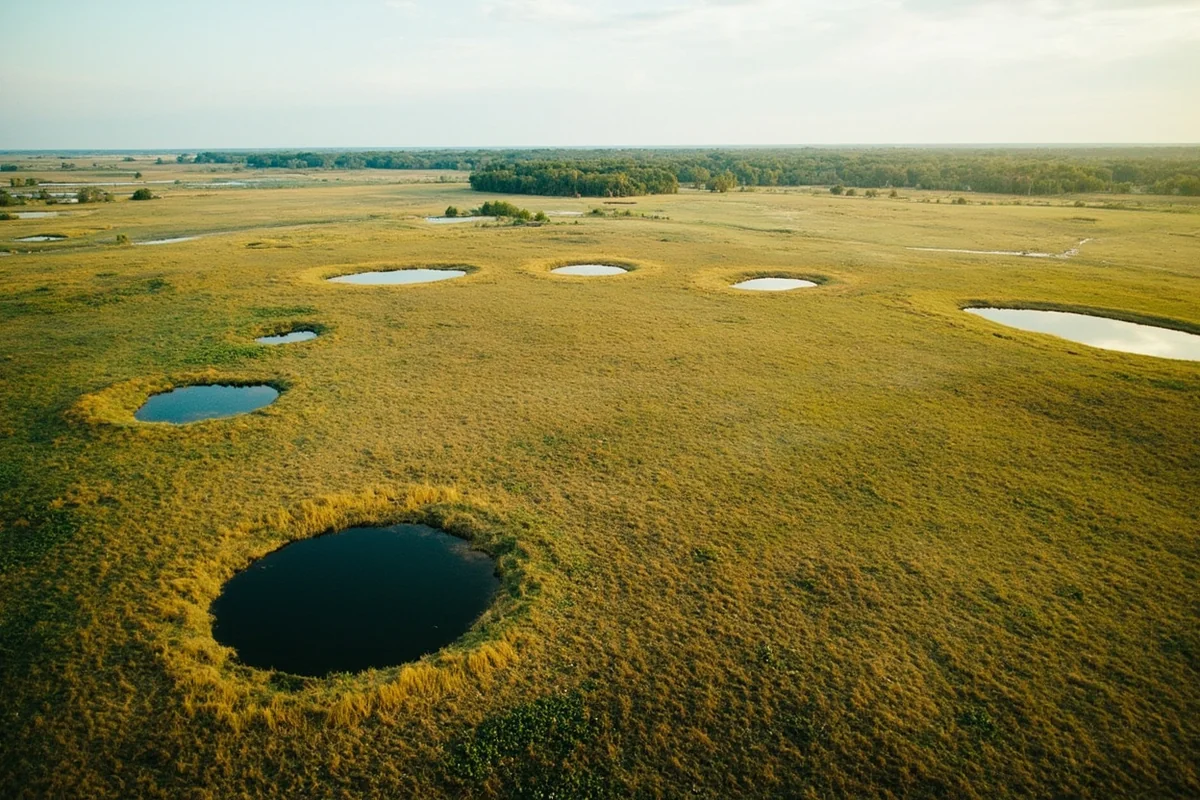
This is Montana’s marquee waterfowl destination, and for good reason. Located about 30 miles west of Great Falls near Fairfield, Freezeout Lake sits directly in the Pacific Flyway migration corridor.
During my visits here over the past three seasons, I’ve witnessed spring snow goose staging numbers exceeding 300,000 birds. The fall migration, while less concentrated, still produces outstanding hunting opportunities.
The area encompasses roughly 12,000 acres of wetlands, with designated hunting zones that rotate to manage pressure. Last October, I hunted the north zone on a Wednesday and saw only two other groups despite excellent bird movement.
What makes Freezeout special isn’t just the numbers—it’s the diversity. On a single morning hunt last November, our group harvested mallards, pintails, gadwall, wigeon, and teal alongside Canada and snow geese.
Access requires checking in at the self-registration station, and some zones have walk-in only restrictions. Bring waders; much of the productive hunting involves setting up in shallow marsh areas.
Benton Lake National Wildlife Refuge
Just north of Great Falls, Benton Lake NWR offers accessible waterfowl hunting with less pressure than Freezeout. The refuge manages hunting carefully with specific open areas and timing restrictions.
I hunted Benton Lake during a late October trip two years ago, and the puddle duck action was phenomenal. We set up on the edge of an open water area at legal shooting light and had limits of mallards and gadwall by 9 AM.
The refuge requires hunters to stay within marked areas and prohibits hunting on certain days to create sanctuary conditions. Check current refuge regulations before visiting, as they update annually.
Missouri River Corridor
The Missouri River from Fort Benton downstream to Fort Peck Reservoir creates perhaps Montana’s most underutilized waterfowl corridor. River hunting here requires more scouting and effort but rewards those who invest the time.
During a float hunt I did with a local outfitter near Judith Landing, we jumped mallards from backwater sloughs and passed-shot Canada geese moving between roosts and feeding fields. The scenery through the Missouri Breaks added an element that field hunting simply can’t match.
For hunters interested in experiencing this area, hunting on Montana state land along the river provides extensive opportunities without needing private land access.
Fort Peck Reservoir and Surrounding Area
The eastern Montana prairie surrounding Fort Peck holds tremendous waterfowl potential, particularly for Canada geese feeding on agricultural fields. Stock ponds and small wetlands scattered across this region also hold surprising numbers of ducks.
I spent a long weekend hunting this area last November, focusing on identifying goose feeding patterns. After glassing fields from roads for half a day, I located a barley stubble field where several hundred Canadas were feeding.
With permission from the landowner—who was genuinely enthusiastic about having hunters reduce goose pressure—I set up a spread and decoyed birds consistently through mid-morning.
Bowdoin National Wildlife Refuge
Near Malta in the Hi-Line region, Bowdoin NWR sits within the Central Flyway and attracts different bird populations than the western Montana areas. The refuge allows hunting in designated areas with specific season dates.
What struck me about Bowdoin during a scouting trip was the concentration of diving ducks—redheads, canvasbacks, and scaup—that you don’t see as frequently in other Montana locations. If you’re specifically interested in divers, this area deserves attention.
Ducks vs. Geese: Planning Your Montana Waterfowl Focus
Most visiting hunters will pursue whatever presents opportunities, but understanding the differences between duck and goose hunting in Montana helps with planning and gear preparation.
Duck Hunting Characteristics
Montana’s duck hunting primarily targets puddle ducks—mallards dominate, but pintails, gadwall, wigeon, and teal provide diversity. Divers appear on larger reservoirs and lakes but require different tactics.
The prairie pothole region stretching across north-central Montana holds incredible numbers of breeding ducks, and early-season hunting before freeze-up can be exceptional. However, these small wetlands often freeze quickly once temperatures drop.
I’ve found late October through early November represents the sweet spot for duck hunting here. Migration flights peak, birds are actively moving, and water remains open in most areas.
For hunters who also enjoy Montana duck hunting specifically, our dedicated guide goes deeper into species-specific tactics and locations.
Goose Hunting Characteristics
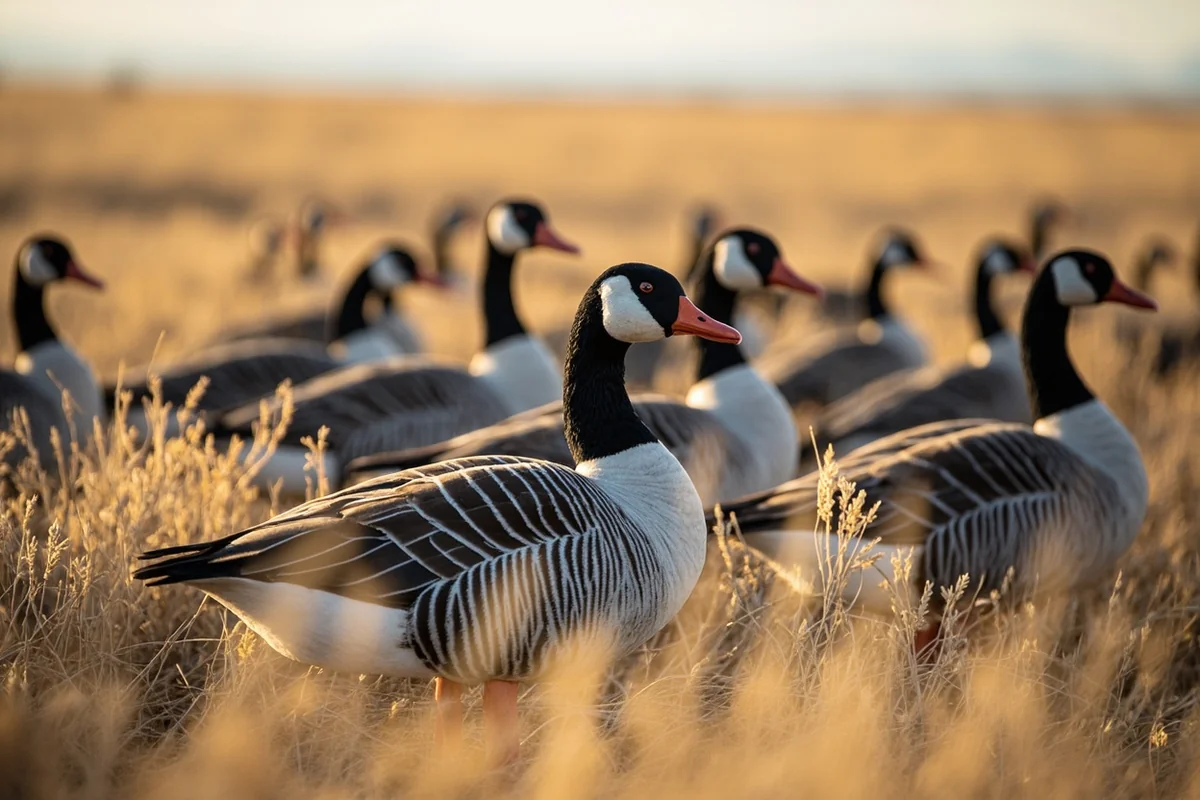
Canada geese offer perhaps the most accessible waterfowl hunting in Montana. Resident populations plus migrating birds create opportunities from September through late January.
Snow and Ross’s geese concentrate dramatically during migration, making timing critical. The spring conservation season (February through March) provides exceptional action as birds stage before continuing north.
Field hunting for geese typically outproduces water hunting in my experience. The key lies in identifying active feeding fields and gaining permission—something that requires arriving a day or two before hunting to scout.
Essential Gear for Montana Waterfowl Hunting
Montana’s weather can shift dramatically during waterfowl season. I’ve experienced 60°F bluebird days and -15°F hunts within the same week during November trips.
Clothing and Layering Strategy
The layering system I’ve refined over multiple Montana trips includes:
- Moisture-wicking base layer (avoid cotton completely)
- Insulating mid-layer (fleece or down depending on temperature)
- Windproof/waterproof outer shell
- Neoprene waders (minimum 3.5mm, 5mm preferred for late season)
- Insulated waterproof gloves plus liner gloves for shooting
- Facemask or balaclava for wind protection
During a particularly brutal hunt at Freezeout last November, temperatures started at 8°F with a wind chill well below zero. The hunters in our group who brought inadequate insulation were miserable and left early, missing the best bird movement around 10 AM.
Decoys and Equipment
What decoy spread you need depends significantly on your target species and hunting method. For most visiting hunters without vehicle space for dozens of full-bodies, here’s what I recommend:
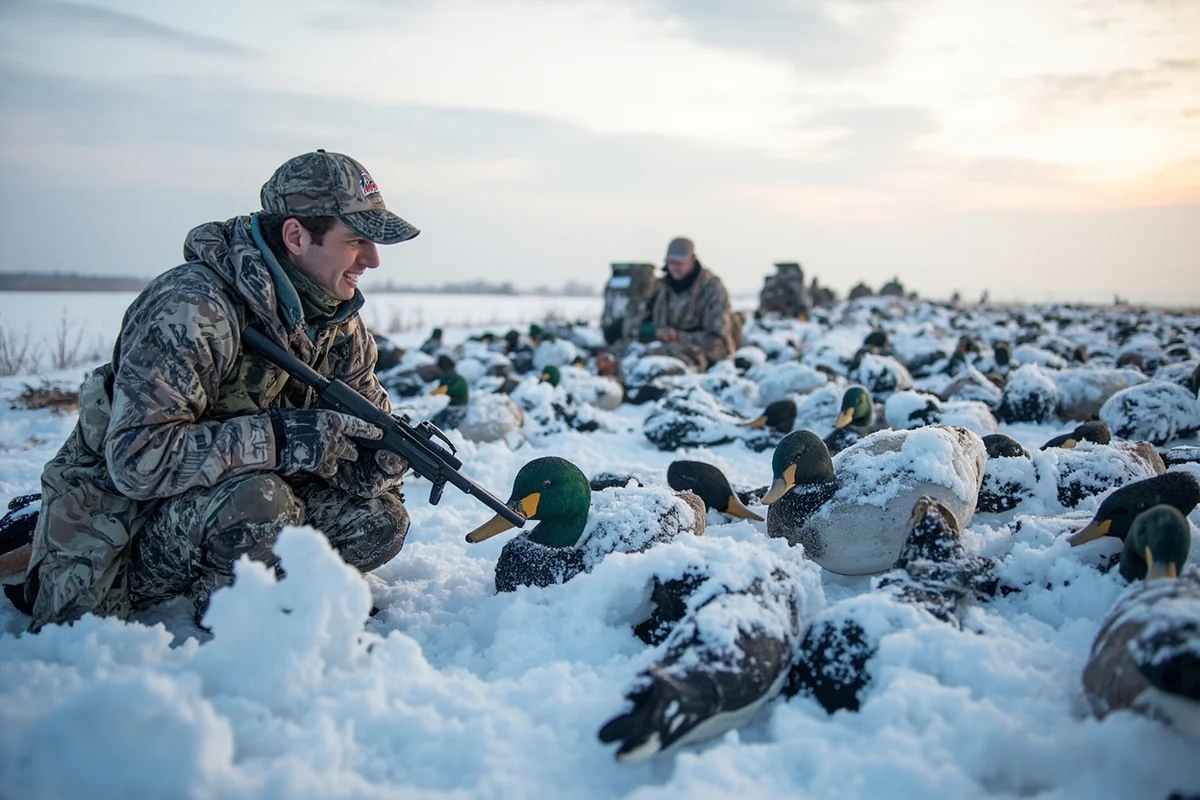
For ducks, a two-dozen spread of mallards with some variety (teal, pintails) covers most situations. Motion decoys—spinning-wing or jerk strings—make a genuine difference in finishing wary birds.
For geese, a minimum of three dozen full-body or shell decoys creates a convincing spread. I’ve seen four dozen work well, but fewer requires perfect placement and excellent calling.
Montana wind is relentless. Bring heavier decoy weights than you’d use elsewhere, and consider adding extra stabilization for full-body goose decoys.
Shotguns and Ammunition
Steel shot is mandatory for all waterfowl hunting—no exceptions. Bring plenty of ammunition; I typically budget 50 shells per day minimum, more for high-volume goose situations.
Most hunters find 12-gauge with 3-inch shells ideal for Montana waterfowl. For geese, BB or BBB shot in steel works well. For ducks, #2 or #3 steel handles most situations.
I’ve found modified choke patterns best for the decoying birds we typically encounter, though some hunters prefer improved cylinder for close work over decoys.
Working with Guides and Outfitters
For first-time visitors especially, hiring a guide for at least part of your trip dramatically improves success and learning. Montana’s waterfowl outfitters range from budget-friendly day guides to full-service operations with lodging.
When I first visited Montana for waterfowl three years ago, I hired a guide for a two-day snow goose hunt near Freezeout. What I learned about bird behavior, field selection, and decoy placement informed every self-guided hunt I’ve done since.
Quality guides bring:
- Pre-scouted locations with secured access
- Complete decoy spreads you don’t need to transport
- Layout blinds and ground blinds
- Expert calling ability
- Local knowledge about bird patterns
Expect to pay $300-$500 per day for guided waterfowl hunts in Montana. That includes everything except licenses—you’ll need those in hand before meeting your guide.
Public Land Access and Block Management
Montana’s Block Management program provides free public hunting access to private lands through agreements with landowners. This resource proves invaluable for waterfowl hunters seeking field hunting opportunities.
Before each trip, I download current Block Management maps from FWP’s website and identify properties near my target wetland areas. Many blocks allow waterfowl hunting with either daily sign-in or advance permission requirements.
During my hunts near Fort Peck, Block Management access provided field hunting options I couldn’t have found otherwise. One particular enrolled property along a known goose flight path produced our best shoot of the trip.
Wildlife Management Areas (WMAs) like Freezeout offer free public access, though specific regulations apply. National Wildlife Refuges require following federal regulations alongside state rules.
Combination Hunting Trips: Maximizing Your Montana Visit
One of Montana’s biggest advantages is the opportunity to pursue multiple species during a single trip. The fall waterfowl seasons overlap significantly with other hunting opportunities.
Waterfowl and Upland Birds
This combination works exceptionally well. Hunt ducks and geese in the morning, then pursue pheasants, Hungarian partridge, or sharptails during afternoon hours.
The Montana upland bird hunting guide details the best regions and techniques for these species. Many of the same areas that hold waterfowl—particularly the prairie pothole region—also support excellent upland populations.
Last October, I hunted mallards until about 10 AM near Lewistown, then spent the afternoon walking CRP grasslands for Hungarian partridge. By day’s end, I had both ducks and Huns in the cooler—a uniquely Montana experience.
Waterfowl and Deer Hunting
Montana’s general rifle deer season typically opens in late October, overlapping with prime waterfowl migration. For hunters interested in pursuing both, the logistics require some planning but remain manageable.
The Montana deer hunting guide covers season dates and regulations. For whitetail deer hunts in Montana specifically, the river bottom habitats often overlap with prime waterfowl areas.
I’ve successfully combined morning waterfowl hunts with afternoon deer sits during several trips. The key is staying within a reasonable driving radius so transitions between hunting styles remain feasible.
Understanding Montana deer hunting regulations and securing your Montana deer tag in advance allows you to capitalize on any opportunities that arise.
Swan Hunting: A Unique Montana Opportunity
Montana offers a limited-draw swan hunting season—one of few states providing this opportunity. While not directly waterfowl hunting in the traditional sense, Montana swan hunting appeals to many waterfowlers seeking a unique addition to their trip.
The draw typically occurs in late summer, so planning ahead is essential if swan hunting interests you.
Weather Considerations and Trip Timing
Montana weather during waterfowl season ranges from pleasant fall days to dangerous winter conditions. Understanding what to expect helps with both safety and success.
Early Season (September-October)
Early season brings mild temperatures but requires significant scouting. Local resident ducks and geese haven’t experienced much pressure, but migration flights haven’t arrived yet.
Expect daytime highs in the 50s-70s°F with cool mornings. Thunderstorms remain possible. Pack layers but don’t overweight cold weather gear.
Peak Migration (Late October-November)
This represents prime time for Montana waterfowl. Cold fronts pushing birds south create waves of fresh migrants, and hunting quality improves dramatically.
Temperatures range widely—anything from pleasant 50s to below-zero mornings. Check forecasts obsessively and pack for worst-case scenarios.
The hunt I described at the opening of this article occurred during a November cold front. Temperatures dropped 40 degrees overnight, and birds piled into Freezeout seeking open water.
Late Season (December-January)
Montana’s late waterfowl season challenges both hunters and birds. Much of the state’s water freezes, concentrating birds on remaining open areas—primarily rivers and spring-fed wetlands.
Arctic conditions are possible. I’ve hunted Montana in late December when overnight lows hit -25°F. This requires serious cold-weather preparation and attention to safety.
However, late-season birds that remain have committed to wintering locations. Finding them means potentially encountering large concentrations with limited competition from other hunters.
Planning Your Trip: Practical Logistics
Getting to Montana’s prime waterfowl areas requires some logistical planning. Here’s what I’ve learned through multiple trips.
Air Travel vs. Driving
For hunters within a reasonable driving distance, bringing your own vehicle allows maximum flexibility and gear capacity. From anywhere in the Upper Midwest or Pacific Northwest, driving remains practical.
Flying requires renting a vehicle capable of handling Montana’s roads and conditions. SUVs or trucks work best, especially for accessing remote areas after weather events.
Great Falls offers the most convenient airport access to prime waterfowl areas like Freezeout and Benton Lake. Missoula and Billings provide alternatives depending on your target region.
Lodging Options
Major towns near waterfowl areas—Great Falls, Choteau, Malta—offer standard hotel options. During peak migration weeks, booking well in advance proves essential.
For budget-conscious hunters or those preferring flexibility, Montana’s public lands allow primitive camping in many areas. I’ve used my truck camper during several trips, staging directly at access points.
Some outfitters offer lodge-based hunts with meals and lodging included. This premium option simplifies logistics significantly, particularly for first-time visitors.
What to Book in Advance
- Lodging during late October/November—rooms fill quickly
- Guided hunts—quality outfitters book months ahead
- Rental vehicles if flying—4WD availability can be limited
- Block Management permission where required (check specific area rules)
Ethical Hunting and Conservation
Montana’s waterfowl resources exist because of careful management and hunter-supported conservation. Visiting hunters play an important role in this system.
Your federal duck stamp dollars directly support wetland acquisition and conservation. Your Montana waterfowl stamp funds habitat work within the state.
Beyond financial contributions, ethical behavior in the field ensures hunting opportunities persist for future generations. Respect bag limits absolutely—even when birds cooperate beyond expectations.
I once hunted with a guide who stopped the shoot with limits still available because he recognized that restraint during exceptional years allows populations to build. That perspective stuck with me.
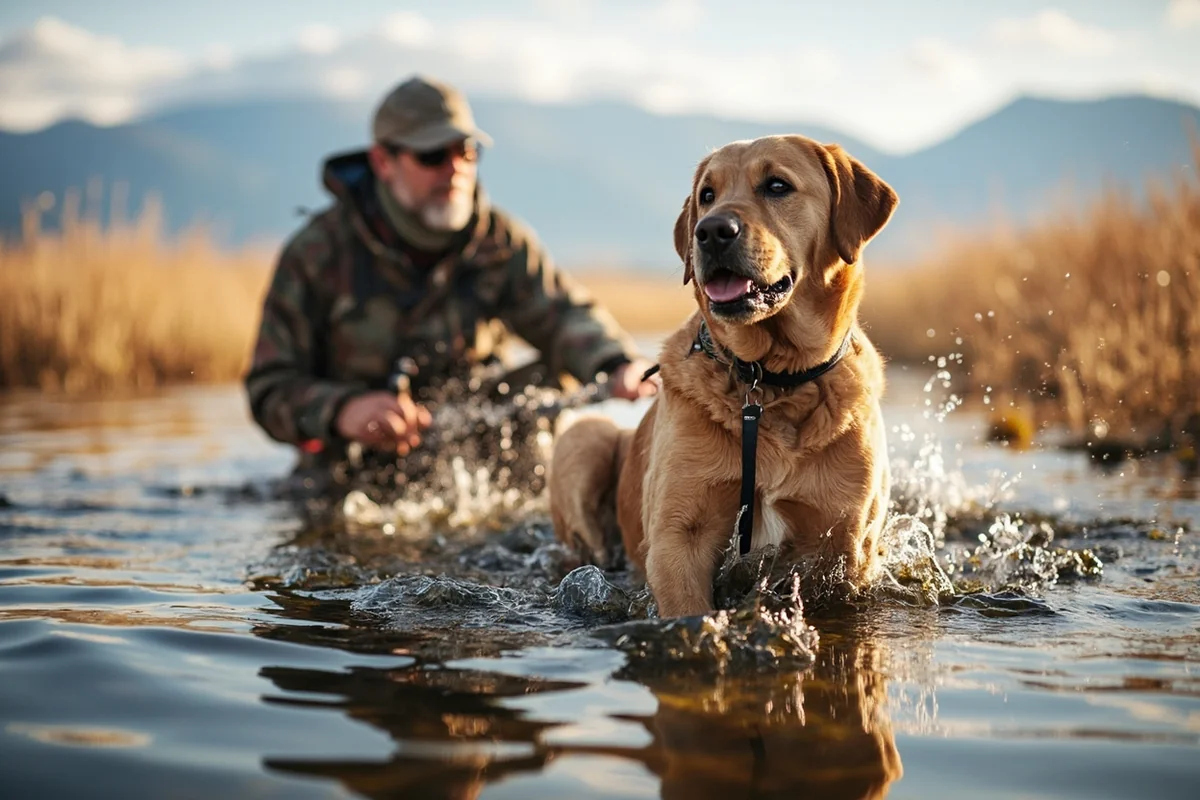
Retrieve all downed birds. Use trained retrievers when possible, or be prepared for extensive searching without one. Montana’s marshes and stubble fields can hide birds frustratingly well.
Beyond Waterfowl: Other Montana Hunting Opportunities
While waterfowl might bring you to Montana, the state offers incredible diversity for hunters. Consider exploring other opportunities while you’re here.
Big game hunting draws thousands annually. Montana elk hunting represents a bucket-list experience for many, and the Montana shoulder season elk hunting program provides extended opportunities.
For something different, Montana antelope hunting offers fast-paced spot-and-stalk action on the same prairies that hold waterfowl.
More adventurous hunters might explore Montana bear hunting, Montana bighorn sheep hunting, or even Montana buffalo hunting for truly unique experiences.
For those interested in something smaller-scale, Montana squirrel hunting provides low-pressure recreation that works well as a secondary activity.
Predator hunters find opportunities through Montana wolf hunting, adding another dimension to winter trips.
Even the Montana muzzleloader season provides specialized hunting experiences for those interested in traditional methods.
Final Thoughts on Montana Waterfowl Hunting
After dozens of hunts across Montana’s waterfowl areas, I remain convinced this state offers something special. The combination of spectacular bird numbers, diverse species, accessible public land, and uncrowded hunting creates experiences that dedicated waterfowlers remember for years.
Is Montana the easiest waterfowl destination? No—the distances are vast, weather unpredictable, and birds require legitimate effort to locate. But that challenge, combined with genuine reward, produces satisfaction that easier hunts can’t match.
My recommendation for visiting hunters: commit to at least a five-day trip, spend time scouting before hunting, remain flexible with your plans, and embrace whatever Montana offers. Some days will exceed expectations wildly; others will teach patience and persistence.
The morning I mentioned at Freezeout—with those waves of snow geese backlit by sunrise—didn’t happen by accident. It followed two days of scouting, one blown setup, and hours of preparation. But when it came together, every frustration disappeared instantly.
That’s Montana waterfowl hunting at its finest. The state rewards those who invest effort and approach hunting with respect for both the birds and the experience. I’ll be back again this fall, and I suspect you will too after your first taste of what Montana’s flyways offer.
Frequently Asked Questions
When is the best time to go waterfowl hunting in Montana?
The prime Montana waterfowl hunting season typically runs from late September through early January, with peak migration happening in October and November. I’ve found that mid-October offers the best combination of migrating birds and manageable weather conditions. Plan your trip around the Pacific Flyway migration patterns for the highest duck and goose concentrations.
How much does a Montana waterfowl hunting trip cost for out-of-state hunters?
Out-of-state hunters should budget $200-$500 for a non-resident waterfowl license and required permits, including the federal duck stamp ($29) and state waterfowl stamp. Guided hunting trips in Montana typically range from $300-$600 per day, while DIY public land hunts can cost significantly less. Factor in lodging ($80-$150/night), travel, and gear rentals if needed.
What gear should I pack for duck hunting in Montana?
Essential gear includes insulated waders rated for cold water, layered waterproof clothing, and quality decoys if you’re hunting public land without a guide. I always bring hand warmers, a reliable shotgun (12 or 20 gauge), non-toxic steel shot shells, and polarized sunglasses for spotting birds. Don’t forget your hunting license, federal duck stamp, and a waterproof phone case for navigation.
Where are the best public land waterfowl hunting spots in Montana?
Freezout Lake Wildlife Management Area near Choteau is legendary for snow goose and duck hunting during spring and fall migrations. Benton Lake National Wildlife Refuge, Canyon Ferry Reservoir, and the Missouri River breaks offer excellent public access opportunities. I recommend scouting Block Management areas through Montana FWP’s website, as they provide free access to quality private hunting land.
Do I need a guide for waterfowl hunting in Montana as a first-time visitor?
While Montana offers abundant public hunting access, hiring a local guide for your first trip dramatically increases success rates and helps you learn productive areas. Guides provide decoys, blinds, calling expertise, and knowledge of bird movement patterns that take years to develop. Budget around $350-$500 per day for a quality guided waterfowl hunt, which often includes bird cleaning services.
What species of ducks and geese can I hunt in Montana?
Montana offers diverse waterfowl hunting including mallards, pintails, gadwalls, wigeons, and teal as the most common duck species. Canada geese are abundant throughout the state, and snow goose hunting during spring conservation season is world-class at Freezout Lake. Bag limits vary by species and zone, so check current Montana FWP regulations before your trip.
How far in advance should I book a Montana waterfowl hunting trip?
I recommend booking guided hunts and lodging 3-6 months in advance, especially for prime October and November dates when migrating birds peak. Popular outfitters near Freezout Lake and the Hi-Line region fill up quickly with repeat clients. For DIY hunts on public land, secure your non-resident license online through Montana FWP as soon as they become available in late summer.