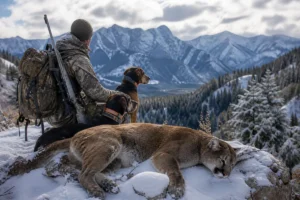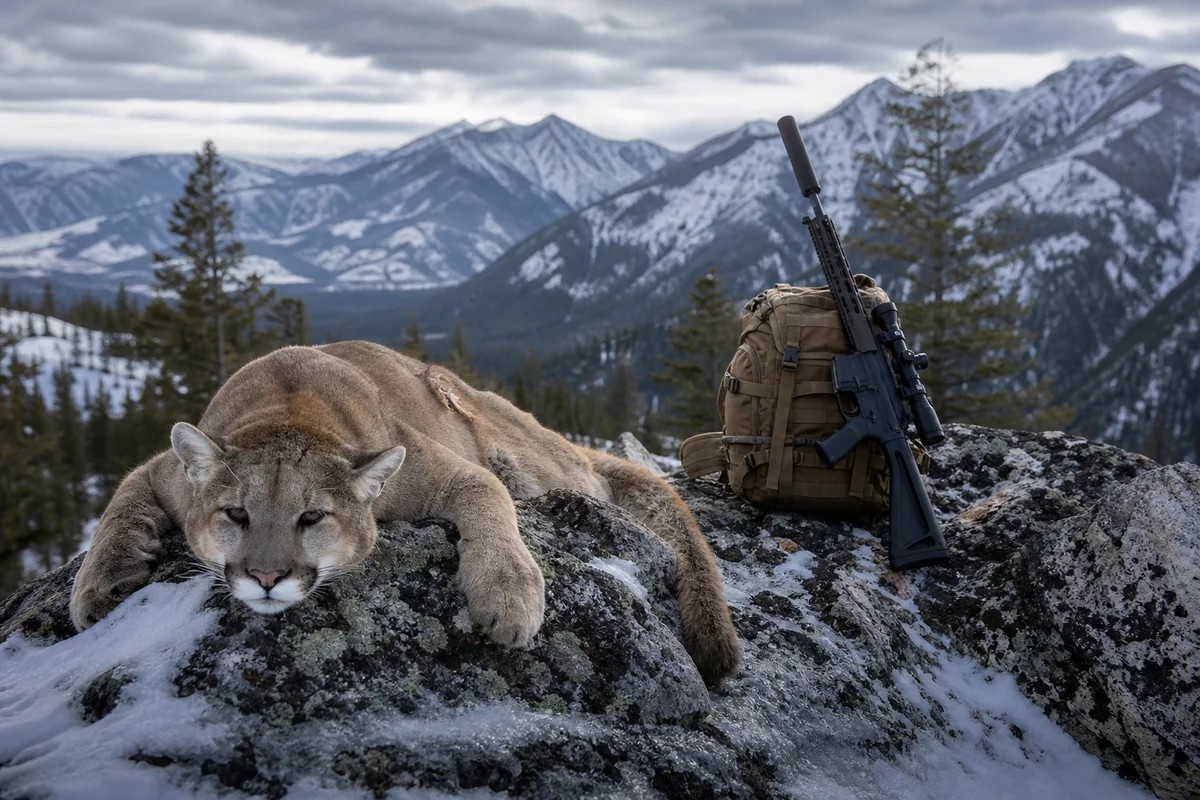
The first time I heard a mountain lion scream in the Bitterroot wilderness, I was convinced someone was being murdered. That guttural, otherworldly shriek echoing through the frozen pines at 4 AM remains one of the most primal sounds I’ve ever encountered in over a decade of hunting across Montana.
If you’re researching lion hunting in Montana, you’re pursuing one of North America’s most challenging and rewarding big game species—and you’re in the right place for it.
As part of my comprehensive Montana Hunting Guide, I’ve spent years learning the ins and outs of pursuing these elusive apex predators in Big Sky Country.
- Montana mountain lion season runs December 1 through April 14 (or until quotas are met)
- Nonresident tags cost $320; resident tags are $19
- Hound hunting is legal and the most effective method, with 85%+ success rates with quality outfitters
- Lion populations are healthy with 4,000-6,000 animals statewide
- Best hunting districts: 130, 150, 250, 280, and 316
- Expect to pay $4,500-$7,500 for a guided 5-7 day hunt
- Physical fitness is crucial—you’ll cover 5-20 miles daily in rugged terrain
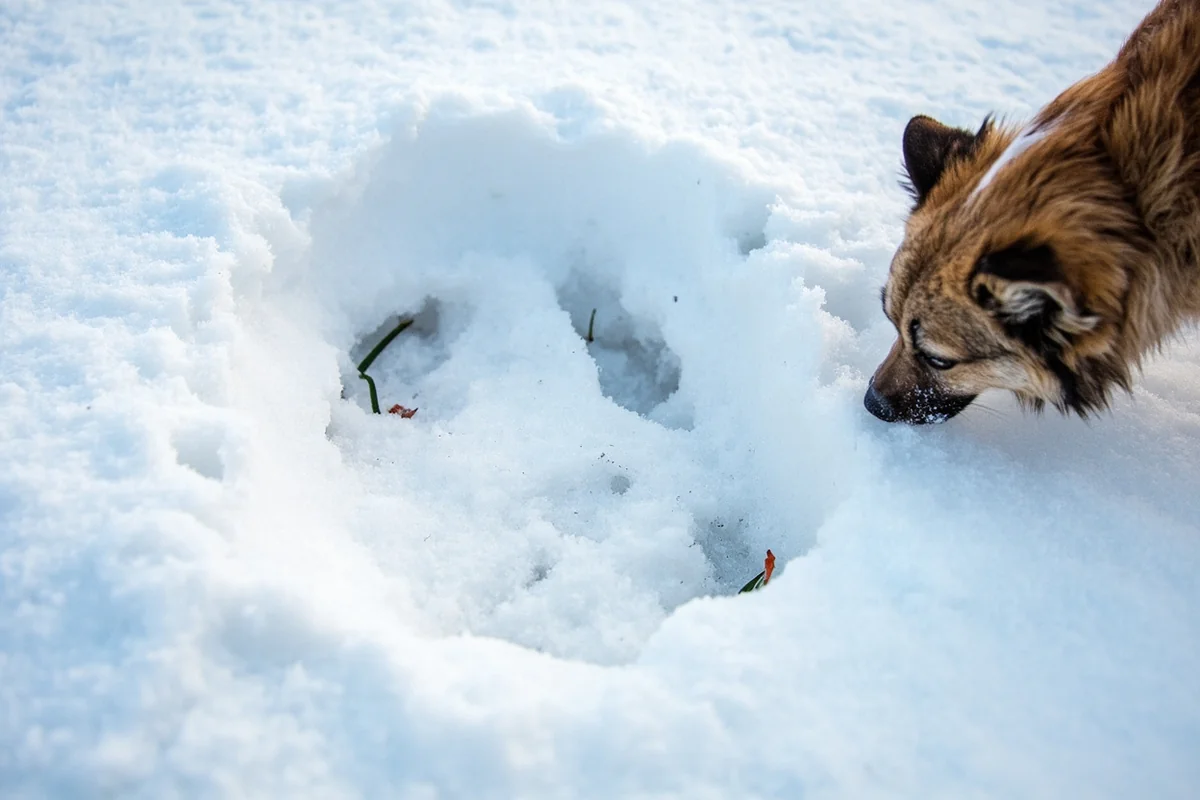
Understanding Montana’s Mountain Lion Population
Montana harbors one of the healthiest mountain lion populations in North America, with Fish, Wildlife & Parks estimating between 4,000 and 6,000 cats roaming the state’s vast wilderness areas.
This robust population exists thanks to decades of science-based management and Montana’s incredible habitat diversity—from the dense coniferous forests of the Northern Rockies to the rugged breaks along the Missouri River.
During my conversations with FWP biologists over the years, I’ve learned that lion populations have actually expanded their range in Montana over the past two decades, moving into prairie river breaks and isolated mountain ranges where they weren’t historically common.
Where Mountain Lions Live in Montana
Lions are habitat generalists, but they need three things: prey (primarily deer and elk), cover for stalking, and rugged terrain with escape routes.
The western third of Montana offers prime lion habitat, with the Bitterroot, Cabinet, and Mission mountain ranges supporting dense populations. I’ve personally encountered lion sign throughout these areas while pursuing Montana elk during fall seasons.
The Missouri River Breaks in central Montana represent another lion hotspot. This rugged, inaccessible country along the river provides perfect ambush terrain where cats prey heavily on mule deer.
You’ll also find good lion populations in the isolated mountain ranges of central Montana—the Big Snowy, Little Belt, and Crazy mountains all hold cats.
Montana Mountain Lion Season Structure
Understanding Montana’s lion season structure confused me when I first started researching these hunts, but it’s actually straightforward once you grasp the quota system.
The general season runs from December 1 through April 14, but individual hunting districts close when they reach their harvest quota. Some districts might stay open all season, while popular areas can close within weeks of the opener.
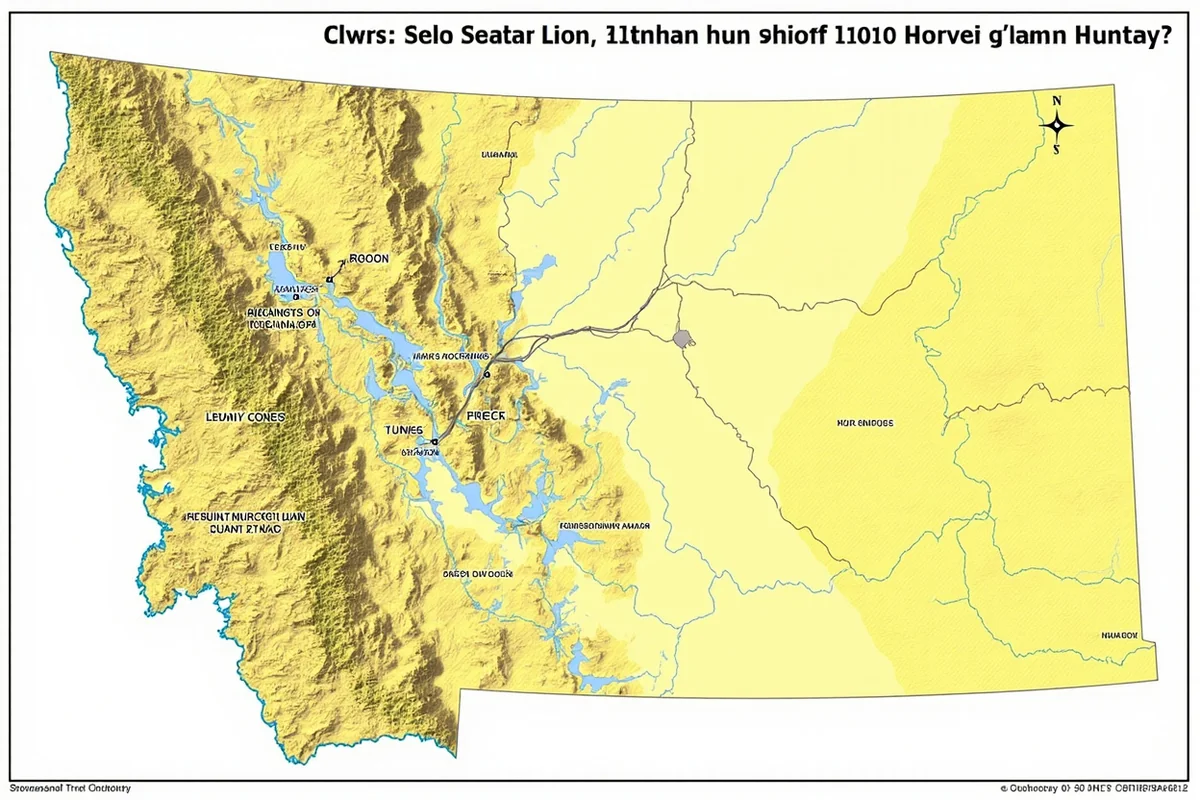
The Quota System Explained
Montana manages lion harvest through a quota system designed to maintain stable populations while providing hunting opportunity.
Each of the state’s 28 lion management units has an overall quota, and individual hunting districts within those units have specific harvest limits. When I was hunting District 250 last winter, I watched the quota numbers daily—it closed in early February after reaching its eight-cat limit.
Female quotas are particularly important. Once a district reaches its female subquota (usually 40-60% of the total), it closes regardless of how many males have been taken.
FWP updates harvest numbers online, and I recommend checking daily during your hunt. The toll-free harvest reporting line (1-800-385-7826) provides current numbers, as does the FWP website.
Special Archery-Only Season
Montana offers an early archery-only lion season from September 2 through November 30 in some districts.
I’ll be honest—spot-and-stalk archery lion hunting is extremely difficult. During three September hunts in District 316, I never came close to an ethical shot opportunity.
The cats are there, but getting within bow range of an animal that survives by not being seen requires extraordinary luck or skill I haven’t yet developed.
License and Tag Requirements for Lion Hunters
Before pursuing mountain lions in Montana, you’ll need proper licensing. I’ve seen hunters make expensive mistakes here, so pay attention to these details.
Understanding Montana hunting license costs helps with budgeting your trip properly.
| License Type | Resident Cost | Nonresident Cost |
|---|---|---|
| Base Conservation License | $8 | $10 |
| Mountain Lion License | $19 | $320 |
| Required Hound Handler Permit | $0 | $0 |
| Total Minimum | $27 | $330 |
For complete licensing information, review the Montana hunting license requirements before applying.
No Drawing Required
Here’s the good news: Montana mountain lion tags are available over-the-counter.
Unlike Montana bighorn sheep hunting or limited-entry elk permits where you might wait years accumulating Montana preference points, you can buy a lion tag the day you decide to hunt.
This makes Montana one of the most accessible states for nonresident lion hunters in the West.
Hunting Methods: Hounds vs. Spot-and-Stalk
Let me be direct: if you want to actually harvest a mountain lion in Montana, you need dogs.
I’ve tried both methods extensively, and the success rate difference is dramatic. Hound hunters with experienced guides achieve 85%+ success rates, while spot-and-stalk hunters are lucky to see a lion at all.
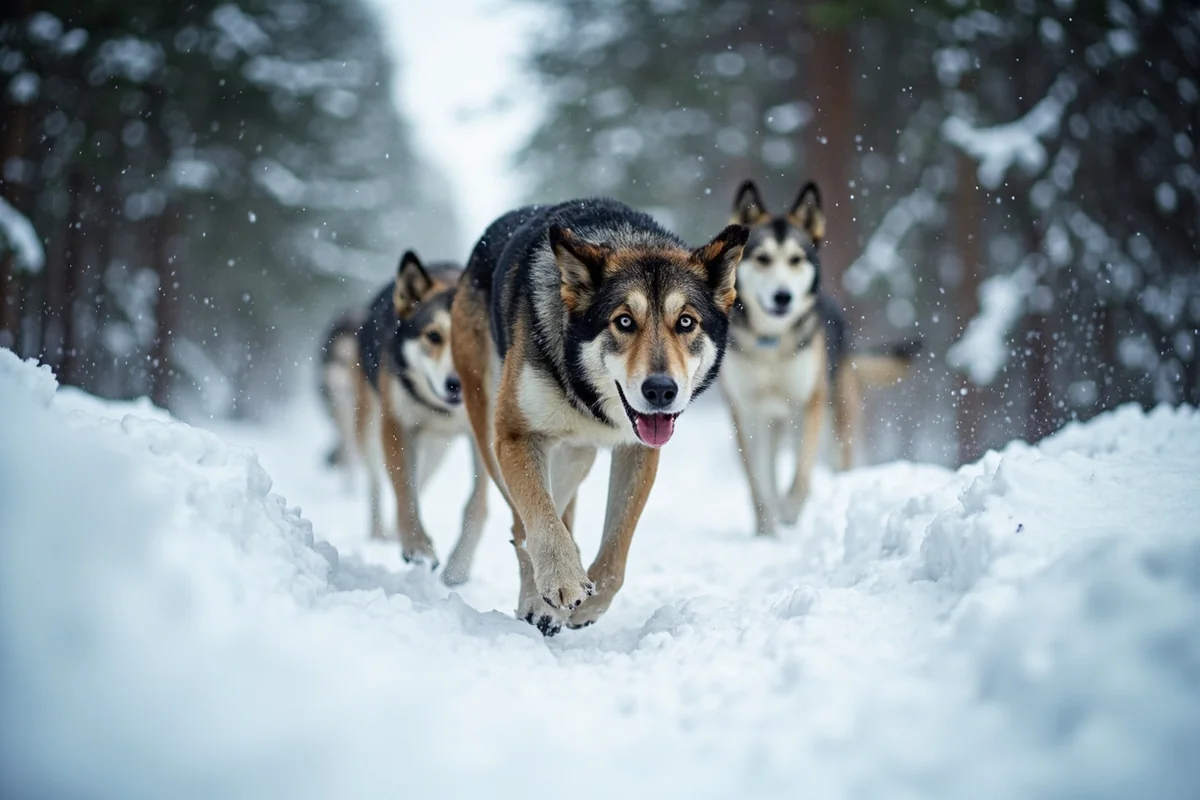
Hound Hunting: The Most Effective Approach
Hunting lions with trained hounds is a tradition that dates back centuries, and it remains the gold standard for a reason.
The process starts before dawn, driving roads until you cut fresh tracks. Last January, we covered 40 miles of forest roads in the Blackfoot Valley before finding the track we wanted—a large tom that had crossed just hours before the snowfall stopped.
Once you’ve found a quality track, the houndsman releases his strike dogs. These specially trained hounds follow the scent trail, their barking changing pitch when they push the cat and again when it trees.
The chase can last 30 minutes or six hours depending on terrain and the individual lion. During my most recent successful hunt, we followed the dogs for four hours across three drainages before the tom finally treed in a massive Douglas fir.
Why Spot-and-Stalk Rarely Works
Mountain lions are crepuscular and largely nocturnal, meaning they’re most active during low-light hours when spotting is difficult.
They also possess incredible eyesight, hearing, and smell. A lion will detect you long before you know it’s there, and they don’t stick around to see what you are.
In over 200 hours of glassing for lions during early archery seasons, I’ve spotted exactly three cats—all at distances exceeding 800 yards, and all disappeared within seconds of me noticing them.
Calling and Predator Hunting
Some hunters try calling lions using prey distress sounds or kitten calls.
I’ve experimented with this technique extensively, setting up in known lion areas with quality electronic callers. While I’ve called in bobcats, coyotes, and once a very confused black bear, I’ve never brought a mountain lion to the call.
Biologists I’ve spoken with suggest lions are simply too cautious to respond consistently, though I know hunters who swear by the method in the right circumstances.
Choosing the Best Hunting Districts
District selection can make or break your Montana lion hunt. I’ve hunted or scouted nearly a dozen different areas, and certain districts consistently produce quality opportunities.
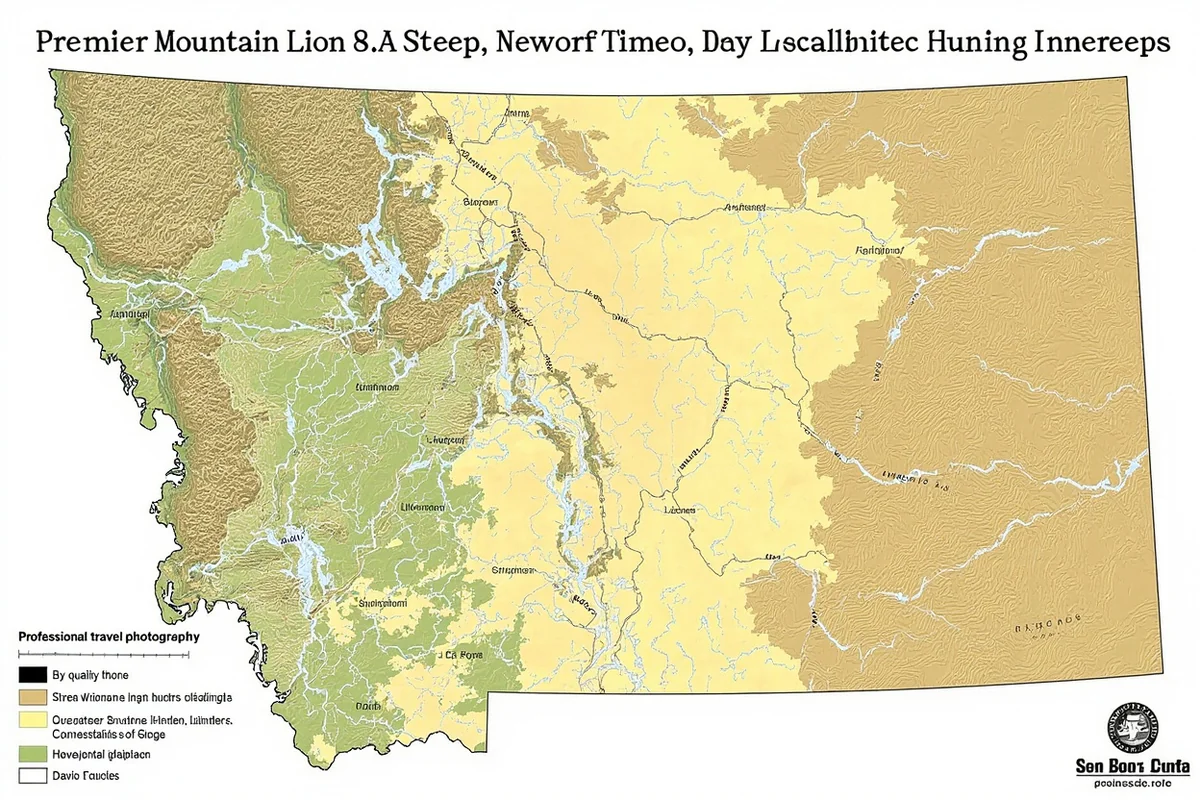
District 130 – Cabinet Mountains
This northwestern Montana district offers some of the state’s densest lion habitat, with thick timber, abundant whitetail deer prey, and relatively low hunting pressure due to access challenges.
The terrain is brutal—steep, heavily timbered, and often featuring 3-4 feet of snow during peak season. But the lion density here rivals anywhere in Montana.
I’ve hunted this area twice, both times seeing multiple cats treed. The challenge is the remoteness; you’re often hours from the nearest town.
District 150 – Flathead Valley
The Flathead region provides excellent lion hunting with better access than the Cabinets.
This area features a mosaic of private ranches and national forest, with lions moving between timbered ridges and agricultural bottoms where deer concentrate in winter.
Several reputable outfitters operate here, giving you options for guided hunts with local houndsmen who know every drainage.
District 250 – Bitterroot Mountains
The Bitterroot has been my most productive lion hunting area, with a combination of accessible terrain, healthy cat populations, and experienced local outfitters.
Lions here primarily prey on whitetail deer and elk, moving to lower elevations as snow accumulates. This predictability helps hound hunters locate fresh tracks efficiently.
If you’re considering whitetail deer hunts in Montana, the Bitterroot offers excellent dual opportunities—scout lion country during your deer hunt for a winter return.
District 280 – Upper Clark Fork
This district around Anaconda and Deer Lodge provides good lion hunting with moderate terrain compared to other western Montana areas.
The mix of public and private land creates natural travel corridors where lions move predictably, making track-cutting more efficient.
District 316 – Missouri Breaks
For something completely different, the Breaks offer lion hunting in semi-arid country that looks nothing like the western mountains.
Lions here live in rugged river canyon habitat, preying primarily on mule deer. Access is challenging, often requiring boats or long overland approaches.
I spent a week here two winters ago and was struck by how different the hunting felt—more open, with better visibility but equally difficult tracking due to rocky terrain that doesn’t hold tracks like snow.
Hiring an Outfitter: What to Expect
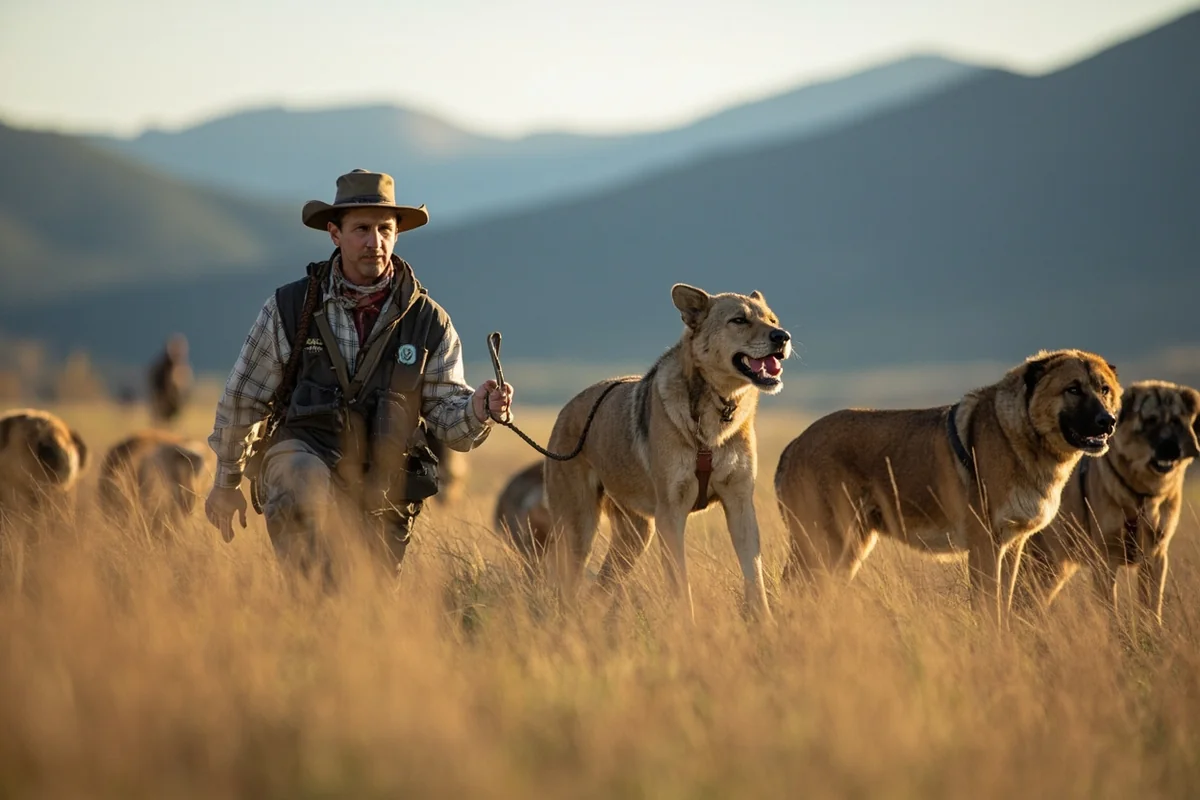
Unless you own trained lion hounds (a 2-3 year commitment to raise and train properly), you’ll need to hire an outfitter for your Montana mountain lion hunt.
This isn’t the type of hunt where you can DIY effectively without dogs, and breeding, training, and maintaining a pack of quality hounds is a full-time endeavor.
What Quality Outfitters Charge
Expect to pay between $4,500 and $7,500 for a 5-7 day guided mountain lion hunt in Montana.
This typically includes:
- Lodging (often a cabin or ranch house)
- All meals during the hunt
- Transportation during hunting hours
- Professional houndsman and trained dogs
- Field care of your animal
- Trophy preparation for transport
Your license, transportation to Montana, taxidermy, and meat processing (if desired) are additional costs.
Questions to Ask Before Booking
After booking with several outfitters over the years—some excellent, one disappointing—I’ve developed a screening process:
How many years have you been running lion hounds in this specific area? Look for 10+ years of experience.
What was your success rate over the past three seasons? Quality outfitters should achieve 80%+ success.
How many dogs do you run, and what breeds? A typical pack includes 4-8 dogs mixing breeds like Walkers, Plotts, and Blueticks.
What happens if we don’t connect with a cat? Some outfitters offer return trip discounts; others don’t.
Can you provide references from recent clients? Any reputable outfitter will happily share contact information for past hunters.
Red Flags to Watch For
Be wary of outfitters guaranteeing success—no ethical guide makes promises they can’t control.
Also question anyone offering hunts significantly below market rate. Quality hound programs cost substantial money to maintain, and suspiciously cheap hunts often indicate corners being cut.
Physical Preparation and Fitness Requirements
I won’t sugarcoat this: lion hunting in Montana is physically demanding, and being underprepared will cost you opportunities.
During a typical hunt day, you might drive 30-50 miles cutting for tracks, then spend 4-8 hours following dogs through steep, snow-covered terrain.
What Fitness Level You Need
You should be able to hike 5-10 miles over uneven terrain with 1,000-2,000 feet of elevation change while wearing winter gear.
The snow is often thigh-deep in prime lion habitat, and you’ll be postholing without snowshoes in areas where dogs can pass easily.
I’ve seen hunters in poor physical condition end hunts prematurely because they simply couldn’t keep up with the dogs. The houndsman can’t leave his pack, and if you can’t follow, you miss the shot.
Training Recommendations
Starting six weeks before my lion hunts, I focus on:
Stair climbing with a 30-pound pack—I’ll do 50-75 floors three times weekly
Hiking with trekking poles on varied terrain to strengthen stabilizer muscles
Interval training to simulate the burst energy needed when dogs strike a hot track
If you don’t have access to snow before your hunt, try sand—it provides similar resistance and instability training.
Gear Essentials for Montana Lion Hunting
Gear selection for lion hunting differs significantly from other Montana hunting pursuits. You need to stay warm during long hours of road driving, then transition quickly to high-output hiking.
Clothing System
I run a layering system that allows rapid adjustments:
- Moisture-wicking base layers (I prefer merino wool)
- Midweight insulating layer (fleece or light puffy)
- Windproof/waterproof outer shell
- Heavy insulated jacket for vehicle time
- Gaiters to keep snow out of boots
- Insulated, waterproof boots with excellent traction
The key is removing layers rapidly when the dogs strike. Standing at a truck in 10-degree weather requires different clothing than climbing 2,000 vertical feet chasing hounds.
Firearms and Caliber Selection
Lion hunting shots are typically close—under 50 yards, often under 30—when a cat is treed.
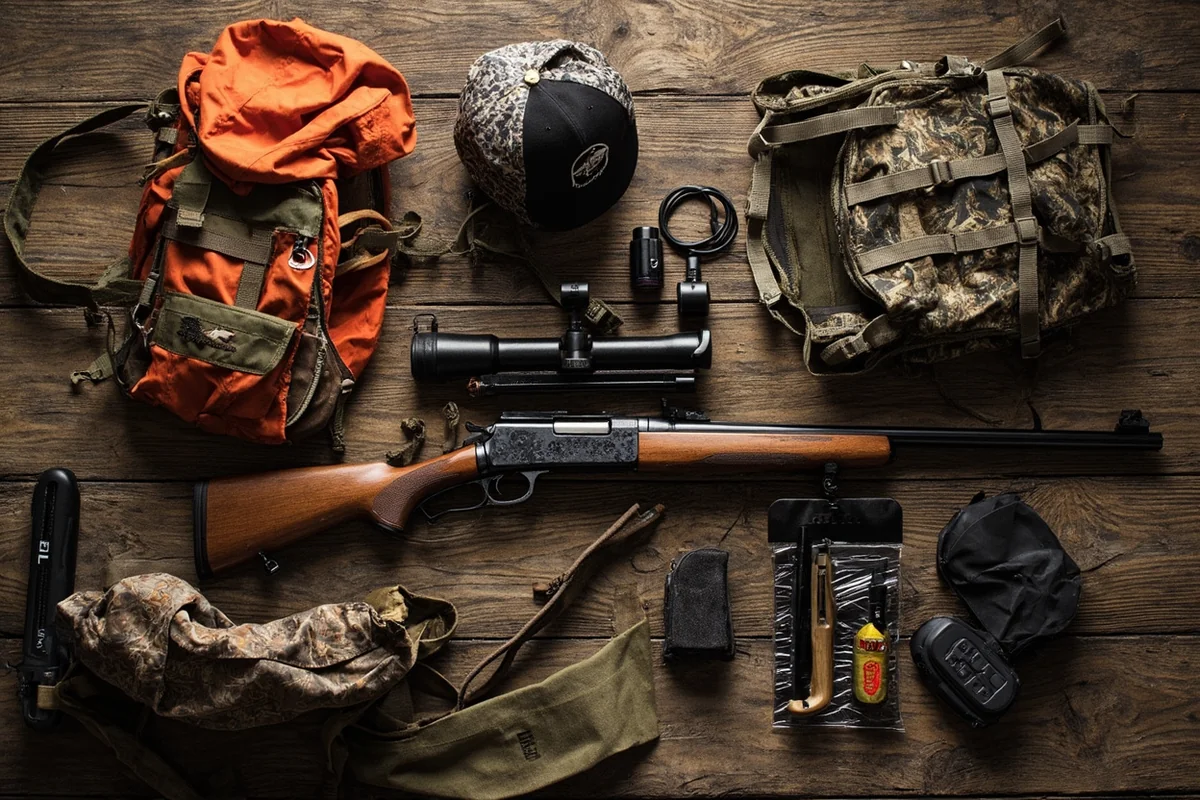
Any centerfire rifle works, from .223 up. I prefer my .308 because I’m familiar with it, but many hunters use .243 or .30-30 lever actions for easier carry through thick timber.
Some hunters use handguns for the challenge. A quality .44 Magnum or 10mm is sufficient at tree ranges.
Whatever you bring, ensure you can shoot accurately after a strenuous climb while dealing with adrenaline and elevated heart rate.
Essential Accessories
Beyond standard hunting gear, lion-specific essentials include:
- GPS unit or phone with offline maps (cell service is nonexistent in most lion country)
- Extra batteries for everything (cold kills lithium-ion)
- Compact binoculars for judging cats in trees
- Headlamp for early morning departures and late returns
- Emergency survival gear (fire starter, space blanket, first aid)
- Lightweight trekking poles for snow travel
Understanding Montana Hunting Regulations for Lions
Montana’s lion regulations include specific requirements that differ from other big game. Violating these rules carries serious consequences, including loss of hunting privileges.
Mandatory Harvest Reporting
You must report your lion harvest within 24 hours by calling 1-877-FWP-WILD.
Additionally, you must present the skull and hide to an FWP office within 10 days for inspection and registration. During this inspection, biologists will:
- Extract a tooth for aging
- Measure the skull
- Record sex and harvest location
- Attach a permanent seal to the hide
The seal is required for legal possession and eventual taxidermy work.
Female Harvest Considerations
Montana regulations prohibit shooting a female lion accompanied by kittens.
When a cat trees, take time to confirm sex if possible—females generally have smaller heads relative to body size, and toms often show scarring from territorial fights. However, if you can’t confirm, and the district’s female quota isn’t filled, the harvest is legal.
Many ethical hunters choose to only harvest toms, leaving females to continue reproducing and supporting the population. That’s a personal decision I respect, though FWP managers confirm that regulated female harvest is sustainable within quota limits.
Trespass and Access Laws
Montana’s stream access laws don’t apply to lion hunting—you cannot pursue a treed cat across private property without permission.
Good outfitters maintain relationships with landowners and have permission to access private timber, dramatically expanding hunting opportunities.
If you’re interested in public land options, read about hunting on Montana state land, though most state parcels aren’t large enough for consistent lion hunting.
What Happens After the Shot
Your work isn’t done when the cat hits the ground. Proper field care ensures quality trophy preservation and, if you choose, edible meat.
Field Care and Processing
Mountain lion meat is surprisingly delicious—similar to pork in texture and flavor. Not everyone chooses to keep it, but I encourage hunters to at least try it.
The cats must be skinned carefully if you’re planning a full body or life-size mount. Most outfitters are experienced at cape skinning and will either handle this or guide you through the process.
Keep the hide cool but not frozen for transport, and get it to a taxidermist or processor within a few days.
Trophy Options
Common lion mount styles include:
- Life-size mount (dramatic but expensive—$3,500+)
- Half life-size (cat draped over a rock or log)
- Shoulder mount
- Rug with head mount
- Skull and tanned hide
Choose your taxidermist before your hunt and have their instructions for field care. Different mounting styles require different skinning approaches.
Best Times to Hunt and Weather Considerations
While the season runs December through April, timing your hunt strategically improves success odds.
Optimal Hunting Windows
I prefer late January through early March for Montana lion hunting.
By late January, snow has accumulated in the mountains, pushing lions and their prey to lower, more accessible elevations. The snowpack is established, providing good tracking conditions without the extreme cold of December.
March can be excellent, but you’re racing district quotas—many close by mid-season.
Weather and Snow Conditions
Fresh snow is the lion hunter’s best friend. A few inches of new snow from the previous night creates perfect conditions—tracks are obvious, timing is clear, and scenting conditions for dogs improve.
Deep powder without recent new snow presents challenges; old tracks become confusing, and dogs may false-start on day-old trails.
The worst conditions are rain or warm temperatures that melt snow and destroy scent. If a warm front is predicted, adjust your hunt dates if possible.
Combining Your Lion Hunt with Other Montana Experiences
Since you’re traveling to Montana during winter, consider extending your trip to maximize the experience.
Other Winter Hunting Opportunities
Montana wolf hunting season overlaps with lion season, and many outfitters can pursue both species with their hound packs.
Montana shoulder season elk hunting extends late into winter in some districts, offering a unique opportunity if you’re already in state.
Winter Montana muzzleloader season also provides interesting combination possibilities in certain areas.
Non-Hunting Activities
Between hunting days, Montana offers incredible winter recreation:
- Cross-country skiing at groomed Nordic centers
- Wildlife watching in Yellowstone (wolves, bison, elk)
- Hot springs soaking (Lolo, Quinn’s, Boulder)
- Ice fishing on abundant lakes
Building rest days into your hunt schedule prevents burnout and lets you experience more of what Montana offers.
Conservation and Ethical Considerations
Mountain lion hunting remains controversial in some circles, so I think it’s important to address the conservation aspects directly.
The Role of Hunting in Lion Management
Regulated hunting is FWP’s primary tool for managing lion populations and preventing human-wildlife conflict.
Without harvest, lion populations would expand until limited by food availability, leading to increased depredation on livestock, more dangerous encounters with humans, and eventual population crashes from disease or starvation.
The quota system ensures harvest stays within sustainable levels, and biological data collected from harvested animals helps biologists monitor population health.
Personal Ethics in the Field
Every hunter must establish their own ethical boundaries. Some considerations specific to lion hunting:
Shooting kittens—While legal once weaned, most hunters choose not to harvest cats clearly under one year old.
Female vs. male harvest—Personal choice, though some hunters exclusively pursue toms.
Shot placement—Wait for clear, ethical shots even on treed cats; poor angles exist.
Hunting style—Some hunters choose not to shoot treed cats at close range, preferring to let smaller animals go and chase again.
Planning Your Montana Lion Hunting Trip
Bringing together everything we’ve covered, here’s how I recommend approaching your Montana mountain lion adventure.
12-Month Timeline
March-April (Year Before): Research outfitters, check references, book your hunt for the following winter. Quality operations book early.
September: Purchase your Montana hunting license and lion tag. Nonresidents can buy online.
October-November: Begin physical conditioning program.
December: Finalize gear, confirm arrangements with outfitter, review current Montana hunting seasons and regulations.
Hunt Week: Arrive a day early to acclimate and meet your outfitter.
Budgeting Your Hunt
A realistic budget for a nonresident Montana lion hunt:
- Guided hunt package: $5,000-$6,000
- Licenses and tags: $330
- Airfare or fuel: $400-$800
- Tips (15-20% for houndsman/guide): $750-$1,200
- Taxidermy deposit: $500+
- Gear and clothing: $300-$500 (if needed)
Total estimated cost: $7,500-$9,500
This is a significant investment, but mountain lion hunting represents one of North America’s most unique and challenging pursuits.
Final Thoughts on Montana Lion Hunting
After more than a decade of pursuing mountain lions across Montana, I can honestly say these hunts rank among my most memorable outdoor experiences.
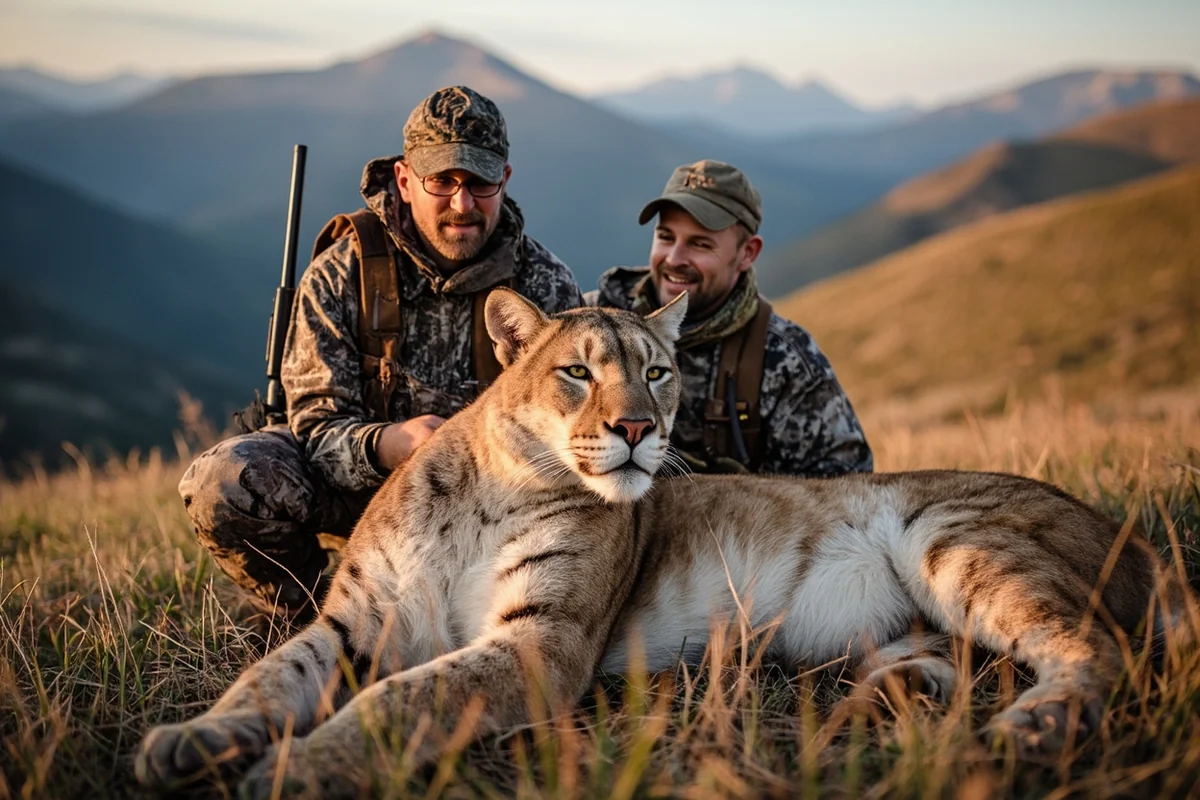
The combination of challenging winter conditions, the primal thrill of following baying hounds through wild country, and the ultimate payoff of seeing a magnificent cat in a tree creates an unforgettable adventure.
Montana offers some of North America’s best mountain lion hunting, with healthy populations, reasonable tag costs, and experienced outfitters who know their craft.
Whether you’re an experienced hunter looking to add a new species to your list or someone seeking the ultimate predator hunting challenge, Montana delivers.
Unlike Montana antelope hunting or Montana deer hunting where opportunities are predictable, lion hunting carries genuine uncertainty that makes success incredibly rewarding.
Start your planning now, get in shape, and prepare for one of hunting’s great adventures. I’ll see you in the mountains.
For those wanting to explore Montana’s full range of hunting opportunities, also consider Montana bear hunting, Montana buffalo hunting, or small game options like upland bird hunting and duck hunting. For something completely different, Montana swan hunting and squirrel hunting offer unique experiences you won’t find in many other states.
When planning your overall tag strategy, understanding Montana deer tags and deer hunting regulations helps maximize your time in the field.
Frequently Asked Questions
Is mountain lion hunting legal in Montana?
Yes, mountain lion hunting is legal in Montana with a valid license and lion permit. The Montana Fish, Wildlife & Parks department manages the season, which typically runs from late fall through spring, with specific quotas for different hunting districts. I’d recommend checking the current regulations before planning your trip, as quotas can fill quickly in popular areas.
How much does a Montana mountain lion hunting trip cost?
A guided mountain lion hunt in Montana typically costs between $4,500 and $8,000 for a 5-7 day hunt, which usually includes lodging, meals, and hound services. Non-resident hunters will also need to purchase a Montana hunting license ($15 conservation license plus $250 non-resident hunting license) and a lion permit ($320 for non-residents). Budget an additional $200-400 for tips for guides and houndsmen.
What is the best time of year to hunt mountain lions in Montana?
The best time for lion hunting in Montana is December through February when snow cover makes tracking easier and lions are more active at lower elevations. Fresh snow is ideal for finding tracks, and colder temperatures keep the hounds from overheating during pursuits. I’ve found that booking mid-week hunts in January often yields the best success rates and outfitter availability.
Do I need to hire a guide with hounds for mountain lion hunting in Montana?
While not legally required, hiring an outfitter with trained hounds dramatically increases your success rate from roughly 5% for solo hunters to 80-90% with experienced guides. Most Montana lion hunts involve tracking fresh lion prints, then releasing hounds to tree the cat. Reputable outfitters in areas like the Bitterroot Valley, Flathead region, and central Montana ranges have decades of experience and well-trained dog packs.
What gear should I bring for a Montana mountain lion hunt?
Pack insulated, waterproof boots rated to at least -20°F, layered clothing for temperatures ranging from 0-40°F, and a reliable rifle or handgun (most hunters use .243 to .30 caliber rifles or .357+ revolvers for treed lions). You’ll also need quality binoculars, a daypack with water and snacks, and hand warmers since you’ll spend hours in trucks, on ATVs, or hiking snowy terrain. Don’t forget your hunter safety certification and all required licenses.
Which Montana regions have the highest mountain lion populations for hunting?
The western Montana regions, particularly the Bitterroot Mountains, Flathead National Forest, and areas around Missoula, hold the highest lion densities and offer the best hunting opportunities. Central Montana’s mountain ranges like the Big Snowy and Little Belt Mountains also support healthy populations with less hunting pressure. These areas are within 100-200 miles of Missoula or Great Falls, making them accessible for out-of-state hunters flying into regional airports.
How physically demanding is a guided mountain lion hunt in Montana?
Mountain lion hunting can range from moderate to extremely demanding depending on conditions and terrain. Some hunts involve riding in trucks or snowmobiles for miles before a short hike to a treed lion, while others require hiking 5-10 miles through steep, snow-covered mountains at elevations of 5,000-8,000 feet. I recommend arriving a day early to acclimate and being honest with your outfitter about your fitness level so they can match you with appropriate terrain.