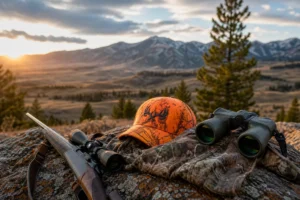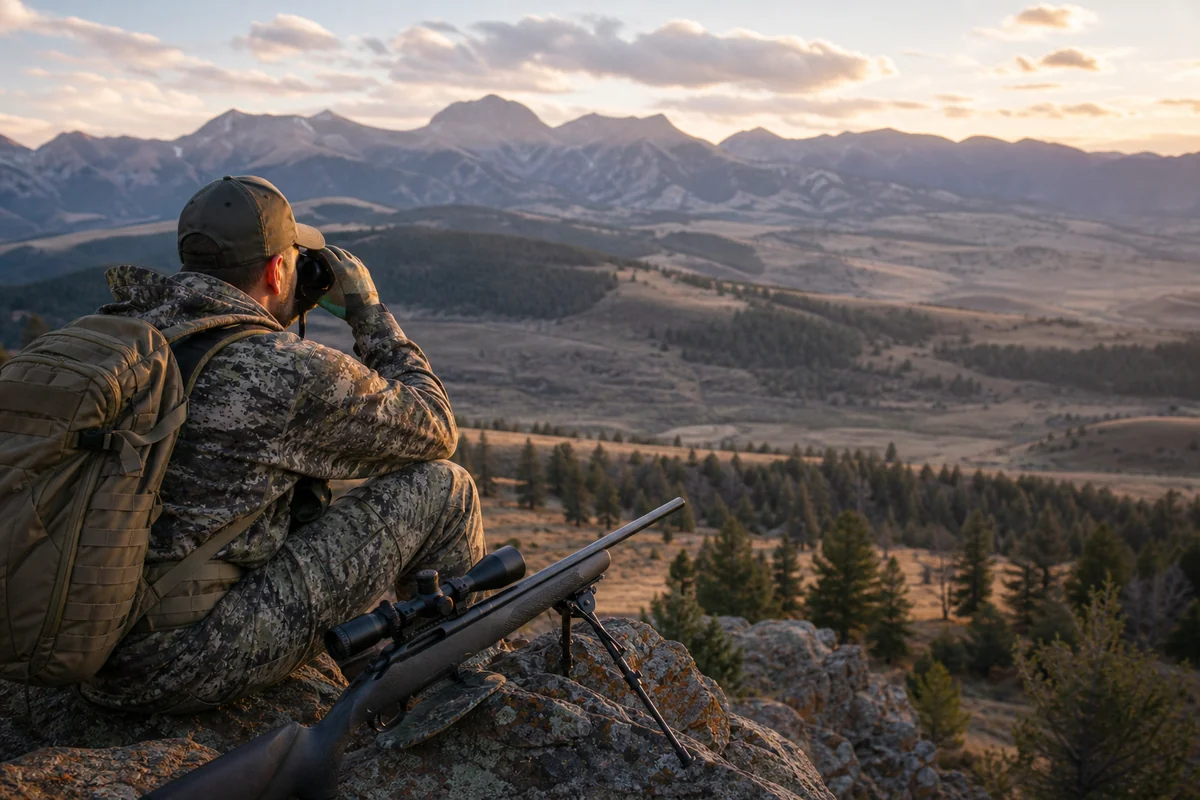
Last October, I found myself glassing a distant ridgeline in Montana’s Hunting District 411 when a bull elk stepped into the golden morning light—the culmination of months of preparation through Montana Fish, Wildlife & Parks.
That moment reminded me why understanding Montana’s fish and game system isn’t just bureaucratic necessity; it’s the gateway to some of the most remarkable hunting experiences in North America.
Whether you’re a first-timer navigating the system or a seasoned hunter planning your next Big Sky adventure, this Montana Hunting Guide resource will walk you through everything I’ve learned from years of hunting under FWP’s management.
- Montana Fish, Wildlife & Parks (FWP) manages all hunting in the state through a comprehensive license and permit system
- Non-residents face limited quotas and higher fees—apply early and understand the preference point system
- The state offers incredible diversity: elk, deer, antelope, bears, bighorn sheep, waterfowl, upland birds, and more
- License applications open in early March; many popular tags require preference points accumulated over years
- FWP’s online portal and mobile app make license purchases, harvest reporting, and regulation checking straightforward
- Plan 12-18 months ahead for popular species, especially if you’re building preference points
Understanding Montana Fish, Wildlife & Parks
Montana Fish, Wildlife & Parks—commonly called FWP or Montana Fish and Game—is the state agency responsible for managing all wildlife resources across Montana’s 147,000 square miles. During my first Montana hunt back in 2018, I quickly learned that understanding FWP’s structure would make or break my experience.
Unlike some states where hunting regulations feel like an afterthought, FWP takes wildlife management seriously. The agency divides Montana into seven administrative regions, each with regional offices where you can get in-person assistance.
I’ve visited the Region 3 office in Bozeman multiple times when I had questions about specific hunting districts. The staff there have always been incredibly helpful, especially when I was confused about elk permit boundaries during my early visits.
What FWP Actually Does for Hunters
FWP manages everything from setting Montana hunting seasons to conducting wildlife population surveys that determine tag allocations. They also maintain Block Management areas—private lands enrolled in a public access program that has given me some of my best hunting opportunities.
The agency’s wildlife biologists spend countless hours counting animals, monitoring herds, and making recommendations. I attended a public meeting in Helena last winter where biologists presented elk population data—it gave me genuine appreciation for the science behind season-setting.
FWP also handles habitat conservation, which directly impacts hunting quality. When I hunted Region 7 in eastern Montana last fall, the habitat improvement projects along the Yellowstone River had clearly benefited the whitetail population. You can read more about pursuing these deer in our whitetail deer hunts in Montana guide.
The Montana License System Explained
Here’s where things get detailed, and I wish someone had explained this clearly before my first Montana hunt. The license system has multiple layers that confused me initially.
First, every hunter needs a Conservation License—this is your baseline requirement. It costs $8 for residents and $10 for non-residents. Think of it as your entry ticket to even apply for anything else.
Then you need a Base Hunting License, which gives you general hunting privileges. For residents, that’s $16. For non-residents, it’s $155—a significant investment, but Montana’s hunting opportunities justify it.

Species-Specific Licenses and Permits
Beyond the base license, you’ll need species-specific tags or permits. This is where the system gets nuanced, and understanding the difference between “licenses” and “permits” matters greatly for your Montana hunting license planning.
General deer and elk combination licenses are available over-the-counter for residents. Non-residents must apply through a limited draw system—Montana caps non-resident deer and elk combination licenses.
Special permits for limited-entry areas require applying through the drawing system. I applied for six years before drawing my first special elk permit for a wilderness area in Region 1. The wait was worth it.
For a complete breakdown of what you’ll spend, check out our detailed Montana hunting license costs article.
Resident vs. Non-Resident Considerations
Montana’s residency requirements are strict, and FWP enforces them seriously. You must live in Montana for 180 consecutive days and intend to make it your permanent home to qualify as a resident.
I’ve met hunters at check stations who tried to claim residency based on owning property in Montana—that doesn’t work. FWP investigators do pursue residency fraud cases.
Non-residents should budget significantly more. While a resident elk/deer combination runs about $35, non-residents pay around $1,026 for the same privilege. The Montana preference points system helps level the playing field over time.
Key Species and Hunting Opportunities
Montana’s species diversity amazed me when I first started hunting here. From prairie antelope to mountain sheep, the state offers nearly every big game animal found in North America.
Elk: Montana’s Crown Jewel
Elk hunting defines Montana for many visiting hunters, and rightfully so. The state holds around 150,000 elk across varied terrain.
My most memorable elk hunt happened in the Absaroka-Beartooth Wilderness, where I packed in eight miles on horseback with an outfitter. We spotted elk daily, though getting within range proved challenging in that open country.
General elk hunting opens in September for archery and extends through rifle seasons into November. The Montana elk hunting guide on our site covers tactics and areas in detail.
If you’re flexible on timing, consider the Montana shoulder season elk hunting program, which extends hunting into winter months in specific districts with population management needs.
Deer: Mule Deer and Whitetails
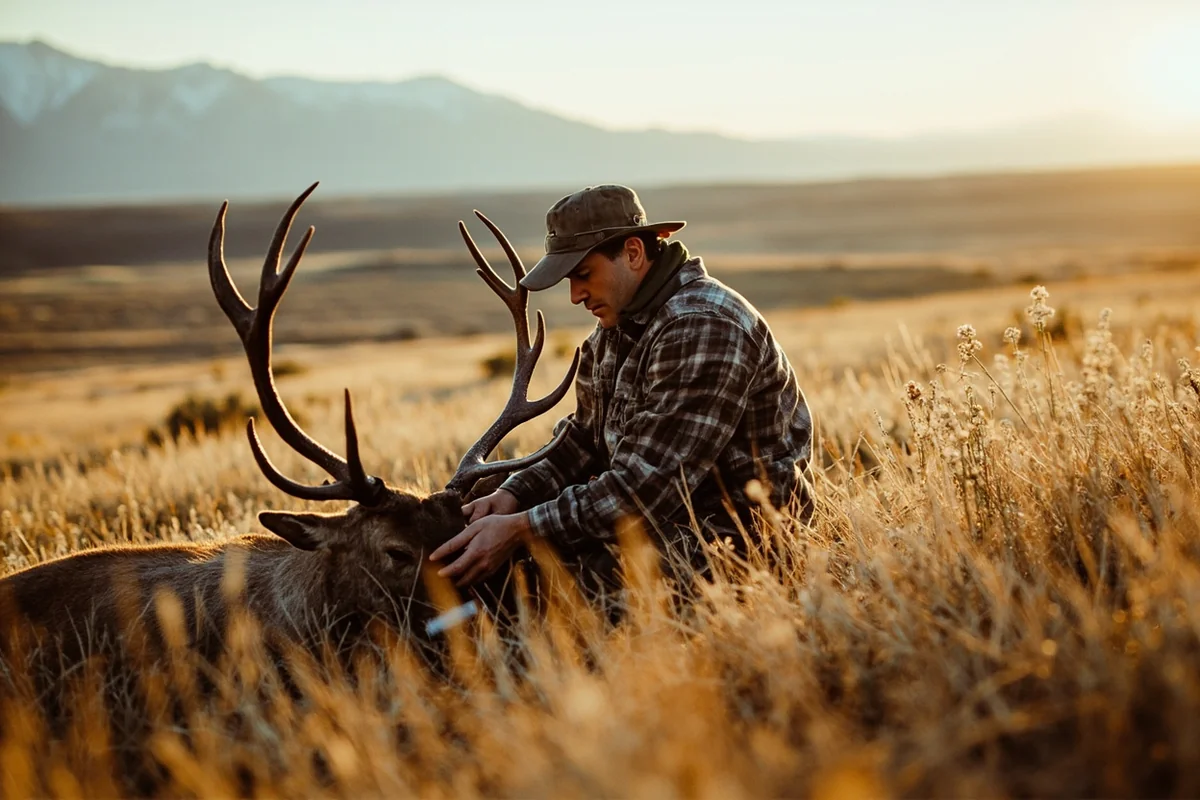
Montana offers both mule deer and whitetail deer hunting, often in the same general areas. The breaks country along the Missouri River gave me my best mule deer buck—a heavy-horned 4×4 that I glassed from a mile away and stalked for three hours.
Understanding Montana deer hunting regulations is crucial since rules vary by district. Some areas are bucks-only, others allow either-sex harvest, and antler restrictions apply in certain units.
Getting your Montana deer tag situation sorted early matters. General deer licenses are available, but special permit areas with trophy potential require drawing.
Our comprehensive Montana deer hunting resource breaks down the best areas and strategies.
Antelope: Prairie Speed Demons
Montana’s antelope hunting surprised me with how accessible and successful it can be. The eastern plains hold strong populations, and I’ve seen 100+ antelope in a single day while driving between spots.
My first antelope hunt near Glasgow taught me that these animals’ eyesight is no joke. I spent an afternoon crawling through sagebrush to close the distance on a buck that somehow always knew where I was.
For detailed information, our Montana antelope hunting guide covers the best districts and application strategies.
Bears: Black Bears and Grizzly Awareness
Montana offers spring and fall black bear seasons in most regions. I’ve had black bear on my tag twice but have yet to seal the deal—they’re sneaky animals that require patience.
Grizzly bears are not legal to hunt in Montana, but you’ll encounter them in certain areas. During my elk hunts in the Northern Rockies, carrying bear spray became non-negotiable after a close call with a sow and cubs near a creek drainage.
Our Montana bear hunting article provides comprehensive guidance on pursuing black bears and staying safe in grizzly country.
Trophy and Specialty Species
For hunters seeking once-in-a-lifetime opportunities, Montana offers bighorn sheep, mountain goats, moose, and bison. These require years of preference point accumulation or incredible luck in the drawing.
I’ve been building points for bighorn sheep for seven years now. The Montana bighorn sheep hunting guide explains the realistic timeline for drawing these coveted tags.
Montana also offers limited Montana buffalo hunting opportunities through special permits and tribal collaborations. These hunts are rare but represent an incredible connection to Montana’s wild heritage.
Montana Hunting Regulations: What You Must Know
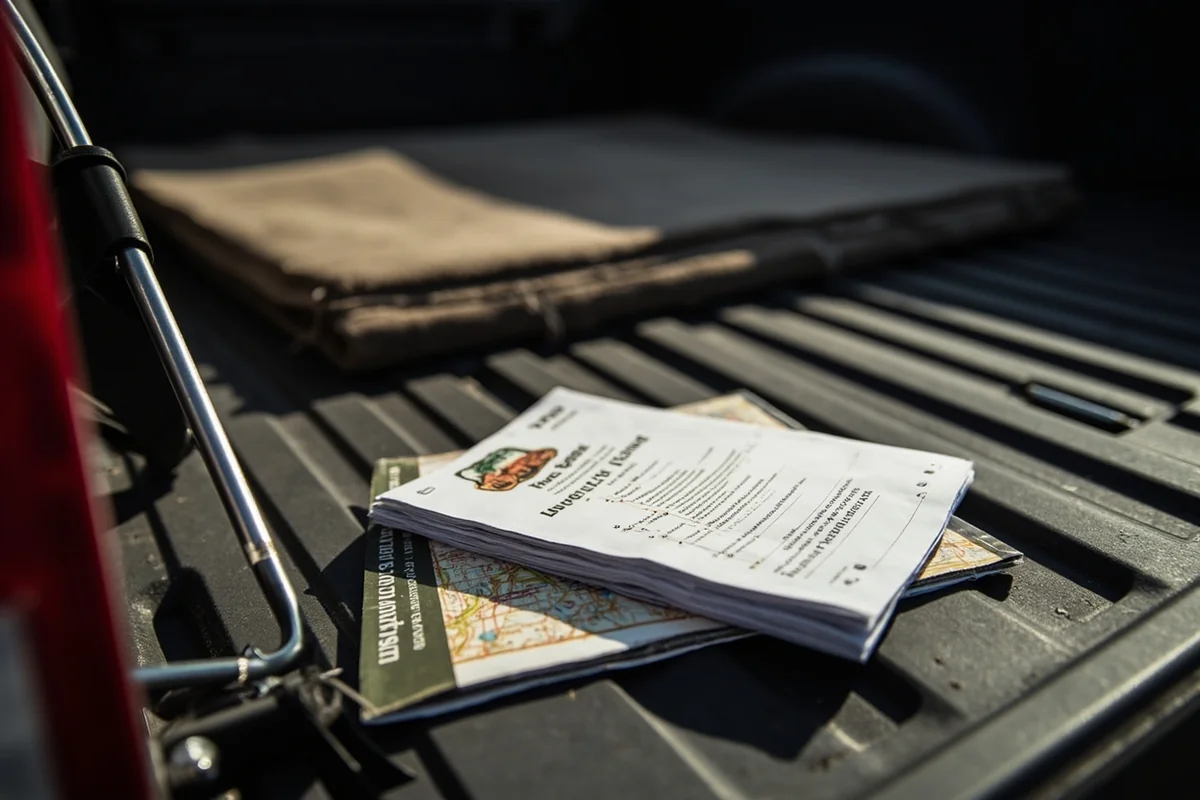
FWP publishes comprehensive regulations annually, and I recommend downloading the PDF or grabbing a physical copy at any license vendor. The regulations contain district-specific details that matter enormously.
General Montana hunting regulations cover weapon restrictions, shooting hours, harvest reporting requirements, and access rules. Reading them thoroughly prevented me from making costly mistakes.
Hunting Districts and Permit Areas
Montana divides the state into numbered hunting districts, each with potentially different season dates, weapon restrictions, and tag availability. During my first deer hunt, I accidentally crossed from District 540 into 550 without realizing the regulations differed—a lesson I learned at a check station.
Some districts are general license areas where your base tag applies. Others are special permit areas requiring separate applications. The FWP website has interactive maps that I use extensively during trip planning.
Weapon-Specific Seasons
Montana separates seasons by weapon type: archery, general rifle, and muzzleloader. Each has distinct dates and often different tag allowances.
The Montana muzzleloader season typically follows rifle season and offers a less crowded experience. I hunted muzzleloader last December and had public land to myself that was packed with orange during general season.
Harvest Reporting Requirements
Montana requires harvest reporting within 24 hours for most species, done through the FWP website or mobile app. I learned this requirement the hard way when a warden at a check station asked for my confirmation number.
The system is straightforward—you input your license number, species harvested, and location data. It helps FWP track harvest rates and manage populations effectively.
Accessing Land: Public, Private, and Block Management
Montana boasts extensive public land—about 30 million acres managed by federal and state agencies. However, checkerboard ownership patterns can make access confusing.
Understanding whether you can hunt on Montana state land depends on the specific parcel and any restrictions. School trust lands, for example, have different access rules than state parks or wildlife management areas.
Block Management: The Secret Weapon
FWP’s Block Management program enrolls private landowners who allow public hunting access. These areas have been absolute gold for me, especially during crowded rifle season when public land gets hammered.
I’ve hunted Block Management areas in central Montana where I saw more game than on adjacent public land because hunting pressure stayed manageable. Some BM areas require reservations; others are walk-in.
The FWP website lists all enrolled properties with maps, access instructions, and any special requirements. I check this database before every trip and plan my hunts around available BM areas.
Private Land Access
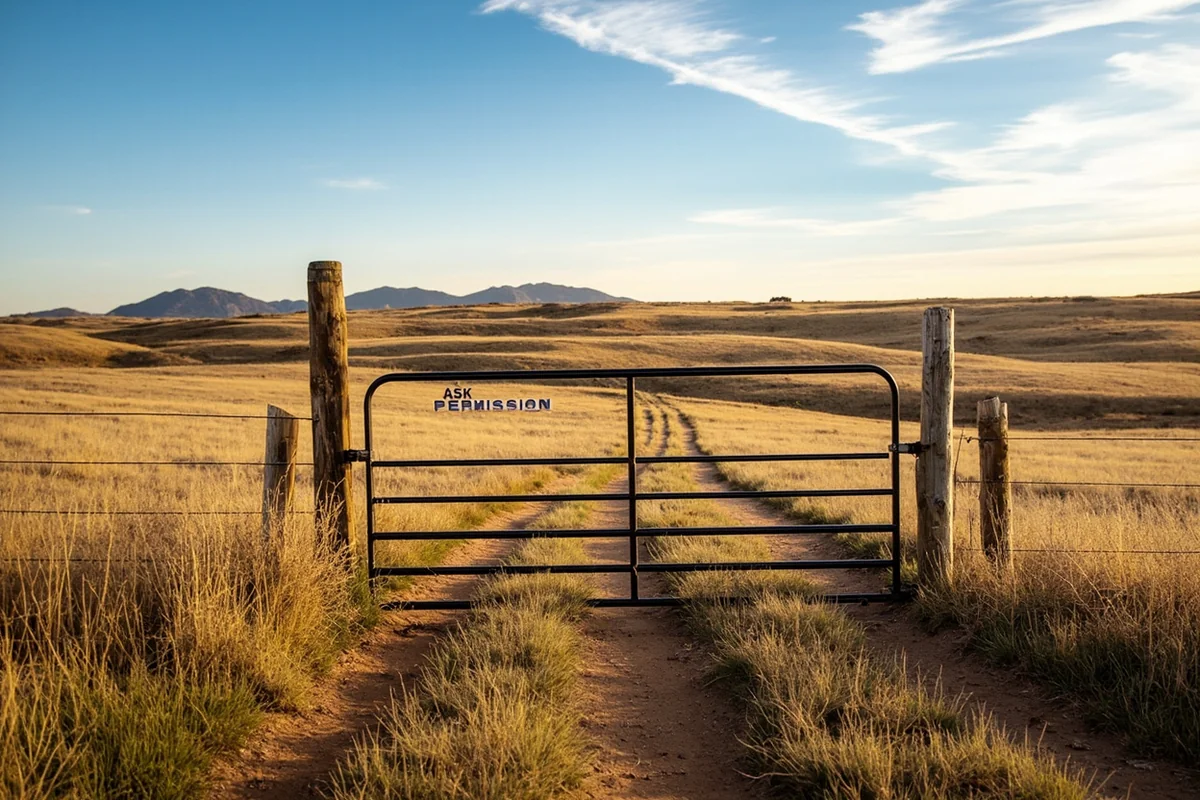
Montana requires written permission to hunt private land, and trespassing laws carry serious consequences. I always carry a small notebook with landowner contact information and permission documentation.
The beauty of Montana is that many ranchers will grant access if you ask respectfully. I’ve built relationships with several landowners over the years by offering to help with ranch work or simply being courteous and leaving gates as I found them.
Planning Your Montana Hunt: Timeline and Strategy
Successful Montana hunting requires advance planning, especially for non-residents. Here’s the timeline I follow:
12-18 Months Before: Initial Research
Start by identifying which species you want to pursue and which districts interest you. I spend winter evenings reading harvest reports, studying maps, and watching hunting district webinars that FWP hosts.
If you need preference points, now is when you should apply for points-only options. Building points costs money but dramatically improves your odds for premium hunts.
March: Application Period
FWP opens license applications in early March, with deadlines typically in April. This window is critical—miss it, and you’ll wait another year.
The online application system works well but can slow down near deadlines. I learned to apply early after the website crashed during my first attempt with minutes to spare.
June-July: Draw Results and Planning
Draw results post in early summer. If you’re successful, serious planning begins. If not, evaluate general license opportunities and backup plans.
I always apply for special permits but maintain a general license backup plan. Some years the general areas produce better hunting than I expected.
August-September: Final Preparation
Scout if possible—even Google Earth scouting helps. Confirm lodging, transportation, and gear. Review regulations one more time for any changes.
I physically visit hunting areas when possible, setting trail cameras on public land and talking with local biologists about current conditions.
Practical Information for Visiting Hunters
| Item | Details |
|---|---|
| FWP Website | fwp.mt.gov — license purchases, regulations, maps |
| Application Period | Early March through mid-April (varies annually) |
| Conservation License | $10 non-resident (required for all applicants) |
| Non-Resident Base License | $155 |
| Deer/Elk Combination (NR) | Approximately $1,026 |
| General Rifle Season | Late October through late November (check current regs) |
| Archery Season | Early September through mid-October |
| Harvest Reporting | Required within 24 hours via website/app |
Where to Stay
Montana’s hunting areas range from remote wilderness requiring pack-in camps to accessible terrain near small towns with motels. My approach depends on the hunt type.
For backcountry elk hunts, I’ve used outfitters with wall tent camps and horse strings. These trips run $5,000-$10,000 but provide access to areas I couldn’t reach independently.
For more accessible hunts, small-town motels in places like Lewistown, Glasgow, or Dillon serve as excellent base camps. I prefer these for deer and antelope hunts where I’m driving between spots.
Getting Your Harvest Home
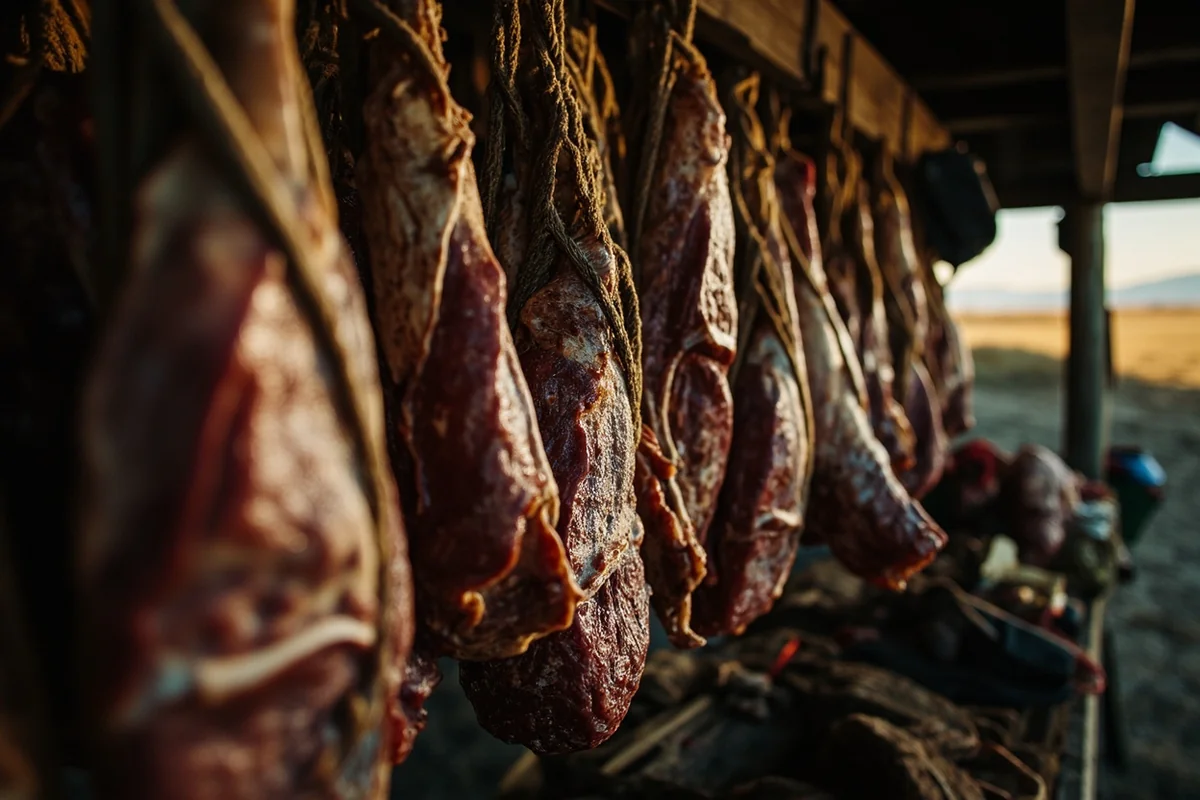
Processing and transporting meat requires planning. Many Montana towns have local processors who handle game, though rifle season creates backlogs.
I’ve learned to quarter animals myself and pack coolers with ice. Flying with game meat requires proper packaging and checking airline regulations—I’ve shipped frozen meat via FedEx when driving wasn’t an option.
Beyond Big Game: Birds and Small Game
Montana’s hunting opportunities extend well beyond big game, and I’ve enjoyed pursuing birds and small game during trips where I tagged out early or wanted variety.
Upland Birds
Pheasant, Hungarian partridge, and sharp-tailed grouse populate Montana’s prairies and agricultural edges. My pointing dog lives for these hunts—we’ve had incredible days in the grain country near Great Falls.
Our Montana upland bird hunting guide details the best areas and season information.
Waterfowl
Montana sits in the Central Flyway, and the wetlands and pothole country attract impressive waterfowl numbers. I’ve hunted ducks on reservations in eastern Montana where limits came quickly.
For waterfowl-specific guidance, check our Montana duck hunting resource.
Montana even offers limited Montana swan hunting opportunities through special permits—a unique experience few hunters pursue.
Small Game
Montana squirrel hunting might not headline anyone’s trip, but it provides entertainment during slow mornings and excellent practice for young hunters. The forested regions hold healthy populations.
Predator and Furbearer Opportunities
Montana’s predator hunting rounds out the state’s offerings. Coyote hunting requires no special permit beyond your base license and provides year-round opportunity.
Montana wolf hunting operates under specific seasons and quotas. I haven’t pursued wolves myself, but hunters I’ve met in the field describe it as challenging and rewarding.
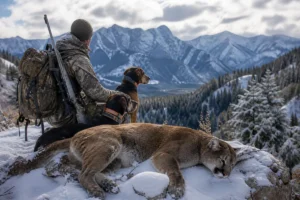
Mountain lion hunting with hounds is popular in western Montana, though I’d recommend hiring an experienced outfitter for this specialized pursuit.
FWP Resources and Technology
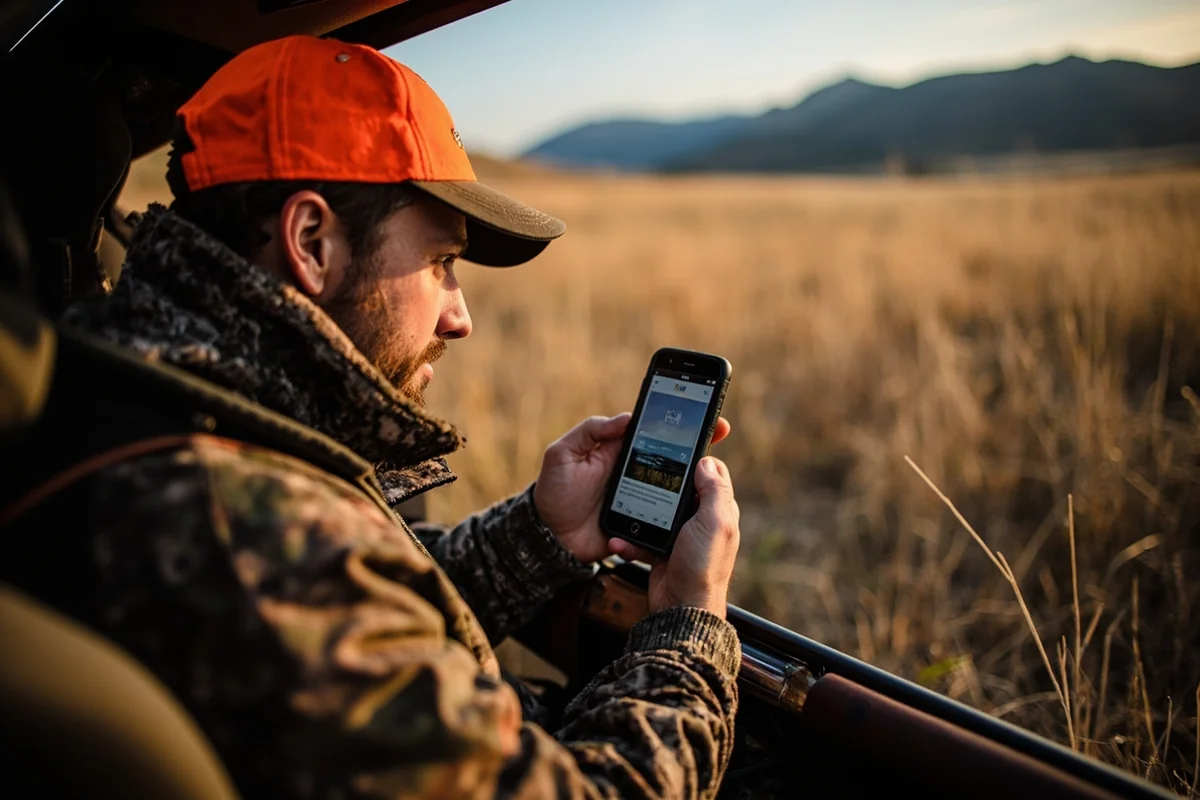
FWP has modernized significantly in recent years. The MyFWP mobile app lets me carry licenses digitally, check regulations on the fly, and report harvests from the field.
I use the app’s mapping feature constantly—it shows hunting district boundaries, public land ownership, and Block Management areas. During a hunt near Bozeman last fall, it saved me from accidentally crossing into a special permit area where my general license didn’t apply.
The FWP website includes harvest statistics by district going back years. This data helped me identify an overlooked deer district where hunter success rates topped 60%—information I wouldn’t have found otherwise.
Warden Contact and Check Stations
FWP wardens operate check stations during major seasons, and I’ve always had positive interactions. They’re checking licenses, confirming legal harvest, and collecting biological data.
I recommend stopping at check stations even when not mandatory—the wardens often share useful information about game movement and conditions. During my last deer hunt, a warden mentioned that a recent storm had pushed deer into a drainage I hadn’t considered.
Common Mistakes and How to Avoid Them
After numerous Montana hunts and conversations with other hunters, certain mistakes recur. Here’s what to avoid:
Not reading district-specific regulations — General rules don’t always apply. Each district can have unique restrictions on weapons, antler points, or season dates.
Underestimating distances — Montana is massive. What looks like a short drive on the map can take hours on rough roads. I’ve driven four hours between hunting spots on the same trip.
Ignoring weather — Montana weather changes rapidly, especially in the mountains. I’ve seen blizzards in September and 60-degree days in November. Pack layers and prepare for anything.
Waiting too long to apply — Application deadlines are firm, and the website gets congested. Apply during the first week of the window, not the last day.
Skipping scouting — Even remote scouting via maps and harvest data improves success. Showing up blind to a new area rarely works well.
Making the Most of Your Montana Fish and Game Experience
Montana Fish, Wildlife & Parks manages one of America’s greatest hunting resources, and working within their system opens incredible opportunities. From my first confused application years ago to confidently planning annual trips now, understanding FWP has transformed my hunting.
The investment—in money, time, and effort—rewards those who commit. Montana’s landscapes, wildlife populations, and hunting traditions deliver experiences that justify every hour spent studying regulations and every dollar spent on licenses.
Whether you’re pursuing a general deer tag or building points for a dream sheep hunt, FWP provides the framework. Learn it well, respect the resources it protects, and you’ll find Montana hunting exceeds expectations.
I’ll be back in Montana this fall, chasing elk through timber I’ve come to know well. The FWP system made that possible, and I’m grateful for the opportunity it provides to hunters willing to engage with it thoughtfully.
Frequently Asked Questions
How much does a non-resident Montana hunting license cost?
Non-resident hunting licenses in Montana range from $15 for a conservation license to over $1,000 for combination big game tags. A general deer license runs about $265 for out-of-state hunters, while elk tags cost approximately $900. I always recommend budgeting an extra $50-100 for habitat stamps and application fees.
What is the best time of year to hunt in Montana?
Montana’s general big game hunting season typically runs from late October through late November, which I consider prime time for deer and elk. Archery seasons start earlier in September, offering less crowded hunting conditions. For upland birds like pheasant, the season opens in October and runs through early January.
Do I need to apply for Montana hunting tags in advance?
Yes, many Montana big game tags require applying through the drawing system, with deadlines typically in March or April—months before hunting season. General deer and elk licenses for non-residents can be purchased over-the-counter, but popular limited-entry permits for moose, sheep, and goat require years of preference points. I recommend checking Montana Fish, Wildlife & Parks website at least 6 months before your planned trip.
What gear should I pack for a Montana hunting trip?
Pack layered clothing rated for temperatures from 20°F to 60°F, as Montana mountain weather changes rapidly. Essential items include quality waterproof boots broken in for 10+ mile days, a reliable GPS unit, and blaze orange requirements of at least 400 square inches during rifle season. I never head out without a good spotting scope—Montana’s open terrain means you’ll be glassing vast distances.
Where are the best public land hunting areas in Montana?
Montana offers over 30 million acres of public land, with top hunting destinations including the Missouri River Breaks for mule deer and the Bitterroot National Forest for elk. Block Management areas provide free access to private lands enrolled in the program, adding thousands more huntable acres. I’ve had great success in FWP Region 3 around Bozeman and Region 7 in eastern Montana for antelope.
Can I hunt in Montana without hiring an outfitter or guide?
Absolutely—Montana is one of the most DIY-friendly hunting states for non-residents, with abundant public land access and no guide requirements for most species. Using OnX Maps or the Montana Hunt Planner tool, you can identify walk-in areas and plan your own hunt effectively. However, first-time visitors targeting elk in unfamiliar backcountry terrain might benefit from at least a drop camp service, which typically costs $1,500-3,000 for a week.
How far in advance should I book lodging for Montana hunting season?
Book your Montana hunting accommodations at least 3-4 months ahead, especially for popular areas near Bozeman, Missoula, or the Missouri Breaks during rifle season. Small-town motels fill up quickly with hunters each fall, and prices can double during peak weeks. I prefer staying in gateway towns like Dillon or Lewistown where nightly rates run $80-150 and you’re within 30 miles of prime hunting grounds.