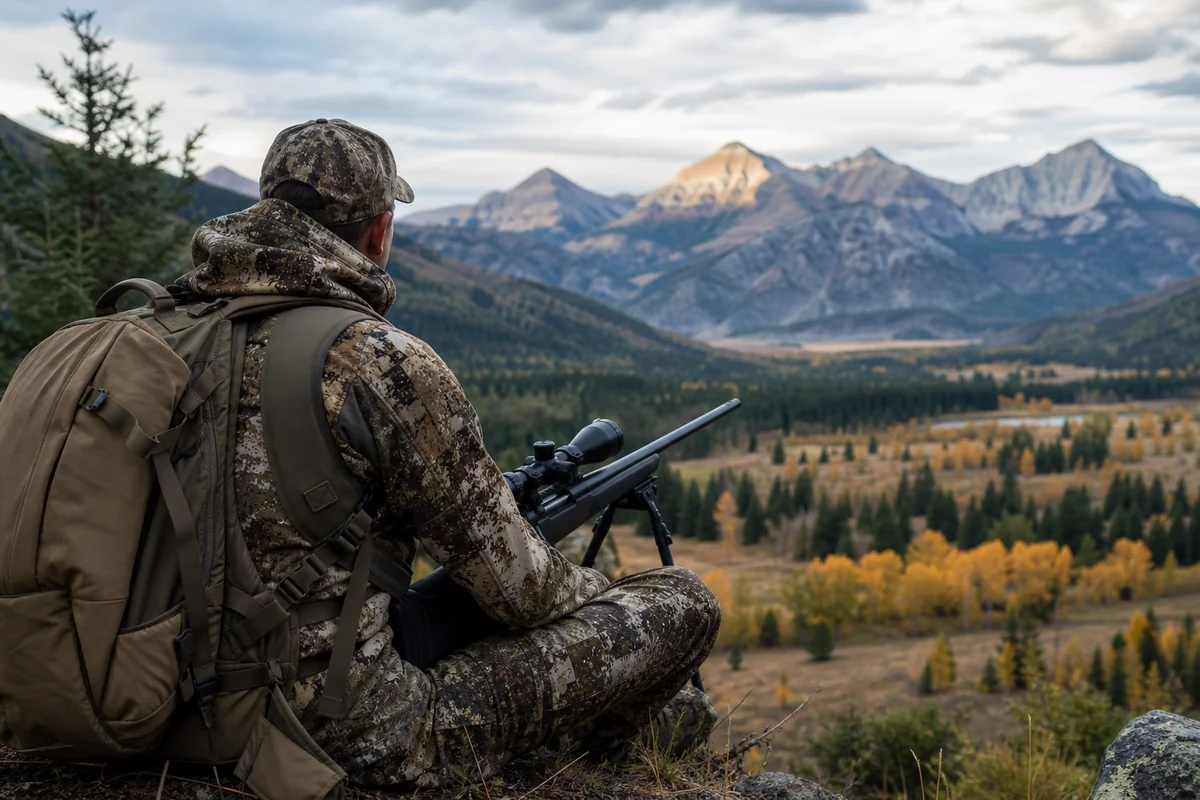
The first time I drew my rifle on a bull elk in Montana’s Bob Marshall Wilderness, my hands were shaking—not from the cold October air, but from the sheer weight of understanding that this moment represented months of preparation, careful study of Montana laws, and a deep respect for regulations that have shaped some of the finest hunting opportunities in North America.
Whether you’re planning your first Montana hunting adventure or you’re a seasoned out-of-state hunter looking to chase trophy mule deer across the Missouri Breaks, understanding Montana’s hunting laws isn’t just about avoiding fines—it’s about participating responsibly in a tradition that defines this state’s identity.
- Non-residents must purchase licenses through Montana Fish, Wildlife & Parks (FWP) — many big game licenses require entering a drawing months in advance
- A valid Hunter Education Certificate is required for all hunters born after January 1, 1985
- Non-resident combination licenses cost approximately $1,000+ and sell out quickly for popular species
- Montana uses a Block Management Program offering free access to millions of acres of private land
- Regulations vary significantly by hunting district — always check your specific district’s rules
- Loaded firearms in vehicles are prohibited while hunting, and trespassing laws are strictly enforced
Why Montana Hunting Laws Matter More Than You Think
I’ve hunted in a dozen states across the American West, and I can tell you without hesitation that Montana takes its wildlife management seriously. This isn’t bureaucratic red tape for the sake of it—these laws have created and sustained some of the healthiest big game populations in the lower 48.
During my visit to the FWP headquarters in Helena last fall, a wildlife biologist explained it perfectly: “Every regulation exists because something went wrong at some point, or because we’re trying to prevent something from going wrong.”
When you understand this context, the laws stop feeling like obstacles and start feeling like tools that make your hunt more successful.
Montana manages approximately 30 million acres of public land accessible to hunters. That’s an area larger than Pennsylvania, and it’s available to you—if you follow the rules.
Licensing Requirements for Out-of-State Hunters
Let me be blunt: Montana’s licensing system is complex, and if you’re coming from out of state, you need to start planning months—sometimes a full year—in advance.
The Conservation License: Your First Step
Before you can purchase any hunting license in Montana, you must first buy a Conservation License. This applies to residents and non-residents alike.
During my first Montana hunt back in 2018, I made the rookie mistake of assuming I could buy everything at once. The Conservation License costs around $10 for non-residents and is valid for the calendar year.
Think of it as your entry ticket into Montana’s wildlife system. Without it, you can’t purchase anything else.
Non-Resident Big Game Licenses
Here’s where things get expensive and competitive. Montana limits non-resident big game licenses to protect hunting opportunities for its residents.
The Big Game Combination License is what most visiting hunters want. It includes deer, elk, and black bear, plus fishing privileges.
Last time I checked, this license runs approximately $1,000 for non-residents. Yes, you read that right—and it’s still one of the best values in western hunting when you consider the quality of animals and accessible land.
| License Type | Non-Resident Cost (Approximate) | Drawing Required? |
|---|---|---|
| Conservation License | $10 | No |
| Big Game Combination (Deer, Elk, Bear) | $1,000+ | Yes (for elk portion) |
| Deer Combination | $500+ | No |
| Antelope | $200+ | Yes |
| Moose/Sheep/Goat | $1,250+ | Yes (very limited) |
| Wolf | $350+ | No |
| Mountain Lion | $350+ | No |
| Upland Bird | $125+ | No |
The Drawing System Explained
Montana uses a drawing system for many of its most desirable licenses. This isn’t first-come, first-served—it’s a lottery, and your odds depend on the species and hunting district.
I recommend applying in March when the application period opens. The deadline is typically in early April, and results come out in early May.
Preference points do not exist in Montana for most species. This is actually good news for new applicants—everyone has equal odds each year, though the odds themselves can be slim for trophy units.
For elk, non-residents compete for a limited pool. Approximately 10% of elk licenses go to non-residents, which sounds restrictive until you realize that still means thousands of tags available.
Hunter Education Requirements
If you were born after January 1, 1985, you must have completed an approved Hunter Education course to hunt in Montana.
I had my certificate from my home state of Colorado, and Montana accepted it without issue. Most states have reciprocity agreements, so check before you travel.
If you need to take the course, Montana offers both online and in-person options. The online portion takes about six hours, followed by a mandatory in-person field day.
Understanding Montana’s Hunting Districts
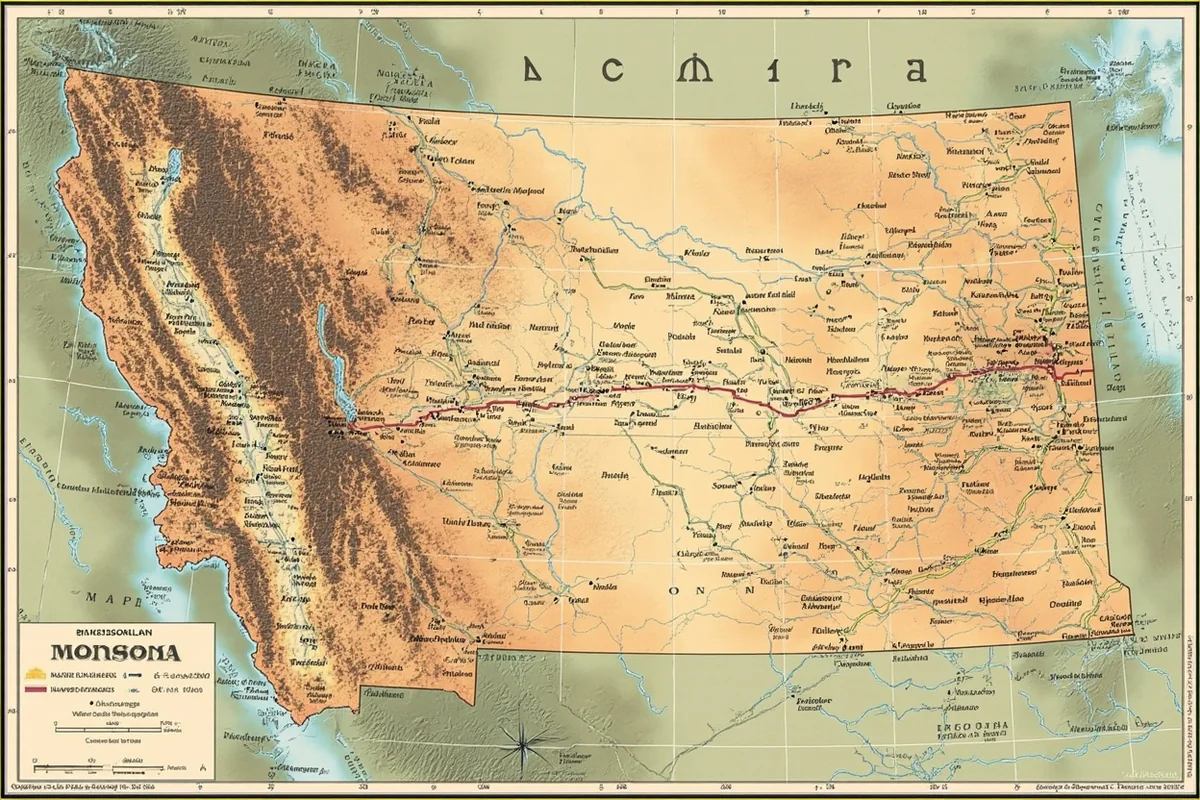
Montana is divided into seven administrative regions and hundreds of hunting districts. This is where regulations get hyper-specific, and where I’ve seen visiting hunters make costly mistakes.
Why Districts Matter
Each district has its own season dates, bag limits, legal weapons, and sometimes even different legal shooting hours. What’s legal in District 411 near Bozeman might be completely prohibited in District 150 near Missoula.
On a recent trip to the Elkhorn Mountains, I watched a hunter from Texas get cited because he was using a rifle during an archery-only period in that specific district. The general season was open statewide, but that district had special restrictions.
Always download the current regulations for your specific districts before you leave home.
How to Research Your District
The Montana FWP website has an interactive map that I use religiously. You can click on any hunting district and see exactly what’s allowed, when it’s allowed, and any special considerations.
I also recommend calling the regional FWP office directly. During my 2022 antelope hunt near Glasgow, I called the Region 6 office with a question about a specific property boundary. They were incredibly helpful and saved me from a potential trespass violation.
The general hunting regulations booklet is free and available at most sporting goods stores in Montana. Pick one up when you arrive—I always keep one in my truck.
Season Dates and Bag Limits
Montana’s hunting seasons are structured to maximize opportunity while protecting wildlife during vulnerable periods. Here’s what I’ve learned about timing your trip.
Archery Seasons
Archery season for deer and elk typically runs from early September through mid-October. This is my favorite time to hunt Montana.
The weather is still pleasant, the elk are bugling, and the hunting pressure is significantly lower than during rifle season. Last September, I spent a week in the Absaroka-Beartooth Wilderness and saw only two other hunting parties.
Archery equipment must meet minimum requirements—usually a 28-inch draw length and a minimum draw weight of 40 pounds for big game.
General Rifle Season
The general rifle season for deer and elk runs about five weeks, typically starting in late October and ending in late November.
This is when Montana sees the heaviest hunting pressure, particularly during the first week. I’ve learned to avoid opening weekend unless I’m hunting private land or a very remote area.
The last week of rifle season can be excellent. Snow pushes elk down from high country, and many hunters have already filled their tags or gone home.
Bag Limits and Tagging Requirements
Montana typically allows one elk and two deer (one of each species—mule deer and whitetail) per season, though this varies by district and license type.
Immediately after harvesting an animal, you must notch your tag and attach it to the carcass. I carry a punch specifically for this purpose.
The tagging requirement is strictly enforced. During my first Montana hunt, I watched a warden check every vehicle leaving a trailhead. He was friendly but thorough.
Legal Weapons and Ammunition Regulations
Montana’s weapon regulations are relatively straightforward compared to some states, but there are important details you need to know. If you’re curious about broader firearm regulations beyond hunting, you might find our guide to Montana gun laws helpful.
Rifle Requirements
For big game hunting, rifles must be centerfire and capable of firing a cartridge at least two inches long. This effectively rules out .22 caliber rimfire and similar small calibers.
There’s no magazine capacity limit for hunting rifles in Montana, though I personally use a three-round magazine for ethical reasons—if I can’t make the shot in three, I shouldn’t be taking it.
Fully automatic firearms are prohibited for hunting.
Shotgun and Muzzleloader Regulations
Shotguns used for big game must use slugs or buckshot. During certain special seasons, muzzleloaders must meet specific requirements including a minimum .45 caliber for elk and a .40 caliber for deer.
Modern inline muzzleloaders are legal during muzzleloader season, which has caused some controversy among traditional hunters. I’ve hunted with both and appreciate the challenge of either style.
Archery Equipment Standards
Compound bows, recurve bows, and longbows are all legal. Crossbows require a special permit and are typically only available to hunters with documented physical disabilities.
Broadheads must have a minimum cutting width of seven-eighths of an inch. Mechanical broadheads are legal, though I prefer fixed-blade heads for elk-sized game.
Carrying Firearms While Hunting
Here’s something that catches many visiting hunters off guard: it’s illegal to have a loaded firearm in a vehicle while hunting, even if the vehicle is parked.
Montana is an open carry state and has relatively relaxed open carry laws in daily life, but hunting regulations are different. Your rifle must be unloaded before you put it in or on your vehicle.
Similarly, you might want to review Montana knife laws if you’re carrying a large hunting knife—though you’ll find Montana is quite permissive on this front.
Access to Hunting Land
Montana offers incredible public access opportunities, but navigating the patchwork of public and private land requires homework.
Public Land Hunting
Approximately 30 million acres of federal and state land are available for hunting. This includes national forests, BLM land, state trust lands, and wildlife management areas.
The Custer Gallatin National Forest, where I’ve spent many September mornings, covers over three million acres alone. You could hunt there your entire life and never see it all.
State trust lands require a recreational use license, which is included with your Conservation License. These lands are scattered throughout the state and often abut private ranches, providing crucial access corridors.
The Block Management Program
This is Montana’s secret weapon for public hunting access, and I wish more states would adopt similar programs.
The Block Management Program enrolls private landowners who agree to allow public hunting on their property. In exchange, they receive compensation from FWP.
Over seven million acres of private land are enrolled in this program. That’s free access to prime hunting ground that would otherwise require expensive lease agreements or knowing the right people.
I’ve used Block Management areas near Lewistown and found them to be well-managed and surprisingly productive. Some require advance registration, while others allow walk-in access.
You can find Block Management areas on the FWP website or request a free atlas at regional offices.
Trespassing Laws and Posted Land
Montana takes trespassing seriously, and ignorance is not a defense. Private land must be posted at entry points, but the absence of signs doesn’t automatically grant permission.
When land is fenced or cultivated, you need written permission regardless of posting. I always carry written permission slips in my pack—you can download standard forms from the FWP website.
Penalties for hunting trespass include license revocation, substantial fines, and potentially criminal charges. I’ve heard stories of hunters losing their privileges for years over what they claimed was an honest mistake.
When in doubt, knock on the door. In my experience, most Montana ranchers appreciate hunters who ask permission and are willing to grant access to those who show respect for their property.
Transportation and Processing of Game
Getting your animal home involves its own set of regulations, and these vary depending on where you’re taking the meat.
Field Dressing and Evidence of Sex
Montana requires that evidence of sex remain naturally attached to the carcass until it reaches your final destination or a processing facility. For antlered animals, the head or antlers serve this purpose.
For does or cows, this typically means leaving a portion of the udder or genitalia attached—not the most pleasant task, but necessary for compliance.
I always quarter my elk in the field, keeping the quarters in game bags with proper ventilation. Montana’s cool October temperatures are generally forgiving, but I still aim to get meat cooled to 40 degrees within 24 hours.
Chronic Wasting Disease Regulations
CWD is a growing concern in Montana, and regulations have tightened in recent years. Certain carcass parts cannot be transported from specific areas.
Generally, you cannot transport brain or spinal tissue across state lines. I recommend deboning your meat in the field or at a Montana processor if you’re traveling far.
Check the current CWD management zones before your hunt. These change as new cases are detected.
Crossing State Lines
If you’re bringing meat back to your home state, you must comply with both Montana’s export regulations and your state’s import rules.
Most states require that meat be labeled with the hunter’s name, license number, and date of kill. Some require inspection at agricultural checkpoints.
During my last trip, I used a commercial processor in Bozeman that vacuum-sealed and labeled everything to meet multiple states’ requirements. The peace of mind was worth the cost.
Safety Requirements and Blaze Orange
Montana does not require blaze orange during hunting seasons, unlike many eastern states. However, I strongly recommend wearing it during rifle season.
On a foggy November morning near the Madison Range, I came across a hunter who was wearing head-to-toe camouflage and moving through timber. I had him in my binoculars for a full minute before I confirmed he was human. That experience changed my perspective on orange forever.
At minimum, I wear an orange vest and hat during rifle season. During archery season, I wear full camo—orange can spook game and isn’t necessary when bows are the only weapons in the field.
Special Regulations for Specific Species
Beyond standard deer and elk regulations, Montana offers hunting opportunities for several other species with their own unique rules.
Wolf Hunting
Wolf hunting was reauthorized in Montana, and regulations have expanded in recent years. Non-residents can purchase a wolf license over the counter, but bag limits and methods vary by region.
Some areas allow trapping; others restrict harvest to rifle only. Wolves must be reported within 24 hours of harvest, and the skull must be presented for inspection.
I’ve seen wolves on multiple Montana hunts but have never specifically pursued them. The few hunters I know who have successfully harvested wolves describe it as one of the most challenging hunts available.
Mountain Lion
Mountain lion hunting requires a separate license and is highly regulated by quotas. Once a district reaches its quota, that area closes immediately.
You must call a toll-free number before pursuing lion and again immediately after harvest. Hunts must be conducted with hounds, and there are strict rules about which animals can be taken (females with kittens are protected).
Moose, Sheep, and Goat
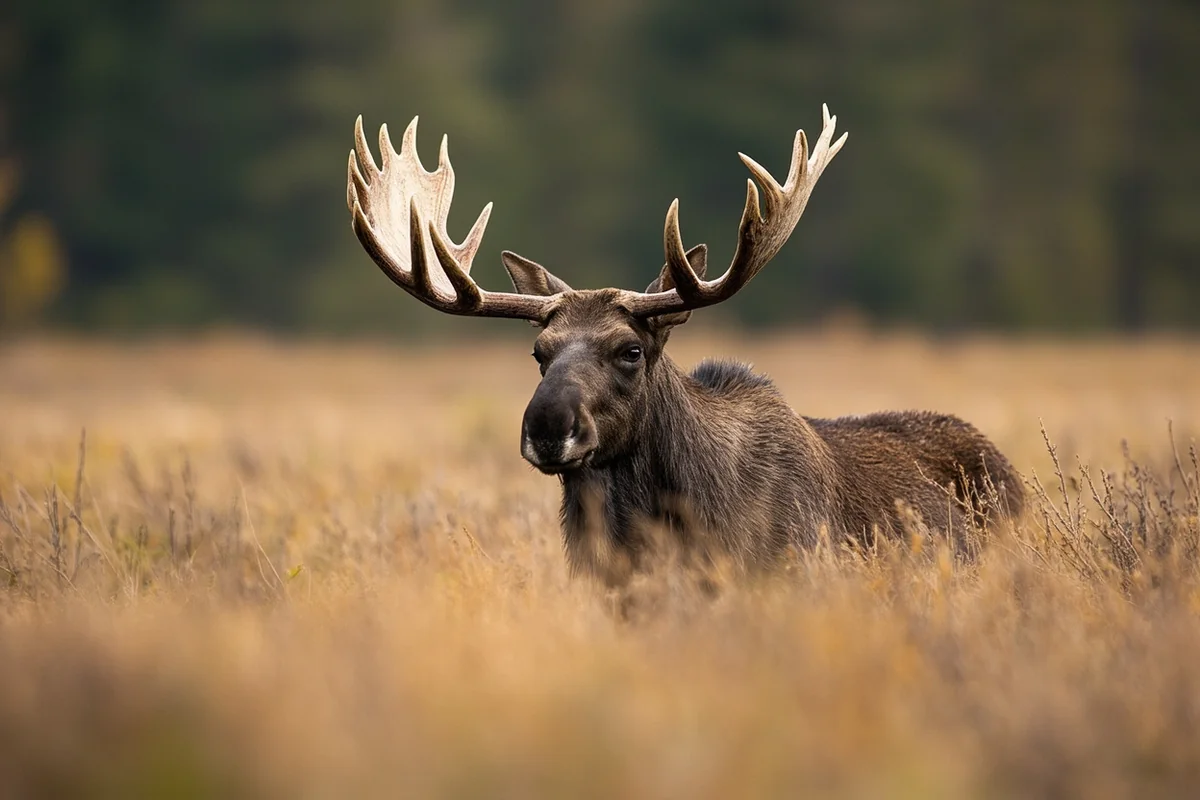
These are Montana’s ultimate trophy animals, and the regulations reflect their scarcity. Licenses are limited to a handful of permits per district, and some areas have less than 1% draw odds for non-residents.
Once-in-a-lifetime rules apply in many cases. If you draw a moose tag, for example, you may be ineligible to apply for moose again in Montana for a specified period.
I’ve been applying for a Shiras moose tag for seven years without success. But when I finally draw, the hunt will be that much sweeter.
Upland Bird and Waterfowl Hunting
Not all Montana hunting involves big game. The state offers excellent opportunities for bird hunters as well.
Pheasant and Upland Birds
Pheasant hunting in eastern Montana rivals anything in South Dakota, and the license is a fraction of the cost. A non-resident upland bird license is around $125.
The season typically runs from September through early January. I’ve had great success on Block Management properties near Malta and Plentywood.
Hungarian partridge and sharp-tailed grouse are also abundant. Sage grouse hunting is more restricted due to population concerns—check current regulations carefully.
Waterfowl
Montana lies beneath the Pacific and Central flyways, making it a prime destination for duck and goose hunting. You’ll need both a Montana waterfowl stamp and a federal duck stamp.
The freezeout Lake Wildlife Management Area near Fairfield is legendary among waterfowl hunters. I spent a weekend there two years ago and witnessed flights of snow geese that darkened the sky.
Alcohol and Hunting: Important Considerations
I need to address something that shouldn’t require saying but absolutely does: alcohol and hunting don’t mix.
Montana law prohibits hunting while under the influence of alcohol or drugs. Beyond the legal implications, it’s simply dangerous and unethical.
If you’re planning to enjoy Montana’s excellent craft beer scene, save it for after your hunt is complete for the day. For more on this topic, check out our guide to the legal drinking age in Montana.
Likewise, Montana’s open container laws apply while you’re driving to and from hunting areas, so keep any celebratory beverages sealed until you’ve reached camp.
Hiring Outfitters and Guides
If you’re new to Montana hunting, a licensed outfitter can be invaluable—but you need to do your homework.
Outfitter Requirements
All hunting outfitters in Montana must be licensed by the Board of Outfitters. Before booking, verify their license status through the Department of Labor and Industry.
Ask for references and actually call them. During my research for a guided mountain goat hunt (still dreaming), I spoke with previous clients who gave me invaluable insights that weren’t in any marketing materials.
What to Expect
Guided elk hunts typically run $5,000 to $7,500 for a five to seven-day hunt. Trophy mule deer hunts can exceed $10,000 in premier units.
For your money, you should receive lodging, meals, guide services, and access to private land or leased hunting rights. Most outfitters will help with field dressing and packing out game.
Make sure your contract clearly states what’s included and what happens if you don’t harvest an animal. Reputable outfitters stand behind their success rates.
Practical Tips From Years of Montana Hunting
I want to close with some practical wisdom I’ve accumulated over multiple Montana hunting trips.
Physical Preparation
Montana hunting is physically demanding, especially in the mountain regions. Start training at least three months before your hunt.
I run stairs with a weighted pack and focus on leg strength. Altitude can be a factor—much of western Montana sits above 5,000 feet.
Gear Considerations
Montana weather can swing from 60 degrees to blizzard conditions in a matter of hours. Layer your clothing and always carry rain gear, even if the forecast looks clear.
Quality optics are essential. I spend more time glassing than I do walking—in open country, the hunter who sees game first usually fills their tag.
Learn the Landscape
Before your hunt, study topographic maps and satellite imagery of your hunting area. Understand where game beds, feeds, and travels.
I use a combination of onX Hunt and physical maps. Technology is great until your battery dies at 10,000 feet.
Respect the Culture
Hunting is woven into Montana’s identity. When you visit as an out-of-state hunter, you’re a guest in someone else’s backyard.
Be respectful of other hunters, leave gates as you find them, pack out all trash, and thank landowners who grant access. Your behavior reflects on all non-resident hunters.
If you’re curious about other Montana regulations that might affect your trip—from gold panning laws to weird Montana laws that’ll make you chuckle, or even Montana marital laws if you’re traveling with a spouse—our legal guides have you covered.
Montana hunting requires preparation, investment, and respect for the resource. But for those willing to do the work, the rewards are unlike anything else in American hunting. The landscapes are vast, the game is abundant, and the memories will last a lifetime.
I’ll be back in the Bitterroot Range this coming fall, chasing bugles through the timber. Maybe I’ll see you out there.
Frequently Asked Questions
Do out-of-state hunters need a license to hunt in Montana?
Yes, all non-resident hunters must purchase a Montana hunting license before pursuing any game in the state. Non-resident licenses cost significantly more than resident licenses, ranging from $15 for upland birds to over $1,000 for elk or deer combo tags. I recommend purchasing your license through Montana Fish, Wildlife & Parks well in advance since some tags sell out quickly.
What is the best time of year to plan a hunting trip to Montana?
The prime hunting season in Montana typically runs from September through November, with archery seasons opening earliest and rifle seasons following in October. For elk and deer, I’ve found mid-October offers ideal weather conditions and active game movement before heavy snowfall. Plan your trip around specific season dates since they vary by hunting district and weapon type.
Can I hunt on public land in Montana without a guide?
Yes, Montana offers over 30 million acres of public land open to hunting without requiring a guide, making it one of the most accessible states for DIY hunters. You’ll need to carefully study the Montana hunting regulations and use tools like onX Maps to identify public access points. However, some wilderness areas require permits, and certain non-resident tags like moose or sheep are extremely limited.
How much does a Montana hunting trip cost for non-residents?
A budget DIY Montana hunting trip typically costs $1,500-$3,000 including licenses, travel, lodging, and supplies for a week-long trip. Non-resident deer and elk combination licenses run approximately $1,100-$1,250, plus you’ll need a $10 conservation license and habitat stamp. Guided hunts can range from $3,500 for deer to over $8,000 for premium elk outfitter packages.
What hunting gear and clothing should I bring for Montana’s weather?
Montana’s mountain weather changes rapidly, so I always pack layered clothing including moisture-wicking base layers, insulated mid-layers, and waterproof outer shells. Expect temperatures ranging from 20°F to 60°F during fall hunting seasons, with potential snow at higher elevations. Essential gear includes quality boots rated for cold and wet conditions, blaze orange requirements vary by season, and don’t forget your rifle or bow case that meets airline regulations.
Are there mandatory hunter education requirements for hunting in Montana?
Montana requires all hunters born after January 1, 1985, to complete a certified hunter education course before purchasing a license. If you haven’t completed one in your home state, Montana accepts hunter education certificates from all US states and Canadian provinces. You can complete an online course through Montana FWP for around $25-$30, though some courses require an in-person field day component.
What are Montana’s rules for transporting harvested game across state lines?
Montana requires hunters to keep evidence of sex naturally attached to big game until it’s processed, and you must have your valid hunting license and harvest report with the animal during transport. CWD regulations restrict importing whole carcasses or certain parts from states with confirmed chronic wasting disease cases. I always recommend having your game professionally processed in Montana and keeping detailed harvest documentation for the drive home.