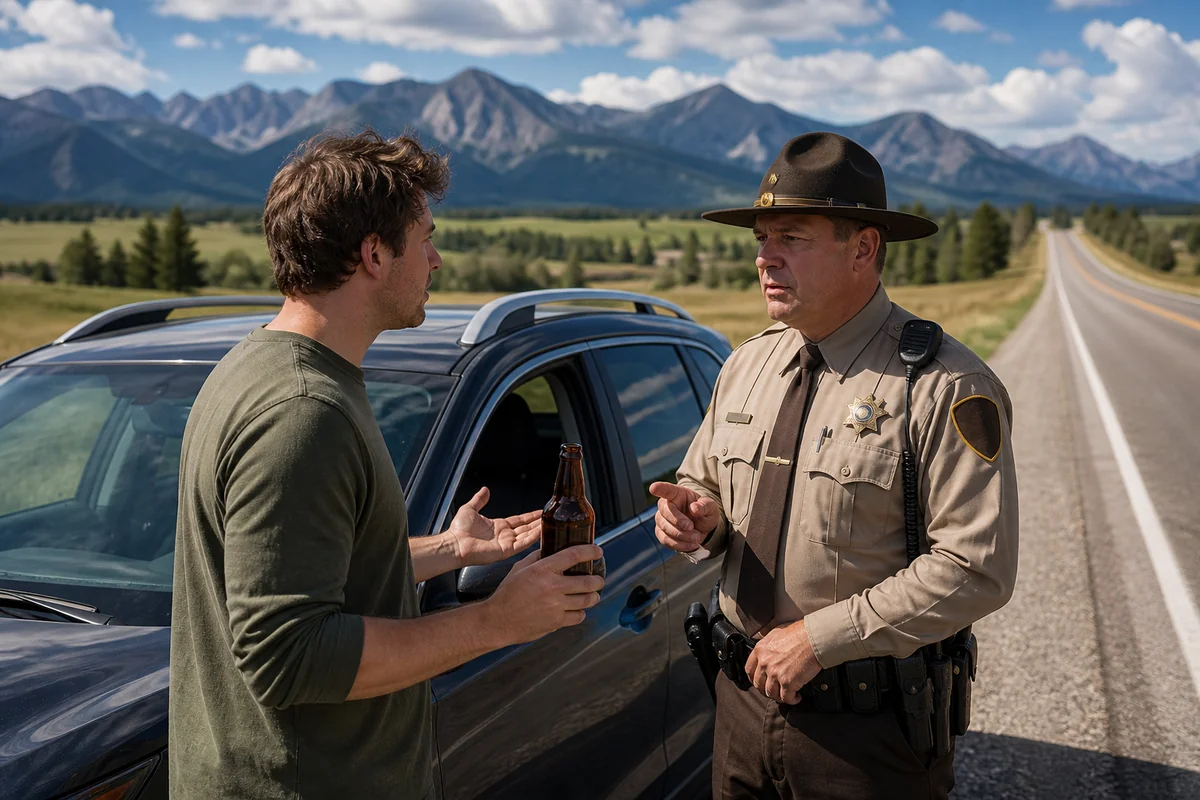
I’ll never forget standing at a gas station near Bozeman last summer, watching a confused tourist from California get a stern lecture from a local sheriff about the open beer can sitting in his cup holder. The visitor genuinely had no idea he was breaking the law—and honestly, neither did I until I moved here.
Montana operates differently than most states, and some of our laws will surprise you. After five years of exploring every corner of Big Sky Country and talking to rangers, locals, and law enforcement along the way, I’ve compiled everything you need to know to stay on the right side of Montana law during your visit.
- Montana has NO open container law for passengers—but check local city ordinances
- Recreational marijuana is legal, but you can’t use it in public or on federal lands
- Wildlife harassment carries fines up to $1,000—keep 100 yards from bears and wolves
- Speed limits on rural highways can reach 80 mph, but speeding fines are steep
- You need specific licenses for fishing, and regulations vary by water body
- Drone laws near Glacier and Yellowstone (Montana side) are strictly enforced
Driving Laws That Catch Visitors Off Guard
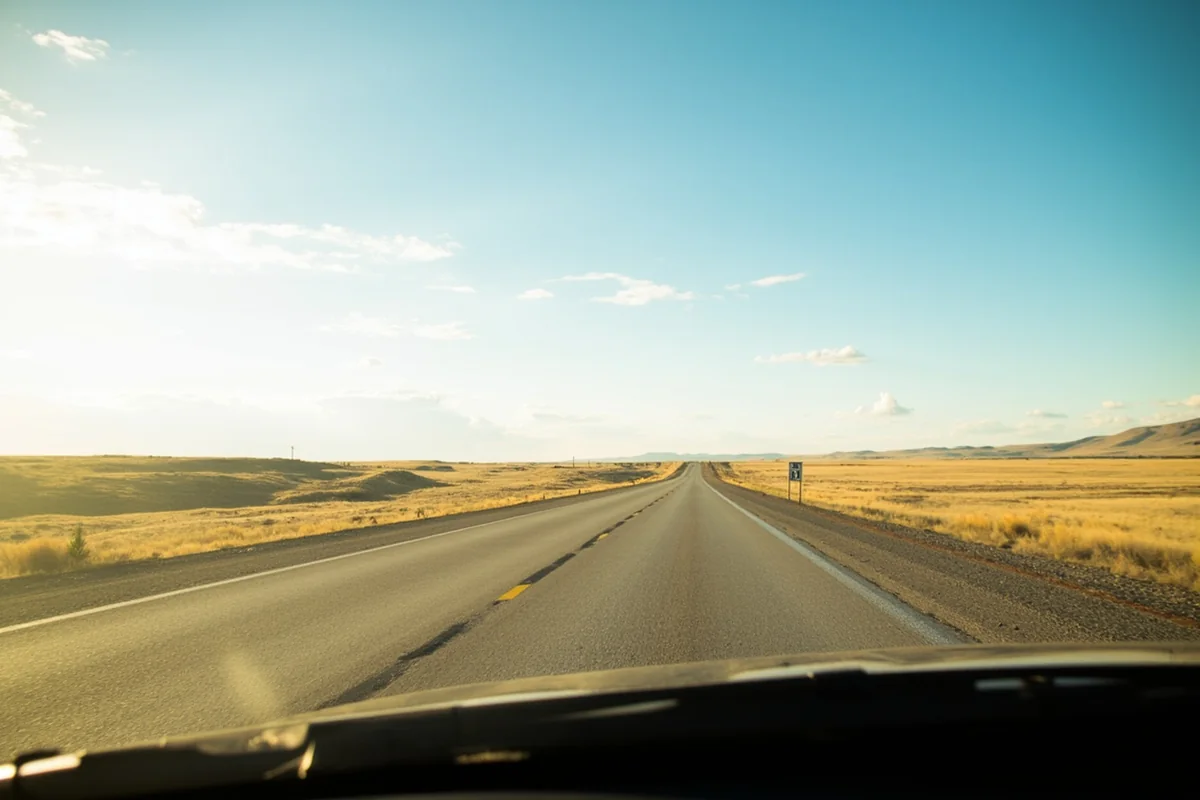
Montana’s driving laws are a fascinating mix of surprisingly lenient and unexpectedly strict. Understanding them before you hit our highways will save you money and headaches.
The Famous Open Container Situation
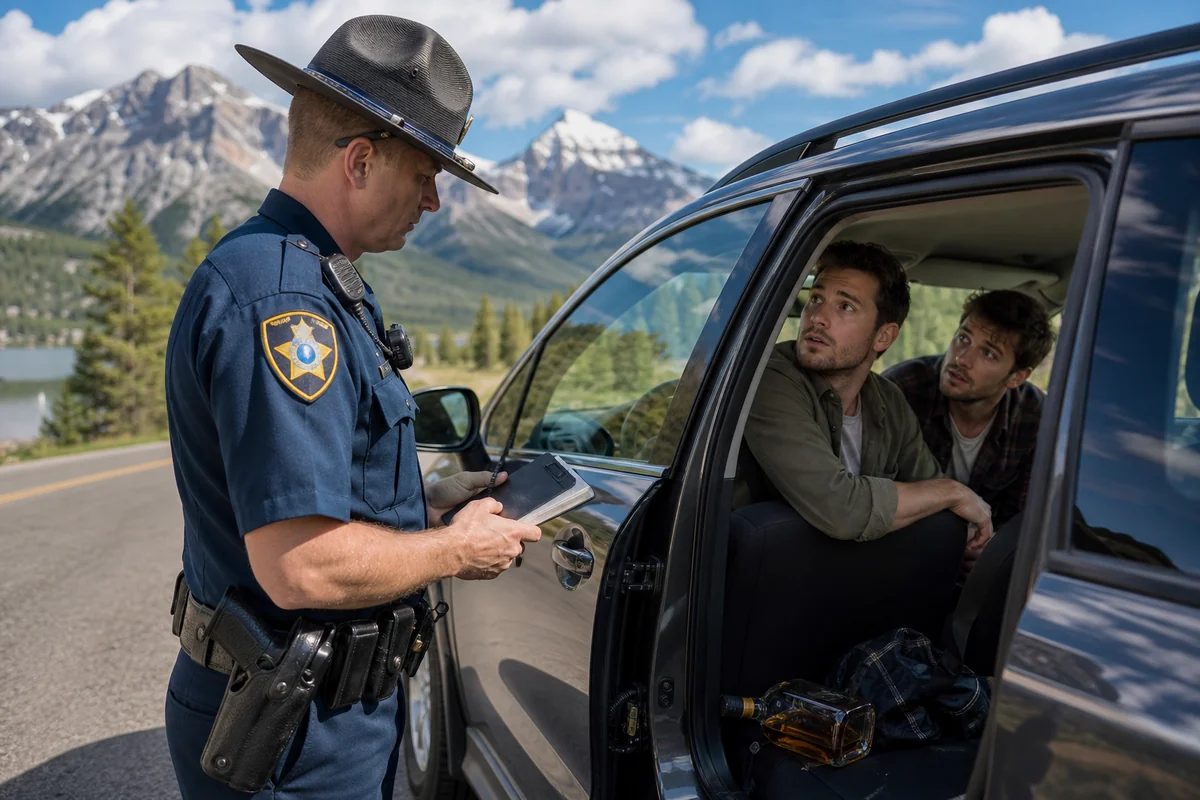
Here’s the one that shocks everyone: Montana is one of the few states without a statewide open container law for passengers. Your passenger can legally drink a beer while you drive down Highway 2.
But—and this is crucial—individual cities and counties have their own ordinances. Missoula, Bozeman, Billings, and most incorporated towns prohibit open containers in vehicles. The state law essentially only applies on rural highways outside city limits.
During my road trip from Great Falls to Glacier last August, I watched travelers get confused about this constantly. My advice? Just keep everything sealed until you’ve parked at your destination. It’s not worth the gamble of misreading where city limits begin.
The driver absolutely cannot drink regardless of location. That’s federal law, and Montana enforces DUI with serious consequences—including a mandatory 24-hour jail hold for first offenses.
Speed Limits and Speeding Fines
Montana once had “reasonable and prudent” speed limits, meaning technically no numeric limit on some highways. Those days ended in 1999, but our current limits remain generous.
Interstate highways post at 80 mph in many rural sections. Two-lane rural roads typically allow 70 mph. That said, speeding fines are no joke.
Here’s what you’re looking at if you get caught:
| Speed Over Limit | Fine Amount |
|---|---|
| 1-10 mph over | $20-$70 |
| 11-20 mph over | $70-$120 |
| 21-30 mph over | $120-$200 |
| 30+ mph over | $200+ plus possible reckless driving charges |
When I was driving through the Hi-Line last fall, I noticed Highway Patrol presence increased significantly on holiday weekends. They’re especially active on I-90 between Missoula and Butte.
Wildlife on Roads: Your Legal Obligations
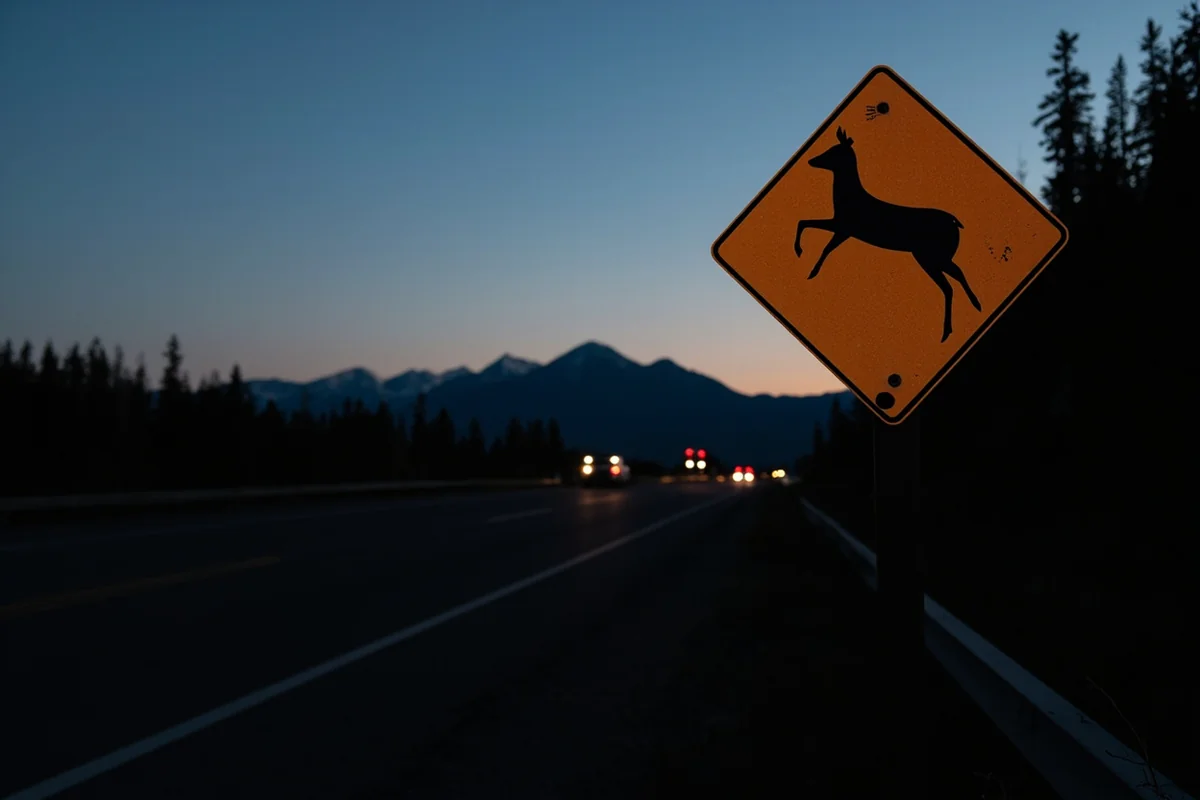
Montana law requires you to report hitting any big game animal—deer, elk, moose, antelope, or bear—to local law enforcement within 24 hours. This isn’t optional.
I hit a deer on Highway 200 near Lincoln during my first winter here. The process involves calling 911, waiting for an officer, and completing paperwork. The officer told me about 6,000 vehicle-wildlife collisions happen in Montana annually.
You cannot legally claim roadkill in Montana without a permit from FWP (Fish, Wildlife & Parks). There’s actually a salvage permit system for people who want to collect meat from fresh roadkill, which has to be obtained within 24 hours.
Cannabis Laws for Visitors
Montana legalized recreational marijuana for adults 21 and over in January 2022. But the details matter enormously for travelers.
Where You Can Purchase and How Much
Dispensaries operate throughout the state, concentrated in cities like Missoula, Bozeman, Billings, and Helena. You’ll need a valid government ID proving you’re 21+.
Purchase limits for recreational users: 1 ounce of flower, 8 grams of concentrate, or 800mg of THC in edibles per transaction. You can make multiple transactions in a day, but dispensaries track purchases.
During a recent trip to Missoula, I noticed dispensaries there are far more visitor-friendly than some rural locations. Staff at shops like Greenhouse Farmacy took time to explain options to obvious out-of-towners.
Where You Cannot Use Cannabis
This is where tourists consistently get themselves in trouble. You cannot legally consume cannabis:
– In any public place (parks, sidewalks, downtown areas)
– In vehicles (even parked ones)
– On any federal land (this includes Glacier National Park and the Montana portions of Yellowstone)
– In hotels unless specifically permitted by the property
– Within sight or smell of public spaces
That last point trips people up. “Private property” doesn’t mean your Airbnb patio if neighbors can see or smell you. I watched a couple in Whitefish get a $200 citation for smoking on their vacation rental deck because it faced a public walking path.
Most campgrounds prohibit use entirely. National Forest campgrounds are federal land, so cannabis possession alone becomes a federal offense—regardless of Montana state law.
Transporting Cannabis
You can transport cannabis in your vehicle, but it must be in a sealed container in a place not accessible to the driver. Think locked trunk or in luggage in the back of an SUV.
Never, under any circumstances, attempt to cross state lines with Montana cannabis. Idaho to our west has some of the strictest cannabis laws in the country. Wyoming isn’t much friendlier. Even carrying residue into these states can result in arrest.
Wildlife Laws and Regulations
Montana takes wildlife protection seriously, and ignorance doesn’t excuse violations. These laws exist because visitors repeatedly harmed themselves and animals before strict enforcement began.
Approaching Wildlife: Legal Distances
While Montana doesn’t have a statewide statute specifying exact distances like Yellowstone’s 100-yard rule for bears and wolves, there are catch-all laws that apply.
Montana Code 87-6-215 prohibits “harassing” wildlife, which includes disturbing, worrying, or pursuing any wild animal. Rangers and wardens interpret this broadly.
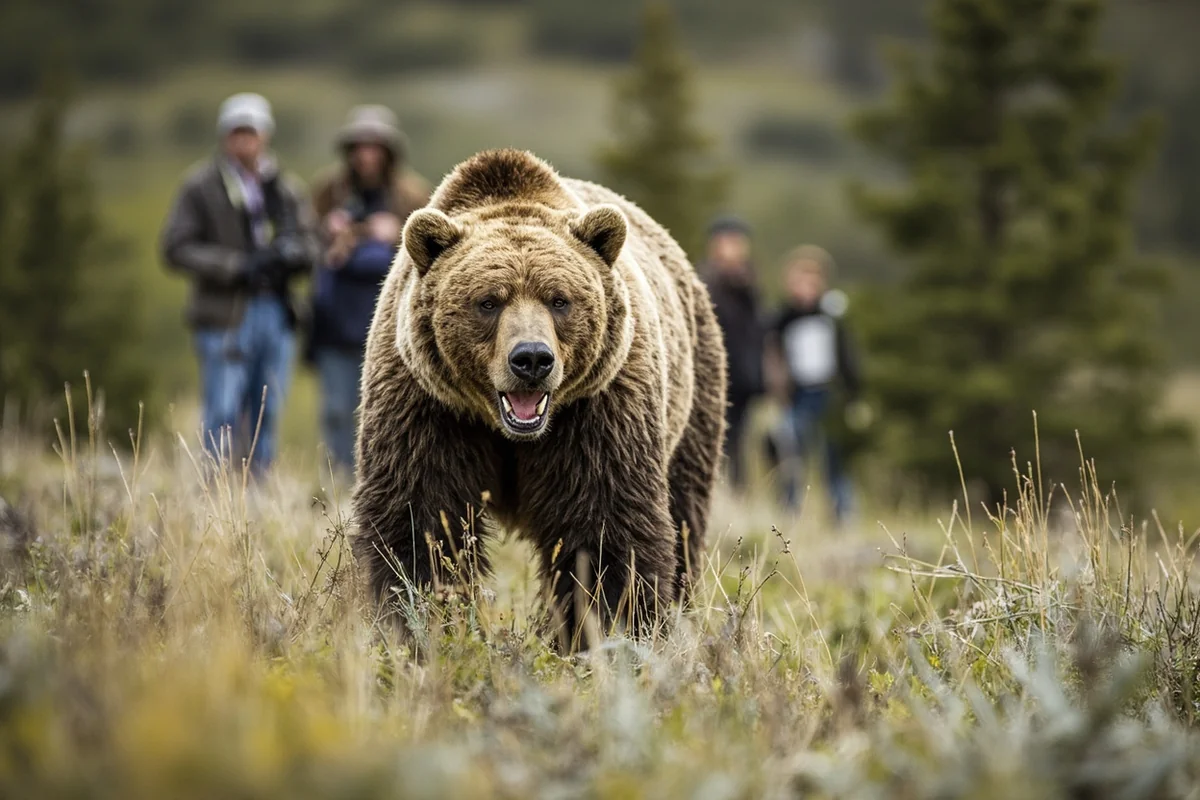
In practical terms, following Yellowstone and Glacier guidelines everywhere in Montana keeps you safe: 100 yards from bears and wolves, 25 yards from all other large wildlife. Use binoculars, not your legs.
Last summer near the Rocky Mountain Front, I watched a photographer get cited $500 for approaching a grizzly bear sow with cubs to about 50 yards. He argued he was on a public road, but the warden explained that proximity creating a threat constitutes harassment regardless of location.
Feeding Wildlife Is Illegal
Montana law explicitly prohibits feeding big game animals (elk, deer, moose, bears, mountain lions). The fine starts at $50 but can reach $1,000 for feeding bears specifically.
This includes unintentional feeding. Leaving food accessible at campsites that attracts wildlife can result in citations. Every developed campground I’ve used in Montana has bear boxes or food storage requirements—use them.
Ground squirrels and chipmunks at turnouts might seem harmless to feed, but you’re conditioning them to approach vehicles and people. I’ve seen visitors get scratched and bitten by “friendly” ground squirrels at Logan Pass who were actually just food-aggressive.
Picking Up Wildlife
You cannot possess live wildlife in Montana without permits. This includes “orphaned” animals, injured birds, or anything else you think needs rescuing.
If you find injured or abandoned wildlife, contact Montana FWP immediately at (406) 444-2535. They have rehabilitation networks across the state. Well-meaning visitors who take animals “to help them” often face possession charges in addition to harming the animal’s survival chances.
Fishing and Hunting Regulations
Montana offers legendary fishing and hunting, but our licensing system reflects how seriously we protect these resources.
Fishing License Requirements
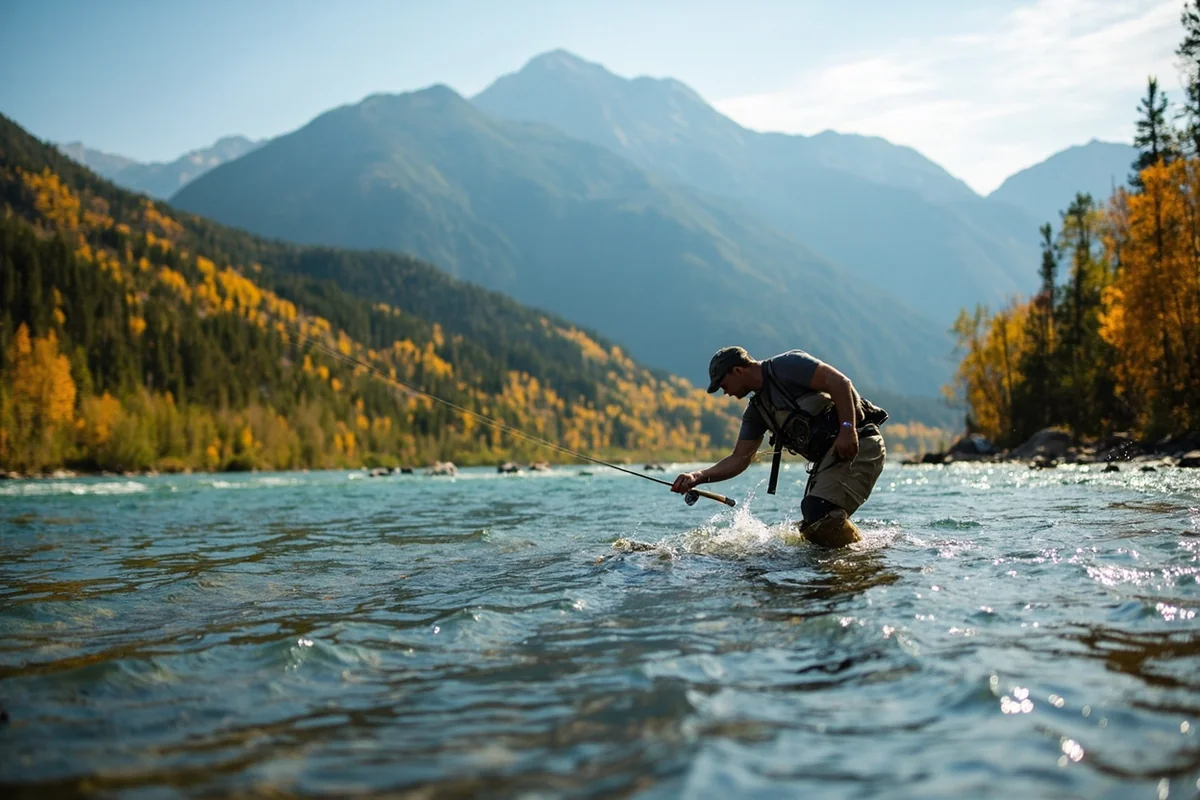
Anyone 12 or older needs a valid Montana fishing license to fish any waters in the state. This includes rivers, lakes, streams, and reservoirs on public land.
For visitors, the options include:
– **Two-Day License:** $25 (what I recommend for casual visitors)
– **10-Day License:** $56 (ideal for week-long fishing trips)
– **Season License:** $86 (if you’re staying extended periods)
Purchase online through Montana FWP’s website or at sporting goods stores throughout the state. I always grab mine at the Bozeman Angler when I’m headed to the Gallatin—they’ll also give you current conditions and fly recommendations.
Catch and Regulation Specifics
Here’s where it gets complicated. Regulations vary by water body, species, and season. Some stretches of rivers are catch-and-release only. Others have slot limits. Some require barbless hooks.
Before fishing any specific water, check the Montana FWP fishing regulations for that exact location. The regulations book runs over 100 pages for good reason.
During my time fishing the Madison River last September, I watched a visitor get checked by a warden who confirmed his license, then cited him $135 for keeping a rainbow trout on a catch-and-release section. He genuinely didn’t know—but the signs were posted.
Hunting Licenses for Non-Residents
Non-resident hunting licenses in Montana are expensive and competitive. Big game combination licenses run $1,000+ for non-residents, and many tags are distributed through lottery systems with single-digit success rates.
If hunting interests you, plan 1-2 years ahead and understand the application process thoroughly. I’ve met numerous visitors who assumed they could show up and buy an elk tag—it doesn’t work that way.
Camping and Public Land Laws
Montana’s public lands are extraordinarily accessible, but rules govern how you can use them.
Dispersed Camping Rules
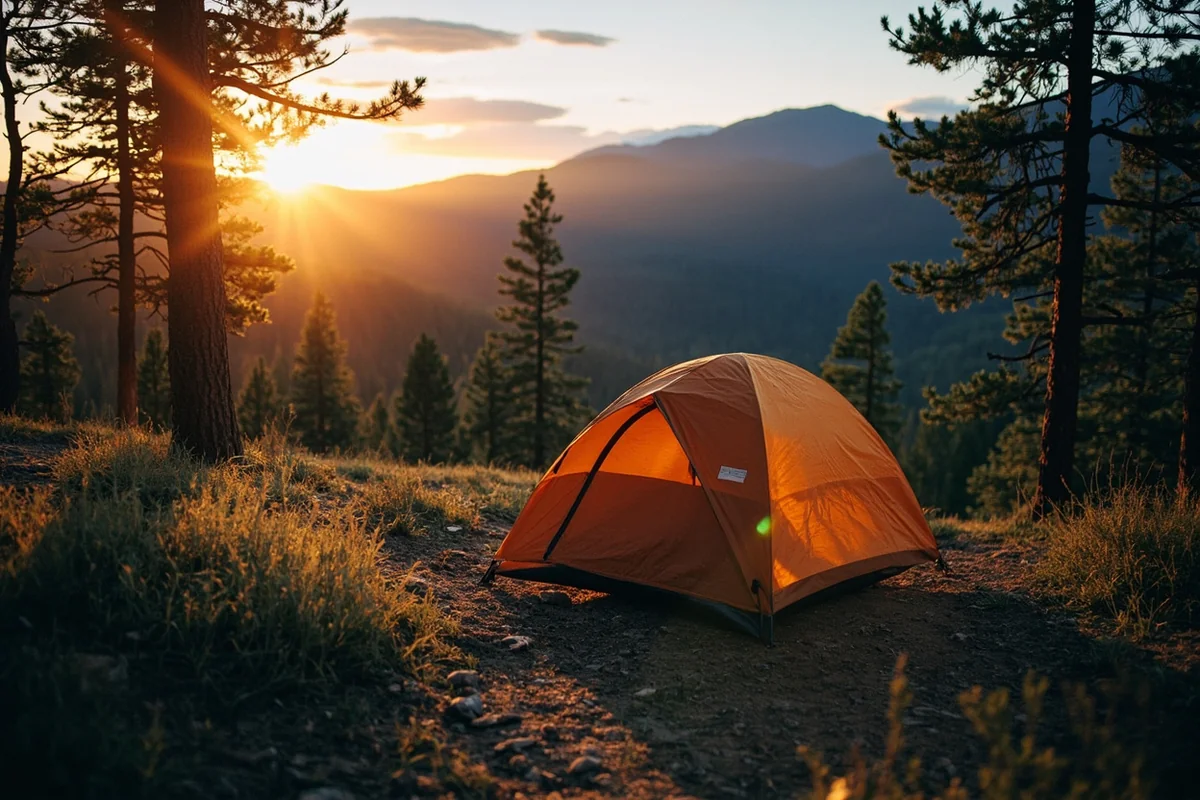
On National Forest land, you can camp for free in most areas without a permit for up to 16 consecutive days. After 16 days, you must move at least 5 miles.
But restrictions apply. You must camp at least 200 feet from water sources, roads, and trails. Some areas are designated “no camping” due to sensitive habitat or fire danger—signage indicates these.
During fire season (typically July through September), additional restrictions often prohibit campfires entirely. Check inciweb.gov for current fire restrictions before your trip. When I was camping near the Bob Marshall Wilderness last July, Stage 2 fire restrictions prohibited not just campfires but charcoal grills and even smoking outside enclosed vehicles.
Campfire Regulations
Outside of active fire restrictions, Montana requires campfires to be:
– Built in existing fire rings when possible
– Never left unattended
– Completely extinguished with water (not just dirt) before leaving
– Built with dead and down wood only (cutting live trees is prohibited)
Campfire negligence causing wildfire ignition results in costs being assessed to the responsible party. I’ve read court cases where individuals faced six-figure bills for fires started by escaped campfires. This is no joke.
Off-Road Vehicle Access
Montana requires OHV registration for all motorized vehicles used off-highway. Non-resident permits are available for $7.50 (temporary) or $15 (annual).
Not all public lands allow motorized access. Designated Wilderness areas prohibit all motorized and mechanized travel—including mountain bikes. National Forest Service trails vary; some allow ATVs, others are hiker-only. Always check current trail designations with the local Ranger District.
Drone Laws and Restrictions
Flying drones in Montana seems like an obvious choice given our photogenic landscapes. The legal reality is more restrictive than most visitors expect.
National Park Prohibitions
Drone operation is completely prohibited in Glacier National Park and on the Montana portions of Yellowstone National Park. Period. There are no permits available for recreational drone use.
Violations carry penalties starting at $1,000 and can include drone confiscation. Rangers actively enforce this. During my last visit to Glacier, I watched a family get stopped before they even launched their DJI—a ranger at Logan Pass specifically watches for drone cases now.
Wilderness Areas and Wildlife Refuges
The Bob Marshall, Scapegoat, Absaroka-Beartooth, and other designated Wilderness areas prohibit all mechanized equipment, including drones.
National Wildlife Refuges have varying policies, but most restrict or prohibit drone use without special permits that are rarely granted for recreational purposes.
Where You Can Legally Fly
National Forest land outside Wilderness boundaries generally permits recreational drone use following FAA regulations (under 400 feet, within visual line of sight, away from aircraft).
BLM land similarly allows drone use in most areas. State parks have varying policies—check with specific parks before flying.
I’ve gotten beautiful footage on BLM land near the Missouri Breaks and in the Beaverhead-Deerlodge National Forest. The key is researching your specific location before flying.
Alcohol Laws Beyond Open Containers
Montana’s alcohol laws have quirks worth understanding.
Purchasing Alcohol
Montana operates a partial state liquor store system. Liquor (distilled spirits) can only be purchased at state-licensed liquor stores. Beer and wine are available at grocery stores, convenience stores, and gas stations.
Liquor stores close at 8:00 PM statewide. Beer and wine sales continue until 2:00 AM. Some rural areas have limited liquor store hours—Browning near Glacier, for instance, has restricted access due to tribal regulations.
Public Consumption
Open containers of alcohol in public are prohibited throughout Montana. This means you cannot walk down Main Street Bozeman with a beer, even during festivals (unless specific event permits are granted).
Some Montana cities designate entertainment districts with relaxed rules. Red Lodge has provisions during certain events. Always ask locally rather than assume.
Tribal Land Regulations
Montana’s seven reservations have independent authority over alcohol. The Blackfeet Reservation is dry—possession of alcohol is illegal. Other reservations have varying rules.
When I visited the Blackfeet Reservation near Glacier, I made certain to leave all alcohol in East Glacier before entering. This applies to your vehicle, not just on your person.
Practical Laws for Specific Activities
Some regulations apply to activities visitors specifically come to Montana to enjoy.
Rafting and Floating
Montana requires PFDs (life jackets) for all passengers on any craft under supervision of outfitters. Self-guided floaters on rivers aren’t technically required to have PFDs by state law, but you absolutely should.
Access to rivers involves understanding Montana’s stream access law—one of the most generous in the nation. You can legally access any river or stream below the high-water mark, and float through private property. However, you cannot walk upstream or downstream past the high-water mark, and you cannot touch private land above that line.
I floated the Smith River last May (permit required—that’s a separate lottery system) and asked our outfitter about landowner tensions. He explained that respectful floaters rarely have issues, but violating the high-water mark boundary generates complaints that threaten the access law itself.
Hot Springs Etiquette and Law
Montana’s natural hot springs range from developed resorts to wilderness soaks. The legal issue: public nudity laws apply even at remote springs.
Chico Hot Springs, Norris Hot Springs, and other developed facilities obviously require swimwear. Wilderness springs are technically governed by the same public decency laws, though enforcement is minimal in truly remote areas.
What you should know: Montana doesn’t have “clothing optional” legal designations like some states. If another person is present and objects, you could technically face charges. I’ve visited remote hot springs in the Paradise Valley where practices vary, but clothing is the legally safe choice.
Photography and Privacy
Montana allows photography on public lands without restriction, including commercial photography in most cases (permits required for some commercial shoots in National Parks and certain organized activities).
On private land, even if visible from public areas, photography that invades privacy can create issues. Montana’s “expectation of privacy” interpretations are fairly narrow, but don’t point telephoto lenses into private residences or ranch operations to avoid confrontations.

Emergency and Safety Laws
Understanding Montana’s approach to emergencies helps visitors prepare properly.
Search and Rescue
Montana doesn’t directly bill for search and rescue operations conducted by county sheriffs (who coordinate most rescues). However, National Park rescues can result in cost assessments, particularly for helicopters.
SAR teams in Montana rely heavily on volunteers. Contributing to SAR foundations when you visit helps ensure their continued capability.
Firearms Laws for Visitors
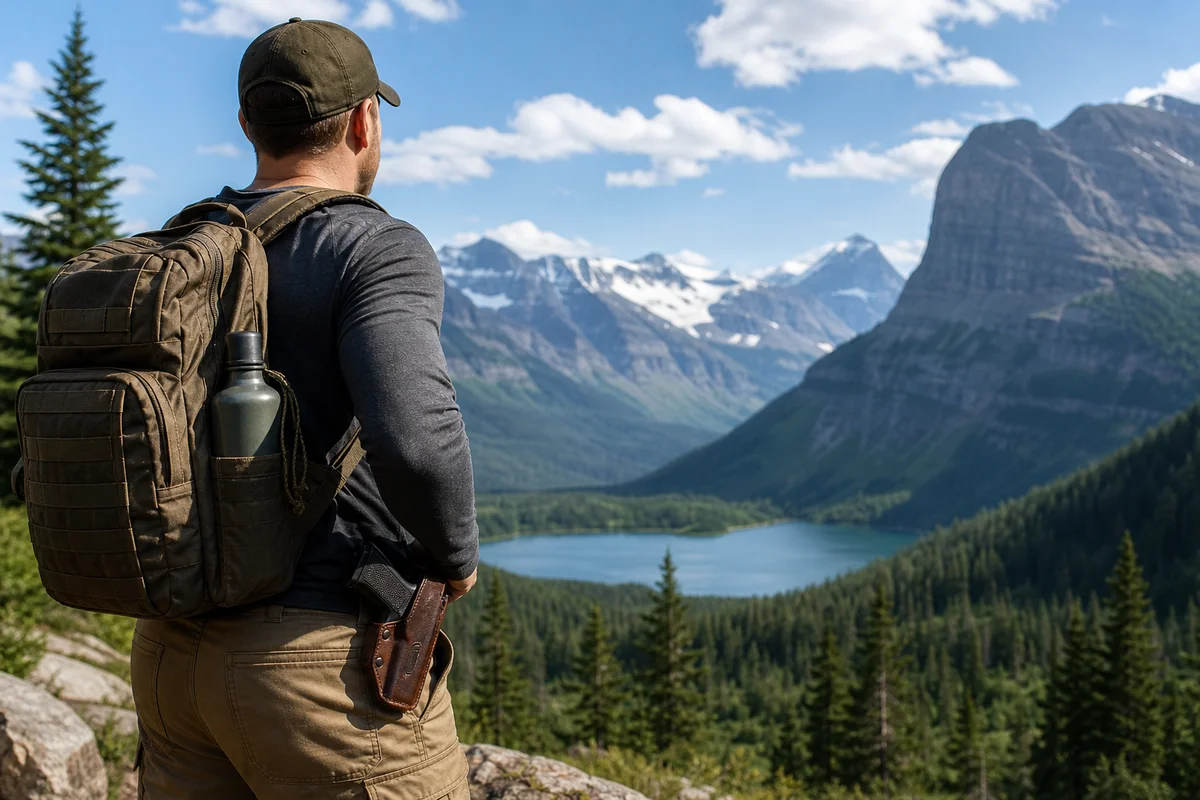
Montana is a constitutional carry state. No permit is required to carry a concealed handgun for anyone who can legally possess firearms.
However, this doesn’t apply everywhere. Federal facilities, schools, government buildings, and private properties can prohibit firearms. National Parks allow carry under state law, but all buildings within parks prohibit firearms.
If you’re bringing firearms to Montana, research current laws thoroughly. Tribal lands have independent regulations that may differ significantly from state law.
Reporting Emergencies in Remote Areas
Cell coverage in Montana ranges from excellent to nonexistent. When I’m hiking in the Bob Marshall or the Beartooths, I carry a satellite communicator.
Montana law doesn’t require emergency communication devices, but common sense does. Yellowstone, Glacier, and most wilderness areas have zones where calling 911 isn’t possible. Plan accordingly.
Final Practical Considerations
A few additional laws and regulations worth noting before your trip:
Seatbelt Law: Montana requires seatbelts for all front-seat occupants and anyone under 6 years old. Children under 6 must be in appropriate car seats.
Cell Phone Use: Montana has no statewide ban on cell phone use while driving, though local ordinances apply in some cities. Texting while driving remains legal statewide for adults, though it’s obviously dangerous.
Smoking: Montana prohibits smoking inside all public places including bars and restaurants. Some accommodations have designated smoking rooms—ask specifically.
Littering: Fines range from $100 to $1,000 depending on the amount and location of litter. Montana’s “pack it in, pack it out” mentality is backed by enforcement.
E-Bikes: Class 1 and Class 2 e-bikes are permitted on most trails where regular bikes are allowed. Class 3 e-bikes face more restrictions and are prohibited on some shared-use paths.
Montana doesn’t exist to trap visitors with obscure laws—we want you here. But respecting the rules that protect our landscape, wildlife, and communities makes you a welcome guest rather than a problem to manage.
I’ve been stopped and asked about fishing licenses, watched friends get warnings about wildlife distances, and personally learned the hard way about some camping restrictions. None of it ruined a trip, but all of it shaped how I approach Montana travel now.
Know the rules. Respect them. And enjoy everything Big Sky Country offers knowing you’re doing it right.
Frequently Asked Questions
What are Montana’s open container laws for road trips?
Montana prohibits open containers of alcohol in the passenger area of any vehicle, so keep all opened bottles in your trunk during your road trip. I always make sure any leftover wine from picnics is sealed and stored in the back before driving to the next destination. Violations can result in fines up to $100 and could complicate your travel plans.
Is it legal to carry a firearm while traveling in Montana?
Montana is a constitutional carry state, meaning visitors 18 and older can legally carry a concealed firearm without a permit. However, firearms are prohibited in certain locations like federal buildings, schools, and some private businesses. If you’re traveling from another state, I recommend researching reciprocity agreements and keeping your firearm secured in national parks where federal regulations apply.
What are Montana’s laws on camping and dispersed camping on public lands?
Dispersed camping is legal on most Bureau of Land Management and National Forest lands in Montana for up to 16 consecutive days. You’ll need to camp at least 200 feet from water sources and pack out all trash. I’ve enjoyed free dispersed camping throughout the state, but always check local ranger districts for fire restrictions and specific area closures before setting up camp.
Are there specific drone laws travelers should know before flying in Montana?
Flying drones in Montana requires following FAA regulations, including registering drones over 0.55 pounds and flying below 400 feet. Drones are prohibited in national parks like Glacier and Yellowstone, which can result in fines up to $5,000. I always check individual wilderness areas and state parks for additional restrictions before packing my drone for a Montana trip.
What is Montana’s seat belt law for travelers with children?
Montana requires all children under 6 years old and under 60 pounds to be secured in an approved child safety seat. Kids ages 6 and older must wear seat belts, though Montana’s adult seat belt law is only a secondary offense. When road tripping with family, I recommend bringing your own car seats since rental availability can be limited in smaller Montana towns.
Can I legally use recreational marijuana while visiting Montana?
Recreational marijuana is legal for adults 21 and older in Montana, and you can purchase up to one ounce from licensed dispensaries. However, public consumption is illegal and can result in fines up to $50, so use is restricted to private property with owner permission. I’d also note that driving under the influence carries serious DUI penalties, and marijuana cannot cross state lines or enter federal lands like Glacier National Park.
What wildlife harassment laws should Montana visitors be aware of?
Montana law prohibits harassing, feeding, or approaching wildlife too closely, with fines reaching $1,000 for violations involving protected species. In areas like Yellowstone’s Montana sections, you must stay at least 100 yards from bears and wolves and 25 yards from other large animals. I’ve learned that using telephoto lenses and binoculars keeps both you and the animals safe while still capturing amazing wildlife moments.
Sources:
- Table of Contents – MCA Update on September 27, 2024 – Montana State Legislature, accessed on December 10, 2025, https://archive.legmt.gov/bills/mca/index.html
- 7-1-4121. General definitions, MCA – Montana State Legislature, accessed on December 10, 2025, https://archive.legmt.gov/bills/mca/title_0070/chapter_0010/part_0410/section_0210/0070-0010-0410-0210.html
- TITLE 2. GOVERNMENT STRUCTURE AND ADMINISTRATION – Table of Contents, MCA, accessed on December 10, 2025, https://archive.legmt.gov/bills/mca/title_0020/chapters_index.html
- CHAPTER 2. STATUTES OF LIMITATIONS – Table of Contents, Title 27, MCA, accessed on December 10, 2025, https://archive.legmt.gov/bills/mca/title_0270/chapter_0020/parts_index.html
- Montana Statute of Limitations: When Is It Too Late to Sue?, accessed on December 10, 2025, https://www.murphylawoffice.net/accident-injury-guide/montana-statute-of-limitations/
- Montana Civil Statute of Limitations Laws – FindLaw, accessed on December 10, 2025, https://www.findlaw.com/state/montana-law/montana-civil-statute-of-limitations-laws.html
- 45-1-205. General time limitations, MCA, accessed on December 10, 2025, https://archive.legmt.gov/bills/mca/title_0450/chapter_0010/part_0020/section_0050/0450-0010-0020-0050.html
- Montana Criminal Statute of Limitations Laws – FindLaw, accessed on December 10, 2025, https://www.findlaw.com/state/montana-law/montana-criminal-statute-of-limitations-laws.html
- Montana DUI Laws & Penalties | 2025 DUI Charges Guide – DUI.org, accessed on December 10, 2025, https://www.dui.org/dui-laws/montana/
- Montana DUI Laws, accessed on December 10, 2025, https://www.ncdd.com/montana-dui-laws
- Montana Concealed Carry Gun Laws: CCW & Reciprocity Map | USCCA, accessed on December 10, 2025, https://www.usconcealedcarry.com/resources/ccw_reciprocity_map/mt-gun-laws/
- Concealed Carry in Montana | GIFFORDS, accessed on December 10, 2025, https://giffords.org/lawcenter/state-laws/concealed-carry-in-montana/
- Governor Gianforte Signs Constitutional Carry Bill Into Law – State of Montana Newsroom, accessed on December 10, 2025, https://news.mt.gov/Governors-Office/governor-gianforte-signs-constitutional-carry-bill-into-law
- 45-8-321. Permit to carry concealed weapon, MCA – Montana State Legislature, accessed on December 10, 2025, https://archive.legmt.gov/bills/mca/title_0450/chapter_0080/part_0030/section_0210/0450-0080-0030-0210.html
- Gun Laws in Montana – Everytown Research, accessed on December 10, 2025, https://everytownresearch.org/rankings/state/montana/
- Adult-Use Marijuana Frequently Asked Questions – Montana Department of Revenue, accessed on December 10, 2025, https://revenuefiles.mt.gov/news/2024/special-message-on-initiative-190-on-adult-use-marijuana
- Montana’s Personal Possession Limits, accessed on December 10, 2025, https://revenue.mt.gov/files/Cannabis/Montana-Personal-Possession-Limits.pdf
- Montana Cannabis Laws – Flowhub, accessed on December 10, 2025, https://www.flowhub.com/montana-cannabis-laws
- Recreational Marijuana | Visit Western Montana’s Glacier Country, accessed on December 10, 2025, https://glaciermt.com/recreational-marijuana
- Determining Liability in Car Accident Cases in Montana – Beck, Amsden & Stalpes, accessed on December 10, 2025, https://www.becklawyers.com/determining-liability-in-car-accident-cases-in-montana/
- Understanding Montana’s Comparative Negligence Laws | Beck, Amsden & Stalpes, PLLC, accessed on December 10, 2025, https://www.becklawyers.com/post/understanding-montanas-comparative-negligence-laws/
- Slip and Fall Negligence in Montana – The Advocates Injury Attorneys, accessed on December 10, 2025, https://www.theadvocates.com/montana/knowledge-base/slip-and-fall-negligence-in-montana-explained/
- Business Services Filing Fees – Official Montana Secretary of State Website – Christi Jacobsen, accessed on December 10, 2025, https://sosmt.gov/business/fees/
- How much does an LLC cost in Montana? (2025 details) | LLCU, accessed on December 10, 2025, https://www.llcuniversity.com/montana-llc/costs/
- File an Annual Report in Montana – Montana Registered Agent LLC, accessed on December 10, 2025, https://www.montanaregisteredagent.net/file-an-annual-report-in-montana/
- Montana Annual Report | Harbor Compliance | www.harborcompliance.com, accessed on December 10, 2025, https://www.harborcompliance.com/montana-annual-report
- Business Help Center – Official Montana Secretary of State Website – Christi Jacobsen, accessed on December 10, 2025, https://sosmt.gov/business/help-center/
- Montana Tax Rates & Rankings, accessed on December 10, 2025, https://taxfoundation.org/location/montana/
- STANDARDS OF THE MONTANA LEMON LAW New Motor Vehicle Warranty Act – BBB National Programs, accessed on December 10, 2025, https://assets.bbbprograms.org/docs/default-source/auto-line/lemon-law-summaries/mt-ll-summary.pdf
- Montana Lemon Law Rights Consumer Guide, accessed on December 10, 2025, https://www.carlemon.com/montana-lemon-law-rights-consumer-guide.html
- Montana Lemon Law Lawyers | Lemon Law For Cars MT, accessed on December 10, 2025, https://www.lemonlawamerica.com/montana-lemon-law/
- Montana Passes Comprehensive Consumer Privacy Legislation – Vensure, accessed on December 10, 2025, https://vensure.com/employment-law-updates/montana/montana-passes-comprehensive-consumer-privacy-legislation/
- Montana State Regulation of Private and Home Schools | U.S. Department of Education, accessed on December 10, 2025, https://www.ed.gov/birth-grade-12-education/education-choice/state-regulation-of-private-and-home-schools/montana-state-regulation-of-private-and-home-schools
- 20-5-102. Compulsory enrollment and excuses, MCA – Montana State Legislature, accessed on December 10, 2025, https://archive.legmt.gov/bills/mca/title_0200/chapter_0050/part_0010/section_0020/0200-0050-0010-0020.html
- Home School Informational Packet – Montana Office of Public Instruction, accessed on December 10, 2025, https://opi.mt.gov/Portals/182/Page%20Files/Just%20for%20Parents/Home%20School%20Packet.pdf?ver=2023-10-04-135030-950
- Montana – Johns Hopkins Homeschool Hub – JHU School of Education, accessed on December 10, 2025, https://education.jhu.edu/edpolicy/policy-research-initiatives/homeschool-hub/states/montana/
- The state lottery was meant to help fund schools. Does it? | Montana Public Radio, accessed on December 10, 2025, https://www.mtpr.org/montana-news/2025-03-27/the-state-lottery-was-meant-to-help-fund-schools-does-it
- Montana HB0725, accessed on December 10, 2025, https://archive.legmt.gov/bills/2019/billhtml/HB0725.htm
- Gambling in Montana: What Is and Isn’t Legal – Silverman Law Office, accessed on December 10, 2025, https://mttaxlaw.com/gambling-in-montana-what-is-and-isnt-legal/
- MT HB141 – BillTrack50, accessed on December 10, 2025, https://www.billtrack50.com/billdetail/1752563
- 40-4-202. Division of property, MCA – Montana State Legislature, accessed on December 10, 2025, https://archive.legmt.gov/bills/mca/title_0400/chapter_0040/part_0020/section_0020/0400-0040-0020-0020.html
- The Ultimate DIY Guide to Divorce and Custody in Montana, accessed on December 10, 2025, https://www.montanalawhelp.org/resource/ultimate-diy-guide-divorce-and-custody-montana
- 4 Things to Know About Custody and Parenting Plans in Montana – Gravis Law, accessed on December 10, 2025, https://gravislaw.com/family-law/montana-custody-parenting-plans/
- 39-2-904. Elements of wrongful discharge, MCA, accessed on December 10, 2025, https://archive.legmt.gov/bills/mca/title_0390/chapter_0020/part_0090/section_0040/0390-0020-0090-0040.html
- Back to Work: Montana Enacts Pro-Employer Changes to Wrongful Discharge Law While Becoming the First State to Protect Employees Based on Vaccination Status, accessed on December 10, 2025, https://www.employmentlawspotlight.com/blogs/back-to-work-montana-enacts-pro-employer-changes-to-wrongful-discharge-law-while-becoming-the-first-state-to-protect-employees-based-on-vaccination-status/
- Changes to the Montana Wrongful Discharge Act, accessed on December 10, 2025, https://www.mtcounties.org/news/state-news/changes-to-the-montana-wrongful-discharge-act/
- Montana employment law overview – brightmine.com, accessed on December 10, 2025, https://www.brightmine.com/us/resources/hr-compliance/montana-employment-law/
- Montana Landlord Tenant Law – American Apartment Owners Association, accessed on December 10, 2025, https://american-apartment-owners-association.org/landlord-tenant-laws/montana/
- Housing Handbook – The Residential Landlord and Tenant Act of 1977 – Montana Law Help, accessed on December 10, 2025, https://www.montanalawhelp.org/sites/default/files/documents/tenants-rights-and-responsibilities-rev.-20-05-18.pdf
- Wills – Trusts – Powers of Attorney – Estate Planning – Probate, accessed on December 10, 2025, https://courts.mt.gov/forms/endoflife
- Holographic Wills: Criteria for Handwritten Wills – The Werner Law Firm, accessed on December 10, 2025, https://wernerlawca.com/holographic-wills-criteria-handwritten-wills/
- Probate for Small Estates (Montana 2024), accessed on December 10, 2025, https://mtelderlaw.com/probate-for-small-estates-montana-2024/
- Montana Tax Simplification Resource Hub, accessed on December 10, 2025, https://revenue.mt.gov/montana-tax-simplification-resource-hub
- 2025 Tax Information for Montana Property Owners, accessed on December 10, 2025, https://revenue.mt.gov/property/property-tax-changes/2025-property-tax-information
- New Montana State Income and Property Taxes for 2025 & 2026 – Parsons Behle & Latimer, accessed on December 10, 2025, https://parsonsbehle.com/insights/new-montana-state-income-and-property-taxes-for-2025-and-2026
- Montana Civil Rights Laws – FindLaw, accessed on December 10, 2025, https://www.findlaw.com/state/montana-law/montana-civil-rights-laws.html
- Discrimination Based on Sexual Orientation and Gender Identity in Montana, accessed on December 10, 2025, https://williamsinstitute.law.ucla.edu/publications/discrimination-sogi-mt/
- Montana Court Affirms that Gender Identity Discrimination Violates the Montana Human Rights Act, accessed on December 10, 2025, https://www.aclumontana.org/press-releases/montana-court-affirms-that-gender-identity-discrimination-violates-the-montana-human-rights-act/
- Bill tracking in Montana – HB 312 (2025 legislative session) – FastDemocracy, accessed on December 10, 2025, https://fastdemocracy.com/bill-search/mt/2025/bills/MTB00015497/?report-bill-view=1
- HB 312 ENROLLED BILL AN ACT REVISING SPEED LIMIT LAWS – Montana State Legislature, accessed on December 10, 2025, https://archive.legmt.gov/content/Sessions/69th/Contractor_index/CH0255.pdf
- Speed Limits | Montana Department of Transportation (MDT), accessed on December 10, 2025, https://www.mdt.mt.gov/visionzero/roads/speed-limits.aspx
- In Montana, It’s the Law | Montana Department of Transportation (MDT), accessed on December 10, 2025, https://www.mdt.mt.gov/visionzero/people/buckleup/its-the-law.aspx
- Montana’s Open Container Laws, accessed on December 10, 2025, https://www.rmcattorneys.com/post/montanas-open-container-laws