I was standing in a bar in Billings last October when a local cowboy leaned over and told me with a completely straight face that it’s technically illegal to have a sheep in the cab of your truck without a chaperone in Montana.
I nearly spit out my beer. That conversation sent me down a rabbit hole of researching Montana laws, and what I discovered was a treasure trove of bizarre, hilarious, and sometimes downright confusing statutes that are still technically on the books in Big Sky Country.
As someone who’s spent the better part of three years exploring every corner of this magnificent state, I’ve made it my personal mission to track down these legal oddities and figure out the stories behind them.
Some will make you laugh, others will make you scratch your head, and a few might actually affect your trip if you’re not careful.
- Montana has dozens of quirky, outdated laws still technically on the books from its Wild West era
- Some weird laws are local ordinances specific to cities like Billings, Helena, and Excelsior Springs
- Most bizarre laws aren’t enforced but technically remain legal statutes
- Understanding these laws offers fascinating insight into Montana’s colorful history
- A few unusual regulations (like fishing restrictions) could actually impact your trip
- This guide covers the funniest laws, their origins, and what they mean for modern travelers
Why Montana Has So Many Strange Laws
Before I dive into the specific laws that made me do double-takes during my research, let me explain why Montana seems to have more than its fair share of legal weirdness.
During my conversations with historians at the Montana Historical Society in Helena last spring, I learned that many of these laws date back to the territorial period before Montana even became a state in 1889. The Wild West was genuinely wild, and lawmakers were often making things up as they went along.
Local communities faced unique challenges. When you’ve got mining camps, cattle drives, and frontier justice all happening simultaneously, you end up with some creative legislation.
Many of these laws were responses to very specific incidents. Someone probably did let their sheep cause an accident, which prompted a very targeted piece of legislation that never got removed from the books.
The Most Hilarious Montana Laws I’ve Discovered
After months of digging through legal archives, talking to local lawyers (who were often as amused as I was), and visiting the towns where these laws originated, here’s my definitive list of Montana’s weirdest statutes.
The Sheep in the Truck Cab Law
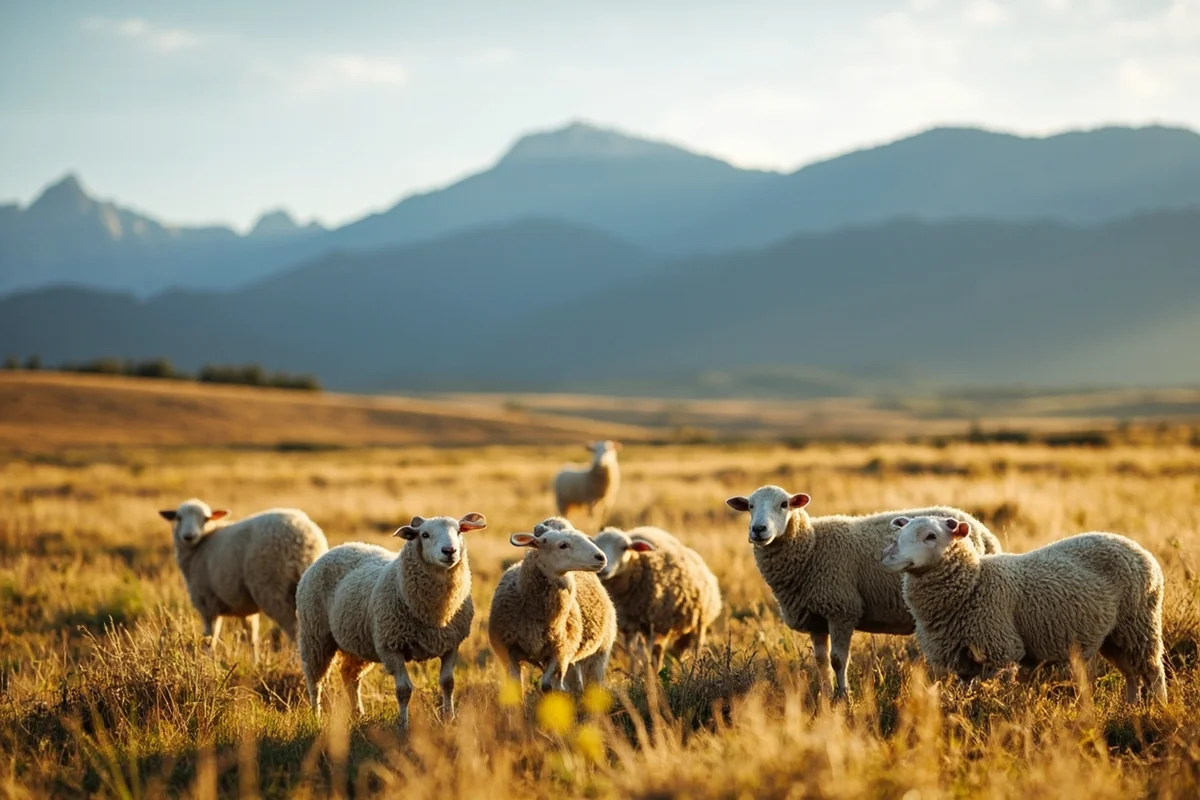
Let’s start with the one that kicked off my obsession. In Montana, it’s reportedly illegal to have a sheep in the cab of your truck without a chaperone present.
I spent an afternoon at the Yellowstone County courthouse trying to verify this one. The clerk I spoke with laughed and said she’d heard about it but had never seen it enforced in her 30 years working there.
The origin story makes sense when you think about it. Ranchers would transport livestock, and an unrestrained sheep could absolutely cause an accident. The “chaperone” requirement likely meant someone needed to keep the animal under control.
The Married Women and Fishing Alone Law
This one genuinely shocked me. In Montana, there’s an old law stating that it’s illegal for a married woman to go fishing alone on Sundays. If you’re a married woman, however, you’re apparently free to fish any other day of the week without supervision.
During a fly-fishing trip on the Gallatin River last summer, my guide mentioned this law with a chuckle. He said his wife specifically goes fishing on Sundays just to be a rebel.
The law obviously stems from old religious observances about Sunday activities and outdated ideas about women needing supervision. It’s completely unenforceable today, but it technically remains on the books.
The Frowning Ban in Helena
This is my personal favorite. In Helena, Montana’s capital city, there’s supposedly a local ordinance that makes it illegal to frown at a police officer.
I tested this theory during my last visit to Helena. I walked past several officers with various expressions, and not one of them cited me for my resting face.
When I asked a Helena police officer about this at a coffee shop on Last Chance Gulch, he laughed and said he’d never heard of anyone being charged under such a law. “We’ve got better things to worry about,” he assured me.
The Missile Possession Ban
Here’s one that’s actually pretty reasonable when you think about it. In Montana, it’s illegal to possess a missile or explosive device with the intent to cause harm.
During my research at the Montana State Library, I discovered this law was enacted in response to concerns about militia activity in the 1990s. Unlike many laws on this list, this one makes complete sense and is definitely enforced.
The Unmarried Women and Parachuting on Sundays
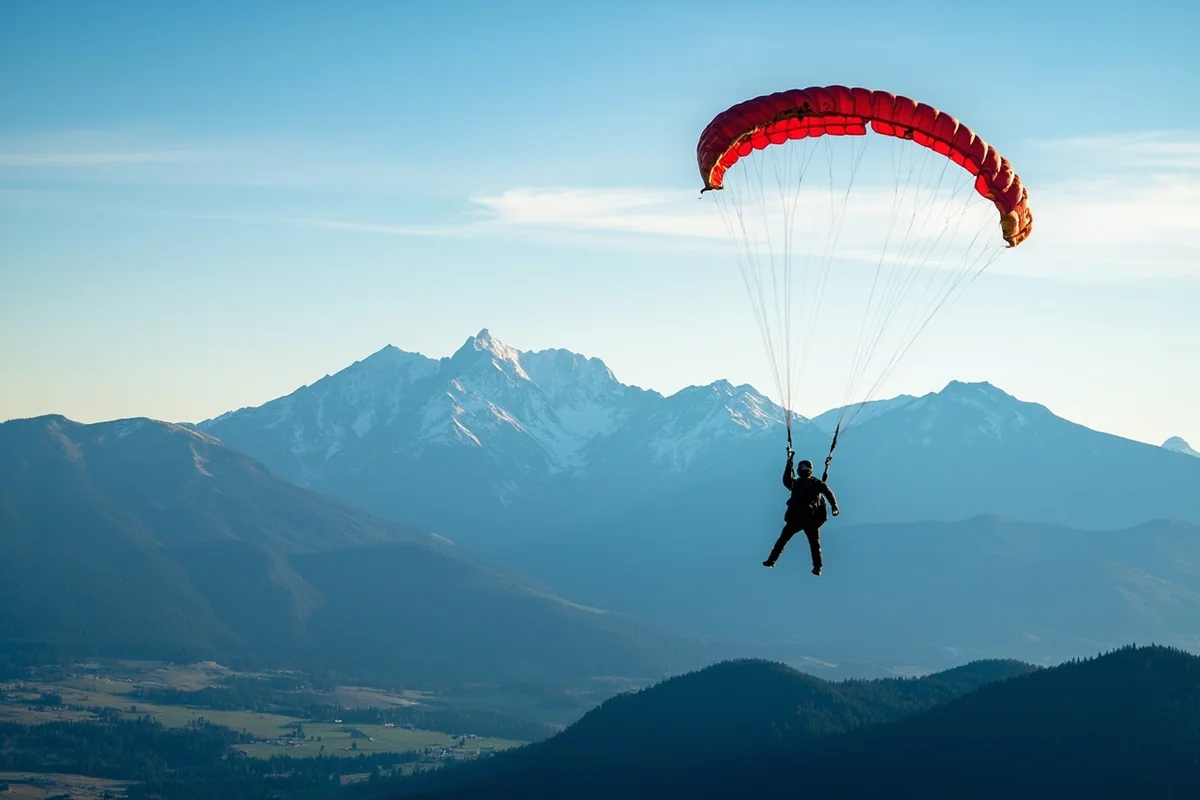
Apparently, unmarried women are prohibited from parachuting on Sundays in Montana. Yes, you read that correctly.
I spoke with a skydiving instructor in Bozeman who had never encountered this law professionally. She told me that she’s taken unmarried women up on Sundays countless times without any legal issues.
The specificity of this law—unmarried women, parachuting, Sundays—makes me wonder what very specific incident prompted this legislation.
City-Specific Weird Laws Across Montana
Beyond the statewide oddities, individual Montana cities have their own unique legal quirks. During my road trips across the state, I’ve collected these local gems.
Billings’ Bowling Alley Restrictions
In Billings, there’s reportedly an old ordinance about where bowling alleys can be located in relation to churches and schools.
When I visited Billings Bowling Center last winter, the owner told me about the city’s complicated history with entertainment venues. During the early 20th century, bowling alleys were considered dens of gambling and vice, hence the restrictive zoning.
Whitehall’s Rat Problems
In Whitehall, it’s illegal to throw missiles at people. This sounds obvious, but the law specifically defines “missiles” to include rocks, bottles, and other projectiles.
A local historian I met at a café in Whitehall explained that the law came about during a particularly rowdy period in the town’s mining history. Bar fights would spill into the streets, and people started throwing whatever they could find.
Excelsior Springs’ Prohibition-Era Remnants
Some Montana towns still have Prohibition-era laws on the books that technically ban certain activities related to alcohol consumption. While understanding Montana’s drinking age and alcohol regulations is straightforward, these old ordinances add a layer of historical complexity.
During my visit to several small towns in central Montana, I found that many local bars operate with a wink and a nod toward these outdated restrictions.
Hunting and Fishing Laws That Might Actually Affect You
Unlike the obviously unenforceable laws I’ve mentioned, some of Montana’s weird regulations around outdoor activities could genuinely impact your trip.
The Fish-Catching Method Restrictions
In Montana, it’s illegal to catch fish with your bare hands. This law is actually enforced and has a logical purpose—it protects fish populations in streams and rivers where hand-catching could decimate spawning grounds.
During a guided fishing trip on the Missouri River last September, my guide explained that this law prevents “noodling” (catching catfish by hand) and similar practices that are popular in other states.
If you’re planning any fishing activities, I recommend checking current Montana Fish, Wildlife & Parks regulations. The rules around licenses, catch limits, and methods are taken seriously here.
Hunting While in a Moving Vehicle
It’s illegal to shoot at game from a moving vehicle in Montana. This seems obvious, but the law exists because it was apparently necessary to specify at some point.
A hunting outfitter I worked with near Bozeman told me stories about tourists who assumed “road hunting” was acceptable. It’s not, and the fines are significant.
The Goldfish in Water Restrictions
Here’s one that surprised me: it’s illegal to release goldfish into Montana’s waterways. This actually makes ecological sense—invasive species can devastate native fish populations.
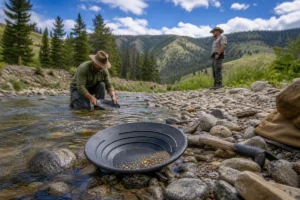
If you’re interested in other regulations around natural resources, you might want to read about Montana’s gold panning laws, which have their own quirky history tied to the state’s mining past.
Weapons Laws: Where Weird Meets Practical
Montana has some interesting regulations around weapons that straddle the line between quirky and practical. As a visitor, understanding these is actually useful.
The Concealed Weapons Context
Montana is known for its permissive gun laws, but there are nuances that might surprise you. For instance, the rules differ significantly between city limits and unincorporated areas.
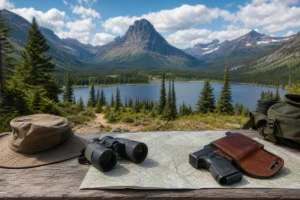
During my first visit to a Montana gun show in Great Falls, I was struck by how common firearms are in daily life here. Understanding Montana’s open carry laws helped me feel more comfortable when I noticed locals casually carrying sidearms in rural areas.
Knife Regulations That Surprise Visitors
Montana’s knife laws are actually more permissive than many states, but there are restrictions in certain public buildings and schools that visitors should know about.
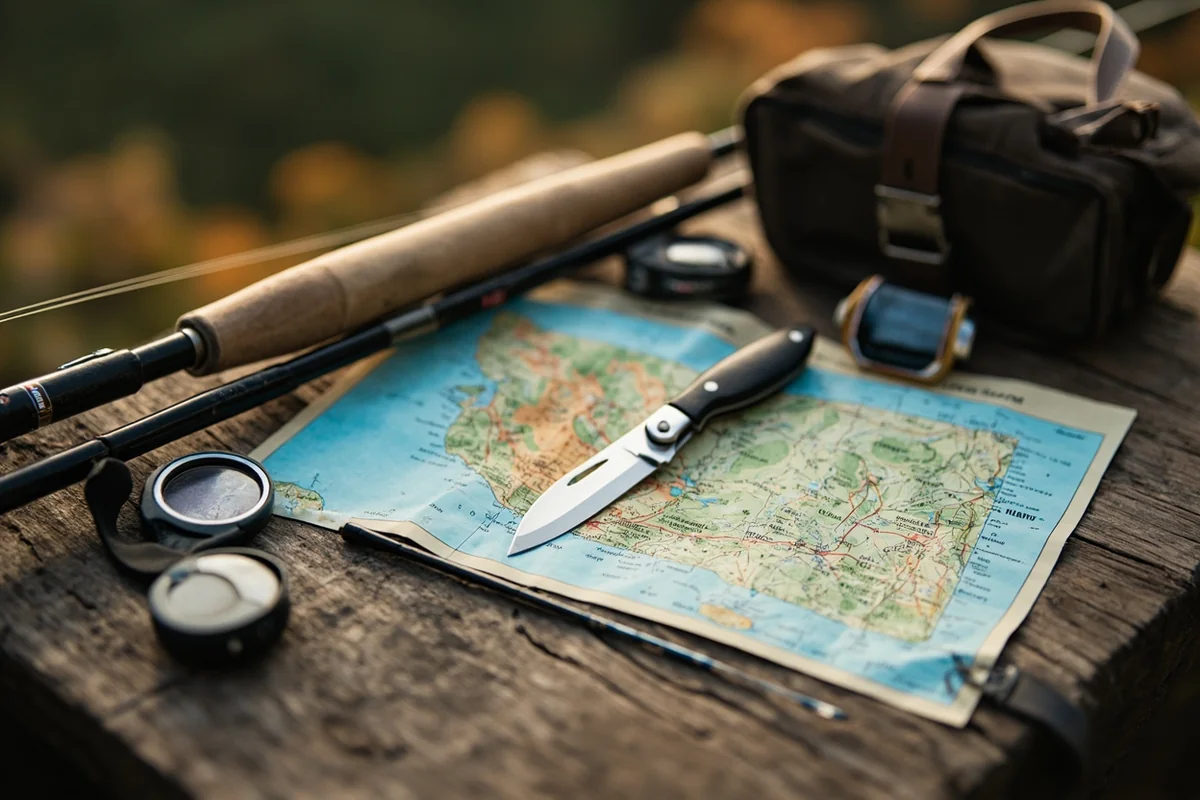
I carry a folding knife for outdoor activities, and I’ve never had an issue in Montana. However, I always check local ordinances when visiting specific towns.
Animal-Related Laws That Will Make You Laugh
Montana’s frontier heritage means lots of laws about livestock and animals. Some of these are genuinely hilarious.
The Livestock Impersonation Question
There’s a rumored law about impersonating a livestock animal, though I haven’t been able to verify its current status. The concept alone had me laughing during a conversation with a rancher near Miles City.
“People did some strange things during the cattle boom years,” he told me. “I wouldn’t be surprised if someone tried to pass themselves off as a steer for some reason.”
Horse Interference on Main Street
In some Montana towns, there are still laws about interfering with horses on main streets. These made perfect sense when horses were the primary transportation.
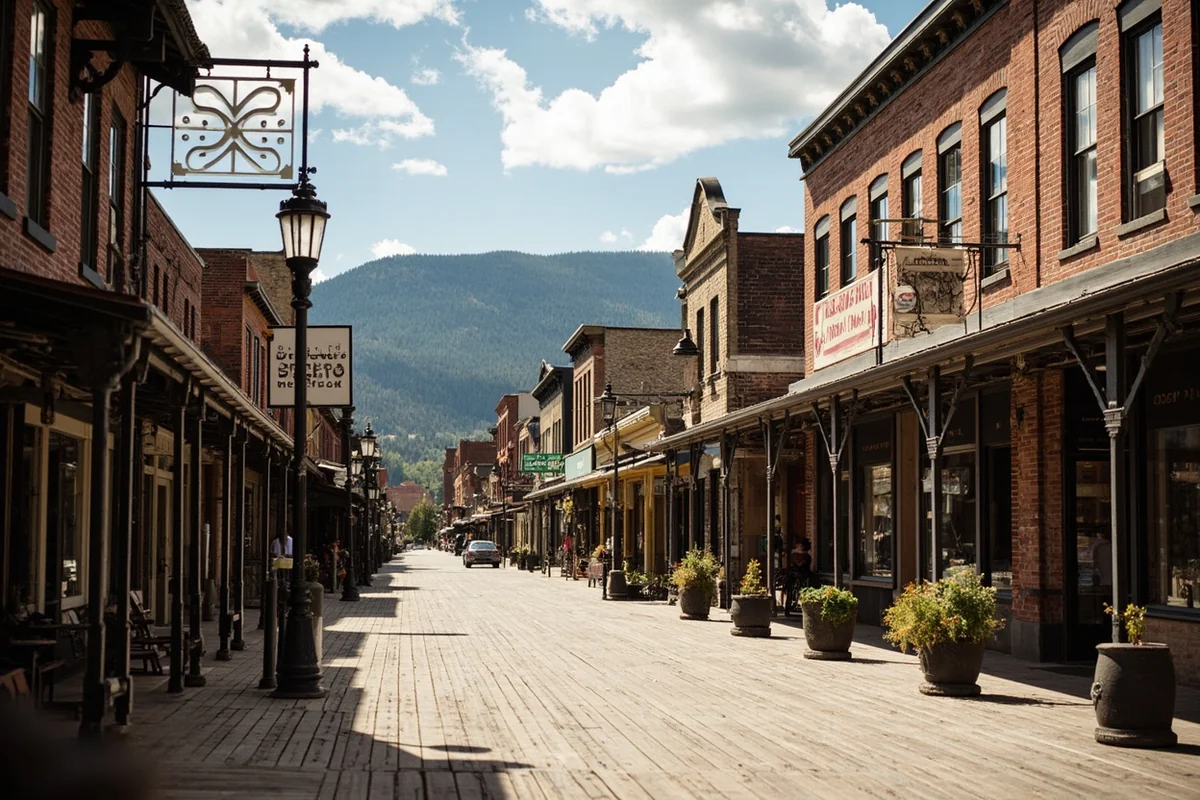
Walking down Helena’s Last Chance Gulch, I noticed the old hitching posts that have been preserved as historical artifacts. They’re reminders that these horse-related laws were once the equivalent of today’s parking regulations.
The Speed Limit for Horses
Some Montana towns technically still have speed limits for horses on certain roads. While you’re unlikely to see mounted traffic citations, these laws represent an interesting snapshot of frontier life.
During a trail ride near Glacier National Park last August, my guide mentioned that horses in some areas technically have right-of-way over cars. “Most drivers are pretty respectful,” she noted, “but it helps to know the law is on your side.”
Marriage and Property Laws With Strange Origins
Montana’s history includes some unusual provisions about marriage and property that differ from many other states.
The Separate Property State Status
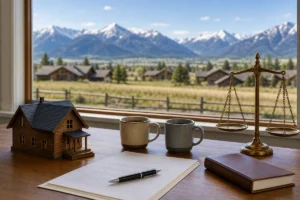
Unlike community property states, Montana treats marital assets differently. Understanding Montana’s marital property laws might seem irrelevant for travelers, but if you’re considering relocating or purchasing property here, these distinctions matter.
I met a couple at a real estate open house in Whitefish who were surprised to learn about Montana’s approach to marital property. “We assumed every state worked the same way,” the wife admitted.
Wedding Ceremony Quirks
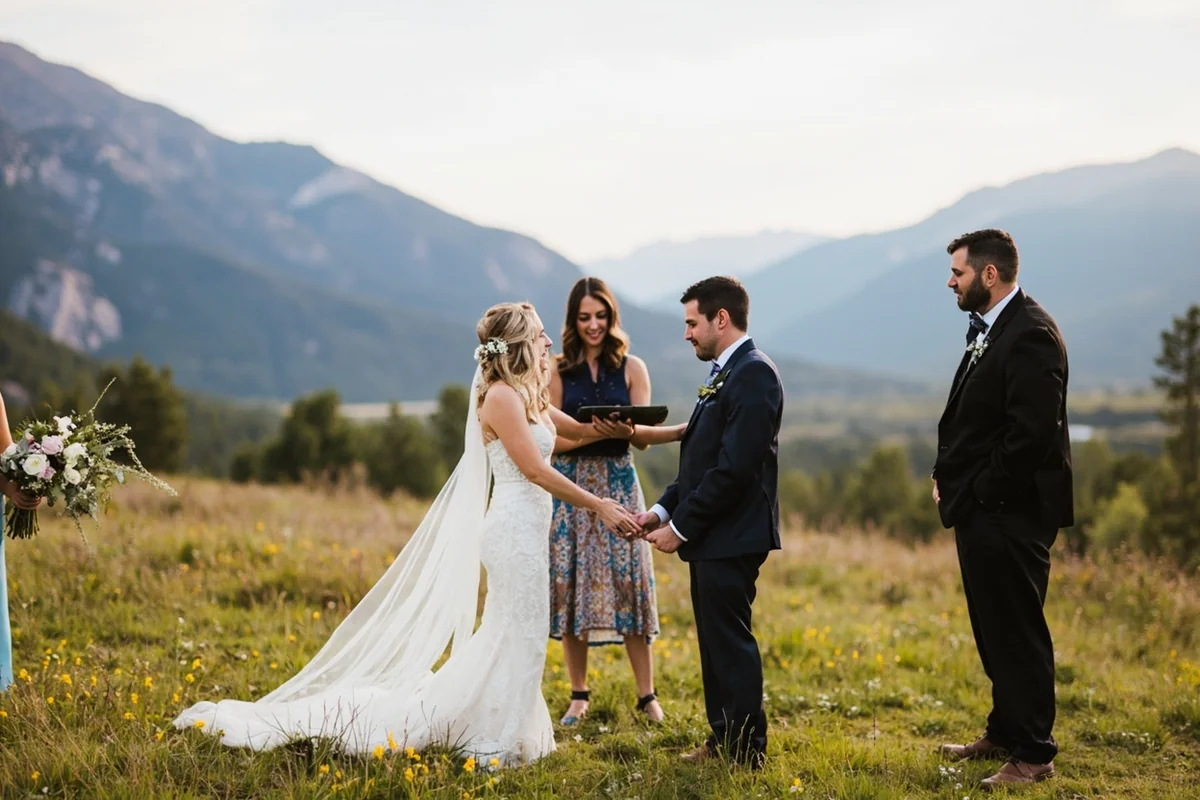
Montana has relatively permissive rules about who can officiate weddings and where ceremonies can take place. During my coverage of a destination wedding near Big Sky last summer, I learned that Montana is actually a popular elopement destination because of these flexible regulations.
Alcohol-Related Laws: Historic and Modern
Montana’s relationship with alcohol has produced some interesting legislation over the years.
Open Container Nuances
Montana’s open container laws have some quirks that visitors should understand. While drinking and driving is absolutely prohibited and strictly enforced, the rules about passengers and certain vehicles differ from what you might expect coming from other states.
During a brewery tour in Missoula, the guide explained that Montana’s craft beer scene has actually pushed for more nuanced alcohol legislation in recent years.
Sunday Sales History
Many of Montana’s weird alcohol laws trace back to Prohibition and its aftermath. Some counties maintained restrictions on Sunday sales well into the 2000s.
I remember trying to buy a bottle of wine in a small town on a Sunday afternoon about five years ago and being told the store couldn’t sell alcohol until after noon due to a local ordinance.
Modern Laws With Weird Implications
Not all of Montana’s strange laws are relics of the past. Some modern legislation has unexpected quirks.
Cell Phone Tower Regulations
Montana has specific laws about cell phone tower placement that have created dead zones in certain scenic areas. While this might frustrate travelers expecting connectivity, locals generally support these restrictions.
During my camping trips in remote areas, I’ve learned to embrace the disconnection. As one Glacier National Park ranger told me, “The lack of cell service is a feature, not a bug.”
Drone Restrictions in State Parks
Montana has enacted fairly strict regulations about drone use in state parks and certain wilderness areas. I learned this the hard way when I packed my drone for a trip to Flathead Lake, only to discover I couldn’t legally fly it where I’d planned.
Always check current Montana State Parks regulations before bringing aerial photography equipment.
What These Laws Tell Us About Montana
After spending years collecting these legal oddities, I’ve come to appreciate what they reveal about Montana’s character.
A Fiercely Independent Spirit
Many of these laws reflect Montana’s libertarian streak. The state has historically resisted federal oversight and valued local control, which leads to some unconventional approaches to governance.
A Practical People
Even the weirdest laws usually have practical origins. Someone, somewhere, did something that necessitated a new rule. The specificity of many Montana laws speaks to a community that dealt with problems as they arose.
A Sense of Humor
Montanans generally don’t take themselves too seriously. The locals I’ve spoken with about these laws almost always laugh and shrug. “That’s just Montana,” is a phrase I’ve heard dozens of times.
Practical Tips for Visitors
After all this research, here’s what actually matters for your Montana trip:
| Law Category | Likelihood of Enforcement | Visitor Impact |
|---|---|---|
| Fishing method restrictions | High | Check FWP regulations before fishing |
| Hunting from vehicles | High | Never shoot from moving vehicles |
| Drone regulations | Moderate | Check park rules before flying |
| Open container laws | High | Driver cannot have open containers |
| Historic/bizarre laws | None | Great conversation starters |
| Invasive species regulations | High | Clean boats and gear thoroughly |
Resources I Recommend
If you’re curious to learn more about Montana’s legal landscape, here are resources I’ve found valuable:
- Montana Code Annotated (available free online) for actual statute language
- Montana Historical Society for context on law origins
- Montana Fish, Wildlife & Parks for hunting and fishing regulations
- Local historical societies for town-specific ordinances
- Montana State Parks for recreation regulations
Don’t Let Weird Laws Worry You
The bottom line is this: the vast majority of Montana’s weird laws are historical curiosities that will never affect your visit. They’re fun to know about, great for bar trivia, and offer insight into the state’s colorful past.
Focus on the practical stuff—fishing licenses, camping permits, and respecting private property—and you’ll have a fantastic Montana experience.
Final Thoughts From the Road
After three years of exploring Montana and researching its quirky legal landscape, I’ve developed a deep appreciation for this state’s unique character. The weird laws are just one facet of what makes Montana so fascinating.
Every time I visit a new town, I ask locals about their strangest ordinances. It’s become my ice-breaker in bars, my conversation starter with rangers, and my go-to question for tour guides.
The stories behind these laws often reveal more about Montana’s history than any museum exhibit. They speak to the challenges of governing a frontier territory, the creativity of early lawmakers, and the enduring humor of Montanans who’ve let these outdated statutes remain on the books.
So the next time you’re driving through Montana and see a rancher with a sheep in his truck cab, give him a wink. There might be an unseen chaperone in there somewhere—or maybe, just maybe, he’s living dangerously in Big Sky Country.
That’s the Montana way.
Frequently Asked Questions
What are the weirdest laws still on the books in Montana that tourists should know about?
Montana has some bizarre laws that technically remain enforceable, including one in Billings that prohibits raising pet rats and another making it illegal to have a sheep in your truck cab without a chaperone. While these unusual Montana laws are rarely enforced, they make for great conversation starters during your trip. I always recommend researching quirky local ordinances before visiting any Montana town for some entertaining discoveries.
Can you actually get in trouble for breaking Montana’s strange outdated laws?
In practice, Montana law enforcement doesn’t actively enforce most of these weird historical laws, and you’re extremely unlikely to face penalties for accidentally violating them. However, these unusual statutes technically remain on the books since repealing them isn’t a legislative priority. As a traveler, you’re safe to laugh about them without worrying about actual legal consequences during your Montana vacation.
Is it really illegal to have a pet rat in Billings, Montana?
Yes, Billings Municipal Code does prohibit keeping rats as pets within city limits, making it one of Montana’s most unusual local ordinances. If you’re traveling through Billings with a pet rat, you’d technically be breaking this strange Montana law. I’d suggest leaving your rodent companions at home when planning a trip to this particular Montana city.
What’s the best time to visit Montana and explore towns with weird local laws?
The best time to visit Montana for comfortable sightseeing is between June and September when temperatures range from 70-85°F and most attractions are fully accessible. Summer months are ideal for road-tripping between quirky Montana towns like Billings, Helena, and Whitehall while learning about their unusual local ordinances. I find that fall (September-October) offers fewer crowds and beautiful foliage for a more relaxed weird-laws-themed Montana adventure.
How much does a Montana road trip cost to visit towns with unusual laws?
A week-long Montana road trip exploring quirky law destinations typically costs $1,200-$2,000 per person including gas, lodging, and meals. Budget travelers can reduce costs to around $800 by camping ($20-40/night) and cooking meals, while mid-range hotels average $100-150/night throughout the state. Gas prices in Montana hover around $3.20-$3.80 per gallon, and you’ll cover significant distances since towns are often 50-200 miles apart.
What should I bring on a weird laws road trip through Montana?
Pack layers regardless of season since Montana weather changes quickly, plus a physical map as cell service is spotty in rural areas where many quirky law towns are located. I always bring a notebook to document the strange ordinances I discover, a good camera for roadside signs, and a full tank of gas since stations can be 80+ miles apart. Don’t forget snacks and water, as small Montana towns may have limited dining options.
Are there guided tours that cover Montana’s weird and unusual laws?
While there aren’t dedicated weird-laws tours, several Montana historical walking tours in cities like Helena and Butte include stories about unusual local ordinances as part of their entertainment. Self-guided road trips remain the most popular way to explore Montana’s strangest statutes at your own pace. I recommend downloading the Montana Historical Society app and checking local visitor centers for pamphlets that often highlight quirky local history and laws.
Sources:
- https://www.billingsmt.gov/ArchiveCenter/ViewFile/Item/3897
- https://leg.mt.gov/bills/mca/title_0500/chapter_0230/part_0010/section_0010/0500-0230-0010-0010.html
- https://courts.mt.gov/External/leg/1989/senate/03-02-sfwp.pdf
- https://www.billingsmt.gov/DocumentCenter/View/37653/98-5068
- https://fwp.mt.gov/fish/regulations
- https://www.law.cornell.edu/uscode/text/18/1703